

A cool house design is one that stands out because of an unusual idea: a house anchored into a cliff, buried in a hillside, wrapped around a tree, raised on stilts among trees, or with rooms that move. This guide is for homeowners, students and enthusiasts who want to recognise these types and judge what they mean in practice. It groups six memorable houses and concepts into clear types, explains each type’s defining features with a comparison table, notes which projects were built and which remain concepts, and summarises what each approach costs in terms of site, structure and comfort.
Not every cool house design is expensive: even social housing can be extraordinary. What most of the examples below share is a close relationship with their landscape.
Types of cool house design compared
Most striking houses fall into a few types. Recognising the type helps you understand the trade-offs before you fall in love with a picture.
| Type | Defining features | Main benefit | Main challenge | Example here |
|---|---|---|---|---|
| Cliff / slope house | Built into or onto a steep site | Views; low visual impact | Structure, drainage, access | Casa del Acantilado; Cliff House concept |
| Earth-sheltered house | Partly or fully covered by ground | Thermal stability; invisibility | Daylight, ventilation, waterproofing | Villa Vals |
| Glass house | Mostly glazed walls | Openness to nature | Privacy, overheating, heat loss | Tree in a House concept |
| Kinetic house | Rooms or walls that move | Adapts to seasons | Cost and maintenance of mechanisms | Sharifi-ha House |
| Raised / tree house | Lifted on columns or trees | Protects ground; views | Access and services | Tree Snake Houses |
Source: Arch2O typology based on the six projects (sources in text) (as of 28 October 2026).
Review with us this selection of cool house designs
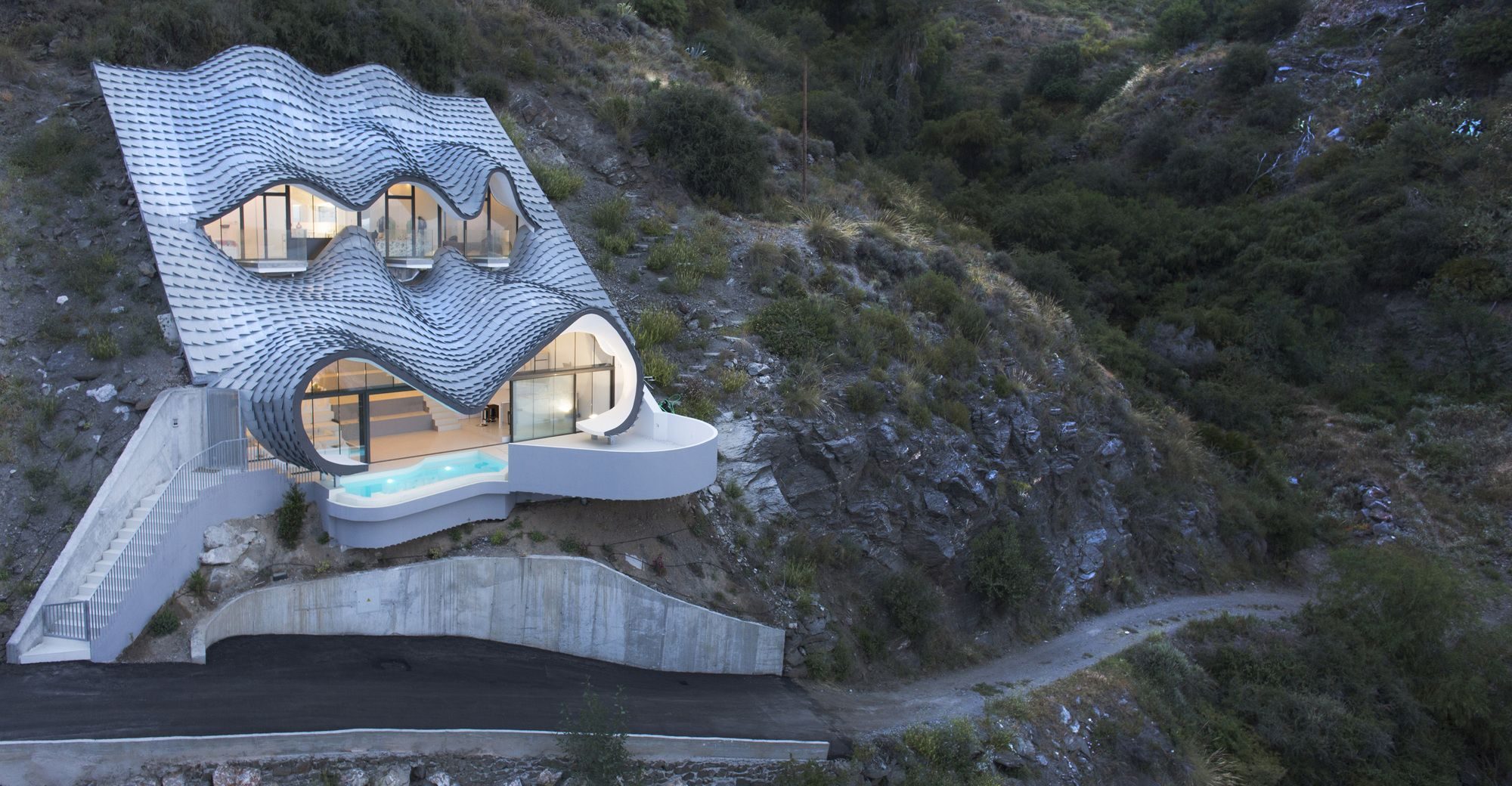
1. Casa del Acantilado, Granada coast, Spain (cliff house)
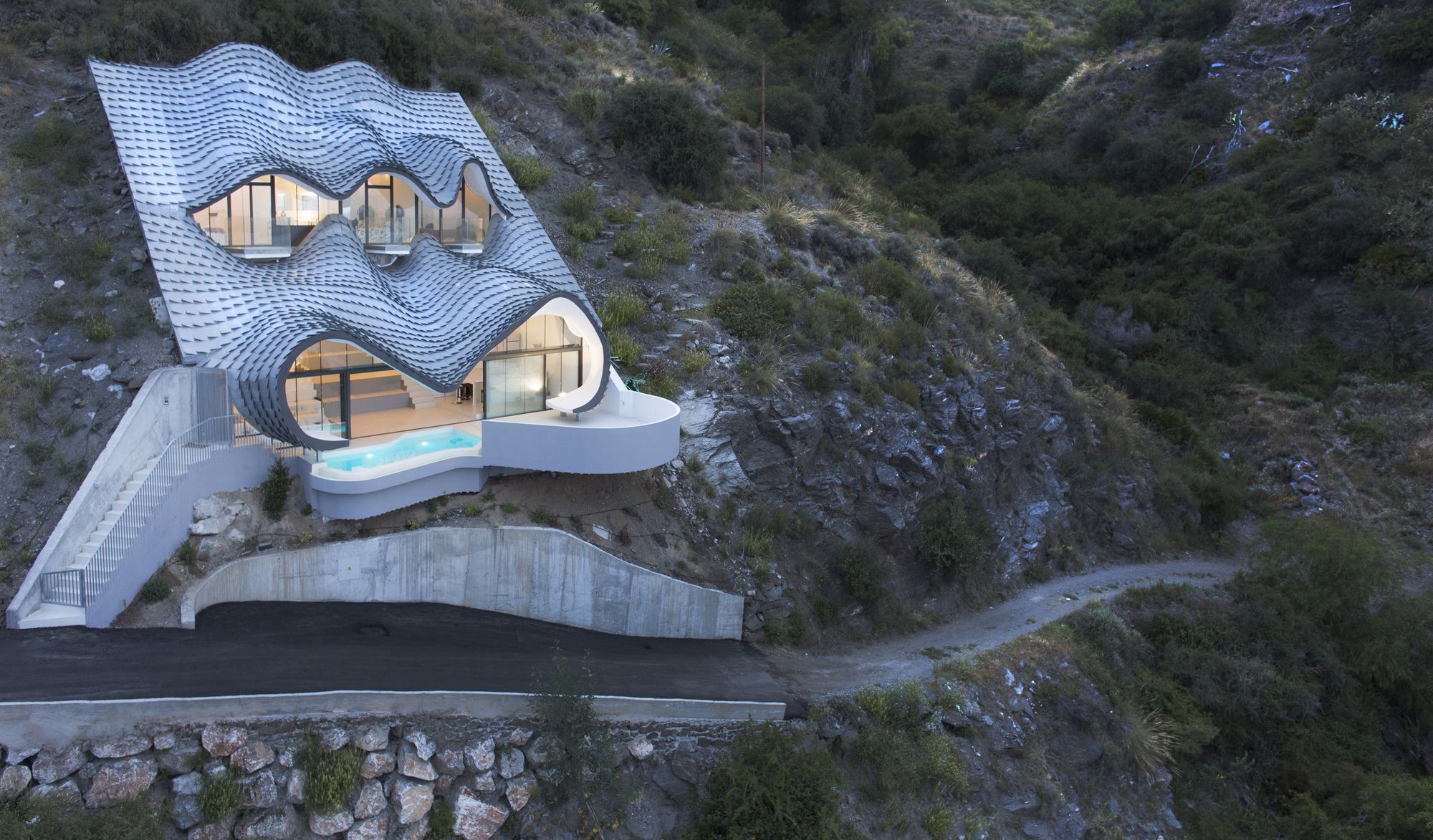
Photography by © Jesús Granada
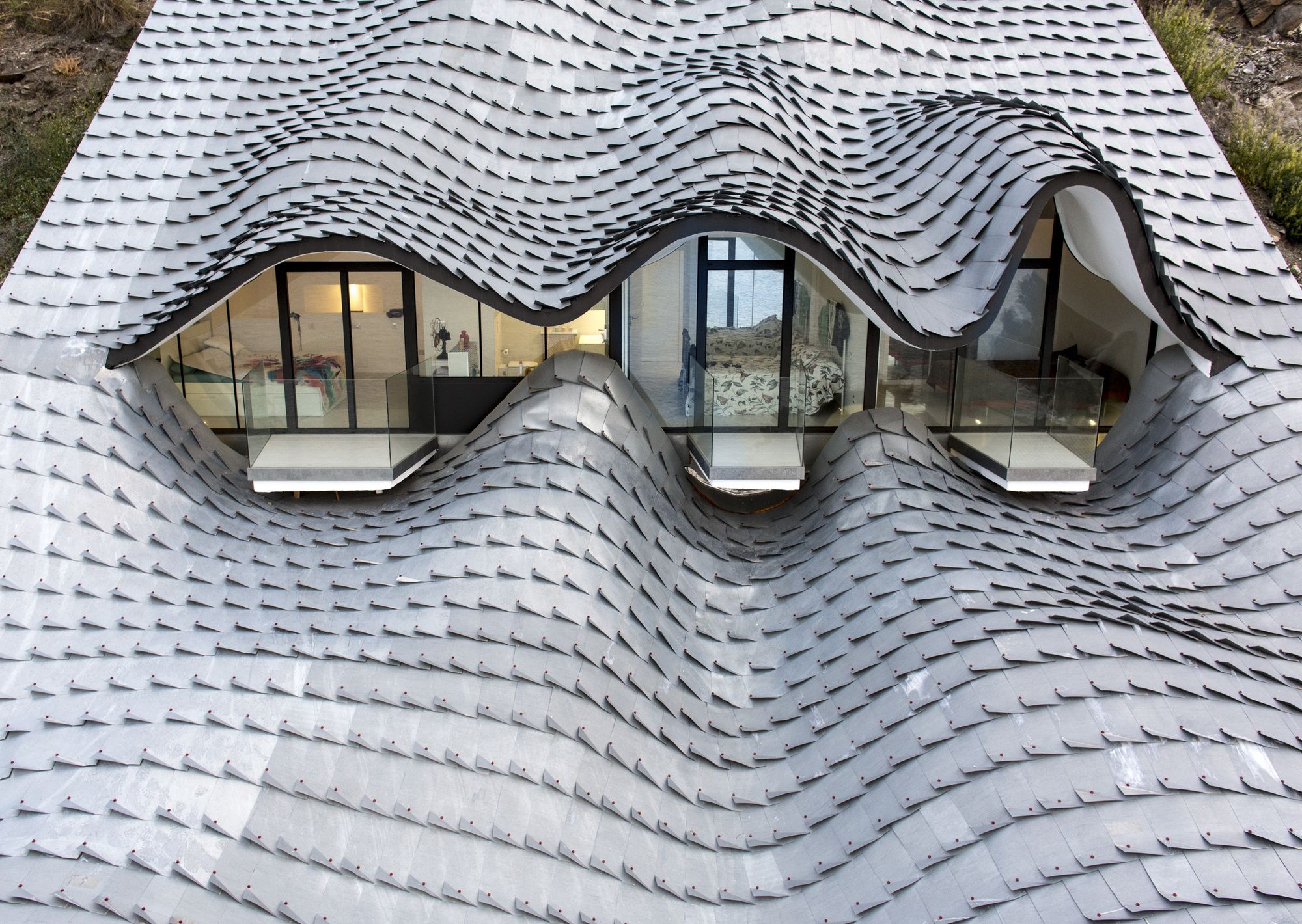
Gilbartolomé Architects set the Casa del Acantilado into a steep cliff above the Mediterranean on the coast of Granada province. Rather than standing on the slope, the house is partly embedded in it, and its undulating roof, covered in handmade zinc scales, follows the movement of the hillside and the sea. The roof is the main façade, seen from above.
What it teaches: on steep sites, building into the slope can reduce visual impact, but it demands careful structure, drainage and waterproofing.
2. Cliff House concept, Victoria, Australia (cliff-hanging prefab)
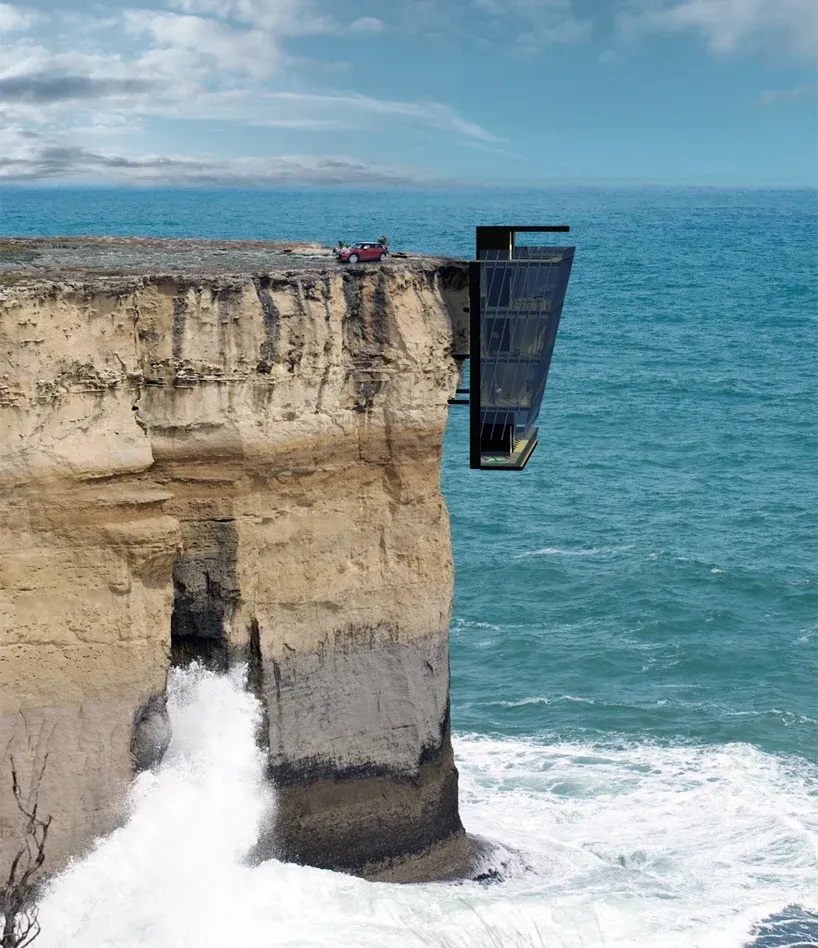
Photography by © modscape
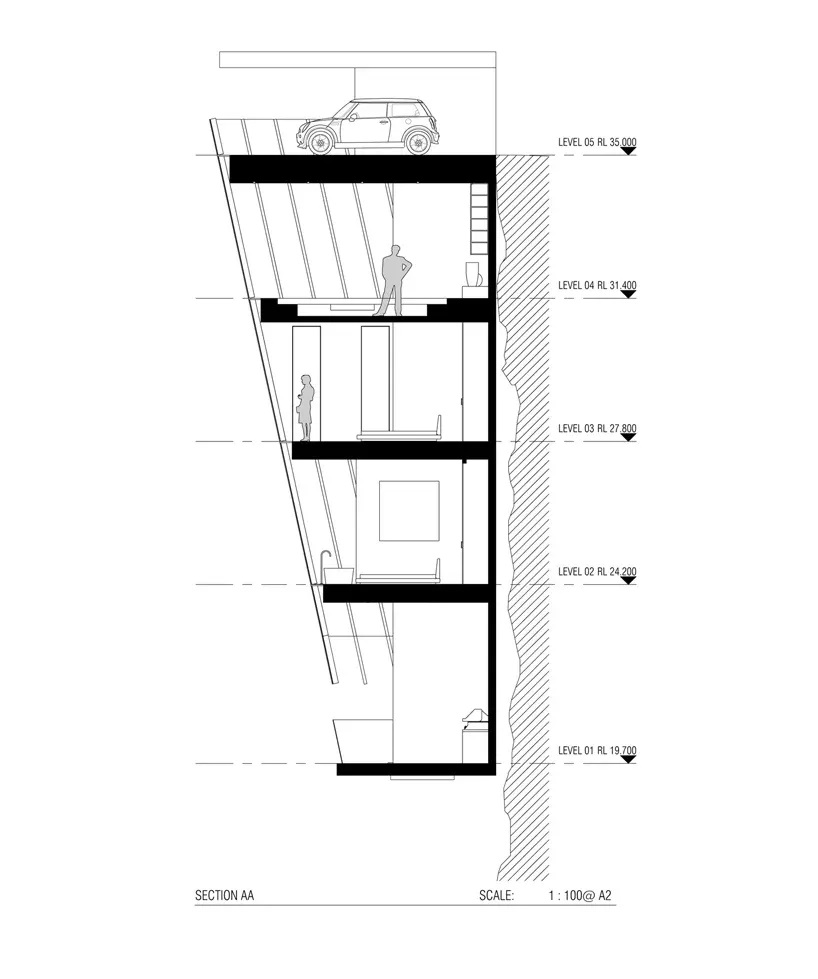
The Cliff House by the Australian prefab builder Modscape is a concept, not a built house. Designed in response to enquiries about extreme coastal sites, it stacks five factory-made modules down a cliff face, fixed to the rock with steel pins, with parking at the top, a lift and stairs down through the levels and a terrace near the sea (New Atlas). No construction has been reported.
What it teaches: prefabrication can reduce work on dangerous sites, but access, engineering and approval are the real hurdles.
3. Villa Vals, Vals, Switzerland (earth-sheltered house)
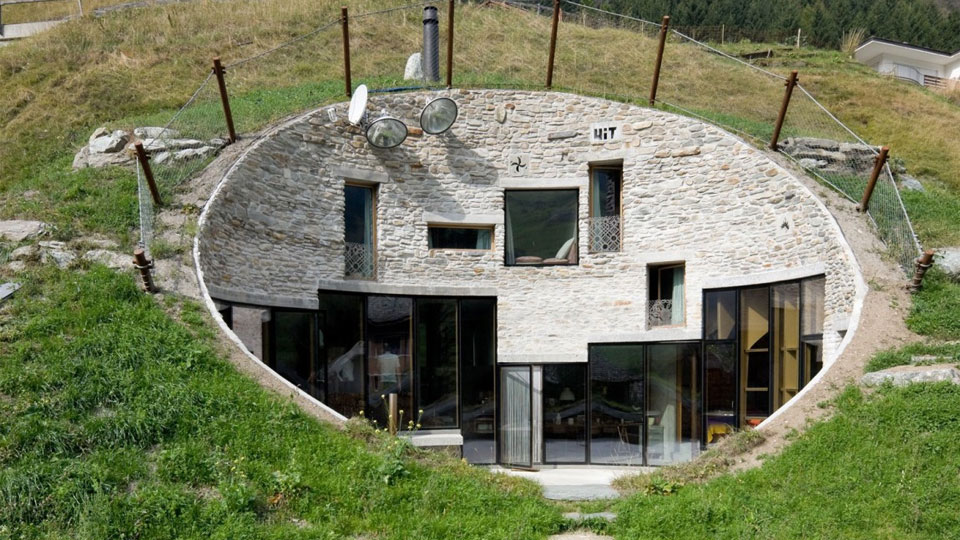
© Iwan Baan
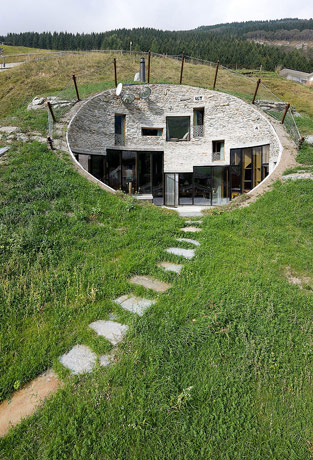
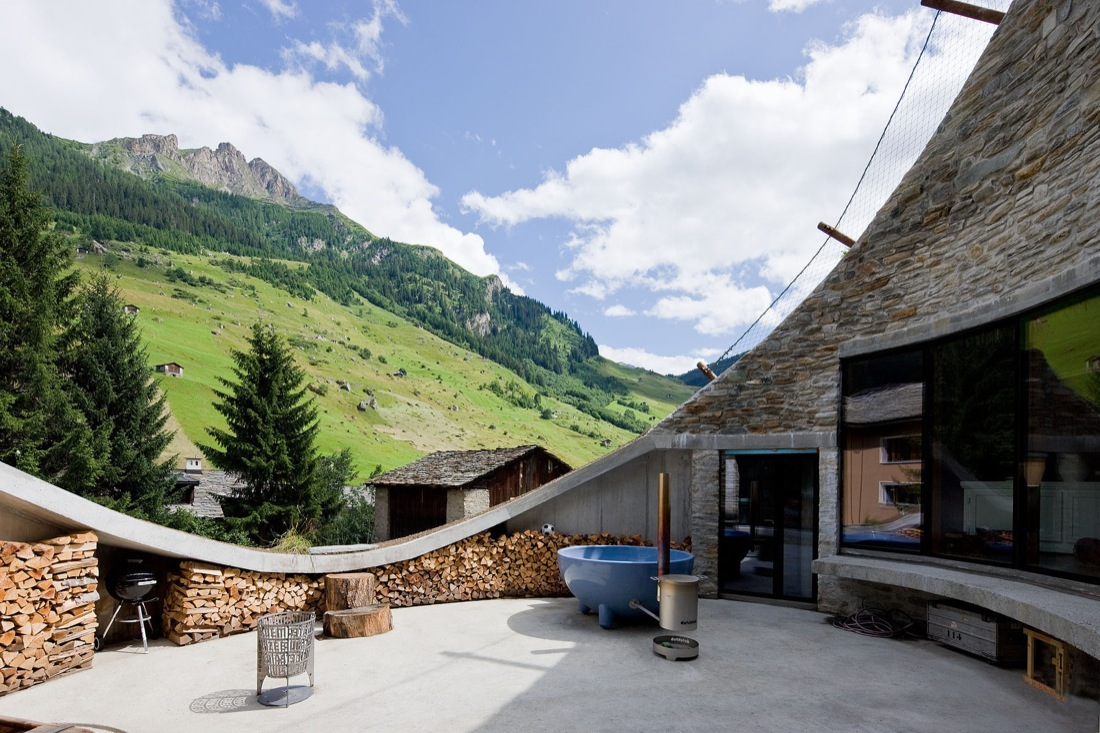
Villa Vals, by the Dutch practice SeARCH with CMA, is set into an Alpine slope near the thermal baths of Vals. From the valley you see only a large oval opening cut into the grassy hillside, framing a terrace; the house is entered through an underground passage from a nearby farm building, so the hillside appears almost untouched.
What it teaches: earth-sheltered houses can almost disappear and benefit from the thermal mass of the ground, but light, ventilation and waterproofing need careful design.
4. Tree in a House concept, A. Masow Architects (glass house)
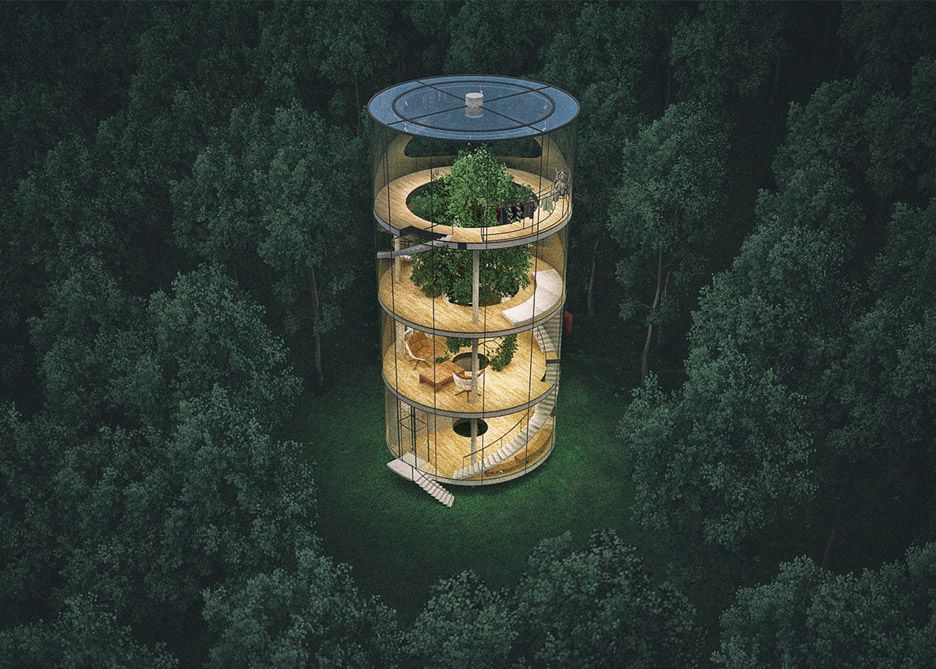
courtesy of A.Masow Architects.
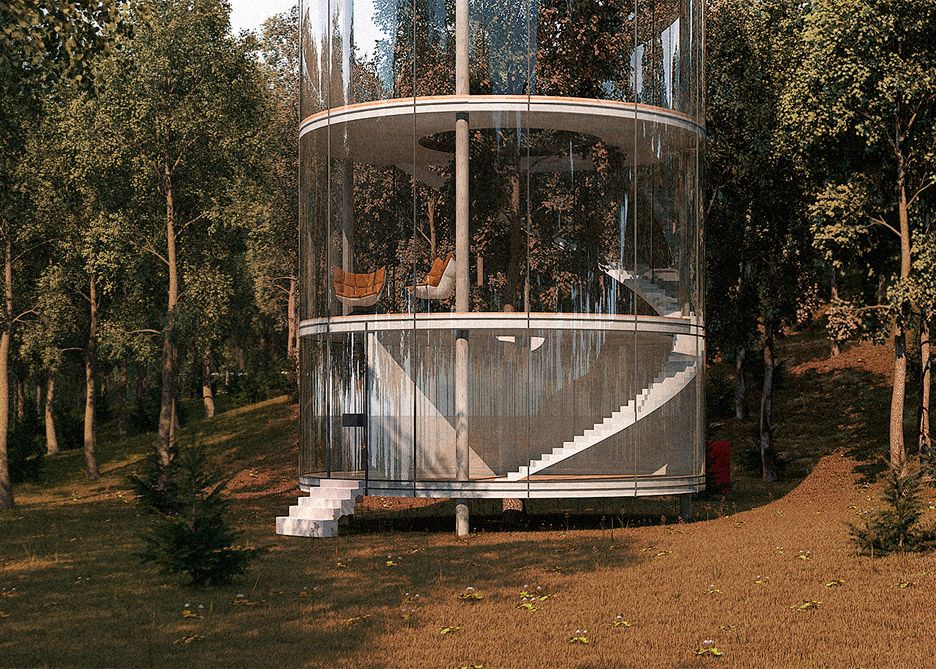
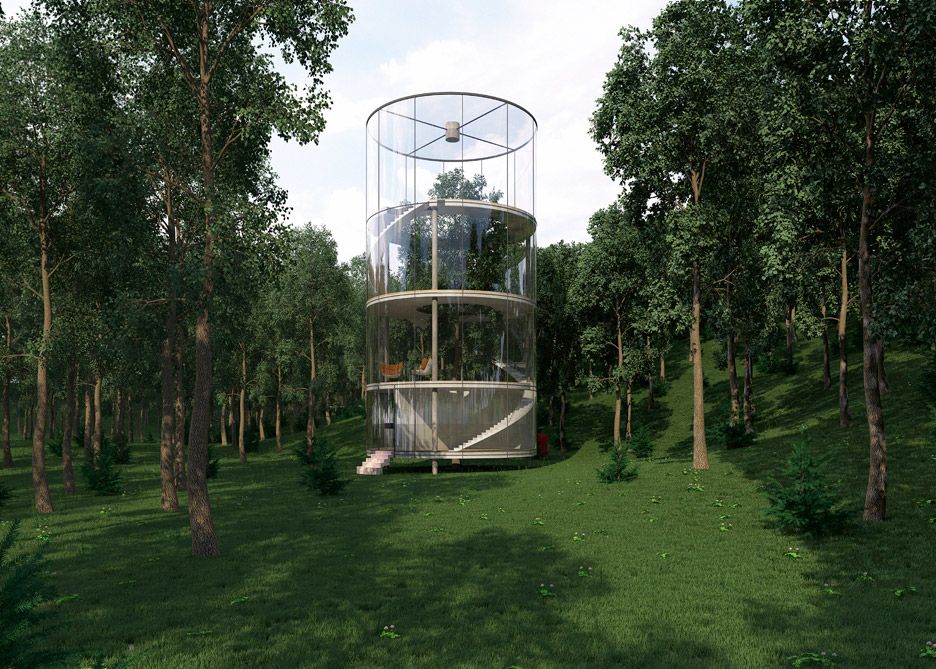
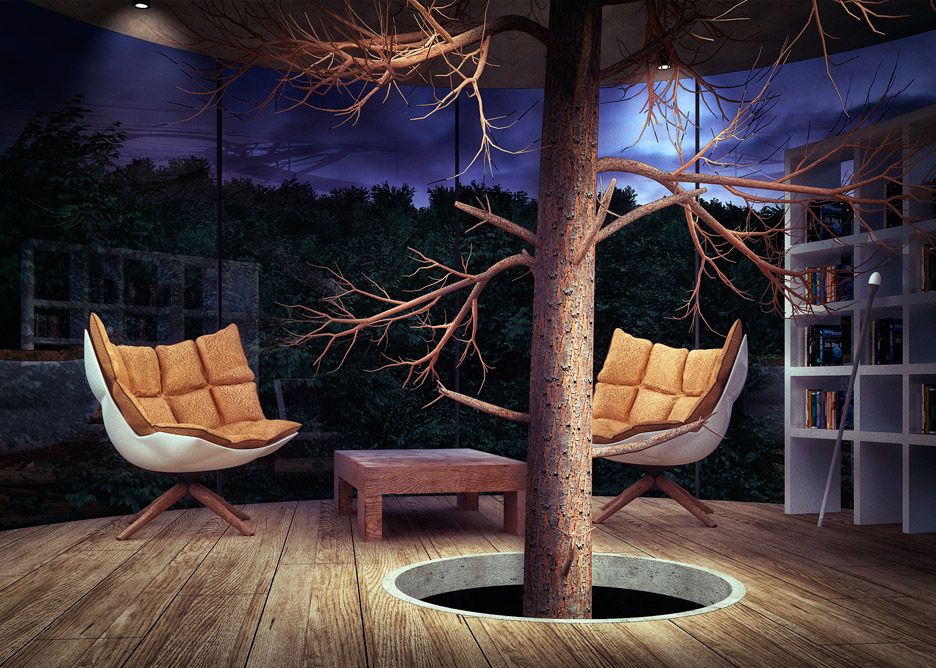
This concept by the Kazakh architect Aibek Almassov of A. Masow Architects wraps a cylindrical glass house around a tall tree, so the tree rises through the middle of the home and views are open in every direction. It remains a design idea.
What it teaches: all-glass houses are spectacular in images, but privacy, overheating and heat loss make them hard to live in without shading and high-performance glazing.
5. Sharifi-ha House, Tehran, Iran (kinetic house)
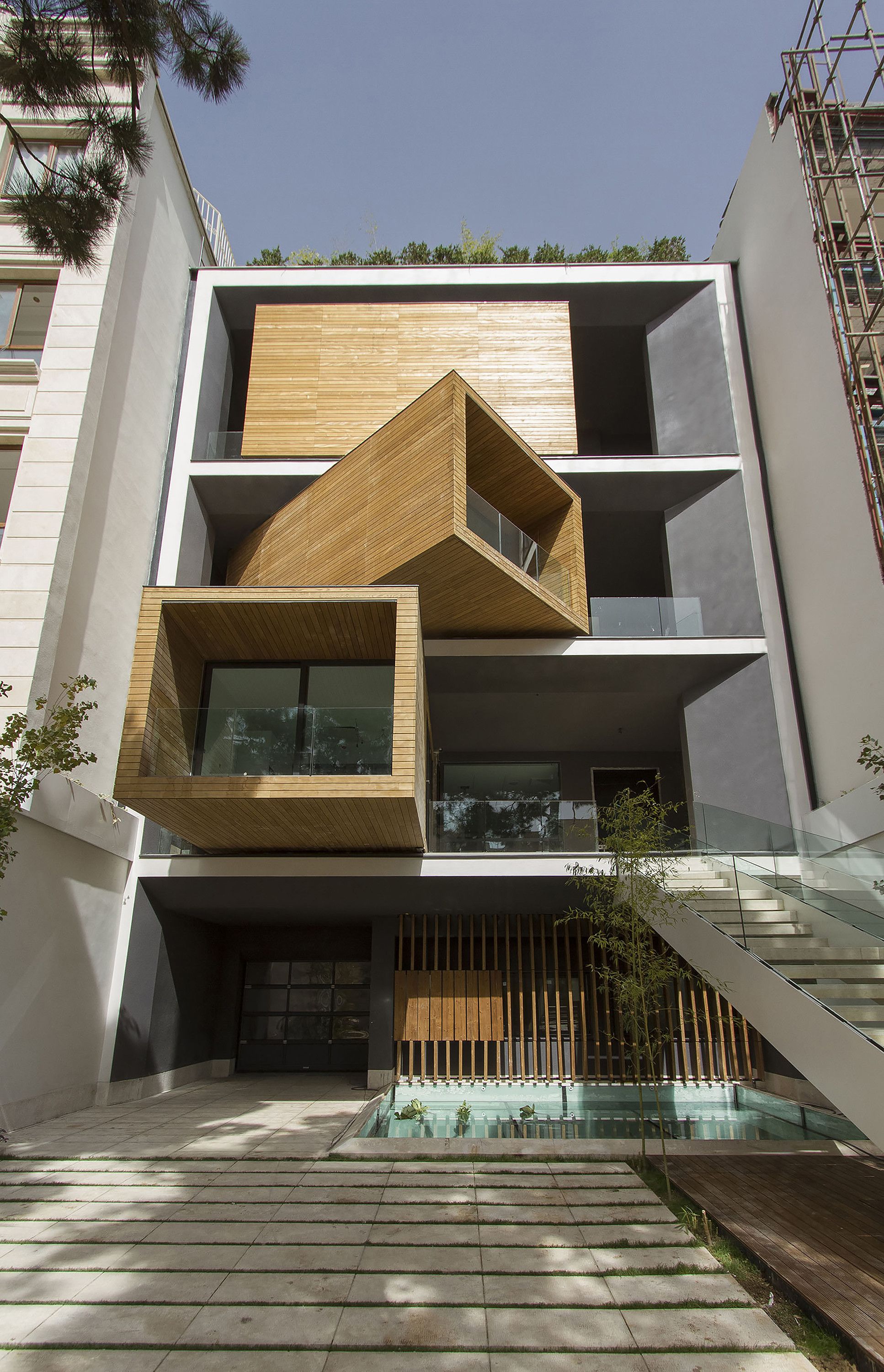
Courtesy of next office
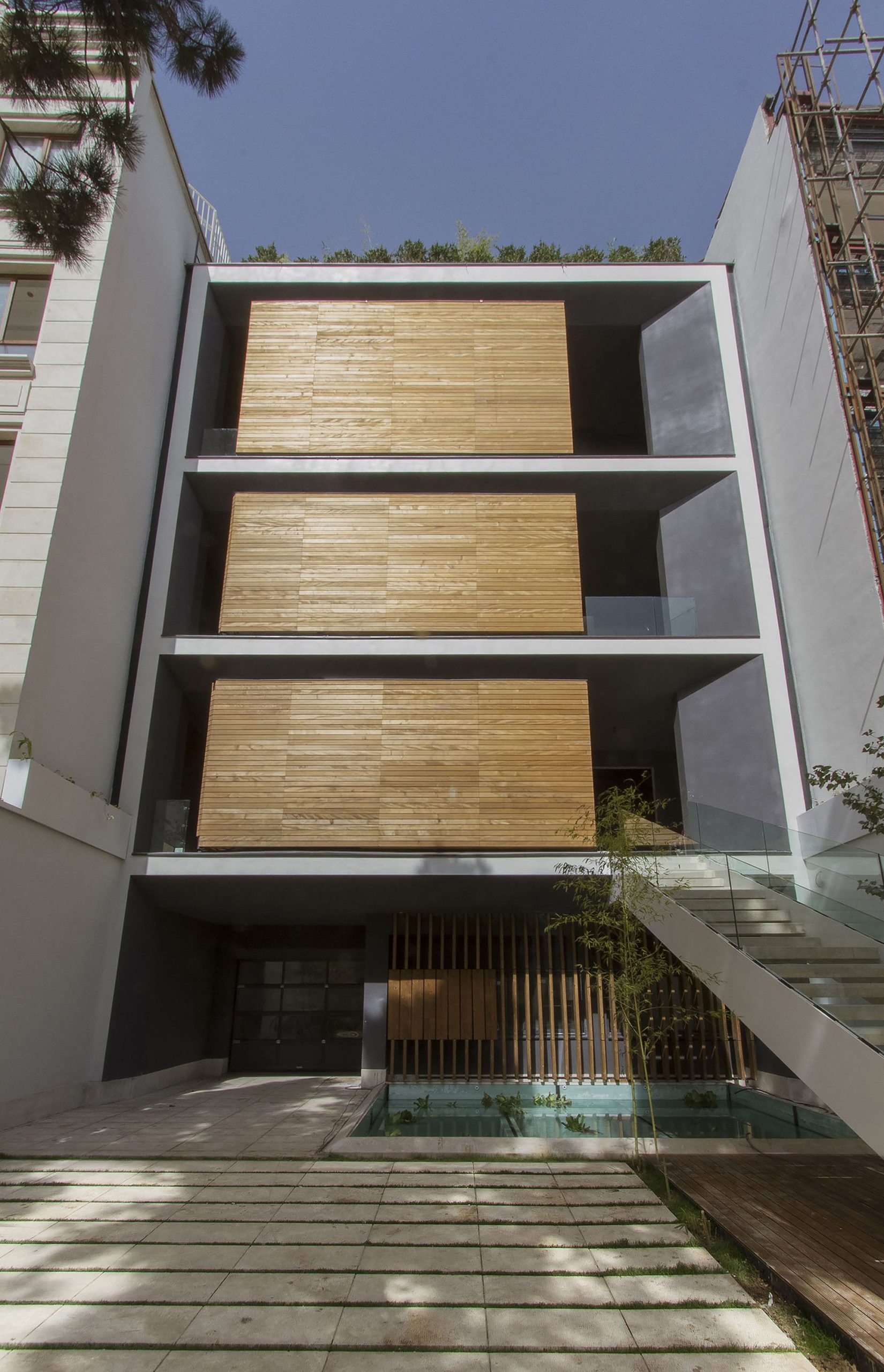
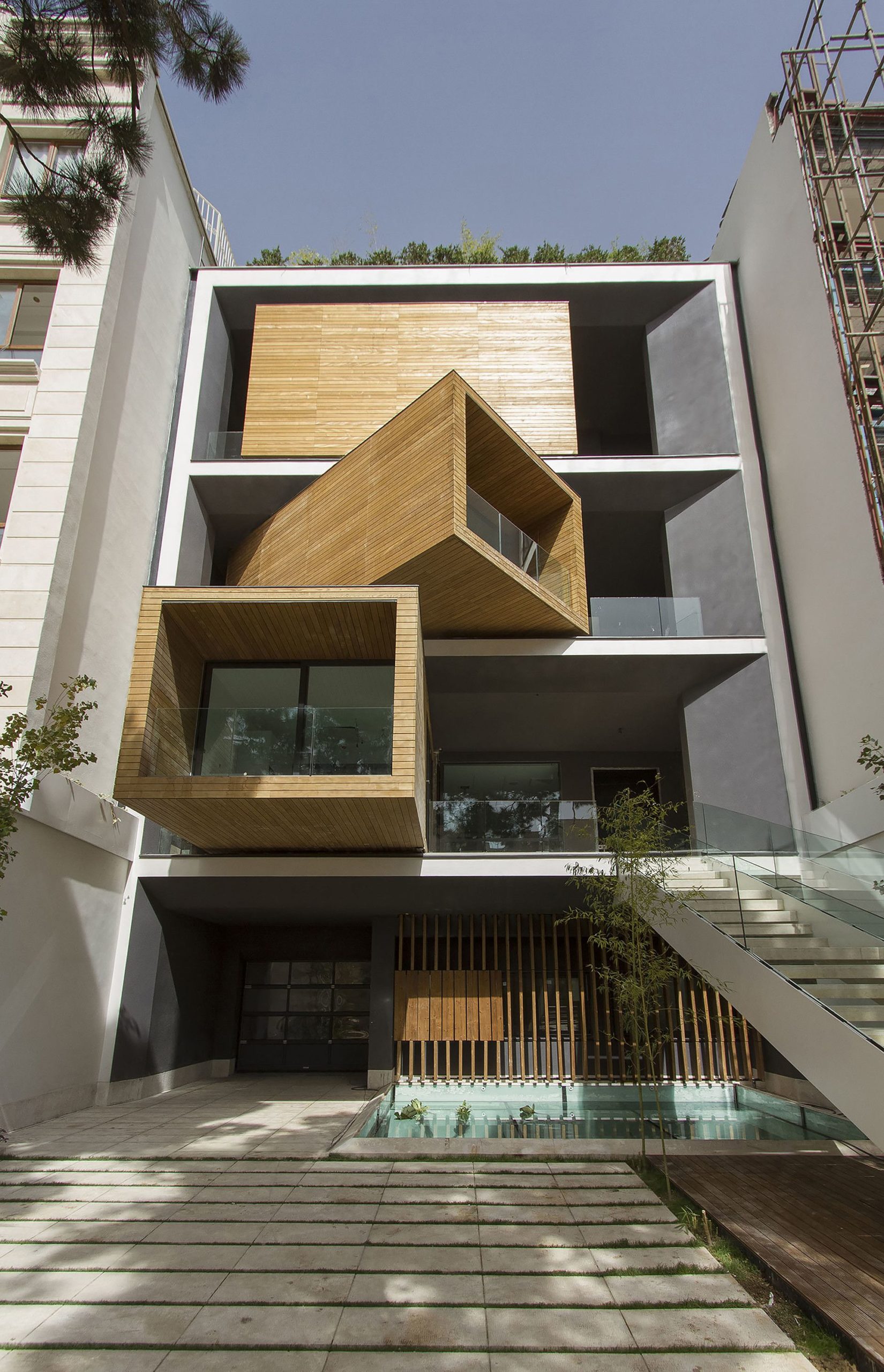
Completed in 2013 by Alireza Taghaboni of Next Office, the Sharifi-ha House stands on a narrow plot in Tehran. It has seven floors, including two basements, and about 1,400 m² of floor area. Three rooms on the upper floors can each be turned by motor through 90 degrees, opening the house outward in summer and closing it inward in winter (Design Milk). The idea reinterprets the traditional Iranian division between winter living spaces (zemestan-neshin) and summer living spaces (tabestan-neshin). The architect’s practice is listed on Arch2O under Nextoffice.
What it teaches: moving parts can adapt a house to seasons, but they add cost and maintenance.
6. Tree Snake Houses, Pedras Salgadas, Portugal (raised tree house)
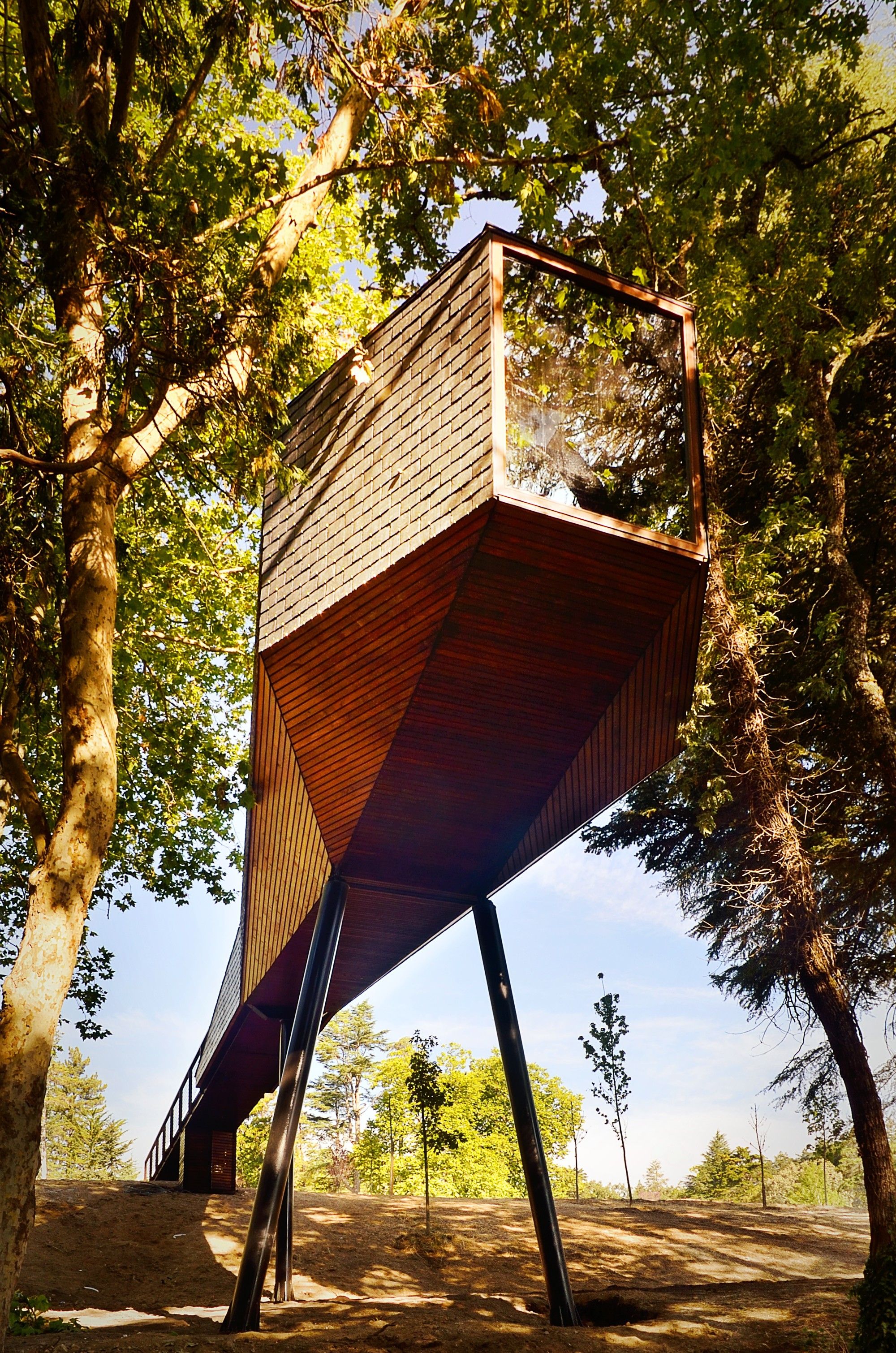
Photography by © Ricardo Oliveira Alves
Luís and Tiago Rebelo de Andrade designed the Tree Snake Houses, completed in 2013, for the Pedras Salgadas Park, a rural resort in northern Portugal. Each is a small prefabricated studio with a bathroom and kitchenette, raised on slender columns and reached by a long ramp, so it seems to wind through the trees like a snake (Dezeen, 2013). Raising the cabins limits disturbance to the ground and gives the feeling of a tree house without relying on a tree for support. Efficient LED lighting and timber construction are part of the resort’s low-impact approach.
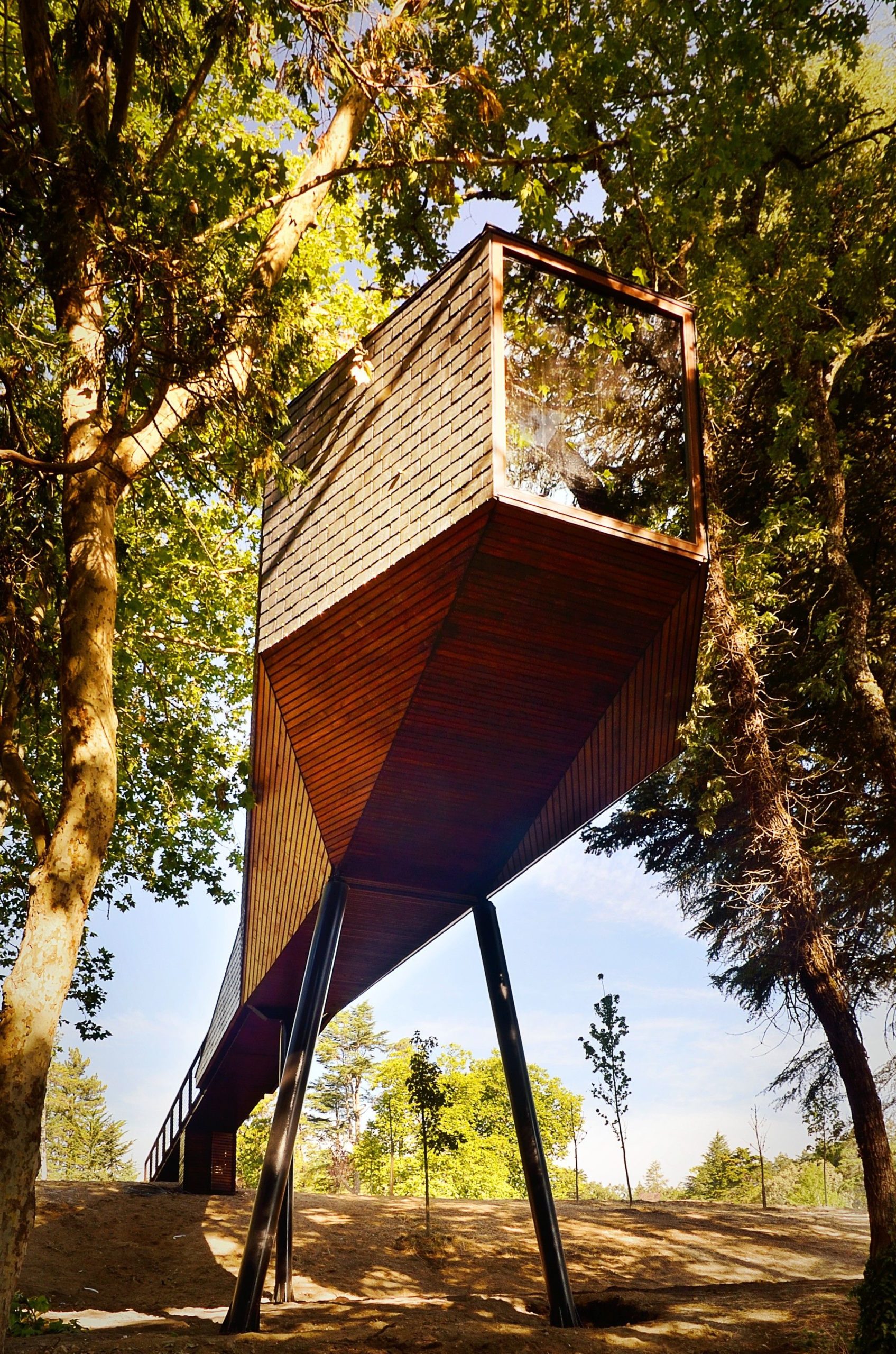
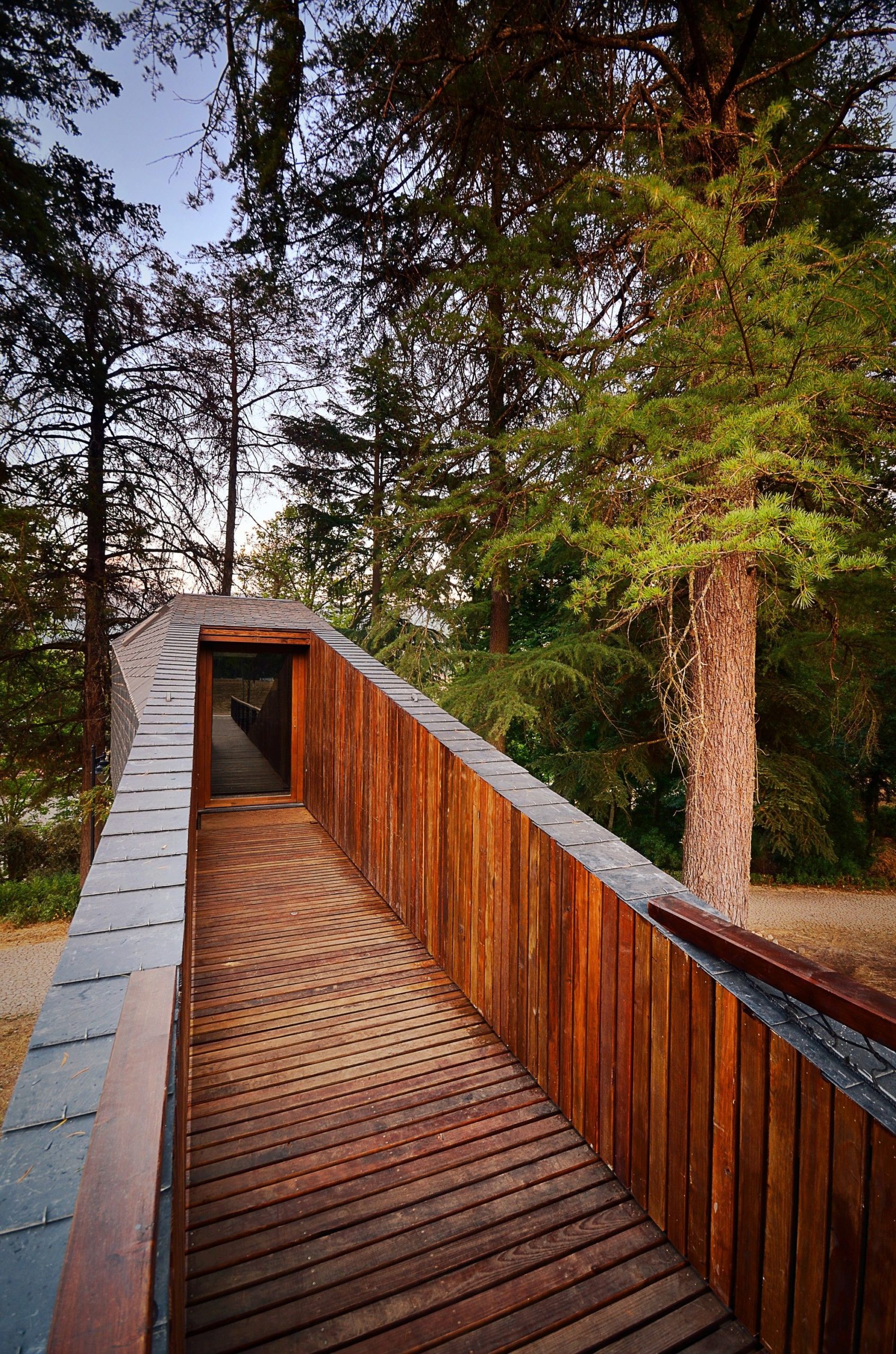
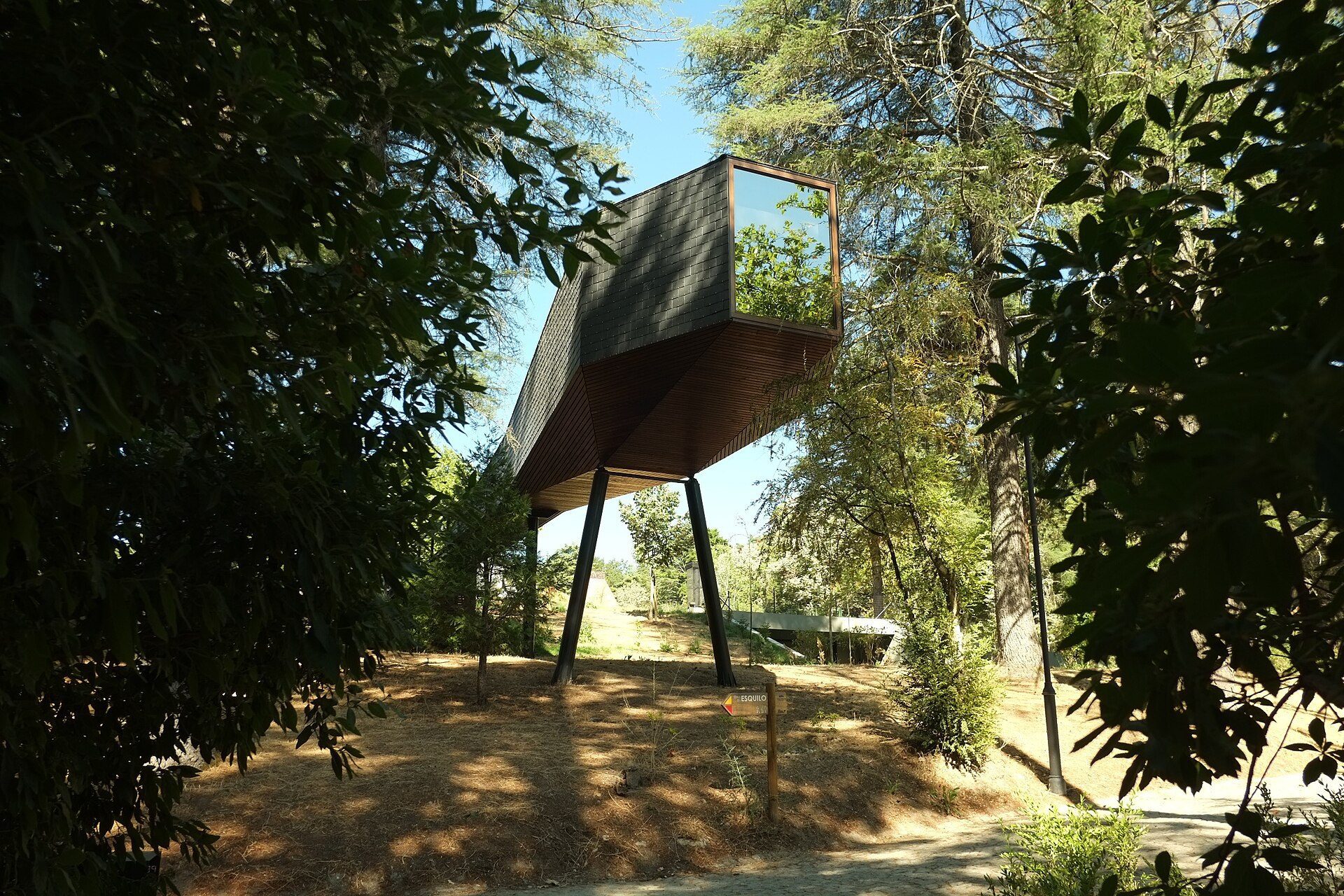
A Tree Snake cabin at Pedras Salgadas Park, raised on stilts among the trees (Luís and Tiago Rebelo de Andrade, 2013). Photo: Nicolás Boullosa, CC BY 2.0, via Wikimedia Commons. Nicolás Boullosa from Fontainebleau, France, source, CC BY 2.0
What it teaches: raising a small house on columns protects the site and creates views, but makes access and services longer.
Variants and regional differences
- Cliff and slope houses are common on Mediterranean and Pacific coasts, where views are valuable and flat land is scarce.
- Earth-sheltered houses suit cold or hot climates, where the ground moderates temperature, and protected landscapes, where visual impact must be low.
- Raised and tree houses suit forests and flood-prone land, often as holiday cabins.
- Kinetic houses respond to strong seasonal climates, as in Tehran, where the same rooms need to open and close through the year.
- Glass houses work best in mild climates or with deep shading and high-performance glazing.
How to judge a cool house design
Before adopting any of these ideas, ask four questions: Is it built or only a concept? How does it deal with heat, cold and moisture? How is it reached and serviced? What will it cost to maintain? A design that answers these well can be both memorable and liveable. If you are planning your own project, finishes matter too; our guide to flooring types that make an interior stand out is a good next step.

Daniel Mercer is a Coffee Break section editor at Arch2O, currently based in Berlin, Germany. With a background in architectural history and design journalism, Daniel holds a Master’s degree from the University of Edinburgh, where he focused on modern architecture and urban theory. His editorial work blends academic depth with a strong grasp of contemporary design culture. Daniel has contributed to several respected architecture publications and is known for his sharp critique and narrative-driven features. At Arch2O, he highlights innovative architectural projects from Europe and around the world, with particular interest in adaptive reuse, public infrastructure, and the evolving role of technology in the built environment.