


Ever wonder how the Tardis manages to be bigger on the inside? Turns out, these small houses pull off the same trick—no magic involved, just brilliant interior design and clever space planning. The following list showcases some incredibly compact homes that somehow fit way more than you’d expect. They might just make you rethink how you’re using space in your own place. Ready to see the real magic at work? (And fair warning: Japan absolutely dominates this game.)
For context on how these small space solutions compare to luxury estates, you might also enjoy exploring the world’s most expensive houses or checking out Bill Gates’ high-tech mansion for a completely different approach to residential design.
What Makes Small Houses Feel Bigger? The Design Secrets Revealed
Before diving into specific examples, let’s unpack the design principles that make these tiny spaces feel surprisingly spacious. It’s not about supernatural tricks—it’s about smart space planning, strategic light management, and multi-functional design.
Key Techniques Include:
-
Vertical circulation – Using height instead of width (spiral staircases, lofts, mezzanines)
-
Natural light optimization – Large windows, skylights, and strategic openings
-
Multi-functional furniture – Pieces that serve multiple purposes
-
Minimal visual clutter – Clean lines, light colors, and thoughtful storage
-
Indoor-outdoor connection – Blurring boundaries to expand perceived space
These small space solutions demonstrate how interior design can transform compact living into comfortable, functional homes.
10 Brilliant Small House Designs That Maximize Every Square Foot
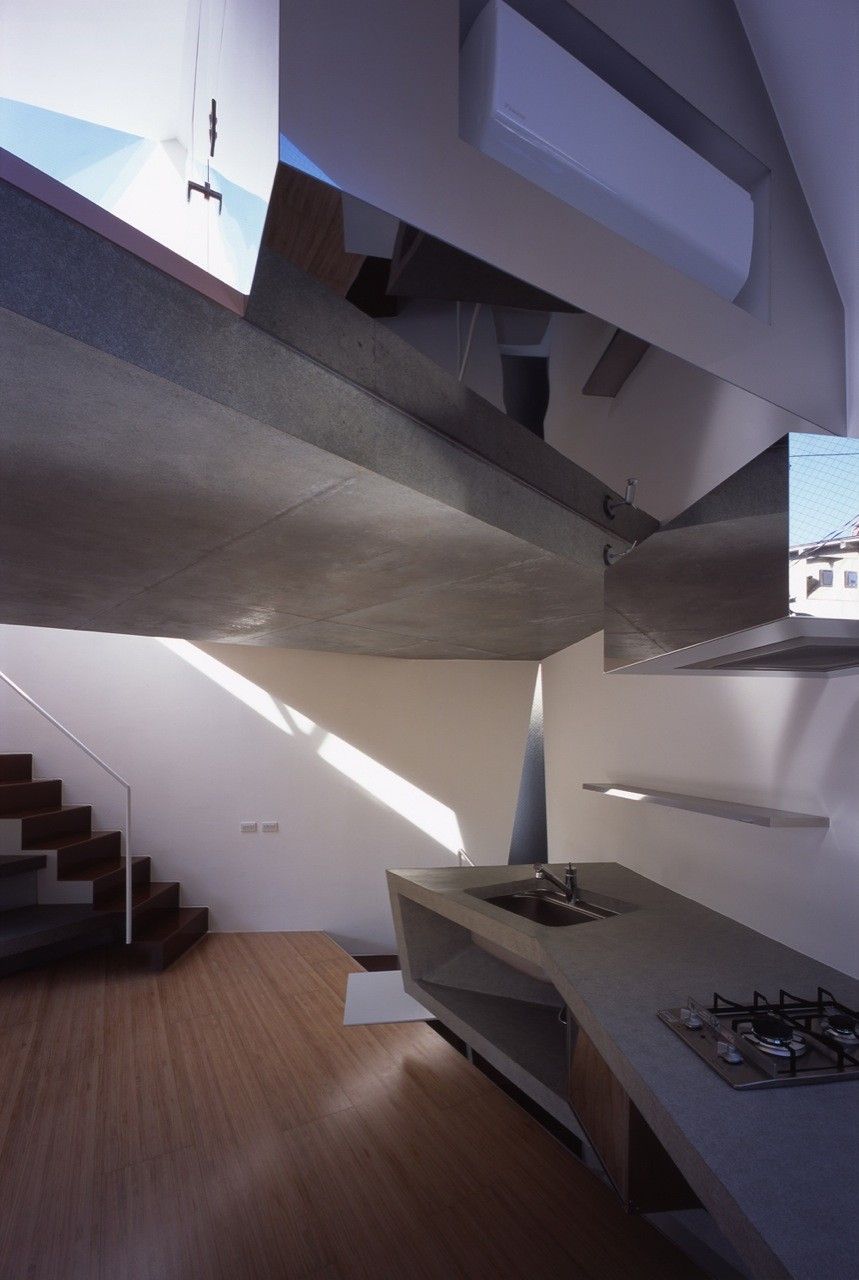
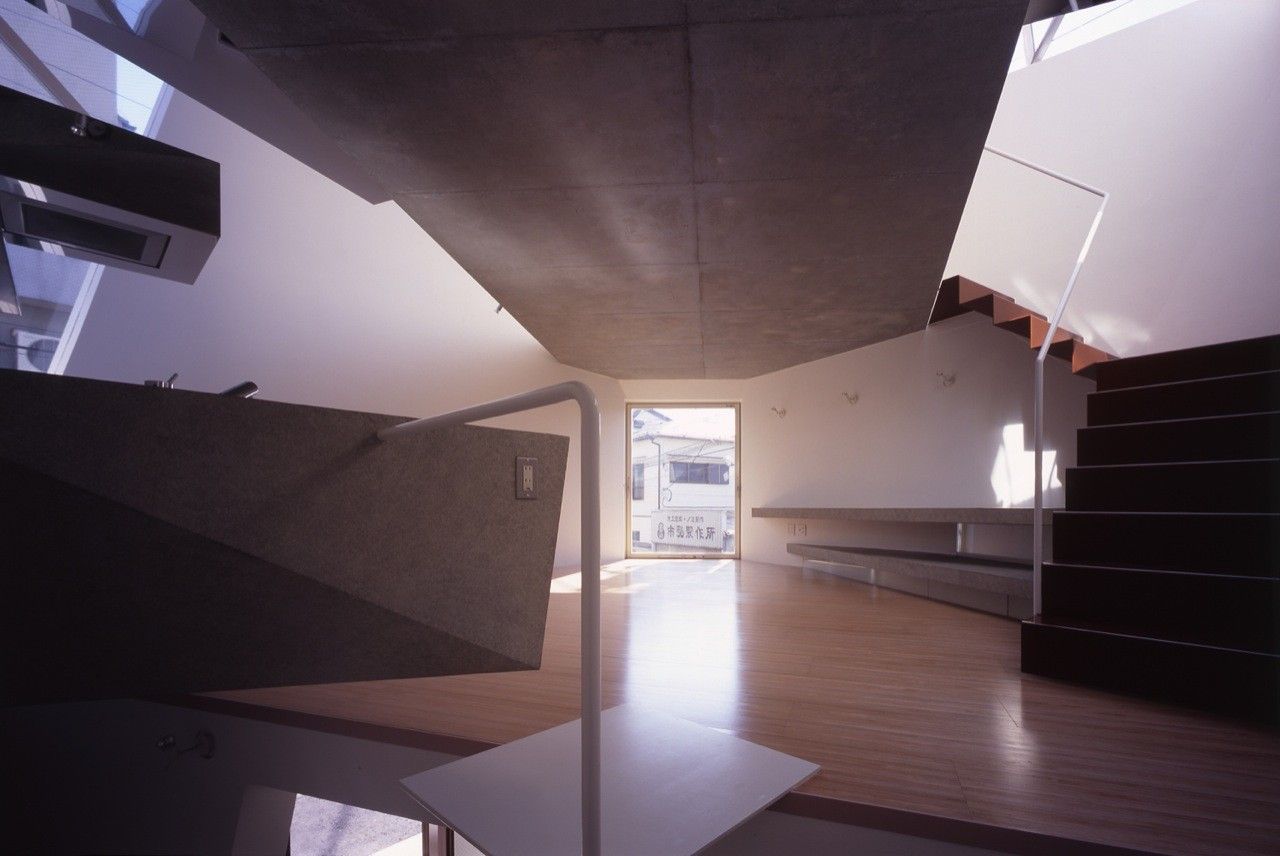
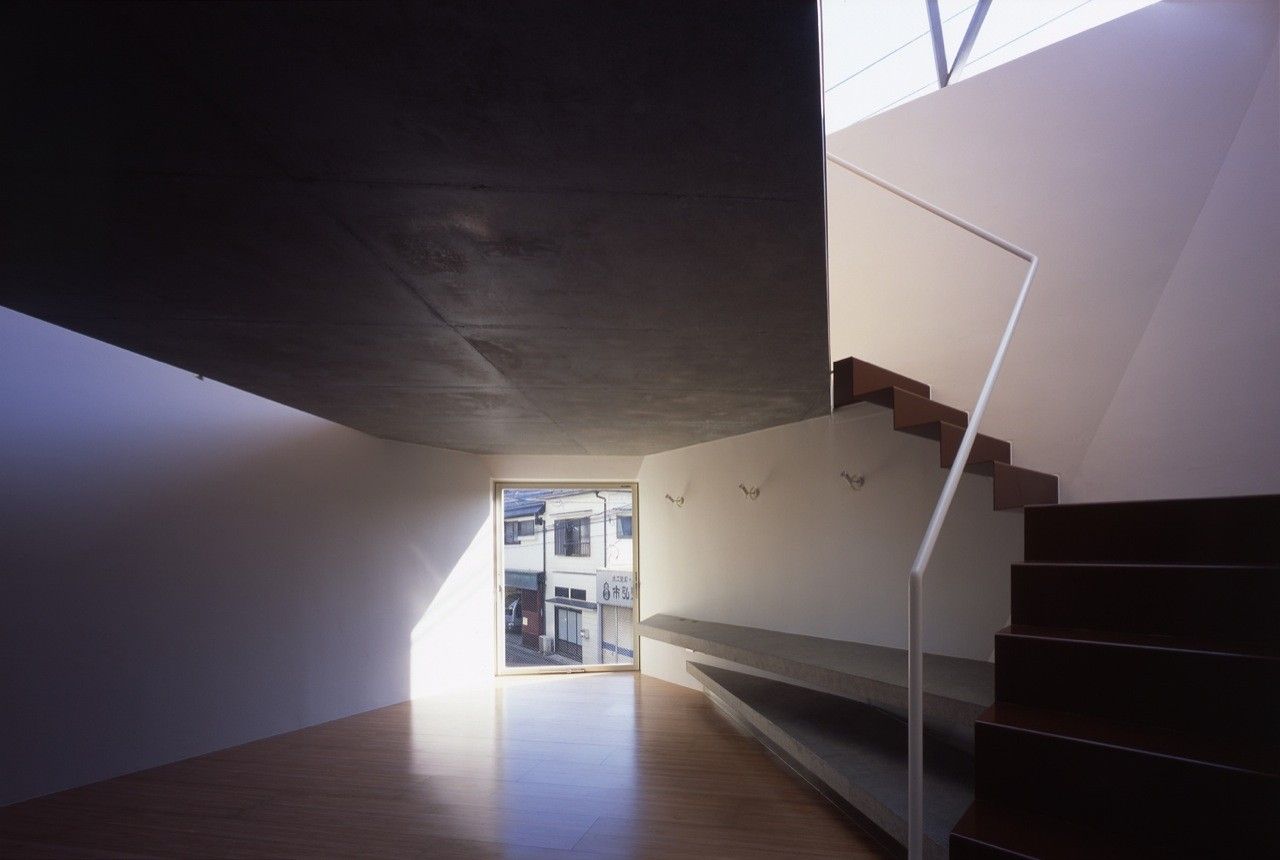
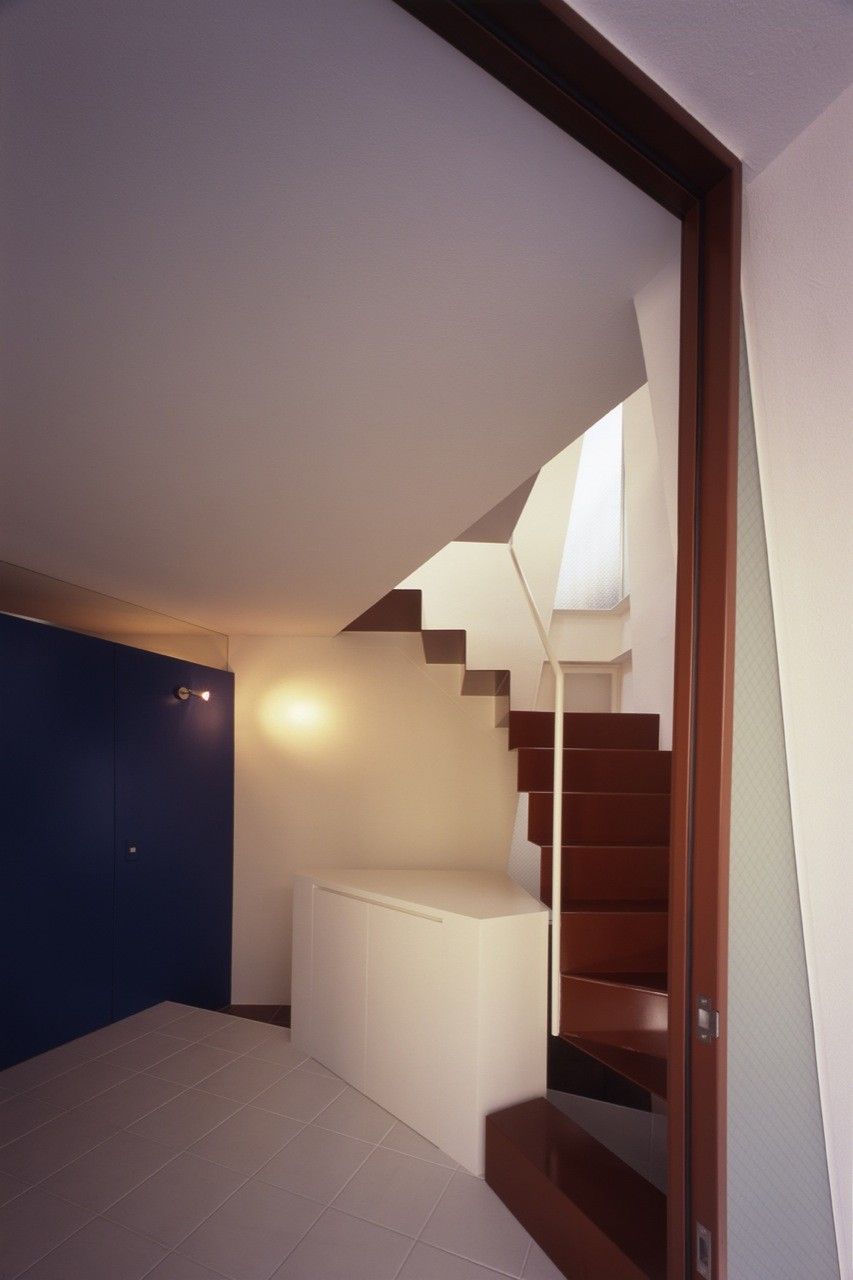
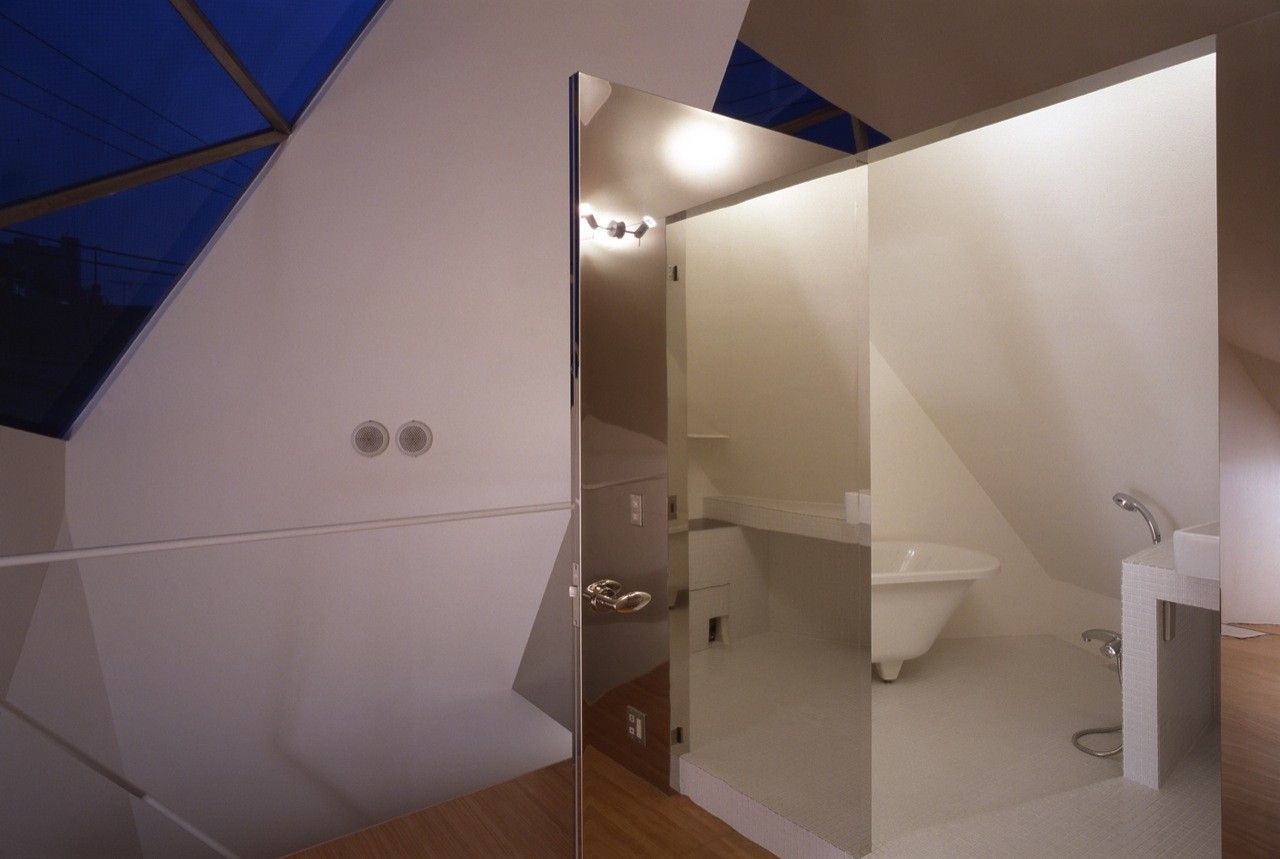
1) Reflection of Mineral – Tokyo, Japan: Dynamic Angles That Maximize Light
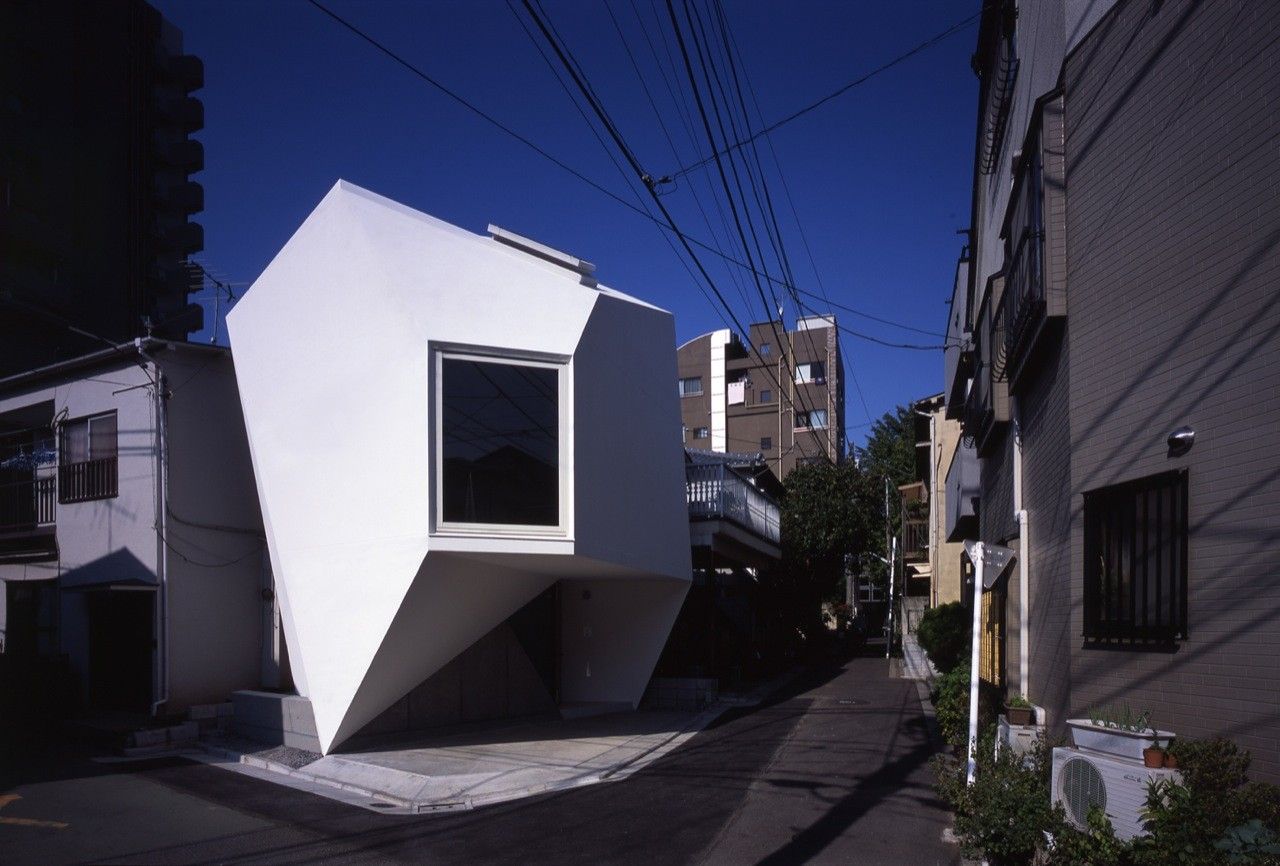
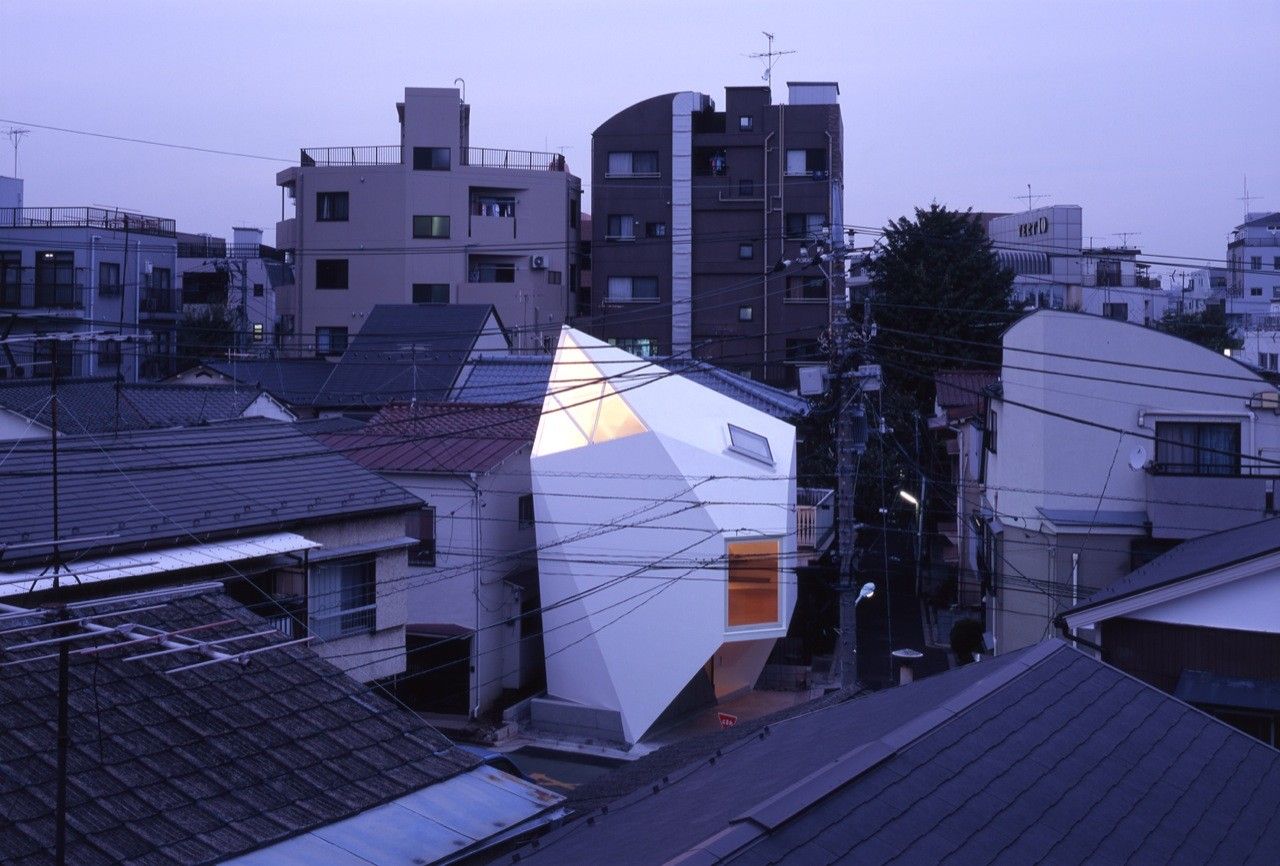
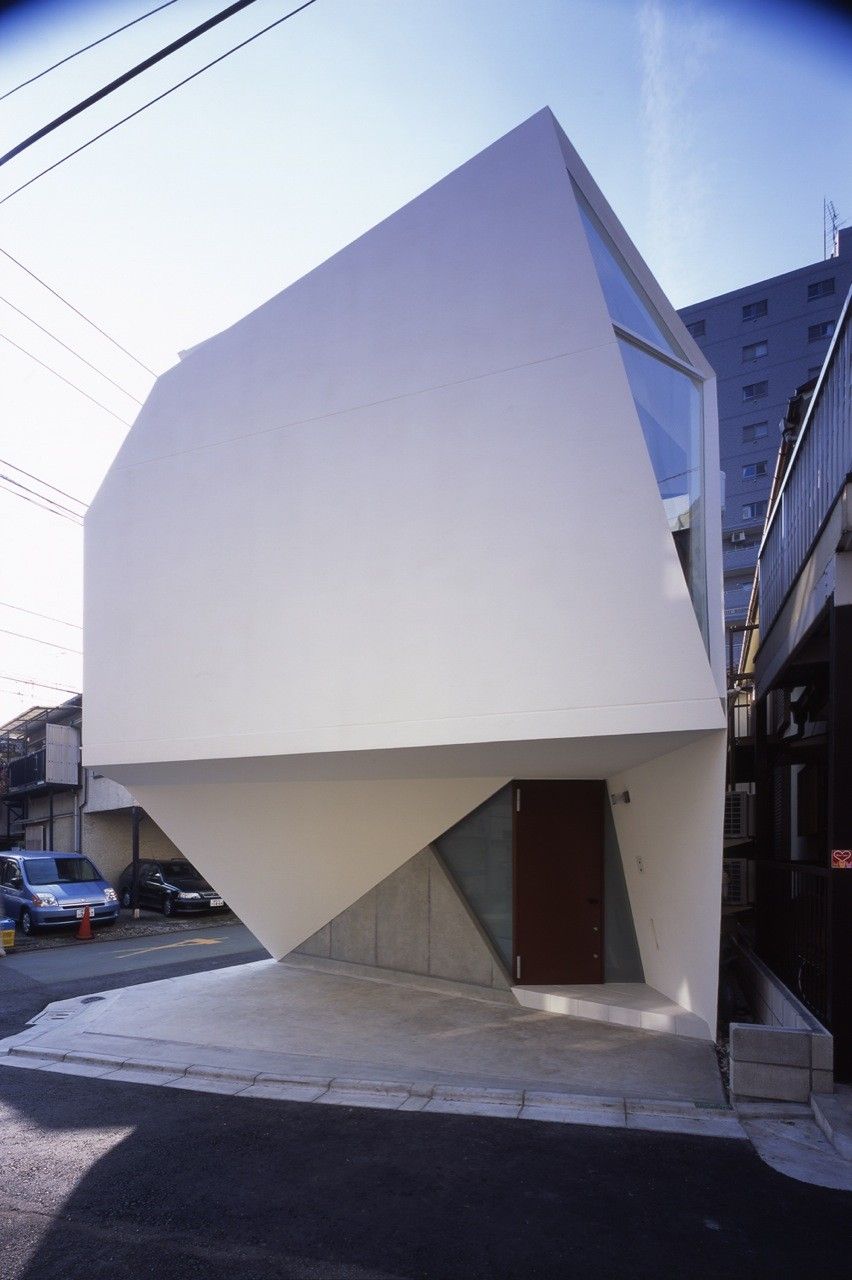
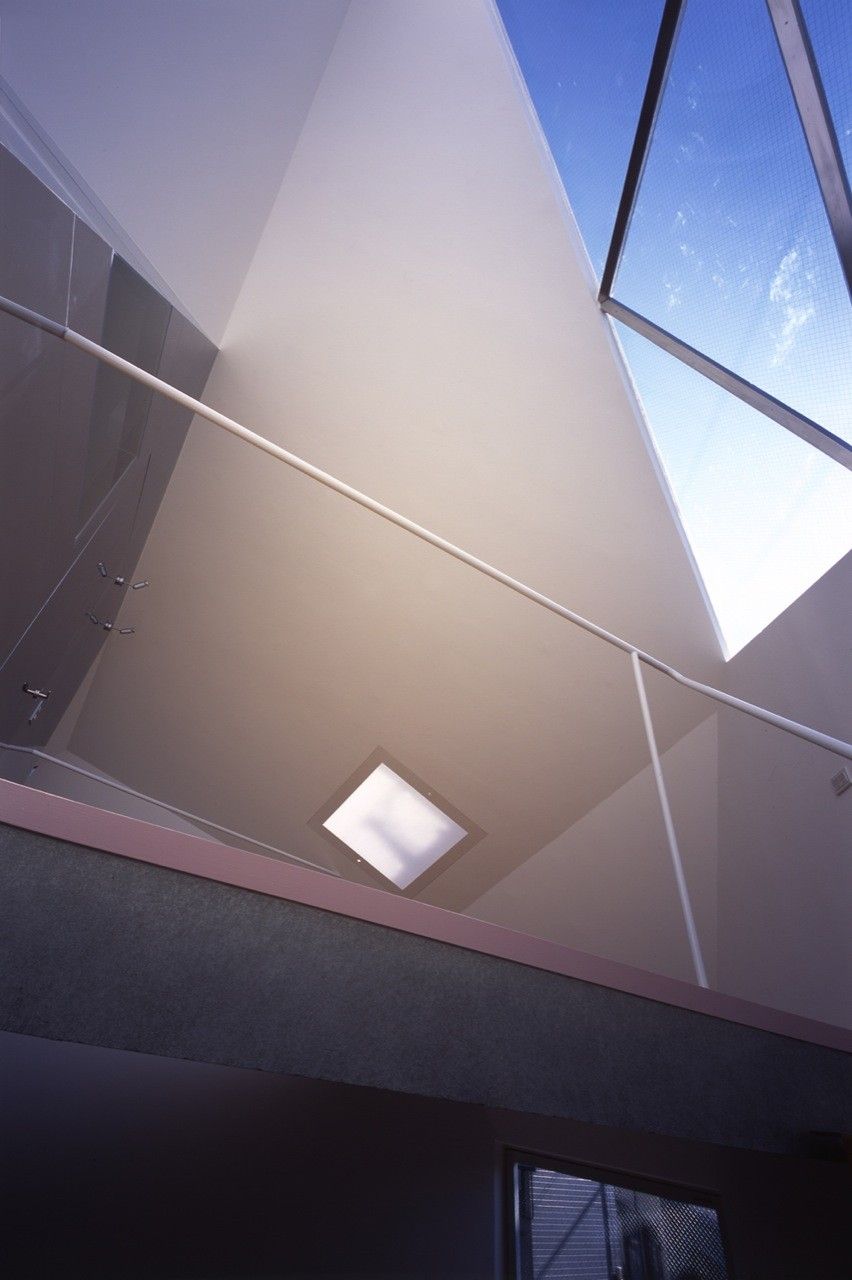
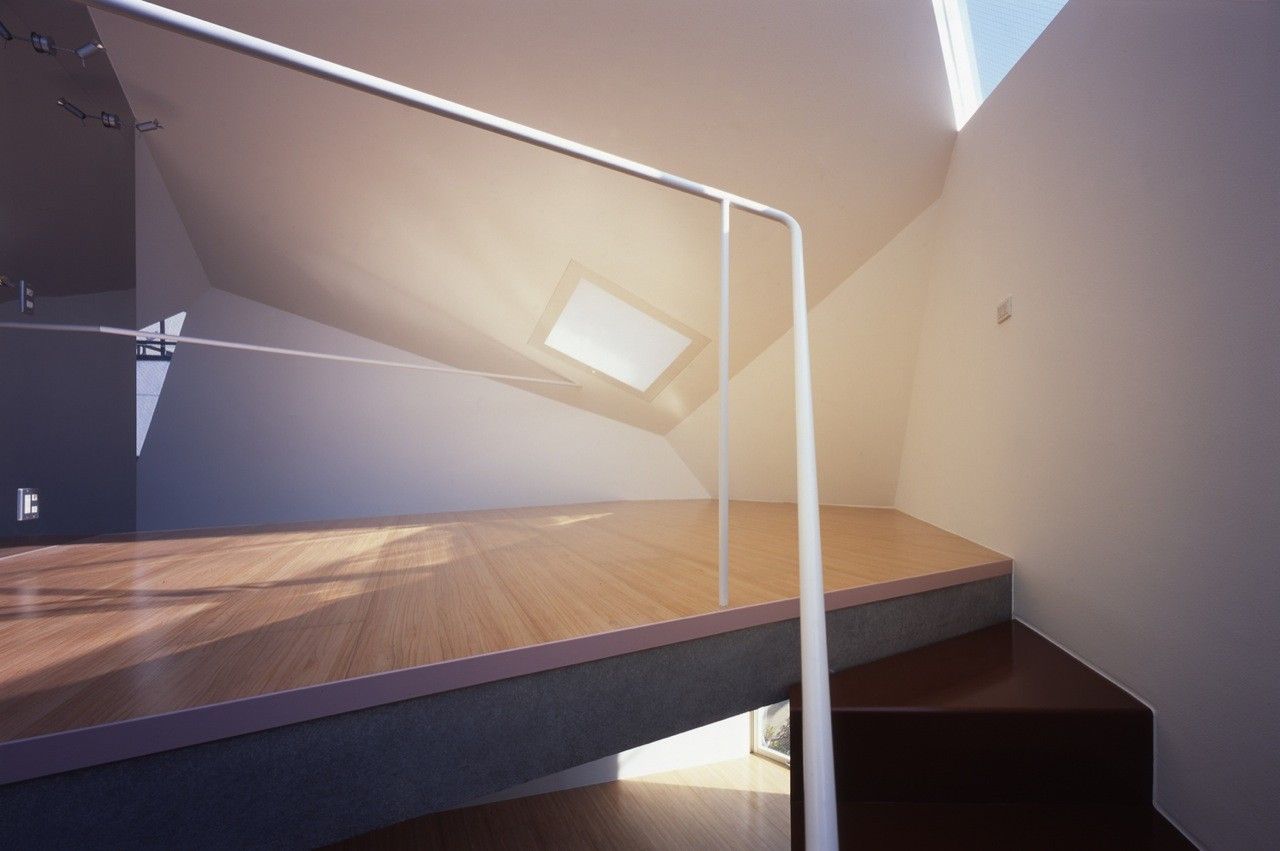
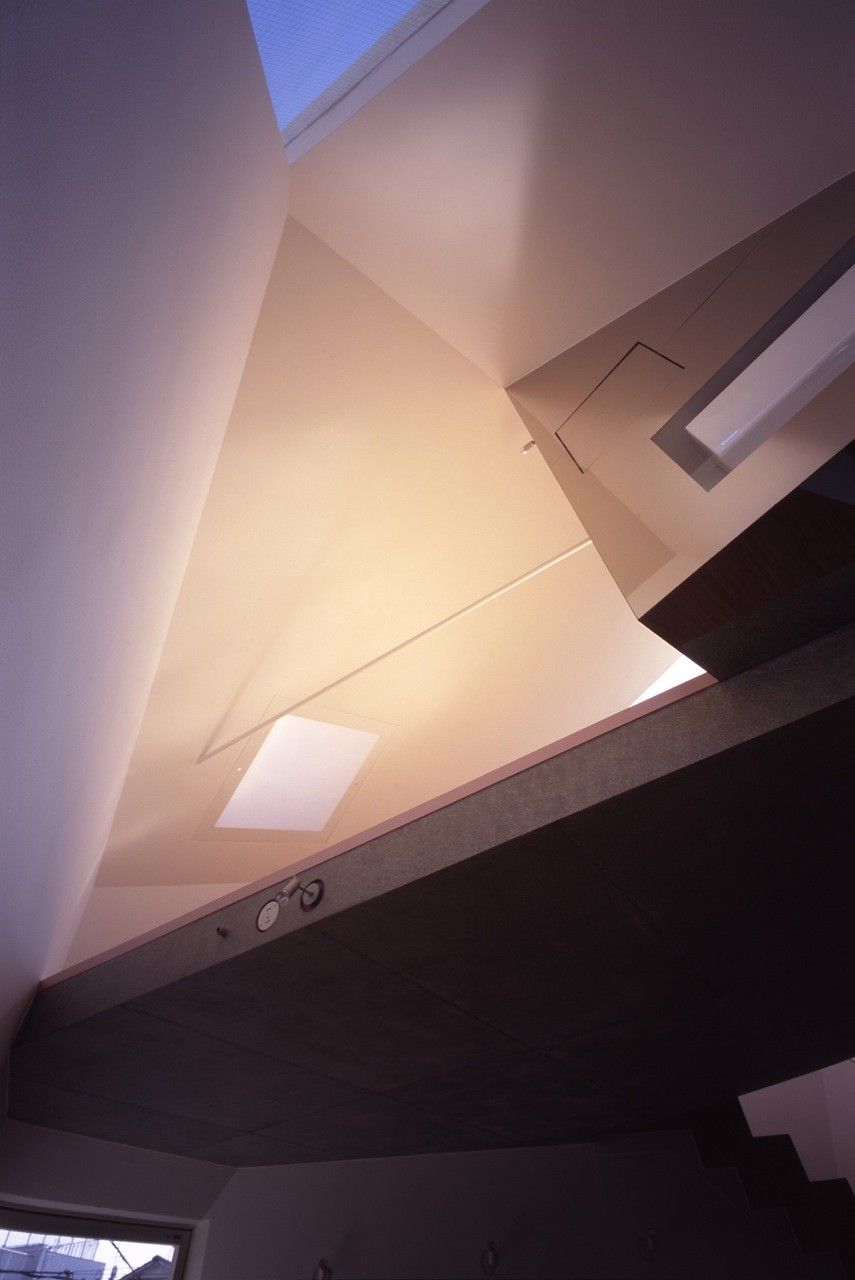
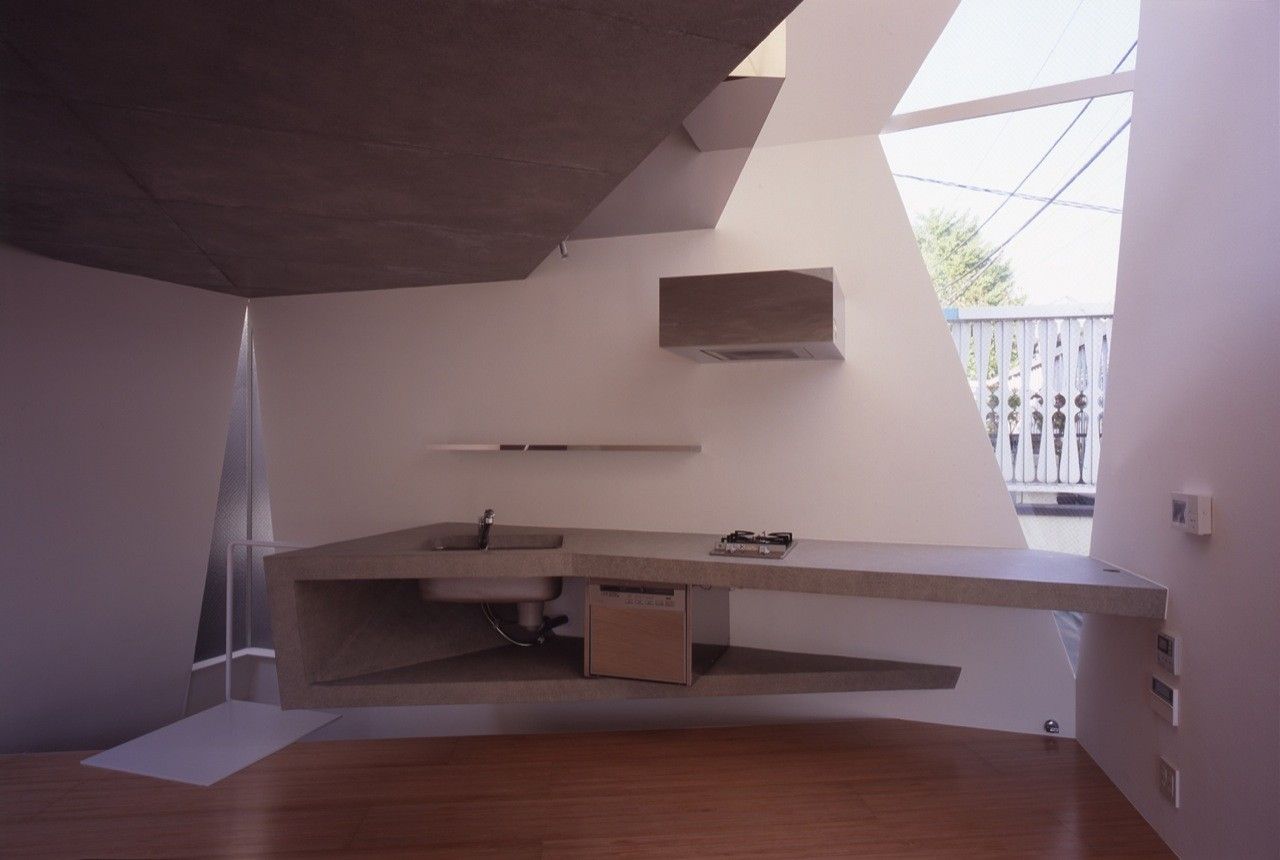
Our first tiny house comes from Tokyo, designed by Atelier Tekuto. Located on a modest 44sqm corner plot bounded by two streets, this compact home uses inclined interior surfaces at different angles to create varied openings that channel light in diverse shapes and directions.
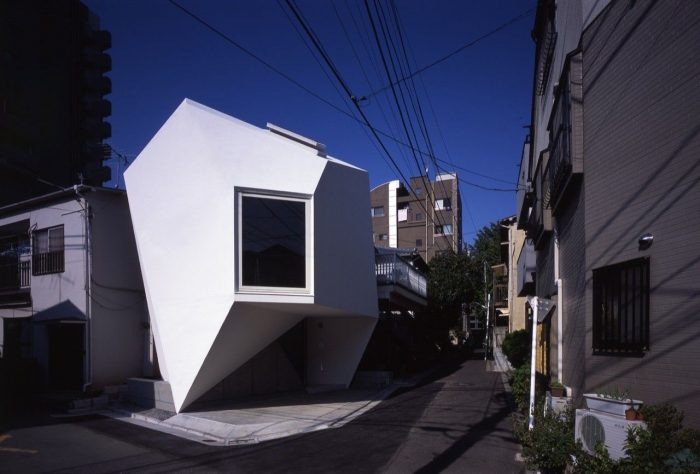
Reflection of Mineral – photography by © Makoto Yoshida
The result? A dynamic interior that feels anything but cramped. Despite its tiny footprint, the space accommodates a functional kitchen and bathroom while maintaining an airy, open atmosphere. It’s a masterclass in how small house design can use geometry to create visual interest and spatial expansion.
2) 4×4 House – Kobe, Japan: Tadao Ando’s Vertical Masterpiece
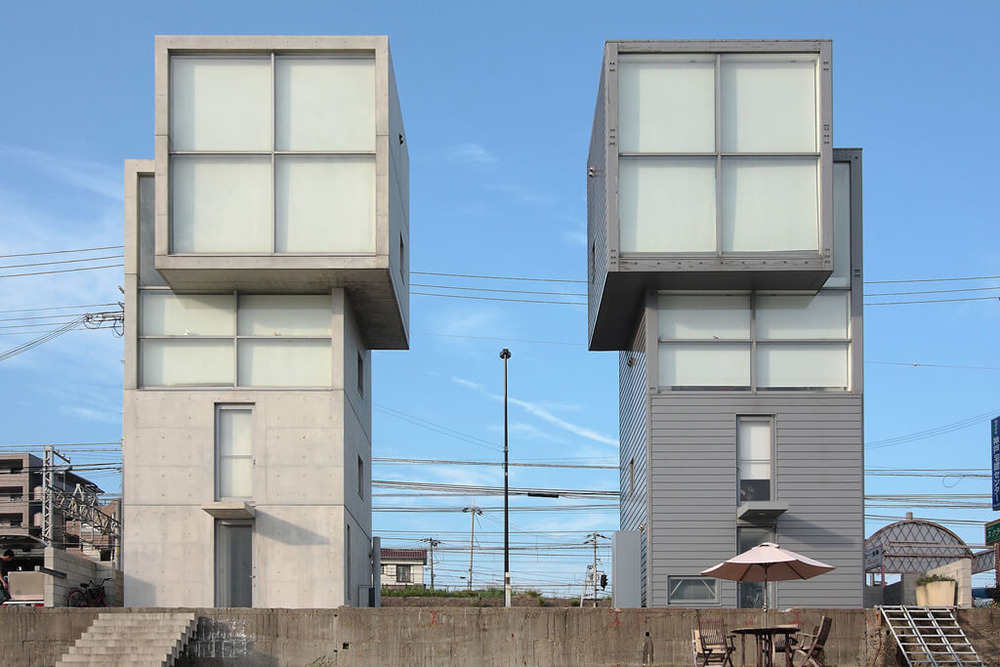
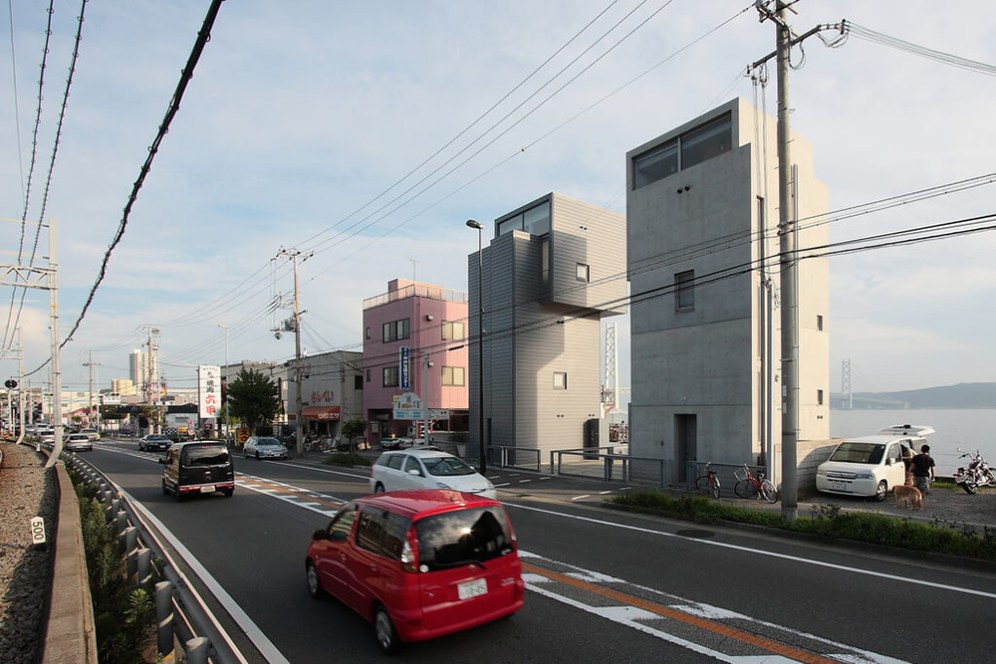
Designed by the legendary Tadao Ando, this house gets its name from its 4m x 4m square plan and four stories. Perched on the shore, it had to comply with strict shore protection regulations that limited the floor area to just 16sqm.
The solution? Build up, not out. The entrance and utility room sit on the ground floor, a bedroom occupies the second, a study room the third, and the dining/living room combo tops it all on the fourth floor. This small house design proves that vertical space planning can create a fully functional home in minimal square footage.
4×4 House – photography by © Naoya Fujii
3) Yolo County Cabin – California, United States: Tower-Inspired Compact Living
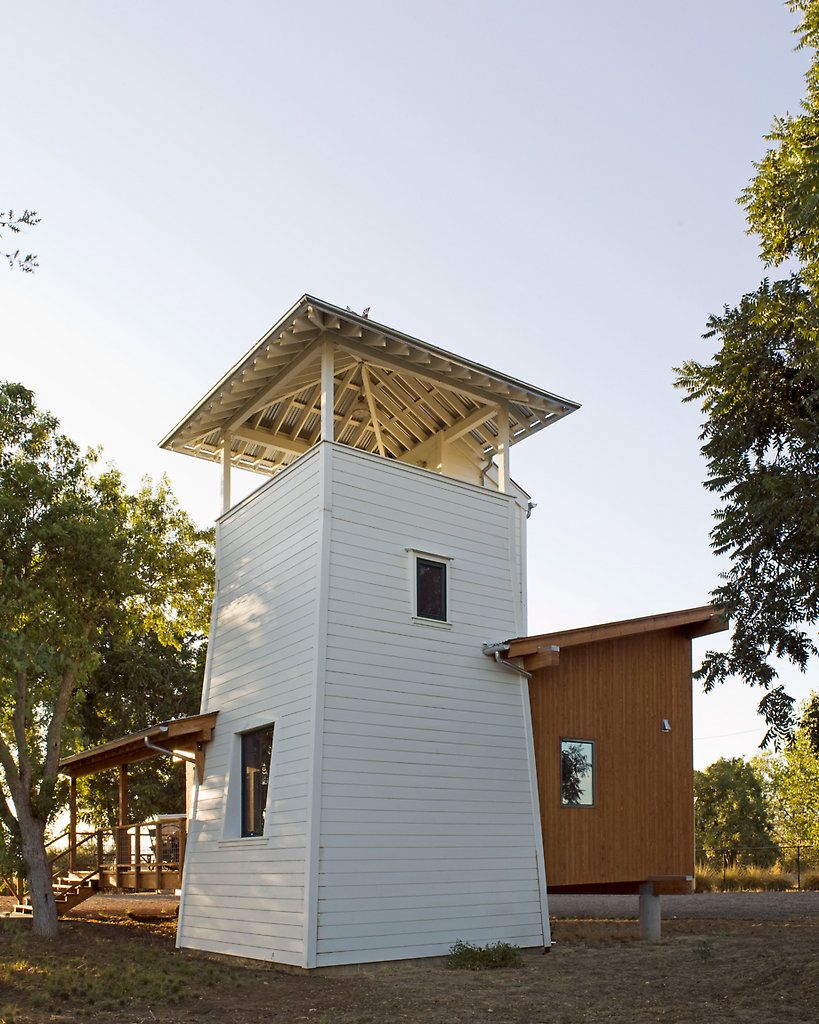
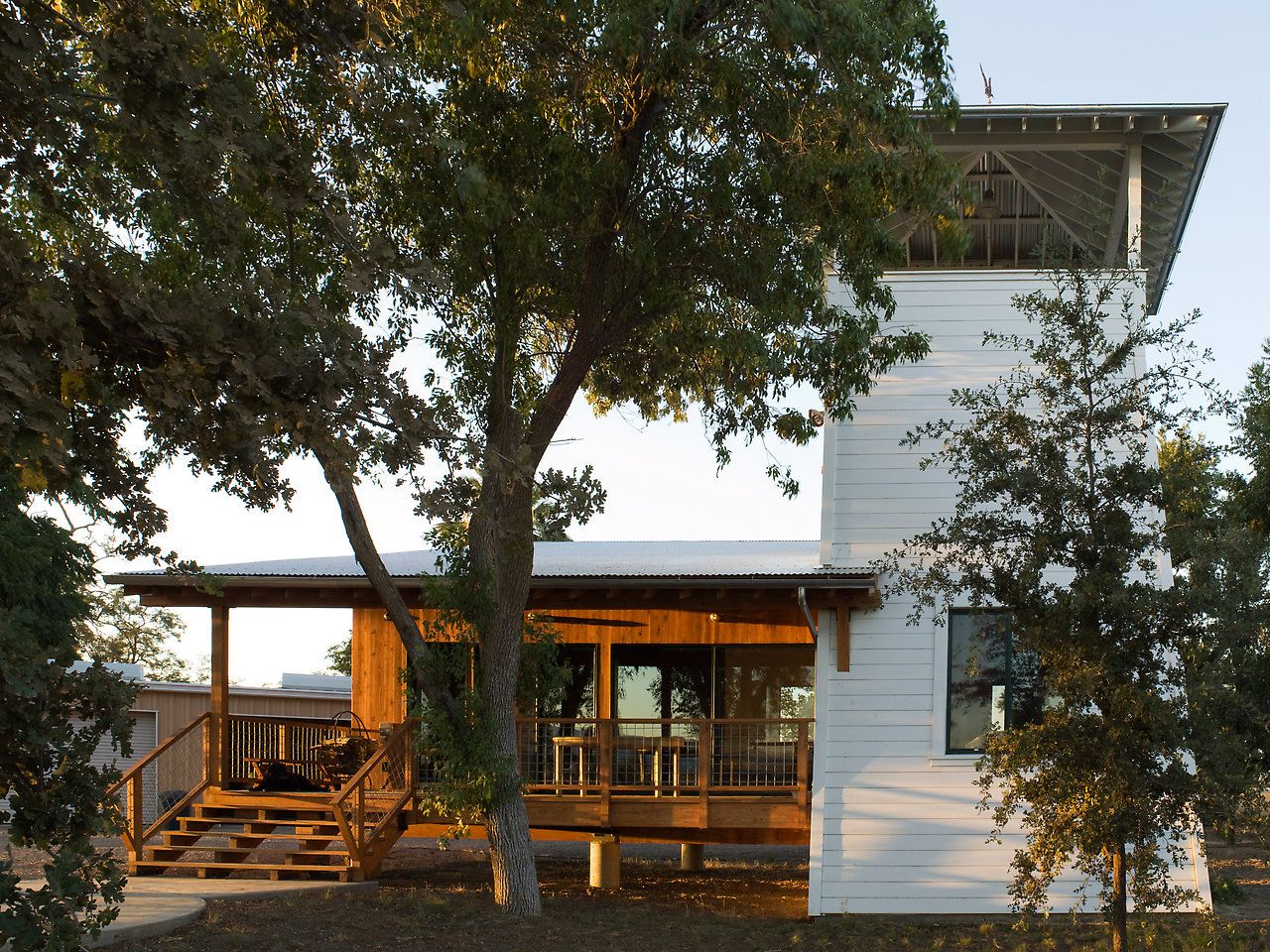
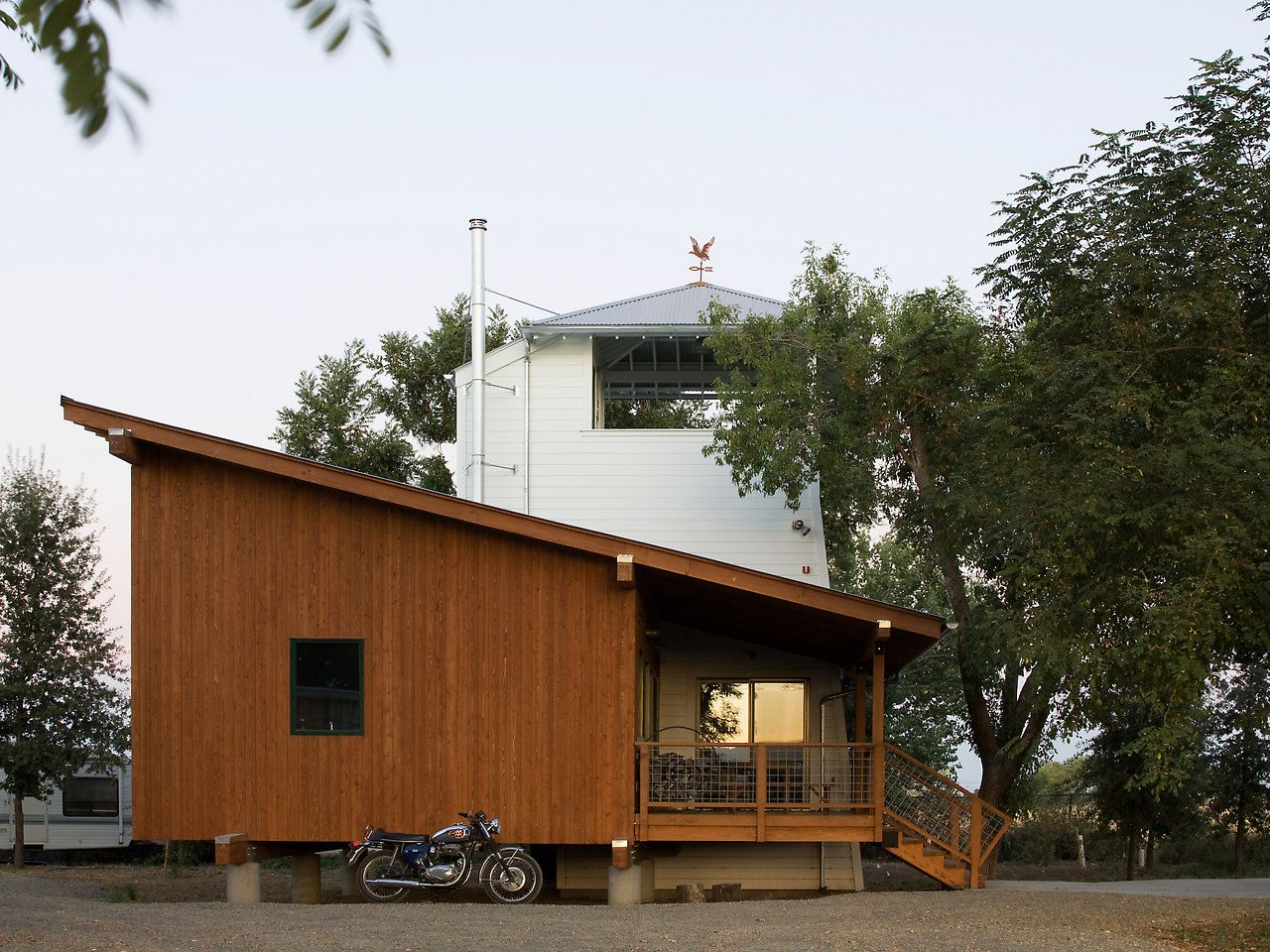
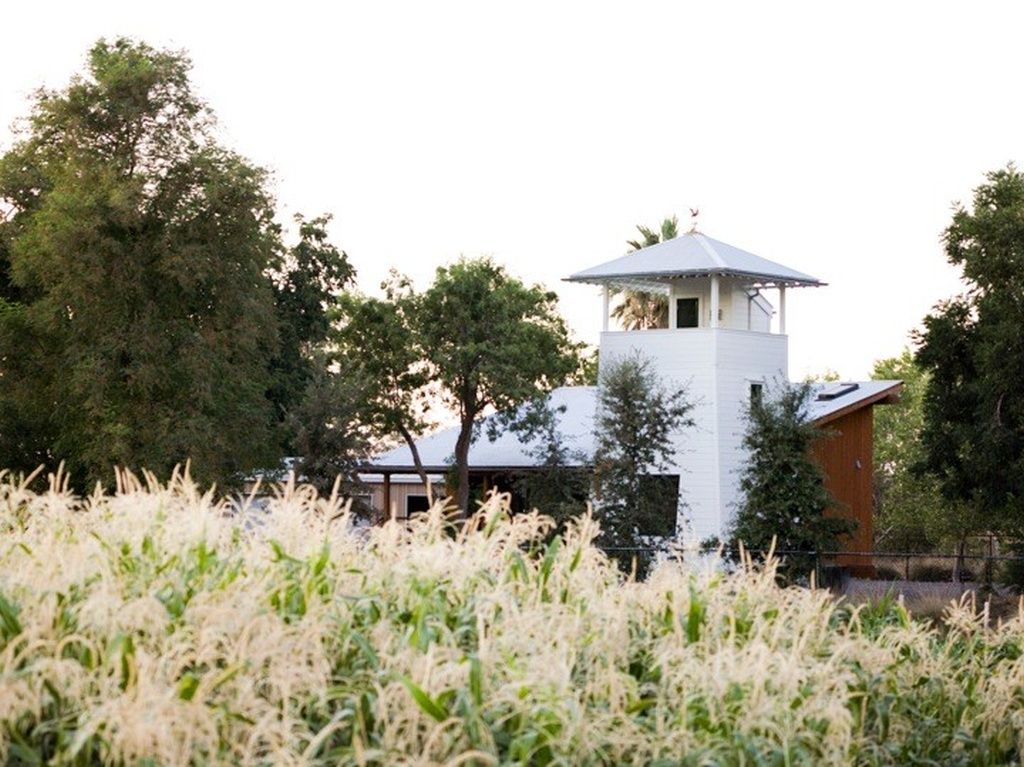
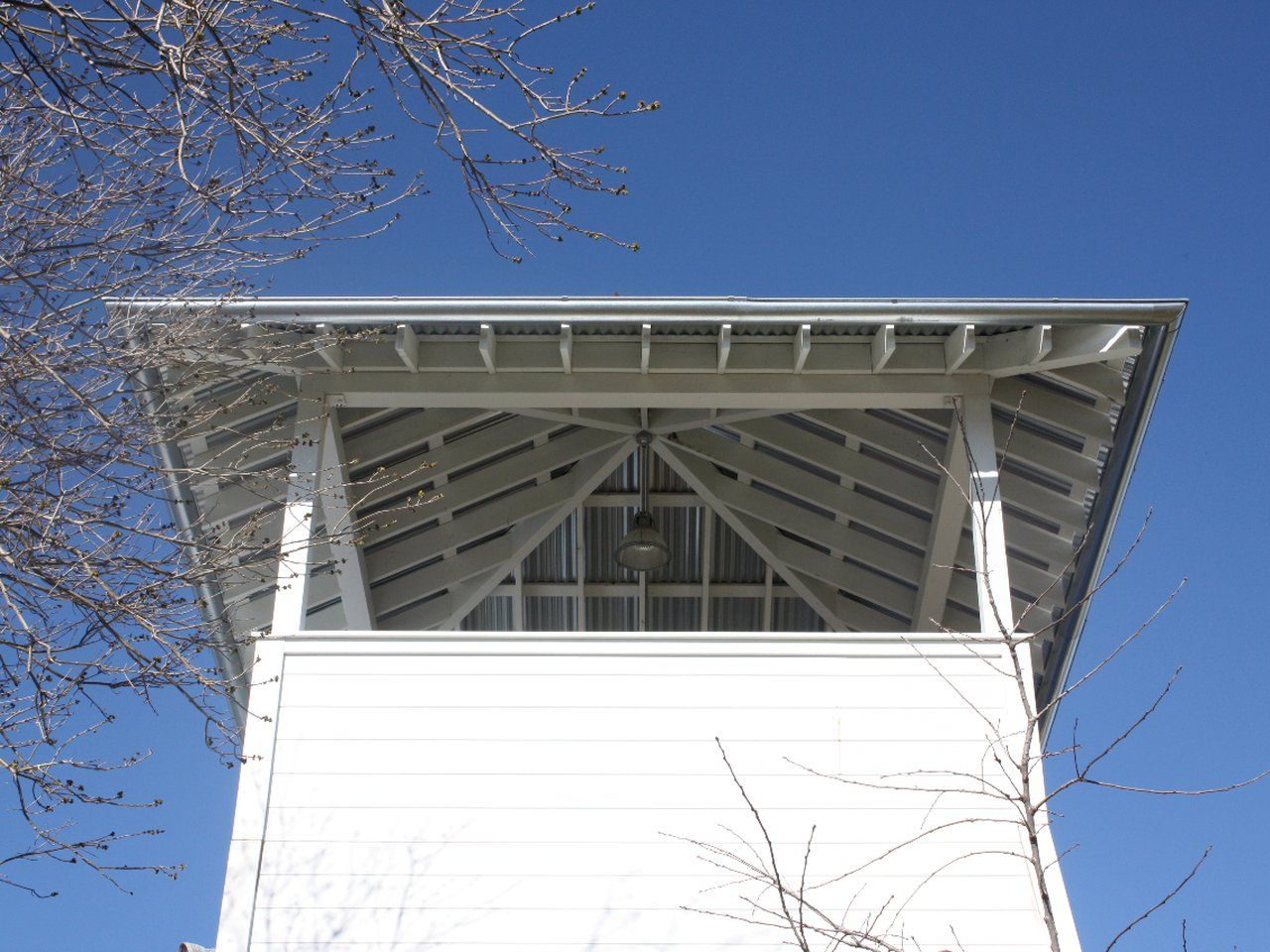
This clever cabin by Butler Armsden Architects sits on a farm in Sacramento Valley, drawing inspiration from local water towers. The design includes a shaded terrace on top offering 360-degree views of the flat landscape.
Inside, the compact layout includes a sitting area, bathroom, main bedroom with high ceilings, and an additional bedroom loft above the bathroom accessed via the sitting space. A spiral staircase connects the bedroom to the observation terrace. This small house demonstrates how vertical circulation and elevated perspectives can make compact living feel expansive.
Yolo County Cabin – Photography by © David Duncan Livingston

4) Macy Miller’s House – Idaho, United States: Sustainable Tiny House on Wheels
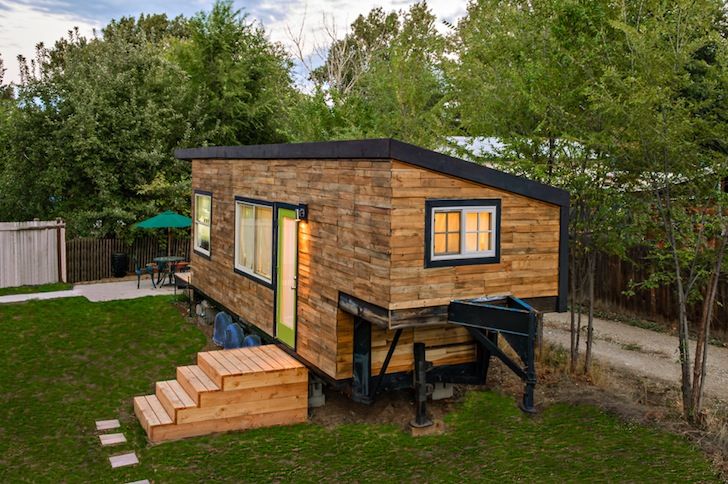
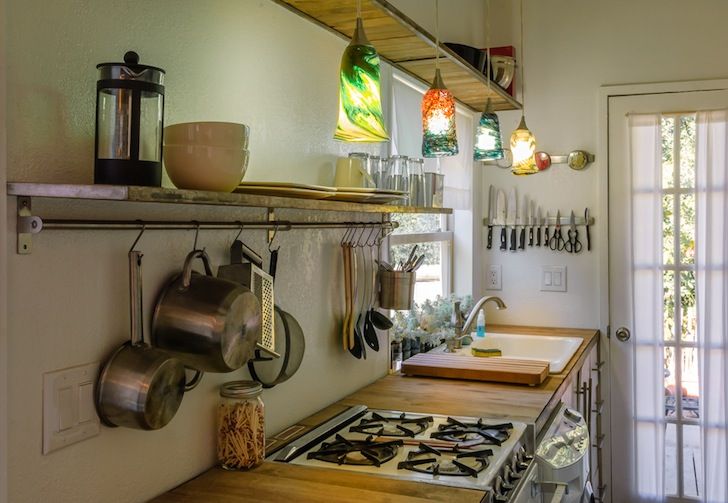
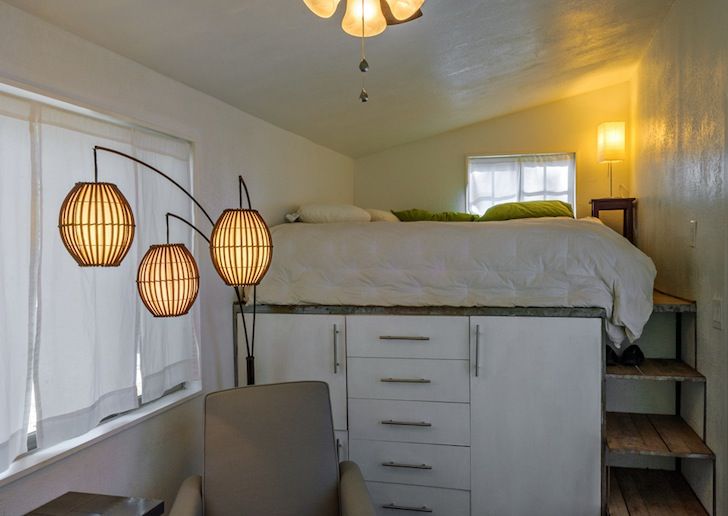
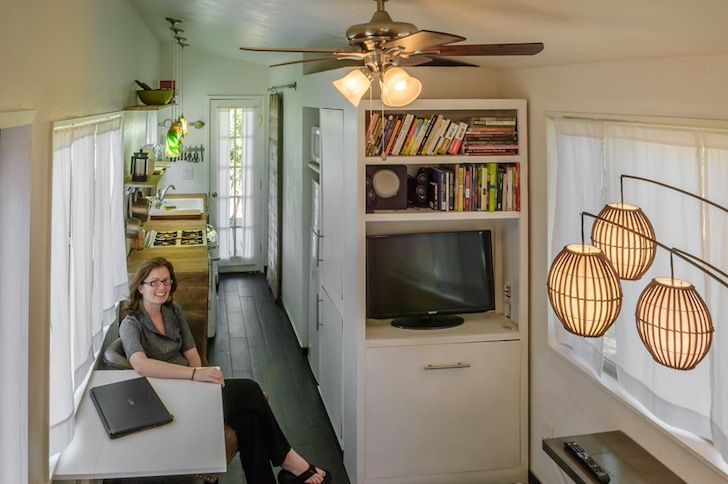
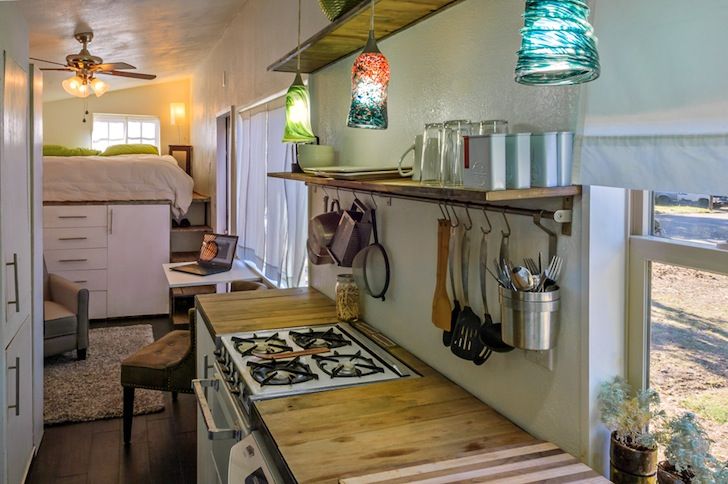
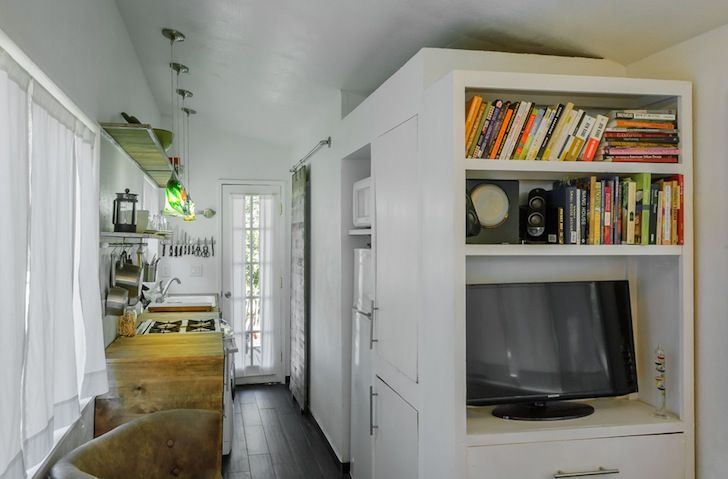
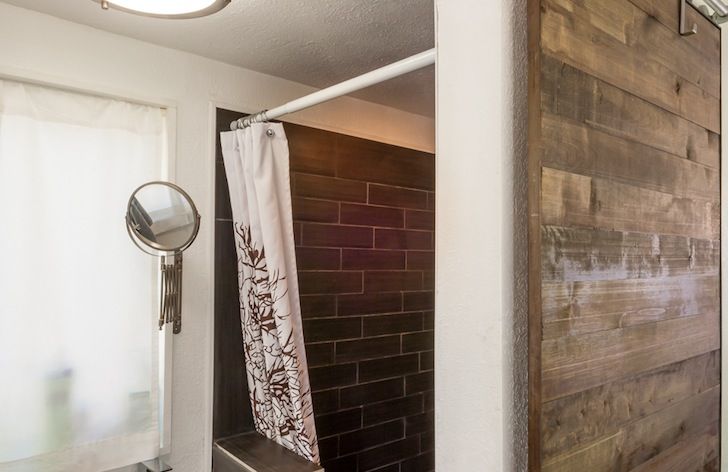
Idaho architect Macy Miller designed her own 18sqm home from scratch using sustainable and recycled materials, then placed it on a flatbed trailer on rented land. The entire project cost just $11,500—proving that small house design doesn’t require a massive budget.
This tiny house exemplifies how compact living can be both affordable and environmentally conscious, using reclaimed materials and efficient space planning to create a comfortable, functional home that can literally move with its owner.
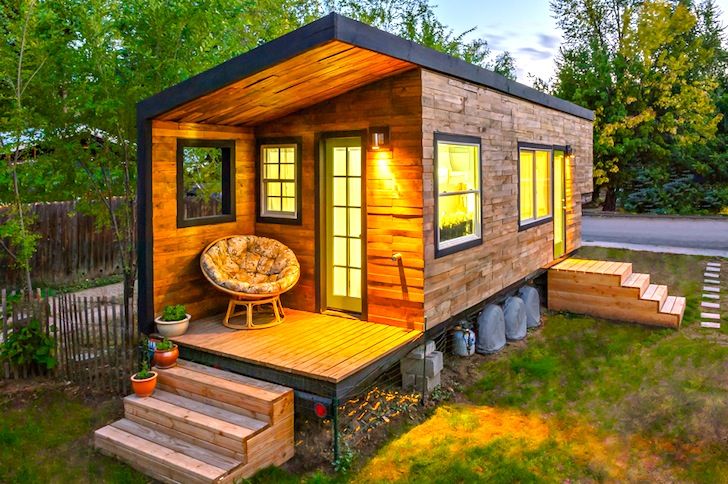
Macy Miller’s House – Images by MiniMotives
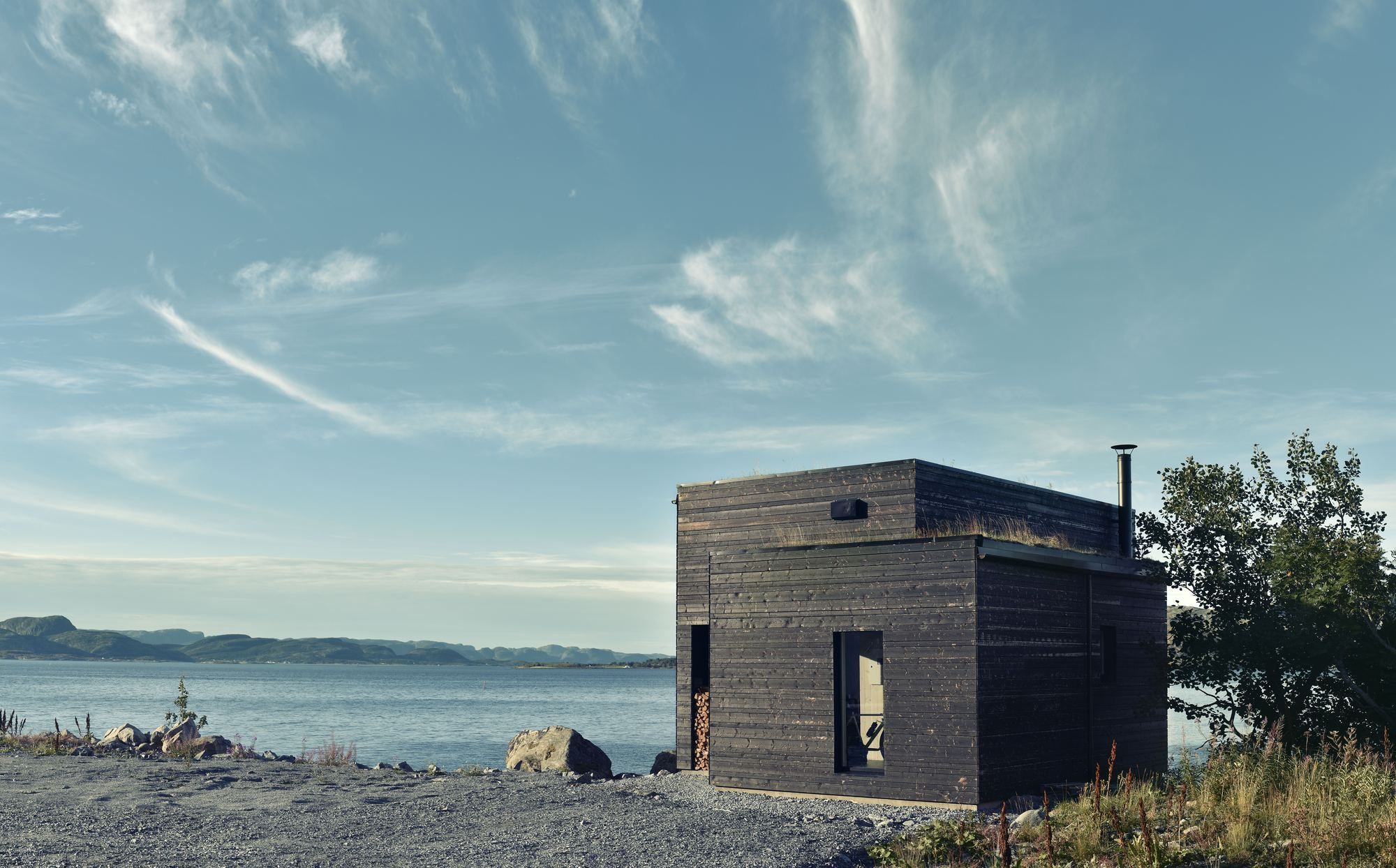
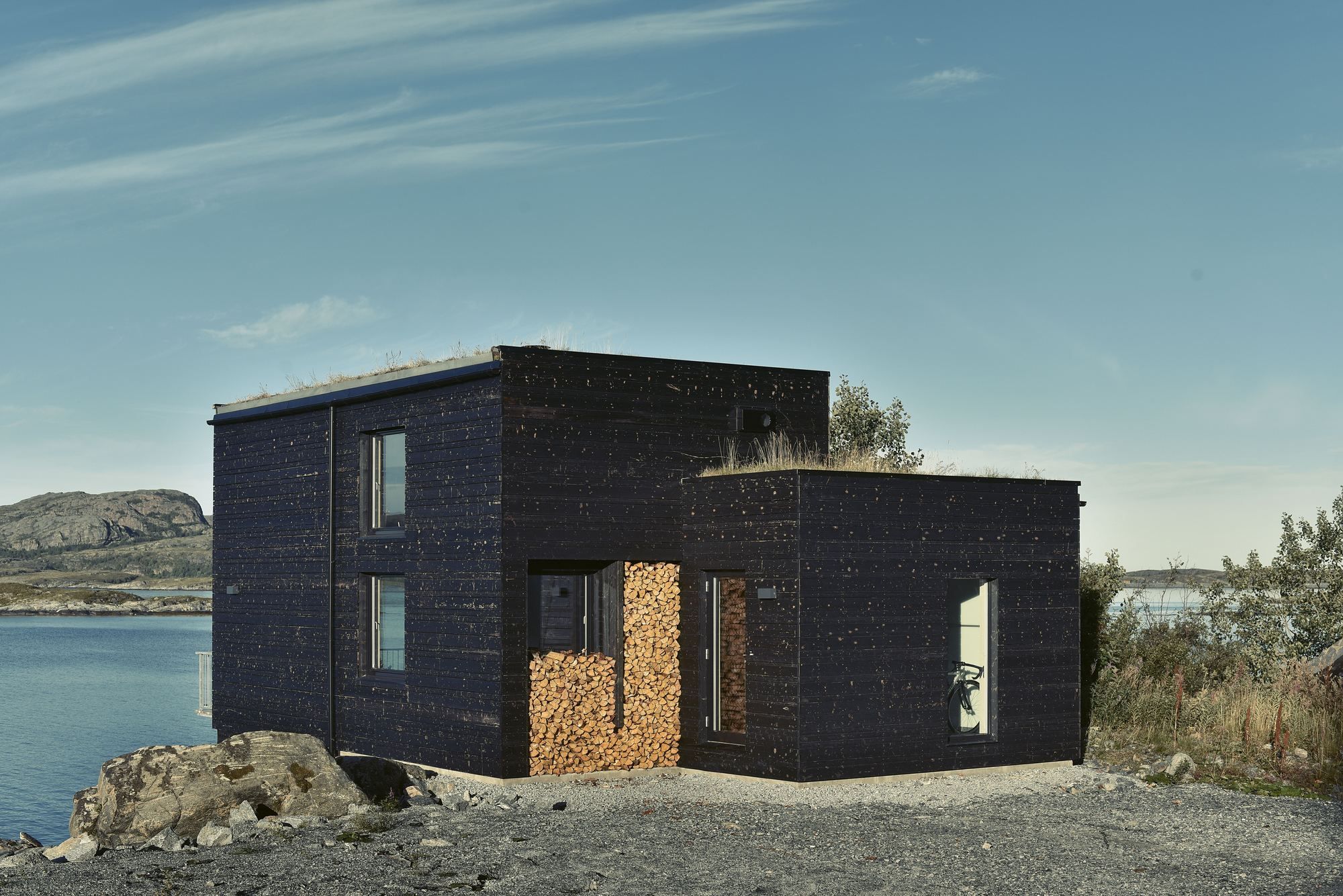
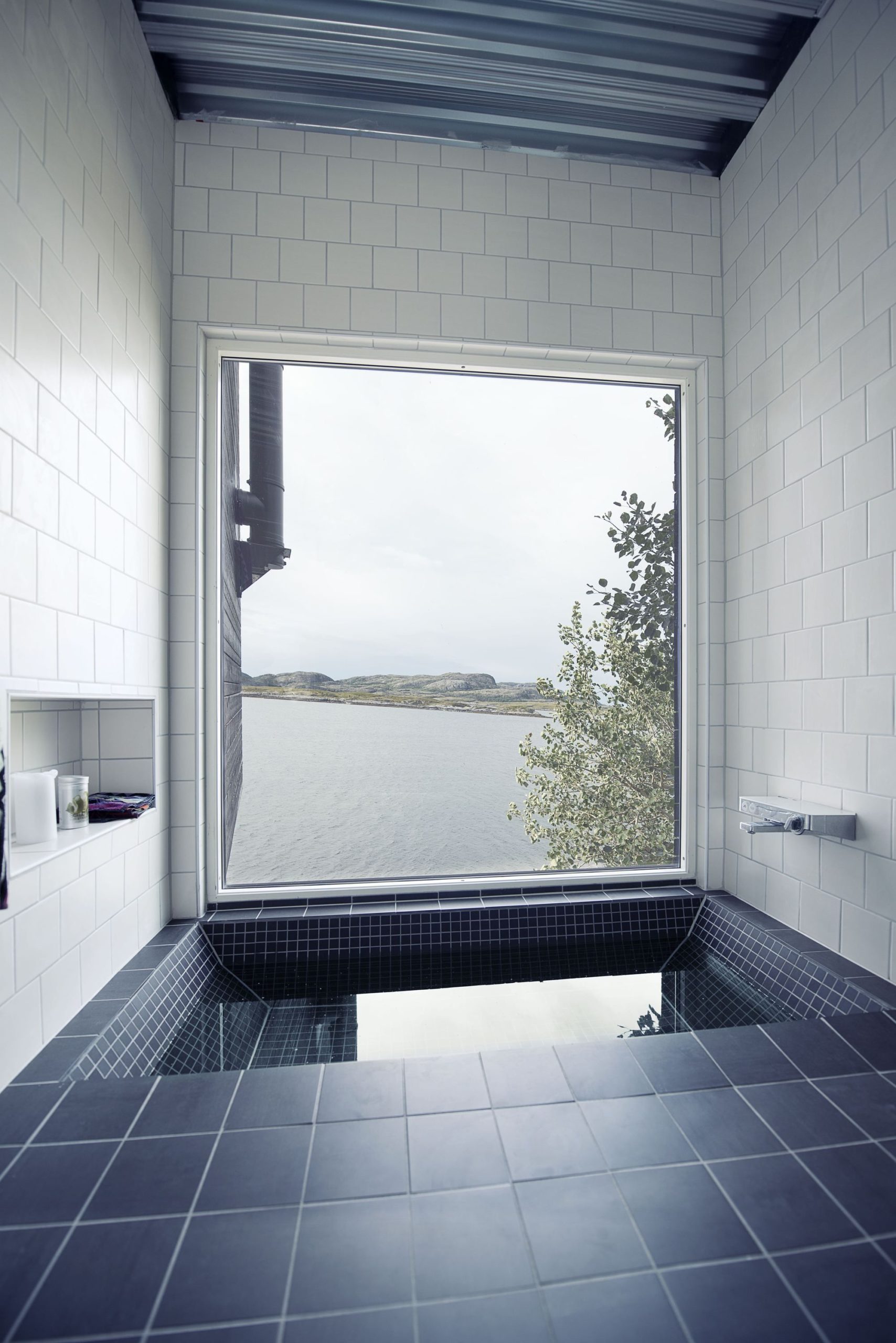
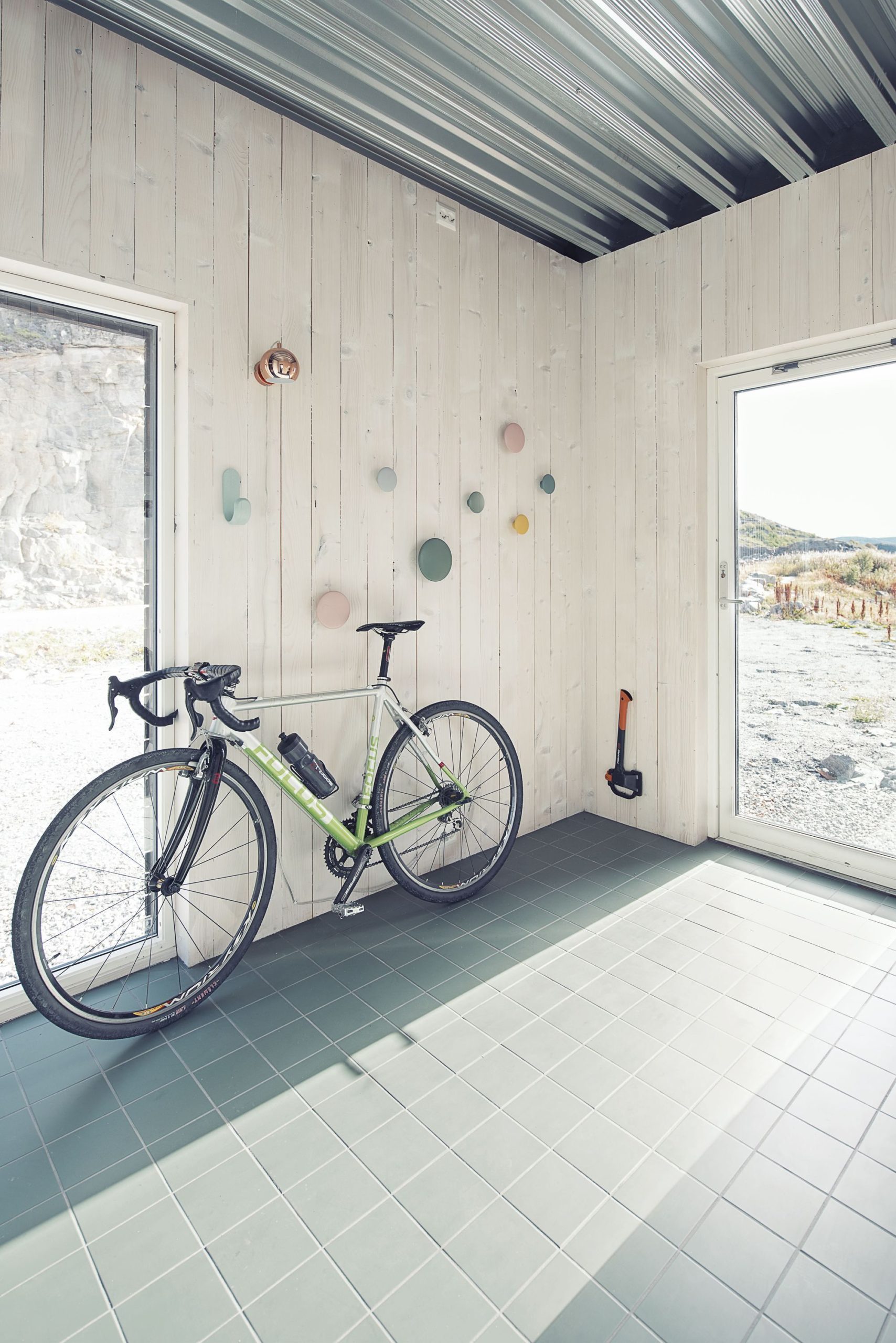
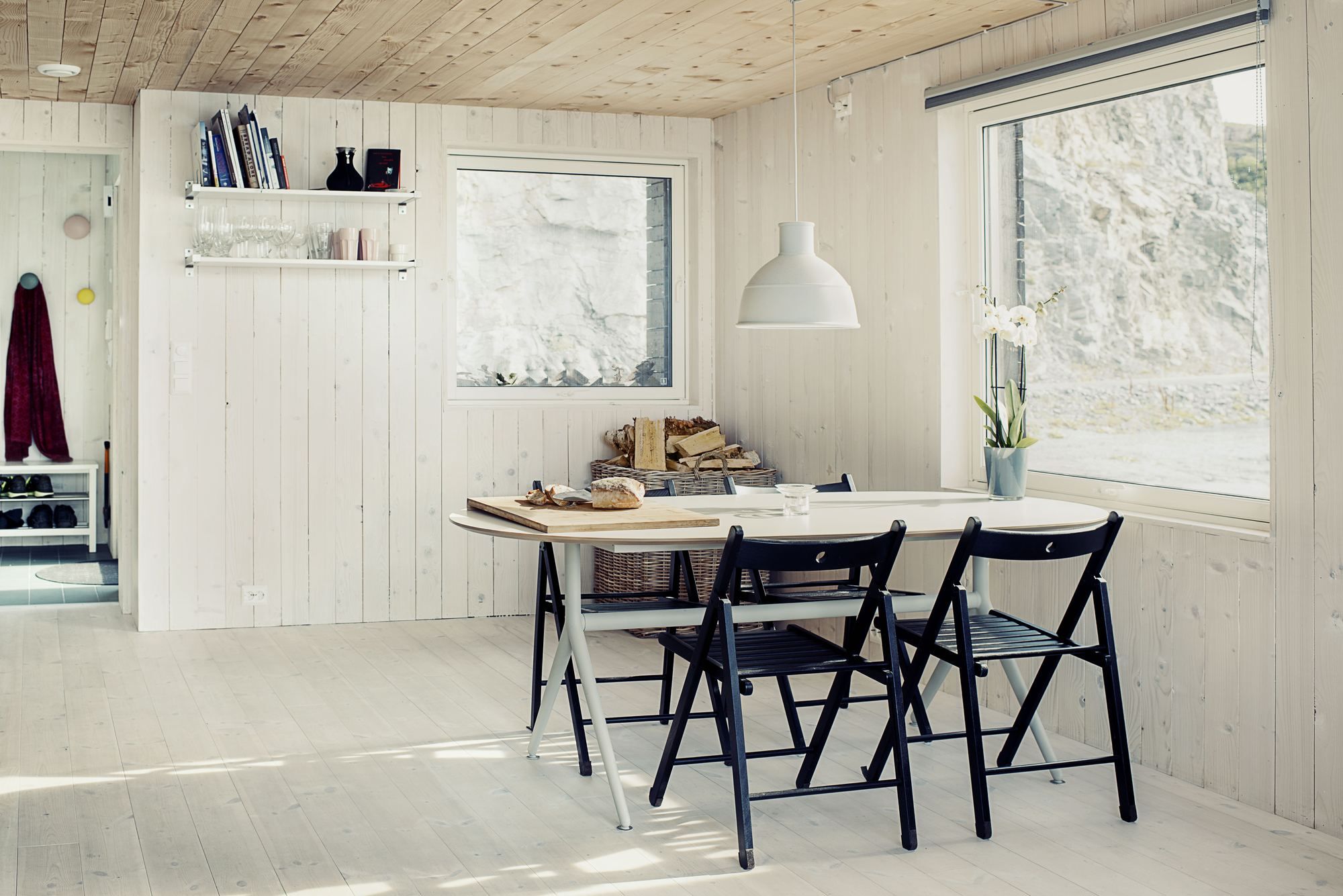
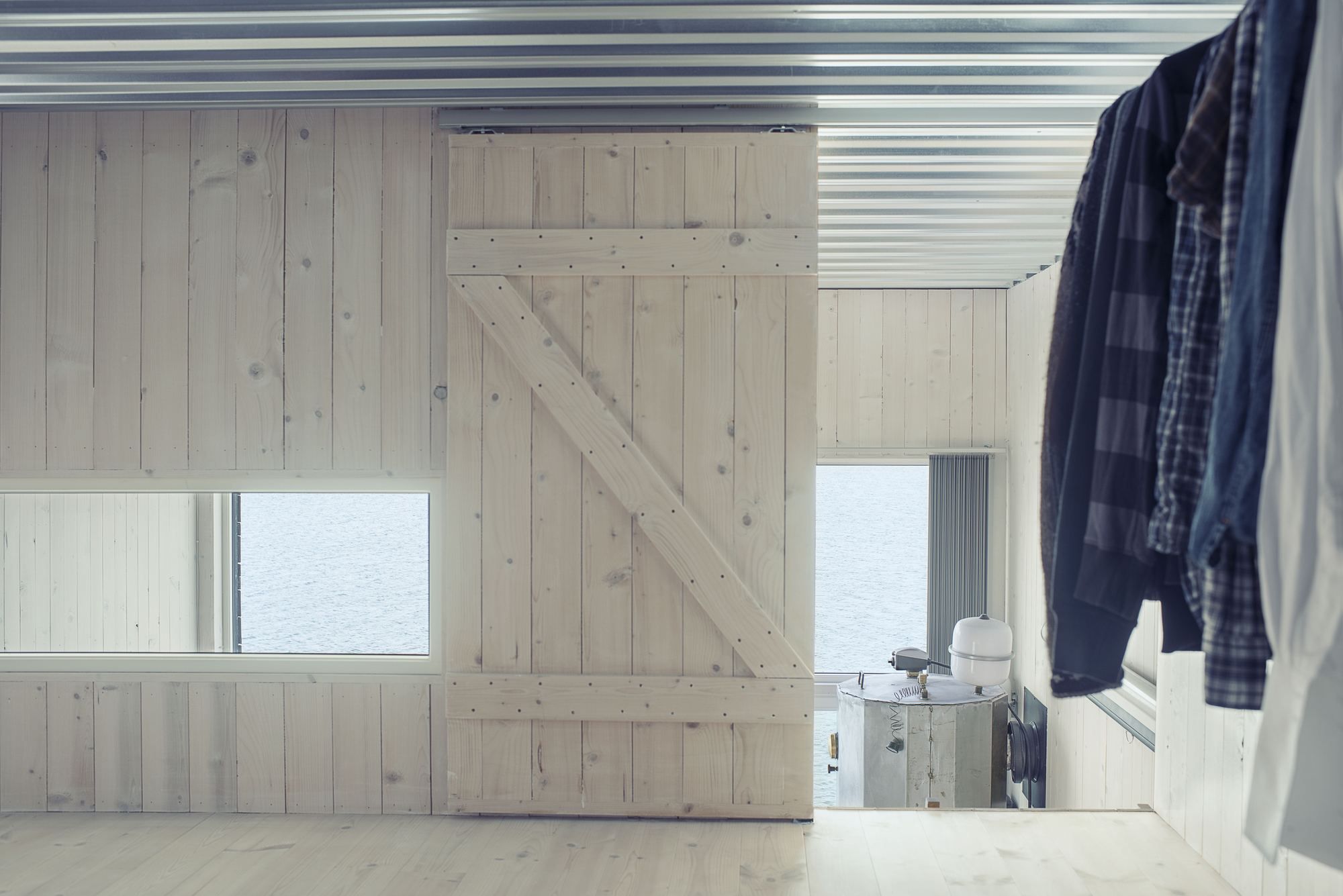
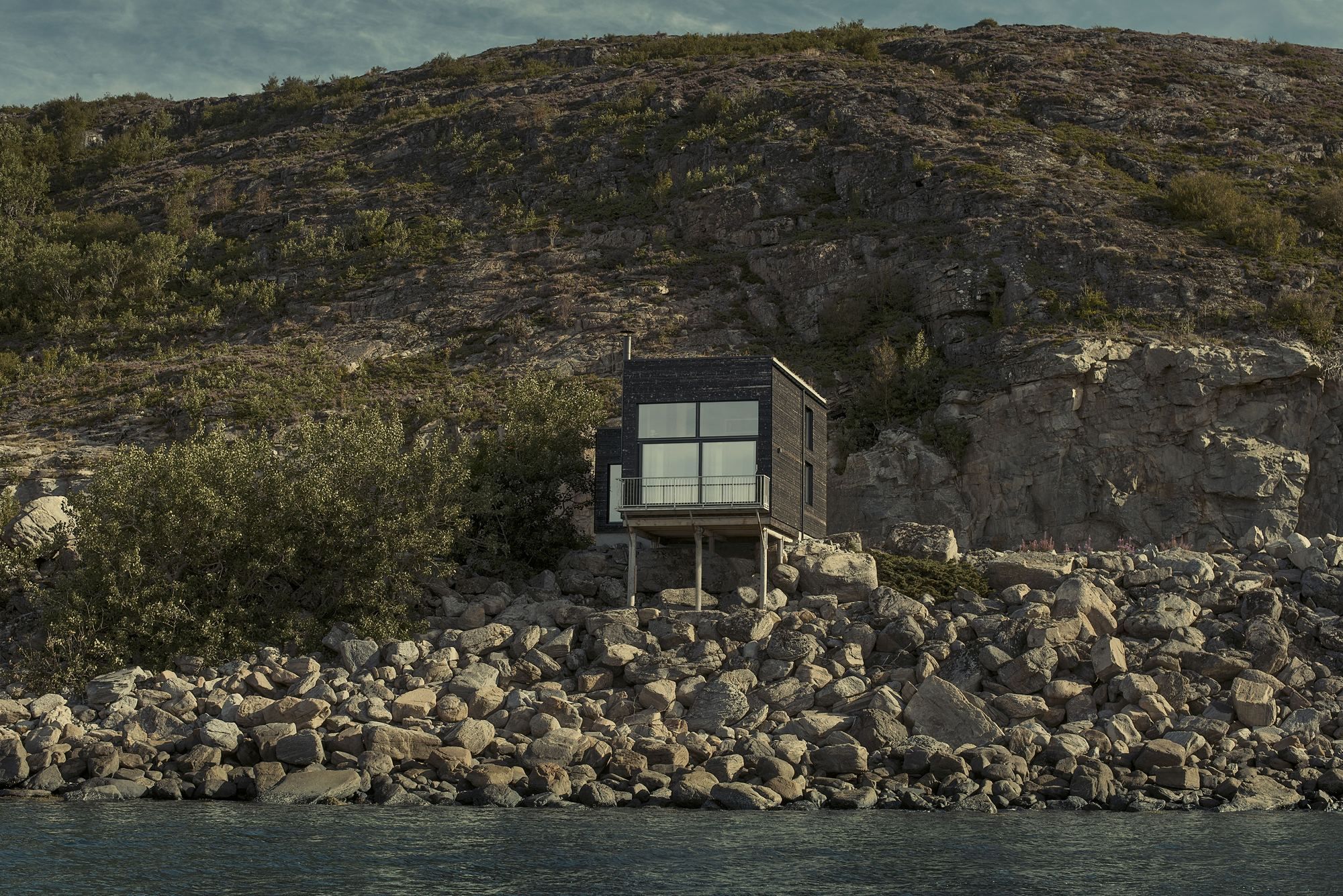
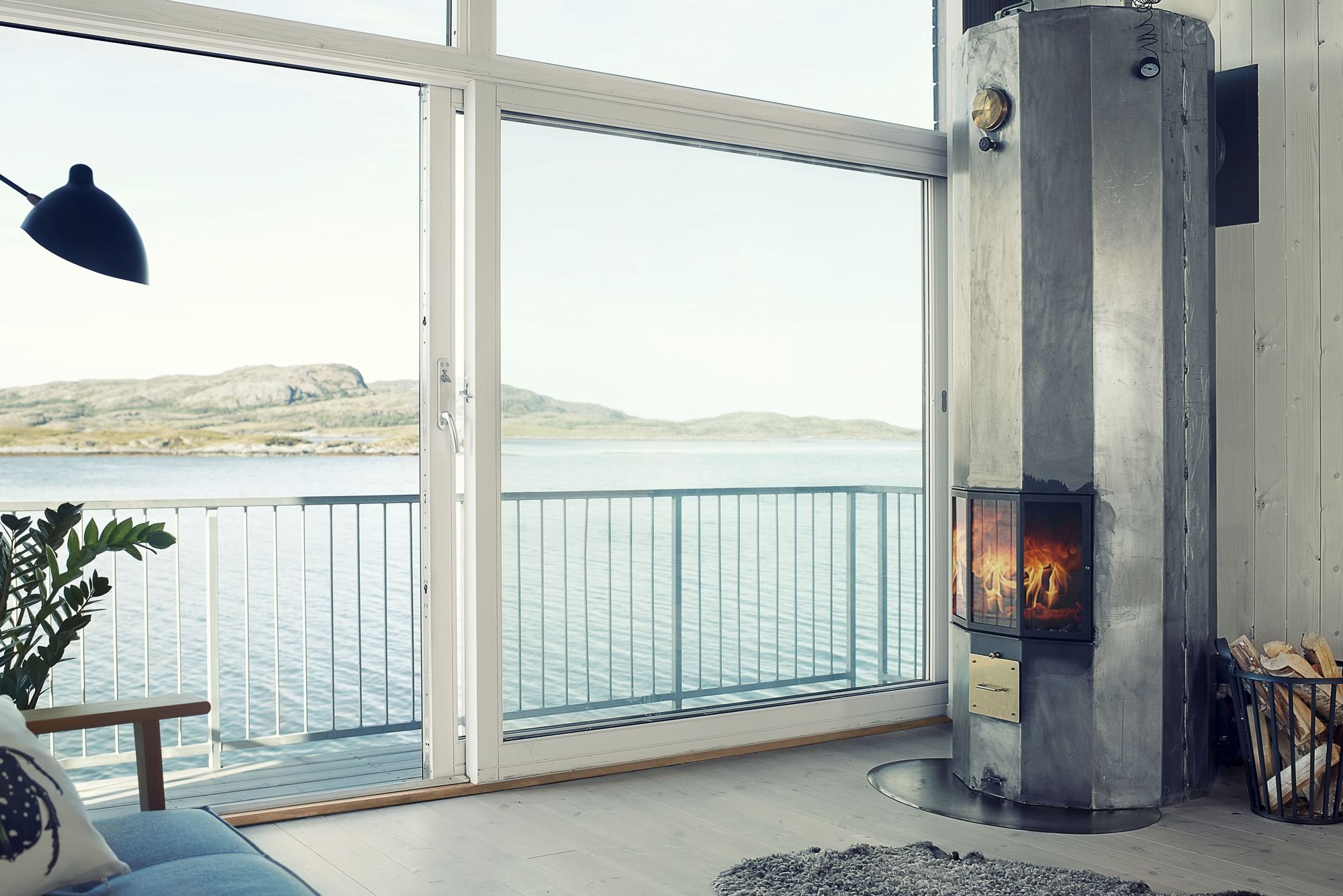
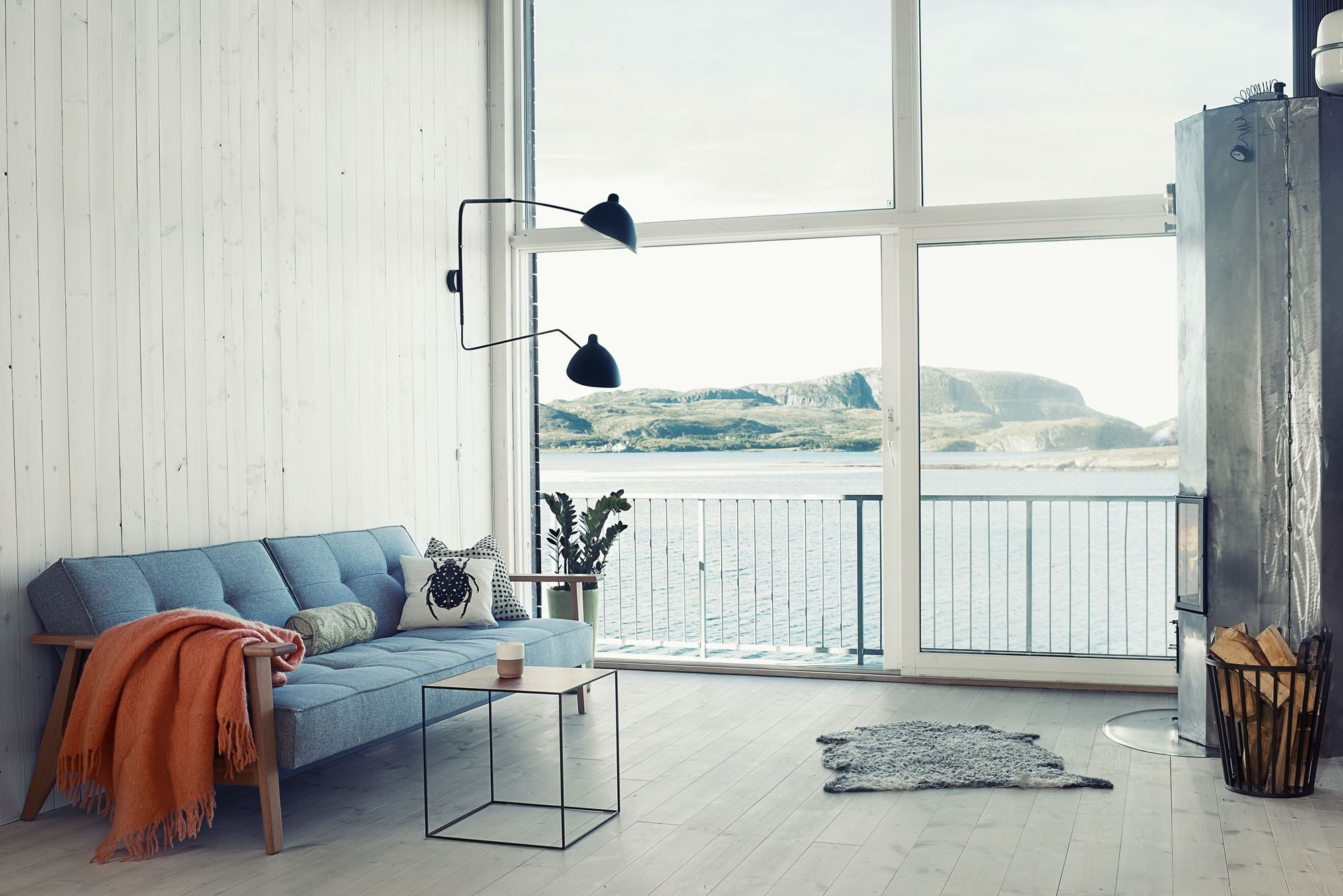
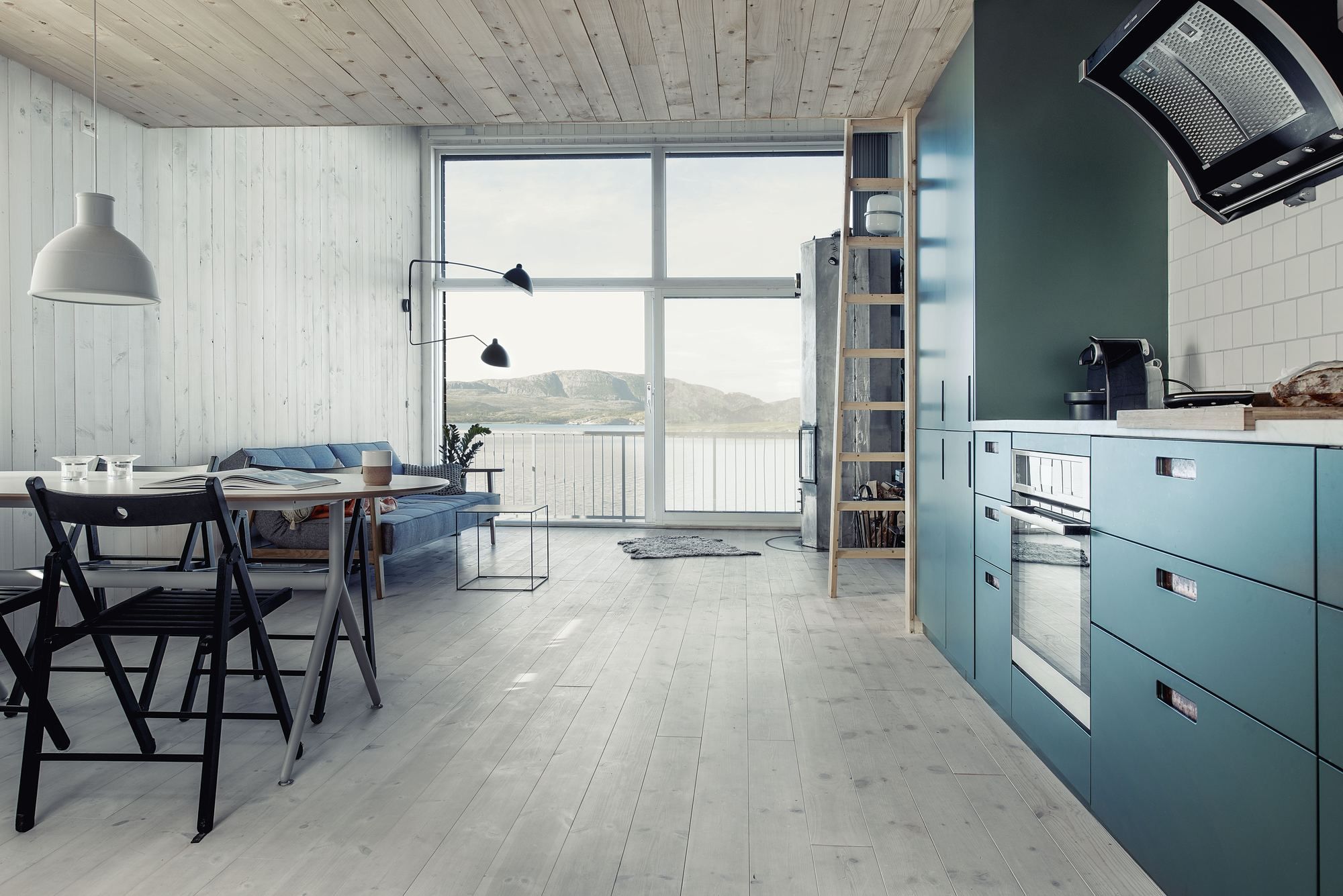
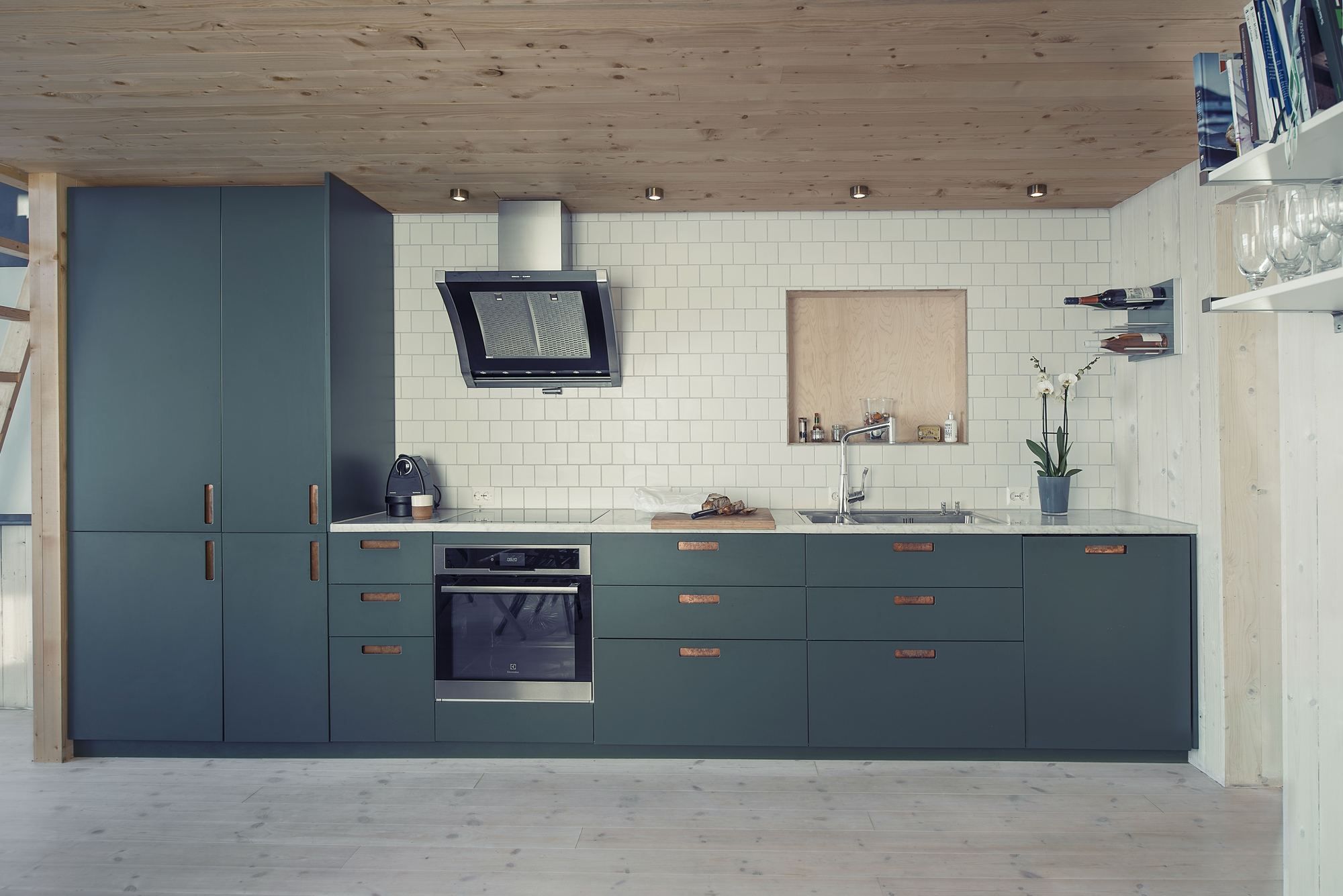
5) Hadar’s House – Stokkøya, Norway: Coastal Compact Living with Panoramic Views
Located on the coast of Norway and designed by Swedish firm Asante Architecture & Design, this 60sqm wooden house maximizes its stunning seaside location.
The sea-facing façade features a large window providing breathtaking views, while the interior uses light-colored wood to create an airy, spacious feeling. Teal kitchen cabinets and a matching sofa complement the blue sea visible through the windows. This small house design shows how strategic color choices and natural materials can make compact spaces feel larger while connecting indoors to outdoors.
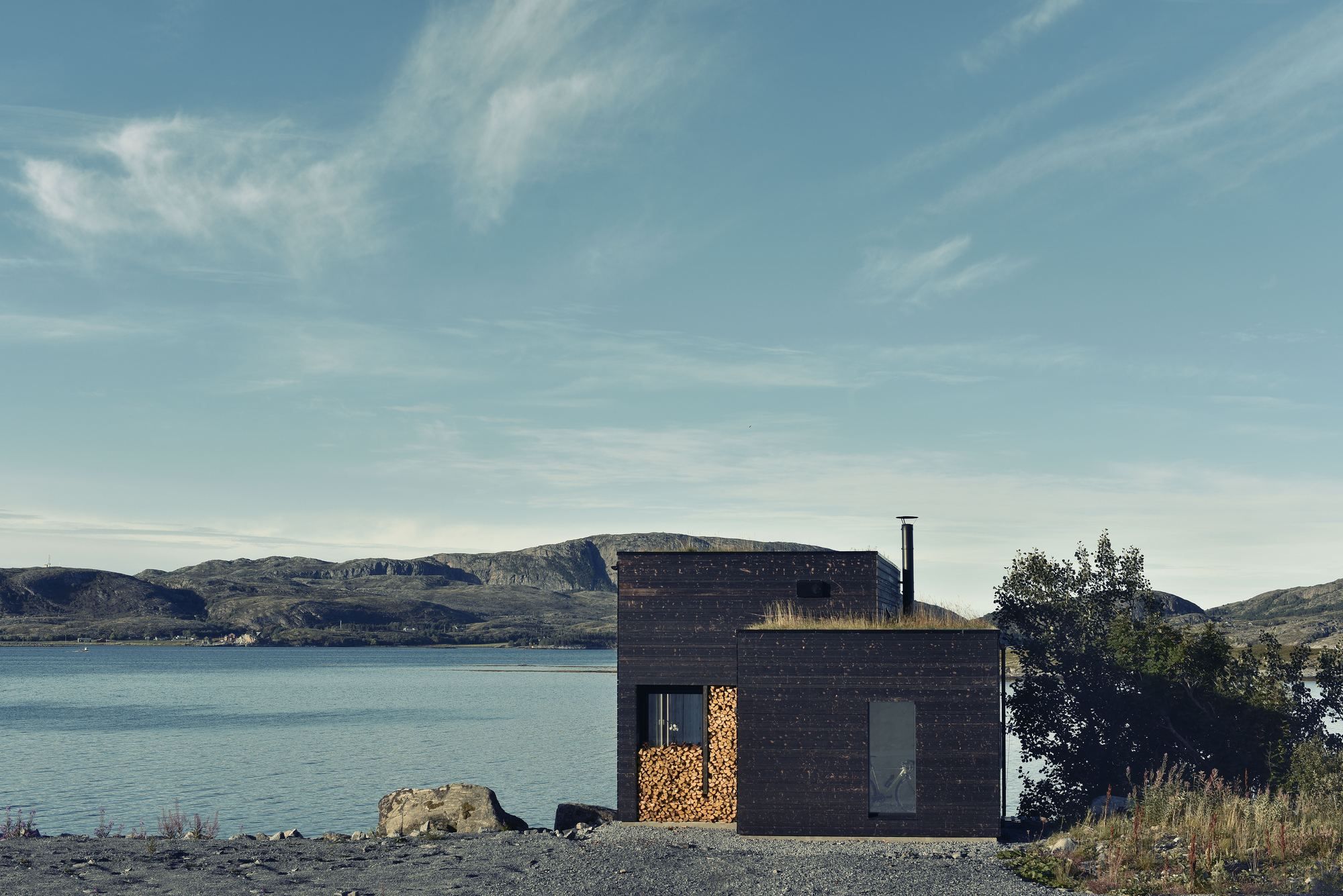
Hadar’s House – photography by © Marius Rua
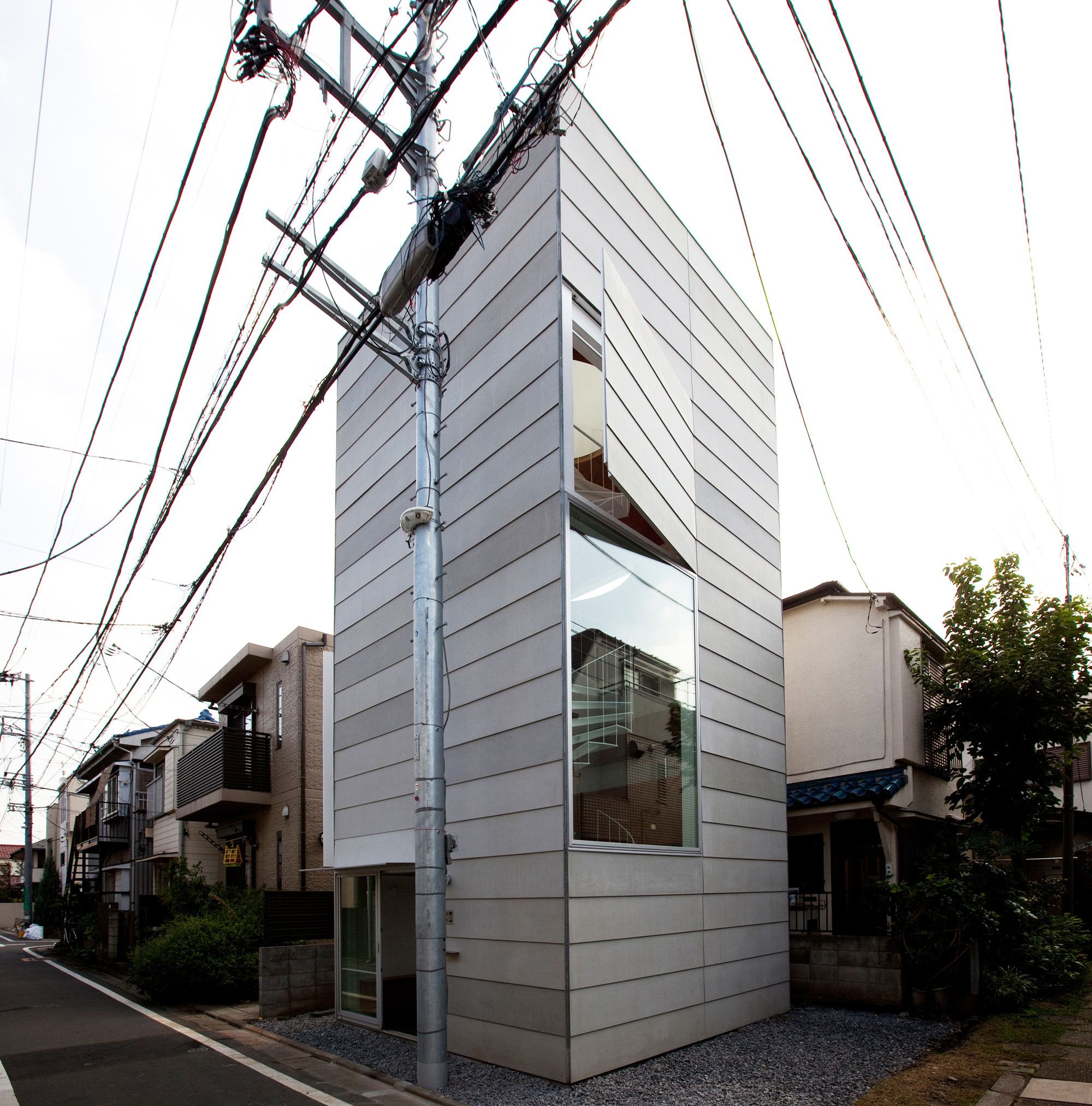
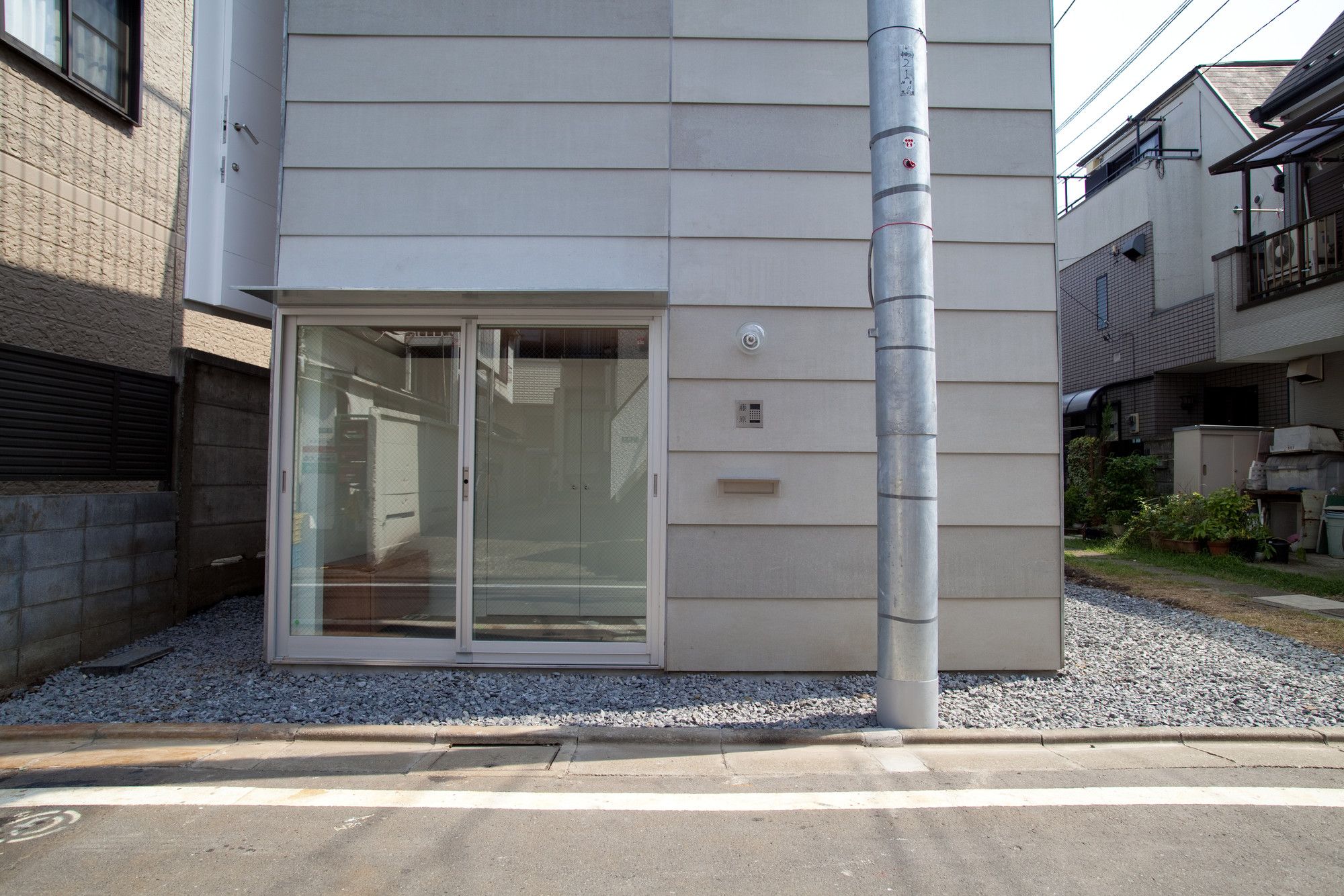
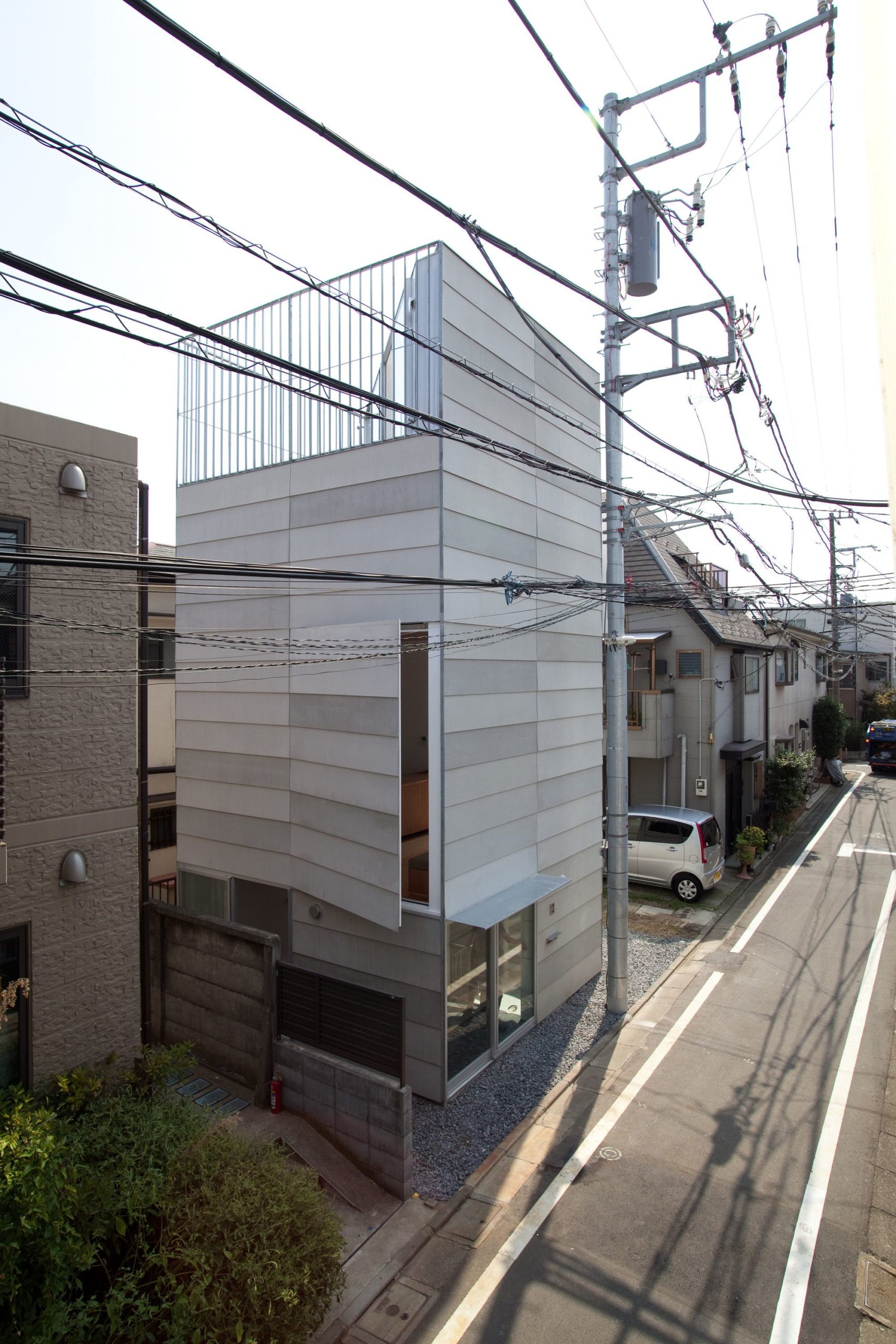
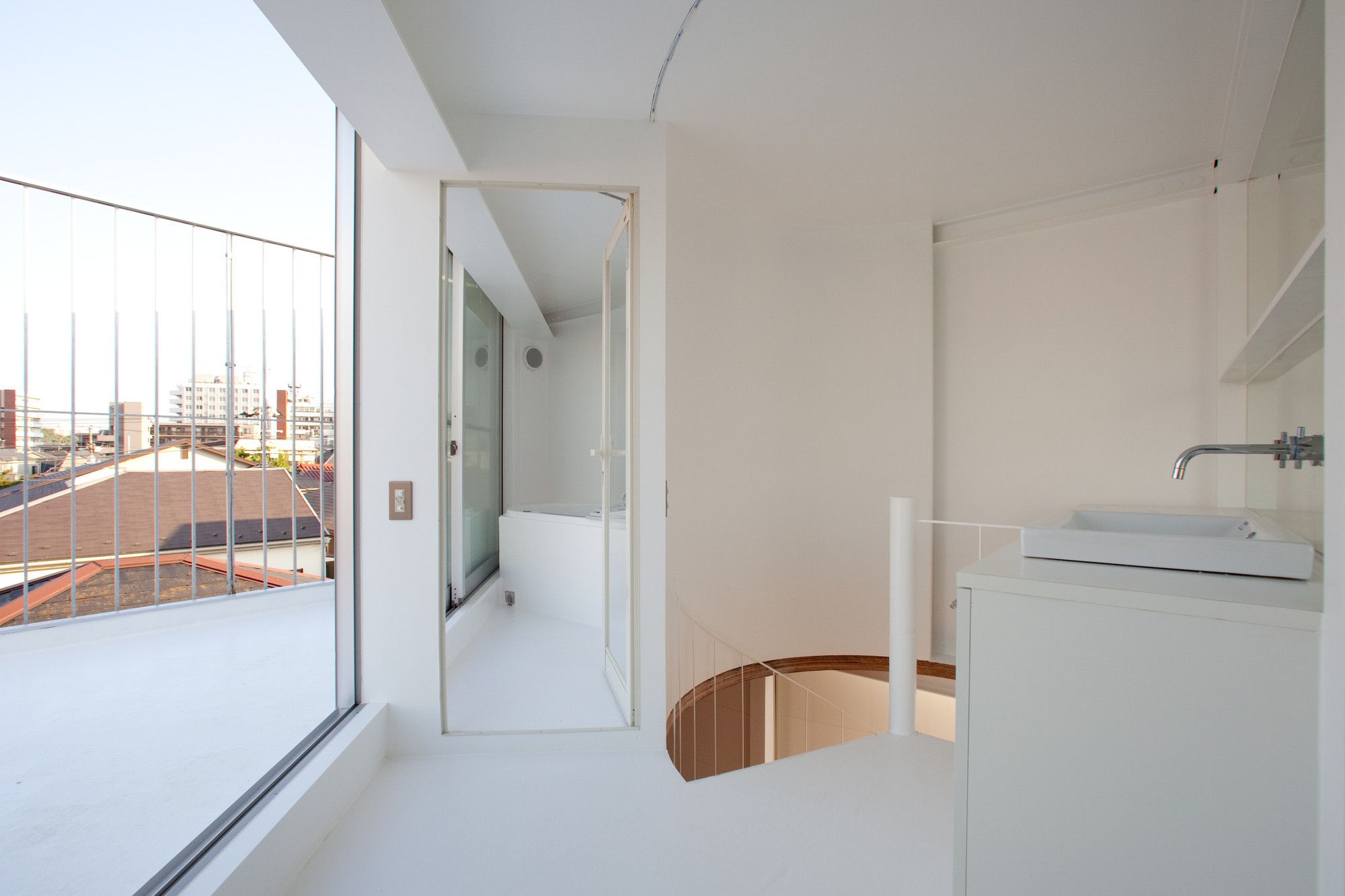
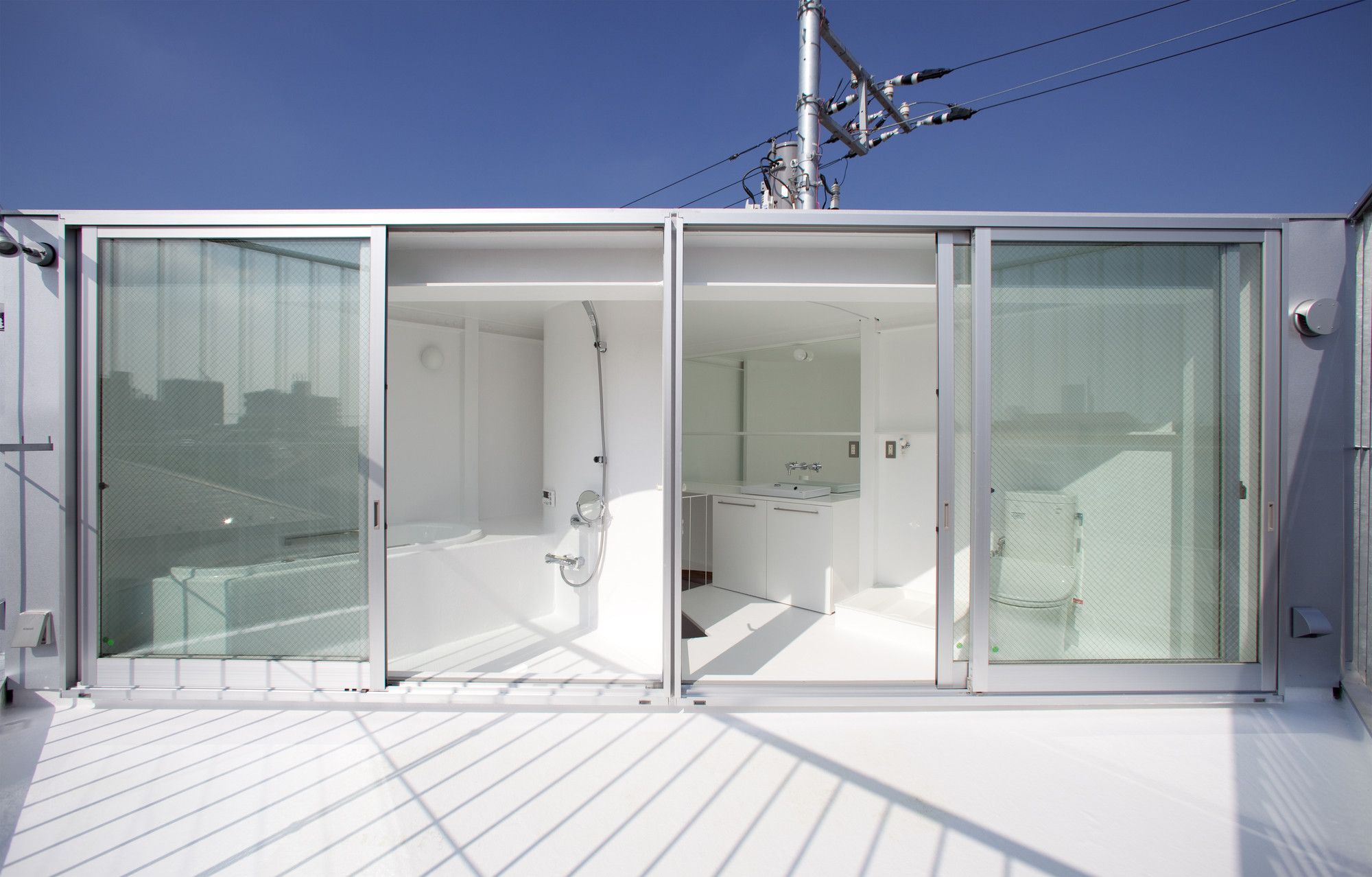
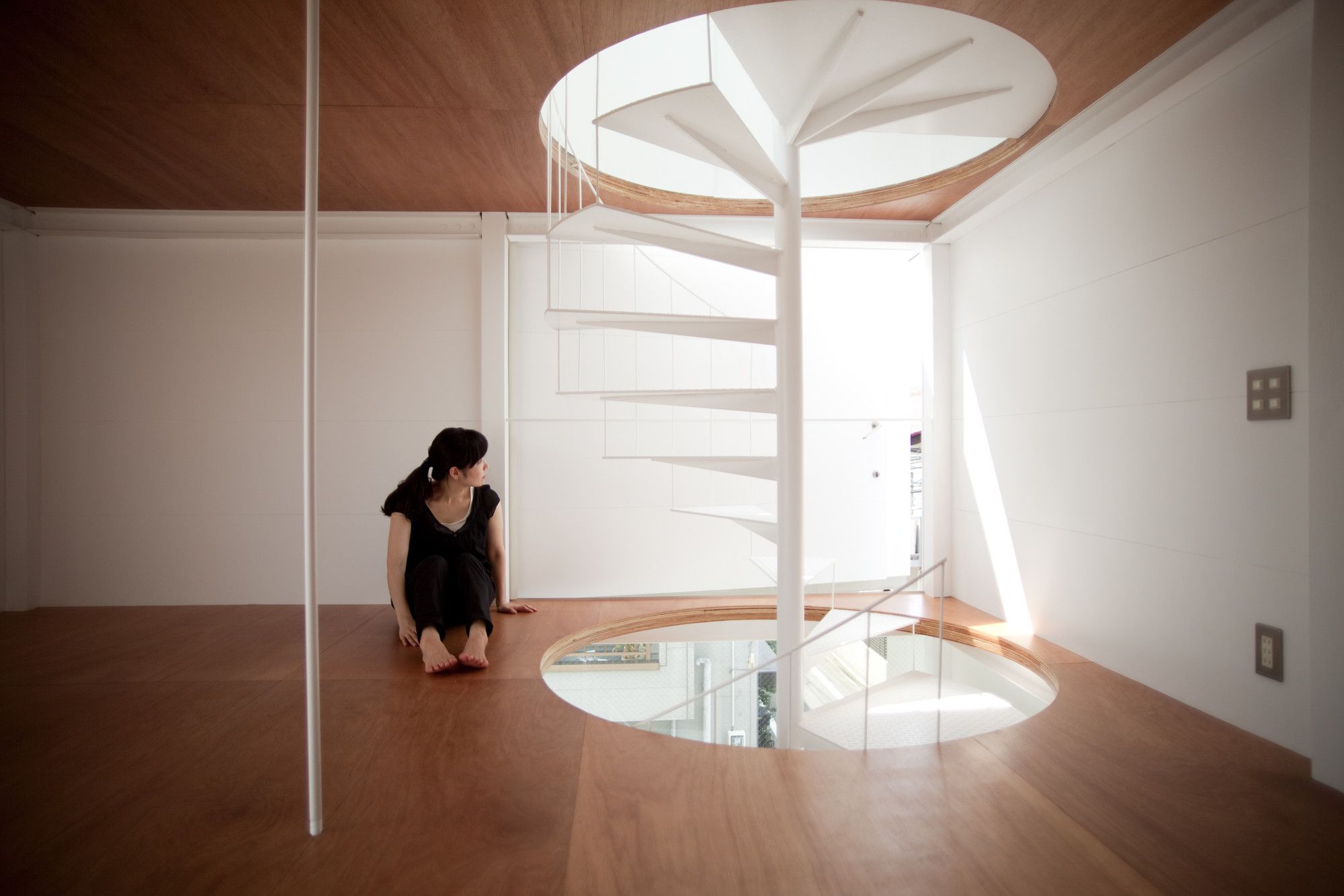
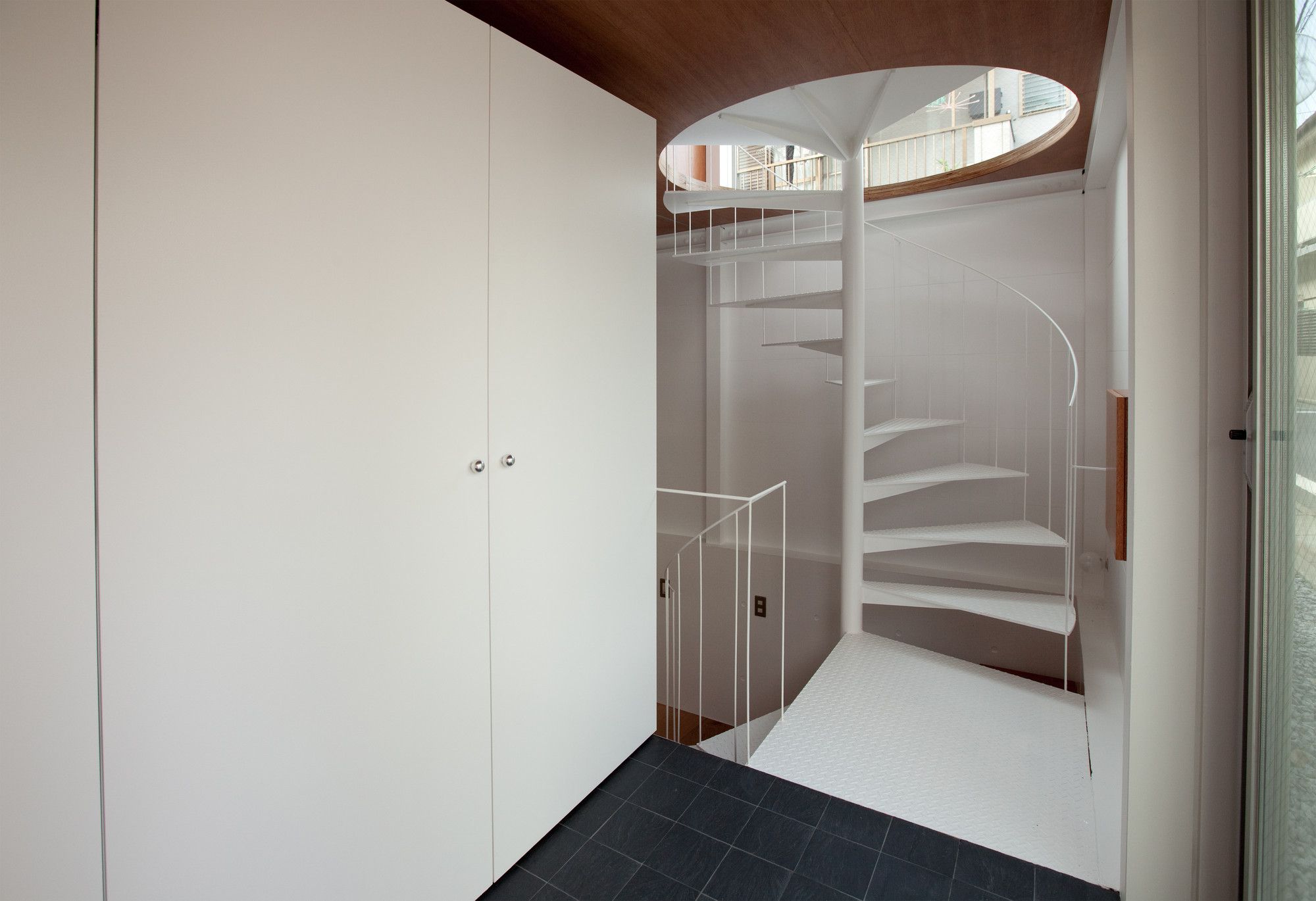
6) Small House – Tokyo, Japan: Ultra-Compact Urban Vertical Living
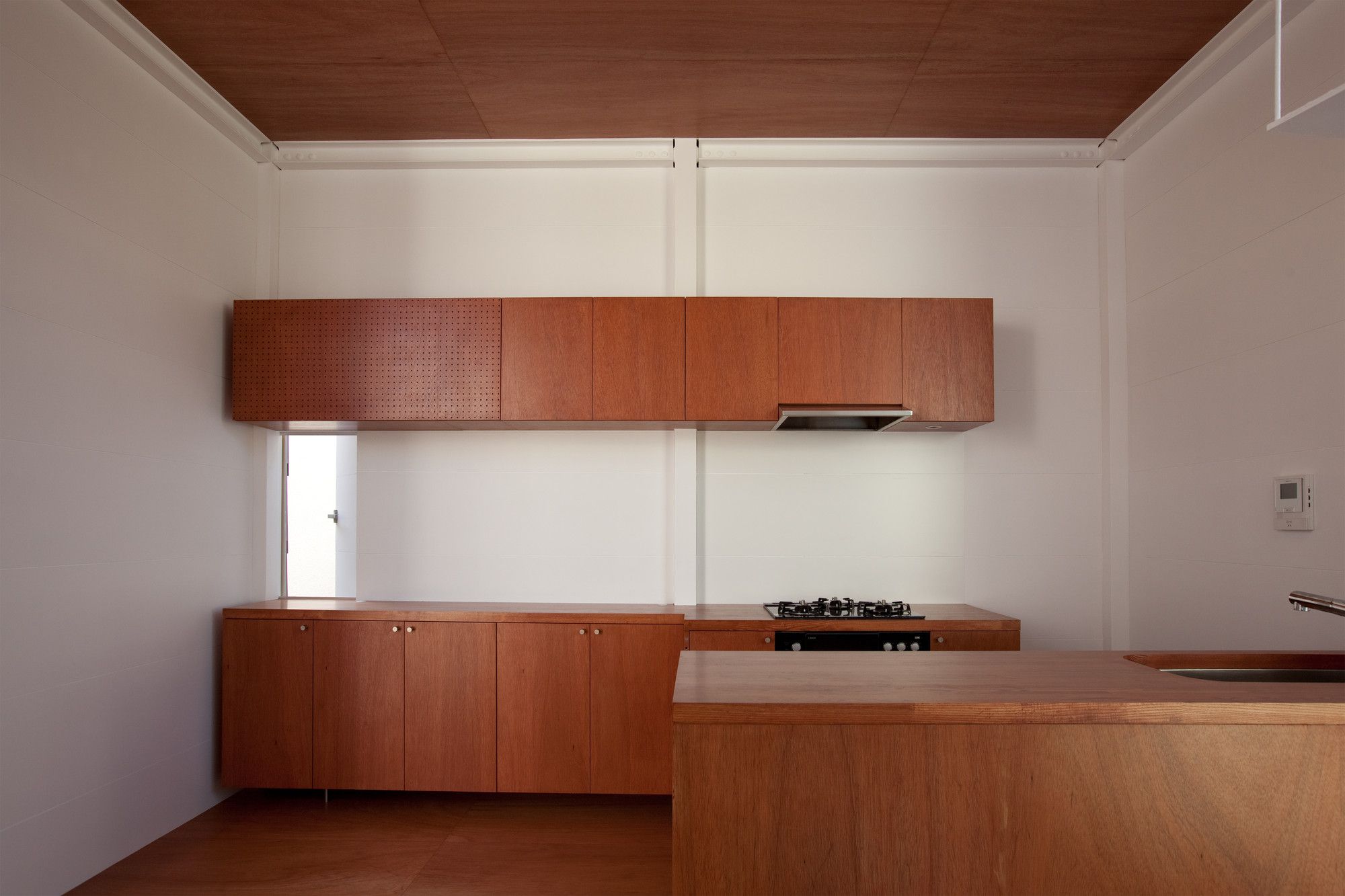
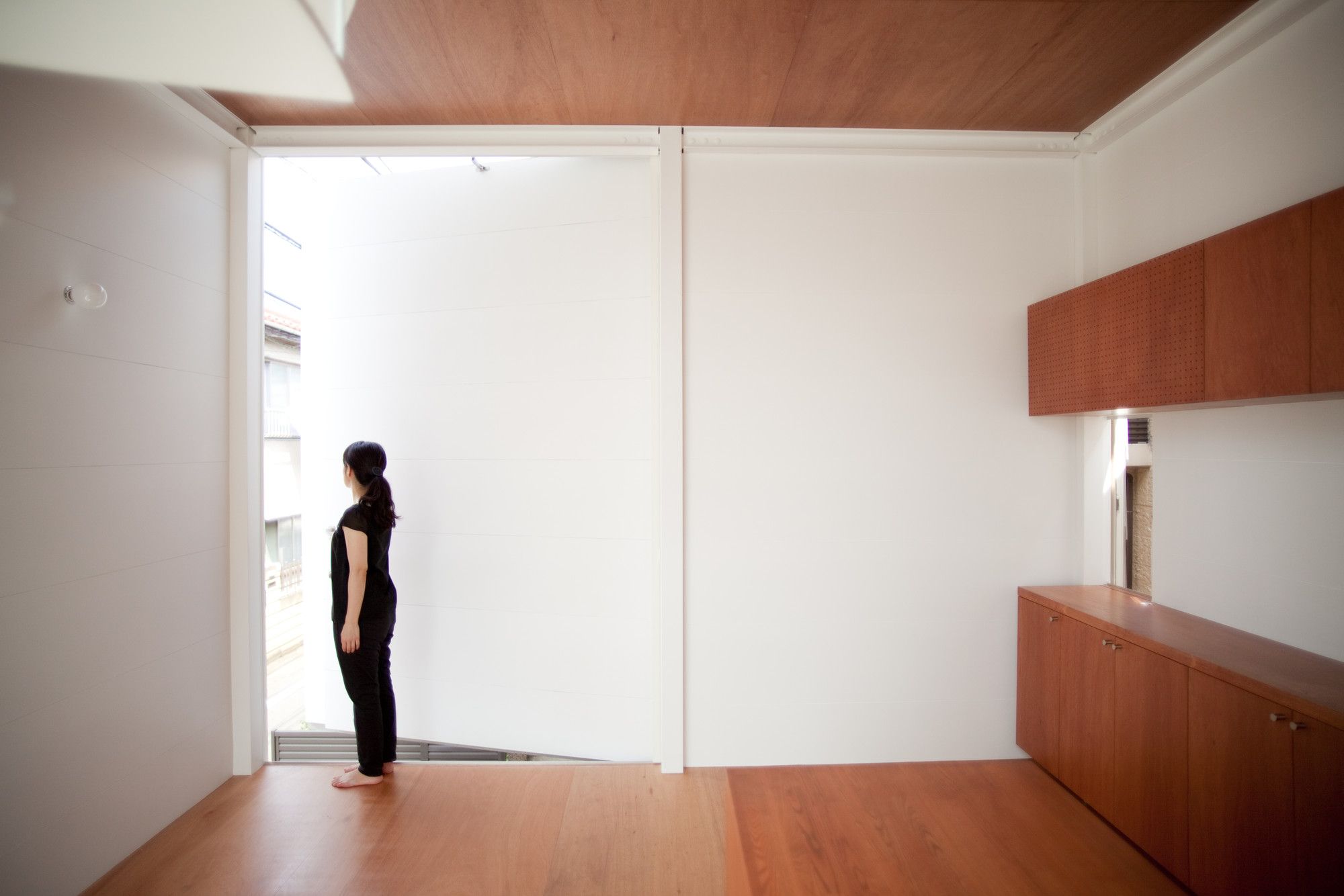
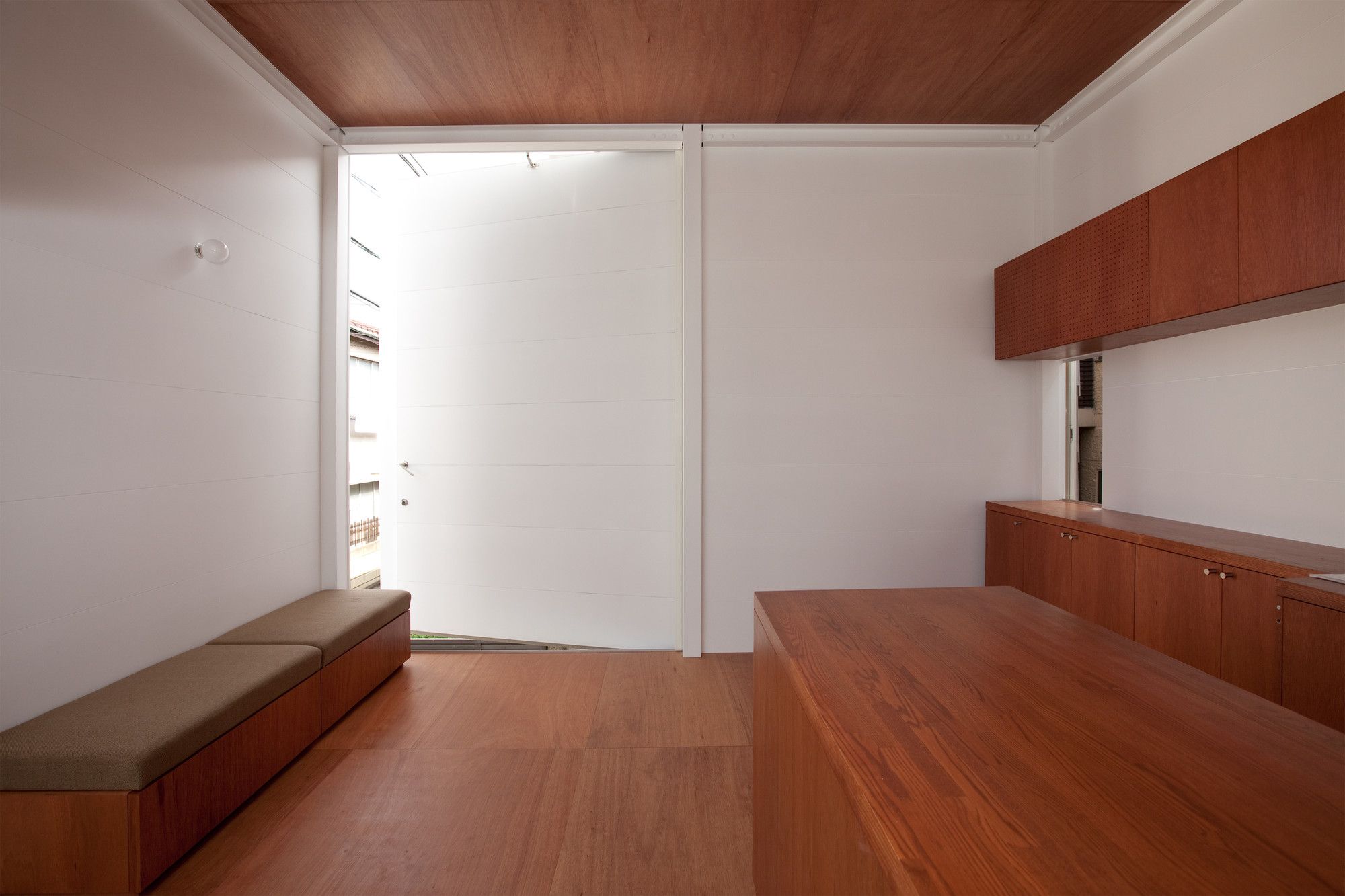
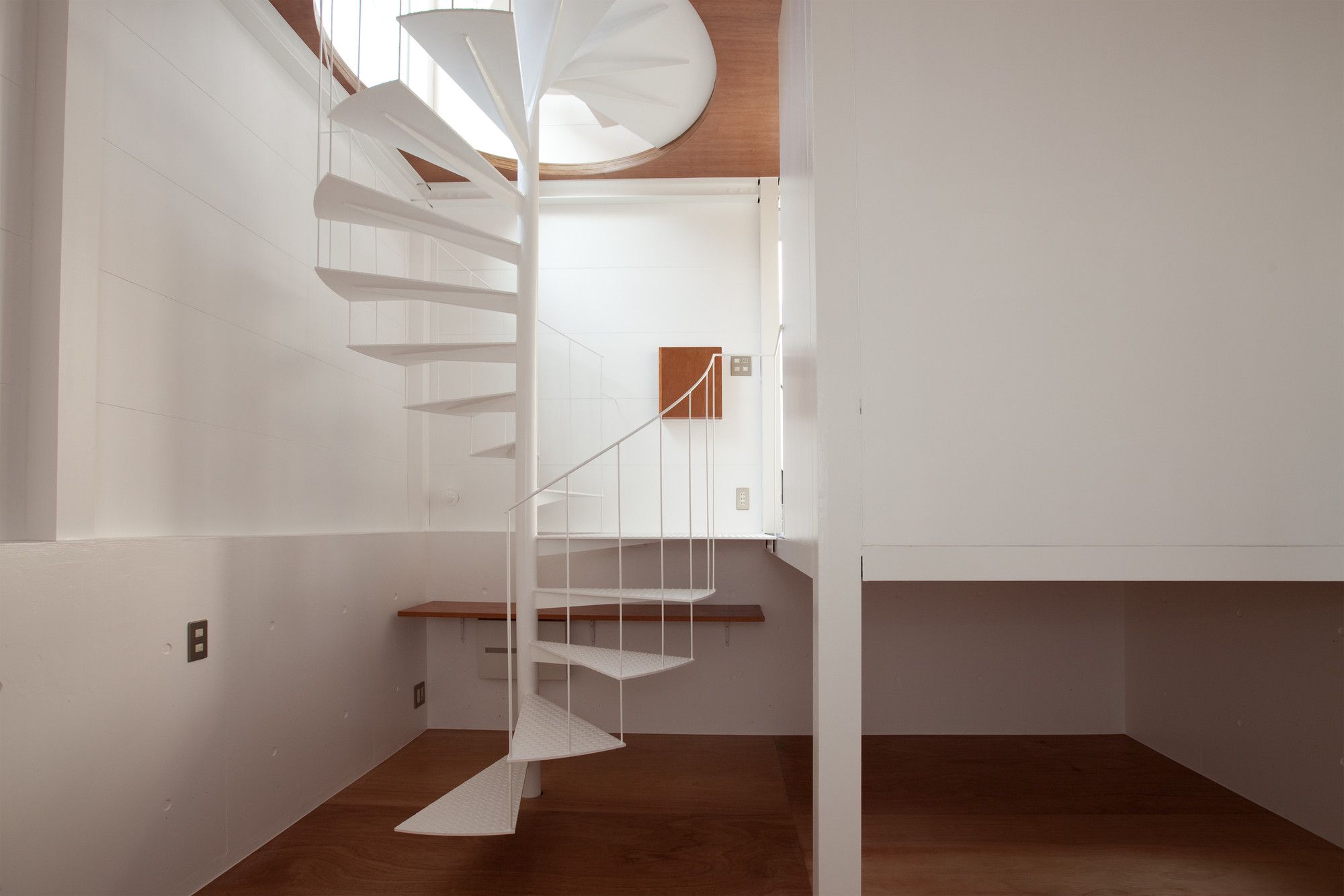
Back to Tokyo (because Japan really does dominate this space), this tiny house by Unemori Architects sits on a 34-square-meter plot but achieves a total area of 67.3sqm across four floors plus a basement.
With just 17.5sqm of floor area, the 6.5-meter-wide structure rises 13 meters high. A spiral metal staircase provides vertical circulation, while the interior uses wood tones and white to create a sense of spaciousness. This small house design demonstrates how going vertical can maximize living space on minimal urban plots.
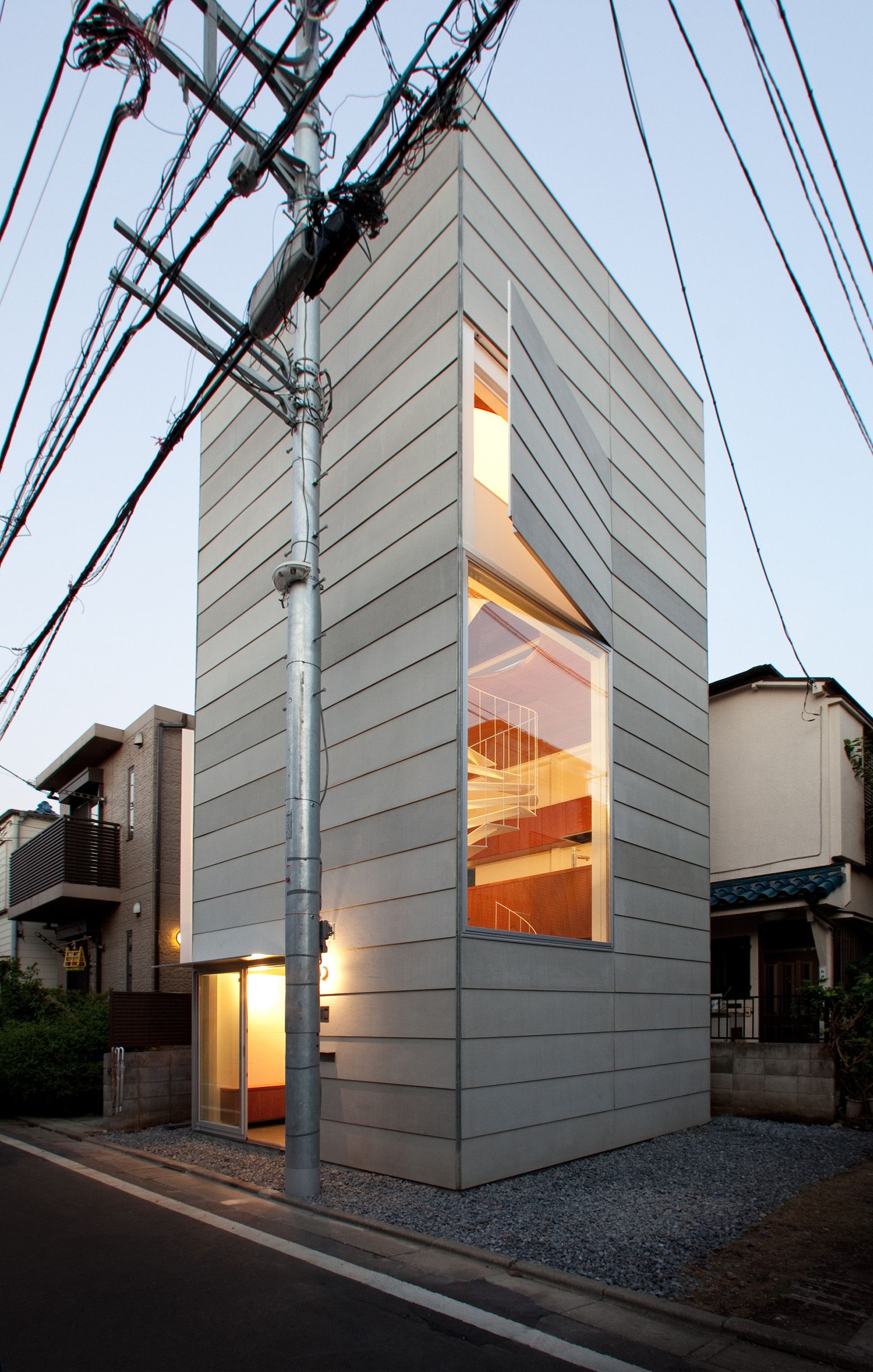
Small House – photography by © Ken Sasajima
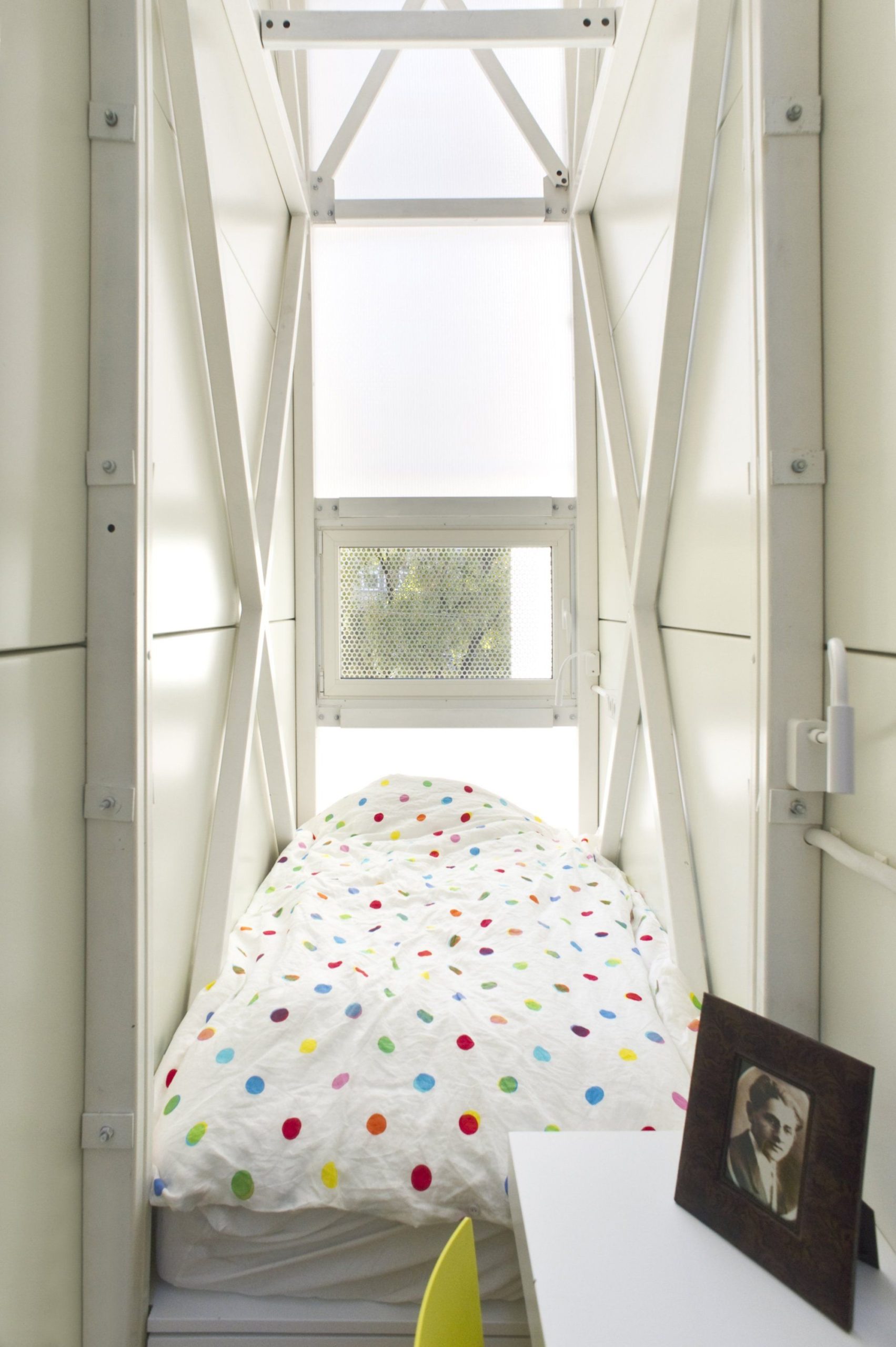
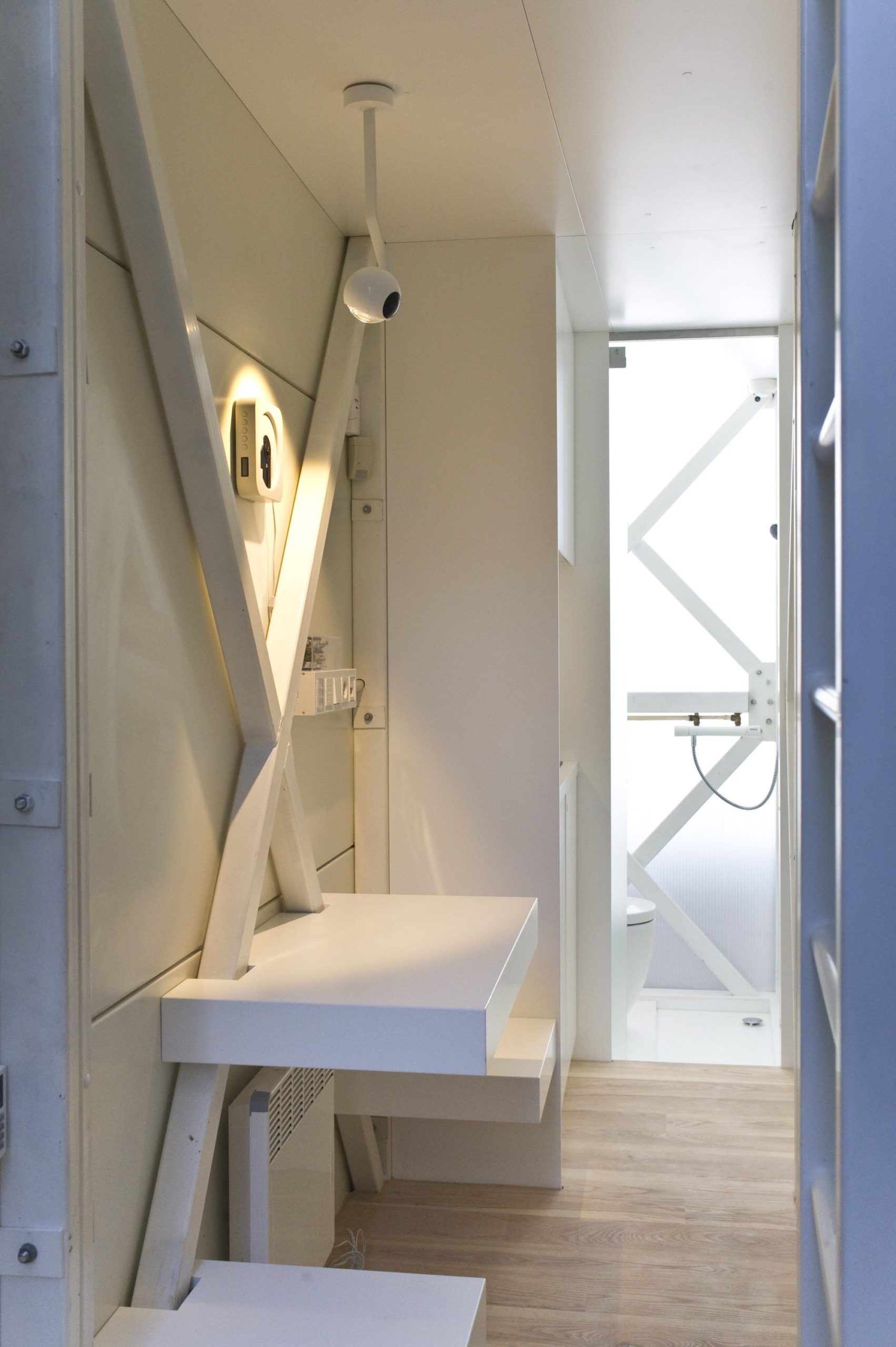
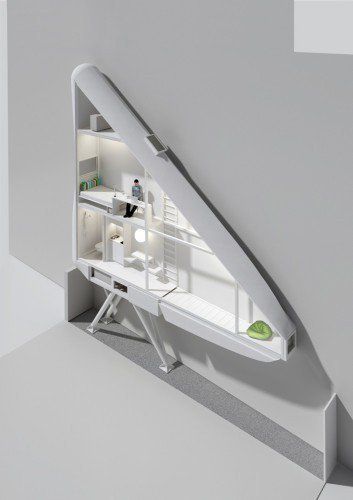
7) The Keret House – Warsaw, Poland: The World’s Tiniest House
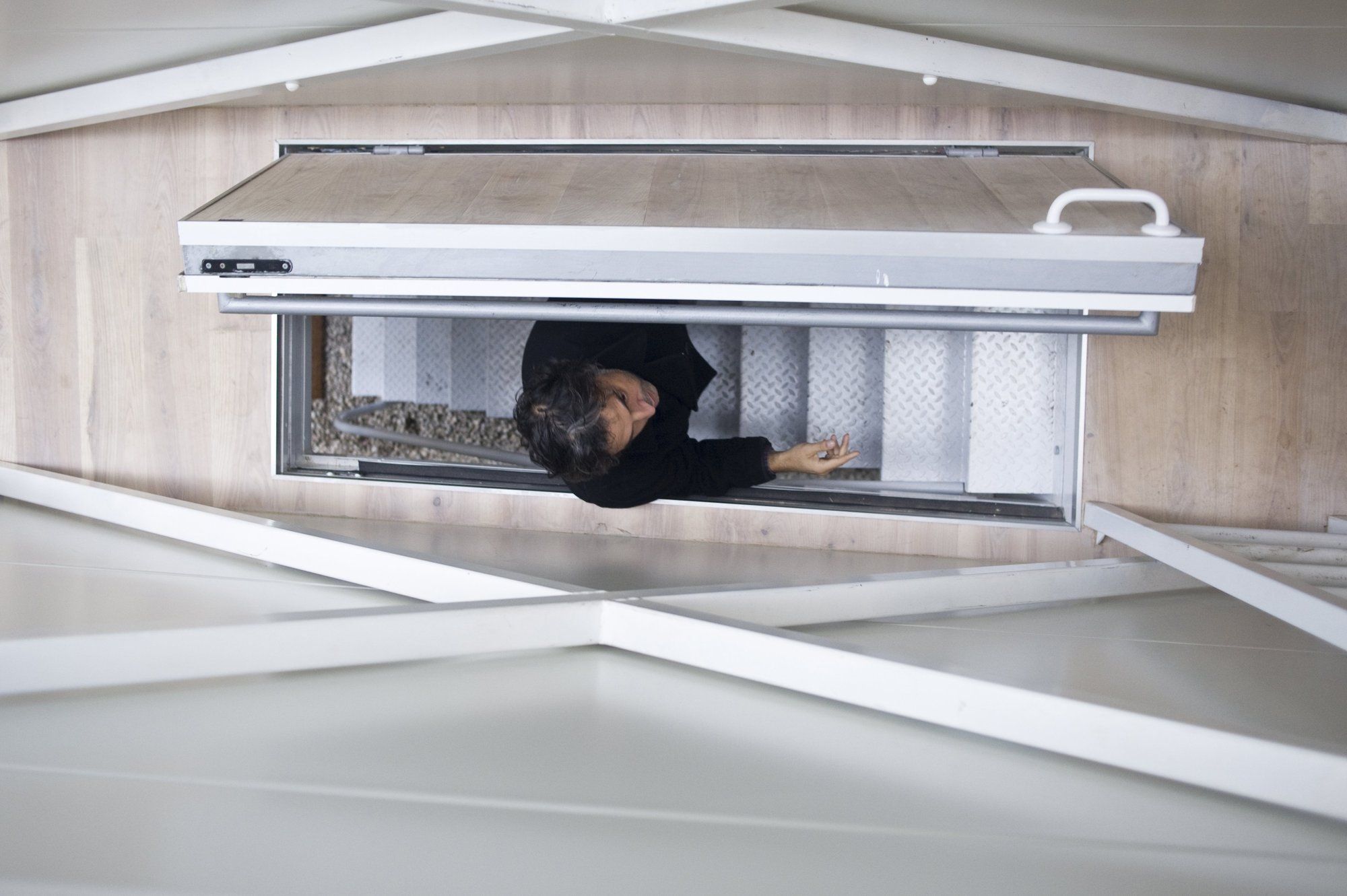
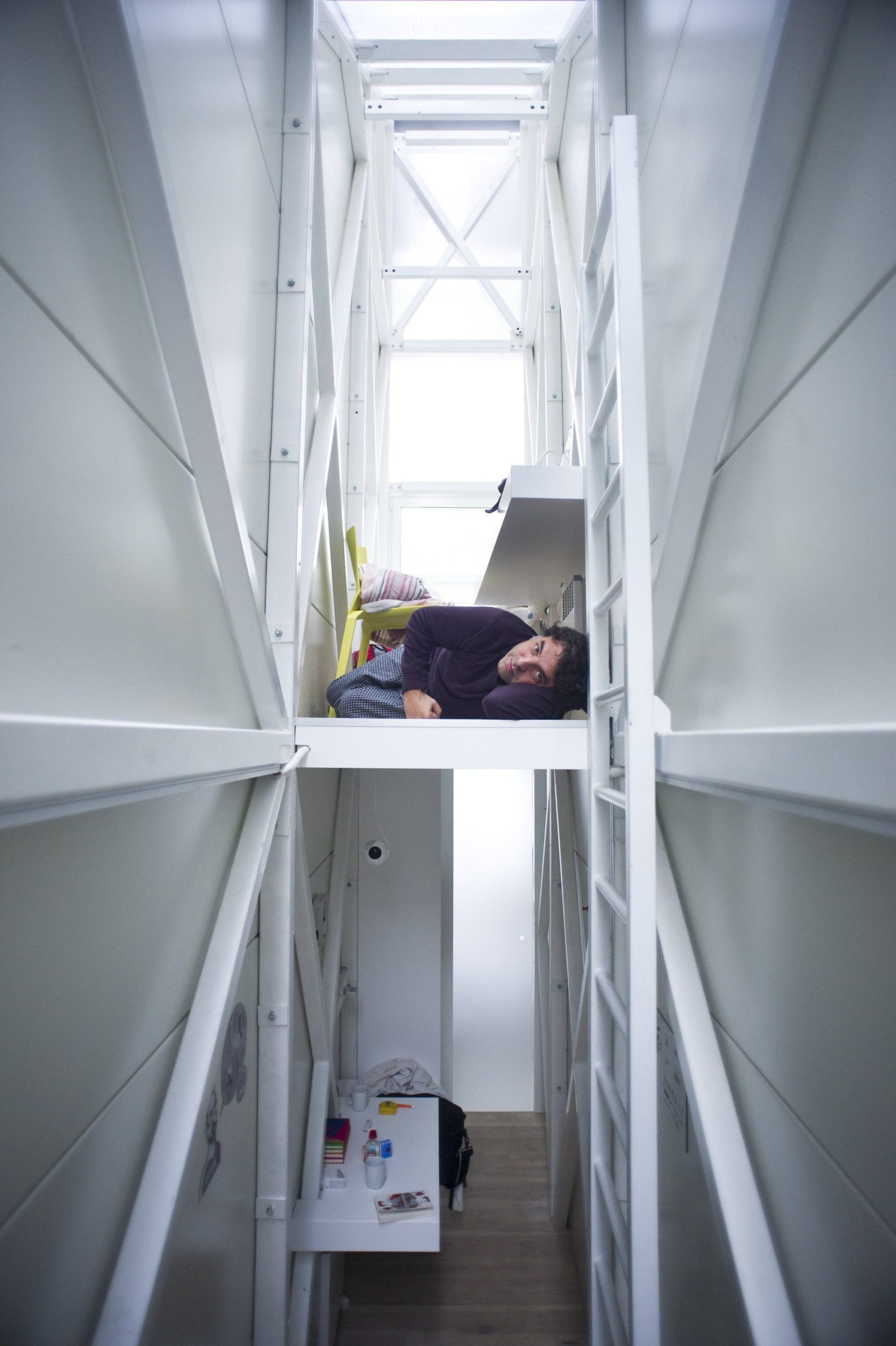
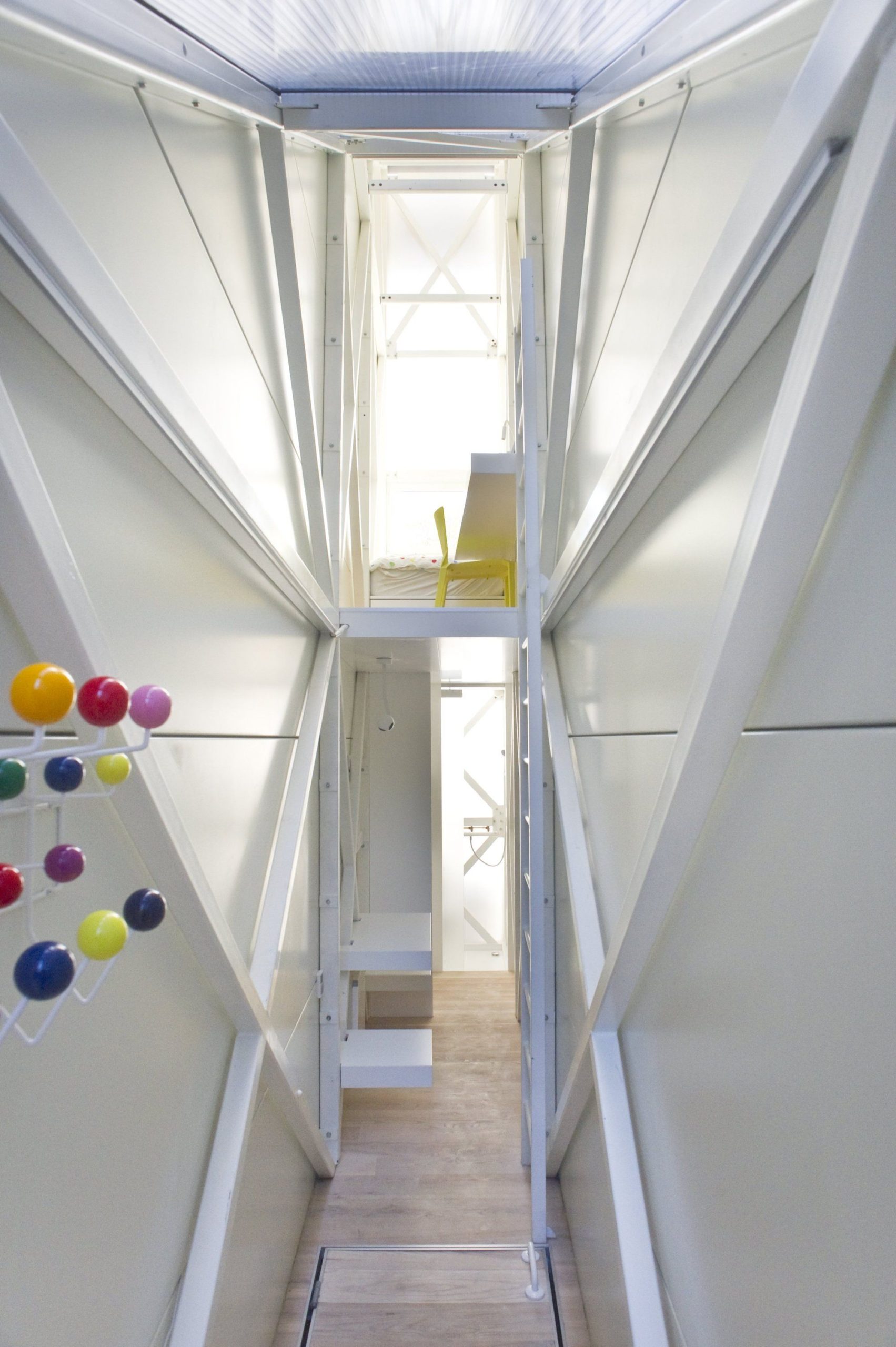
You’d never guess this is actually a house from the outside. Known as the world’s tiniest house, the Keret House ranges in width from just 72cm to 122cm, inserted between two existing buildings on a plot only 152cm to 92cm wide.
Despite its unbelievably compact dimensions, this small house is fully functional with a kitchenette, bathroom, bed, and desk. Natural light floods the interior through strategic openings, making the space feel less claustrophobic. It’s the ultimate proof that good interior design can make any space livable.
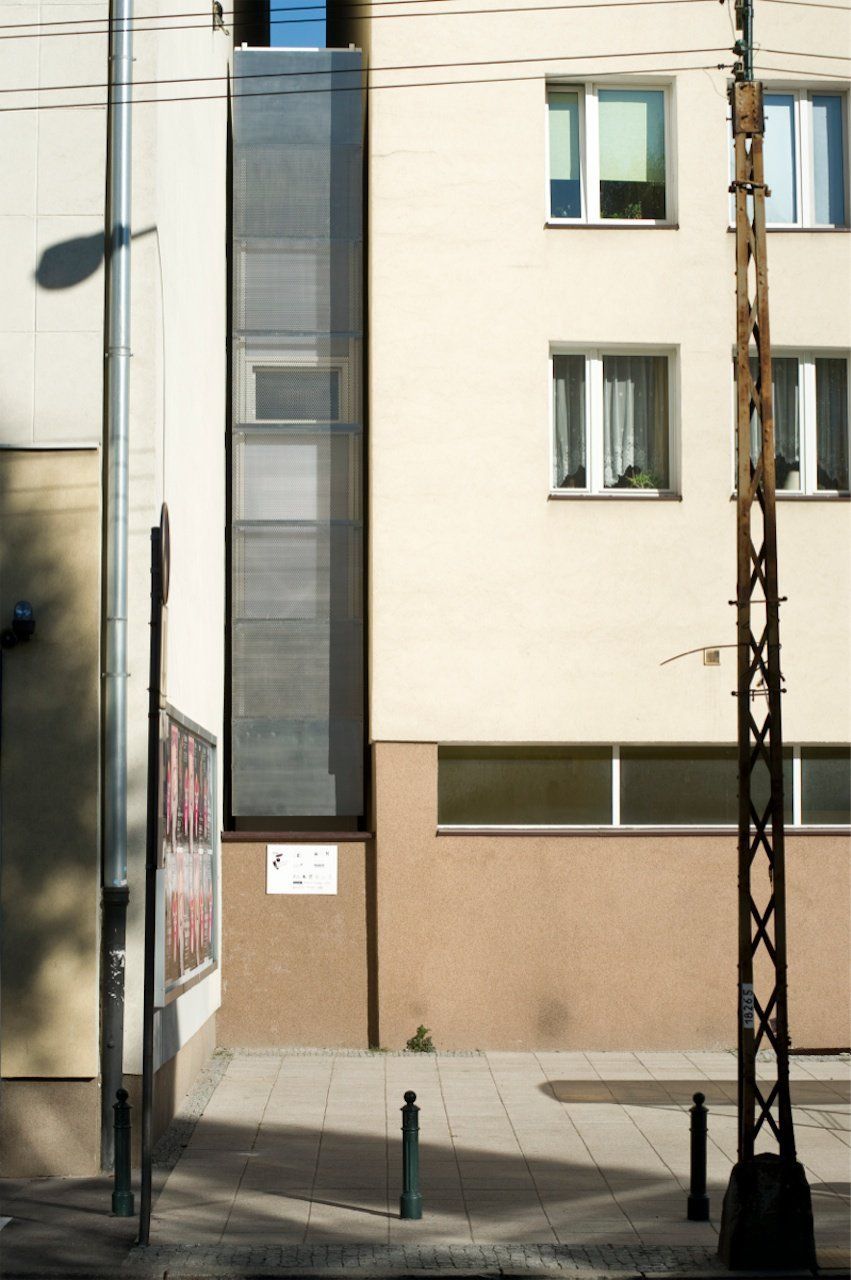
The Keret House – © Polish Modern Art Foundation / Bartek Warzecha
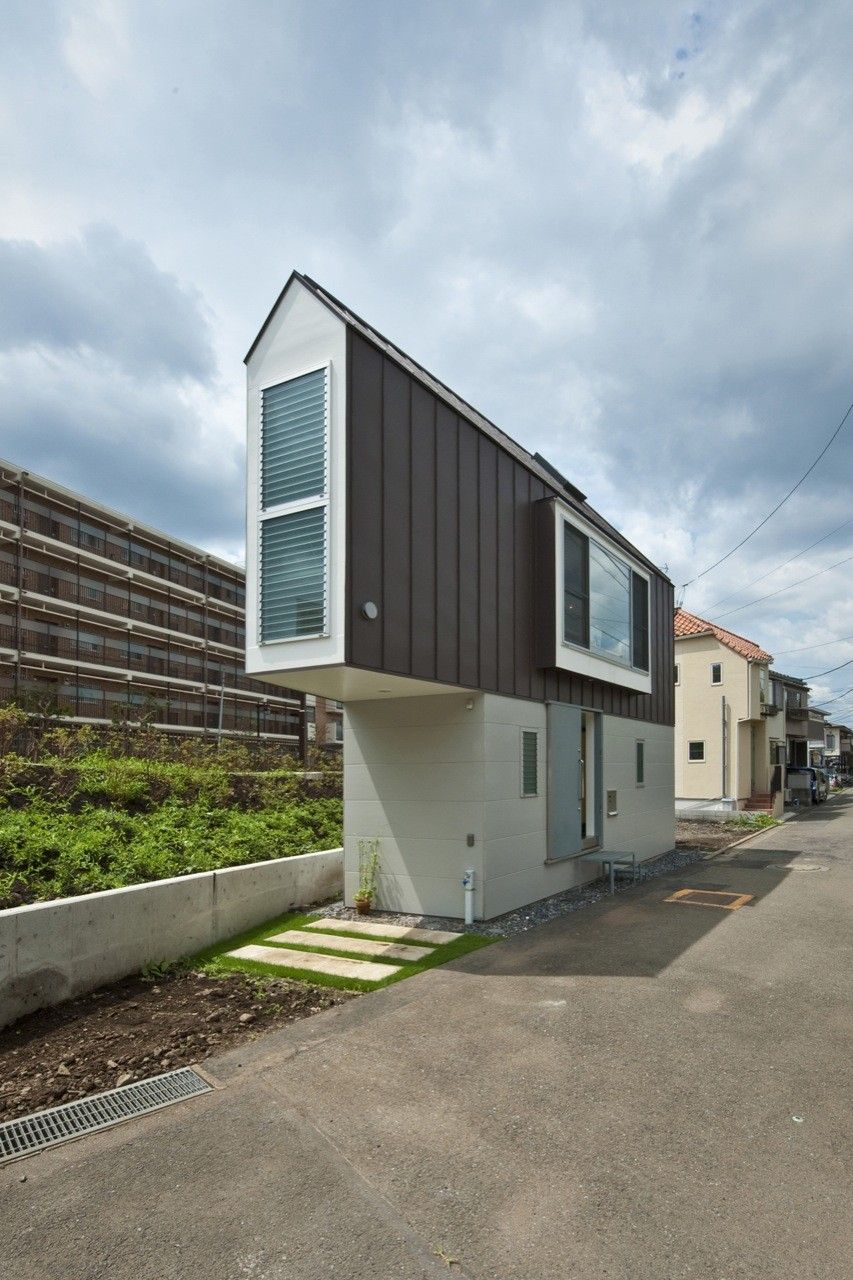
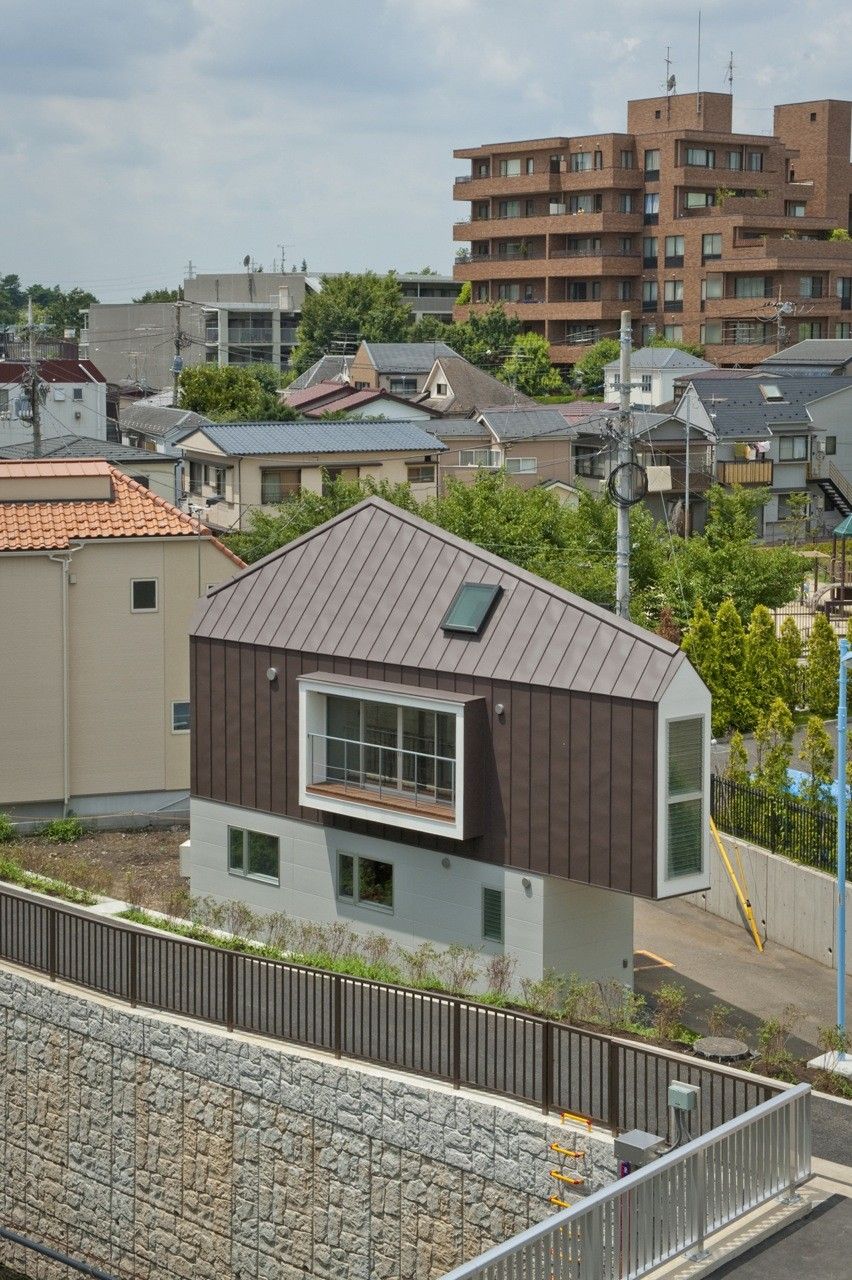
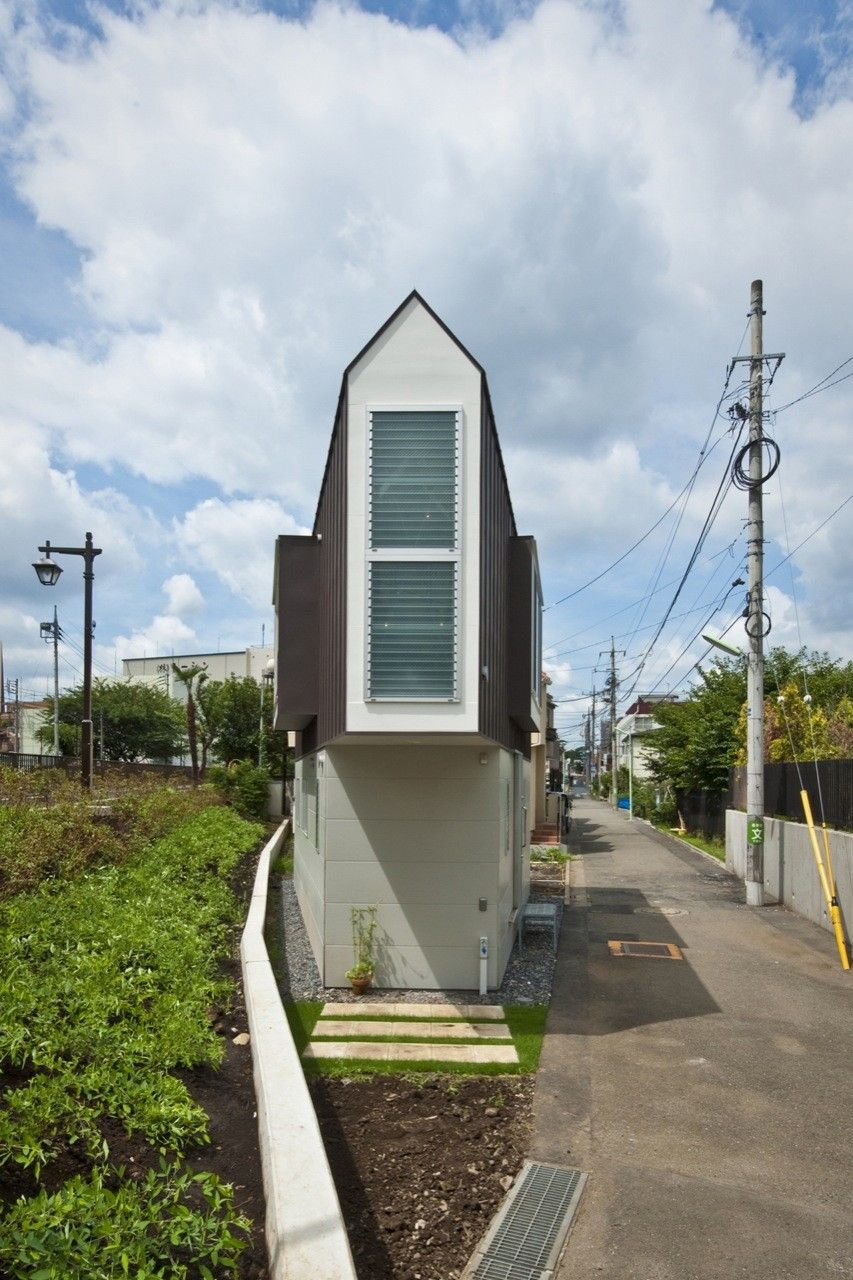
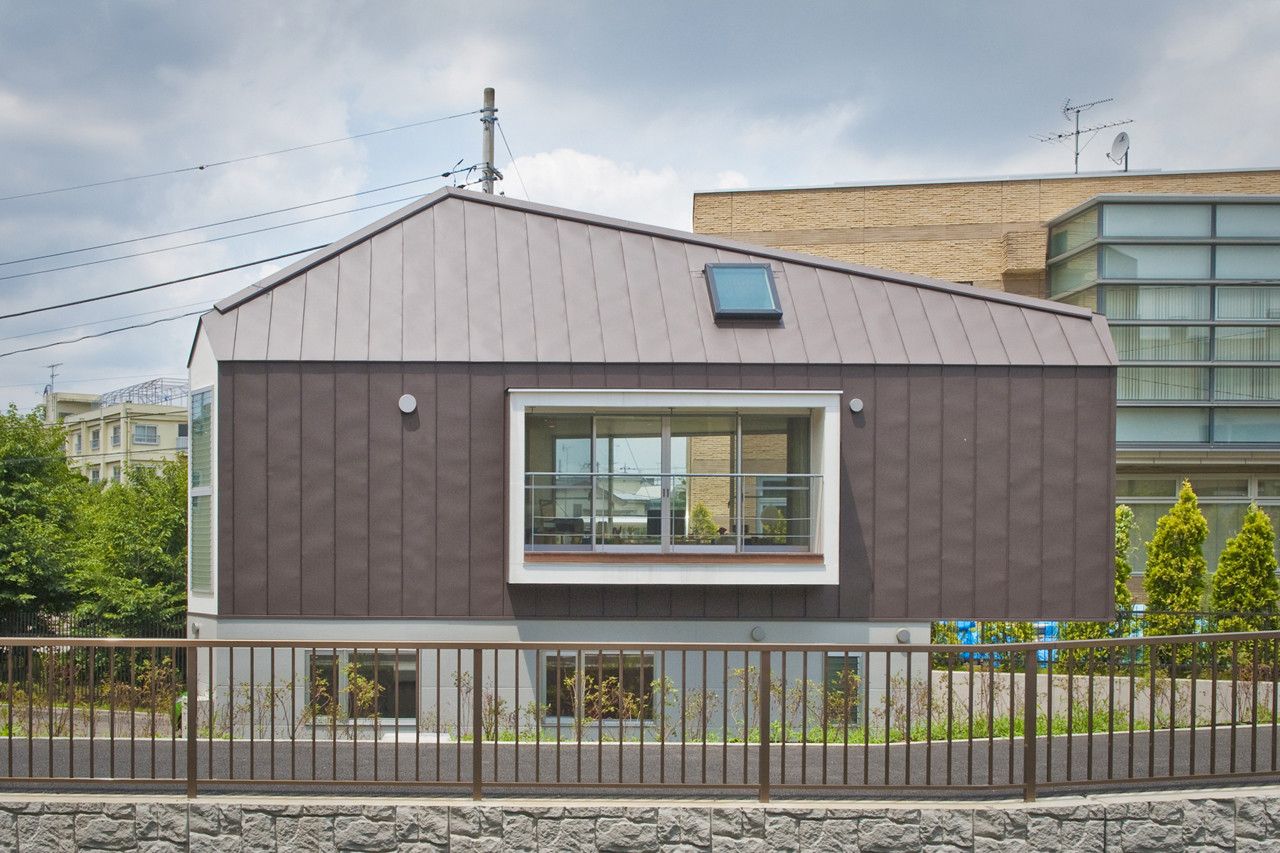
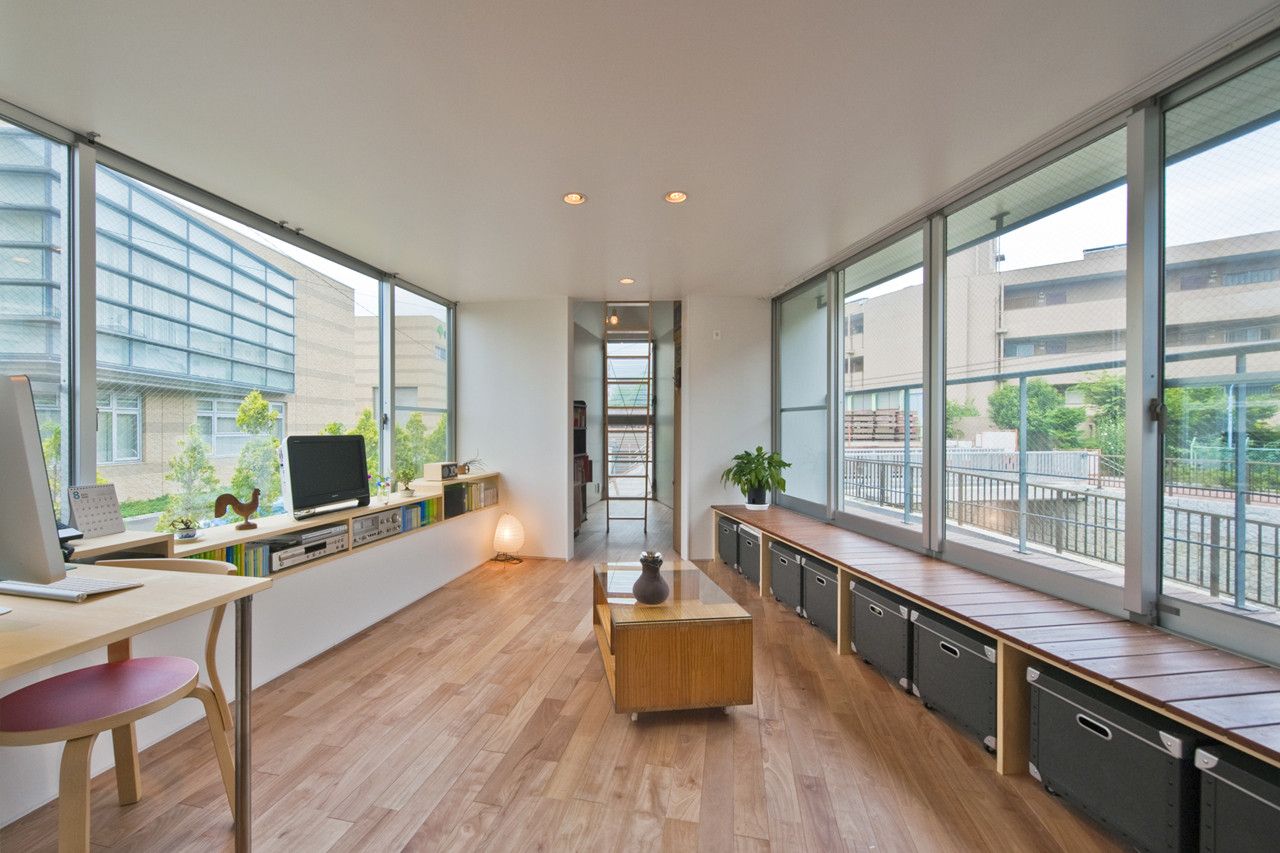
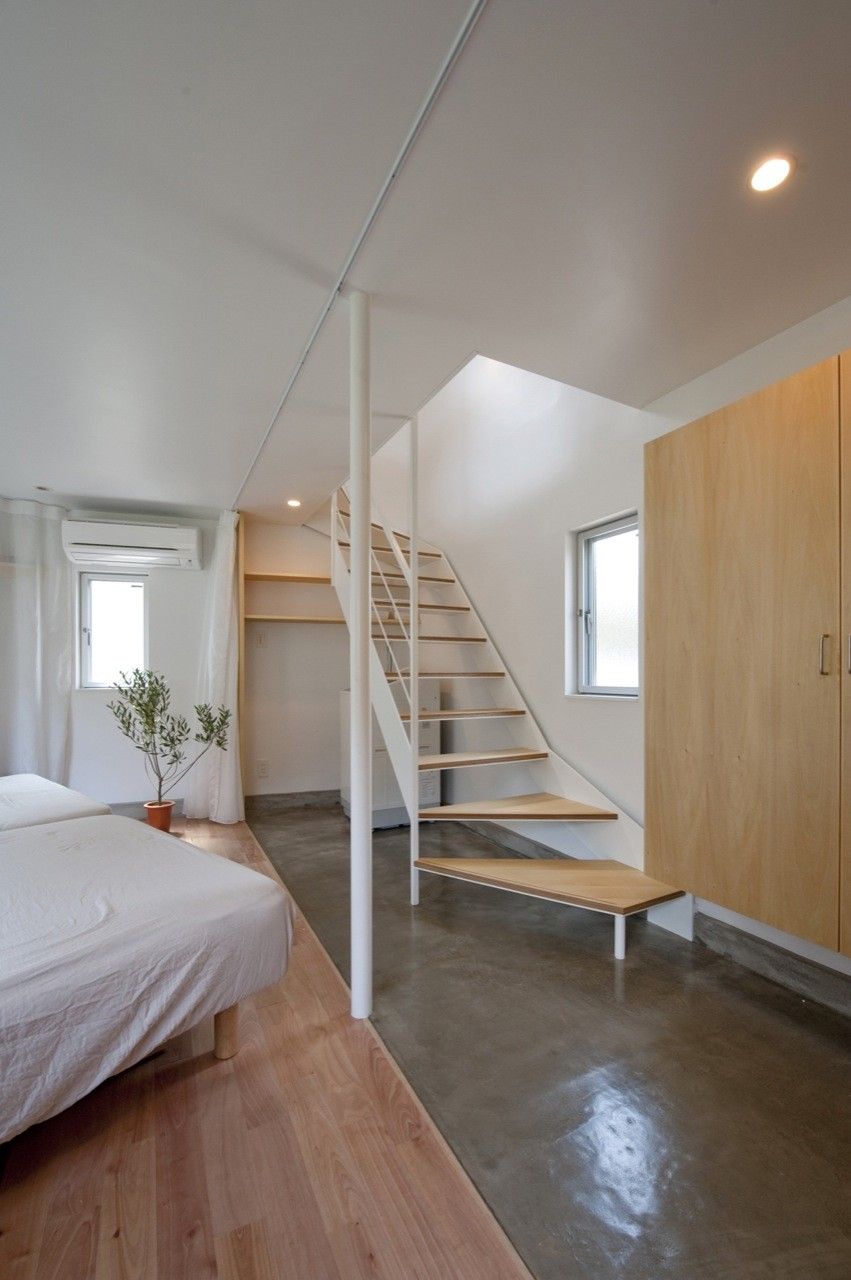
8) House in Horinouchi – Tokyo, Japan: Triangular Plot Mastery
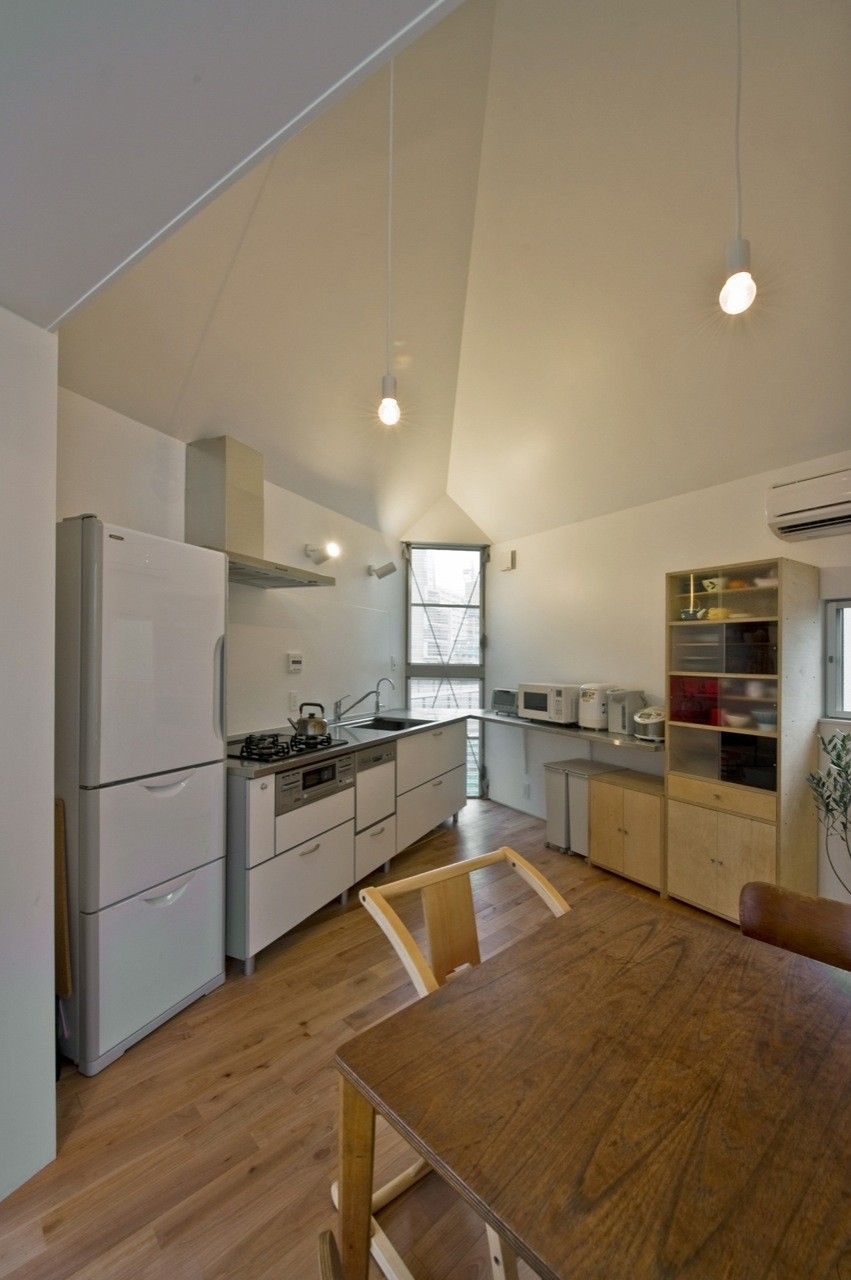
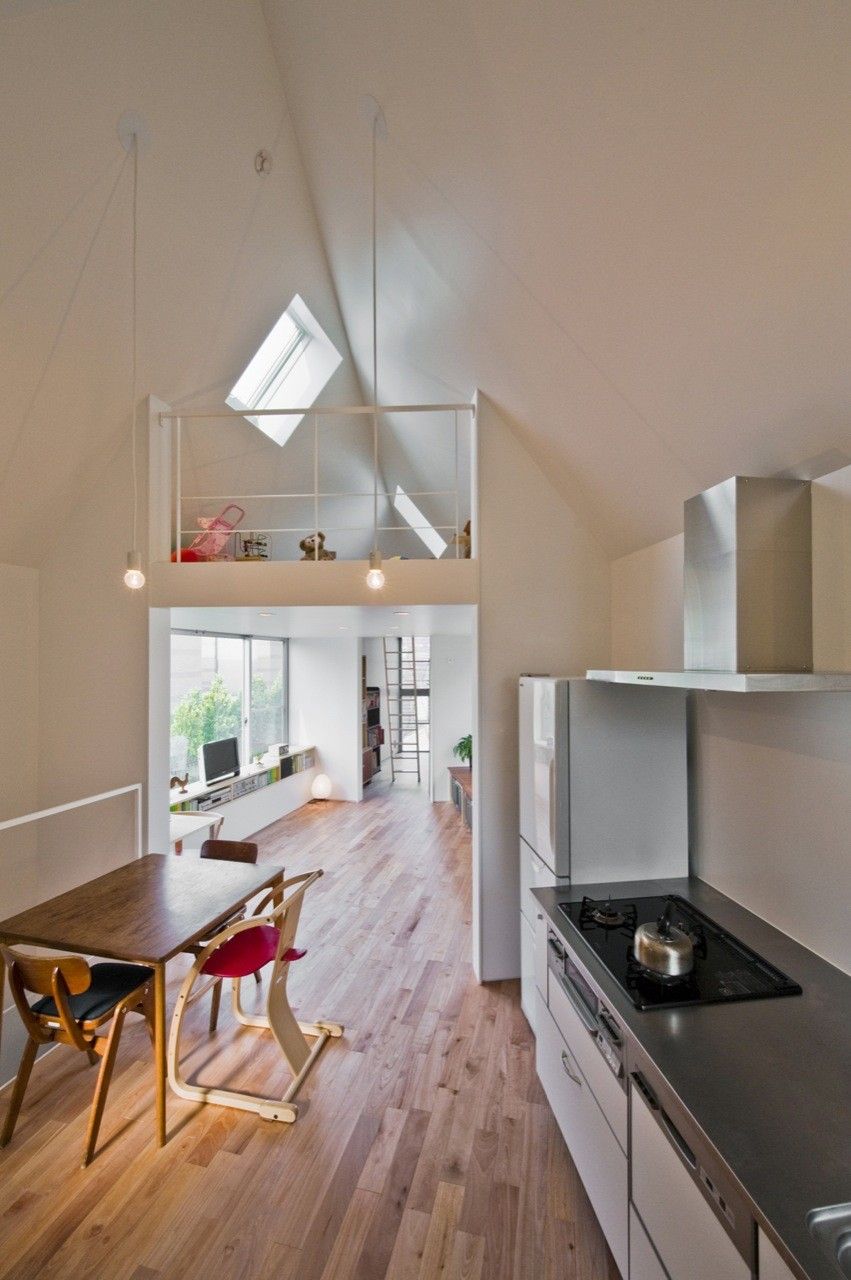
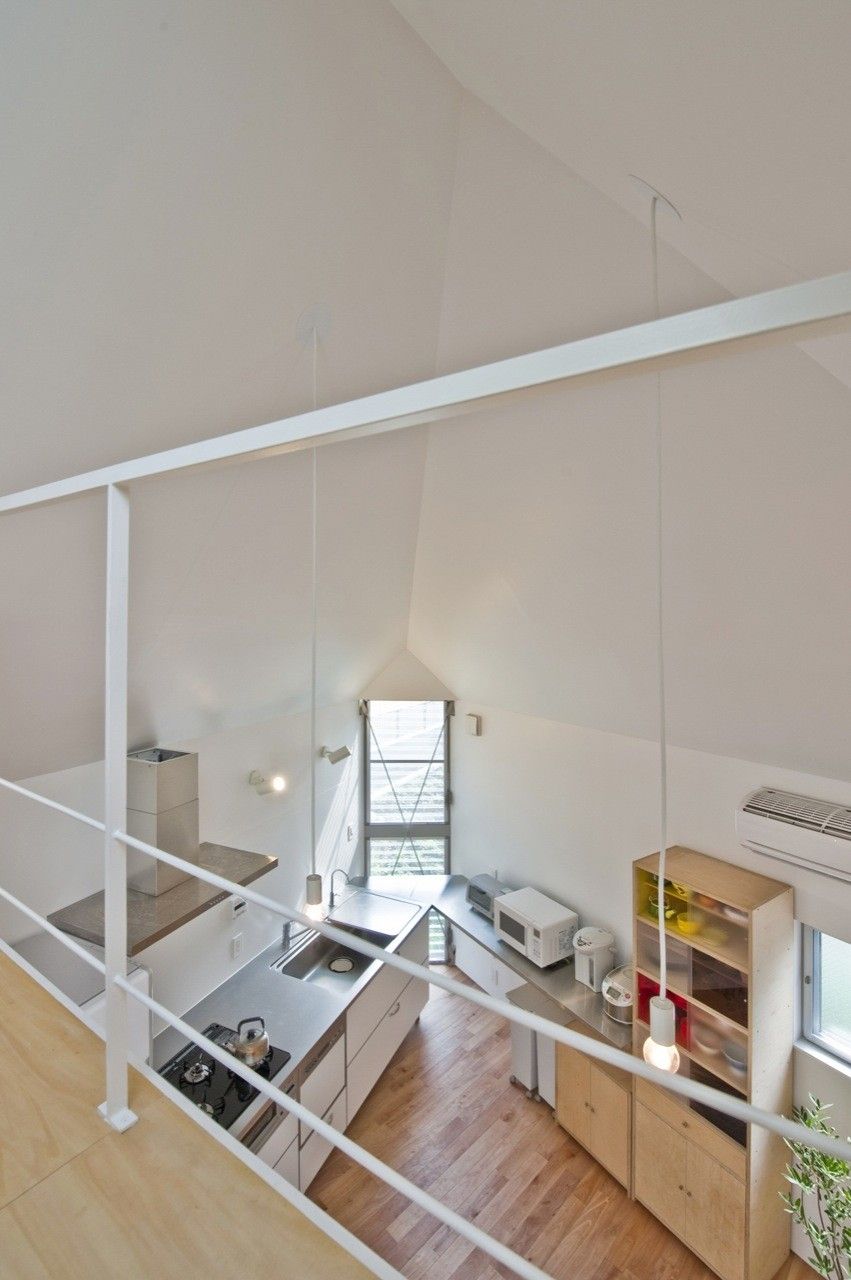
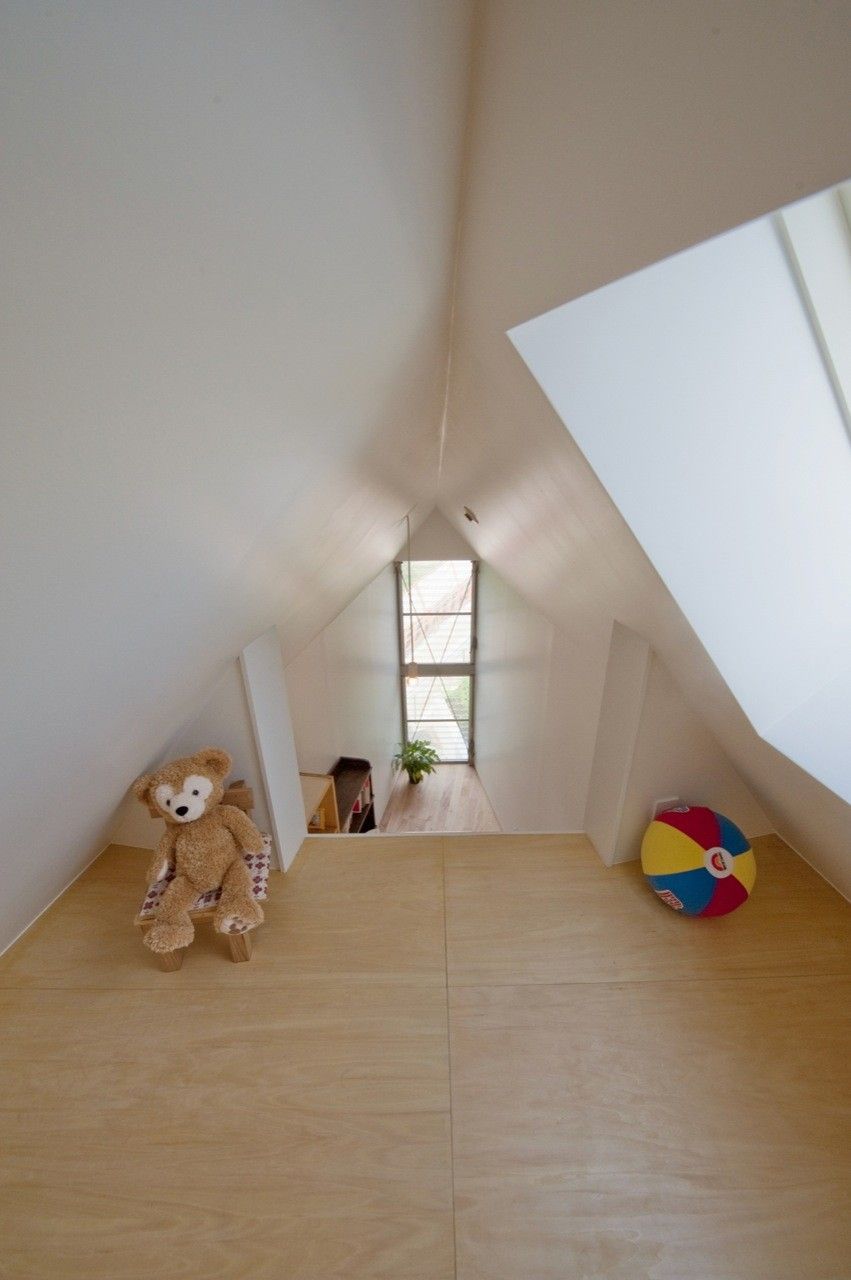
Designed by Mizuishi Architects Atelier, this house sits on a triangular plot between a river and a street in West Tokyo, totaling 55sqm across two floors plus a mezzanine.
The bedroom sits on the ground floor, while the kitchen and living room occupy the first floor. The mezzanine level houses a kids’ playroom and family space. Painted entirely white to feel roomy, this small house design shows how color psychology and clever floor planning can maximize compact urban plots.
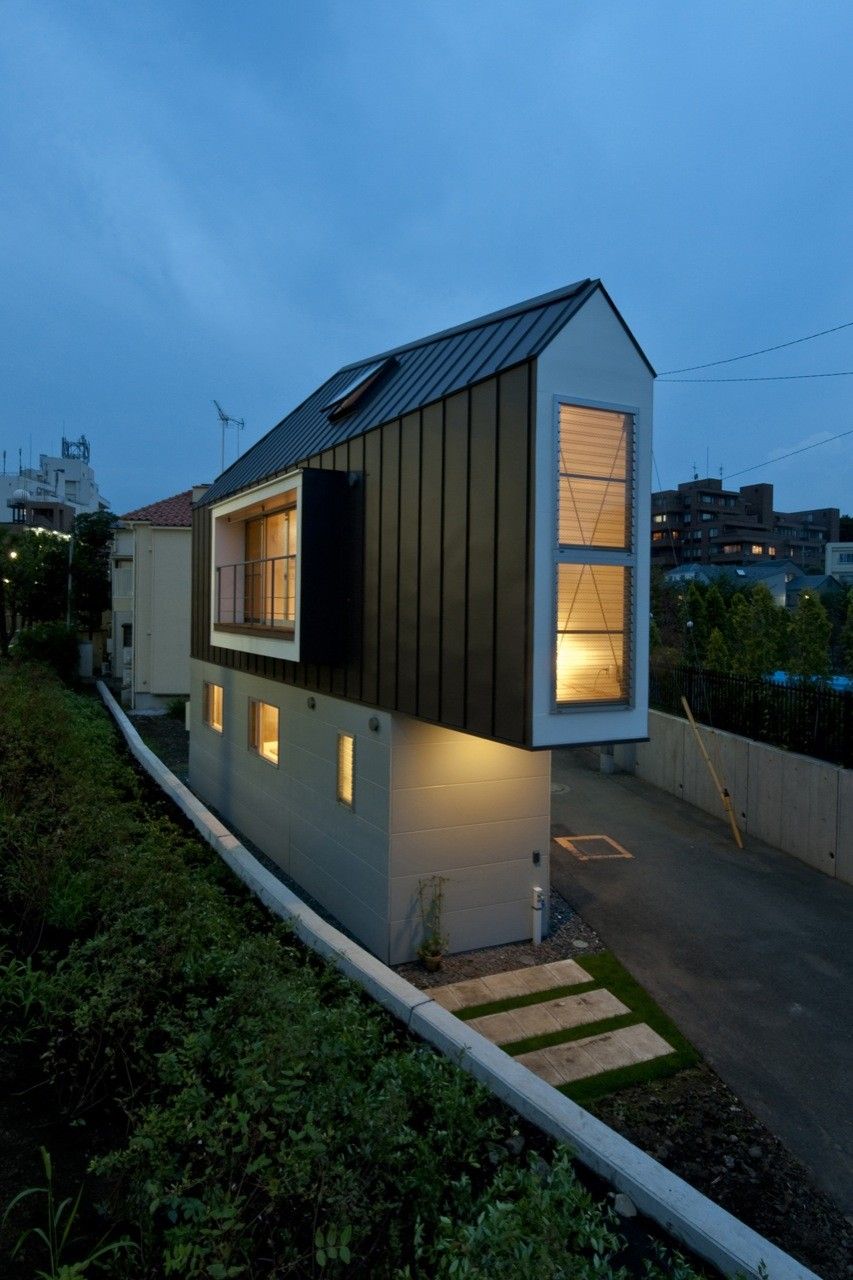
House in Horinouchi – photography by© Hiroshi Tanigawa
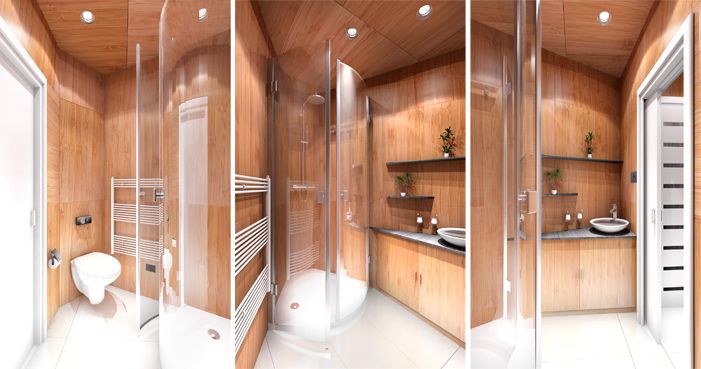
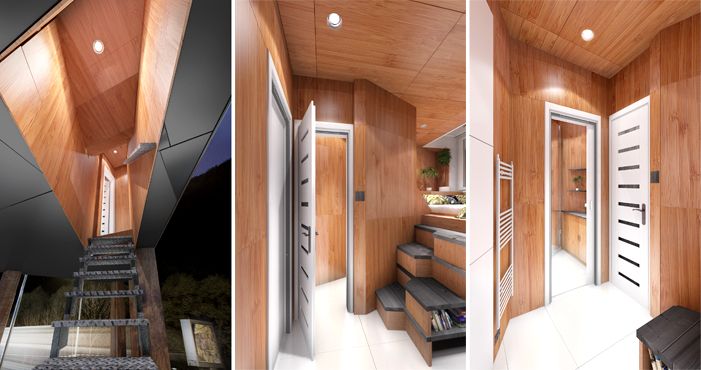
9) Project Gregory – Banská Bystrica, Slovakia: Billboard Housing for the Homeless
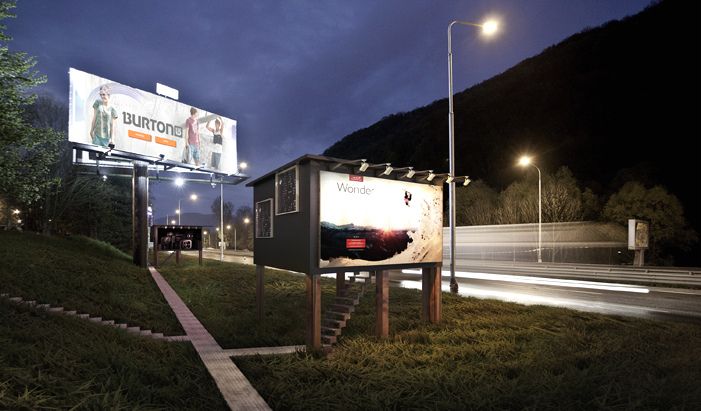
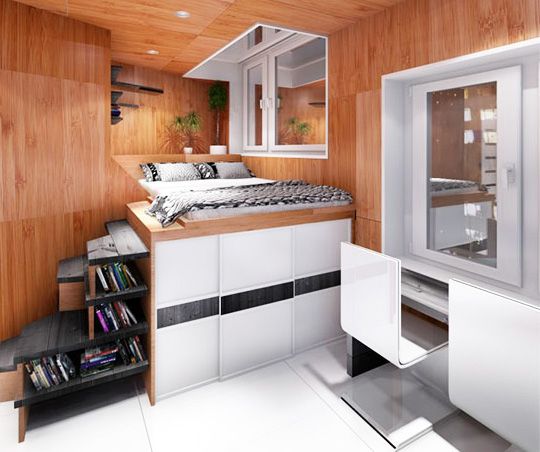
Recent Slovak graduates proposed this innovative solution: housing the homeless in 18sqm billboard houses powered by the electricity used for the billboards themselves. The triangular design takes inspiration from typical Slovak billboards.
Inside, a raised bed sits atop storage cabinets at one end, while the bathroom occupies the opposite corner. The interior uses wood cladding with white elements to create a clean, functional space. This small house concept demonstrates how compact design can address social challenges while repurposing existing infrastructure.

Project Gregory – photography by Project Gregory
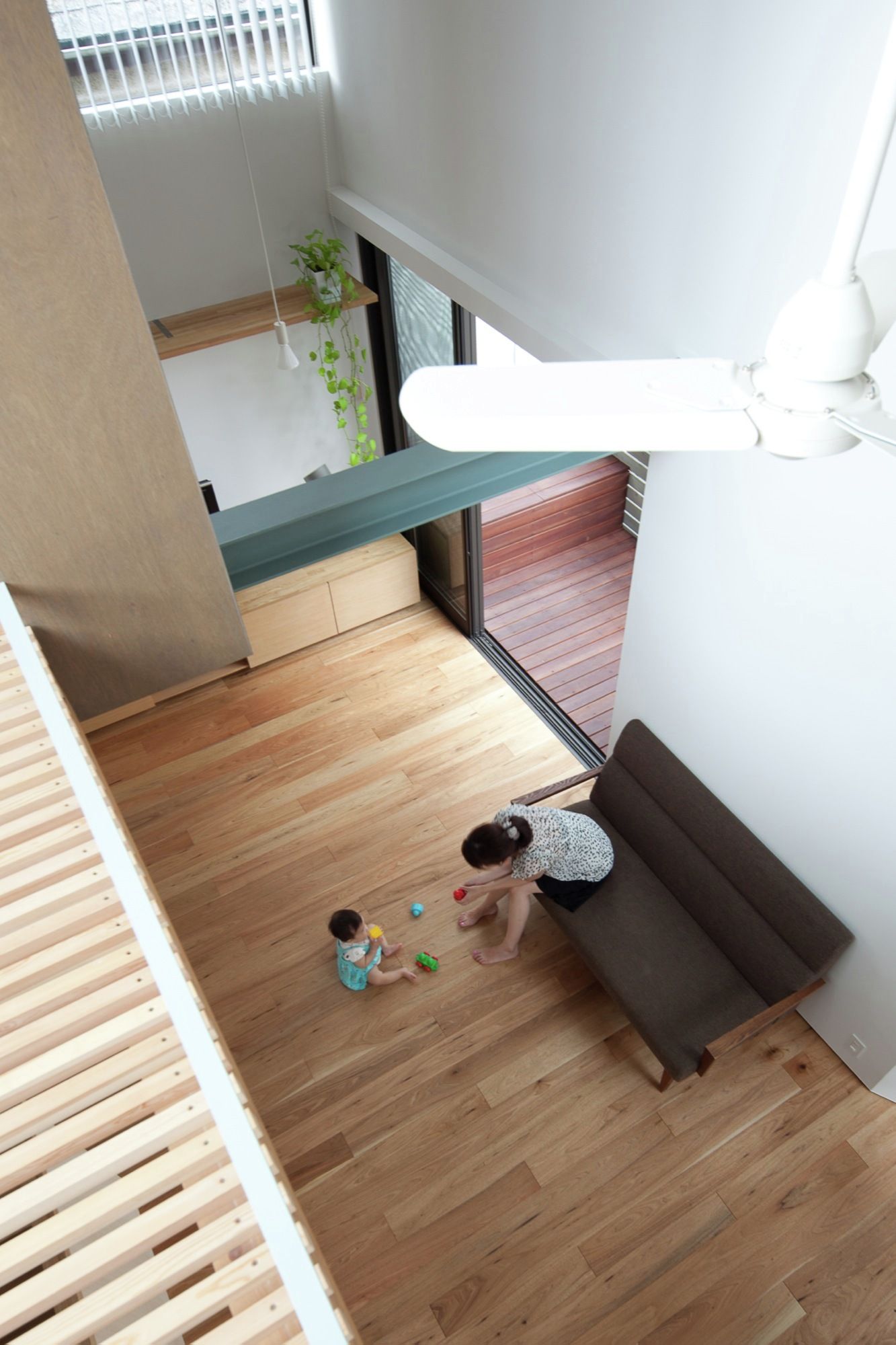
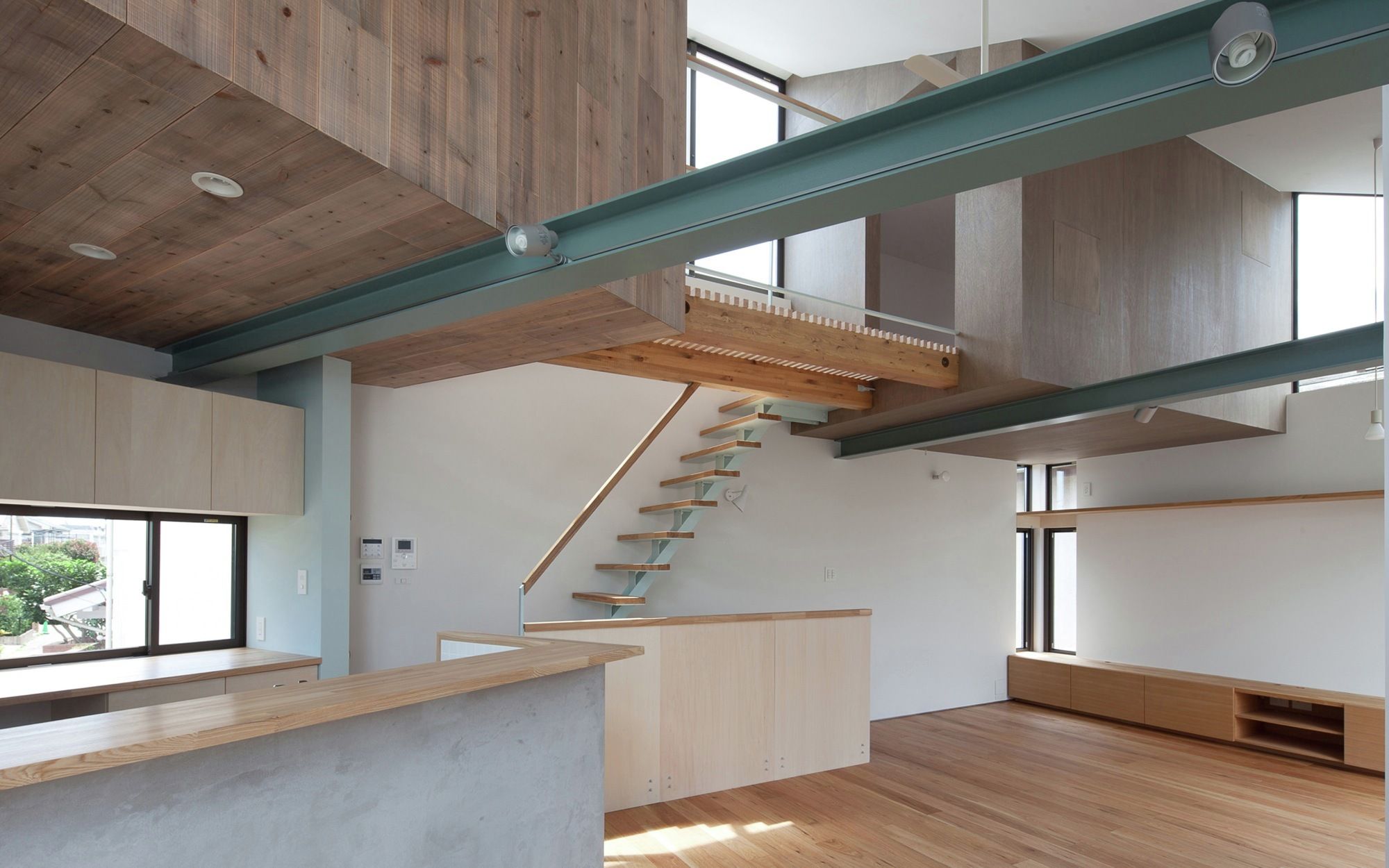
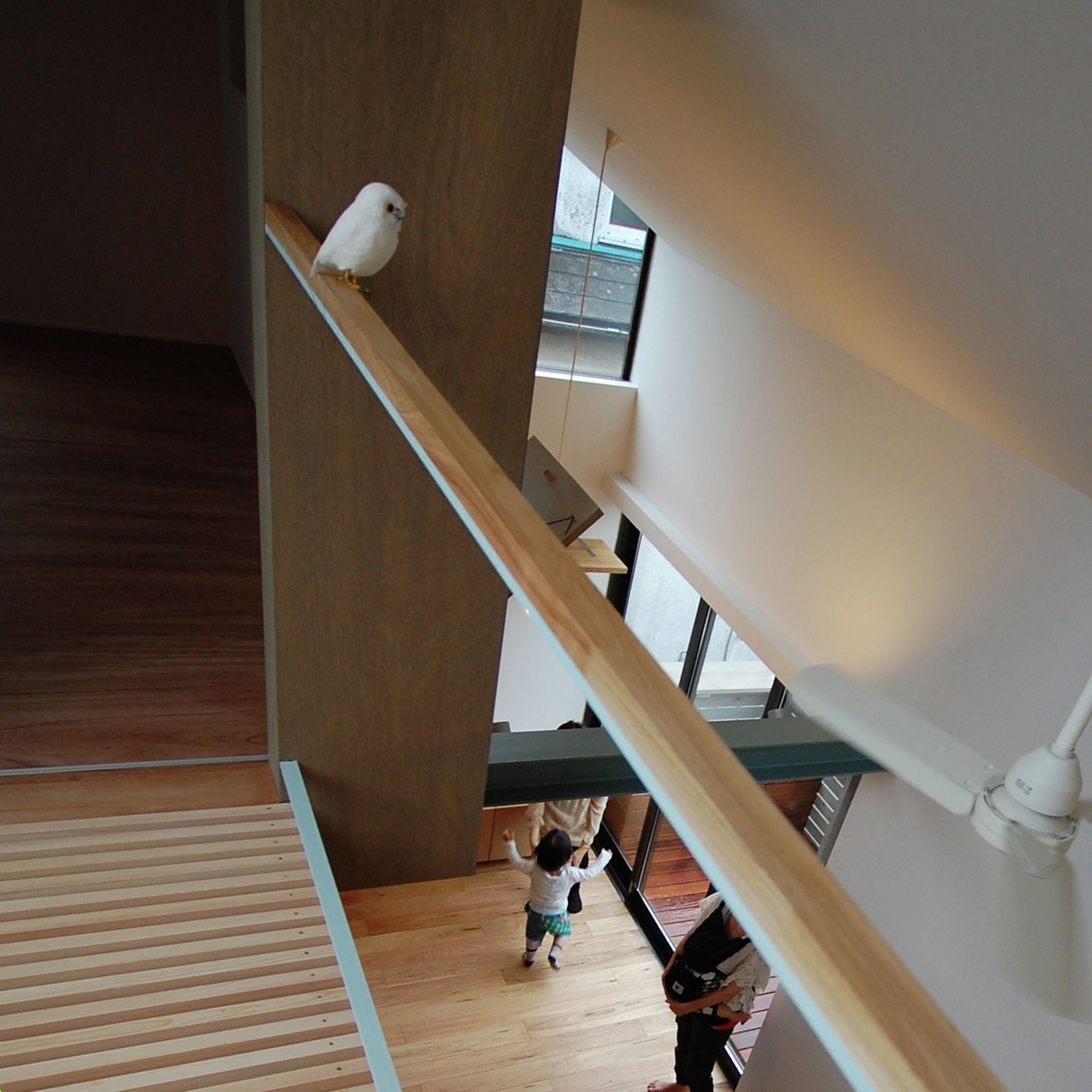
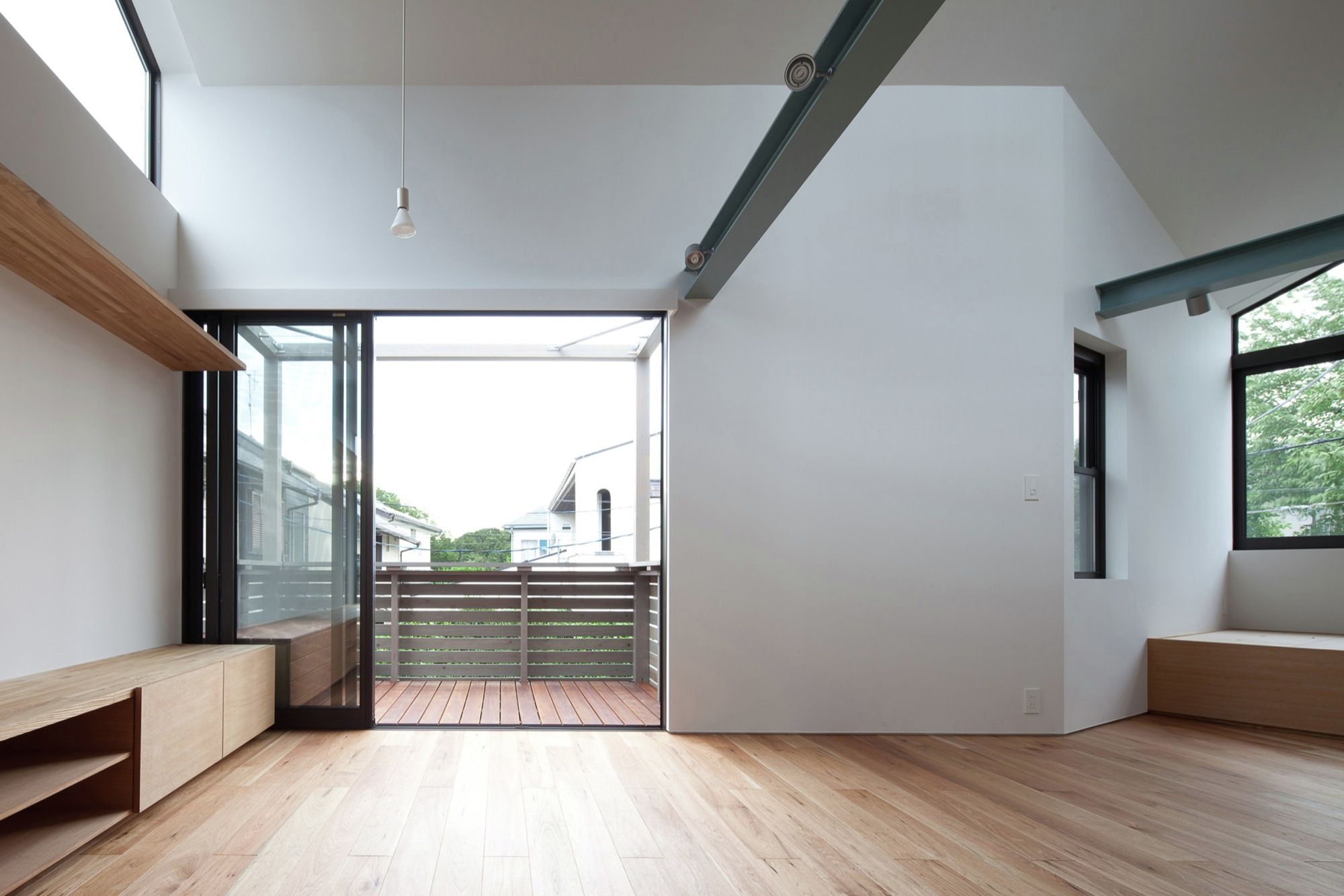
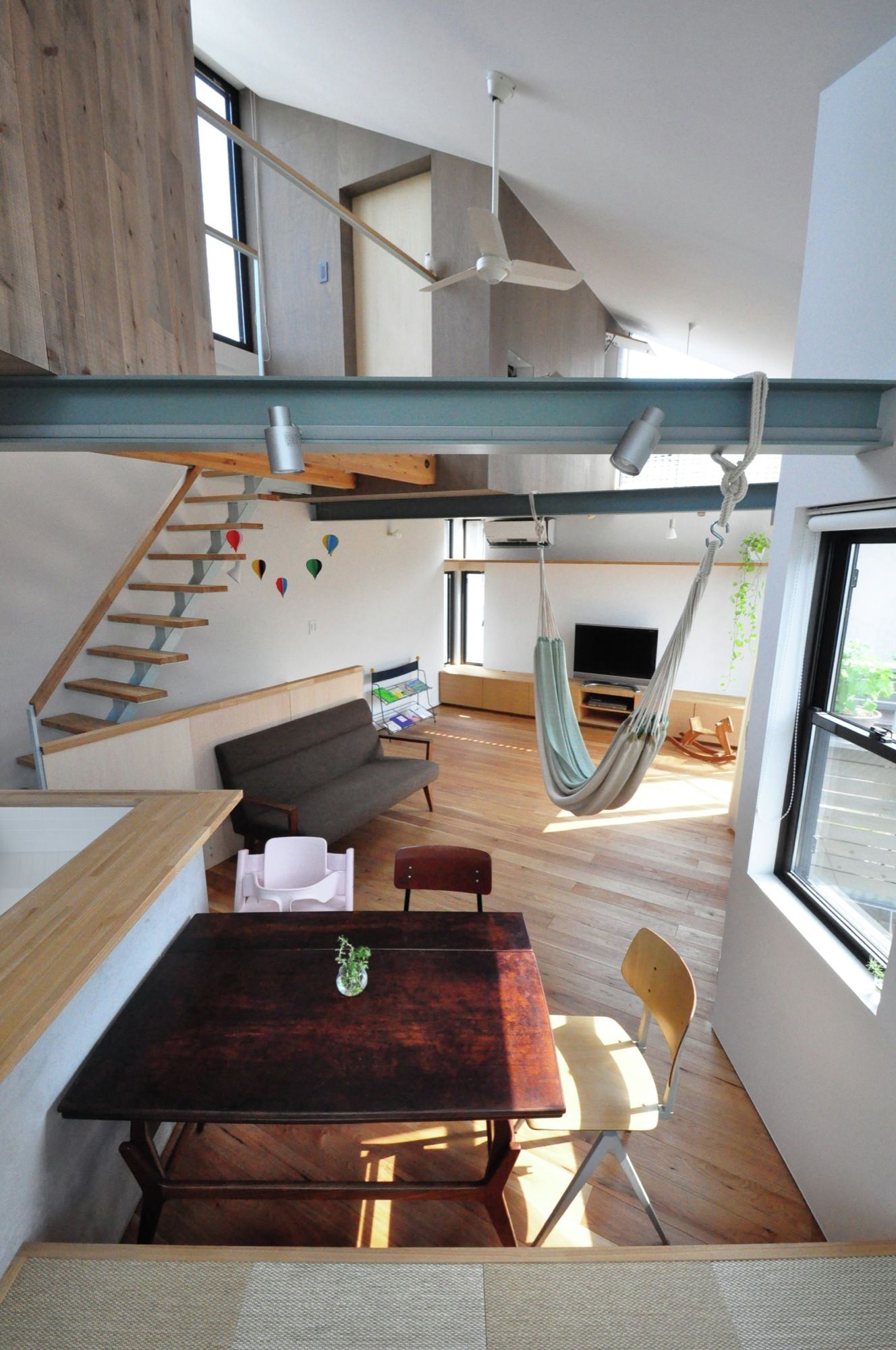
10) Small House With Floating Treehouse – Tokyo, Japan: Vertical Urban Jungle
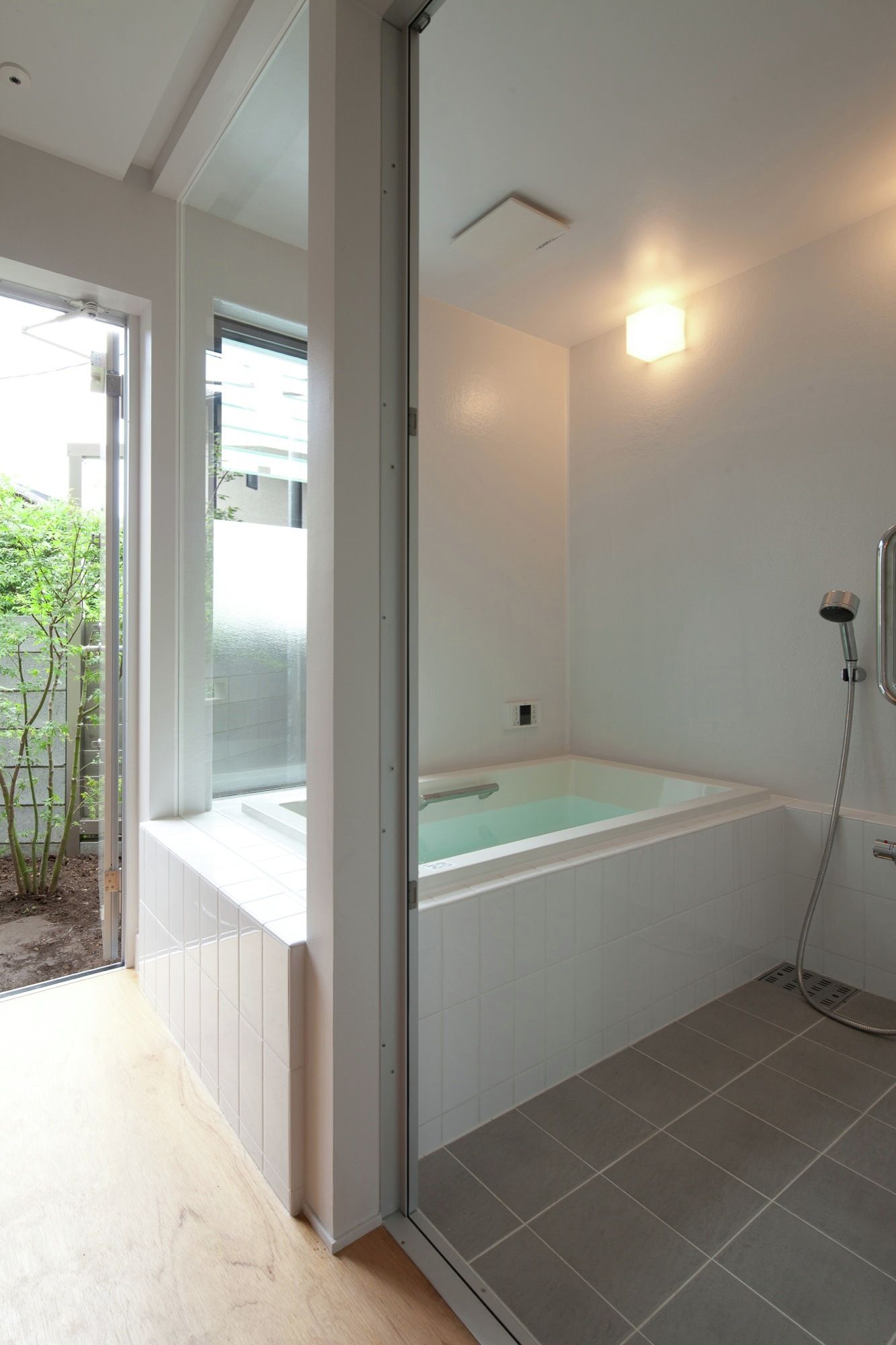
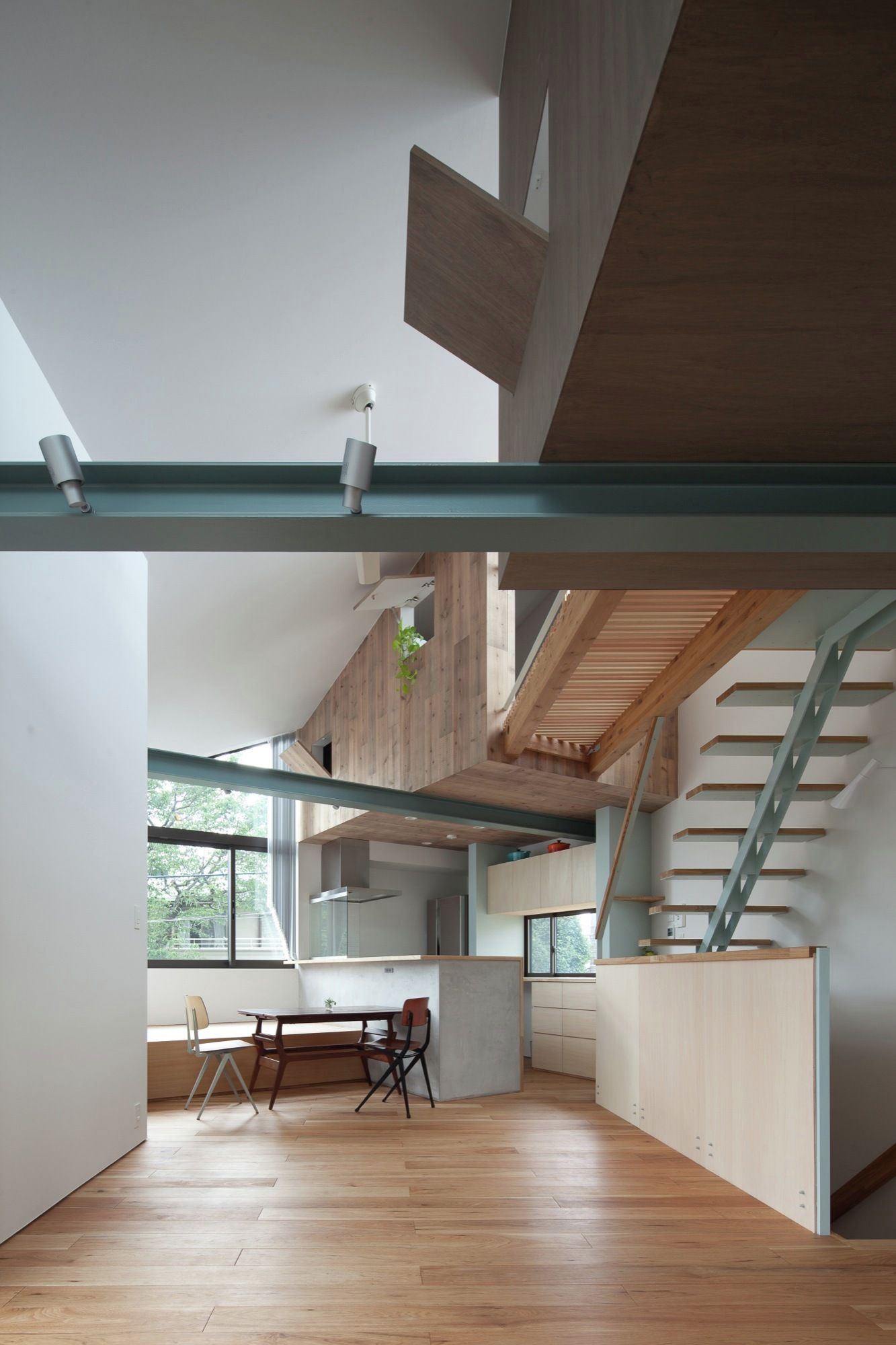
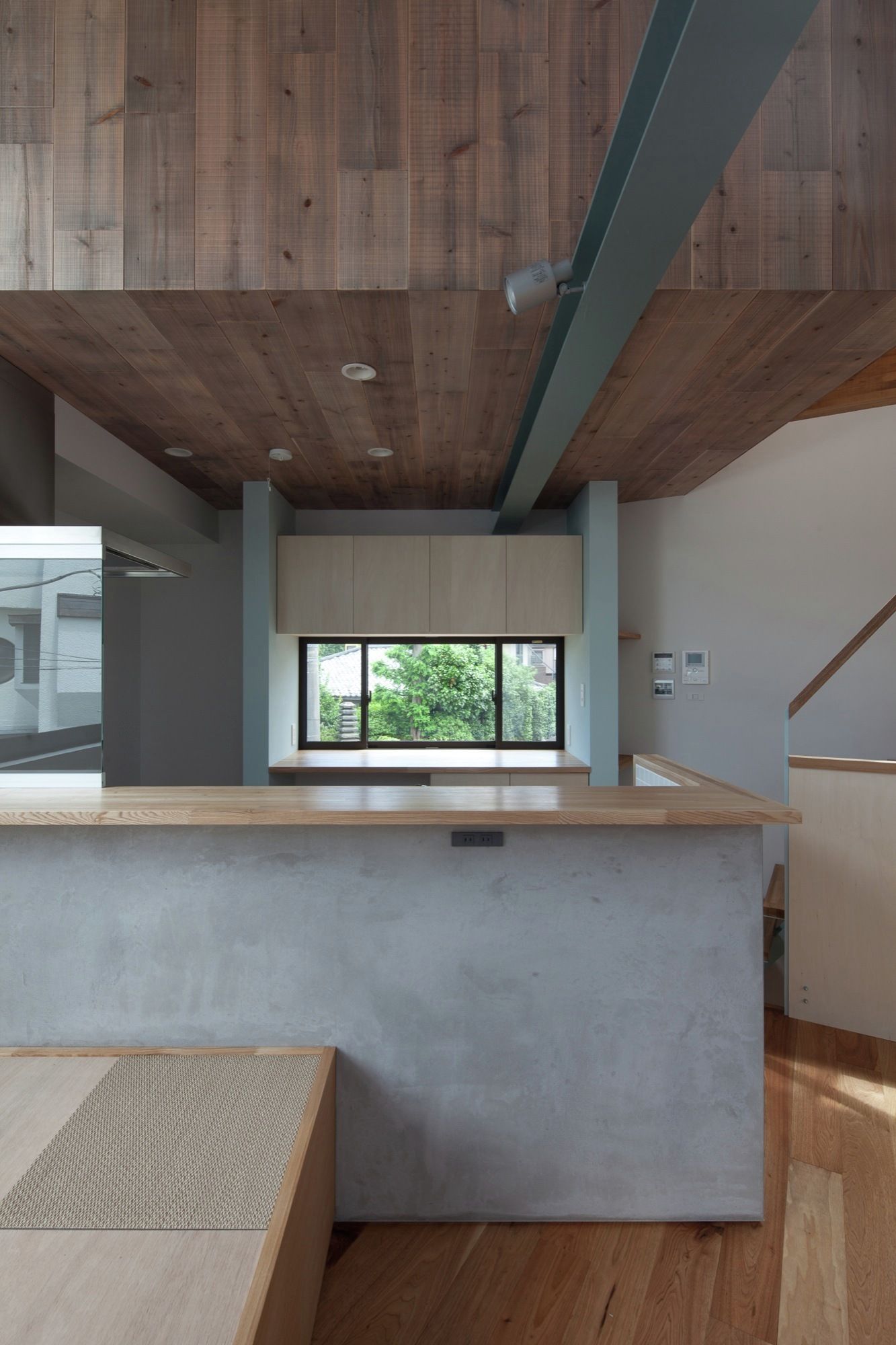
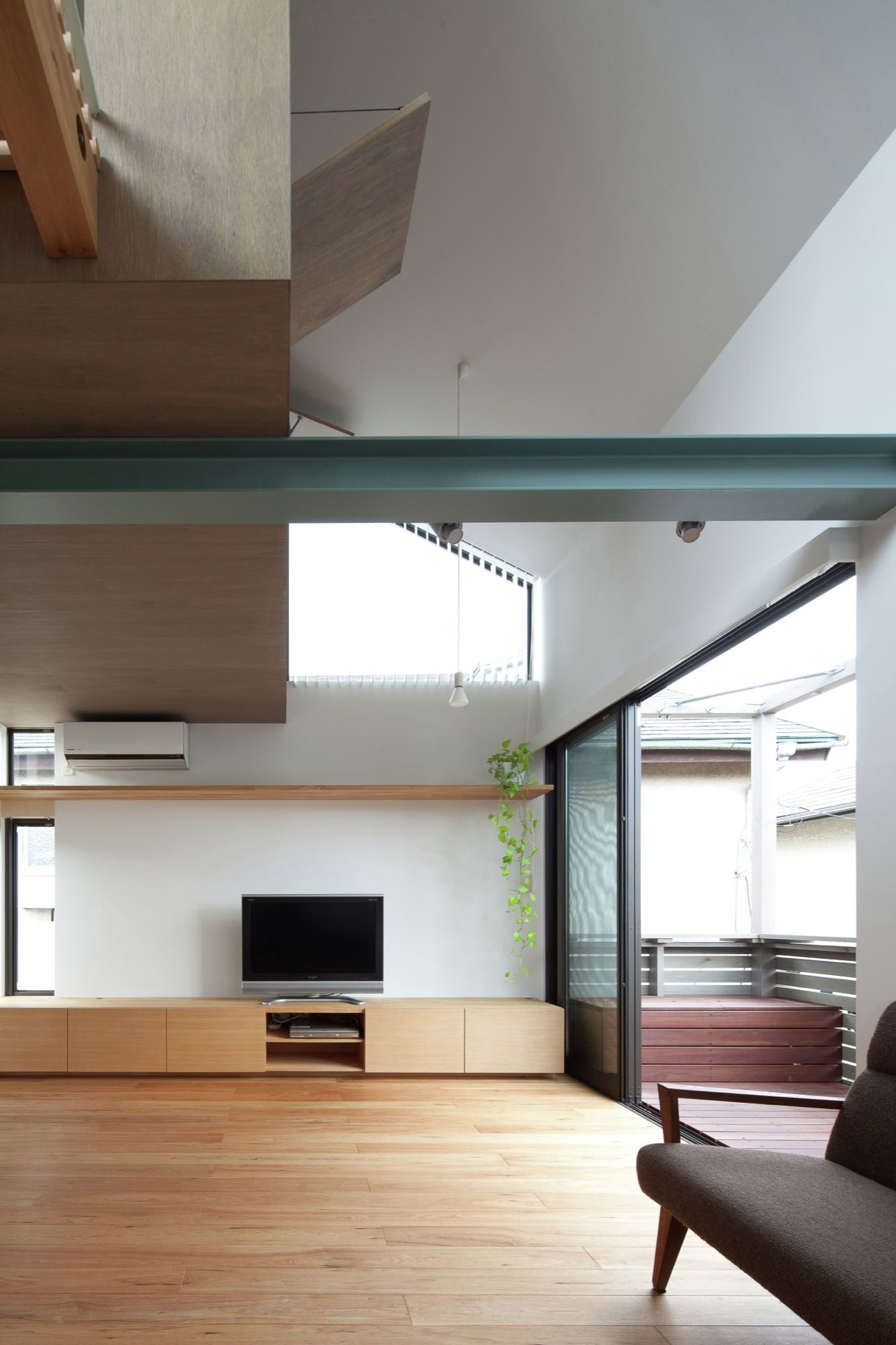
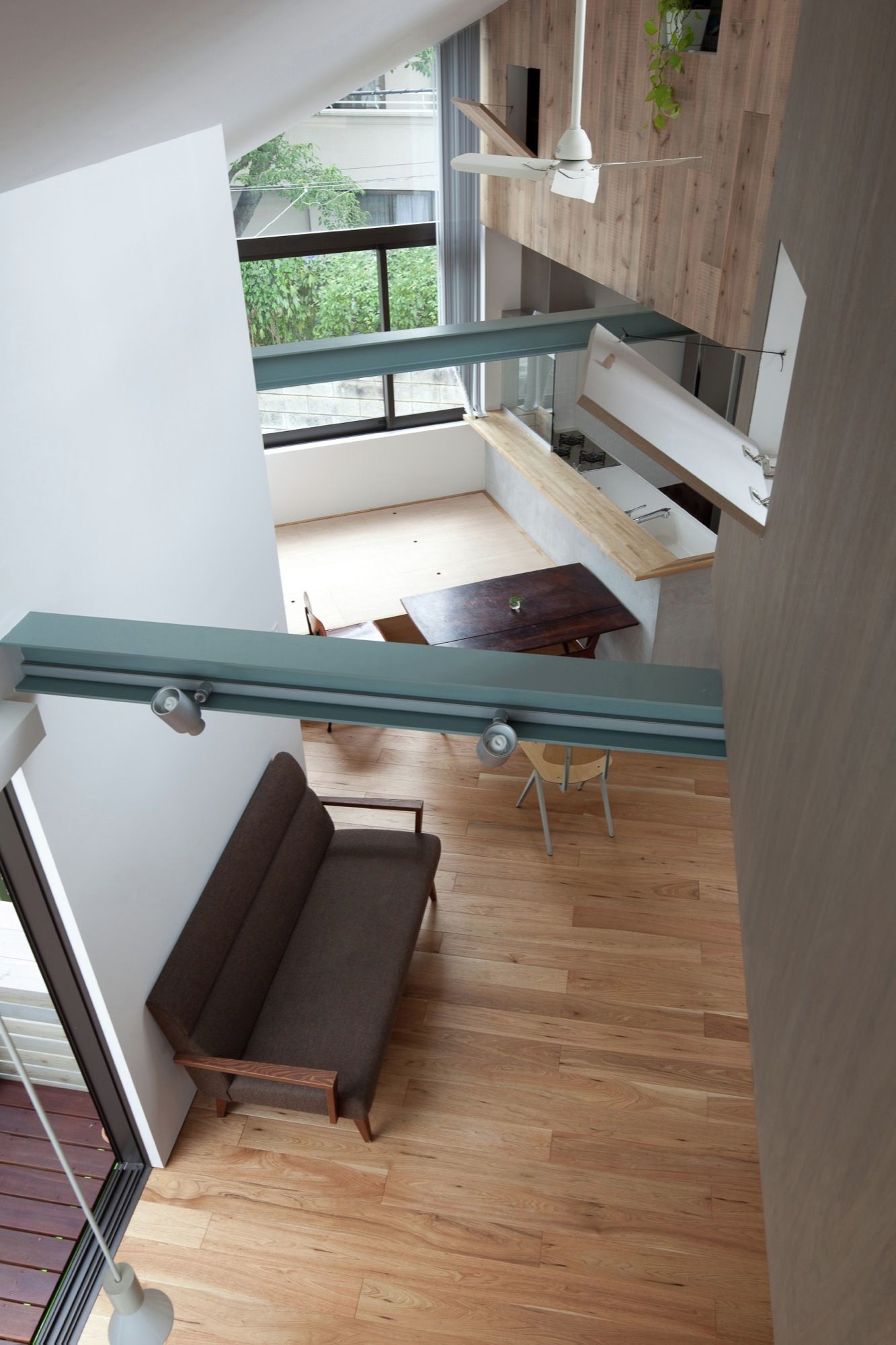
We wrap up our Japan-dominated list with another Tokyo gem, designed by Yuki Miyamoto Architect. This 6.5-meter-wide, 13-meter-high house features two floating treehouses above the living room, spanning 68sqm total area.
Large windows between the treehouses flood the interior with natural light, while the ground floor houses the living room, dining area, and kitchen. Bedrooms sit on the second floor. This small house design brilliantly incorporates nature into ultra-compact urban living, proving that even in dense cities, you can create a connection to the outdoors.
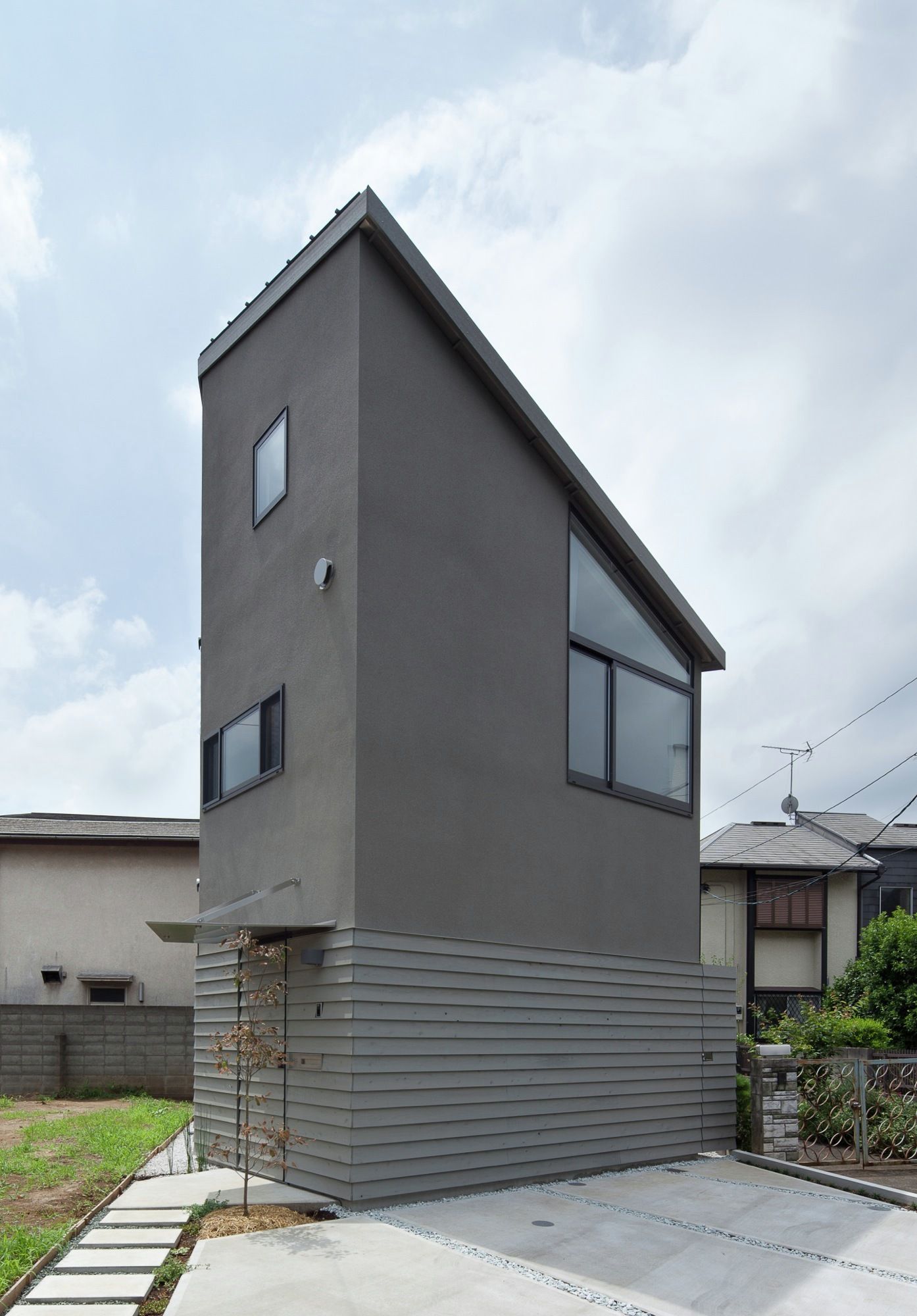
Small House With Floating Treehouse photography by © Masayoshi Ishii
Design Lessons from These Small Houses
What can we learn from these incredibly compact homes? A few key principles emerge:
Vertical is Your Friend: When you can’t spread out, go up. Spiral staircases, lofts, and mezzanines multiply usable space without increasing footprint.
Light Changes Everything: Large windows, skylights, and strategic openings make small spaces feel airy and expansive, not cramped.
Color Psychology Matters: Light woods and white walls reflect light and create visual breathing room. Strategic pops of color (like the teal in Hadar’s House) add personality without overwhelming.
Every Inch Counts: Multi-functional furniture, built-in storage, and convertible spaces ensure nothing goes to waste.
Connect to Outdoors: Whether it’s a large window framing a sea view or a treehouse floating above your living room, bringing nature inside makes compact spaces feel larger.
How do you make a small house look bigger?
Use vertical space with lofts and mezzanines, maximize natural light with large windows, choose light colors for walls and floors, minimize visual clutter, and create strong indoor-outdoor connections. The houses in this list demonstrate these principles perfectly.
What colors make a small room look bigger?
Light, neutral colors like white, light wood tones, and soft pastels reflect light and create an airy feeling. The Horinouchi house uses all-white interiors to maximize spaciousness, while Hadar’s House complements light wood with strategic teal accents.
How can I maximize space in a small house?
Think vertically! Use spiral staircases, loft bedrooms, and elevated storage. Choose furniture that serves multiple purposes. Built-in cabinets and hidden storage reduce clutter. The 4×4 House and Small House with Floating Treehouse show how vertical circulation can multiply usable space.
What is the best layout for a small house?
Open floor plans that combine functions (like living/dining/kitchen) work well. Place bedrooms on upper levels or in lofts to free up ground floor for shared spaces. The Yolo County Cabin and Reflection of Mineral demonstrate efficient, functional layouts that feel spacious despite tiny footprints.
How do you organize a small house?
Built-in storage is your best friend. Use wall-mounted shelves, under-stair storage, and multi-functional furniture. Macy Miller’s 18sqm house proves that with clever organization, even a tiny space on wheels can feel like home.
Why Japan Dominates Small House Design
It’s no accident that half this list comes from Japan. The country’s dense urban environments, high land costs, and cultural appreciation for minimalism have created perfect conditions for small house innovation to flourish. Japanese architects have mastered the art of turning constraints into creative opportunities, developing space planning techniques that maximize every square inch while maintaining aesthetic beauty and functional comfort.
From Tadao Ando’s vertical mastery to Atelier Tekuto’s dynamic geometries, Japanese small house design offers lessons for anyone looking to make compact living work beautifully.
Conclusion: Rethinking Space in Your Own Home
These 10 small houses prove that size isn’t everything when it comes to creating comfortable, functional, and beautiful living spaces. Through clever interior design, strategic space planning, and thoughtful material choices, each home achieves the seemingly impossible: feeling bigger than its physical footprint suggests.
Whether you’re living in a tiny apartment, planning a compact home build, or just looking to maximize your current space, these examples offer inspiration and practical lessons. The “magic” isn’t supernatural—it’s good design, smart technology, and creative thinking about how we use the spaces we have.
So next time you’re feeling cramped, remember: the Tardis effect is achievable. You just need the right design approach.

Yosra is an architect, writer, and teacher. She is always into learning something new. Her life motto is: "A jack of all trades is a master of none, but oftentimes better than a master of one.” One day she will travel the world and visit its architectural wonders. In the meanwhile, she contends herself with reading and writing about them.