


Buildings eat up nearly 40% of the world’s carbon emissions. That’s a staggering number that makes sustainable architecture more than just a trend—it’s become a necessity. After watching this industry change over the past decade, I can tell you that architects today aren’t just putting up buildings. They’re creating living systems that work with nature instead of fighting it.
New technologies like parametric modeling, 3D printing, and bio-based materials are changing everything about how we build. These aren’t just fancy tools—they represent a complete shift toward buildings that actually help the environment instead of harming it.
You know that feeling when you walk into a space and everything just feels right? That happens when sustainable architecture innovative design solutions work perfectly with what people need and what nature provides. It’s building design that works with the world around it, not against it.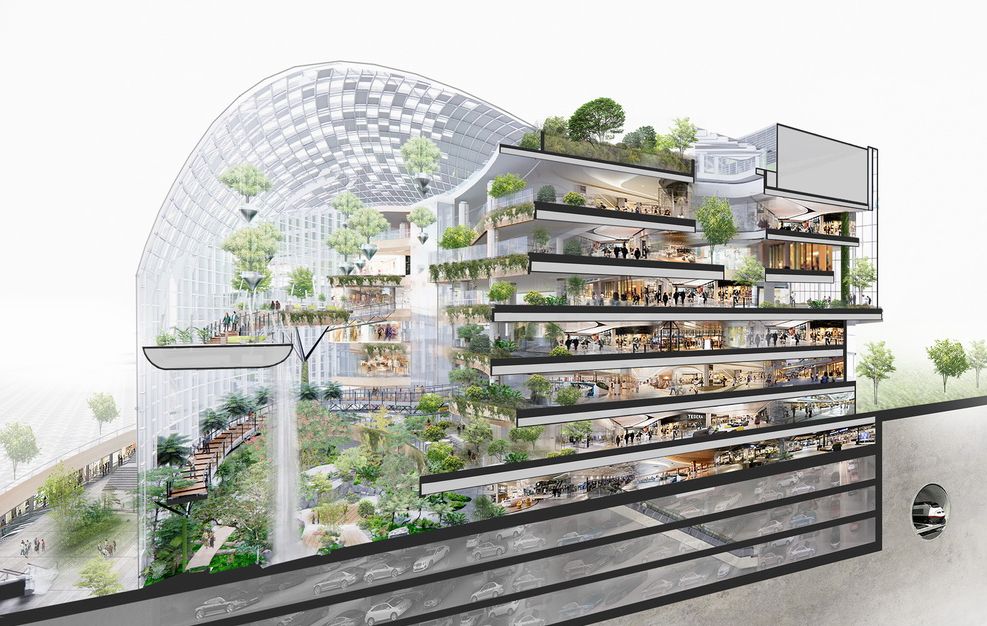
Why Are Architects Embracing Net-Zero Energy Buildings?
Net-zero energy buildings are the gold standard of sustainable architecture. These structures make as much energy as they use over a full year, creating perfect balance between human needs and environmental impact. The concept sounds simple, but the execution requires careful planning and smart design choices.
Understanding Net-Zero Energy Principles
The magic happens when architects combine passive solar strategies, top-notch insulation, and renewable energy systems. It’s like building a house that pays its own energy bills. Smart architects are working features into their designs that make this possible.
Passive House Design Excellence
Passive House standards push building performance to incredible levels. These aren’t just guidelines—they’re proven methods that deliver real results.
- Super-insulated building walls with U-values below 0.15 W/m²K that keep heat where it belongs
- Airtight construction with less than 0.6 air changes per hour at 50 pascals
- Triple-glazed windows with g-values matched to local climate conditions
- Heat recovery ventilation systems that capture 85% or more of waste heat
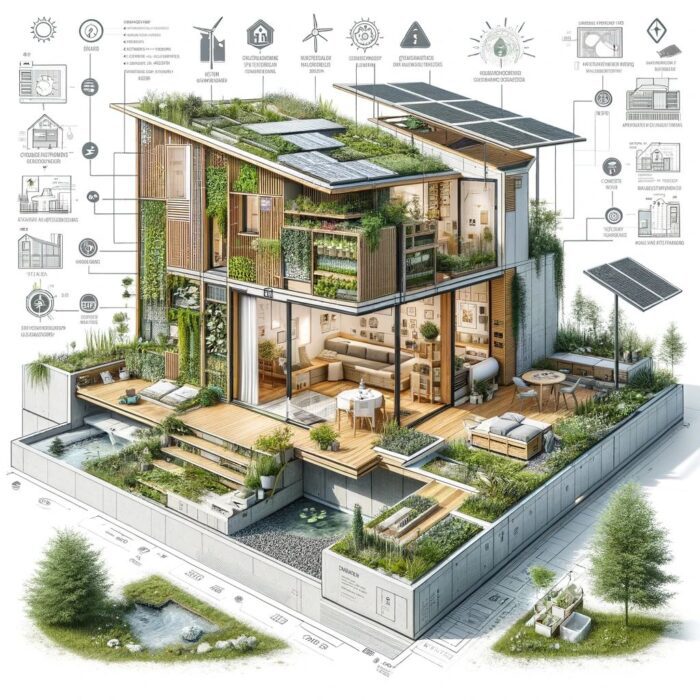
Advanced Energy Systems Integration
Modern buildings need smart energy systems that work together seamlessly. Each component supports the others, creating efficiency that goes beyond what any single system could achieve.
- Building-integrated photovoltaics (BIPV) that blend into building facades without looking like afterthoughts
- Geothermal heat pumps that tap into the earth’s stable temperatures for year-round climate control
- Smart building automation systems that learn how people use spaces and adjust accordingly
- Battery storage systems that keep buildings running when the grid goes down
I’ve seen projects where buildings use 80% less energy than typical structures. That’s not just good—it’s the kind of performance that changes everything about how we think about building design.
How Do Bioclimatic Design Strategies Enhance Building Performance?
Bioclimatic design brings architecture back to its roots—working with natural forces instead of fighting them. This approach studies local weather patterns, solar angles, wind patterns, and seasonal changes to shape building orientation and form. It’s about reading the site like a book and designing accordingly.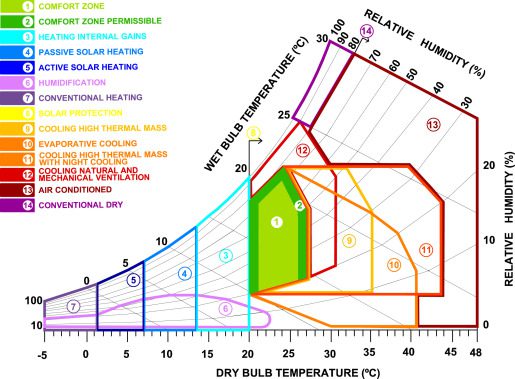
Climate-Responsive Design Elements
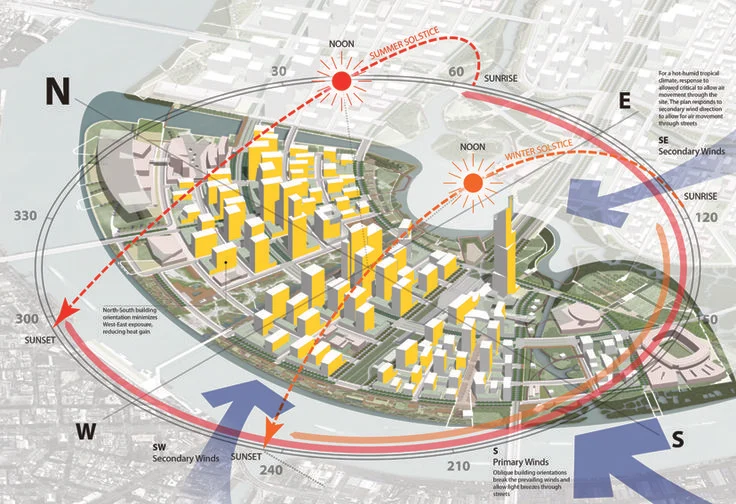
Tropical Climate Analysis ©Pinterest
Smart buildings respond to their environment like living organisms. They open up when breezes are perfect and close down when storms hit. This responsiveness comes from careful design that considers every environmental factor.
Solar Control Systems
External shading devices calculated using solar path diagrams can reduce cooling loads by half. Architects are designing building faces that respond to sun angles throughout the day, keeping interiors comfortable without energy-hungry air conditioning systems.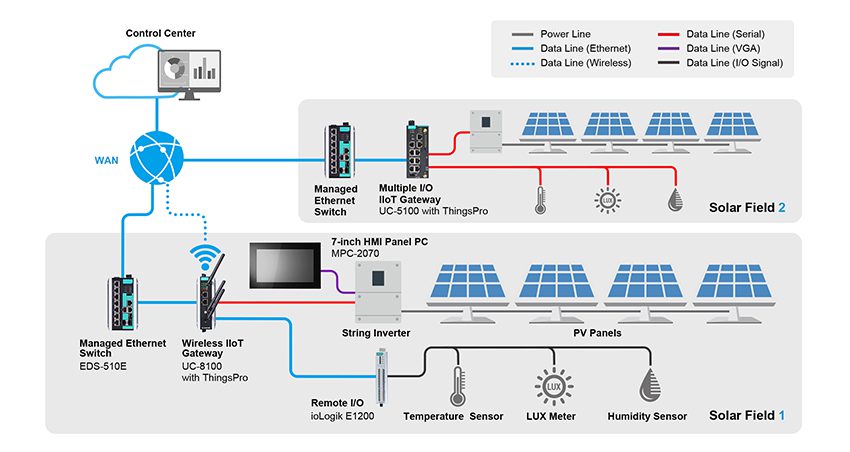
Natural Ventilation Strategies
Cross-ventilation patterns driven by pressure differences can push 15-20 air changes per hour through buildings in good conditions. Stack ventilation through carefully placed openings creates natural airflow that cuts mechanical cooling needs dramatically.
Thermal Mass Applications
Materials like rammed earth, concrete, and stone store and release heat energy, smoothing out temperature swings. When properly calculated, thermal mass can reduce peak heating and cooling loads by 30-40%.
Bioclimatic design creates buildings that feel naturally connected to their places. Every project becomes a unique response to local conditions, creating structures that belong where they’re built.
What Innovative Materials Are Shaping Sustainable Construction?
Material innovation drives sustainable architecture forward. Today’s architects can choose from an amazing range of eco-friendly options that work better than traditional materials while reducing environmental damage. The materials available now would have seemed impossible just ten years ago.
Bio-Based Materials Revolution
Nature provides some of the best building materials we’ve ever discovered. These materials grow instead of being mined or manufactured, storing carbon instead of releasing it.
Cross-Laminated Timber (CLT)
Engineered wood products store about 0.8 tons of CO2 per cubic meter while providing strength comparable to concrete and steel. CLT construction cuts project timelines by 25-30% while creating warm, quiet interior spaces that people love.
Mycelium-Based Insulation
Grown from mushroom roots, these materials provide R-values of 3.5 per inch while being completely biodegradable. They resist fire and pests naturally, making them perfect for sustainable building walls.
Recycled Content Materials
Steel with 90% recycled content, concrete with fly ash and slag replacements, and insulation from recycled plastic bottles turn waste into high-performance building parts. It’s like giving trash a second life as something useful.
Smart Materials Integration
The newest materials don’t just sit there—they actively help buildings perform better. These materials respond to conditions and change their properties when needed.
Phase Change Materials (PCMs)
These substances absorb and release heat energy during melting and freezing cycles, keeping interior temperatures steady. Built into walls and ceilings, PCMs can reduce HVAC energy use by 15-20%.
Self-Healing Concrete
Bacterial concrete automatically repairs small cracks, extending structure lifespan from 50 to 200 years. This innovation dramatically reduces lifecycle carbon emissions from building maintenance and replacement.
The material choices available today let architects build with materials that actively contribute to building performance and environmental health. We’re not just building differently—we’re building with materials that work for us.
How Does Smart Building Technology Optimize Sustainable Performance?
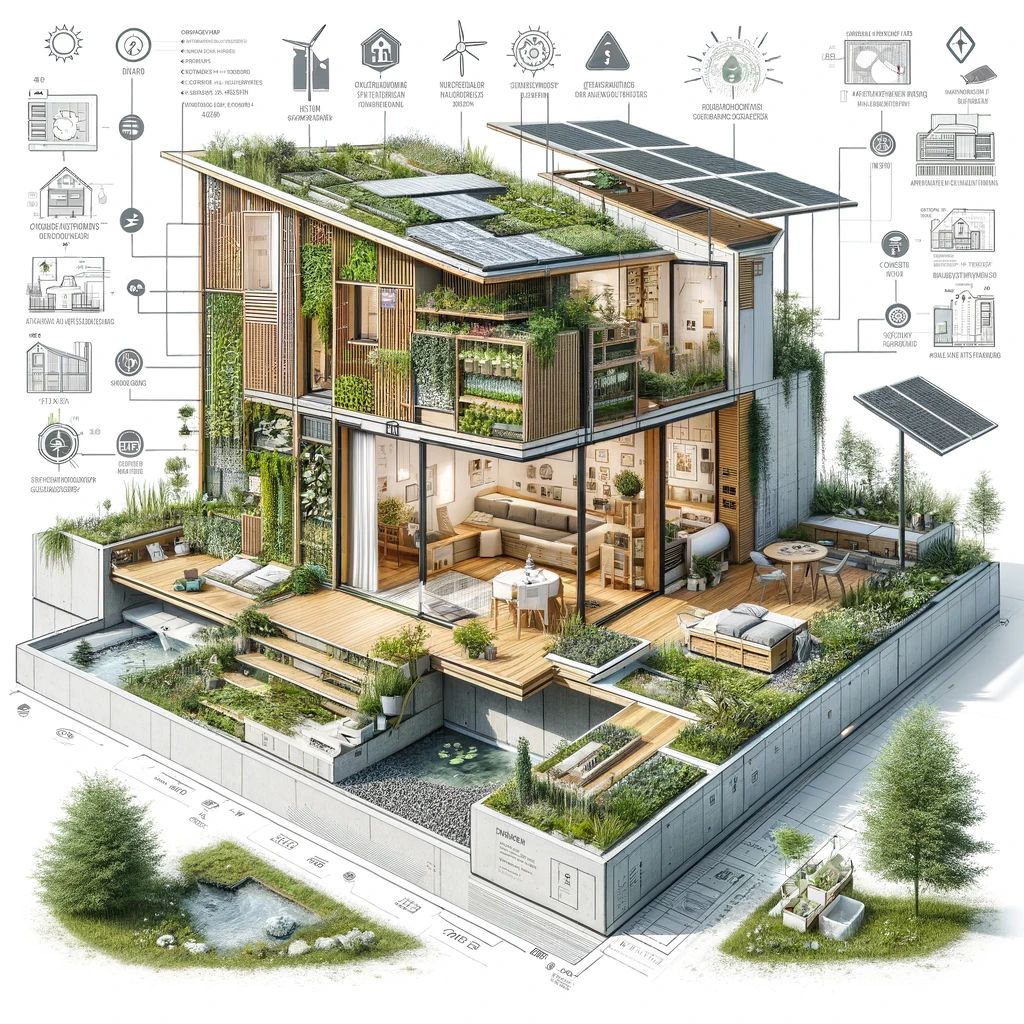
Building Information Modeling (BIM) and Internet of Things (IoT) systems create intelligent buildings that keep getting better at their jobs. These systems collect data from hundreds of sensors monitoring everything from air quality to how many people are in each room.
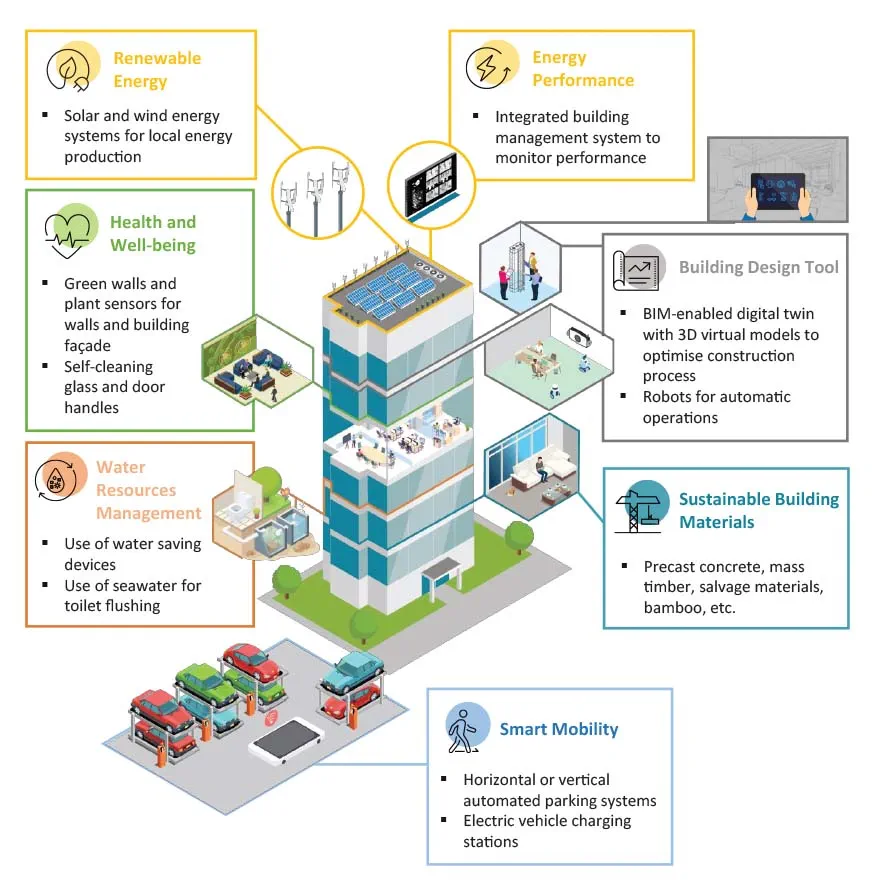
The infographic above illustrates examples of smart green building technologies and features
Intelligent Building Systems
Smart buildings learn from experience. They track patterns, predict problems, and adjust their behavior to work more efficiently. It’s like having a building that gets smarter every day.
Predictive Analytics
Machine learning algorithms analyze past data to predict when equipment needs maintenance, preventing failures that waste energy and make people uncomfortable. Buildings can now spot problems before they become serious.
Adaptive Lighting Systems
Circadian rhythm lighting adjusts color temperature and brightness throughout the day, supporting human health while reducing energy use by 40-60% compared to traditional systems.
Demand Response Integration
Smart buildings help utility companies manage the power grid by automatically reducing non-essential loads during peak demand periods. This capability can generate revenue while supporting grid stability.
The combination of sustainable design and smart technology creates buildings that learn, adapt, and improve over time. It’s like having a building that gets better at its job every day.
What Role Does Modular Construction Play in Sustainable Architecture?
Modular construction changes everything about how buildings get built. Factory-controlled environments produce building parts with precision impossible on traditional construction sites. It’s manufacturing applied to construction, with all the efficiency benefits that brings.
Sustainable Modular Advantages
Building in factories instead of on-site brings major environmental benefits. The controlled environment allows for better quality control and dramatically reduced waste.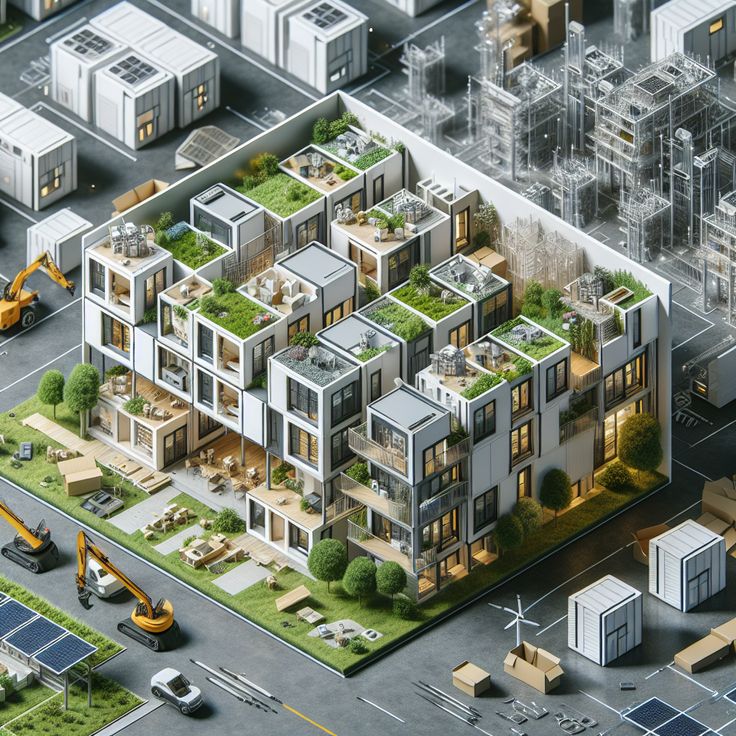
Waste Reduction
Factory production reduces construction waste by 50-90% compared to stick-built construction. Material optimization and recycling systems capture virtually all production waste.
Quality Control
Climate-controlled manufacturing environments produce building parts with consistent quality and performance. Problems with thermal bridging and air leakage that plague field construction are virtually eliminated.
Construction Speed
Simultaneous site preparation and factory production reduce project schedules by 30-50%. Faster construction means reduced financing costs and earlier occupancy.
Design Flexibility in Modular Systems
Modern modular systems handle complex architectural forms and mixed-use programs. Standardized connection systems allow for future reconfiguration as building needs change.
I’ve worked with projects where modular construction achieved Passive House certification while reducing total project costs by 15%. That’s the kind of win-win scenario that drives real change in how we build.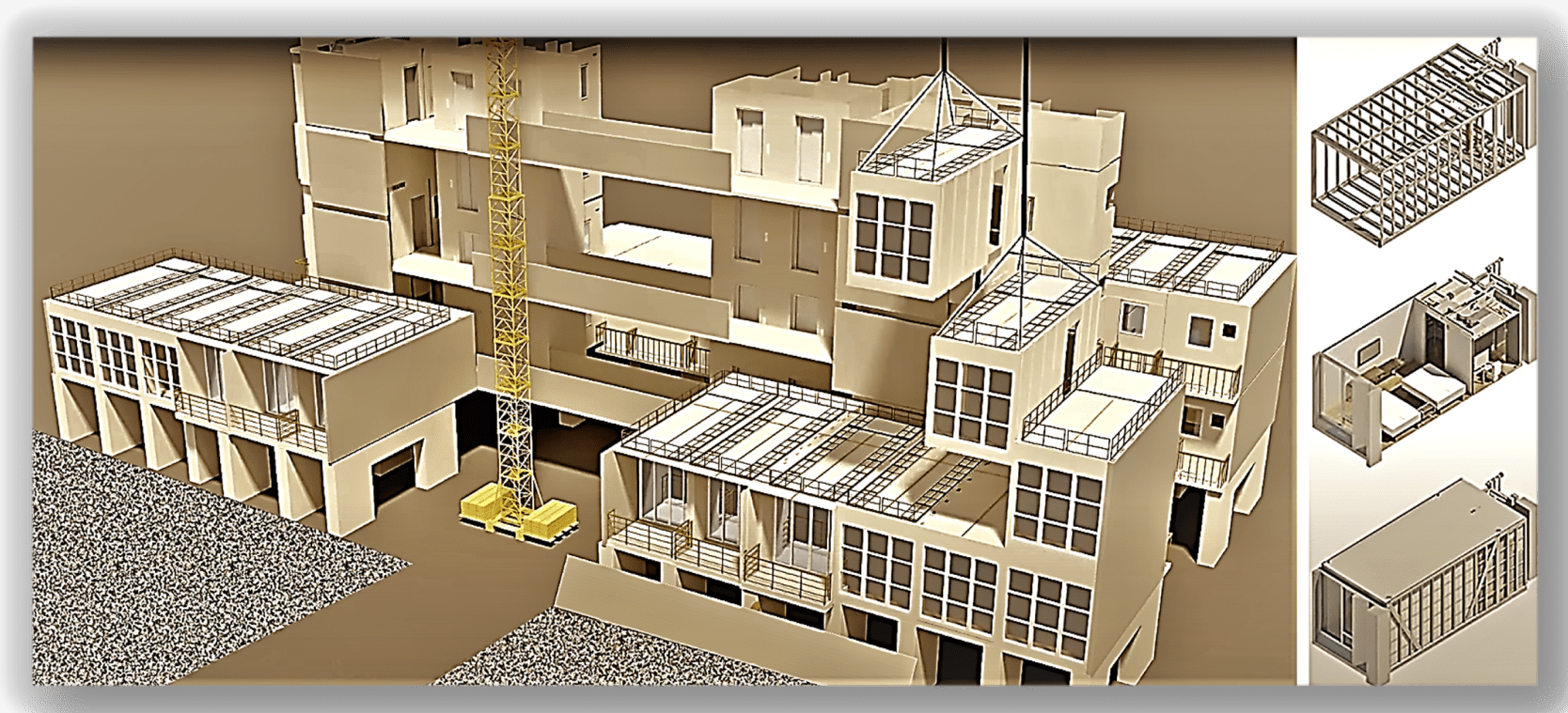
How Do Green Roofs and Living Walls Impact Building Performance?
Green roofs and living walls aren’t just pretty additions—they’re working building components that boost sustainability while reconnecting people with nature. These systems provide multiple performance benefits that make buildings work better while making occupants happier.
Performance Benefits of Living Building Systems
Plants on buildings do more than look good. They actively improve building performance in measurable ways, from reducing energy use to cleaning the air.
Thermal Performance
Extensive green roofs provide R-values of 2-4 per inch while reducing urban heat island effects. Surface temperatures can be 30-40°F cooler than conventional roofing systems.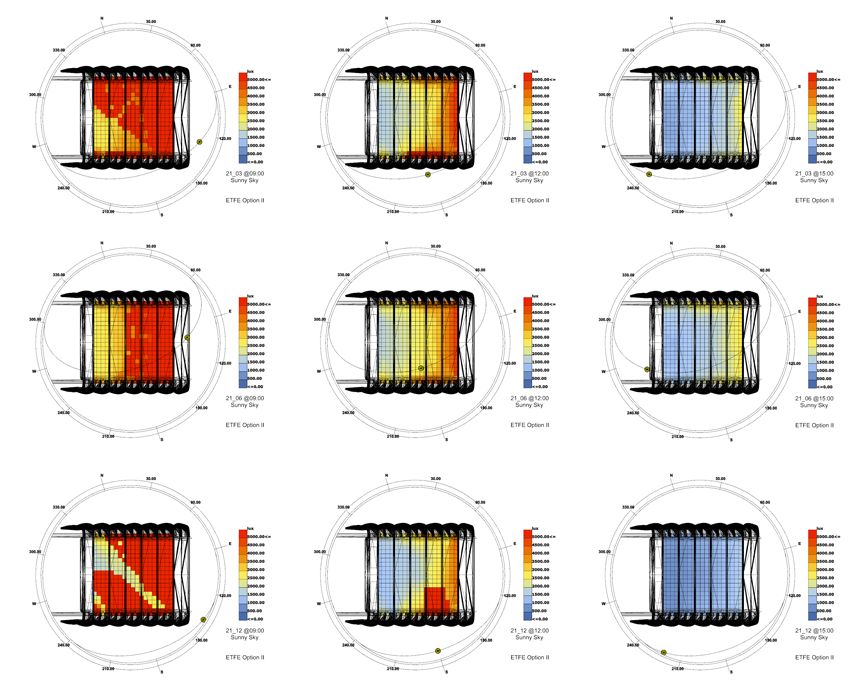
Stormwater Management
Green roofs retain 40-80% of annual rainfall, reducing strain on urban drainage systems. This capability becomes more valuable as climate change brings more intense precipitation patterns.
Air Quality Improvement
Living walls filter airborne pollutants while producing oxygen. A 100-square-foot living wall processes enough air for two people daily while removing volatile organic compounds.
Acoustic Performance
Vegetation provides natural sound absorption, reducing noise pollution in dense urban environments. Green roofs can reduce sound transmission by 40-50 decibels.
The psychological benefits matter just as much. Access to nature views and green spaces connects with improved productivity, reduced stress, and faster healing times in healthcare environments.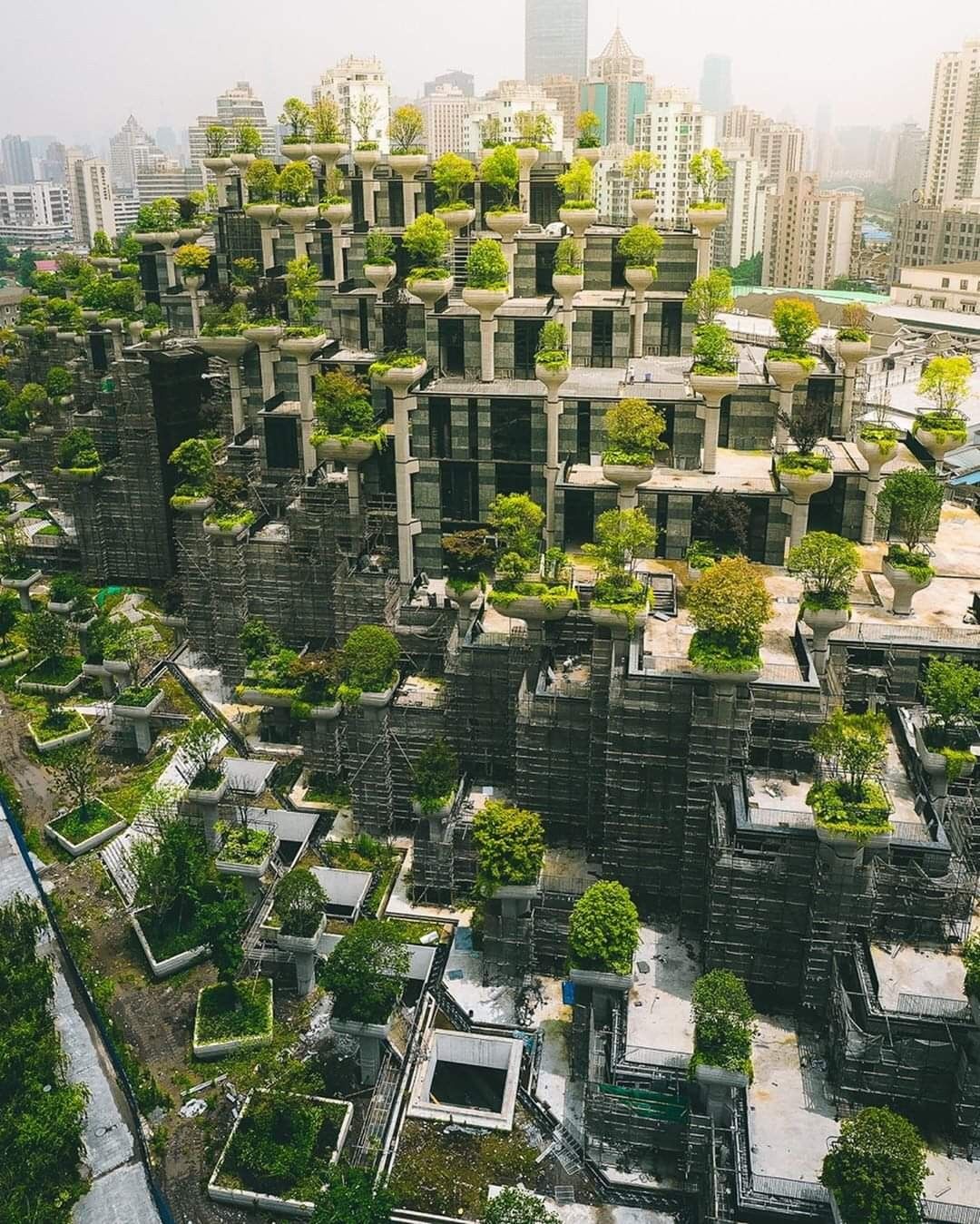
What Makes Adaptive Reuse a Sustainable Design Strategy?
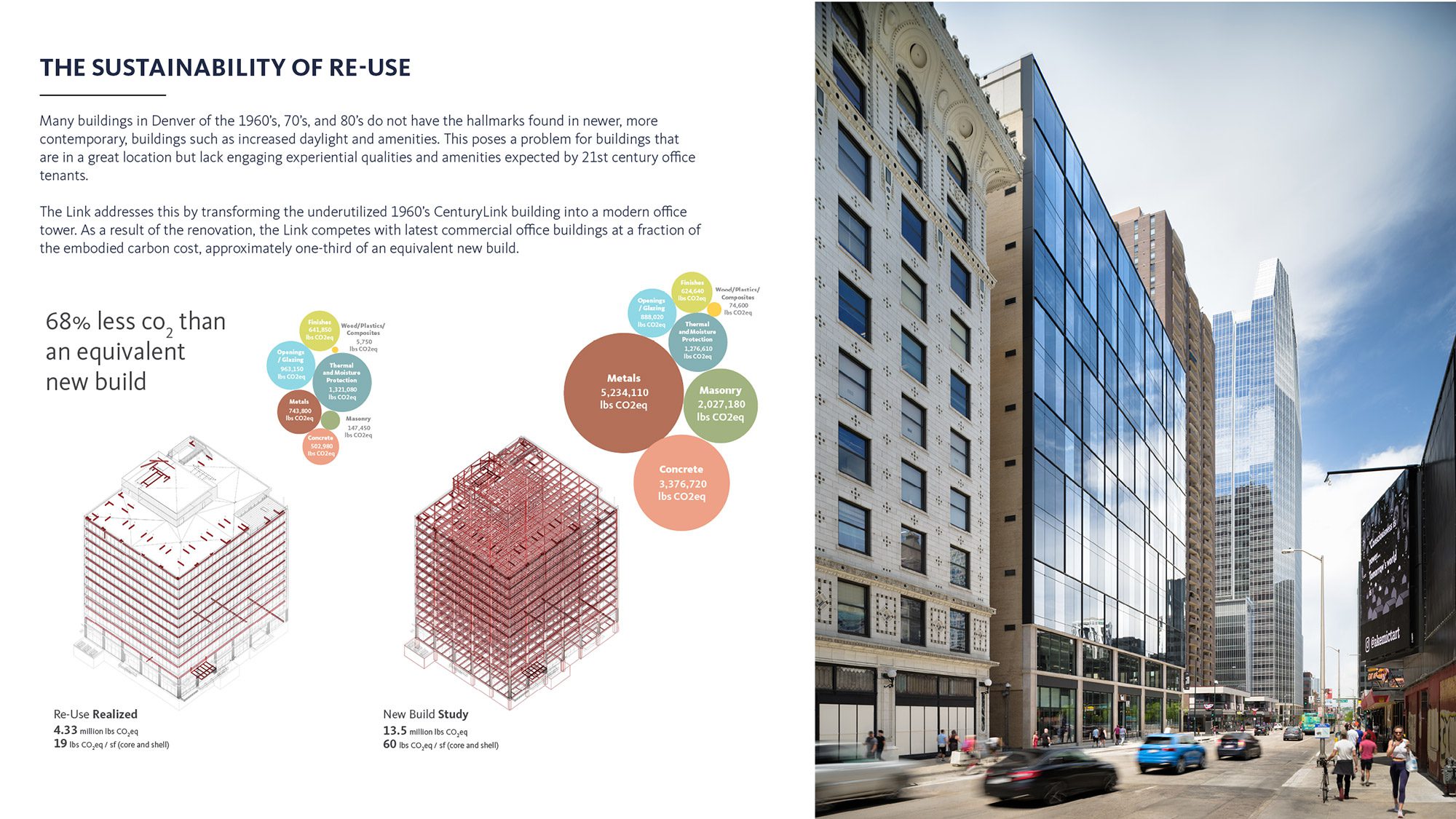
Adaptive reuse might be the most sustainable strategy of all—preserving embodied energy while creating new functionality. Converting existing structures avoids the environmental impact of demolition while celebrating architectural heritage.
Sustainable Reuse Strategies
Working with existing buildings requires different thinking than new construction. The constraints become opportunities for creative solutions that honor the past while serving present needs.
Embodied Energy Preservation
Existing structures contain decades of embodied carbon in their materials. Adaptive reuse preserves this investment while avoiding new material production emissions.
Infrastructure Utilization
Existing buildings often occupy sites with established utility connections, transportation access, and community integration. This infrastructure represents significant embedded value.
Performance Upgrades
Retrofit strategies can achieve dramatic energy performance improvements. Deep energy retrofits routinely achieve 75-80% energy reduction in older buildings.
Cultural Sustainability
Preserving architectural heritage maintains community identity and cultural continuity. Adaptive reuse projects often become catalysts for neighborhood revitalization.
The best adaptive reuse projects honor architectural history while embracing contemporary performance standards. It’s architecture that bridges past and future.
Via: Gensler
How Does Resilient Design Address Climate Change Challenges?
Climate resilience has become essential for sustainable architecture. Buildings must withstand increasingly severe weather events while maintaining occupant safety and comfort. It’s not enough to be green—buildings must be tough too.
Resilient Design Strategies
Resilient buildings prepare for the unexpected. They’re designed to handle extreme conditions while keeping people safe and comfortable even when normal systems fail.
Flood Resistance
Elevated foundations, flood-resistant materials, and waterproof barriers protect against rising sea levels and intense precipitation events. Amphibious foundations allow buildings to float during flood events.
Extreme Heat Mitigation
Passive cooling strategies, thermal mass, and natural ventilation systems maintain habitability during power outages and heat waves. Reflective surfaces and strategic landscaping reduce local temperatures.
Seismic Performance
Base isolation systems and flexible structural connections allow buildings to move with seismic forces rather than resist them. These strategies protect both structure and occupants.
Energy Independence
Microgrids and battery storage systems maintain critical building functions during utility outages. Solar panels with battery backup can power essential systems for days or weeks.
Resilient design isn’t just about surviving disasters—it’s about creating buildings that support community recovery and long-term adaptation to changing conditions.
What Economic Benefits Drive Sustainable Architecture Adoption?
The business case for sustainable architecture has never been stronger. Operating cost savings, productivity improvements, and asset value increases make sustainable design financially attractive. Green building isn’t just good for the planet—it’s good for the bottom line.
Economic Performance Metrics
Numbers don’t lie. Sustainable buildings deliver measurable financial benefits that go far beyond energy savings. The economic case gets stronger every year as energy costs rise and green building performance improves.
Operating Cost Reductions
LEED-certified buildings show 25-30% lower operating costs compared to conventional structures. Energy savings alone often justify sustainable design investments within 5-7 years.
Productivity Improvements
Studies show 6-16% productivity increases in high-performance buildings. Improved air quality, natural lighting, and thermal comfort directly impact how well people work.
Asset Value Premiums
Sustainable buildings command 3-5% higher sale prices and 5-10% higher rental rates. Green building certifications have become market differentiators in competitive real estate markets.
Risk Mitigation
Energy-efficient buildings are less vulnerable to utility rate increases and carbon pricing policies. Future-proofing against regulatory changes protects long-term asset value.
The economic argument for sustainable architecture is compelling enough that many clients now require green building certification as a baseline expectation.
Key Takeaways for Sustainable Architecture Success
- Integration is everything – Sustainable architecture innovative design solutions work best when passive strategies, active systems, and smart technologies work together seamlessly
- Performance monitoring drives improvement – Buildings that measure and track their performance continuously improve their sustainability metrics
- Material selection impacts lifecycle sustainability – Choosing bio-based, recycled, and locally-sourced materials dramatically reduces environmental impact
- Resilience planning prevents future problems – Climate-responsive design strategies protect investments and communities against increasingly severe weather events
- Economic benefits justify sustainable investments – Lower operating costs, higher productivity, and premium asset values make sustainable architecture financially attractive
The future of sustainable architecture lies not in choosing between performance and sustainability, but in recognizing that they’re inseparable. The buildings we design today will shape our environmental future for generations. By embracing innovative design solutions that work with natural systems rather than against them, we create spaces that heal both people and planet.
As architects, we have the power to design our way out of the climate crisis. Every project represents an opportunity to demonstrate that sustainable architecture innovative design solutions aren’t just possible—they’re profitable, beautiful, and essential for our collective future.

Emily Reyes is a Brooklyn-based architecture writer and Article Curator at Arch2O, known for her sharp eye for experimental design and critical theory. A graduate of the Southern California Institute of Architecture (SCI-Arc), Emily’s early work explored speculative urbanism and the boundaries between digital form and physical space. After a few years in Los Angeles working with boutique studios on concept-driven installations, she pivoted toward editorial work, drawn by the need to contextualize and critique the fast-evolving architectural discourse. At Arch2O, she curates articles that dissect emerging technologies, post-anthropocentric design, and contemporary spatial politics. Emily also lectures occasionally and contributes essays to independent design journals across North America.