

How Wright and Hadid Rewrote Architecture
The pantheon of famous architects reads like a museum catalog of minds who rewrote the rules of building. Among these giants, two names stand out: Frank Lloyd Wright and Zaha Hadid. A century apart, yet their ideas about space changed everything we thought we knew about architecture. Their buildings do not just sit on land—they reshape how we live, work, and think about the world around us.
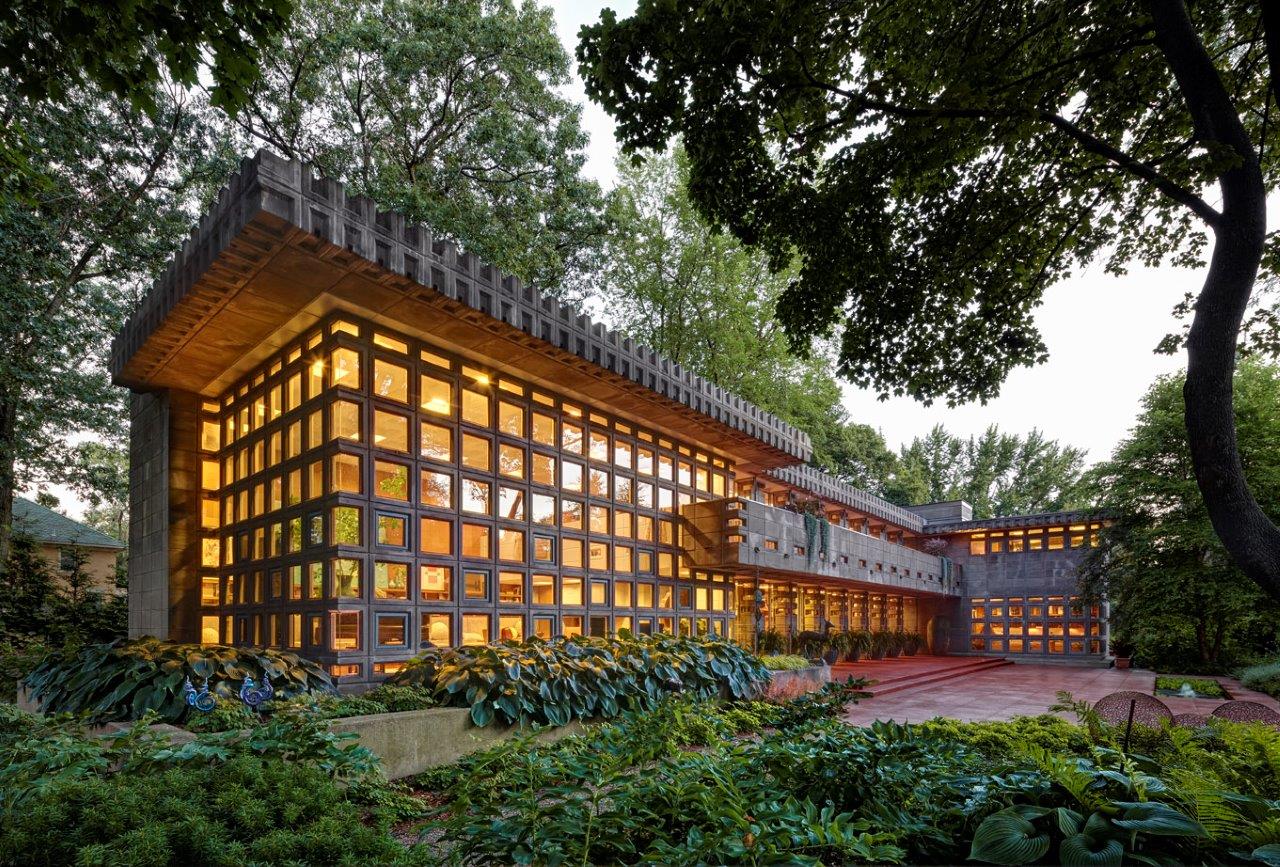
Turkel House (1955) photo by James Haefner
Look at the most famous architects’ quotes and you will find Wright talking about buildings that grow from the earth. Fast-forward decades and Hadid described structures that flow like liquid. Both architects threw out the rulebook. Wright’s organic architecture made buildings feel alive, while Hadid’s computer-generated forms made the impossible real. Their unconventional thinking and working methods did not just create buildings—they created new ways of seeing space itself.
You can trace their influence in almost every major building project today. Wright’s prairie houses still inspire sustainable, landscape-responsive design, while Hadid’s flowing forms appear in everything from airports to shopping centers. These were not just architects—they were complete designers who reimagined how humans could inhabit space, from furniture to city scale. Their legacy continues to shape architecture schools, construction methods, and city skylines worldwide.
Wright’s Revolution: Organic Architecture and Design Democracy
Frank Lloyd Wright did not just design buildings—he created a new American way of thinking about architecture. While many of his peers copied European styles, Wright looked at the Midwestern landscape and asked: “What if buildings could grow from the land itself?” His answer changed residential design forever.
Breaking Away from European Tradition
Wright’s revolution started with a quiet refusal. The Beaux-Arts tradition that dominated American architecture in the early 1900s felt foreign to him. Those grand, formal buildings worked in Paris, but they had little to do with American life or landscape. Wright wanted something different—something that felt right for democracy and the American spirit.
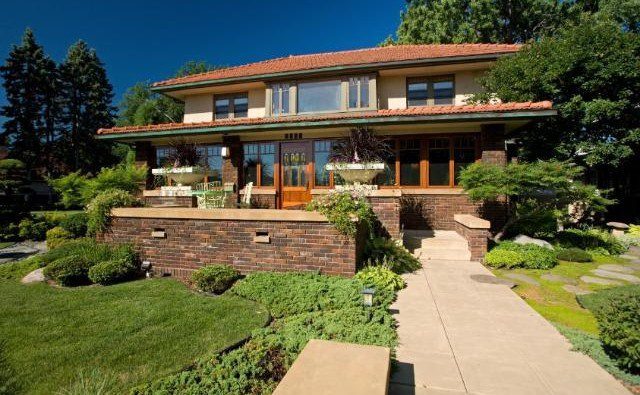
His Prairie School houses proved his point. Low, sheltering roofs echoed the flat Midwestern horizon. Long bands of windows brought the outside in. Open floor plans let families live together instead of in isolated boxes. These were not just design decisions—they were statements about how Americans should live.
The Technical Innovation Behind Organic Architecture
Wright’s genius was not purely aesthetic; he pushed building technology in new directions. His use of reinforced concrete created horizontal planes and cantilevers that seemed to float. Steel frame construction let him open up walls in ways traditional masonry could never match. He understood materials intimately—how wood wants to bend, how stone wants to sit, how glass wants to catch the light.
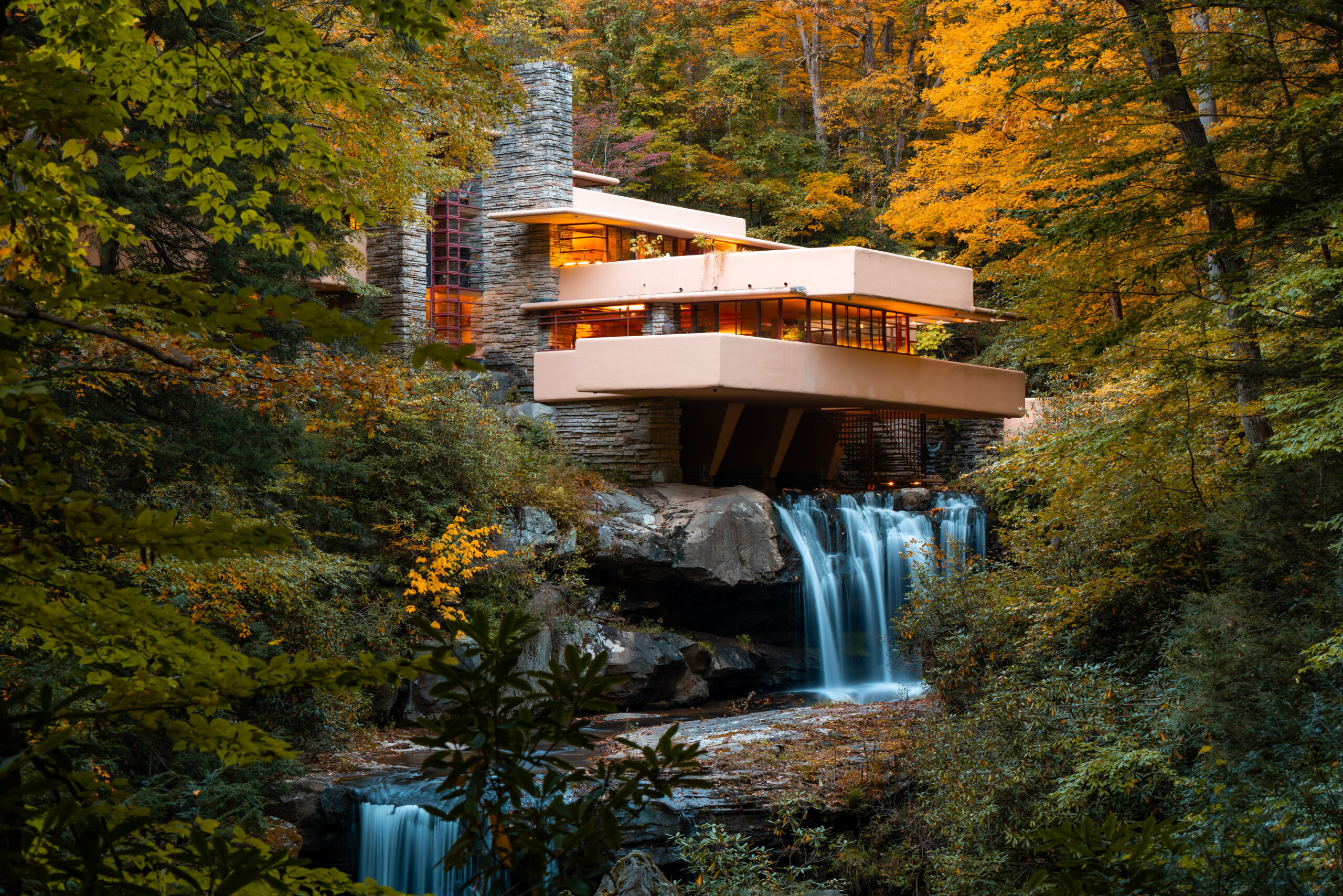
Take Fallingwater, his most famous house. Wright did not build next to the waterfall—he built over it. The concrete terraces reach out like rock ledges, making the house feel as if it has grown straight from the stream. This was not just bravado. Wright knew that the best buildings do not fight their environment—they become part of it.
Democratic Architecture for Everyday Life
Wright’s Usonian houses proved that good design did not have to be elitist or expensive. He created affordable homes for middle-class families, often with built-in furniture and clever storage solutions. These houses were designed for real people, living real lives—not for show.
His open-plan layouts anticipated how families would actually live. Kitchens opened directly into living areas. Children could play while parents cooked. Spaces flowed into each other instead of being chopped into formal rooms. Wright understood that American families did not need parlors—they needed flexible, human-scale spaces that could adapt to daily life.
Which Architects Changed the World of Design?
Asking which architects truly changed the world opens a conversation that spans centuries. Each generation produces builders who see possibilities others miss, but some names appear on almost every list.
The Modernist Pioneers
Le Corbusier gave us the Five Points of Architecture—the theoretical backbone of early modernism. His idea that buildings could be “machines for living” reshaped housing, office towers, and entire urban plans. Mies van der Rohe’s famous “less is more” mantra produced the minimalist glass-and-steel aesthetic that still defines high-end architecture today.
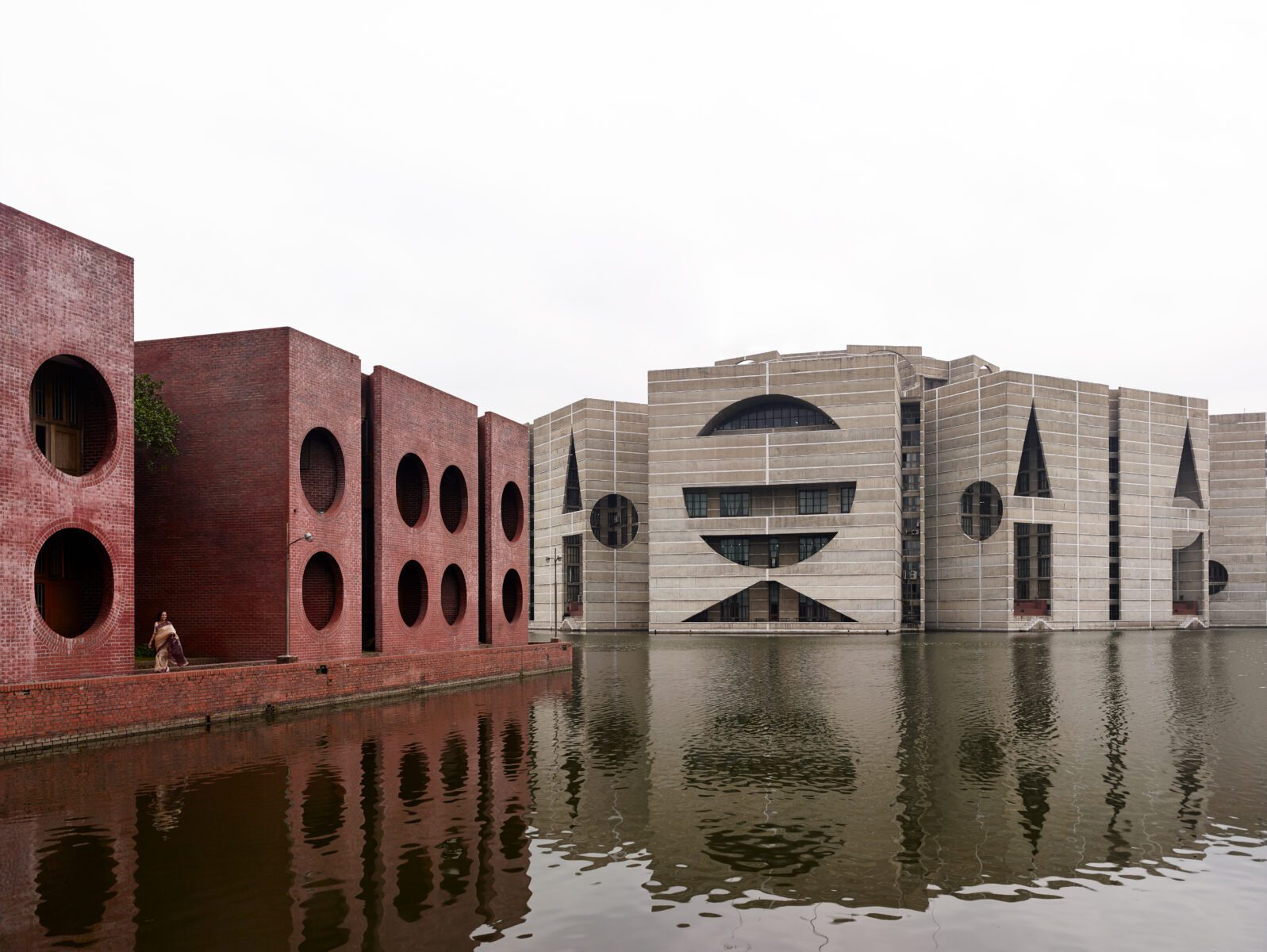
Louis Kahn brought gravity and poetry back into modernism. His work in Bangladesh and India showed how concrete could be both monumental and deeply humane. Kahn understood light the way painters do—his buildings catch, filter, and sculpt daylight until spaces begin to feel almost sacred.
The Contemporary Revolutionaries
But perhaps no late-20th-century architect changed the world as dramatically as Zaha Hadid. Her computer-generated forms challenged almost every assumption about what buildings could be. Where architecture had relied on straight lines and right angles for millennia, Hadid created forms that curved, twisted, and flowed like natural landscapes.
Her influence stretches far beyond individual buildings. She changed how architects think, draw, and build. The digital tools her office helped normalize are now standard in architecture schools across the globe. Her approach to fluid, sculptural form-making ripples through everything from furniture design to urban planning.
The Ongoing Legacy
Today’s famous architects build on these foundations. Bjarke Ingels combines Wright’s sensitivity to landscape with Hadid’s computational experimentation. Tadao Ando takes modernist concrete and turns it into something meditative and spiritual. Each generation borrows from the last while pushing toward something new.
The conversation between tradition and innovation never really stops. Some architects look back, drawing from vernacular construction and craft. Others push forward with new materials, new digital tools, and new environmental strategies. The most compelling work usually blends both—buildings that feel rooted and timeless yet unmistakably contemporary.
How Did Zaha Hadid Influence Modern Architecture?
Zaha Hadid’s influence on modern architecture operates on multiple levels. She did not just design unusual buildings; she fundamentally changed how architects think about space, geometry, and construction. Her impact runs from the software on students’ laptops to the way major civic buildings relate to their surroundings.
To understand the mindset behind her buildings, it helps to look at her early canvases; Zaha Hadid’s paintings reveal how abstraction, fragmentation, and sweeping motion in two dimensions later evolved into fully three-dimensional, built landscapes.
Pioneering Parametric Design
Hadid’s office was among the first to take parametric design seriously. Originally developed for aerospace and automotive industries, these digital tools allowed architects to work with complex geometries from the very start instead of layering complexity onto simple shapes. This unlocked forms that would have been almost impossible to draw or coordinate by hand.
Parametric design is not only about wild forms. It allows buildings to respond to many constraints at once—site, program, structure, climate, and circulation. Rather than imposing a shape and forcing everything to fit inside, Hadid’s teams let the form emerge from the relationships between all these factors.
Redefining Architectural Space
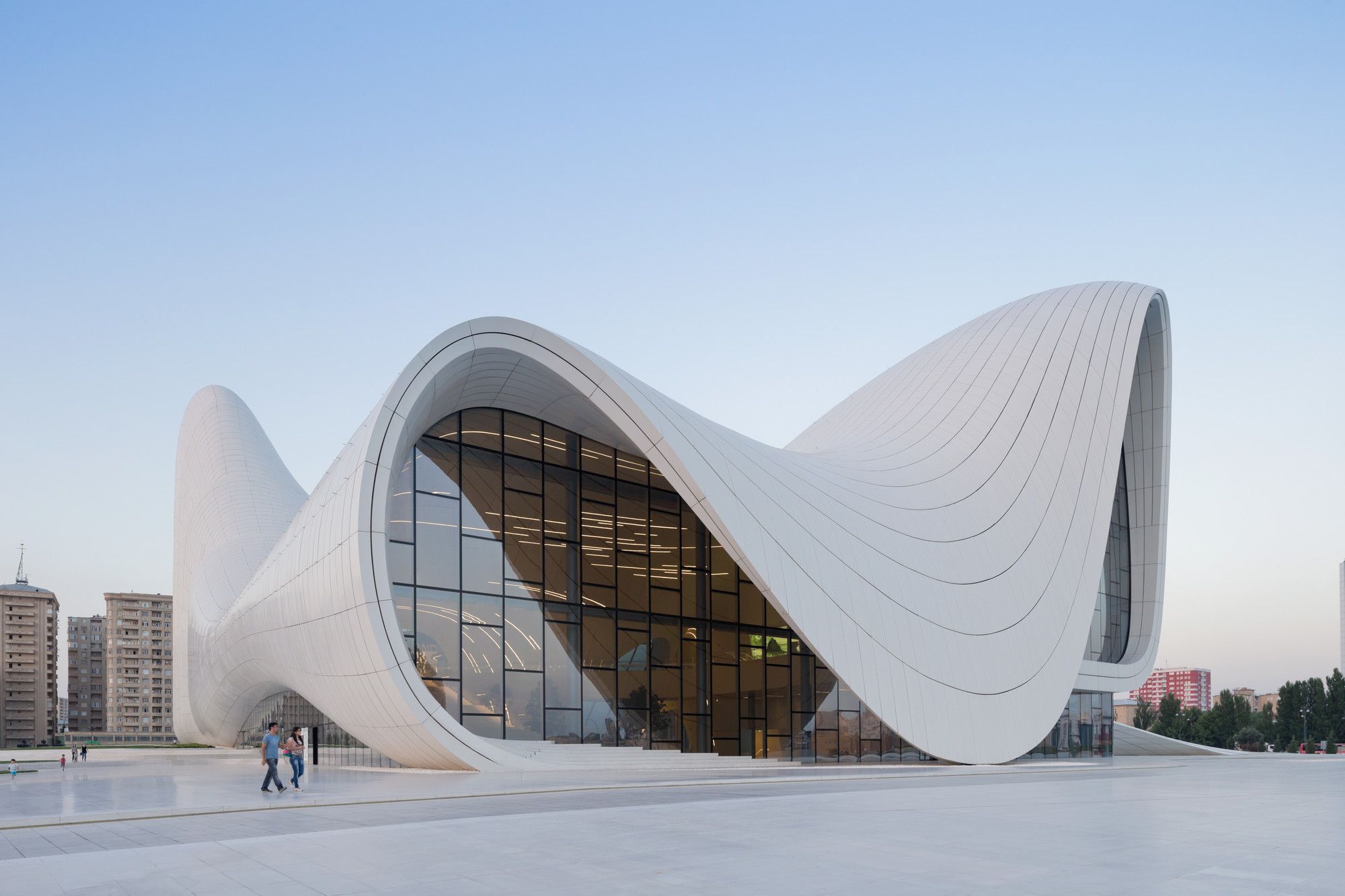
Hadid’s buildings feel different as soon as you step inside. Traditional architecture often organizes life into discrete rooms linked by corridors. Hadid’s interiors tend to flow, dissolve, and merge, so moving through them feels closer to walking through a sculpture than a conventional floor plan. The Heydar Aliyev Center in Baku shows this beautifully—exterior and interior read as one continuous surface, blurring where the city ends and the building begins.
© Iwan Baan
This approach to space-making spread quickly. You can see echoes of Hadid in airports, museums, universities, and shopping centers worldwide. The idea that architecture can be both functional infrastructure and sculptural experience is now part of the basic design vocabulary.
Changing Construction Methods
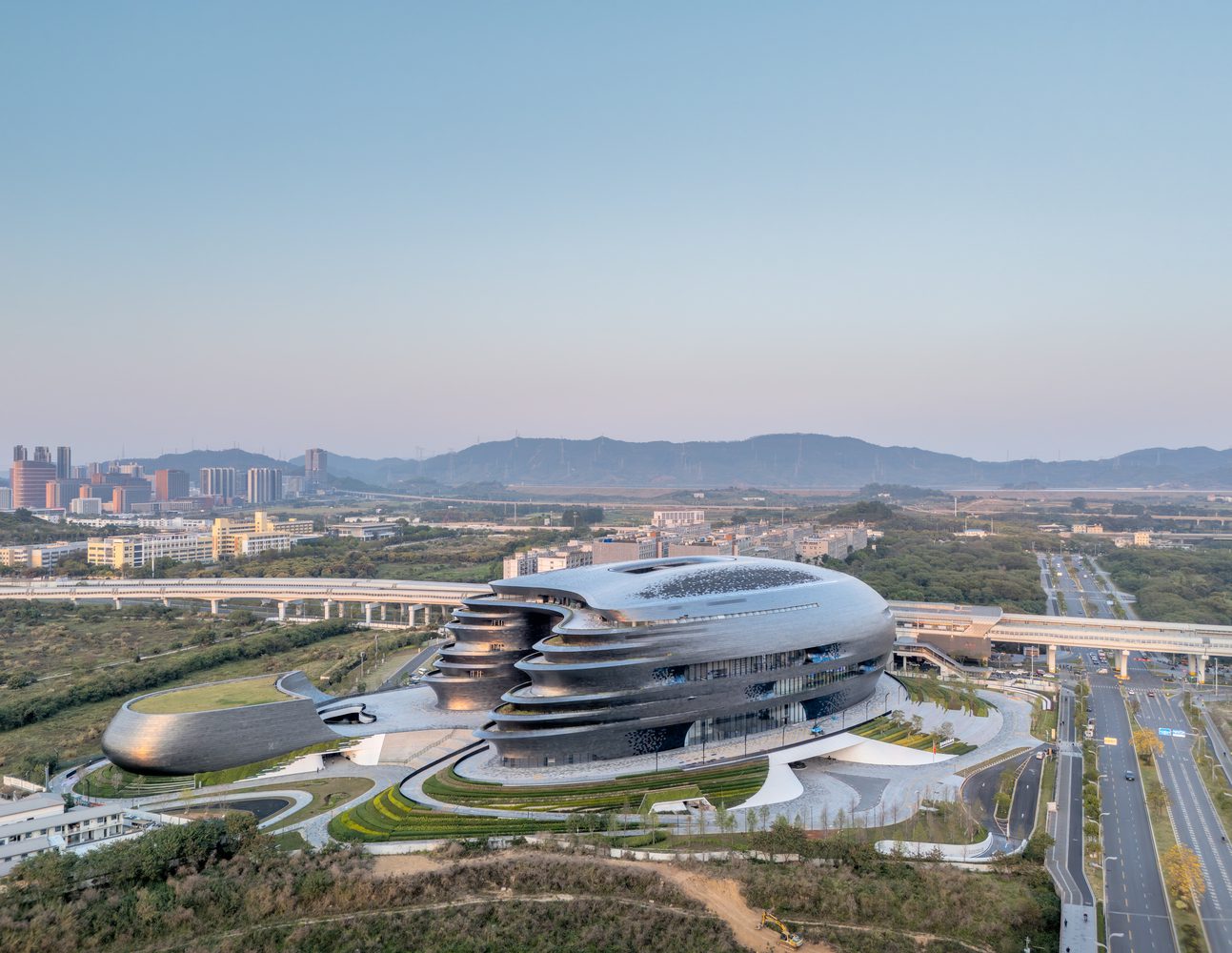
Hadid’s complex geometries forced engineers, contractors, and fabricators to invent new building methods. Her office worked closely with specialists to pour curved concrete shells, twist steel structures, and fabricate custom cladding panels with computer-controlled machines. These innovations helped normalize digital workflows that connect design models directly to fabrication.
© Virgile Simon Bertrand
Breaking Gender Barriers
Hadid’s 2004 Pritzker Prize made her the first woman to receive architecture’s highest honor, marking a turning point in a field historically dominated by men. Yet her importance goes beyond being “the first.” She showed that radical innovation could come from voices the profession had long kept at the margins, and in doing so she helped open doors for future generations of women and underrepresented designers.
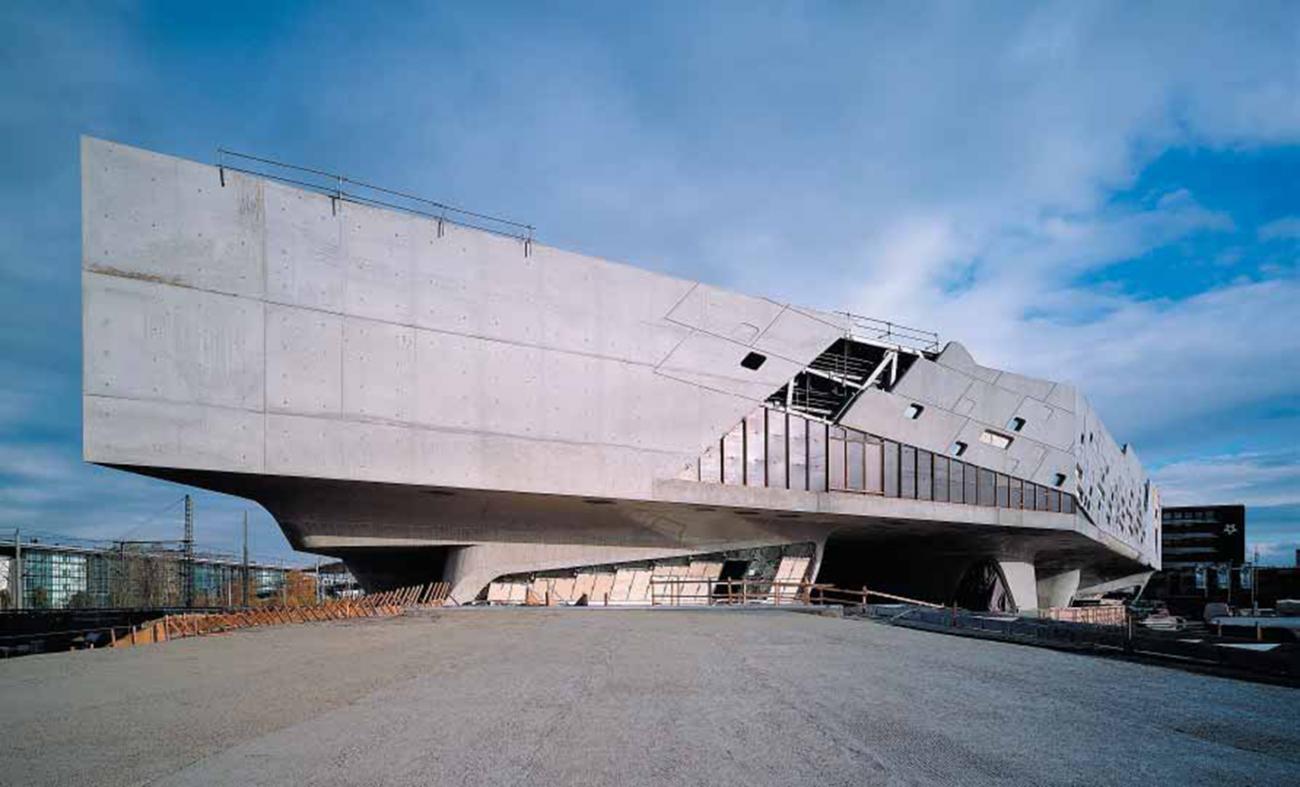
Her career arc—from Baghdad to London to global practice—is worth exploring in depth in How Zaha Hadid Became Zaha Hadid: Five Important Days in her Life, which traces the personal milestones behind her public success.
Her visibility also changed how the public thinks about architects. Hadid became a celebrity in ways that few architects achieve. Her appearances at museums and cultural events brought architecture into mainstream conversation. She showed that architects could be public intellectuals, not just technical specialists.
If you want to go even deeper into her creative world, 10 Unpredictable Facts You Never Knew About Zaha Hadid and On Her Birthday: 10 of Zaha Hadid’s Remarkable Award-Winning Architecture reveal how her career, personality, and iconic projects intertwine.
From Hand to Algorithm: A Technological Revolution
The gap between Wright’s hand-drawn plans and Hadid’s parametric models represents one of the biggest shifts in architectural history. The move from analog to digital design transformed not just how buildings look, but how they are conceived, coordinated, and built.
The Craft Tradition
Wright’s design process was deeply physical. He learned materials by handling them—testing concrete on site, working directly with carpenters, and designing furniture that emerged from the grain and structural logic of wood. That intimacy with materials gives his work a grounded authenticity that still resonates today.
His drawings were artworks in their own right. Rich perspectives and carefully colored plans helped clients imagine lives in houses that did not exist yet. Those drawings did not just describe buildings; they conveyed the emotional experience of inhabiting them.
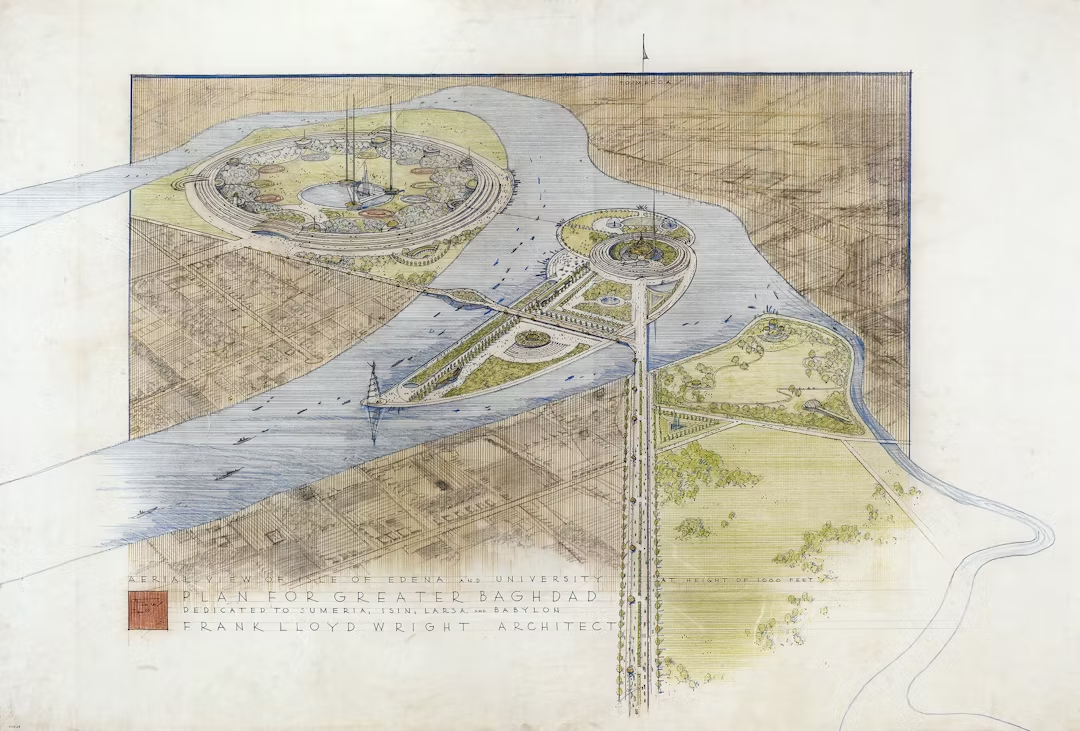
Plan for Greater Baghdad, Baghdad. Project, 1957
The Digital Revolution
Hadid’s revolution was computational from the start. Her forms often emerged from algorithms exploring countless iterations, each shaped by structural logic, program, and site conditions. For her, the computer was not just a drafting tool but a design partner capable of generating complex possibilities.
This shift changed what it means to be an architect. Rather than drawing every detail manually, designers now set up systems—scripts, parametric relationships, and digital workflows—and guide them. That requires a different skill set: coding literacy, mathematical thinking, and the ability to judge when a formally exciting result still serves people and place.
Synthesis and Future Directions
Today’s leading practices navigate between these extremes. Firms like Foster + Partners combine powerful simulation and optimization tools with deep knowledge of materials and construction. The most compelling future lies in this synthesis: buildings that are formally ambitious yet robust, efficient, and deeply responsive to their context.
Architecture as Social and Cultural Force
Both Wright and Hadid understood that architecture is never just about form; it shapes how societies see themselves and what they value. Their work shows how buildings can influence not only skylines but also the stories communities tell about who they are.
Wright’s Democratic Vision
Wright’s Prairie and Usonian houses were more than beautiful; they carried political and social ideas. By designing well-crafted, modestly priced homes for middle-class families, he argued that good design should be a right, not a luxury good. His flowing layouts and integrated landscapes reflected a belief in openness, equality, and everyday dignity.
These houses also showed that American architecture could be modern without imitating Europe. They did not rely on pomp or monumentality. Instead, they drew strength from their relationship to the land and from how well they supported daily life, proving that confidence in design does not require grandeur.
Hadid’s Global Impact
Hadid’s projects operate on a very different scale. Her museums, cultural centers, and infrastructure projects often became shorthand for a city’s ambition to be seen as global, innovative, and future-oriented. The Guggenheim Museum in Bilbao—though designed by Frank Gehry—helped prove that a single bold building could transform a city’s international image, and many cities turned to Hadid seeking similar cultural leverage.
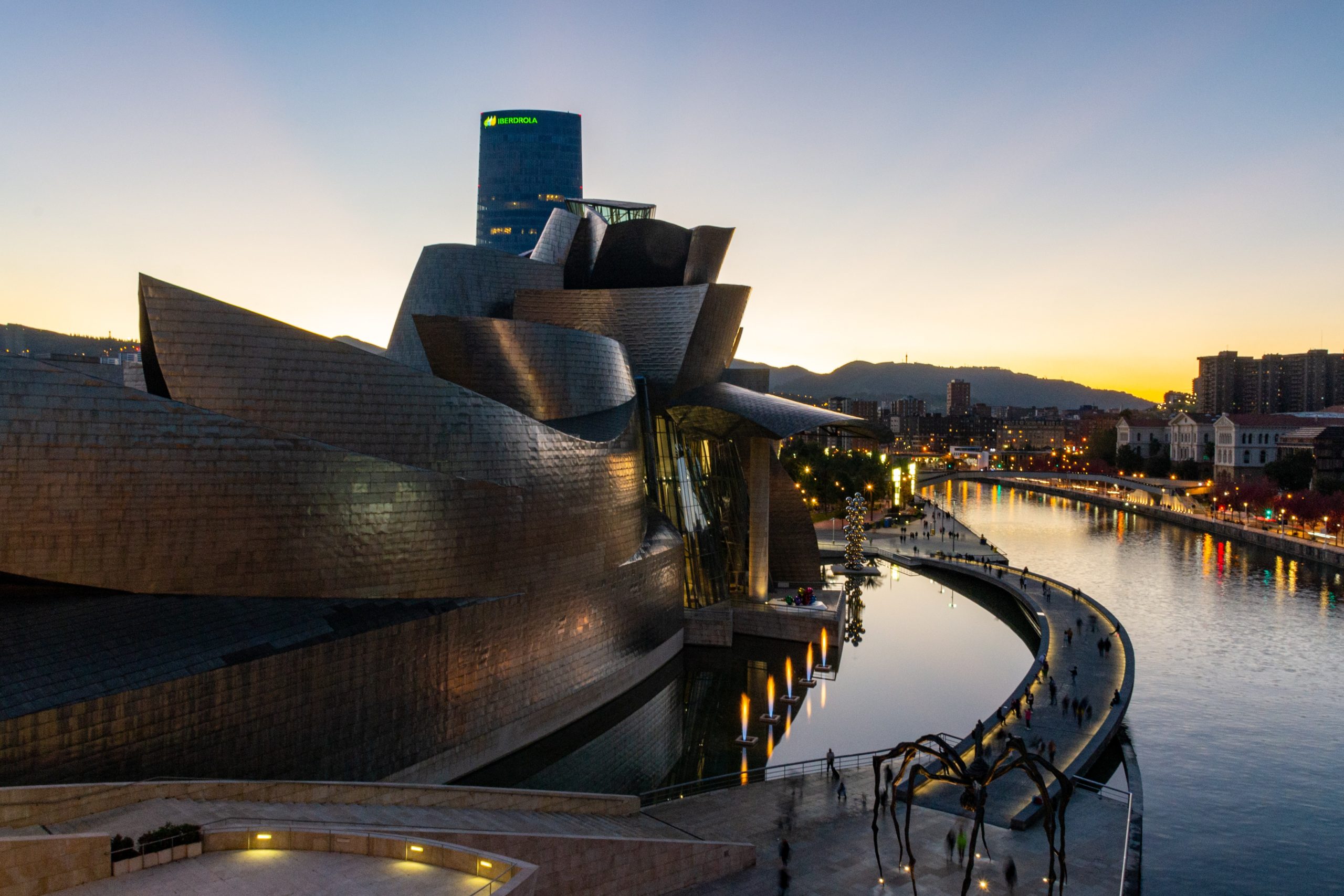
© David Vives
This approach inevitably drew criticism. Some argued that spectacular structures risked becoming “icons without context,” and legal disputes occasionally surfaced around cost and construction challenges. Yet even skeptics acknowledged that her buildings generated civic pride and global attention that many cities actively sought.
Popular Culture Influence
Both architects filtered into popular culture in ways few designers manage. Wright’s Prairie houses helped define the look and feel of American suburbs for generations; echoes of his open plans and inside–outside connections show up in countless ranch houses and mall typologies. Hadid’s fluid “Queen of the Curve” language, by contrast, spread into product design, fashion, and even cars, giving physical form to ideas of movement and technological sophistication.
Contemporary Resonance: Legacy in Practice
The ideas Wright and Hadid pioneered continue to guide how architects respond to today’s biggest challenges—from climate change and rapid urbanization to questions of equity and representation.
Environmental Responsibility
Wright’s emphasis on site-specific design and material efficiency foreshadowed contemporary sustainability. His careful orientation, passive solar thinking, and preference for local materials align with current efforts to reduce environmental impact without sacrificing character. The UNESCO World Heritage modernist sites that protect some of his key works show how ecological sensitivity and cultural value can reinforce each other.
Many contemporary architects are rediscovering this holistic attitude. They design buildings that work with sun, wind, and topography instead of ignoring them; they seek structures that age gracefully and use resources sparingly; and they look for ways to connect occupants with nature rather than isolating them in sealed boxes.
Digital Design Evolution
Hadid’s computational methods are now part of everyday practice in many offices. Architecture students learn parametric design as a basic tool, and the software her office helped popularize is used to shape everything from facades to city plans. What was once radical is now foundational.
The next wave is already forming. Machine learning and artificial intelligence are beginning to assist with everything from massing options to performance optimization. Architects are experimenting with algorithms that can propose full design scenarios responding to program, carbon targets, and cost constraints—not to replace the designer, but to broaden the field of possibilities.
Cultural Relevance
Wright and Hadid also showed that architecture loses power when it ignores culture. Wright’s projects grew from American landscapes and social ideals, while Hadid’s work captured the energy of globalization, digital culture, and new urban economies. Today, architects must grapple with climate, migration, social justice, and local identity all at once.
The profession is still working through issues of diversity and access that their careers spotlight in different ways. Wright’s democratic rhetoric and Hadid’s barrier-breaking visibility both offer models for making architectural practice more inclusive, both in who gets to design and whose needs buildings serve.

Why is Frank Lloyd Wright so important?
-
Wright is considered one of the most influential architects of the 20th century because he pioneered organic architecture—designing buildings that grow from their sites and blend with nature rather than dominate it.
-
He also changed residential design with open plans, integrated furniture, and democratic housing concepts like the Usonian homes, which still influence sustainable and human-centered design today.
How did Zaha Hadid change architecture?
-
Hadid transformed architecture by using advanced digital tools and parametric design to create flowing, dynamic forms that broke away from traditional orthogonal geometry.
-
She also pushed construction technology forward, inspired new ways of organizing space, and became a global cultural figure, expanding who is seen and heard in the profession.
What is organic architecture in simple terms?
-
Organic architecture is a design philosophy where buildings feel as if they belong to their site—using forms, materials, and layouts that grow from landscape, climate, and human needs.
-
In Wright’s work, that meant low roofs, natural materials, and plans that open toward views and light, creating spaces that feel both sheltering and connected to the outdoors.
What is parametric design in architecture?
-
Parametric design uses algorithms and adjustable parameters to generate and refine architectural forms, allowing architects to quickly explore many variations that respond to real-world constraints.
-
In Hadid’s projects, parametric tools made it possible to coordinate complex curves, structural systems, and facades, turning sculptural ideas into buildable architecture.
Are there other famous architects like Zaha Hadid?
-
Several contemporary architects use advanced computation and expressive forms, but Hadid remains unique in how she combined painting, mathematics, and digital design.
-
To explore her world further, you can dive into Zaha Hadid’s paintings and creative framework, her career milestones in How Zaha Hadid Became Zaha Hadid, and the projects highlighted in On Her Birthday: 10 of Zaha Hadid’s Remarkable Award-Winning Architecture.
The Continuing Evolution
Understanding Wright and Hadid’s revolutionary impact means seeing their work as more than isolated masterpieces; it means recognizing how they reframed architecture’s basic questions. Wright asked how buildings could express democratic values and live in harmony with nature. Hadid asked how new geometries and technologies could expand the very language of space.
Today’s most interesting architects weave these threads together. They blend Wright’s material sensitivity with Hadid’s digital boldness, using parametric design tools to tailor buildings to local climate and culture while maintaining a human scale. You can see this integration in projects that combine digital fabrication with traditional craftsmanship, pointing toward a future where “high-tech” and “handmade” are not opposites but partners.
The challenges ahead—climate change, rapid urbanization, and deep social inequalities—demand the same level of courage and imagination that Wright and Hadid brought to their work. New materials, new construction methods, and emerging design tools will keep expanding what is possible, but the essential questions remain: How do we create spaces that enhance life without exhausting the planet, and how do we build communities that are both economically viable and socially just?
Like the famous figures who might have been architects, Wright and Hadid remind us that design thinking reaches far beyond the profession itself. The wisdom found in quotes from non-architects that inspire architects echoes their shared belief that real innovation requires both technical mastery and the courage to imagine different ways of living together. Their buildings continue to challenge architects—and everyone who experiences them—to see architecture not as static shelter, but as a powerful tool for changing how we live on this shared planet.

Luca Moretti is a content strategist with a foundation in urban design and architecture. Based in Milan, he focuses on writing that bridges aesthetics, material culture, and everyday spatial experiences.