


The most surprising Zaha Hadid facts are not about her curves. She studied mathematics before architecture, designed shoes and furniture as well as buildings, saw two of her biggest commissions, in Cardiff and Tokyo, cancelled, and still became the first woman to win the Pritzker Prize. This list, for students and admirers of her work, sets out ten checked facts about the Iraqi-born British architect (1950–2016), corrects some popular myths (Guangzhou’s opera house is not her rejected Cardiff design) and links to sources. For the turning points of her career in order, read how Zaha Hadid became Zaha Hadid.
What is Zaha Hadid known for?
Hadid is known for dynamic, fluid buildings that seem to be in motion, from the angular Vitra Fire Station of 1993 to the flowing Guangzhou Opera House and London Aquatics Centre. The press called her the “Queen of the Curve”. Her creative energy also went into paintings, furniture, jewellery and shoes, which shows why famous architects like Frank Lloyd Wright and Zaha Hadid revolutionised design: their ideas crossed the boundaries between disciplines.
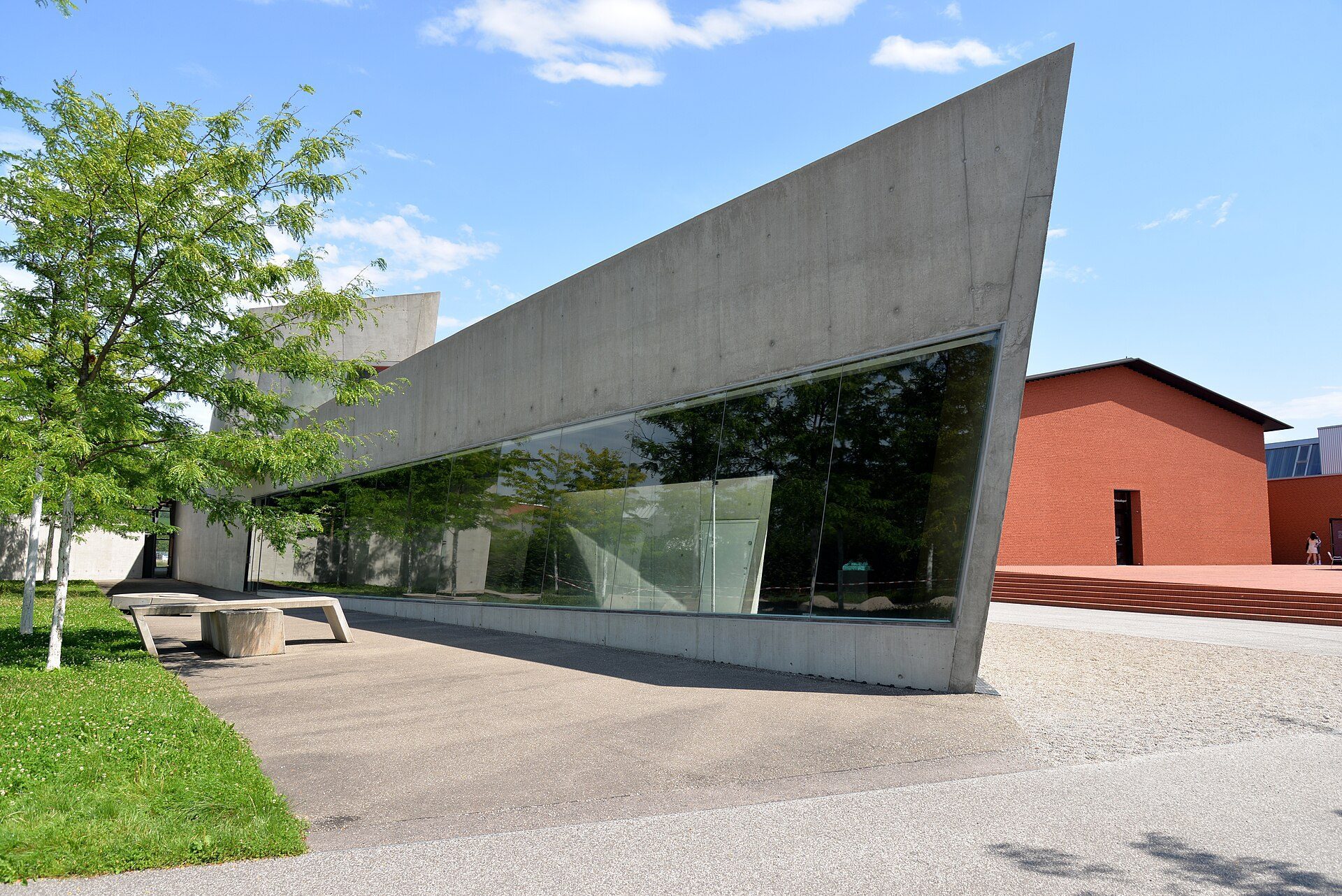
The Vitra Fire Station in Weil am Rhein, Germany (1993), Hadid's first major built work. Photo: Calips, CC BY-SA 3.0, via Wikimedia Commons. Calips, source, CC BY-SA 3.0
What did Zaha Hadid study?
Hadid first studied mathematics at the American University of Beirut. In 1972 she moved to London to study at the Architectural Association (AA), and she graduated in 1977, winning the AA’s Diploma Prize, according to her Pritzker Prize biography. Geometry, rather than historical style, became the starting point for her work. Here are ten Zaha Hadid facts that show the less familiar sides of the Iraqi-British architect.
1. Her practice worked on some 950 projects in 44 countries
Hadid opened her London practice in 1980. Zaha Hadid Architects, now led by Patrik Schumacher, describes its portfolio as about 950 projects in 44 countries. Her first major built work was the Vitra Fire Station in Weil am Rhein, Germany, completed in 1993; among the last projects she worked on was One Thousand Museum, a residential tower in Miami completed after her death. For years before anything was built, she designed through painting; see what Zaha Hadid’s paintings show about her creative framework.

Courtesy of ZHA
2. She designed shoes as boldly as buildings
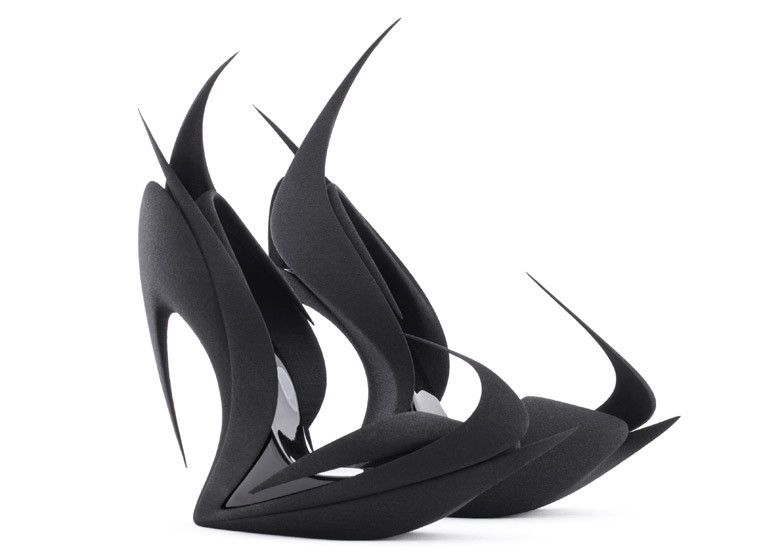
© United Nude
Hadid designed a moulded plastic shoe for the Brazilian brand Melissa in 2008. In 2013 she worked with United Nude on NOVA, a limited-edition, chrome-plated shoe with a 16 cm cantilevered heel, which United Nude described as the first shoe made by rotation moulding, according to Dezeen. A pair is now in the collection of the Victoria and Albert Museum.
3. Two of her biggest commissions were cancelled
In 1994 Hadid won the competition for the Cardiff Bay Opera House, and won again when the client trust asked for resubmissions. In 1995 the Millennium Commission refused to fund the project and it was abandoned, according to the National Library of Wales archive. The episode hurt her deeply at a time when she had very little built work.
© Iwan Baan
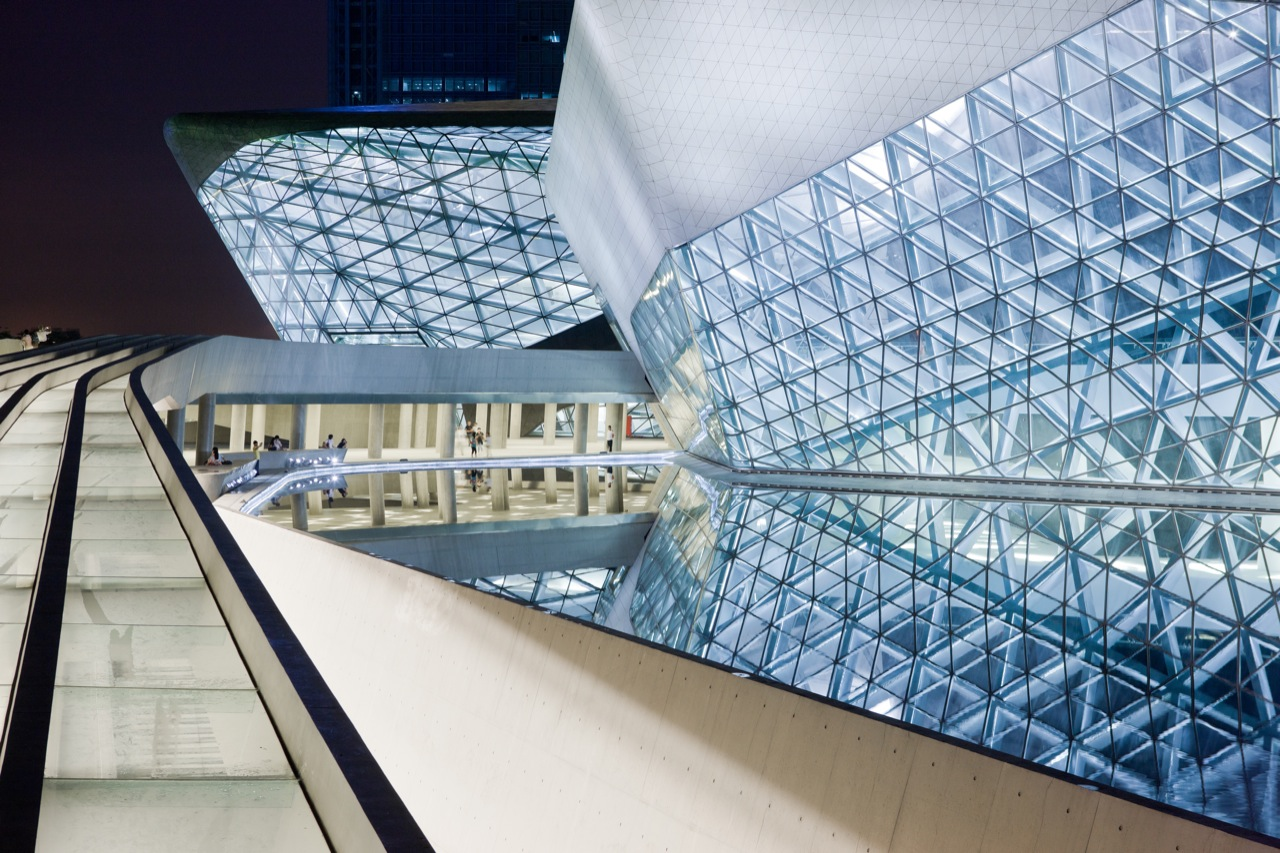
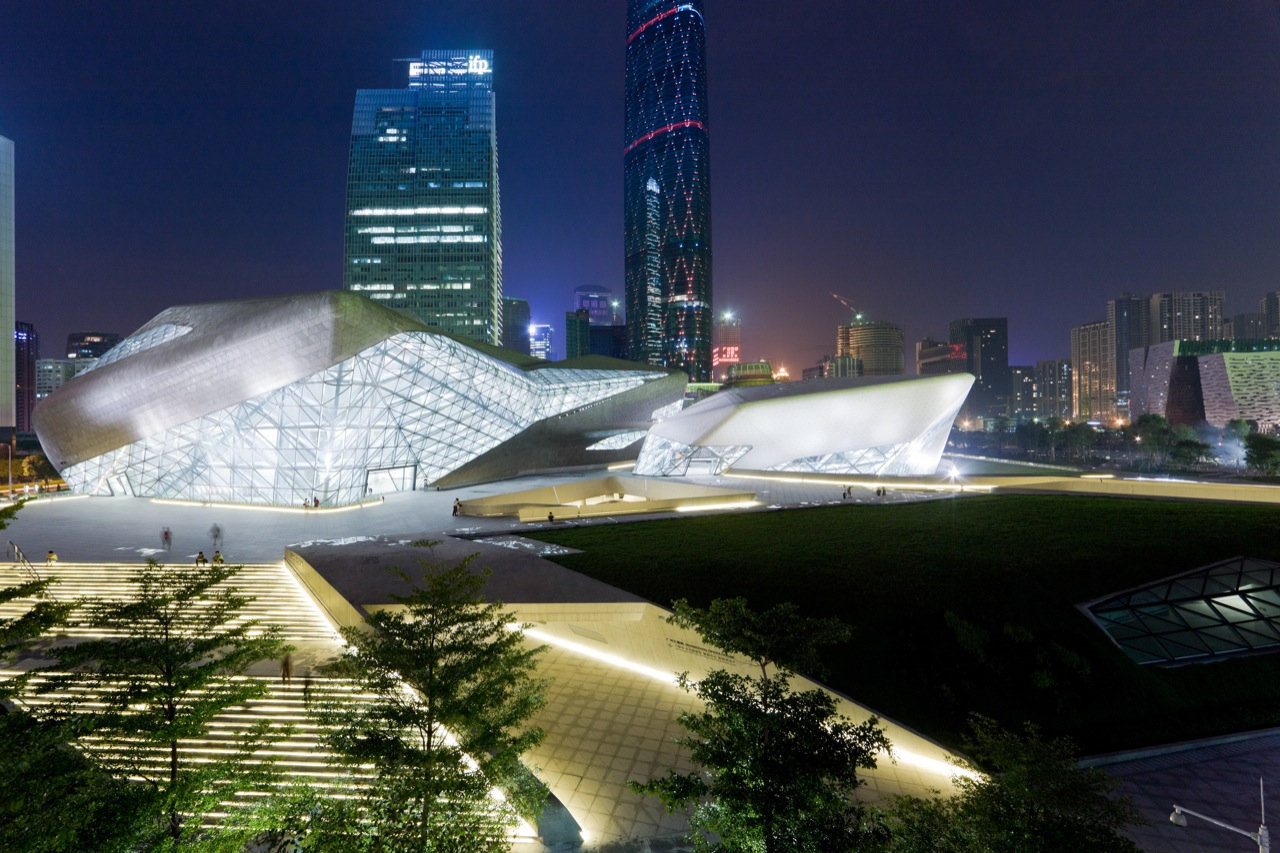
Not all popular Zaha Hadid facts are true. A popular story says that the rejected Cardiff design was later built as the Guangzhou Opera House in China. It was not: Guangzhou was a separate competition, which Hadid won in November 2002 with a new design for a riverside site, and the Guangzhou Opera House opened in 2010.
© Iwan Baan
Twenty years after Cardiff, history repeated itself in Tokyo. Hadid’s practice won the international competition for Japan’s New National Stadium for the 2020 Olympic Games, but in July 2015 the Japanese government scrapped the design over its rising cost, and a new design by Kengo Kuma was chosen in December 2015, as Dezeen reported.

Courtesy of Japan Sport Council
4. She won architecture’s biggest prizes
In 2004 Hadid became the first woman to win the Pritzker Prize. She received Japan’s Praemium Imperiale for architecture in 2009, and won the Stirling Prize of the RIBA two years running, in 2010 for the MAXXI museum in Rome and in 2011 for Evelyn Grace Academy in London. In February 2016 she became the first woman awarded the RIBA Royal Gold Medal in her own right. For her best-known buildings, see 10 of Zaha Hadid’s remarkable award-winning buildings.
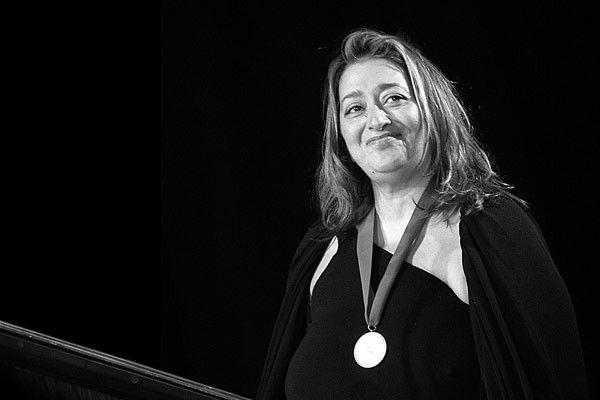
Courtesy of The Hyatt Foundation.
5. She designed furniture, objects and interiors
Hadid’s fluid forms appeared at every scale, from tables and sofas to lighting, tableware and jewellery, often produced in limited editions. Her furniture and paintings filled the interiors associated with her, where sculptural white pieces stood beside her own canvases.
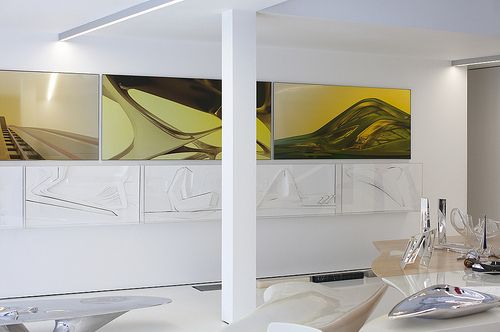
Courtesy of Davide Pizzigoni
6. Mathematics led her to architecture, and back to Beirut
After graduating in 1977, Hadid joined the Office for Metropolitan Architecture (OMA), founded by her former teachers Rem Koolhaas and Elia Zenghelis, before opening her own practice, Zaha Hadid Architects. Her training in mathematics fed directly into the geometry of her work, and later into the computational design methods her office developed. Decades after studying there, she returned to the American University of Beirut as its architect: her office designed the Issam Fares Institute building on the campus.
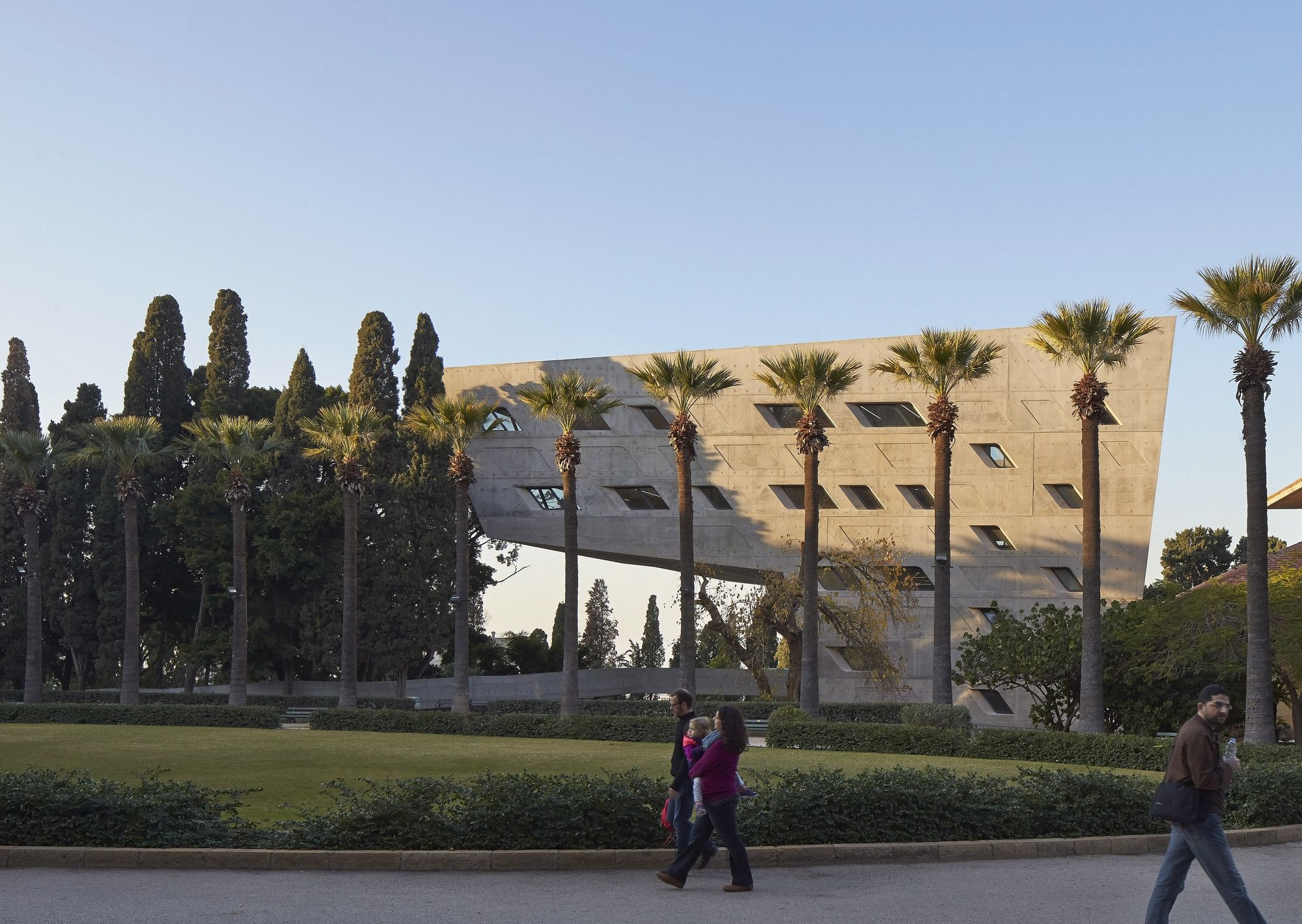
© Hufton+Crow
7. She never married
Hadid never married and had no children, despite recurring rumours about her private life. She often spoke about how hard it was to be taken seriously as a woman in architecture, and about her office and friends as the centre of her life.
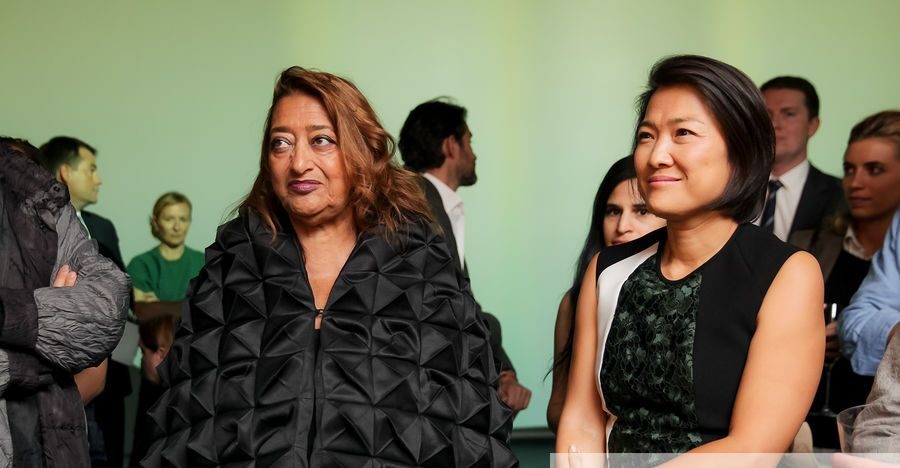
Photography by © Angela Pham
8. She was named one of the world’s most powerful women
In 2008 Forbes ranked Hadid 69th on its list of the World’s 100 Most Powerful Women, and in 2010 Time included her in its Time 100 list of the world’s most influential people. In 2013 she was named Veuve Clicquot Business Woman of the Year; accepting the award, she said that architecture had been very male-dominated when she started and that her progress had been a long fight, as Dezeen reported.

Courtesy of Japan Sports Council.
9. She went to a Catholic school in Baghdad
Hadid was born in Baghdad on 31 October 1950 into a Muslim family. Her father, Muhammad al-Hajj Husayn Hadid, was an industrialist and a co-founder of Iraq’s National Democratic Party. She attended a Catholic school in Baghdad with Muslim and Jewish classmates, a mix she recalled in a Newsweek interview, and in the 1960s boarding schools in England and Switzerland. She also recalled a childhood trip with her father to the Sumerian sites of southern Iraq, where she was struck by how landscape, buildings and people flowed into one another.
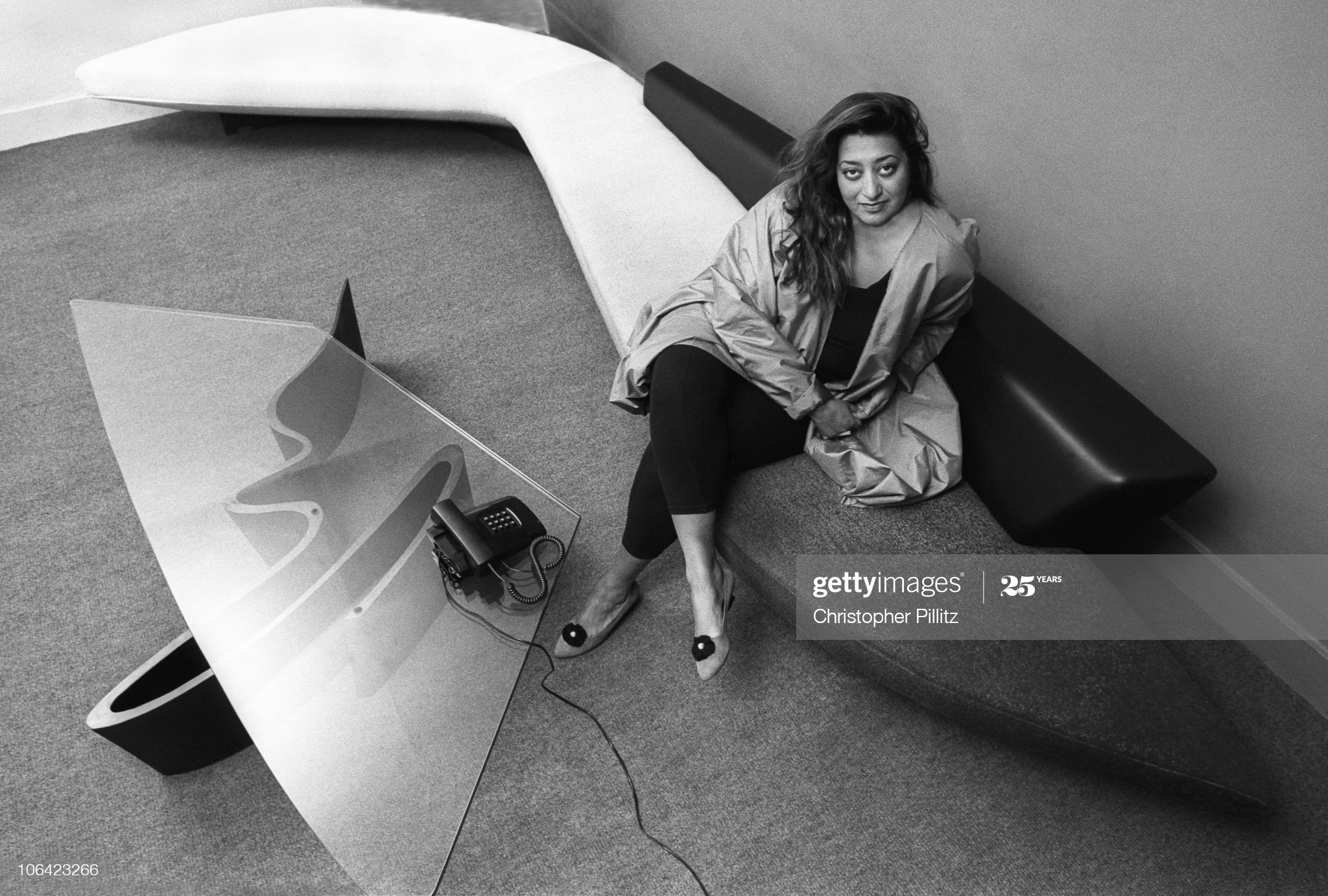
Iraqi architect Zaha Hadid in her London office, UK, circa 1985. (Photo by Christopher Pillitz/Getty Images)
10. She was an influential teacher
Alongside practice, Hadid taught at the AA and at leading schools abroad. She held the Kenzo Tange Chair at Harvard’s Graduate School of Design in 1994, the Sullivan Chair at the University of Illinois at Chicago’s School of Architecture, guest professorships at the Hochschule für Bildende Künste in Hamburg and the University of Applied Arts Vienna, where she led a master class from 2000, and the Eero Saarinen visiting professorship at Yale, according to her Pritzker biography. Her studios trained a generation of architects in her way of working, from architectural sketching and painting to digital design.
These Zaha Hadid facts come from the sources below; where popular stories could not be confirmed, we left them out.
Sources and further reading
- The Pritzker Architecture Prize, Biography: Zaha Hadid.
- Dezeen, NOVA shoe by Zaha Hadid for United Nude (2013).
- Victoria and Albert Museum, NOVA shoes.
- National Library of Wales, Cardiff Bay Opera House Trust archive.
- Dezeen, Kengo Kuma and the Tokyo 2020 stadium after Hadid’s design was scrapped (2016).
- Dezeen, Veuve Clicquot Business Woman of the Year (2013).
This article is part of our guide to architectural styles.
