

1)What The Wall Cladding?
Wall Cladding , If you want to make your home or you are planning to remodel the house, then one of the most important features that you should consider is the exterior wall cladding. But what is wall cladding, and why should we care? Exterior wall finish deals with the type of material used as wall cladding for the outer walls of a building. It has a functional and decorative use, covering the structure and beautifying it.
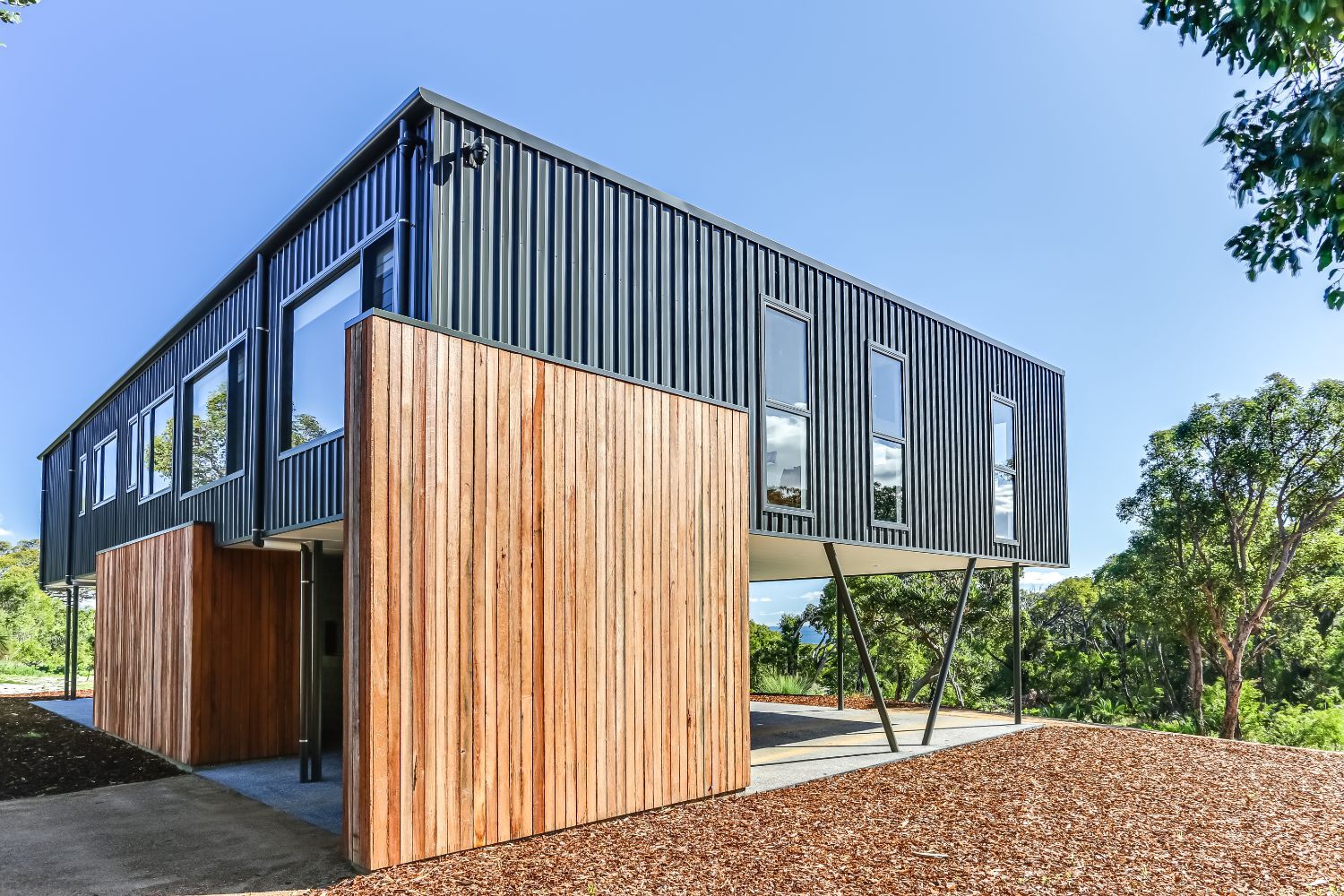
©Warren Buckland
2)What are The Benefits of Wall Cladding?
wall cladding is an excellent solution for any home, and it has numerous advantages for homeowners hoping to improve their house’s appearance and functionality.
- Protection: Wall cladding functions as a barrier or coating to your house to prevent penetration of specific natural conditions, like rainfall, winds, and intense sunlight. This helps reduce damage and also increases the longevity of one’s home, especially the exterior.
- Insulation: Many cladding materials have insulation capabilities for indoor temperature control. This enhances power efficiency, conserves energy, and helps regulate home temperatures.
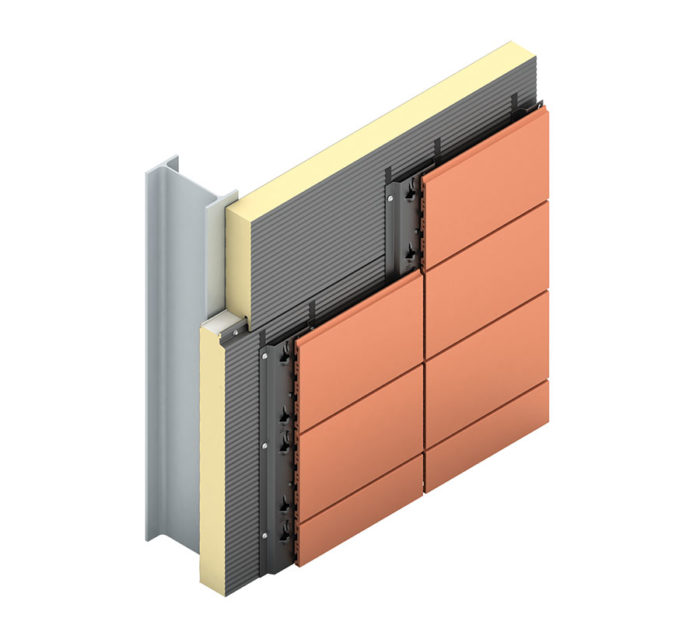
Eight Innovative Cladding Materials Systems
- Aesthetic appeal: Using wall cladding for decoration and preparing the house for sale: materials, colors, and textures. This gives flexibility in the style you want your home to be designed.
- Structural integrity: Wall cladding not only enhances the aesthetic appeal but also fortifies the external walls of your home. This added strength provides a sense of security, assuring homeowners that their structure is well-protected against knocks or strains due to the movement of structures.
- Low maintenance: Cladding materials are generally termite proof, moisture proof, and do not rot. This, coupled with their low maintenance requirements, translates to significant long-term cost savings. By choosing wall cladding, you’re not just investing in the present, but also in a future that’s free from the burden of frequent repairs and treatments.
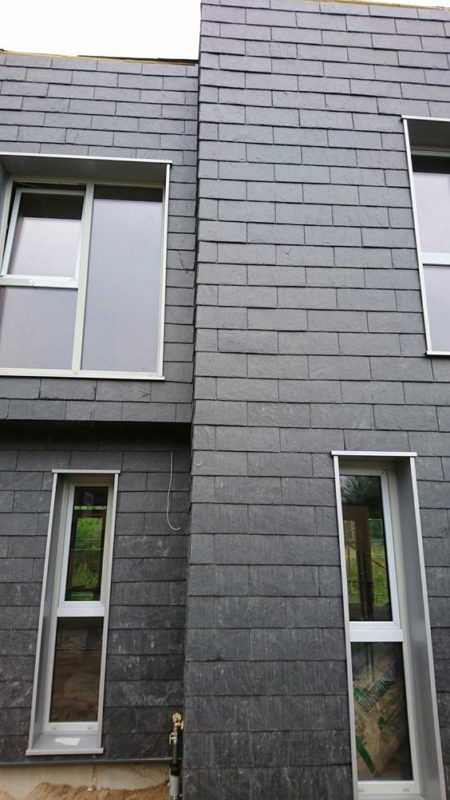
©Skalūnas Domiz
In conclusion, exterior wall cladding serves the purpose of protecting the house, providing insulation and thus energy efficiency, adding to the beauty of the house, reinforcing the structure, and reducing the amount of maintenance work required for the house and the walls in particular. It is a practical and useful method that can be used to enhance the aspect and longevity of your house’s façade.
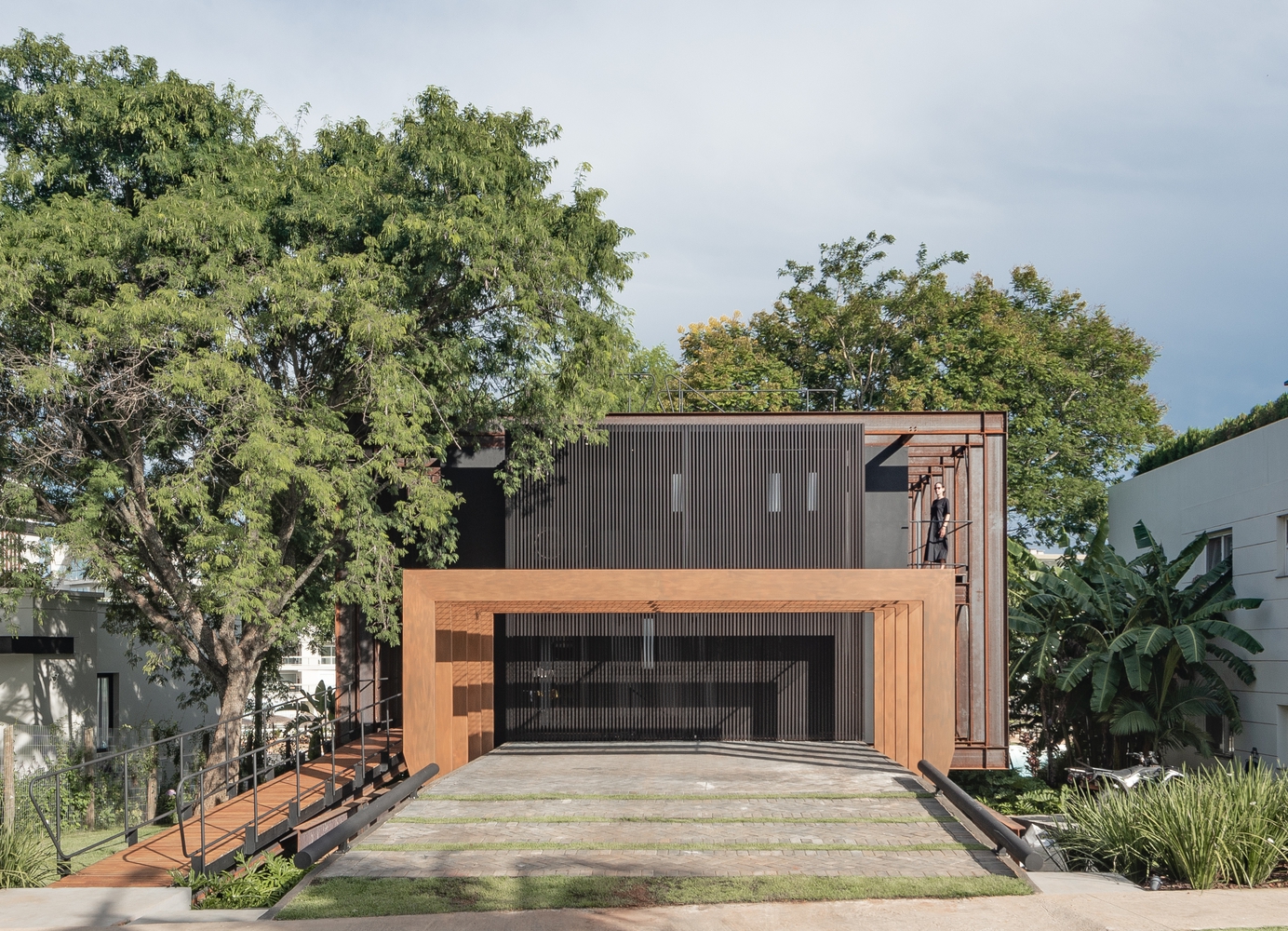
©Darío Mereles
3)Types Of Wall Cladding Exterior Materials:
1- wood
The wall cladding and wood grain are a stylish and practical home cover option. It involves laying wooden panels or boards on the walls for aesthetic and functionality purposes. Wood cladding feels warm and incorporates detail and texture into an interior. It also provides thermal and acoustic insulation to regulate temperature, heat loss, and energy bills. Furthermore, if the wood cladding is taken care of properly and maintained, durability is fine for homeowners looking to enhance the aesthetic value of their homes. From natural and rustic to smooth and modern, there is always a way to find wall cladding that will suit your needs using wood.
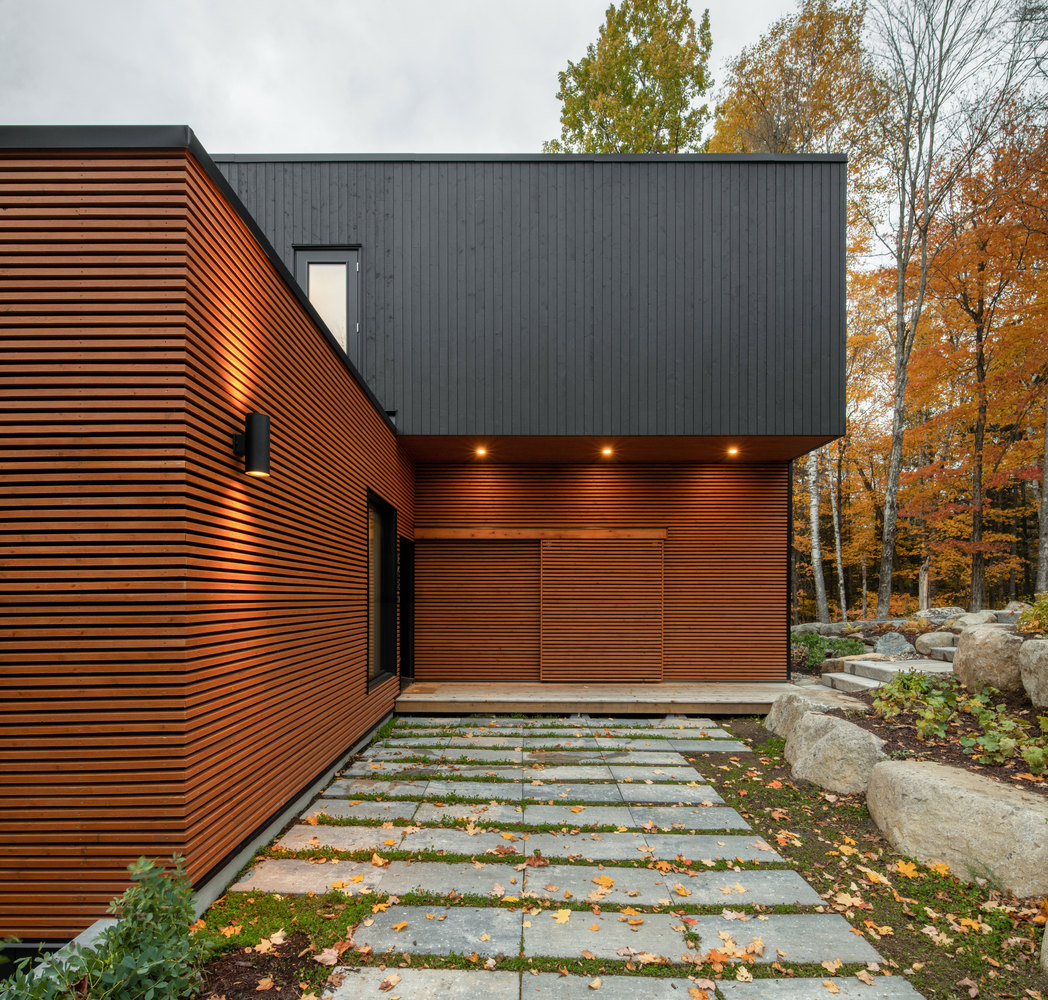
©David Boyer
2- Brick
Brick cladding is a technique that allows bricks or tiles to be attached to a structure’s exterior or interior walls. It is rich in classic and traditional appearance, giving character to spaces. Brick cladding is recommended for buildings because of its strong, durable, weather-resistant, and low-maintenance properties. It has different colors, dimensions, and designs, enabling the user to choose based on the design preference and setting of the place of construction. Brick wall Cladding is easy to install and maintains the room’s temperature with better heat retention.
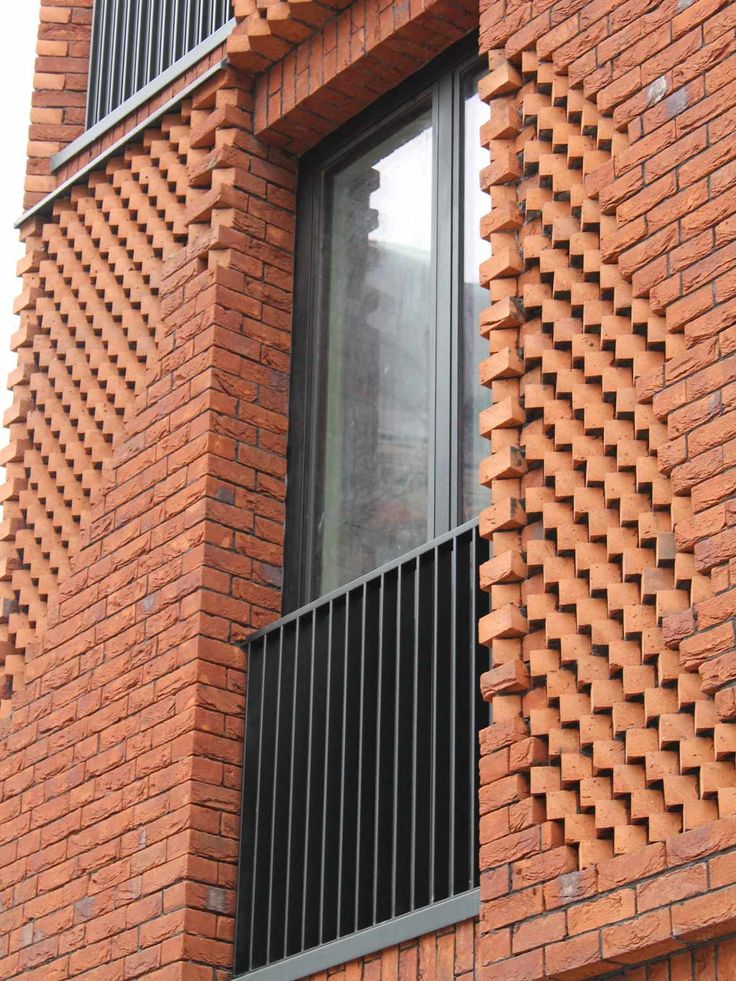
© Jaunromāns un Ābele
3- Stone
Stone wall cladding is a decorative process of coating a structure’s exterior or interior walls with artificial or natural stone panels. It is organic and helps to furnish spaces that possess warmth and elegance. Stone cladding is an ideal surface finish because it is durable, weather-resistant, and relatively maintenance-free. It can also be used in interior and exterior environments. They are available in several colors, textures, and shapes to adjust to the various styles of architecture and ornamentation. Introduction Stone wall cladding may be used in any space to improve its appearance and insulate or soundproof.
Read More: The Timeless Charm of Stone Cladding: Modern Design, Ancient Materials
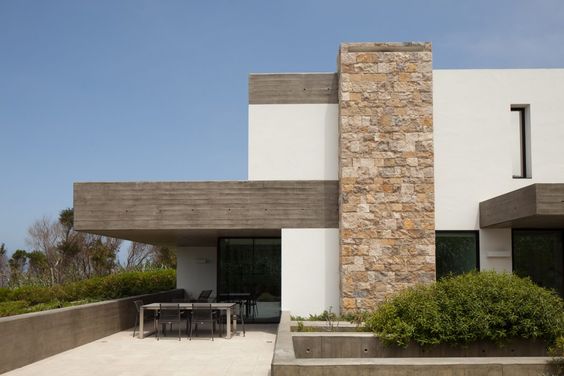
©Ribeiro de Carvalho
4- Composite
Composite wall cladding, or simply cladding, is a type of wall covering material for internal and external walls consisting of different materials such as wood fiber plastics and other additives. It tries to copy the look of natural materials like wood or stone but with higher durability and performance. Composite cladding is easy to install and maintain and relatively lightweight. It comes in different colors, textures, and finishes, enhancing its flexibility. Composite wall cladding does not rot or decay and is not attacked by insects, meaning it can be used in different climates. It also offers excellent insulation and weather resistance to control indoor temperatures and provide weatherproofing.
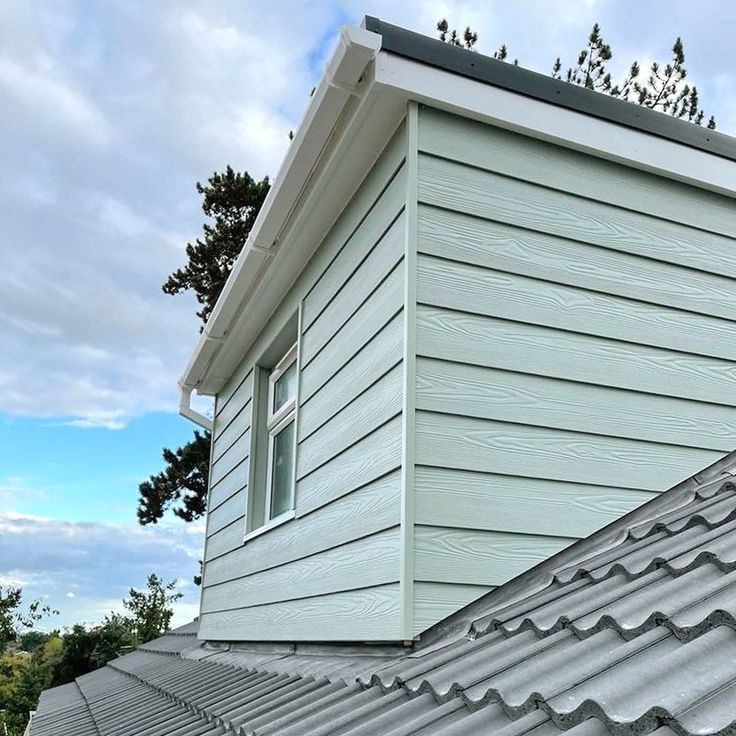
©renovationsatlittleinch
5- Fiber cement
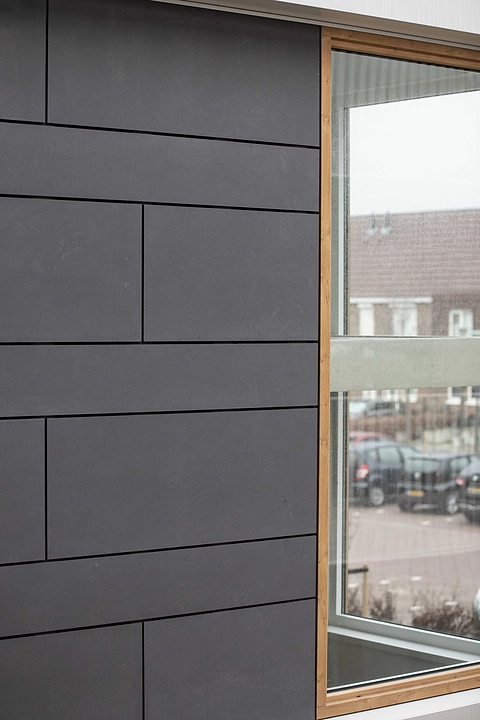
Fiber cement wall cladding is an external or internal wall covering made from a combined mixture of cement, sand, and cellulose fibers. It is durable, weather resistant, and requires minimal maintenance. Fiber cement cladding is available in different colors, textures, and finishes, including wood grain and smooth finishes. It is lightweight and easy to install and can thus be used for new buildings and alterations. Fiber cement wall cladding has better thermal and fire properties, which is essential for building walls in residential and commercial buildings.
©Maat Architecten BNA
6- Metal
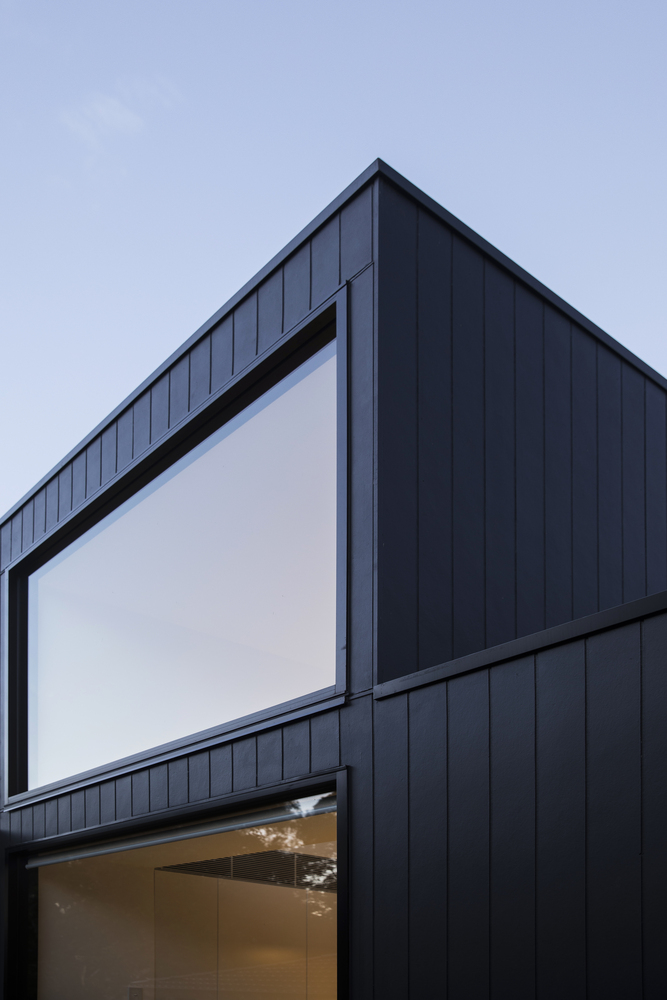
Metal wall cladding uses metal panels or sheets as exterior or interior decoration. It has a sleek and sophisticated look that can be incorporated into buildings today. Metal cladding is long-lasting and weather-proof with minimal maintenance requirements and has a wide range of applications. They come in various metals like aluminum, steel, or zinc, each providing distinct properties and designs. The metal wall cladding is available in multiple colors and with different finishes and textures, depending on your preference. It is an excellent insulator and resistant to fire; thus, it can be used for homes and other buildings.
©Chris Warnes
7- Aluminum
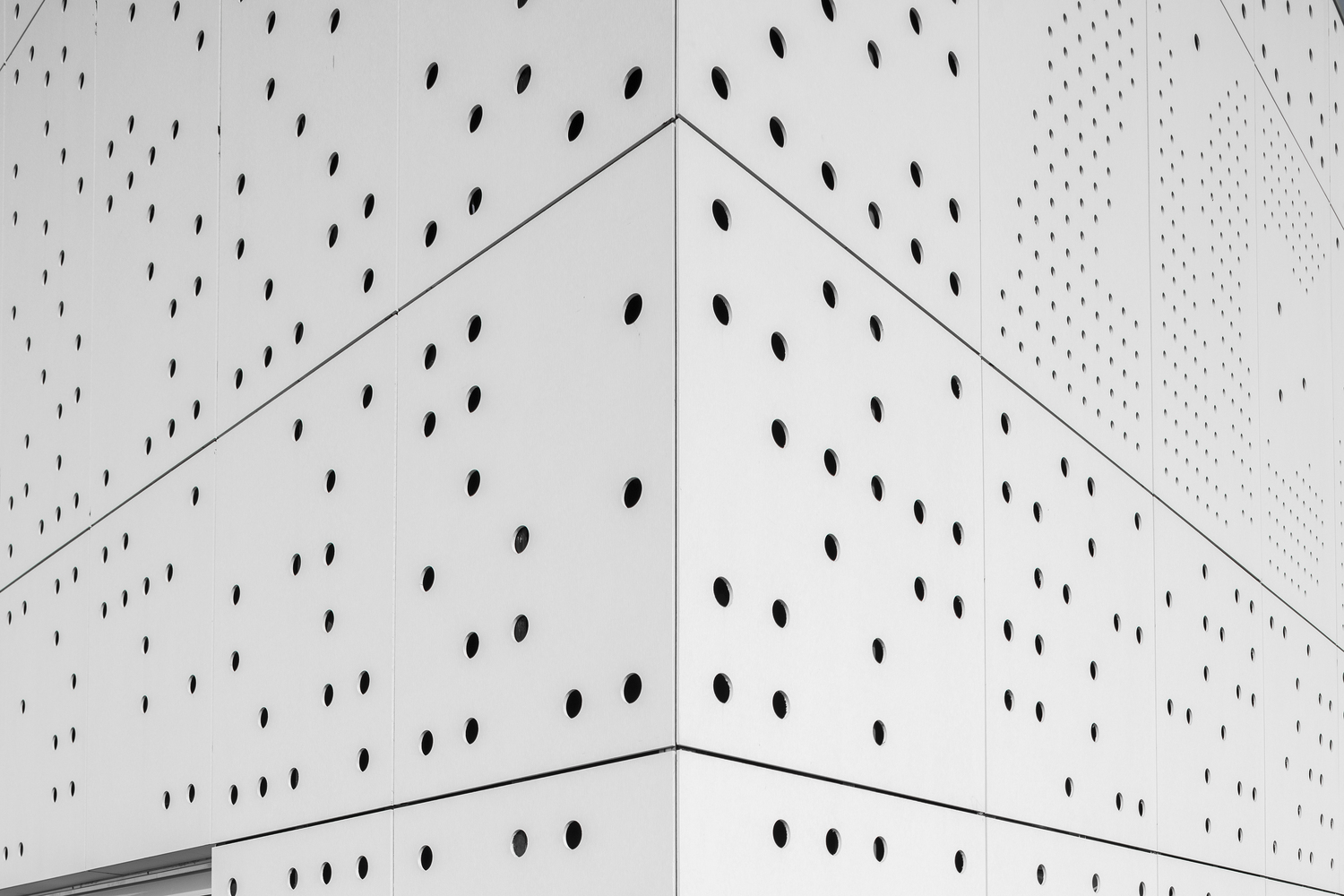
Aluminum wall cladding uses aluminum panels or aluminum sheets to cover the outer or inner wall. It provides buildings with a smooth and contemporary look. Aluminum cladding is easy to install, durable, and does not readily corrode under different conditions. It is available in various colors, finishes, and textures to help complement other styles of architecture. Aluminum wall cladding is light and straightforward to install and maintain, making it an attractive and suitable material for residential and commercial buildings. It offers thermal solid and weather-resistant properties to the roof, thus maintaining longevity and appearance.
©Ivo Tavares Studio
8- Vinyl or PVC
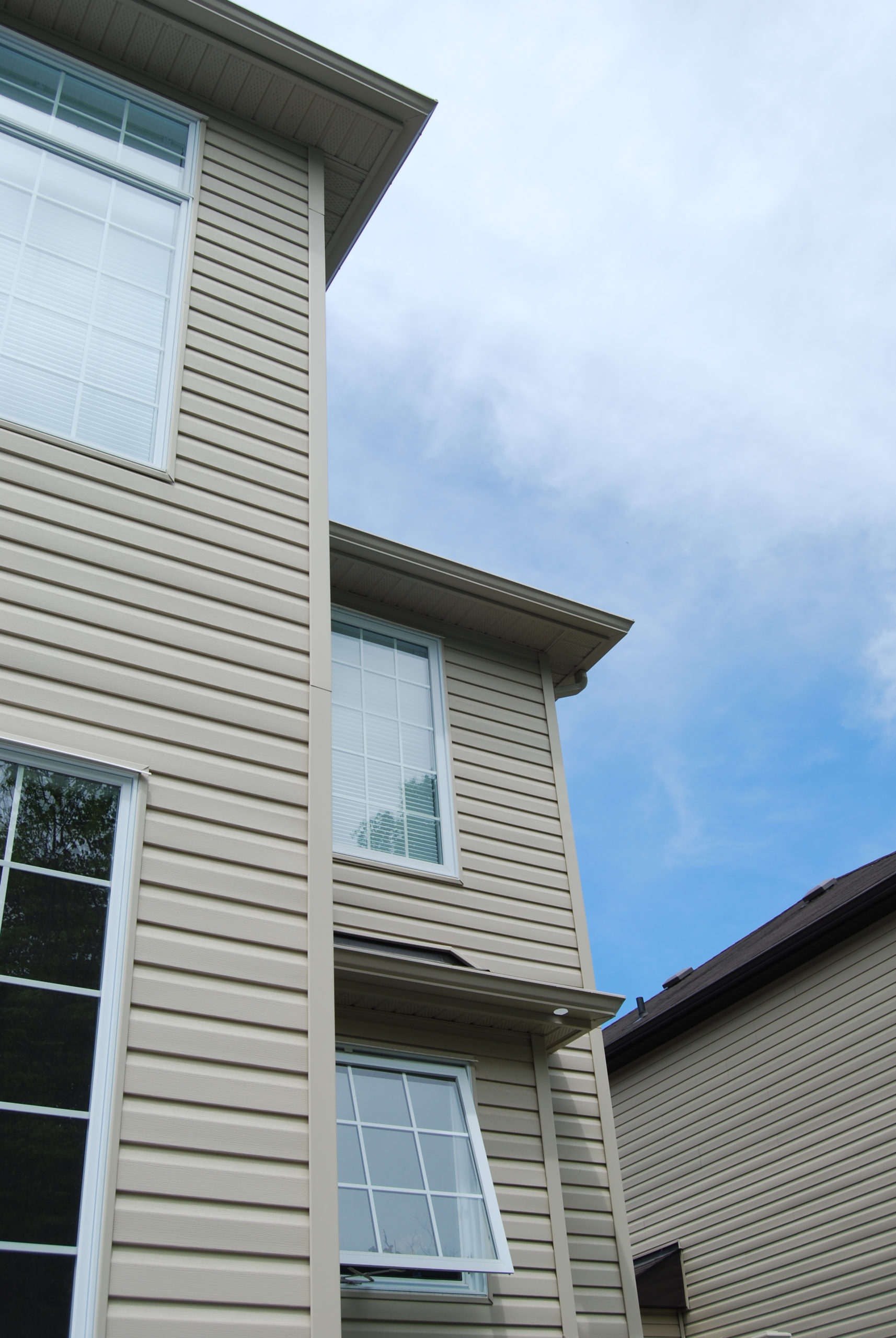
Vinyl or PVC wall covering, also called wall cladding, is a type of wall covering made from polyvinyl chloride (PVC) or vinyl material. It is often employed for interior and exterior construction for both residential and commercial buildings. Vinyl cladding is also durable, less costly, and low maintenance. It is not vulnerable to rotting and insect destruction, thus suitable for humid climates. Vinyl wall cladding is available in different colors, textures, and finishes to suit all tastes. It is light and easy to install, sometimes available in interlocking panels or planks. Vinyl cladding can provide thermal insulation and may assist in energy conservation. In conclusion, walls can be clad in vinyl effectively and economically.
©Angie’s List
9- Earth-tone
Earth-tone wall cladding is a type of wall covering consisting of colors that closely resemble natural elements like soil, rocks, and minerals. These colors include tan and brown, beige and gray, and light shades of greens and blues. Earth tones in wall cladding can achieve a naturally inspired and inviting interior and exterior environment. It is often applied in household and commercial buildings to create heat and visual effects on walls to fit well with ranch, traditional, and modern styles.
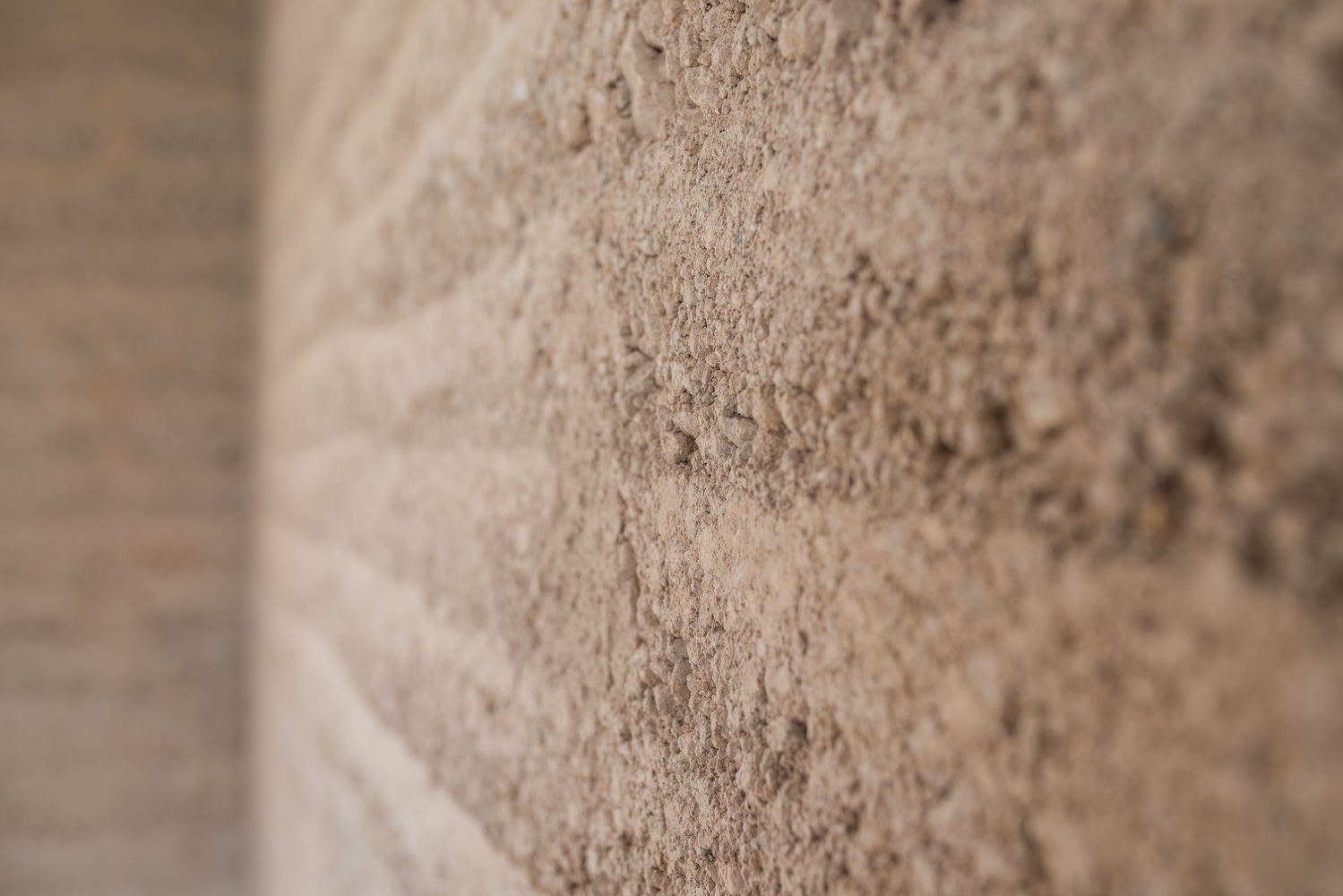
©Leo Espinosa
10- Architectural concrete look
Architectural concrete look wall cladding is a material designed to resemble the aesthetic of architectural concrete and is typically used in modern and industrial-themed rooms. It can be made from materials such as fiber cement, composite panels, or porcelain tile designed to imitate actual concrete‘s look, color, and patterning. Architectural concrete look wall cladding comes across as modern in style, giving an air of sophistication and urbanity to the house’s interior and exterior.
It provides the look and feel of raw concrete without the weight or cost of traditional concrete construction and without the need to maintain it. This type of wall cladding is very versatile, lasts long, and is easy to install, thus appealing to most architects, designers, and homeowners who are keen on getting stylish finishes for their walls.
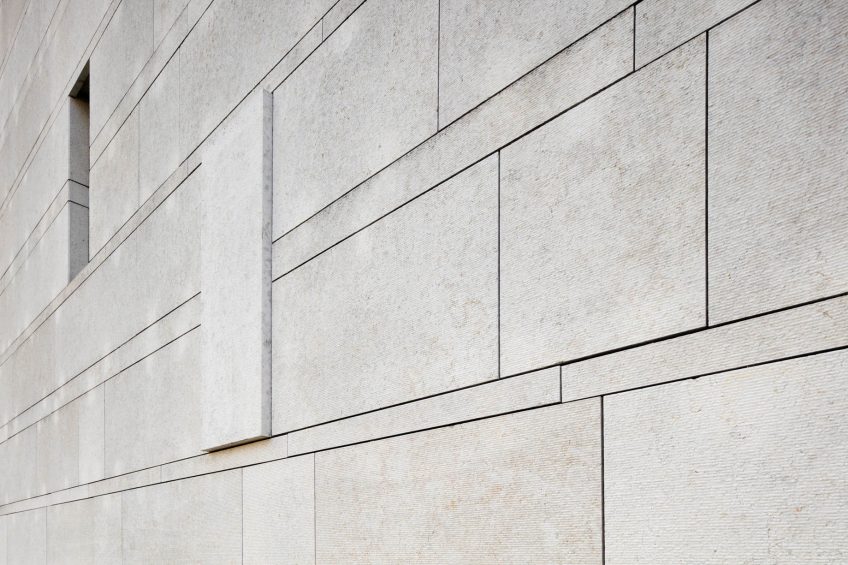
©Adam Letch
In conclusion, exterior wall cladding has many positive aspects for the homeowner, such as protection, insulation, elegant appearance, strength, and easy installation. Wall cladding is an investment that can enhance the house’s appearance or improve the strength and/ or insulating qualities of the house structure.

Emily Reyes is a Brooklyn-based architecture writer and Article Curator at Arch2O, known for her sharp eye for experimental design and critical theory. A graduate of the Southern California Institute of Architecture (SCI-Arc), Emily’s early work explored speculative urbanism and the boundaries between digital form and physical space. After a few years in Los Angeles working with boutique studios on concept-driven installations, she pivoted toward editorial work, drawn by the need to contextualize and critique the fast-evolving architectural discourse. At Arch2O, she curates articles that dissect emerging technologies, post-anthropocentric design, and contemporary spatial politics. Emily also lectures occasionally and contributes essays to independent design journals across North America.