

To identify an architectural style, record several clues together: overall form, structural system, openings, material treatment and ornament. Then test the resulting hypothesis against the building’s date, place and alterations. A pointed arch, classical column or concrete surface is evidence, not a verdict. This is a fieldwork checklist for reading a facade, rather than another chronological catalogue competing with our existing style guides.
It is written for students starting architectural history, travellers and anyone who wants to name what they are looking at. Dates are approximate: styles overlap, spread at different speeds in different countries, and historians do not always agree on names and boundaries.
A five-step style-identification worksheet
- Describe before naming. Sketch the massing, roof silhouette, openings and street relationship. Write “round arch” or “exposed concrete” before writing a movement name.
- Read the construction. Distinguish a loadbearing wall, frame, applied veneer and later cladding. A new surface can conceal an older structural arrangement.
- Group the clues. Compare the proportions, repeated details and structural organisation. One feature should not outweigh contradictory evidence elsewhere.
- Check time and place. Find the construction and alteration dates in a reliable building history. A revival deliberately reproduces features from an earlier period.
- Record uncertainty. Use “Gothic Revival facade on an earlier building” or “hybrid with Art Deco details” when one simple label would hide the evidence.
For chronological background, use our architectural-style history guide. The reference examples below help test visual clues; they do not replace the history of the specific building you are studying.
Worked comparison: a pointed arch is not enough
Imagine a street facade with pointed windows but regular machine-cut masonry and a documented nineteenth-century construction date. “Gothic Revival” is a stronger initial hypothesis than “medieval Gothic”. Now check whether its roof, interior structure and plan support that reading. If an older wall sits behind the frontage, describe the phases separately. The useful result is a reasoned identification with a confidence level, not a label selected from a single photograph.
A compact reference for testing your hypothesis
Use the comparison below to check your observations against broad traditions and movements. Dates are approximate and region-dependent. Islamic architecture is a diverse family across regions and centuries, not a single step in a Western sequence.
| Style | Approximate period | Key features | Example |
|---|---|---|---|
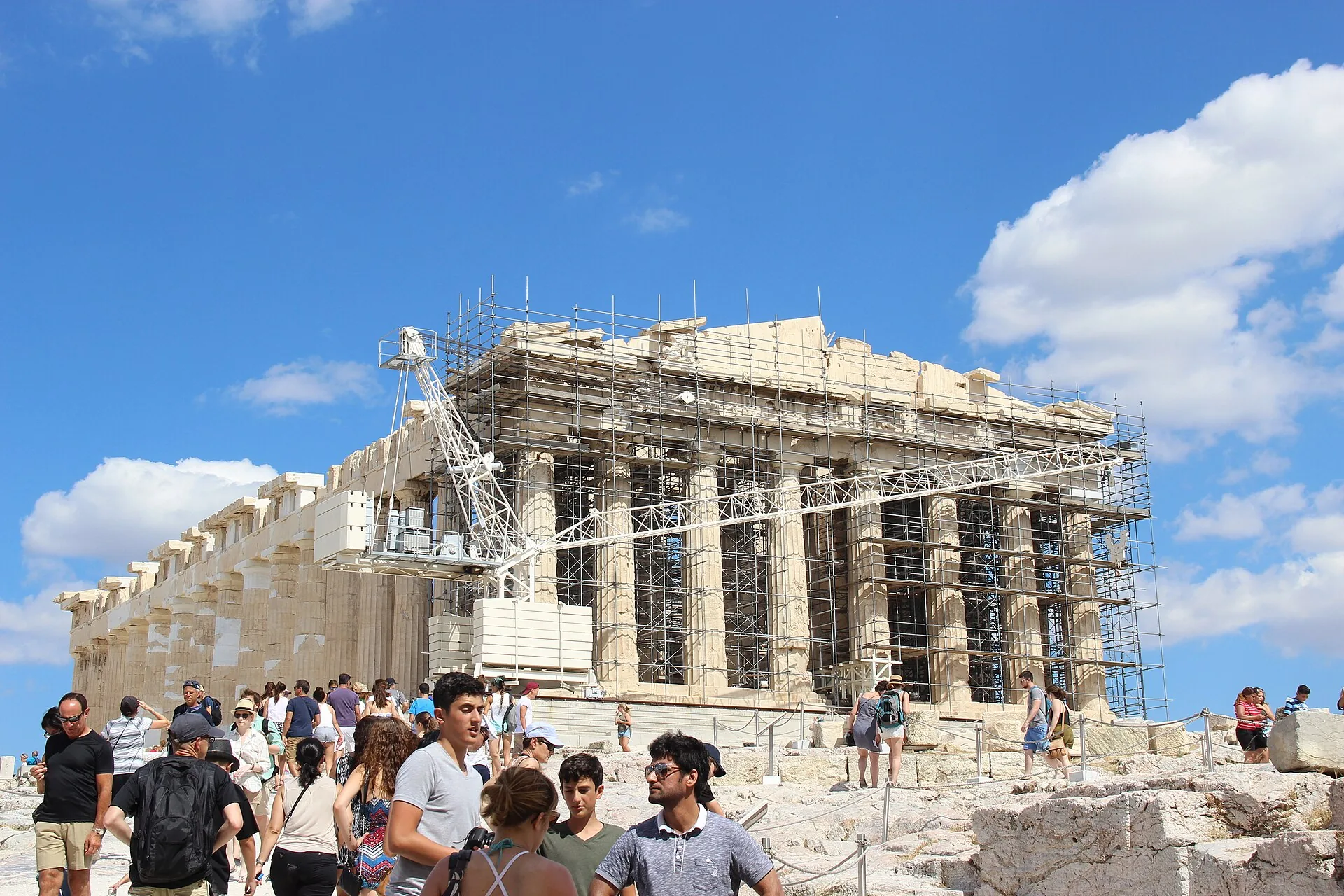
| Classical Greek | 7th–1st c. BC | Orders, pediments, proportion | Parthenon, Athens |
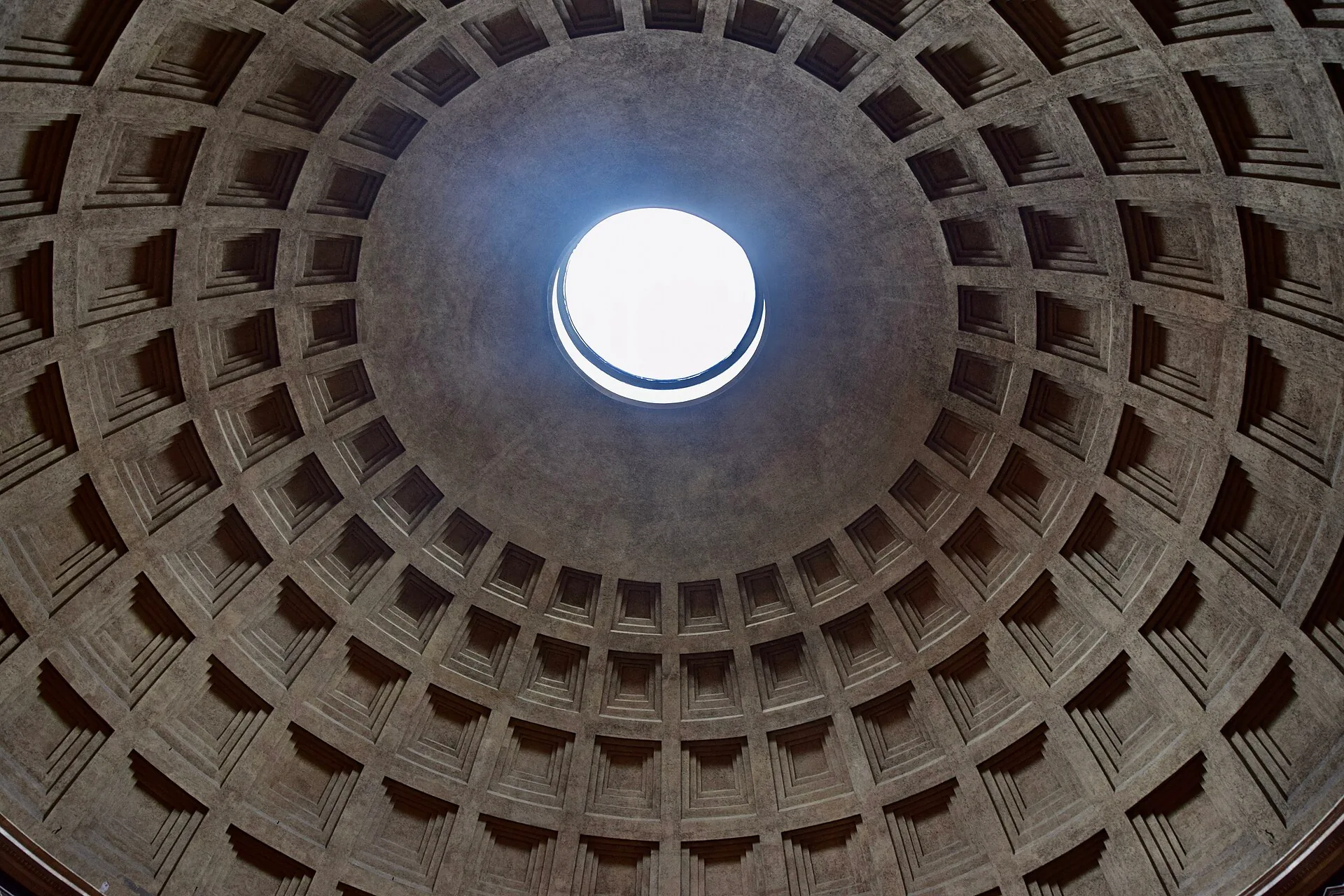
| Roman | 2nd c. BC–4th c. AD | Arches, vaults, domes, concrete | Pantheon, Rome |
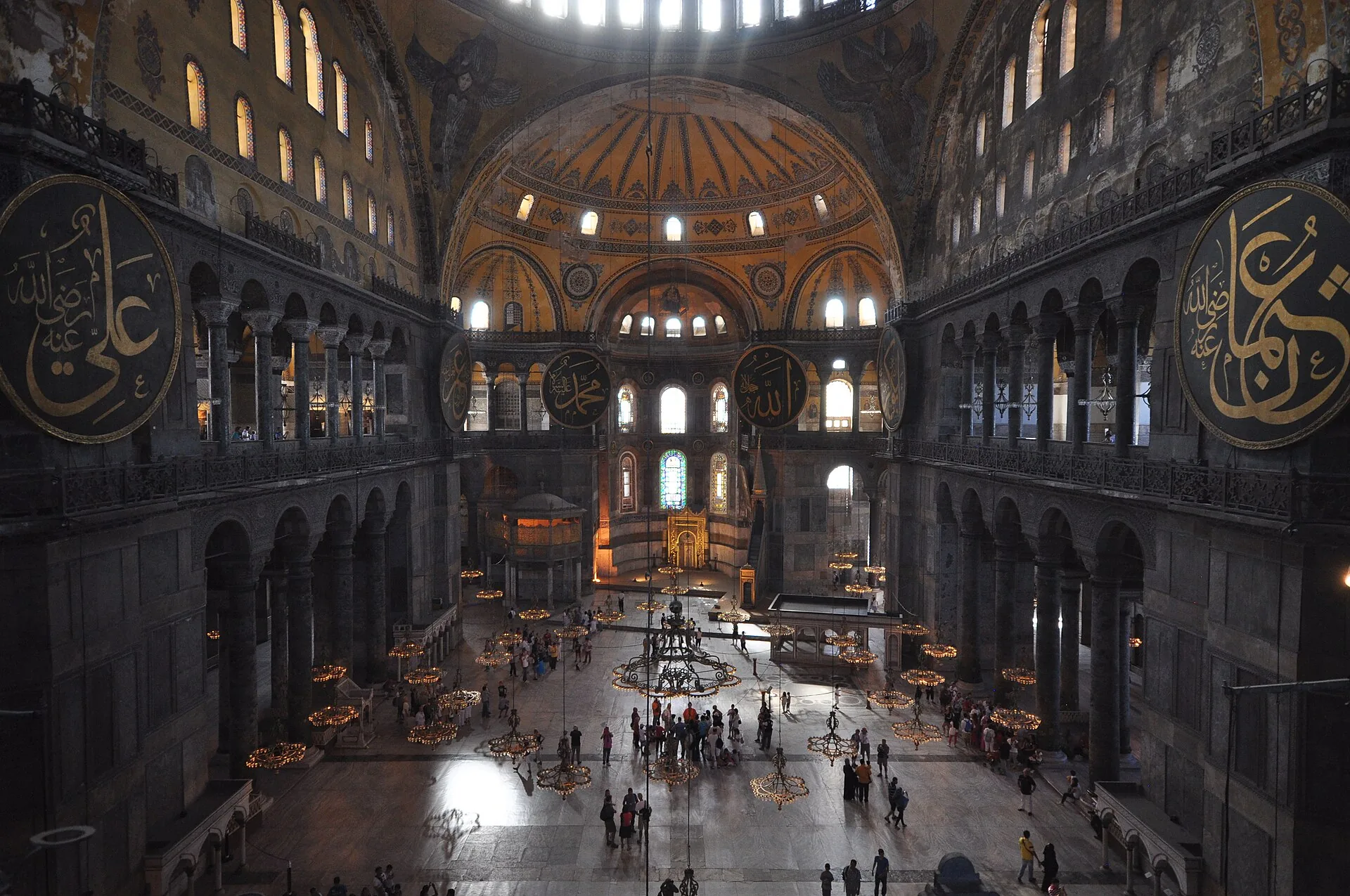
| Byzantine | 5th–15th c. | Domes on pendentives, mosaics | Hagia Sophia, Istanbul |
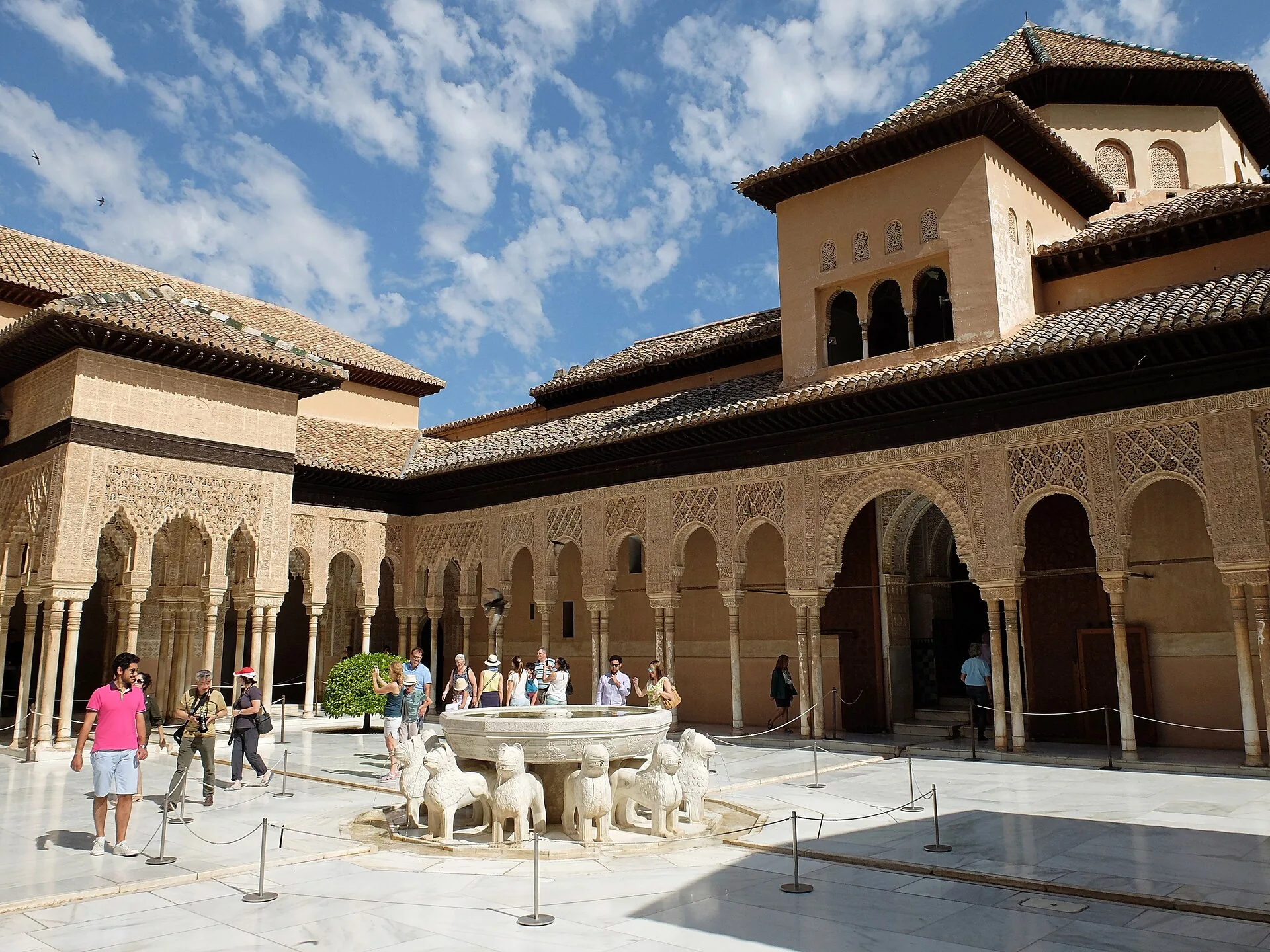
| Islamic | From 7th c. | Courtyards, domes, minarets, geometric ornament | Alhambra, Granada |
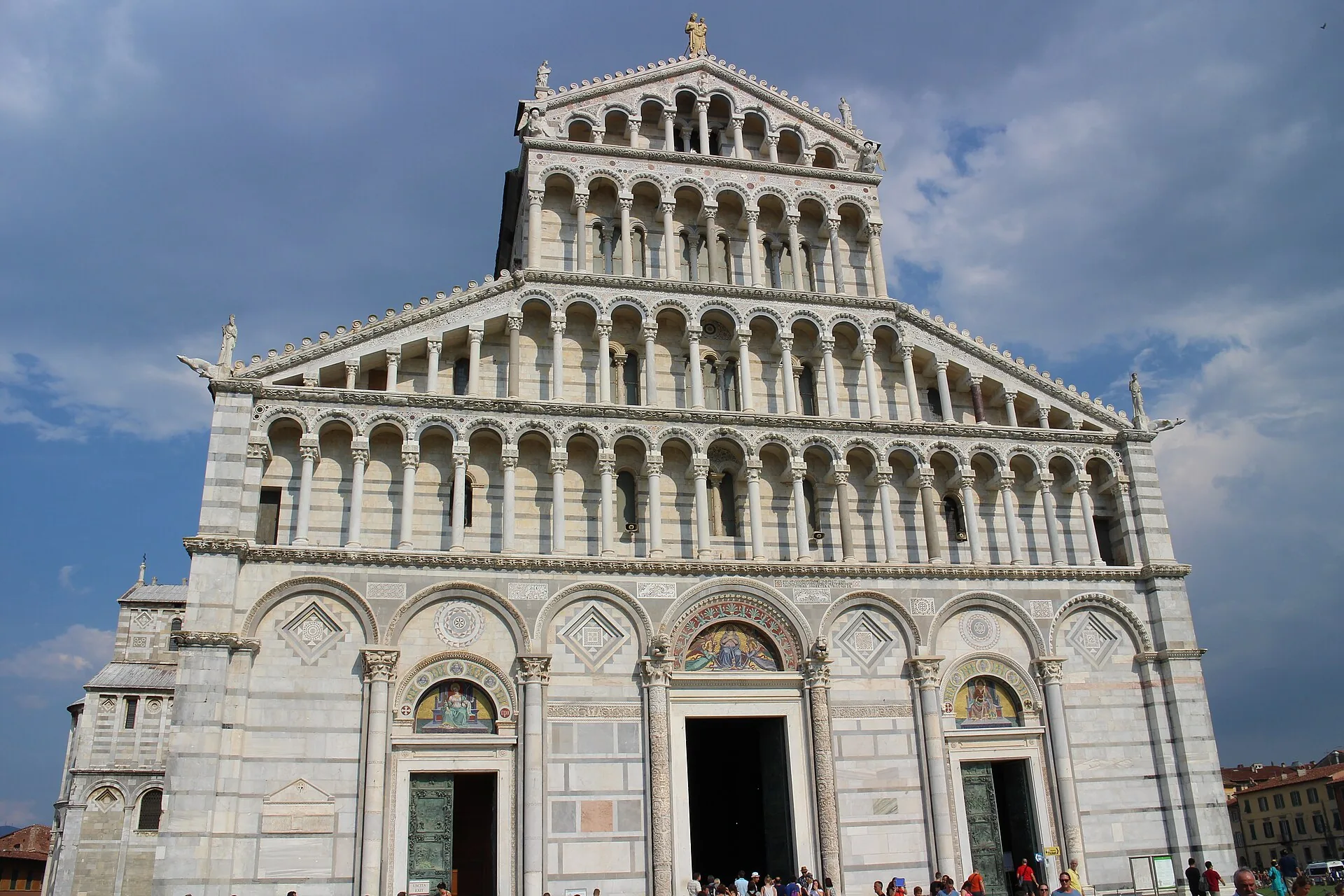
| Romanesque | c. 1000–1200 | Round arches, thick walls, small windows | Pisa Cathedral |
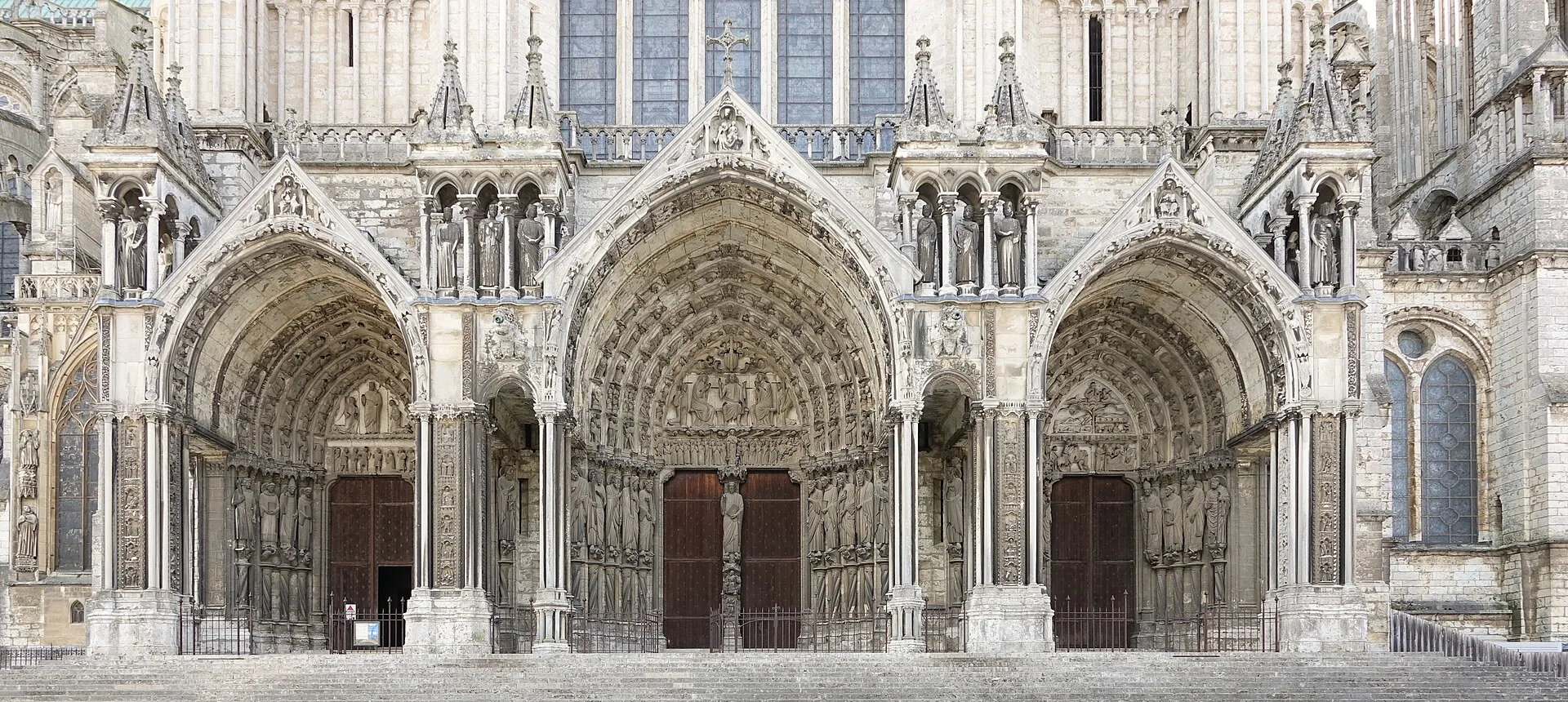
| Gothic | c. 1140–1500 | Pointed arches, rib vaults, flying buttresses, stained glass | Chartres Cathedral |
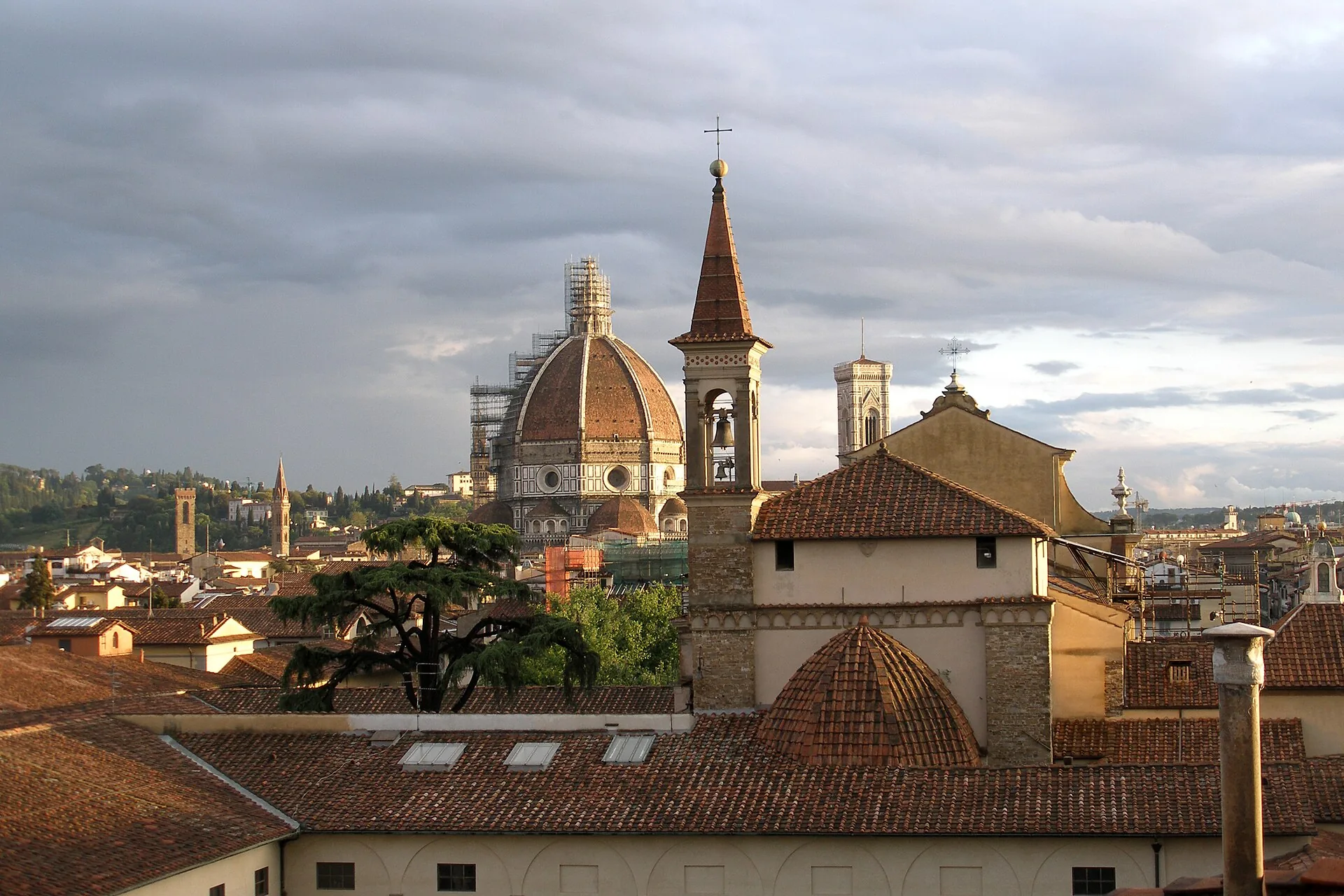
| Renaissance | c. 1400–1600 | Classical revival, symmetry, domes | Florence Cathedral dome |
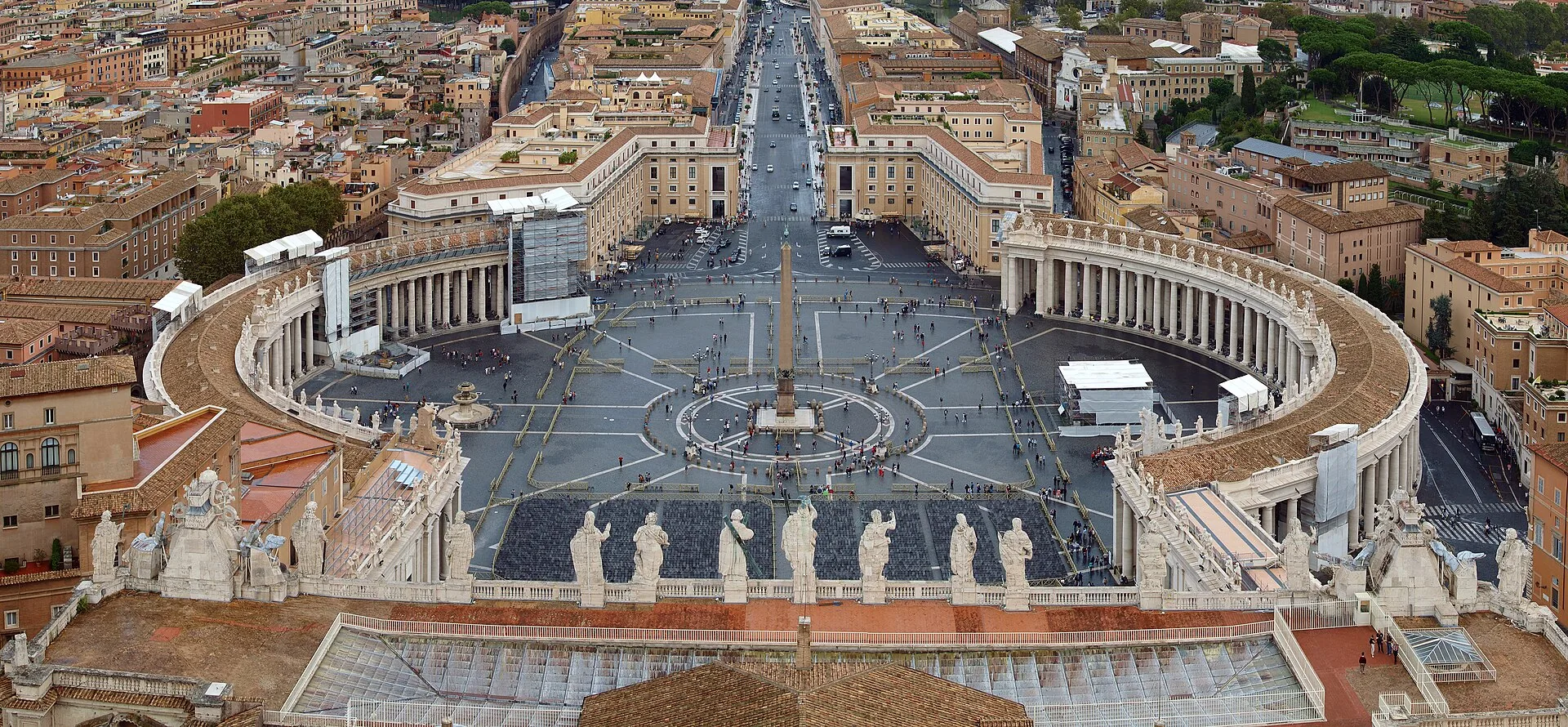
| Baroque | c. 1600–1750 | Curves, drama, ornament, light | St Peter's Square, Rome |
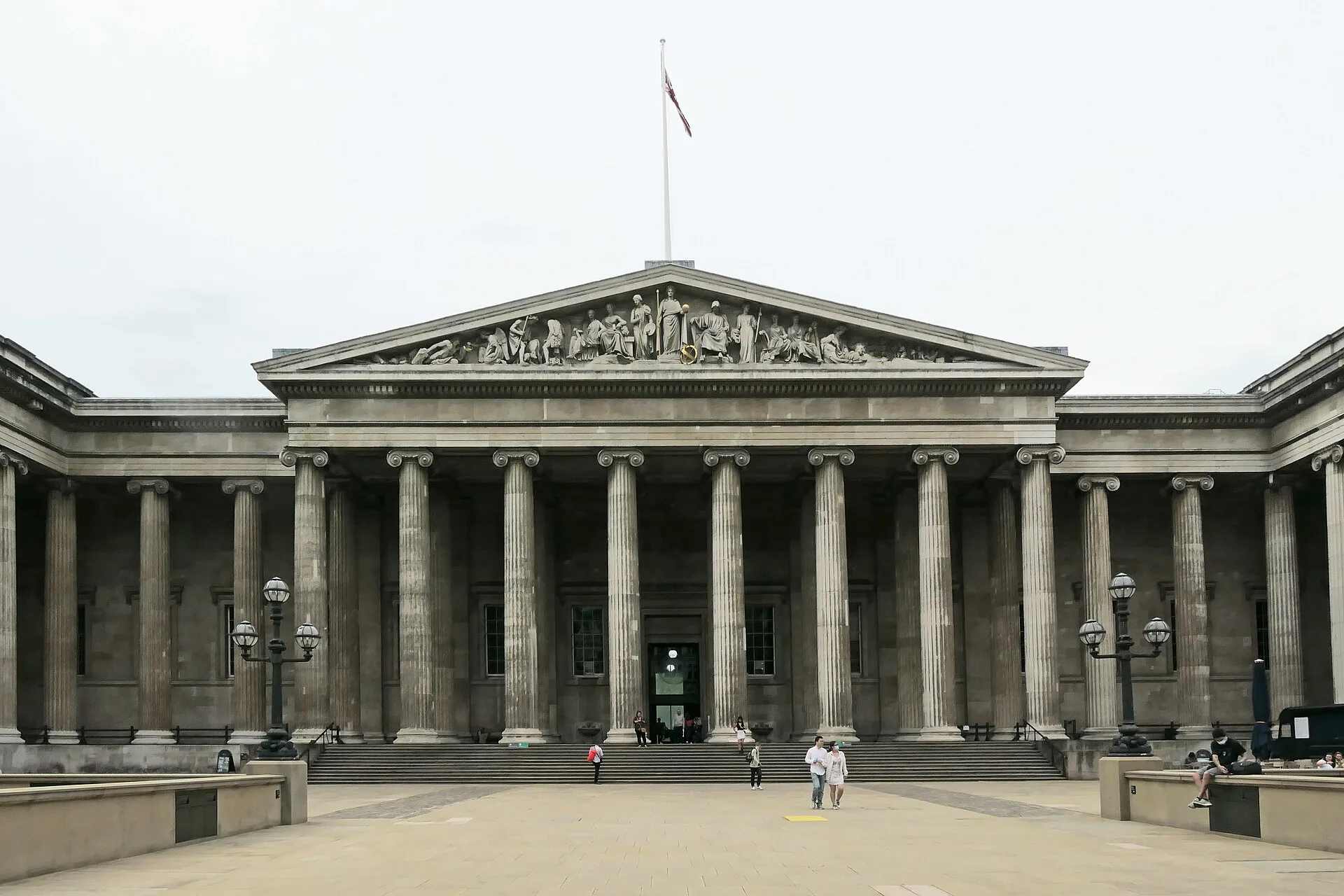
| Neoclassical | c. 1750–1850 | Temple fronts, plain walls, symmetry | British Museum, London |
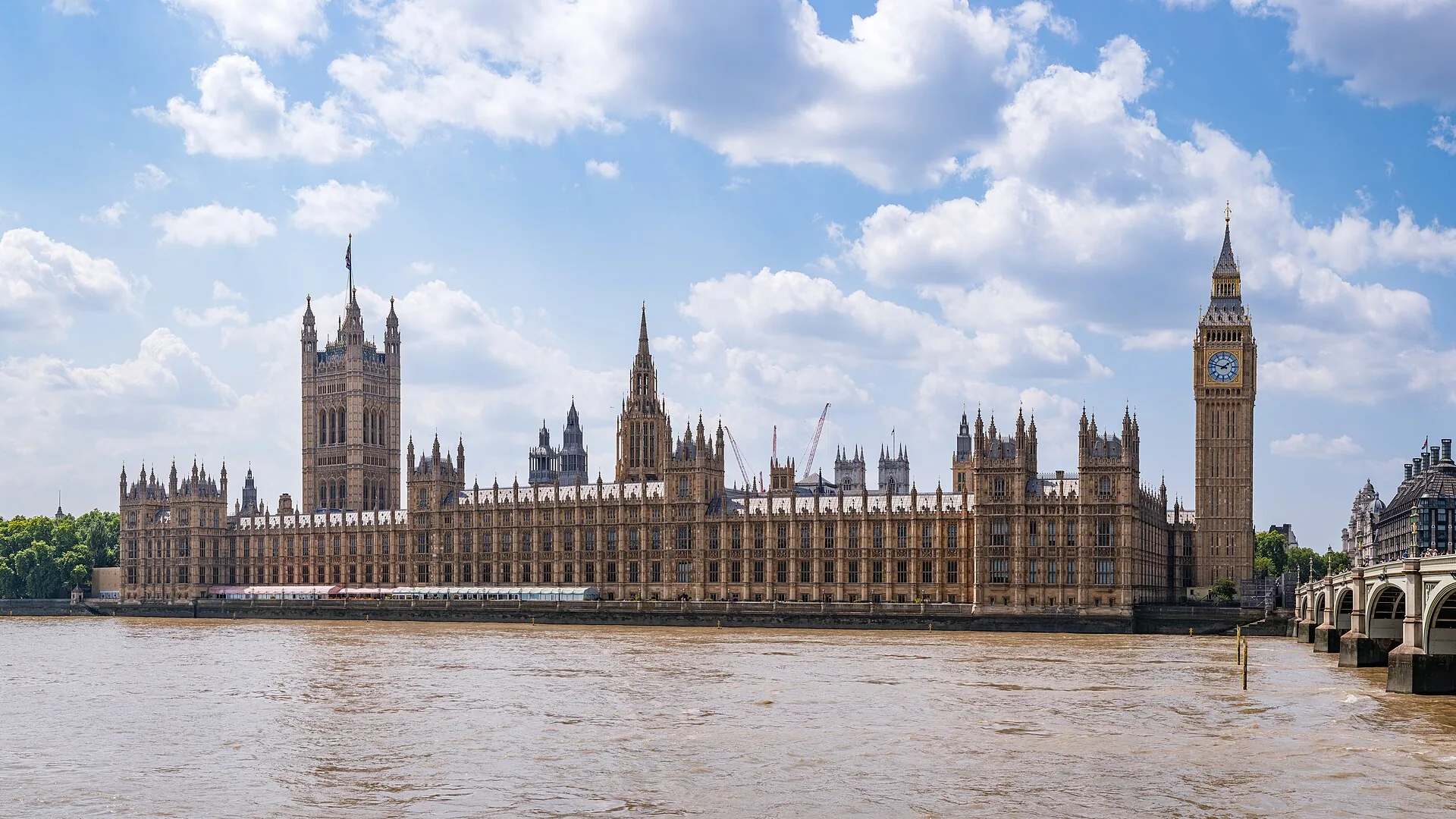
| Gothic Revival | c. 1830–1900 | Pointed arches, tracery, towers | Palace of Westminster |
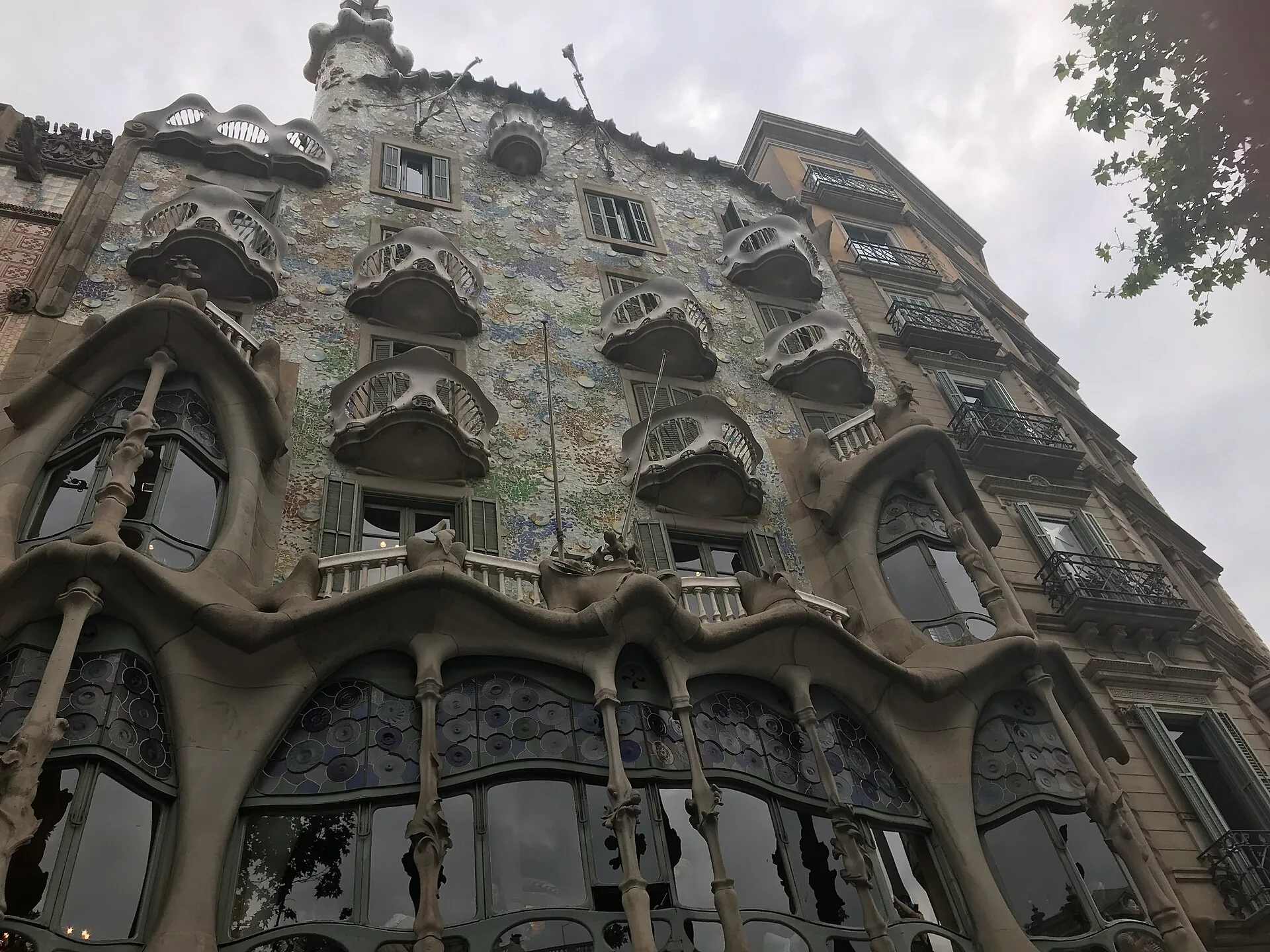
| Art Nouveau | c. 1890–1910 | Flowing plant forms, ironwork, tile | Casa Batlló, Barcelona |
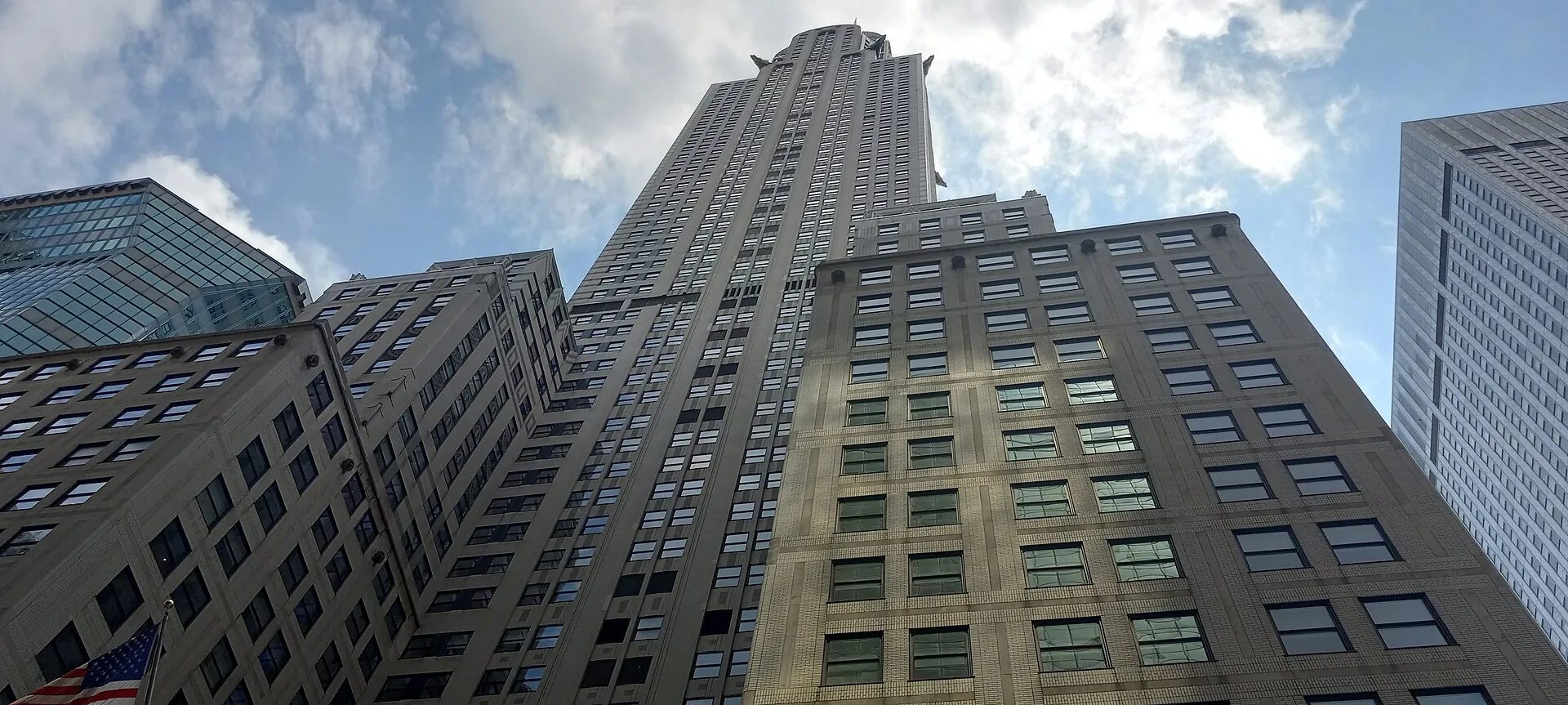
| Art Deco | c. 1920–1940 | Geometry, setbacks, zigzags, luxury materials | Chrysler Building, New York |
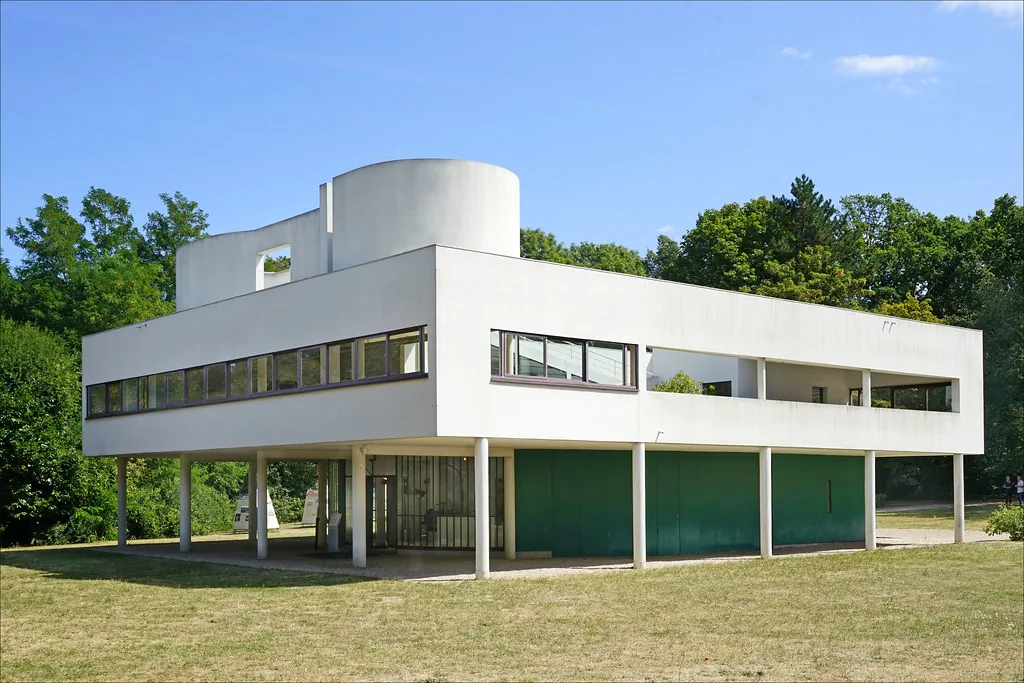
| Modernism / International Style | c. 1920–1970 | No ornament, flat roofs, open plans, glass | Villa Savoye, Poissy |
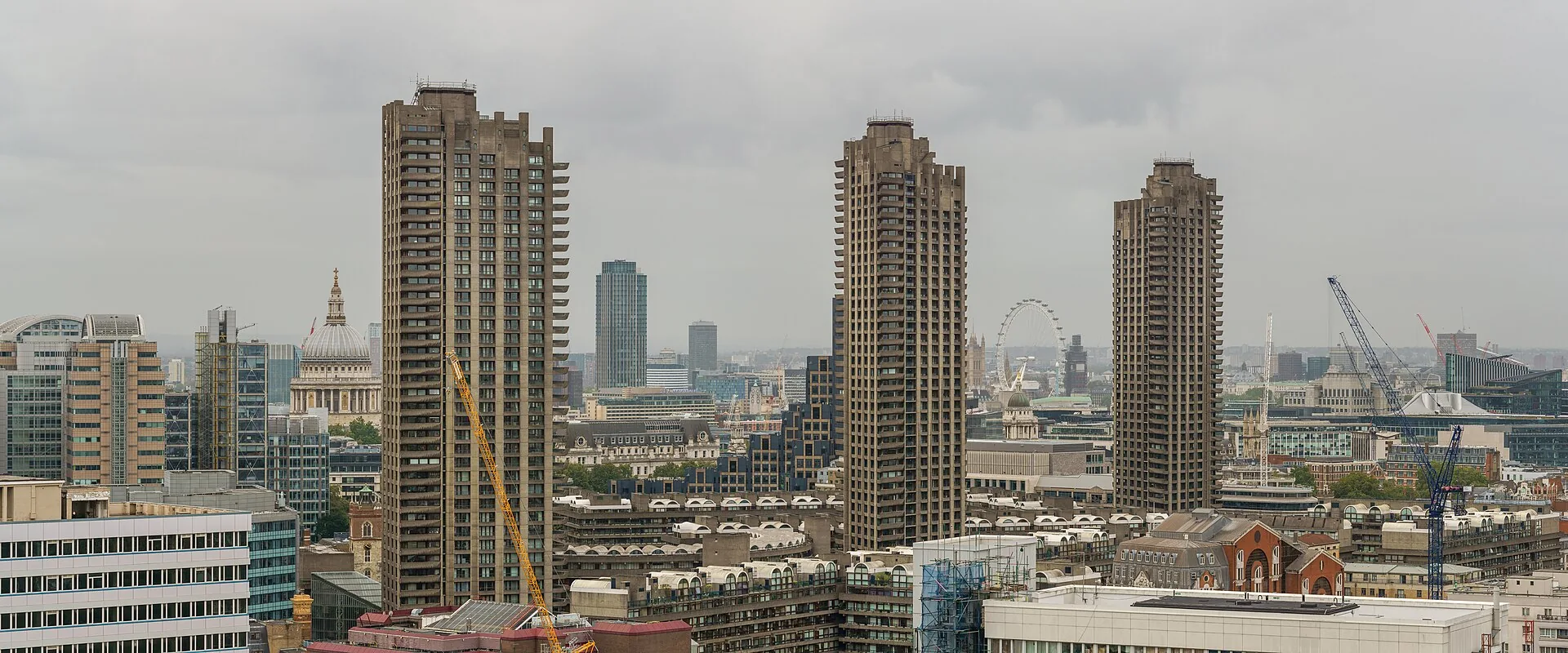
| Brutalism | c. 1950–1980 | Raw concrete, massive forms | Barbican Estate, London |
| Postmodernism | c. 1970–1990 | Colour, historical quotation, irony | Portland Building |
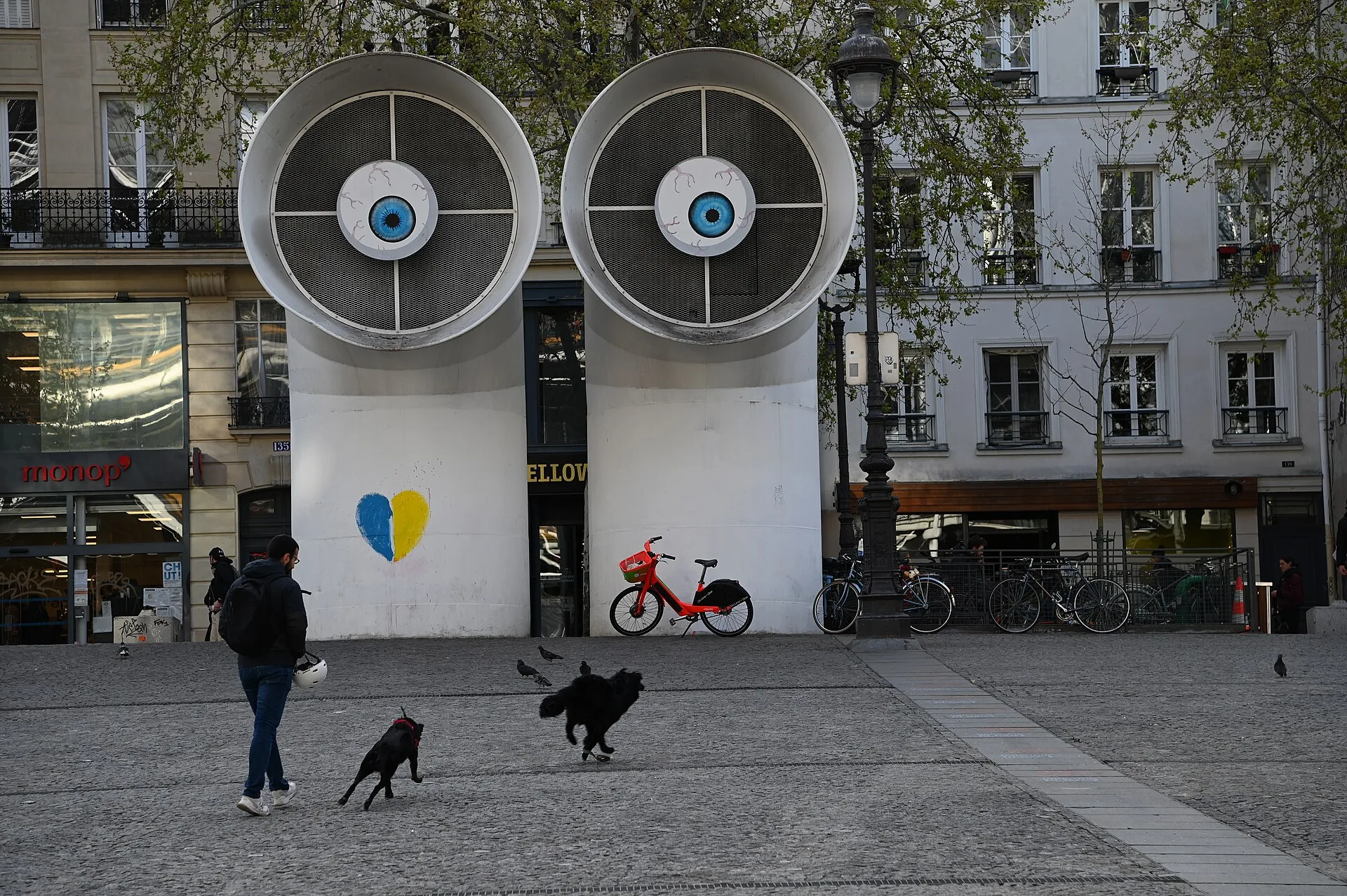
| High-tech | c. 1970 onwards | Exposed structure and services | Centre Pompidou, Paris |
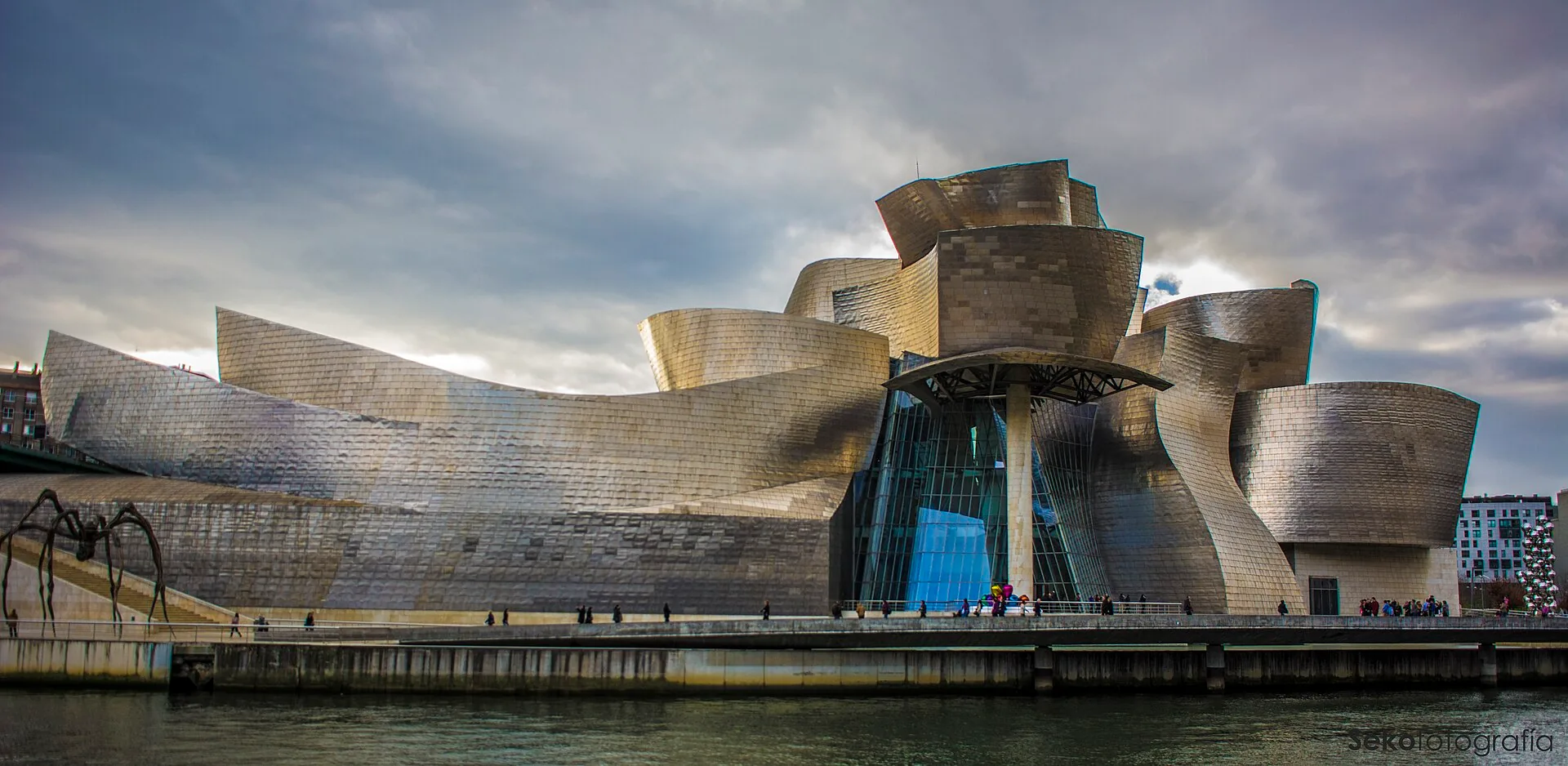
| Deconstructivism | c. 1980s onwards | Fragmented, tilted, colliding forms | Guggenheim Museum Bilbao |
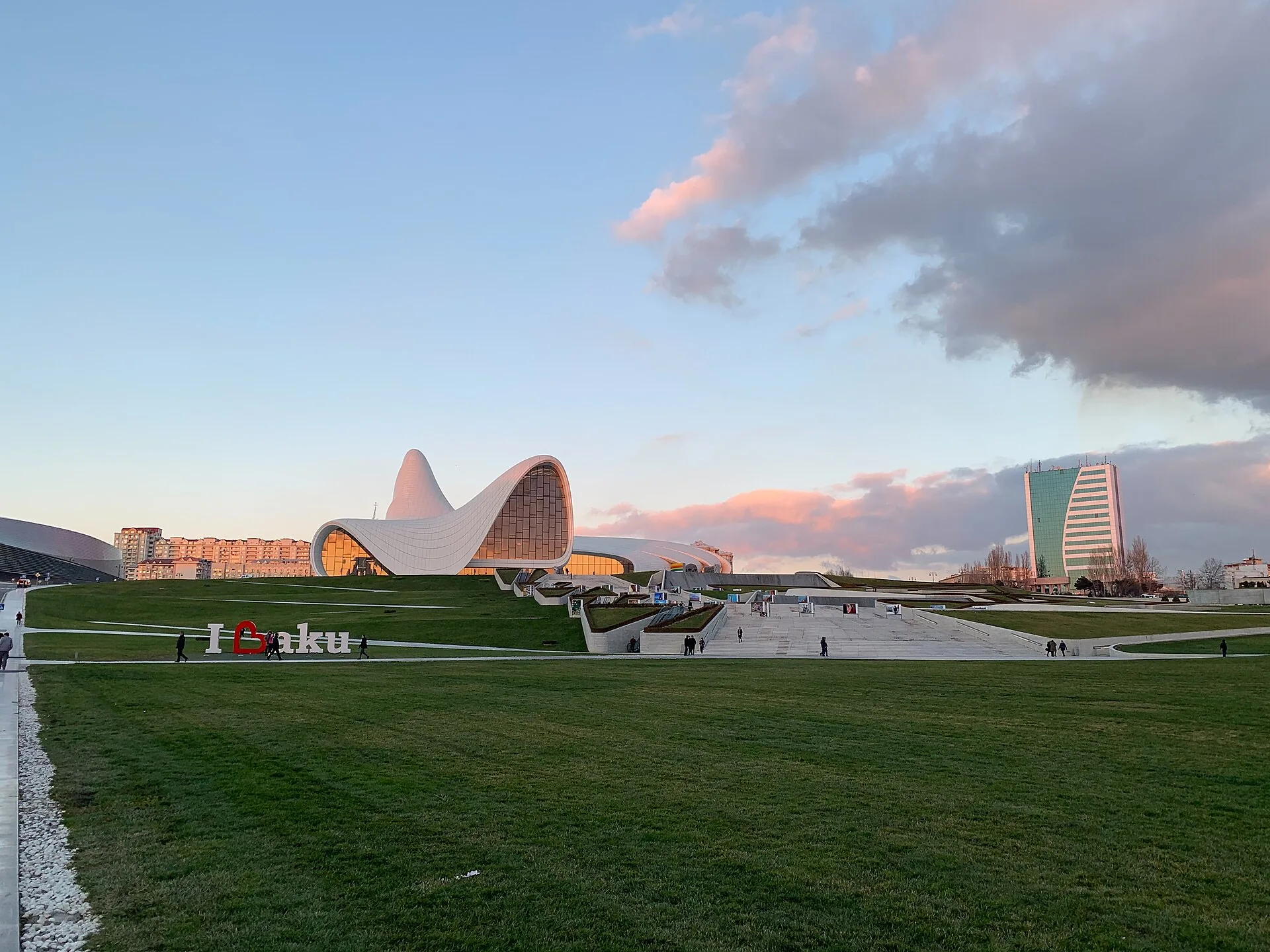
| Parametricism | 2000s onwards | Flowing, computer-generated forms | Heydar Aliyev Centre, Baku |
Source: Arch2O summary; site dates per UNESCO World Heritage listings where cited and standard architectural histories (as of 21 October 2026).
The reference is selective. A building can combine traditions, and contemporary use of algorithms does not by itself establish a style called Parametricism. Do not treat every curving building as evidence of one design method.
Classical Greek (c. 7th–1st century BC)
Greek temples established the classical language of architecture: columns in the Doric, Ionic and Corinthian orders, a horizontal entablature, a triangular pediment and carefully calculated proportions. The Parthenon on the Acropolis of Athens, built in the 5th century BC, is the defining example; UNESCO describes the Acropolis as the greatest architectural and artistic complex bequeathed by Greek antiquity.
Roman (c. 2nd century BC–4th century AD)
The Romans adopted Greek orders but transformed architecture with the arch, the vault, the dome and concrete. That made huge interior spaces possible. The Pantheon in Rome, with its unreinforced concrete dome and central oculus, remains one of the best-preserved Roman buildings.
Byzantine (c. 5th–15th century)
Byzantine architecture developed in the Eastern Roman Empire: central plans, large domes on pendentives, and interiors glowing with mosaic and marble. Hagia Sophia in Istanbul, completed in AD 537, set the model; it is part of UNESCO’s Historic Areas of Istanbul.
Islamic (from the 7th century)
Islamic architecture spans many regions and dynasties but shares features such as courtyards, arcades, domes, minarets, muqarnas vaulting and rich geometric and calligraphic ornament. Our guides to Persian architecture and Islamic architecture patterns go deeper.
Romanesque (c. 1000–1200)
Romanesque churches and castles in Europe are massive and solid: thick walls, round arches, barrel and groin vaults, small windows and sturdy towers. Durham Cathedral and the cathedral complex at Pisa are well-known examples.
Gothic (c. 1140–1500)
Gothic builders used pointed arches, rib vaults and flying buttresses to make walls thinner and windows larger, filling churches with coloured light. Chartres Cathedral in France, largely rebuilt from 1194, is among the finest examples, with its stained glass widely regarded as the most complete medieval ensemble.
Renaissance (c. 1400–1600)
Renaissance architects in Italy revived classical forms with a new emphasis on symmetry, proportion and geometry: columns and pilasters, round arches, domes and harmonious facades. Brunelleschi’s dome for Florence Cathedral and Palladio’s villas in the Veneto spread these ideas across Europe.
Baroque (c. 1600–1750)
Baroque architecture uses classical elements with drama: curved facades, broken pediments, oval plans, rich ornament and theatrical light. St Peter’s Square in Rome, framed by Bernini’s colonnades, and the Palace of Versailles show its ambition.
Neoclassical (c. 1750–1850)
Reacting against Baroque excess, Neoclassical architects returned to the calm geometry of Greek and Roman buildings: temple fronts, plain walls, domes and strict symmetry. It became the style of museums, banks and governments, from the British Museum to the United States Capitol.
Gothic Revival (c. 1830–1900)
The 19th century revived medieval Gothic for churches, universities and public buildings: pointed arches, tracery, pinnacles and towers. The Palace of Westminster in London, rebuilt after the fire of 1834, is its most famous secular example.
Art Nouveau (c. 1890–1910)
Art Nouveau rejected historical copying in favour of flowing lines and forms inspired by plants, with ironwork, glass and tile treated as art. In Barcelona, Antoni Gaudí took the movement to its most sculptural extreme; see our selection of Antoni Gaudí architecture in Barcelona and other Art Nouveau architecture examples.
Art Deco (c. 1920–1940)
Art Deco combined modern materials with bold geometry: setbacks, zigzags, sunbursts, vertical emphasis and luxurious finishes. It defined the skyscrapers of New York; our article explains why the Empire State Building is an Art Deco masterpiece, and the Chrysler Building is its most ornamental rival.
Modernism and the International Style (c. 1920–1970)
Modernist architects rejected ornament and historical styles in favour of function, new materials and open plans: flat roofs, white walls or glass, horizontal windows and buildings raised on columns. Le Corbusier’s Villa Savoye near Paris, completed in 1931, demonstrates his “five points” and is part of the UNESCO-listed architectural work of Le Corbusier.
Brutalism (c. 1950–1980)
Brutalism made raw, exposed concrete its signature, with heavy, sculptural forms and repeated elements. Often used for housing, universities and civic buildings, it divides opinion strongly. London’s Barbican Estate, completed in 1982, is one of the most admired examples.
Postmodernism (c. 1970–1990)
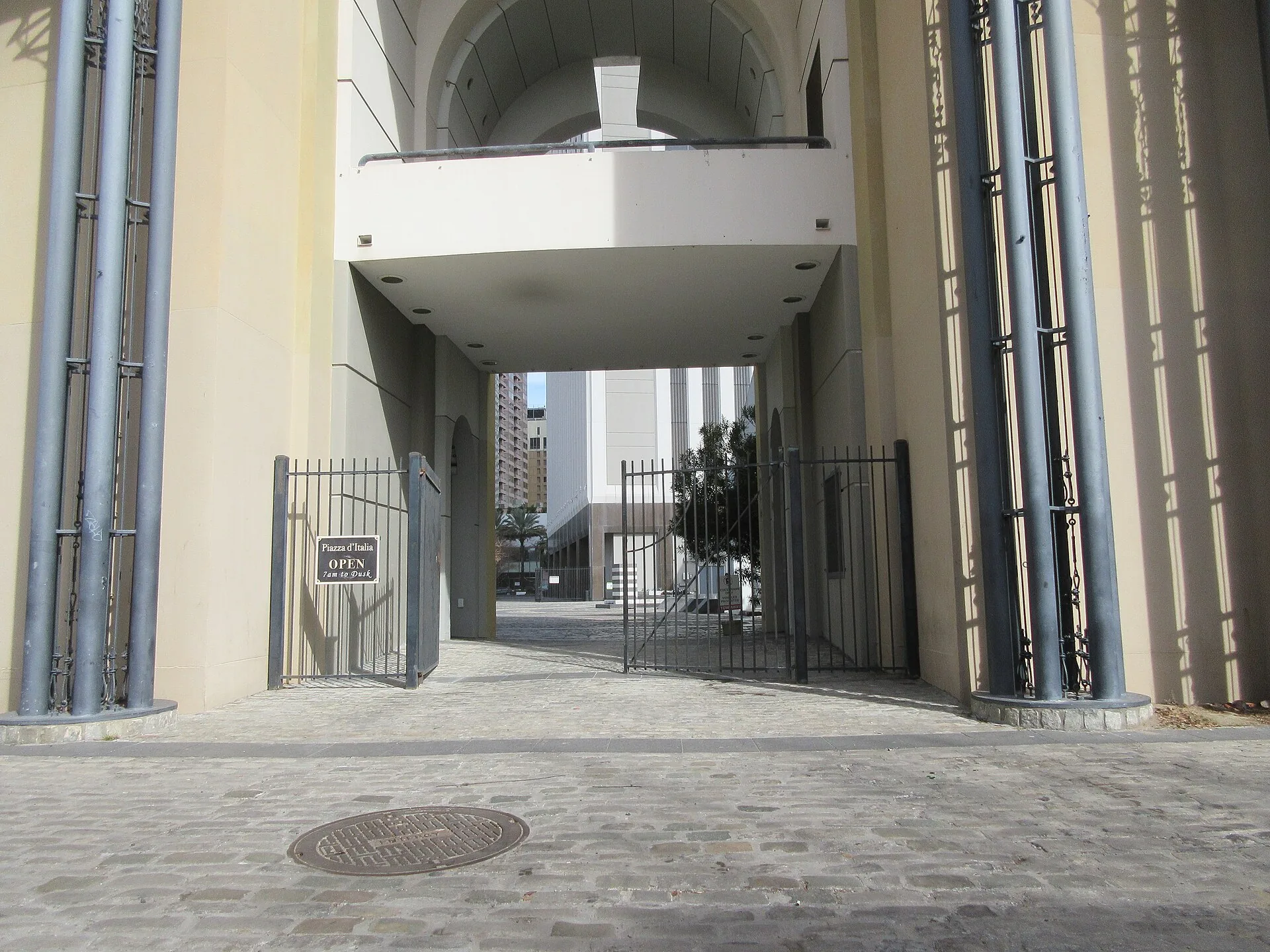
Postmodern architects reintroduced colour, wit and historical references, often in exaggerated or ironic form: oversized columns, broken pediments and bright facades. Michael Graves’s Portland Building (1982) and Charles Moore’s Piazza d’Italia in New Orleans are classic examples.
High-tech (c. 1970 onwards)
High-tech architecture celebrates structure and services by putting them on display: exposed steel frames, external ducts and lifts, and lightweight glass. The Centre Pompidou in Paris by Renzo Piano and Richard Rogers, opened in 1977, turned the building inside out, with colour-coded pipes on the facade.
Deconstructivism (c. 1980s onwards)
Deconstructivist buildings fragment and distort form: tilted walls, colliding volumes and complex, non-rectilinear geometry. Frank Gehry’s Guggenheim Museum Bilbao, opened in 1997 and clad in titanium, became the most famous example and changed how cities think about landmark buildings.
Parametricism and contemporary architecture (2000s onwards)
Computer design and fabrication allow continuous, flowing forms generated by parameters and algorithms. Zaha Hadid Architects’ Heydar Aliyev Centre in Baku, completed in 2012, is a leading example; for more on the architect, read who Zaha Hadid was and our list of Zaha Hadid facts. Alongside it, today’s architecture is shaped less by a single style than by concerns such as climate, reuse and local materials.
How to recognise architectural styles: common confusions
- Greek vs Roman: both use columns; Roman buildings add arches, vaults and domes.
- Romanesque vs Gothic: round arches and thick walls mean Romanesque; pointed arches, rib vaults and big windows mean Gothic.
- Renaissance vs Neoclassical: both are classical; Neoclassical is usually plainer, more archaeological and later.
- Gothic vs Gothic Revival: look at dates, materials and machine-made precision; revival buildings are 19th century.
- Art Nouveau vs Art Deco: curves and plants versus straight lines, zigzags and geometry.
- Modernism vs Brutalism: light, white or glass versus heavy, raw concrete.
Use more than one feature to identify a style
Start with the building form, opening proportions and structural organisation, then examine ornament. A pointed arch alone does not establish a Gothic building, and columns alone do not establish a classical period. Note the construction date and any later restoration or extension: the visible facade may not belong to the earliest building. Describe a hybrid honestly when its features come from several traditions. A style label is a starting point for looking closely, not a substitute for the building history.
Summary
Architectural styles record how each age built: Greek and Roman classicism, medieval Romanesque and Gothic, the classical revivals of the Renaissance, Baroque and Neoclassical periods, the 19th-century revivals, and the modern movements from Art Nouveau to parametric design. To recognise a building’s style, read its arches, roof, windows, materials and ornament together, then check its date. Most cities are a living museum of these styles, layered over centuries.

Luca Moretti is a content strategist with a foundation in urban design and architecture. Based in Milan, he focuses on writing that bridges aesthetics, material culture, and everyday spatial experiences.