


Germany has quietly built one of the world’s most accessible and rigorous architecture education systems. While other countries debate student debt, Architecture Schools in Germany offer something remarkable: world-class architectural training with minimal tuition fees, often under €500 per semester. For international students dreaming of studying architecture in Europe, this combination of quality and affordability creates an unmatched opportunity.
The country’s architectural schools don’t just teach design—they immerse students in a culture where precision meets creativity. From Bauhaus principles that revolutionized modern design to cutting-edge sustainable building practices, Germany’s architecture programs connect centuries-old craft with tomorrow’s challenges. Whether you’re drawn to technical mastery at research powerhouses or the intimate studio culture at art academies, there’s a perfect fit waiting.
Why Study Architecture in Germany?
Affordable Excellence: Most public universities charge only semester fees (€150-350), making quality education accessible without crushing debt. This tuition-free model applies to international students too, a policy rare in global higher education.
Industry Integration: German architecture schools maintain deep partnerships with leading firms. Students at Technical University of Munich regularly collaborate with firms like GMP Architekten, while Stuttgart University’s connections with the automotive industry create unique opportunities in industrial design.
Innovation Ecosystem: From climate-responsive design to digital fabrication, German programs sit at the intersection of tradition and innovation. The country’s commitment to sustainable building (Energieeinsparverordnung) means students graduate with expertise in green architecture that’s increasingly valuable worldwide.
Top 10 Architecture Schools in Germany
1. RWTH Aachen University – The Research Powerhouse
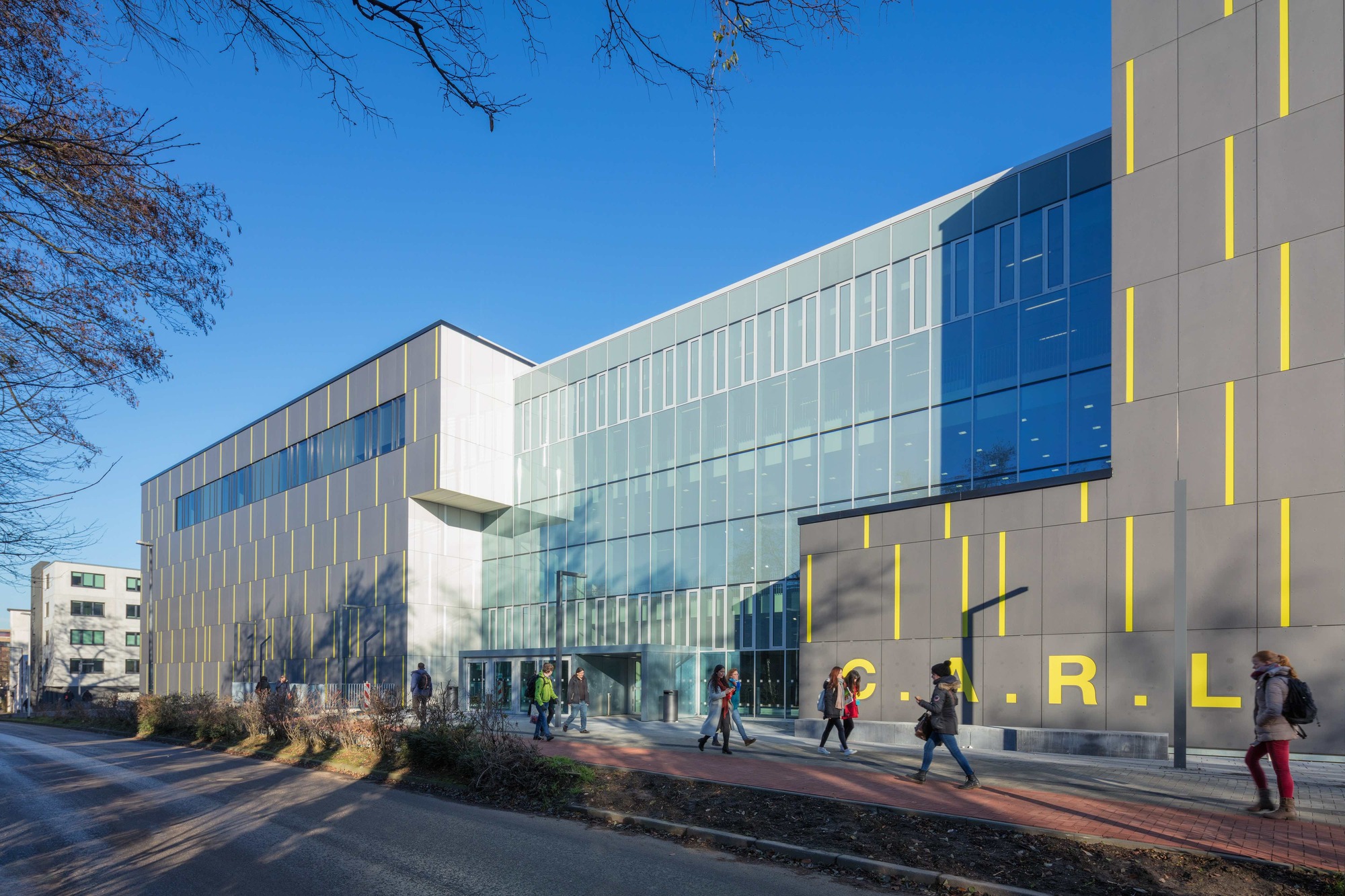
Campus: Historic museum building with 22 dedicated chairs
Strength: Structural design and building technology integration
Student Body: 1,500 architecture students
Standout Feature: Exceptionally high admission standards reflect its reputation as Germany’s most selective architecture program
© Michael Rasche
RWTH Aachen doesn’t just teach architecture—it engineers it. The faculty’s location in a converted museum symbolizes its approach: preserving architectural heritage while pushing technical boundaries. With 22 specialized chairs covering everything from structural design to art history, students develop a uniquely comprehensive skill set.
The program’s rigor shows in its employment outcomes. Graduates regularly secure positions at top engineering firms before graduation, thanks to the university’s integrated approach that combines architectural vision with technical feasibility.
2. Technical University of Munich (TUM) – Bavaria’s Design Hub
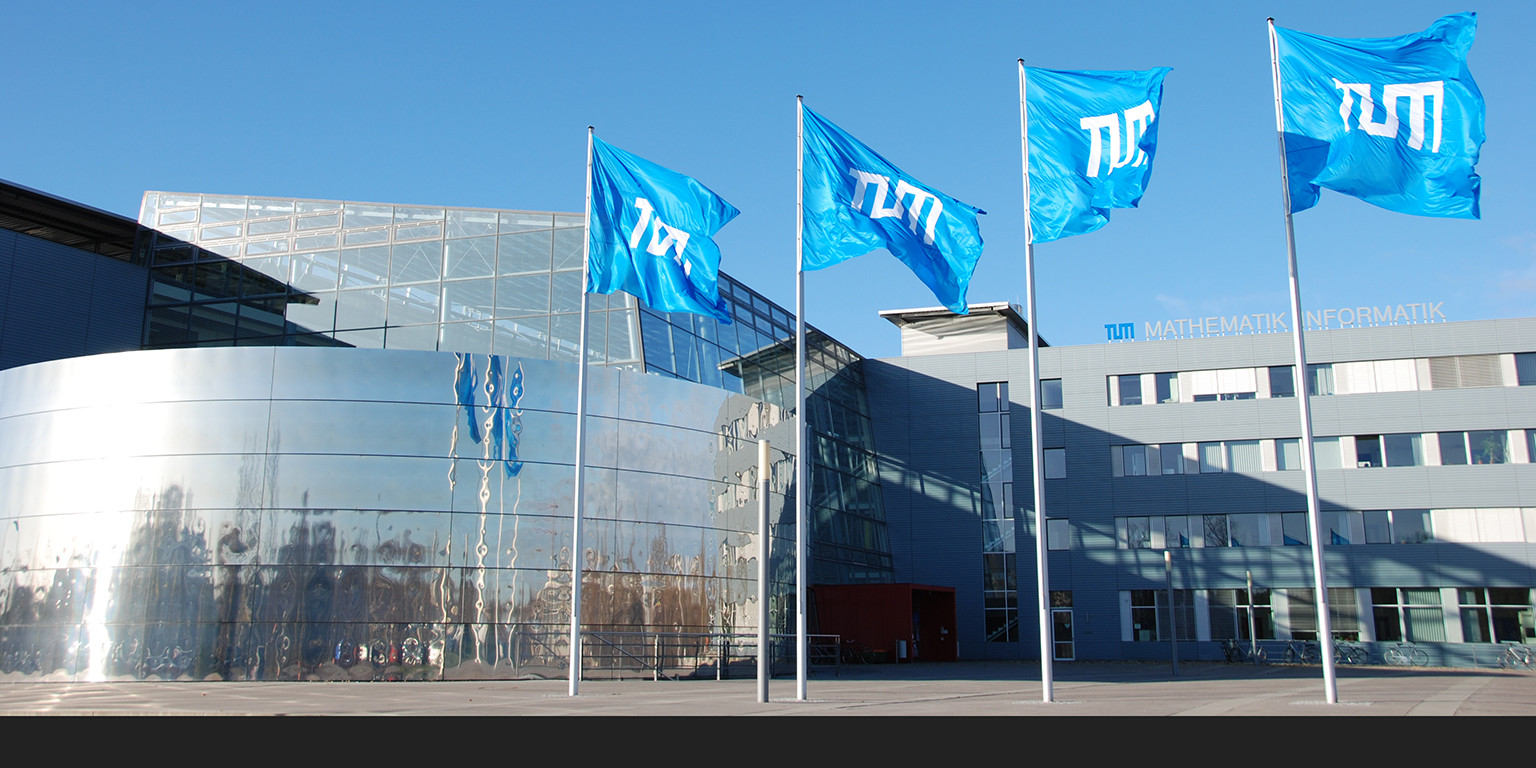
Campus: Remote Bavarian setting with global connections
Strength: Urban planning and sustainable architecture
Teaching Staff: 170+ architecture faculty members
Student Body: 1,200 students
Technical University of Munich
TUM’s Department of Architecture dominates southern Germany’s design landscape. As the region’s only dedicated architecture school, it attracts both local talent and international students seeking English-taught master’s programs.
The department’s trophy cabinet tells its story: Deutscher Architekturpreis, European Architecture + Technology Award, and RIBA Awards demonstrate its graduates’ impact. But it’s the job placement rate that truly impresses—firms actively recruit TUM students, knowing they graduate with both theoretical depth and practical skills.
3. ABK Stuttgart – The Intimate Art Academy
Founded: 1761 (one of Germany’s oldest art schools)
Strength: Fine arts integration and design excellence
Student Body: Just 850 students across all programs
by Burçin YILDIRIM
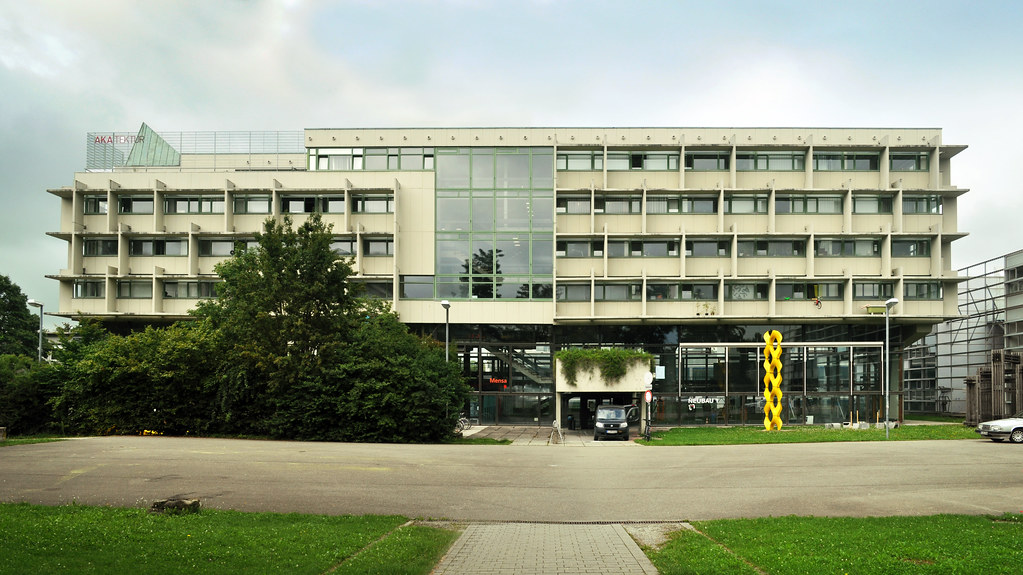
Stuttgart Academy of Art and Design offers something rare in architecture education: true studio intimacy. With only 850 students total, ABK provides mentor relationships and hands-on guidance impossible at larger universities.
This isn’t the place for mass lectures. Students work directly with master craftspeople, learning traditional techniques alongside digital tools. The academy’s location in Baden-Württemberg—a region known for design innovation—places students at the heart of Germany’s creative economy.
4. University of Stuttgart – The Urban Planning Leader
Heritage: Traces back to 19th century, modernized in 20th century
Strength: Urban planning and computational design
Institutes: 16 dedicated research institutes
© Julian Herzog
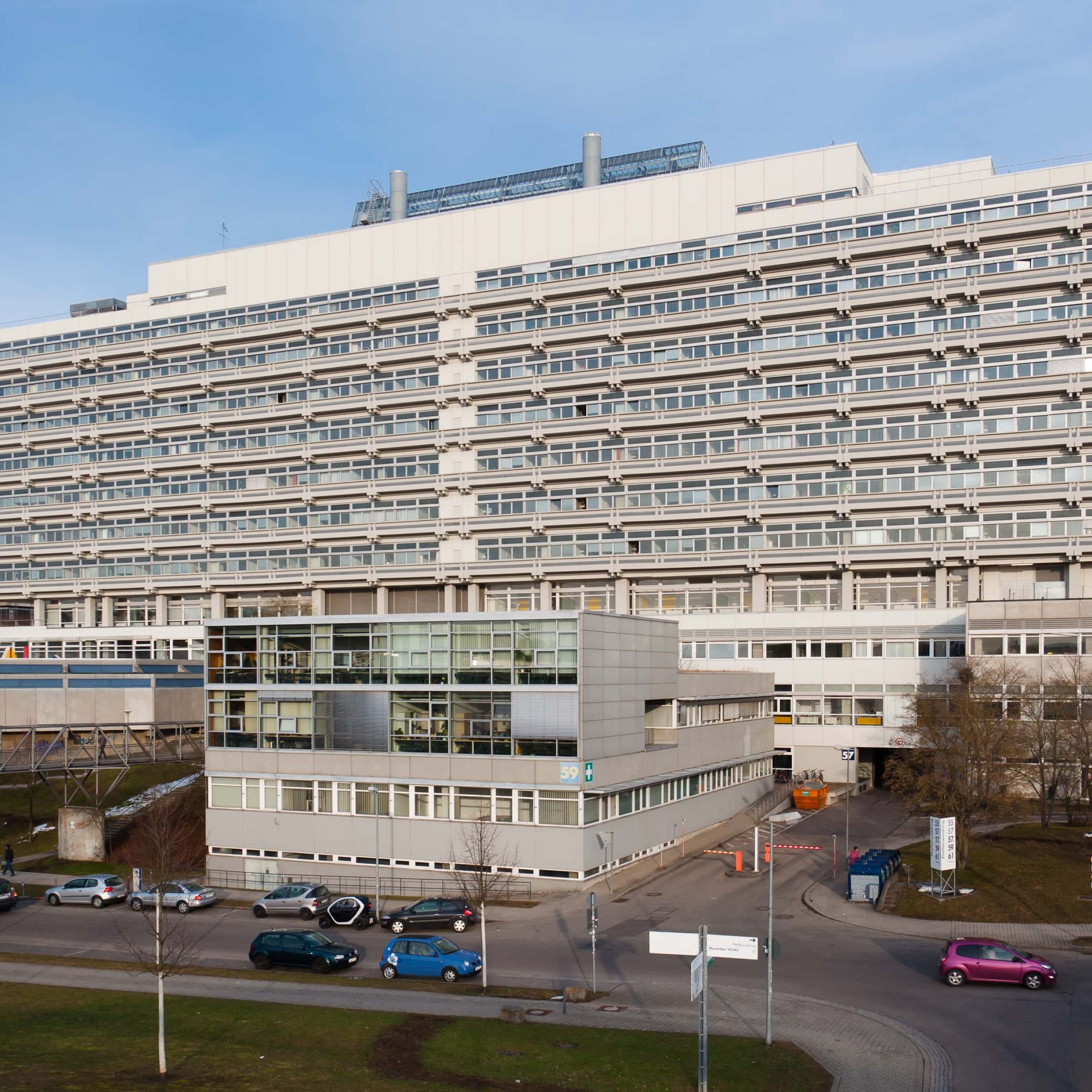
When Stuttgart University renovated its architecture faculty in the 20th century, it didn’t just update buildings—it reimagined the curriculum. The addition of urban planning transformed the program into a comprehensive training ground for city shapers.
Today, 16 specialized institutes cover everything from computational design to building physics. This research depth means students can specialize in emerging fields like parametric architecture or smart city design while still receiving broad professional training.
5. Bauhaus University Weimar – Where Tradition Meets Innovation
Philosophy: Combined faculties create interdisciplinary architects
Exchange Programs: 30 international university partnerships
Focus: Market-ready, open-minded design thinkers
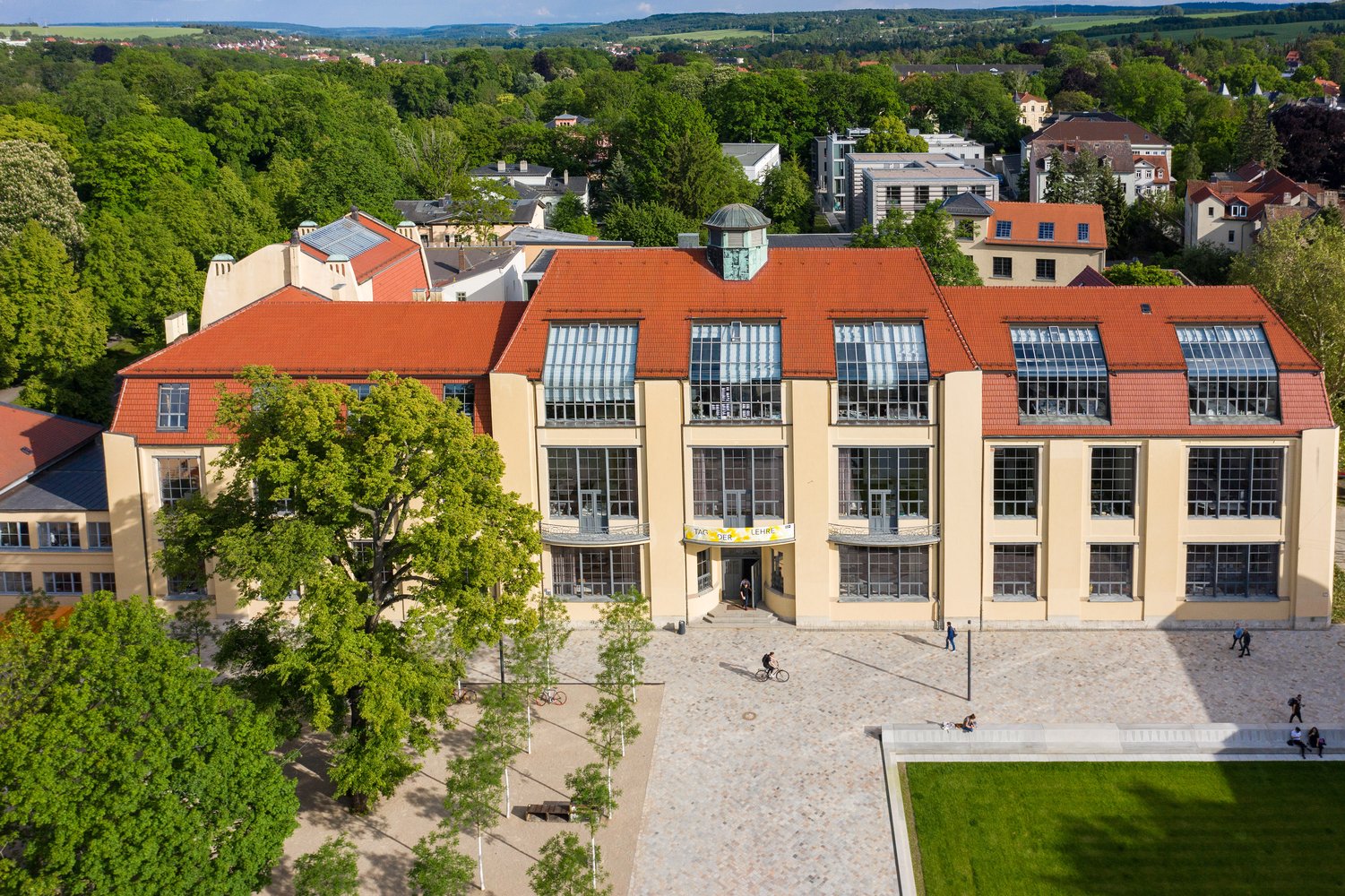
© Thomas Müller
The name “Bauhaus” carries weight in architecture, and Weimar’s university honors that legacy while pushing boundaries. By merging architecture with art, design, civil engineering, and media, the faculty creates architects who think across disciplines.
Thirty international partnerships mean every student can experience global perspectives. The curriculum emphasizes survival skills—both creative and practical—preparing graduates for architecture’s competitive reality while nurturing their unique design voice.
6. Technical University Dresden – The Landscape Architecture Specialist
Unique Feature: Architecture and landscape integration
Teaching Method: Practice-related research and excursions
Approach: Balanced theory and hands-on market experience
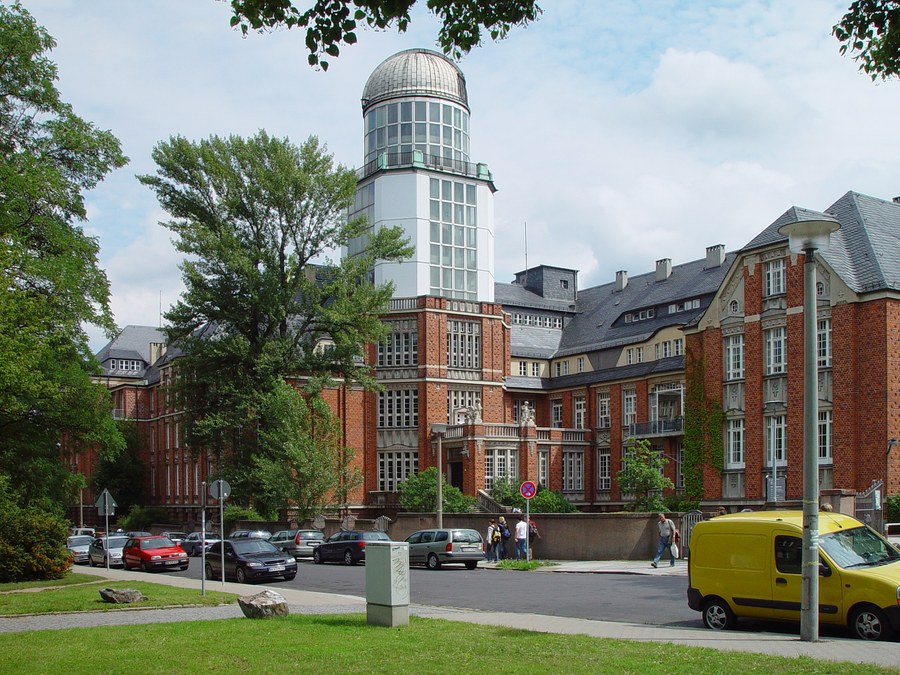
© TU Dresden/Eckold
Dresden’s trademark combination—architecture blended with landscape architecture—creates graduates who design with environmental consciousness built-in. This rare integration addresses modern architecture’s biggest challenge: creating buildings that harmonize with natural systems.
Students don’t just study theory. Regular practice excursions into real construction sites and landscape projects provide firsthand market understanding. This approach produces architects who can both conceptualize and execute complex projects.
7. Technical University Dortmund – The International Community
Foundation: 1968 (relatively young, forward-thinking)
International Students: 3,200+ from 100+ countries
Focus: Natural science and technology integration
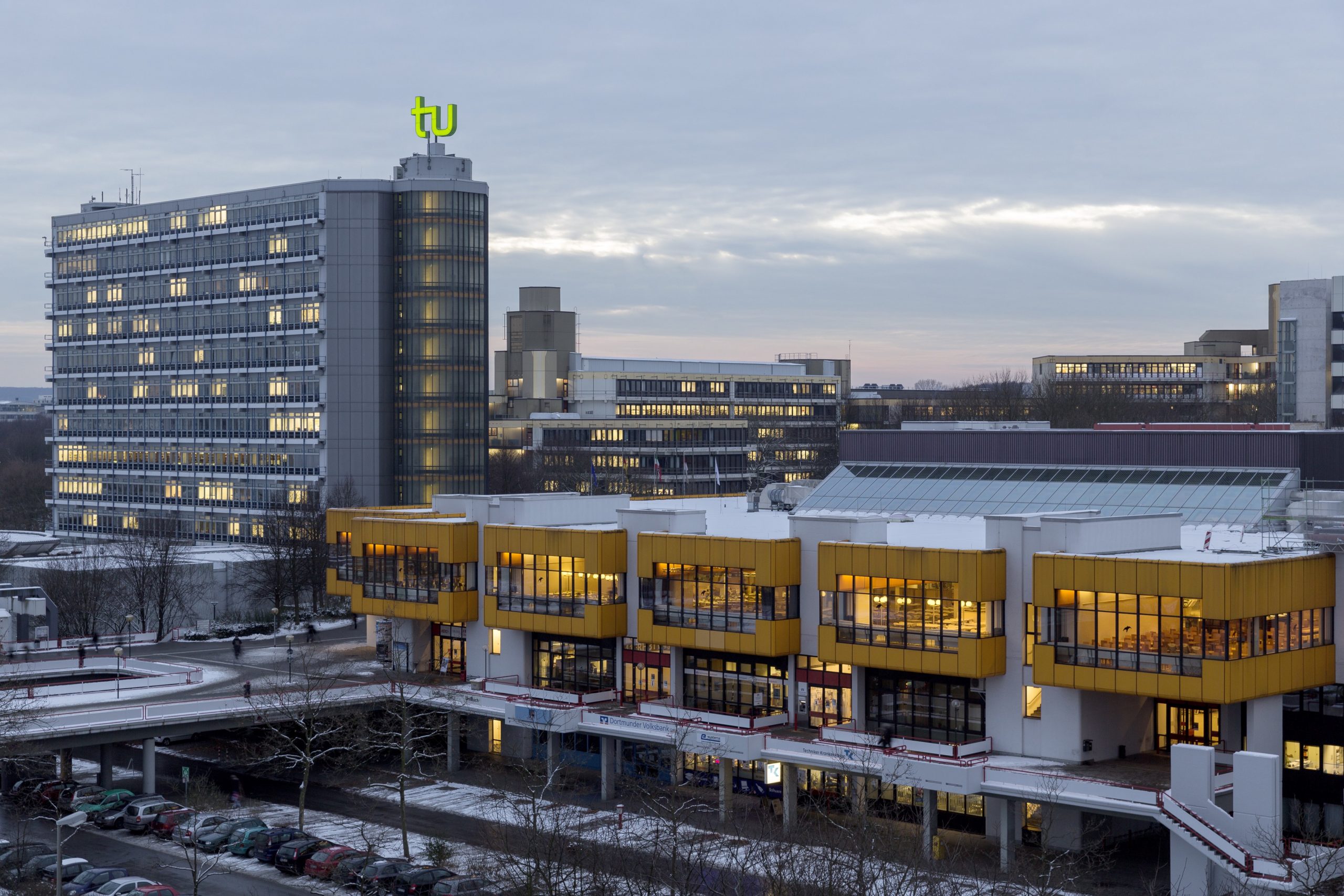
Founded in 1968, TU Dortmund represents Germany’s modern university movement. Its architecture programs attract over 3,200 international students, creating a genuinely global learning environment.
The university’s unique proposition—combining natural sciences with architecture—prepares students for increasingly technical building challenges. From climate modeling to material science, graduates understand how buildings perform, not just how they look.
8. Leibniz University Hannover – The Rapidly Growing Giant
Growth: From 64 students to 22,000+ across all faculties
Philosophy: “Architects need a little information on everything”
Research: Architecture and Environmental Planning
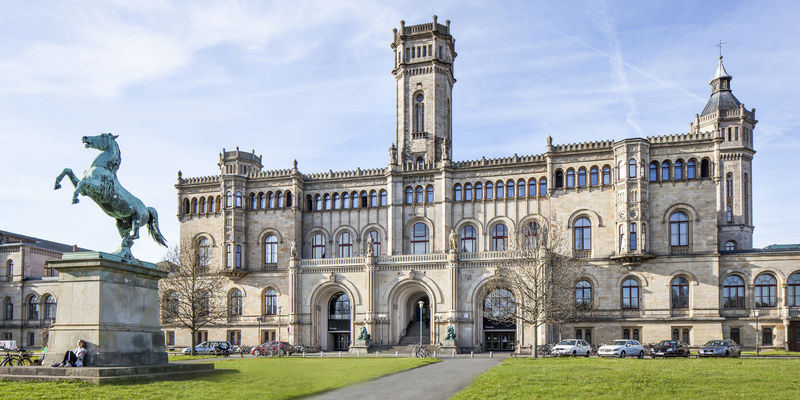
Courtesy of scholarshipsx
Leibniz University’s explosive growth—from 64 students to over 22,000—reflects its appeal. The architecture faculty’s motto reveals its approach: broad knowledge creates better architects. Students don’t just learn design; they study environmental planning, law, and economics.
Located in northern Germany, the university offers extensive research programs in sustainable architecture and environmental planning. This regional focus on green building aligns perfectly with Europe’s climate goals.
9. Brandenburg University of Technology – The Personal Touch
Size: 9,000 students (Germany’s second-largest in Brandenburg)
Teaching Style: Named-based professor relationships, flexible course transitions
Accreditation: ZEFA-accredited programs since 2002
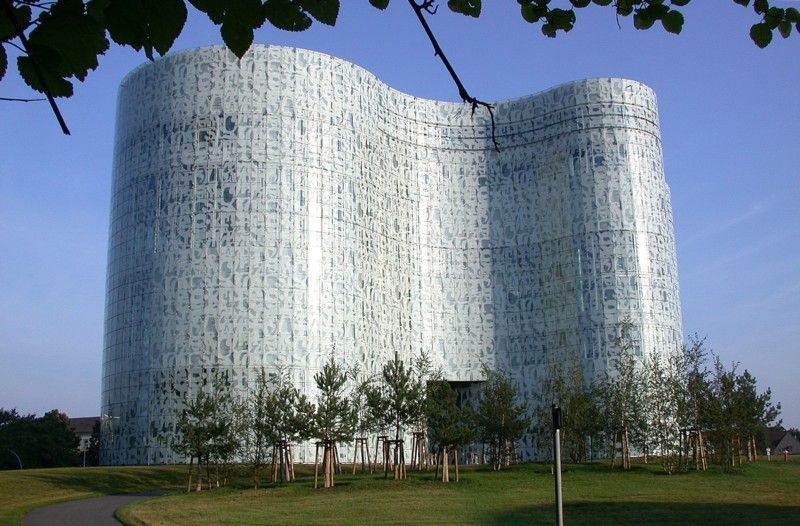
Being young and small becomes Brandenburg’s strength. Professors know students by name, and flexible transition paths between courses allow architectural exploration.
Despite its size, the university attracts students from 100+ countries. State-of-the-art technology and small class sizes create an intensive learning environment where no one gets lost in the crowd.
10. Wuppertal University – The Job Placement Champion
Location: Metropolitan area with 100-year tradition
Strength: Industry connections and graduate employment
Approach: Dynamic student lifestyle with traditional academic rigor
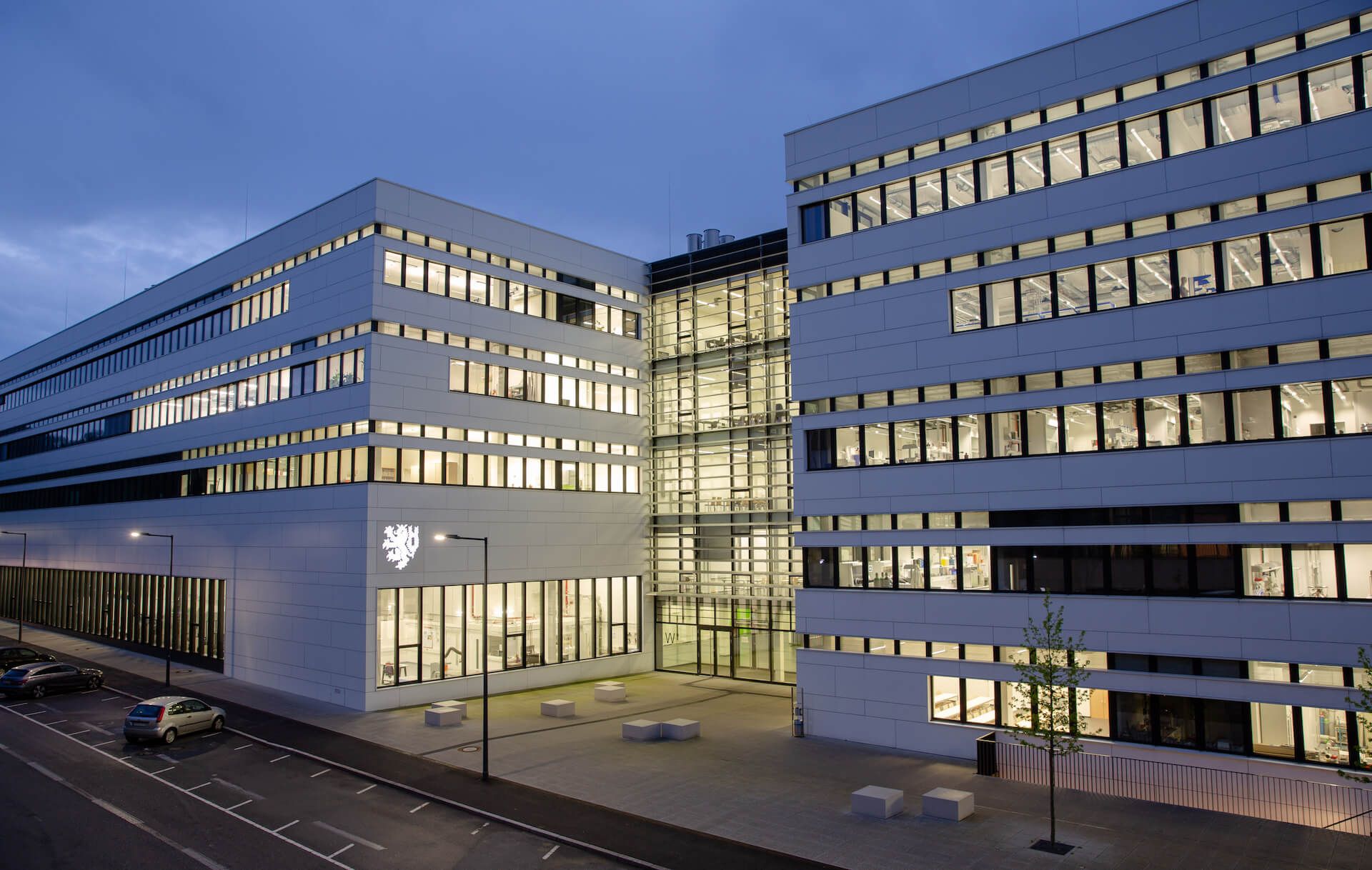
With a century of architectural education behind it, Wuppertal University has mastered the art of graduate placement. Strong connections with regional and national firms mean students often receive job offers before graduation.
The university balances this career focus with academic excellence, maintaining high standards while adapting to modern architectural practice. Its metropolitan setting provides urban inspiration and professional networking opportunities.
Essential Questions About Architecture Studies in Germany
Is Germany good for architecture students?
Absolutely. Germany combines tuition-free education with world-class training in sustainable design and digital fabrication. The country’s strong building codes and green architecture focus create graduates ready for future challenges.
How much does it cost to study architecture in Germany?
Most public universities charge only semester fees of €150-350, making Germany one of the most affordable destinations for quality architecture education. Private universities range from €5,000-20,000 annually.
Which German architecture universities teach in English?
Technical University of Munich, RWTH Aachen, and TU Berlin offer English-taught master’s programs. Bachelor’s programs typically require German proficiency, but many universities provide preparatory language courses.
What are the admission requirements?
Requirements vary but generally include: strong portfolio (20+ works), academic transcripts, language proficiency (TestDaF/DSH for German, TOEFL/IELTS for English programs), and sometimes entrance examinations. RWTH Aachen and TUM have the most competitive standards.
Are scholarships available for international students?
Yes. The DAAD (German Academic Exchange Service) offers comprehensive scholarships covering tuition, living expenses, and travel. The Deutschlandstipendium provides €300 monthly support, while university-specific scholarships target architecture students specifically.
What career prospects do graduates have?
German architecture graduates work globally, benefiting from the country’s reputation for precision and sustainability. Many find positions in engineering firms, urban planning departments, or specialized practices focusing on green building or digital fabrication.
Choosing Your German Architecture School
The right choice depends on your goals. Want technical excellence and research depth? RWTH Aachen or TUM. Prefer intimate studio culture? ABK Stuttgart or Brandenburg. Interested in sustainable design? Dresden or Hannover. Each university offers distinct advantages, but all share Germany’s commitment to accessible, high-quality architectural education.
Remember: the application process starts 6-12 months before enrollment. Begin preparing your portfolio, language certificates, and application materials early. With careful planning, you could join the next generation of architects shaping our built environment—without the burden of student debt.
Also Check:
1. Most Prominent Architecture Schools in the World
2. Top 10 Architecture Schools in Europe
3. 13 Architecture Schools in USA Prepare Students for the Architect License

Ibrahim Abdelhady is an architect, academic, and media entrepreneur with over two decades of experience in architecture and digital publishing. He is the Founder and CEO of Arch2O.com, a leading platform in architectural media, renowned for showcasing innovative projects, student work, and critical discourse in design. Holding dual PhDs in Architecture, Dr. Abdelhady combines academic rigor with industry insight, shaping both future architects and architectural thought. He actively teaches, conducts research, and contributes to the global architecture community through his writing, lectures, and media ventures. His work bridges the gap between practice and academia, pushing the boundaries of how architecture is communicated in the digital age.