


Choosing the right architecture school in Europe can feel overwhelming when so many institutions offer strong programs, inspiring campuses, and similar academic goals. To make that decision easier, this guide highlights 10 of the best architecture schools in Europe, focusing on what matters most: programs available, admissions requirements, exchange opportunities, and internships or jobs after graduation.
If you are still exploring options beyond Europe, it can be helpful to compare these schools with the 10 best universities in the world to study architecture, which puts European programs side by side with leading schools in North America and Asia.
What makes a top architecture school?
When comparing top architecture schools in Europe, most prospective students look for a mix of academic rigor, studio culture, and real-world opportunities. The schools in this list stand out for:
-
Well-structured architecture and urbanism programs at undergraduate and graduate levels.
-
Clear admissions pathways, including language requirements and entrance exams.
-
Strong exchange networks with partner universities across Europe and beyond.
-
Close ties with architecture firms that support internships, practical training, and job placement.
If you are particularly interested in the US, you can pair this article with The Ultimate Guide to Top Architecture Schools in the US: 2025 Rankings and What They Look For to understand how European and American programs differ in curriculum, culture, and admissions.
The Architectural Association (AA), UK
Founded in 1847, the Architectural Association is widely regarded as one of the leading architecture schools worldwide, especially for its experimental and independent studio culture. Located in the UK, the AA enrolls around 81 students per year, creating an intimate environment where imagination, speculation, and critical thinking drive design work that “explore[s] the possibility of a future career in architecture or the arts” (Domus 67).
Experimentation sits at the heart of the AA’s curriculum, with diverse research focuses that shape how students mature throughout the architecture program. The school offers an extensive exchange network, giving students the chance to study abroad and immerse themselves in different architectural contexts. Strong links with architecture firms support internships and jobs after graduation, while course-specific entry requirements are clearly outlined on the AA’s website.
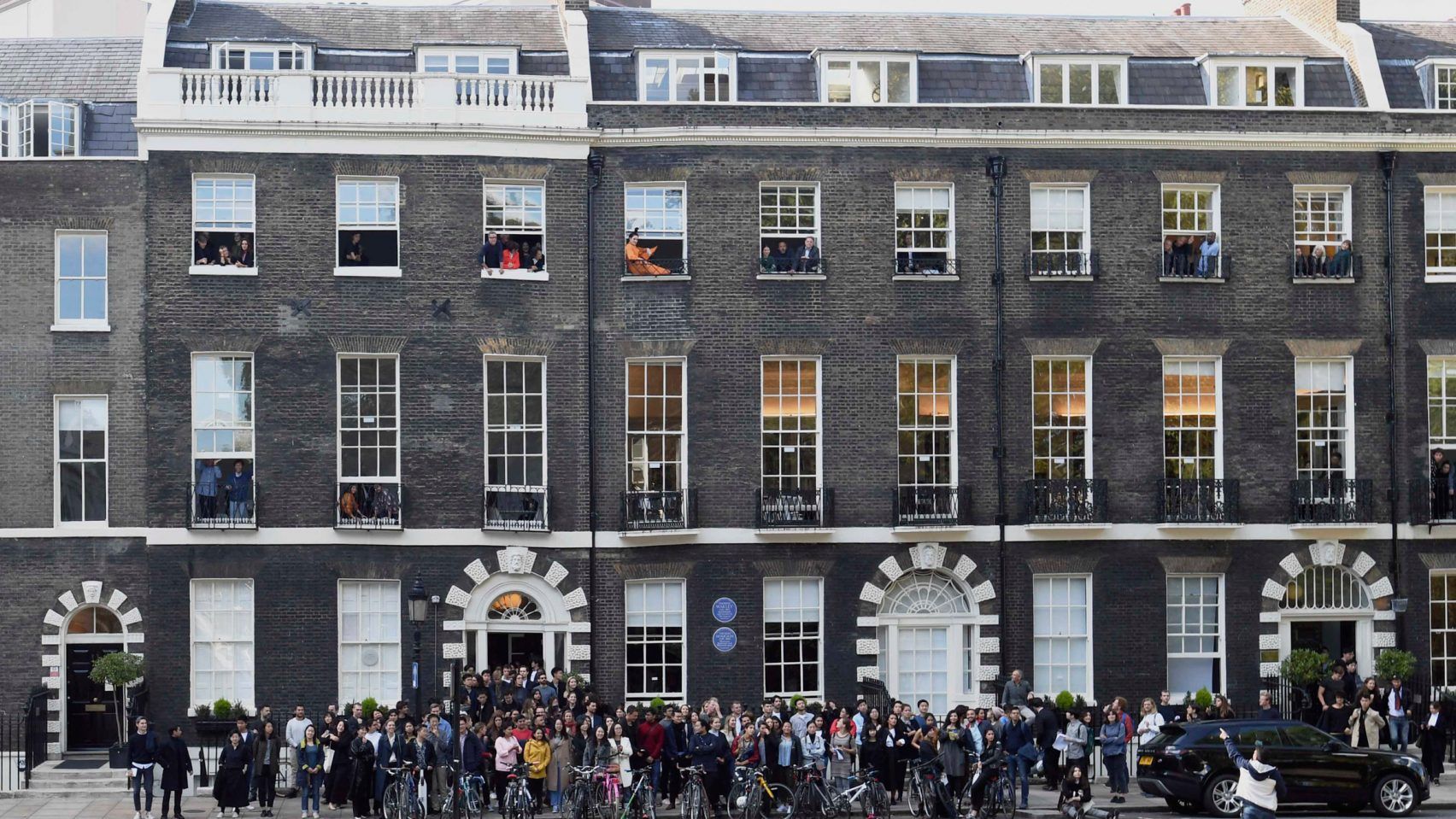
The architectural Association – Photo by Valerie Bennett
Roma Tre University, Italy
Located in Rome, Roma Tre University invites students to study architecture in direct dialogue with one of the world’s richest historical urban fabrics. Since its founding in 1992, this relatively young school has built “an international reputation as being one of the finest in architecture studies” (Domus 101), with a curriculum centered on architectural design, urbanism, and restoration.
Roma Tre welcomes about 230 students per year, and admissions requirements are fairly straightforward: applicants typically need a High School Diploma or equivalent plus Italian language proficiency. Because the school is young and dynamic, its faculty have cultivated a wide network of contacts for exchange programs as well as internships and jobs that support students at graduation and early in their careers.
If you are fascinated by how history is taught and debated within architecture programs, you may also enjoy reading History of Architecture: Does it still have a place in Architecture Schools?, which discusses why courses like restoration and theory are still vital.
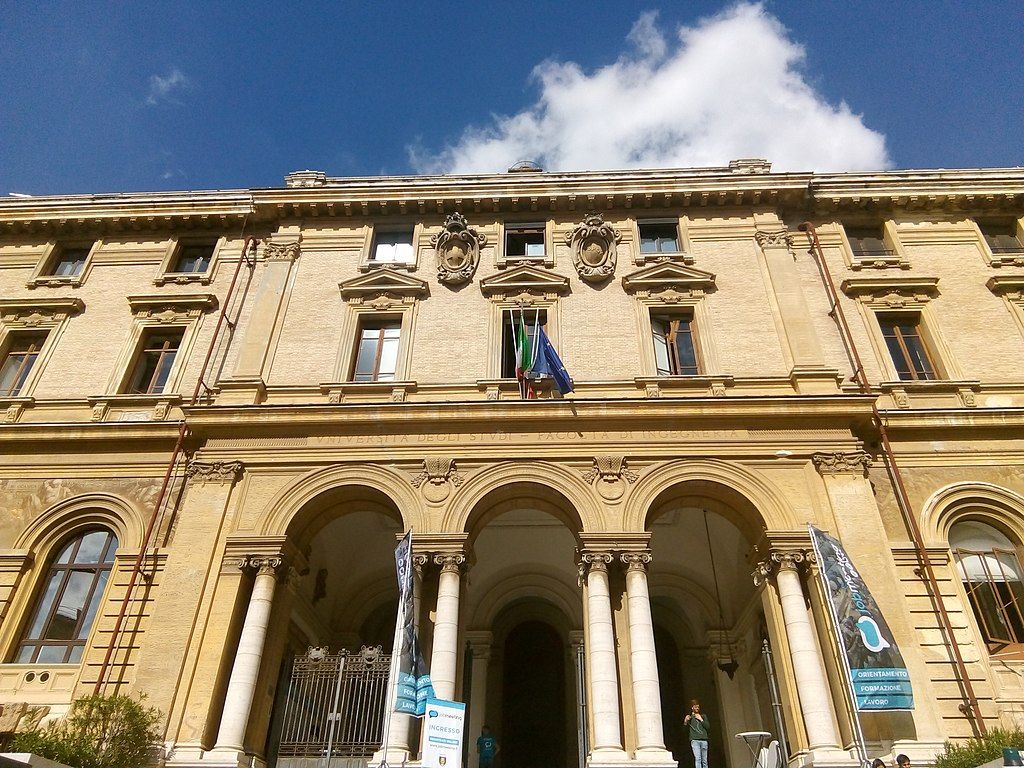
School of Engineering on the Via Vito Volterra
Technion – Israel Institute of Technology
Technion, founded in 1912, is Israel’s oldest architecture school and is located in the coastal city of Haifa.* Students here engage deeply “with the urban structure of the site and the broader context of the city” (Domus 59), working at the intersection of architecture, landscape, and infrastructure.
Admissions at Technion are competitive: applicants must have a High School Diploma, demonstrate proficiency in Hebrew, and successfully complete the school’s entrance exams. With an average architecture intake of about 95 students per year, the program fosters an environment where students support one another, maintaining “good personal and professional relationships with teachers” that often translate into networking opportunities and future employment in Israel and abroad (Domus 59). Technion’s range of program focuses allows students to tailor their studies to their preferred career paths.
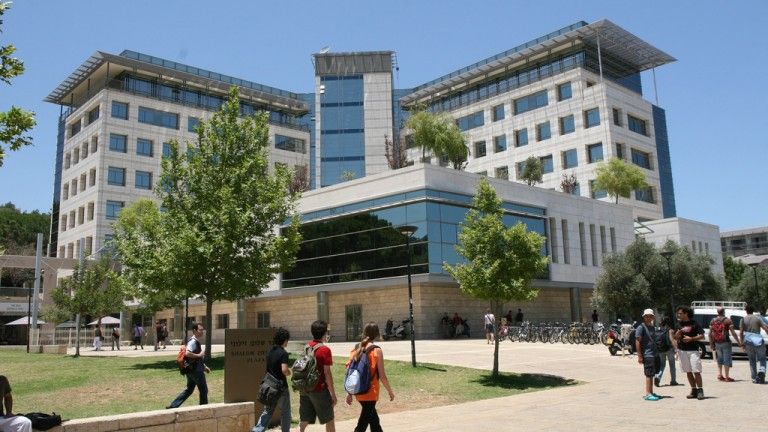
Israel Institute of Technology – School of Architecture and Urban Planning
Universidade do Porto, Portugal
In Porto, Portugal, the city itself becomes an open-air laboratory for architecture students at Universidade do Porto (U Porto). Founded in 1979, the school offers a variety of programs rooted in a pedagogy that begins with traditional methods and hand drawing, then gradually transitions into software-based work starting in the third year.
Admission requirements are moderate: prospective students typically need a High School Diploma or equivalent plus Portuguese language proficiency. On average, U Porto admits about 150 students into the architecture program each year. Rather than focusing on a single niche, the school emphasizes “a little bit of everything” (Domus 97), helping students develop a broad architectural understanding. By engaging with Porto’s urban fabric and benefiting from their professors’ professional networks, students gain valuable connections to architecture firms and potential future employment.

Photo: Filipa Brito / CMPorto
Technical University Delft (TU Delft), Netherlands
Founded in 1904, TU Delft’s Faculty of Architecture and the Built Environment consistently ranks among the top architecture schools in Europe and worldwide. Located in the Netherlands, the school enrolls around 450 architecture students per year across undergraduate and graduate programs, creating a large but vibrant academic community.
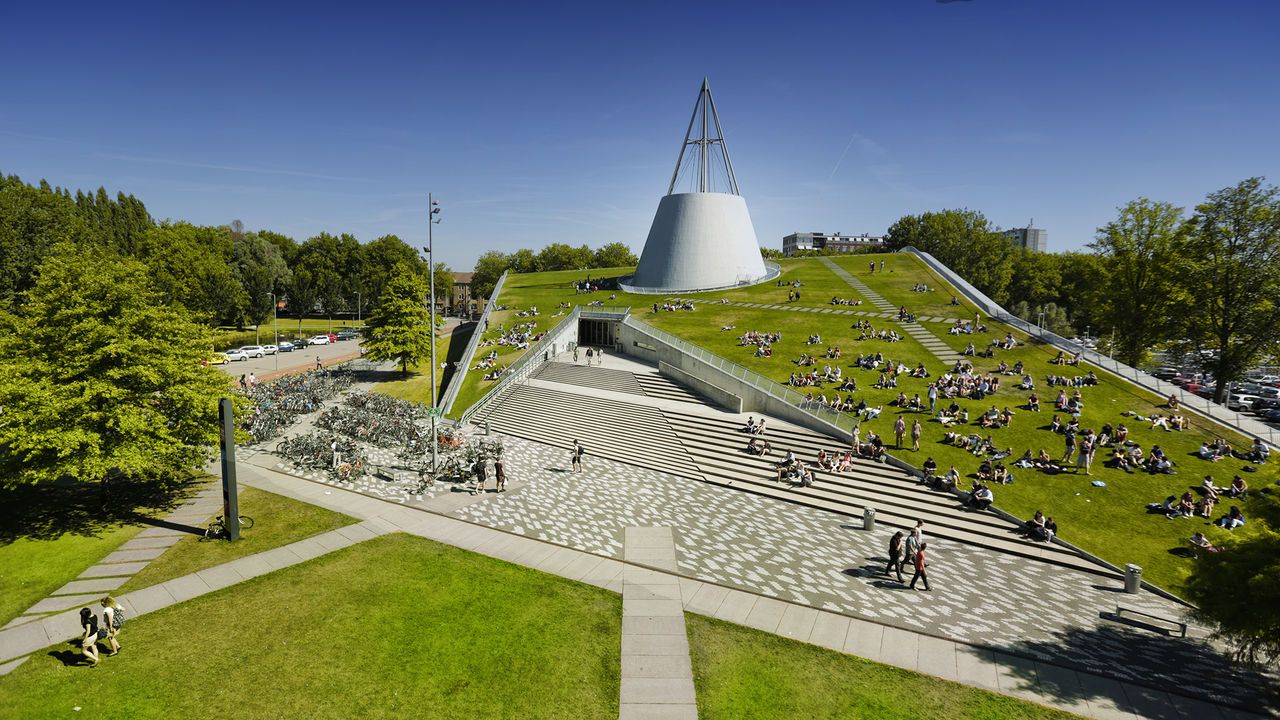
Technical University Delft
Programs range from architecture and urbanism to building sciences and environmental design, allowing students to specialize while still grounding themselves in core architectural principles. Undergraduates must typically submit a High School Diploma or equivalent and demonstrate proficiency in both Dutch and English. TU Delft is especially renowned for its urbanism program, supported by the Netherlands’ highly experimental approach to dense urban planning and infrastructure. Multiple exchange opportunities and strong professor–industry networks help students build connections that can lead to internships and future jobs.
Universidad Politécnica de Madrid (ETSAM), Spain
In Madrid, Spain, Universidad Politécnica de Madrid—particularly ETSAM—is known as a prestigious school where “many of Spain’s finest architects have studied and taught” (Domus 76). Founded in 1848, the architecture school enrolls approximately 3,900 architecture students out of a total 5,000 students per year, making it one of the largest programs in Europe.
Its size, resources, and reputation create an intensely competitive atmosphere. Students often mention that it takes time to learn how to fully access the school’s tools and facilities, but this experience mirrors the challenges of professional practice and pushes them to become resourceful. Most faculty are prominent practicing architects, which enriches the teaching but can make it harder to build close personal relationships. Although the school offers several exchange programs, “the school does not actively promote professional network[ing]” (Domus 77), so students must proactively create relationships and networks to secure future jobs.
If your long-term goal is licensure in North America, combining a European degree with resources like 13 Architecture Schools in USA Prepare Students for the Architect License can help you map out how to navigate multiple education systems.

Universidad Politécnica de Madrid
Politecnico di Torino, Italy
Politecnico di Torino, founded in 1925, enrolls around 630 students in its school of architecture each year. The school places a strong emphasis on the “relation between architecture and context” (Domus 109), encouraging students to design with a clear understanding of site, culture, and urban conditions.
Admission requires a High School Diploma or equivalent plus success in the relevant admissions test. At the undergraduate level, students’ options for professional employment are more limited until they progress to a master’s degree, when they can access a wider range of positions in the diverse architecture firms connected to the school. Exchange programs provide valuable opportunities to experience different educational cultures and encourage interaction with peers from across Europe.
ETH Zurich – D-ARCH, Switzerland
ETH Zurich’s Department of Architecture (D-ARCH) is frequently ranked among the top architecture schools globally for its rigorous approach to technology, construction, and architectural theory. Each year, about 1,060 students enroll in architecture programs at ETH Zurich, benefiting from a curriculum that balances design studios with structural engineering, building technology, and high-profile history and theory courses (Domus 121).
Some students find that the large student body can make the experience feel less personal, but the structured undergraduate curriculum ensures exposure to both practice and research, including internships and exchange programs. The master’s programs are demanding and widely regarded as some of the most respected in the world. Undergraduate applicants must typically have a High School Diploma or equivalent, pass an entrance examination, and demonstrate high-level German language proficiency.
Students who cannot yet commit to a full-time degree sometimes start by testing the waters through free online architecture courses from top universities, many of which mirror the kinds of topics taught at ETH and other elite schools.
Royal Danish Academy of Fine Arts – School of Architecture, Denmark
The School of Architecture at the Royal Danish Academy of Fine Arts in Copenhagen benefits from being embedded within a broader arts academy, giving students access to diverse creative perspectives. Founded in 1754, the school offers a wide selection of programs, but the admission requirements are demanding: applicants generally need a high school degree or equivalent and proficiency in Danish, Norwegian, or Swedish.
With the architecture school integrated into a multidisciplinary environment, about 1,050 of the academy’s 1,700 students are enrolled in architecture. Program options include sustainability, urban planning, advanced digital design, and construction, reflecting Denmark’s strong design culture. Students also benefit from a wide range of exchange opportunities and connections to architecture firms, building both local and international networks.
For those specifically interested in environmental issues and resource-conscious design, it can be inspiring to read about how educators approach promoting sustainability in architecture education in developing countries, and then compare that perspective with the strategies used in Scandinavian schools.
The Bartlett School of Architecture (UCL), UK
Located in Central London and founded in 1841, The Bartlett School of Architecture has “historically been one of the most prominent architecture schools in Europe” (Domus 69). Each year, around 200 students enroll in the architecture program, immersing themselves in an environment known for experimental design and ambitious theoretical research.
The Bartlett’s unit system lets students specialize in areas that match their interests, from computational design and fabrication to urbanism and critical theory. This structure encourages deep focus while maintaining strong interdisciplinary connections within UCL. The school also offers excellent opportunities for collaboration and networking with architecture firms across London, one of the world’s major hubs for design and construction. Prospective students are expected to have a high school diploma or equivalent and prove English language proficiency.
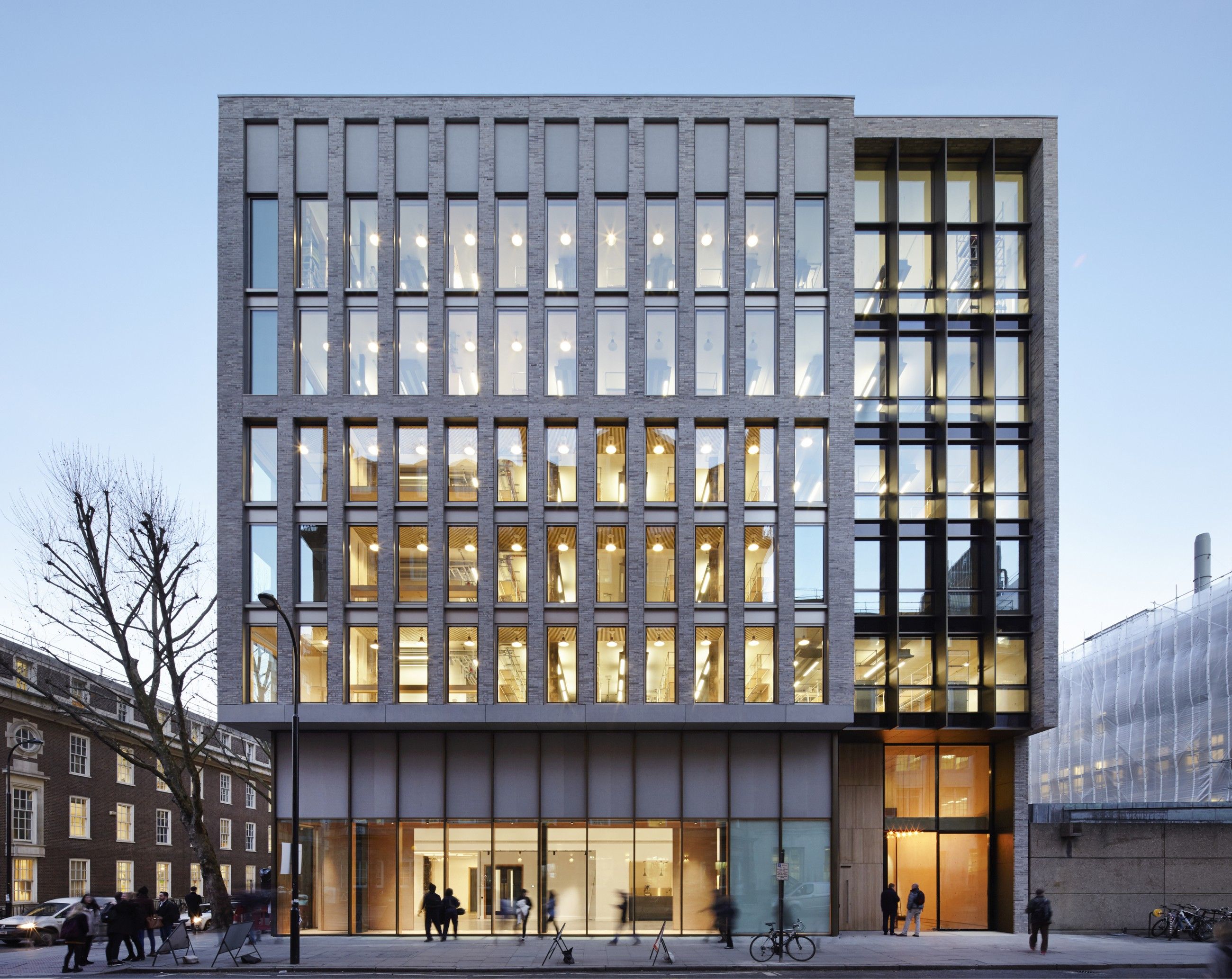
The Bartlett School of Architecture -Photograph by Jack Hobhouse
Thinking about how you learn best—whether in a small, experimental environment like the AA or a large, research-intensive institution like ETH Zurich or Universidad Politécnica de Madrid—will help you find the school that truly fits your goals. If you want a global overview before committing, the 10 best universities in the world to study architecture offers a helpful big-picture comparison.

Ibrahim Abdelhady is an architect, academic, and media entrepreneur with over two decades of experience in architecture and digital publishing. He is the Founder and CEO of Arch2O.com, a leading platform in architectural media, renowned for showcasing innovative projects, student work, and critical discourse in design. Holding dual PhDs in Architecture, Dr. Abdelhady combines academic rigor with industry insight, shaping both future architects and architectural thought. He actively teaches, conducts research, and contributes to the global architecture community through his writing, lectures, and media ventures. His work bridges the gap between practice and academia, pushing the boundaries of how architecture is communicated in the digital age.