

Berlin’s AquaDom aquarium ruptured on 16 December 2022, releasing water into the surrounding hotel complex and affecting neighbouring premises. The incident shows how a specialist installation can affect the operation of an entire mixed-use building.
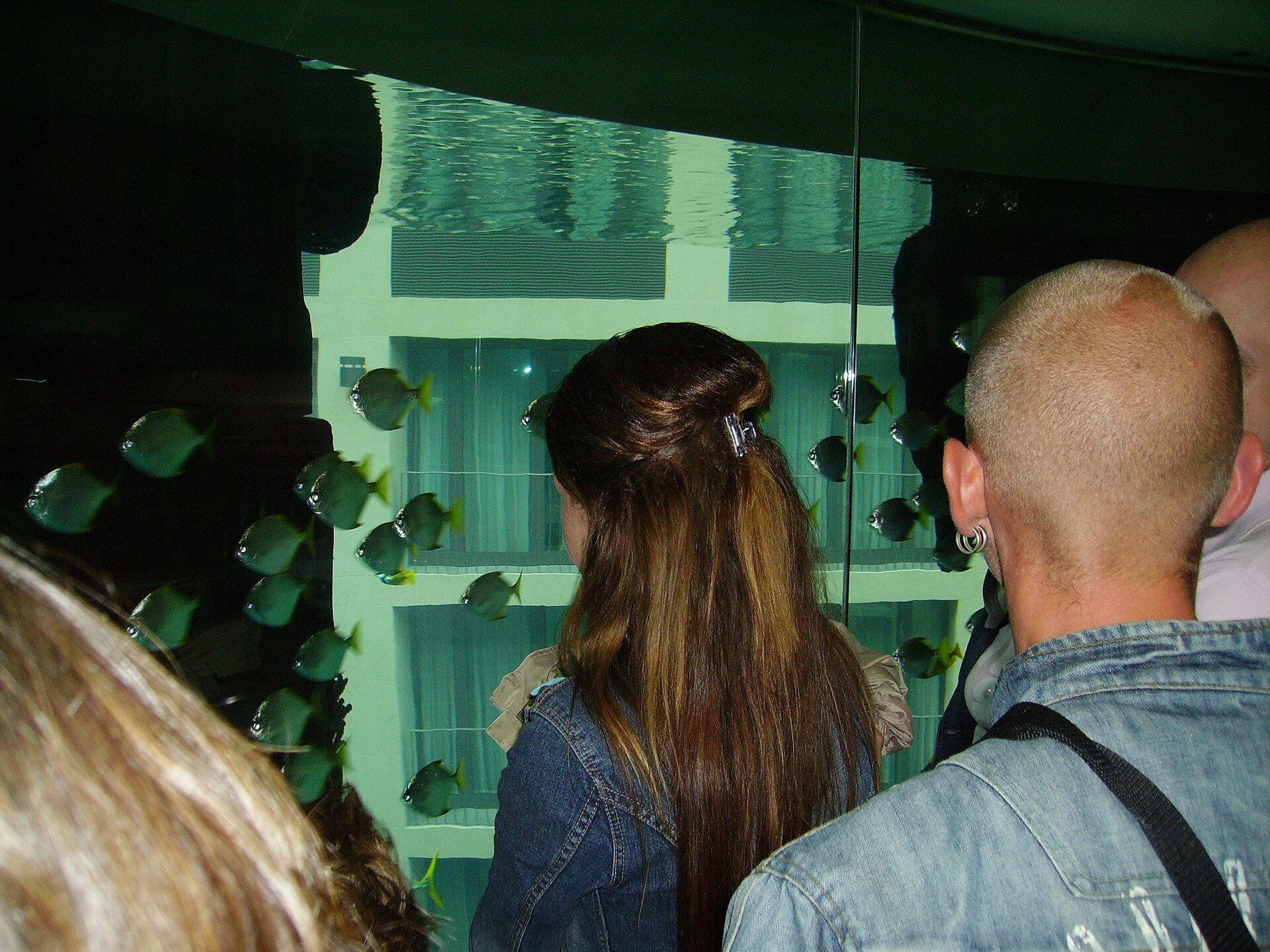
AquaDom collapse: consequences for the surrounding building
AquaDom combined an aquarium, a visitor attraction and a prominent interior landmark. Its failure therefore affected more than the tank: the surrounding building, public circulation and adjacent uses were part of the consequences. The DDR Museum documented substantial water damage and its subsequent recovery. The owner later stated that rebuilding an equivalent giant aquarium was not planned.
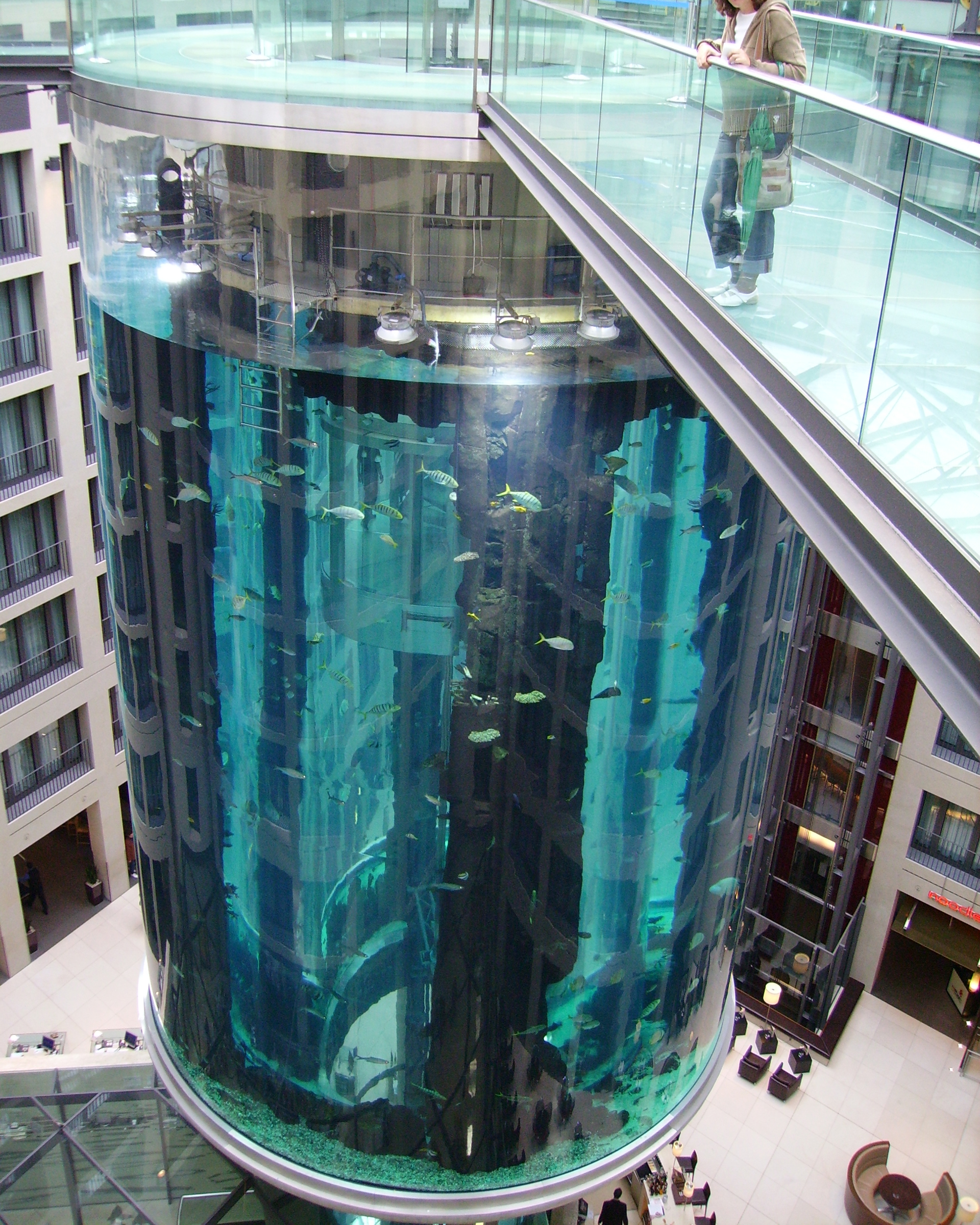
What a photograph cannot explain
The architectural lesson is not to diagnose the rupture from photographs. Material condition, fabrication, joints, operating history and maintenance records require specialist examination. A dramatic image cannot establish a failure mechanism. Separating the event timeline from unproven explanations avoids turning an accident report into speculative engineering advice.
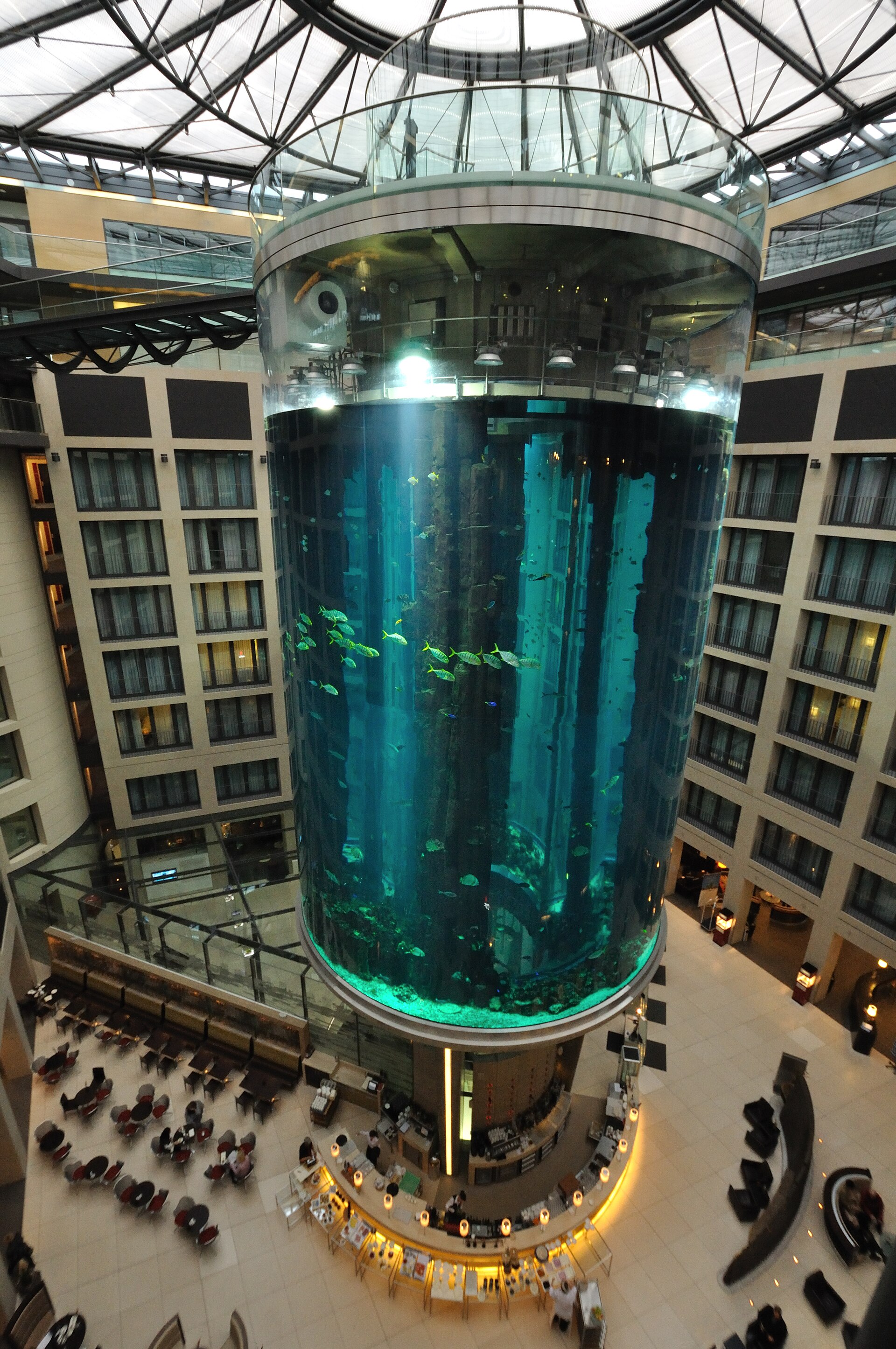
For designers studying unusual interior installations, map their interfaces with the host building. Consider who inspects the installation, how maintenance personnel reach it, how a fault is detected, and which occupied areas could be affected. Emergency planning and clearly assigned responsibilities matter alongside the visual concept. These questions apply to large water features and other technically demanding attractions, but they are a review framework rather than a substitute for project-specific engineering.
For the wider planning framework, explore architectural dimensions and space planning: architectural dimensions and space planning.
Key takeaways
- Use dated owner and authority statements for the event timeline.
- Distinguish documented consequences from an unconfirmed cause.
- Review maintenance, detection and building interfaces with qualified specialists.
Related reading on Arch2O
Sources and further reading

Ruba Ahmed, a senior project editor at Arch2O and an Alexandria University graduate, has reviewed hundreds of architectural projects with precision and insight. Specializing in architecture and urban design, she excels in project curation, topic selection, and interdepartmental collaboration. Her dedication and expertise make her a pivotal asset to Arch2O.