

Buildings tell stories. Every structure around you speaks to the dreams, needs, and possibilities of the people who built it. From ancient temples that still inspire awe to glass towers that scrape the sky, architecture styles have shaped how we live, work, and connect with each other. Understanding these types of architecture and their characteristics gives you a window into human creativity across the centuries.
Some styles last for generations. Others fade quickly. The ones that endure do so because they solve real problems while creating spaces that feel right to live in. Whether it’s the balanced proportions of Classical buildings or the clean lines of Modern homes, the best architecture styles connect with something deep in how we experience space and light.
What Are the Main Architectural Styles?
Architecture styles have evolved like living things, each responding to the tools, materials, and social needs of their time. The story begins with Classical architecture in ancient Greece and Rome, where builders created the basic rules that still guide designers today. They gave us columns, proportions, and decorative elements that feel natural and balanced.
Classical Foundations
Classical architecture set the stage for everything that followed. Greek and Roman builders figured out how to make stone structures that felt both massive and graceful. Their column orders – Doric, Ionic, and Corinthian – created a language of building that architects still use. You see it in government buildings, banks, and museums worldwide.
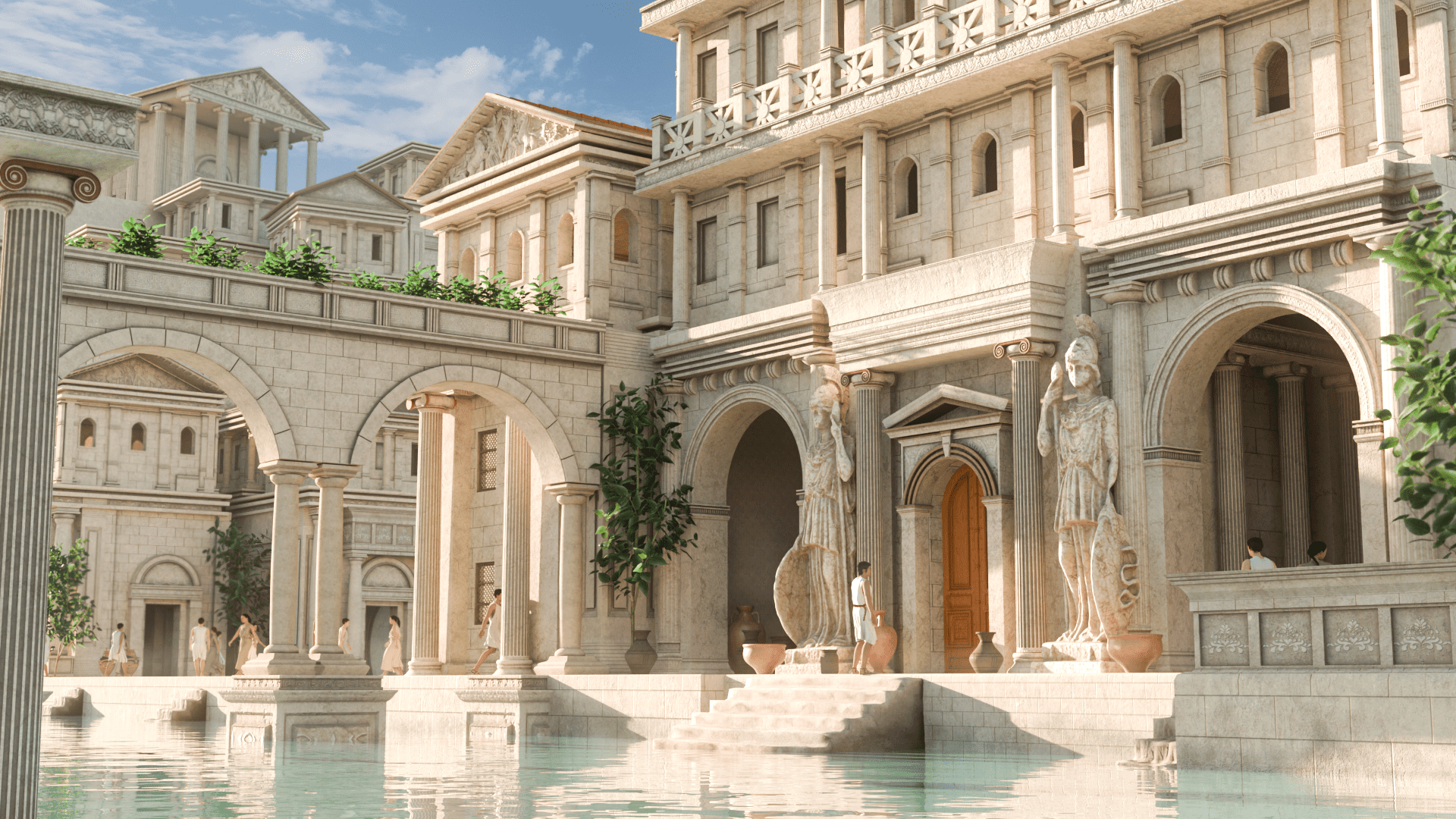
Via: blender artists
Gothic Innovation
Gothic architecture changed everything about how tall buildings could be. With pointed arches and flying buttresses, medieval builders created cathedrals that seemed to reach toward heaven. These weren’t just pretty buildings – they were engineering marvels that let in floods of colored light through massive windows.
The Renaissance brought classical ideas back but with new mathematical precision. Baroque architecture took those same elements and made them dramatic, almost theatrical. Victorian builders embraced new materials like cast iron and steel, creating the ornate buildings that still define many city centers.
The twentieth century saw architecture break free from history entirely. Modern architecture rejected decoration in favor of clean lines and honest materials. When architects grew tired of that approach, Postmodernism brought back color, decoration, and historical references. Today’s architecture styles blend digital design tools with environmental concerns, creating buildings that respond to both human needs and climate change.
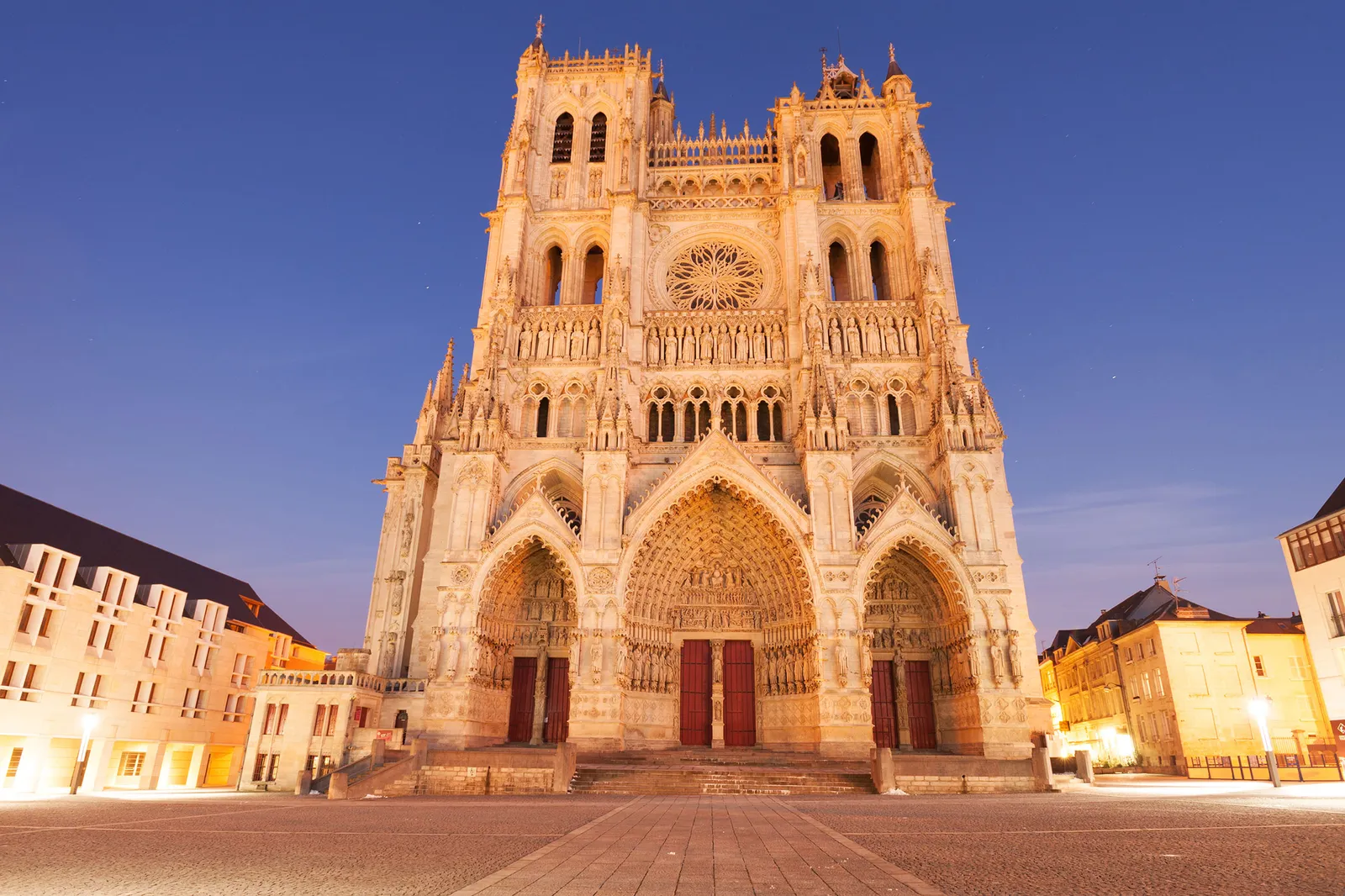
Photo: Natalia Bratslavsky
What Are the 7 Different Types of Architecture?
While you could list dozens of architecture styles, seven types stand out as the most influential and enduring. These historically significant styles shaped how we build and continue to inspire architects today.
Classical Architecture
Classical Architecture gave us the foundation of Western building. The Greeks and Romans created mathematical systems for proportion and decoration that work at any scale. Their temples, forums, and basilicas established principles that architects still follow. The three orders – Doric, Ionic, and Corinthian – provide a toolkit for creating buildings that feel dignified and permanent.
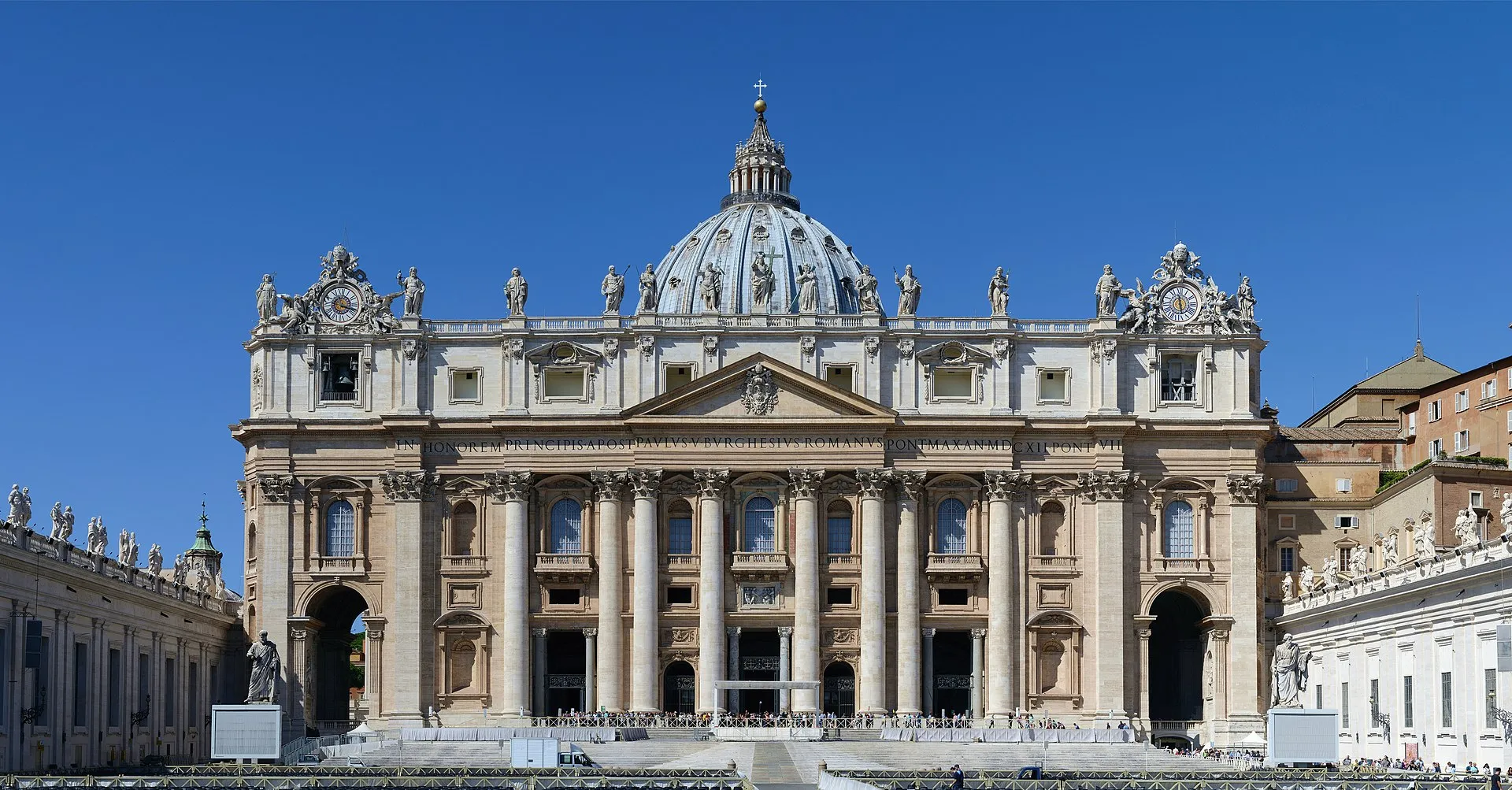
ST. PETERS BASILICA IN ROME
Gothic Architecture
Gothic Architecture solved the problem of how to build really tall stone buildings. By using pointed arches and flying buttresses, medieval builders could create soaring spaces filled with light. Gothic cathedrals became complete works of art, combining architecture, sculpture, and stained glass into unified experiences that still take your breath away.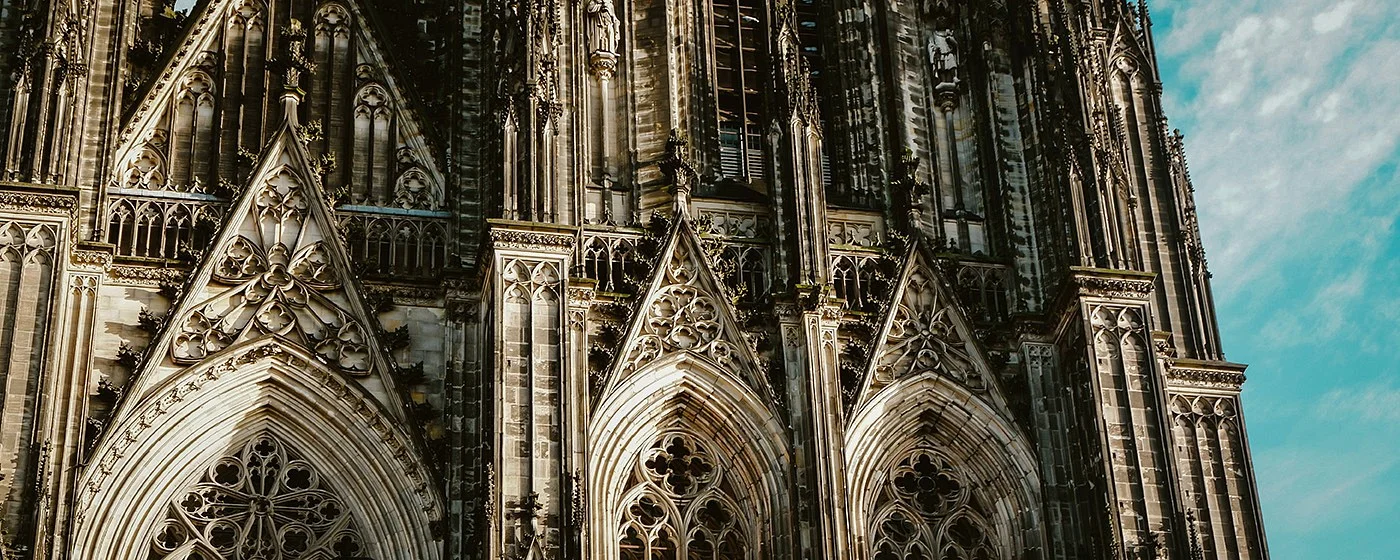
Renaissance Architecture
Renaissance Architecture brought back classical ideas with new sophistication. Architects like Brunelleschi and Palladio studied Roman ruins and created buildings that were both historically informed and innovative. Renaissance palaces and villas became models for institutional and residential design that influenced building for centuries.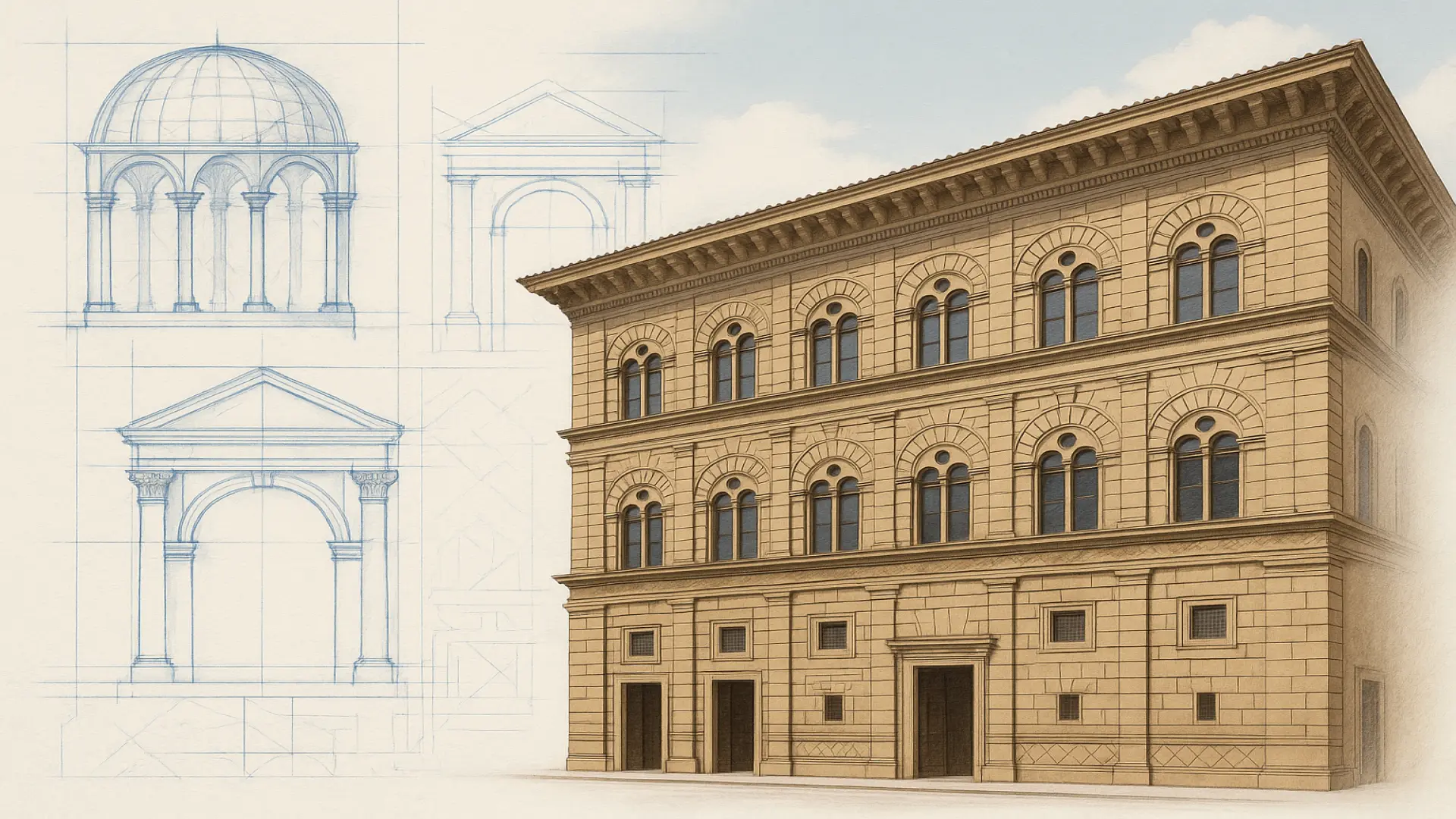
Baroque Architecture
Baroque Architecture turned buildings into theater. Using curved forms, dramatic lighting, and rich materials, Baroque architects created spaces that moved and flowed. Churches and palaces became stages for religious and political spectacle, with every surface contributing to an overwhelming sensory experience.
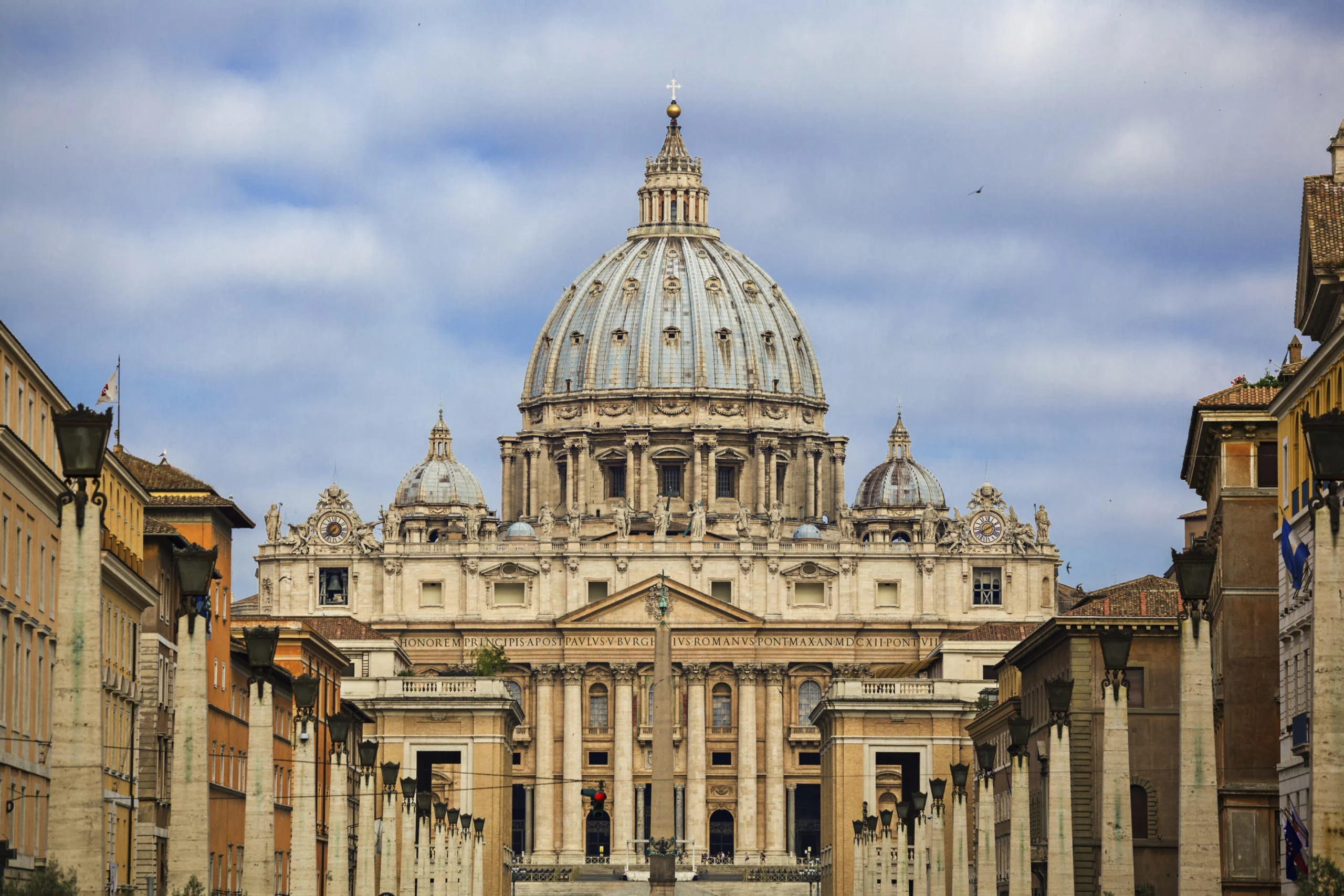
St. Peter’s Basilica | Source: usatoday
Neoclassical Architecture
Neoclassical Architecture took a more scholarly approach to ancient building. Influenced by archaeological discoveries at Pompeii and Herculaneum, architects created buildings that were historically accurate and morally uplifting. This style became the go-to choice for government buildings and cultural institutions that wanted to project authority and refinement.

Panthéon: Neoclassical Icon in Paris Photo by Carlos Delgado
Modern Architecture
Modern Architecture broke all the rules. Architects like Le Corbusier and Mies van der Rohe created a new language based on industrial materials, functional efficiency, and spatial transparency. The International Style sought universal design solutions that could work anywhere, creating buildings that looked more like machines than historical monuments.
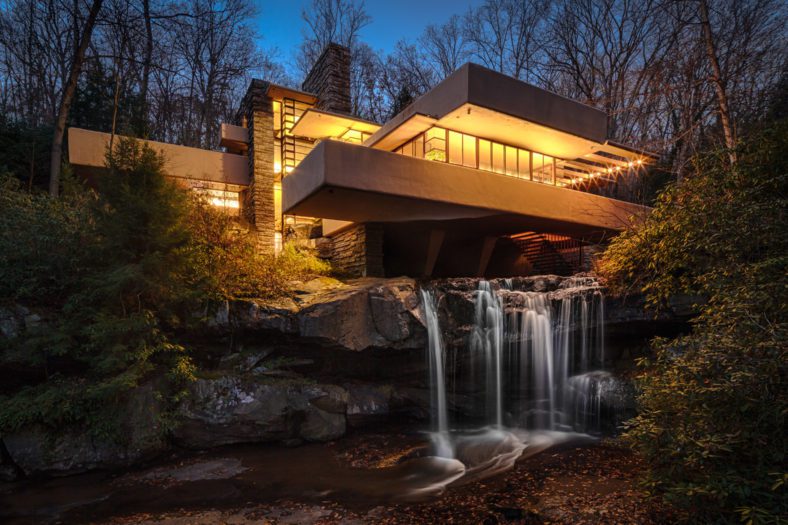
The Fallingwater House by Frank Lloyd Wright ©Western Pennsylvania Conservancy
Contemporary Architecture
Contemporary Architecture encompasses the diverse approaches of recent decades. Digital design tools, sustainable technologies, and global cultural exchange have created an era of experimentation. Architects now work with parametric design, green building systems, and responses to climate change that previous generations couldn’t imagine.
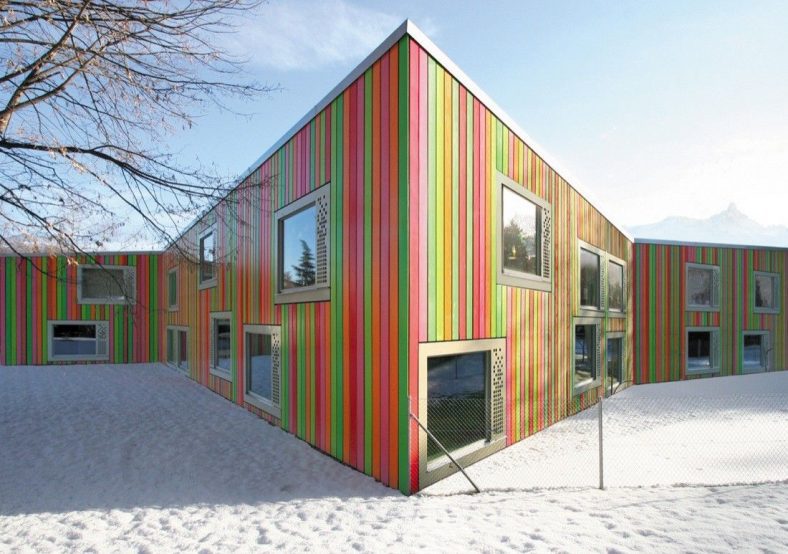
SAM Monthey Kindergarten © Hannes Heinz
What Is the Difference Between Modern and Contemporary Architecture?
People often confuse Modern and Contemporary architecture, but they’re quite different. Understanding the distinction helps you appreciate how architecture styles have evolved and where they’re headed.
Modern Architecture Defined
Modern architecture refers to a specific historical movement that peaked between 1920 and 1970. It wasn’t just a style – it was a philosophy about how buildings should work in the industrial age. Modern architects rejected historical decoration and embraced new materials like steel, concrete, and glass.
The movement’s pioneers – Wright, Le Corbusier, Mies van der Rohe, and Gropius – believed architecture could improve society through rational design. They created buildings with clean geometric forms, flat roofs, large windows, and open floor plans that connected interior and exterior spaces.
Contemporary Architecture Today
Contemporary architecture covers everything built from about 1980 to now. Unlike Modern architecture’s unified vision, contemporary design celebrates diversity. Architects today use digital design tools, advanced materials, and global communication to create buildings that would have been impossible just decades ago.
Where Modern architecture sought universal solutions, contemporary architects embrace local identity and cultural specificity. Sustainability has become a driving force, leading to innovations in building performance and environmental integration. Some architects continue developing Modern principles, while others reject them entirely. The most successful contemporary work balances Modern spatial concepts with new technologies and cultural awareness.
Most Popular Architectural Styles in History
Measuring popularity in architecture styles means looking at how far they spread, how long they lasted, and how much they influenced what came after. By these measures, several styles stand out as particularly important in shaping our built environment.
Classical Architecture’s Enduring Appeal
Classical Architecture has influenced building for over two thousand years. From the Pantheon in Rome to the U.S. Capitol, classical elements provide a vocabulary of dignity and permanence that works across cultures. The orders continue appearing in contemporary work, proving their timeless appeal.
Gothic Architecture’s Spiritual Heights
Gothic Architecture spread across medieval Europe, with variations appearing from England to Eastern Europe. Its structural innovations enabled some of history’s most ambitious buildings, while its aesthetic principles influenced everything from universities to suburban churches. The Gothic Revival of the 1800s showed the style’s continued emotional power.
Renaissance Architecture’s Lasting Models
Renaissance Architecture created prototypes for domestic and civic buildings that stayed relevant well into the twentieth century. Palladio’s villas became templates for country houses from England to Virginia, while Renaissance palaces provided models for institutional design worldwide.
Victorian Architecture’s Popular Appeal
Victorian Architecture achieved extraordinary popularity by embracing new technologies and materials. Cast iron, steel, and plate glass enabled new building types while machine production made elaborate decoration affordable. Victorian buildings became symbols of progress and prosperity that influenced urban development globally.
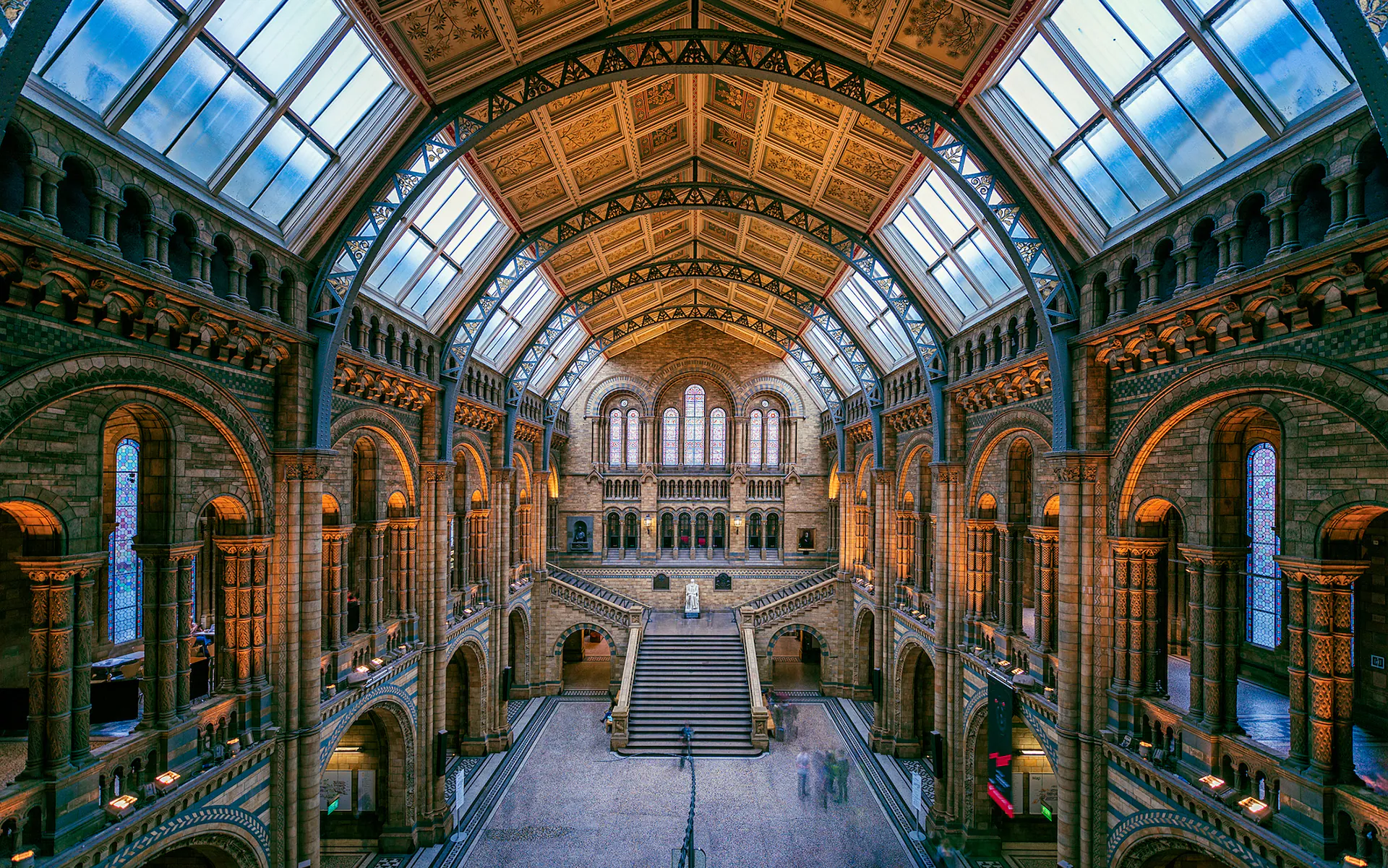
London is filled with Victorian buildings. Some, like the Natural History Museum, are well known, others go unnoticed Credit: Getty
Modern Architecture’s Global Influence
Modern Architecture changed architectural practice by establishing entirely new design principles. The International Style became virtually synonymous with institutional and commercial architecture for decades, while suburban variations influenced residential development worldwide. Modern architecture’s emphasis on efficiency and functionality continues shaping contemporary practice.
Which Architectural Style Is Best for Homes?
Choosing the best architectural style for your home depends on many factors: your climate, site conditions, cultural context, how you live, and what you personally prefer. Rather than declaring one style “best,” smart architects analyze your specific situation and needs.
Traditional Styles for Time-Tested Solutions
Traditional Styles like Colonial, Georgian, or Tudor offer solutions that have been refined over centuries. These styles evolved to handle specific regional challenges – steep roofs for snow, deep overhangs for sun protection, thick walls for insulation. Their continued popularity reflects both aesthetic appeal and practical performance.

JamesBrey / Getty Images
Modern Styles for Contemporary Living
Modern Styles excel at connecting indoor and outdoor spaces while using materials efficiently. Open floor plans, large windows, and minimal decoration create homes that feel larger and brighter than traditional houses of similar size. Modern architecture’s emphasis on site-specific design can produce houses that respond precisely to their environment.
Sustainable Design Considerations
Sustainable Design has become a key factor in style selection. Passive solar orientation, natural ventilation, and local materials may favor certain architectural approaches. Mediterranean styles work well in warm climates, while Nordic-inspired designs excel in cold regions. The best contemporary homes often combine traditional climate-responsive strategies with modern sustainable technologies.
Regional considerations also matter. A house in New England might appropriately reference Colonial precedents, while a California home could draw inspiration from Spanish Colonial or Mid-Century Modern traditions. The best residential architecture achieves harmony with its neighborhood while expressing its occupants’ individual preferences and lifestyle needs.
The Evolution of Architectural Taste and Influence
Understanding why certain architecture styles become popular requires examining the complex forces that shape building culture. Education, economics, technology, and social values all play roles in determining which styles succeed and which fade away.
How Styles Spread
Cultural Transmission happens through architectural education, professional publications, travel, and media. The École des Beaux-Arts in Paris trained architects from around the world in classical design, ensuring the global spread of Neoclassical architecture. Modern architecture’s rapid international adoption reflected the influence of key figures like Le Corbusier, whose books and lectures shaped a generation of architects.
Technology’s Role
Technological Feasibility often determines whether a style can spread widely. Gothic architecture required sophisticated stone-cutting skills that limited its initial adoption. The International Style could be built with relatively simple materials and techniques, helping it spread globally. Contemporary parametric design faces similar challenges, requiring advanced digital tools and fabrication capabilities.
Economics and Social Values
Economic Factors significantly influence architectural popularity. Victorian ornamental excess reflected industrial prosperity and mass production capabilities. The Great Depression favored simplified Modern approaches that promised efficiency and economy. Today’s emphasis on sustainable design partly reflects economic incentives like energy costs and performance requirements.
The most enduring architectural styles succeed by addressing multiple factors simultaneously. They solve practical building challenges while expressing cultural values in aesthetically compelling ways. They adapt to different contexts while maintaining their essential character. Most importantly, they continue evolving rather than becoming frozen historical artifacts.
This evolutionary process continues today as architects face unprecedented challenges: climate change, urbanization, technological disruption, and global cultural exchange. The architecture styles that achieve lasting popularity will likely offer compelling responses to these contemporary challenges while maintaining connections to human needs and cultural values that transcend specific historical moments.

Daniel Mercer is a Coffee Break section editor at Arch2O, currently based in Berlin, Germany. With a background in architectural history and design journalism, Daniel holds a Master’s degree from the University of Edinburgh, where he focused on modern architecture and urban theory. His editorial work blends academic depth with a strong grasp of contemporary design culture. Daniel has contributed to several respected architecture publications and is known for his sharp critique and narrative-driven features. At Arch2O, he highlights innovative architectural projects from Europe and around the world, with particular interest in adaptive reuse, public infrastructure, and the evolving role of technology in the built environment.