

Architectural styles have shaped our world for millennia, turning raw materials into expressions of human ambition, belief, and creativity. From the sun-baked stones of ancient pyramids to the sleek glass towers piercing modern skylines, each style tells a story about the people who built it and the era that inspired it. This journey through 15 distinctive architectural movements reveals how culture, technology, and imagination have continuously rewritten the language of building design.
Whether you’re an architecture enthusiast, a student, or simply someone who looks at buildings and wonders about their stories, this guide will help you recognize the signature elements that make each style unforgettable. Let’s explore how these movements transformed our built environment and continue to influence the spaces we inhabit today.
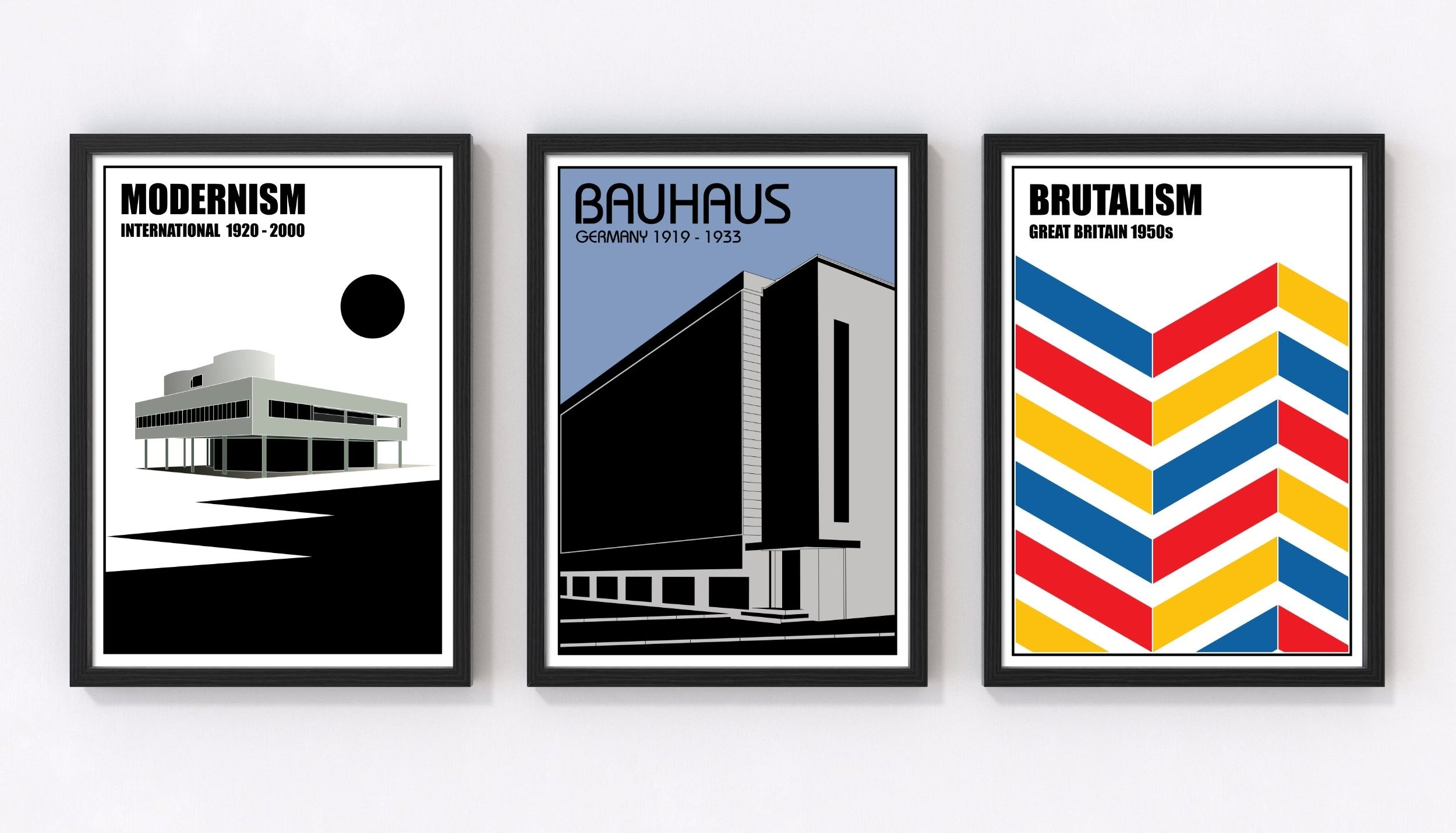
Courtesy of Etsy
The Most Prominent Architectural Styles Worldwide
In architectural history, it proves intriguing to delve into the pivotal shifts and established design approaches that have surfaced over time, either in response to or as departures from preceding creations. Consequently, we offer an exploration of some of the most impactful architectural styles and movements throughout history, complete with their distinctive characteristics and unique attributes.
The Most Influential Architectural Styles in History
Every architectural movement emerges as a response to what came before—sometimes rejecting the past, sometimes embracing it. These styles don’t just represent different ways of building; they reflect shifting values, technological breakthroughs, and cultural revolutions. Here are the fifteen movements that have left the deepest imprint on our world.
1) Ancient Egyptian Architecture (3100 BC – 30 BC)
Key Characteristics:
-
Monumental structures engineered with astronomical precision
-
Hieroglyphic narratives carved into stone
-
Strict symmetry reflecting cosmic order
-
Sacred focus on temples and tombs
The Great Pyramid of Giza still defies our imagination over 4,500 years later. These weren’t just tombs—they were mathematical marvels aligned with celestial bodies, designed to launch pharaohs into eternity. The Egyptians mastered stone construction on a scale that wouldn’t be matched for millennia, creating spaces where every column, corridor, and carving served religious purpose. Their architectural legacy demonstrates how building can transcend mere shelter to become a bridge between earth and the divine.

© AXP Photography
2) Classical Greek Architecture (8th century BC – 4th century BC)
Key Characteristics:
-
The Doric, Ionic, and Corinthian column orders
-
Pediments and friezes telling mythological stories
-
Mathematical harmony in every proportion
-
Democratic ideals expressed through public spaces
Greek architecture gave us more than beautiful temples—it gave us a visual language of democracy. The Parthenon’s perfect proportions weren’t accidents; they were calculated expressions of cosmic harmony and civic pride. Those iconic columns, with their subtle curves and tapering, created spaces where citizens could gather, debate, and participate in self-governance. The Greeks understood that architecture could shape behavior, making their buildings physical embodiments of philosophical ideals that still influence Western design.
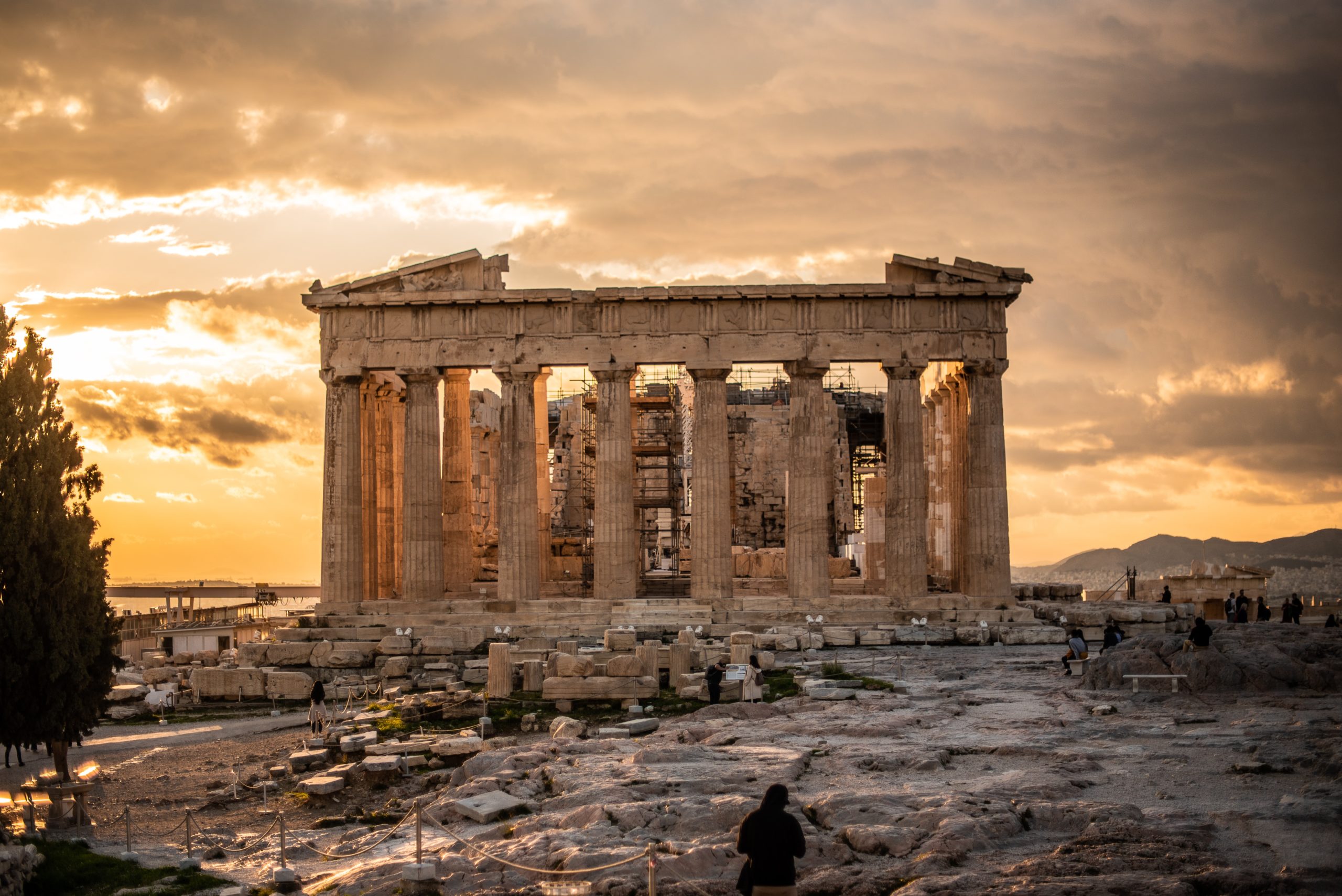
© Josh Stewart, Unsplash
3) Romanesque Architecture (6th century AD – 12th century AD)
Key Characteristics:
-
Massive stone walls and rounded arches
-
Barrel vaults creating fortress-like interiors
-
Decorative arcading and ornate portals
-
Roman engineering principles adapted for medieval faith
Emerging after the fall of Rome, Romanesque architecture brought the empire’s engineering wisdom into the medieval world. These churches and castles feel like mountain ranges carved into buildings—solid, permanent, and protective. The thick walls and small windows created intimate, mysterious interiors where light filtered like stained-glass whispers. While heavy by modern standards, this style mastered the art of turning stone into sacred space, creating pilgrimage destinations that still draw visitors today.
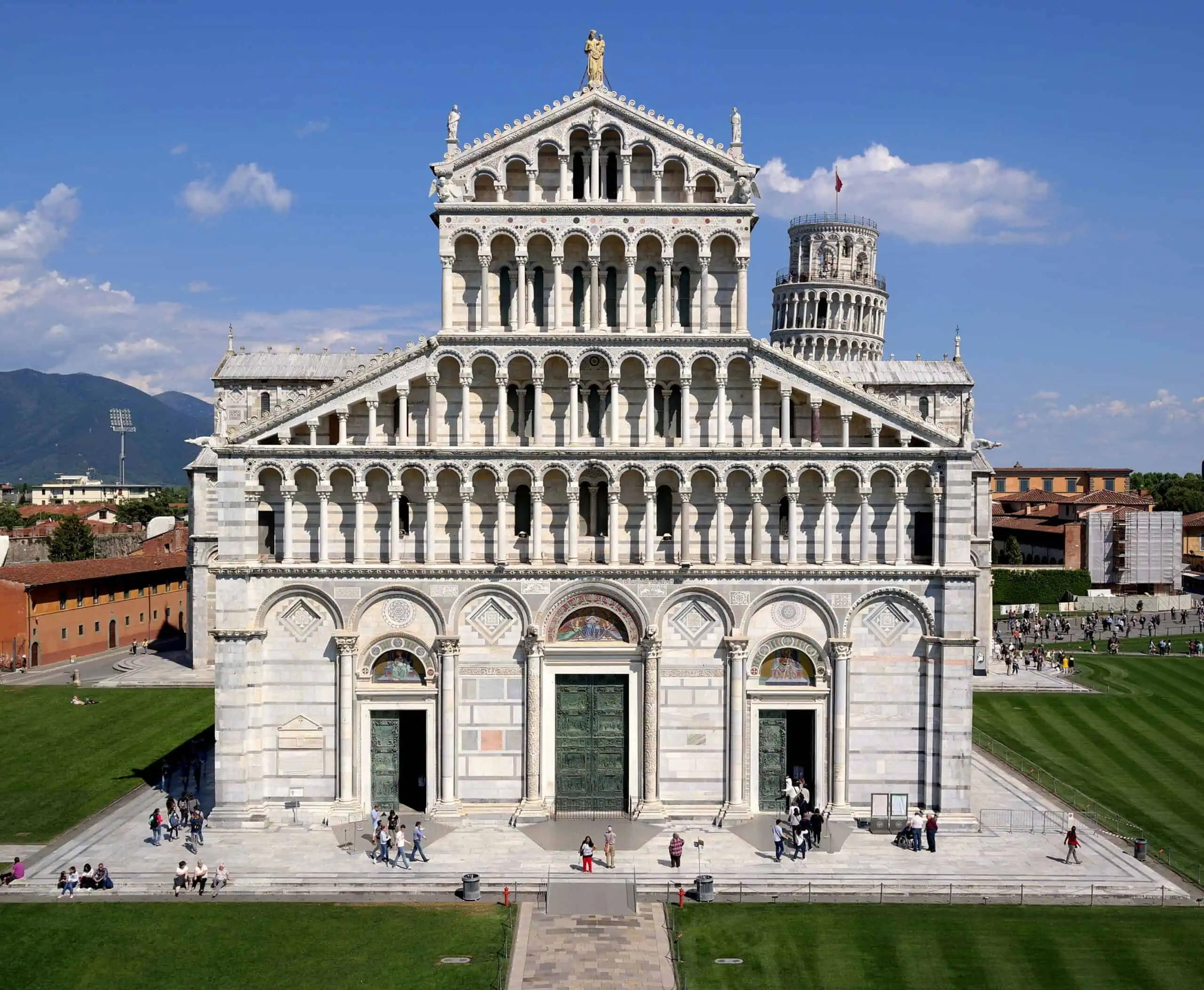
Courtesy of Archute
4) Gothic Architecture (12th century AD – 16th century AD)
Key Characteristics:
-
Flying buttresses defying gravity
-
Pointed arches stretching toward heaven
-
Ribbed vaults and rose windows filtering divine light
-
Vertical emphasis symbolizing spiritual aspiration
Gothic architecture was Europe’s great leap skyward. Those flying buttresses weren’t just structural genius—they were theological statements, allowing walls to become glass and interiors to flood with celestial light. Chartres Cathedral and Notre-Dame transformed stone into lace, creating spaces that lifted the soul literally and figuratively. The style’s obsession with height and light reflected medieval society’s focus on divine transcendence, making every cathedral a stone prayer reaching toward the infinite.
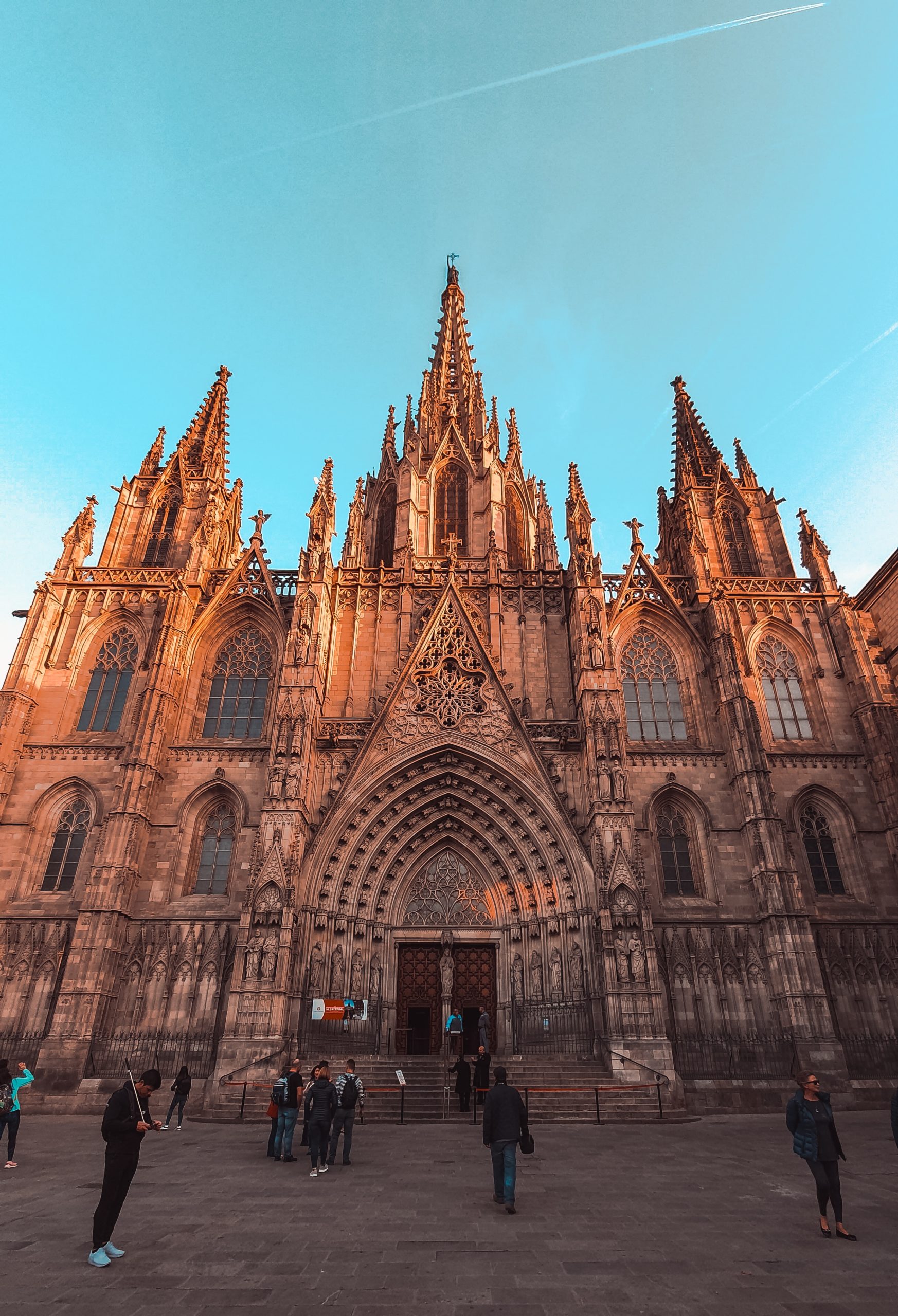
© Miltiadis Fragkidis
5) Renaissance Architecture (14th century AD – 17th century AD)
Key Characteristics:
-
Classical revival with mathematical precision
-
Symmetry, proportion, and perspective perfection
-
Domes, pilasters, and frescoed interiors
-
Patronage from wealthy families and the church
The Renaissance marked architecture’s return to classical ideals, but with new tools and ambitions. Brunelleschi’s dome on Florence Cathedral didn’t just copy Rome—it surpassed it, using engineering techniques lost for a thousand years. These buildings celebrated human achievement, placing man at the center of creation with perfect proportions and rational design. The style’s emphasis on harmony and balance reflected a culture rediscovering the power of human reason and artistic genius.
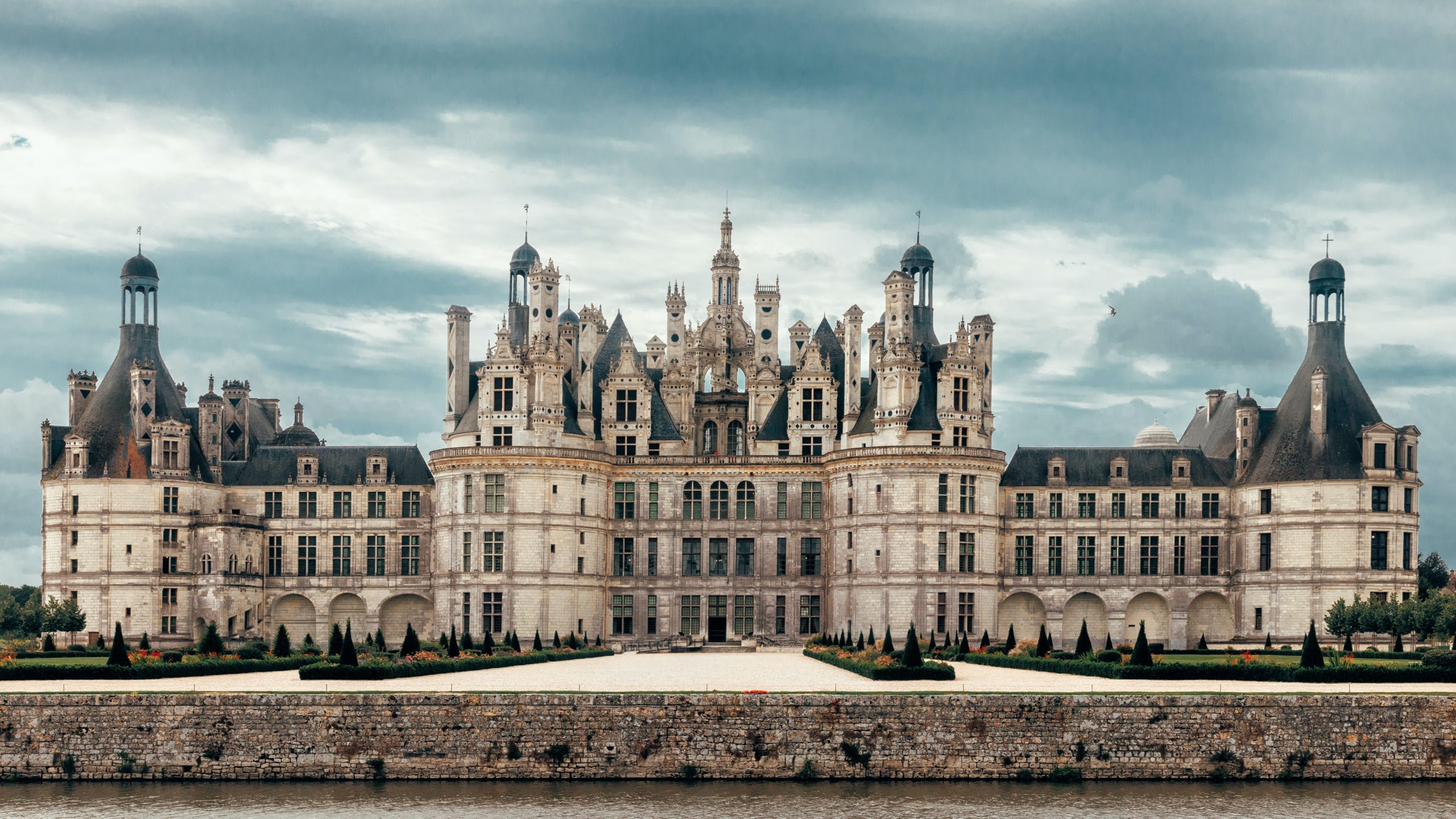
© Wilfried Santer
6) Baroque Architecture (17th century AD – 18th century AD)
Key Characteristics:
-
Ornate decoration exploding with movement
-
Dramatic light and shadow play
-
Curved forms and dynamic compositions
-
Grandeur designed to overwhelm the senses
If Renaissance architecture was a formal dinner, Baroque was a feast for the senses. The Palace of Versailles didn’t just house royalty—it staged power through architecture. Every surface writhed with decoration, light danced across gilded surfaces, and spaces flowed into each other with theatrical drama. Baroque architects were scenographers, creating buildings that manipulated emotion and proclaimed authority through sheer visual extravagance. This style understood that architecture could be performance art.
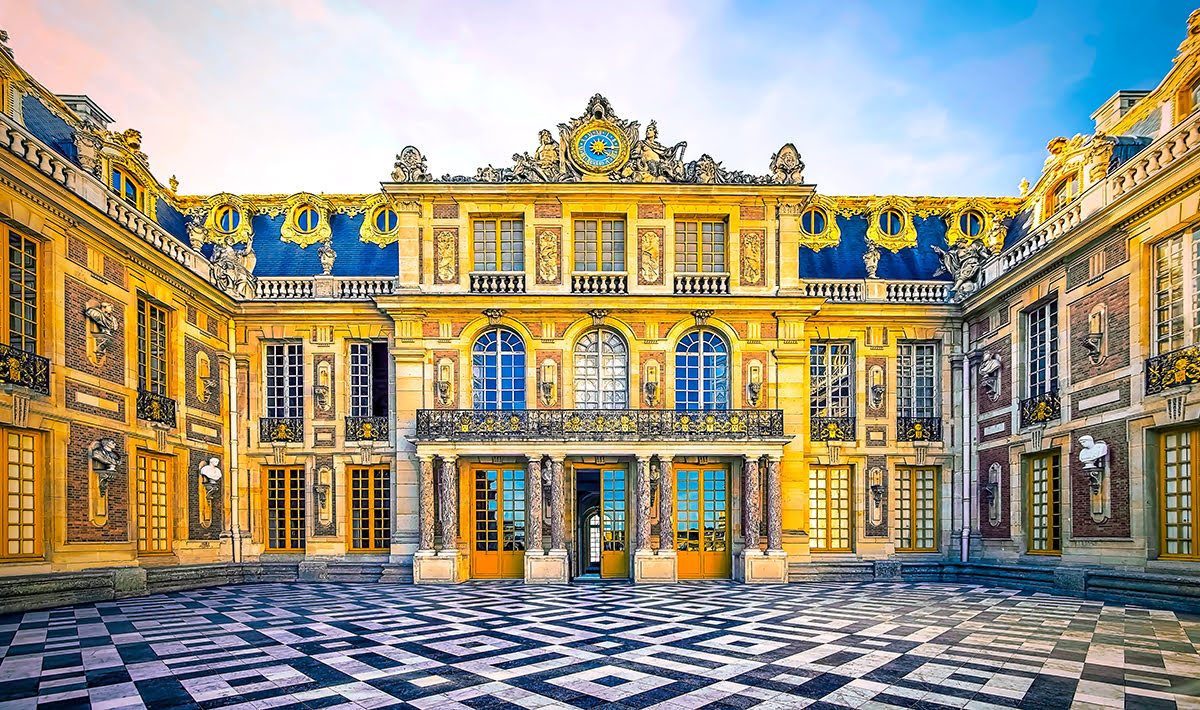
© Agod.com
7) Neoclassical Architecture (Late 18th century AD – 19th century AD)
Key Characteristics:
-
Return to Greek and Roman purity
-
Clean lines and restrained ornamentation
-
Columns, pediments, and porticos
-
Enlightenment ideals in stone
Neoclassicism stripped away Baroque excess, returning to the clean lines of ancient Greece and Rome. This wasn’t just nostalgia—it was a political statement. As revolutions rocked America and France, Neoclassical buildings embodied democratic ideals and rational governance. The U.S. Capitol and countless courthouses used these forms to associate new governments with ancient republics, making architecture a tool of nation-building and ideological association.

© Hotels.com
8) Victorian Architecture (19th century AD – early 20th century AD)
Key Characteristics:
-
Eclectic mixing of historical styles
-
Elaborate ornamentation and decorative excess
-
Asymmetrical compositions and varied rooflines
-
Industrial-age materials and techniques
Victorian architecture embraced the chaos of the industrial revolution. Unlike the rigid purity of Neoclassicism, Victorian builders mixed Gothic, Italianate, and Queen Anne elements with gleeful abandon. Steam-powered mills could now mass-produce decorative trim, making ornate details affordable for middle-class homes. This style’s “more is more” philosophy created neighborhoods where every house competed for attention, reflecting an era of unprecedented prosperity and cultural borrowing.

© Sergey Novikov, Getty Images
9) Art Nouveau Architecture (Late 19th century AD – early 20th century AD)
Key Characteristics:
-
Organic, curving lines inspired by nature
-
Asymmetrical, flowing compositions
-
Decorative ironwork and stained glass
-
Integration of decorative arts and architecture
Art Nouveau rebelled against Victorian eclecticism and industrial soullessness. Gaudí’s buildings in Barcelona seem to grow from the earth like stone plants, with facades that ripple and flow. This style treated buildings as total works of art, where architecture, furniture, and even door handles followed the same organic vision. It was a brief but intense movement that proved buildings could be sensual, natural, and wildly expressive rather than rigid and mechanical.
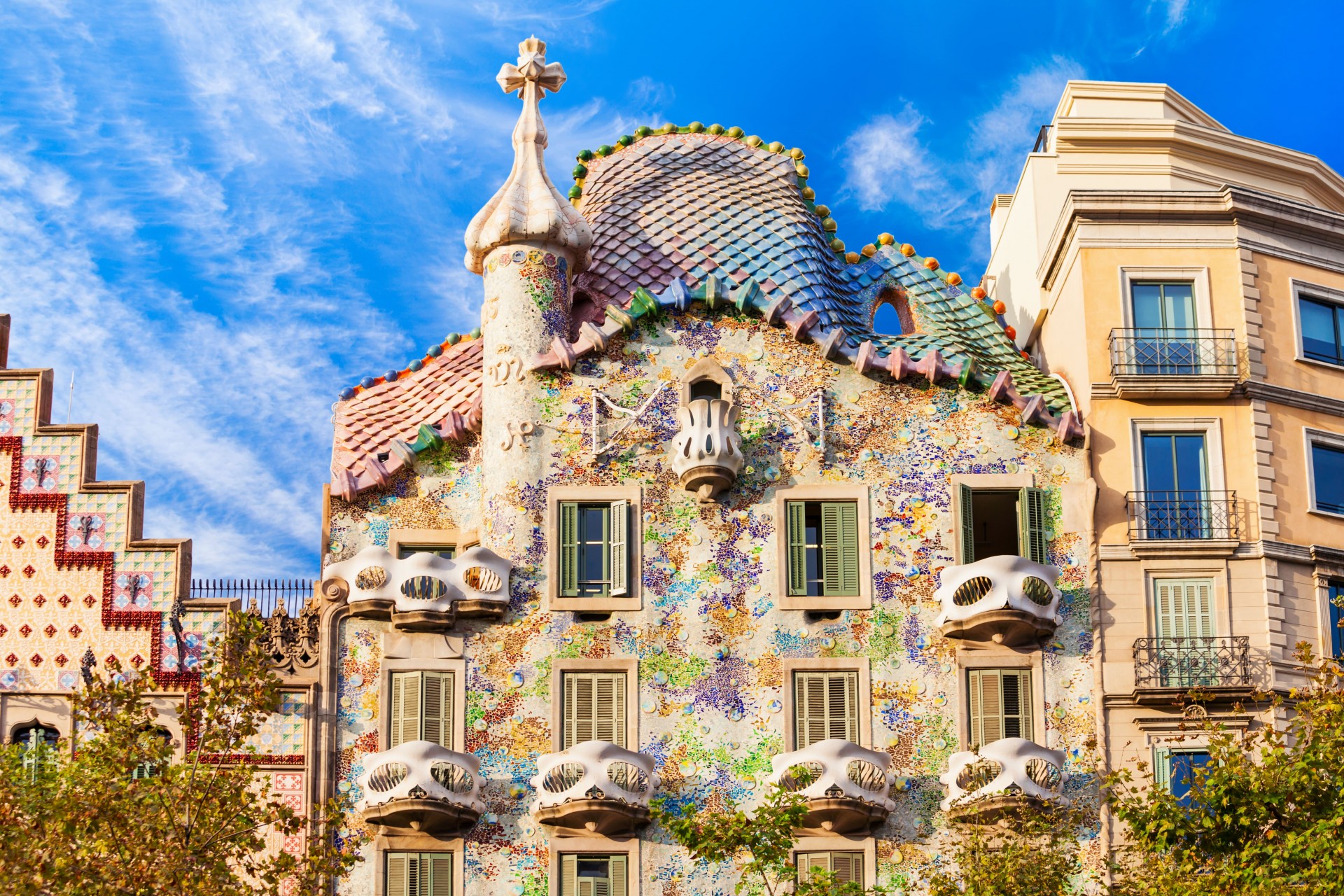
Courtesy of We Build Value
10) Art Deco Architecture (1920s – 1930s)
Key Characteristics:
-
Geometric patterns and sleek lines
-
Modern materials like chrome and glass
-
Zigzag motifs and bold decorative elements
-
Machine-age glamour and speed
Art Deco captured the energy of the Jazz Age, turning buildings into celebrations of modernity. The Chrysler Building’s stylized crown and the Empire State’s sleek lines transformed skyscrapers into monuments for progress. This style embraced the machine aesthetic, using geometric patterns and new materials to create buildings that looked fast, even when standing still. It was architecture for an age obsessed with speed, technology, and breaking from the past.
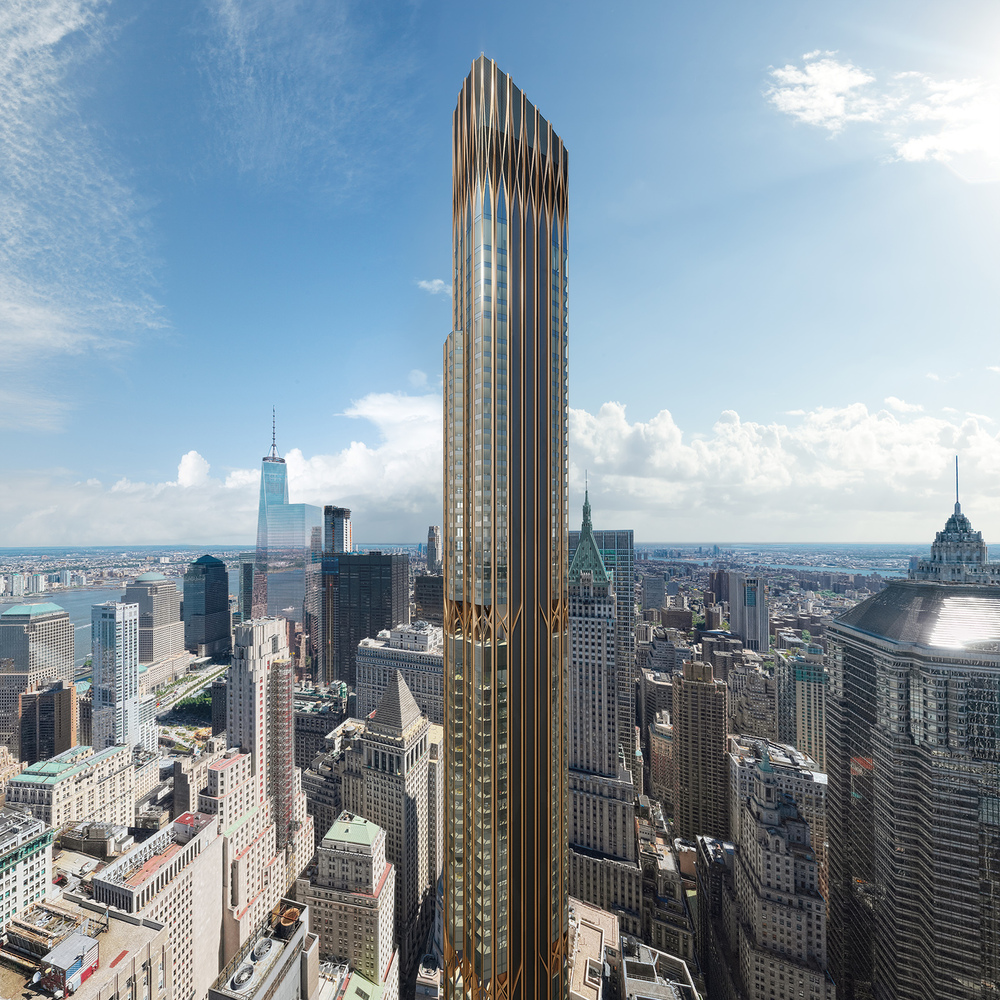
© CetraRuddy
11) Modernist Architecture (Early 20th century AD – mid-20th century AD)
Key Characteristics:
-
“Form follows function” philosophy
-
Industrial materials: steel, glass, concrete
-
Open floor plans and ribbon windows
-
Rejection of historical ornament
Modernism was architecture’s great purge. Le Corbusier, Mies van der Rohe, and their contemporaries stripped buildings down to essentials, creating spaces defined by function rather than decoration. The Villa Savoye exemplified this revolution with its pilotis, free plan, and ribbon windows—five points that changed how we think about space. While some facts about Le Corbusier may surprise you, his influence remains undeniable. For a deeper look at both the brilliance and challenges of this approach, explore a few facts about Villa Savoye’s dark side that reveal the gap between idealism and reality.

Bauhaus school. © Andreas Meichsner
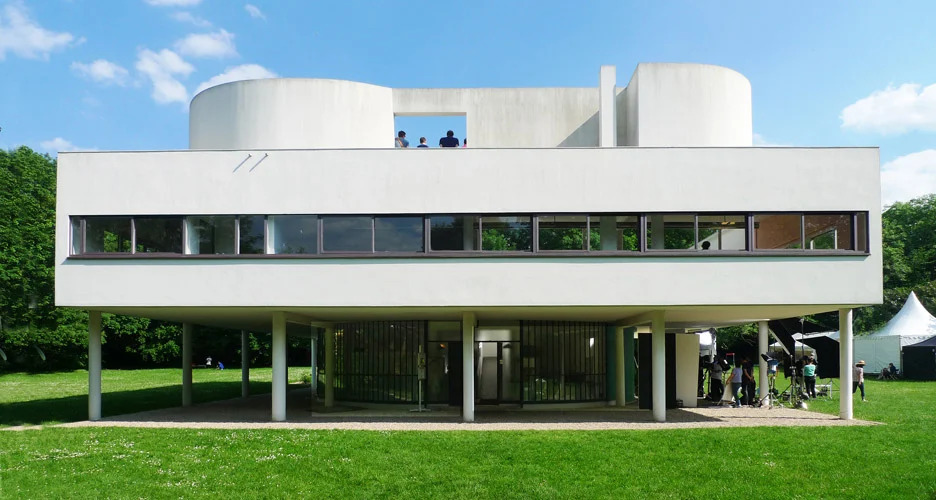
Villa Savoye. © August Fischer, Flickr
12) Brutalist Architecture (1950s – 1970s)
Key Characteristics:
-
Raw, exposed concrete (béton brut)
-
Monumental, fortress-like forms
-
Honest expression of structure and material
-
Love-it-or-hate-it aesthetic impact
Brutalism took modernism’s material honesty to extremes, celebrating concrete in its raw state. The Barbican Centre and Boston City Hall don’t just use concrete—they become concrete, with massive forms that can feel either oppressive or sublime. This style polarizes opinion, but its practitioners believed they were creating democratic, functional spaces that resisted capitalist decoration. Whether you see it as heroic or harsh, Brutalism remains one of architecture’s most powerful statements.
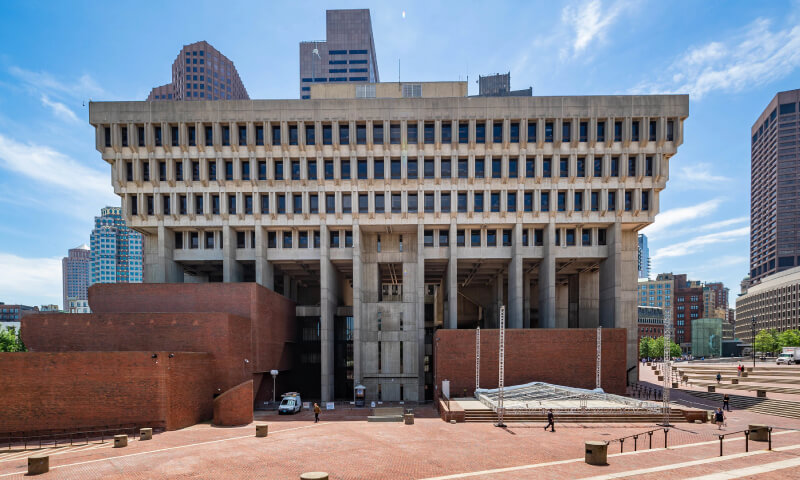
Courtesy of Boston Sightseeing
13) Postmodern Architecture (1970s – 1980s)
Key Characteristics:
-
Rejection of modernist purity
-
Playful historical references and irony
-
Eclectic mixing of styles and symbols
-
Color, ornament, and visual humor
Postmodernism was architecture’s way of saying “just kidding” to modernist seriousness. Buildings like the Portland Building and Neue Staatsgalerie wore classical columns like costume jewelry, using historical elements with winking irony. This style argued that meaning and symbolism mattered more than functional purity, creating buildings that were accessible, democratic, and fun. It proved that architecture could be serious about not taking itself too seriously.
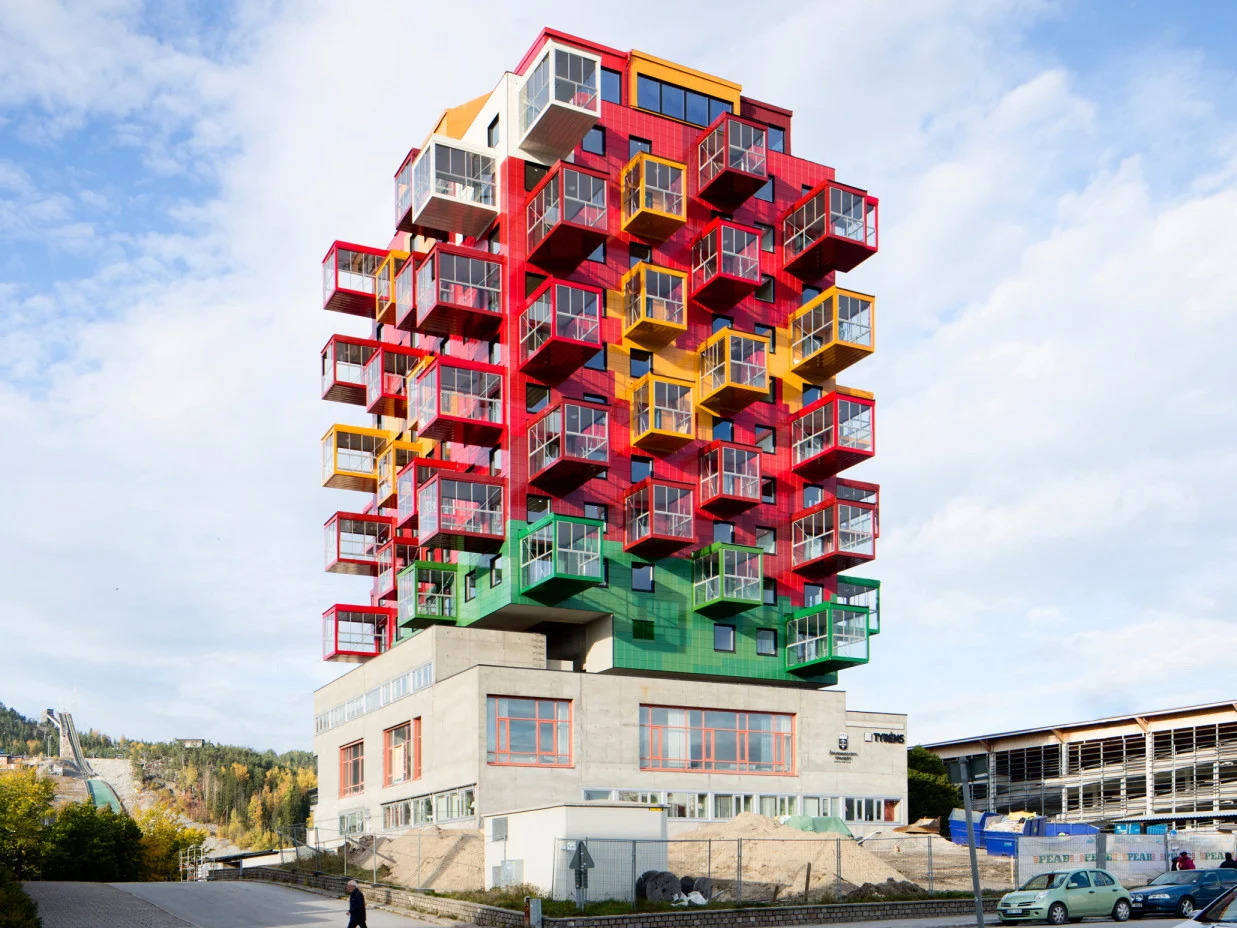
Ting 1 l Wingårdh Arkitektkontor. Image Courtesy of Baunetz Wissen
14) Contemporary Architecture (Late 20th century AD – present)
Key Characteristics:
-
Pluralism and stylistic freedom
-
Advanced digital design tools
-
Innovative materials and construction
-
Contextual responsiveness
Contemporary architecture isn’t a single style—it’s the freedom to use any style. Today’s architects have unprecedented tools and freedom, creating buildings that respond to specific contexts rather than following universal rules. From parametric facades to cross-cultural references, contemporary work reflects our global, digital age where tradition and innovation coexist. This pluralism makes categorization difficult but creates richer, more responsive buildings.
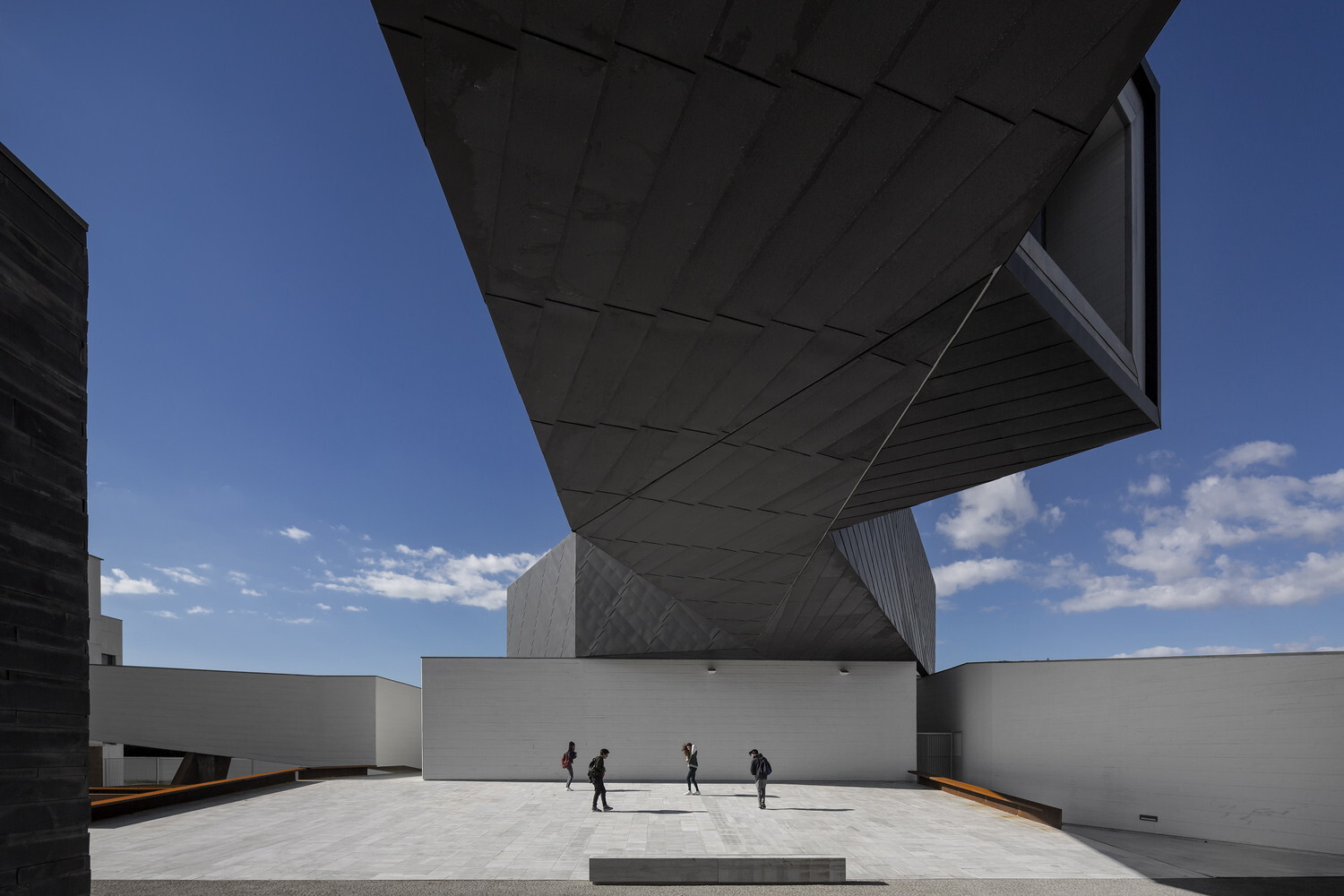
Ílhavo Maritime Museum Extension l ARX Portugal. © Fernando Guerra | FG+SG
15) Green Architecture (Late 20th century AD – present)
Key Characteristics:
-
Environmental sustainability as core principle
-
Renewable energy integration
-
Recycled and local materials
-
Living systems and biophilic design
Green architecture represents our growing understanding that buildings must heal rather than harm the planet. Living walls, solar panels, and recycled materials aren’t just add-ons—they’re fundamental design drivers. The Bosco Verticale in Milan and countless eco-homes worldwide prove that sustainable design can be beautiful and livable. This movement isn’t just about technology; it’s about reimagining our relationship with nature, making architecture part of the ecological solution rather than the problem.

Courtesy of Foster + Partners
Architectural Styles in a Nutshell
Architectural styles have evolved over centuries, reflecting their respective eras’ cultural, technological, and aesthetic preferences. From the monumental structures of ancient Egypt to the sleek and sustainable designs of contemporary green architecture, each style has left its mark on the built environment. By exploring these 15 architectural styles, we gain a deeper appreciation for the rich tapestry of human creativity and innovation that has shaped our world. Whether it’s the timeless elegance of Neoclassical columns or the bold, expressive forms of Brutalist concrete, architecture continues to be a powerful means of artistic expression and cultural identity. As we progress, new architectural styles will undoubtedly emerge, further enriching our urban landscapes and architectural heritage.
What are the most important architectural styles to know?
The twelve essential styles are: Classical Greek, Roman, Gothic, Renaissance, Baroque, Neoclassical, Victorian, Art Nouveau, Art Deco, Modernist, Postmodern, and Contemporary. Each represents a fundamental shift in how we think about space, structure, and society. Start with these, then explore regional variations and hybrid movements.
How can you identify different architectural styles?
Look for three key clues: the building’s silhouette, window shapes, and decorative details. Gothic buildings have pointed arches and vertical emphasis; Art Deco features geometric patterns; Modernist structures show flat roofs and large glass areas. The building’s age provides context—Victorian houses rarely appear in ancient Rome!
What’s the difference between modern and contemporary architecture?
Modernism (1920s-1970s) was a specific movement with strict principles—clean lines, industrial materials, rejection of ornament. Contemporary architecture (1980s-present) is a pluralistic period where any style goes, driven by digital tools and contextual response. All modern architecture is historical; contemporary work is happening now.

Aly Bayoumi is an editor with a sharp eye for detail and a deep commitment to clarity and precision. Passionate about architecture and design, he sees every project as an opportunity to shape compelling narratives that bring creative visions to life. With a focus on accuracy and engaging storytelling, Aly combines editorial expertise with a dedication to elevating the voices and ideas that shape the built environment.