

A modern Japanese house interior combines a calm, uncluttered layout with natural materials, soft daylight and a close link to a garden or courtyard. Rooms are often planned on the traditional tatami module of about 0.9 by 1.8 m, sliding doors and screens let spaces open up or close, and wood, paper, plaster and concrete are left largely as they are. This guide is for students and homeowners planning a modern Japanese house interior. It adds dimensioned layout options, a materials and lighting checklist and Japan’s own daylight rule to 22 recent house designs by Japanese practices.
A modern Japanese house is known for its minimalist aesthetics, a seamless integration with nature and a strong focus on practicality. The examples below come from Japanese architectural firms, and each one shows a different way of making a small or modest house feel calm. They are a deliberate counterpoint to the most expensive houses in the world.
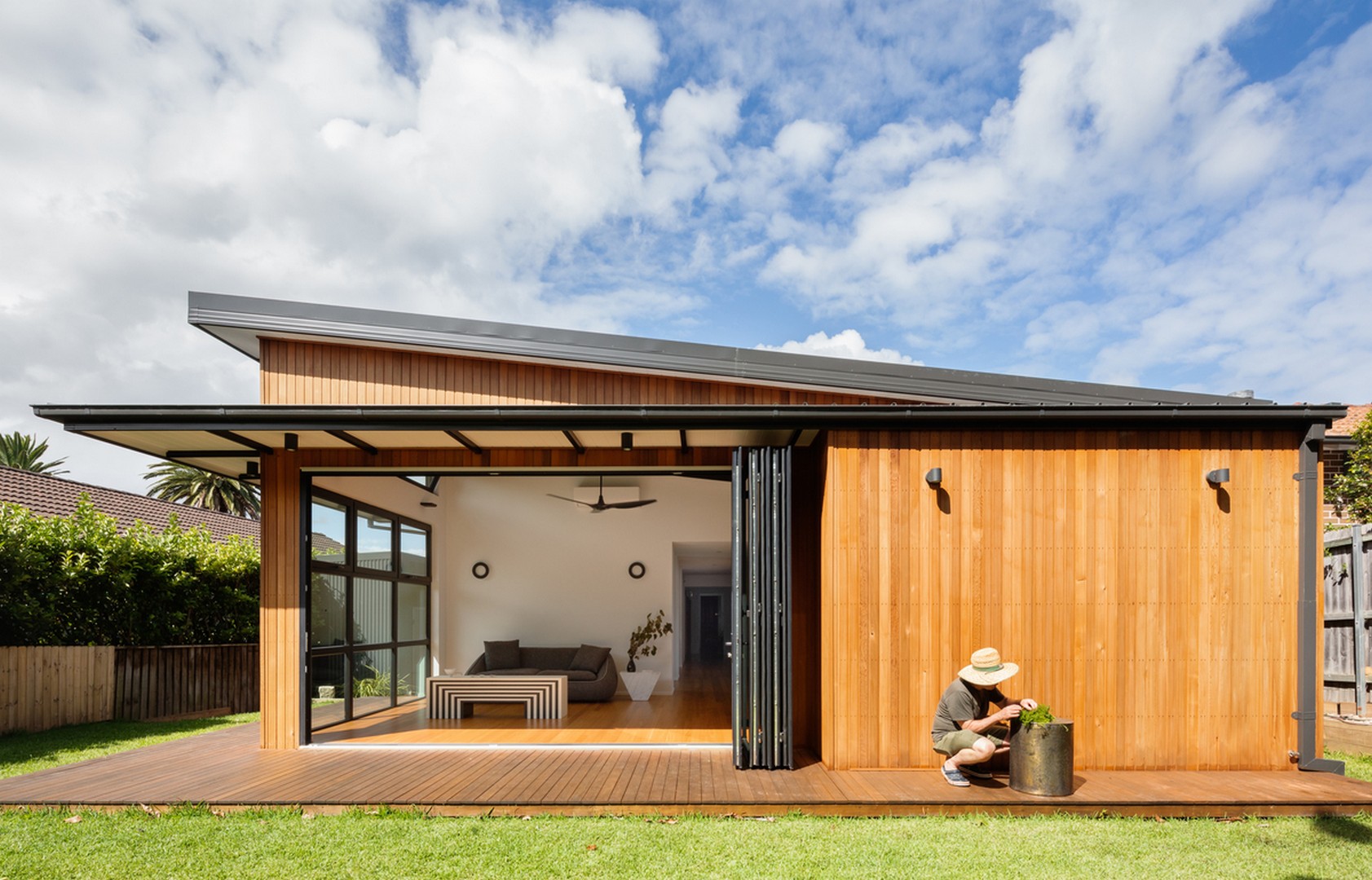
© Sandbox Studio
What is a modern Japanese house like?
Modern Japanese houses often experiment with form, but inside they share a few habits. Spaces are open and flexible, so that one room can serve several uses during the day. Storage is built in, which keeps surfaces clear. Many elements do two jobs: screens and blinds filter strong sunlight while keeping privacy, and careful window frames and treatments limit draughts.
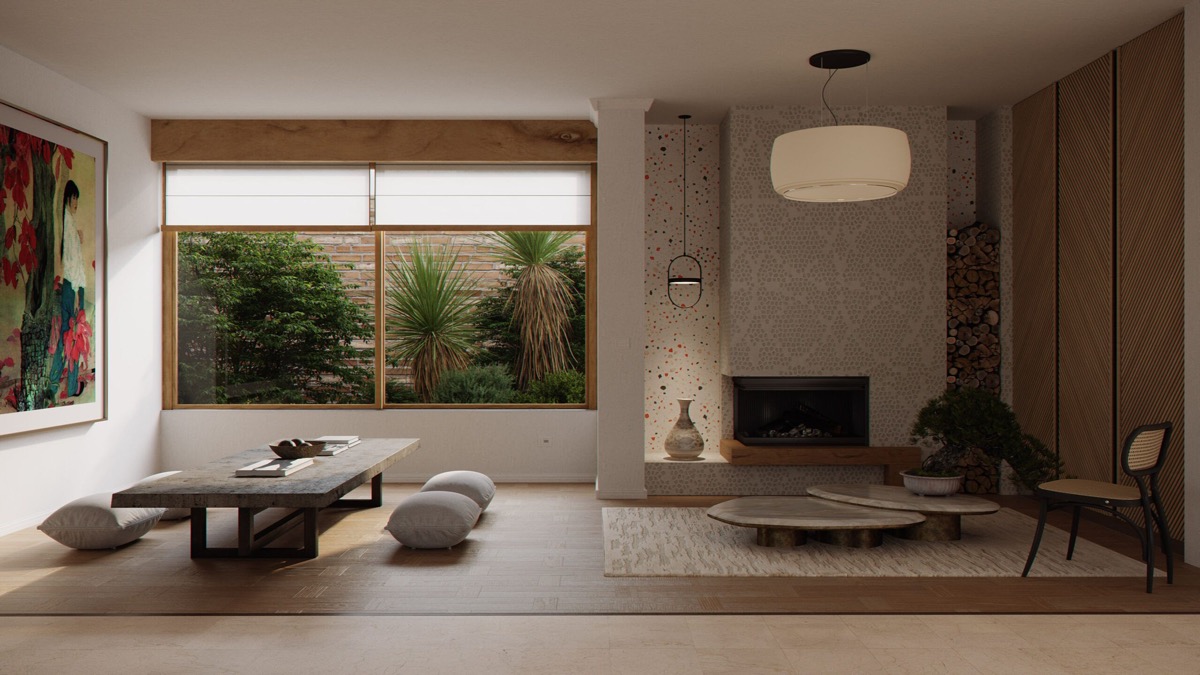
© Interior Design Ideas
A key hallmark is the use of natural and organic materials, inside and out. Exposed concrete and wood in different tones and textures appear in floors, walls and ceilings, and the interior and exterior designs share the same clean lines.
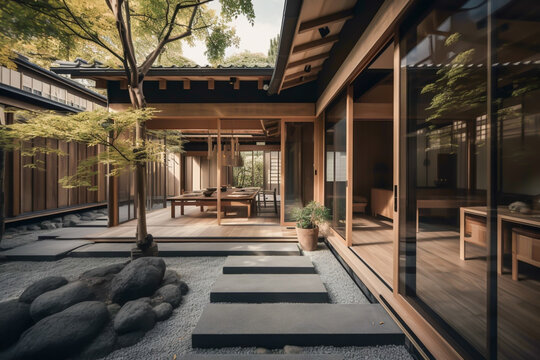
Daylight matters as much as materials. Rooms often have a full-height window or sliding door to a garden, terrace or courtyard, giving an airy interior and a view of gardens or the landscape. On tight urban plots, the same effect comes from courtyards, skylights and high windows rather than a large picture window.
© Adobe Stock
Layout options with dimensions
Traditional Japanese rooms are measured in tatami mats (jō), and many modern houses still use the mat as a planning module even where the floors are timber. Mat sizes vary by region, so the same “six-mat room” is a different size in Kyoto and Tokyo (Tatami). The table converts the common sizes into metres and square metres.
| Mat type (region) | Mat size (mm) | One mat (m²) | 4.5 mats (m²) | 6 mats (m²) | 8 mats (m²) |
|---|---|---|---|---|---|
| Kyōma (Kyoto) | 955 × 1910 | 1.82 | 8.2 | 10.9 | 14.6 |
| Chūkyōma (Nagoya) | 910 × 1820 | 1.66 | 7.5 | 9.9 | 13.2 |
| Edoma (Tokyo) | 880 × 1760 | 1.55 | 7.0 | 9.3 | 12.4 |
Source: Wikipedia: Tatami (mat sizes); areas calculated by Arch2O (as of 29 October 2026).
Two mats make one tsubo, about 3.3 m² (35.6 sq ft), the unit still used in Japan for floor areas. Mats are laid so that their corners meet in a “T”, never with four corners at one point, which is traditionally avoided; that is why many rooms need a half mat.
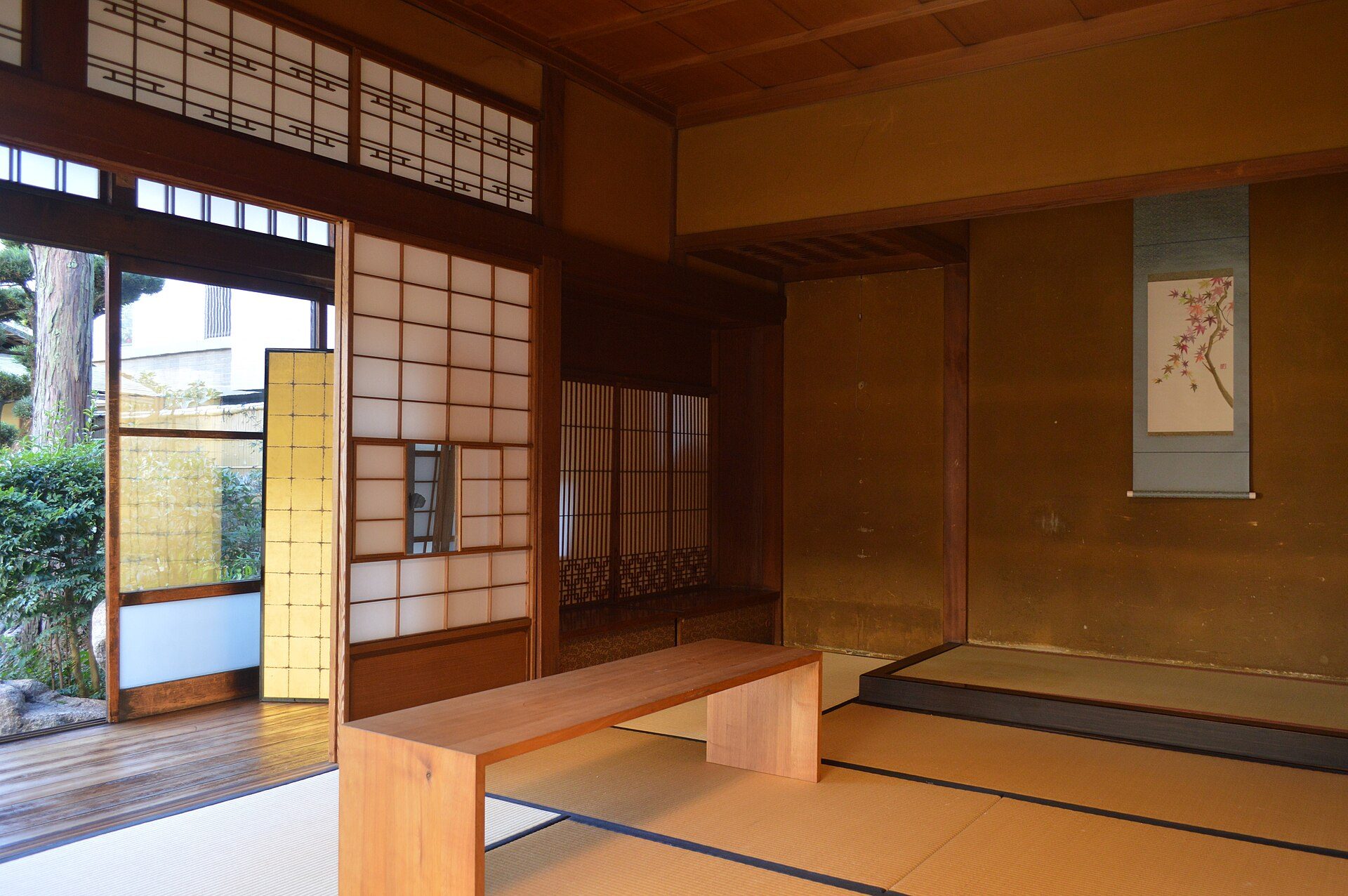
A tatami room (washitsu) at the Shumokukan, a historic house in Nagoya, the city that gives its name to the 910 x 1,820 mm mat. Photo: Asturio Cantabrio, CC BY-SA 4.0, via Wikimedia Commons. Asturio Cantabrio, source, CC BY-SA 4.0
Three annotated layout options (Nagoya-size module, 910 × 1,820 mm):
- Option A, a 4.5-mat retreat (2.73 × 2.73 m, 7.5 m²). A square room with a half mat at the centre. It suits a study, tea or guest room off the main living space. Sliding screens on one side can open it to the living room so that it reads as an extension of a larger room.
- Option B, a 6-mat room beside an open-plan LDK (3.64 × 2.73 m, 9.9 m²). The most common arrangement in contemporary Japanese homes: a living-dining-kitchen space with one tatami room to the side, separated by sliding doors. With the doors open, the two read as one space; closed, the tatami room becomes a bedroom with futons stored in a built-in cupboard.
- Option C, an 8-mat main room with a veranda strip (3.64 × 3.64 m, 13.2 m², plus a 0.91 m deep strip). A square main room with a one-mat-deep strip along the garden side, modelled on the traditional engawa. The strip acts as a buffer for sun and weather and as an informal seat.
These are planning modules, not regulations. Outside Japan, room sizes, ceiling heights, stair dimensions and window sizes are set by local building codes, so check your own jurisdiction. In Japan itself, the Building Standard Law (Article 28) requires habitable rooms in dwellings to have effective daylighting openings of at least one-seventh of the floor area, reduced to one-tenth in some cases where adequate artificial lighting is provided, and rooms divided only by sliding fusuma or shoji can count as one room for this purpose (SMTRC glossary, in Japanese). Traditional joinery techniques, such as wood joints without nails, are another part of the same modular way of building.
Materials and lighting checklist
- Floors: timber boards, tatami or polished concrete; keep one material through connected spaces so that rooms flow together.
- Walls: plaster, timber boarding or fair-faced concrete in light, warm tones; avoid high-gloss finishes.
- Screens: sliding doors and paper or translucent screens to divide space without blocking light.
- Ceilings: exposed timber or a simple flat ceiling; if services need hiding, a plain modern suspended ceiling can work if it is kept flush and unfussy.
- Storage: full-height built-in cupboards, so that bedding, cushions and everyday things disappear.
- Daylight first: courtyards, high windows and skylights for even, indirect light; screens or deep eaves to soften direct sun.
- Artificial light: low, indirect and layered, from wall washers, cove lighting, paper shades and floor lamps rather than one bright ceiling light; warm-white lamps are the usual choice.
- The view: plan one framed view from the main seating position, to a garden, a tree or even a single planted courtyard.
For how this approach compares with other interior design styles, see our overview.
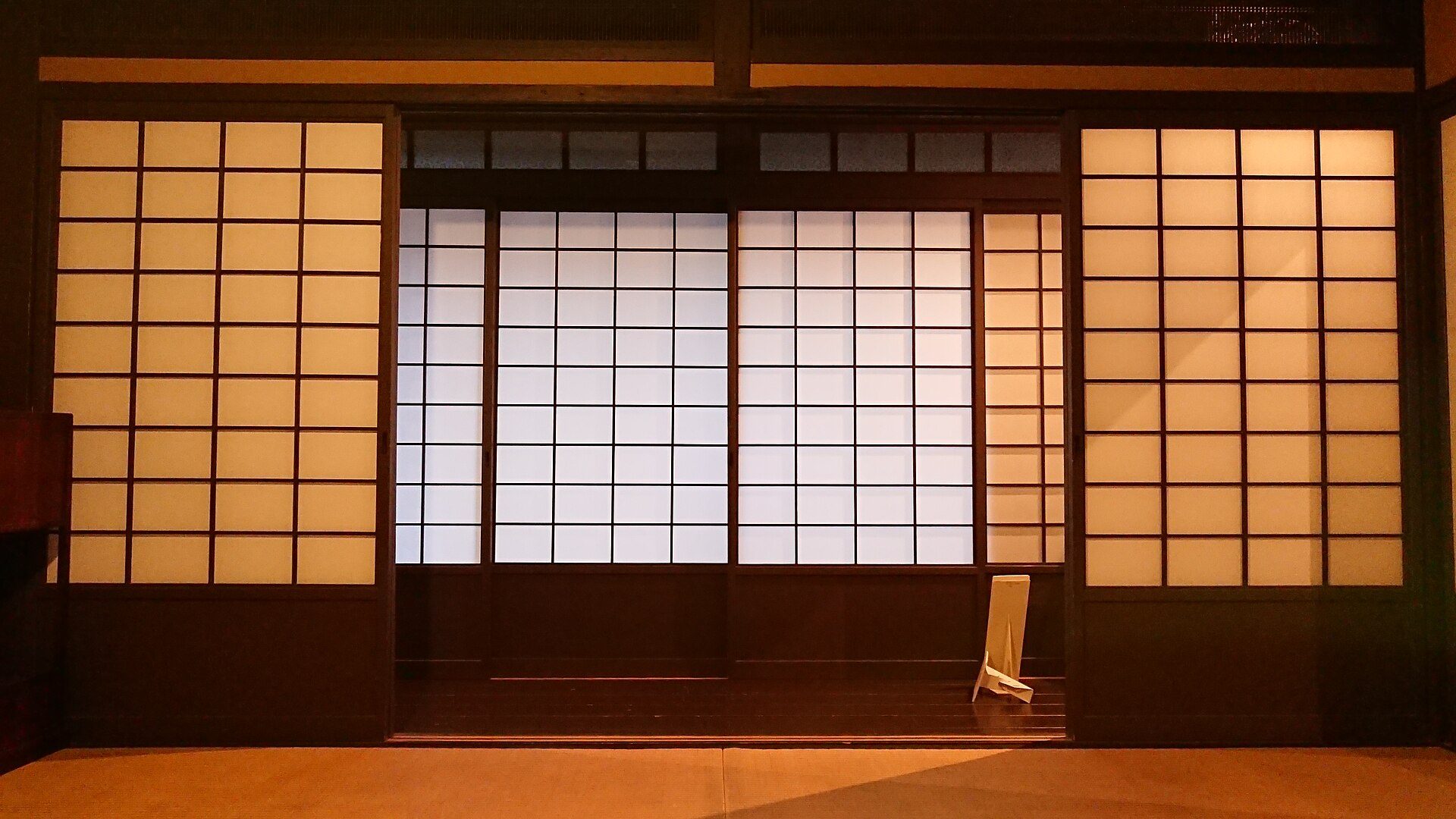
Shoji screens and engawa of the former Miura residence, Fukuoka: paper screens turn direct sun into soft, even light. Photo: LLAAYY, CC BY 4.0, via Wikimedia Commons. LLAAYY, source, CC BY 4.0
22 modern Japanese house designs
The descriptions below summarise each project as presented by its architects. Details such as views and garden settings vary with each site.
1) House NA l Sou Fujimoto Architects
Built in Tokyo for a young couple, House NA is a small, steel-framed house glazed almost all round. Inside, about 21 thin floor plates at different heights are linked by short stairs and ladders, so the whole house works as one continuous interior, an idea the architect compared to living in a tree (ArchEyes, House NA). Curtains provide privacy when needed.
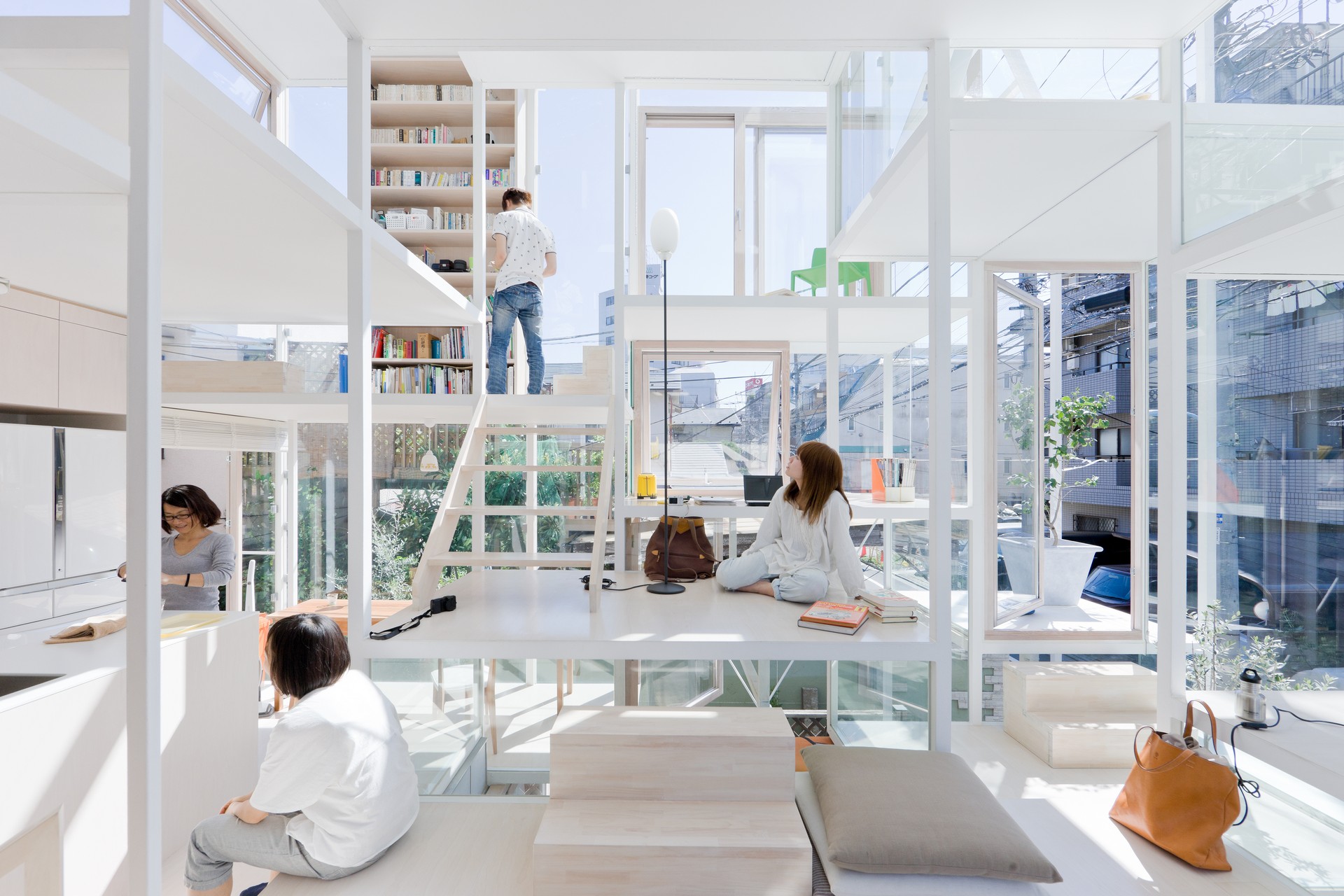
© Iwan Baan
2) House in Horinouchi / Mizuishi Architects Atelier
This compact residence has a straightforward arrangement and a spacious interior, with a deck that opens the living space to the sky.
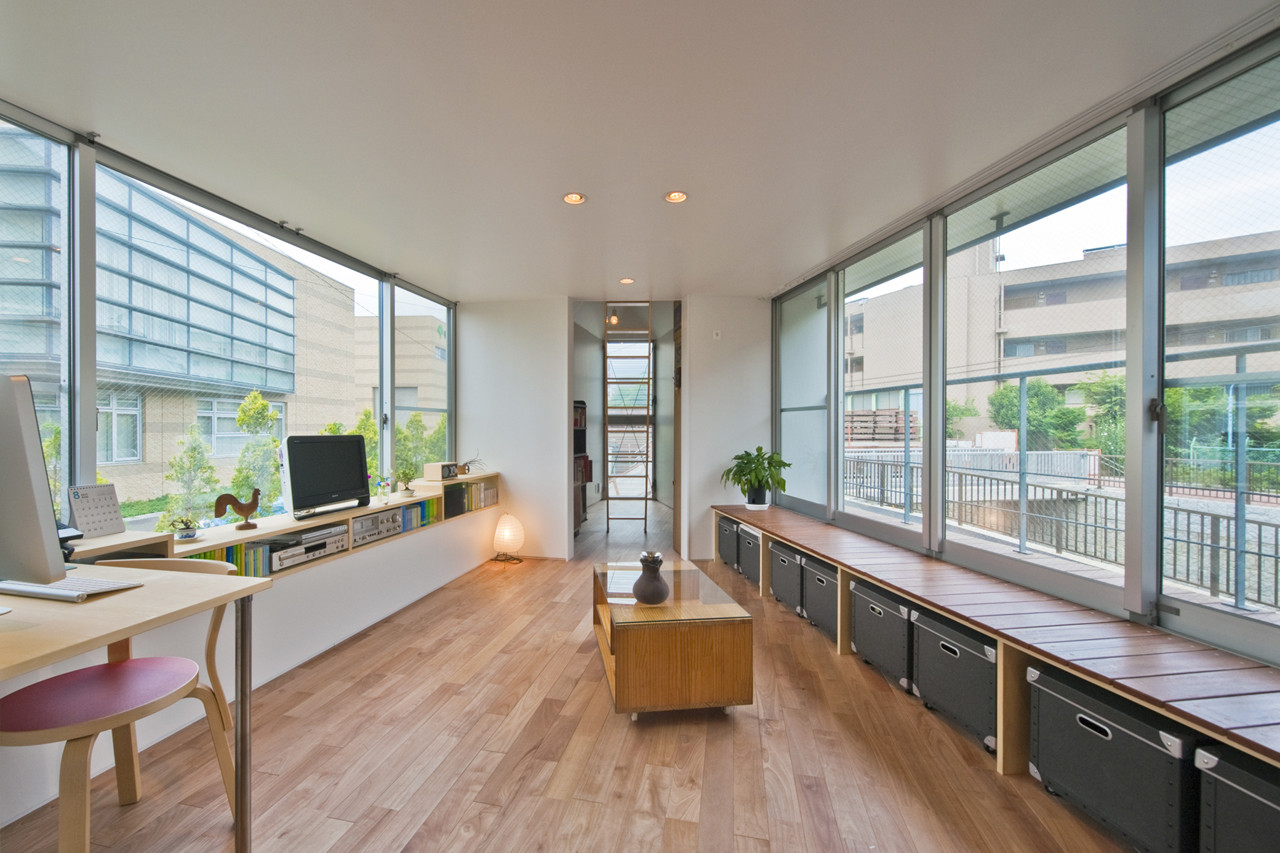
© Hiroshi Tanigawa
3) House in Yamasaki l Tato Architects
This contemporary house is defined by its distinctive roof, which shapes an open interior. The rooms are arranged to make the most of natural light.
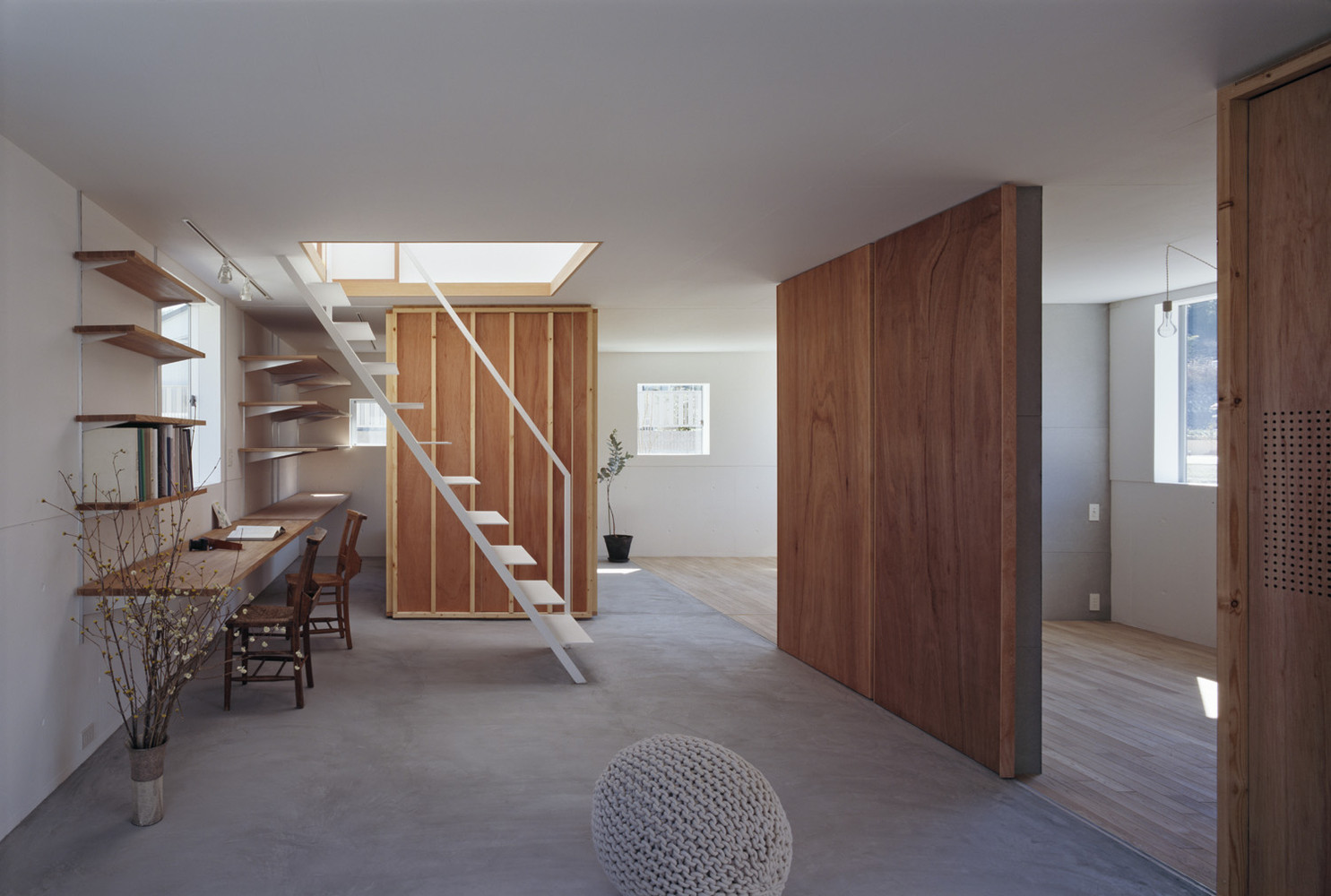
© Ken’ichi Suzuki
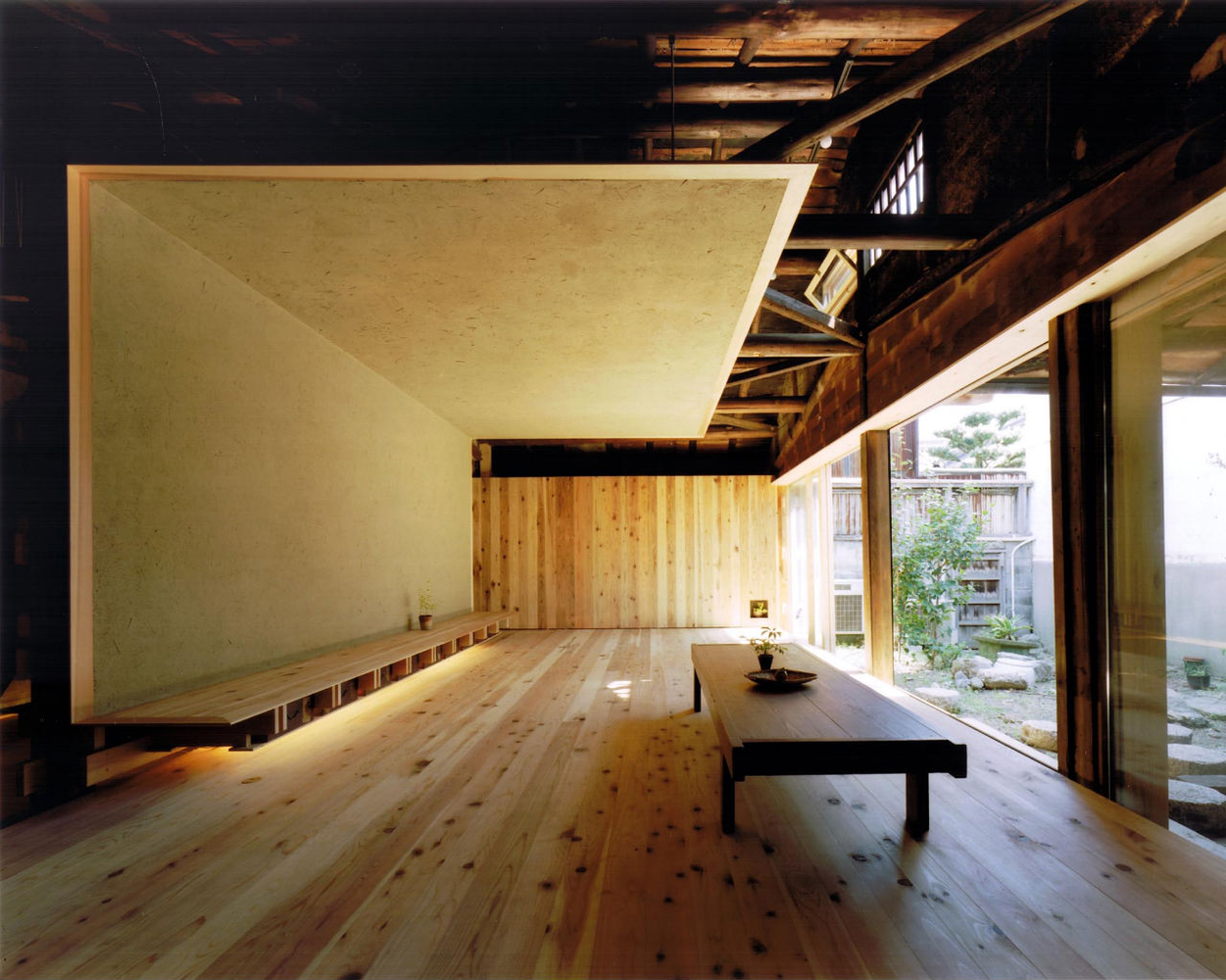
4) Wood Old House l Tadashi Yoshimura Architects
The design takes a minimalist approach with clean lines and a neutral colour scheme. Natural materials and large windows connect the interior with the outdoors.
© Hitoshi Kawamoto
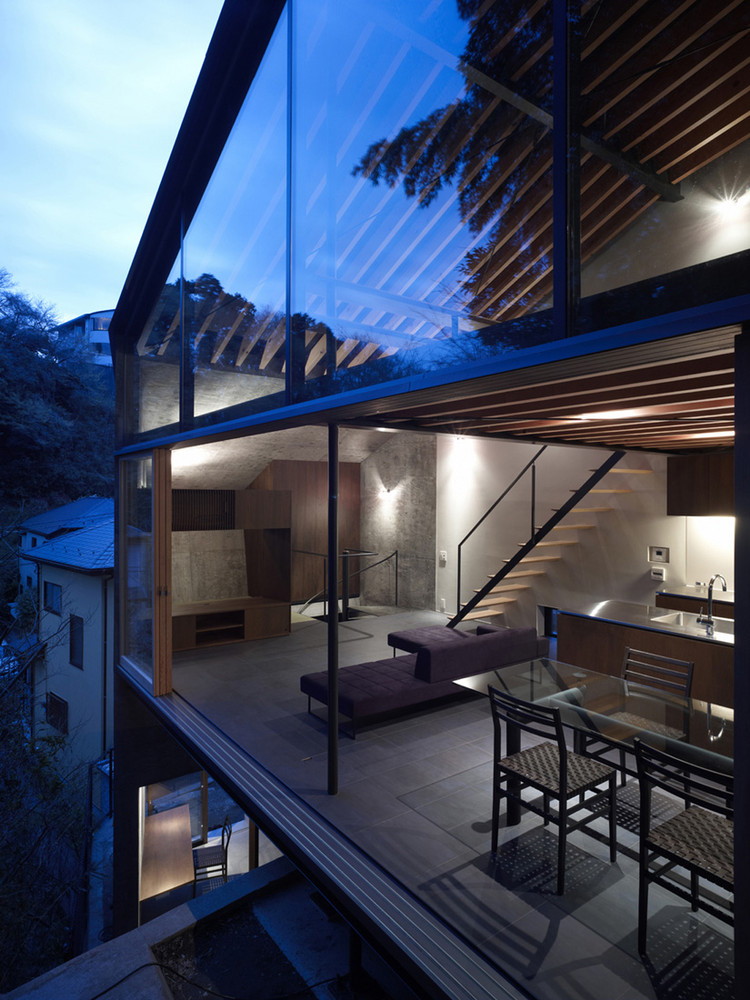
5) House in Kamakura l Suppose Design Office
Balancing privacy and a connection to the outdoors, this house uses sliding doors and large windows to bring in natural light.
© Suppose Design Office
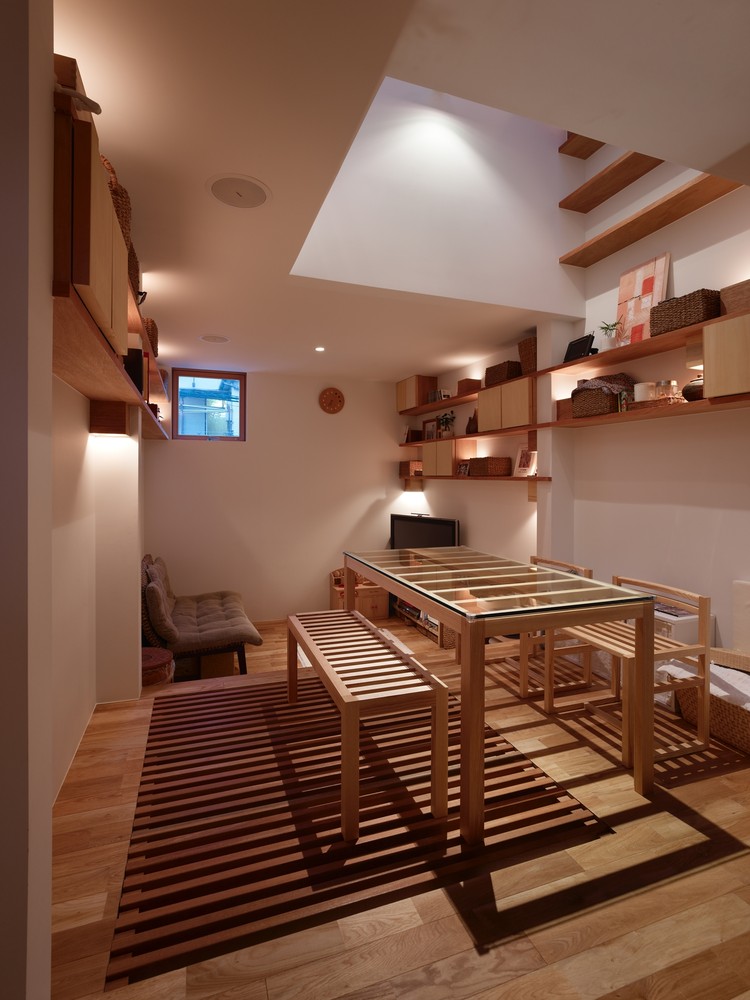
6) House in Nada / FujiwaraMuro Architects
Distinguished by its timber-slat exterior, this house protects its privacy from the street. Inside, the layout is flexible and can serve different uses.
© Toshiyuki Yano
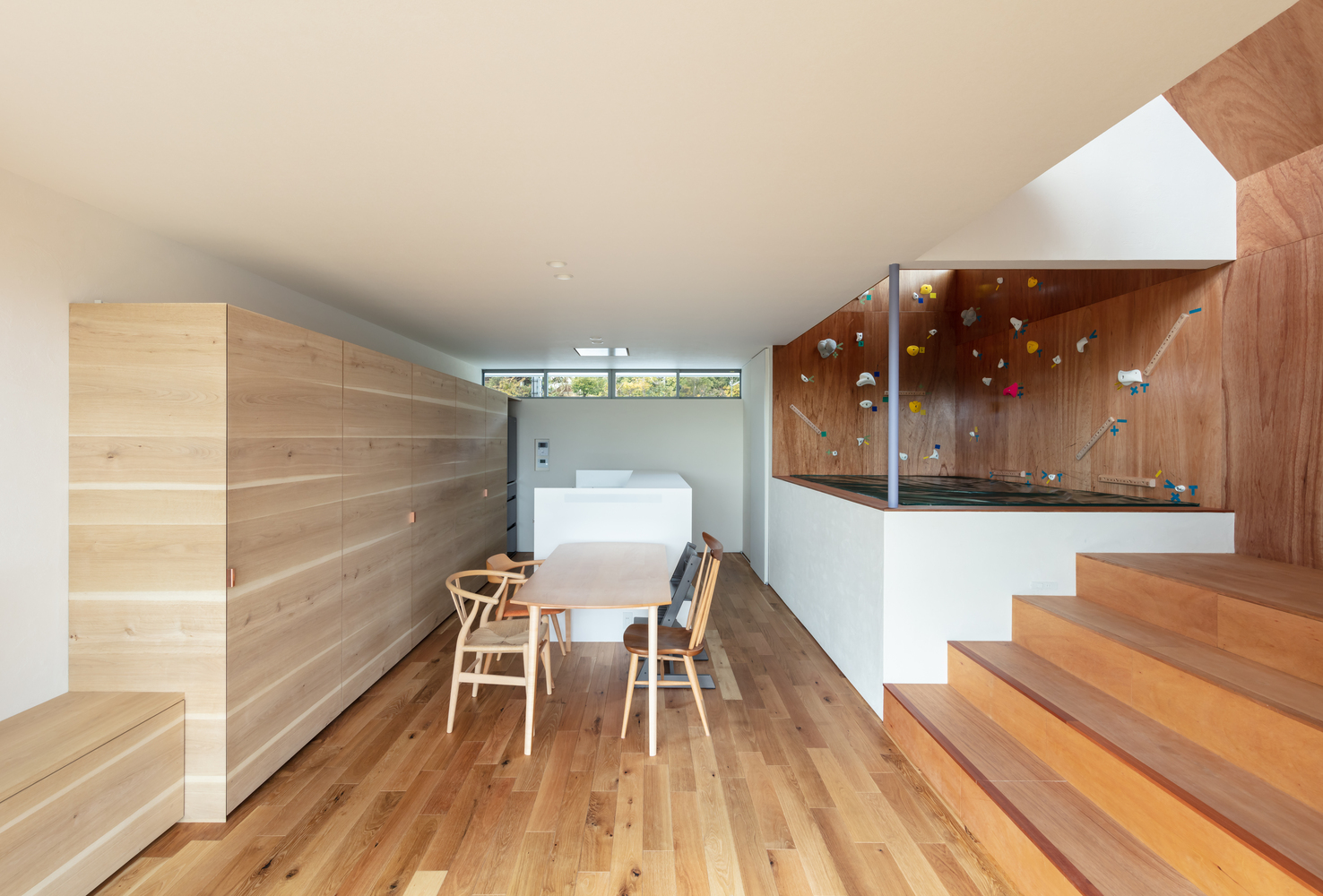
7) House in Takatsuki l Horibe Associates
Minimal and built with natural materials, this house has an open-plan arrangement and large windows that give a sense of space.
© Yohei Sasakura
8) House in Kashiwa l Yamazaki Kentaro Design Workshop
The house brings in light and air through skylights and large windows, giving a bright interior.
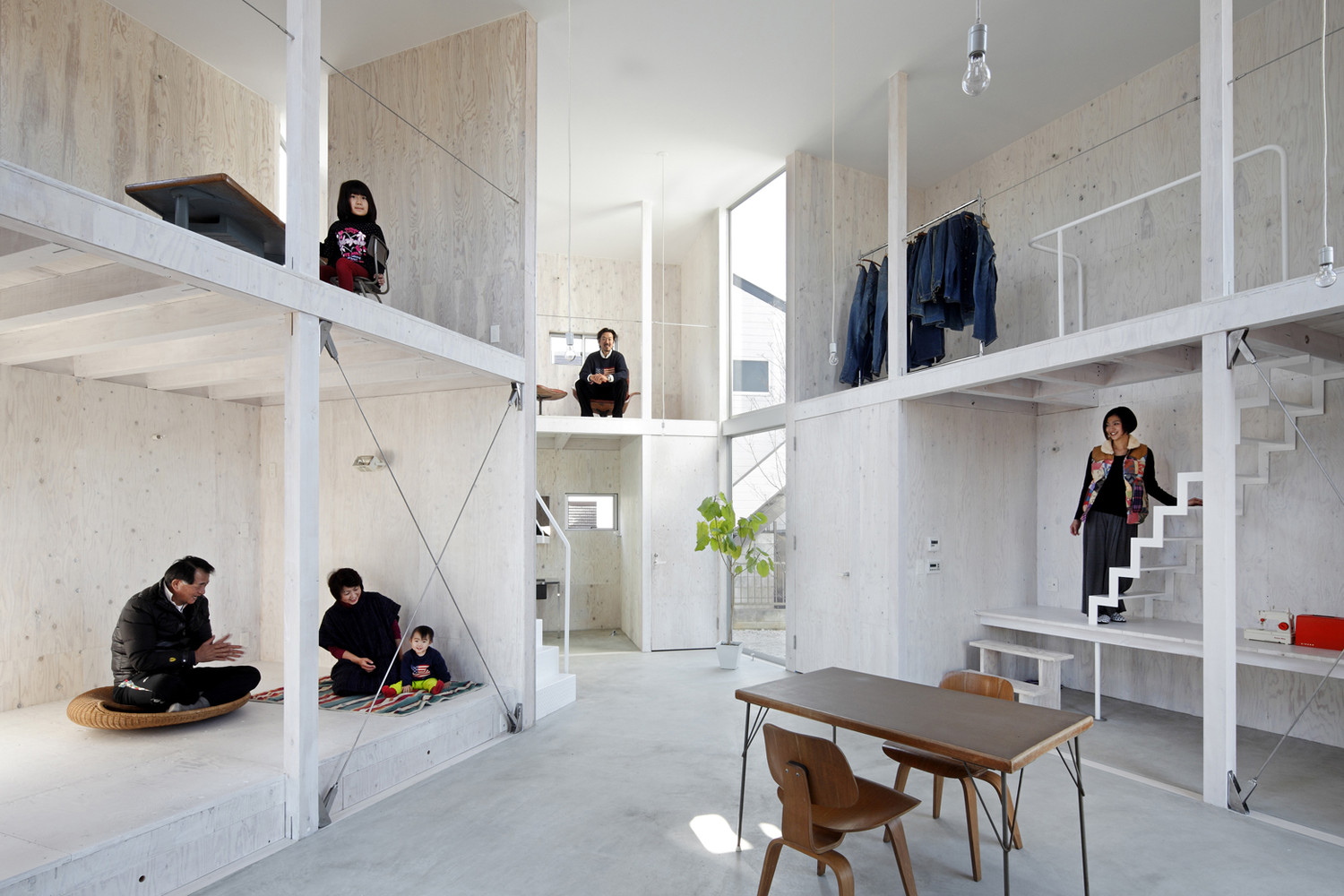
Courtesy of Naoomi Kurozumi Architectural Photographic Office
9) House in Utsunomiya l Suppose Design Office
Wood and generous windows create a warm interior, and the open-plan layout keeps the living spaces flexible.
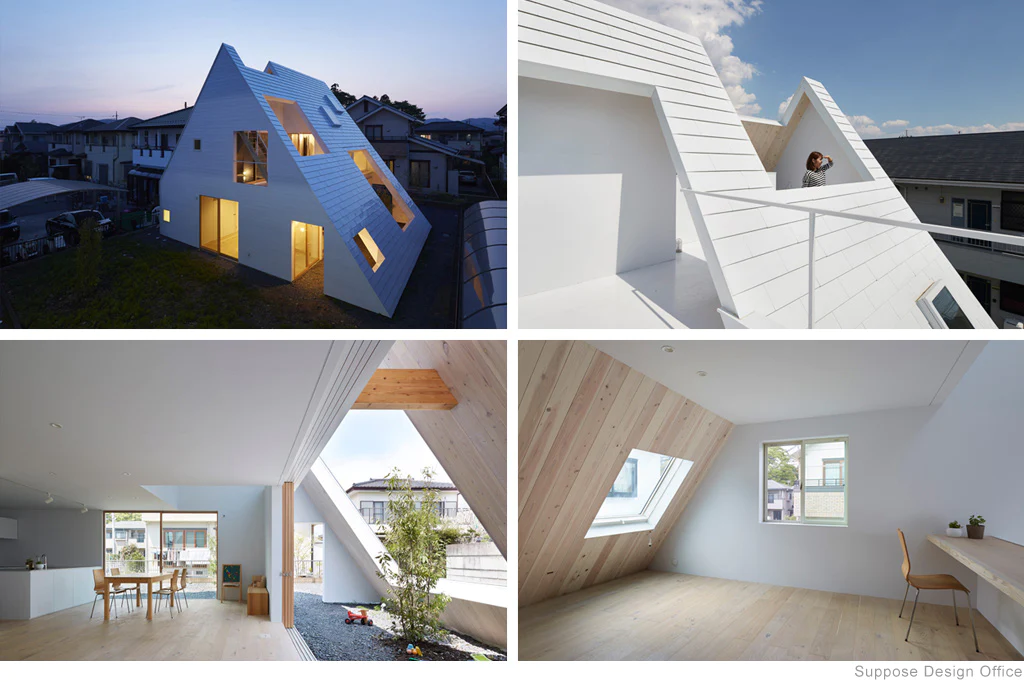
© Suppose Design Office
10) House in Hiyoshi l EANA
A timber louvre façade gives this house privacy and shade. Inside, the spaces flow into one another.
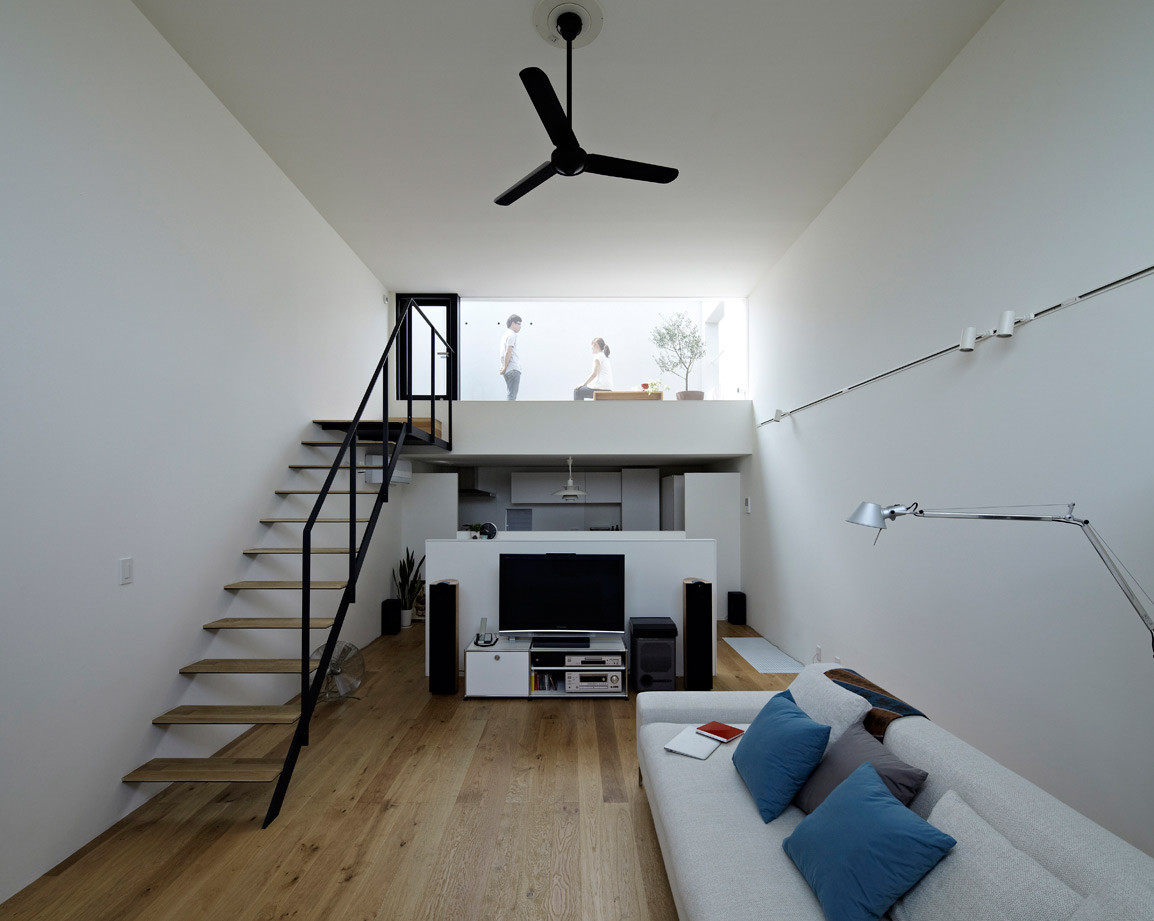
© Koichi Torimura
11) Daylight House l Takeshi Hosaka Architects
As its name suggests, the design is organised around daylight, with a distinctive roof structure above a flexible interior.
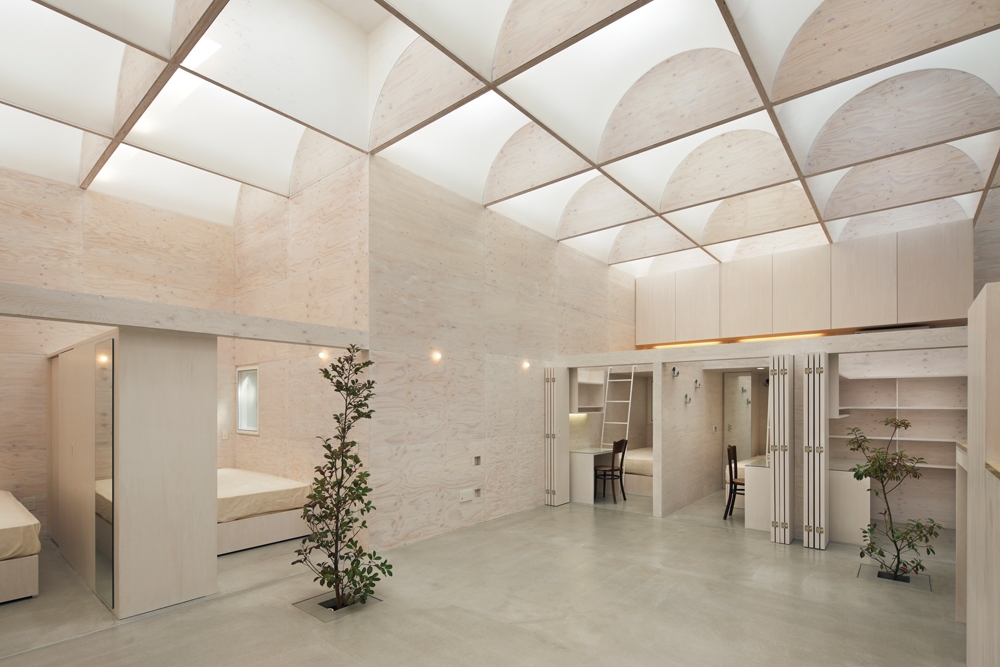
© Takeshi Hosaka Architects
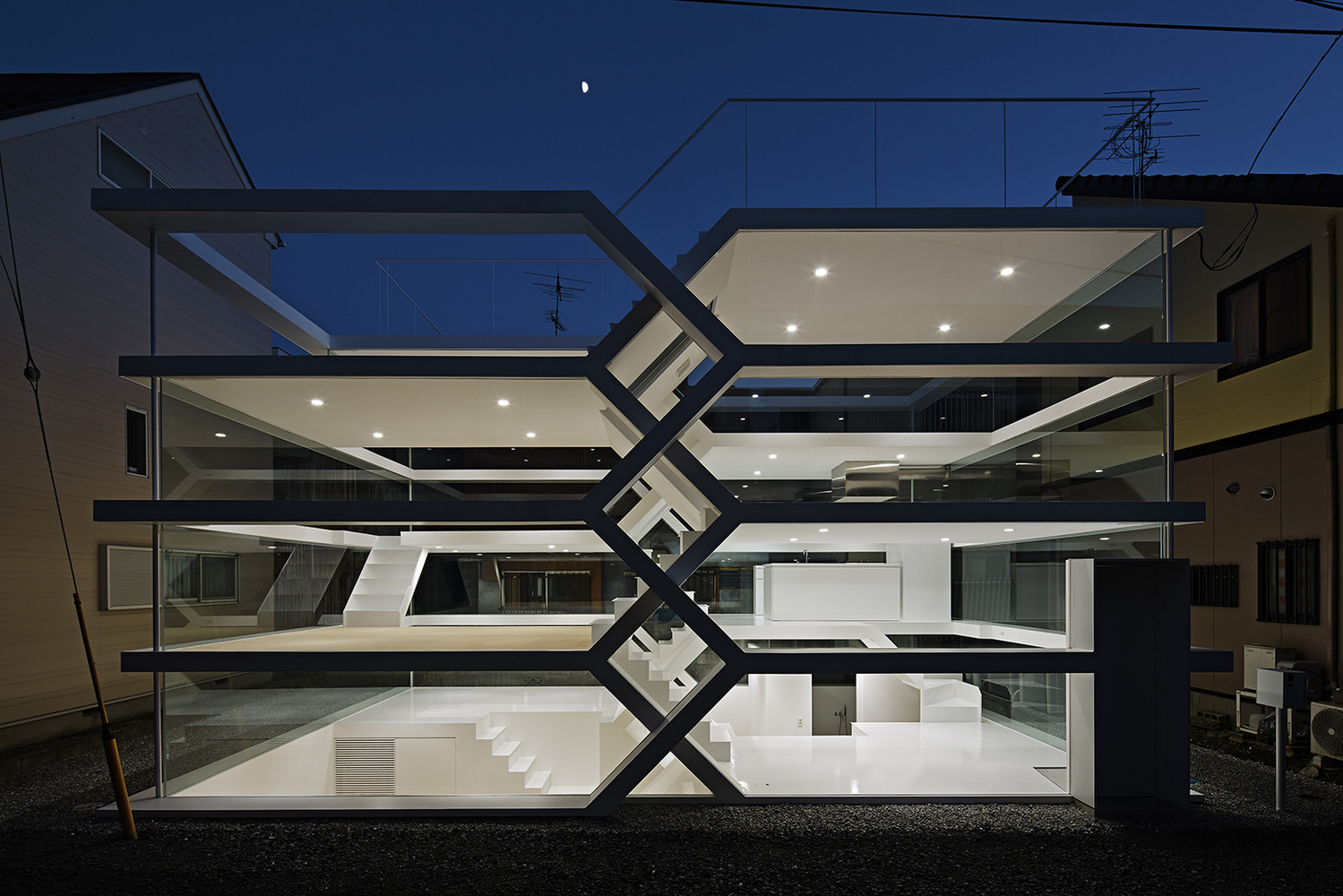
12) S-House l Yuusuke Karasawa Architects
This house has a dynamic structure and an interior that is airy and open, with an uninterrupted flow between spaces.
© Koichi Torimura
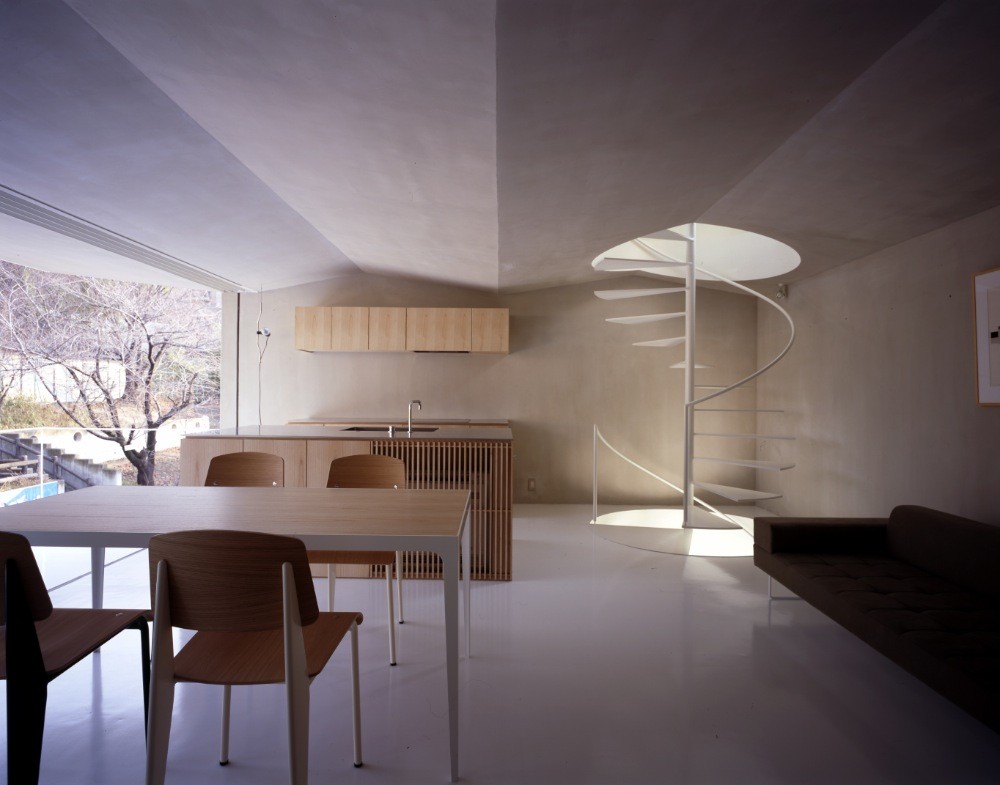
13) House in Nagoya l Suppose Design Office
The house makes the most of natural light and ventilation through its openings, giving a bright, airy interior.
© Suppose Design Office
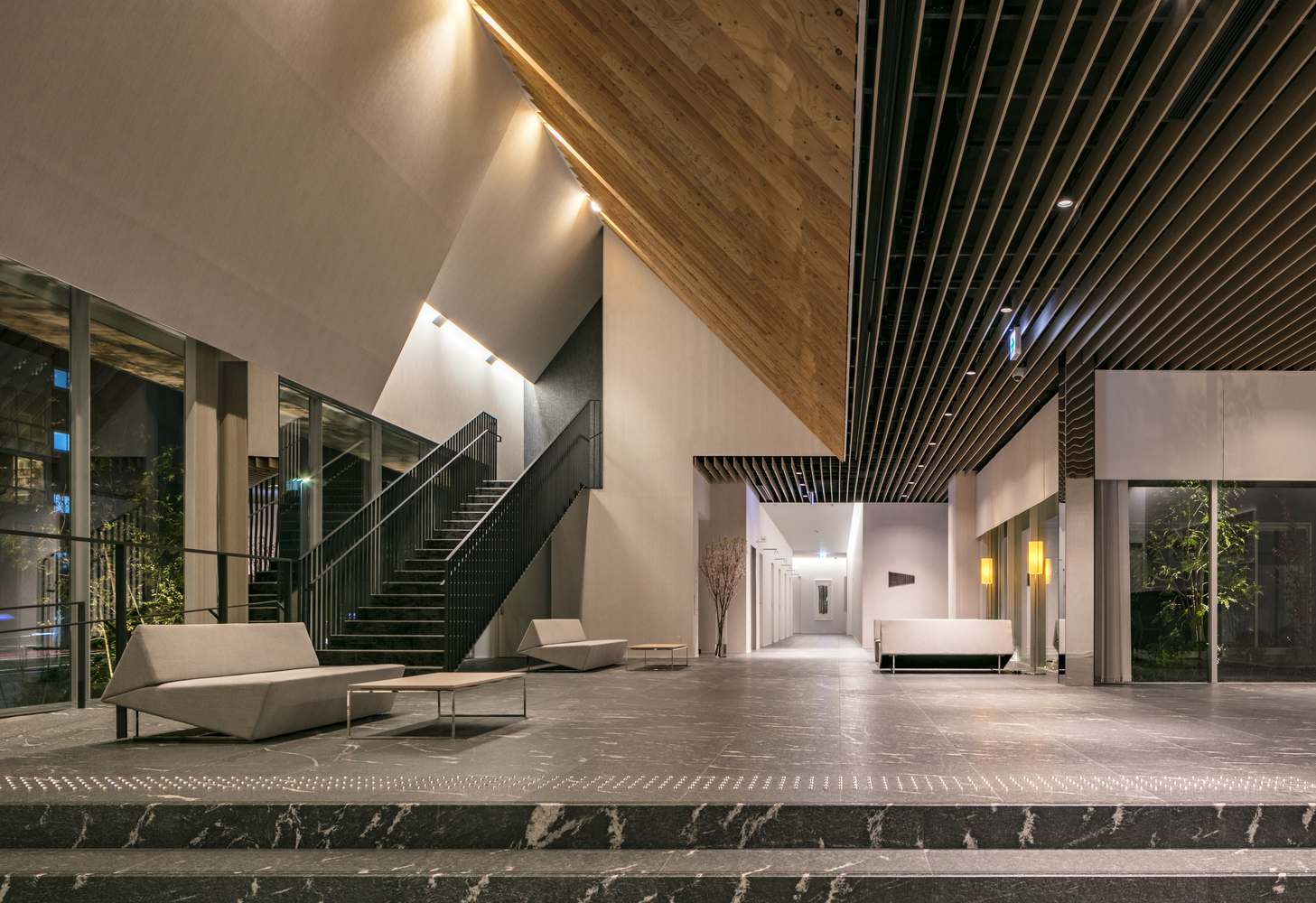
14) Miraie Lext House Nagoya / Kengo Kuma & Associates
The design focuses on natural light and airflow, with large openings and a close relationship to the planted space around the house.
© Kawasumi Kobayashi Kenji Photograph Office
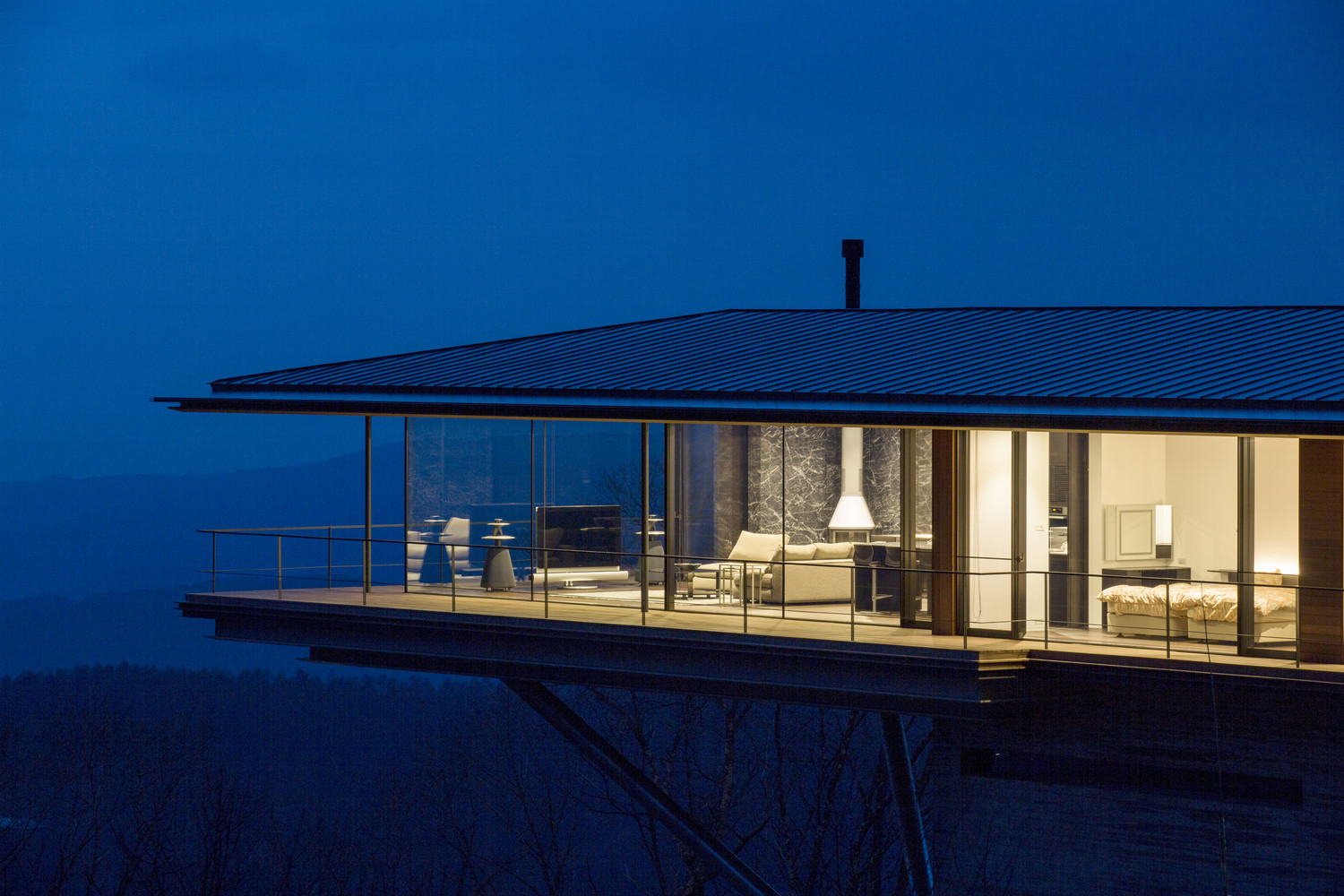
15) House in Yatsugatake / Kidosaki Architects Studio
The house is designed to sit quietly in its setting. Wood and stone create a warm, welcoming interior, and an open layout with few dividing walls keeps the living areas adaptable.
© 45g Photography
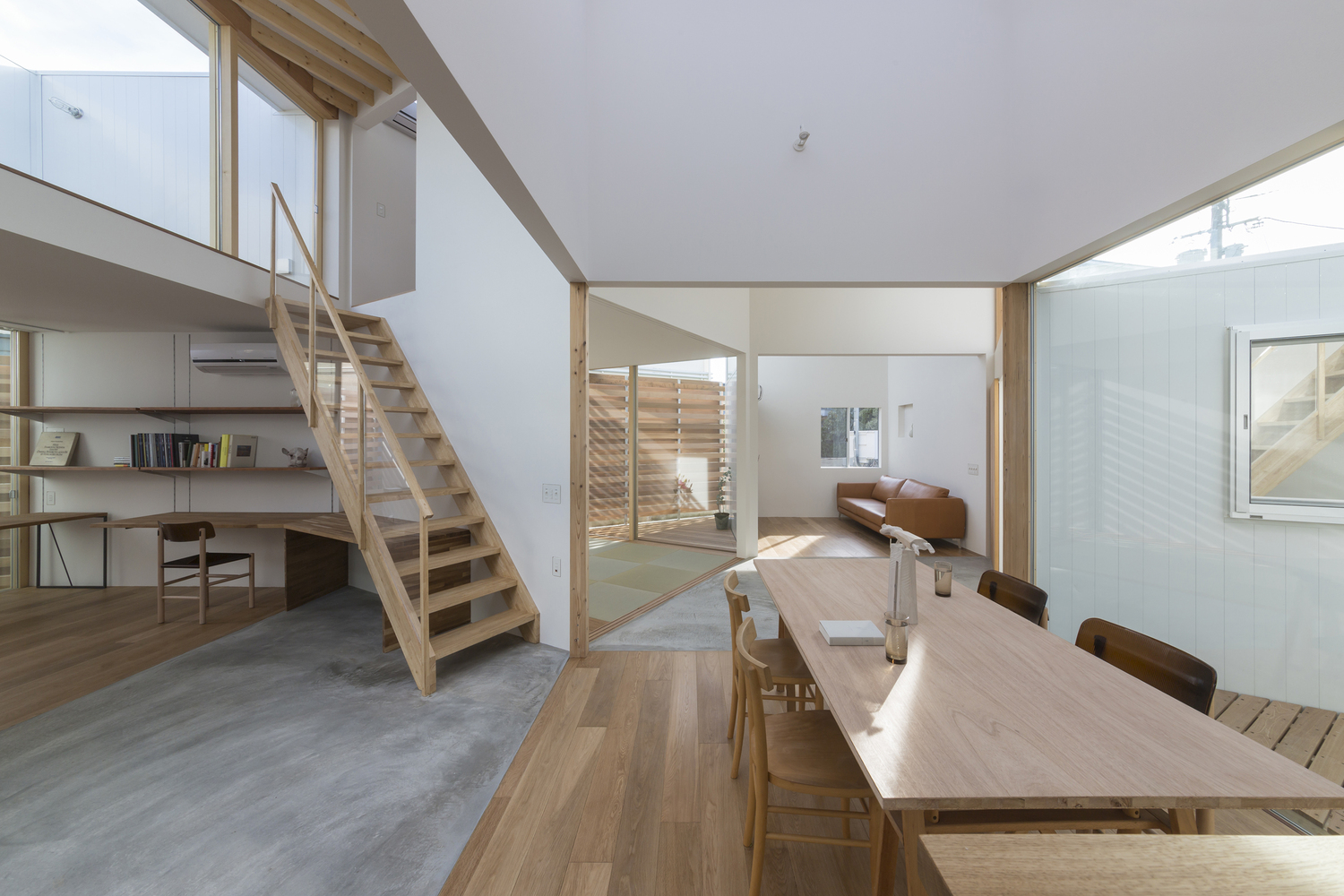
16) House in Hokusetsu / Tato Architects
Another Tato Architects house defined by its roof structure, which gives the interior a sense of height and openness. The rooms are planned around daylight.
© Shinkenchiku Sha
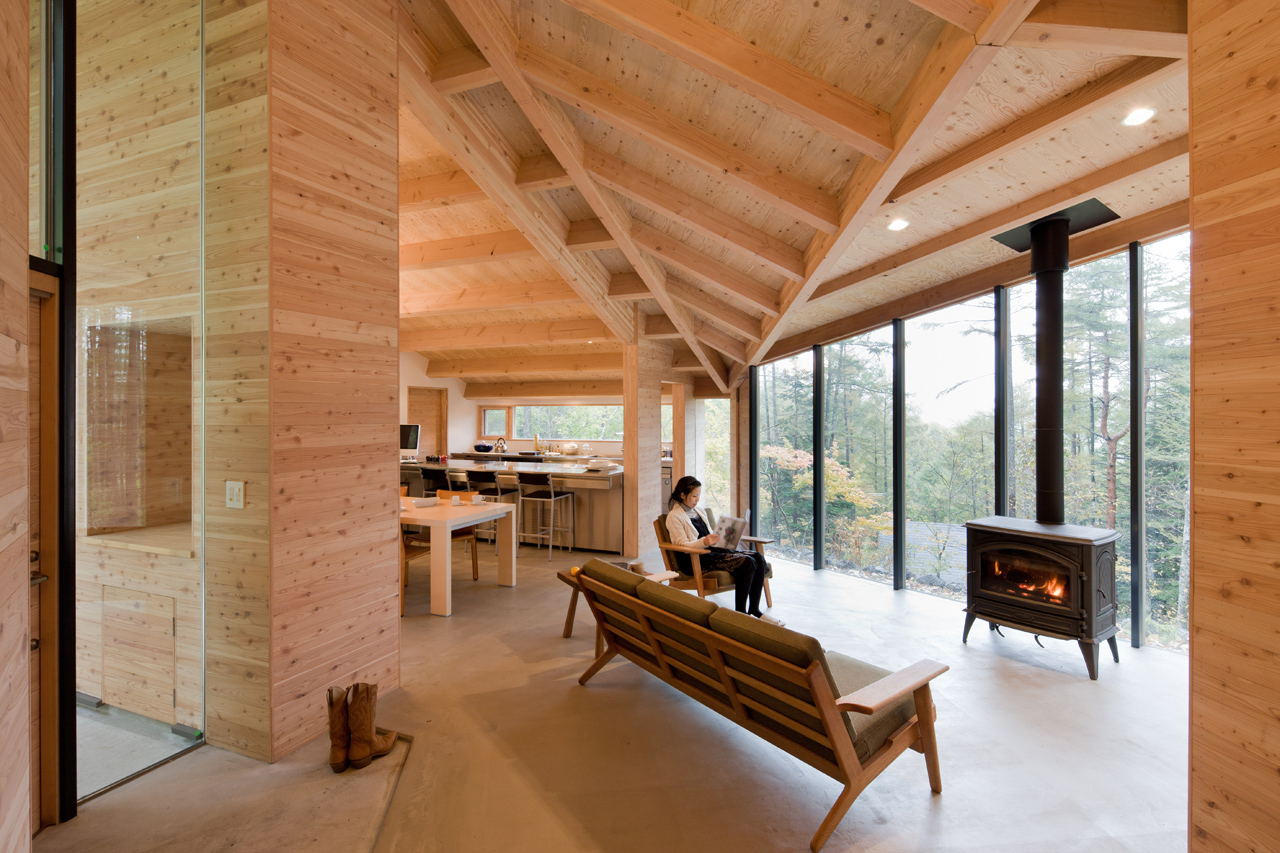
17) InBetween House / Koji Tsutsui Architect & Associates
Natural materials and open, airy interiors characterise this house, which is organised around in-between spaces that connect its rooms.
© Iwan Baan
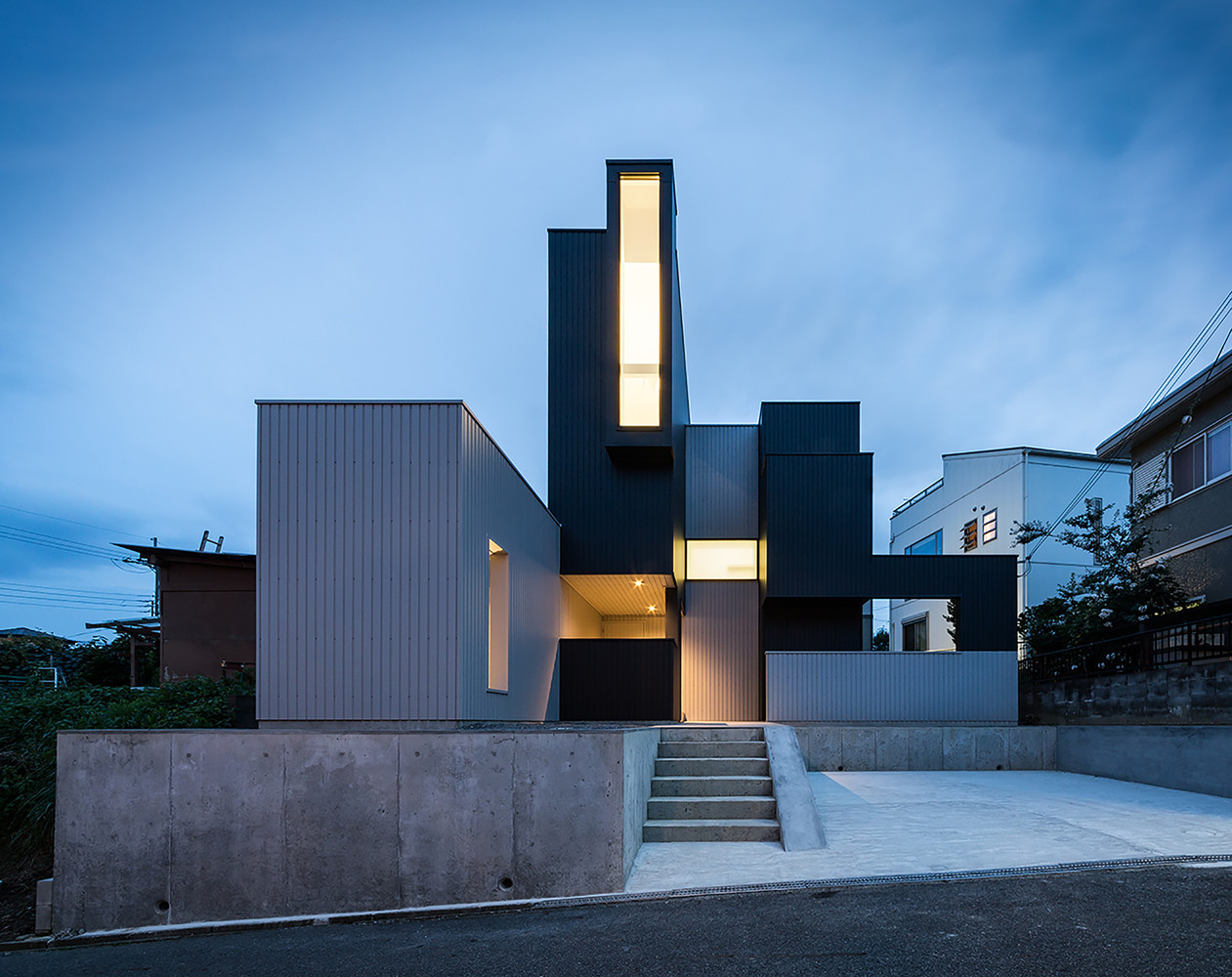
18) Scape House l FORM/Kouichi Kimura Architects
Clean lines and a neutral palette characterise this minimalist house, where natural materials and carefully placed openings link inside and outside.
© Yoshihiro Asada
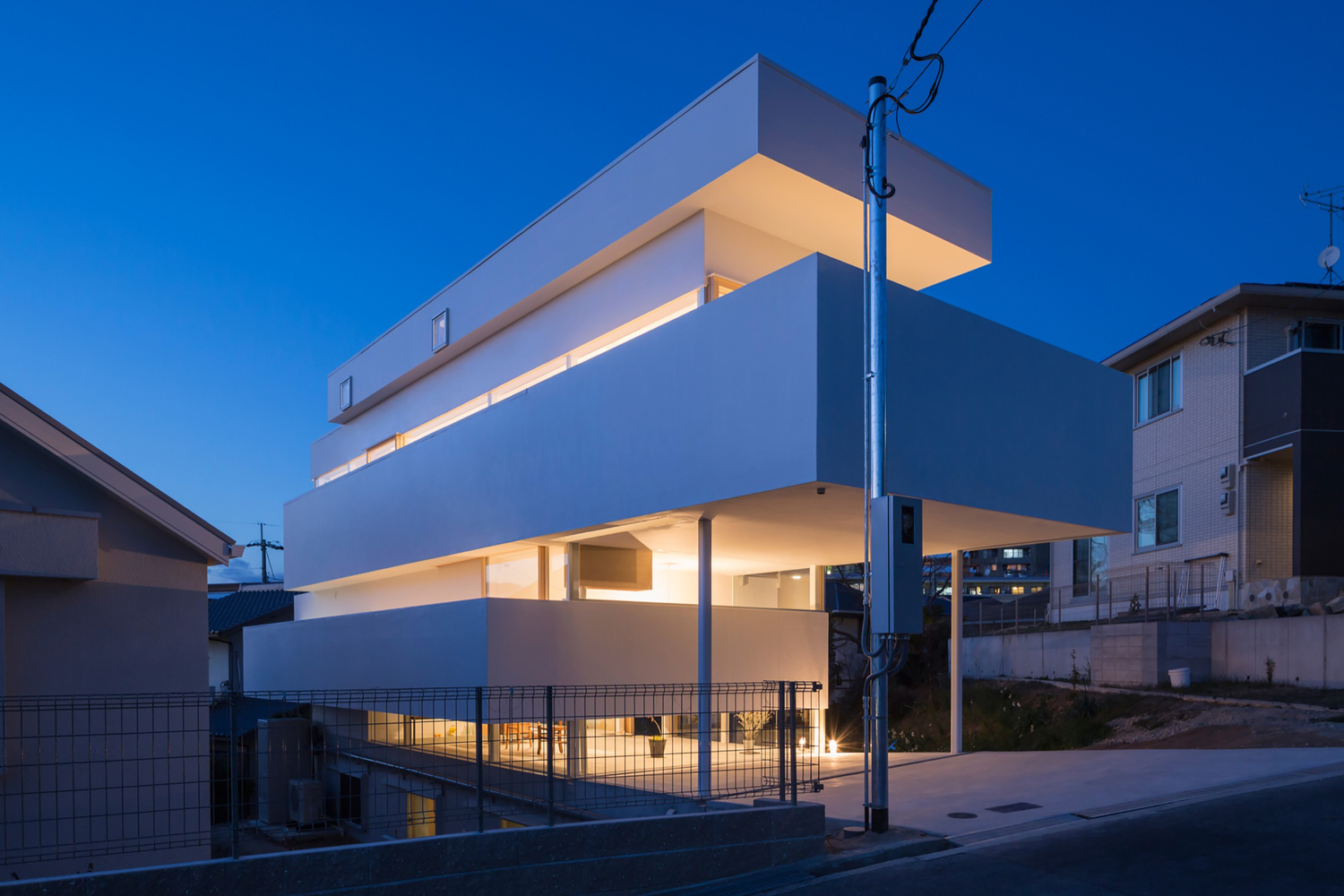
19) House in Nara l Tato Architects
A distinctive roof gives this house an open, connected interior that makes the most of natural light.
© Shinkenchiku Sha
20) House in Toyonaka / Fujiwaramuro Architects
Prioritising privacy and a link to the outdoors, this house uses sliding doors and large openings for natural light.
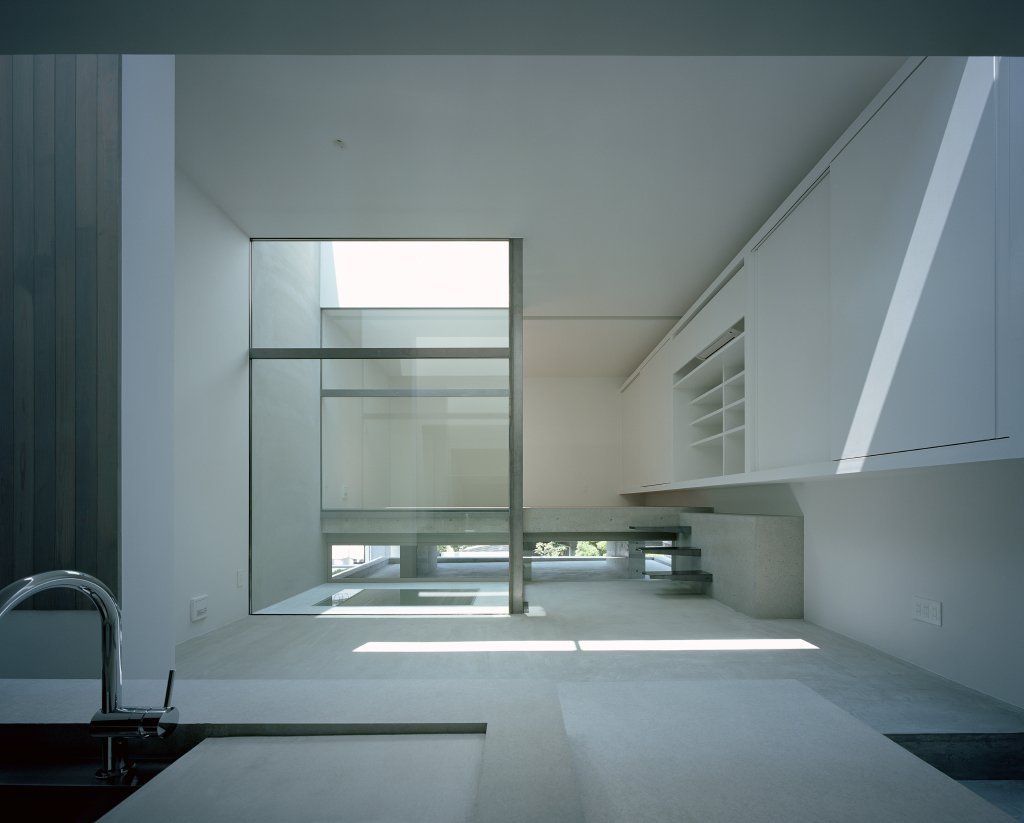
© Katsuya. Taira
21) Iwakura House l ALTS Design Office
A distinct shape and natural materials set this house apart, with open interiors that move smoothly from one space to the next.
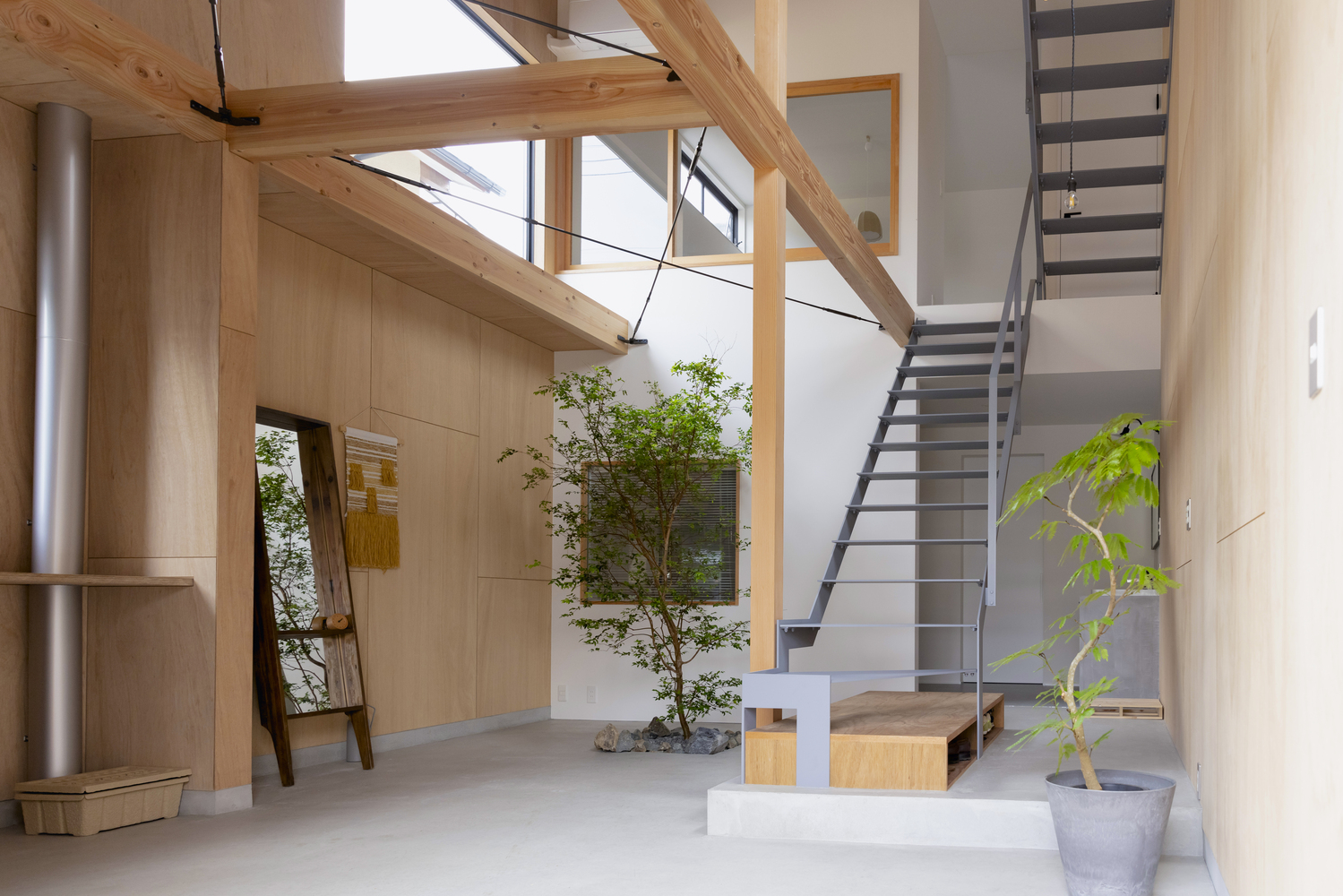
© I.T.P
22) Hiroshima Hut l Suppose Design Office
Wood and large windows give this house a warm interior, and its open-plan layout keeps the living spaces flexible.
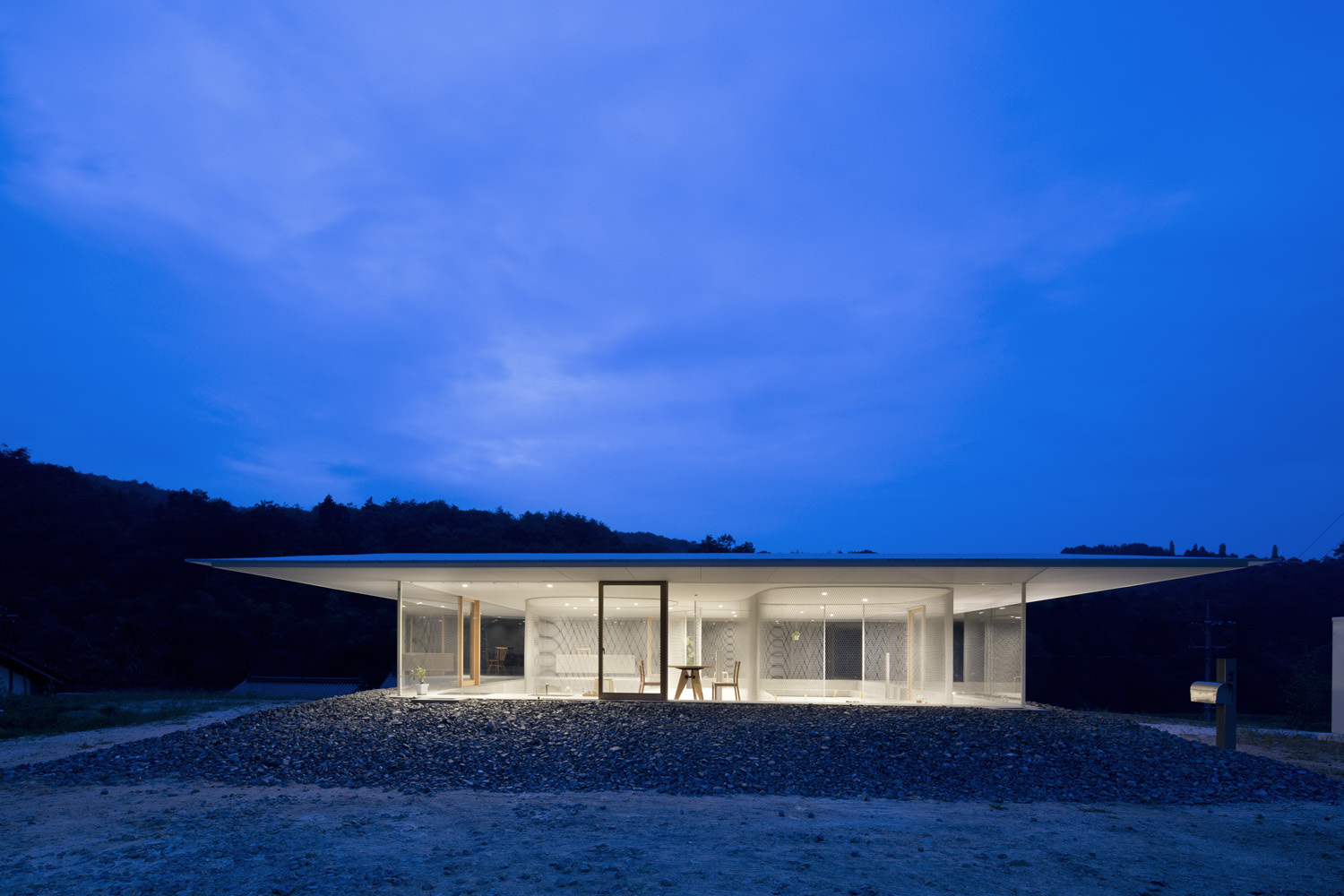
© Toshiyuki Yano
Modern Japanese house interior: summary
A modern Japanese house interior is not a look so much as a set of habits: plan on a module, keep surfaces clear, let daylight in softly and frame one good view. From innovative roof designs to the careful use of natural materials, the 22 houses above show these habits at many scales. Start with the layout options and checklist, then use the examples for ideas.

Aly Bayoumi is an editor with a sharp eye for detail and a deep commitment to clarity and precision. Passionate about architecture and design, he sees every project as an opportunity to shape compelling narratives that bring creative visions to life. With a focus on accuracy and engaging storytelling, Aly combines editorial expertise with a dedication to elevating the voices and ideas that shape the built environment.