


Transforming your living space with art doesn’t have to be complicated or expensive. Whether you’re an avid art collector or just moved into a new home, knowing the best ways to display art can turn blank walls into stunning focal points. From classic gallery walls to innovative floor displays, the right approach can showcase your personality while enhancing your home’s aesthetic appeal.
As varied and rich as the art world is, there are countless creative ways to display art that suit every style and budget. If you’re wondering how to showcase your favorite pieces or want to bring an artistic sense into your new space, this comprehensive guide will help you transform ordinary rooms into extraordinary galleries.
How do you display art collection without looking cluttered?
Everyone enjoys collecting something. Whether it’s rare coins, porcelain dolls, paintings, or photographs, the key to securing your collection is finding a way to display your treasured items that minimize clutter and chaos.
Some folks create a gallery wall for items like clocks, artwork, plates, or record albums. Some use floating shelves to hang more important things that can’t be hung on a gallery wall as sea shells, vintage bottles, or toy figurines. Those who love keeping their precious belongings under restricted security prefer cabinets and cloches. Others go with their instinct and forget all the rules, applying their methods with flair and style because who said magnets belong on the fridge?
25 Eye-Catching Ways to Display Art in Your New Home
Home is where the art is—but displaying it thoughtfully makes all the difference. From large canvases to delicate frames, these 25 creative ideas will help you showcase artwork like a professional interior designer.
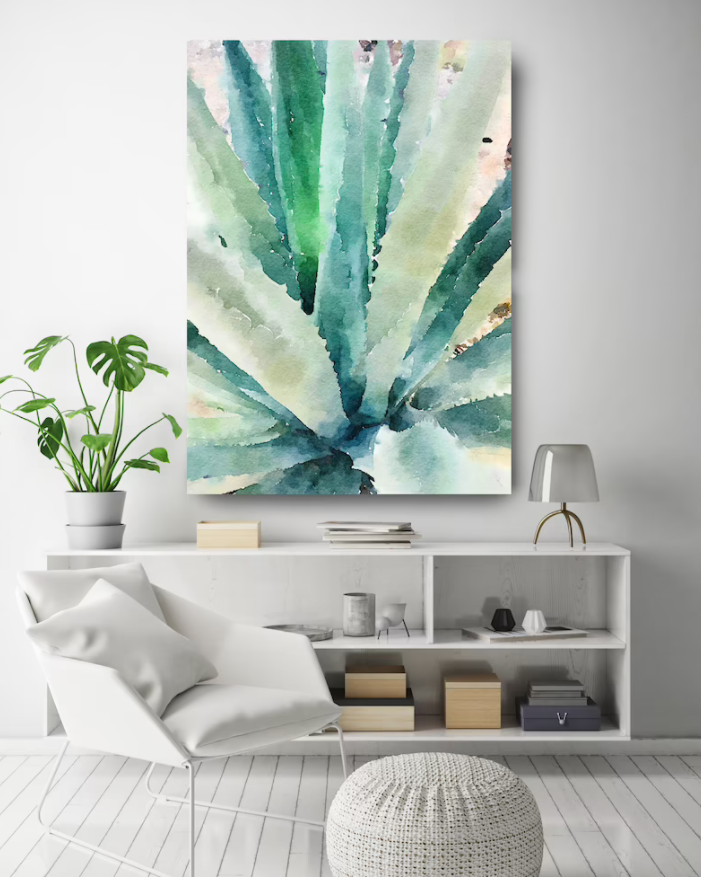
1. Go for Frameless Artwork
Courtesy of Etsy
Contemporary minimalistic frameless artworks are gaining popularity for their sleek, modern aesthetic. Without traditional frames, these canvas pieces create clean lines that work beautifully with nearly any interior design style. The absence of frames also makes the artwork itself the star of the show, allowing colors and compositions to take center stage.
Pro Tip: Frameless canvases work exceptionally well in clusters, creating a gallery effect without the visual weight of multiple frames.
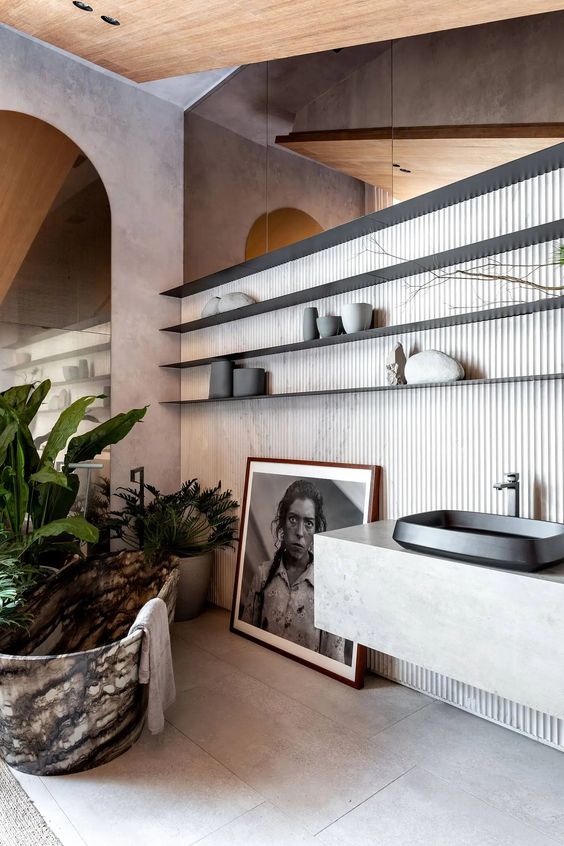
2. Use the Floor Space
Courtesy of Planete Deco
If you have stunning wallpapers that don’t need additional decoration or you’re hesitant about drilling holes, floor displays offer the perfect solution. Leaning artwork against walls creates a casual, lived-in aesthetic while adding visual interest to empty corners. This approach works particularly well for oversized pieces that might feel too heavy when hung.
Layering multiple pieces at different heights creates depth and dimension, transforming monotonous corners into dynamic focal points.
Read More: Detailed floor plans of homes from popular TV shows
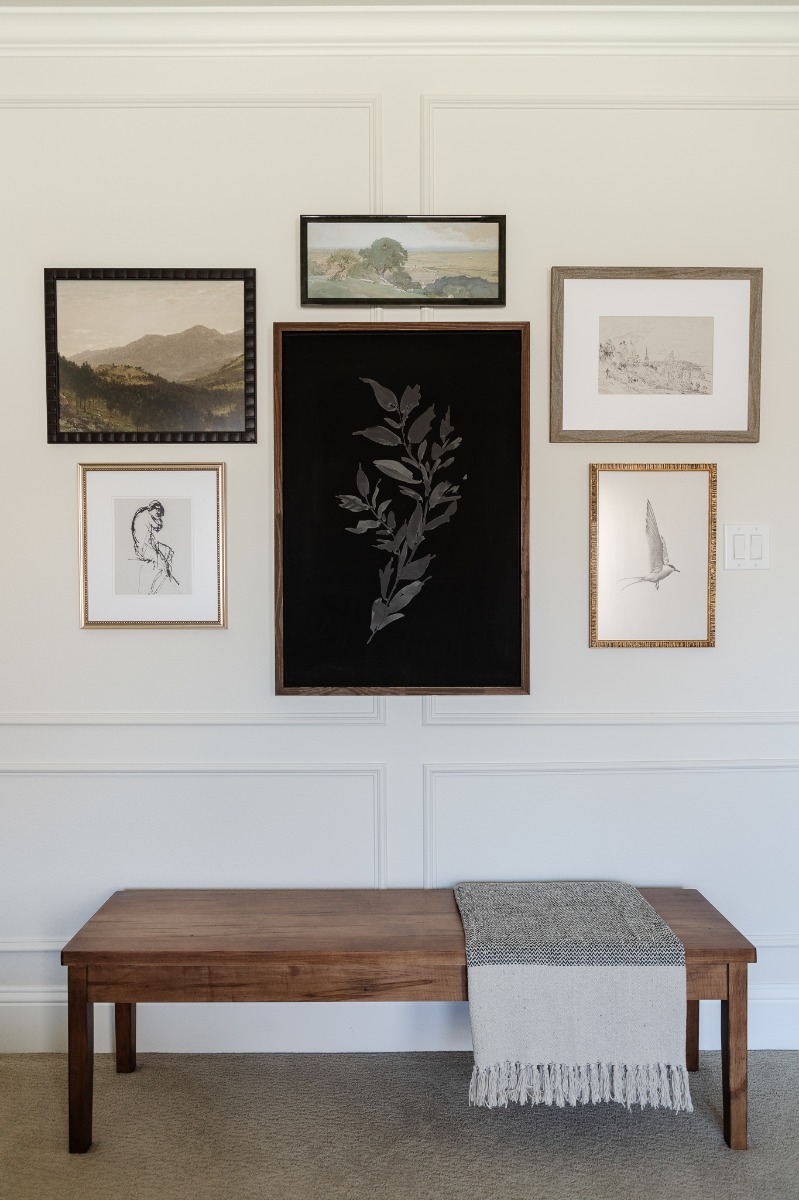
3. Mix and Match Different Styles
Courtesy of Shelley Westermanc
Art and history enthusiasts can create fascinating displays by thoughtfully combining different styles. Try pairing canvases with similar color schemes, mixing artworks from various historical periods, or displaying a series by the same artist. The key is finding a unifying element—whether it’s color palette, subject matter, or frame style—that ties disparate pieces together cohesively.
4. Create a Gallery Wall

Courtesy of Nicole Interiors
Gallery walls remain one of the most popular ways to display art at home. If you have a prominent wall crying out for attention, curating a gallery wall lets you showcase multiple pieces simultaneously. Include your own paintings and photographs, or mix and match various artwork types for an eclectic, personalized display.
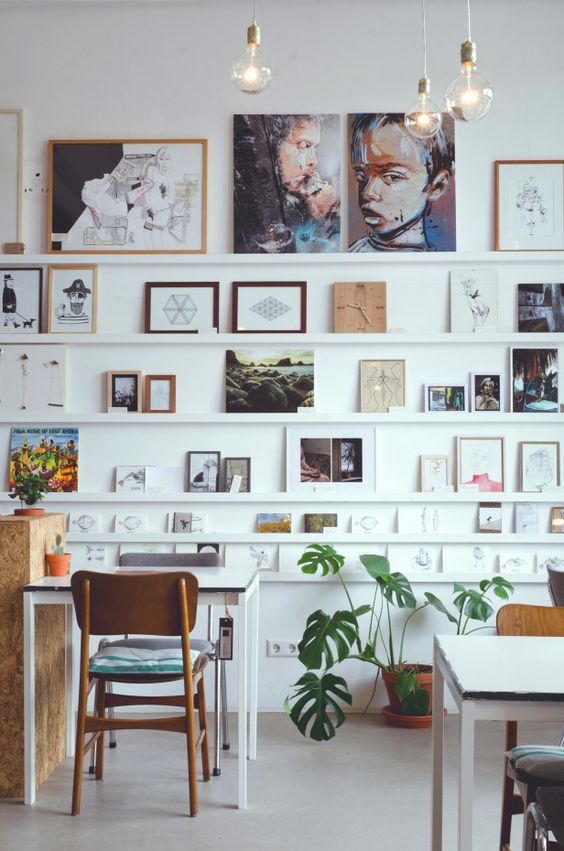
5. A Gallery Wall with Picture Ledges
Courtesy of vtwonen
Art doesn’t always need permanent mounting—picture ledges provide versatile alternatives that let you layer multiple pieces artistically. This method allows easy rotation of displays without new holes in your walls. You can also mix artwork with decorative natural elements like plants, books, or sculptural objects for added dimension.
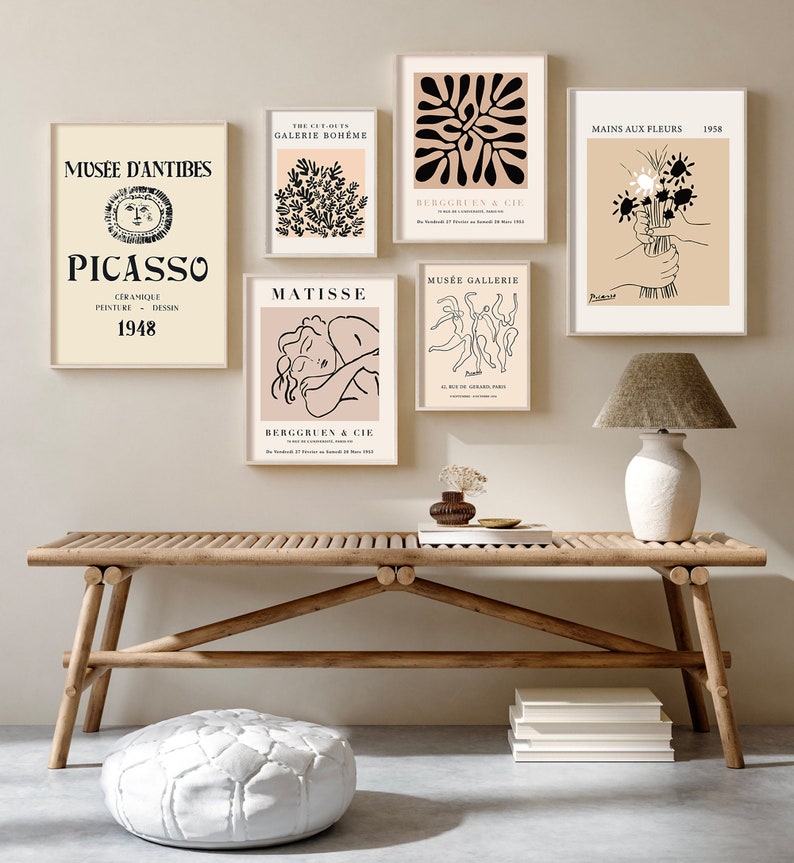
6. Mix Art Pieces and Match Color Shades
Courtesy of Etsy
Creating a unified color palette ties together diverse artwork and decorative pieces beautifully. Using frames as your unifying element allows flexibility to change artwork while maintaining visual consistency. For instance, matching frame colors with shelf finishes and vase tones creates harmonious flow throughout your display.
Color Coordination Strategy: Choose 2-3 primary colors from your favorite piece and repeat them throughout your display in frames, mats, and complementary décor.
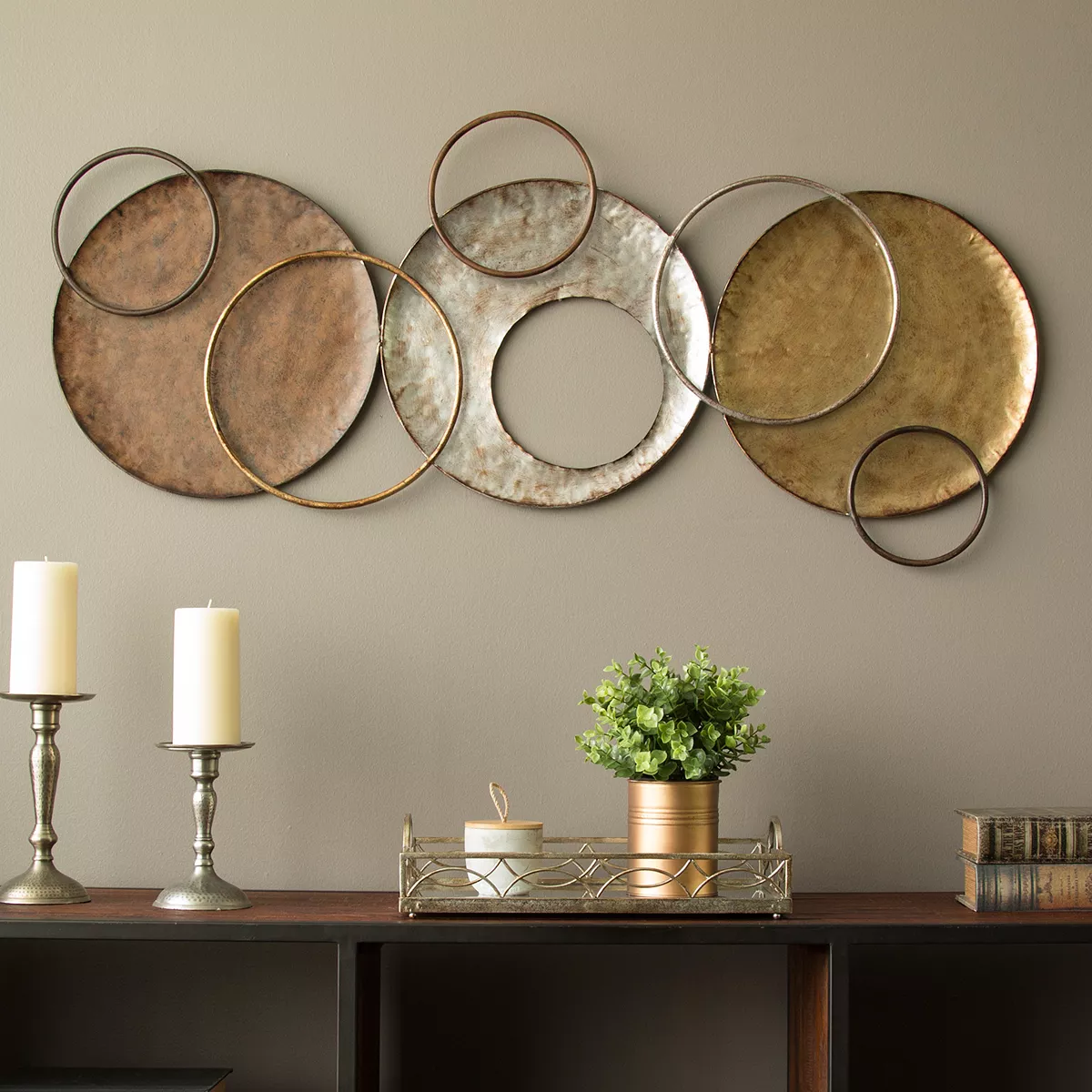
7. Almost Anything Can be an Art Piece!
Courtesy of Kohl’s
Expand your definition of art beyond traditional paintings and prints. Three-dimensional objects with visual appeal make compelling wall displays. Consider vintage iron pieces, architectural salvage windows, collectible China dishware, decorative plaques, woven baskets, and ornamental trays. These unexpected elements add personality and tell your unique story.
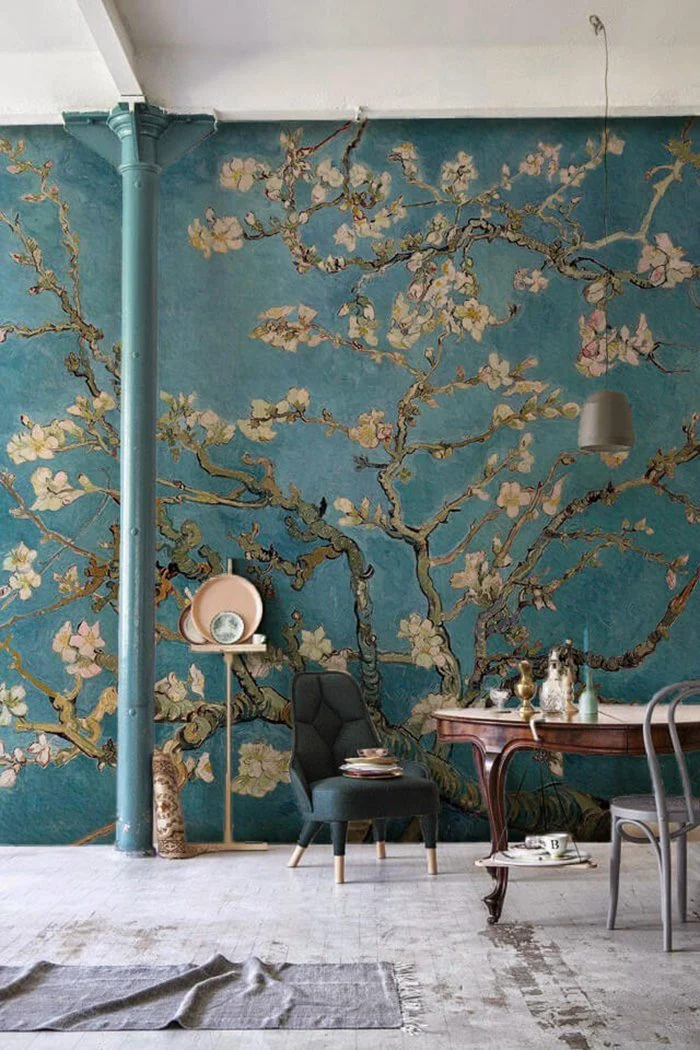
8. Go for an Oversized Mural
Courtesy of Hovia
While owning an Old Master drawing sounds appealing, oversized murals offer bold, spirited alternatives at accessible price points. Large-scale murals create dramatic focal points that transform entire rooms. They’re particularly effective in spaces with high ceilings or expansive blank walls that need significant visual impact.
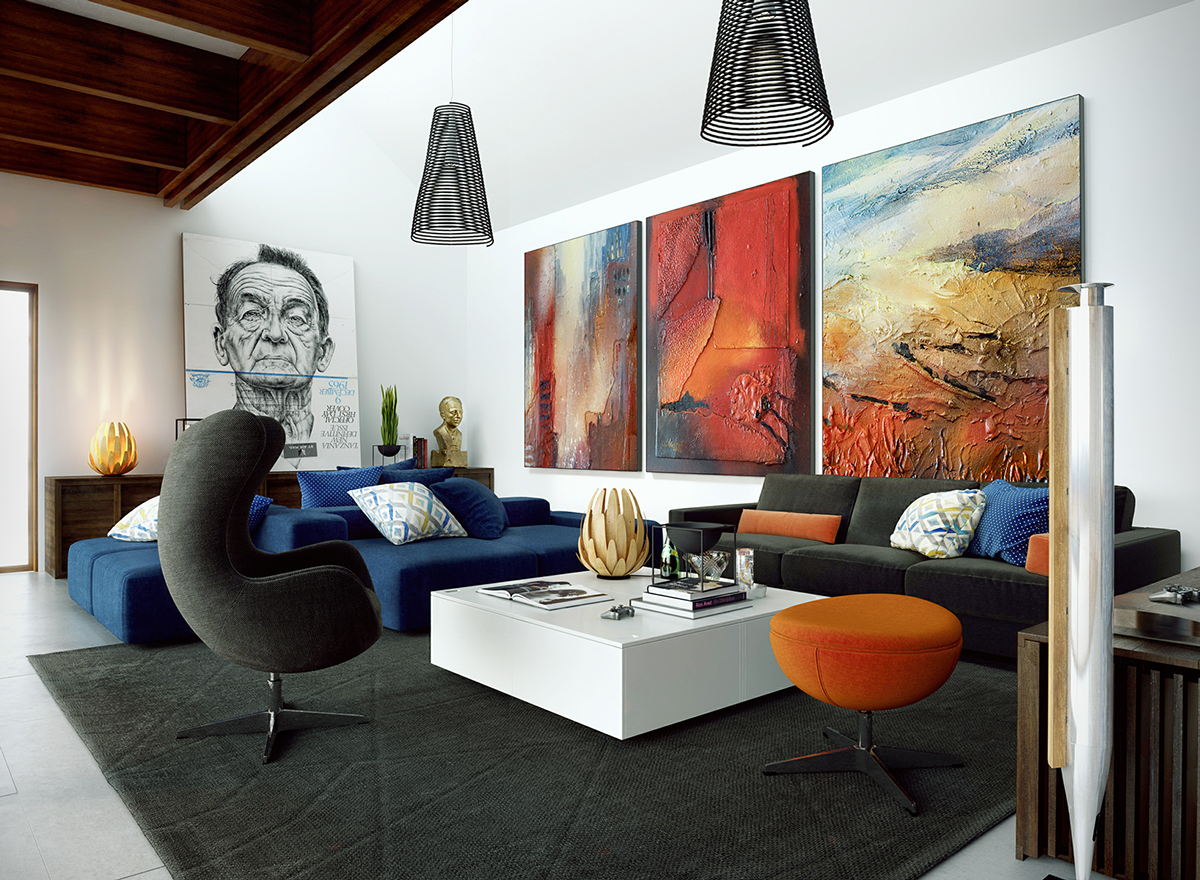
9. Or an Oversized Print
If you are not one for classing paintings but still want a significant effect, you can go for an oversized print. A large print with light colors and an elegant design is catchy enough to be the centerpiece of your living room.
©Artranked.com
If classical paintings aren’t your style but you still want substantial impact, oversized prints deliver. A large-format print featuring light colors and elegant design becomes an instant centerpiece. Modern photography, abstract designs, or botanical illustrations work particularly well at larger scales.
10. Use the Stair Space
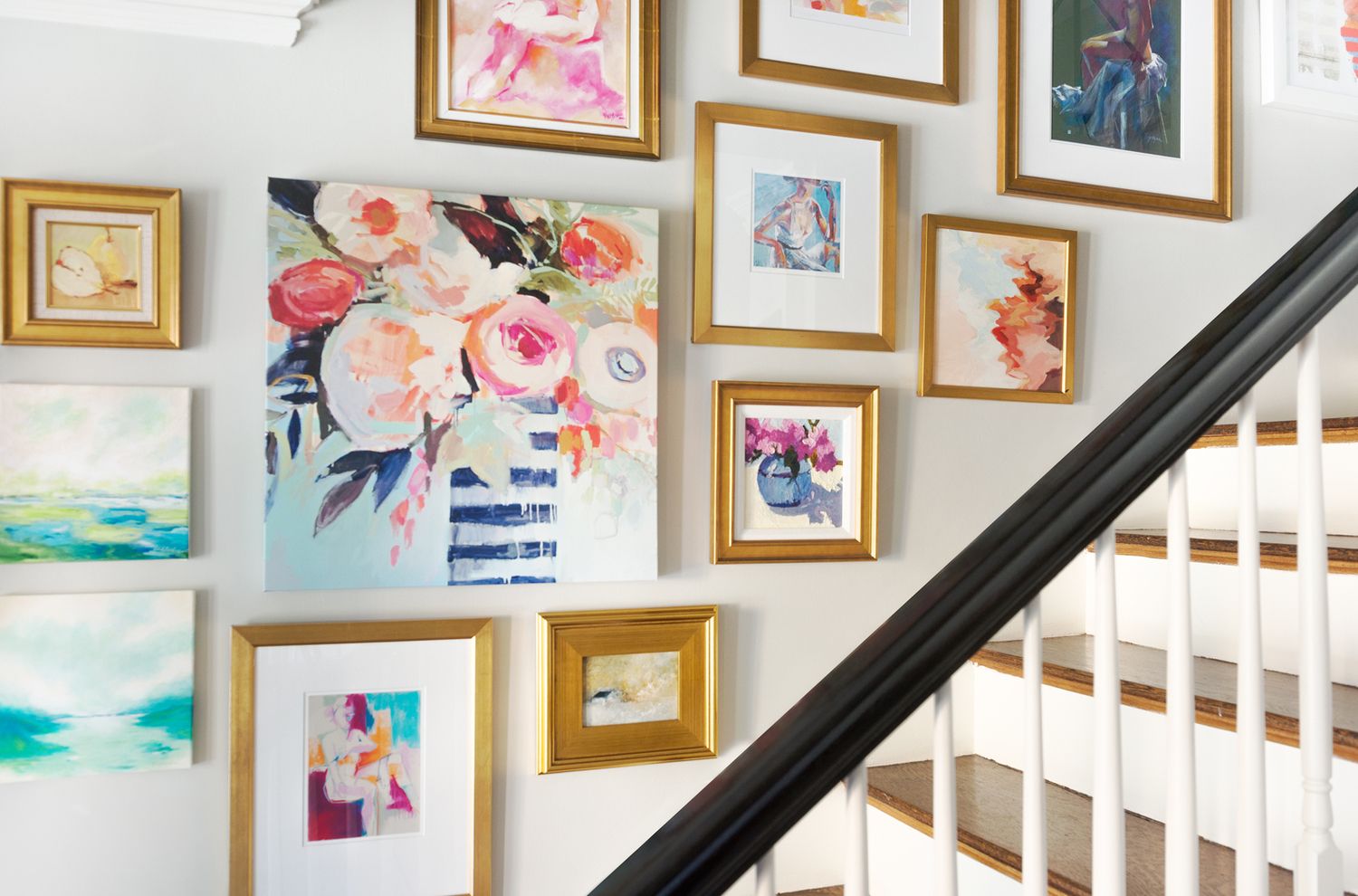
Staircases often get overlooked in interior design, yet they offer ideal opportunities to display art. Hanging pieces along the incline creates dynamic visual interest. For best results, align artwork to match your staircase’s geometry, mounting pieces at consistent intervals as you ascend. Consider prints, ceramics, artifacts, or even trailing plants for varied texture.
Hanging Tip: Follow the staircase angle, keeping the center of each piece at eye level as you climb the stairs.
©Mandarinstudio.net
11. Amplify Columns
Columns—whether structural or decorative—naturally draw the eye, making them perfect for artwork display. Take advantage of this architectural feature by pairing art with complementary furniture like elegant chairs, benches, or small accent tables. This creates intentional vignettes that feel thoughtfully curated.

©Phaidon.com
12. Arrange Art Pieces Symmetrically
Photography: Trent Bell
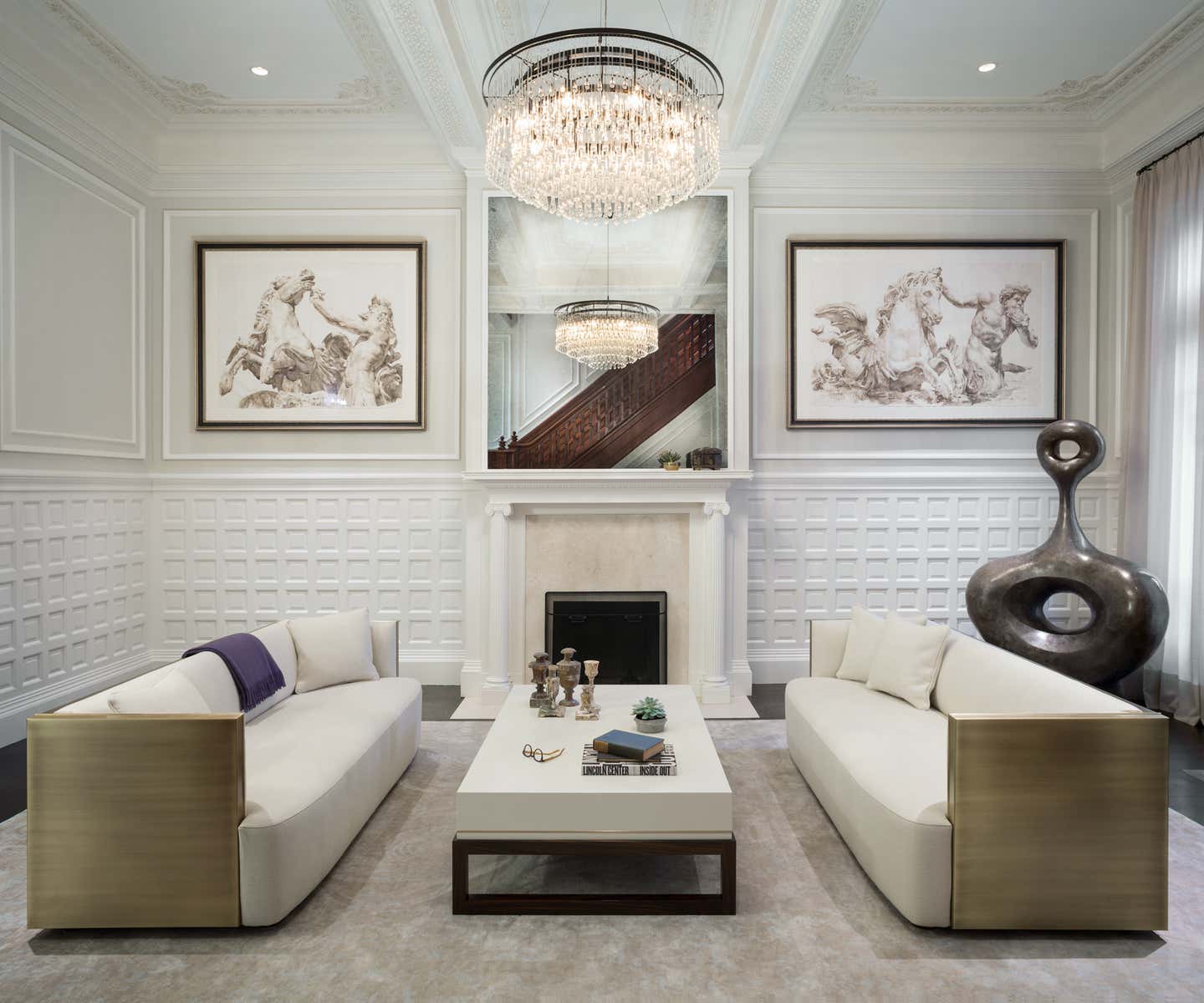
If you prefer strict and uniform, you can go for identical drawings, prints, or paintings, frame them just the same, and symmetrically arrange them.
13. Use Lighting for a More Artistic Look
Courtesy of LTK
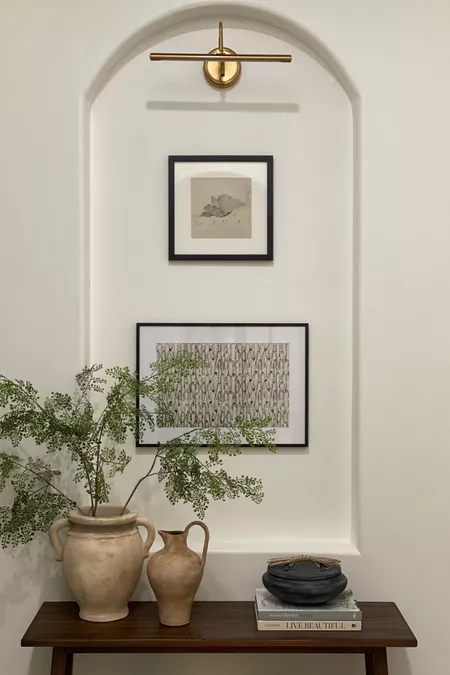
You can hang an elegant lighting fixture above you to accentuate and bring more attention to your art pieces. You can go for a low-watt light that will add beauty to your space without drawing attention away from the artwork or wall hanging.
14. Stick to a Grid
Courtesy of Mario Ruiz
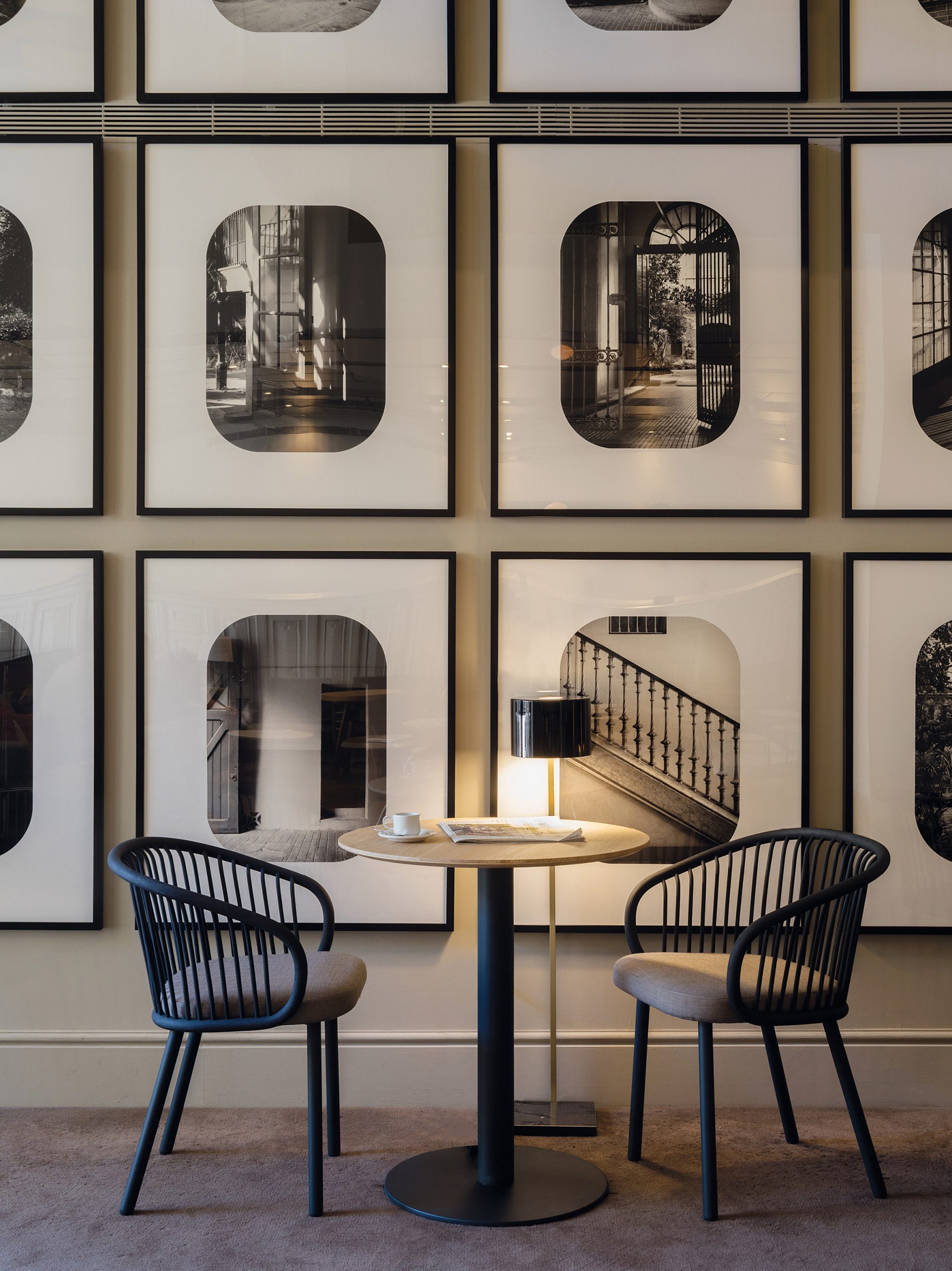
If you want the unity of symmetric prints and the richness of a gallery wall, you can arrange your artwork in a grid form. This grid can present a story, photographs you took, or simply some soothing abstract paintings.
15. Or Break the Rules!
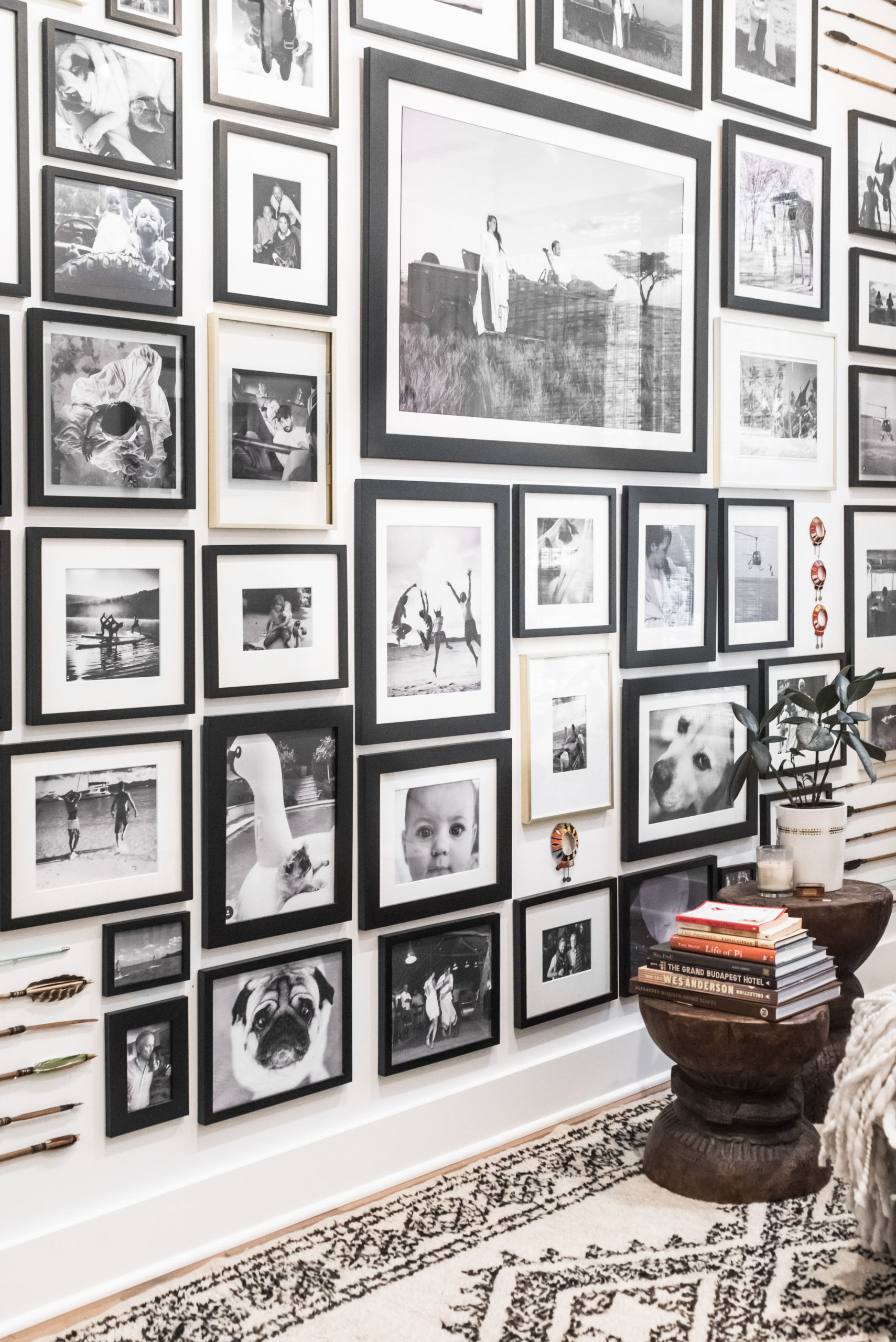
Courtesy of Haus Love Interiors
Start hanging your artwork in the center and go outward for a looser, salon-style arrangement that feels cozy and laid back. Pick an overarching theme or color to keep the presentation from looking random.
16. Don’t Forget the Bookshelves
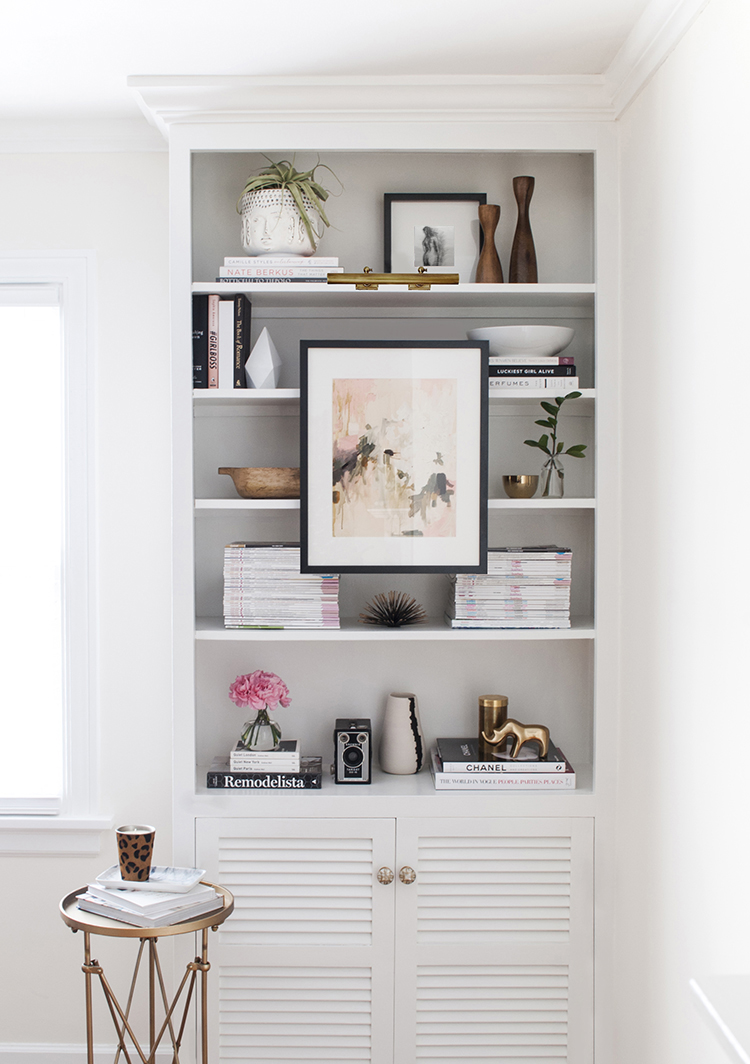
Courtesy of Sarah Gibson
Bookshelves are not just for books; they can be used to display art beautifully. Framed prints, miniature plants, and sculptural objects add interest to a bookshelf. Keep the mats and frames uniform to focus on the artwork.
17. Go Up
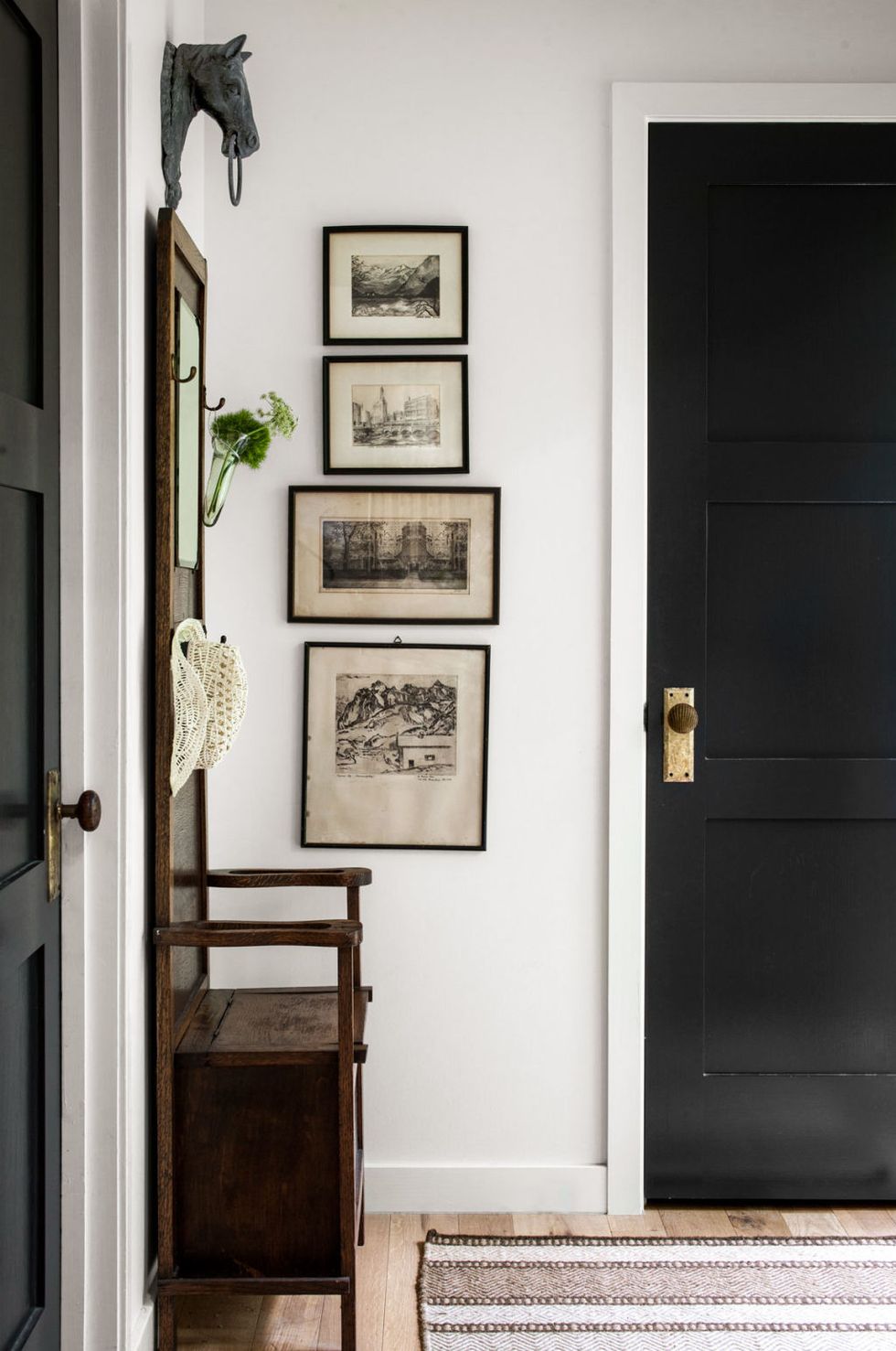
Courtesy of Helen Norman
Some artworks seem better if they’re hung vertically. You can hang one large item or a collection of smaller ones. In some cases, you’ll have a limited amount of room, and it’ll be easier to use the vertical space.
18. Arrange Art Pieces in Pairs
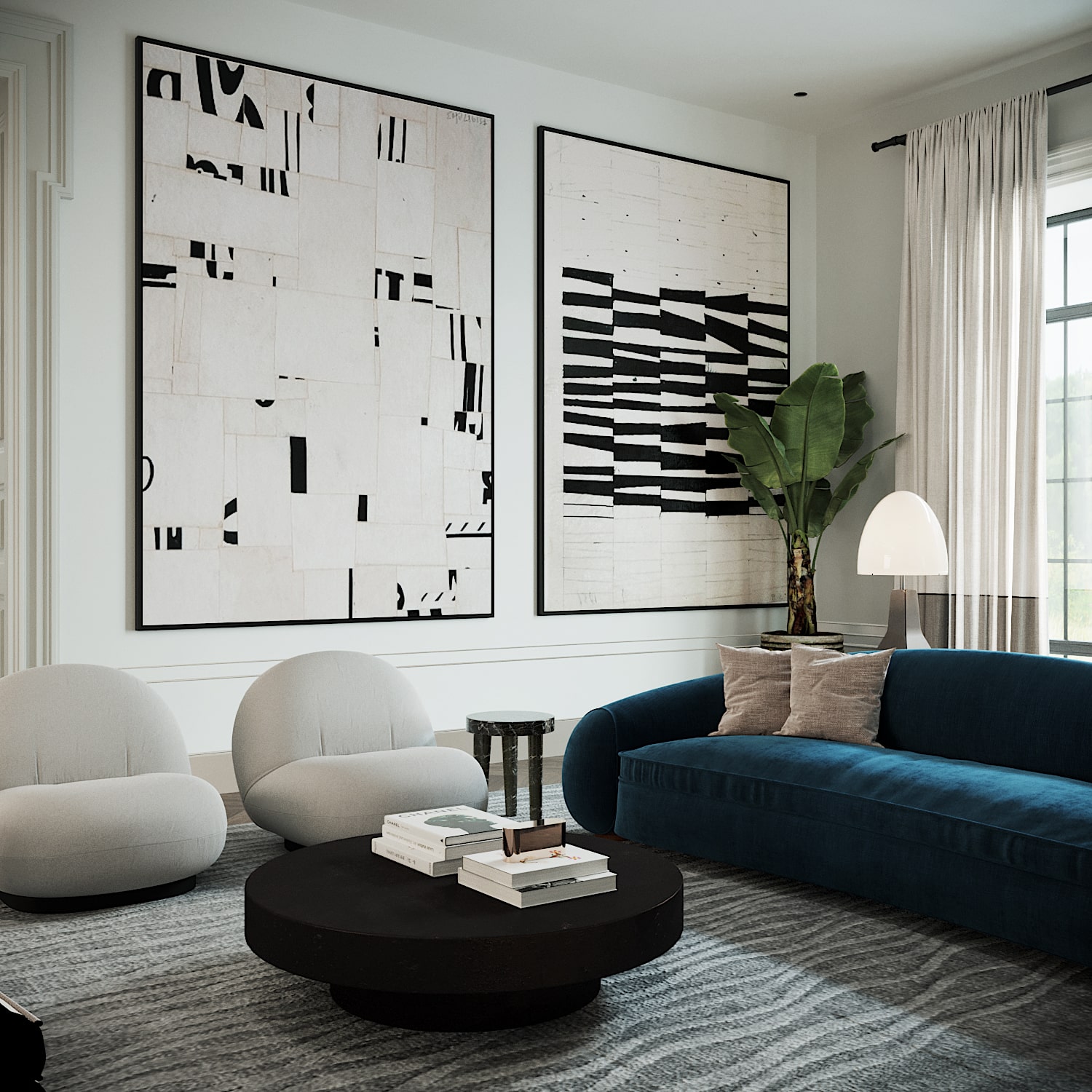
Courtesy of Vadim Maltsev
Using simply two pieces of art to create a harmonious gallery wall could be a lovely way. However, you must ensure that the two works of art complement each other and maintain similar features.
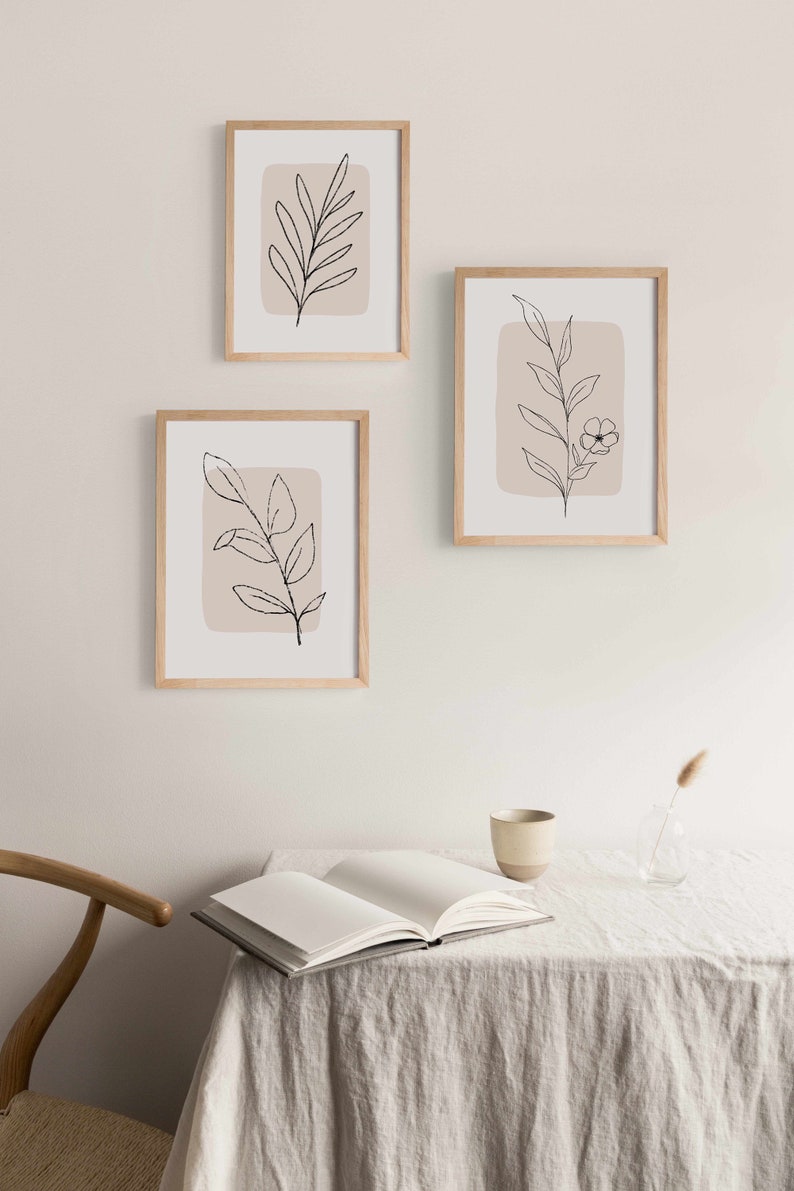
20. Or in Threes
Courtesy of Etsy
We recommend you employ the ‘rule of three’ when displaying art. In general, objects displayed in odd numbers seem better, which is true of wall art as well.
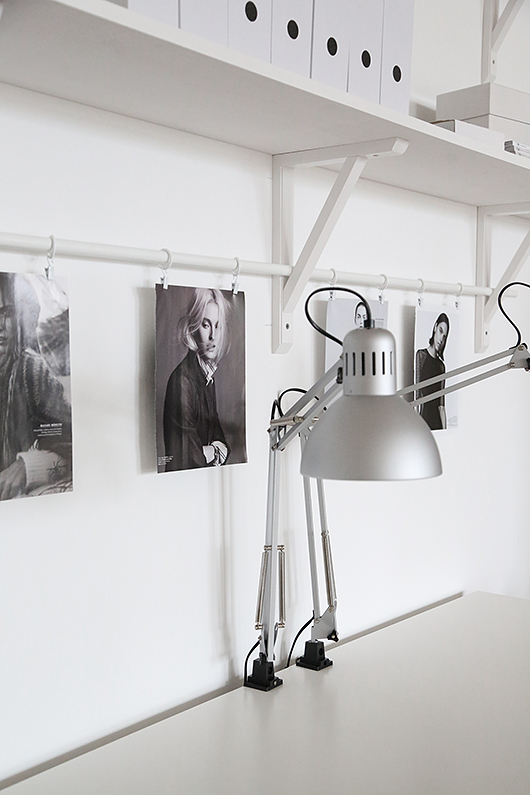
20. Use Flexible Wall Fixtures
Courtesy of Frida Ramstedt
Not everyone prefers their artwork to be shown formally. Use Japanese washi tape to stick the art for a more casual look. For this purpose, wooden skirt hangers can be used to hang artworks, giving them an industrial feel.
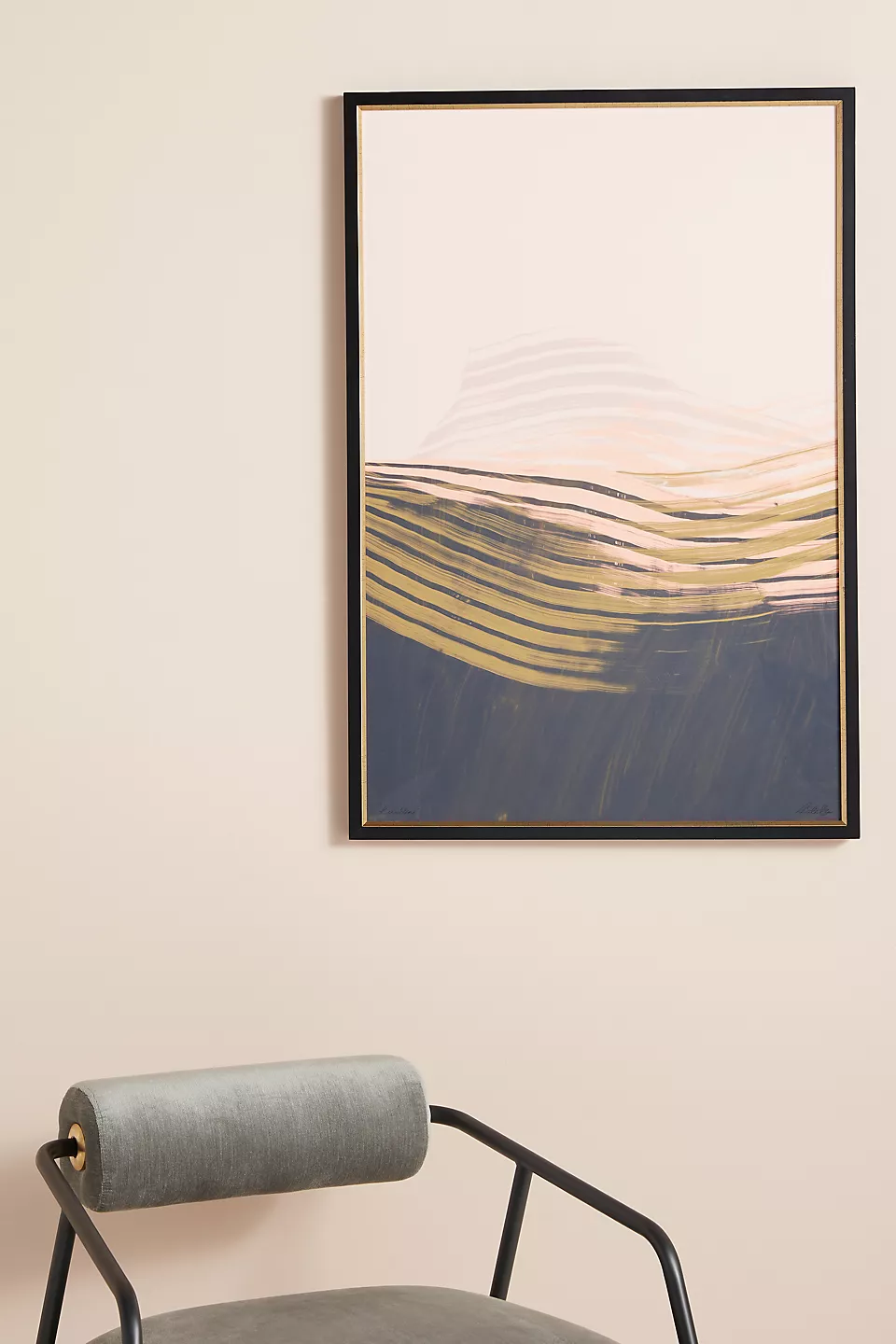
21. Use Art to Fix Scale
Courtesy of Anthropologie
You can display art in a way that plays with the scale of other decorative and furniture elements. If something looks too small or too big for the room, you can utilize the right artwork size to create a sense of scale.
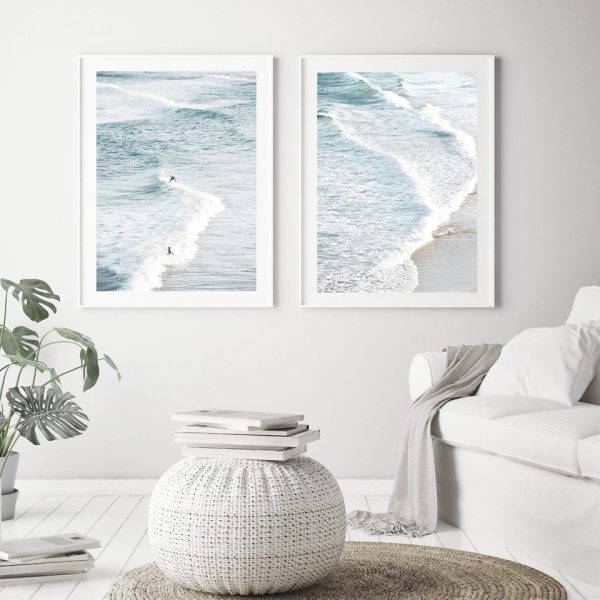
22. Create a View
Courtesy of Nordic
Artworks, especially oil paintings, can compensate for not having a view in your room or above your kitchen sink. Look for an art piece with your favorite natural view and hang it where your eyes wander!
23. Layer Art on Mantels and Consoles
Layer artwork of varying sizes on mantels, console tables, or deep windowsills. This casual approach allows frequent rearrangement without tools or wall damage. Mix framed pieces with three-dimensional objects, books, and plants for collected, curated aesthetics.
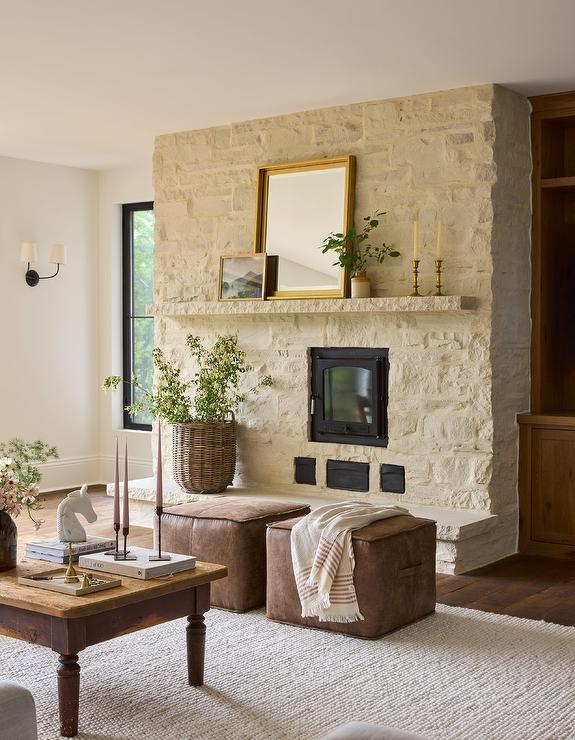
Via: AKB Design
24. Create Themed Collections
Group artwork by theme—botanical prints, vintage maps, family photographs, or abstract monochromes. Themed collections feel intentional and curated, even when pieces come from different sources. This approach works well in specific rooms: botanicals in kitchens, maps in home offices, or family photos in hallways.
25. Use Unconventional Spaces
Think beyond traditional wall spaces. Consider displaying art in unexpected locations: inside glass-front cabinets, on closet doors, in window panes, above doorways, or even on ceilings. Bathrooms, laundry rooms, and closets deserve artistic attention too. These surprising placements create delightful discoveries throughout your home.
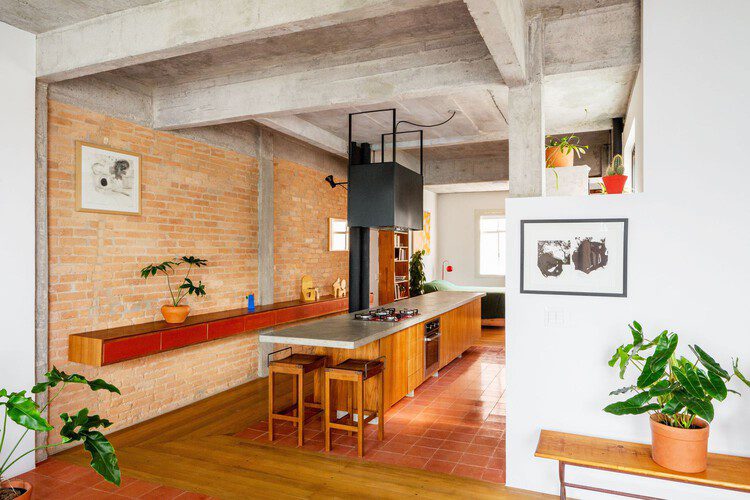
espacos multifuncionais integrando ambientes com bancadas 7
What Is the Best Height to Hang Art?
The golden rule for hanging artwork is positioning the center at 57-60 inches from the floor—standard eye level for most adults. This museum-standard height ensures comfortable viewing without neck strain.
However, context matters:
Above Furniture: When hanging art over sofas, beds, or consoles, position the bottom edge 6-8 inches above the furniture top. This creates visual connection while maintaining appropriate spacing.
In Dining Rooms: Since people sit while dining, drop artwork 2-3 inches lower than standard height for better sightlines from seated positions.
In Hallways: Standard height works perfectly, as people view art while walking and standing.
For Very Large Pieces: Center slightly lower to account for increased visual weight and ensure the composition feels grounded.
Pro Measuring Tip: Mark your wall at 57 inches, then measure up from that point half the artwork’s height. This identifies where your hanger should go.
How to Arrange Multiple Pieces of Art on a Wall?
Arranging multiple artworks requires planning but delivers stunning results. Follow these proven techniques:
The Paper Template Method
Before making any holes, create paper templates matching your frames’ exact dimensions. Tape these to your wall, adjusting until you achieve the perfect arrangement. This foolproof method prevents costly mistakes and unnecessary holes.
What Are the Rules for Hanging Art?
While creativity should guide your displays, several time-tested principles ensure professional-looking results:
The One-Third/Two-Thirds Rule
Your artwork grouping should cover approximately two-thirds to three-quarters of the wall space you’re filling. This prevents displays from feeling lost or overwhelming.
Proportion Guidelines
For Wall Art Above Furniture:
Common Mistakes to Avoid
Hanging Too High: This is the #1 mistake—remember the 57-inch rule
Ignoring Scale: Tiny artwork on massive walls (or vice versa) creates awkward proportions
Drilling Without Planning: Always use paper templates first
Forgetting Lighting: Even beautiful art suffers in poor lighting
Overcrowding: Leave breathing room—walls need negative space too
How Do You Display Art Without Damaging Walls?
Renters and commitment-phobes rejoice—multiple solutions let you display art without permanent wall damage:
Command Strips and Adhesive Hooks
Modern adhesive technology supports surprising weight (up to 16 pounds per strip) while removing cleanly. Perfect for frames, small canvases, and lightweight decorative objects.
What is the rule of thumb for hanging art?
The standard rule positions artwork’s center at 57-60 inches from the floor—average eye level for adults. This museum-standard height ensures comfortable viewing. When hanging above furniture, place the bottom edge 6-8 inches above the furniture top instead.
How far apart should art be on a wall?
Maintain 2-3 inches of space between individual frames in gallery wall arrangements. This spacing creates visual connection without crowding. For grid arrangements, keep spacing absolutely consistent across all pieces for professional, intentional appearance.
Can you mix different frame styles?
Absolutely! Mixing frame styles adds personality and prevents displays from feeling too matchy or sterile. For cohesive results, find unifying elements like consistent color schemes, similar finishes (all wood, all metal), or complementary artwork subjects. The key is intentional variety rather than random assortment.
What are the easiest ways to display art without nails?
Floor-leaning artwork offers the simplest no-damage solution—just prop pieces against walls on mantels, consoles, or floors. Command Strips support lightweight to medium pieces (up to 16 pounds) without nails. Picture ledge shelves let you display multiple pieces that rest rather than hang. Freestanding easels work wonderfully for featured artwork.
How do I choose the right size art for my wall?
For artwork above furniture, pieces should span 2/3 to 3/4 the furniture’s width. For standalone wall displays, artwork or groupings should fill approximately two-thirds of the available wall space. When in doubt, go larger—oversized art makes bolder, more confident statements than undersized pieces.
Should I hang art before or after painting?
Always paint first, then hang art. Painting with artwork already mounted risks drips and damage. Fresh paint also needs several weeks to fully cure before supporting hanging hardware weight. Painting provides the perfect opportunity to patch old holes and start with clean surfaces for optimal display planning.
How do I create a cohesive gallery wall?
Start by selecting a unifying element: color palette, frame style, subject theme, or consistent matting. Lay your entire arrangement on the floor first, photographing it for reference. Use paper templates on walls to perfect positioning before drilling. Maintain consistent 2-3 inch spacing throughout, and don’t be afraid to adjust—gallery walls often require tweaking to achieve perfect balance.
Final Thoughts: Making Your House a Home with Art
Learning how to display art in your home transforms houses into personalized sanctuaries that reflect your unique taste and experiences. Whether you prefer minimalist frameless canvases, elaborate gallery walls, or eclectic salon-style arrangements, the right approach showcases your collection beautifully while enhancing your overall interior design.
Remember, there are no absolute rules in art display—guidelines exist to help, but your personal preferences should always take priority. Start with one wall or area, experiment with different arrangements using paper templates, and don’t be afraid to change things up seasonally or as your collection grows.
The most important rule? Display art you genuinely love in ways that make you happy every time you see it. Your home should tell your story, and thoughtfully displayed artwork provides the perfect medium for that narrative.
Ready to transform your walls? Start with your favorite piece and build from there. Your perfect gallery awaits!

Toqa Mostafa is a dedicated editor at Arch2O, bringing a sharp editorial perspective to architectural storytelling. Based in Egypt, she curates and refines content that showcases innovative design and urban solutions. Her work at Arch2O highlights her ability to engage readers with compelling narratives, bridging architectural creativity and critical discourse. Toqa’s editorial expertise contributes significantly to Arch2O’s mission of exploring the intersection of design, technology, and sustainability.