

What Does Bill Gates’ House Actually Look Like?
Ever wondered what Bill Gates’ house actually looks like? Well, it’s exactly what you’d expect from one of the world’s most innovative tech entrepreneurs—absolutely genius-level innovation. According to Forbes, Bill Gates is one of the wealthiest people on the planet, which means he’s had the resources to build pretty much whatever he dreams up.
The crown jewel of his real estate collection is “Xanadu 2.0″—a groundbreaking 66,000-square-foot mansion that took seven years to build and is now ranked among the most expensive houses in the world. But here’s the thing: this isn’t just a fancy place to sleep. It’s basically a living lab for sustainable technology, smart home automation, and environmental innovation.
Curious how Bill Gates’ house stacks up against other billionaire estates? Check out why tiny houses are this generation’s big dream and see how really small houses that feel bigger on the inside take a completely different approach to luxury.

How Much Did Bill Gates’ House Actually Cost?
The Price Tag & Timeline
Here’s the wild part: Bill Gates’ house cost $63 million to build and took 7 years to complete. We’re talking about everything from imported Caribbean sand for the private beach to a 6-meter-high trampoline room. That extended timeline? It’s because integrating cutting-edge technology with sustainable architecture is seriously complicated.
What’s It Worth Now?
The mansion spans 66,000 square feet and houses an incredible collection of rare manuscripts—including one written by Leonardo da Vinci that’s worth about $8 million on its own. The whole thing was built using roughly half a million wood logs, chosen for both strength and that warm, natural aesthetic.
Here’s the impressive part: real estate experts estimate that if Bill Gates sold his house today, it would go for over $145 million—more than double what he paid to build it. That’s what happens when you combine unique features with Seattle’s ultra-desirable waterfront real estate.
Well, let’s start the tour, shall we?
Xanadu 2.0: A Detailed Tour of Bill Gates’ House
Bill Gates’ house is basically a tech masterpiece filled with features that show exactly how smart technology can make a home better. Here are nine mind-blowing facts about this architectural wonder:
1) Bedrooms: Strategic Design Over Quantity
Source: MyFirstClassLife
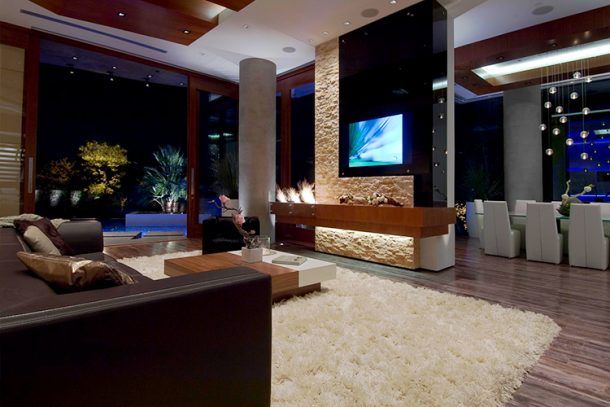
Bill Gates’ house contains only 7 bedrooms—surprisingly modest given the property’s 66,000-square-foot footprint. This design choice reflects a deliberate philosophy: rather than maximizing guest capacity, Gates prioritized craftsmanship, technology integration, and personalized comfort in each sleeping space.
Each bedroom incorporates sophisticated climate control and lighting systems (discussed in detail below), transforming them into more than simple sleeping quarters—they function as fully automated personal environments responding to occupants’ preferences.
2) Kitchens: Culinary Infrastructure for Grand-Scale Entertaining
TheStreet
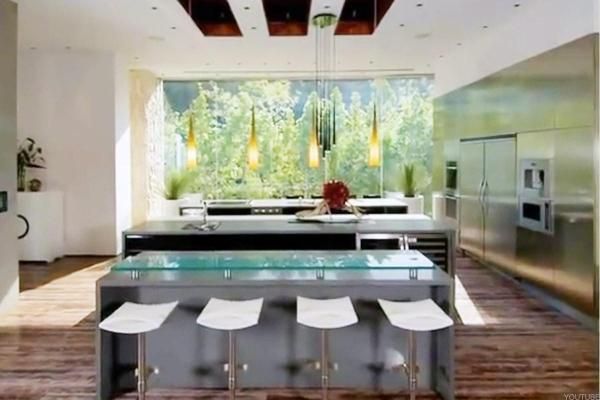
In sharp contrast to the modest bedroom count, Bill Gates’ house includes 6 separate kitchens and 24 bathrooms, ten of which feature freestanding bathtubs. This abundance of culinary infrastructure reflects the property’s capacity for hosting extended family, dignitaries, and large-scale entertaining events.
The multiple kitchens enable simultaneous meal preparation by different culinary teams, facilitating the logistics of feeding hundreds of guests during state events or private galas. This distributed kitchen design represents practical infrastructure planning for ultra-high-net-worth entertaining.
Reception Hall: Grand Entertaining Space with Cutting-Edge Technology
Source: HomeDesign7.Com
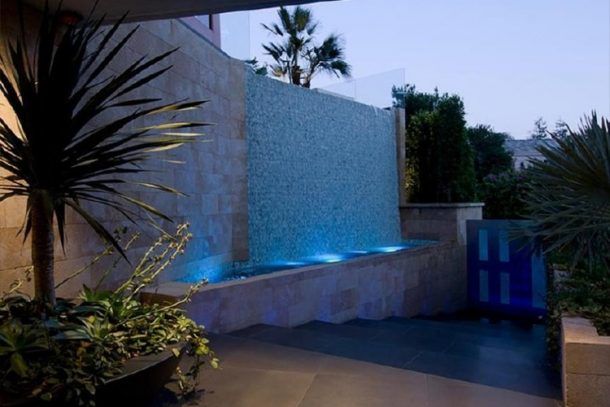
One of the most impressive features of Bill Gates’ house is its reception hall, which can accommodate up to 200 guests simultaneously. This grand entertaining space features:
-
22-foot-high video screen on one wall—a technological centerpiece for presentations, entertainment, or video conferencing at scale
-
6-foot-wide limestone fireplace on the adjacent wall—a classical architectural element providing warmth and visual contrast to modern technology
This space exemplifies the design philosophy throughout Bill Gates’ house: seamless integration of classical architecture with contemporary technology infrastructure.
4) Swimming Pool: An Underwater Entertainment Complex
Source: MyFirstClassLife
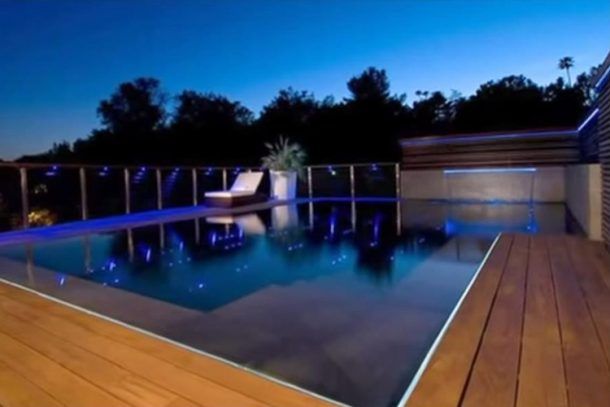
Rather than a simple residential swimming pool, Bill Gates’ house features an entire 3,900-square-foot building dedicated exclusively to aquatic recreation. The centerpiece is a 60-foot-long heated swimming pool with innovative architectural features:
-
Underwater glass wall allowing swimmers to transition directly from the pool to an outdoor terrace—creating a seamless indoor-outdoor entertaining experience
-
Integrated underwater music system—permitting swimmers to enjoy personalized audio entertainment while exercising or relaxing in the water
-
Advanced climate control—maintaining optimal water temperature and humidity year-round
This amenity demonstrates how Bill Gates’ house transcends traditional residential living, creating specialized spaces for specific activities with integrated technology enhancement.
5) Garages: Automotive Infrastructure & Intentional Design Aesthetics
Source: Daily Telegraph
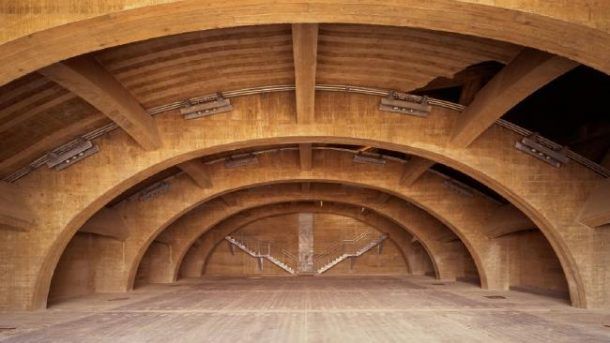
Bill Gates’ house includes multiple garages positioned throughout the property—reflecting both functional necessity and strategic design distribution. The most distinctive is an underground garage capable of accommodating up to 10 vehicles, constructed from concrete and stainless steel.
Notable Design Feature: The intentionally fractured concrete surfaces throughout this underground garage represent an artistic design concept—transforming functional infrastructure into deliberate aesthetic statement. This space remains largely inaccessible to the public and rarely photographed, making it one of Bill Gates’ house’s most mysterious and exclusive elements.
The sophisticated garage infrastructure accommodates both personal vehicles and guest transportation, essential infrastructure for a property hosting hundreds of visitors.
6) Lighting System: Smart Home Technology That Learns & Adapts
Source: Comedy Flavors
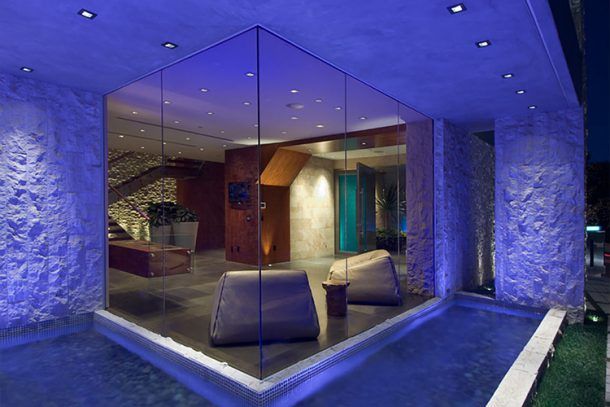
One of the most sophisticated technological systems in Bill Gates’ house is its comprehensive smart lighting and climate control network—perhaps the most innovative feature that sets this residence apart from traditional luxury homes.
How The System Works:
Personalized Environmental Control: Being a guest in Bill Gates’ house includes receiving a personalized PIN-enabled control device upon arrival. This device grants each guest the ability to manage:
-
Room lighting – Intensity, color temperature, and automated scheduling
-
Climate control – Temperature preferences maintained throughout the residence
-
Ambiance settings – Comprehensive environmental customization
Adaptive Technology:
Most remarkably, the system automatically adjusts settings as guests move through Bill Gates’ house. The proprietary technology tracks occupant location and preferences, seamlessly transitioning environmental parameters between rooms to maintain personalized comfort.
This represents a pioneering implementation of what modern smart home technology now calls “adaptive lighting”—systems that optimize circadian rhythm support, energy efficiency, and user experience simultaneously. Bill Gates’ house essentially functions as a prototype for residential environmental automation that major technology companies now commercialize.
For more insights on how advanced lighting systems transform interior spaces, explore mood lighting tips to transform interiors and learn about how interior lighting design transforms spaces.
7) Artificial Stream: Innovative Stormwater Management

Source: Herald Sun
Beyond aesthetic appeal, Bill Gates’ house incorporates an artificial stream that serves critical infrastructure functions while providing ecological benefits. This innovative system addresses potential runoff issues that could arise from the mansion’s massive roof surface and extensive hardscaping.
Design & Function:
Rather than conventional underground drainage systems, the creative solution routes stormwater through a visible artificial stream featuring:
-
Native aquatic ecosystems – The stream supports populations of trout and salmon, creating biodiversity within the property
-
Drainage function – Manages excess runoff from the massive building and surrounding landscape
-
Aesthetic enhancement – Transforms necessary infrastructure into visually appealing landscaping feature
This exemplifies Bill Gates’ house design philosophy: infrastructure solving multiple problems simultaneously—combining practical drainage, environmental stewardship, and landscape beautification.
8) Artworks & Dynamic Display Systems: A Gallery That Never Repeats
Source: MyFirstClassLife
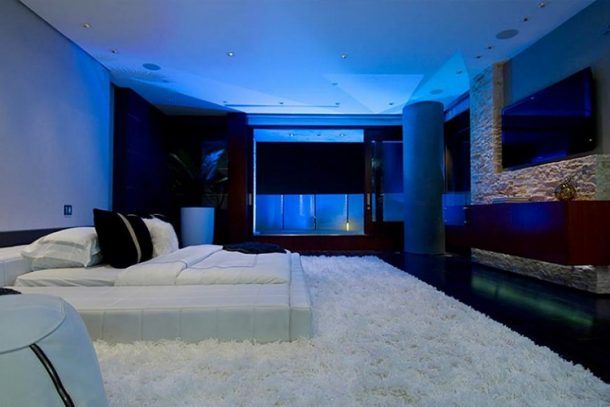
One of the most innovative aspects of Bill Gates’ house is its approach to art collection and display—addressing a unique problem: the challenge of appreciating vast art collections in finite space.
The Solution: Digital Display Technology
Bill Gates’ house features $80,000 worth of high-resolution digital screens installed throughout the mansion. These sophisticated displays enable:
-
Dynamic artwork rotation – The displayed painting, photograph, or digital artwork can be changed instantaneously
-
Collection integration – Gates’ entire collection remains digitally accessible and displayable without requiring physical space
-
Curatorial flexibility – The art selection can be adjusted to match mood, season, or entertaining occasion
Supporting Infrastructure:
The storage and server systems supporting this digital art collection alone cost $150,000—emphasizing the technological sophistication required to manage such an extensive archive at residential scale.
Rather than conventional gallery approaches, Bill Gates’ house transforms artwork display into dynamic, responsive technology—allowing infinite visual variety while maintaining curated artistic presentation.
9) Environment-Friendly Design: Sustainability at Luxury Scale

Source: Business Insider
Perhaps most importantly, Bill Gates’ house demonstrates that luxury and environmental responsibility need not be mutually exclusive. The mansion incorporates several sustainable design principles:
Earth-Sheltered Architecture
The property’s earth-sheltered design represents a pioneering approach to energy-efficient residential construction at luxury scale. This architectural strategy involves:
-
Berming – Positioning portions of the building into hillside terrain
-
Thermal mass advantage – Earth surrounding the structure moderates temperature fluctuations naturally
-
Maintained steady indoor temperature – Reduces reliance on mechanical heating and cooling systems throughout the year
-
Dramatically reduced HVAC loads – Translating to significant energy savings and carbon footprint reduction
Strategic Landscaping for Climate Control
-
Extensive tree plantings – Tall trees surrounding the property reduce solar heat gain in summer and provide wind protection in winter
-
Vegetation-based thermal regulation – Native and adapted plantings provide passive climate modification
-
Ecological integration – The landscaping supports local biodiversity while serving functional climate purposes
Overall Sustainability Impact
Collectively, these design strategies enable Bill Gates’ house to maintain comfortable interior conditions while consuming dramatically less energy than a comparable-sized traditional mansion. This approach demonstrates how high-end residential design can prioritize environmental stewardship—a principle increasingly important to wealthy homeowners and architects designing 21st-century residences.
What is Bill Gates’ house called?
Bill Gates’ house is named Xanadu 2.0—a reference to the fictional palatial estate in Orson Welles’ film “Citizen Kane.” The name suggests grandiose scale and imaginative design, appropriate for a 66,000-square-foot mansion incorporating cutting-edge technology.
How much did Bill Gates’ house cost to build?
The construction cost for Bill Gates’ house Xanadu 2.0 totaled $63 million and required 7 years to complete. This investment reflects the complexity of integrating sophisticated smart home technology, sustainable architectural systems, and bespoke customization throughout the 66,000-square-foot residence.
Where is Bill Gates’ house located?
Bill Gates’ house is situated on the shores of Lake Washington near Seattle, Washington—one of the most desirable waterfront locations in the Pacific Northwest. The lakefront location provides scenic views while supporting the property’s water-management and recreational systems.
How many bedrooms does Bill Gates’ house have?
Bill Gates’ house contains 7 bedrooms—surprisingly modest considering the property’s massive scale. This design prioritizes quality, technological sophistication, and personalized comfort in each sleeping space rather than maximizing guest capacity.
What makes Bill Gates’ house unique?
Bill Gates’ house is distinguished by several innovative features:
-
Adaptive smart lighting system responding to occupant behavior and location
-
Earth-sheltered sustainable architecture reducing energy consumption
-
Digital art display systems enabling dynamic artwork rotation
-
Underground 10-car garage with artistic design elements
-
Integrated aquatic recreation complex with underwater music systems
-
Artificial stream managing stormwater while supporting fish populations
-
Leonardo da Vinci manuscript collection valued at $8 million
How much is Bill Gates’ house worth today?
Current estimates suggest Bill Gates’ house would command a price exceeding $145 million if sold—more than double its original $63 million construction cost. This appreciation reflects the unique nature of the property, its cutting-edge technology integration, and the desirability of Seattle waterfront real estate.
What technology does Bill Gates’ house use?
Bill Gates’ house incorporates numerous advanced technologies:
-
Adaptive smart lighting and climate control systems responding to occupant behavior
-
High-resolution digital display screens ($80,000+) for dynamic artwork presentation
-
Advanced security and automation systems controlling all property functions
-
Integrated server infrastructure ($150,000+) supporting digital art collection
-
Smart door locks and access control systems
-
Automated temperature management leveraging earth-sheltered architecture
-
Sophisticated water management systems including underground streams and aquatic environments
How does the smart lighting system in Bill Gates’ house work?
The lighting system features personalized control devices issued to guests, enabling management of room lighting, temperature, and ambiance settings. Most remarkably, the system automatically adjusts environmental parameters as occupants move through different areas of Bill Gates’ house, seamlessly maintaining personalized comfort preferences—a pioneering implementation of adaptive smart home technology.
Design Philosophy: Innovation Meeting Luxury
Bill Gates’ house Xanadu 2.0 represents a distinctive approach to ultra-luxury residential design—one prioritizing technological innovation, environmental stewardship, and personalized comfort over traditional markers of opulence like room quantity or ostentatious materials.
Key Design Principles:
-
Technology integration – Every system supports enhanced living experiences and operational efficiency
-
Sustainability focus – Environmental responsibility integrated at architectural scale
-
Personalization – Systems adapt to individual preferences and behaviors
-
Functional beauty – Infrastructure transformed into design features (artificial stream, broken concrete garage)
-
Future-oriented – Design anticipates residential technology evolution
Comparative Context:
For perspective on how Bill Gates’ house approaches luxury differently than traditional billionaire mansions, explore the world’s most expensive houses to understand alternative luxury philosophies. Additionally, small houses that feel bigger on the inside demonstrate how space efficiency and thoughtful design can create expansive experiences regardless of square footage.
Architectural Legacy & Influence
Bill Gates’ house Xanadu 2.0 has profoundly influenced residential architecture and smart home technology development. Elements pioneered in this mansion—adaptive lighting systems, earth-sheltered design, integrated smart home automation, sustainable infrastructure—now appear in luxury residential developments globally.
The property serves as an architectural laboratory, demonstrating how cutting-edge technology can enhance rather than dominate residential living spaces. Rather than technology for its own sake, Bill Gates’ house integrates innovation serving practical purposes: comfort, security, sustainability, and enriched human experience.
Conclusion
Bill Gates’ house Xanadu 2.0 stands as one of the world’s most technologically sophisticated and environmentally conscious luxury residences. From its $63 million construction cost and 66,000-square-foot footprint to its revolutionary smart lighting systems, Leonardo da Vinci manuscript collection, and earth-sheltered sustainable architecture, every element reflects Gates’ priorities: innovation, intelligence, and intentional living.
Whether through the adaptive lighting that learns your preferences, the artificial stream managing both drainage and ecology, or the digital art system enabling infinite visual variety, Bill Gates’ house demonstrates that luxury residential design can simultaneously embrace technological sophistication, environmental stewardship, and personalized comfort.
As smart home technology continues evolving and sustainability becomes increasingly central to high-end residential design, Bill Gates’ house Xanadu 2.0 remains the definitive example of how visionary thinking, technological expertise, and architectural ambition can create not just a home—but a fully realized vision of 21st-century living.

Daniel Mercer is a Coffee Break section editor at Arch2O, currently based in Berlin, Germany. With a background in architectural history and design journalism, Daniel holds a Master’s degree from the University of Edinburgh, where he focused on modern architecture and urban theory. His editorial work blends academic depth with a strong grasp of contemporary design culture. Daniel has contributed to several respected architecture publications and is known for his sharp critique and narrative-driven features. At Arch2O, he highlights innovative architectural projects from Europe and around the world, with particular interest in adaptive reuse, public infrastructure, and the evolving role of technology in the built environment.