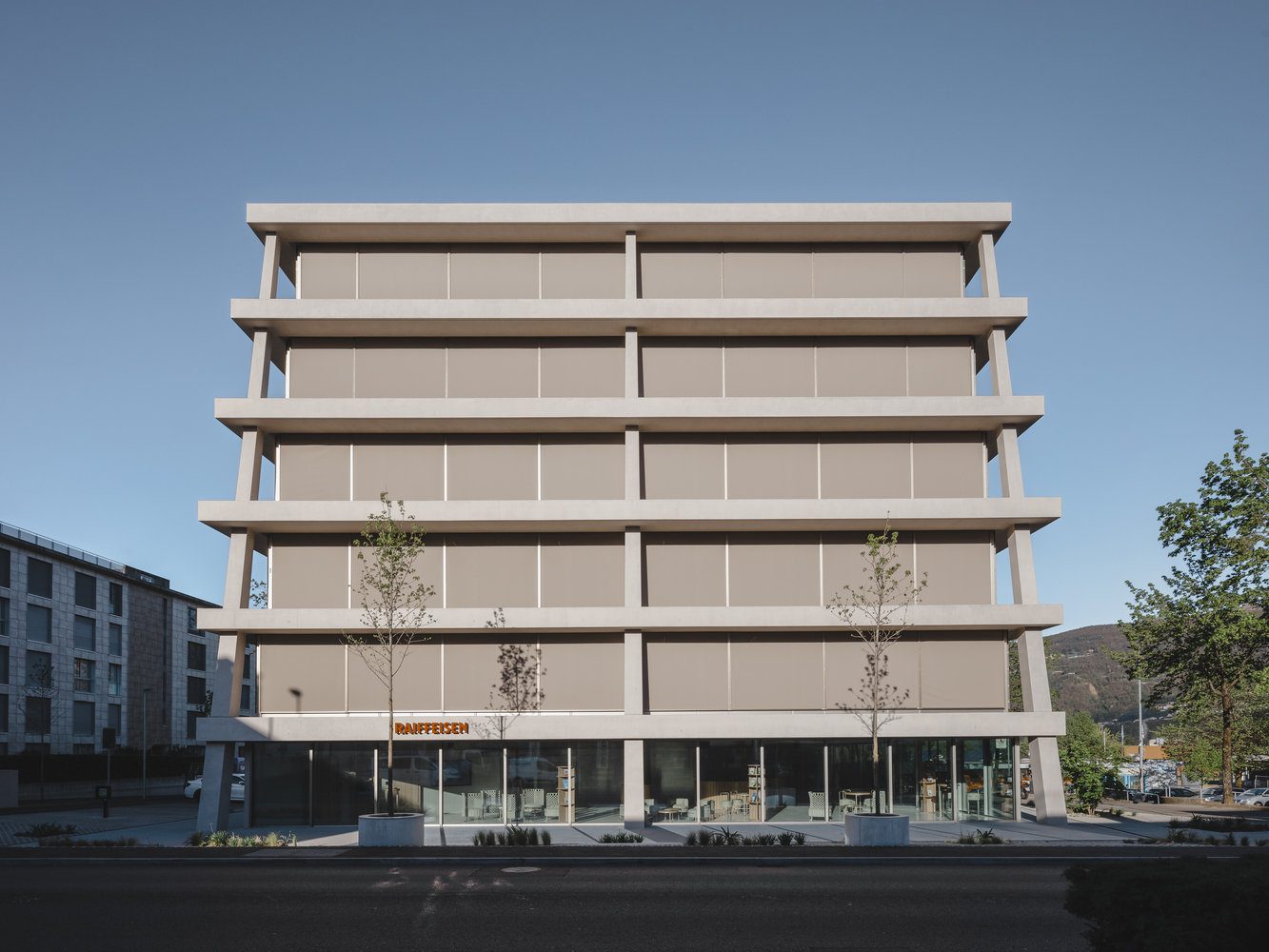
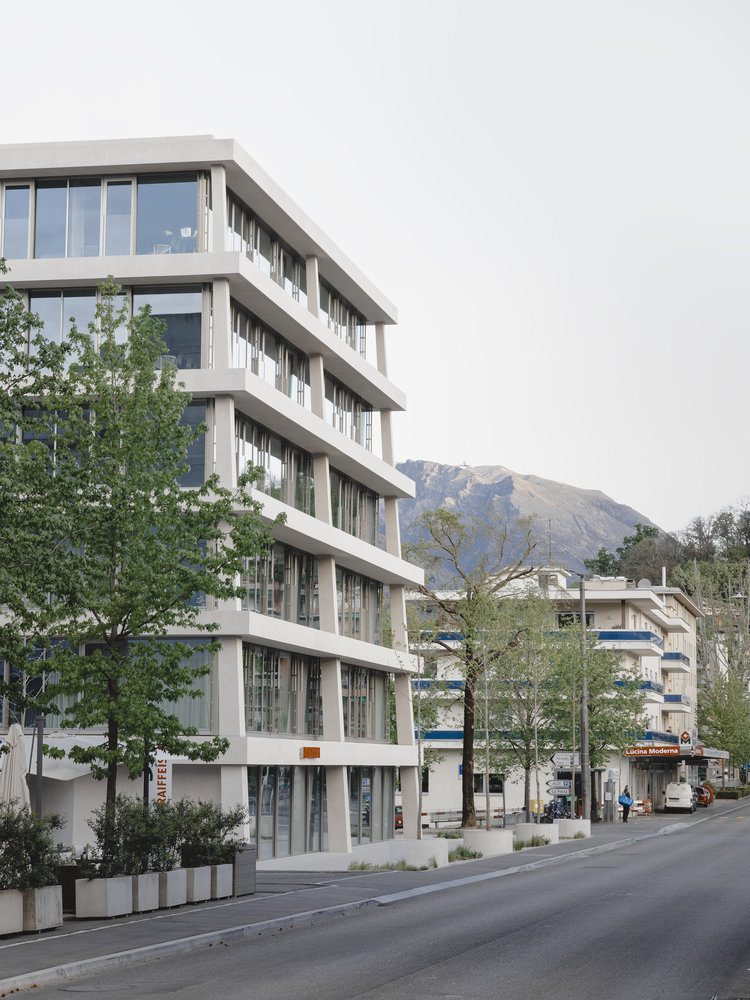
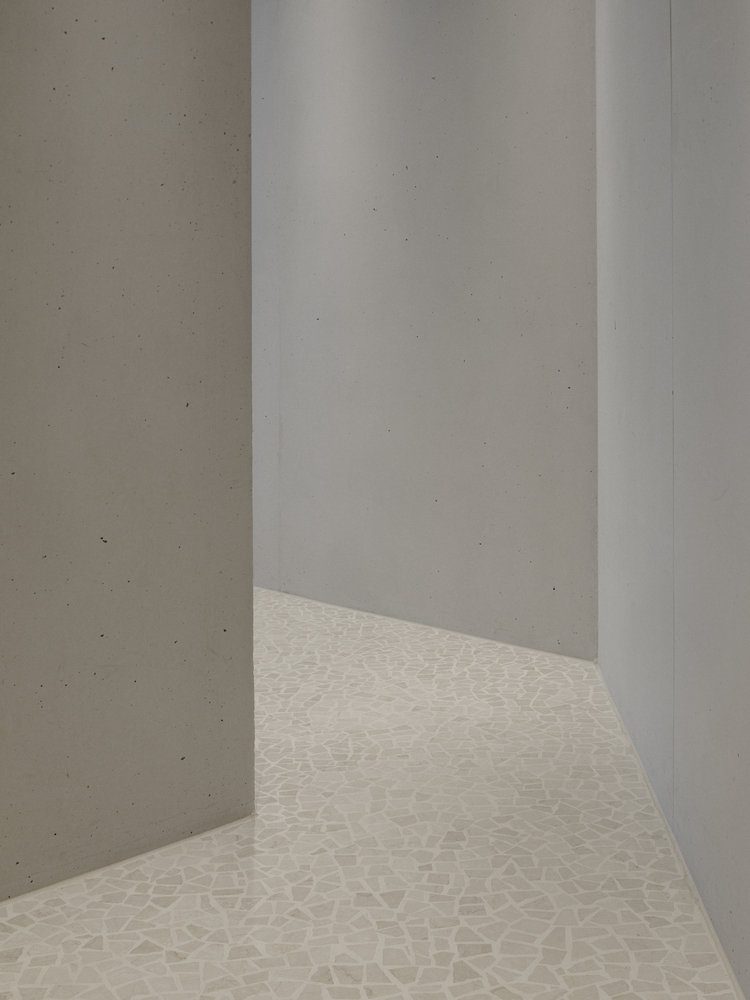
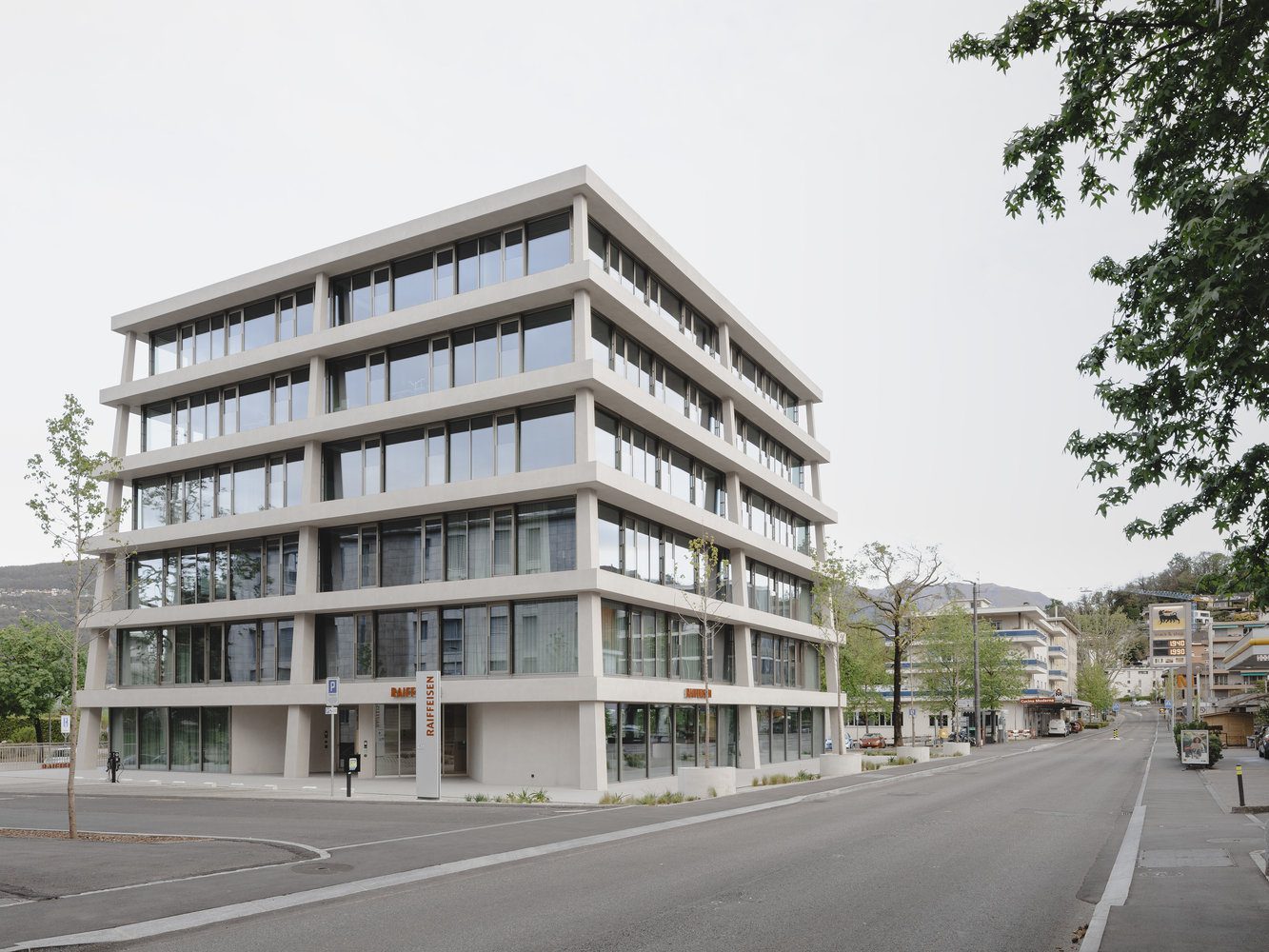
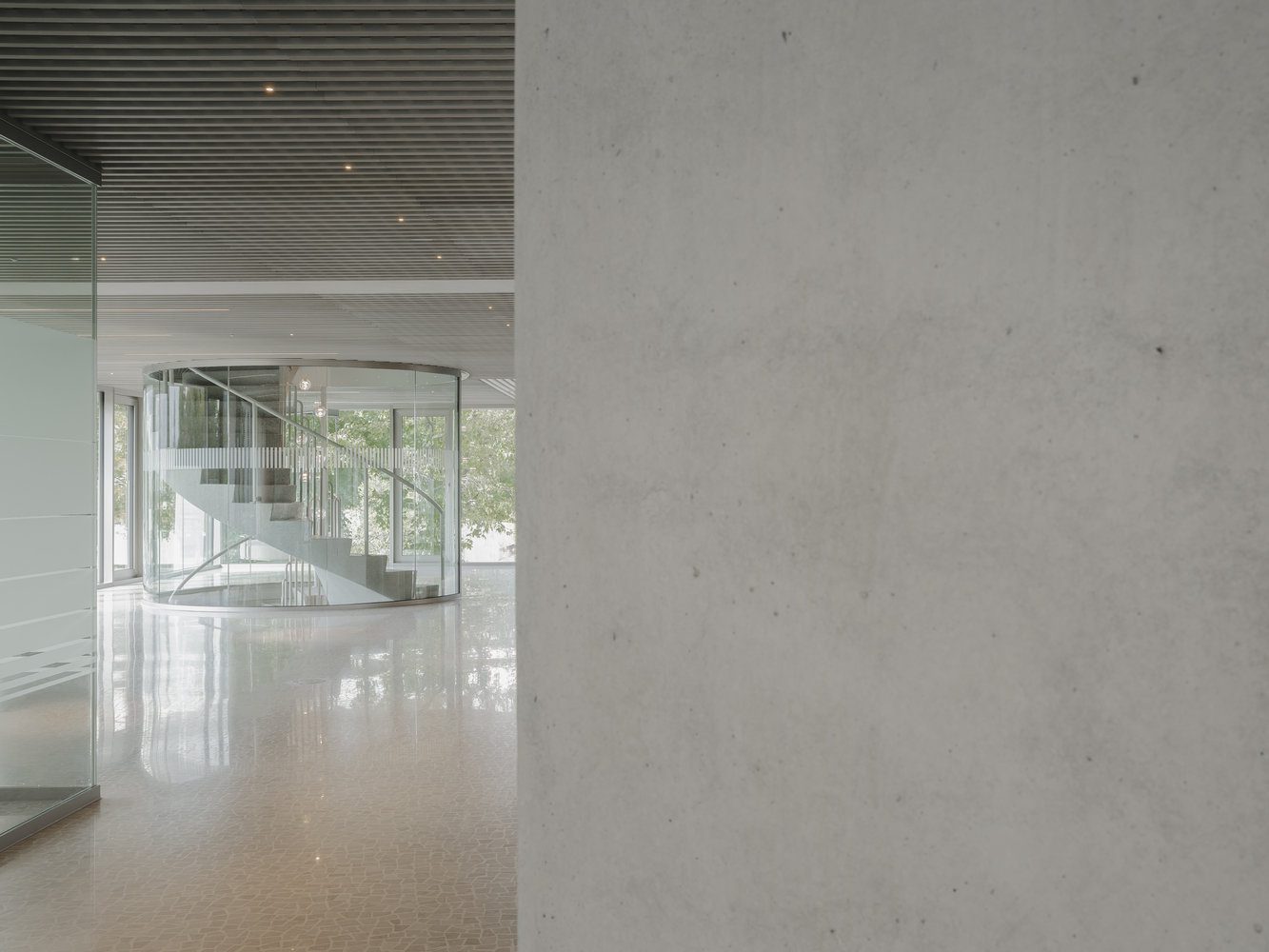
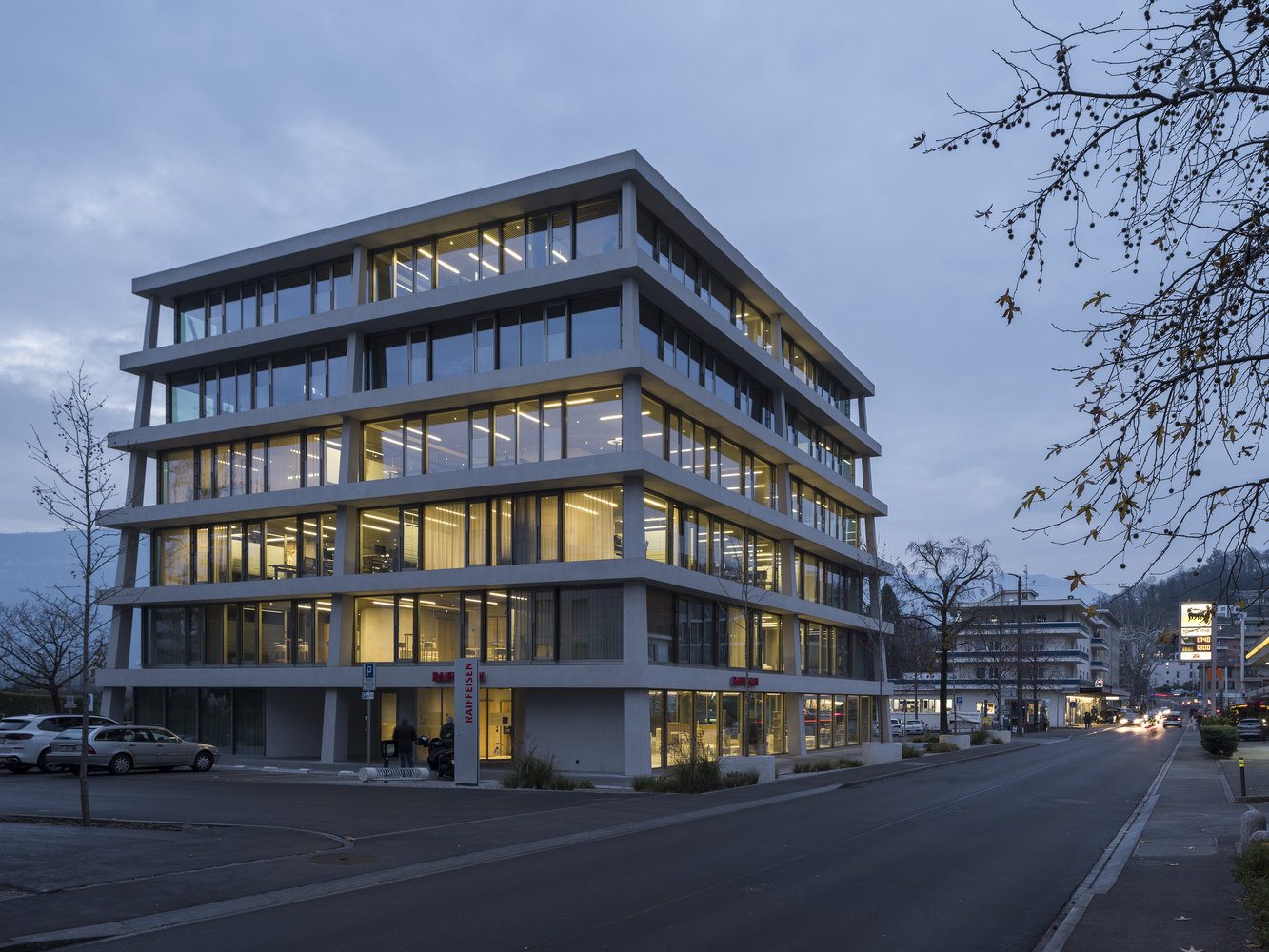
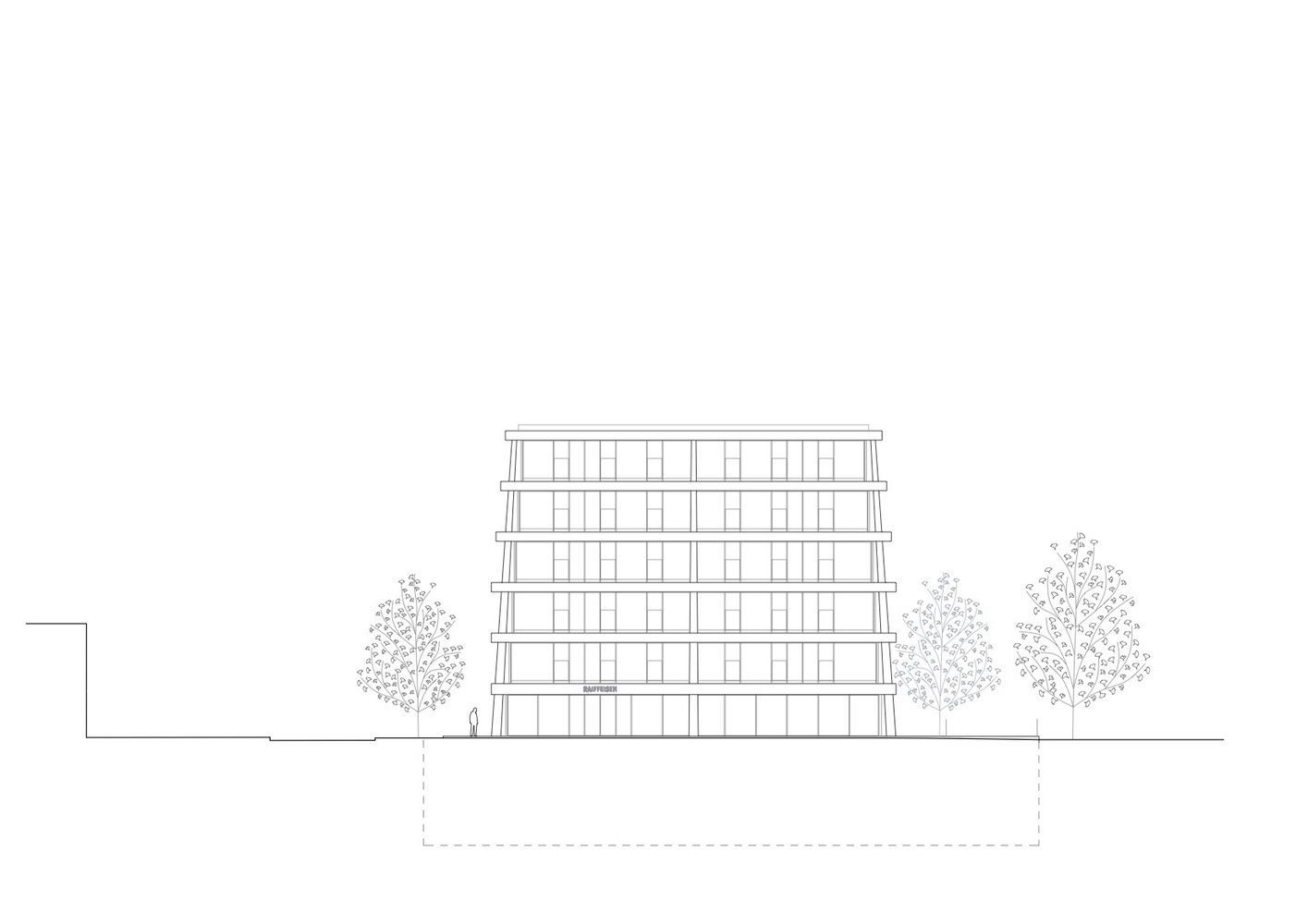
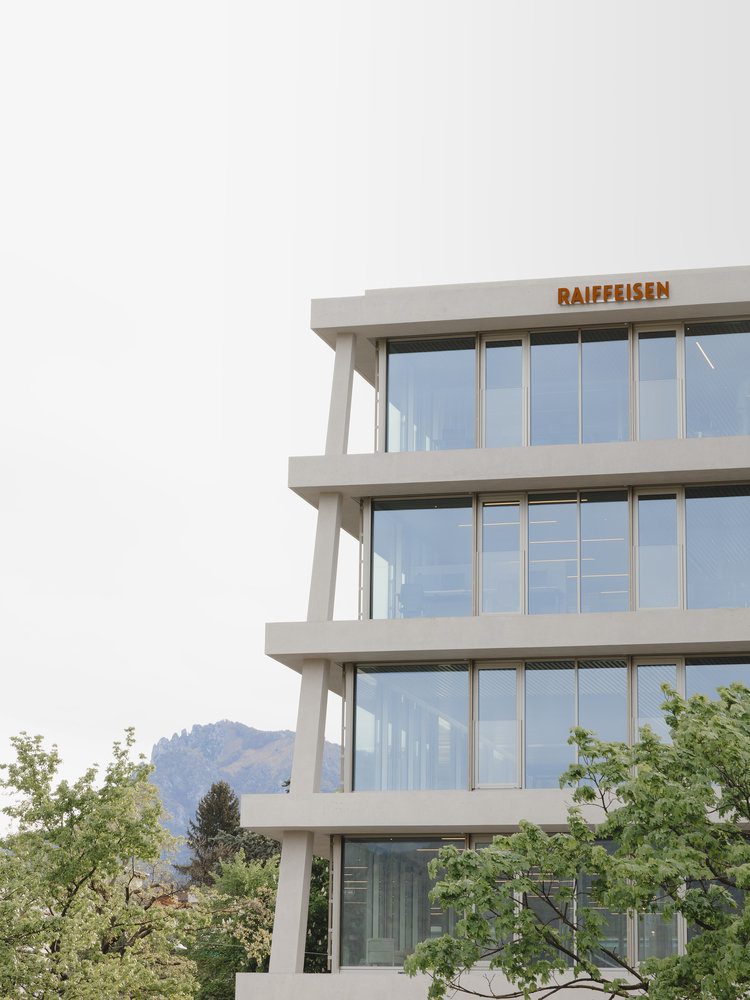
Raiffeisen Bank Colline del Ceresio in Savosa has achieved the highest ecological and sustainability standards. It is the first SNBS Gold-certified administrative building in Ticino and has obtained Minergie P-Eco certification. This building is constructed from a reborn material: recycled concrete, recovered and transformed into a new building material. In it, what was once waste becomes a resource, what was once the past becomes the future. It won the “Best Architects 26” award and was selected as one of the eight finalists for the Insubrica Region’s “Atlas of Sustainable Architecture 2024”: awards that celebrate its innovative and visionary nature.
© Giorgio Marafioti Photography, René Lamb Fotodesign
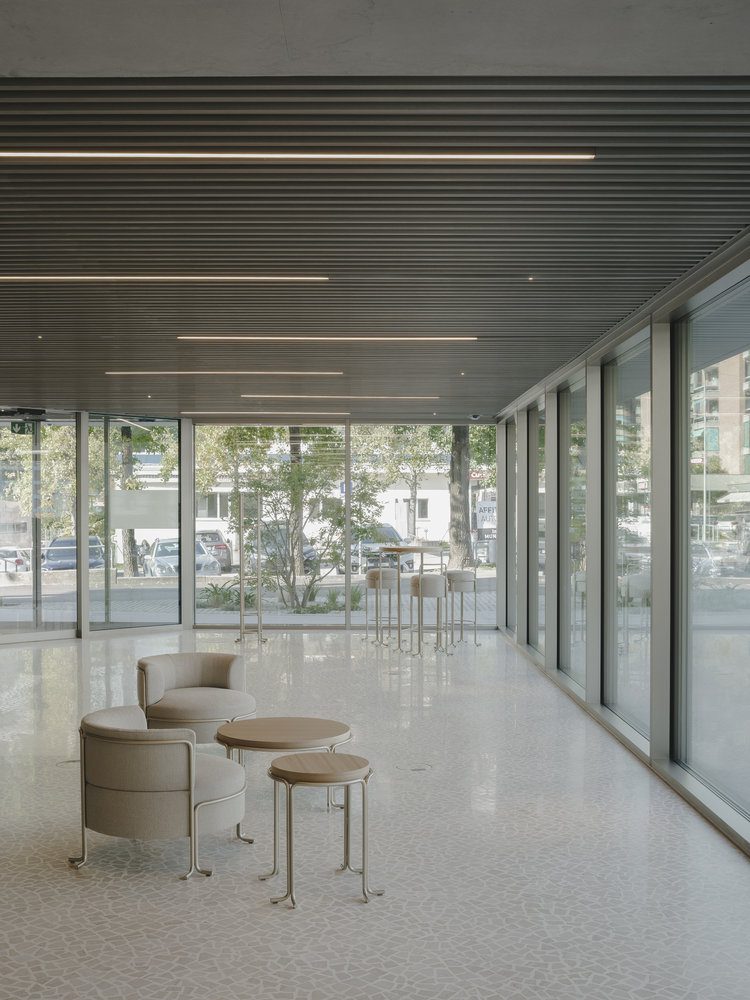
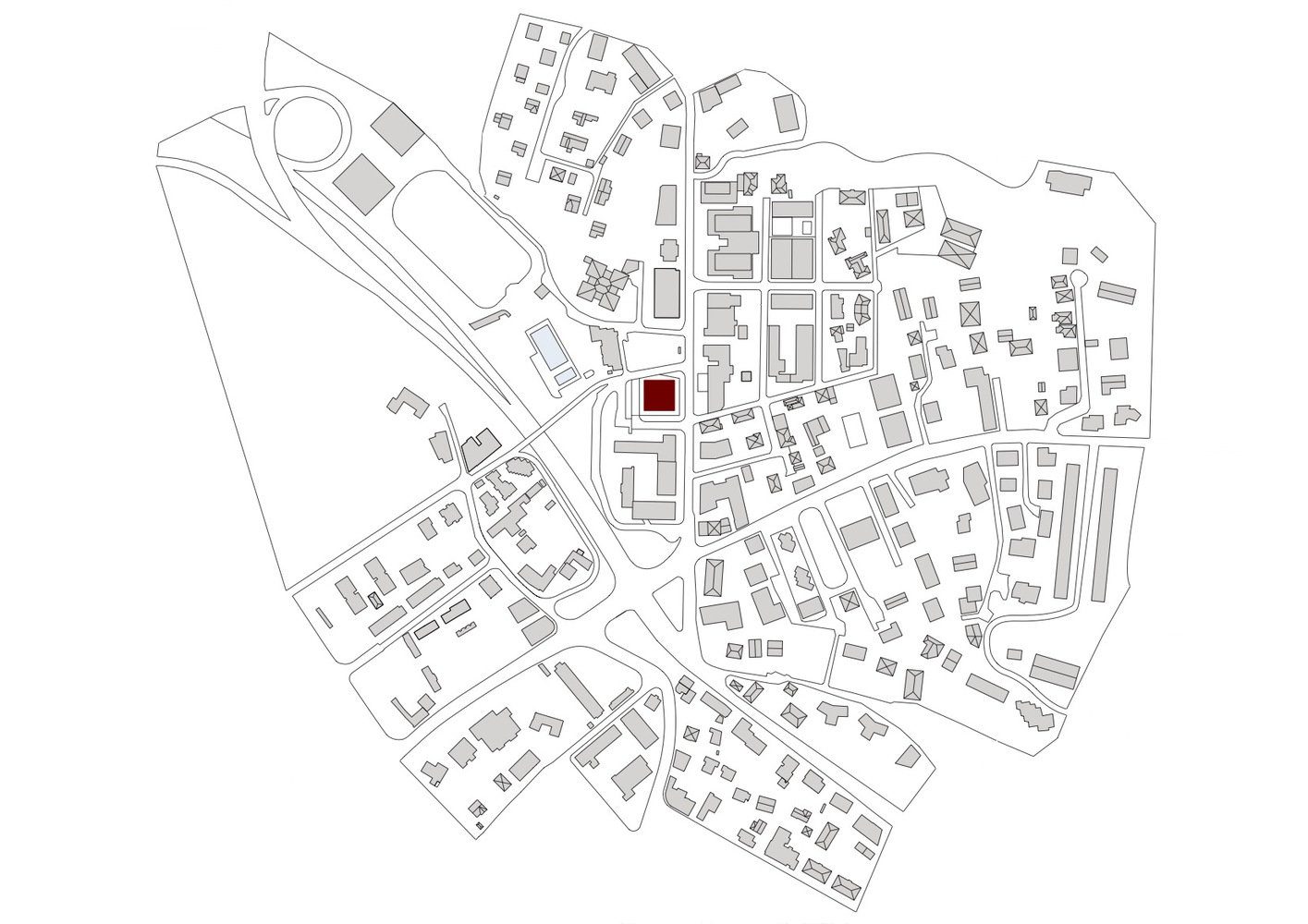
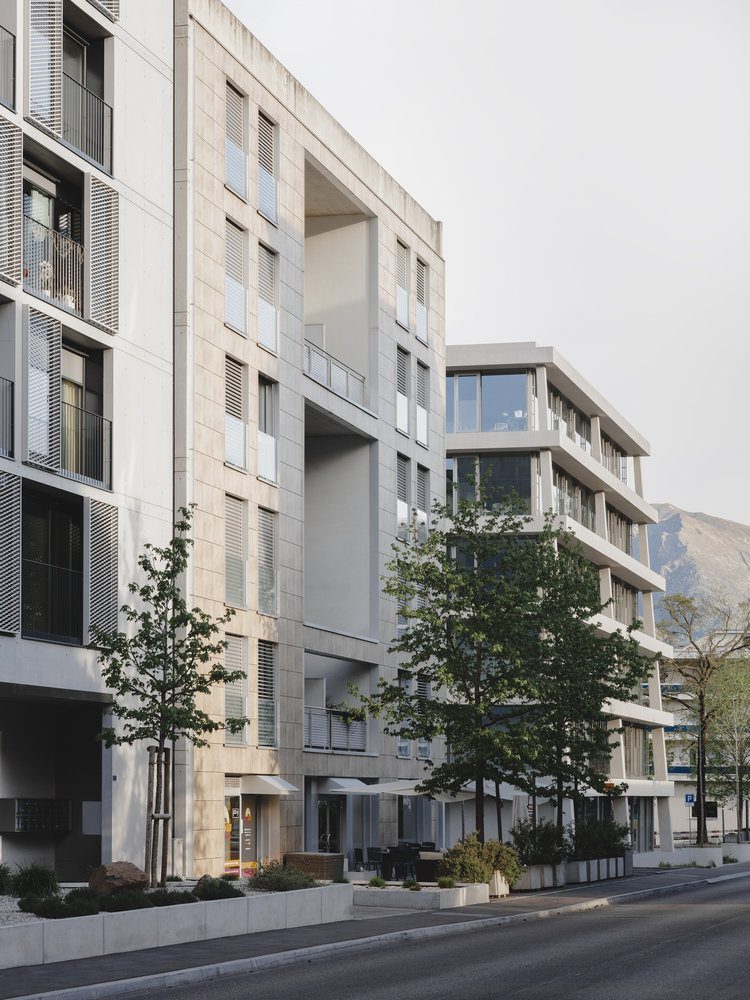
From an urban planning perspective, the project becomes the spark and fulcrum of a broader urban regeneration: it redesigns the road network, frees the northern part from traffic and restores space and safety to pedestrians, who will be able to enjoy the public facilities provided by the municipality. The platform on which the new Raiffeisen building stands will be extended in the future and will create the new town square, which will become a link between the urban tissue and the landscape, acting as a moderating and balancing force between the two realities of the town, mutually reinforcing them.
© Giorgio Marafioti Photography, René Lamb Fotodesign
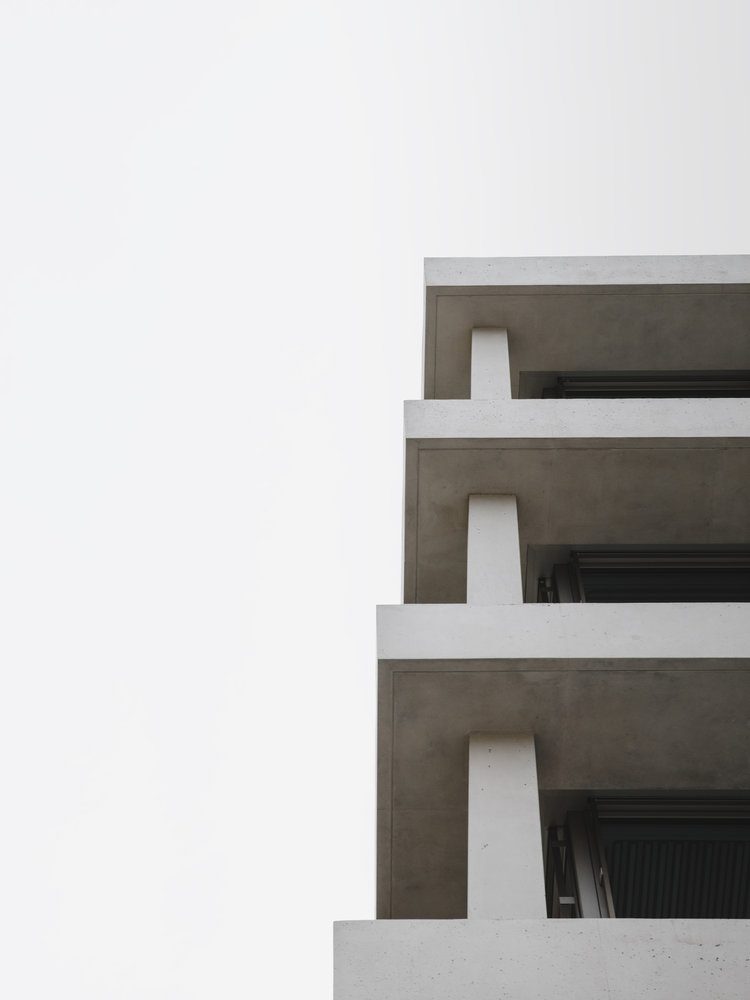
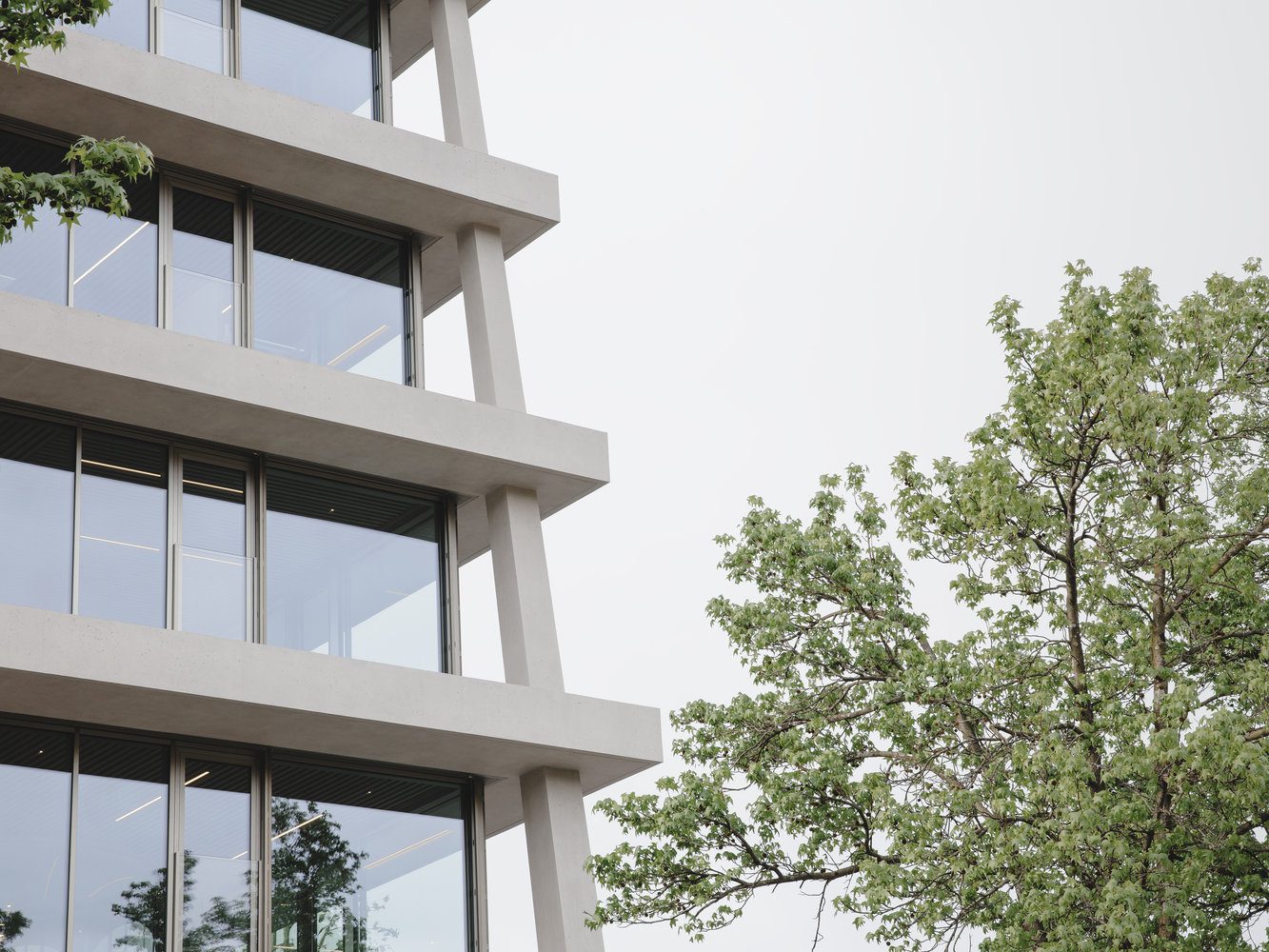
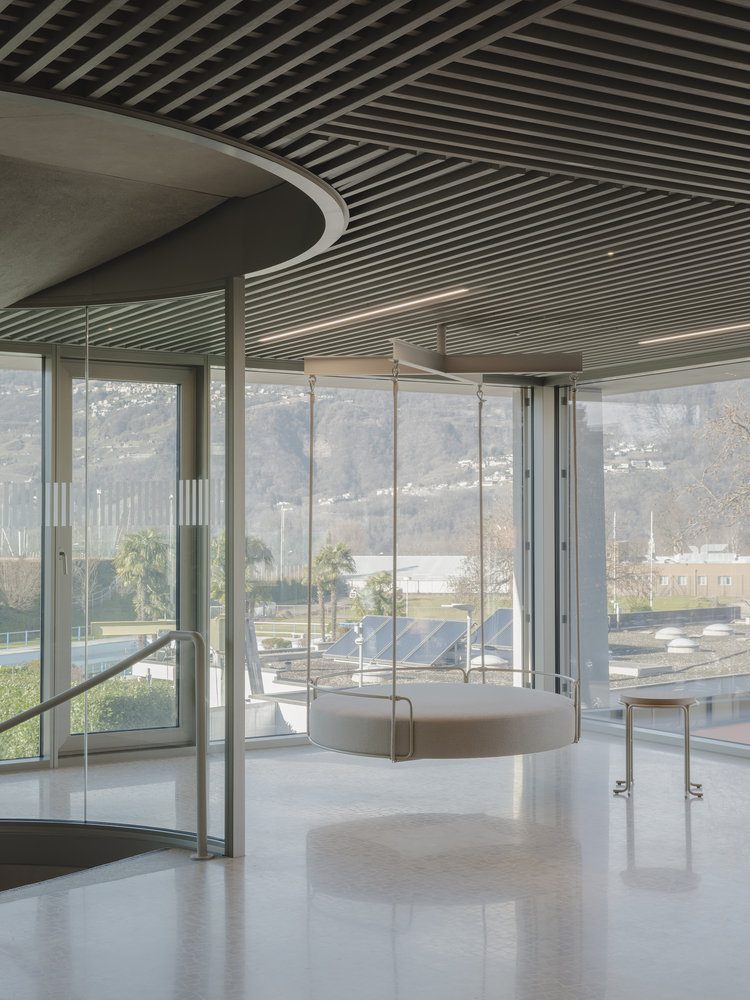
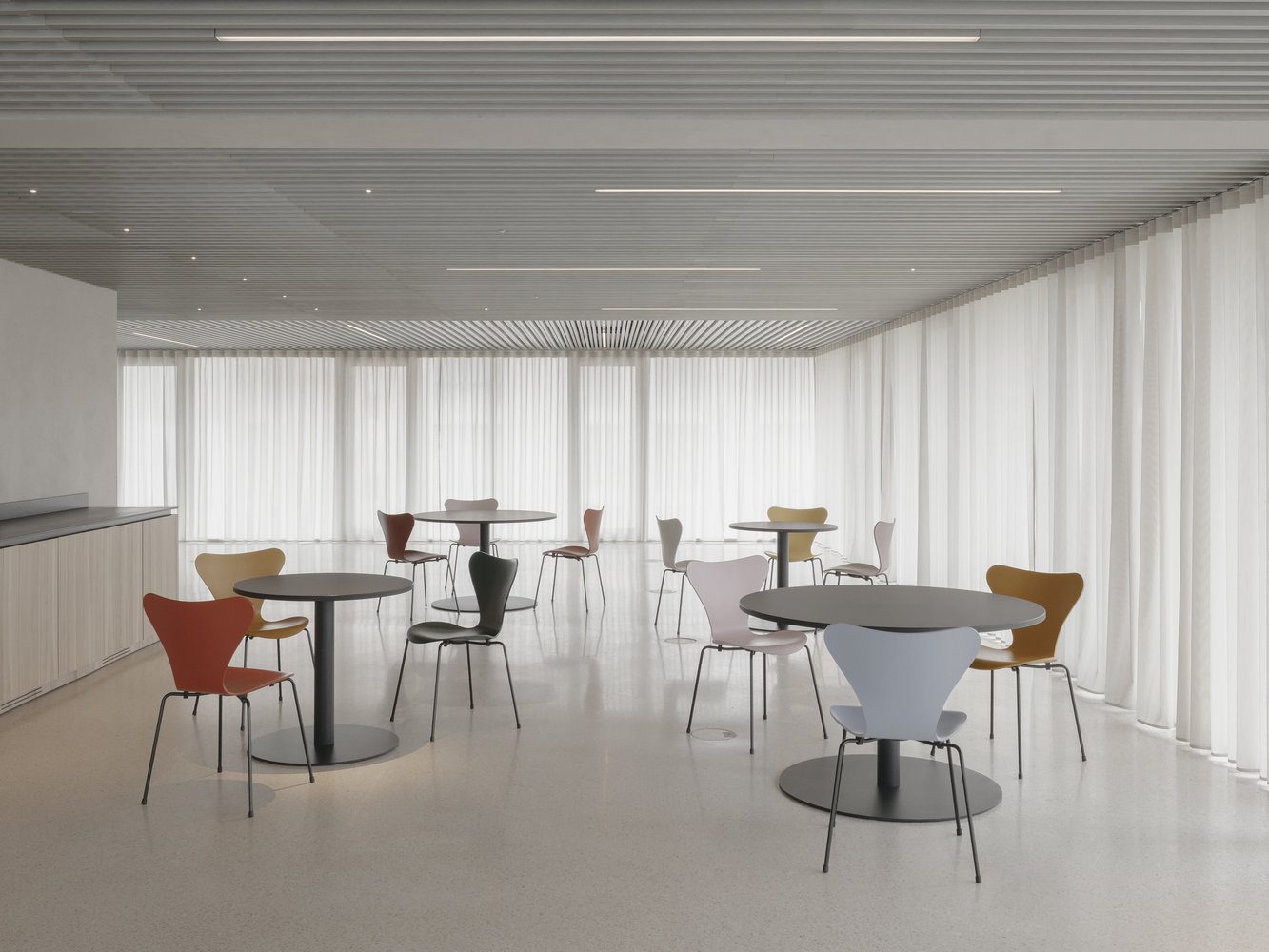
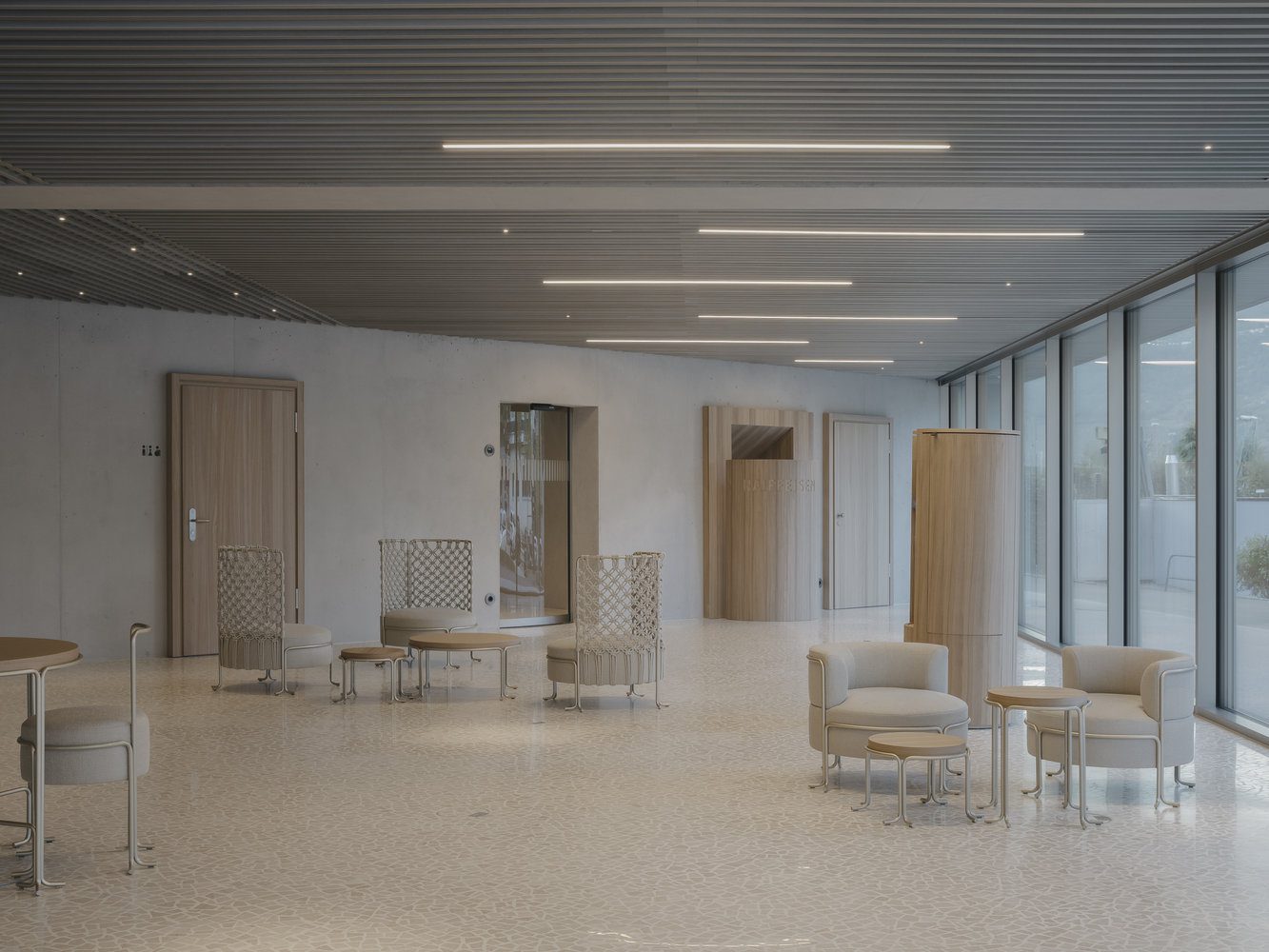
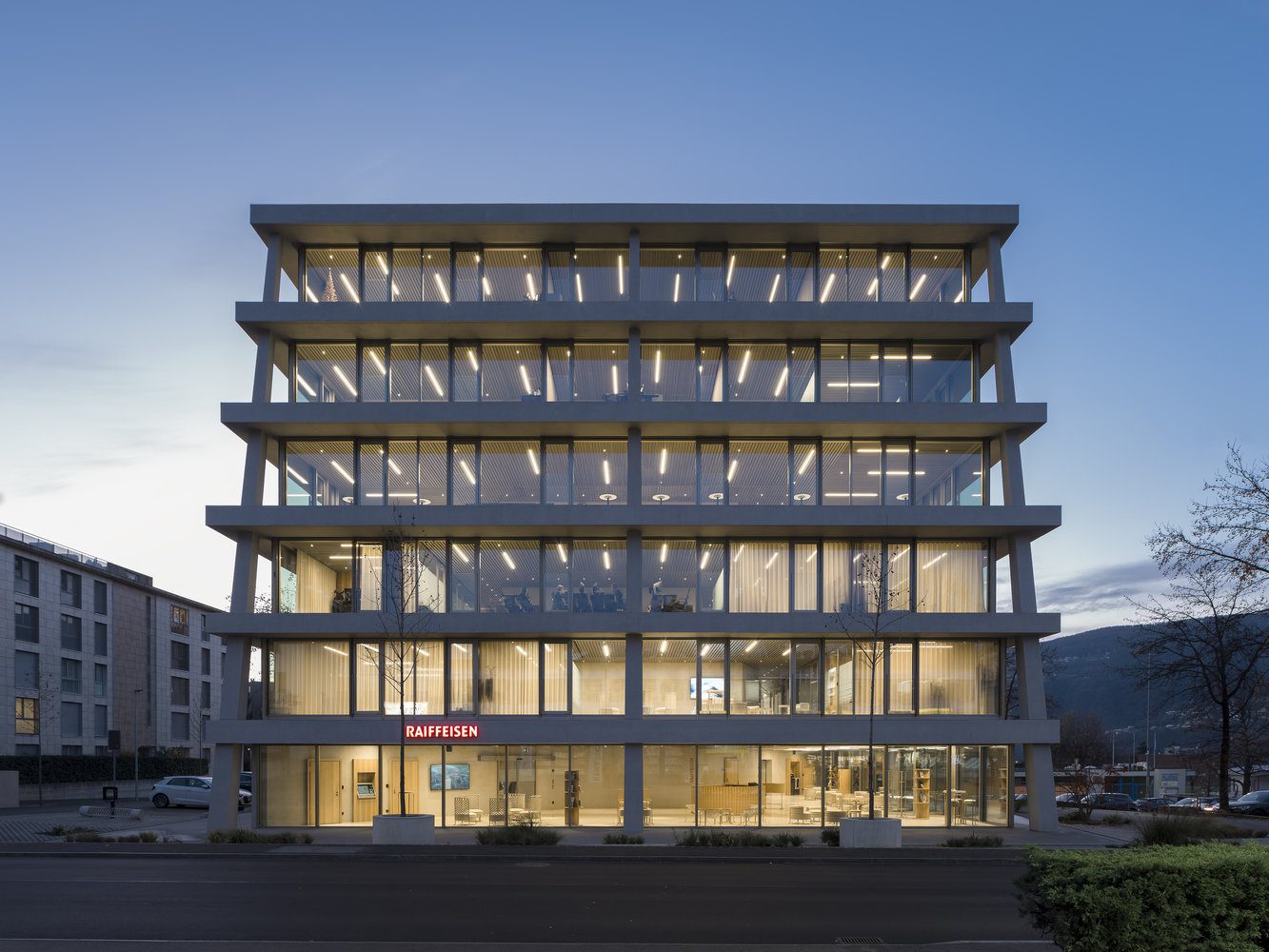
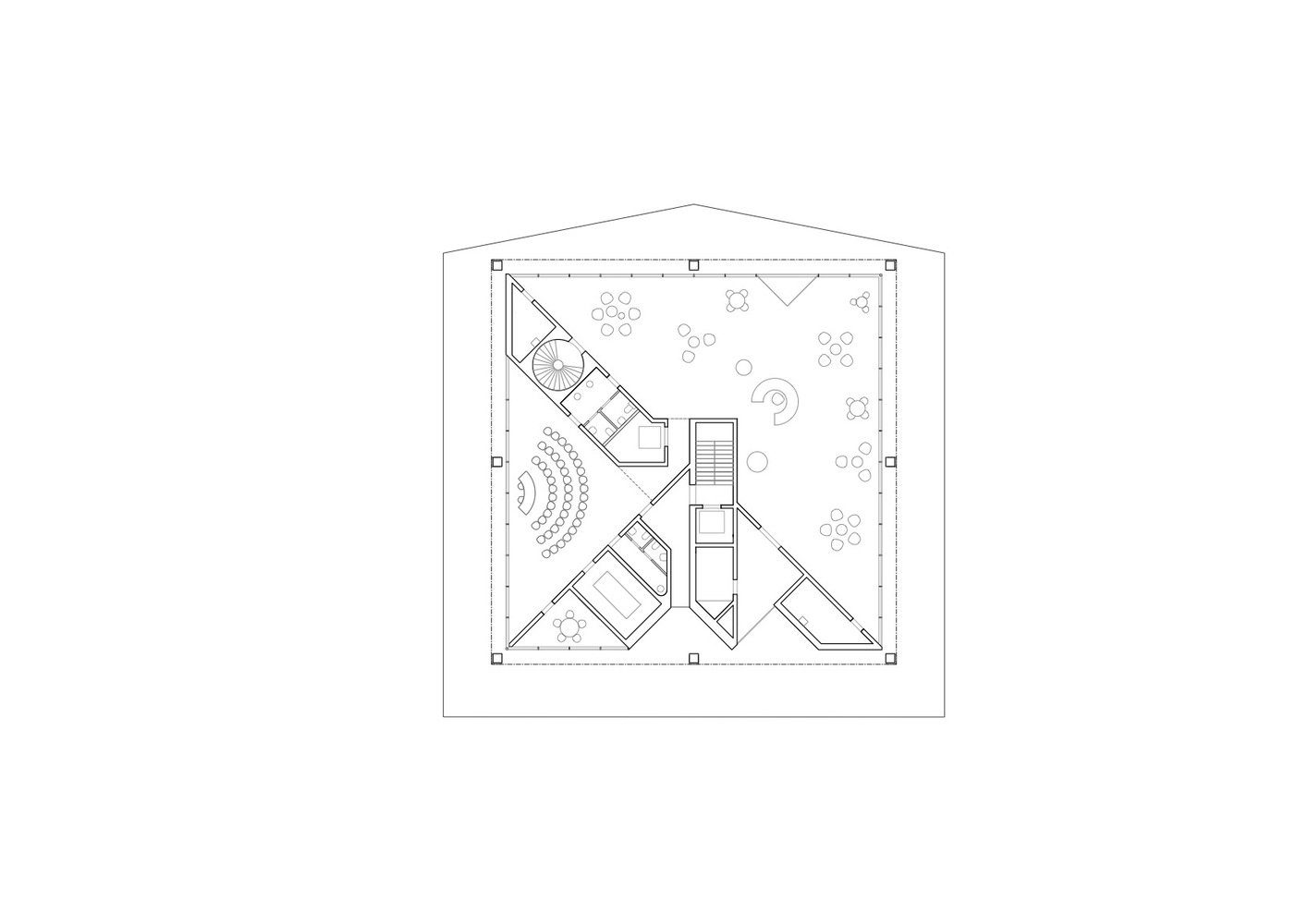
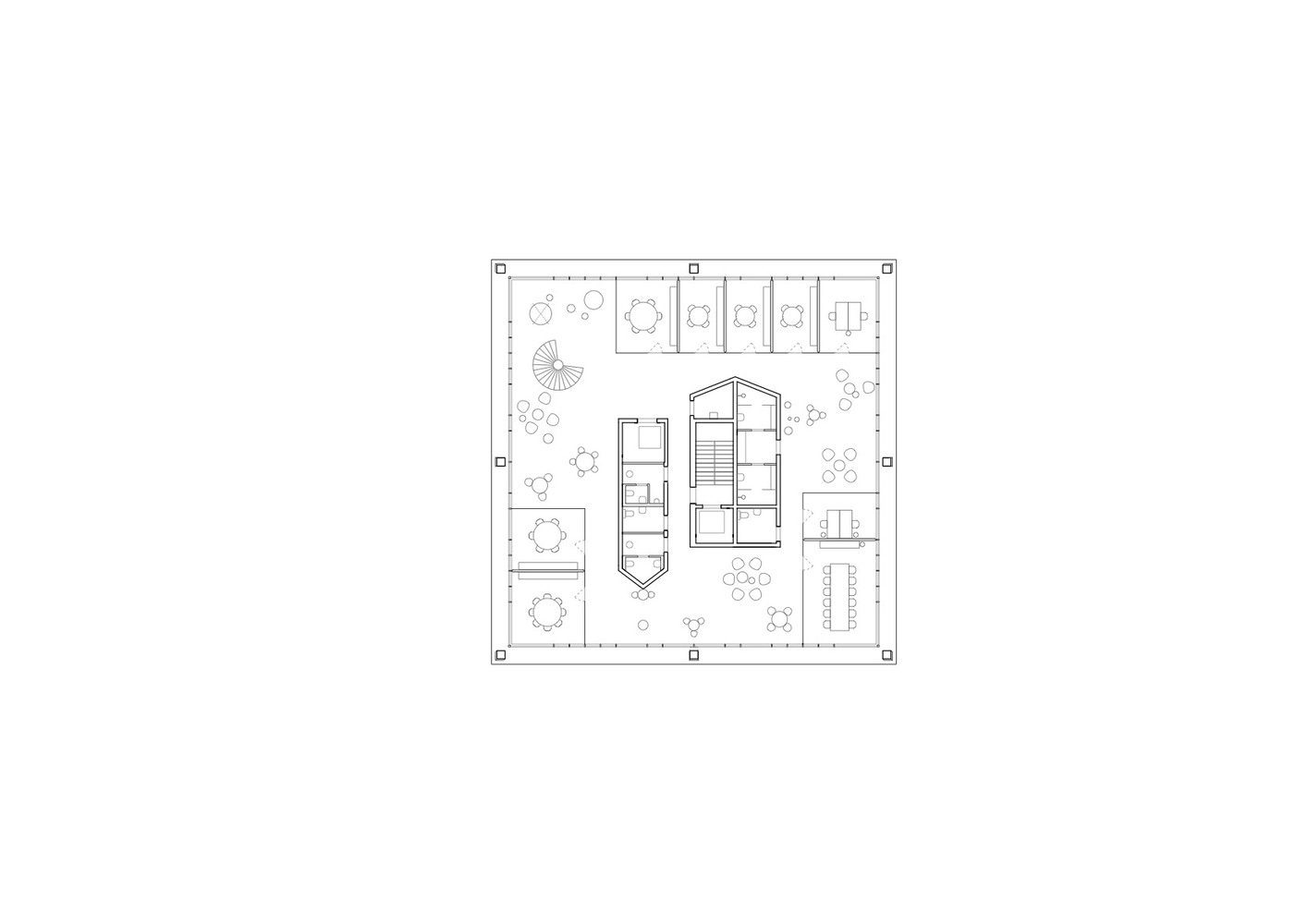
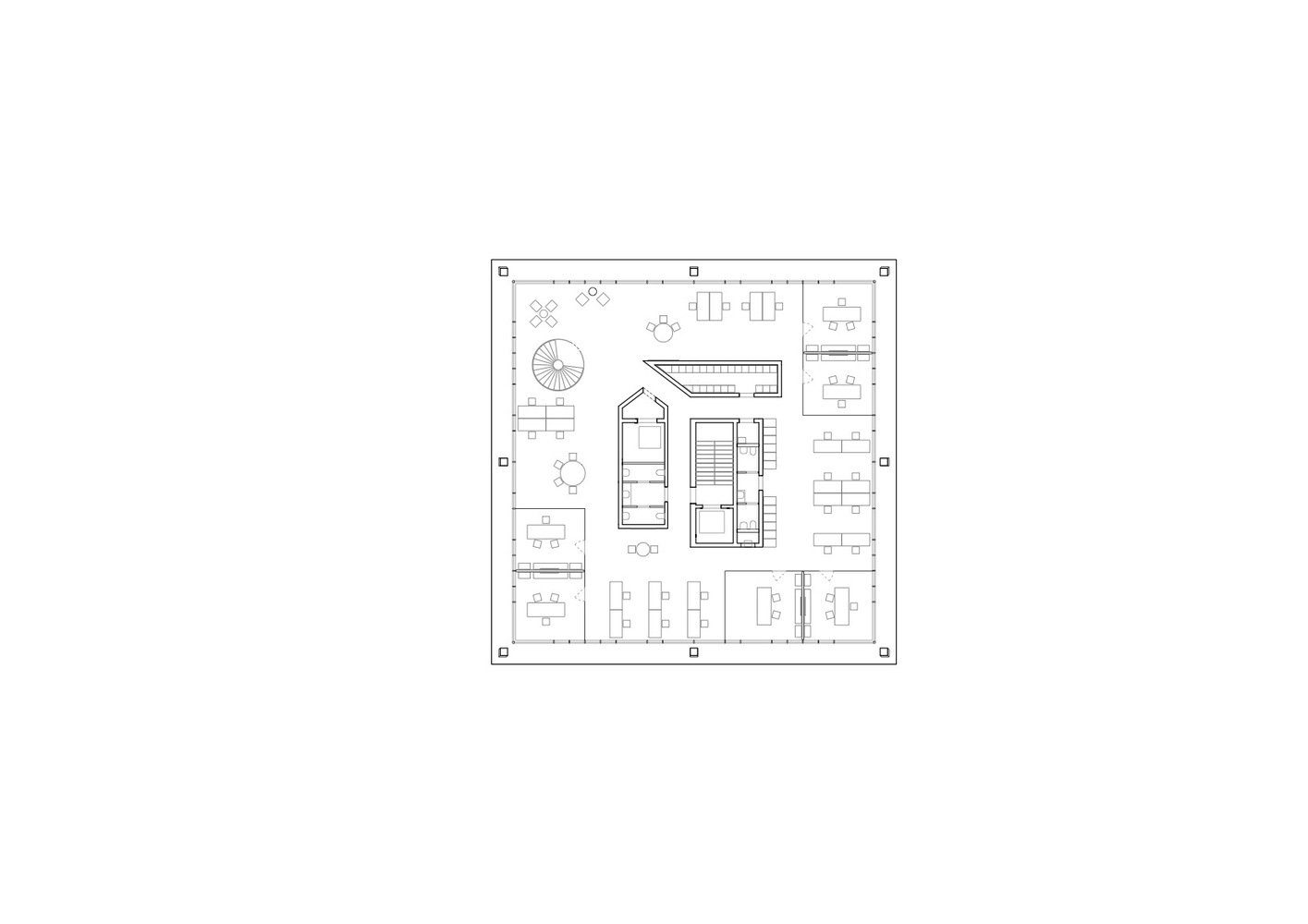
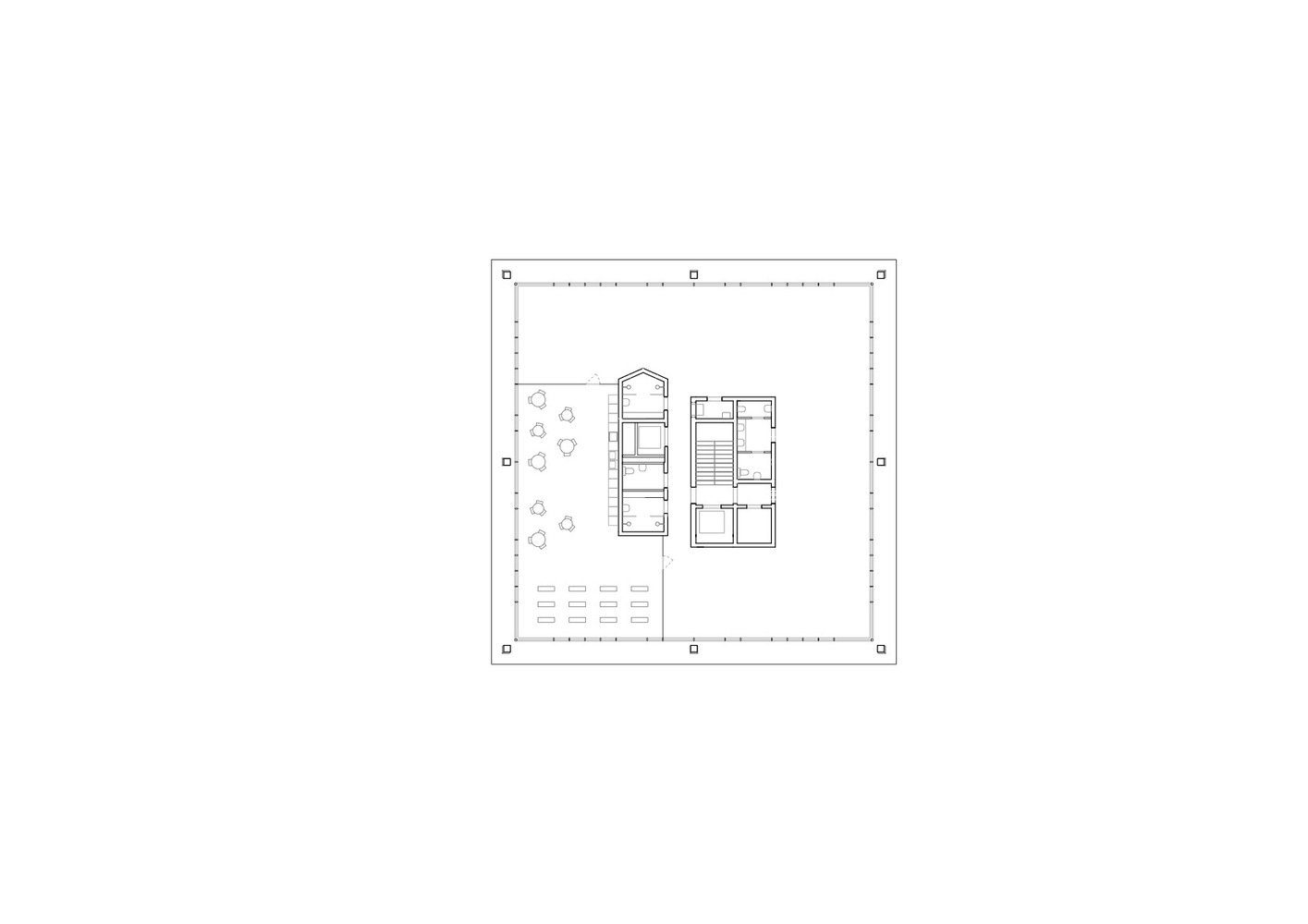
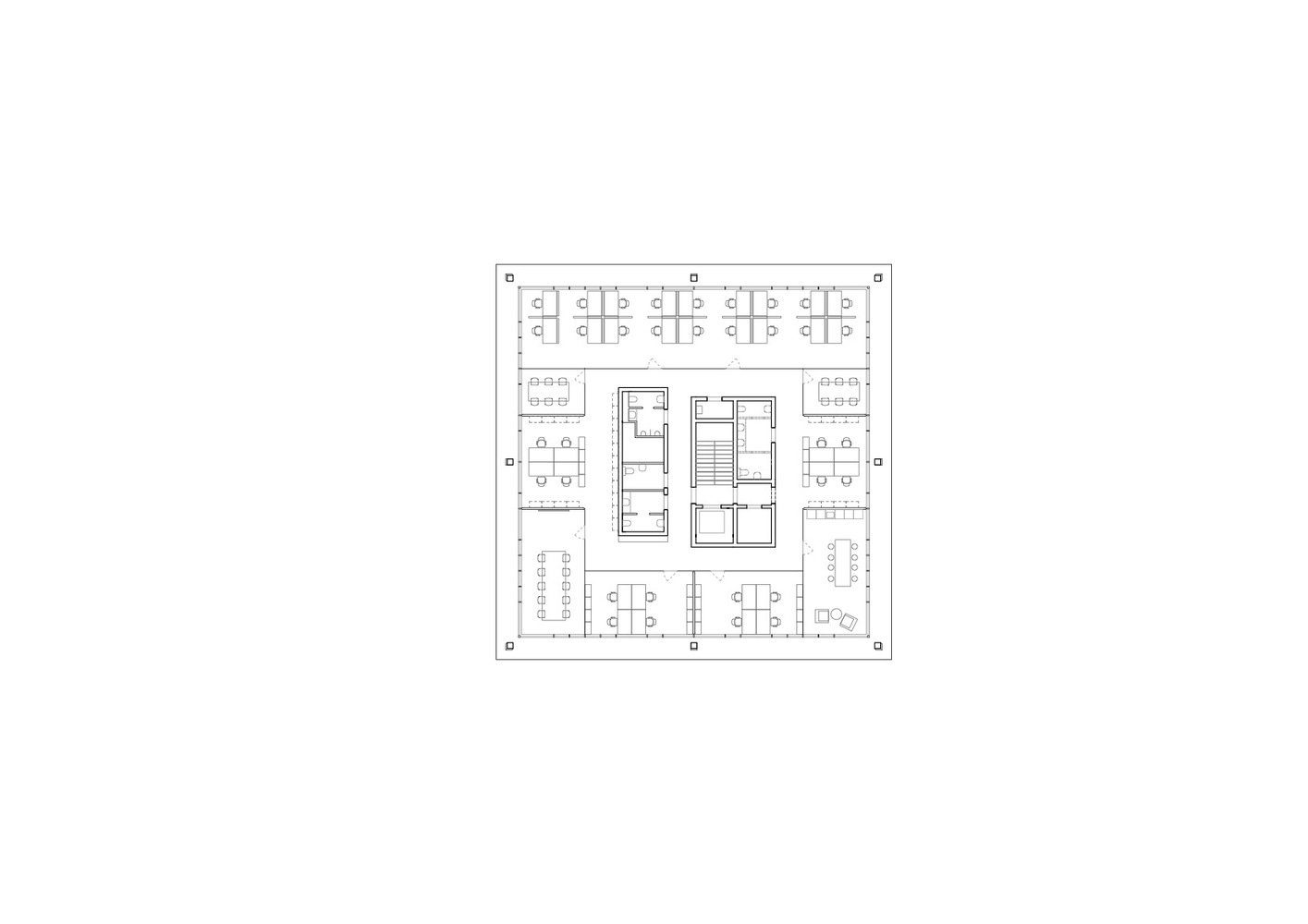
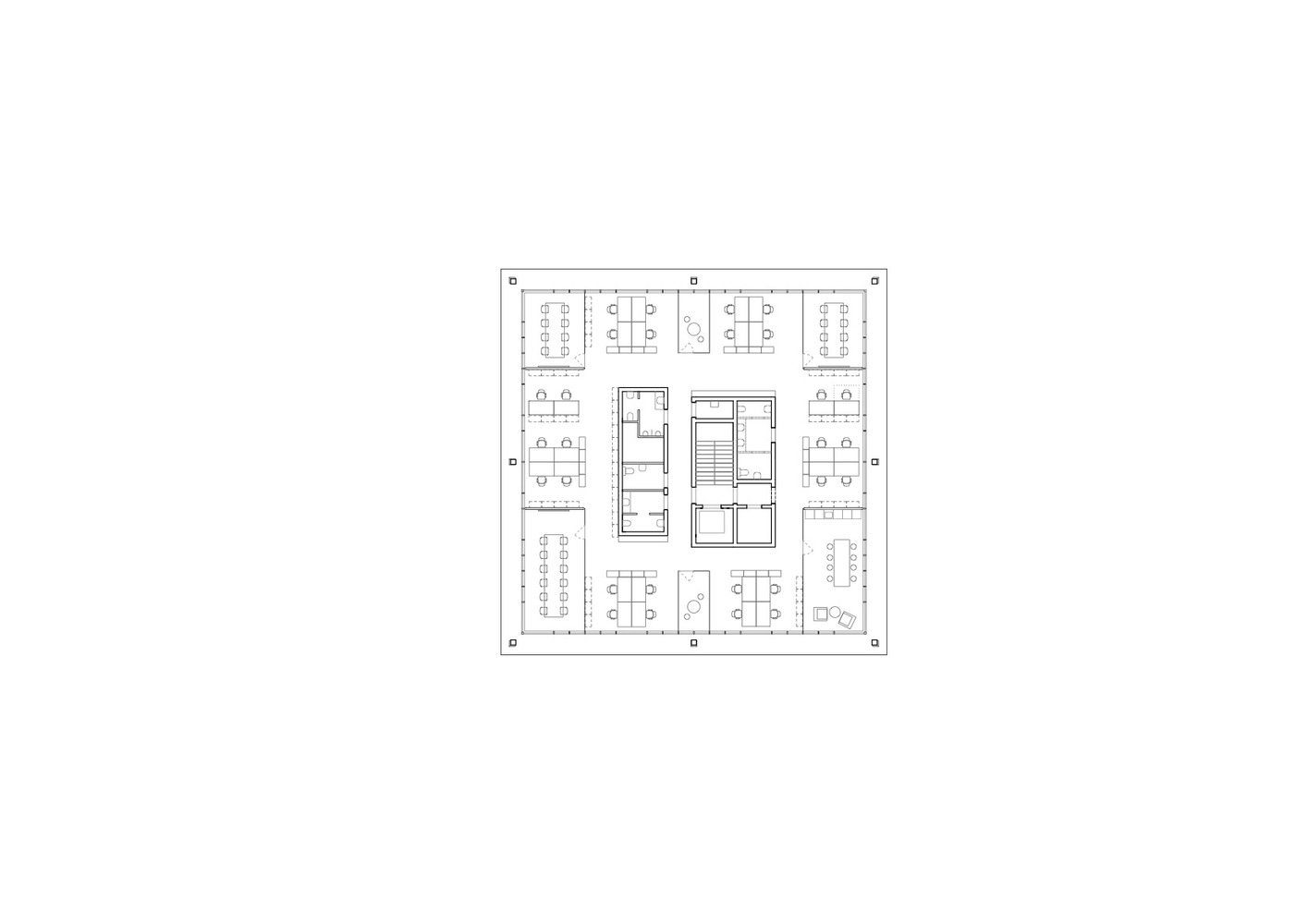
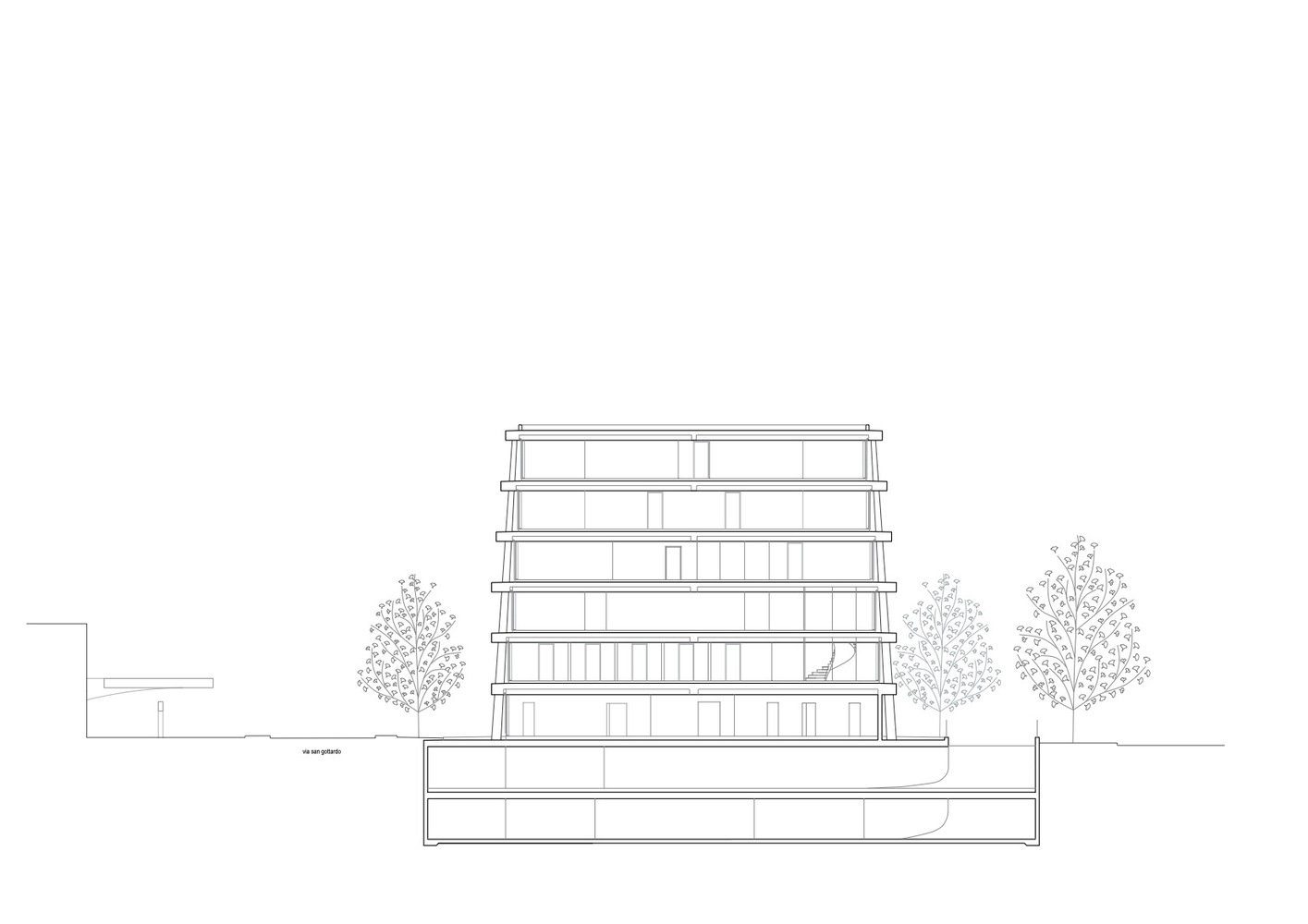
This project changes the paradigm of the bank, no longer a closed and introverted shell, but a place that opens up to the community, permeable and bright, in constant dialogue with the city and the landscape. The square floor plan establishes a 360° relationship with the village of Savosa and rests on eight oblique perimeter pillars that taper upwards. The floor plan also shrinks as it rises, feeding the building’s vocation to reach towards the sky.
© Giorgio Marafioti Photography, René Lamb Fotodesign
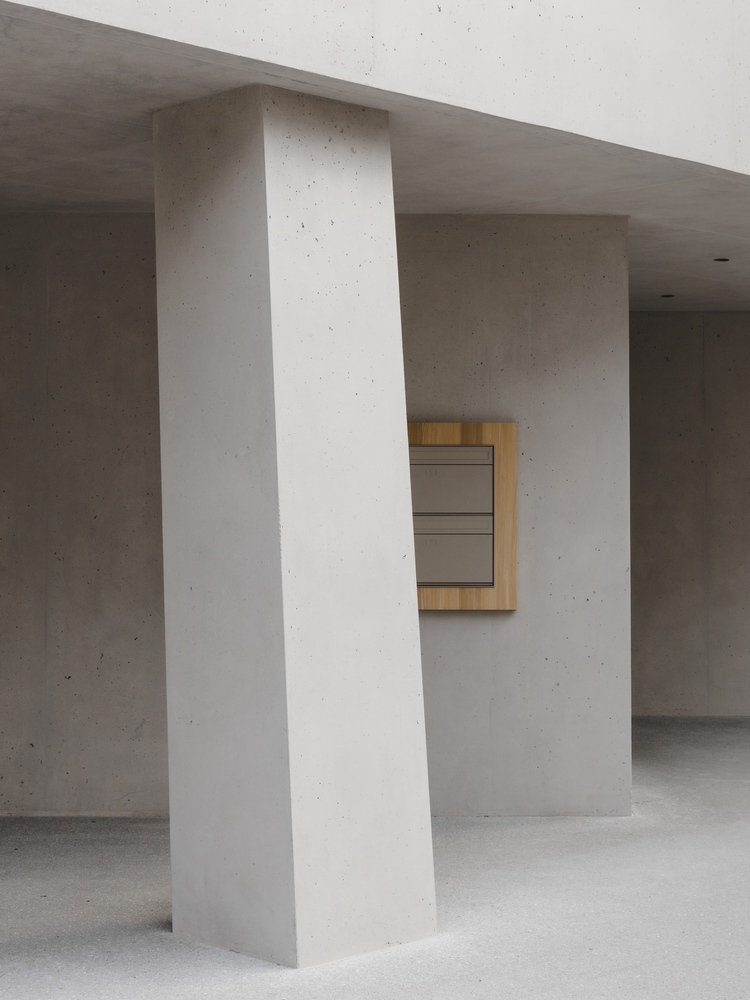
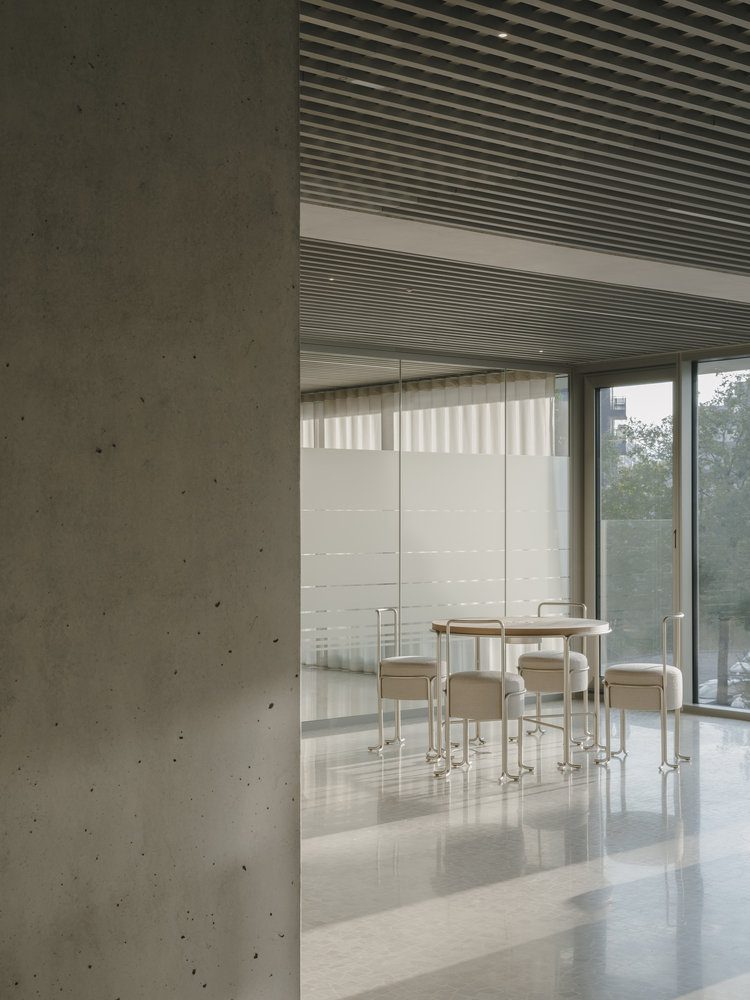
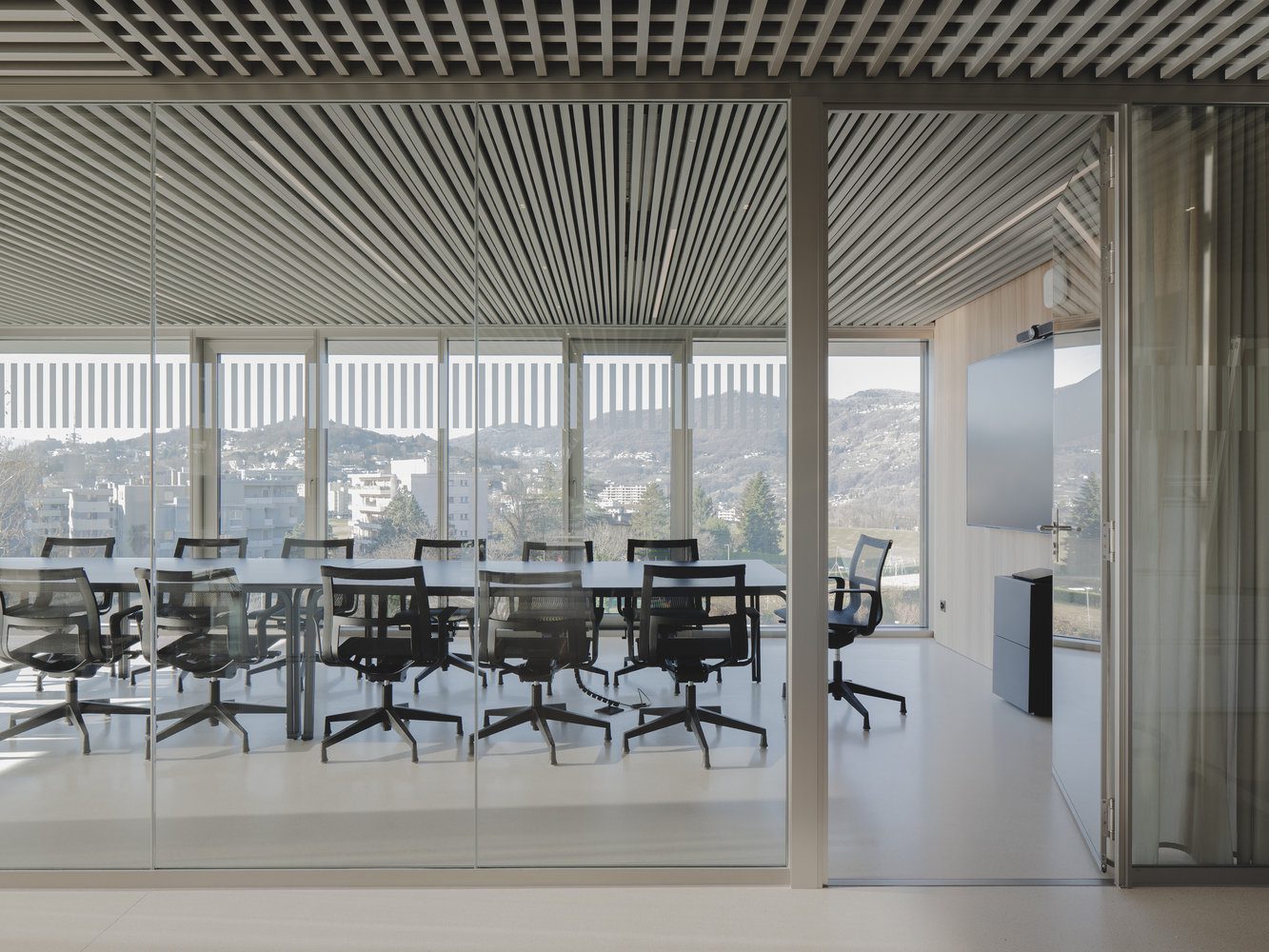
The structural skeleton is independent of the interior spaces: a choice that allows for absolute flexibility, the conceptual heart of the entire project. The ground floor is the exception, as it interacts with the surrounding context, creating a continuous and reciprocal relationship between the interior and exterior. The sparing use of recycled concrete and an extraordinary structural concept have made it possible to drastically reduce grey energy, thus achieving the highest ecological certifications in Switzerland.
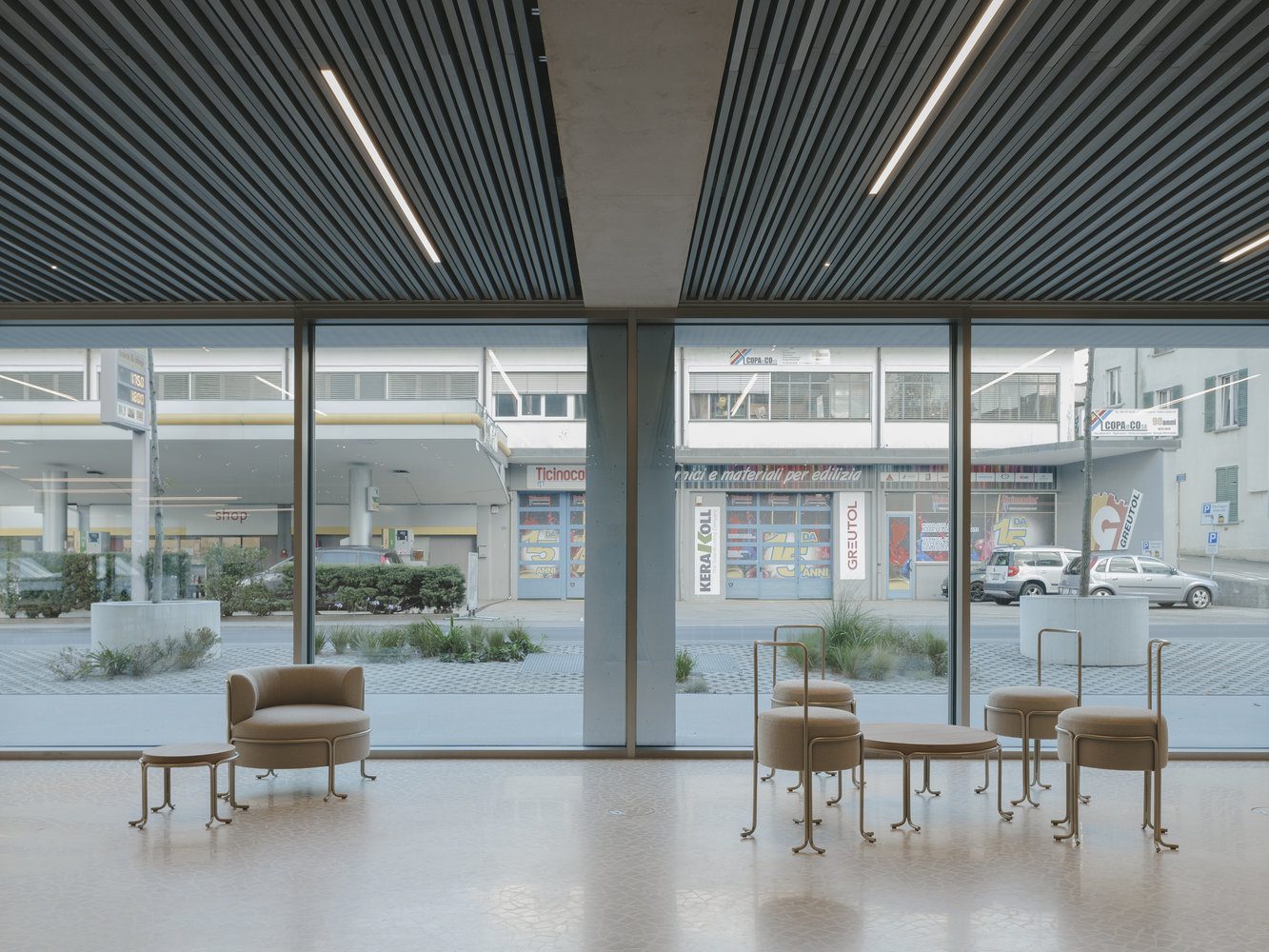
© Giorgio Marafioti Photography, René Lamb Fotodesign
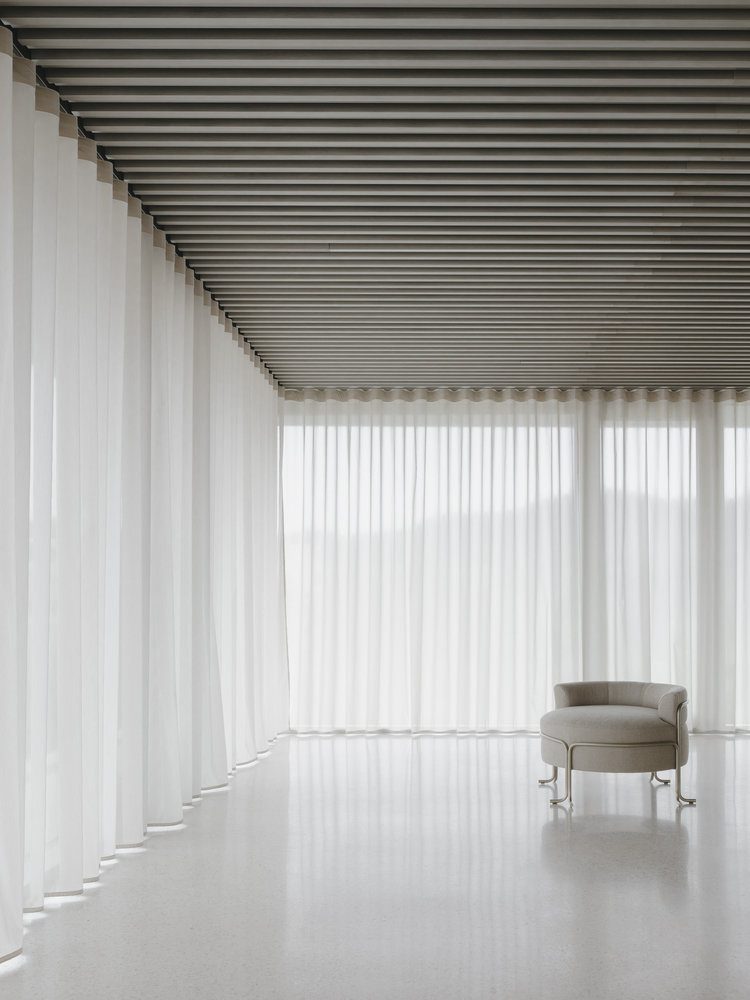
In Switzerland, SNBS is the most comprehensive building standard because it considers sustainability in all its dimensions: environmental, social and economic. The result is a welcoming, comfortable and harmonious working and meeting environment that offers perceptual, thermal, acoustic and lighting well-being. The building has also obtained Minergie P-ECO certification, a symbol of energy efficiency and deep respect for the ecosystem: every material has been chosen to reduce grey energy and limit the emission of pollutants.
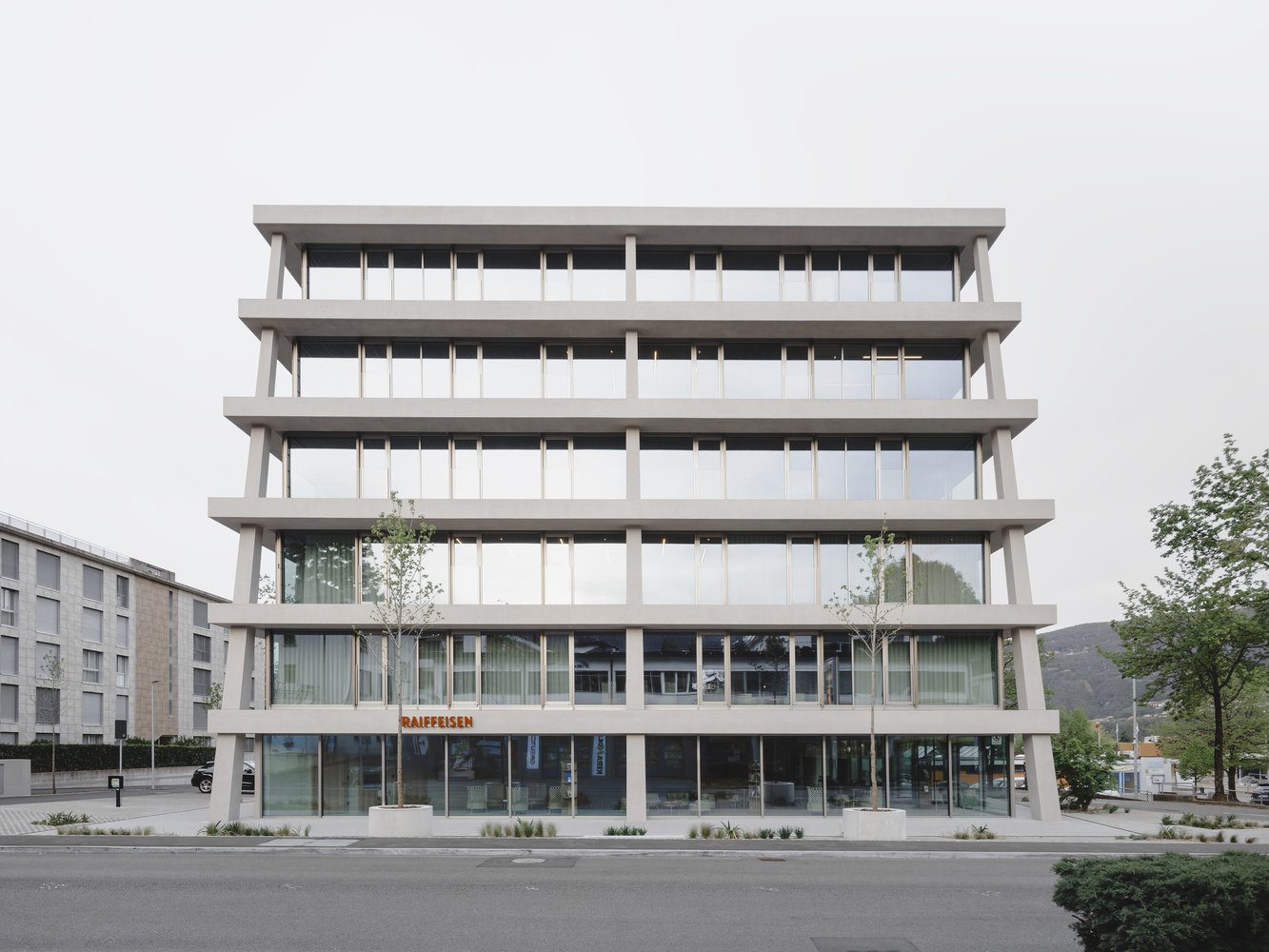
© Giorgio Marafioti Photography, René Lamb Fotodesign
Project Info:
Architects: Celoria Architects
Country: Savosa, Switzerland
Area: 6000 m²
Year: 2024
Photography: Giorgio Marafioti Photography + René Lamb Fotodesign
Project Management: ACOS. Advanced Construction Services
Civil Consultants: Fürst Laffranchi Bauingenieure GmbH
Acoustic Consultants: Gattoni Piazza Sagl
Environmental Sustainability Design: Gattoni Piazza Sagl
Environmental Engineering: CSD Ingegneri SA
Lighting Consultant: P&P studio elettrotecnico Sagl
MEP Consultants: Tecno Progetti SA
Lead Team: celoria Architects sagl