

We were all introduced to the magnificent architecture of Al Bayt Stadium with yesterday’s opening kickoff of the first Qatar world cup match, which will be played from November 20 to December 18, 2022. Many of us doubtless pondered yesterday how architects built this stadium and the secret to the slew of brand-new Qatar world cup stadiums by the renowned British studios Zaha Hadid Architects and Foster+ Partners.
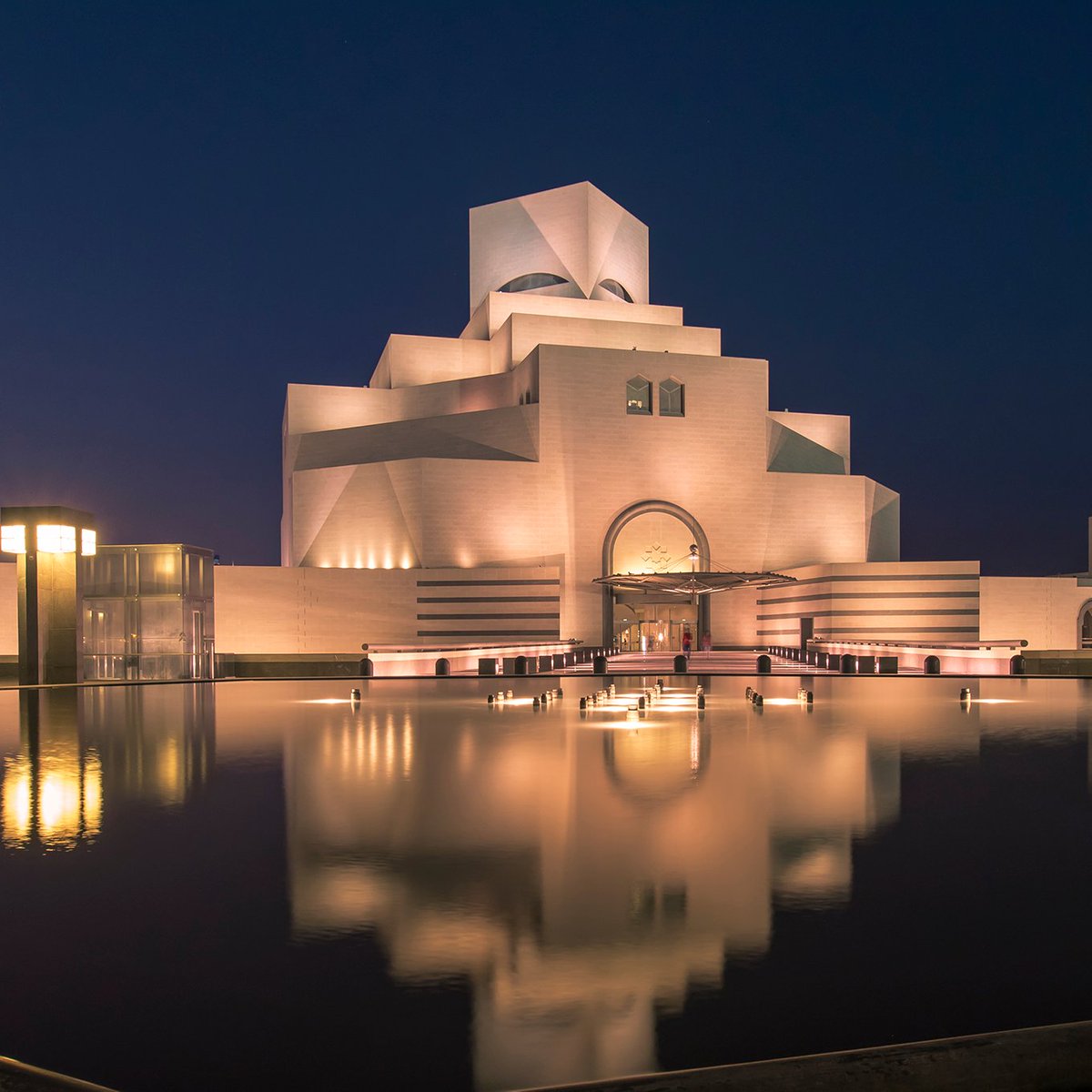
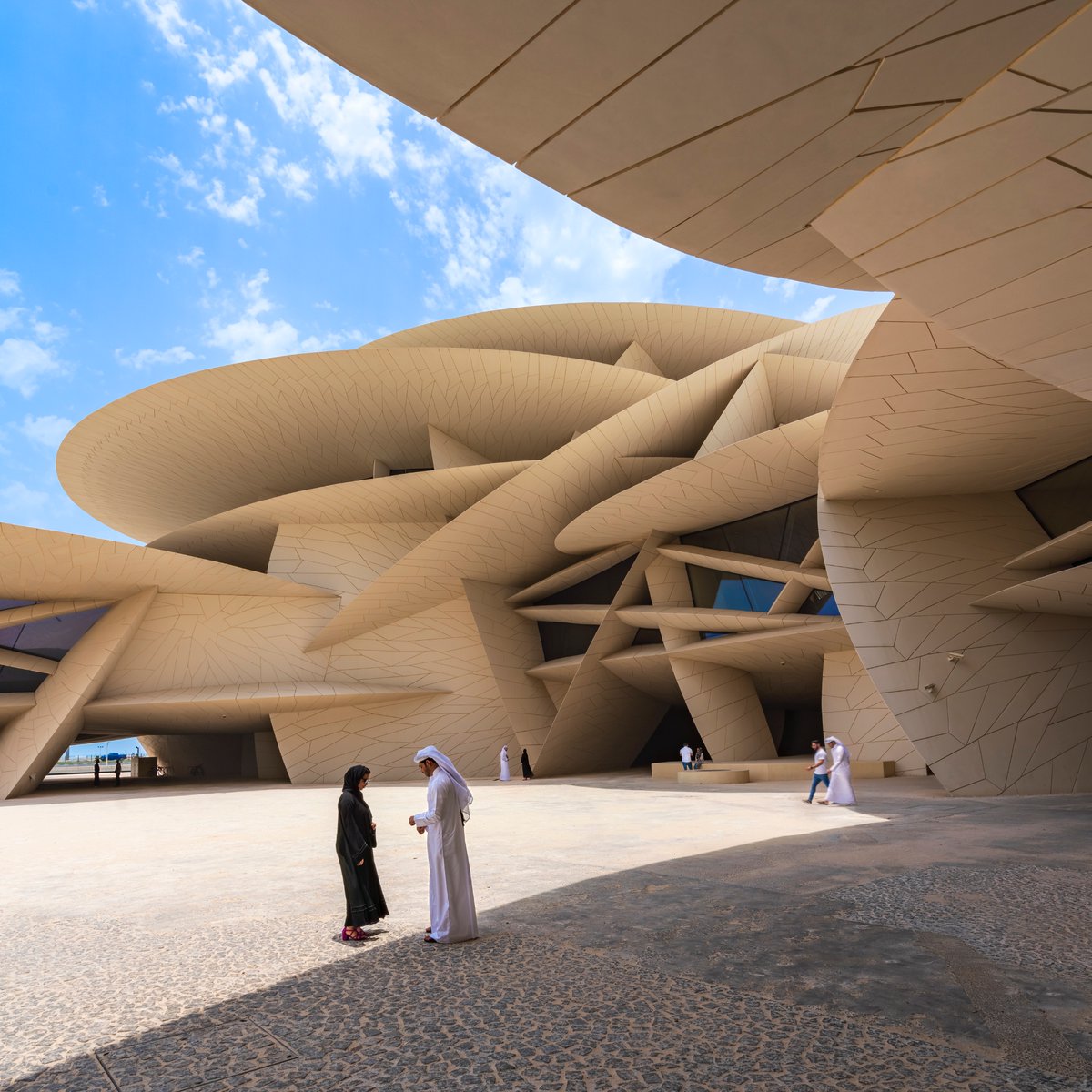
Qatari architecture generally blends contemporary geometric aesthetics with conventional construction forms. I. M. Pei’s newly refurbished Museum of Islamic Art, which fuses traditional Islamic architecture with modernization, and Jean Nouvel’s National Museum of Qatar, which he conceived as a stunning architecture of interconnecting discs inspired by the desert rose, are two examples of this.
©Roadto2022, Twitter
These renowned museums stand for more than just aesthetic beauty. Sustainability was a consideration in the construction of each. Along with fostering art, culture, and knowledge, Qatar Museums also aims to promote environmental consciousness.
©Ercolighting
The definitive guide to Qatar World Cup Stadiums:-
The eight stadiums created for the FIFA World Cup Qatar 2022TM had the same concepts with the same approach mentioned above. Each stadium’s design reflects Qatari culture while also considering ecological responsibility. The use of cutting-edge water and energy-saving technologies during construction and sustainable building practices are additional features. Let’s now learn more about these eight superbly designed stadiums, all situated in and around Doha, the capital of Qatar.
1) LUSAIL STADIUM:
Capacity: 80,000
©stockimg.net
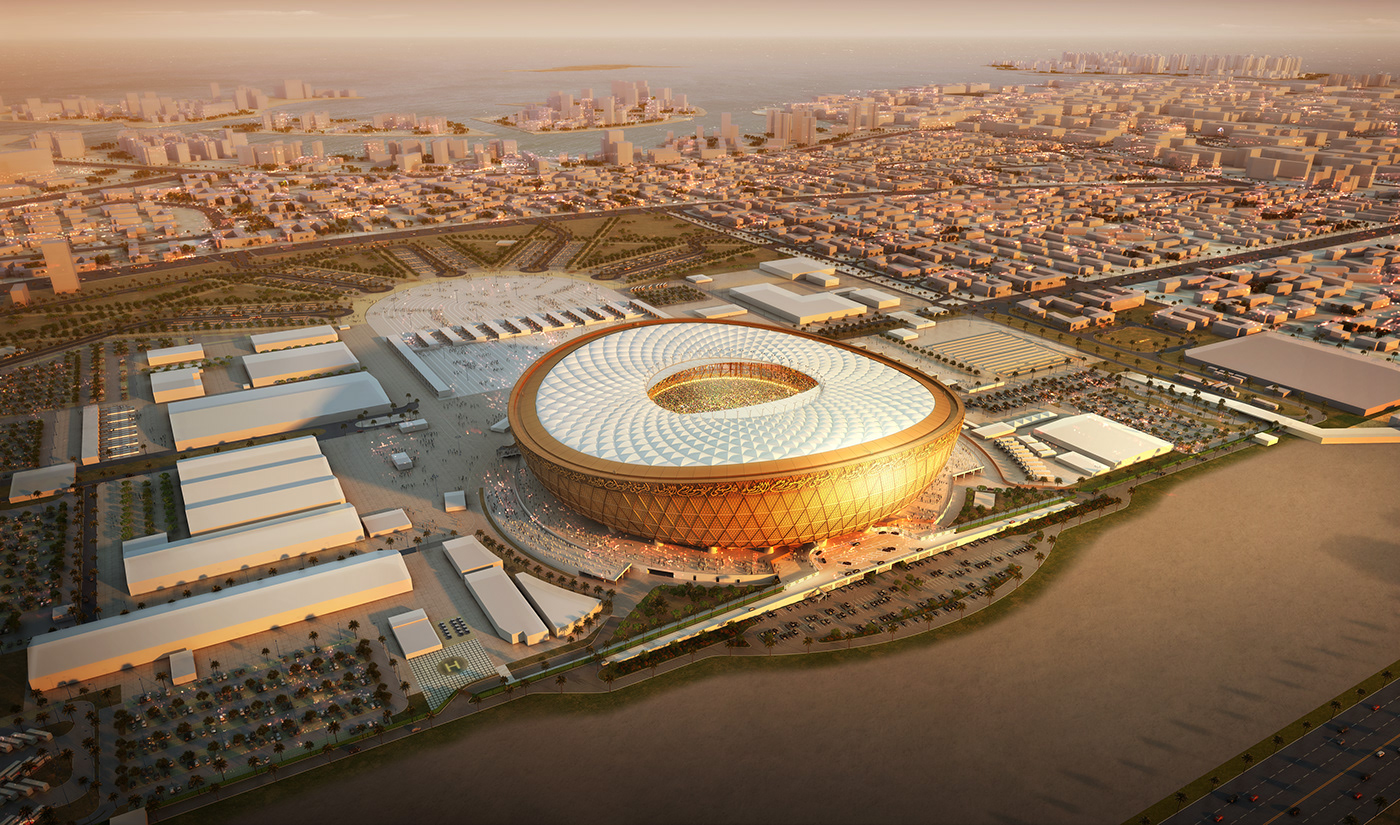
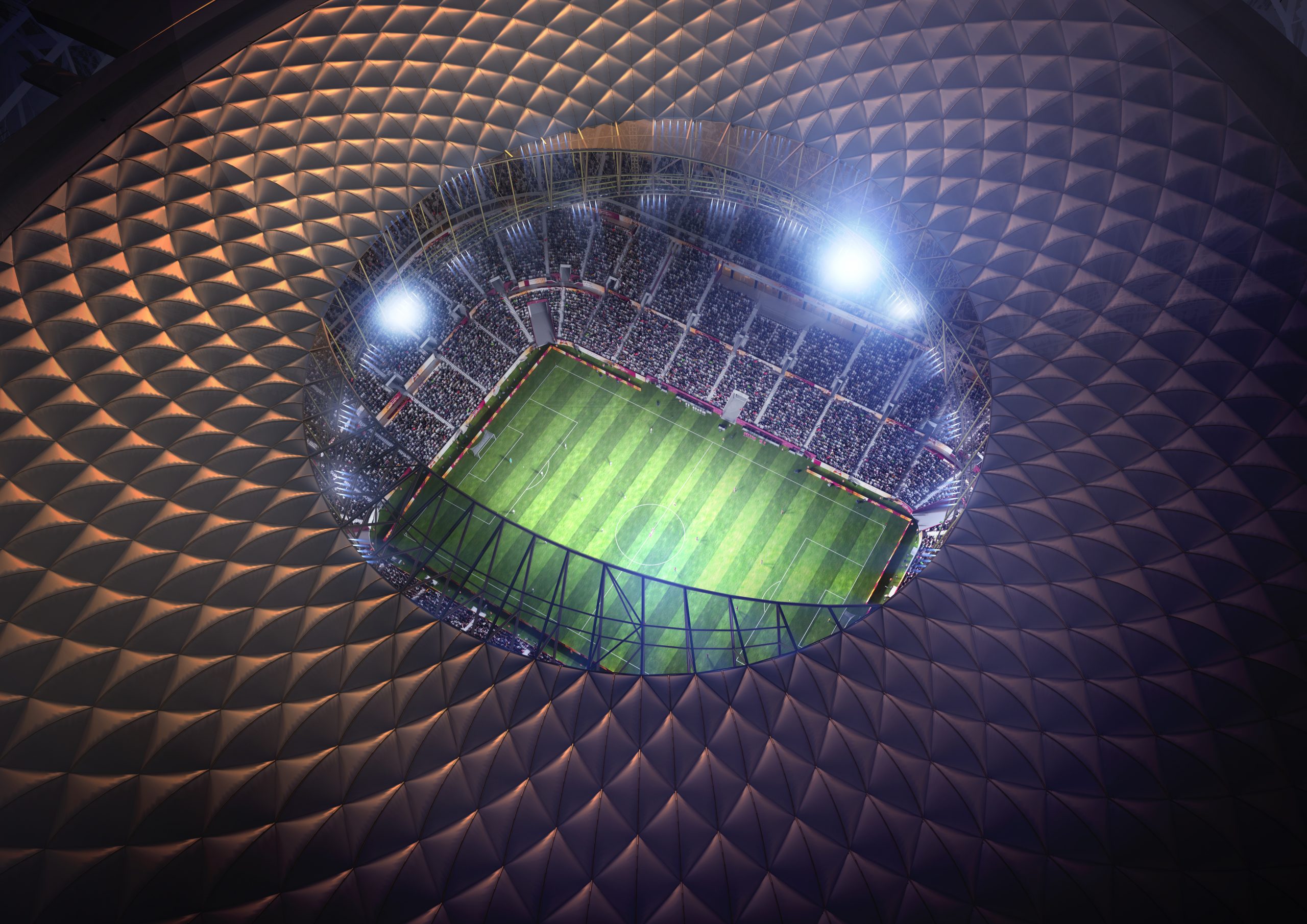
Due to its vast occupation size, the Lusail stadium is set to be the tournament’s final match stadium. Its innovative design is influenced by how light and shadow interact in the Fanar lantern. Its structural form and façade bear motifs from early Arab and Islamic masterpieces and furniture.
©insideworldfootball.com
The Greatest Architects planned the stadium with a rail system and greenery, transforming the area into a beautiful green space primarily focused on sustainable environmental conservation. Foster + Partners and Populous collaborated on the stadium’s design, collaborating its construction with HBK Contracting (HBK) and China Railway Construction Corporation (CRCC).
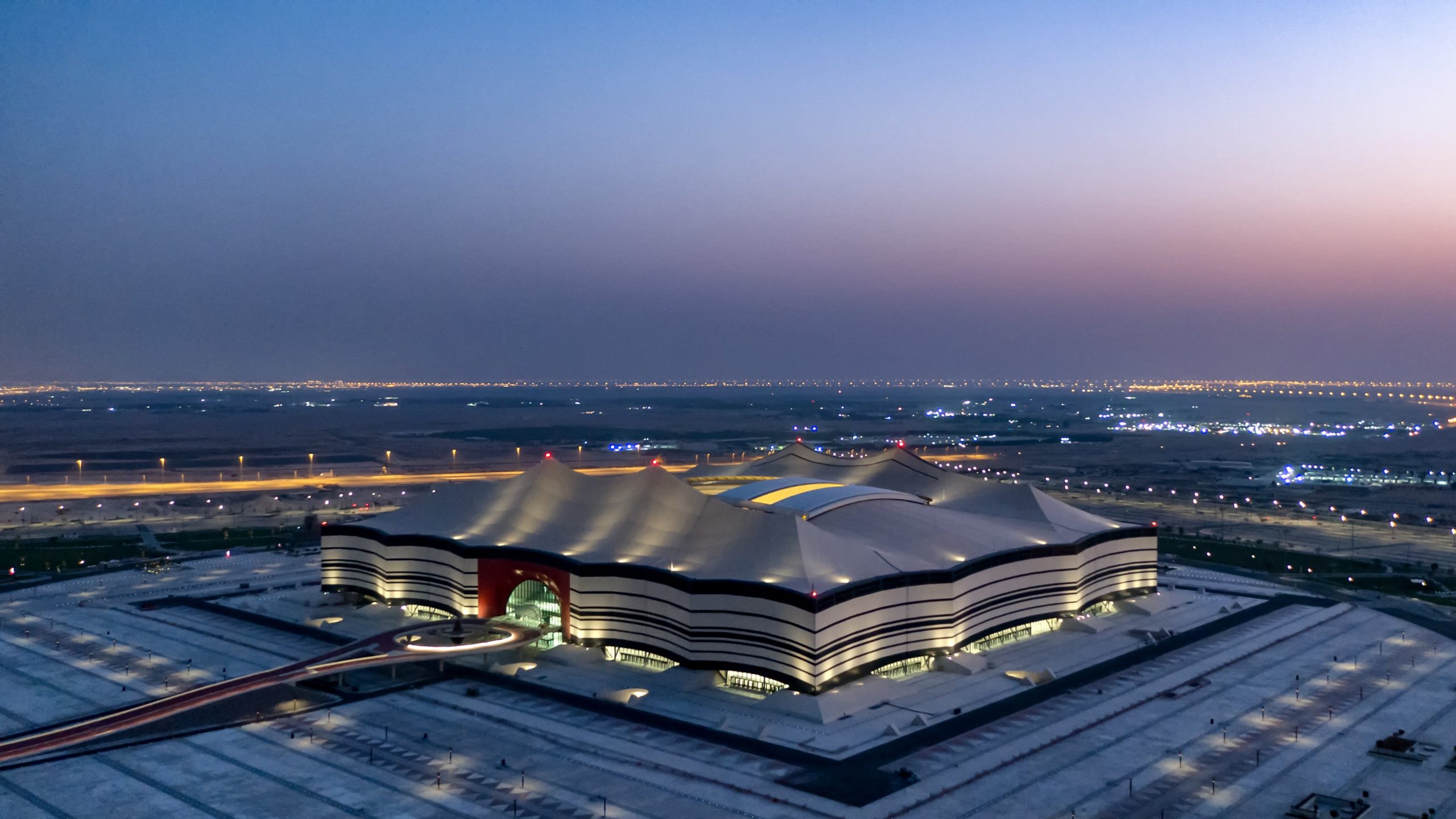
2) AL BAYT STADIUM:
Capacity: 60,000
©wgoqatar.com
This Qatar World Cup stadium in Al-Khor was yesterday’s official opening game venue. Magnificent tent-like structures encircle the 200,000 square meter stadium designed in the style of Qatar’s nomadic Bayt al Sha’ar people. Traditionally, the tents are identified by black and white stripes, honoring Qatar’s past and present.
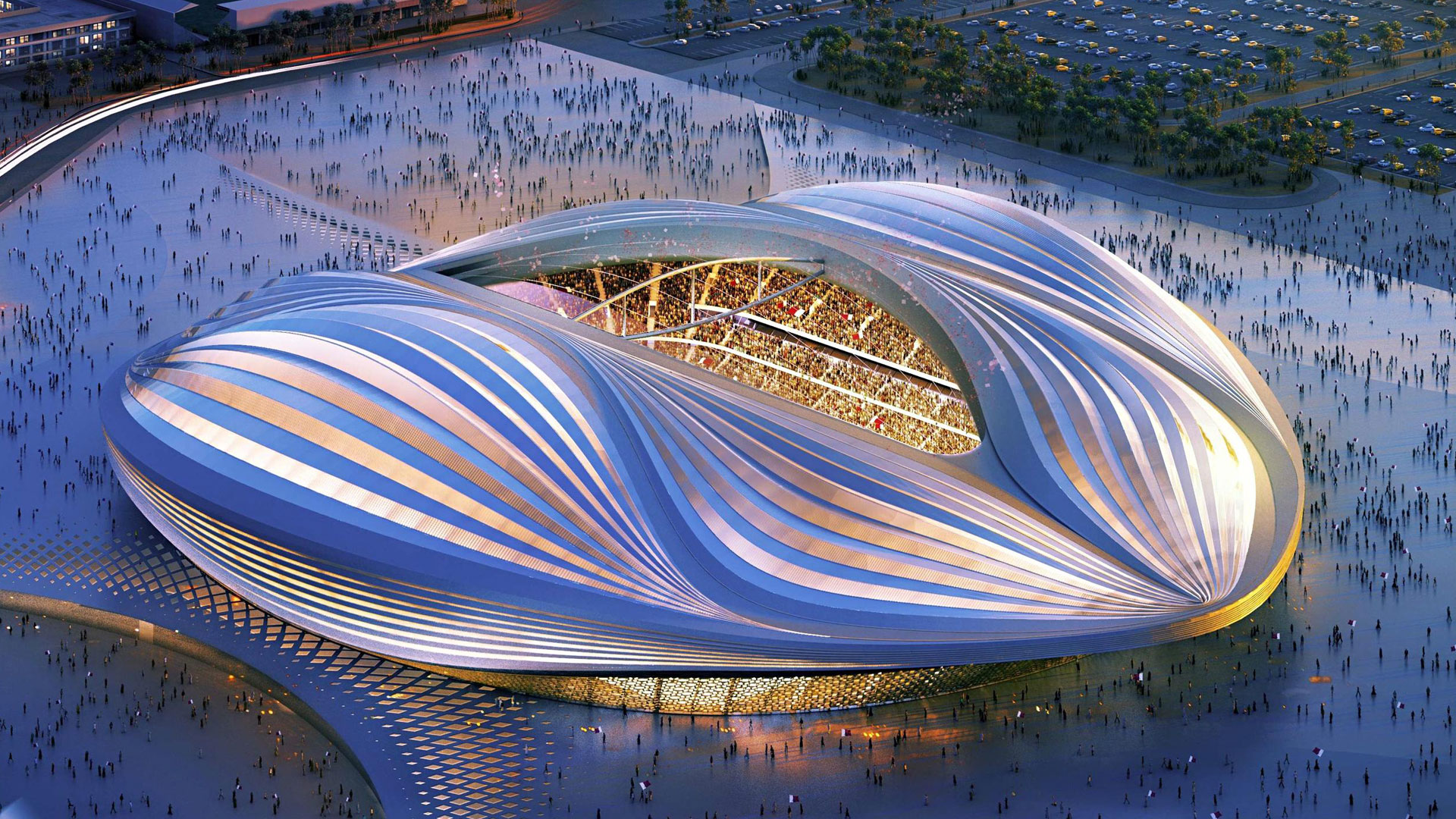
3) AL JANOUB STADIUM:
Capacity: 40,000
©wingstoursgulf.ae
In honor of Al Wakrah’s maritime past, the sails of conventional dhow boats inspired the design. Thanks to an innovative cooling system and retractable roof, the stadium is available all year. The well-known architecture firms AECOM and Zaha Hadid Architects collaborated on the stadium’s design.
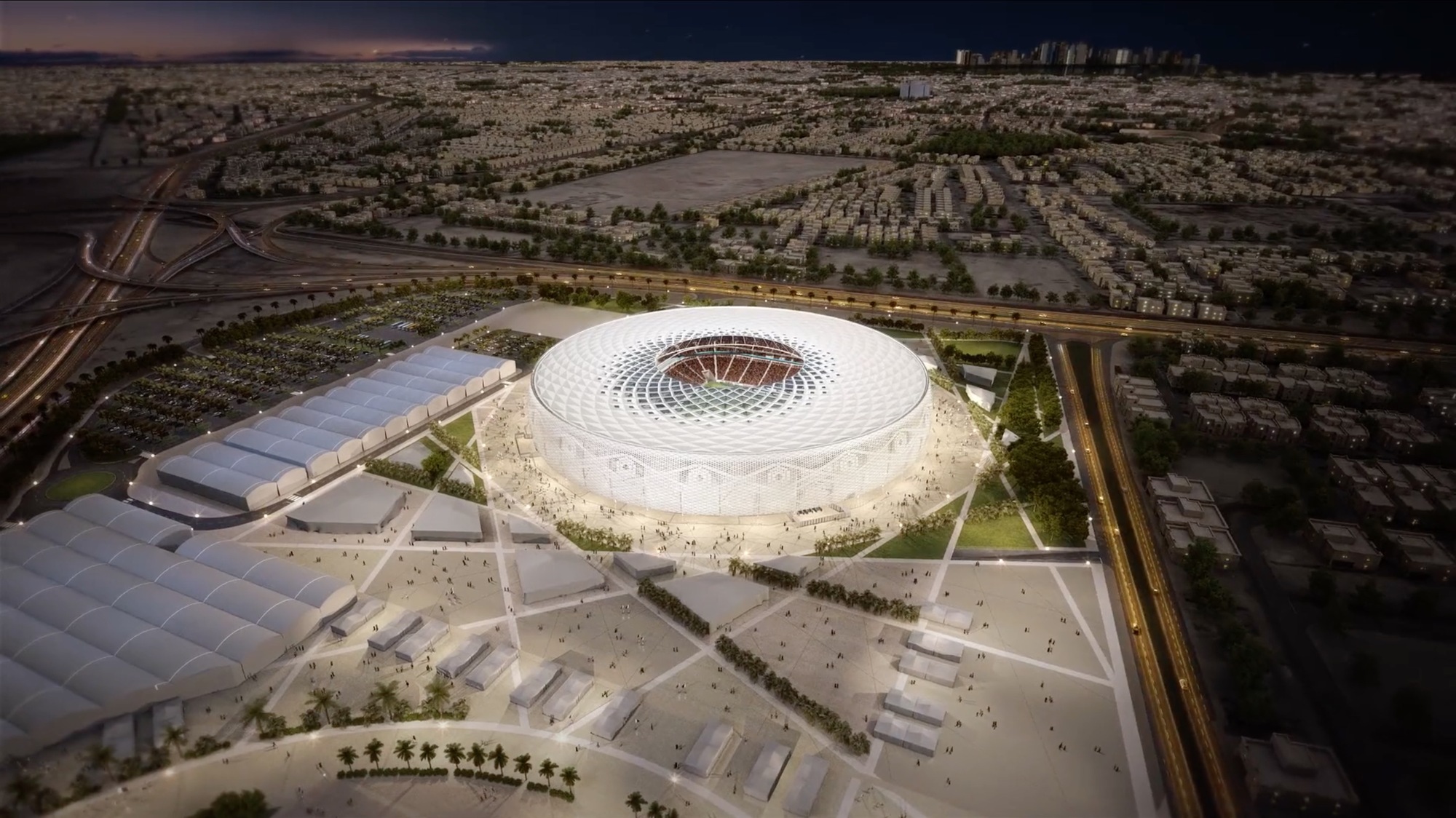
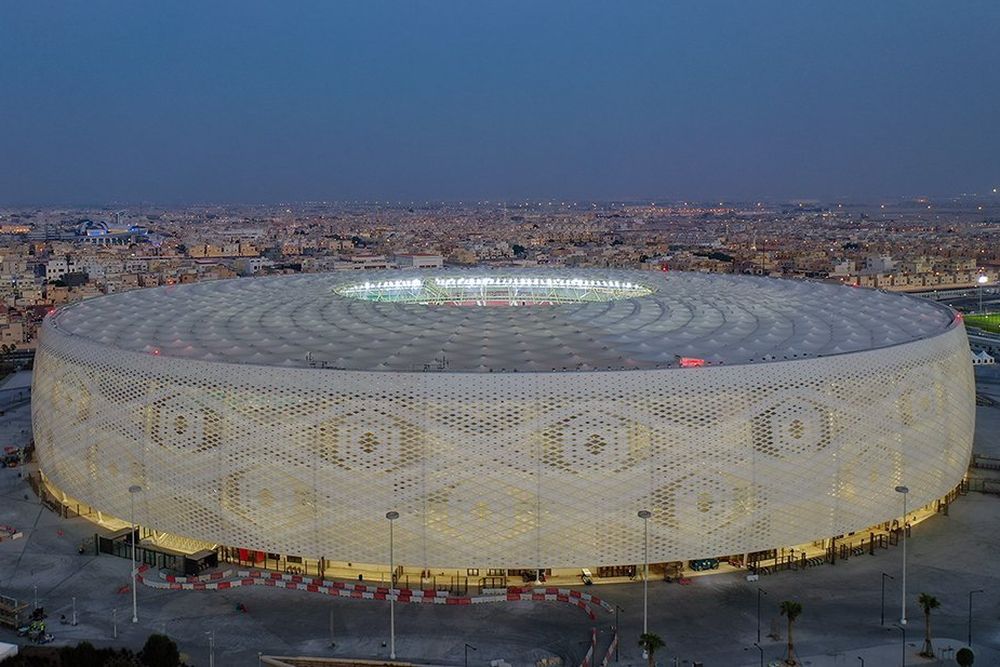
4) AL THUMAMA STADIUM:
©stadiumdb.com
The stadium’s design pays homage to the gahfiya, a customary knitted cap worn by men and boys all over the Middle East. The gahfiya is a crucial component of the region’s traditional attire. Additionally, it represents dignity and freedom.
©m.bola.net
The stadium’s unusual layout, according to architect Ibrahim M. Jaidah, also serves a practical purpose by safeguarding spectators from the sun, similar to how the gahfiya protects the wearer’s head from heat. The stadium’s layout will operate in conjunction with a solar-powered cooling system.
5) AHMAD BIN ALI STADIUM:
Capacity: 40,000
©bdp.com
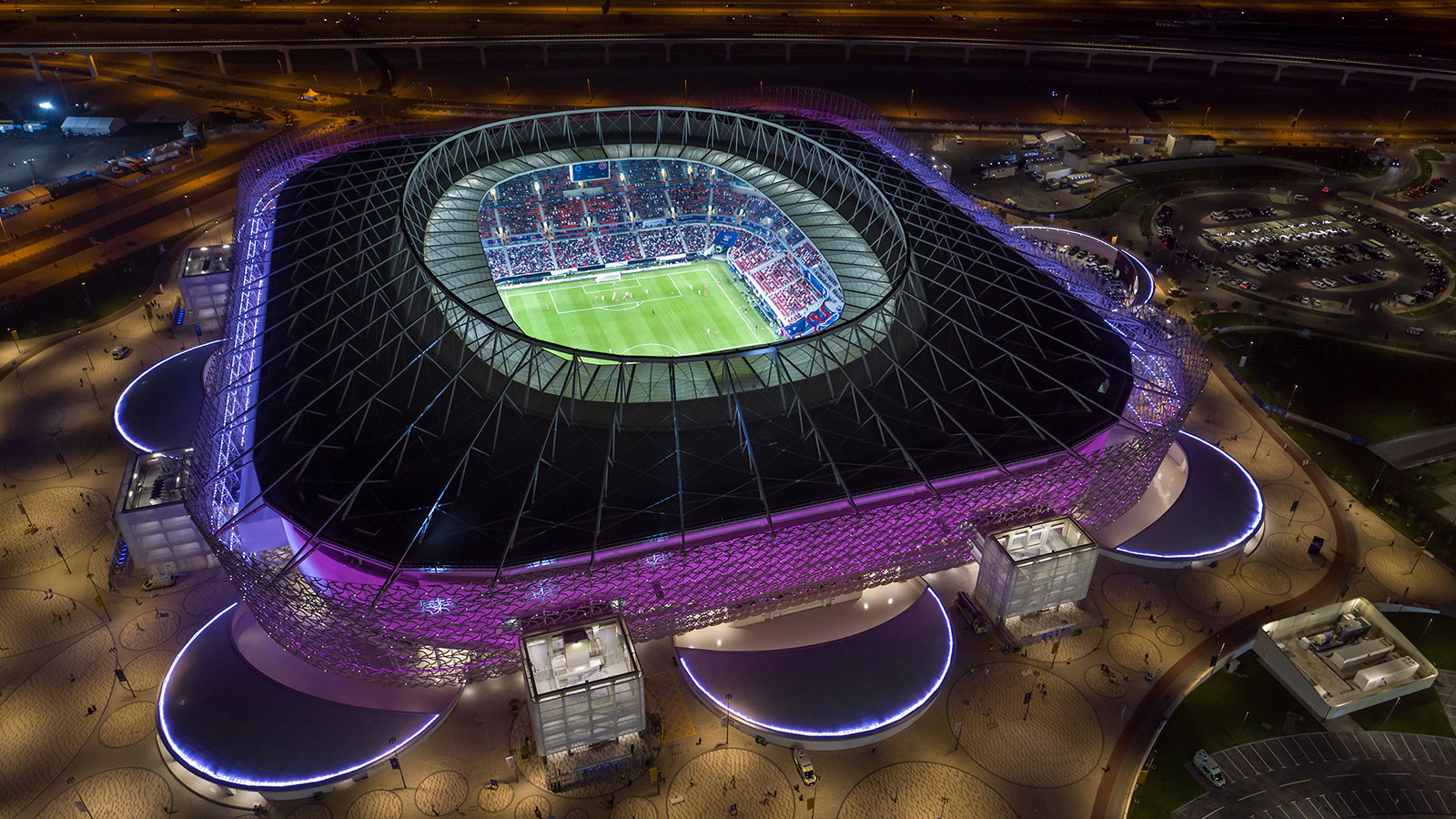
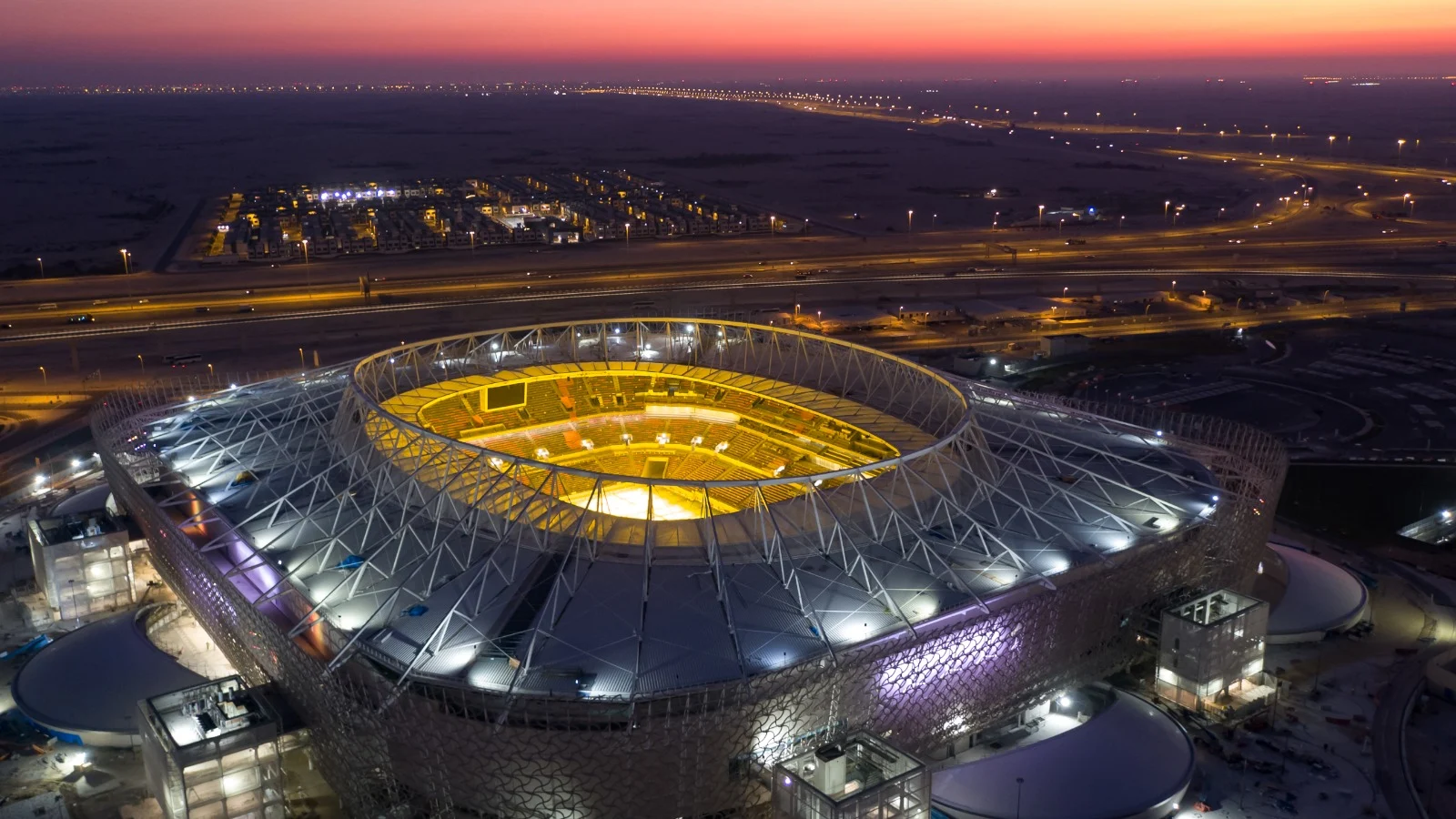
Ramboll, a design and engineering firm based in the United Kingdom, created this ornament stadium on the eastern edge of Doha. The Ahmad Bin Ali Stadium stands different by its elaborate metal exterior, which pays tribute to classic Qatari facades widely recognized as Naqsh and is contrasted with solidly built concession stands along the edges that refer to the surrounding desert.
©wallpapercave.com
The stadium’s illuminated façade features designs that represent crucial attributes of the nation, including the value of family, the charm of the desert, the local flora and fauna, and regional and global trade. All the other shapes come together to form the fifth shape, a shield, which stands for the strength and cohesion that are especially important to the city of Al Rayyan.
6) KHALIFA INTERNATIONAL STADIUM:
Capacity: 40,000
©Parametric Architecture
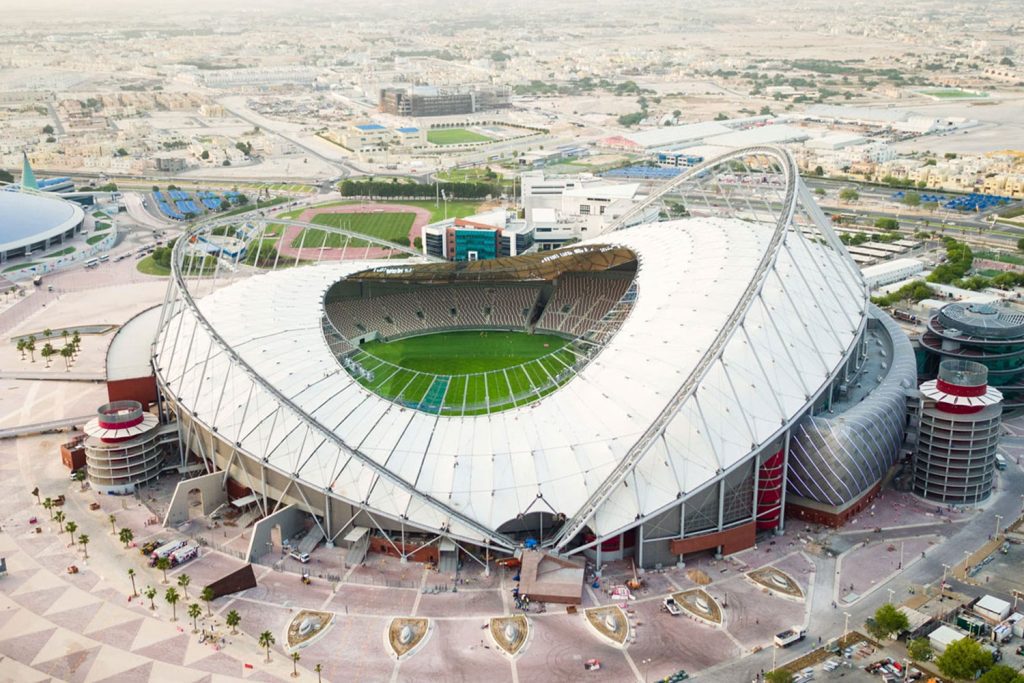
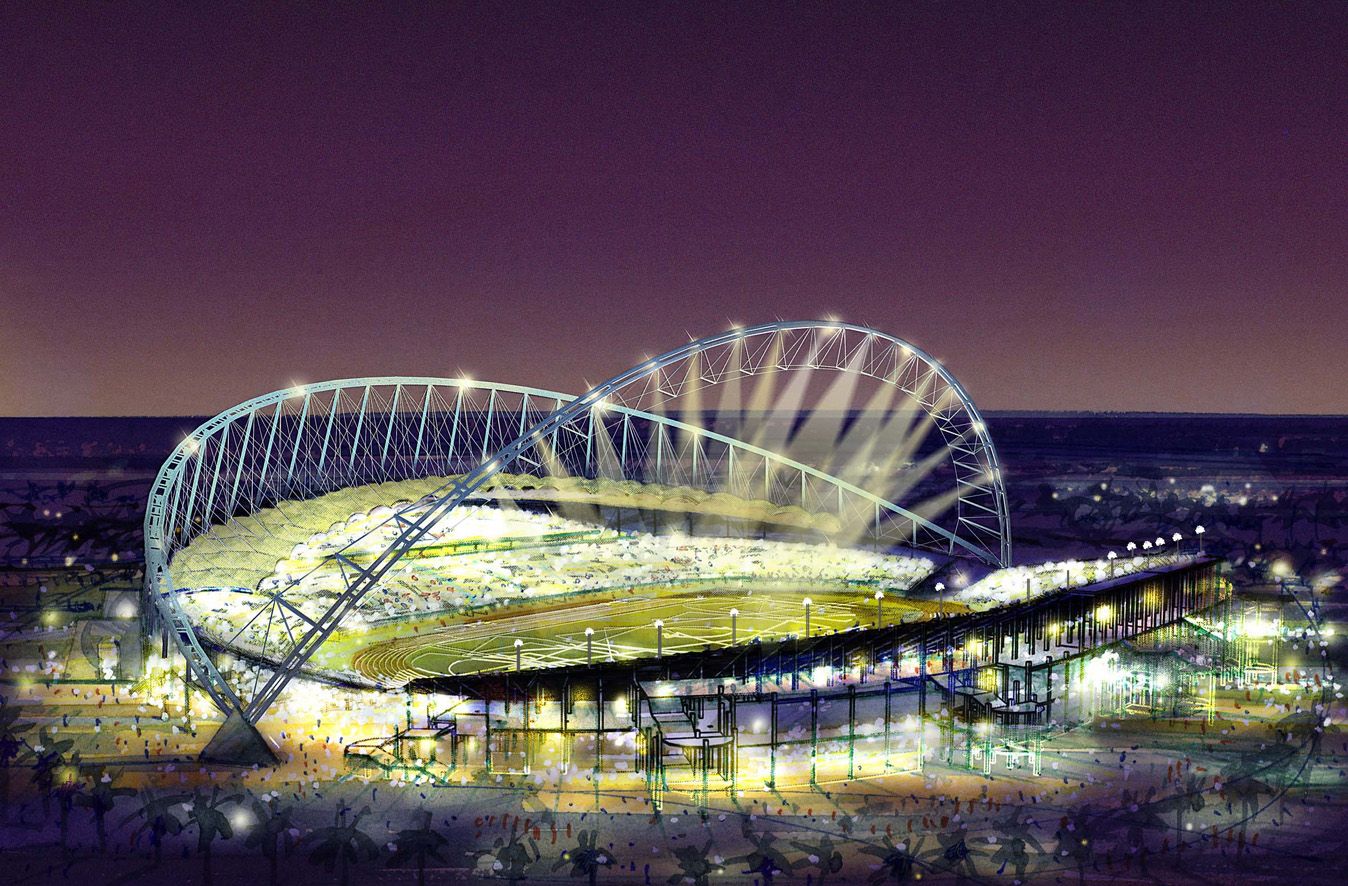
This stadium underwent renovations for the World Cup after its construction in 1976. The stadium’s original double arches have now been preserved and supplemented by a vast canopy that holds the brand-new cooling system.
©construction.ctba.me
Additionally, 12,000 more seats were added to the stadium to increase capacity, and a new LED lighting system with a reimagined facade was installed.
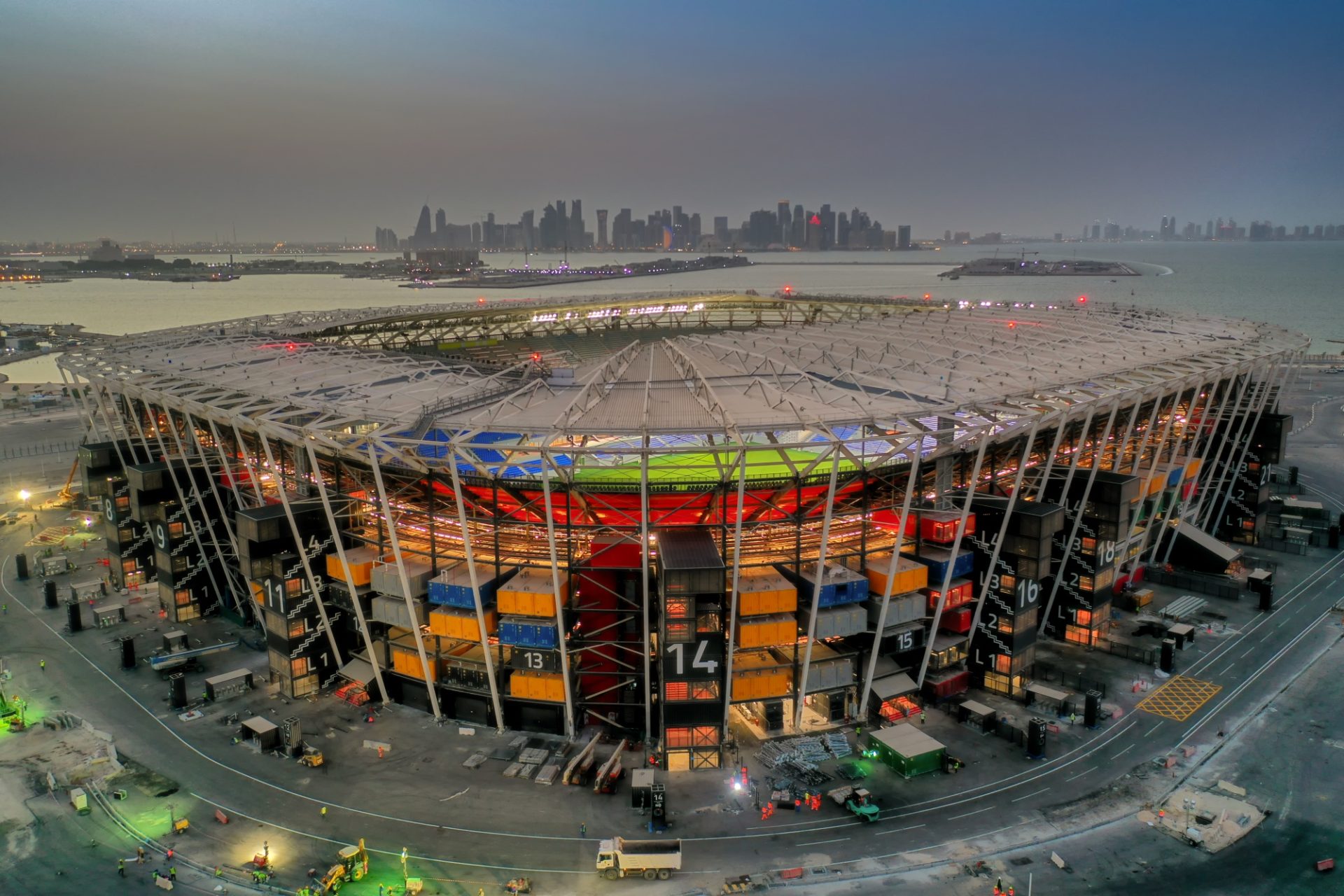
7) STADIUM 974:
Capacity: 40,000
©scalemag.online
The name “Stadium 974” refers to Qatar’s international calling code and the number of shipping containers used to construct the stadium’s stairways, stores, restrooms, and some of its exterior.
In honor of the nearby port and the industrial past of the land it was built on, the stadium’s construction included standard, licensed cargo containers and customizable steel elements. The result is a unique, brightly colored, contemporary arena designed by Fenwick Iribarren Architects. Given the stadium’s witty construction method, fewer building materials were needed during development, which reduced expenses.
8) EDUCATION CITY STADIUM:
Capacity: 40,000
©tamkeen-group.com
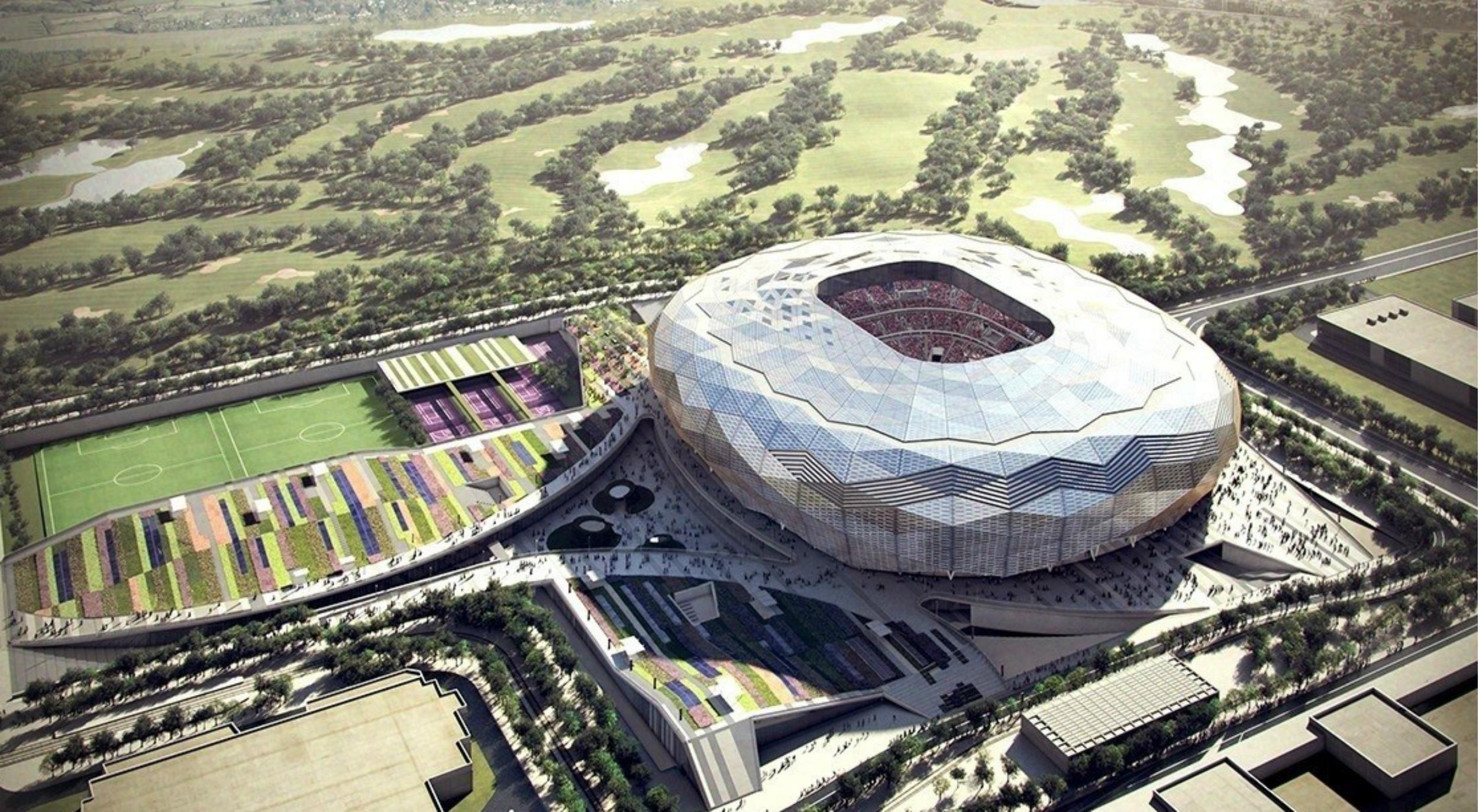
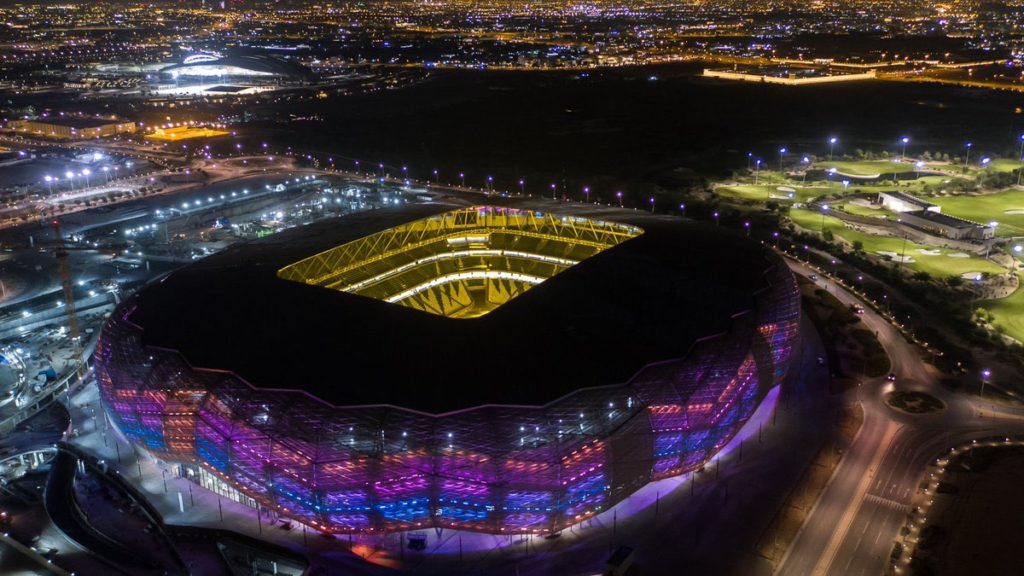
Triangles on the stadium’s facade form intricate, diamond-like geometric shapes that seem to change color as the sun passes through the sky. The stadium’s design, inspired by diamonds, stands for artistry, persistence, and endurance.
©staddoha.com
After the Qatar World Cup is over, there are plans to transform the stadium’s location in Education City into a sports hub, with the seating cut down to create space for university lecture halls and meeting rooms.

Aly Bayoumi is an editor with a sharp eye for detail and a deep commitment to clarity and precision. Passionate about architecture and design, he sees every project as an opportunity to shape compelling narratives that bring creative visions to life. With a focus on accuracy and engaging storytelling, Aly combines editorial expertise with a dedication to elevating the voices and ideas that shape the built environment.