

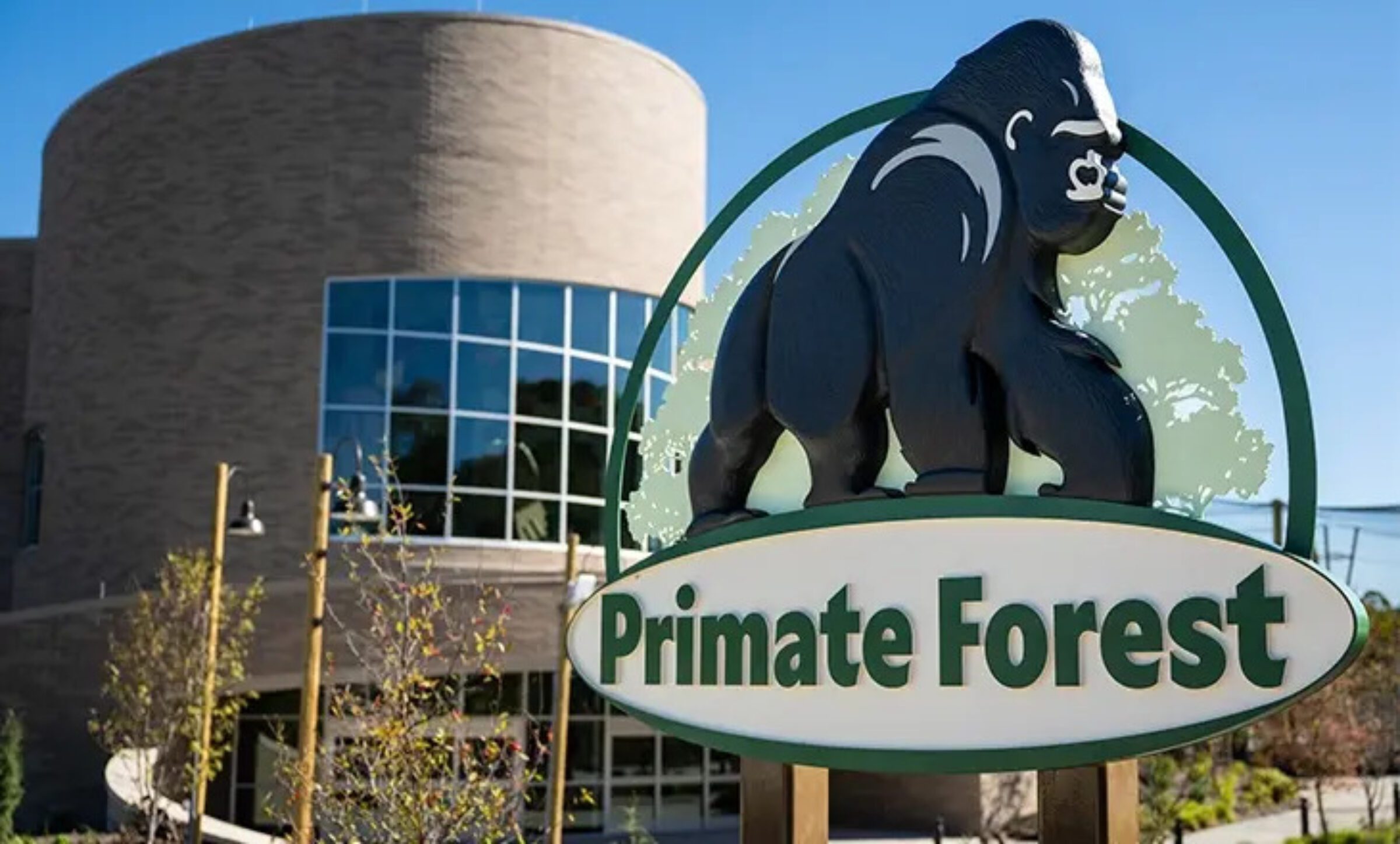
Cleveland Metroparks Zoo has opened the first phase of Primate Forest, a redevelopment of its former RainForest building that brings animal wellbeing, conservation and guest experiences together under one roof. The first phase renovated and modernised more than 63,000sq ft of the old building and added more than 33,500sq ft of new construction. The zoo, in Cleveland, expects the wider project to be finished by its 150th anniversary in 2032.
Cleveland Zoo opens Primate Forest as it gears for its 150th celebrations in 2032
The scale of the full project explains why the zoo is building in stages. When complete, Primate Forest will cover around 140,000sq ft and will include a Gorilla Forest with a new habitat, healthcare and management facilities, forest and garden space and a viewing tower. The zoo puts the investment in the first phase at approximately US$70 million (€62.7 million, £52.4 million) and the complete project at US$120 million (€107.4 million, £89.8 million). Phase-one funding combines zoo capital funds, philanthropic support, partnerships and state capital funds.
Cleveland Zoo is gearing up for its 150th anniversary in 2032 / Cleveland Zoo
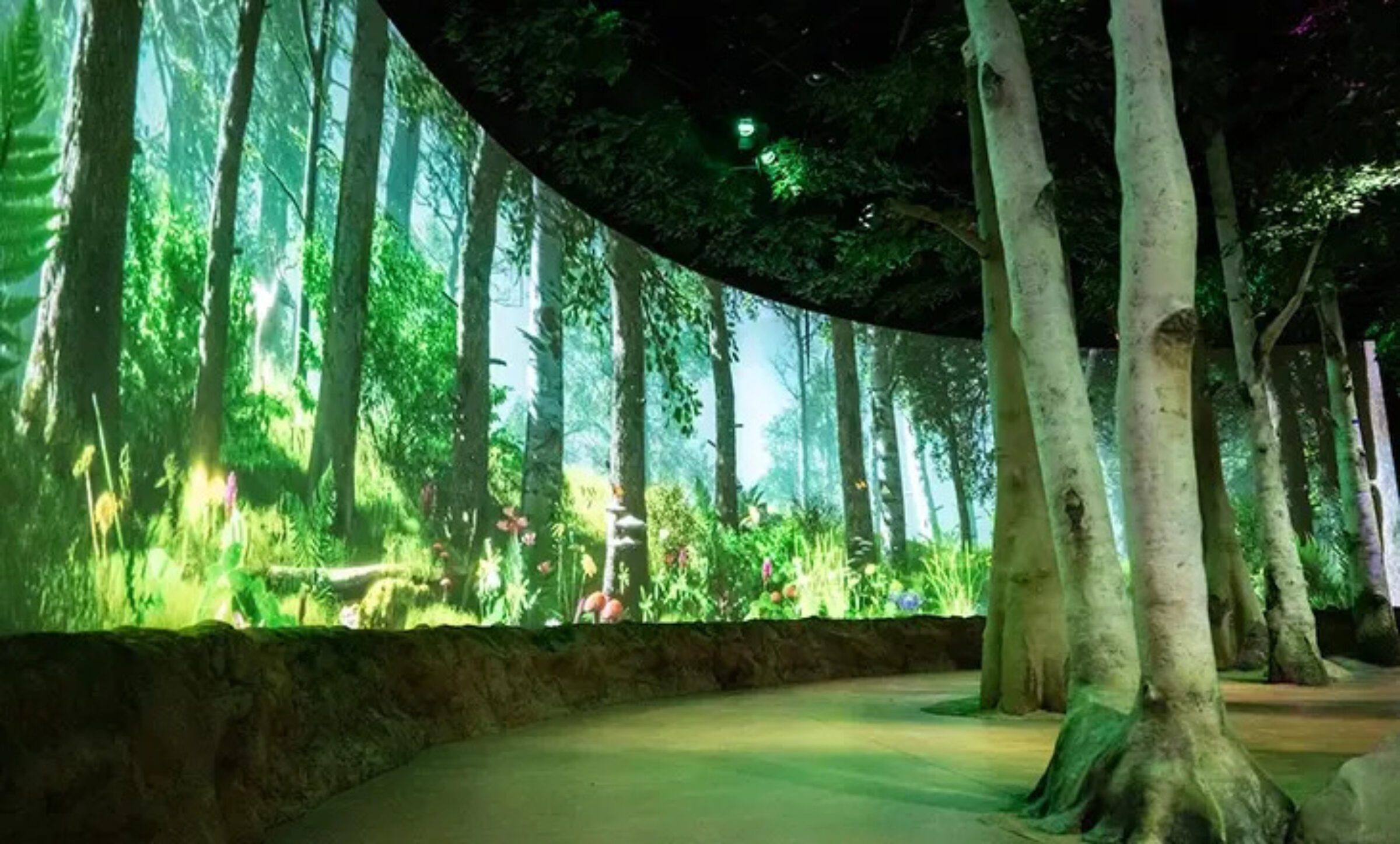
Visitors enter through a central gathering space that uses projection mapping to transform its surroundings, with a towering “Mother Tree” at its centre. Around it sit dining and retail areas and the Orchid Room, an event and meeting space. Beyond this entrance, the new area is home to 65 animal species, and it also contains the Samuel H Miller Foundation Tropical Forest and an expanded Orangutan Forest.
Read more:
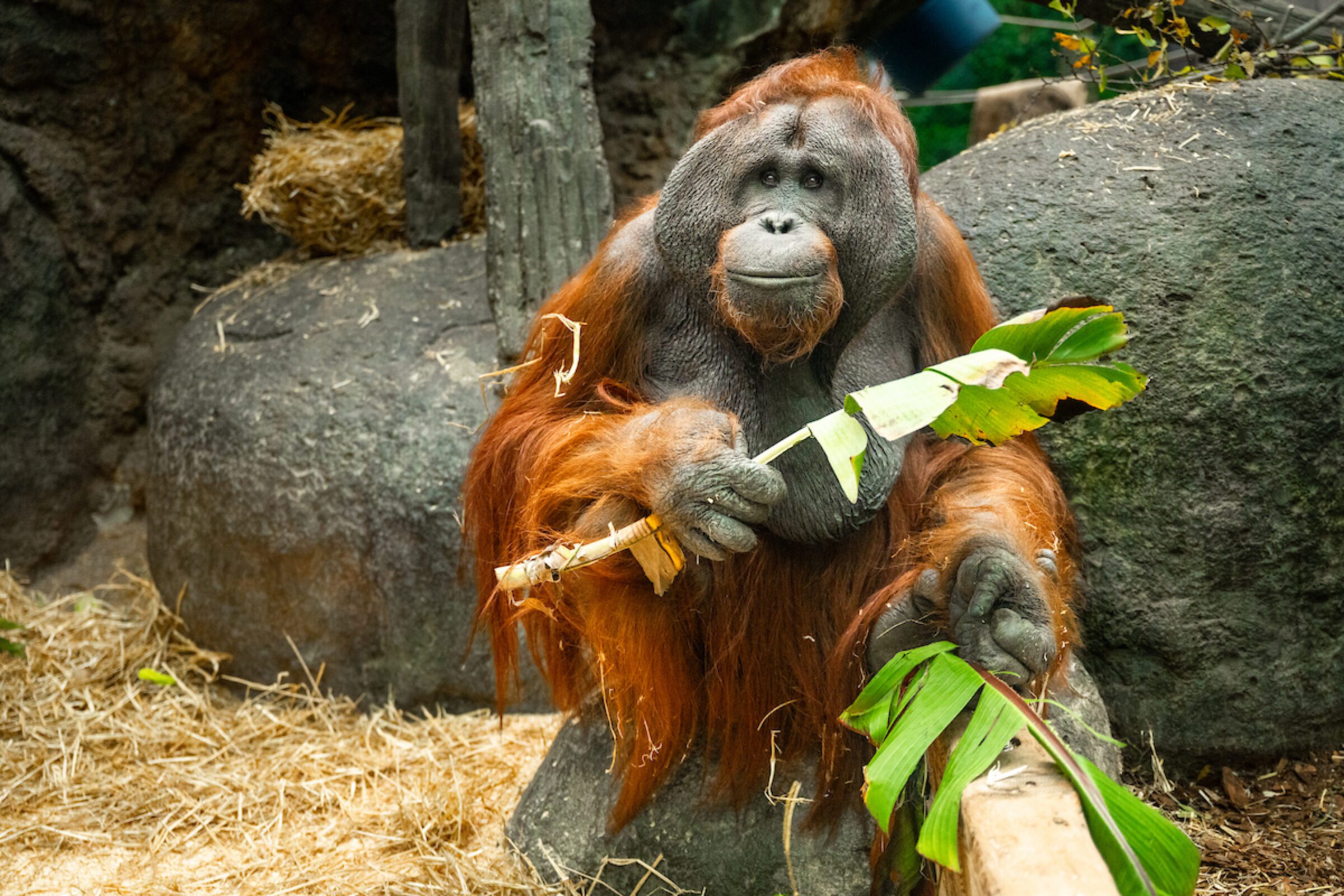
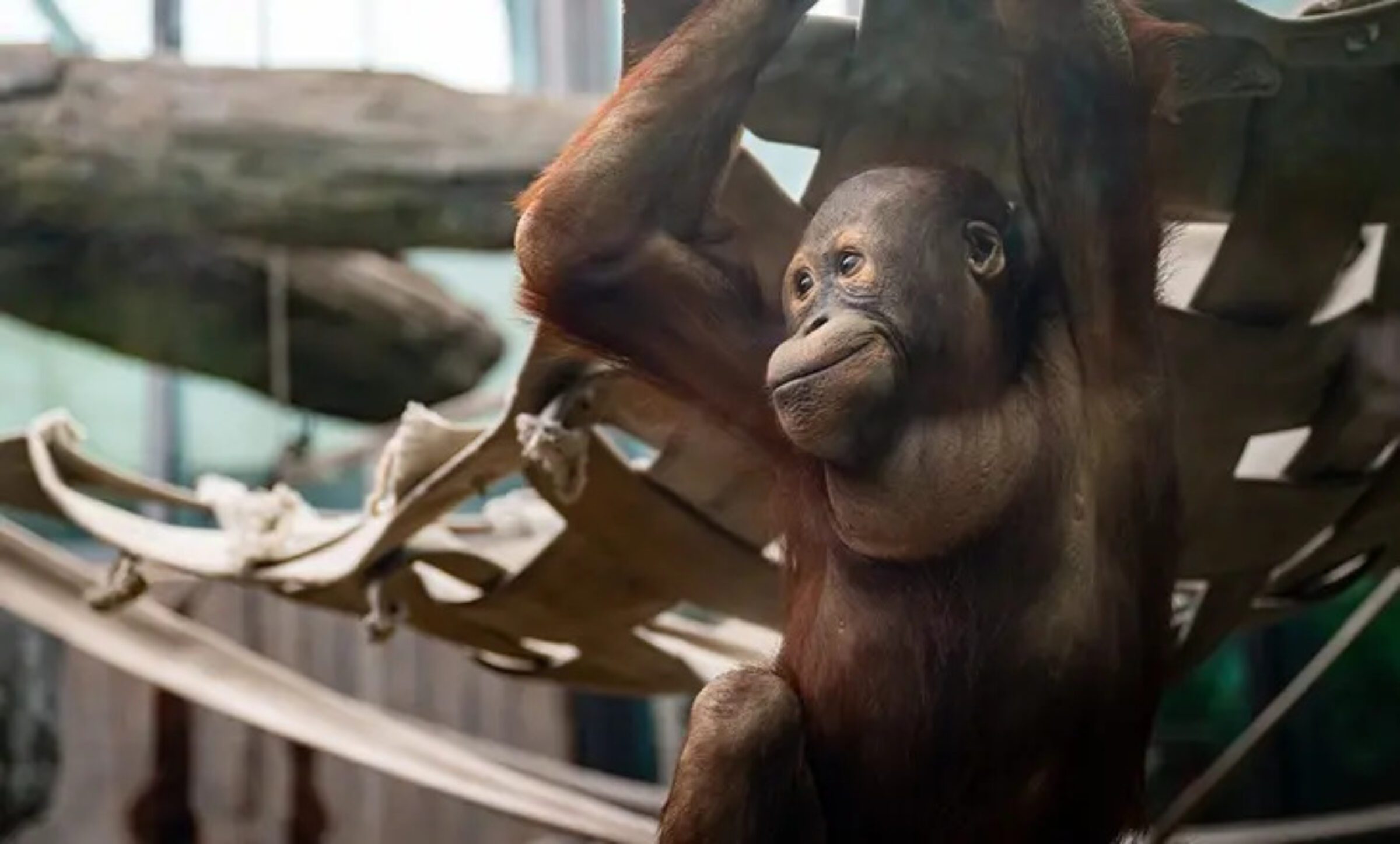
The orangutan habitat shows most clearly how the redevelopment changes daily life for the animals. For the first time, the zoo’s orangutans can go outdoors, because their habitat now extends from the existing 40-foot geodesic dome into an area with climbing structures, ropes and nesting opportunities. A two-storey dayroom connects the indoor and outdoor habitats, while an elevated deck gives visitors new viewing points. The design also gives guests a closer view of the zoo’s daily husbandry and enrichment work.
Orangutan can now enjoy outdoor space / Cleveland Zoo
Conservation work has been built into the visitor route as well. A Care and Conservation Center brings work with toads, turtles and snakes into the visitor experience, and zoo staff report successful breeding of Puerto Rican crested toads in the new space. Families and school groups also gain an indoor playspace, a learning gallery, a forest theatre and an interactive design lab. The Connections Studio completes the learning spaces, since it lets visitors explore careers in science, conservation and animal care.
The new primate forest cost $US70m / Cleveland Zoo
The zoo’s executive director says the animals are the reason behind the more complex habitats. Dr Chris Kuhar said the habitats give the animals “more choice, challenge and opportunity to express natural behaviours”. The next stage is the Gorilla Forest, with its new habitat, healthcare and management facilities and viewing tower, which the zoo plans to deliver before its 150th anniversary in 2032.
For more background, see our guide to adaptive reuse.

Jane Doe is an American architectural editor with a deep-rooted passion for design and the built environment. She holds a degree in Architecture from Columbia University, where she developed a strong foundation in both architectural theory and urban studies. With over a decade of editorial experience, Jane specializes in shaping content that bridges architecture, urbanism, and cultural discourse. Her work spans leading design publications, exhibition texts, and digital platforms, where she is known for her clear, engaging narratives and her ability to translate complex spatial ideas for a broad audience. Jane is particularly interested in issues of equity, sustainability, and the evolving role of cities in a changing world.