


Mood Lighting Tips for Interiors: Layered, Ambient & Smart Lighting Guide
Mood lighting tips to transform interiors? When searching and choosing features for your interior space, you are probably looking to create a mood that fits the room’s function. Artificial lighting can transform spaces and affect a space’s mood, and luckily, there is a whole category dedicated to this, called Mood Lighting.
What Is Mood Lighting? Understanding Its Impact on Interior Atmosphere
Mood lighting is all about creating a setting. You can control the mood of the room with light. Each color and color temperature affects the mood. It’s up to you to ensure that you present your home in the best way possible. You could make guests feel cozy by inviting them into a room lit with warm lighting to make them feel relaxed by asking them to be in a room lit with cool lighting.`
The ambiance of a room is influenced by mood lighting. Change the color, brightness, and angle of the lighting to create a different ambiance. But that isn’t the only thing you can do.
Your mood is also influenced by the lighting you use. Because the effect is slight, you may not notice it. Mood lighting can be found in a public place where people gather. Restaurants, spas, libraries, and medical offices are among the most popular sites to find mood lighting.
1. Choose the Right Color Temperature for Every Space
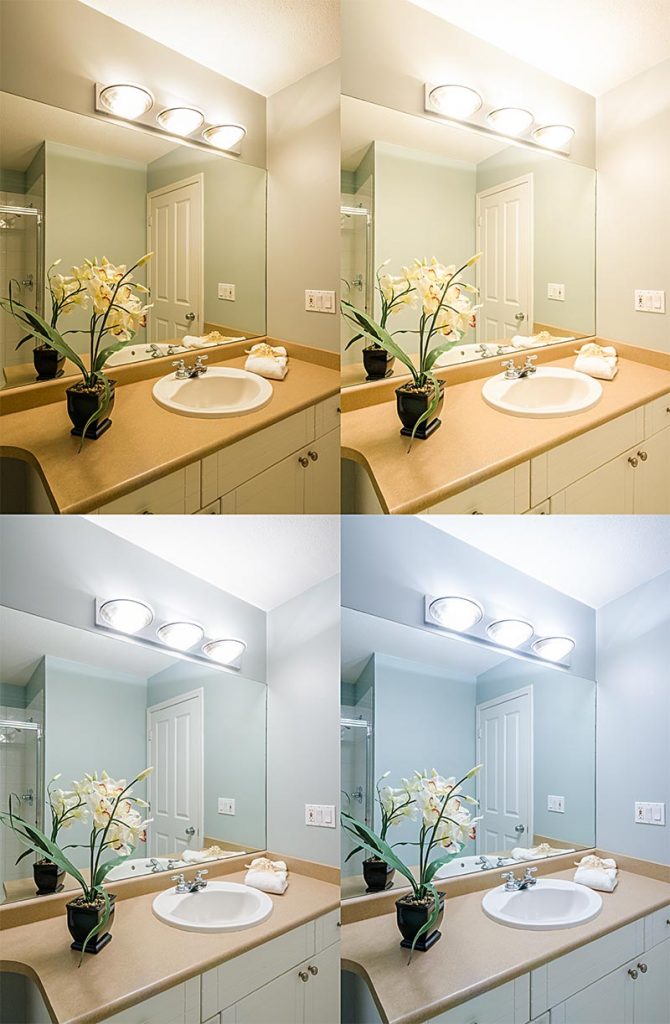
Kelvin is the unit of measurement for color (K); lower measurements indicate warmer temperatures. Color temperatures are defined as warm white and cool white. The warmth of the colors varies from ultra-warm to daylight.
Mood lighting might be tricky in homes with limited light sockets. As a result, choosing a color-changing batten is the ideal alternative. One light performs the functions of three different lights.
© Super Bright LEDs
Warm vs Cool Lighting: Which Creates the Best Mood?
There are three widespread color temperatures you can find in almost any store that sells lighting fixtures:
Warm Light, Less than 3,000K
Warm lights create a calm and soft environment—suitable for bedrooms, living rooms, and dining rooms.
Cool Light, 3,000K to 4,500K
Cool lights create more fun and energetic spaces. Hence they are suitable for areas where there are activities with high traffic, like kitchens.
Daylight, 4,500K
Daylights are the brightest lights; thus, they are used in craft rooms, workshops, and display rooms.
2. Use Color Psychology to Influence the Mood of the Room
The ability to distinguish between certain color temperatures and choose between them are two different things. Before purchasing your mood lighting fixtures, you must know which fixture you will use in each room.
Also Read: 22 Spectacular Ways to Display Art in Your New Home
© SJ Essence
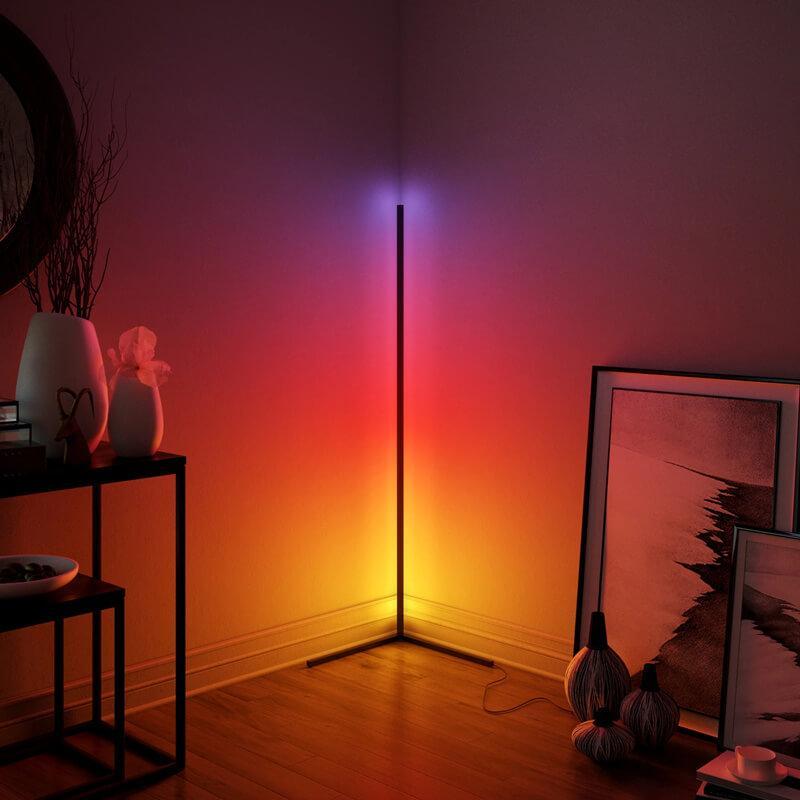
There are no fixed regulations regarding color temperatures, but there are some principles to follow. Choose warm color temperatures in spaces where you want to relax and focus on people. In settings where the focus is task-based, choose cool color temperatures.
2. Use Color Psychology to Influence the Mood of the Room
There are three basic types of lighting fixtures: ambient lighting, task lighting, and accent lighting. To create a perfect mood lighting setting, you have to mix and match these three as they work as layers.
Emotional Effects of Different Light Colors
Ambient Lighting
© LP Circle
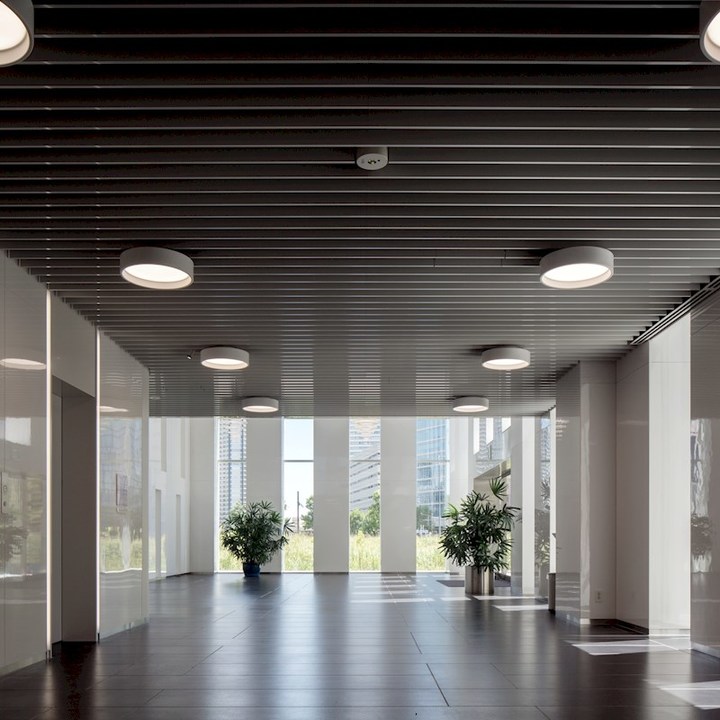
General lighting is another name for ambient lighting. This is the lighting that illuminates the entire space. Ambient lighting should be used if you have one sort of lighting.
Also Read: 15 Dashing Scandinavian Small Living Room Ideas
Task Lighting
© Juniper Design
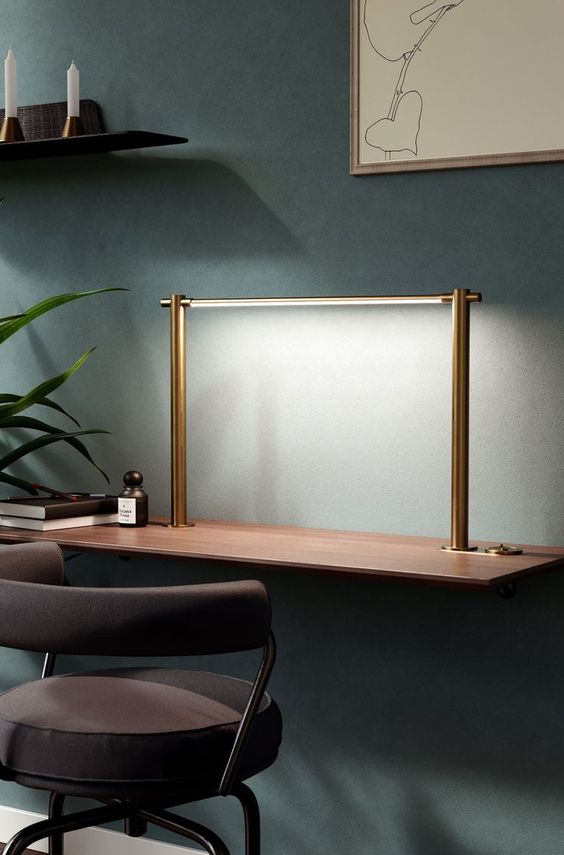
Task lighting is a type of lighting used to illuminate a specified region. Its name comes from the fact that it provides a secure environment to complete work. Lighting over workbenches or tables is an example of this.
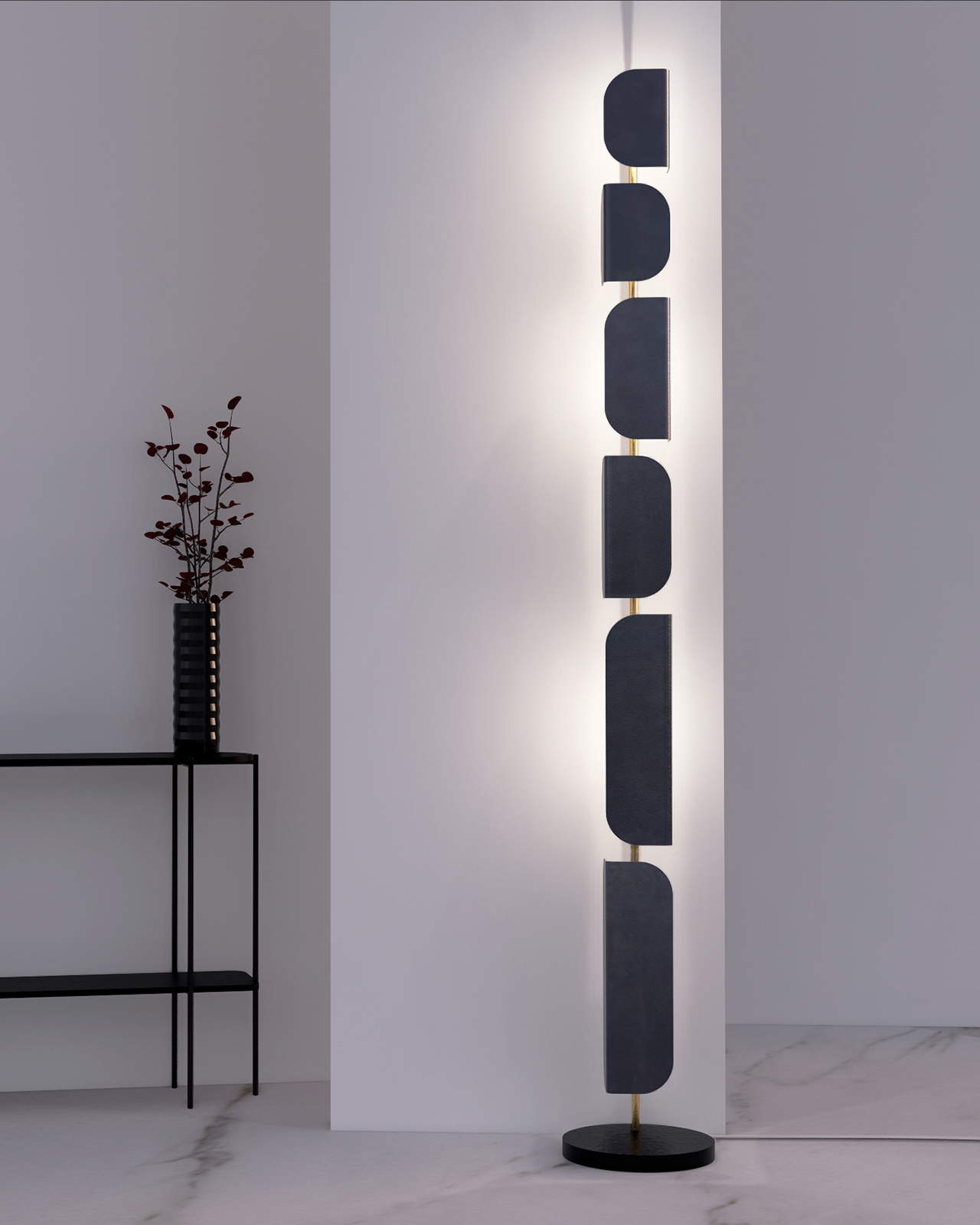
Accent Lighting
© Chris Martin
The ultimate mood lighting is accent lighting. This sort of lighting emphasizes specific locations. It doesn’t give good light, and it doesn’t illuminate the entire room.
When to Use RGB or Color-Changing Lighting in Interiors
The mood of a room can be affected by overhead lighting. This is an excellent option to give your area a sharp and clean aesthetic. However, it might not be the most outstanding choice if you only utilize overhead illumination and no other lights.
On its own, overhead lighting can highlight wrinkles and produce shadows on your face or the surfaces. It also enables the casting of shadows in the room’s corners and ceilings. To address these concerns, combine overhead lighting with wall lights or free-standing lamps.
Choose the Right Number of Fixtures
Because different types of lighting serve varied functions, there should be a proper balance of architectural and decorative lighting. In both small and large rooms, using many lights works well. You may set the lights close together in tiny rooms. However, avoid utilizing too many lights in large spaces by spreading them out.
Use Multiple Light Sources to Build Depth and Warmth
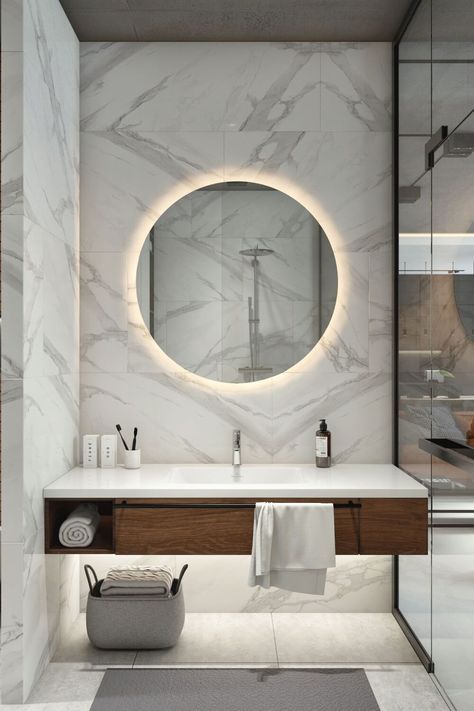
One of the creative ways to apply mood lighting is by fixing LED strips. LED strips are placed beneath furniture or behind photos on the wall to produce a dramatic impact while also improving the room’s ambiance.
© Lily Ann Cabinets
Another ingenious way is backlit lighting. Backlights are used to illuminate items from behind. The most frequent backlights are backlit mirrors. The impact of glass objects is more extensive—because light reflects off the glass, backlit glass is more effective. As mirrors make spaces appear larger, the room will appear larger and brighter as light reflects off the glass.
Choose Adjustable Mood Lighting
Adjustable mood lights are available for purchase. You can change the brightness or color temperature of some modern lights. Others allow you to change the light’s hue.
Amazon and Wayfair are both great places to shop online. They have a vast assortment of mood lighting to suit your requirements. Get creative and mix and match for outstanding results. Any light can be used to create a mood.
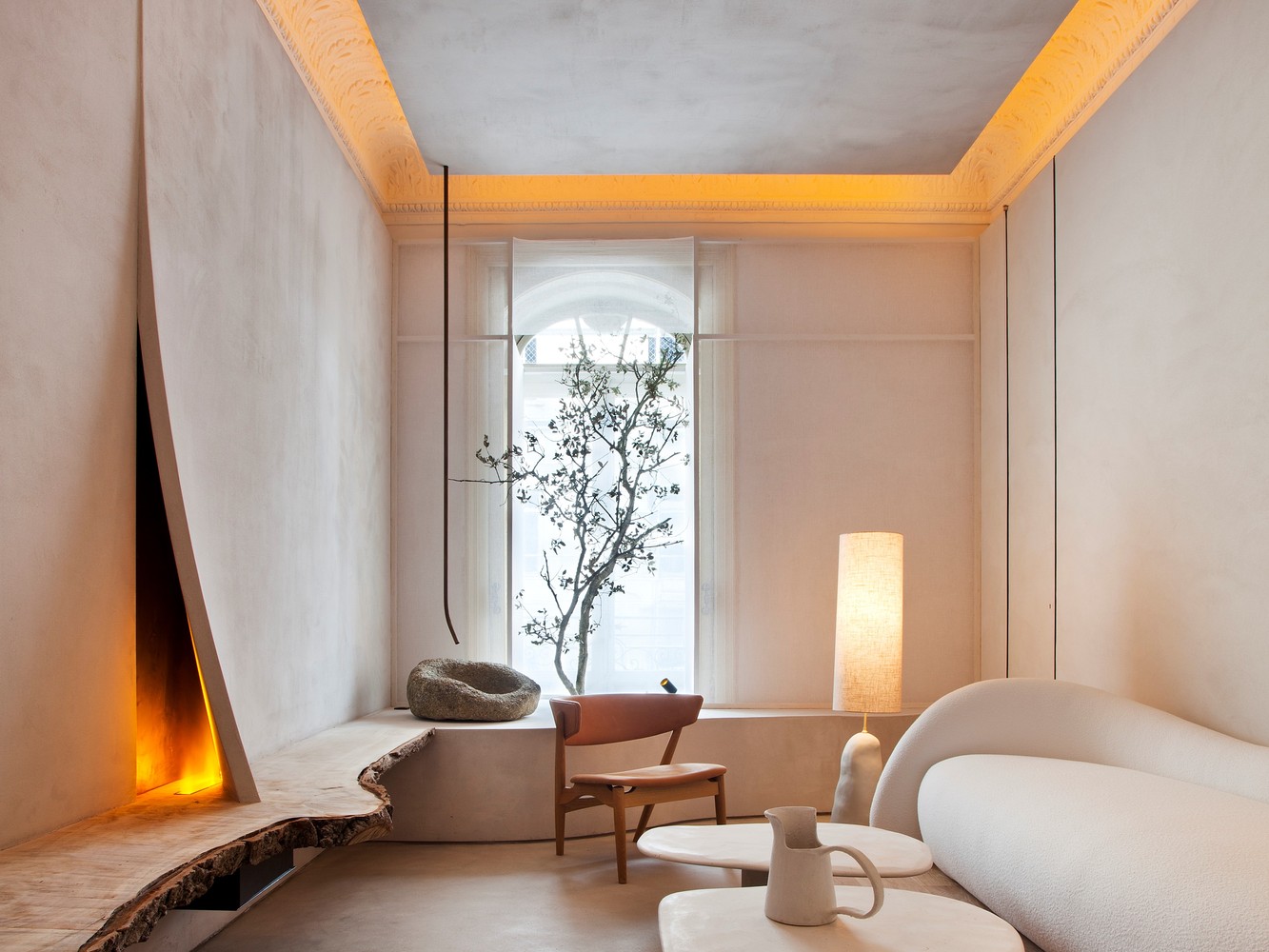
Install More Than One Light Source
The final method is to regulate the mood lighting using many light sources. This could be applied by installing a light on the ceiling, corner, or wall.
© Nacho Uribe Salazar
Final Thoughts: Designing Mood Lighting That Transforms Interior Spaces
To take things to the next level, make your lights moveable. Lights should be positioned behind mirrors, under beds, and near windows. Hang some fairy lights if you want to go all out. It’s all about using mood lighting to personalize the space.

Toqa Mostafa is a dedicated editor at Arch2O, bringing a sharp editorial perspective to architectural storytelling. Based in Egypt, she curates and refines content that showcases innovative design and urban solutions. Her work at Arch2O highlights her ability to engage readers with compelling narratives, bridging architectural creativity and critical discourse. Toqa’s editorial expertise contributes significantly to Arch2O’s mission of exploring the intersection of design, technology, and sustainability.