


Some interior design styles come and go like fashion trends. Others stick around for decades, proving their worth through countless homes and changing times. These lasting styles share something special – they work with how people actually live, not just how they think they want to live.
The best interior design styles solve real problems. They make spaces feel comfortable, look good, and work well for daily life. When you choose a timeless design approach, you’re not just following the latest trend. You’re picking something that will still look great years from now.
Understanding these foundational interior design fundamentals helps you make smarter choices about your space. Whether you’re working with the constraints found in compact living solutions or trying to avoid the problems outlined in common design errors, these proven approaches give you a solid foundation. Modern technology and sustainable materials only make these classic styles more practical than ever.
What Are the 7 Types of Interior Design That Define Timeless Aesthetics?
Seven interior design styles have proven their staying power across multiple generations. Each one offers a different approach to creating beautiful, functional spaces. They’ve survived because they address basic human needs while adapting to new technologies and ways of living.
These Interior Design Styles aren’t just about how things look. They’re complete systems for organizing space, choosing materials, and creating the right atmosphere. You can use them as starting points for your own design or blend elements from different styles to create something unique.
1. Classical Interior Design: Built on Mathematical Beauty
Classical interior design never goes out of style because it’s based on mathematical principles that feel naturally pleasing to the human eye. Think of the golden ratio, balanced proportions, and symmetrical arrangements that create harmony in any space.
This approach uses architectural details like crown molding, columns, and coffered ceilings to create visual interest. The materials focus on quality and durability – natural stone, solid hardwoods, and fabrics that age beautifully. Modern versions adapt these principles while incorporating contemporary needs like efficient heating and cooling systems.
The key to successful classical interior design lies in getting the proportions right. Rooms feel balanced when elements relate to each other in pleasing ratios. The style works especially well in formal spaces where you want to create a sense of elegance and permanence.
Via: A+ studio
2. Minimalist Design: Less Really Is More
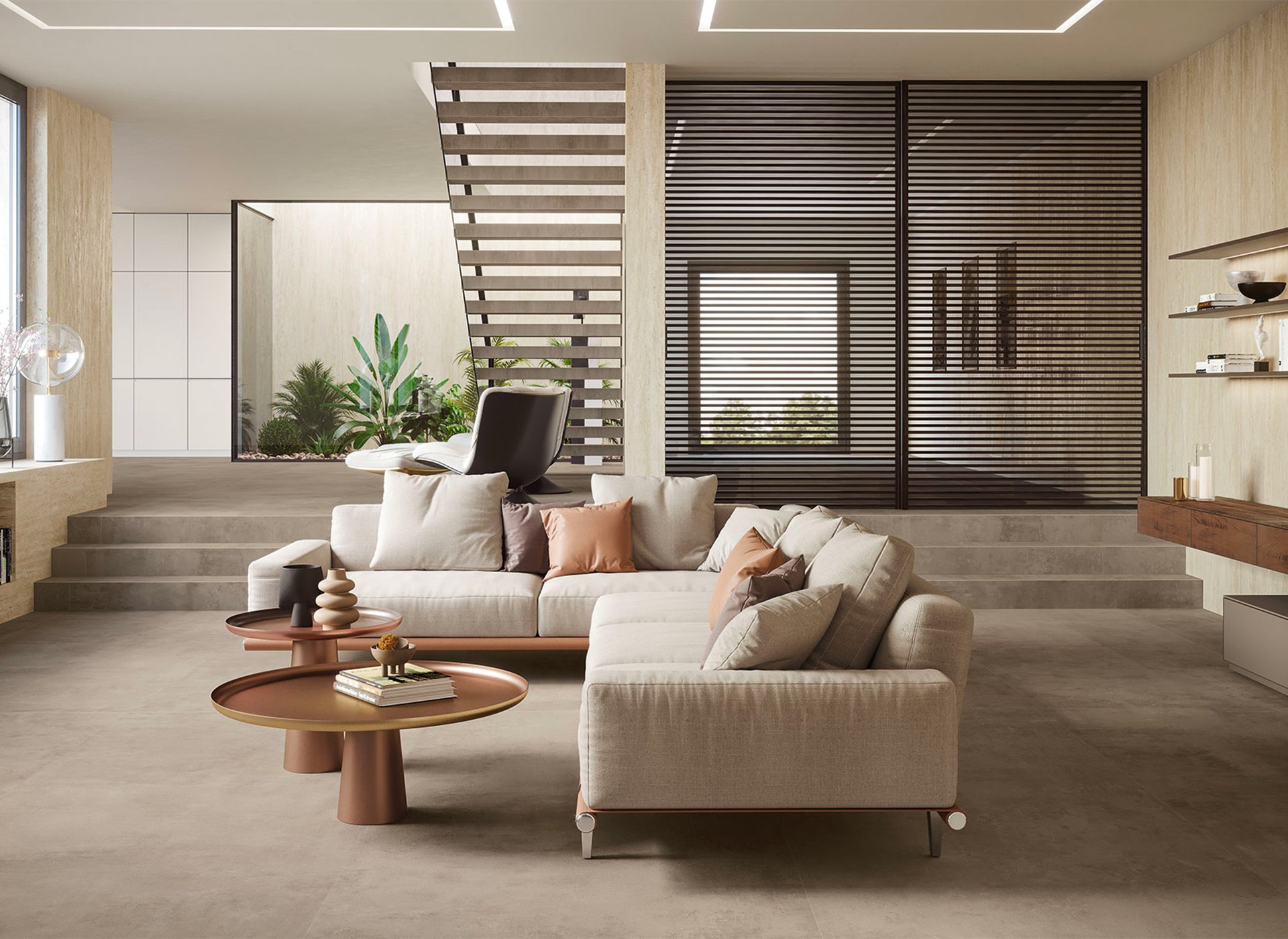
Minimalist design achieves timeless appeal by stripping away everything that isn’t essential. This Modern Interior Design approach focuses on clean lines, open spaces, and a carefully curated selection of furniture and objects.
The technical side of minimalist design demands precision. Every detail must be perfect because there’s nowhere to hide mistakes. Cabinets need flush installations, walls require perfect paint jobs, and lighting must create the right mood without visible fixtures cluttering the space.
This interior design aesthetic works particularly well in smaller spaces where visual clutter can make rooms feel cramped. By keeping only what you truly need and love, you create a sense of calm and spaciousness that feels luxurious regardless of square footage.
3. Scandinavian Design: Function Meets Comfort
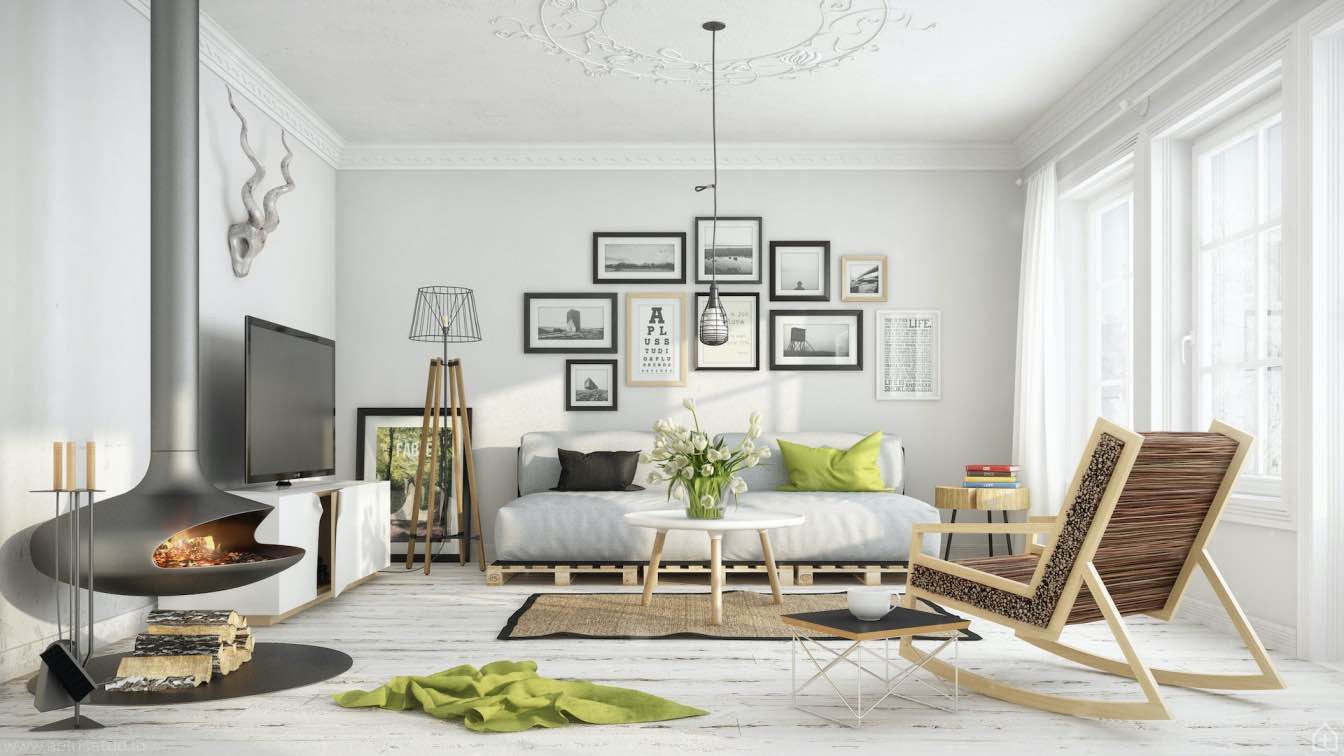
Scandinavian design combines practical functionality with cozy comfort in a way that feels effortless. This approach developed in Nordic countries where long winters and limited daylight shaped how people think about interior spaces.
The style relies heavily on light-colored wood species like birch and ash, which aren’t just aesthetic choices. These materials reflect light better than darker woods, helping brighten spaces during dark winter months. The pale colors and clean lines create an airy feeling that makes rooms appear larger.
Modern Scandinavian design incorporates energy-efficient windows, smart heating systems, and sustainable materials without losing its essential character. The style proves that environmentally conscious choices can also be beautiful and comfortable.
Via: A+ studio
4. Traditional English Country: Evolved Through Time
Traditional English Country style has staying power because it developed organically over centuries. This approach layers different periods and pieces together in a way that feels collected rather than designed.
The genius of this style lies in its flexibility. You can add new pieces, update colors, or change accessories without starting over completely. The layered approach means your space can evolve with your life and changing needs.
This interior design aesthetic works well for people who love mixing old and new pieces. It’s forgiving of imperfections and actually looks better when it shows signs of being lived in. The challenge lies in integrating modern conveniences like updated electrical systems and efficient heating without disrupting the authentic feel.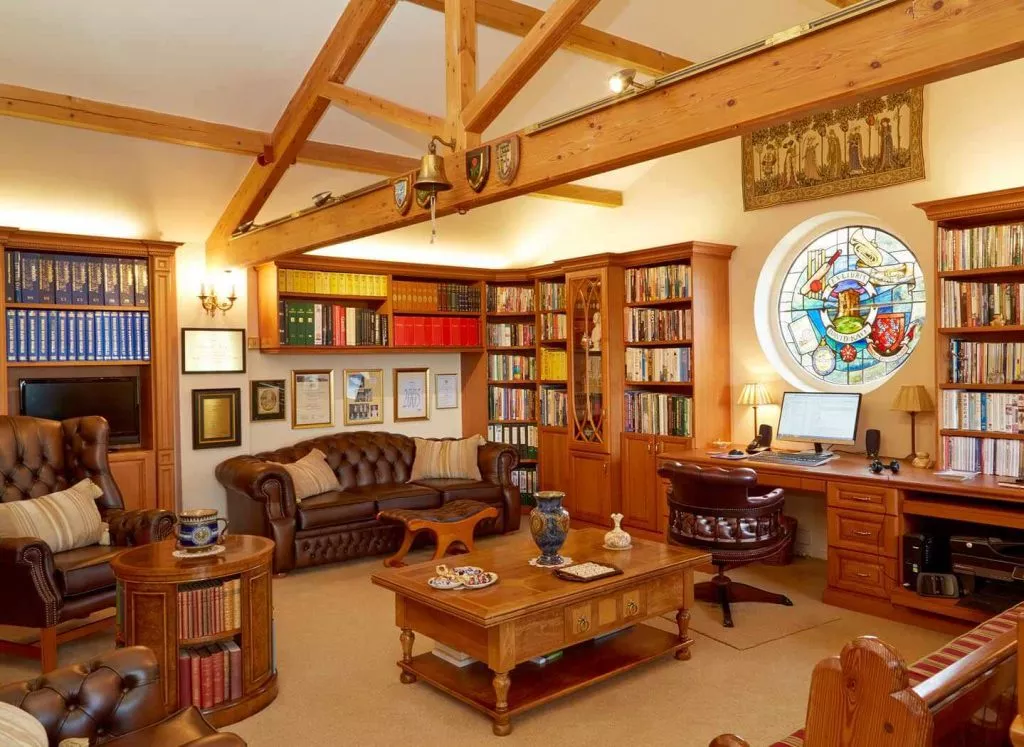
5. Mid-Century Modern: Democracy in Design
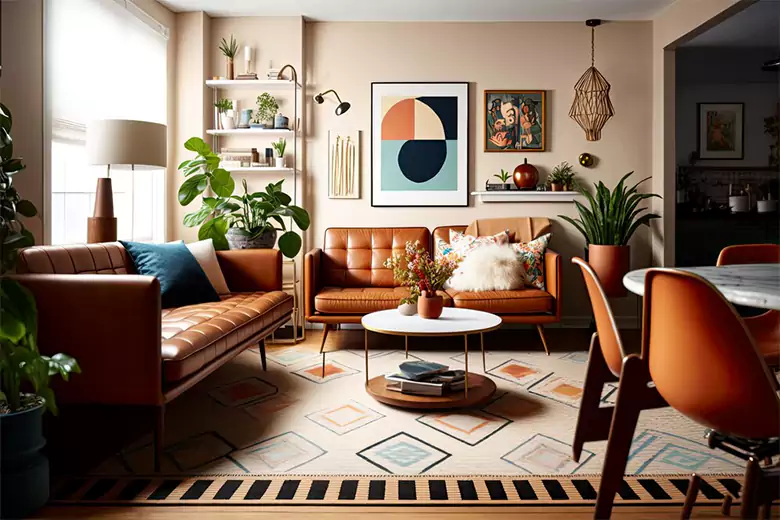
Mid-century modern design remains popular because it was created to be accessible and functional for regular families. The style emerged when new manufacturing techniques made good design affordable for the first time.
The technical innovations of the era – engineered wood products, aluminum, and new plastics – created possibilities for furniture and architectural elements that still look fresh today. Clean lines, open floor plans, and large windows connect indoor and outdoor spaces in appealing ways.
Contemporary applications need to address energy efficiency issues with the large windows and minimal insulation that characterized original mid-century homes. Modern curtain wall systems can achieve the same visual transparency while meeting current performance standards.
6. Art Deco: Machine Age Glamour
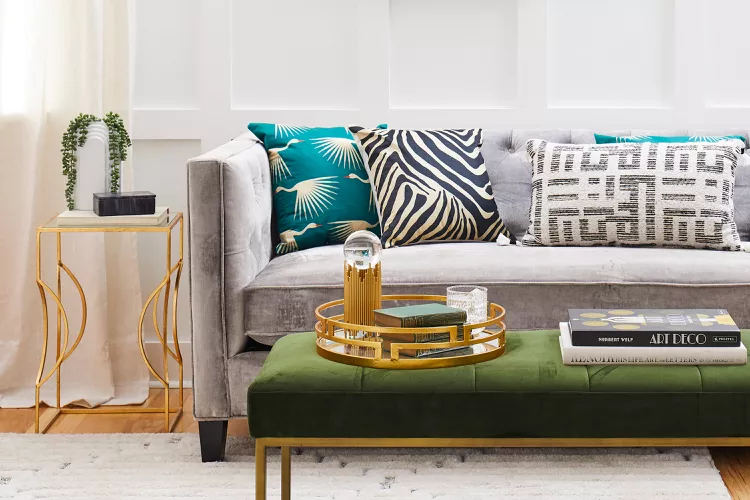
Art Deco continues to fascinate because it celebrates human technological achievement through beautiful design. The geometric patterns and luxurious materials reflect the optimism of the machine age while creating spaces that feel special and dramatic.
The style’s geometric patterns weren’t just decorative – they showed off new manufacturing capabilities. Today’s digital fabrication tools can create these complex patterns more easily than ever, making Art Deco accessible to contemporary projects while maintaining its essential character.
This timeless design approach works particularly well in spaces where you want to create drama and sophistication. The bold patterns and rich materials make strong statements that never feel boring or ordinary.
Credit: The Spruce / Marty Baldwin
7. Contemporary Design: Thoughtful Mixing
Contemporary design earns its place among timeless styles through careful curation rather than following strict rules. This approach lets you combine elements from different periods and styles while maintaining visual coherence.
The key lies in finding common threads – shared colors, similar proportions, or complementary materials – that tie different elements together. This method lets you incorporate pieces you already own while creating a space that feels intentional and sophisticated.
This interior design aesthetic adapts easily to changing technology and lifestyle needs. You can update individual elements without redesigning the entire space, making it practical for people who like to refresh their surroundings regularly.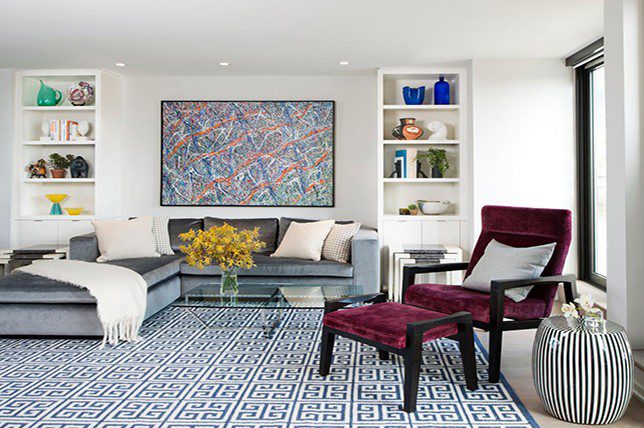
What’s the Difference Between Modern and Contemporary Design in Professional Practice?
Understanding the difference between modern and contemporary design helps you communicate clearly with designers and make better choices for your space. The distinction matters more than you might think.
Modern design refers to a specific historical period from roughly 1920 to 1970. It follows particular rules: minimal decoration, horizontal lines, open floor plans, and honest use of materials. When you choose modern design, you’re working within established parameters that create predictable results.
Modern Design: Historical Style with Specific Rules
Modern Interior Design has specific characteristics that define it. Large windows, flat roofs, open spaces, and built-in furniture are hallmarks of the style. The approach emphasizes function over decoration and showcases materials in their natural state.
The challenge with modern design today involves meeting current energy efficiency standards while maintaining the essential aesthetic. The large glass areas that define the style can be energy-intensive without proper glazing systems and thermal breaks.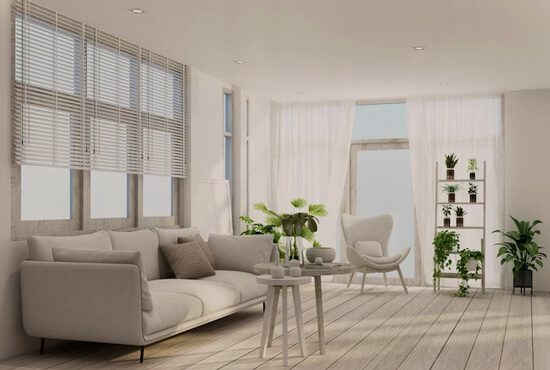
Contemporary Design: Current Practice Without Historical Constraints
Contemporary design describes what’s happening now in interior design. It can incorporate elements from any period or style, depending on what works best for a particular project and client. This flexibility makes it more adaptable to current building codes and lifestyle needs.
The trade-off is that contemporary design requires more decision-making. Without historical precedents to guide choices, you need to establish your own criteria for what works and what doesn’t. This can make the design process more complex but also more personalized.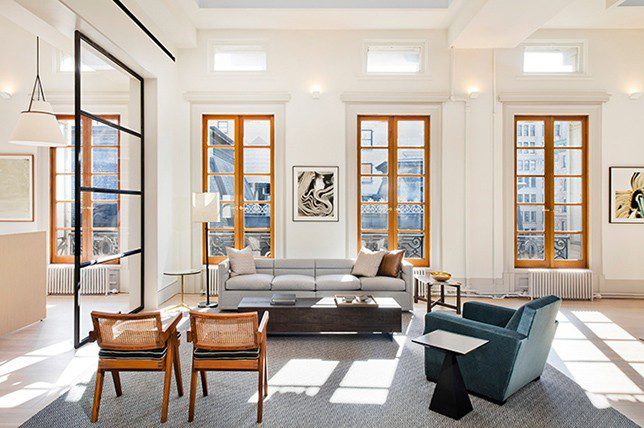
What Interior Design Style Is Timeless in Terms of Investment Value?
Choosing a timeless design approach can protect your investment while creating a space you’ll love for years. Some styles hold their value better than others, but the decision depends on several factors beyond just aesthetics.
Classical interior and traditional styles typically maintain value well because they use proven materials and construction methods. Natural stone, solid wood, and traditional building techniques age gracefully with proper maintenance. These materials often appreciate in value as they become more scarce.
Material Choices Impact Long-Term Value
The materials you choose affect both initial cost and long-term value. High-quality natural materials like hardwood floors, stone countertops, and solid wood cabinetry cost more upfront but typically last longer and age better than synthetic alternatives.
However, some traditional materials require specialized maintenance or replacement parts that can become expensive over time. Minimalist design often provides better lifecycle costs because it emphasizes durable, readily available materials and simplified maintenance.
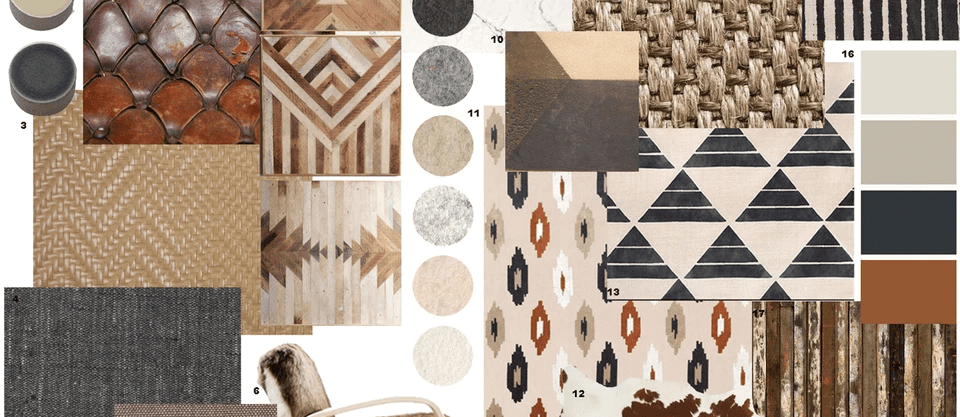
Credit: Knox Design
Technology Integration Affects Future Value
Modern homes need to accommodate changing technology, from smart home systems to updated electrical and data networks. Contemporary design approaches typically handle these updates more easily than period styles that might require compromises to maintain authenticity.
The ability to upgrade systems without major renovation becomes increasingly important as technology evolves. Styles that can adapt to new requirements while maintaining their essential character provide better long-term value than those requiring complete reconstruction for updates.
Market Appeal Varies by Location and Demographics
Different regions and buyer demographics prefer different styles. Urban areas might favor minimalist design and contemporary approaches, while suburban markets might prefer traditional or transitional styles. Understanding your local market helps predict which styles will maintain value in your area.
Specialized applications show how timeless principles adapt to specific needs. Projects like library interior design or strategic wall art integration demonstrate how classic approaches work in contemporary contexts. Even challenging styles like brutalist interior applications can achieve lasting appeal through thoughtful application.
Technical Implementation Considerations
Successfully executing timeless interior design aesthetic requires understanding the technical requirements behind each style. The best-looking spaces also function well and last long because they’re built properly from the start.
Each style has its own demands for precision and craftsmanship. Classical styles require accurate proportions – small deviations from established ratios become obvious and uncomfortable. Minimalist design needs perfect execution because simplified forms provide no place to hide imperfections.
Balancing Authenticity with Performance
Creating authentic-looking spaces while meeting current performance standards requires careful material selection and installation techniques. Traditional lime plasters might look perfect but perform poorly with modern HVAC systems. Contemporary alternatives can achieve similar aesthetics while working better with today’s building systems.
The large glass areas characteristic of modern design create similar challenges. Original single-pane windows can’t meet current thermal performance requirements, but modern glazing systems can achieve the same transparency while providing better insulation and comfort.
Professional Development and Mastery
For those considering career development in interior design, mastering these timeless approaches provides a foundation for innovation. Understanding why certain combinations work helps you create new solutions while avoiding common mistakes.
The best contemporary designs often combine elements from multiple timeless styles. This requires understanding each style’s underlying principles well enough to blend them successfully. Knowledge of traditional approaches enables confident adaptation to contemporary needs.
Future-Proofing Your Design Choices
Creating spaces that will remain relevant requires balancing current needs with future flexibility. Building codes will continue evolving, technology will advance, and lifestyle patterns will change. The most successful timeless designs anticipate these changes while maintaining their essential character.
This balance between tradition and innovation represents both challenge and opportunity. Today’s Interior Design Styles must serve contemporary needs while drawing on proven principles that ensure longevity. The seven styles explored here provide tested frameworks for this balance, offering both inspiration and practical guidance for creating spaces that transcend temporary trends while serving real human needs with both beauty and efficiency.

Daniel Mercer is a Coffee Break section editor at Arch2O, currently based in Berlin, Germany. With a background in architectural history and design journalism, Daniel holds a Master’s degree from the University of Edinburgh, where he focused on modern architecture and urban theory. His editorial work blends academic depth with a strong grasp of contemporary design culture. Daniel has contributed to several respected architecture publications and is known for his sharp critique and narrative-driven features. At Arch2O, he highlights innovative architectural projects from Europe and around the world, with particular interest in adaptive reuse, public infrastructure, and the evolving role of technology in the built environment.