

The second Bukhara Biennial will open on September 3, 2027, under the theme The Long Welcome, and it will run until November 21 in the historic Silk Road city of Bukhara, Uzbekistan. The Uzbekistan Art and Culture Development Foundation (ACDF) announced the theme together with the first confirmed artists. The Bukhara Biennial 2027 brings Uzbek and international artists together to make new commissions exclusively in Uzbekistan, and it aims to leave a lasting legacy through permanent projects such as artist-designed gardens, fountains and installations in restored historic sites.
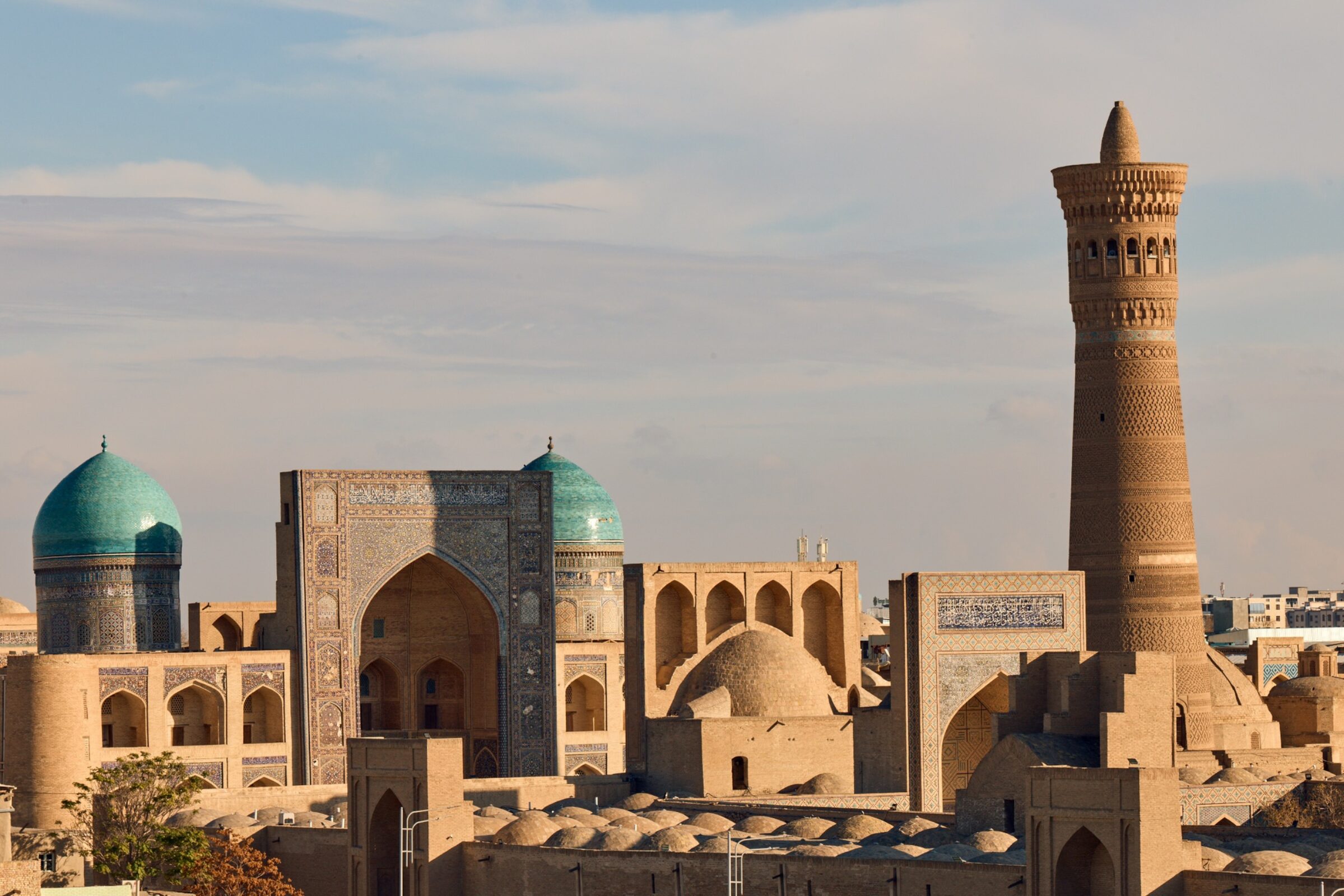
The Poi – Kalon Complex in Bukhara, Uzbekistan. Image Courtesy of Uzbekistan Art and Culture Development Foundation
Those ambitions rest on the structure behind the event, which Commissioner and ACDF Chairperson Gayane Umerova conceived and commissioned. This edition is led by Artistic Director Kulapat Yantrasast, founder of WHY Architecture, and it follows the inaugural edition curated by Diana Campbell under the theme Recipes for Broken Hearts, which opened in September 2025. Entry is free for all, and the presentation will balance Uzbek and international artists. Works will sit in restored historic buildings and public spaces across an expanded footprint that reaches new areas of Bukhara.
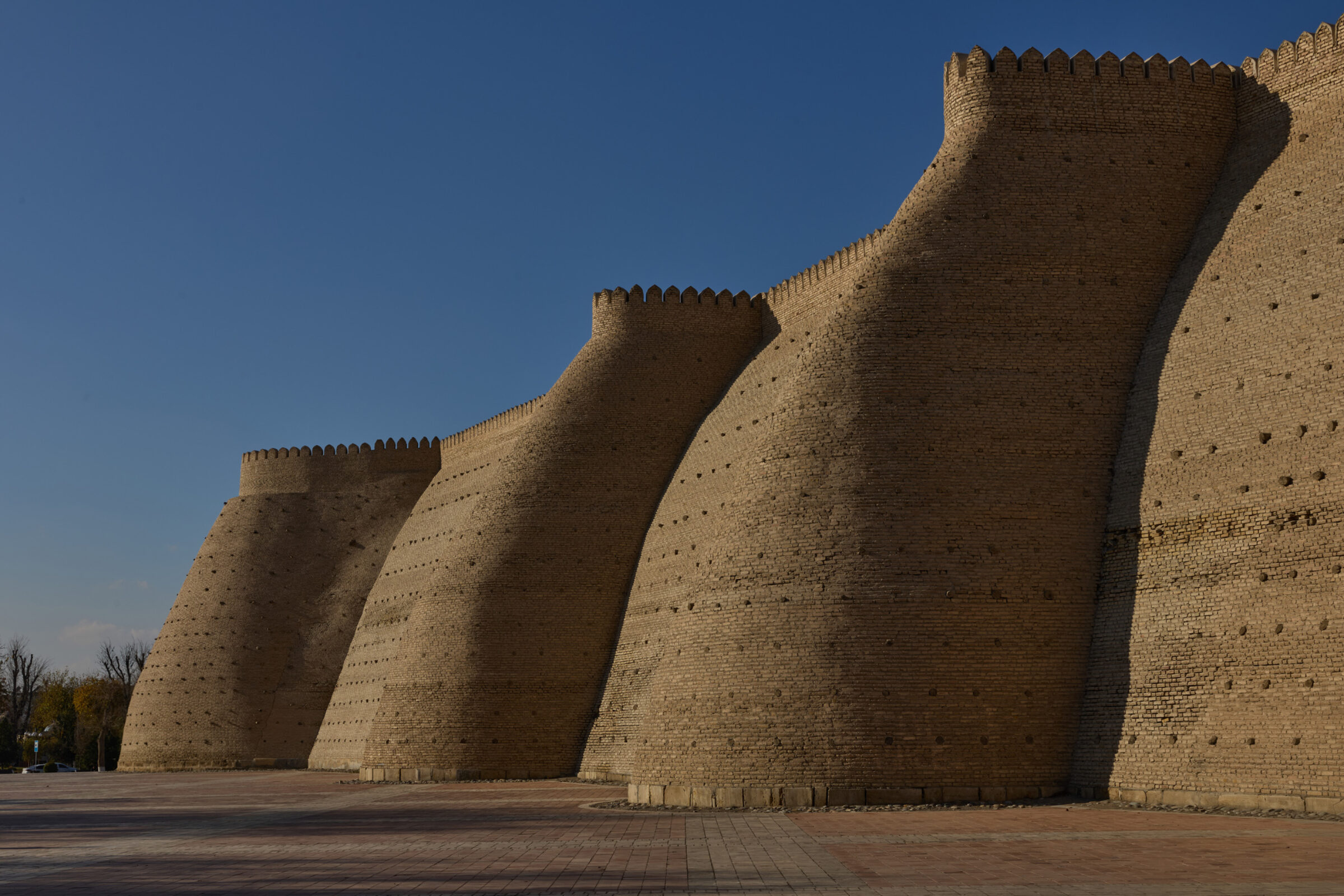
Ark of Bukhara. Image Courtesy of Uzbekistan Art and Culture Development Foundation
The theme itself grows out of the city’s own history. For more than two thousand years, Bukhara has welcomed travelers who crossed deserts to reach it, a meeting point between East and West that grew rich on the exchange of goods, ideas, beliefs and techniques. The Long Welcome treats hospitality as a reciprocal act, an invitation for contemporary artists to encounter the city, learn from its people and contribute something enduring in return. Guided by the idea of culture as infrastructure, the commissions will range from temporary installations to permanent works, including gardens, fountains, benches and streetlights designed by artists, which will keep serving residents long after the biennial closes.
Four interconnected pillars give that idea its shape. Local Hospitality draws on Bukhara’s tradition of welcoming guests, so encounters with residents and their knowledge of the city inform what artists make, and some commissions become part of everyday life. Co-Creation builds on the 2025 model of pairing artists with local master craftspeople and extends it to collaborations with international institutions such as the Chanakya School of Craft in India, as well as new projects with ecologists, economists, historians, teachers, musicians and children.
Read more:
- Why Is Landscape Architecture Shaping Tomorrow’s Cities?
- The Eco-Brutalist Manifesto: Why Brutalist Architecture and Lush Greenery are the Future of Sustainable Cities
The remaining two pillars turn to the environment and to inheritance. Resilience and Biodiversity brings ecological research into landscape-based commissions that address regional challenges, including water scarcity and air quality. Living Heritage supports the transmission of Bukhara’s craft traditions, music and cultural knowledge across generations, and it includes the return of restored madrasas and mosques to public use. Together the four pillars tie each artwork to the people and places that surround it.
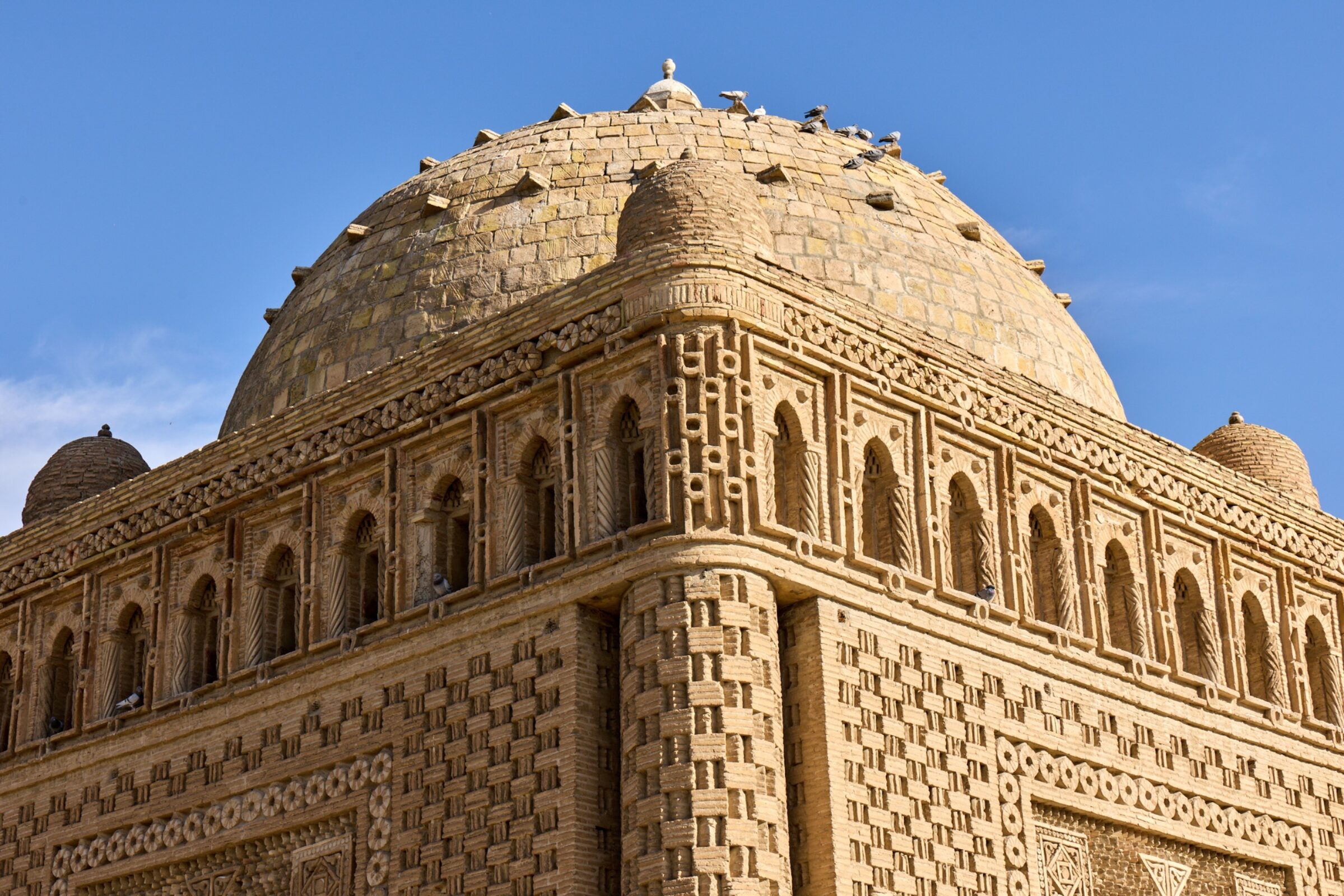
Samanid Mausoleum. Image Courtesy of Uzbekistan Art and Culture Development Foundation
Yantrasast describes the spirit behind the program in his own words. “The Long Welcome celebrates the spirit of hospitality that made Bukhara worth crossing continents to reach, and worth returning to again and again. When people welcome you into their city, you want to give something back. My hope is that an artist who returns to Bukhara years from now will find that something they made with people here has become part of everyday life.”
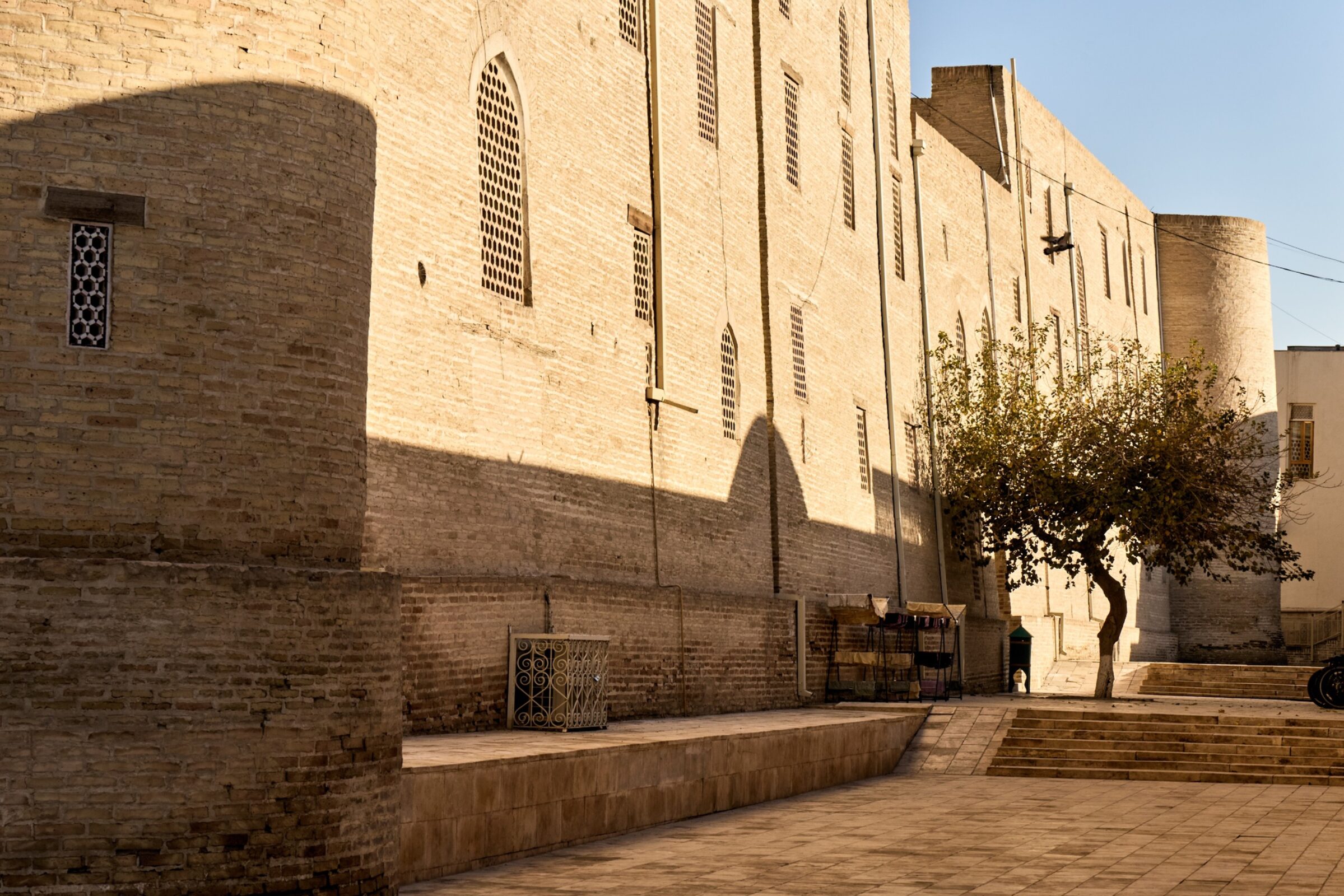
Street near Mir – i Arab Madrasa. Image Courtesy of Uzbekistan Art and Culture Development Foundation
The first confirmed participants from Uzbekistan are Sevara Haydarova Donazzan and Nigina Mirzadzhanova, along with Maksim Vardanyan and Daima Rakhmanbekova. They are joined by international artists Anish Kapoor (India/UK), Koo Jeong A (South Korea), Susan Philipsz (UK/Germany), Precious Okoyomon (Nigeria/USA), Ugo Rondinone (Switzerland), Vivian Suter (Argentina/Switzerland/Guatemala), Joseph Arzoumanov (France/Armenia), Oscar Tuazon (USA), Huma Bhabha (Pakistan/USA) and Bethan Laura Wood (UK). The program will also include the Bukhara Biennial Curatorial School and an extensive public program, with further participants and details to be announced in 2027.
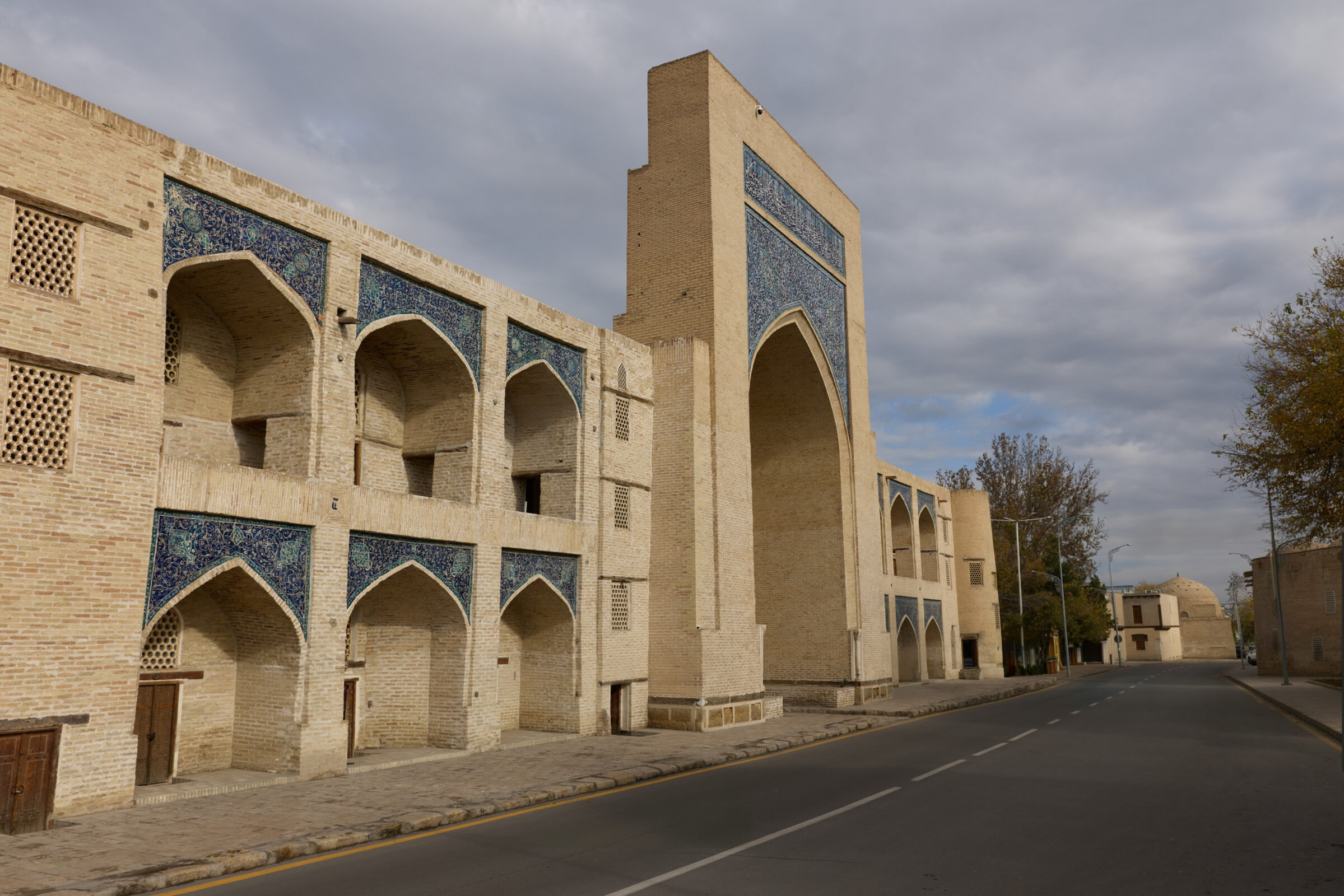
Kukeldash Madrasa. Image Courtesy of Uzbekistan Art and Culture Development Foundation
Other architecture events are scheduled for the same year. The 20th International Architecture Exhibition of La Biennale di Venezia, curated by Wang Shu and Lu Wenyu under the title Do Architecture, For the Possibility of Coexistence Facing a Real Reality, will take place from May 8 to November 21, 2027. The Copenhagen Architecture Biennial returns from September 9 to October 15, 2027, for its second edition under the theme Elements, organized around fire, earth, air and water. The 15th São Paulo International Architecture Biennial, scheduled for September and October 2027, has named Gabriela de Matos and Pedro Rossi as chief curators for the theme Architecture, Culture, and Sovereignty.
For more background, see our guide to adaptive reuse.

Mireille Chevalier is a projects editor and architectural writer from Lyon. With a dual background in architecture and history, she brings a contextual lens to design criticism and theory