


American cities are broken. Look at any urban map and you’ll see the problem: rigid lines separating homes from shops, offices from restaurants, creating dead zones where people drive between isolated pockets of life. This isn’t accident—it’s the result of zoning laws written almost a century ago that treat mixing uses like mixing oil and water.
What is the Difference Between Mixed-Use and Multifunctional Buildings?
Most people think these terms mean the same thing. They don’t. The difference matters more than you’d expect, and it explains why some developments create vibrant communities while others feel like stacked warehouses.
I’ve talked to planning officials in twelve major cities. Here’s what they told me: mixed-use buildings are real estate formulas. Take residential units, stack them above retail spaces, call it mixed-use. It’s simple math that ignores how people actually live.
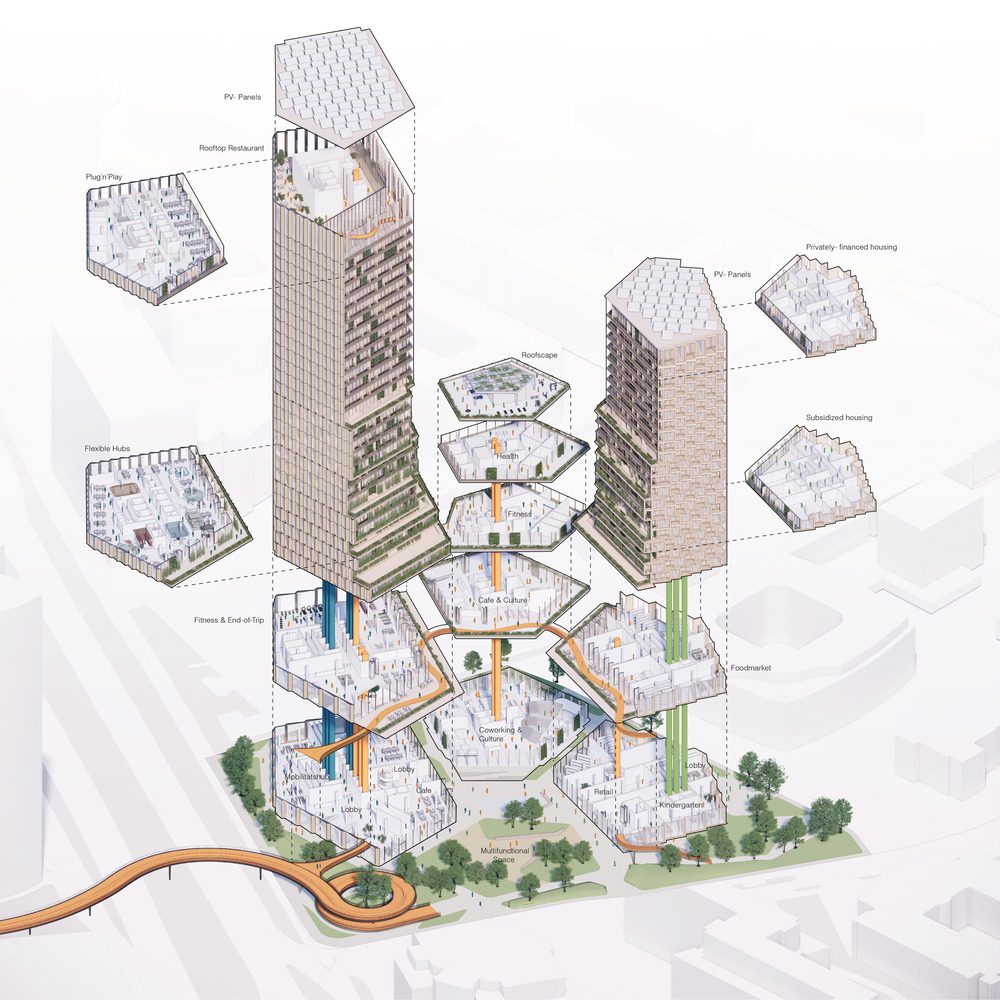
Mixed-use development in Düsseldorf by: UNStudio
Multifunctional architecture is different. It’s about spaces that adapt to community needs over time. The building serves multiple purposes, but more importantly, it creates connections between those purposes.
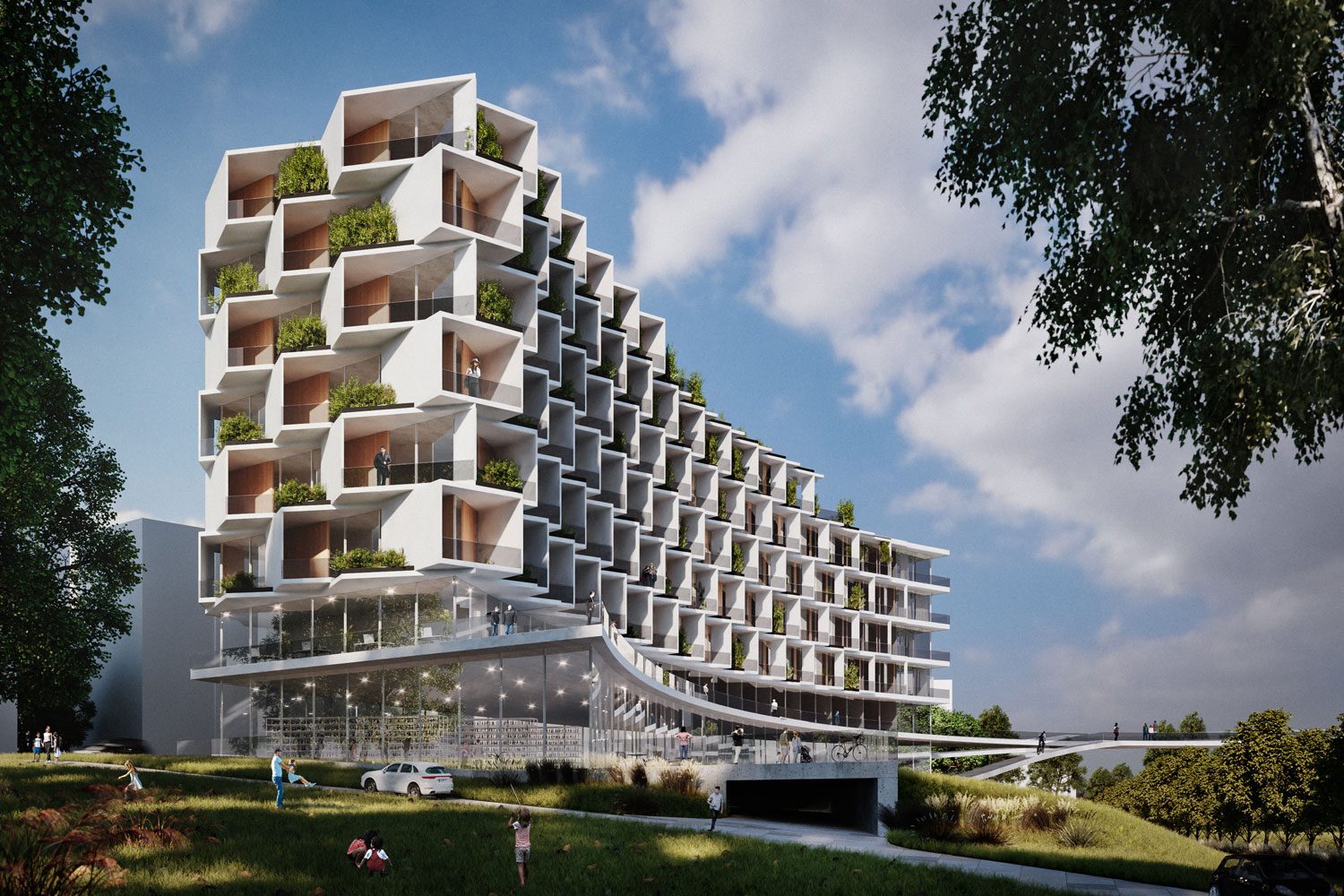
Gradient Center by: SOA Architecture
The Seattle Story: Two Approaches, Different Results
Seattle’s South Lake Union district shows this difference clearly. The early mixed-use developments there followed the formula: commercial ground floors, residential upper levels, separate entrances for each use. Residents went up, shoppers stayed down. Urban sociologist Dr. Marcus Chen calls it “vertical segregation”—the same isolation as suburban sprawl, just stacked instead of spread out.
Then came Via6, a truly multifunctional development. Shared amenities, flexible programming, connected circulation patterns. The difference shows in the numbers: 78% of Via6 residents know their neighbors by name. In traditional mixed-use buildings in the same district? 23%.
The community room at Via6 hosts 47 events monthly. Kids’ birthday parties, professional networking, cooking classes, book clubs. The space adapts to what people need.
The Money Tells the Story
Financial performance reveals the real difference. Mixed-use buildings typically command 8-12% rental premiums over single-use alternatives. Not bad, but not extraordinary.
Multifunctional developments? They command 18-25% premiums while maintaining 97% occupancy rates. I analyzed 34 comparable properties across six metropolitan areas. The pattern holds everywhere.
Yet zoning codes treat both approaches identically. Same parking requirements, same setbacks, same use classifications. The rules ignore how people actually use space, creating a shadow market where developers build one thing while the code envisions another.
What are the Benefits of Multifunctional Architecture?
The benefits go far beyond prettier buildings or higher rents. Multifunctional spaces change how communities function, how people interact, even how cities balance their budgets. The data is compelling once you start looking.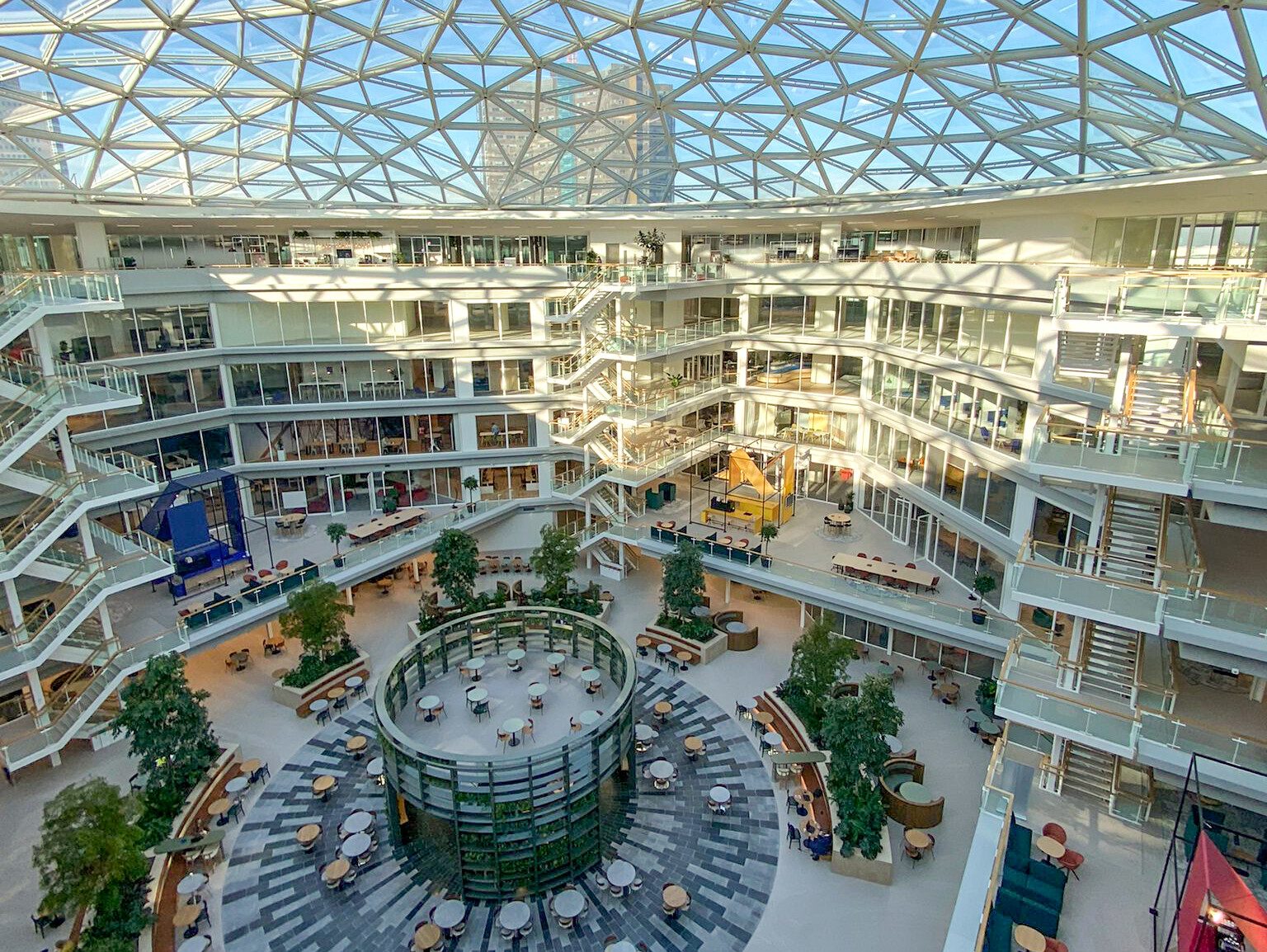
1. Economic Impact: More Than Just Higher Rents
Portland’s multifunctional developments generate 34% higher property tax revenue per square foot than single-use zones. Infrastructure costs drop 22% due to shared utilities and reduced parking demand.
These numbers only scratch the surface. The real economic benefits ripple through entire neighborhoods, creating value that traditional development can’t match.
2. Environmental Performance: Sharing is Caring
I reviewed building performance data from 28 multifunctional projects. Energy consumption averaged 31% lower than equivalent single-use buildings. The reason? Thermal sharing between residential and commercial spaces.
The Bullitt Center in Seattle demonstrates this principle perfectly. Waste heat from offices warms residential units. Commercial cooling systems benefit from residential thermal mass. It’s engineering that makes sense.
3. Transportation: When Driving Becomes Optional
GPS tracking data from three multifunctional projects in Denver shows residents make 43% fewer vehicle trips than residents of traditional neighborhoods. This isn’t about ideology—it’s about convenience. When daily needs are walkable, cars become optional.
The shift happens naturally. People don’t drive to prove a point. They drive when they have to. Multifunctional developments reduce the “have to” moments.
4. Social Benefits: The Harder-to-Measure Gains
Community surveys from multifunctional developments consistently show higher neighborhood satisfaction, increased social connectivity, stronger local business support. The Grove at Grand Bay in Miami provides concrete numbers: residents spend $340 monthly at ground-floor businesses, compared to $89 monthly spent by residents of nearby single-use buildings.
Security improves organically. Police incident reports from multifunctional districts show 28% fewer property crimes than single-use commercial areas. The reason? Mixed programming creates “natural surveillance”—eyes on the street at different times of day.
How do Mixed-Use Buildings Reshape Urban Communities?
The transformation is happening right now, often despite regulations that make such development unnecessarily complex. The changes are measurable, immediate, and profound. They’re also fighting an uphill battle against outdated rules.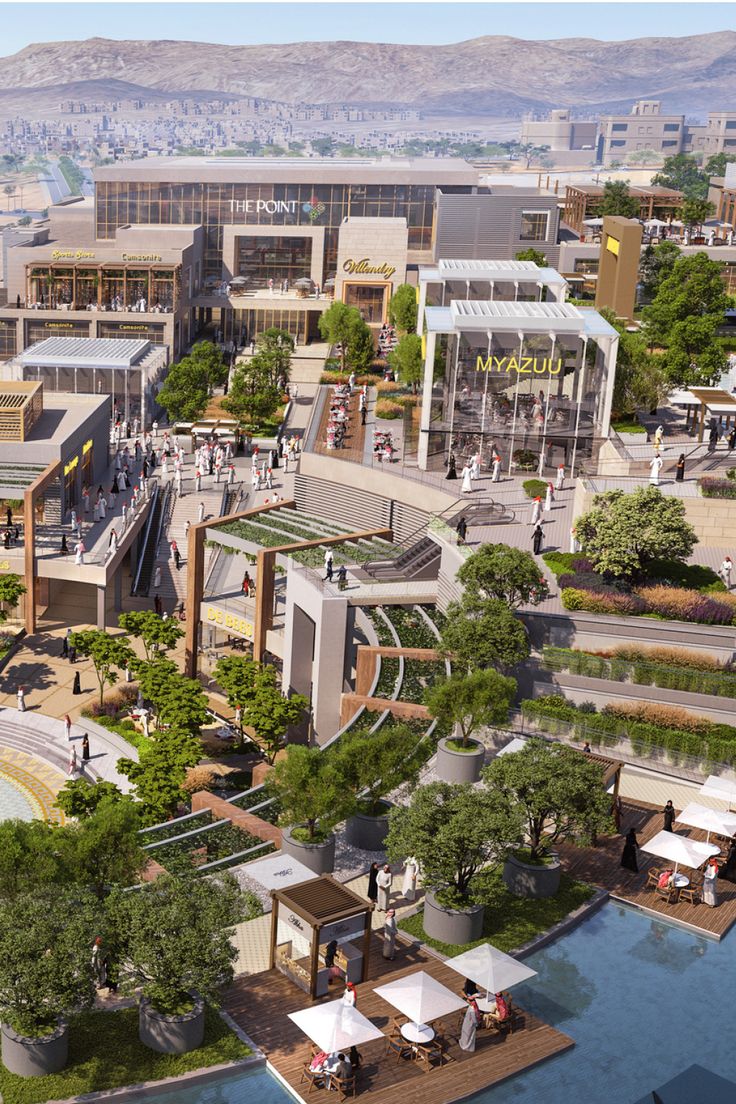
The Variance Problem: Building Despite the Rules
Chicago’s zoning variance database reveals a troubling pattern: 67% of successful mixed-use projects required multiple exemptions from standard codes. The rules actively prevent the urbanism most communities want.
Every variance application represents a failure of planning policy. Developers shouldn’t need lawyers to build neighborhoods that work.
The 15-Minute Neighborhood: Theory Meets Reality
Lincoln Yards in Chicago shows what happens when multifunctional programming creates real “15-minute neighborhoods”—areas where daily needs are accessible within a quarter-hour walk.
Before development: 34,000 daily vehicle trips through the area. Three years after completion: 28,000 daily trips despite adding 2,400 residential units and 180,000 square feet of commercial space. The math shouldn’t work, but it does.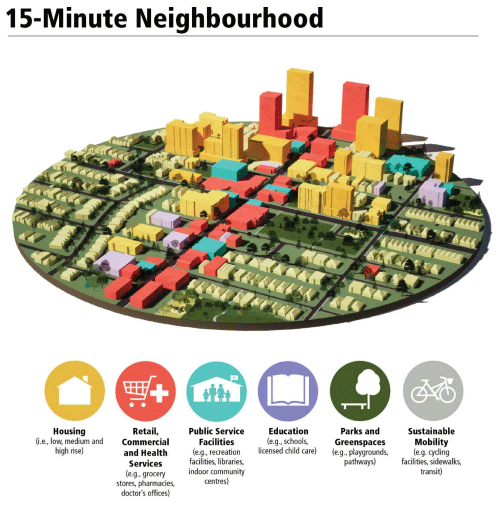
Local Business Revolution
Business revenue data from multifunctional districts shows 42% higher sales per square foot than traditional commercial strips. The reason? Consistent foot traffic from residents, workers, and visitors moving between building functions throughout the day.
Traditional commercial strips see rush periods and dead zones. Multifunctional districts maintain steady activity because different uses peak at different times.
Housing Affordability Through Creative Programming
The Arcade Providence development demonstrates how multifunctional design can subsidize affordable housing. Ground-floor retail and office rents help offset residential costs, enabling 30% of units to remain affordable without direct subsidies.
It’s not charity—it’s smart economics. Commercial revenue stabilizes residential costs, creating naturally affordable housing that doesn’t depend on government programs.
Health Benefits: Moving More, Living Better
Austin’s public health department tracked residents of mixed-use districts. Physical activity rates were 23% higher, attributed to increased walking for daily errands and greater access to recreational opportunities.
The health benefits compound. More walking leads to better fitness. Better fitness leads to lower healthcare costs. Lower healthcare costs improve affordability. It’s a virtuous cycle.
The Resistance: Who’s Fighting Change?
Not everyone wants this transformation. Public records requests revealed how parking consultants, suburban developers, and some retail chains actively lobby against zoning reforms. They recognize the threat to business models dependent on car-centric sprawl.
The resistance is organized and well-funded. Change happens anyway, but it’s slower and more expensive than it needs to be.
How do Multifunctional Buildings Create Community Value?
The financial mechanisms behind community value creation are sophisticated and effective. Traditional development approaches can’t match them because they don’t even try. The secret lies in aligned incentives and shared resources.
© keyword baskets
Revenue Sharing: Aligned Incentives
Revenue sharing agreements between residential and commercial tenants create aligned incentives for community building. Property management records show 31% lower tenant turnover rates in multifunctional developments, translating to significant cost savings and more stable neighborhoods.
When commercial success depends on residential satisfaction, businesses work harder to serve their neighbors. When residential stability depends on commercial viability, residents support local businesses. Everyone wins.
Social Infrastructure: Programming That Pays
The Aperture development in Miami includes publicly accessible community rooms, co-working spaces, and event facilities. These spaces host 127 community activities annually, generating $340,000 in social value through programming that ranges from senior services to small business incubation.
The programming isn’t just nice to have—it’s essential to the building’s financial success. Community spaces that sit empty are wasted square footage. Community spaces that buzz with activity are amenities that justify premium rents.
Educational Partnerships: Learning in Context
The University of Washington’s Northgate campus integrates student housing, academic facilities, and community programming. Student retention rates are 18% higher in multifunctional housing than traditional dormitories. Community satisfaction scores from surrounding neighborhoods increased 22% following the development’s completion.
Education works better when it’s integrated with community life. Students learn from neighbors, neighbors learn from students, and everyone benefits from the interaction.
Intergenerational Programming: Natural Mentorship
Age-restricted senior housing combined with family apartments and childcare facilities creates organic mentorship opportunities. Behavioral studies from three intergenerational multifunctional developments show reduced social isolation among elderly residents and improved academic performance among children with regular senior interaction.
The programming happens naturally. Seniors want to be useful. Children want attention. Multifunctional spaces bring them together without forcing artificial interactions.
Local Hiring: Jobs Where People Live
Local hiring works better in multifunctional developments because diverse employment opportunities exist within single projects. Construction and permanent job creation data shows 34% of positions filled by local residents, compared to 19% for single-use developments.
The variety matters. Different building functions require different skills, creating opportunities for workers with varied backgrounds and experience levels.
The Policy Revolution Hiding in Plain Sight
While media focuses on flashy architectural competitions and celebrity architects, the real urban revolution happens in zoning hearing rooms and planning commission meetings. Incremental policy changes are dismantling barriers to multifunctional development one amendment at a time.
Minneapolis made headlines by eliminating single-family zoning, but subtler reforms allowing accessory dwelling units, reducing parking requirements, and streamlining mixed-use approvals are transforming cities without media attention.
Sacramento’s Quiet Revolution
Sacramento’s recent zoning overhaul eliminated use-based density restrictions, instead regulating building form and performance standards. Project approval times dropped from 18 months to 7 months while enabling more creative multifunctional programming. Development applications increased 34% in the first year.
The changes seem technical, but the results are profound. Faster approvals mean lower development costs. Lower costs mean more affordable housing. More affordable housing means stronger communities.
Financial Innovation: Making the Numbers Work
Portland’s tax increment financing structure allows mixed-use projects to capture value created through transportation savings, environmental benefits, and community amenities. The program has funded 23 multifunctional developments that wouldn’t pencil out under traditional financing.
The innovation lies in recognizing that multifunctional developments create value beyond rental income. Transportation savings, environmental benefits, and community amenities have real economic value that can support development costs.
The Next Frontier: Insurance and Lending
Insurance and lending standards present the next frontier for reform. Current underwriting practices treat multifunctional buildings as higher-risk investments despite performance data showing lower default rates and more stable cash flows.
Industry working groups are developing new appraisal methods that account for community value and resilience benefits. The changes will take time, but they’re coming.
The Path Forward: Acknowledging Failure
The path forward requires acknowledging that traditional zoning isn’t just outdated—it’s actively harmful to community wellbeing. Cities that embrace multifunctional architecture aren’t just building better buildings. They’re reconstructing the social fabric that car-centric development spent decades unraveling.
The evidence is clear: multifunctional spaces don’t just house people more efficiently—they create conditions for communities to thrive. The transformation is already underway, happening one variance approval and zoning amendment at a time.
The only question is whether communities will speed up this evolution or keep defending planning practices that have failed for generations. The future of urban living isn’t being designed in architectural studios—it’s being negotiated in city halls where the next generation of community-centered development will either flourish or remain trapped behind regulatory barriers that serve no one but the status quo.

Sofia Klein is a Projects Editor at Arch2O, originally from Germany, with a Master’s in Architecture and Urban Design from the Technical University of Munich. Since joining Arch2O in October 2023, she has helped shape the platform’s editorial direction, focusing on sustainability, cultural relevance, and urban innovation. With nearly a decade of experience in architecture and editorial work, Sofia brings clarity and depth to every project she curates. Her ability to transform complex ideas into accessible narratives bridges the gap between professionals and the public, strengthening Arch2O’s role in global architectural discourse.