

Architecture and industrial design have always overlapped: many architects design furniture, lamps and products, because the same skills of proportion, material and structure work at every scale, and because a building often needs objects that do not yet exist. Product design by architects ranges from chairs and lamps to door handles and kettles. This article is for architecture students and designers who are curious about product design by architects. It profiles ten architects and practices who have designed furniture and products, with corrected facts, explains the principles that carry over from buildings to objects, and notes the standards and rights issues that apply when a design goes into production. For more names, see the other part of our list of architects who tackled industrial design.
Principles: what architects bring to product design
Six ideas explain why architecture and industrial design sit so comfortably together.
- Total design: from the Arts and Crafts movement to the Bauhaus and modernism, many architects designed the furniture and fittings for their buildings so that everything worked as one. Several of the products below began as custom pieces for a project.
- Structure and material: a chair or table is a small structure. Understanding loads, joints and material behaviour transfers directly from buildings.
- Manufacturing first: products are made in series, so the process (injection moulding, rotational moulding, bent steel, glass fusing) shapes the design and the cost far more than in one-off buildings.
- Working with makers: in Italy especially, architect-trained designers have long worked with manufacturers such as Kartell, Cassina and Magis, who develop and tool the products.
- Testing and standards: furniture for offices and public spaces must pass strength, durability and stability tests, for example EN 16139 for non-domestic seating in Europe or ANSI/BIFMA X5.1 for office chairs in the United States; check the standard and edition required by the client and market.
- Design rights: furniture designs can be protected by design rights and copyright. In the UK, copyright in many mass-produced artistic designs now lasts for the designer’s life plus 70 years, so replicas of recent designer furniture can infringe.
| Designer / practice | Background | Example product | Maker | Year |
|---|---|---|---|---|
| Ferruccio Laviani | Architect, Milan (1986) | Bourgie table lamp | Kartell | 2004 |
| Foster + Partners | Architecture practice, London | Nomos desking system | Tecno | 1980s |
| Patricia Urquiola | Architect, Politecnico di Milano (1989) | Bague lamp | Foscarini | to confirm |
| Philippe Starck | Designer and interior architect, Paris | Rosy Angelis lamp | Flos | to confirm |
| Piero Lissoni | Architect, Politecnico di Milano | Modular storage system | Lema | to confirm |
| Ron Arad | Bezalel and Architectural Association | Raviolo chair | Magis | 2011 |
| Ronan and Erwan Bouroullec | Designers, Paris | Glass furniture collection | Glas Italia | 2014 |
| UNStudio | Architecture practice, Amsterdam | Handles, vessels, furniture | Various | – |
| Werk LLC | Architects from BVH Architects, Omaha | Conference table and prototypes | Self-produced | – |
| Zaha Hadid Architects | Architecture practice, London | Serac bench | Lab23 | 2013 |
Source: Manufacturer and press sources (see sources); 'to confirm' rows not verified (as of 1 November 2026).
List of 10 architects and industrial designers
1. Ferruccio Laviani
Ferruccio Laviani (often misspelt Laviana, as in the earlier version of this article) is one of the generation of Italian designers who became known internationally from the 1990s. Born in Cremona in 1960, he graduated in design in Milan in 1984 and in architecture in 1986. He joined Michele De Lucchi’s studio and became an associate in 1986, and has worked with Kartell since 1991.

His work mixes historical references with industrial materials. His best-known piece is the Bourgie table lamp for Kartell (2004): a Baroque-style lamp moulded in transparent polycarbonate, which shows how a classical silhouette can be mass-produced in plastic.

Products designed by Ferruccio Laviani
2. Foster + Partners
Foster + Partners runs an industrial design team alongside its architecture practice, applying the same focus on performance and engineering to products.

Its first well-known product was the Nomos desking system, developed from a custom table for the practice’s own office in the 1980s and then produced by the Italian manufacturer Tecno, which still makes it. Nomos received awards including a Baden-Württemberg International Design Award from the Design Center Stuttgart.

Photo: ©Nigel Young / Foster + Partners
3. Patricia Urquiola
Born in Oviedo, Spain, in 1961, Patricia Urquiola studied architecture in Madrid and at the Politecnico di Milano, graduating in 1989 under Achille Castiglioni. She worked in product development at De Padova with Vico Magistretti, then with Piero Lissoni, before opening her own studio in Milan in 2001, covering architecture, interiors and products.
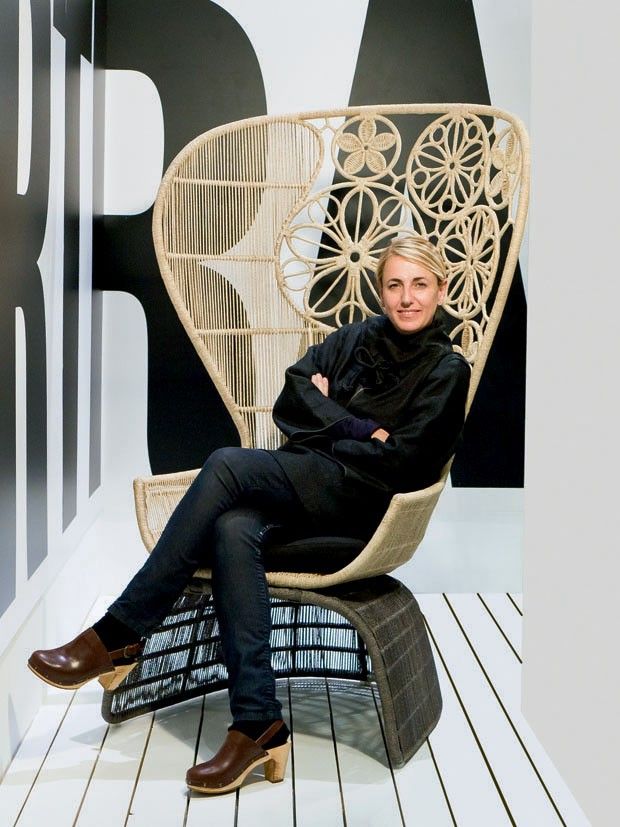
Her work is known for soft, crafted and experimental forms produced with major Italian and international manufacturers, and pieces by her are in the collection of the MoMA and other museums. The Bague lamp for Foscarini, a metal-ribbed lamp wrapped in fabric, is an example of her mix of softness and structure.
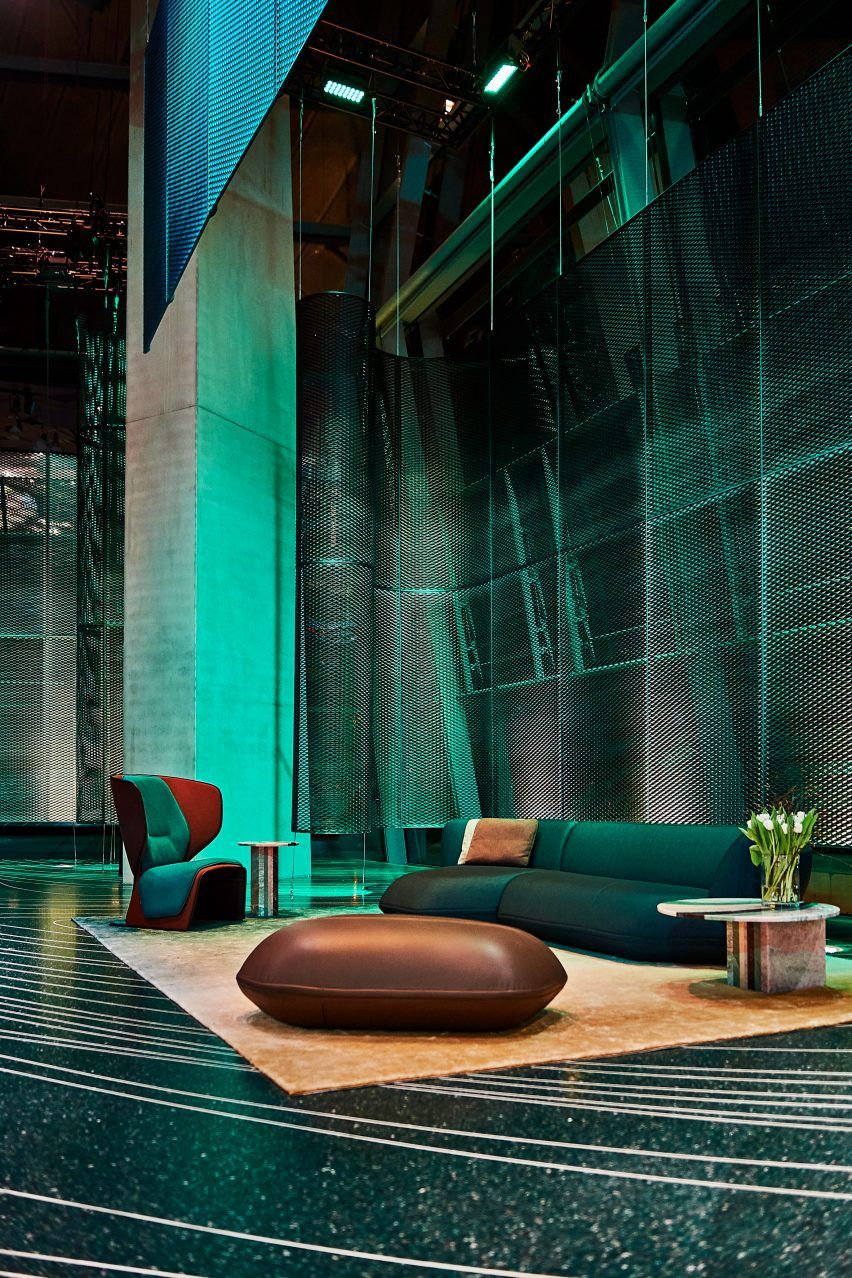
Products designed by Patricia Urquiola
4. Philippe Starck
French designer Philippe Starck works across industrial, interior and architectural design. He first became known for nightclub interiors in Paris in the 1970s, then for furniture and products from the 1980s, many with playful forms and names.

His lamps for Flos, including the Rosy Angelis floor lamp with its fabric shade on a slim tripod, show his habit of giving everyday objects a personality.

Philippe Starck, 1994
5. Piero Lissoni
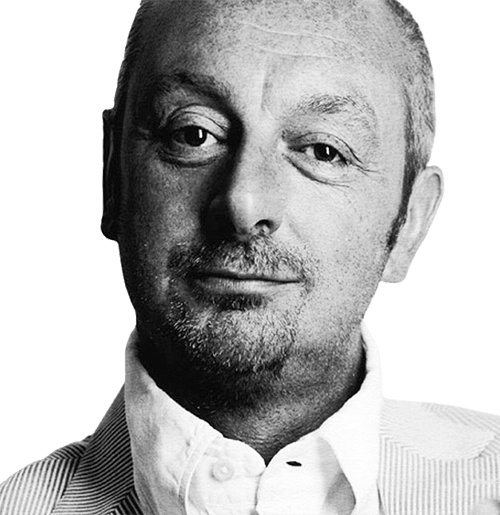
Born in 1956, Piero Lissoni graduated in architecture from the Politecnico di Milano and founded his studio in Milan in 1986. Lissoni Associati works on architecture, interiors, products and graphics, with a calm, minimal style.
An example of his product work is a modular storage system for the Italian maker Lema, which can be configured in different compositions and finishes on the wall.

Courtesy of FRNSHX & PARTNERS
6. Ron Arad
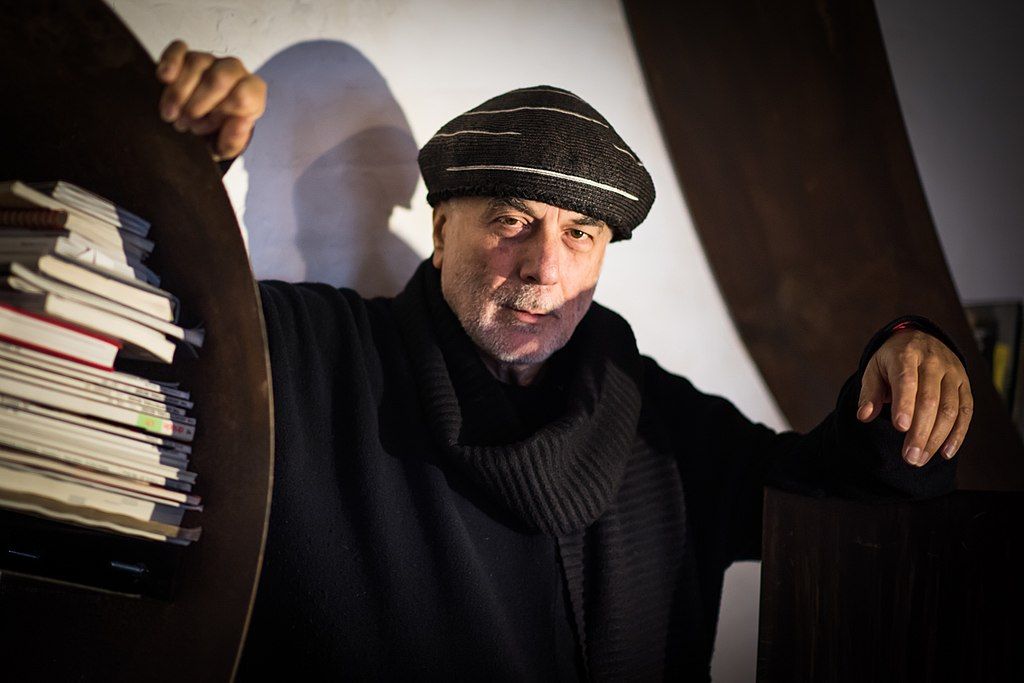
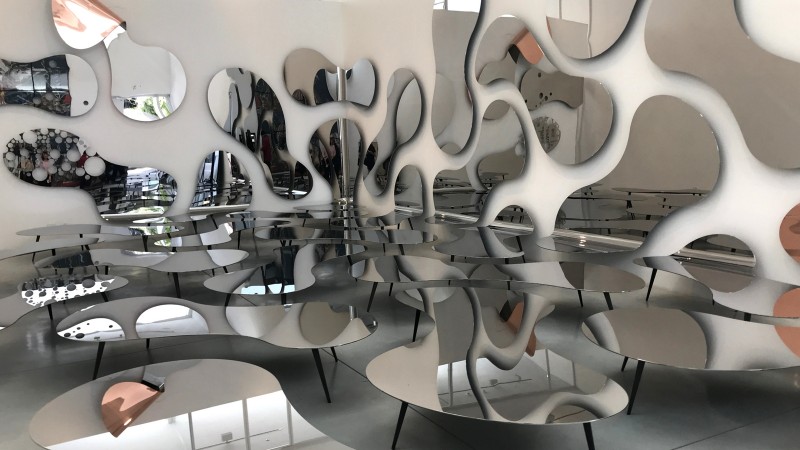
Ron Arad studied at the Bezalel Academy in Jerusalem and the Architectural Association in London, and in 1981 co-founded the design studio and showroom One Off in London with Caroline Thorman; Ron Arad Associates followed in 1989 (Ron Arad). He is best known for chairs that experiment with materials and processes.
The Raviolo chair, designed in 2011 for Magis, is made of rotationally moulded polyethylene from what looks like a single folded strip. Arad has said rotational moulding allowed him to realise an idea that other technologies could not. (The earlier version of this article named “Dan” in this paragraph by mistake.)
7. Ronan and Erwan Bouroullec
French brothers Ronan and Erwan Bouroullec began working together in the late 1990s. After Ronan’s Disintegrated Kitchen was shown at the Salon du Meuble in Paris in 1997, Giulio Cappellini gave them their first industrial projects. They now design for many manufacturers and also make experimental pieces for exhibitions and occasional architectural projects.
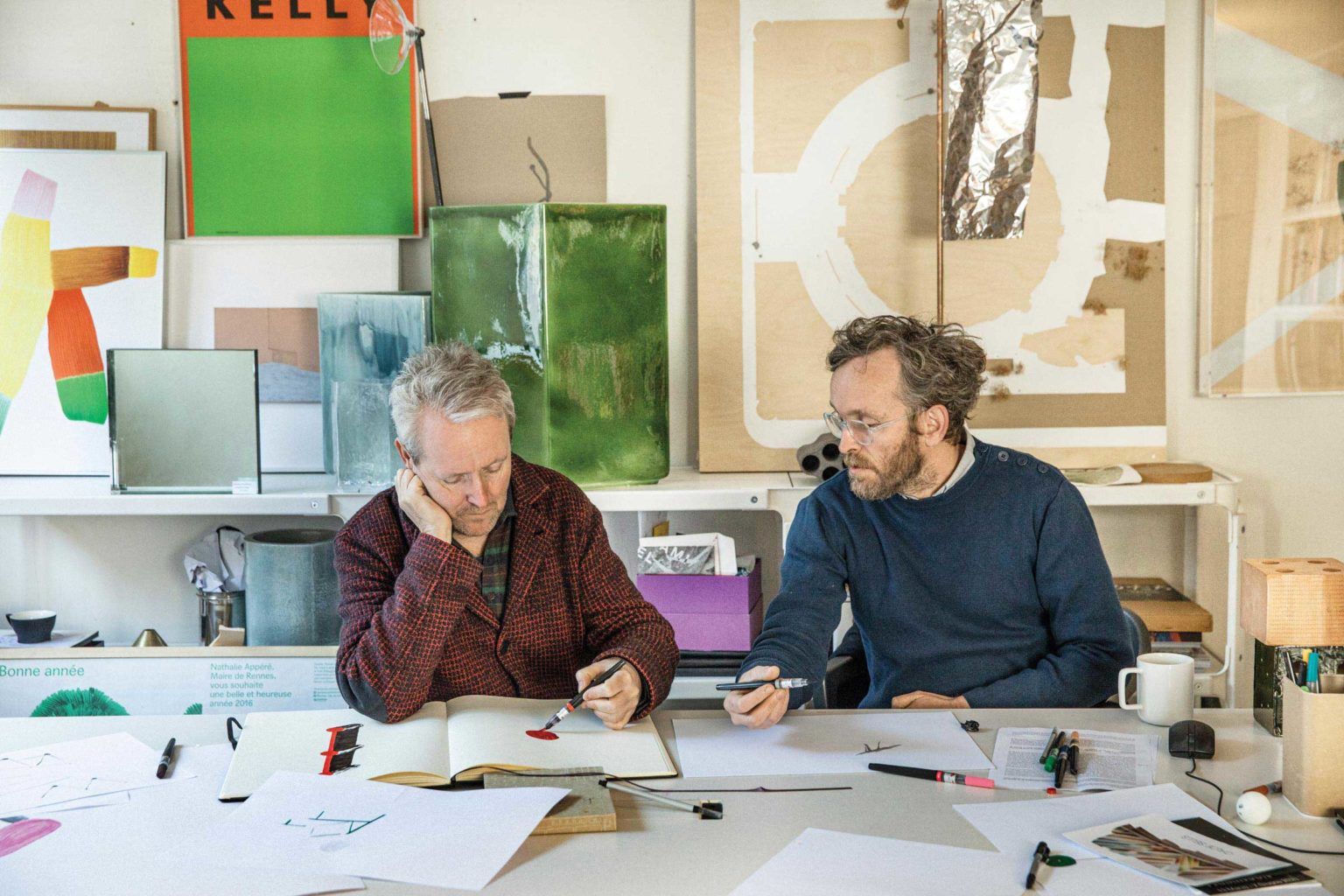
In 2014 they launched a collection of furniture for the Italian glass furniture maker Glas Italia, made of fused, right-angled coloured glass panels forming desks, benches and shelves, with timber elements at the edges.

Courtesy of Studio Bouroullec
8. UNStudio
Dutch practice UNStudio applies its integrated approach to architecture to product design as well, from door handles and vessels to chairs and tables. Product design is a small part of the firm’s work, but it uses the same parametric and material research as its buildings.
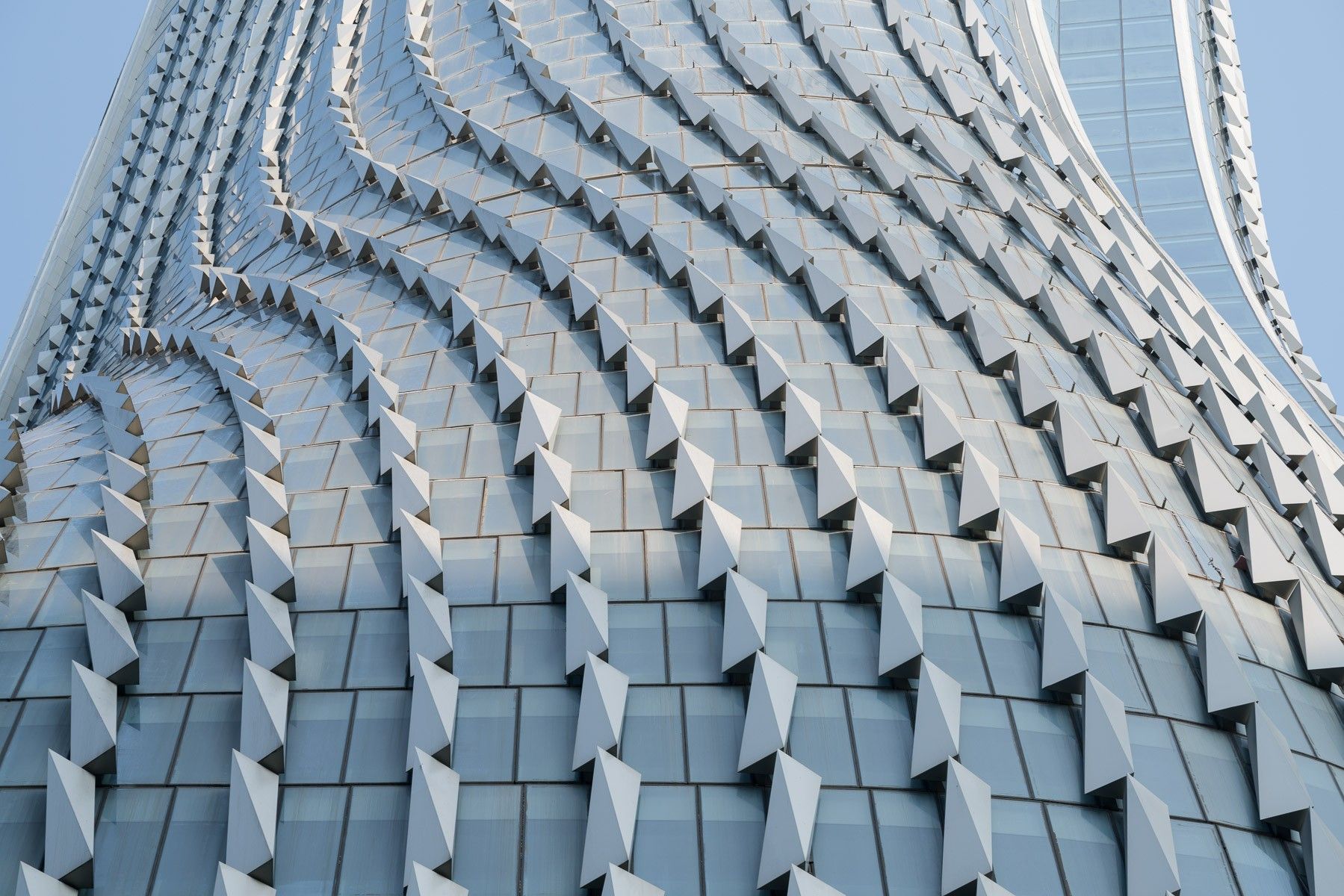
Its products show how an architectural language of continuous surfaces can be scaled down to objects in the hand.

courtesy of UNStudio
9. WERK LLC

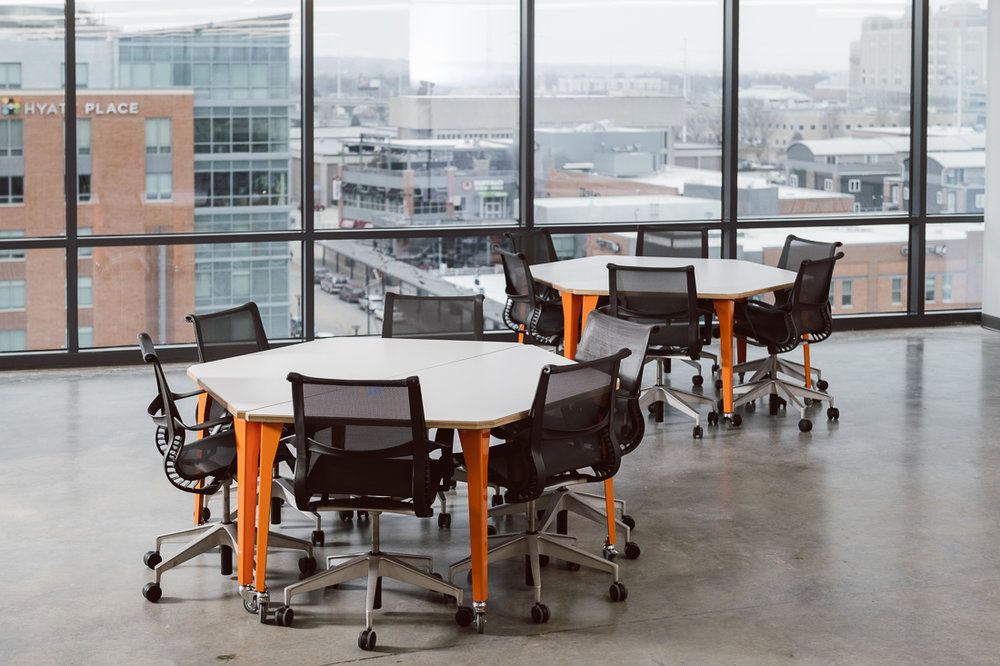
Werk LLC is a small furniture practice founded by Mike Stolle and Jeff Scott, who met at the architecture firm BVH Architects in Omaha, Nebraska. Designing a conference table for their office led them to furniture and to prototypes exploring the relationship between function and assembly.
courtesy of WERK LLC
10. Zaha Hadid Architects
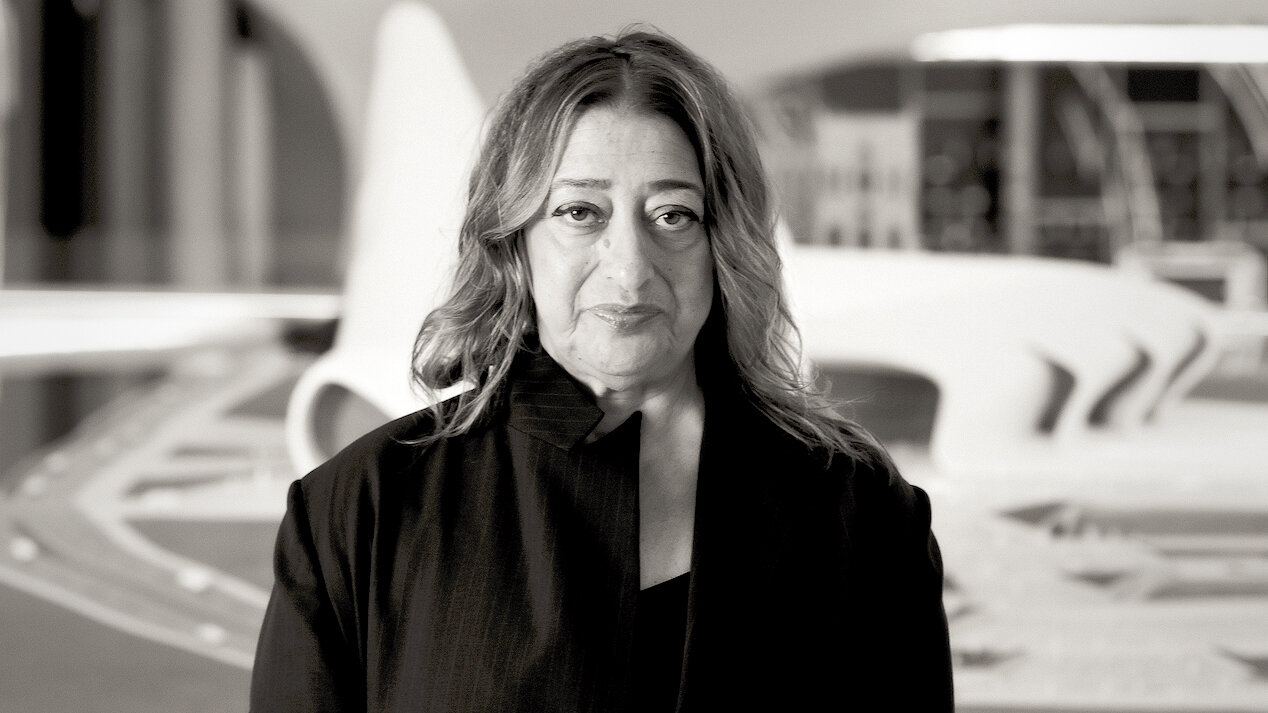
Zaha Hadid in Heydar Aliyev Cultural center in Baku nov 2013
ZHA has designed furniture, lighting and products alongside its buildings, using the same fluid, computational forms. Zaha Hadid (1950-2016) pushed her work beyond the boundaries of architecture into objects, fashion and exhibition design.

Photography is by Jacopo Spilimbergo.
The Serac bench, designed by Zaha Hadid and Patrik Schumacher and launched in Milan in April 2013 with the Italian maker Lab23, is an urban seating object cast in resin quartz whose continuous form flows between seat and ground (Dezeen). The same language appears at building scale in the practice’s London Aquatics Centre.
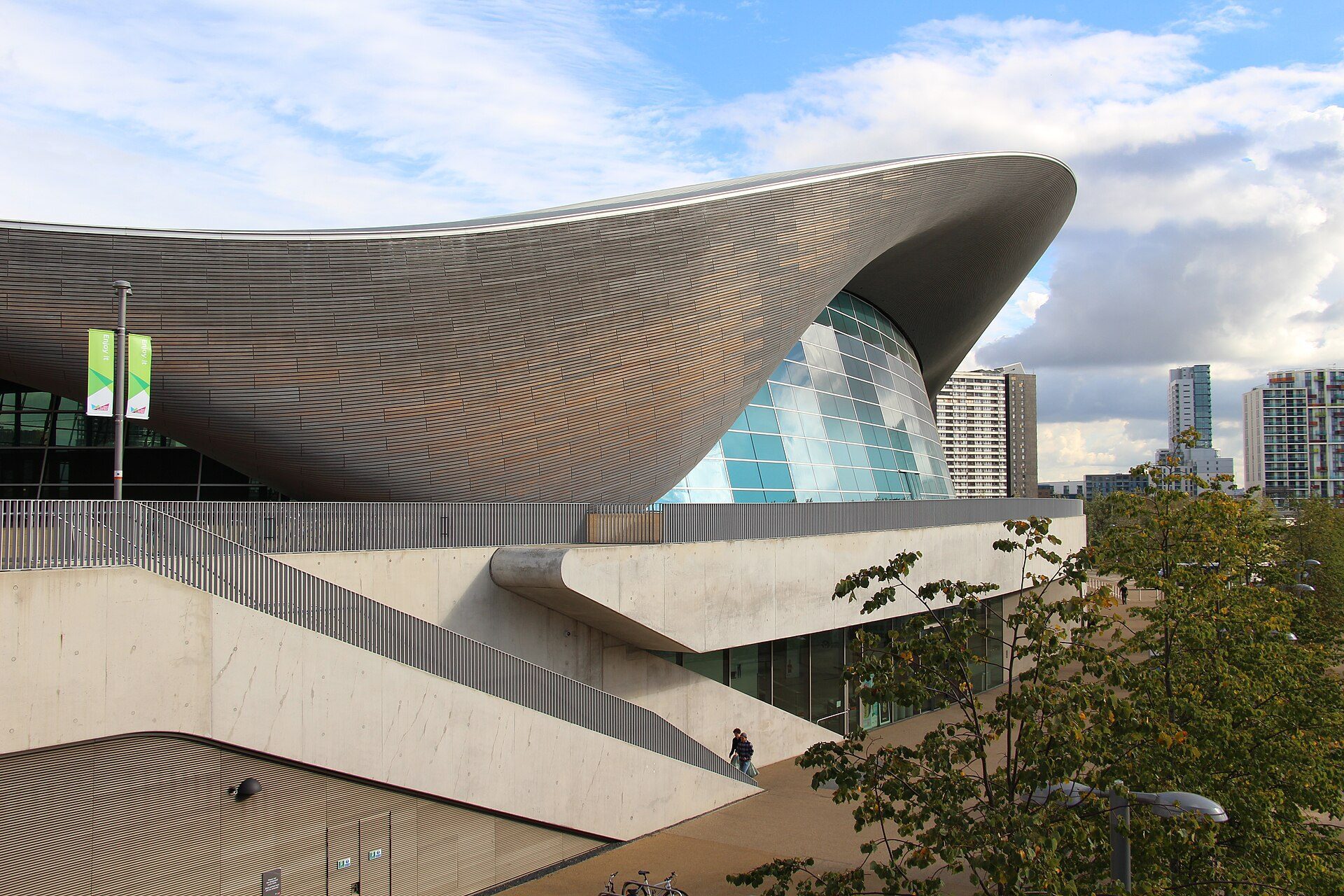
London Aquatics Centre, Queen Elizabeth Olympic Park, by Zaha Hadid Architects: the same continuous, flowing form as the Serac bench, at building scale. Photo: Fred Romero, CC BY 2.0, via Wikimedia Commons. Fred Romero from Paris, France, source, CC BY 2.0
What the list shows about product design by architects
The link between architecture and industrial design works in both directions: products often begin as custom pieces for a building (Nomos, Werk’s table), and a practice’s formal language often appears at both scales (ZHA, UNStudio). Successful products depend on a manufacturer who can develop, tool and sell them, and on testing to the standards of the market.
Written by Veronica Ige, edited by Ariela Lenetsky; updated by the Arch2O editorial team.
Sources and further reading
- Designer profiles from manufacturers and museums (Kartell, Magis, Foscarini, Flos, Glas Italia, Tecno).
- Wikipedia, Ron Arad (industrial designer).
- Dezeen (2013), Serac bench by Zaha Hadid for Lab23.

Ibrahim Abdelhady is an architect, academic, and media entrepreneur with over two decades of experience in architecture and digital publishing. He is the Founder and CEO of Arch2O.com, a leading platform in architectural media, renowned for showcasing innovative projects, student work, and critical discourse in design. Holding dual PhDs in Architecture, Dr. Abdelhady combines academic rigor with industry insight, shaping both future architects and architectural thought. He actively teaches, conducts research, and contributes to the global architecture community through his writing, lectures, and media ventures. His work bridges the gap between practice and academia, pushing the boundaries of how architecture is communicated in the digital age.