

The best architecture schools in Europe include the Bartlett School of Architecture (UCL) and the Architectural Association in London, TU Delft, ETH Zurich and the Royal Danish Academy, alongside strong public schools in Madrid, Turin, Rome and Porto. Which one is best for you depends on language, cost, the route to professional registration and the kind of studio culture you want. This guide is for prospective students. Instead of an unverifiable ranking, it profiles ten schools and compares them on criteria you can check, with fees taken from official pages and dated.
If you are also looking beyond Europe, compare these schools with the 10 best universities in the world to study architecture, which sets European programmes beside leading schools in North America and Asia.
What makes a top architecture school?
When comparing top architecture schools, most applicants weigh academic rigour, studio culture and practical opportunities. The schools in this guide stand out for:
- well-structured architecture and urbanism programmes at bachelor’s and master’s level;
- clear admission routes, including language requirements and, where used, entrance exams;
- exchange networks with partner universities across Europe and beyond;
- links with practices that support internships and early careers.
Rankings are one signal among many when you judge the best architecture schools in Europe. In the QS World University Rankings by Subject 2025, the Bartlett ranked first in the world for Architecture and Built Environment for the third year running, according to UCL’s announcement. Rankings weigh reputation surveys and research output, however, so they say little about teaching language, cost or your route to registration. If you are interested in the US, pair this guide with The Ultimate Guide to Top Architecture Schools in the US: 2025 Rankings and What They Look For to see how European and American programmes differ.
Architecture schools in Europe: how the system works
Most European schools follow the Bologna structure: a three-year bachelor’s degree followed by a two-year master’s, although some offer integrated five-year programmes. To practise as an architect you usually need the full five years plus professional experience and, in some countries, an exam. Within the European Union, Directive 2005/36/EC on the recognition of professional qualifications lists architecture qualifications that are automatically recognised between member states, as set out on EUR-Lex. In the UK, registration runs through the Architects Registration Board (ARB), and schools publish which of their courses are prescribed or accredited for that route.
For country-level detail, see our guides to the top 10 architecture schools in Germany and the 13 architecture schools in the USA that prepare students for the architect licence, which show how national systems shape architectural education.
How to choose among the best architecture schools in Europe
Start from your priorities:
- the language of instruction and your proficiency in it (many bachelor’s programmes are taught in the national language);
- the specialisation you want, such as urbanism, conservation, digital design or sustainability;
- access to exchanges and professional networks;
- tuition fees for your nationality and the cost of living in the city;
- whether the degree leads to registration where you want to practise.
If you are considering the US instead, Your 5 Steps Guide to Join Architecture Schools in USA explains the application and visa process step by step.
Is it hard to get into architecture schools in Europe?
Selectivity varies widely, even among the best architecture schools in Europe. Some schools set entrance exams or portfolio reviews and have far more applicants than places; others admit applicants who hold the required school-leaving qualification and language level. Always check the entry requirements for your specific course on the university’s official website. Wherever you apply, understanding how schools assess portfolios and previous work will strengthen your application; reading what admissions panels look for is useful even for European applications, and a strong architecture portfolio matters almost everywhere.
The top 10 architecture schools in this guide
The ten schools below, nine of them among the best architecture schools in Europe plus Technion in Israel, are listed in the order of earlier versions of this article, not as a ranking. Facts that we could not confirm from the schools’ own pages, such as annual intake numbers quoted in earlier versions, have been removed.
The Architectural Association (AA), UK
Founded in 1847, the Architectural Association School of Architecture in London is an independent school known for its experimental, unit-based studio culture, in which small groups of students work with a tutor on a year-long brief. Its undergraduate route runs from an optional Foundation year through the Intermediate and Diploma schools; check the AA’s own course pages for which stages are recognised for UK registration. As an independent school, its fees are higher than those of UK public universities; confirm current figures on the AA website.
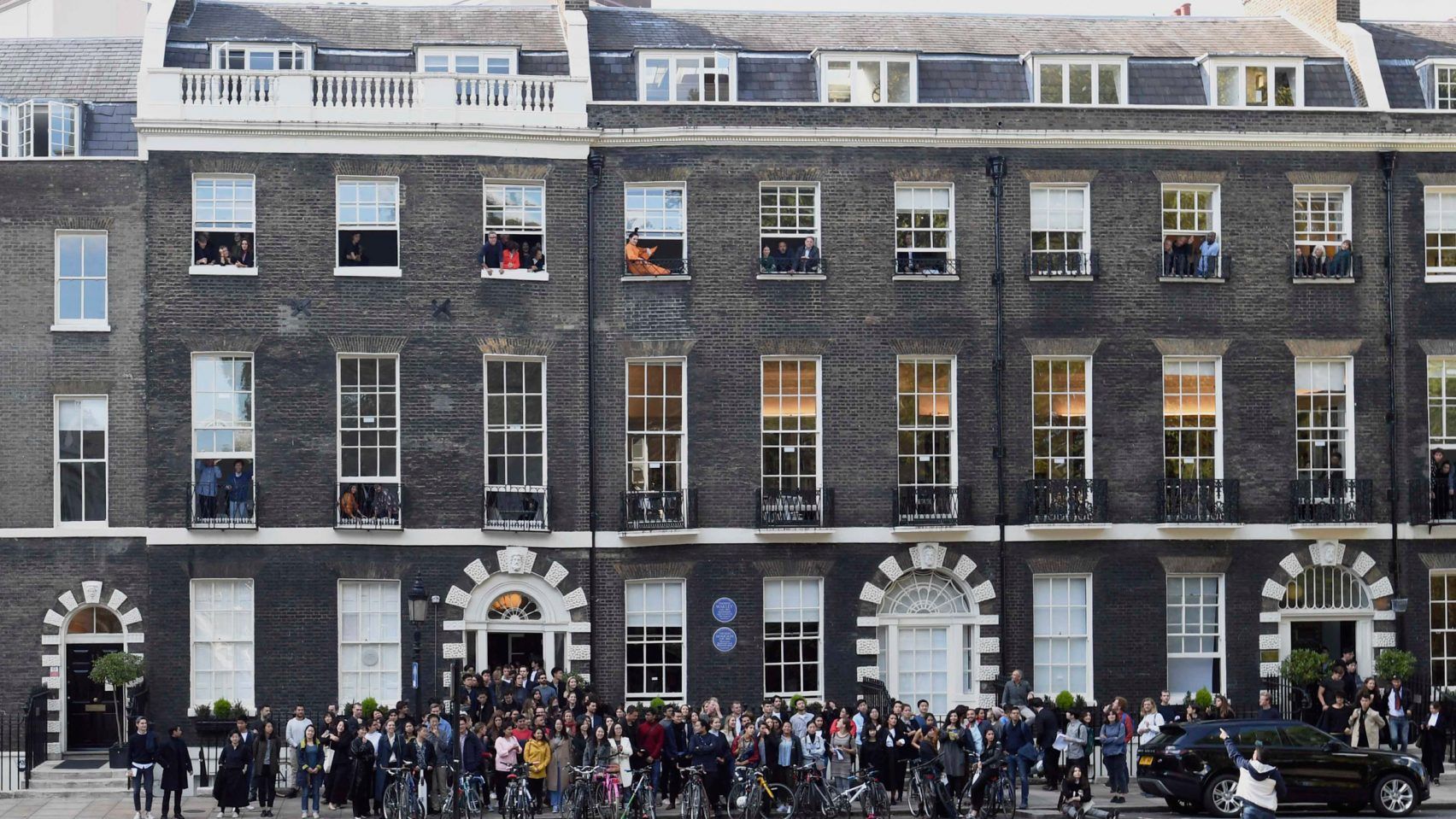
The architectural Association – Photo by Valerie Bennett
Roma Tre University, Italy
Roma Tre, founded in 1992, lets students study architecture in direct dialogue with one of the world’s richest historic cities. Its teaching covers architectural design, urbanism and restoration. Bachelor’s teaching is in Italian, and Italian public universities set fees according to family income, so check the university’s fee rules for your situation. If you are interested in how history is taught within design schools, read History of Architecture: Does it still have a place in Architecture Schools?
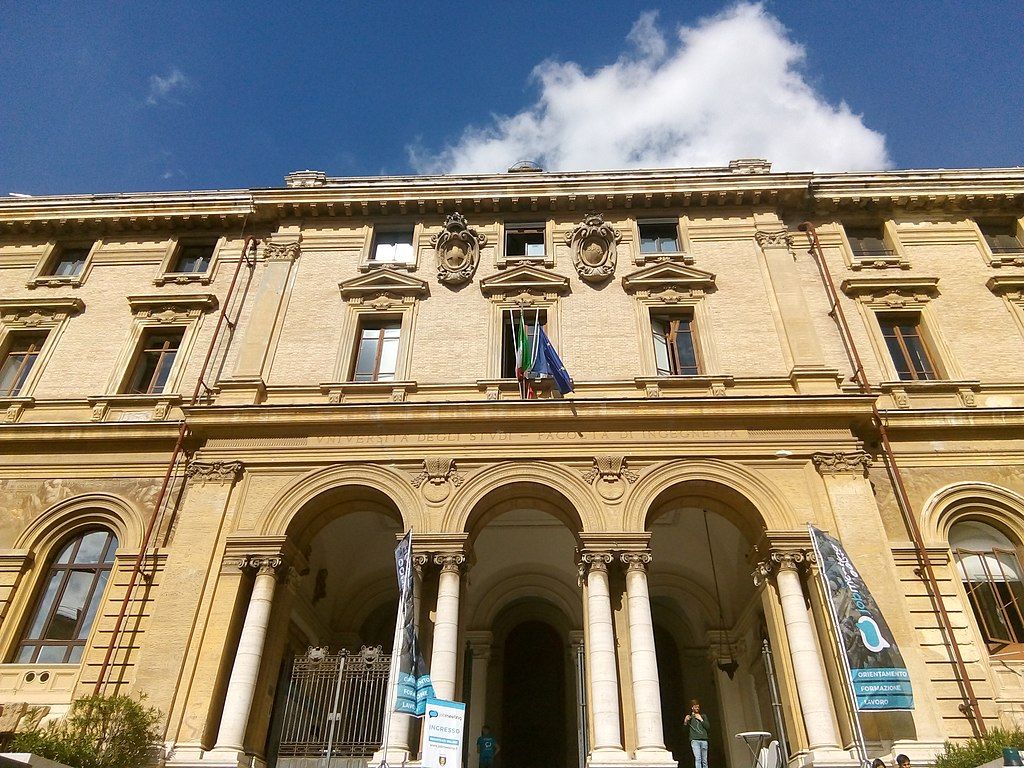
School of Engineering on the Via Vito Volterra
Technion – Israel Institute of Technology (outside Europe)
Technion in Haifa, founded in 1912, has Israel’s oldest school of architecture, with teaching that connects architecture, landscape and urban infrastructure. It is not in Europe, but earlier versions of this guide included it, so we keep it for comparison. Undergraduate teaching is mainly in Hebrew; check the faculty’s admission and language requirements before applying.
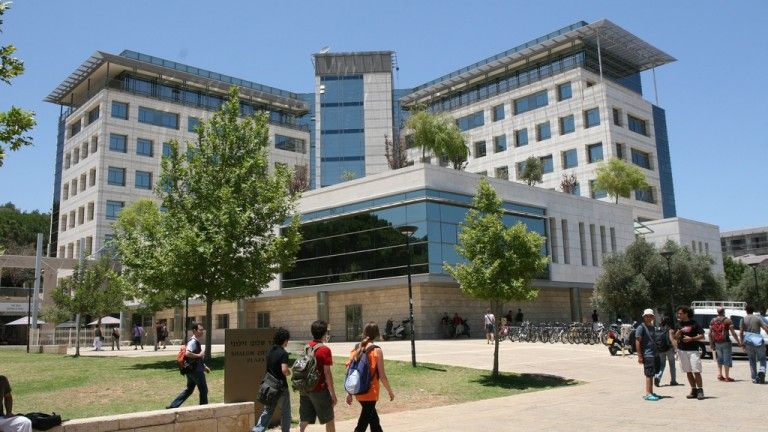
Israel Institute of Technology – School of Architecture and Urban Planning
University of Porto (FAUP), Portugal
The Faculty of Architecture of the University of Porto (FAUP), created as a faculty in 1979, is associated with the “Porto School” of architects such as Fernando Távora, Álvaro Siza and Eduardo Souto de Moura. Its teaching places strong emphasis on drawing and on the city itself as a place of study. Teaching is in Portuguese.
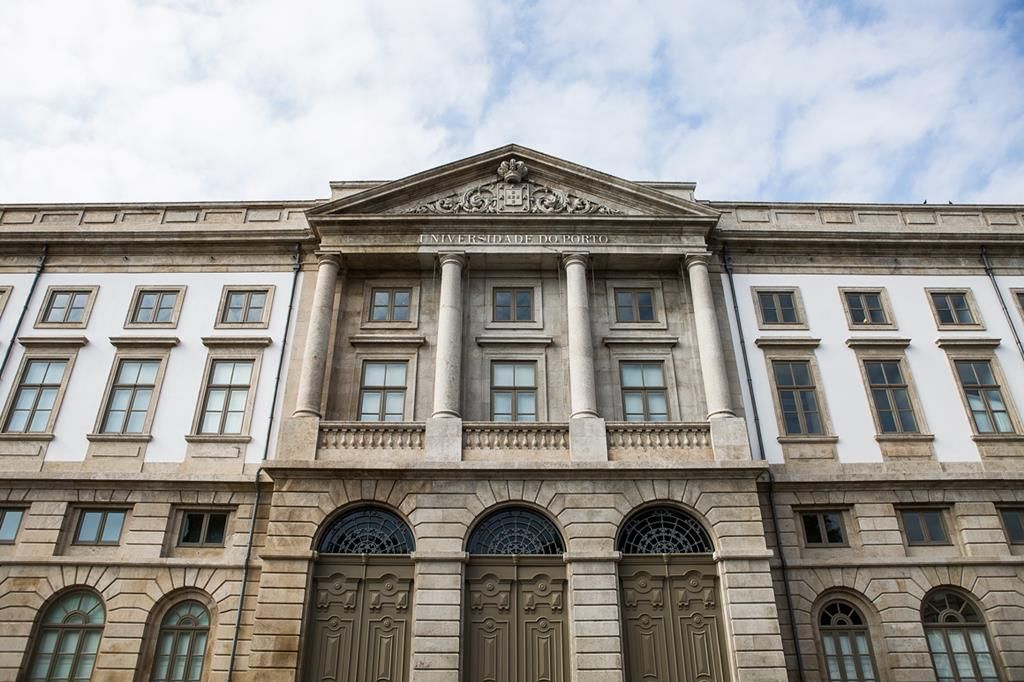
Photo: Filipa Brito / CMPorto
Delft University of Technology (TU Delft), Netherlands
TU Delft’s Faculty of Architecture and the Built Environment is one of the largest architecture faculties in Europe, with programmes in architecture, urbanism, landscape architecture, building technology and management in the built environment. The Netherlands’ long tradition of planning and water management makes urbanism a particular strength. For 2025-26, EU/EFTA students paid the statutory fee of €2,601 a year, while non-EU fees are set per programme and are much higher, according to TU Delft’s fee pages; check the current figures for your course.
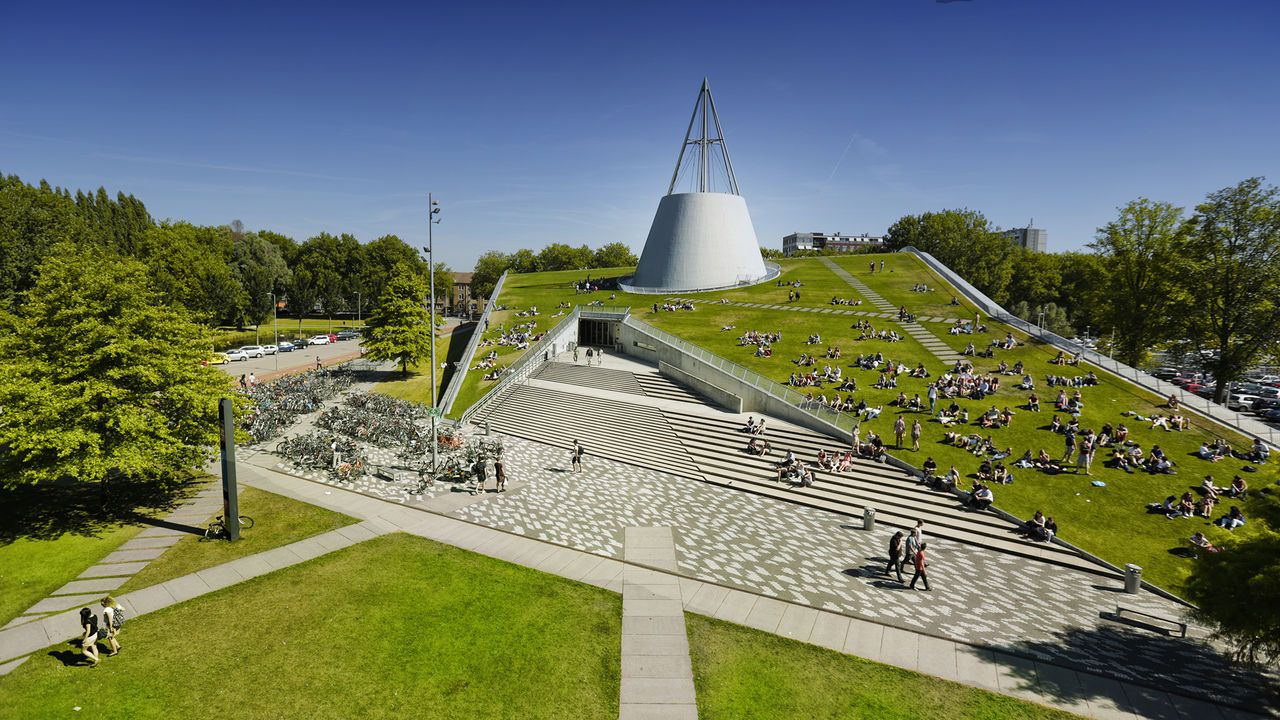
Technical University Delft
Check the language of instruction for the bachelor’s programme you choose; master’s programmes are taught in English.
The faculty is housed in BK City, the former main building of the university’s chemistry department, converted after a fire destroyed the faculty’s previous building in 2008.
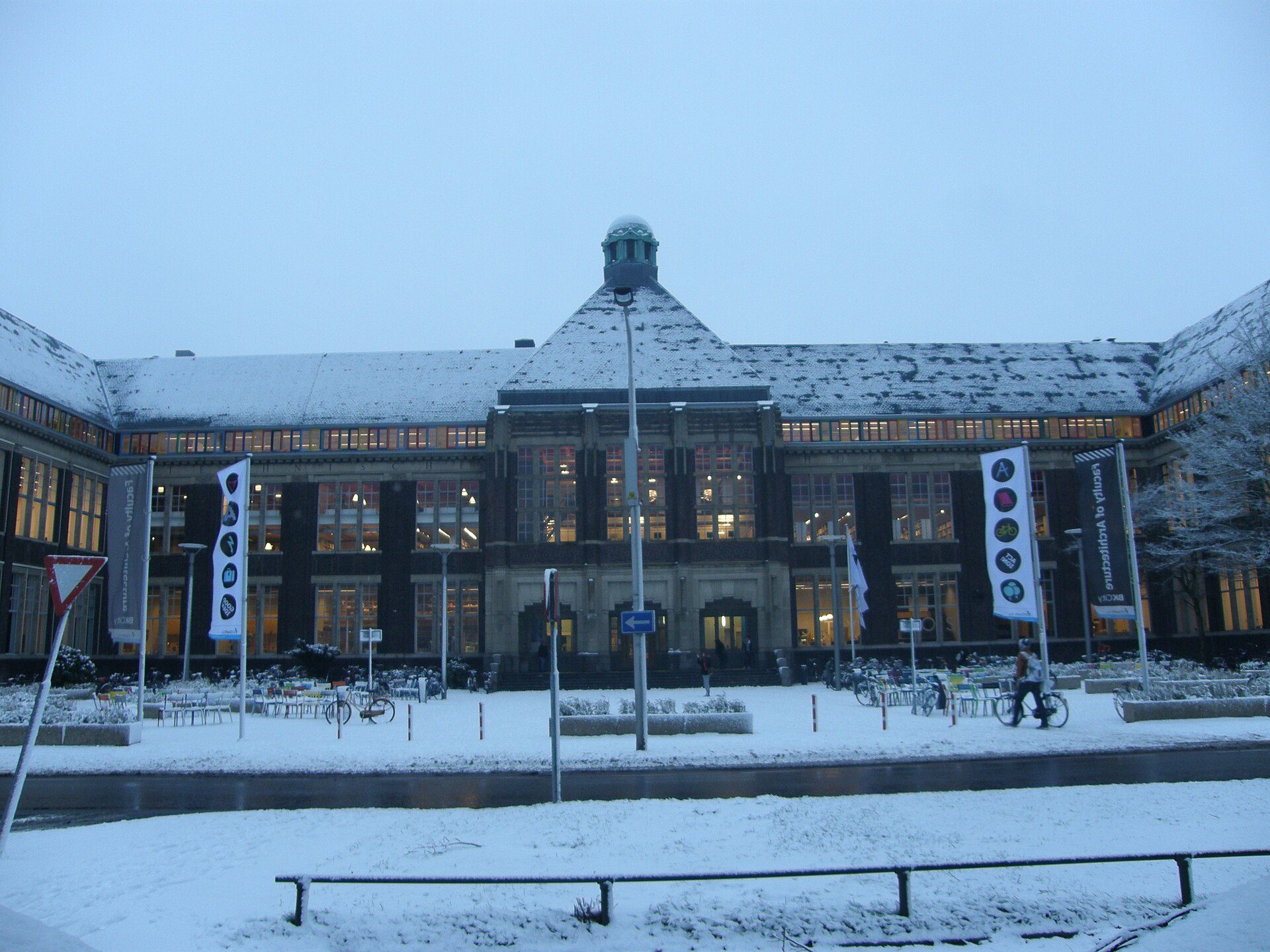
BK City, home of TU Delft's Faculty of Architecture and the Built Environment, in the listed former chemistry building. Photo: JurjenVos, CC BY-SA 3.0, via Wikimedia Commons. JurjenVos, source, CC BY-SA 3.0
Universidad Politécnica de Madrid (ETSAM), Spain
ETSAM, the architecture school of the Universidad Politécnica de Madrid, is one of the oldest and largest schools of architecture in Europe, and many leading Spanish architects have studied or taught there. Its size brings breadth of teaching and facilities, but also large classes, so students need to be proactive in building contacts. Teaching is in Spanish, and fees at Spanish public universities are set per credit by the regional government. If you plan to work in North America later, check early how a European degree is assessed there.

Universidad Politécnica de Madrid
Politecnico di Torino, Italy
Politecnico di Torino combines architecture with a large engineering university, and its teaching stresses the relationship between architecture and context. Admission to its architecture degrees is through an entrance test, and Italian public-university fees depend on family income. Check which architecture degrees are taught in Italian and which in English before you apply.
ETH Zurich – Department of Architecture (D-ARCH), Switzerland
ETH Zurich’s Department of Architecture is known for its rigorous combination of design, construction, building technology and history and theory. The bachelor’s programme is taught in German. Since autumn 2025, most foreign students pay CHF 2,190 per semester, three times the CHF 730 paid by students with a Swiss entrance qualification, according to ETH’s tuition page. If you are not ready to commit to a degree, free online architecture courses from leading universities are a low-cost way to test your interest.
Royal Danish Academy – Architecture, Denmark
The Royal Danish Academy in Copenhagen, whose origins go back to 1754, teaches architecture within a wider academy of design and conservation, which gives students access to many creative disciplines. Bachelor’s teaching is in Danish; the master’s programmes include English-taught options. EU/EEA students do not pay tuition in Denmark, while non-EU/EEA full-degree students paid €7,300 per semester for architecture in 2024-25, according to the Academy’s payment document. Sustainability is a strong theme; compare it with how educators are promoting sustainability in architecture education in developing countries.
The Bartlett School of Architecture (UCL), UK
The Bartlett, part of University College London, where architecture has been taught since 1841, is known for experimental design and ambitious research, and its unit system lets students specialise from computational design and fabrication to urbanism and critical theory. Its three-year Architecture BSc costs £9,790 a year for UK students and £35,400 for overseas students in 2026-27, according to UCL’s course page; check the same page for the course’s recognition by ARB and RIBA.
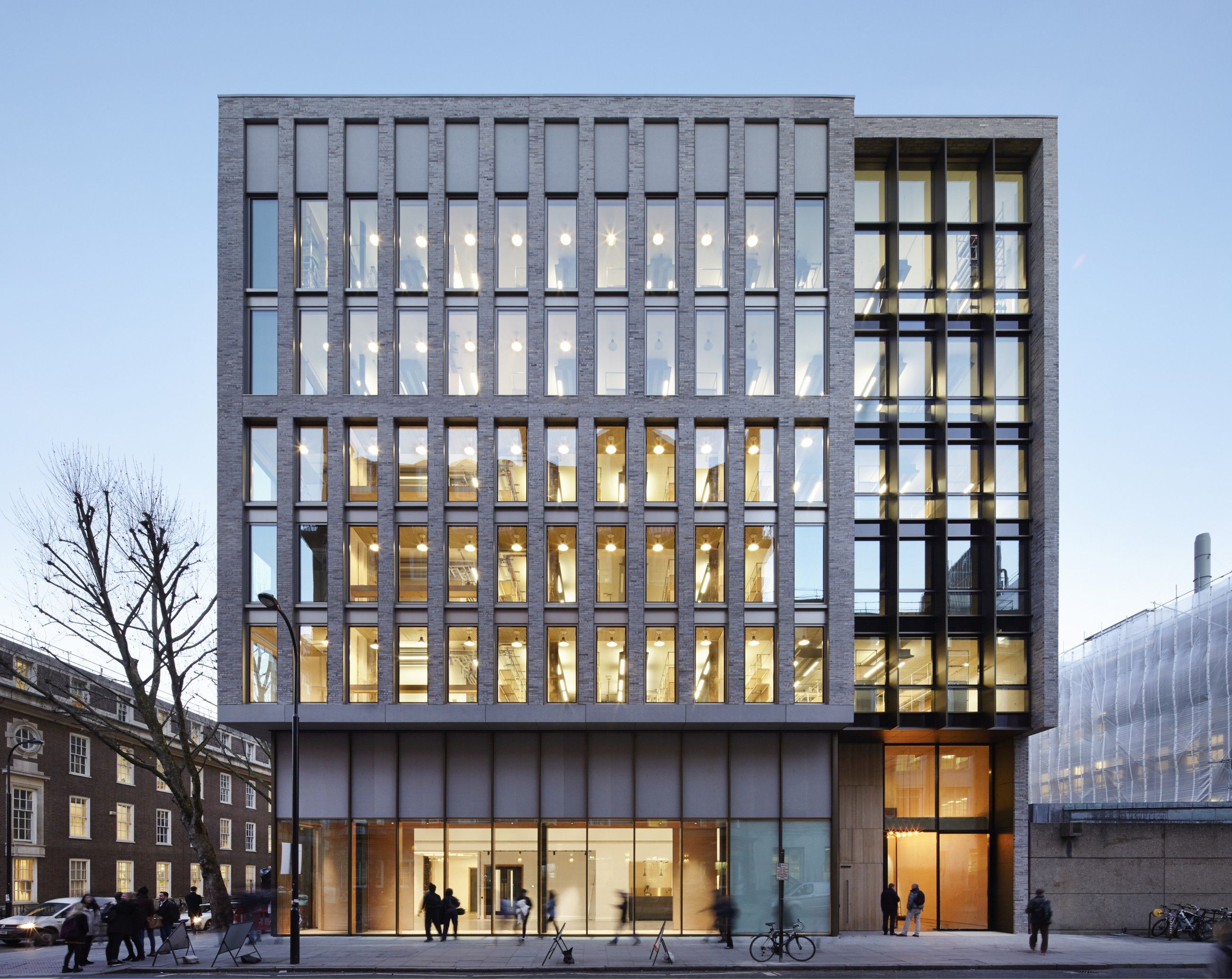
The Bartlett School of Architecture -Photograph by Jack Hobhouse
How to compare the best architecture schools in Europe (criteria table)
The table compares the ten schools on criteria you can verify. Fees are examples from official pages with their academic year; they change every year and depend on nationality, so always confirm them before applying.
| School (city) | Main language of first degree | Typical route | Fee example (official source, year) | Registration note |
|---|---|---|---|---|
| Architectural Association (London) | English | Foundation (optional), Intermediate, Diploma | Independent school fees; see AA fees page | UK: check ARB-recognised stages on AA site |
| Bartlett, UCL (London) | English | BSc 3 years + MArch 2 years | £9,790 UK / £35,400 overseas per year (2026-27, UCL) | UK: check ARB/RIBA recognition on UCL course page |
| TU Delft (Delft) | Check per programme; MSc in English | BSc 3 years + MSc 2 years | €2,601 statutory fee for EU/EFTA (2025-26, TU Delft); non-EU fee set per programme | EU: Directive 2005/36/EC applies to listed qualifications |
| ETH Zurich D-ARCH (Zurich) | German | BSc 3 years + MSc 2 years | CHF 2,190 per semester for most foreign students; CHF 730 with Swiss entrance qualification (from autumn 2025, ETH) | Switzerland: bilateral recognition with EU; check |
| Royal Danish Academy (Copenhagen) | Danish (BA); English options at MA | BA 3 years + MA 2 years | No tuition for EU/EEA; €7,300 per semester for non-EU/EEA (2024-25, Academy) | EU: Directive 2005/36/EC applies to listed qualifications |
| ETSAM, UPM (Madrid) | Spanish | Bachelor's + qualifying master's | Public fee per credit set by the Madrid region; see UPM | EU: check qualifying master's for practice |
| Politecnico di Torino (Turin) | Italian (some English-taught options; check) | Bachelor 3 + Master 2 (entrance test) | Income-based public fees; see Polito | Italy: state exam for registration |
| Roma Tre (Rome) | Italian | Bachelor 3 + Master 2 | Income-based public fees; see Roma Tre | Italy: state exam for registration |
| FAUP, University of Porto | Portuguese | Integrated master's (5 years) | Public fees; see U.Porto | Portugal: registration with Ordem dos Arquitectos |
| Technion (Haifa, Israel; outside Europe) | Hebrew | Five-year professional degree | See Technion | Israel: national registration rules |
Source: UCL, ETH Zurich, TU Delft and Royal Danish Academy official fee pages; EUR-Lex Directive 2005/36/EC; other schools' official pages to be checked (as of 24 October 2026).
When you shortlist the best architecture schools in Europe, think about how you learn best: in a small, experimental environment like the AA, or in a large, research-intensive institution like ETH Zurich or ETSAM. Then check language, cost and the route to registration. Apply the same criteria to any school outside Europe you are considering.
Sources and further reading
- UCL: ranked first in QS Architecture and Built Environment 2025
- UCL: Architecture BSc (2026 entry)
- ETH Zurich: tuition fees
- Royal Danish Academy: payment for non-EU/EEA full-degree students (2024-25)
- EUR-Lex: Directive 2005/36/EC on the recognition of professional qualifications

Ibrahim Abdelhady is an architect, academic, and media entrepreneur with over two decades of experience in architecture and digital publishing. He is the Founder and CEO of Arch2O.com, a leading platform in architectural media, renowned for showcasing innovative projects, student work, and critical discourse in design. Holding dual PhDs in Architecture, Dr. Abdelhady combines academic rigor with industry insight, shaping both future architects and architectural thought. He actively teaches, conducts research, and contributes to the global architecture community through his writing, lectures, and media ventures. His work bridges the gap between practice and academia, pushing the boundaries of how architecture is communicated in the digital age.