

About Tachikawa ANNEX House
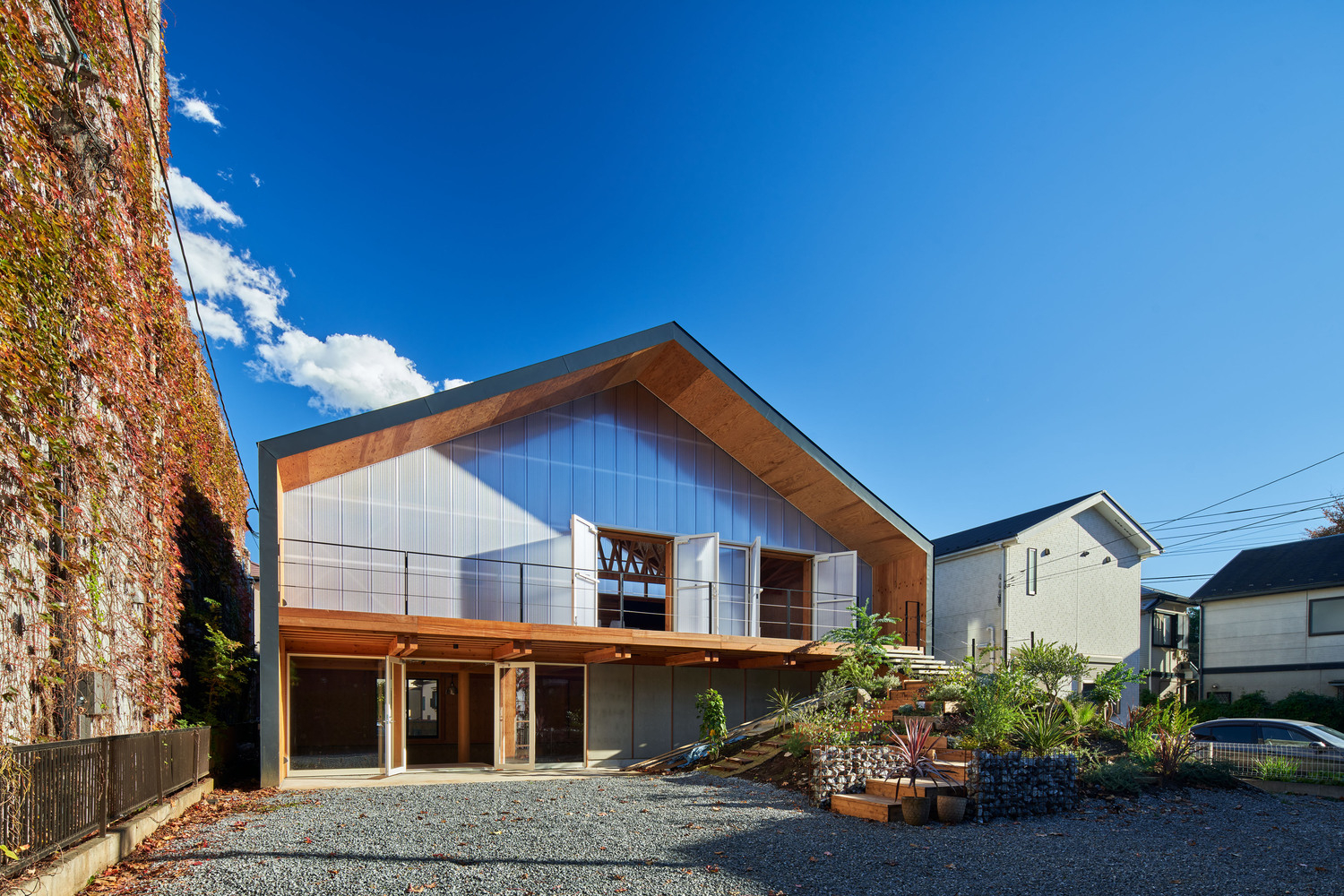
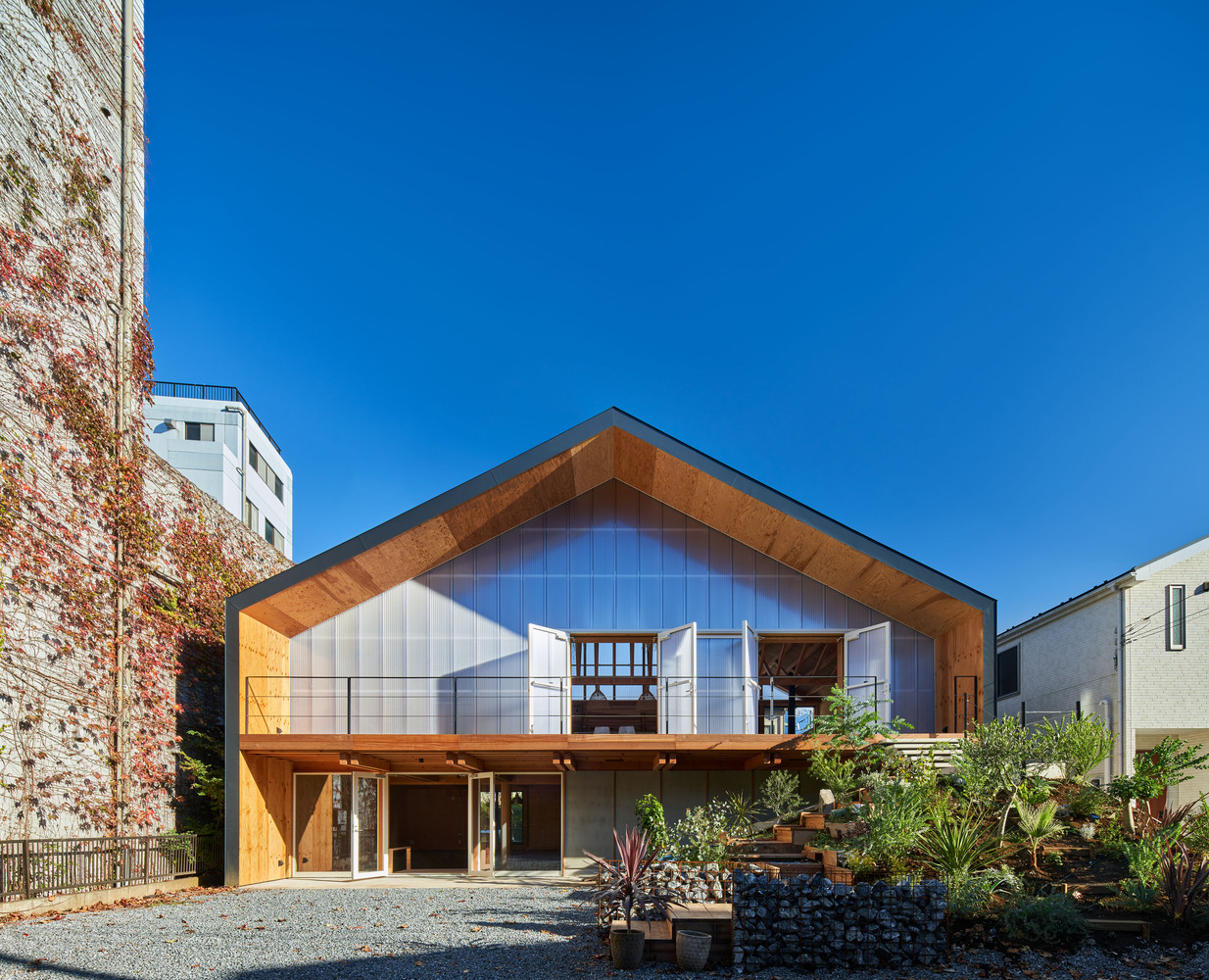
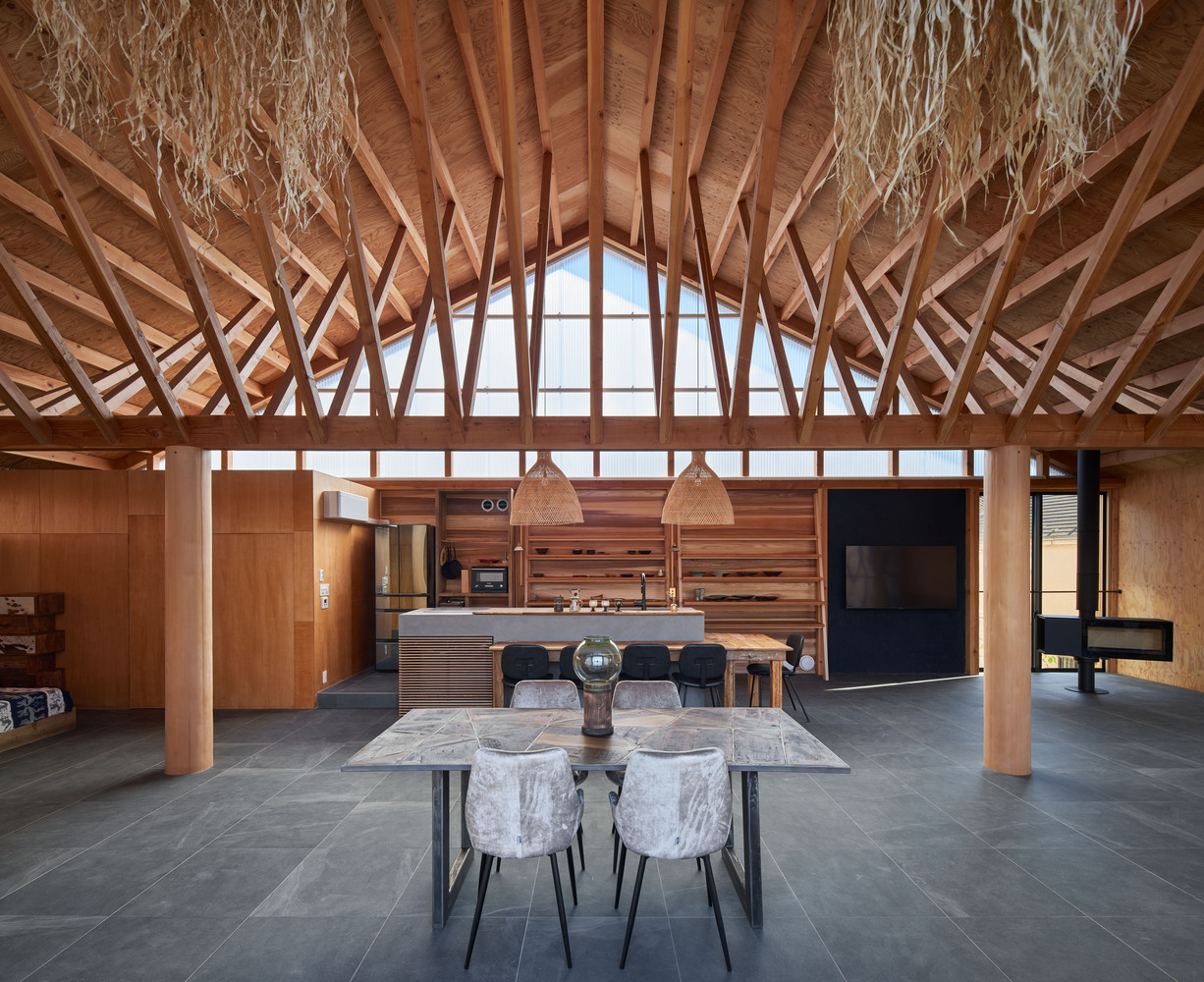
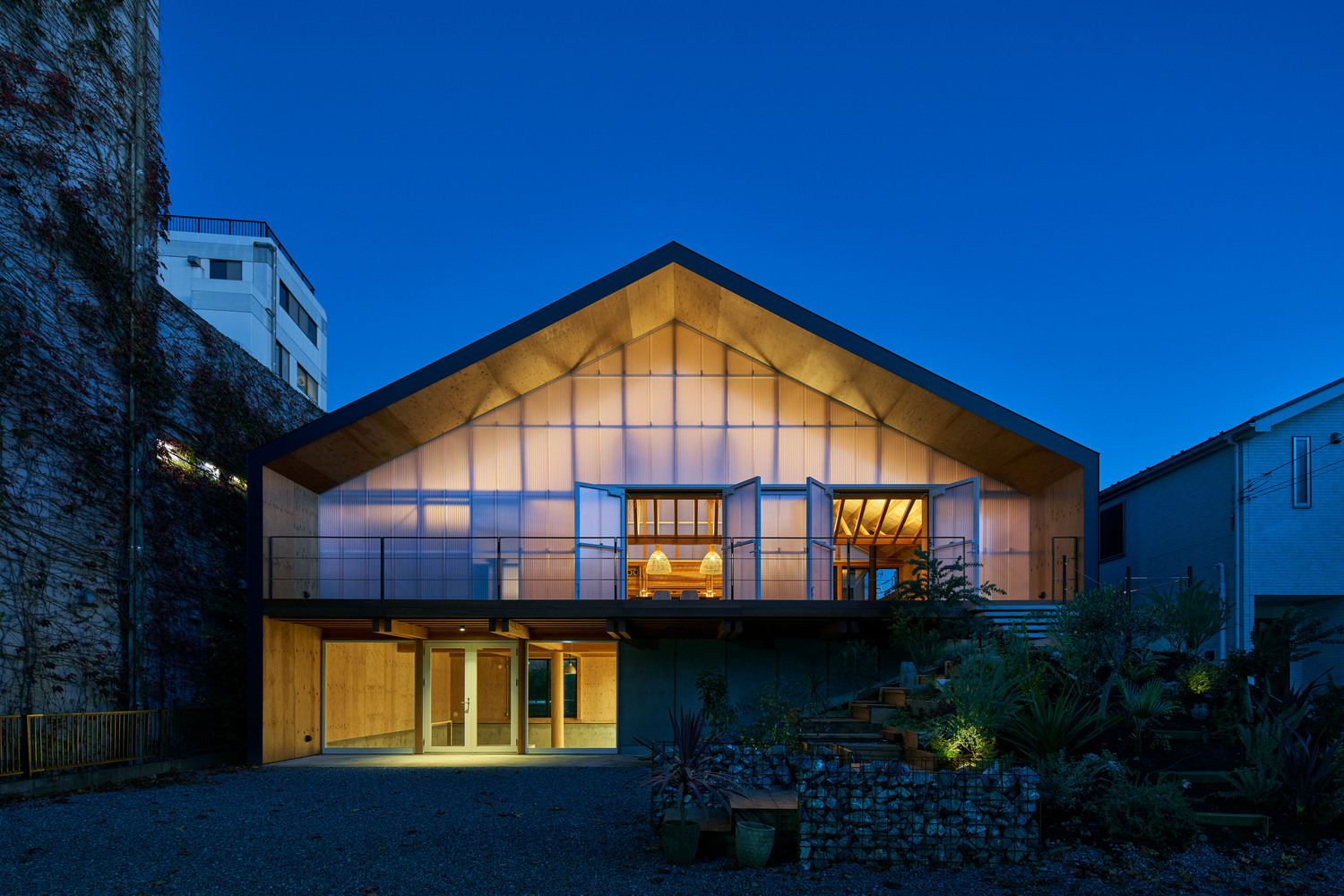
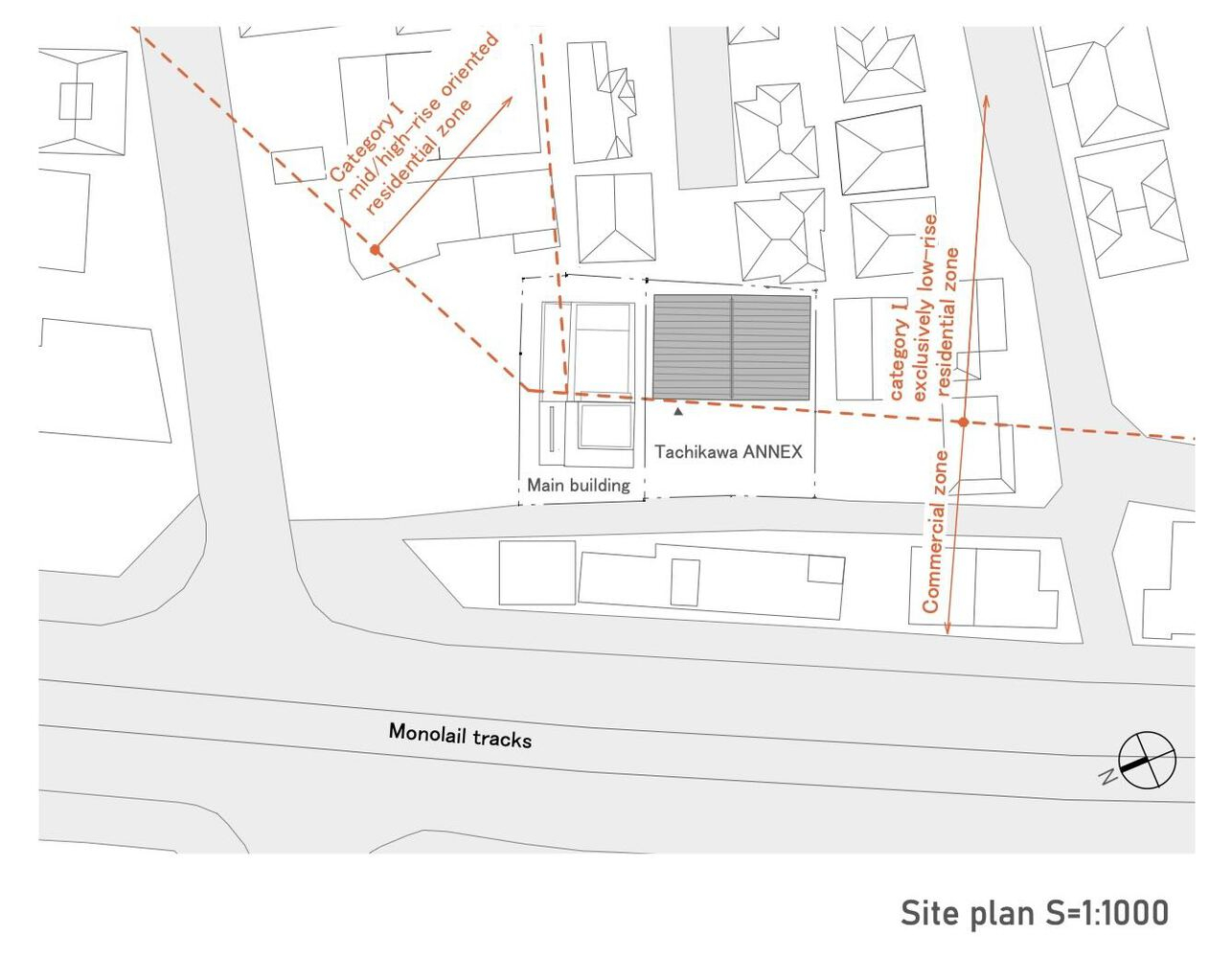
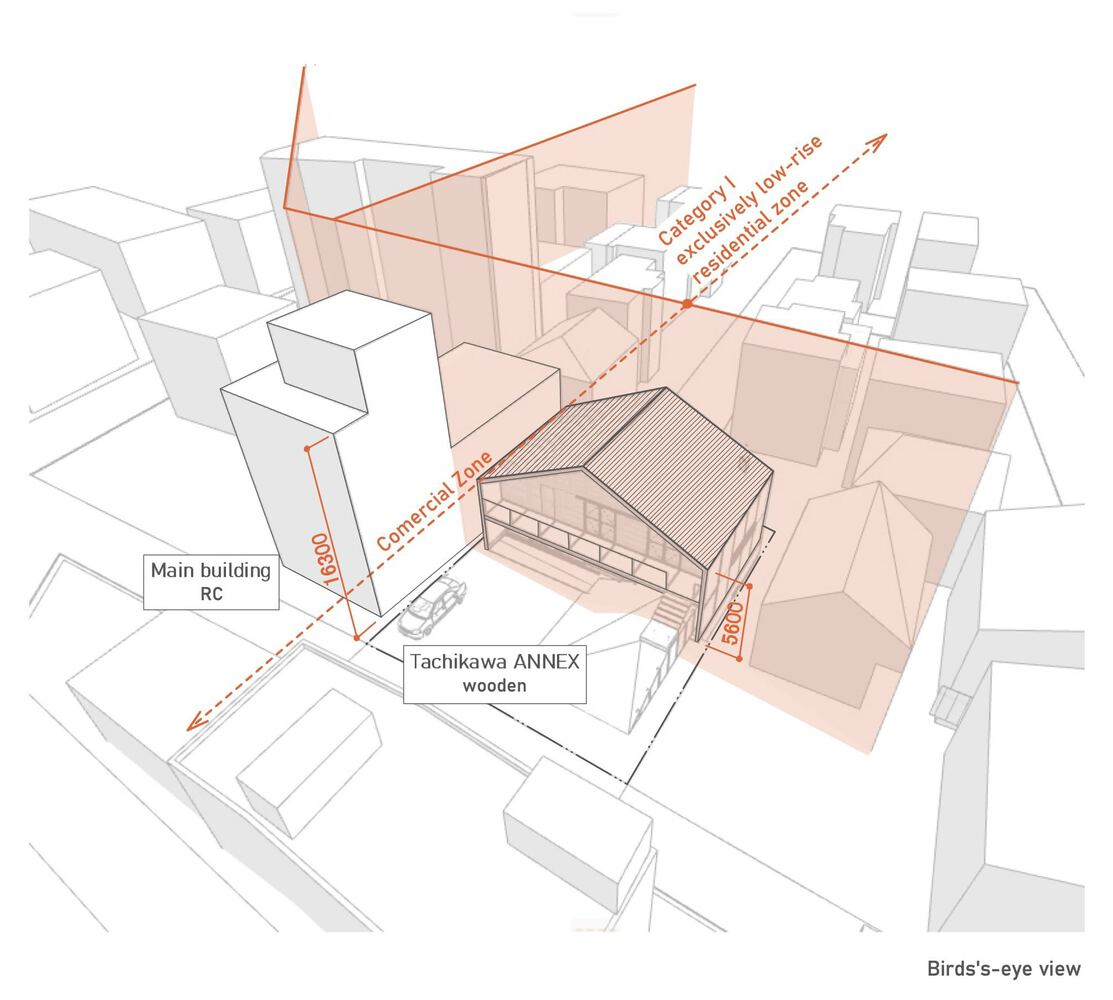
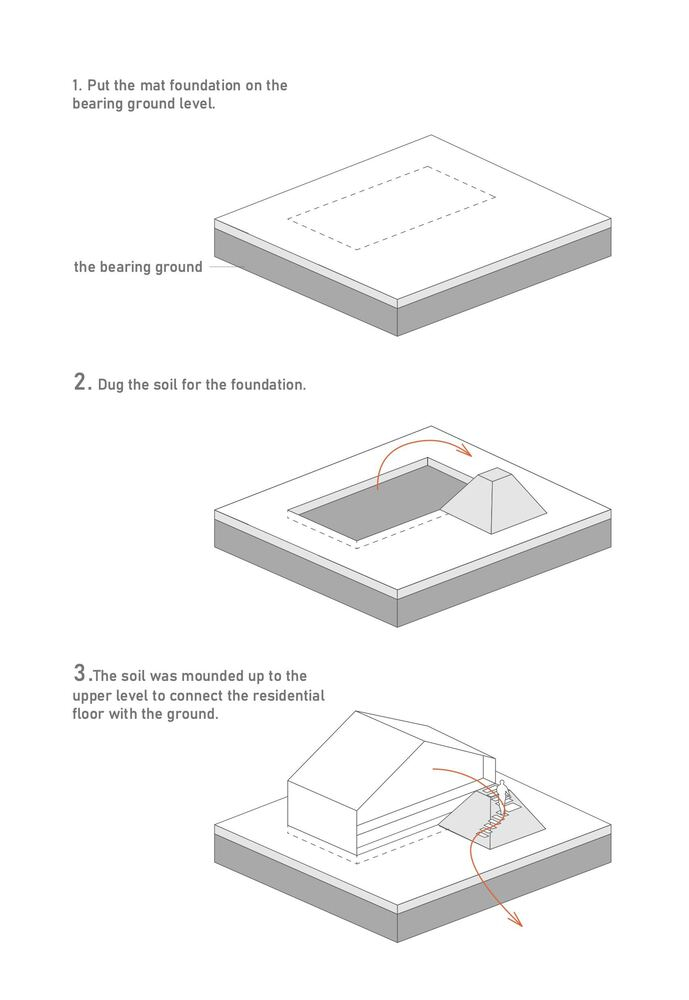
Tachikawa ANNEX House is an additional structure to the original corporate headquarters of a clothing maker and the owner’s house, which we designed around ten years ago. The site consists of multiple zones with different regulations, resulting in varied structures and heights. While the main house is a five-story reinforced concrete building that stands upright, we decided to create a light wooden building in the expanded area at the rear of the site, specifically in the low-rise residential zone.
© Koji Fujii / TOREAL
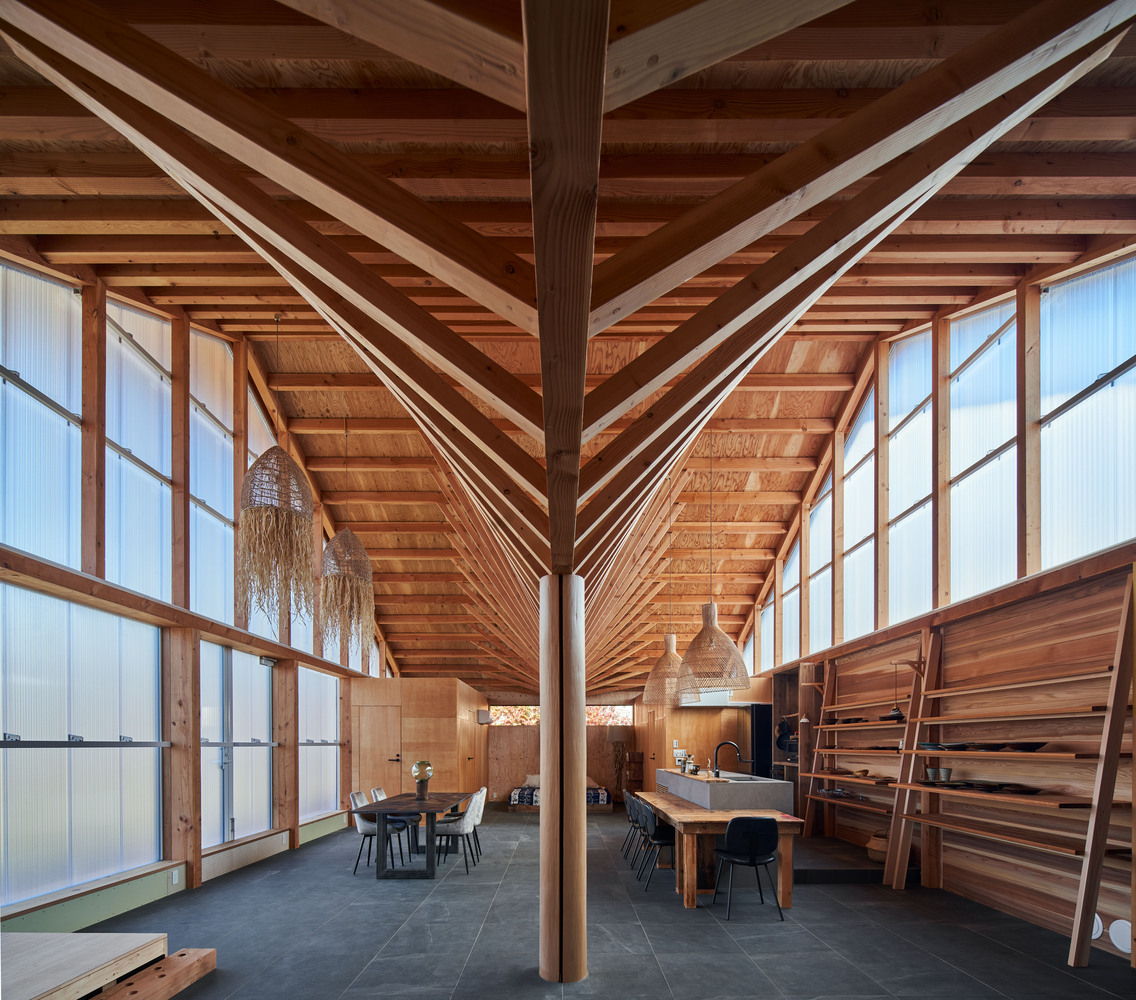
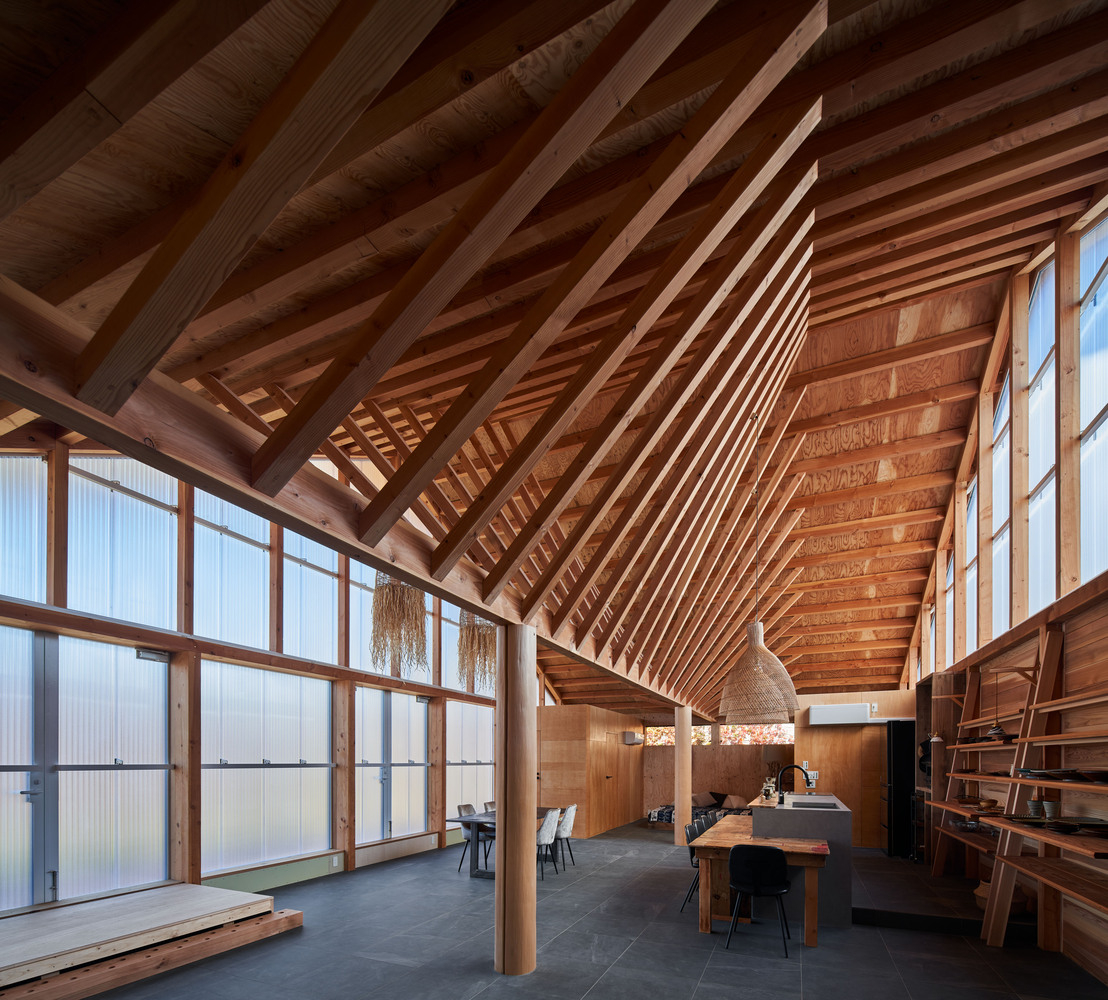
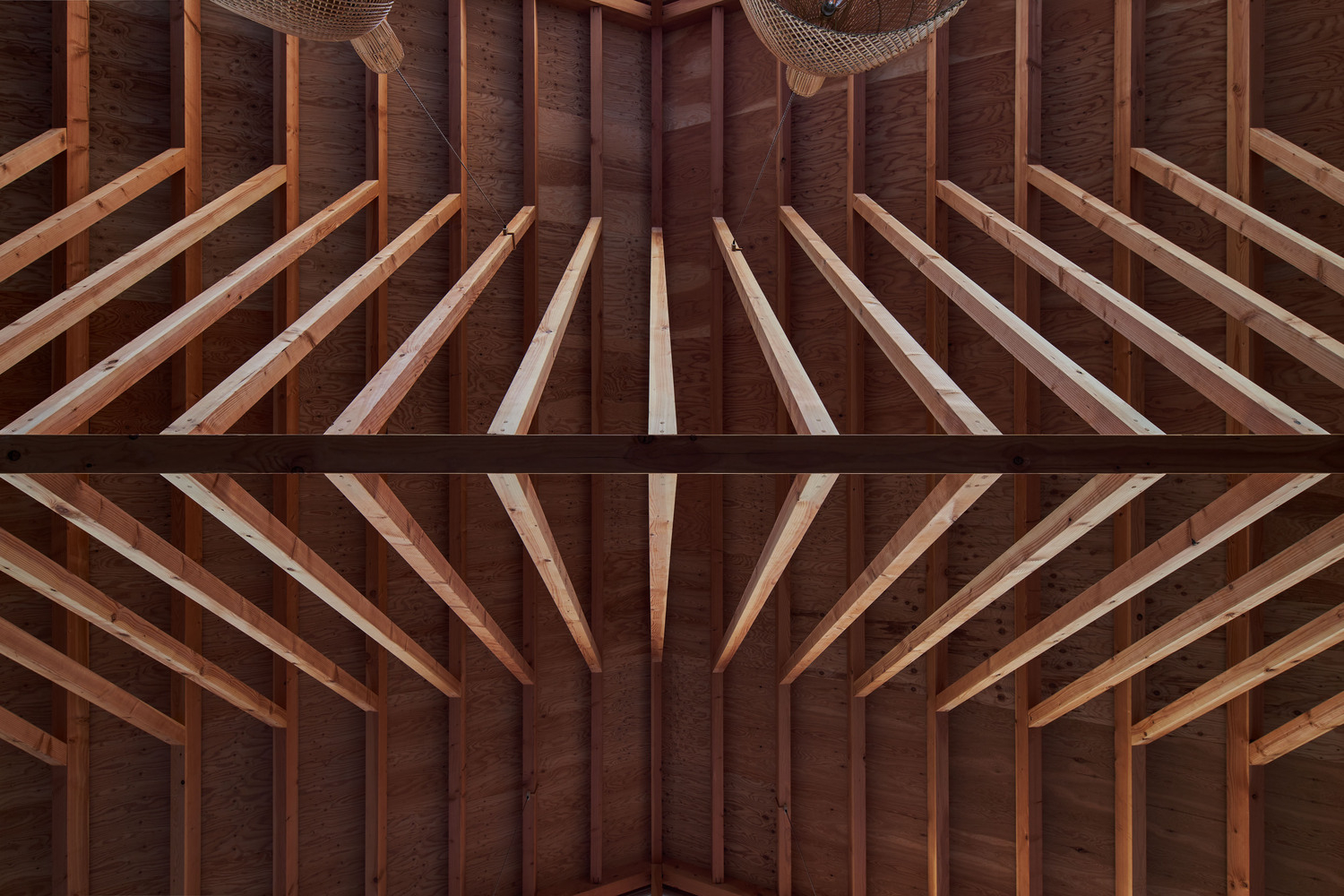
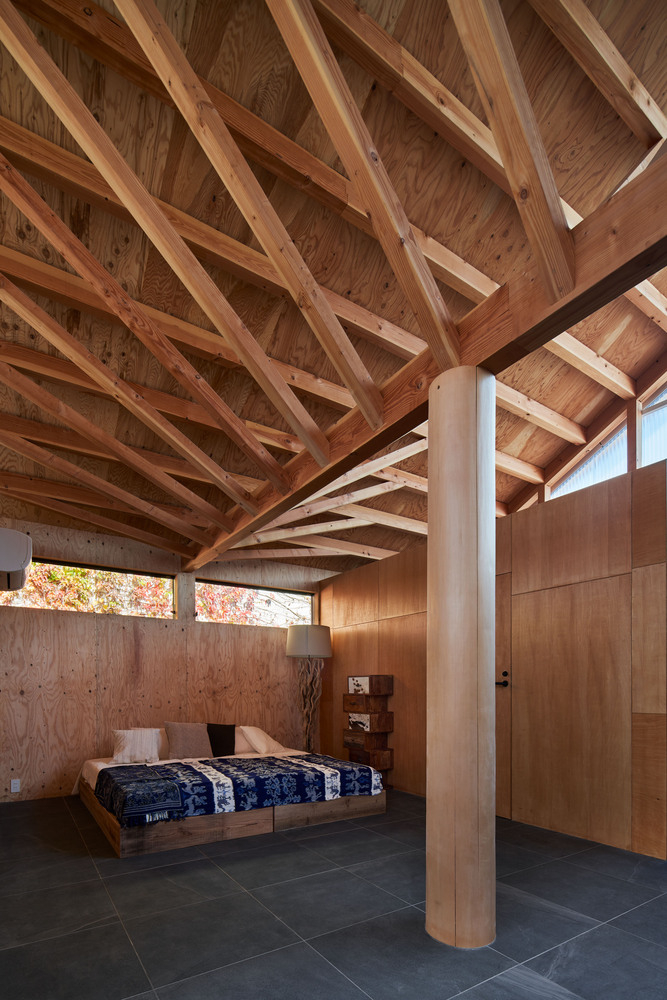
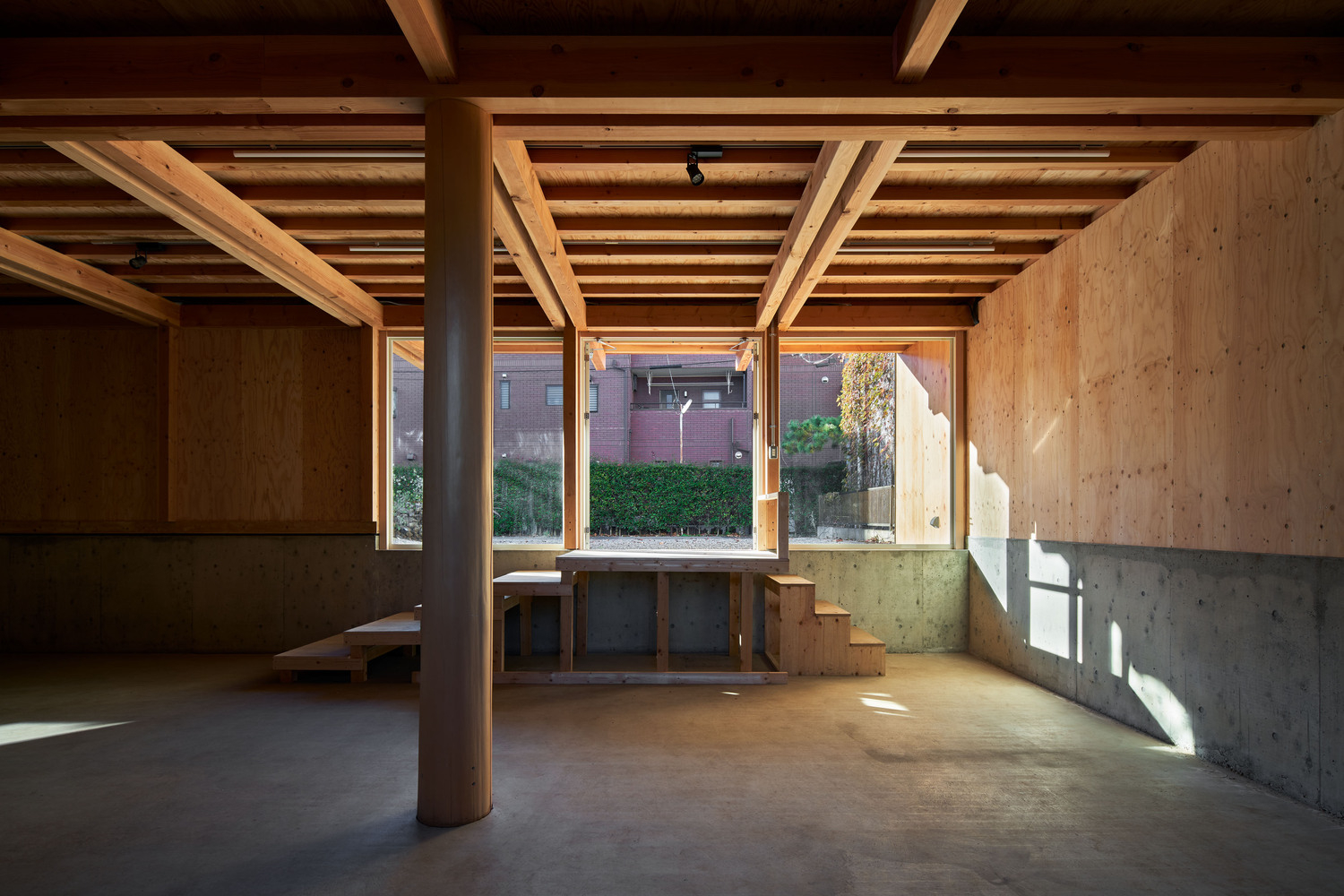
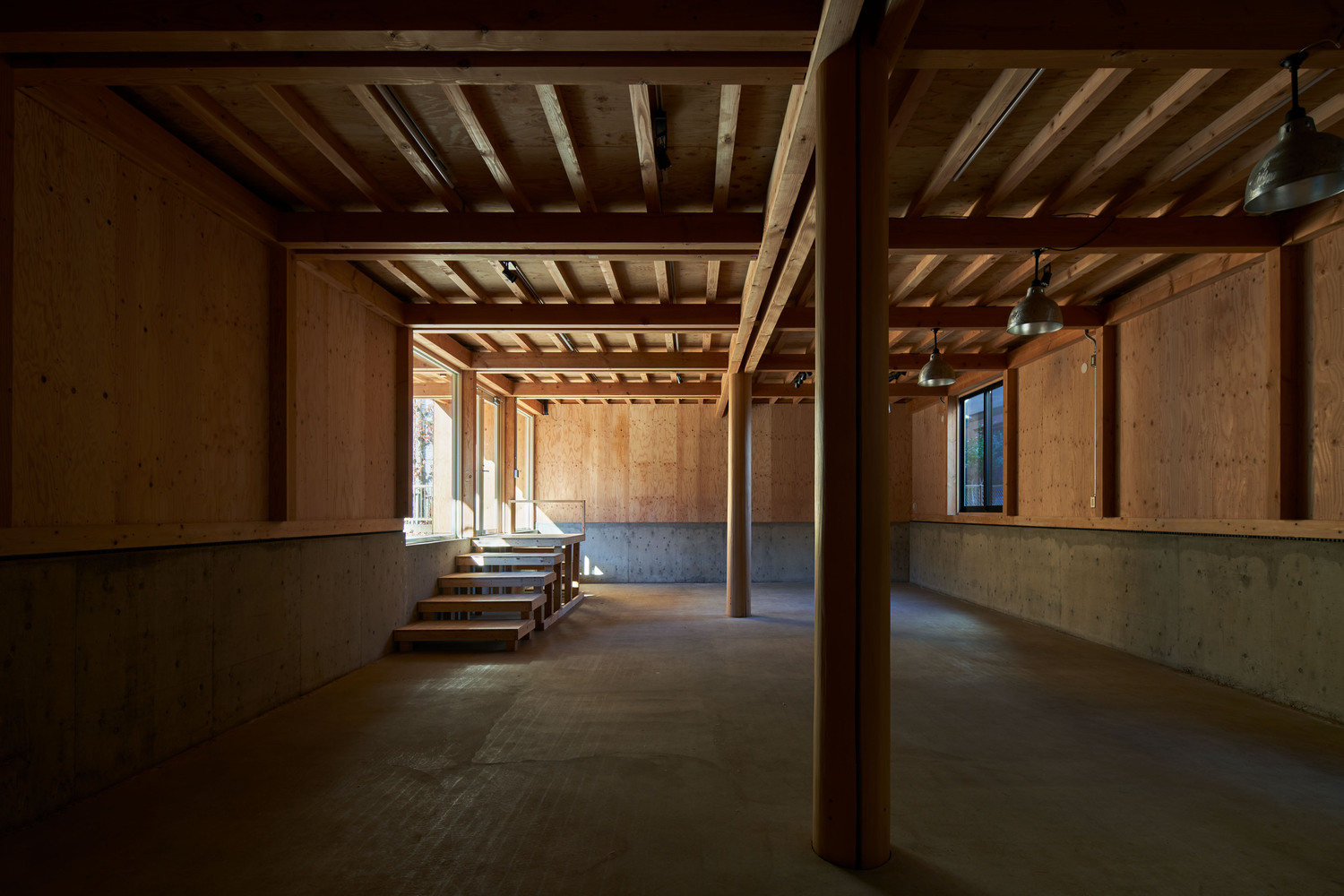
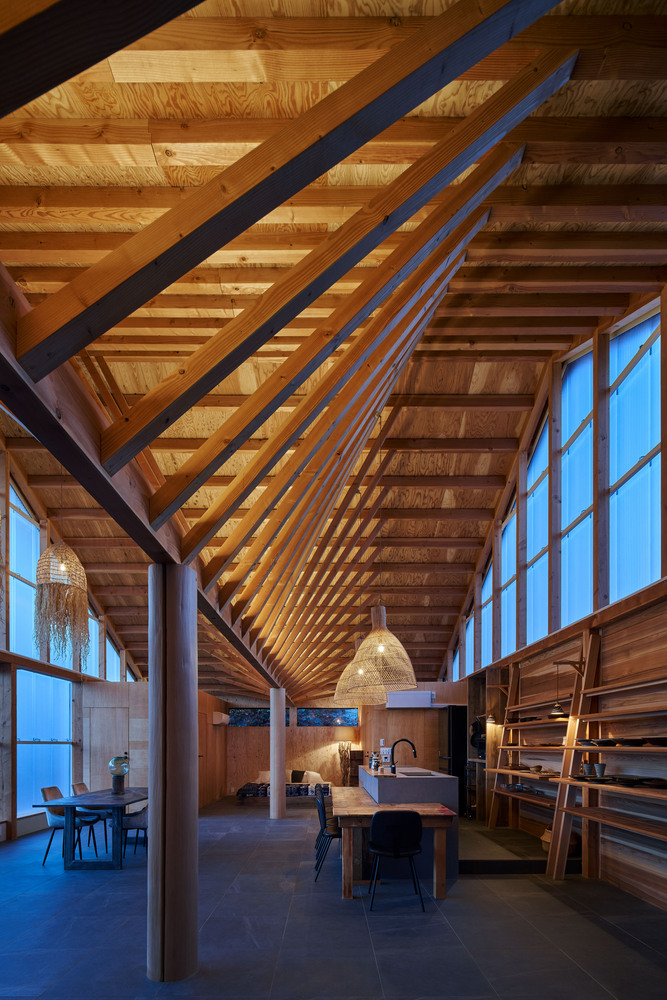
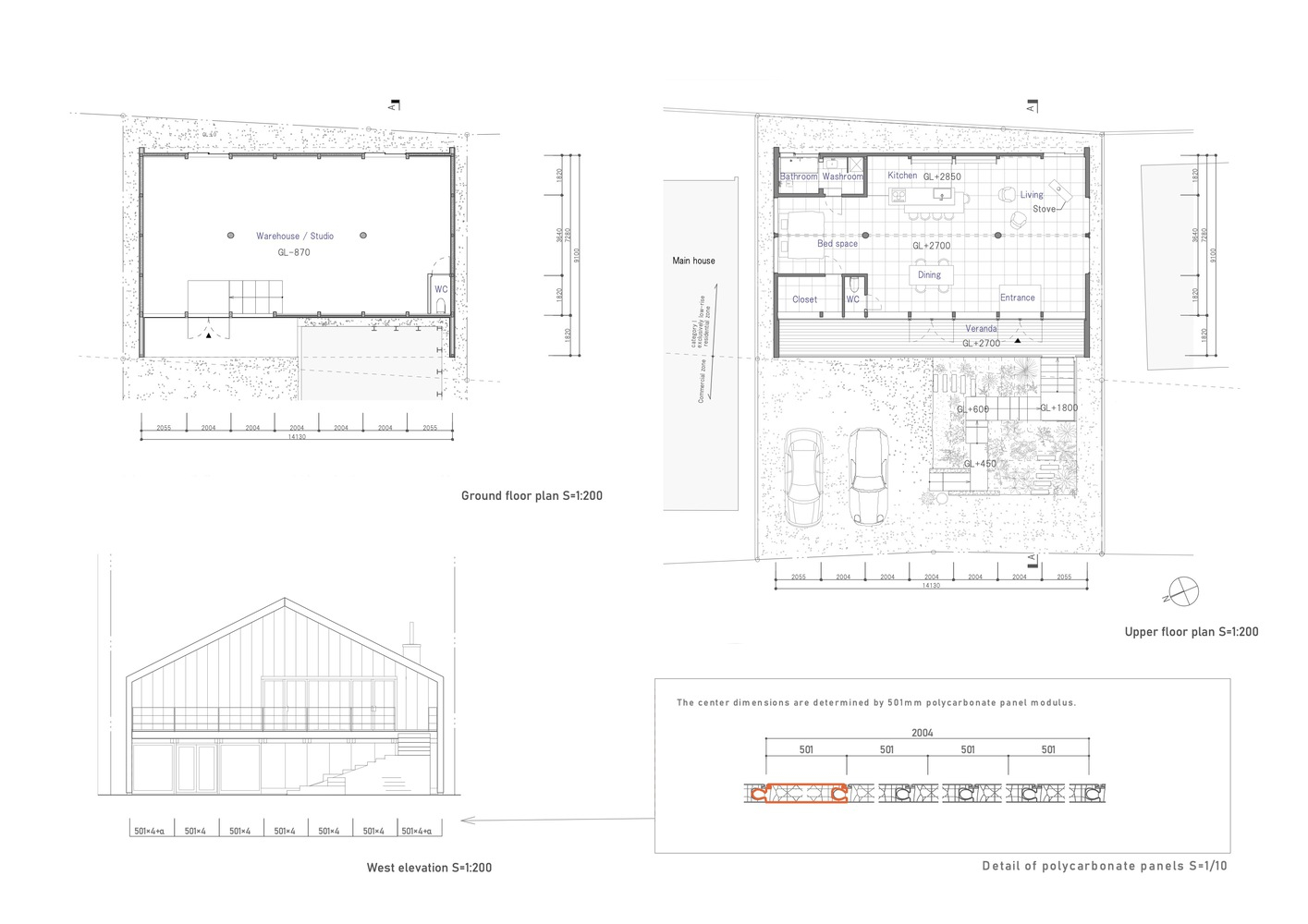
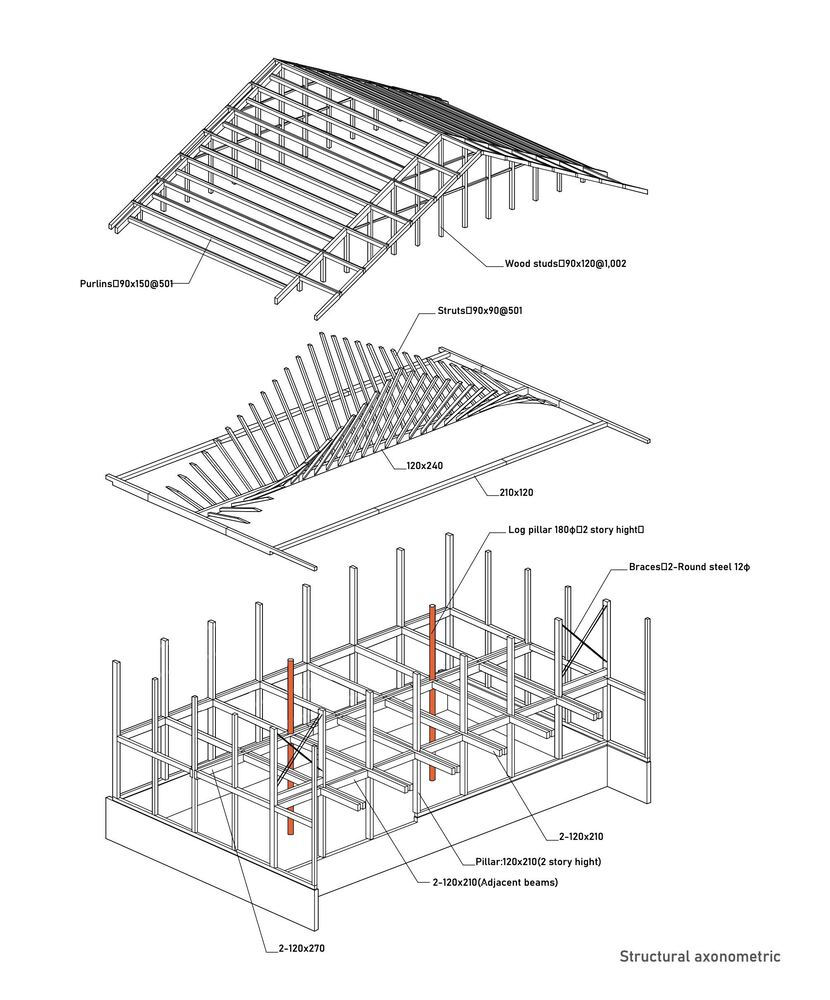
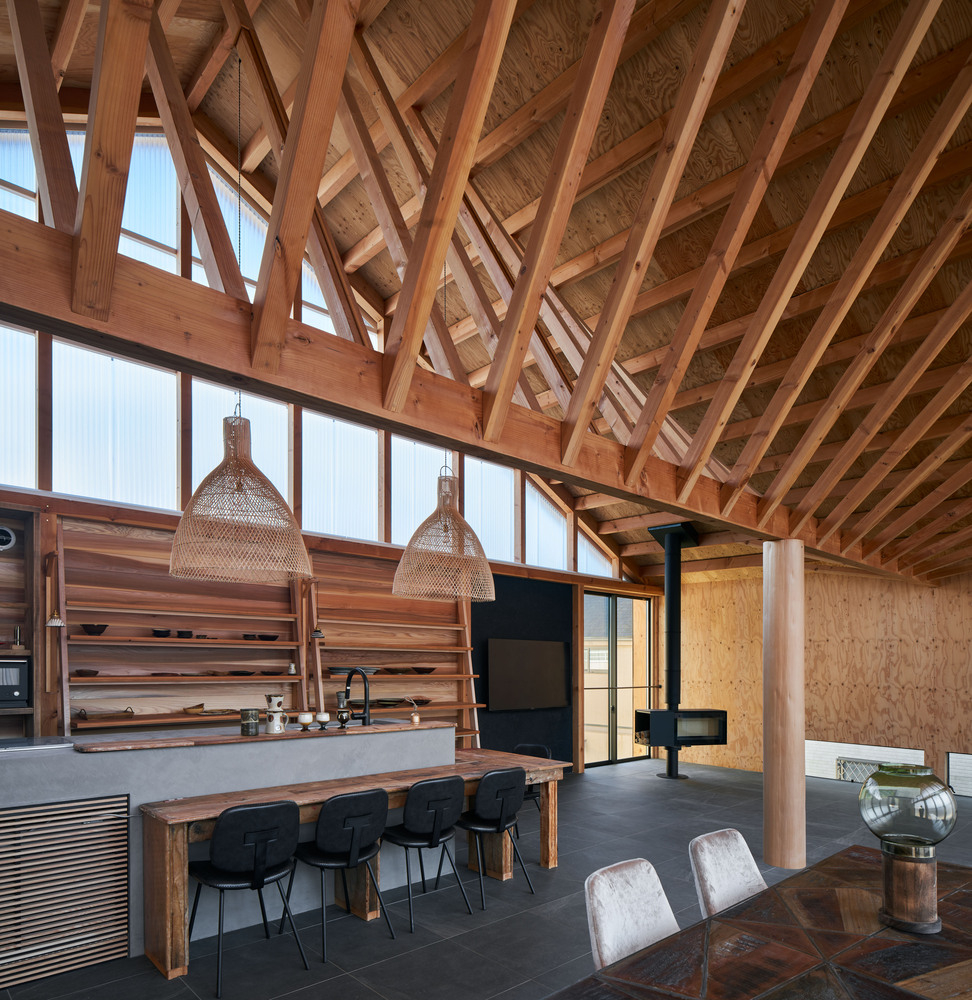
The timber frame structure consists of a lower structure with two-story posts and a roof structure with 90 by 90 mm timber struts. The timber struts support the purlins and shift in angles to form HP surfaces. The lower and roof structures, along with the floor frame in between, create a spacious single space on each level.
© Koji Fujii / TOREAL
© Koji Fujii / TOREAL
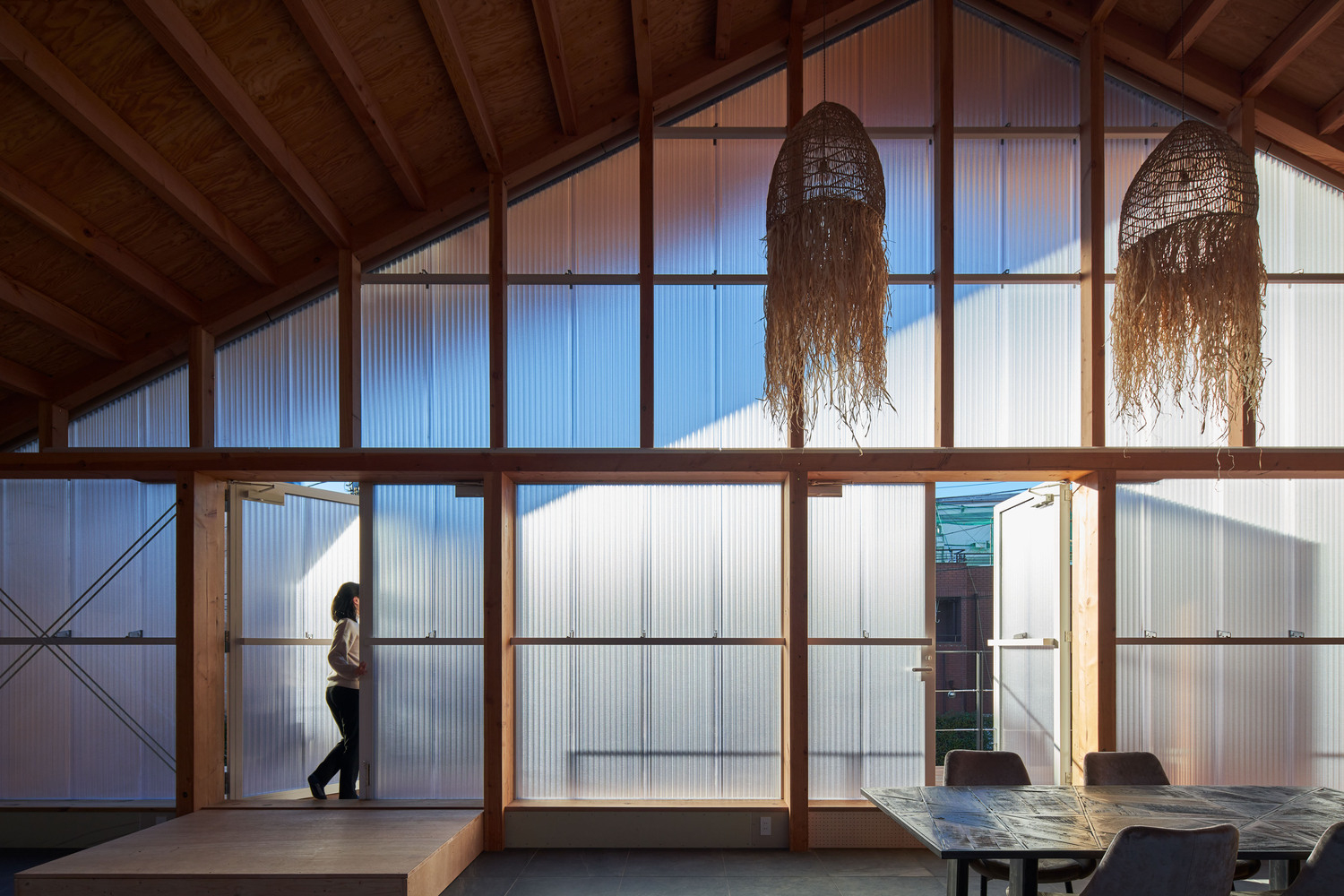
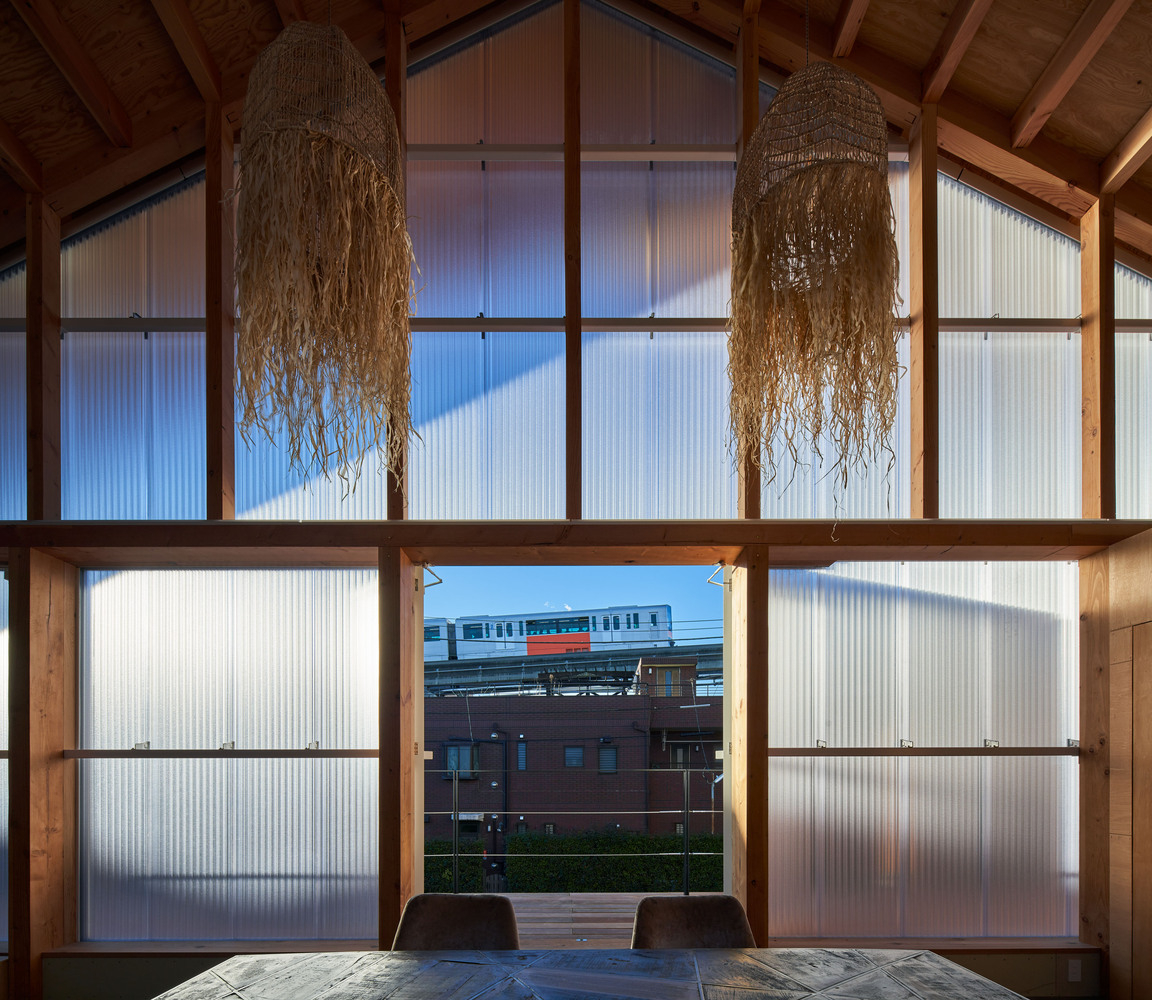
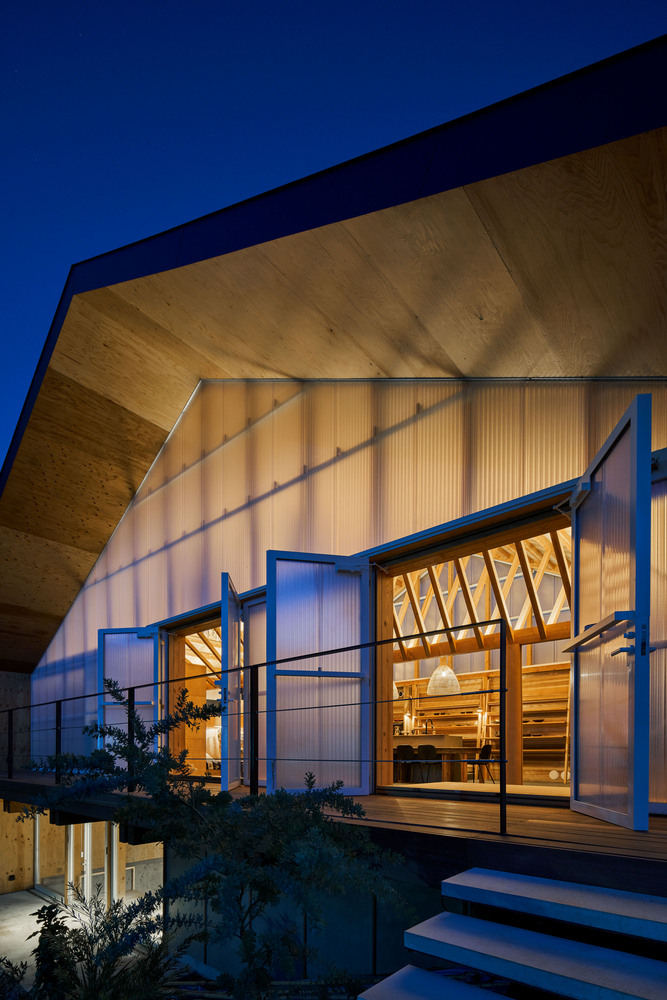
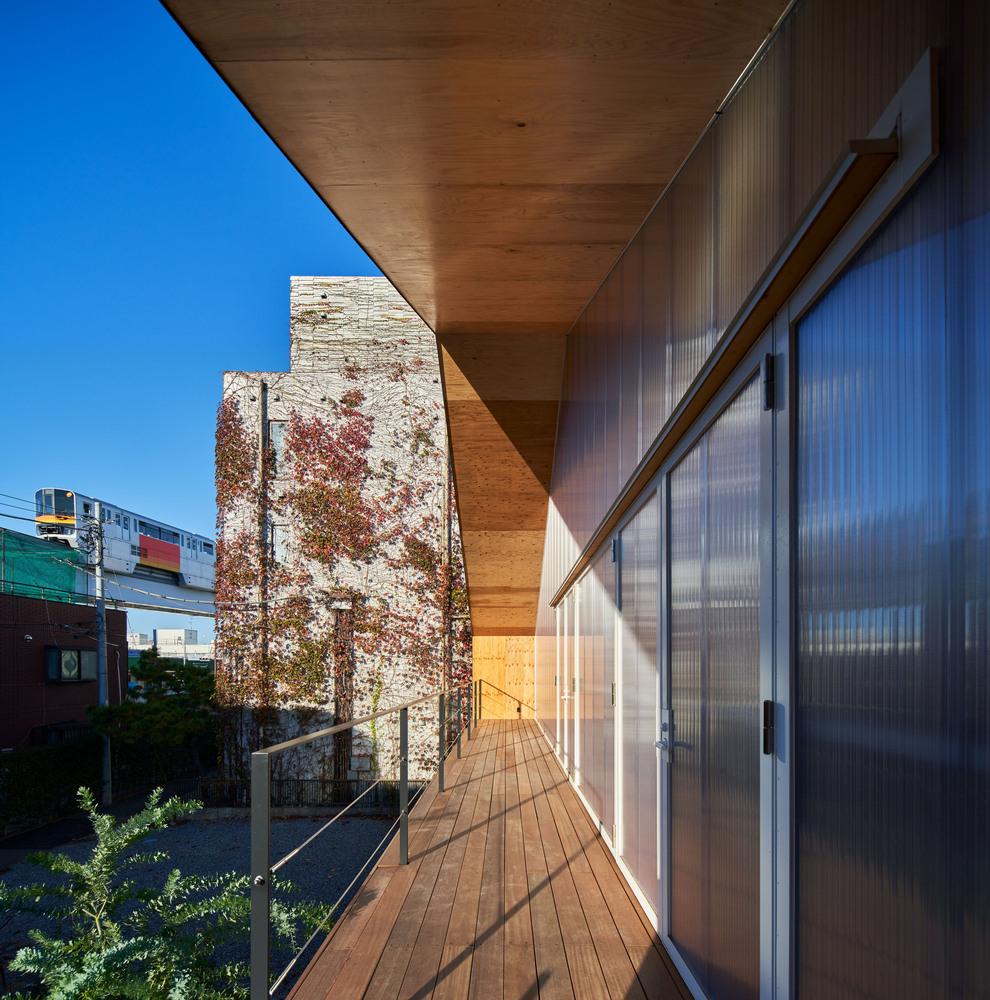
The use of translucent polycarbonate with a thick void layer for insulation and thermal protection in an outdoor shading system. This system was implemented to address low-angle sun exposure and block views from monorail traffic. The result was a space filled with subtle light and no shadows.
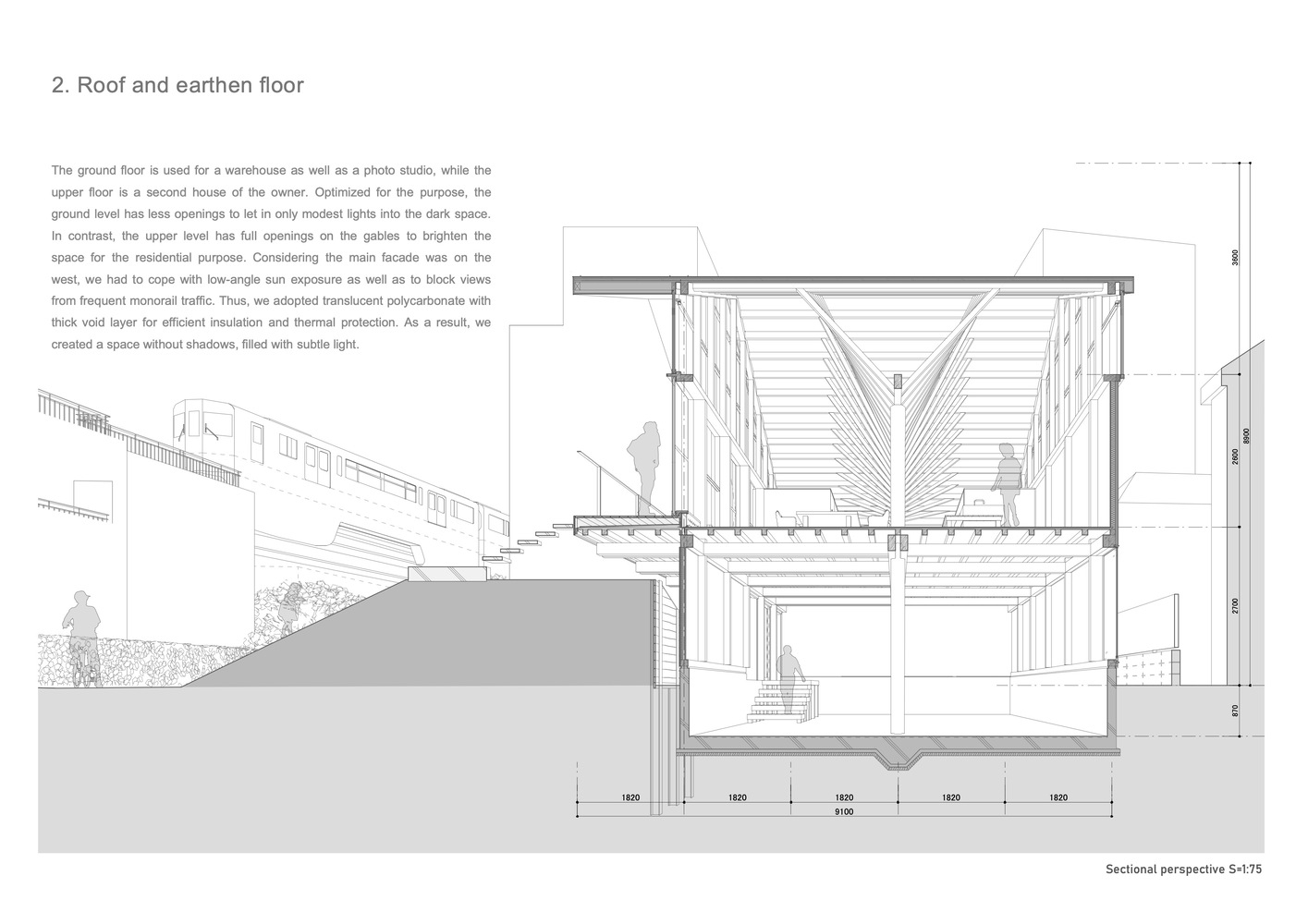
Perspective Section
Project Info:
Architects: MDS
Area: 205 m²
Year: 2020
Photographs: Koji Fujii / TOREAL
Manufacturers: ARC-X, PS Company, Sanei, Skantherm GMBH
Lead Architects: Kiyotoshi Mori, Natsuko Kawamura (MDS)
City: Tachikawa, Tokyo
Country: Japan