


As we all know, architecture is a tough practice involving a lot of competition. It usually takes years for architecture firms to build strong portfolios and establish their voice.
Yet some special firms manage to cause global impact almost overnight. Working in a small architecture firm provides special benefits—these young architects don’t just aim to transform the earth’s builtscape; they change people’s lives. Here are three young architecture firms set to change the world.
What Gives Young Architecture Firms Their Edge?
Young architecture firms succeed because they approach problems with unclouded vision and fewer institutional constraints. They’re willing to experiment with unconventional materials, embrace participatory design processes, and forge deep connections with the communities they serve. Unlike larger practices weighed down by overhead and tradition, these studios pivot quickly and tackle projects that might seem too risky or unprofitable for mainstream architecture.
This agility translates into tangible advantages. A young firm can prototype a modular housing system in weeks rather than months. They can spend months living in a community before designing a single line. And they can take on projects where the real currency isn’t profit—it’s impact.
How Emerging Studios Compete with Established Practices
Rather than battling for the same commercial towers, young firms carve out specialized niches where they can truly excel. They focus on social impact design, sustainable architecture, community-driven planning, and innovative construction techniques. Their small size becomes an asset: clients get direct access to principals, designs that challenge convention, and personalized attention impossible at larger firms.
Many find their first clients through grassroots networking, compelling social media storytelling, and published work that showcases their unique methodology. Some launch their own practices immediately after graduation, learning by building. Others leverage architecture competitions to gain visibility and test radical ideas without client constraints.
3 Emerging Architecture Firms Transforming Communities Worldwide
1. People’s Architecture Office (PAO): Design for the Masses
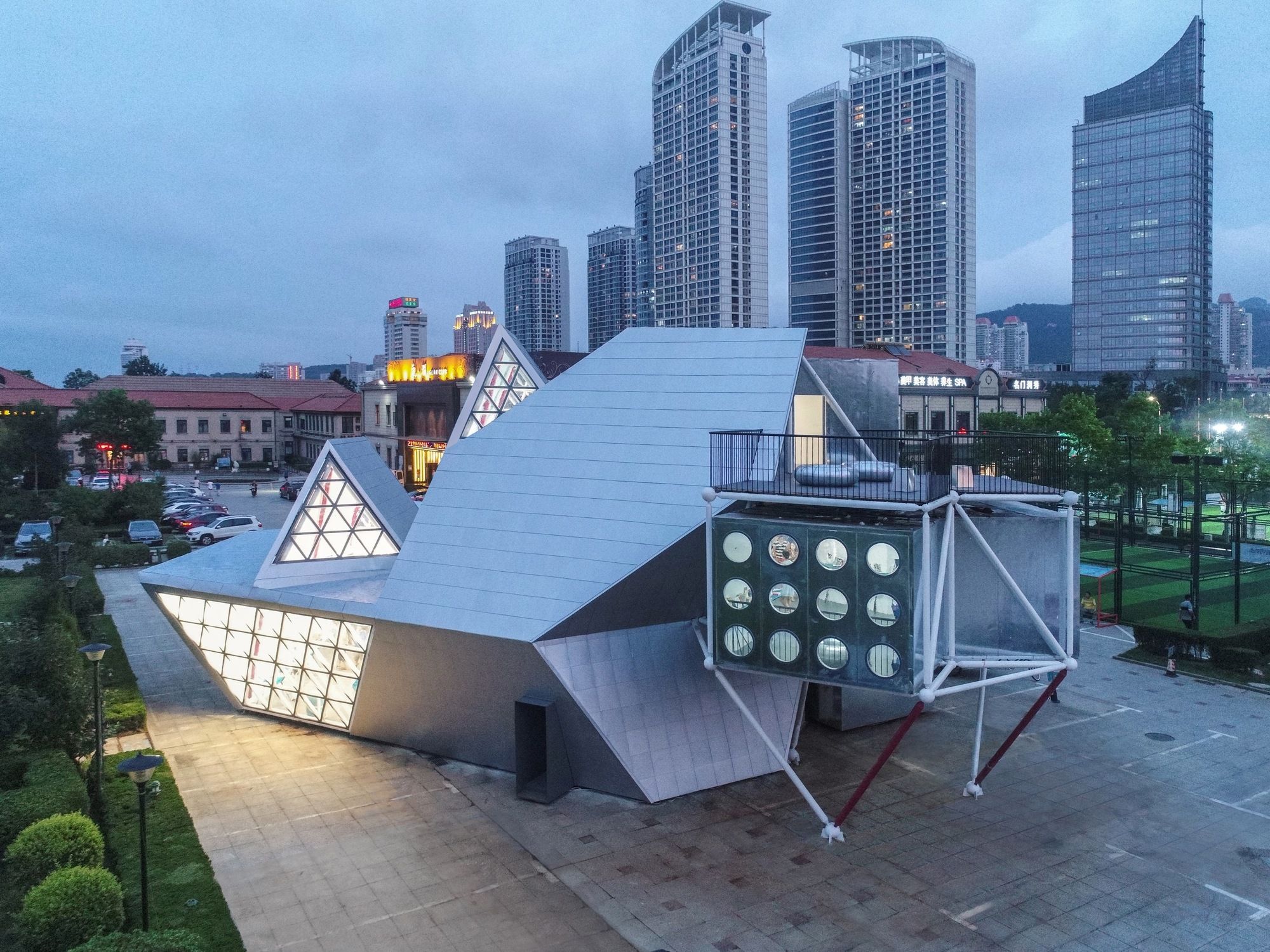
PAO operates with a clear mission: serve the masses through architecture that addresses daily realities at an international scale. This Beijing-based studio treats each project as a problem-set to solve, arriving at solutions that prioritize human dignity over architectural ego.
Their Courtyard Plugin House exemplifies this philosophy. Designed for Beijing’s historic hutongs where families live without modern amenities, this modular system literally “plugs” into existing courtyards. The panels integrate structure, insulation, wiring, plumbing, and openings into a single lightweight component that residents can assemble themselves. Watch the assembly process below:
Photography by © Rui Zhu
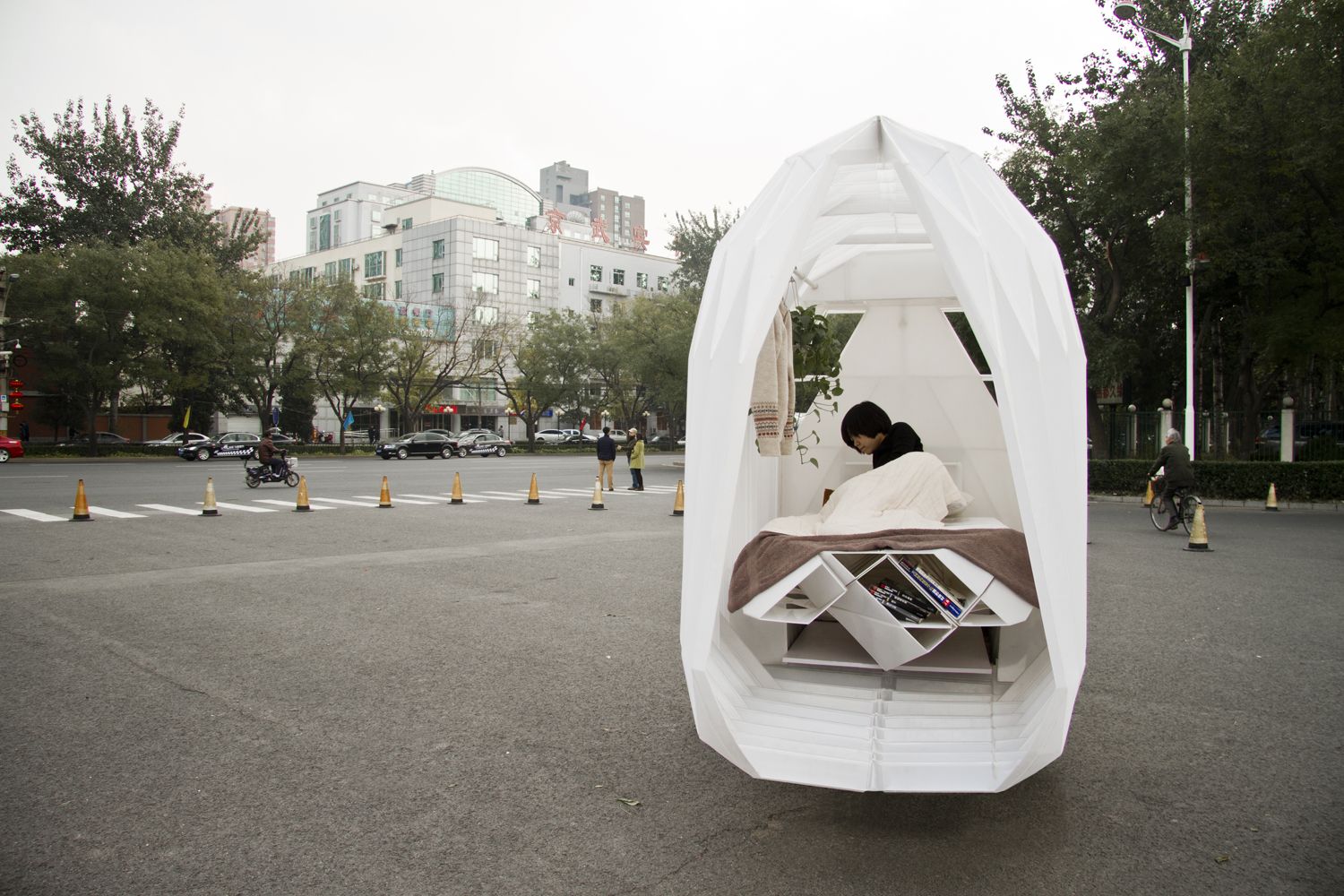
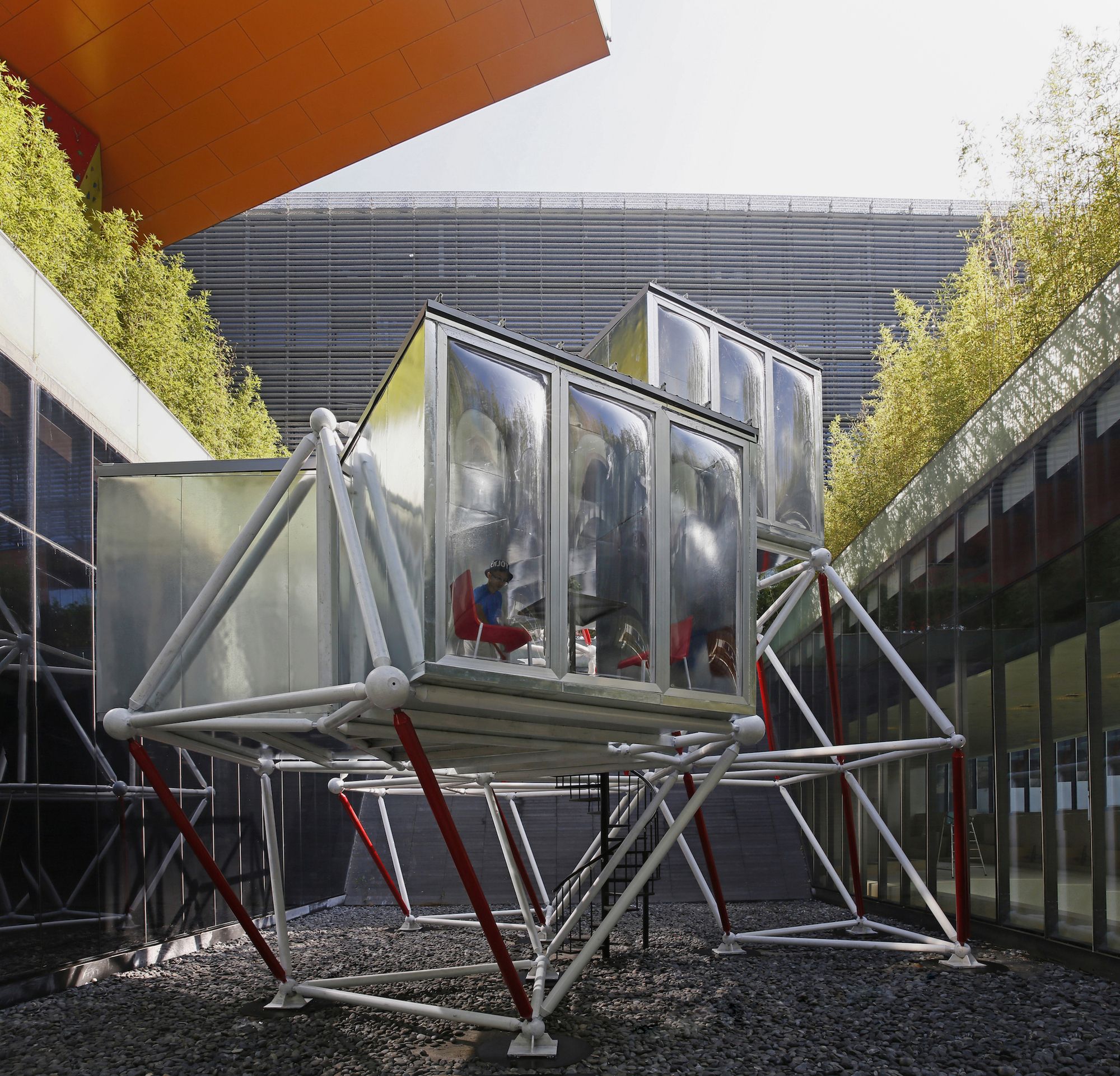
The Tricycle House, Mrs. Fan’s Plugin House, and Plugin Tower extend this thinking—low-impact structures that require no foundations yet deliver sustainability, affordability, and healthy living. These projects demonstrate how startup architecture studios can tackle housing crises with nimble, scalable solutions that larger practices often overlook.

Courtesy of PAO
Likewise, their Tricycle House, Mrs. Fan’s Plugin House, and Plugin Tower are all low-impact structures—some with no foundations—that promote sustainability, affordability, and healthy lifestyles. These projects demonstrate how young firms can tackle housing crises with nimble, scalable solutions that larger practices might overlook.


2. TYIN Tegnestue Architects: Building with Communities
When Norwegian graduates Andreas G. Gjertsen and Yashar Hanstad founded TYIN in 2008, they chose a path few dared: designing for the world’s most vulnerable populations. Their portfolio spans life-changing projects in Thailand, Burma, Haiti, and Uganda, each built on months of genuine community engagement.
Community participation isn’t just a buzzword for TYIN—it’s their entire process. They spend weeks or months living alongside residents, understanding needs that surveys would miss. This deep immersion ensures locals actively contribute to both design and construction, creating structures that truly serve their intended users.

Photography by © Pasi Aalto
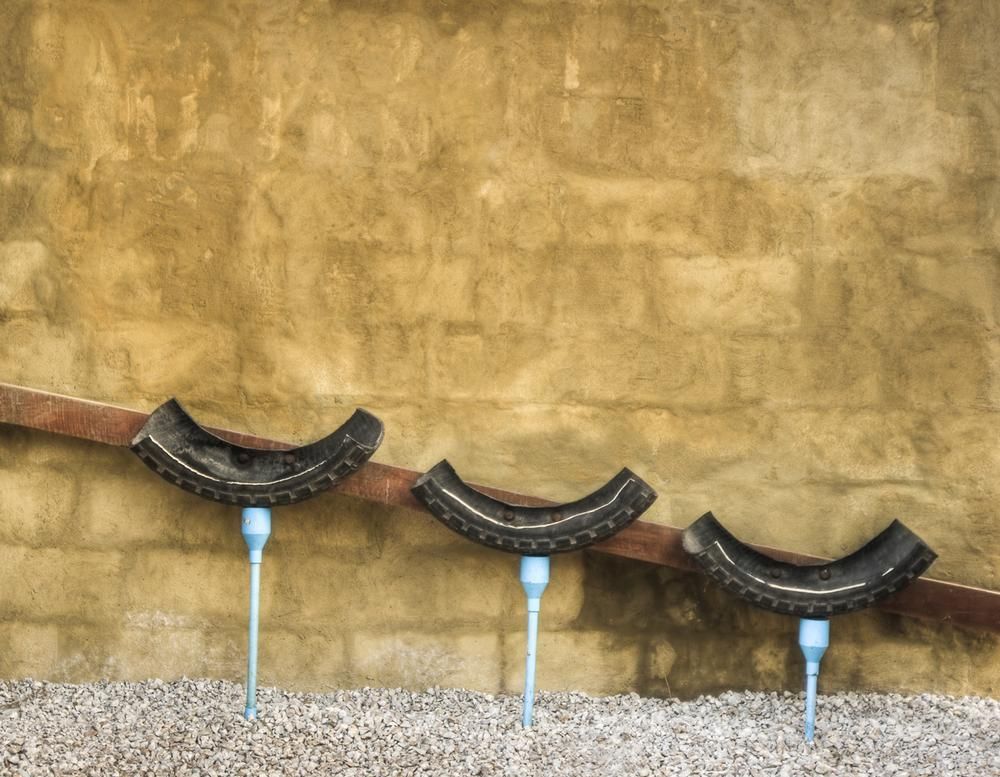
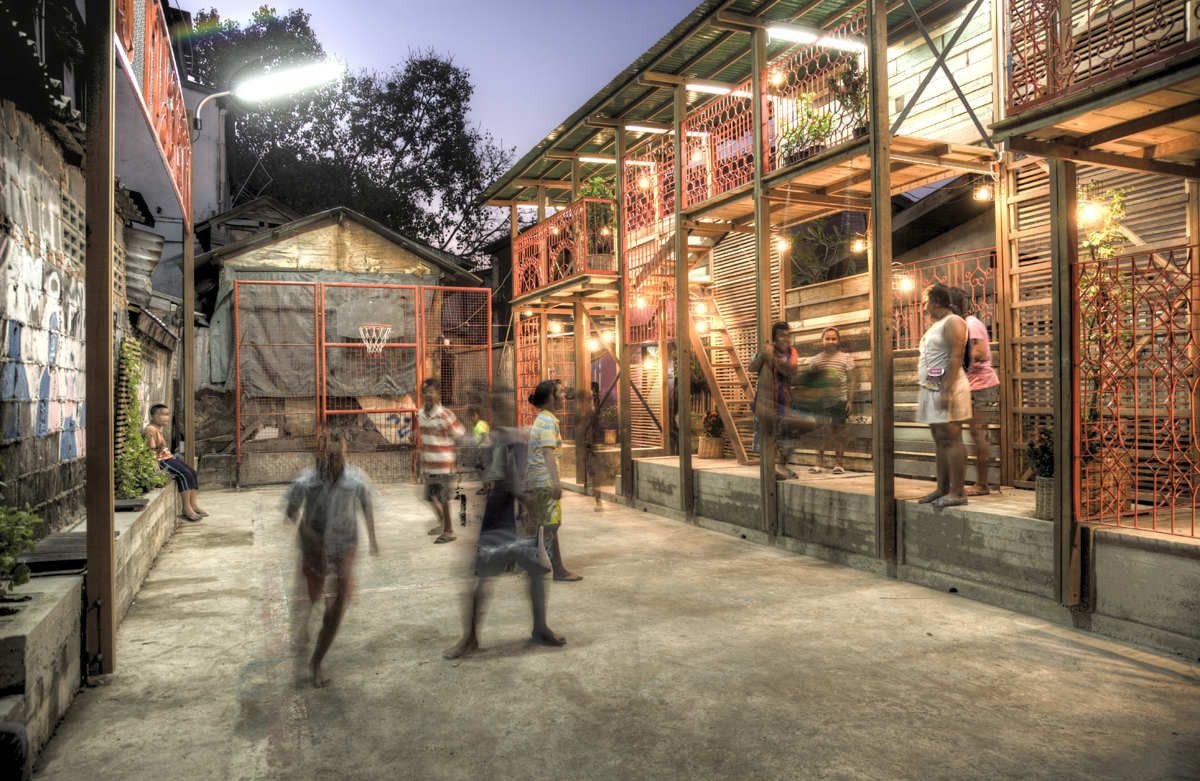
Their creative material reuse showcases this participatory ethos. In Thailand, they transformed discarded tires into urinals for an orphanage—a simple gesture that turned waste into dignity. But their most profound lesson comes from the Klong Toe Community Lantern in Bangkok’s largest slum.
Facing widespread crime and drug abuse, TYIN didn’t propose a police station. Instead, they built a 12m x 1.2m structure rising 5m high around a central football court. Using only local materials and volunteer labor, they created an open-air pavilion with seating, climbing areas, and gathering spaces. The Community Lantern didn’t just illuminate a dark corner—it transformed Klong Toe into a safe, joyful, social heart.

Courtesy of TYIN Tegnestue
The firm also teaches us how one simple structure can transform a slum into a well-functioning, sustainable community. TYIN Architects built the Klong Toe Community Lantern in Bangkok’s largest slum, where crime and drug abuse were widespread. They kept a central football court, limiting the structure’s footprint to 12m x 1.2m while the height went up to 5m. This low-budget project utilized available materials to create an open-air space with seating, metal railings, and playful climbing areas. The Community Lantern turned Klong Toe into a safe, enjoyable, and social area in the heart of Bangkok.
You can discover more practical architectural solutions to social problems on their website.

3. NLÉ: Architecture for Coastal Resilience
Led by Kunlé Adeyemi, NLÉ tackles the twin challenges of climate change and rapid urbanization in coastal communities. Their groundbreaking work across China, Korea, Italy, and Nigeria focuses on one urgent question: how do we build when water is both a resource and a threat?
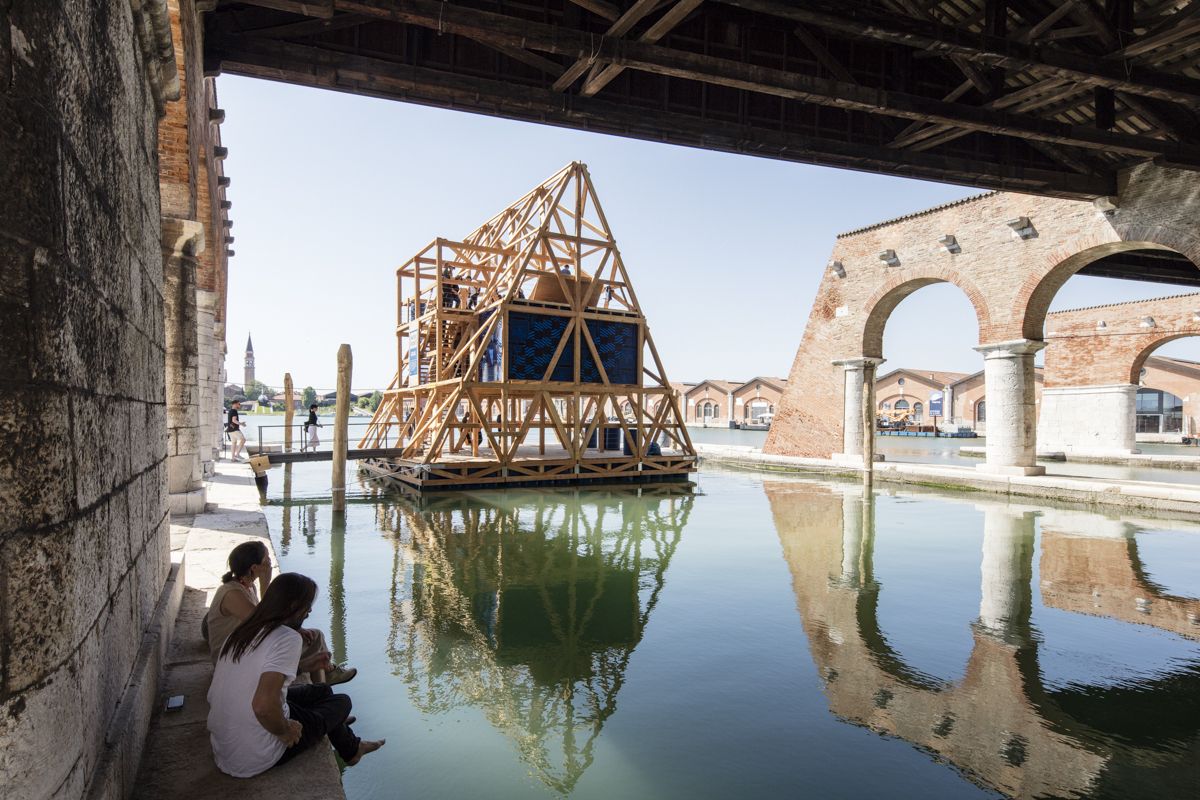
The Makoko Floating School in Lagos—a flood-prone slum on stilts—became their calling card. This wooden structure adapts to rising waters while providing classrooms that serve 100 students. Its successor, MFS II in Venice, proved the concept could travel. Both designs assemble in under 10 days with just four builders, showcasing how humanitarian architecture can deploy rapidly and elegantly.
Photography by © Laurian Ghinitoiu
NLÉ’s work extends beyond floating schools. The Green Line Arts Center in Chicago demonstrates how their contextual approach adapts to urban environments, welcoming local and international artists to forge neighborhood identity.
What skills matter most for architects joining young firms?
Beyond design talent, you need business acumen, project management capabilities, and exceptional communication skills. Young firm architects wear every hat—from client relations to construction oversight. If you’re building your career, explore the skills you need to add to your resume to join high profile architecture firms.
How do emerging firms land their first major commissions?
Most start with small residential renovations, community projects, or competition wins. They gain momentum through strategic networking, compelling digital presence, and projects that generate media interest. Some architects even start their own practices right after graduation, learning as they build.
Can studio visits accelerate a young practice’s growth?
Absolutely. Taking a short visit to prominent architecture firms provides invaluable insights into different workflows, studio cultures, and business models. It’s one of the most effective ways to discover what might work for your own practice.
Should young architects enter competitions?
Architecture competitions offer emerging designers rare freedom to explore visionary ideas beyond traditional constraints. These unbuilt projects often push conceptual boundaries, introducing new approaches to sustainability and material innovation. For many young firms, competitions become a sandbox for testing radical concepts that later inform real projects.
Why These Firms Represent Architecture’s Future
These three studios remind us that architecture’s power lies not in creating beautiful objects, but in solving real problems for real people. Their work demonstrates that small size, fresh thinking, and deep community connection can achieve what decades of experience sometimes cannot.
As climate change accelerates and housing crises deepen, the methodologies pioneered by PAO, TYIN, and NLÉ—modular systems, participatory design, and climate-adaptive solutions—aren’t just inspiring. They’re essential.
We hope these emerging architecture firms continue to inspire and innovate for decades to come. Their projects prove that the next generation of architects isn’t waiting for permission to change the world—they’re already building it.
Explore More Architecture Firms
If these emerging practices inspire you, discover:
-
23 of the Best Architecture Firms in Chicago Dominating the Field
-
More Young Architecture Firms making waves globally
-
Young Architects in Small Firms and the unique advantages they offer

Urwa Shahid is an urban development professional with a Master’s in Urban Development Planning from UCL’s Development Planning Unit. With a foundation in architecture, she focuses on using design thinking to address complex urban challenges. Urwa has contributed to impactful projects, including work with the UN-Habitat Cities Investment Facility, where she supported sustainable city-building initiatives. Her approach blends architectural creativity with strategic urban planning, guided by her personal philosophy: “I like to use architecture to solve urban problems. Sketching is my style—architecture is not my goal.” Through international collaborations and academic excellence, Urwa brings a thoughtful, solution-oriented mindset to shaping inclusive and resilient urban spaces.