

Which are the best architecture firms in the world? There is no official ranking, but six practices appear on almost every list because of their influence, the awards their founders have won and the range of their built work: Foster + Partners (London), Snøhetta (Oslo), BIG (Copenhagen and New York), MVRDV (Rotterdam), Skidmore, Owings & Merrill (Chicago) and Renzo Piano Building Workshop (Paris and Genoa). This guide is for students and young architects. It gives verified facts about each firm and its best-known buildings, looks at how their studios work, and suggests what to learn from each, without ranking them against each other.
If you are thinking about starting your own practice, see also these young architecture firms set to change the world; groundbreaking design can come from studios of any size.
How we chose these studios
“Best” depends on what you value. These six were chosen for three reasons: long-term influence on architecture, international recognition (including Pritzker Prizes for Norman Foster and Renzo Piano), and a body of built work that students study. They represent different models of practice, from the integrated architecture-engineering firm (SOM) to the founder-led atelier (RPBW) and the research-driven studio (MVRDV). A studio’s working culture, from how models are made to how disciplines share a floor, shapes the work it produces.
Read more
1. What skills you need to add to your résumé to join high-profile firms
2. 10 reasons for young architects to work in small architecture firms
Six of the best architecture firms in the world
1. Foster + Partners, London, United Kingdom
courtesy of fosterand+partners
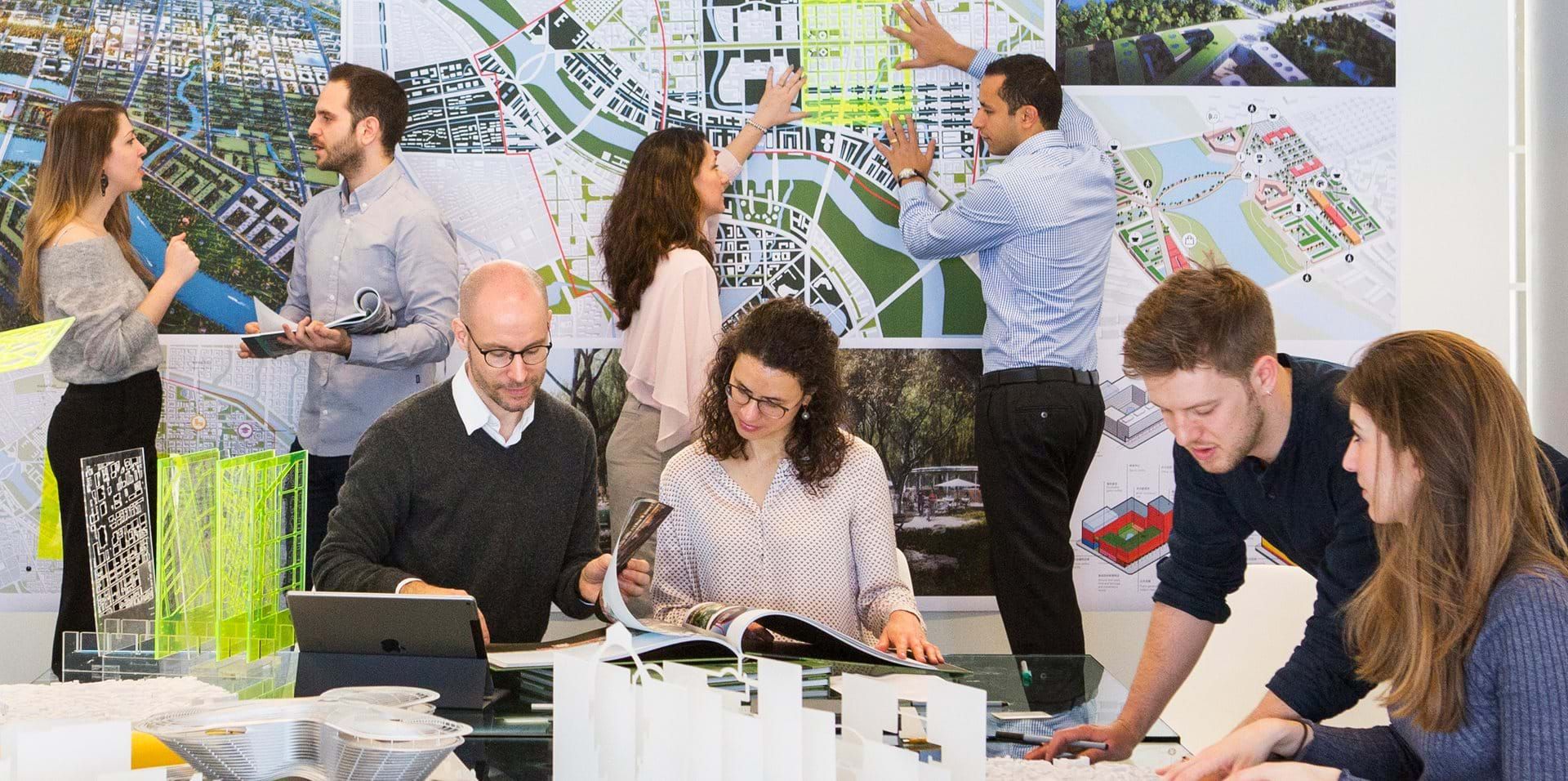
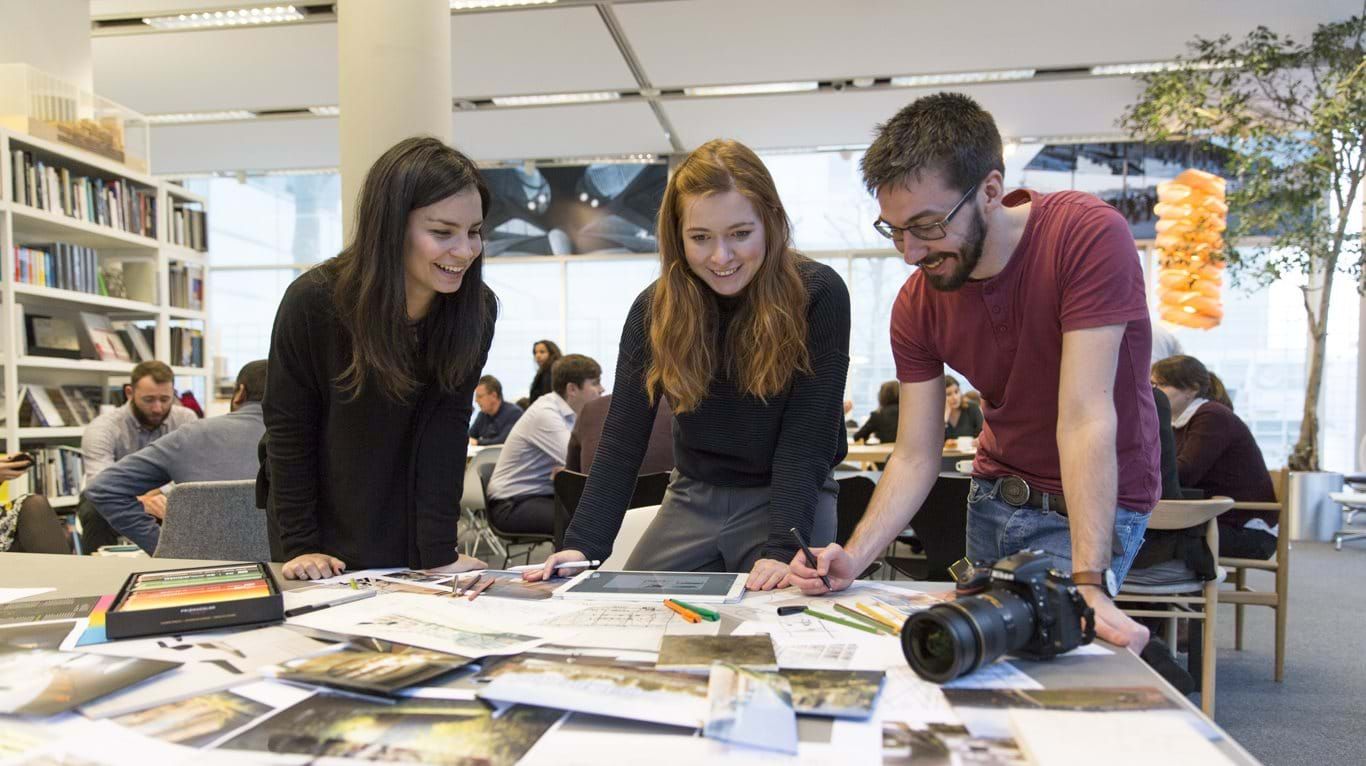
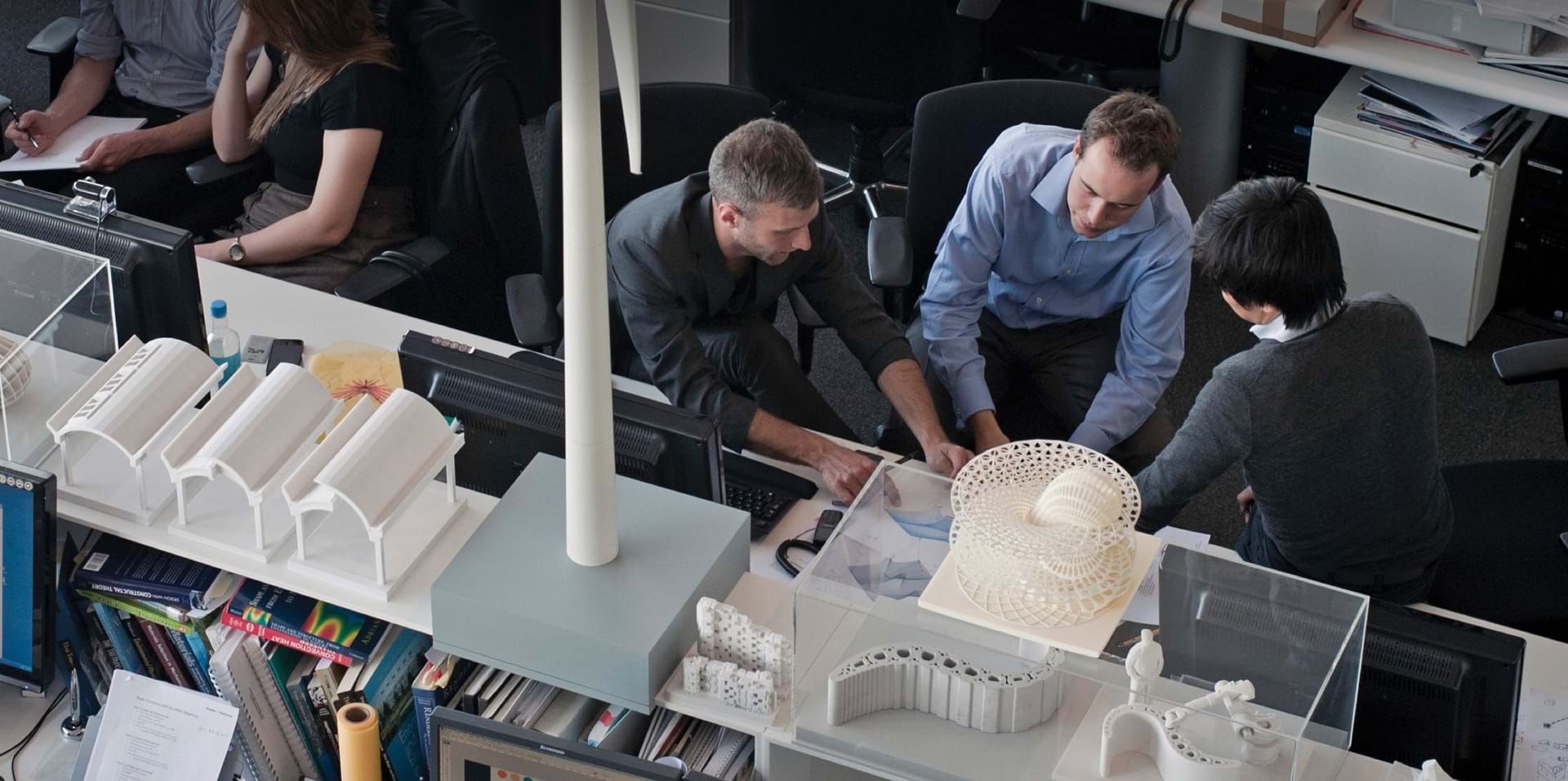
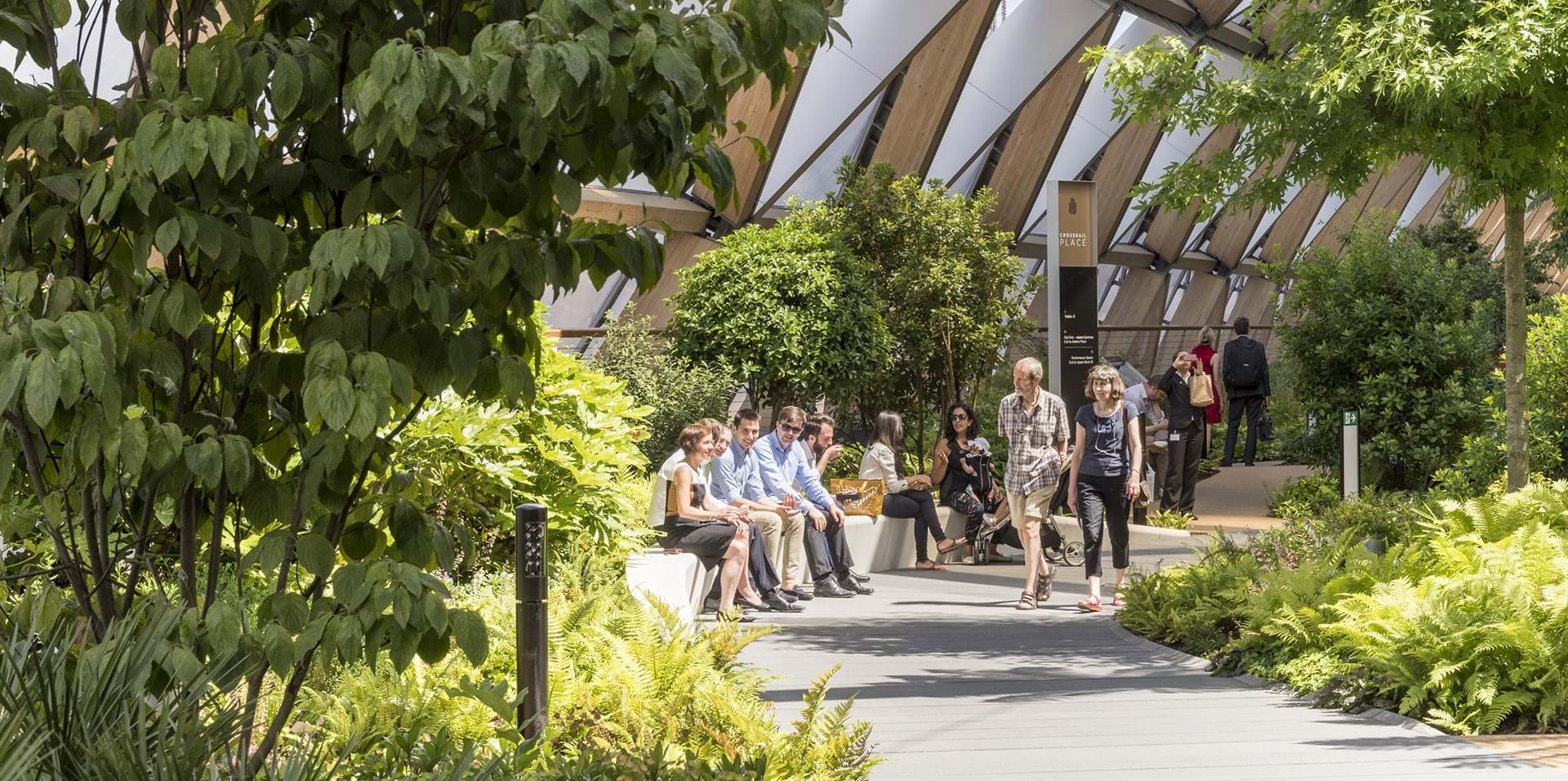
Foster + Partners was founded in London by Norman Foster, born in 1935, who won the Pritzker Prize in 1999. The practice is closely associated with high-tech architecture and with buildings such as 30 St Mary Axe (“the Gherkin”) and London’s former City Hall. Its main studio is on the south bank of the Thames in Battersea, a large open-plan space where design teams, model-makers and specialist groups for engineering, environment and computation work side by side.


The Gherkin, completed in 2004, shows the firm’s approach: a diagrid steel structure, a tapering form that eases wind at street level, and spiralling light wells for daylight and natural ventilation.
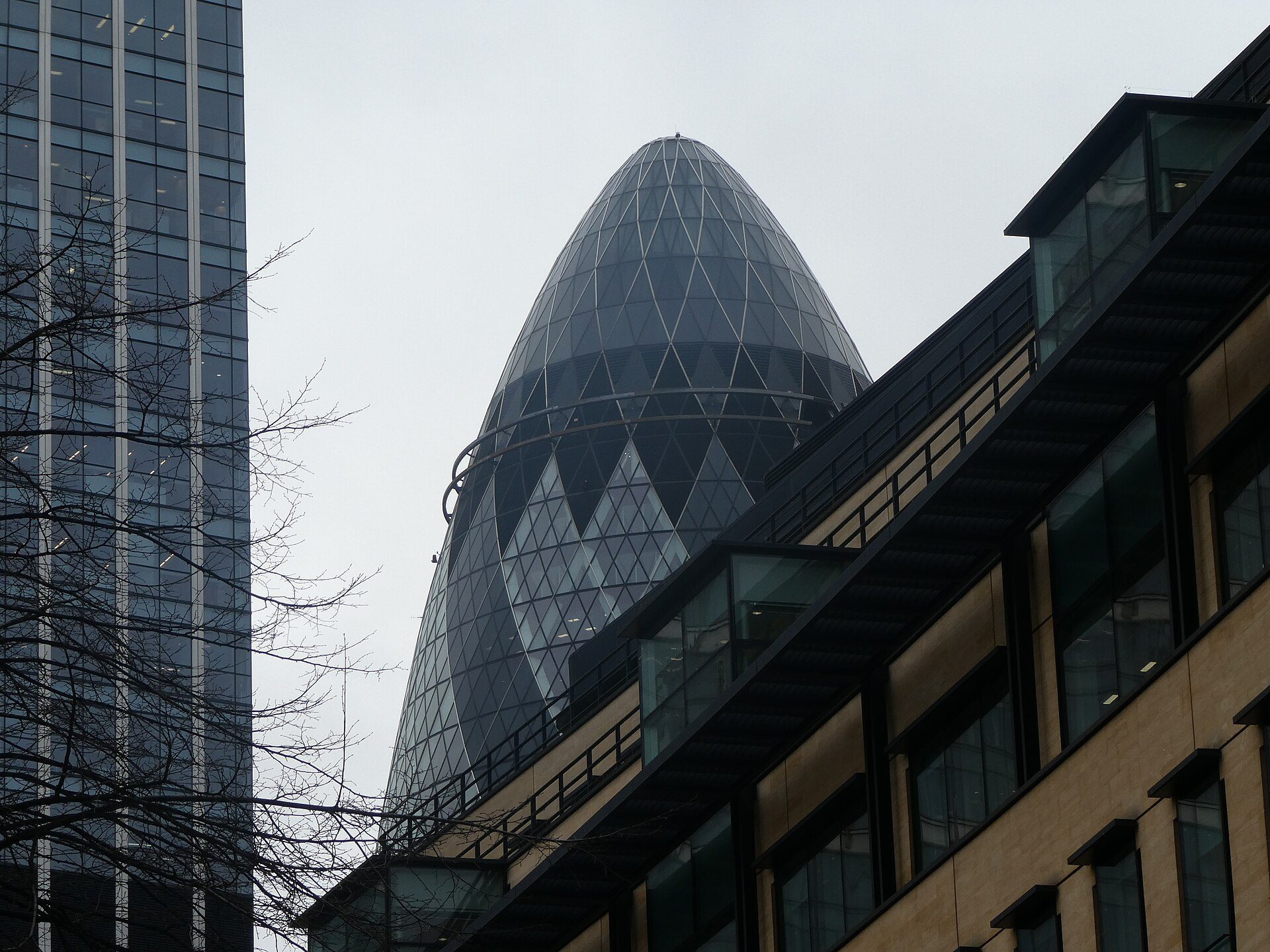
The top of 30 St Mary Axe (the Gherkin), London, by Foster + Partners (2004): the diagrid steel structure is visible through the glazing. Photo: Sebastiandoe5, CC BY-SA 4.0, via Wikimedia Commons. Sebastiandoe5, source, CC BY-SA 4.0
2. Snøhetta, Oslo, Norway
courtesy of snohetta studio
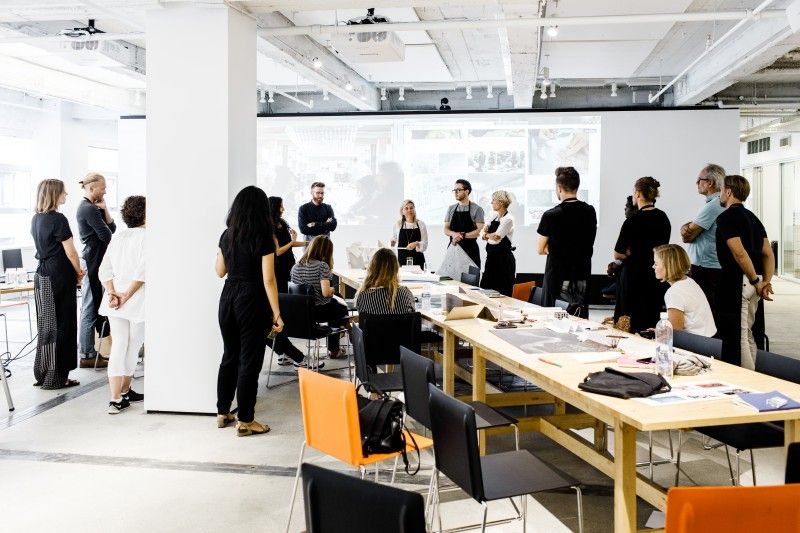
Snøhetta began in 1989 as a collaborative practice of architects and landscape architects in Oslo, and has since added interior, product and graphic design. It now employs roughly 300-350 people from more than 30 nationalities in studios that include Oslo, New York, San Francisco, Innsbruck, Paris, Hong Kong and Adelaide, according to the Snøhetta record and recent profiles. Its first major work, the Bibliotheca Alexandrina in Egypt (2002), won the Aga Khan Award for Architecture in 2004; the Oslo Opera House (2008) invites the public to walk on its sloping roof, blurring building and landscape.
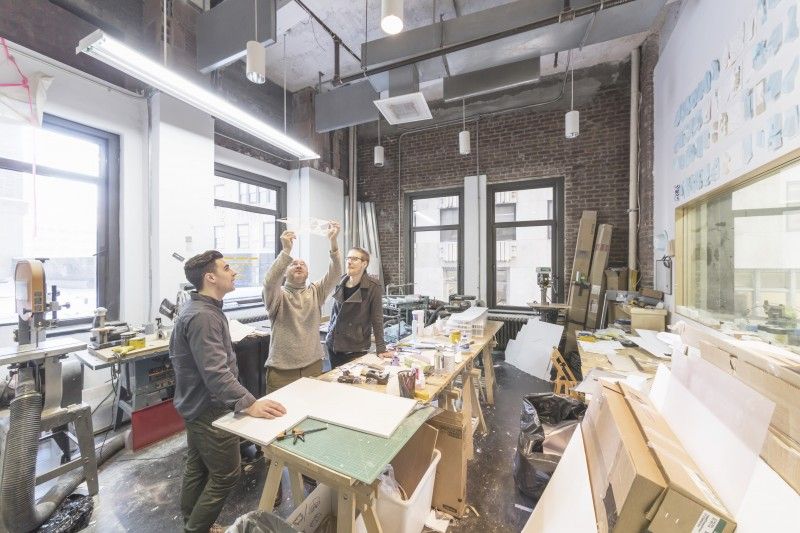
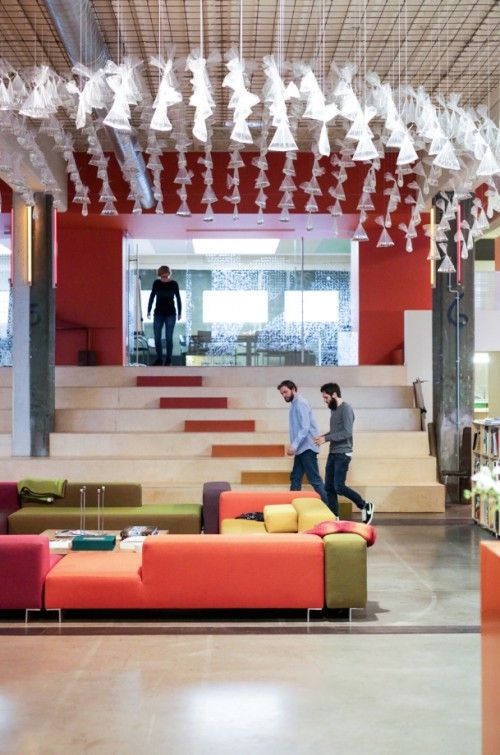



What to learn: mixing disciplines from the start produces buildings that work as landscape and public space as well as architecture.
3. Bjarke Ingels Group (BIG), Copenhagen, Denmark and New York, United States
courtesy of BIG Ingels group
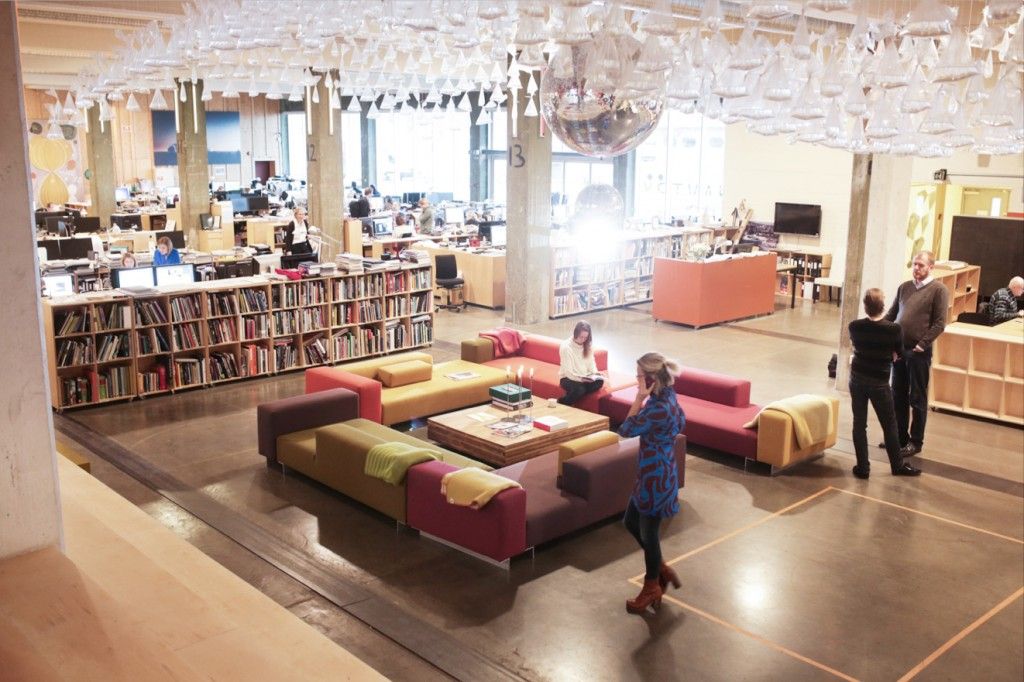
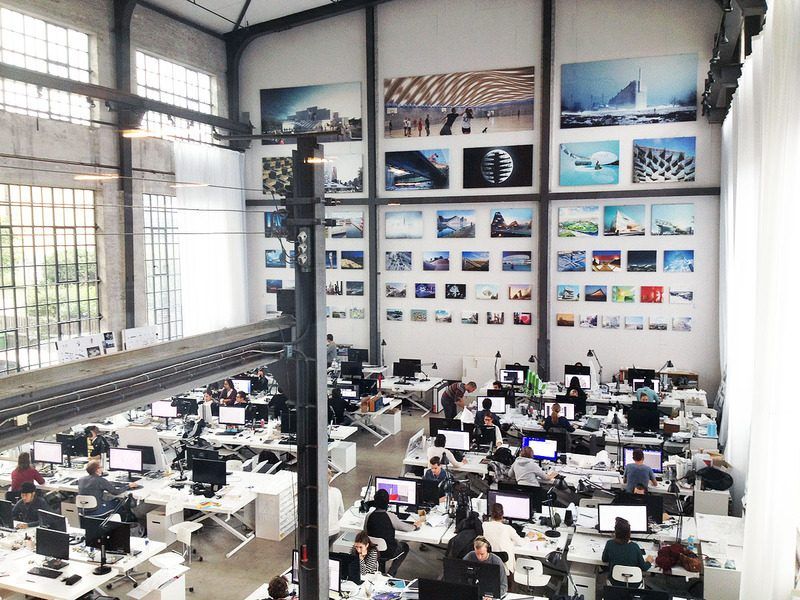
BIG was founded by Bjarke Ingels in Copenhagen in 2005 and works across architecture, landscape, urbanism, interiors and products. Ingels describes the firm’s approach as “pragmatic utopian” architecture, and its book Yes Is More (2009) set out its method in comic-book form. Well-known projects include 8 House in Copenhagen and VIA 57 West in New York. The Copenhagen studio, shown here, is a large open hall lined with project images.


What to learn: explain a design through a clear sequence of simple diagrams; BIG’s presentations are built around this.
4. MVRDV, Rotterdam, Netherlands
courtesy of mvrdv
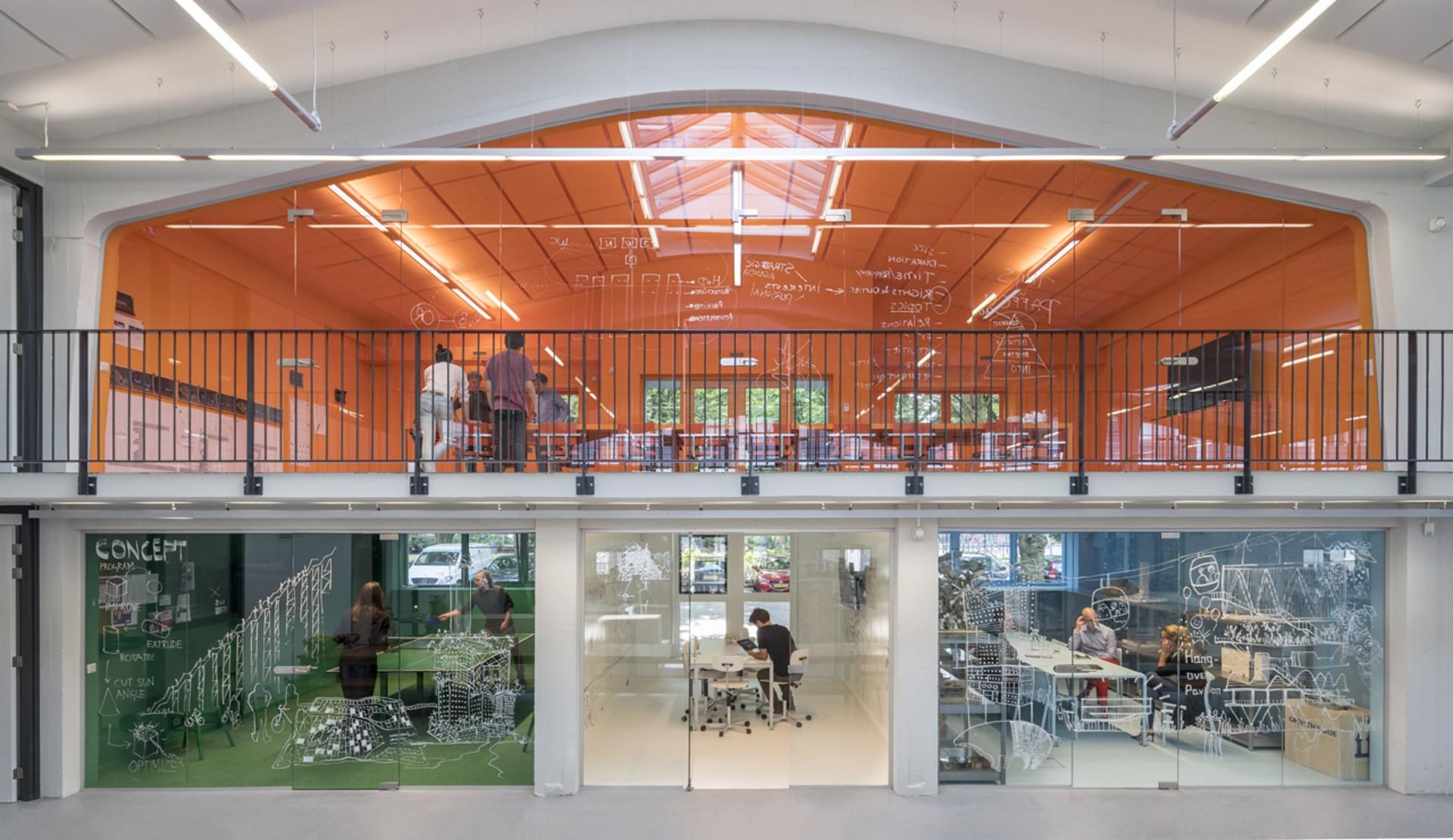
Founded in Rotterdam in 1993 by Winy Maas, Jacob van Rijs and Nathalie de Vries, MVRDV treats architecture as research, often using data and stacked diagrams to explore density and programme. Its early breakthrough was the Netherlands Pavilion at the World Expo 2000 in Hannover, which stacked Dutch landscapes on top of one another. In Madrid, the Mirador and Celosia housing blocks reworked the apartment block with raised and perforated communal spaces.
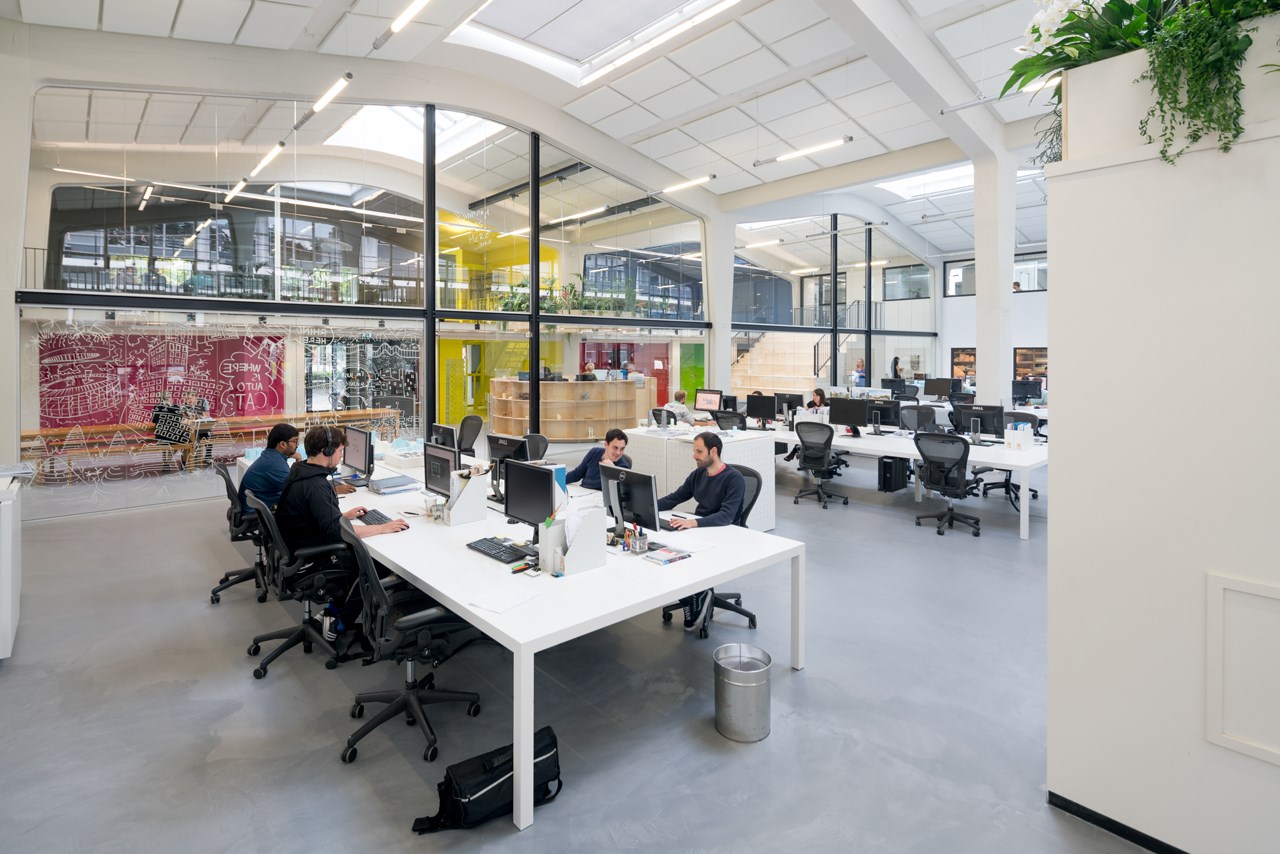
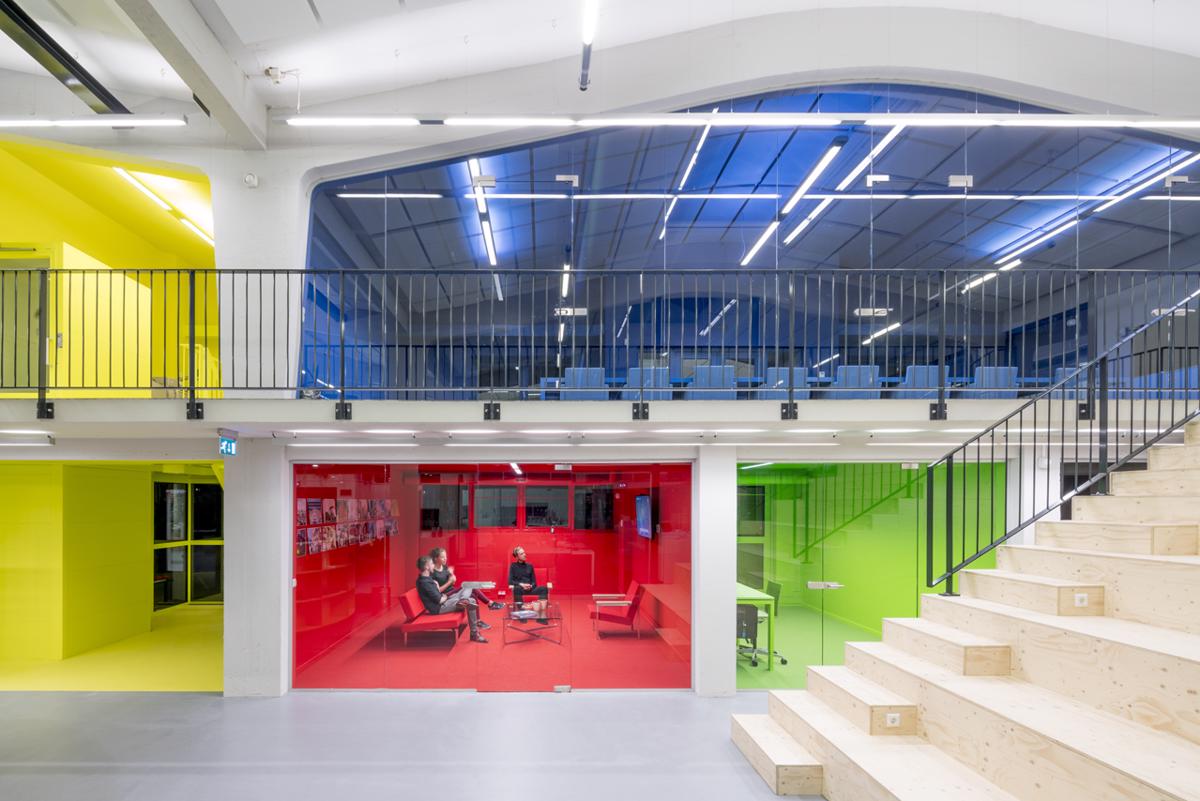
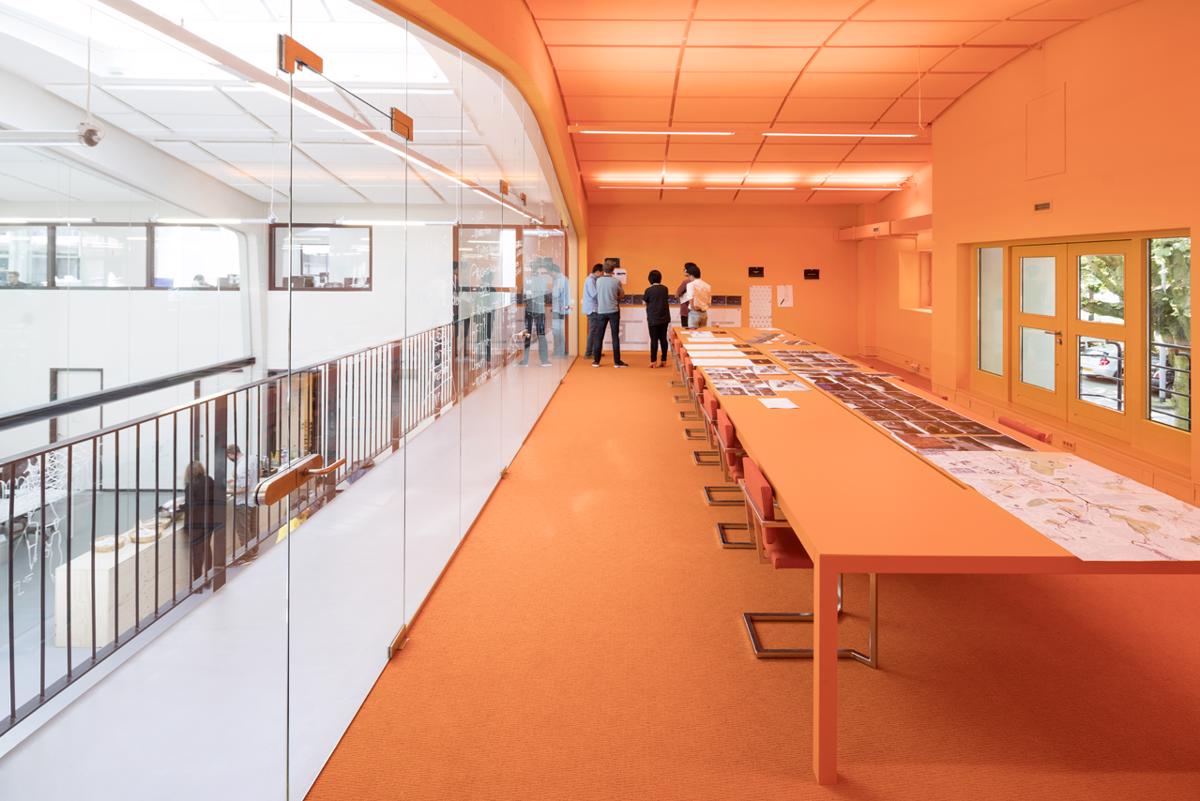
What to learn: treat the brief and its numbers as design material; MVRDV’s diagrams make planning rules visible.
5. Skidmore, Owings & Merrill (SOM), Chicago, United States
courtesy of Skidmore, Owings & Merrill (SOM)
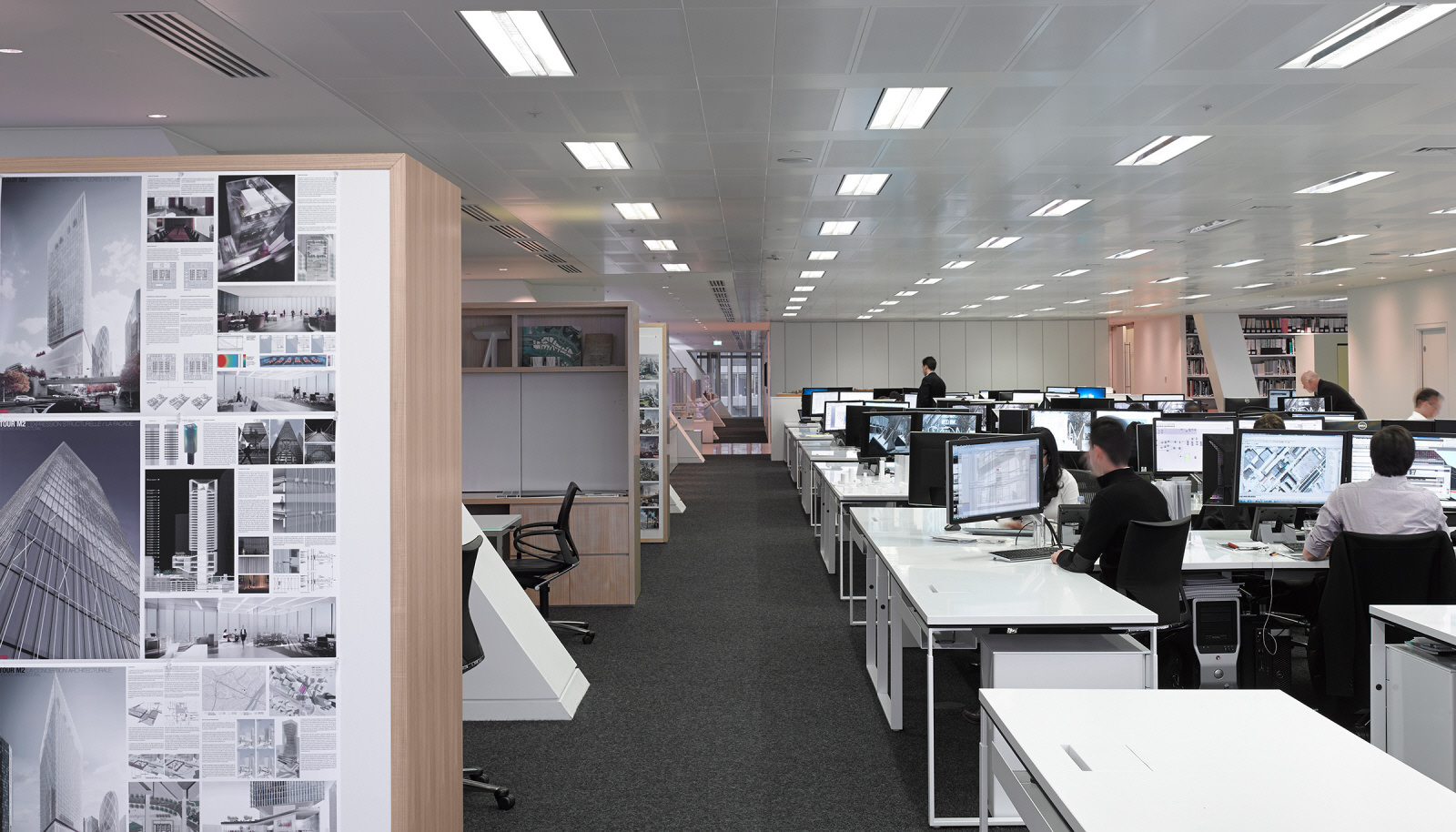
Skidmore, Owings & Merrill was founded in Chicago in 1936 by Louis Skidmore and Nathaniel Owings, with John Merrill joining in 1939. It combines architecture, engineering, interiors and urban design, and reports more than 10,000 projects in over 50 countries, according to Domus. Its engineers and architects designed the Willis (formerly Sears) Tower in Chicago (1973), the world’s tallest building for more than two decades, and the Burj Khalifa in Dubai (2010), the world’s tallest building since its completion.

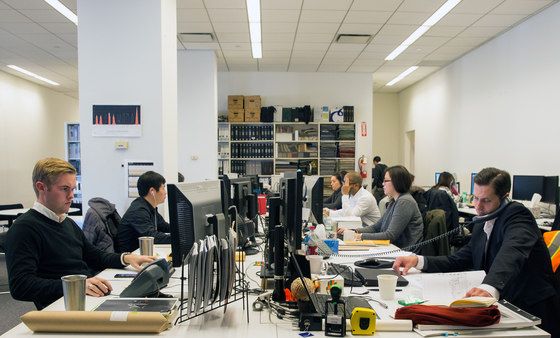
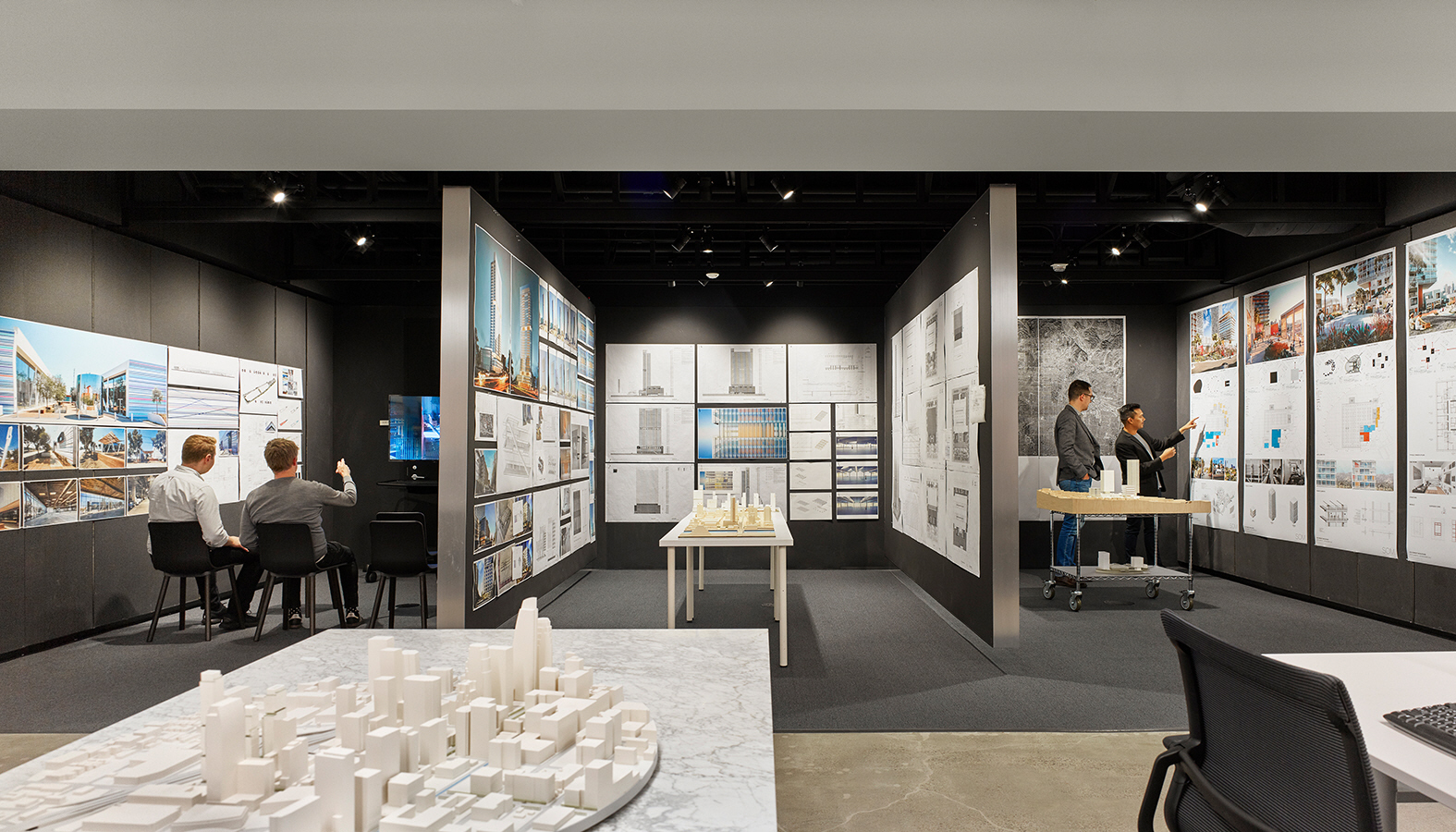
What to learn: integrating structural engineering with architecture from the first sketch is what makes record-breaking towers possible.
6. Renzo Piano Building Workshop (RPBW), Paris, France and Genoa, Italy
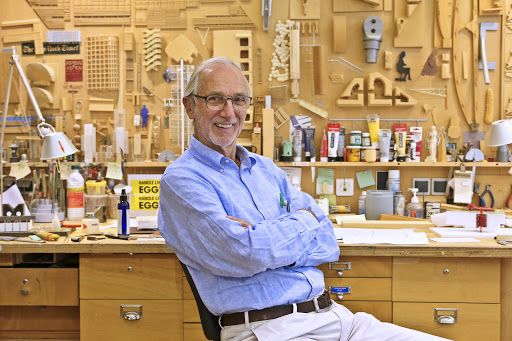
courtesy of 6. Renzo Piano Building Workshop (RPBW), Paris – France
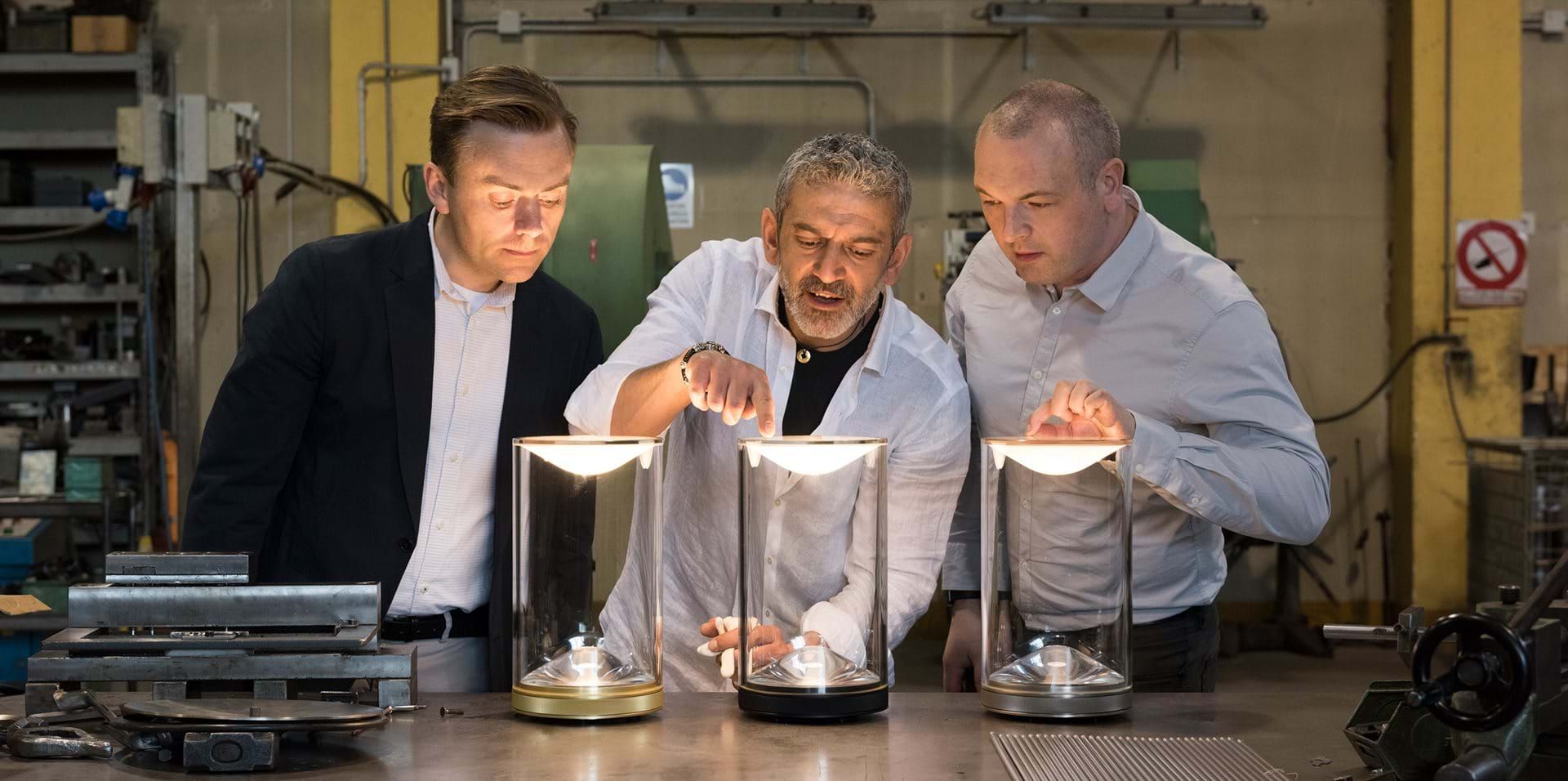
Renzo Piano, the 1998 Pritzker laureate, founded the Renzo Piano Building Workshop in 1981 after designing the Centre Georges Pompidou in Paris with Richard Rogers (completed 1977). The workshop has offices in Paris and Genoa, Italy, and has built across Europe, North America, Australasia and East Asia. Its work includes the Kansai International Airport terminal in Osaka (1994), the California Academy of Sciences in San Francisco (2008), with its planted roof, and The Shard in London (2012). The firm is known for testing details through large models and prototypes, as the workbench in this photograph of Piano suggests.
What to ask when visiting an architecture firm
If you visit a studio, for an interview or an open day, the most revealing questions are about process: how disciplines work together, how and when physical models are used, how design reviews are run, and how junior staff learn. The answers tell you more about the culture than the famous buildings do.
How studio culture shapes the work
The six firms show different models: Foster + Partners’ integrated specialist groups, Snøhetta’s mix of landscape and architecture, BIG’s diagram-led presentations, MVRDV’s research approach, SOM’s union of engineering and architecture, and RPBW’s workshop of models and prototypes. Each studio’s way of working teaches young architects what the firm values.
Which firm culture suits you?
Choosing where to work, or what to learn from, depends on matching your interests to a firm’s culture. Technology and engineering: Foster + Partners or SOM. Landscape and public space: Snøhetta. Bold concepts and storytelling: BIG. Research and data: MVRDV. Craft and materials: RPBW. These are among the best architecture firms in the world for those interests, but many smaller studios offer the same lessons with more responsibility early on.
Further reading: 23 of the best architecture firms in Chicago, 5 things to know before opening your architectural firm, and the stories behind world-famous buildings.

Yosra is an architect, writer, and teacher. She is always into learning something new. Her life motto is: "A jack of all trades is a master of none, but oftentimes better than a master of one.” One day she will travel the world and visit its architectural wonders. In the meanwhile, she contends herself with reading and writing about them.