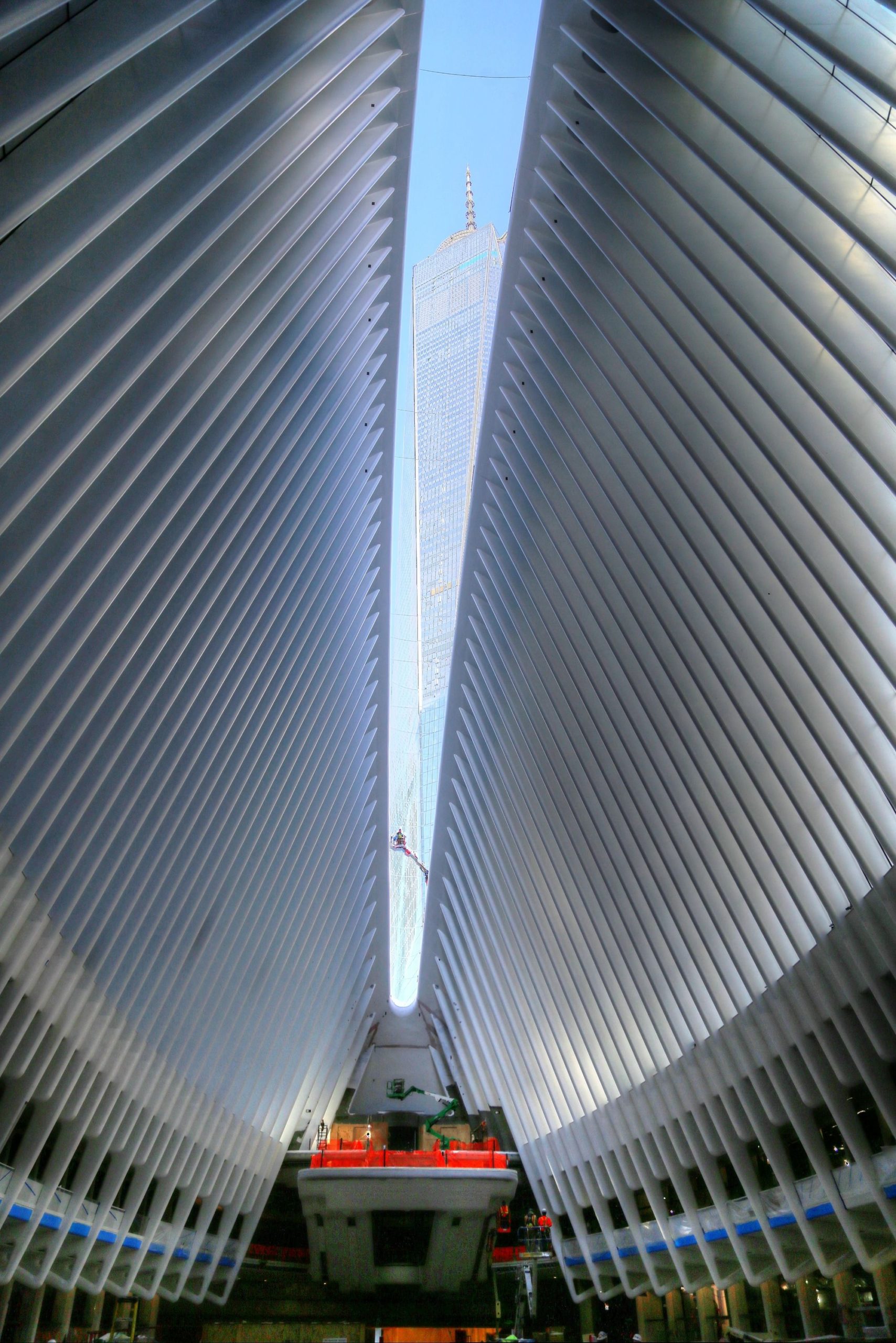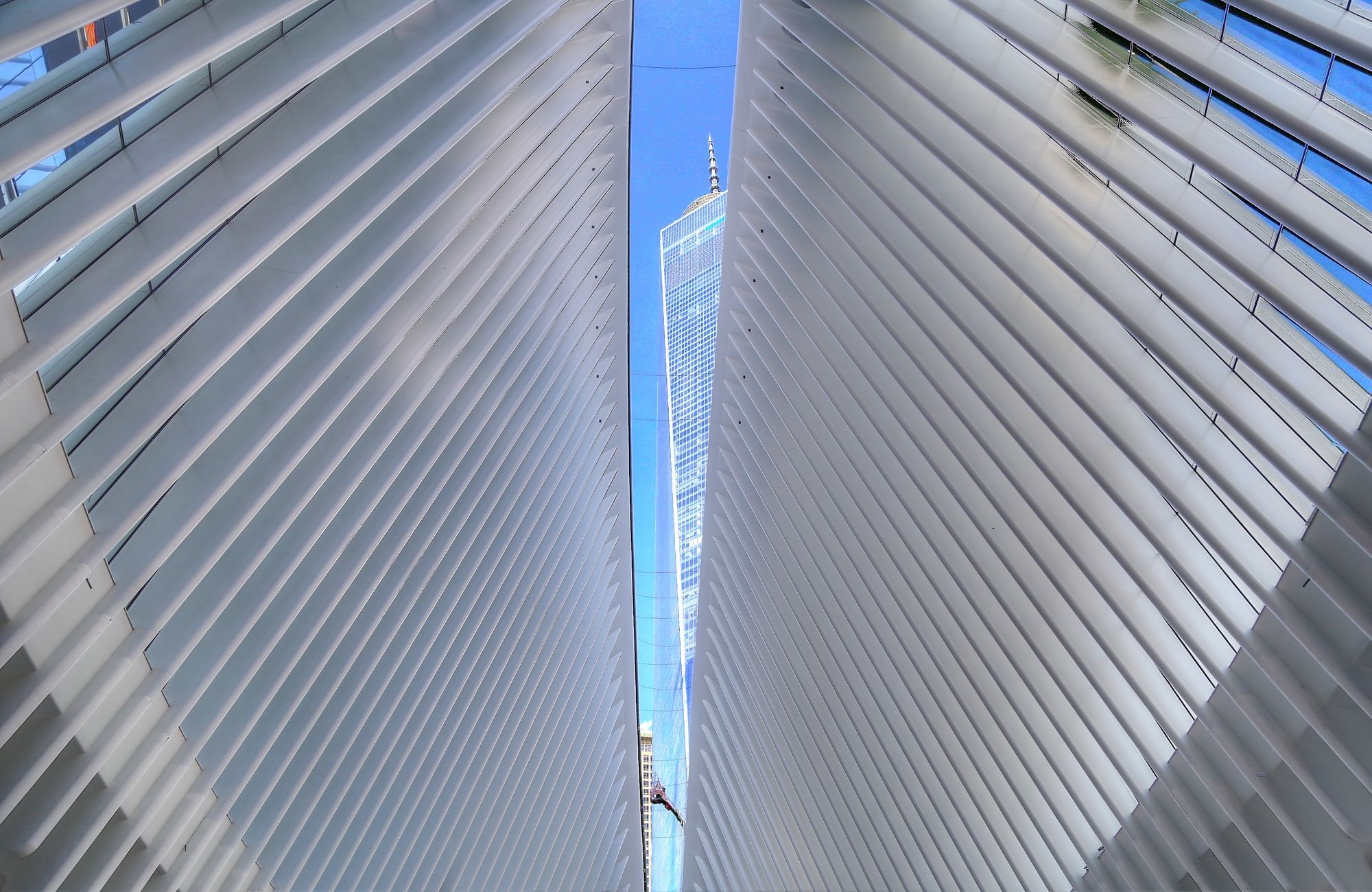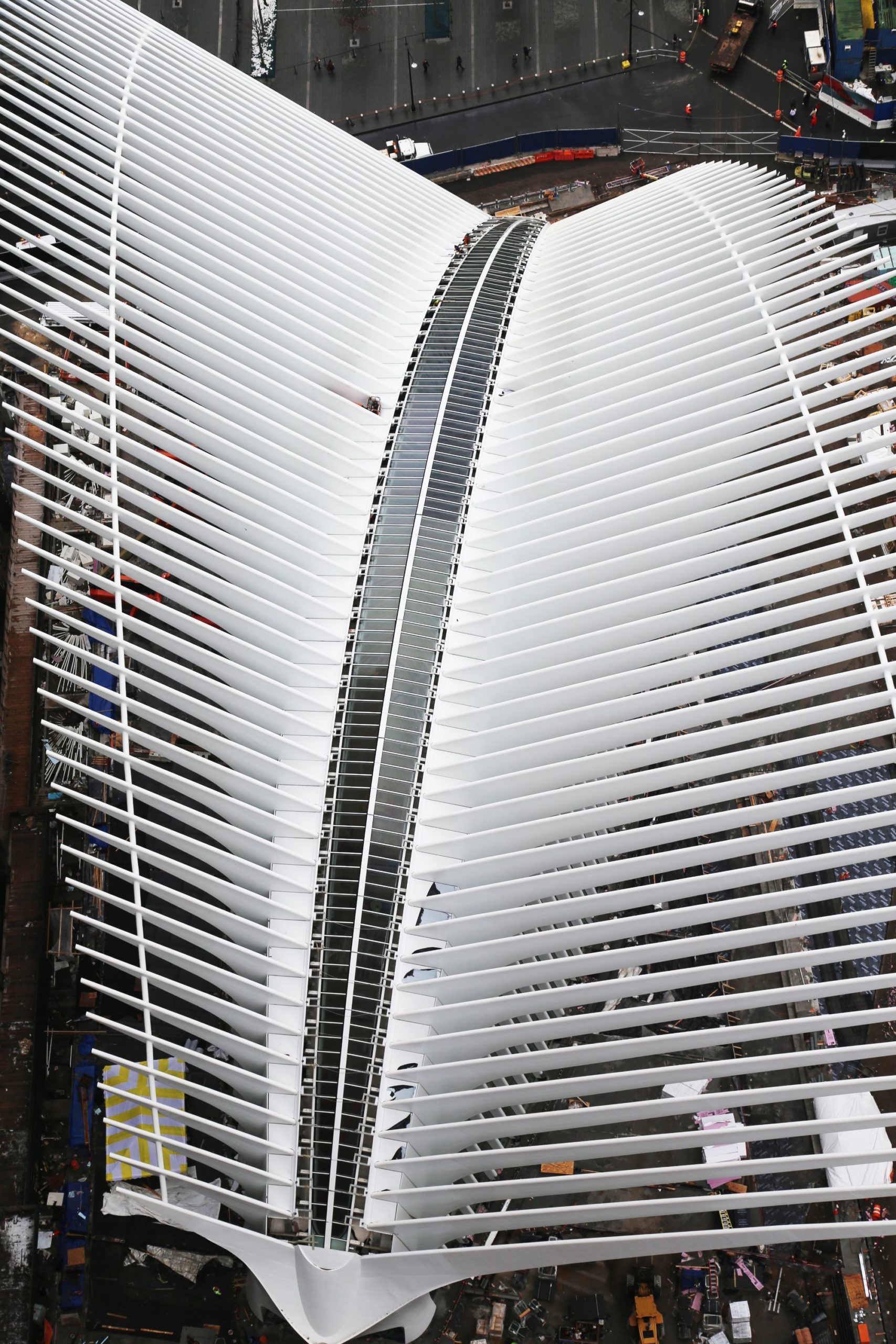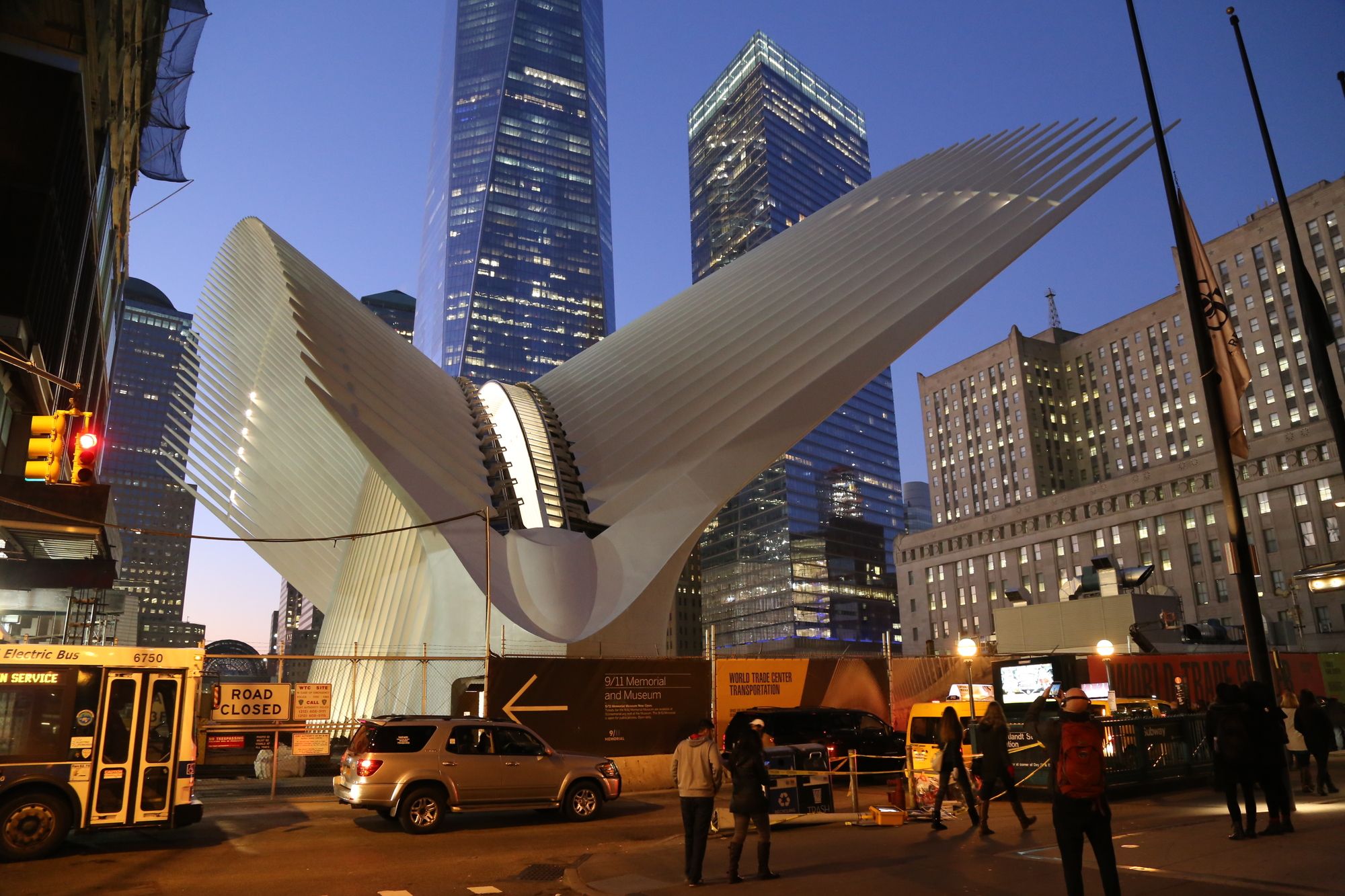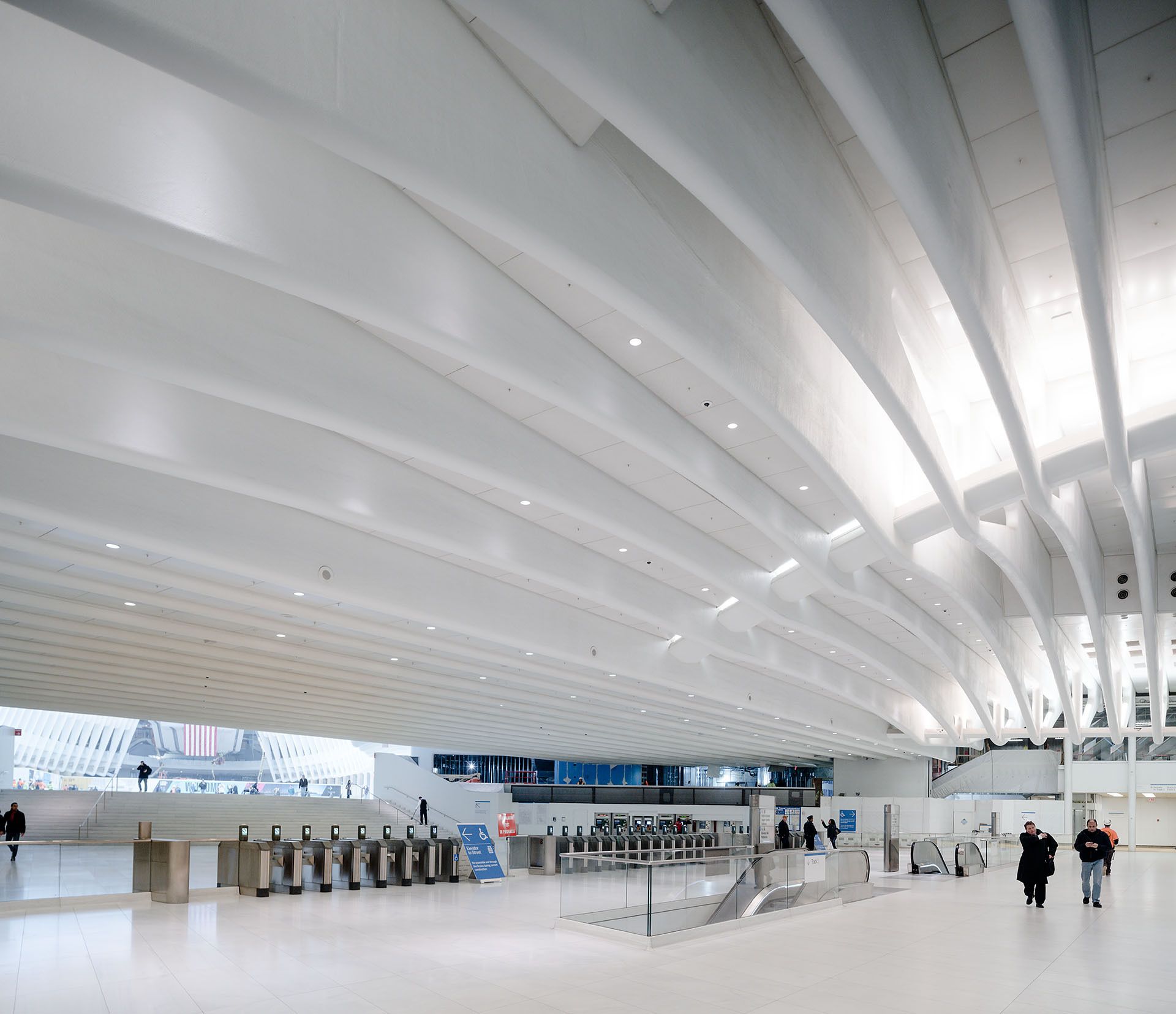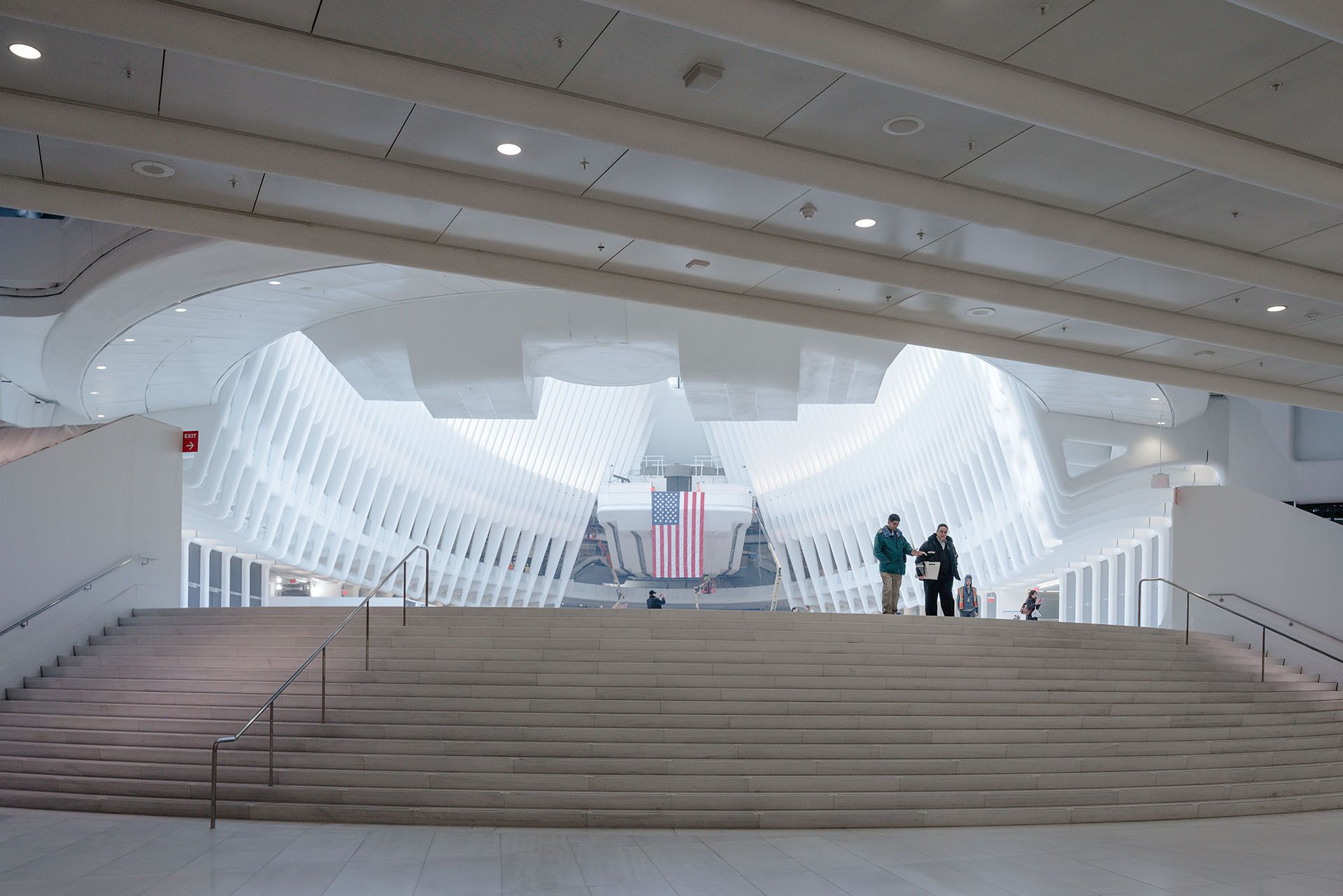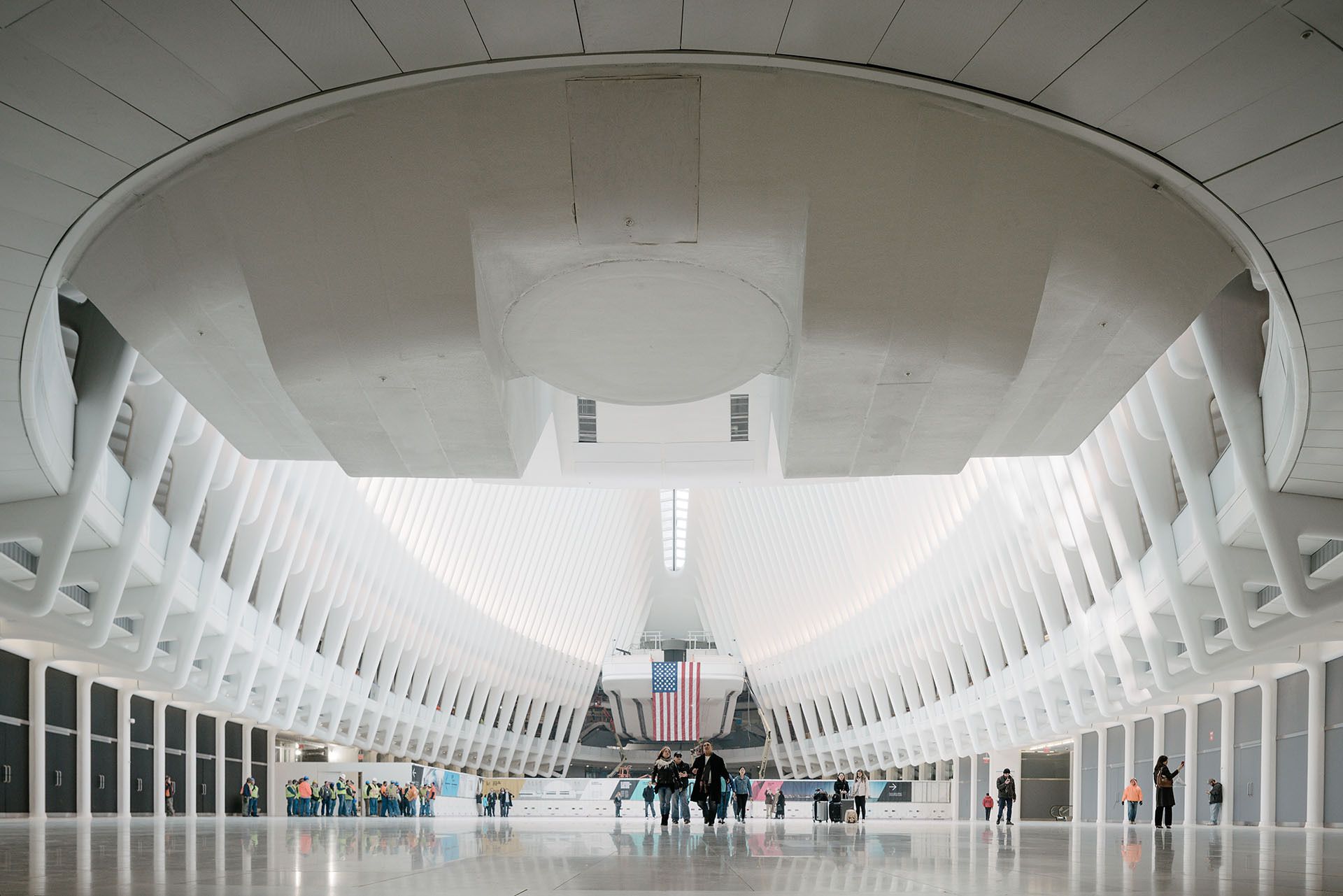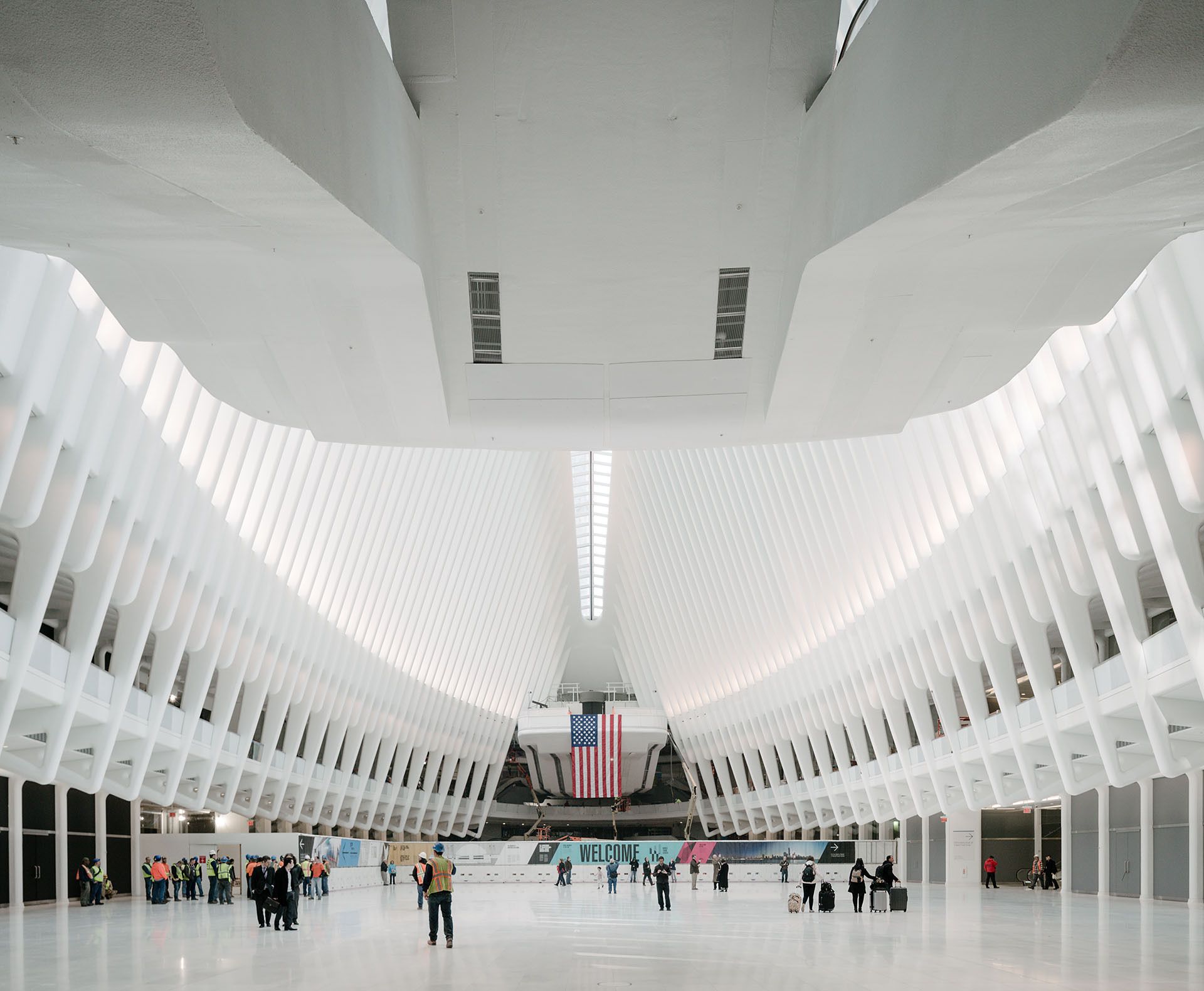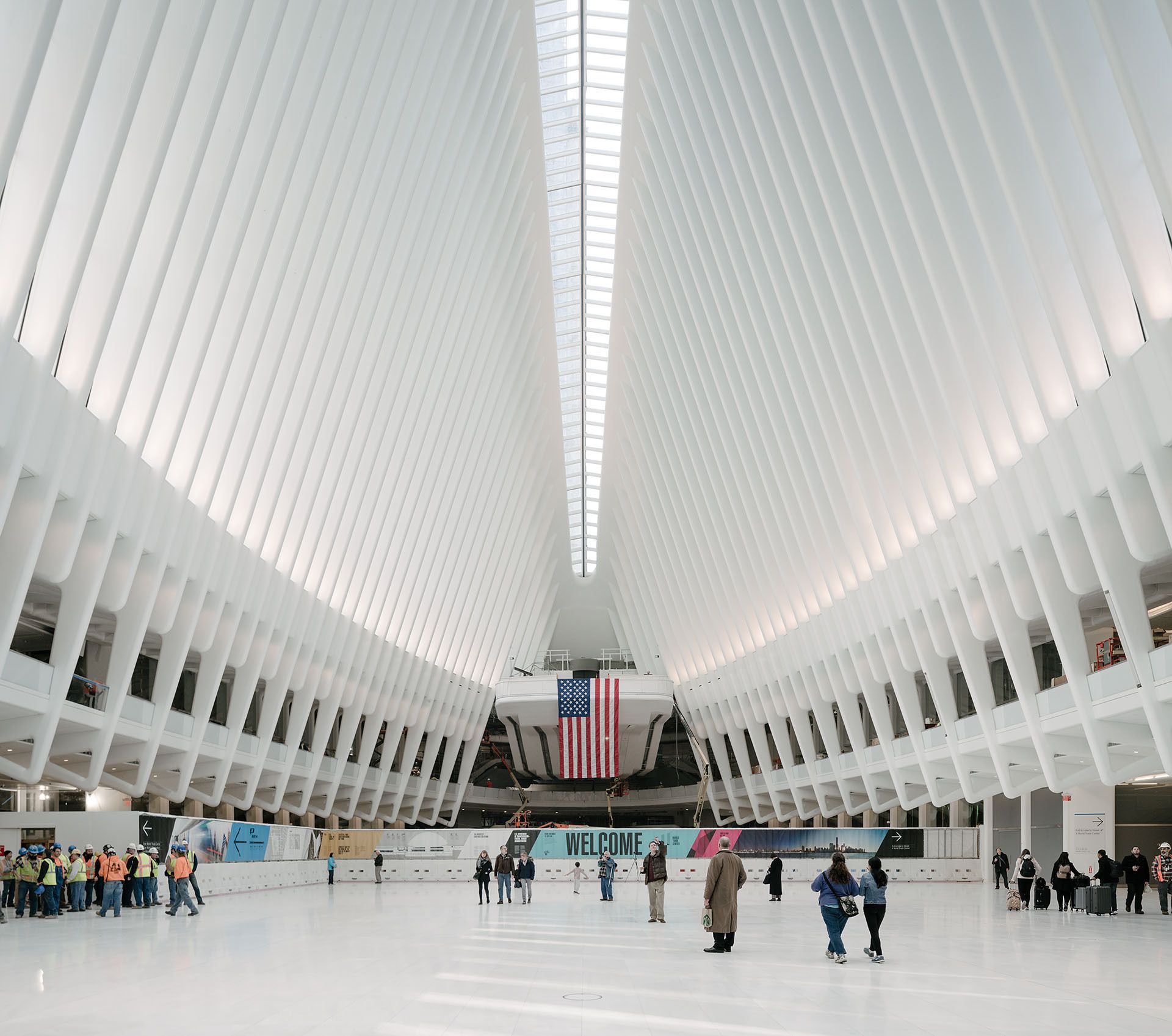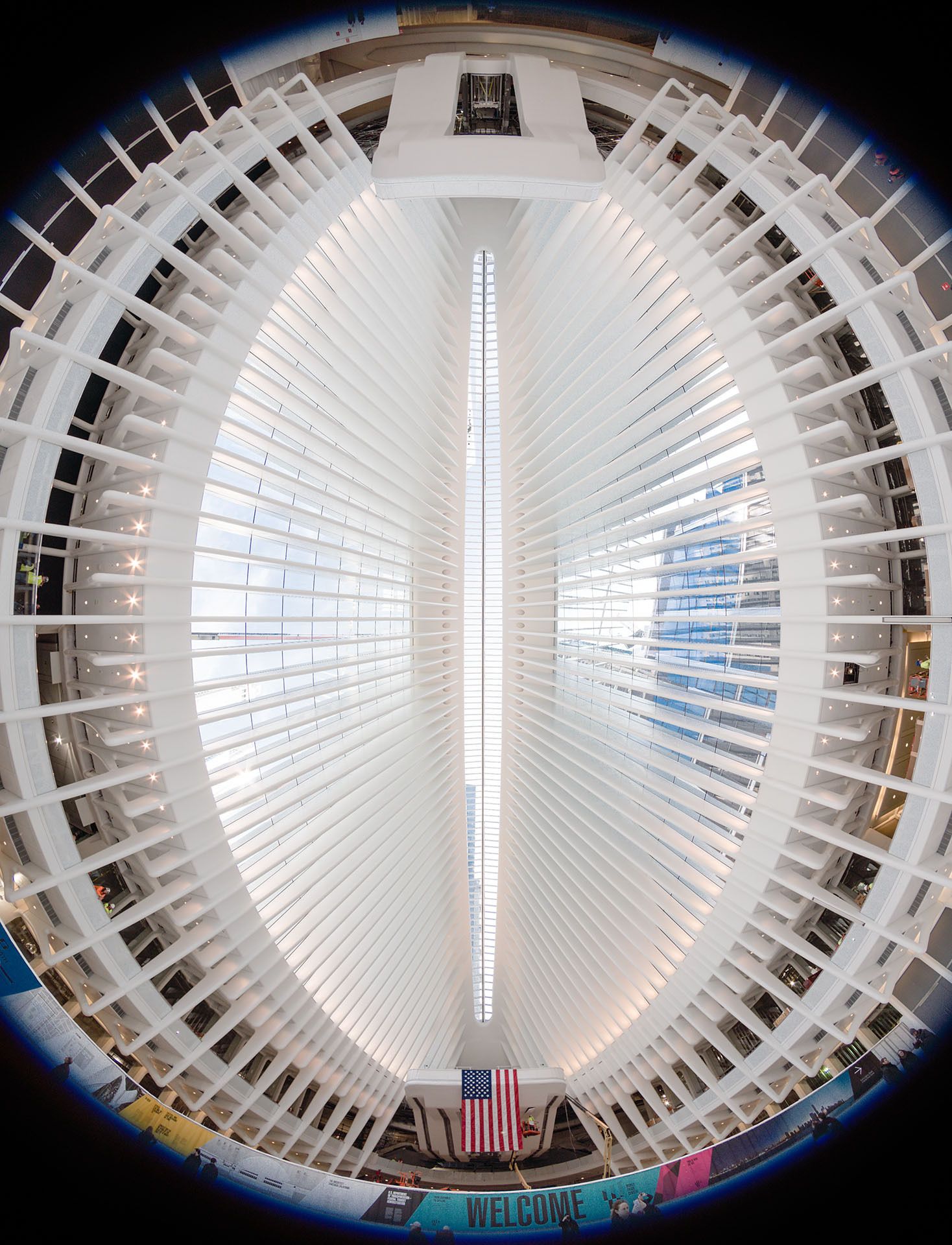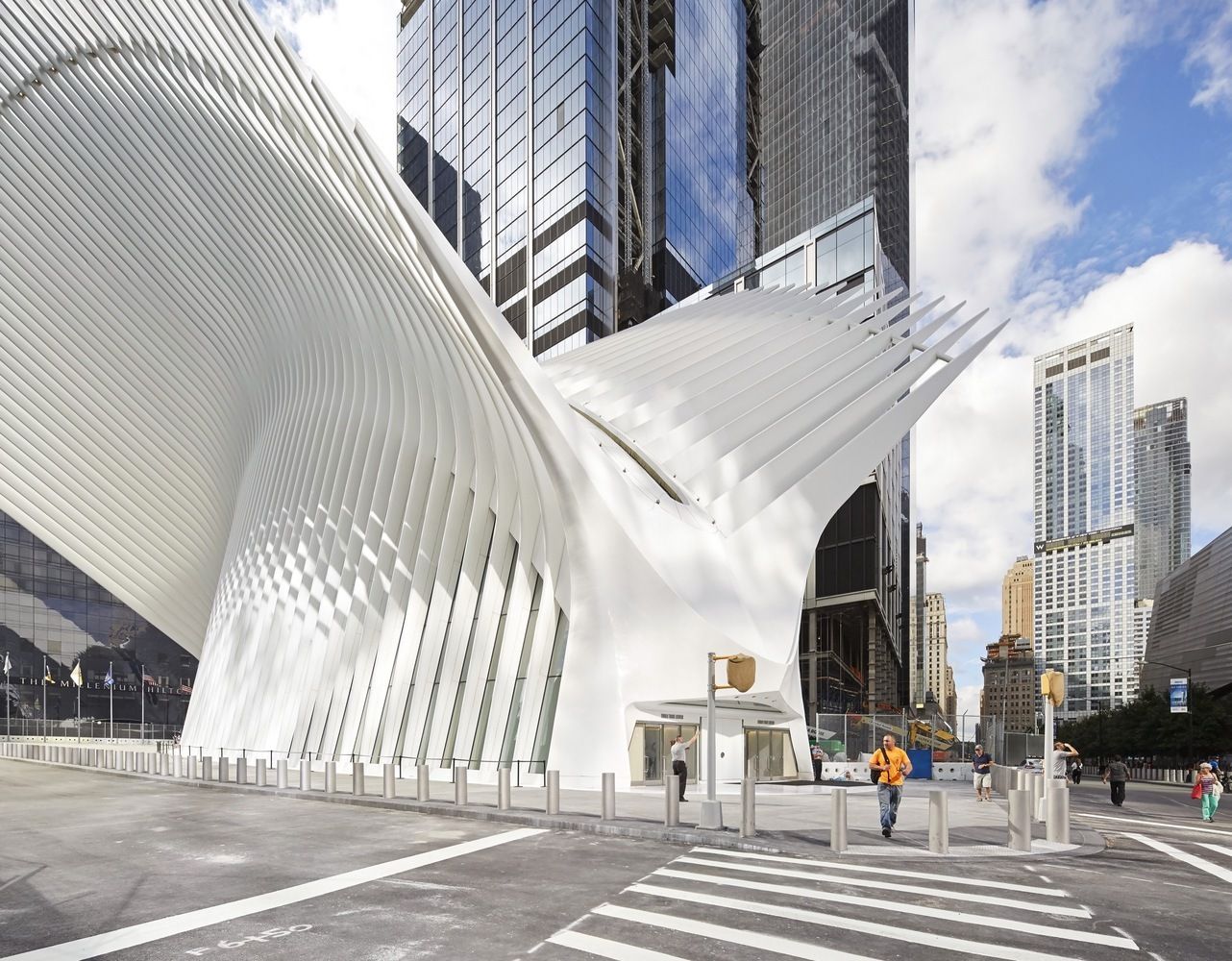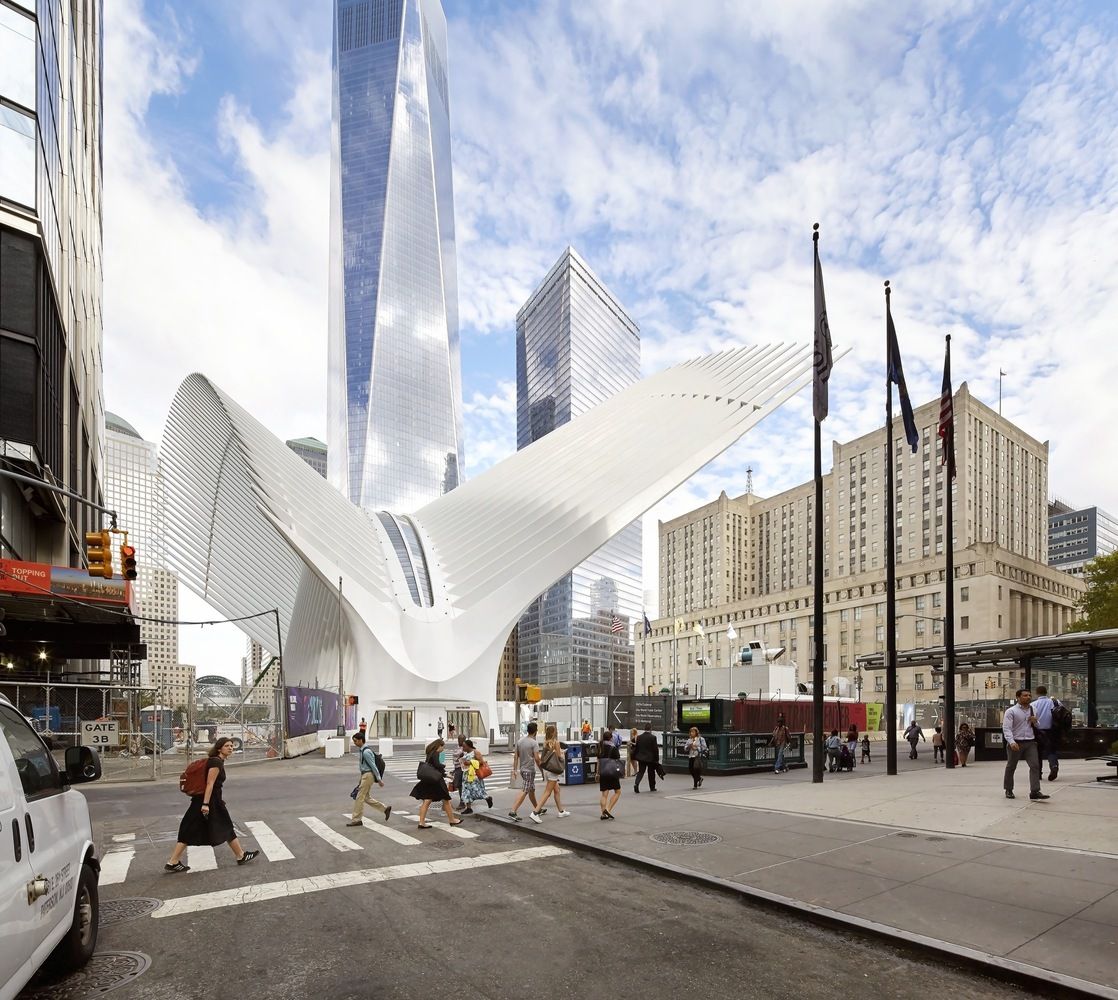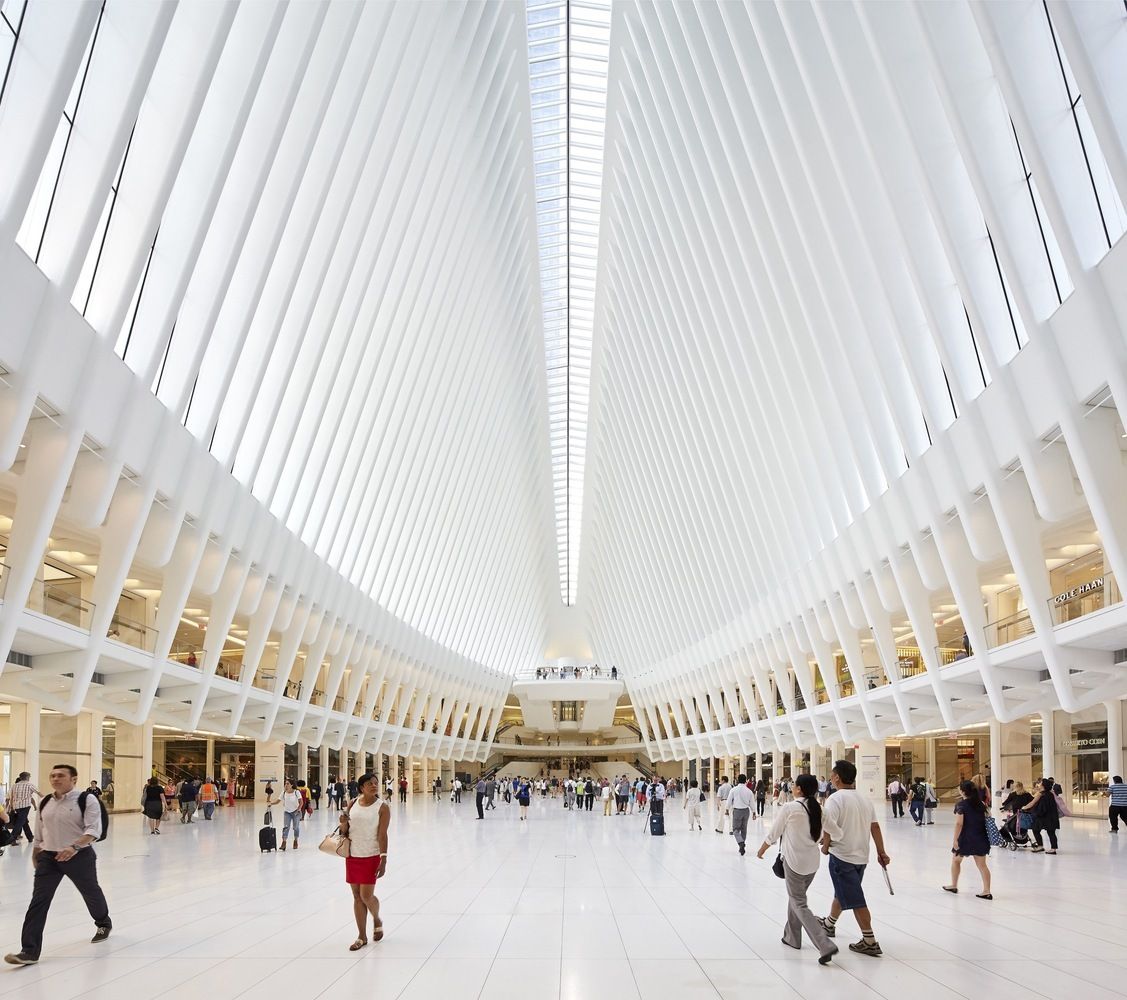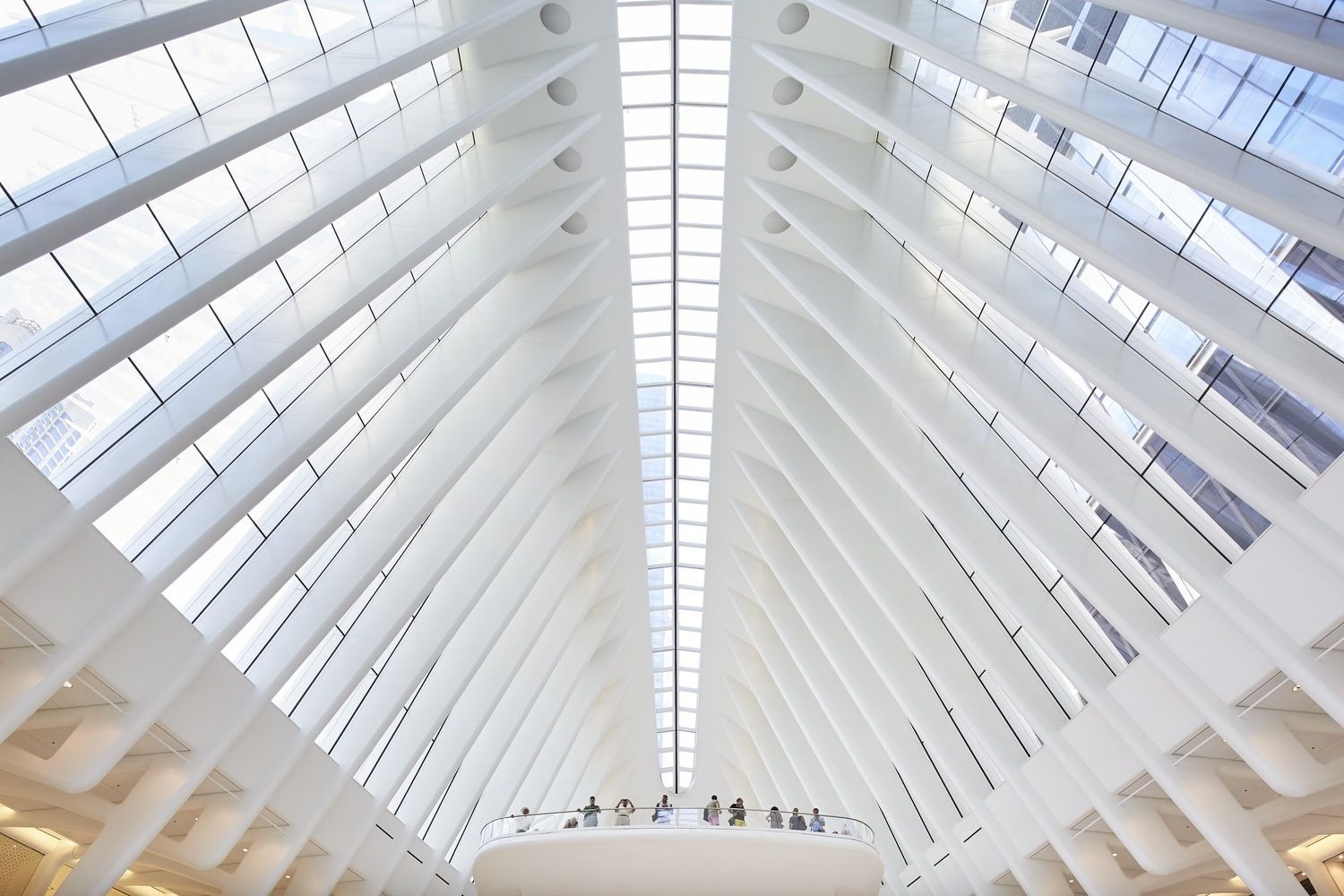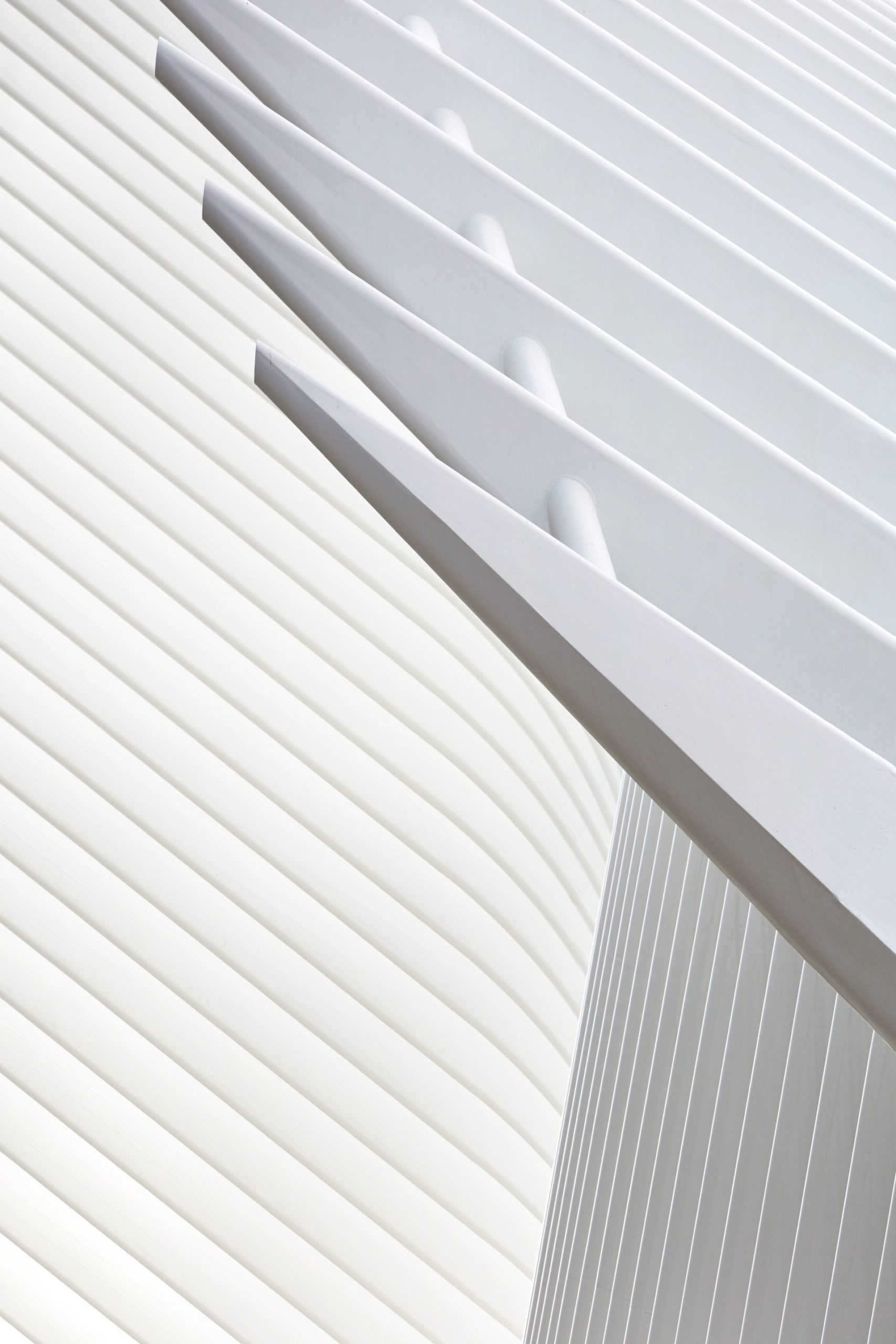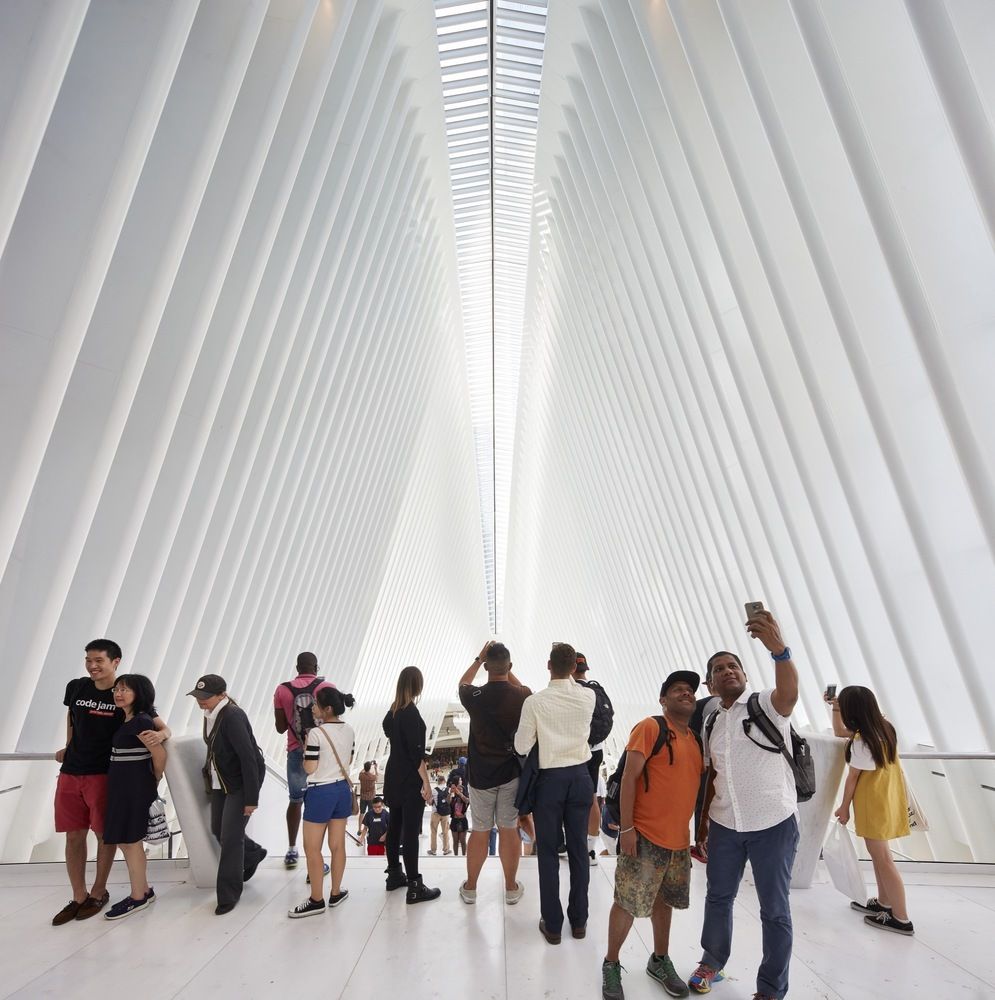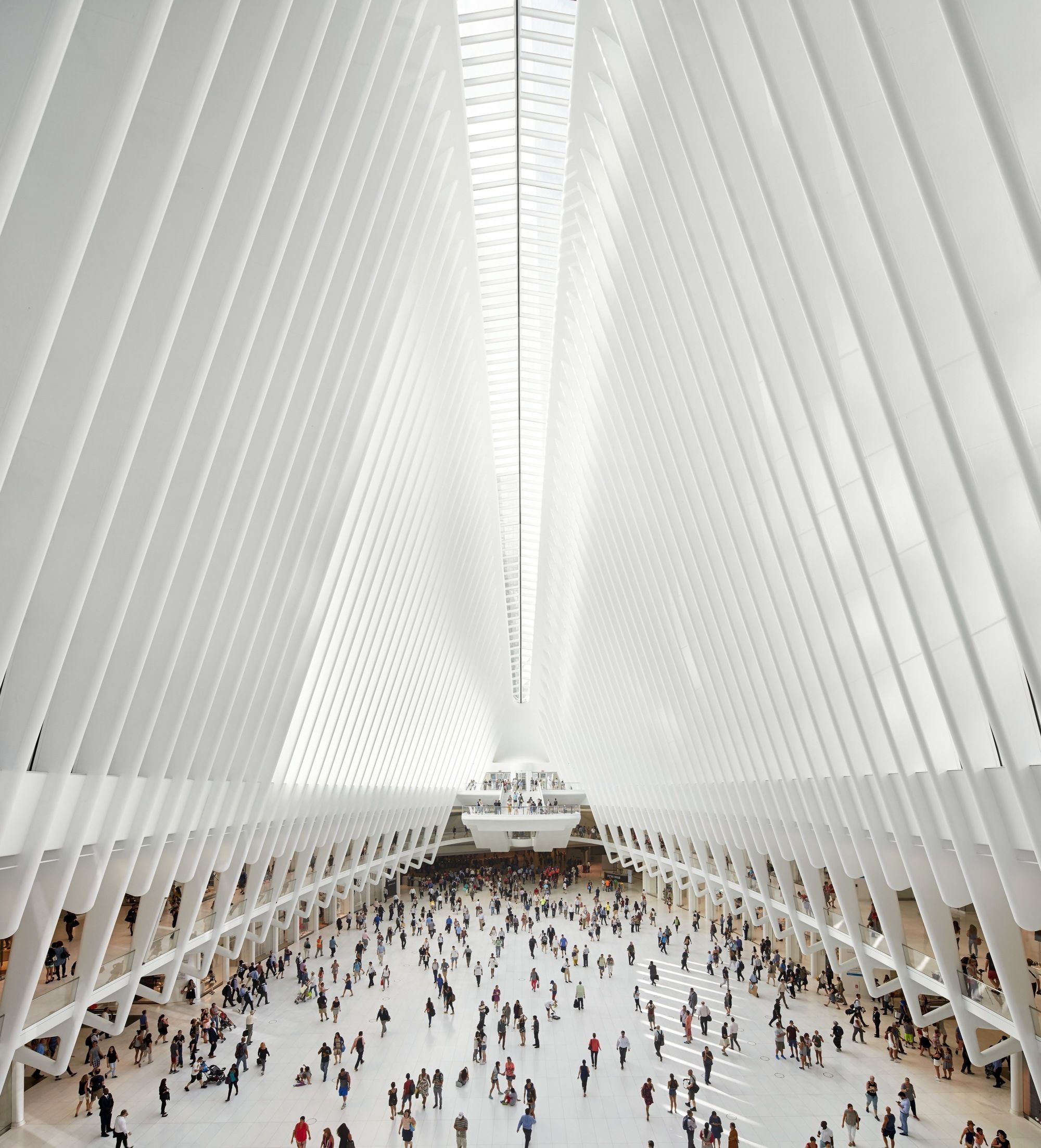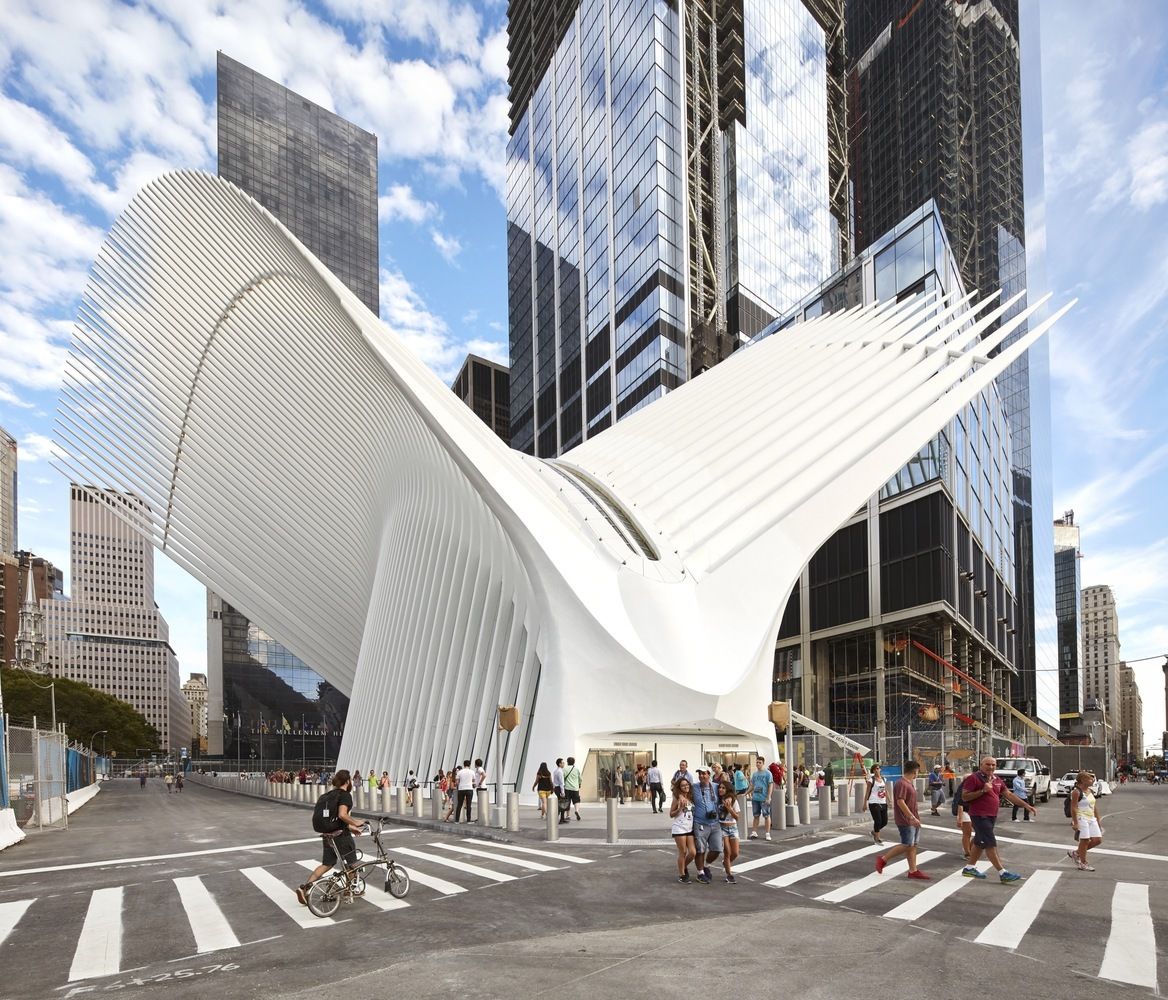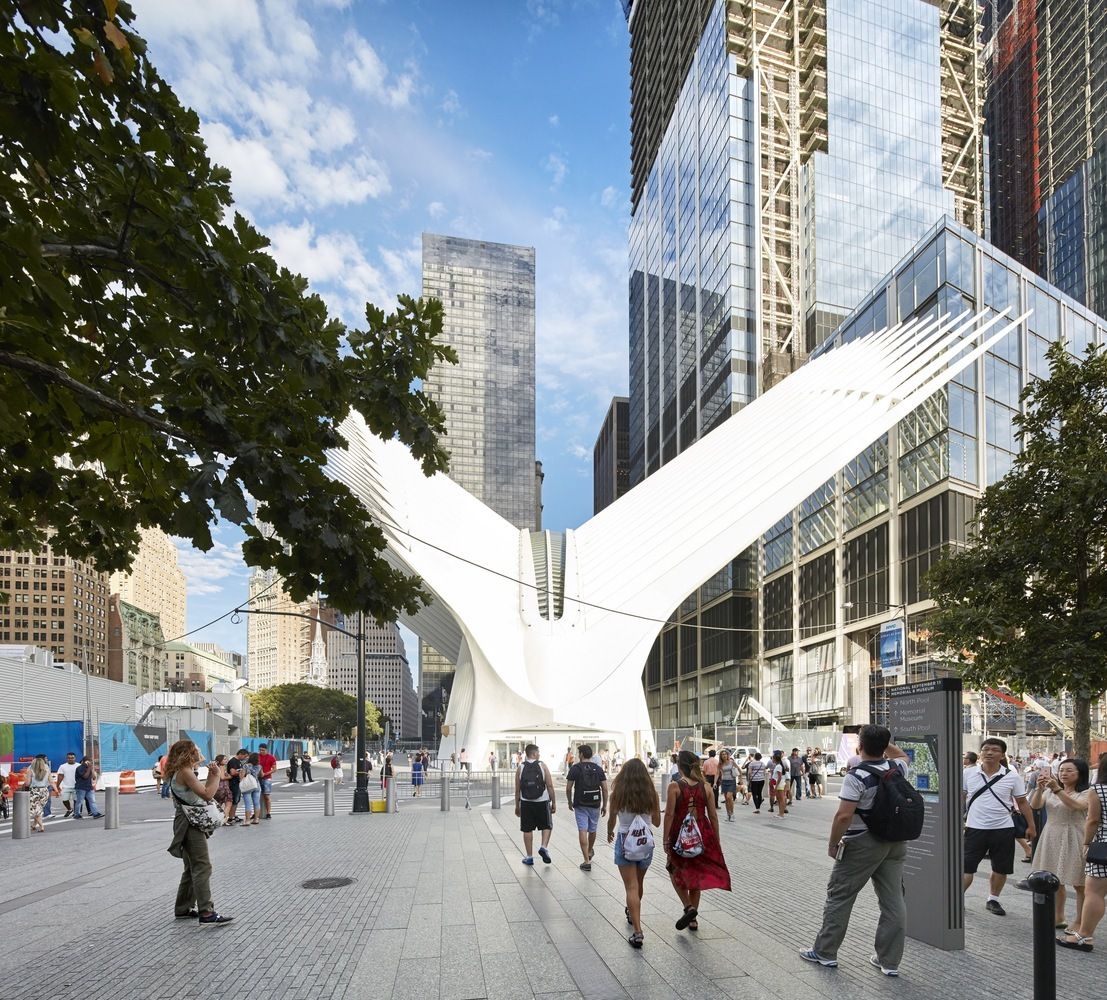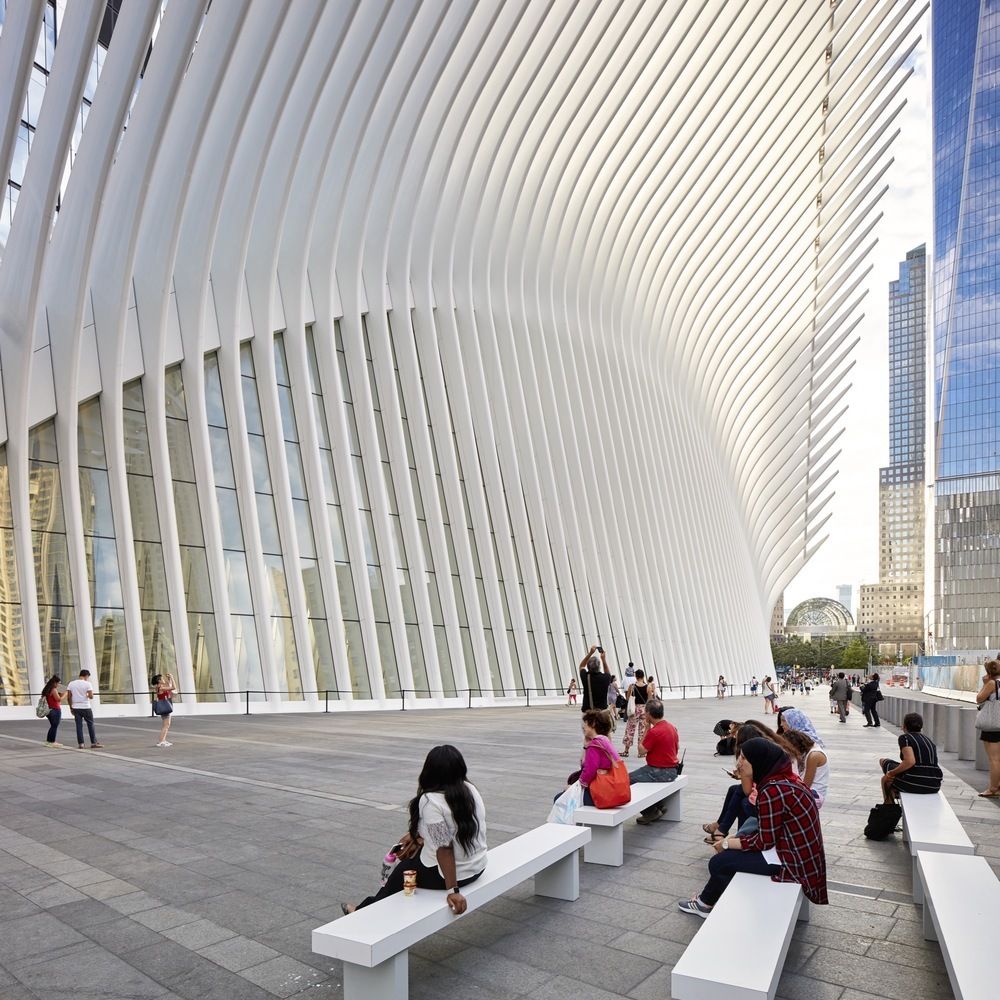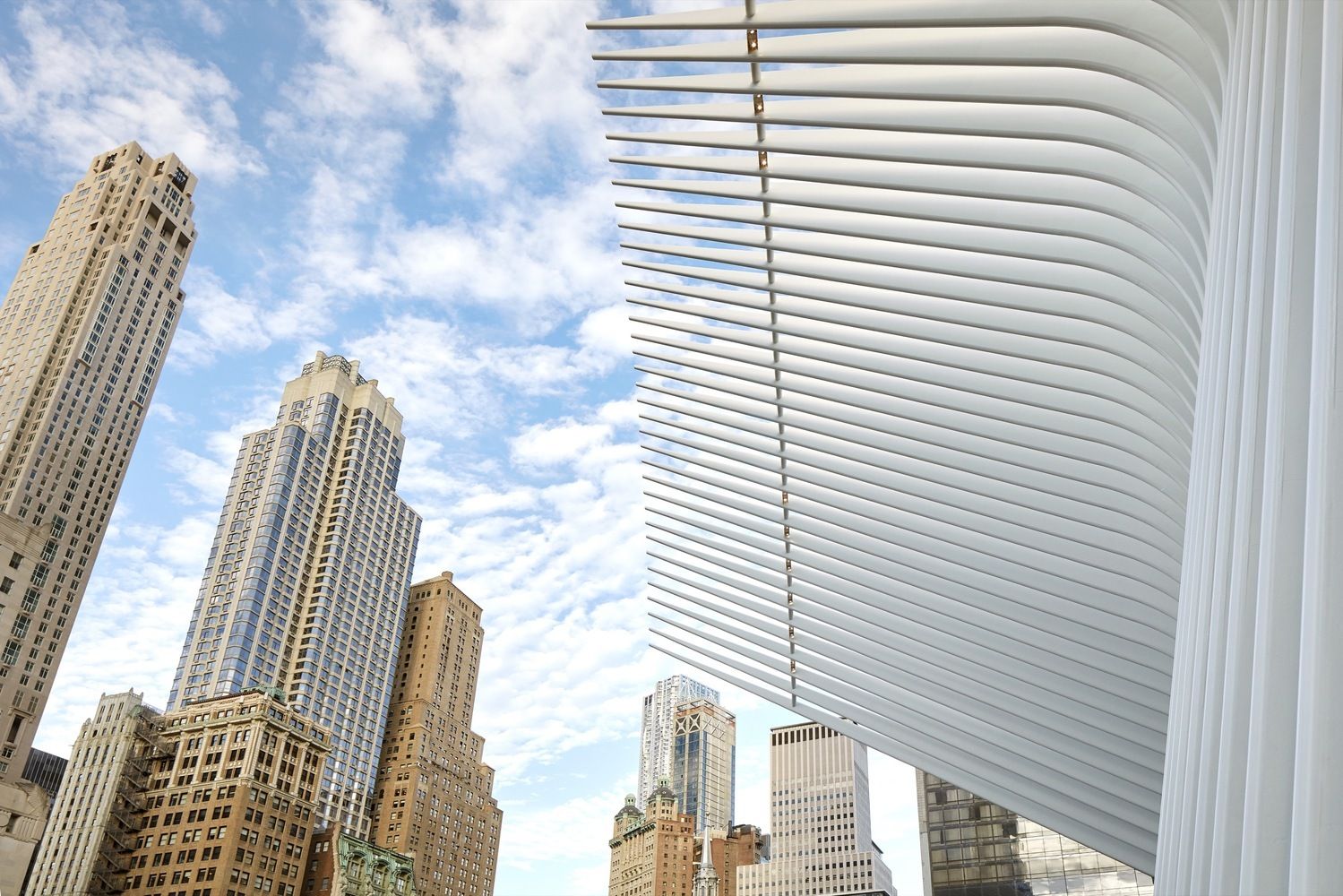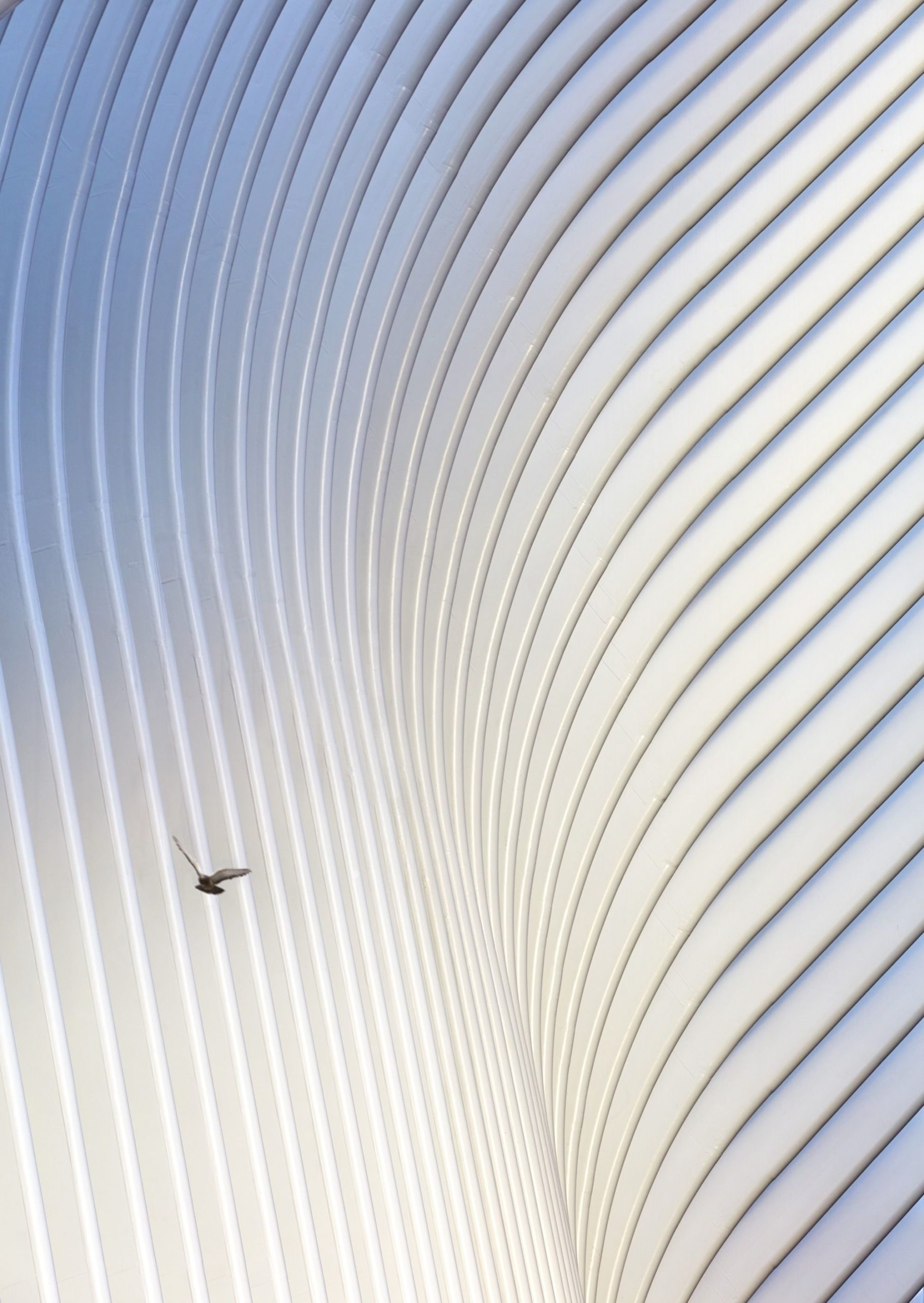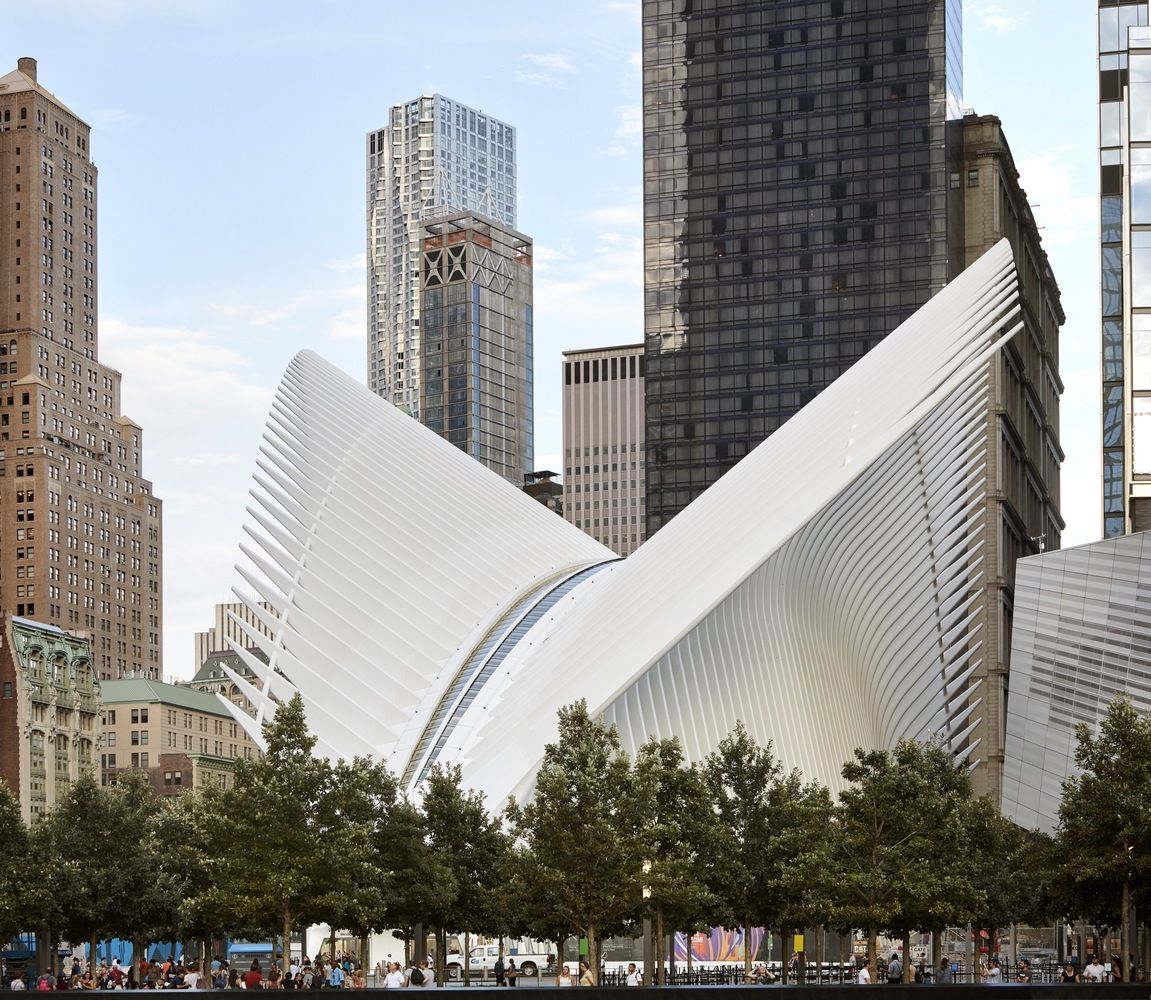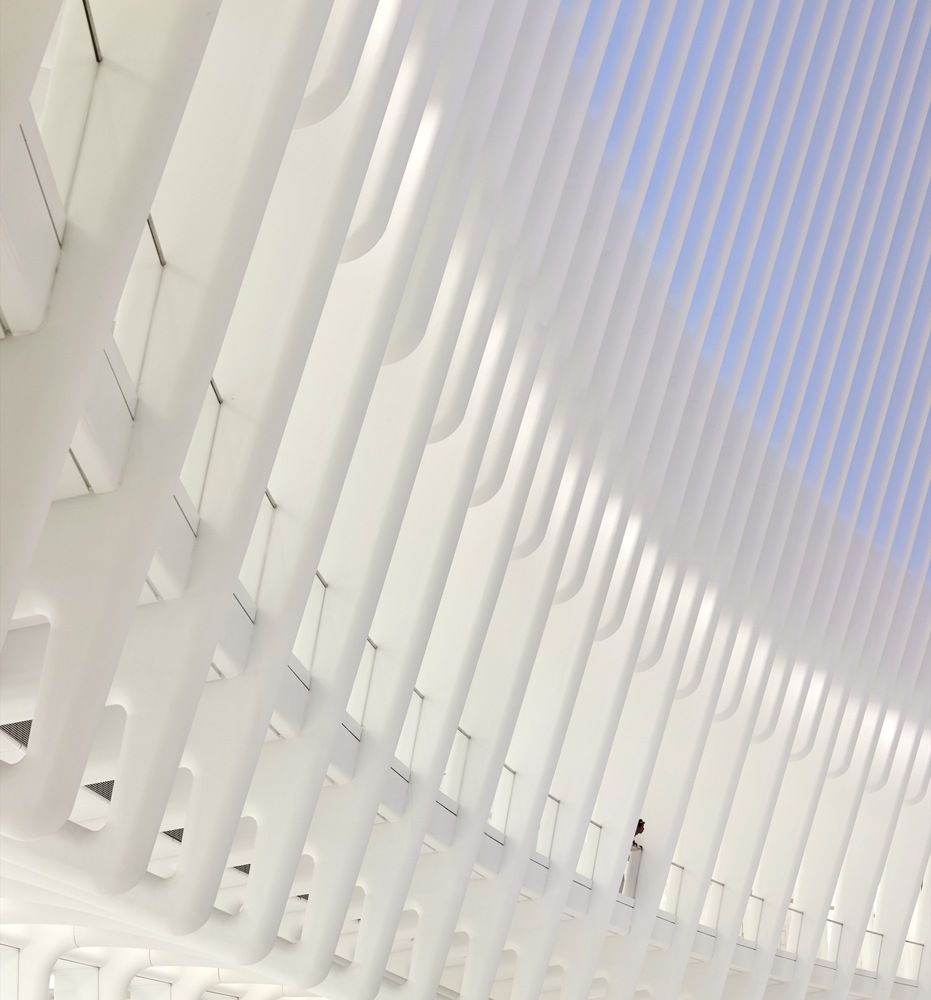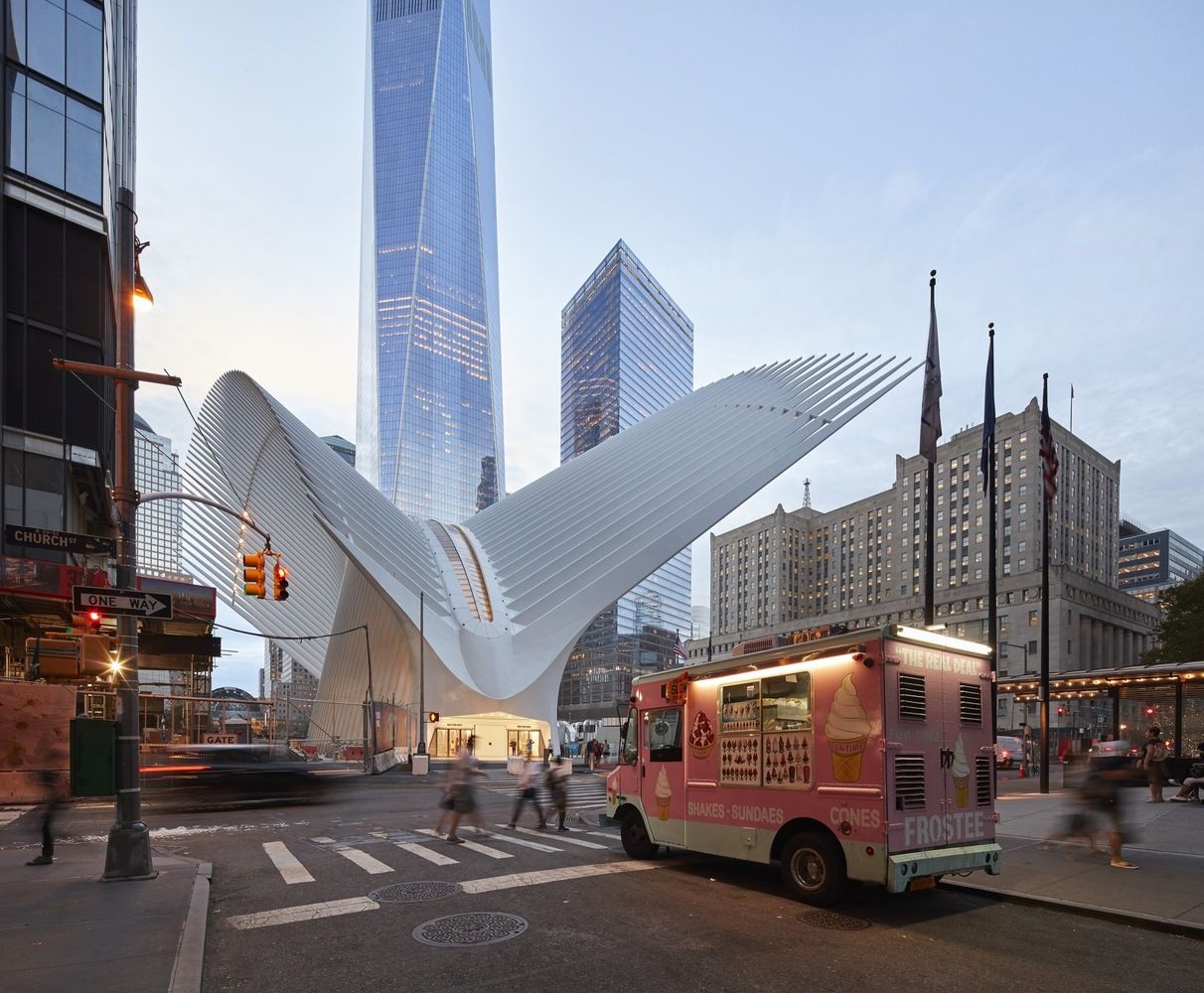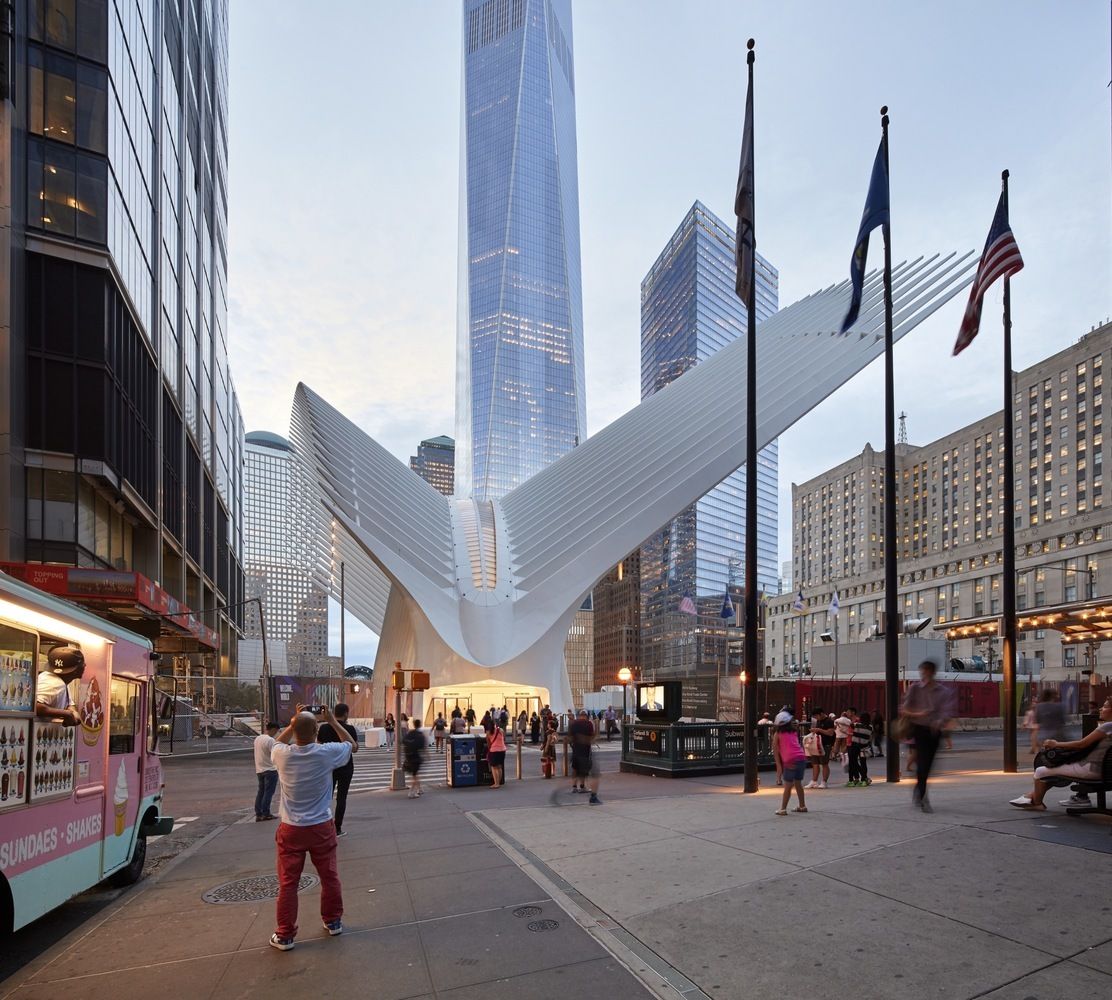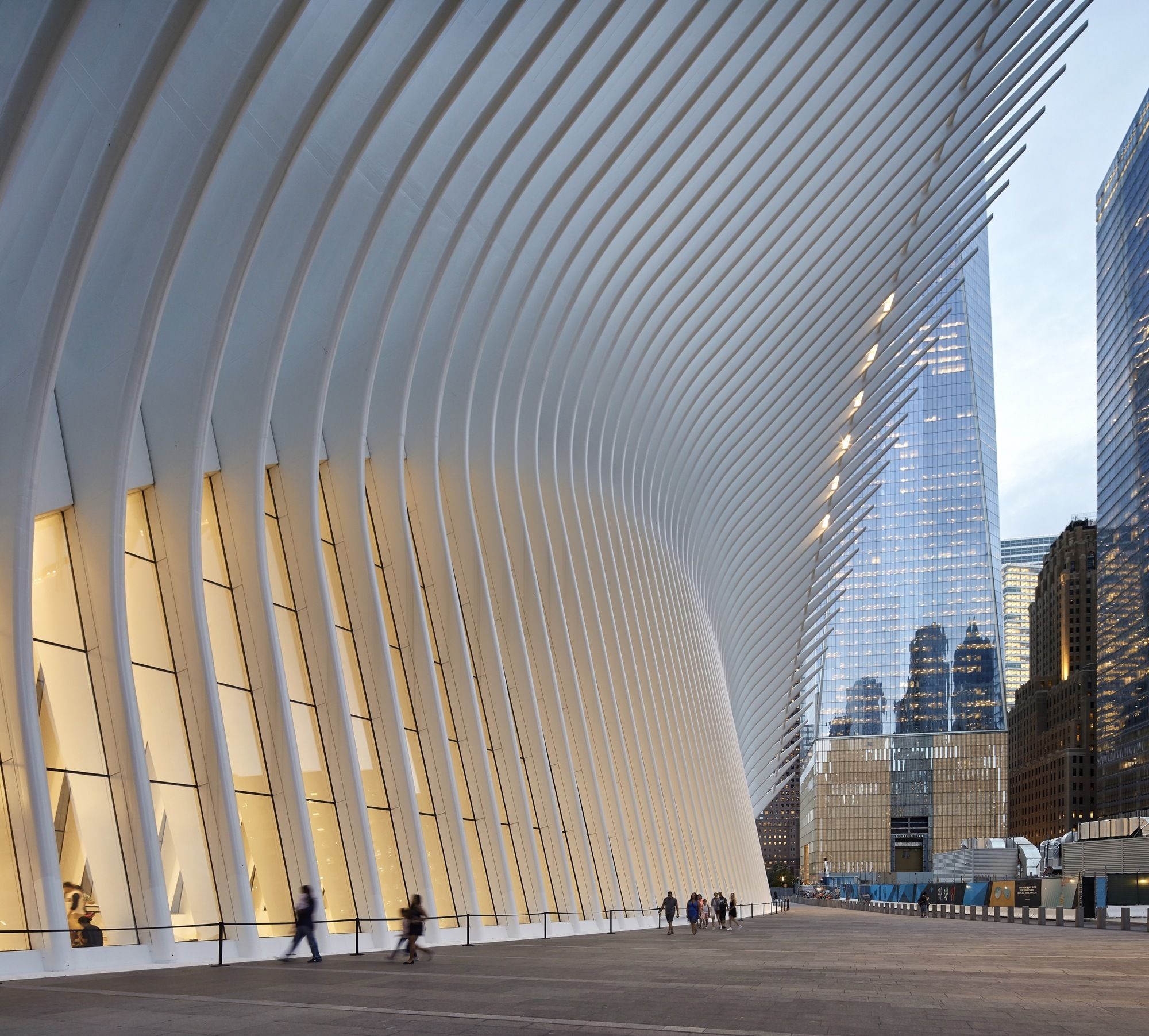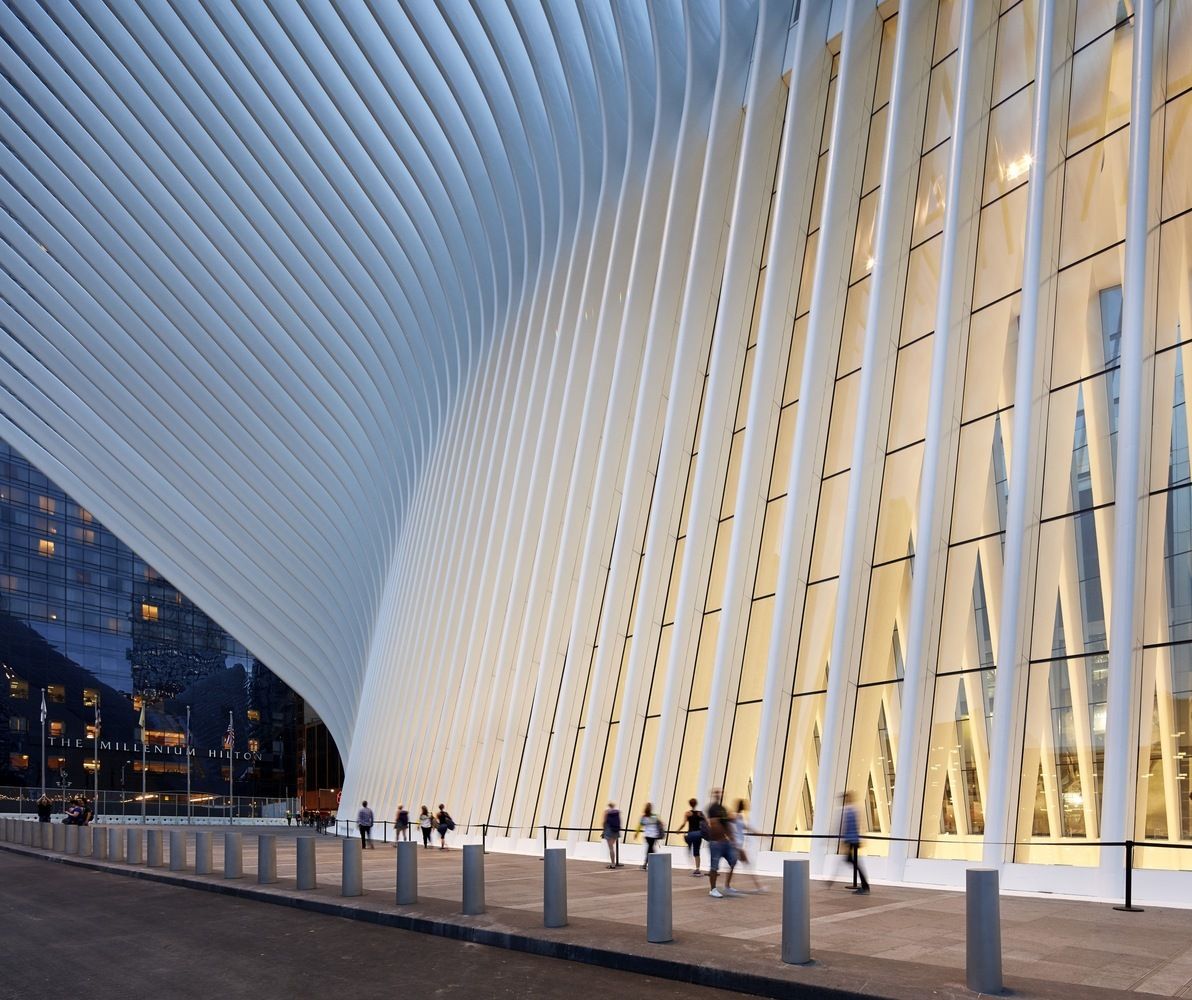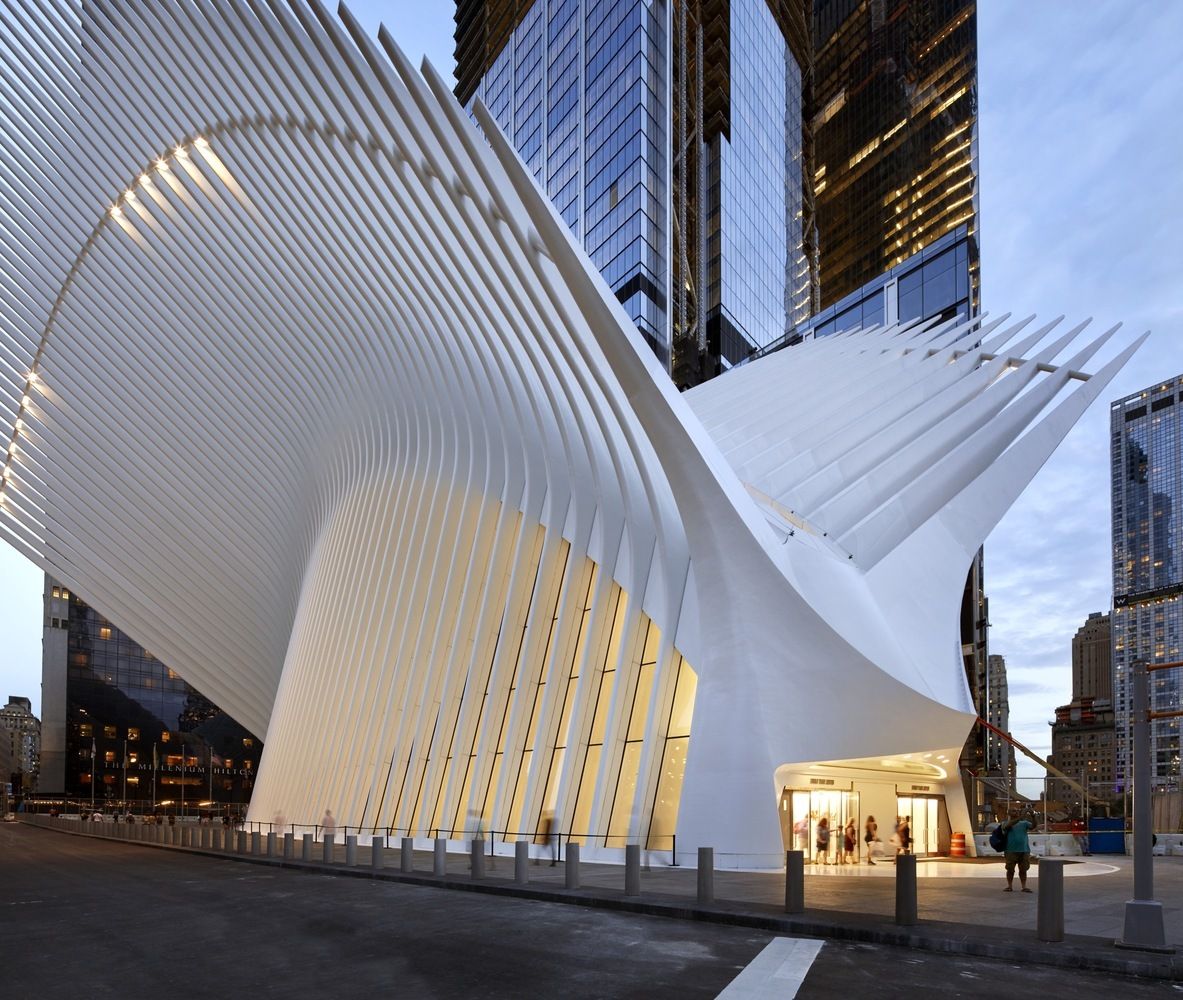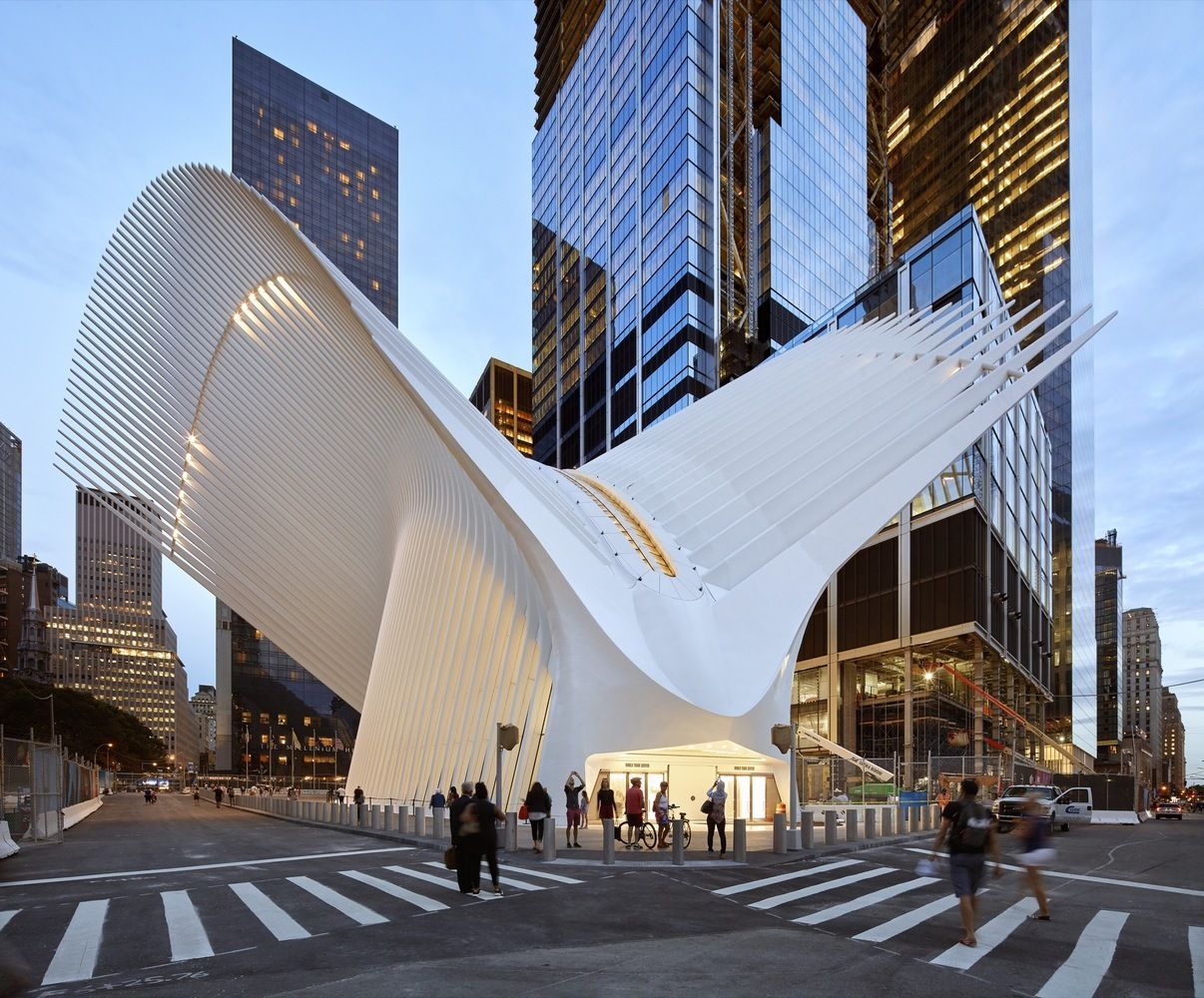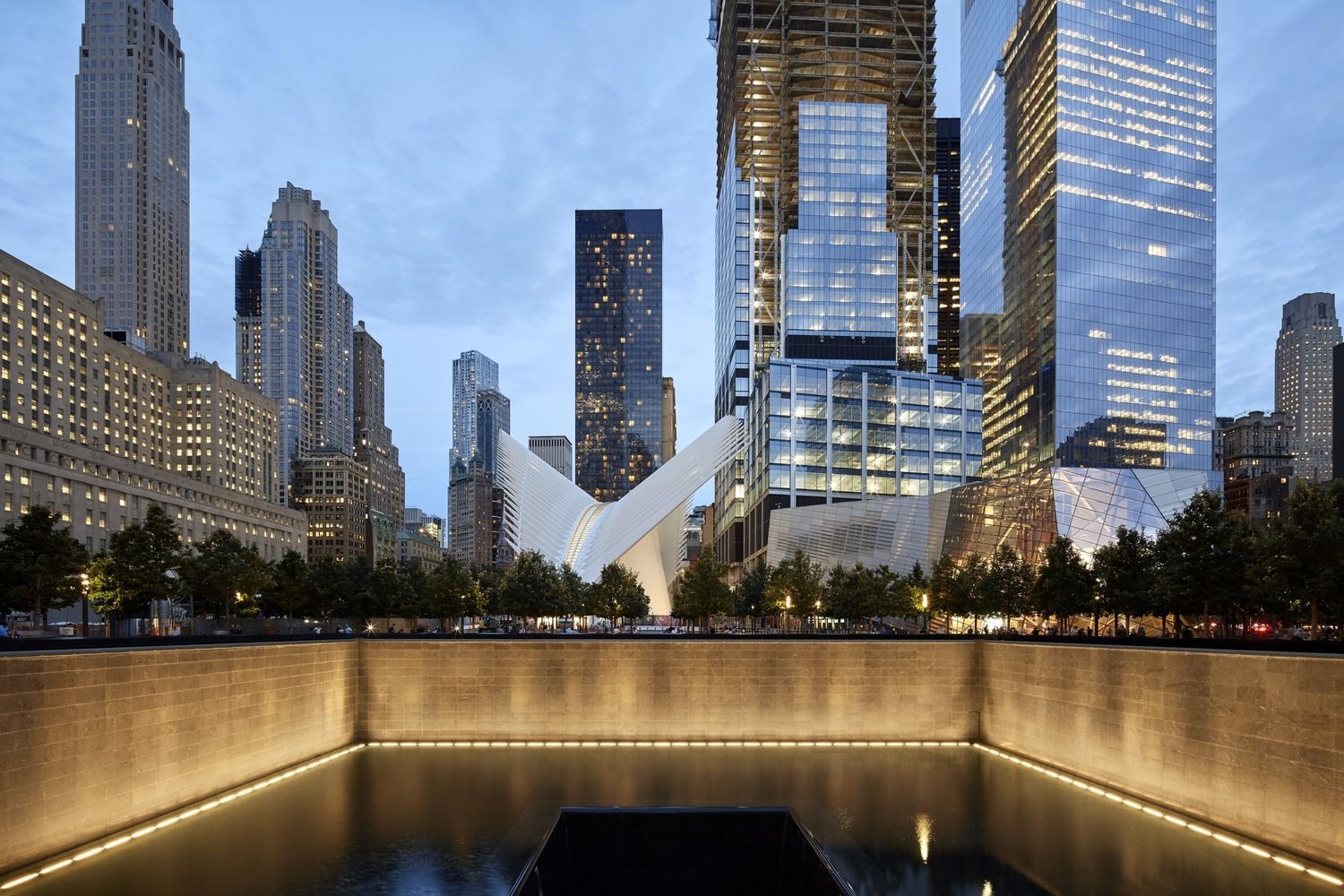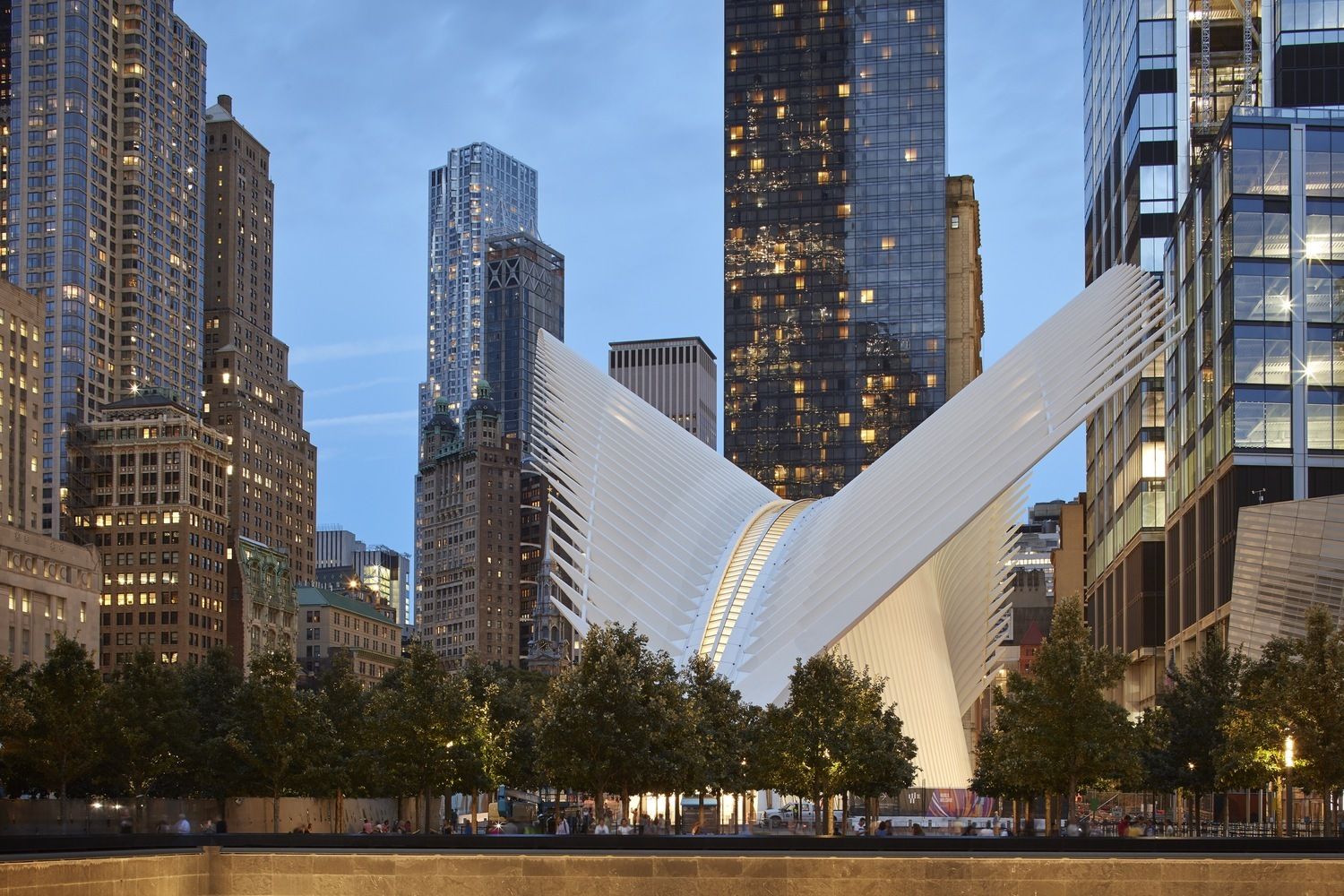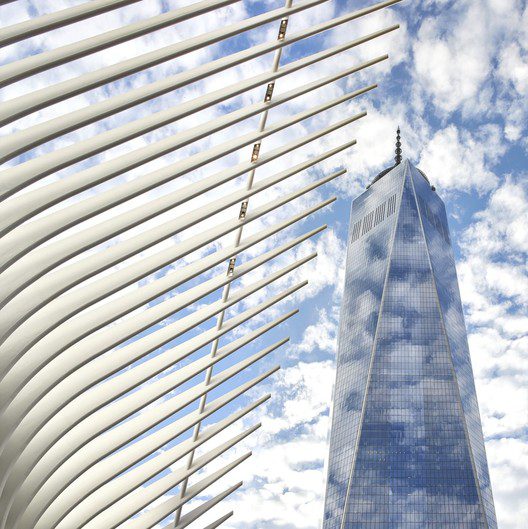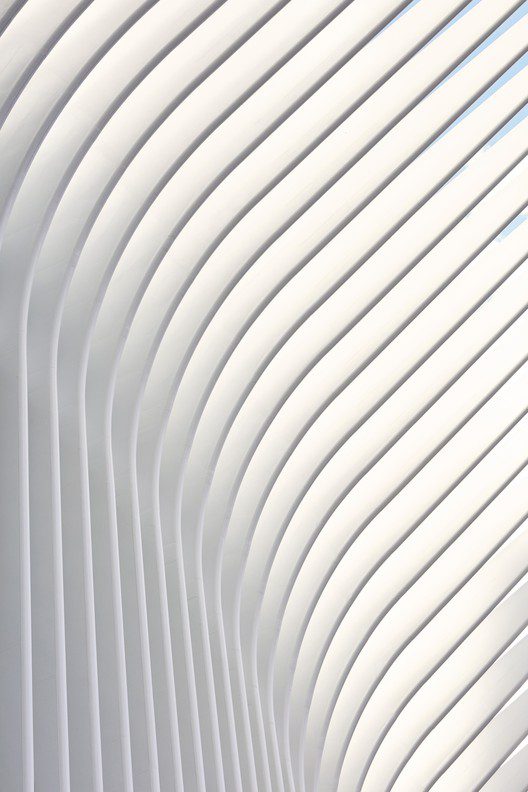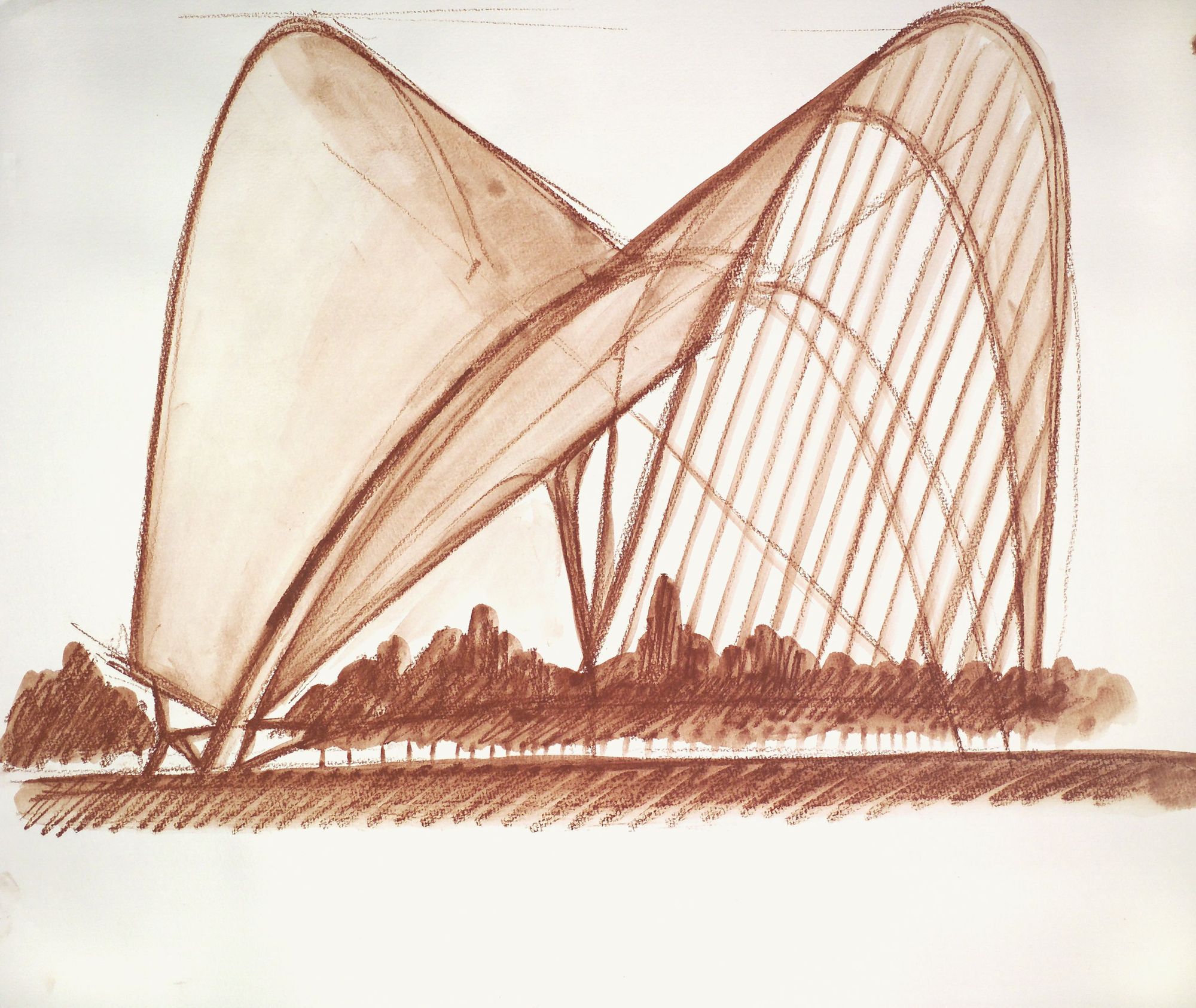


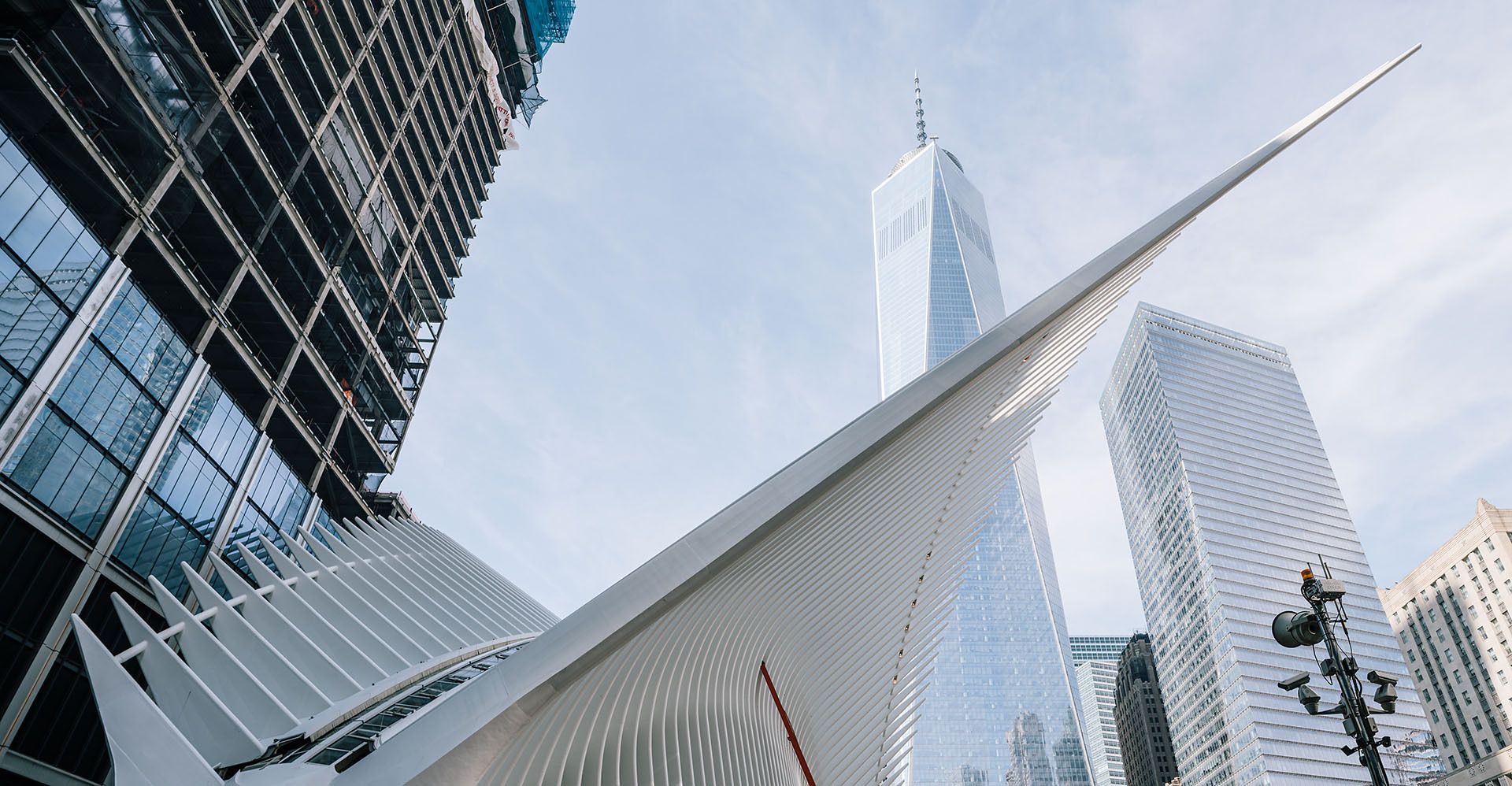
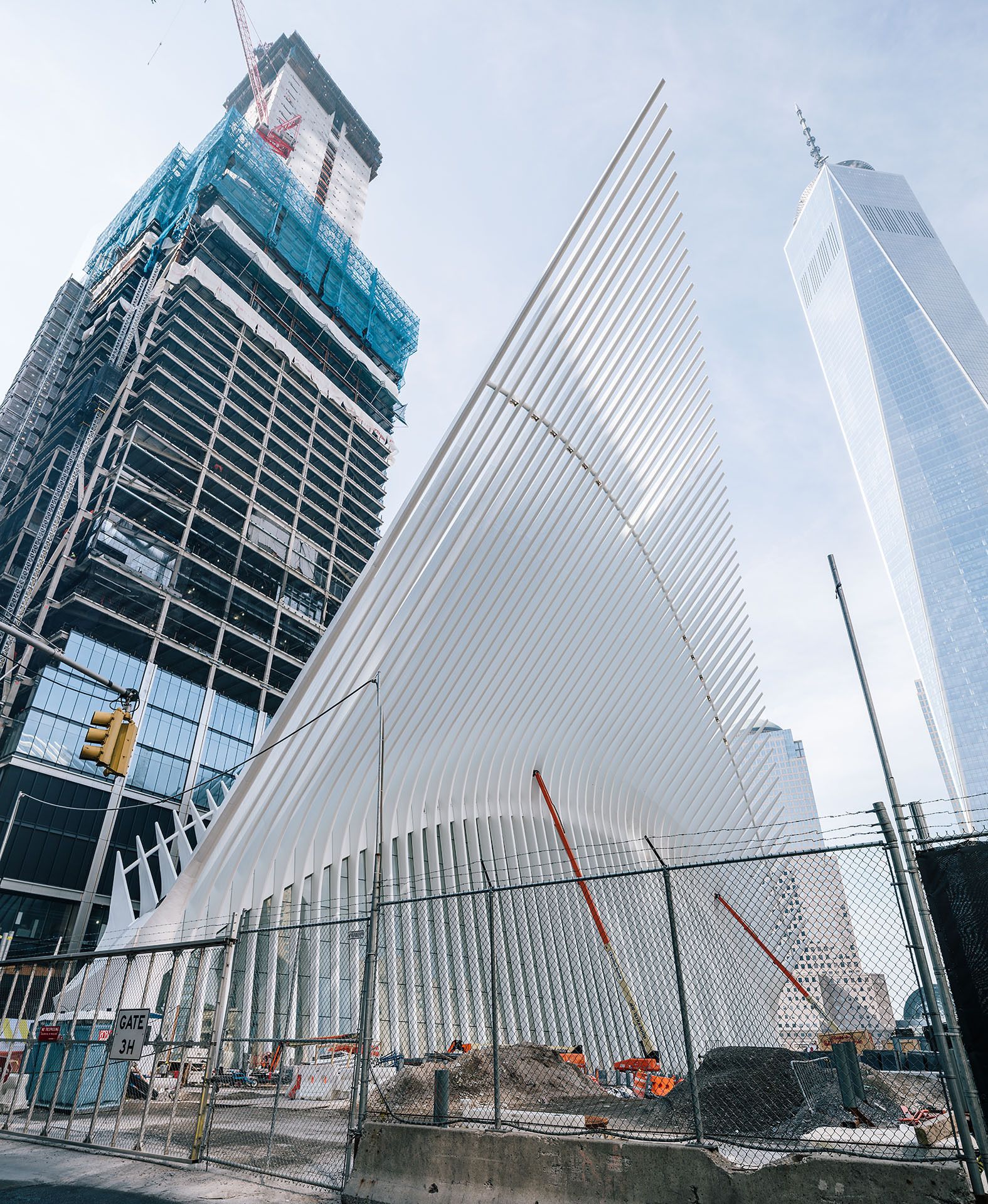
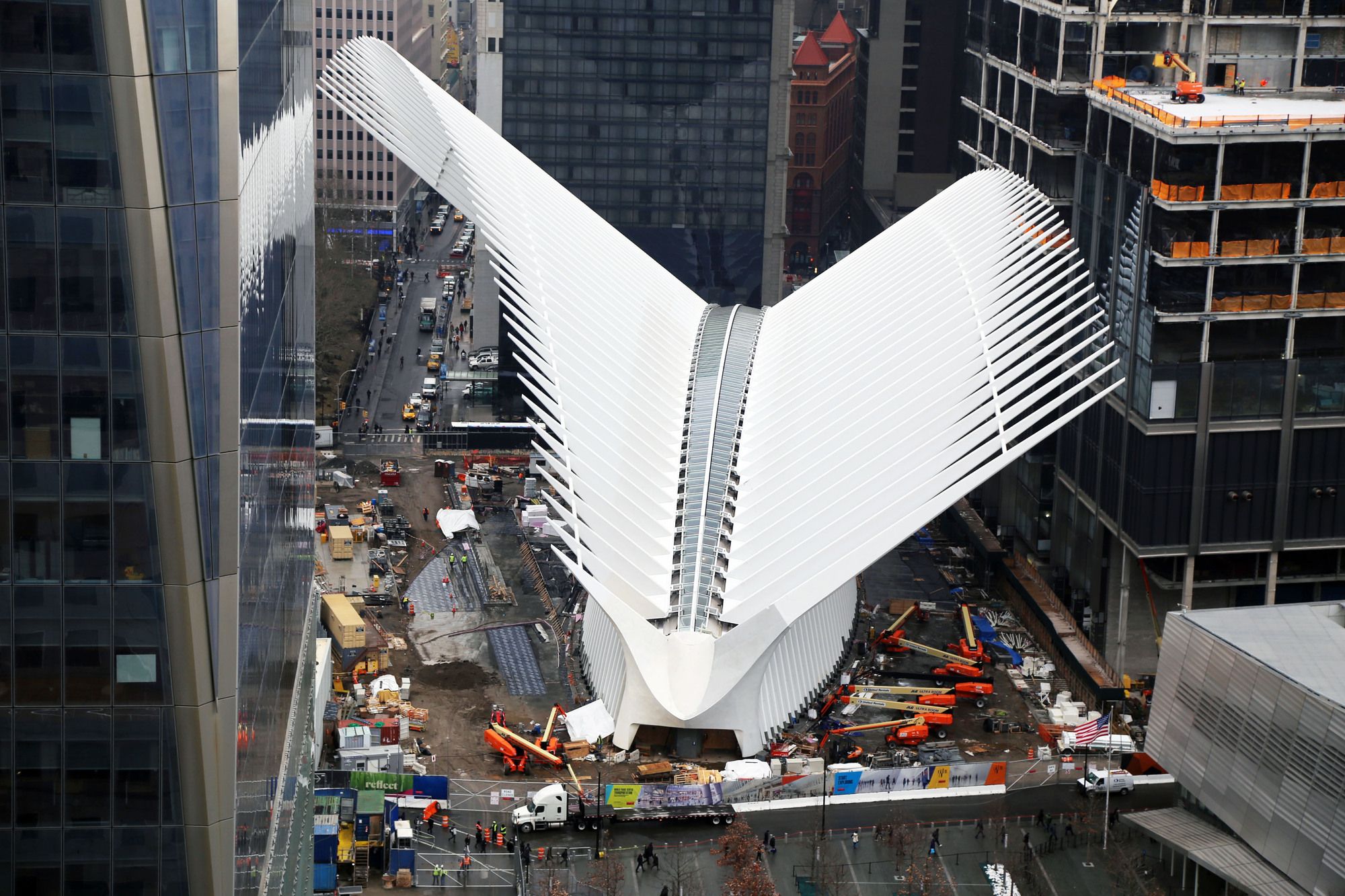
Oculus NYC – a massive ovoid bird like structure comprised of steel ribs and glass – was meant to be Ground Zero’s new spiritual landmark. However, the project faced hard criticism due to almost $2 billion overpriced construction budget and delayed completion. More than a decade after the work on it began, the World Trade Center Transportation Hub partially opened to the public last week.
© Hufton+Crow
In the course of time, the Spanish neofuturist architect and engineer Santiago Calatrava hadn’t been defensive, explaining that every modification of the original project would come at the price of a loss. Of artistic vision, specifically, which wasn’t good for NY. He underlined that he was not the one to monitor the spending and the authorities had been familiar with the design’s complexity in the first place.
© Hufton+Crow
But in a recent statement he qualified the negative press coverage as a career-threatening mistreatment. He pointed out that the World Trade Center Transportation Hub must open completely before everybody was able to form an opinion. However, the epithets used by the local press vary from “a symbol of excess” and “a kitsch dinosaur” to “a genuine people’s cathedral”. What is beyond doubt is that it’s the world’s most expensive station constructed with taxpayers’ money.
© Hufton+Crow
In this regard, Julie W. Iovine from the Wall Street Journal writes: Restraint is not usually Mr. Calatrava’s style. But applied to the whole Hub, it would have made for a stronger, more lasting statement about New York’s resilience than the inflated spectacle offered now, a constant reminder of a time when all we wanted was something off the charts.
© Hufton+Crow
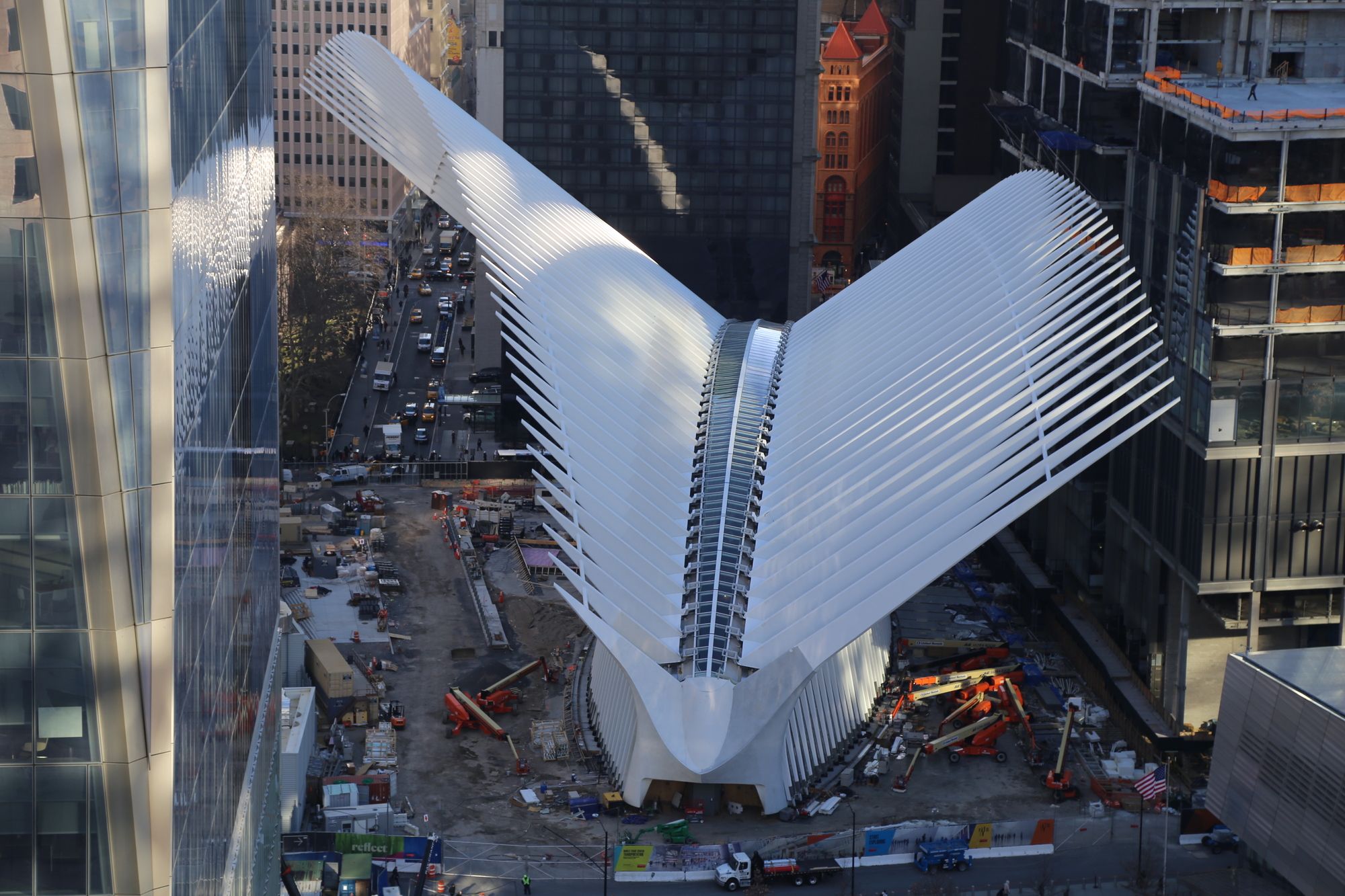
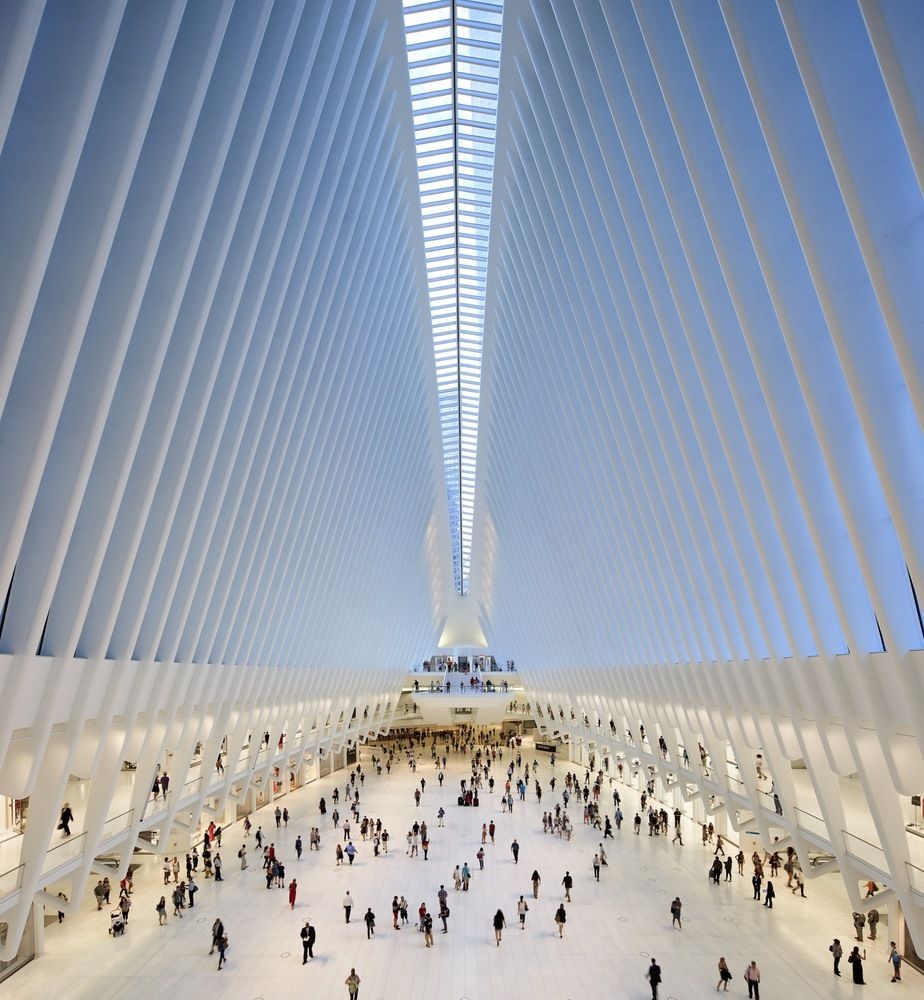
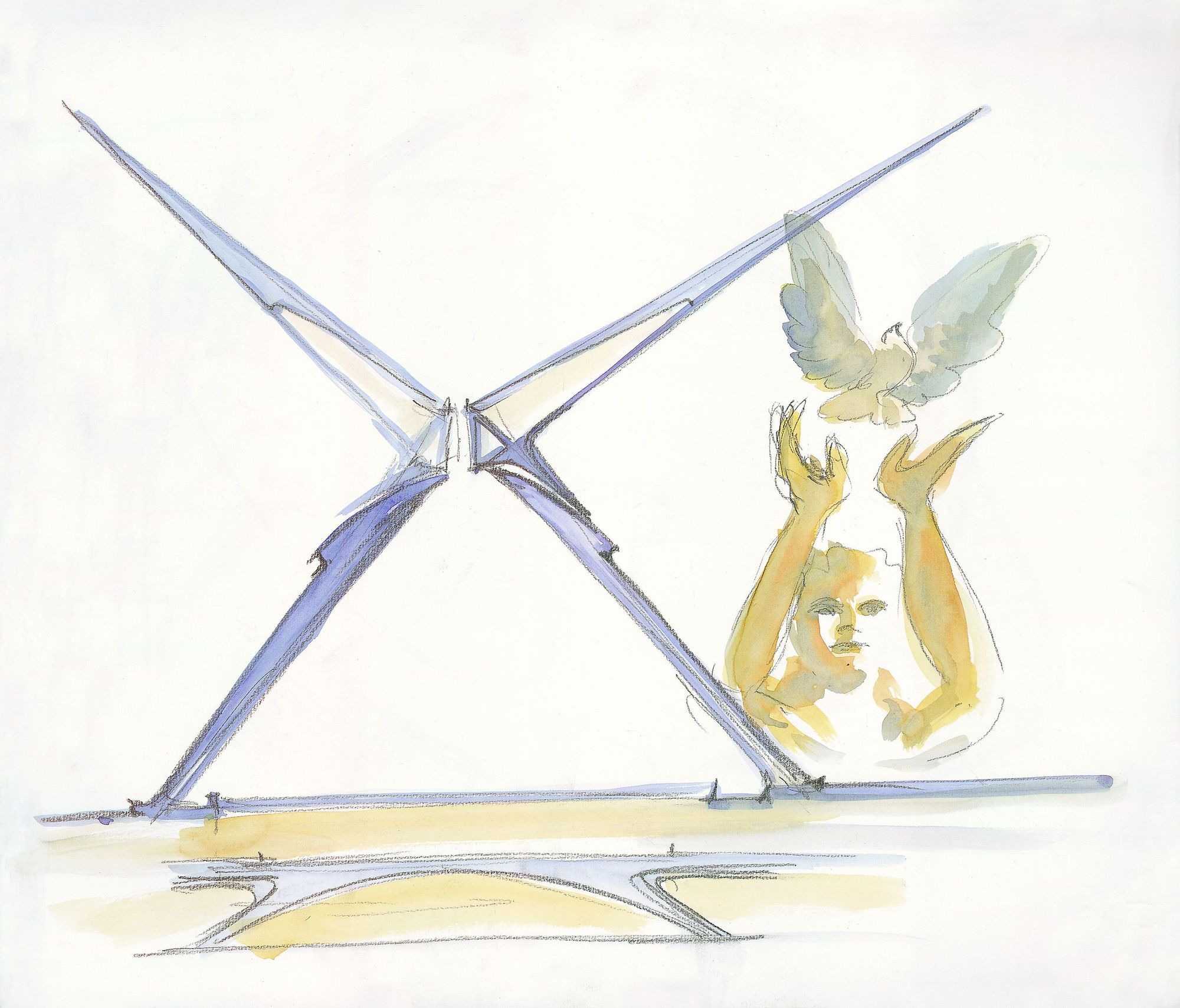
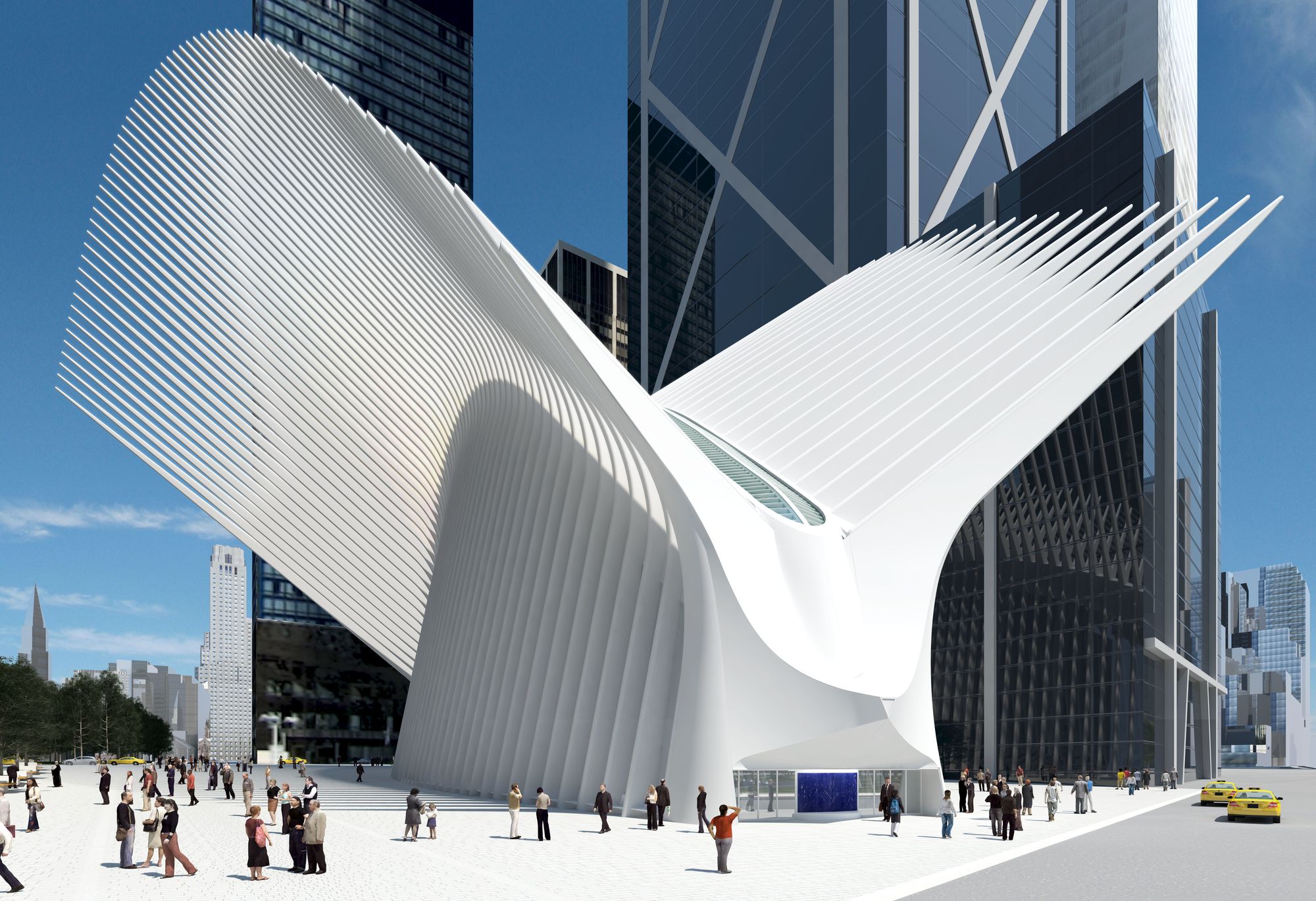
The controversial building of world trade center transportation hub replaces the original PATH rail system that was destroyed on 11 September 2001. The Oculus, which is also the main concourse, resembles a winged dove creating two canopies with its wings. A network of pathways underneath it connects to rail and subway lines.
© Hufton+Crow
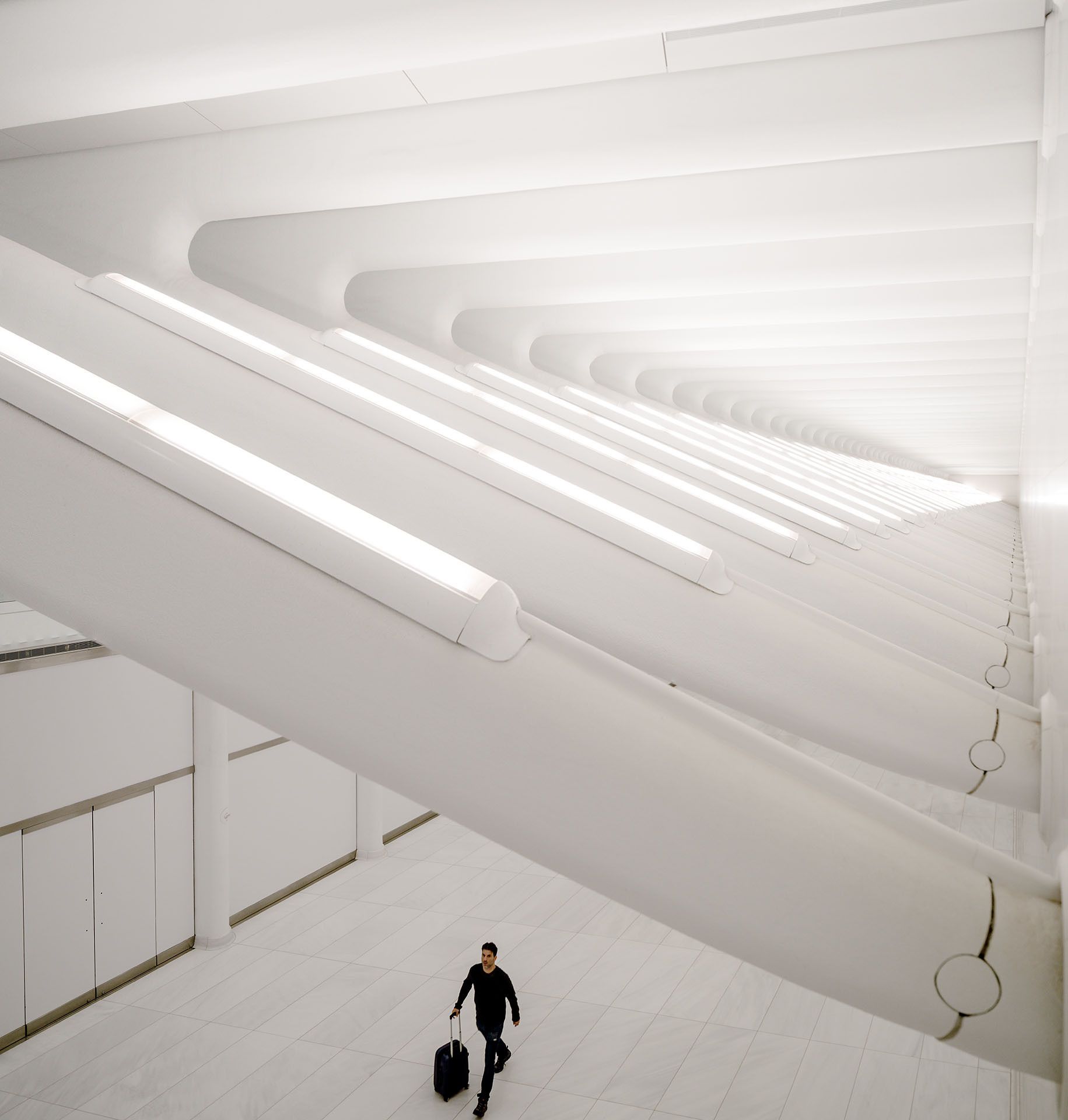
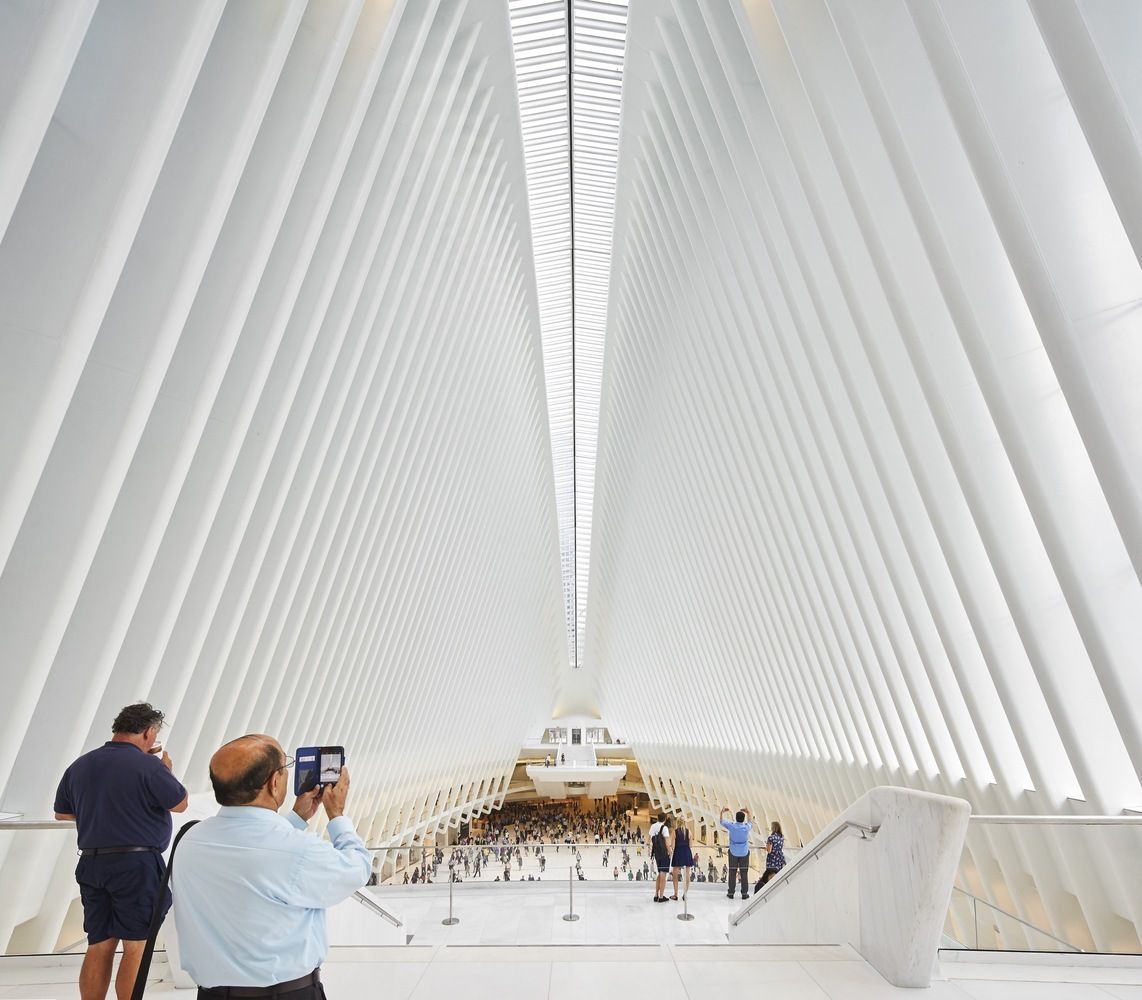
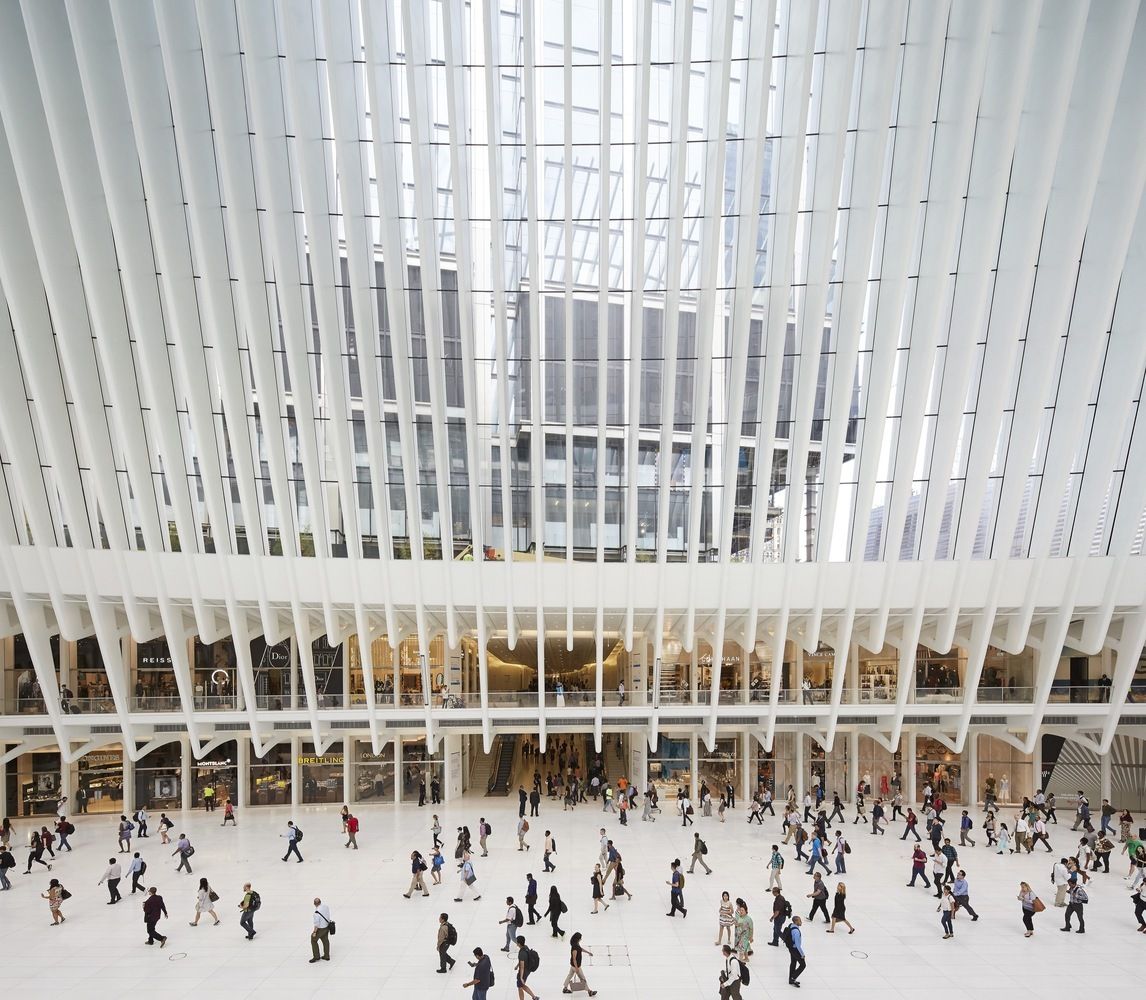
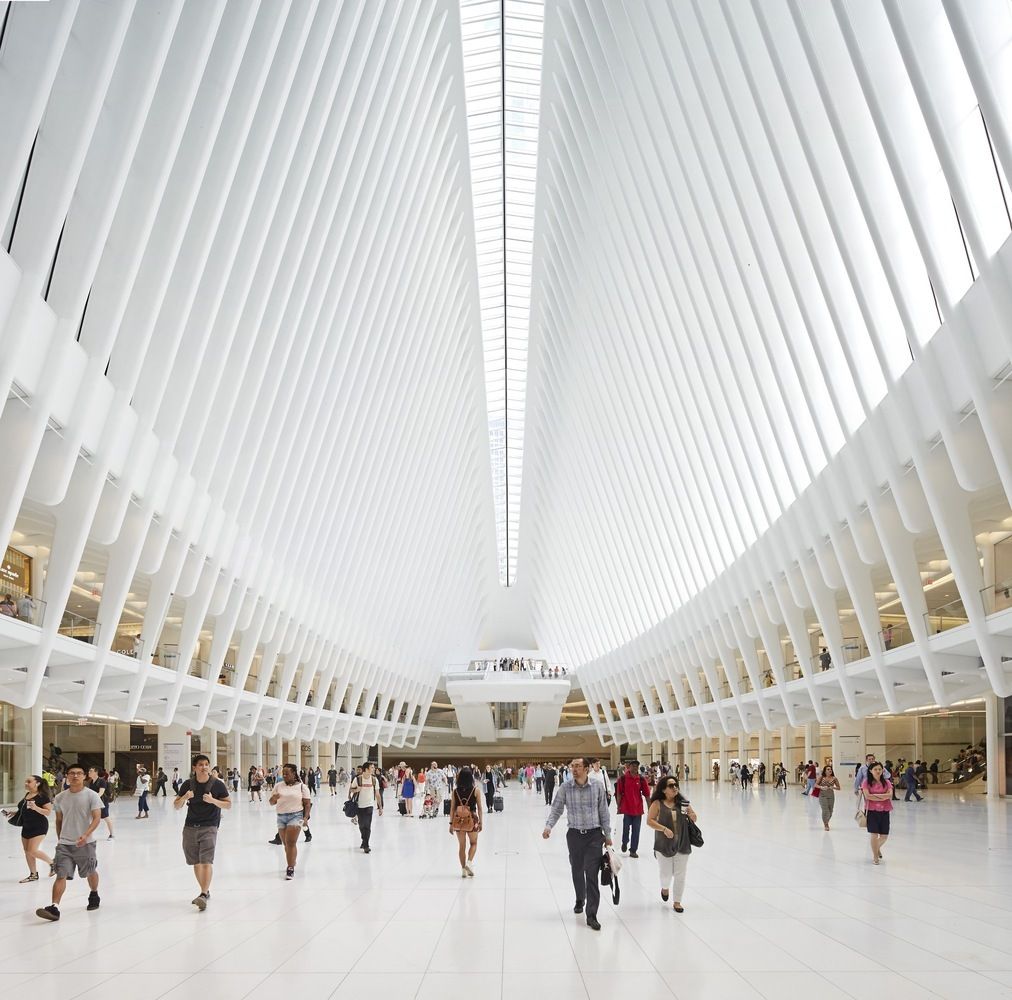
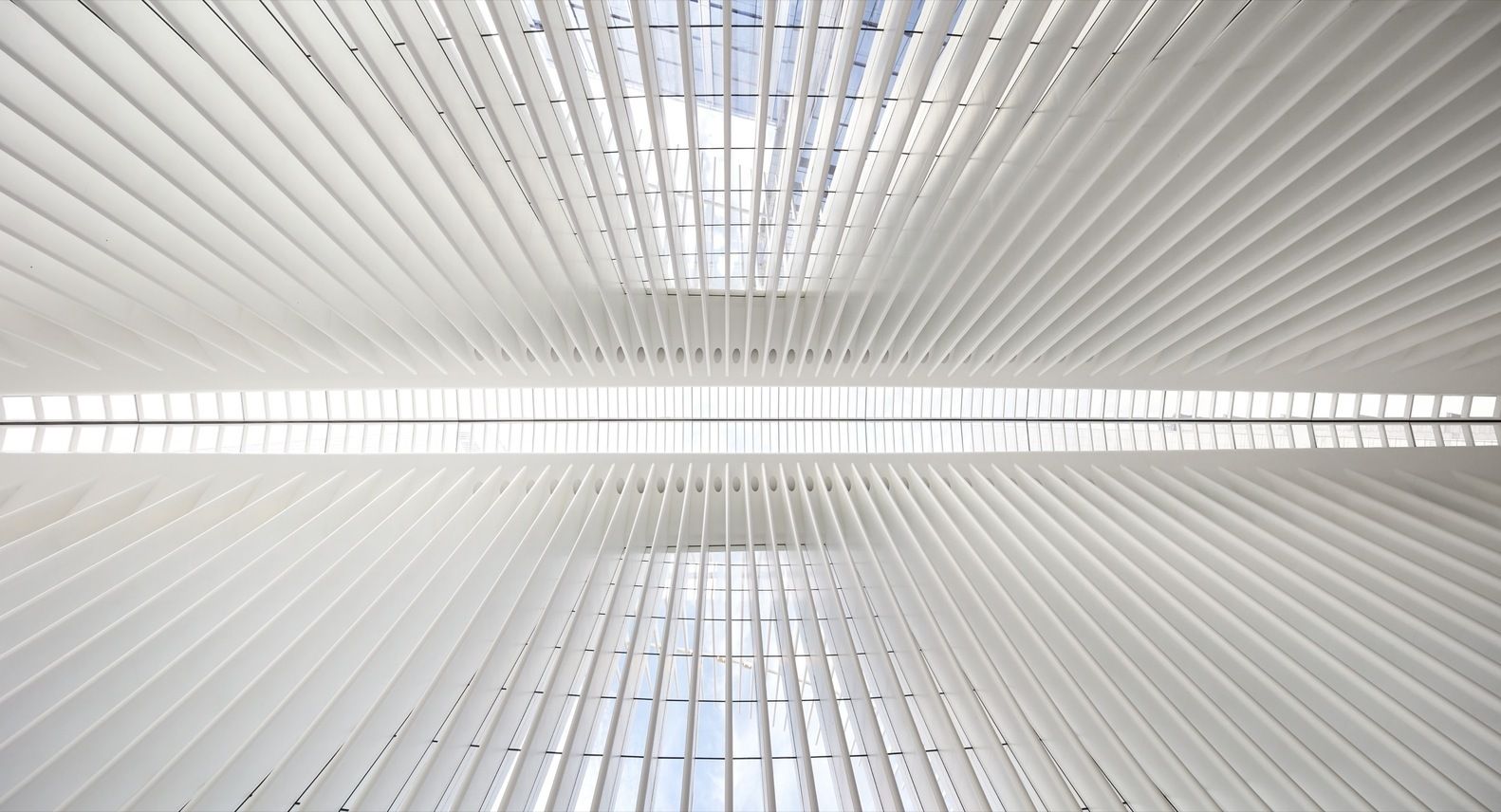
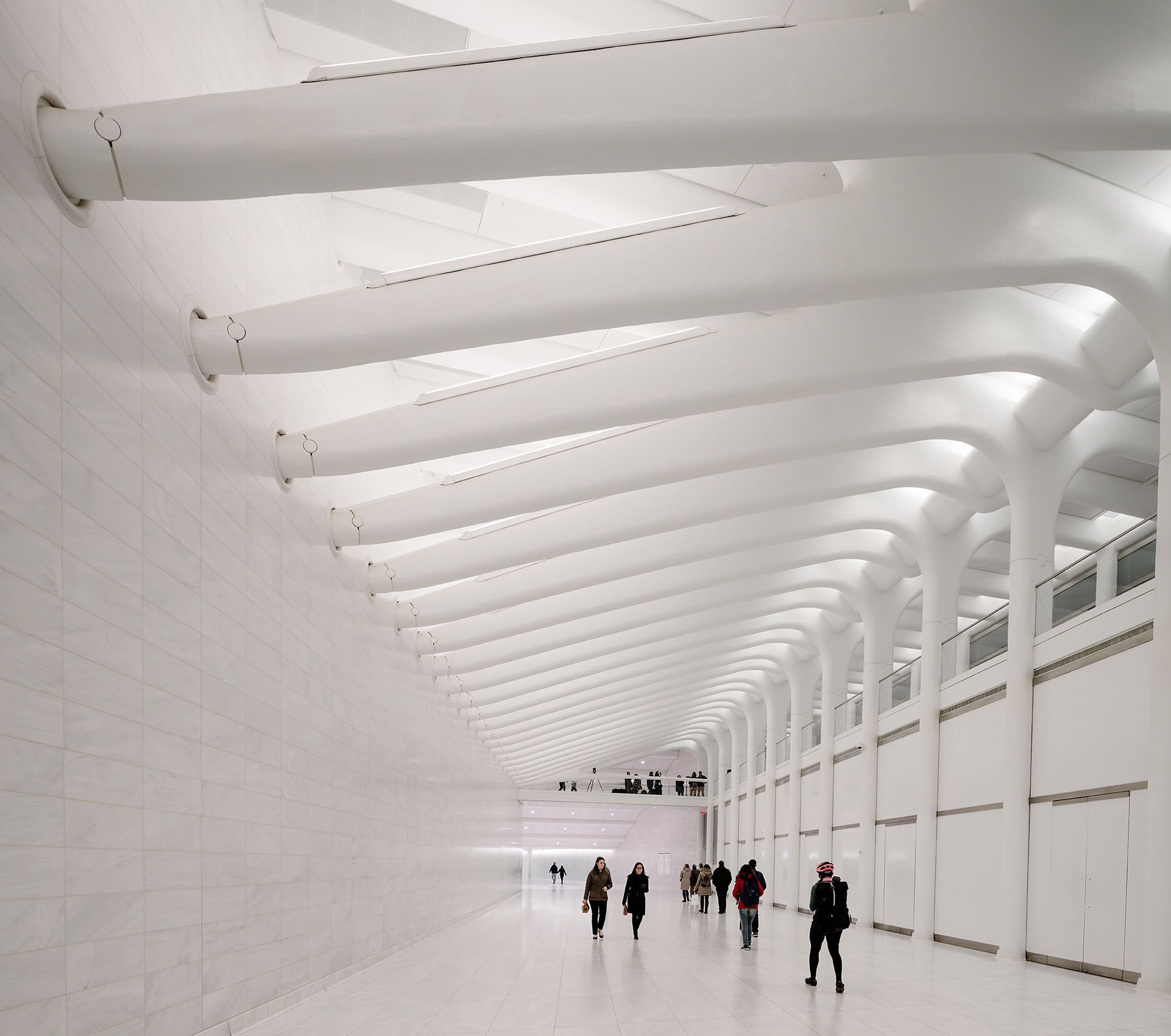
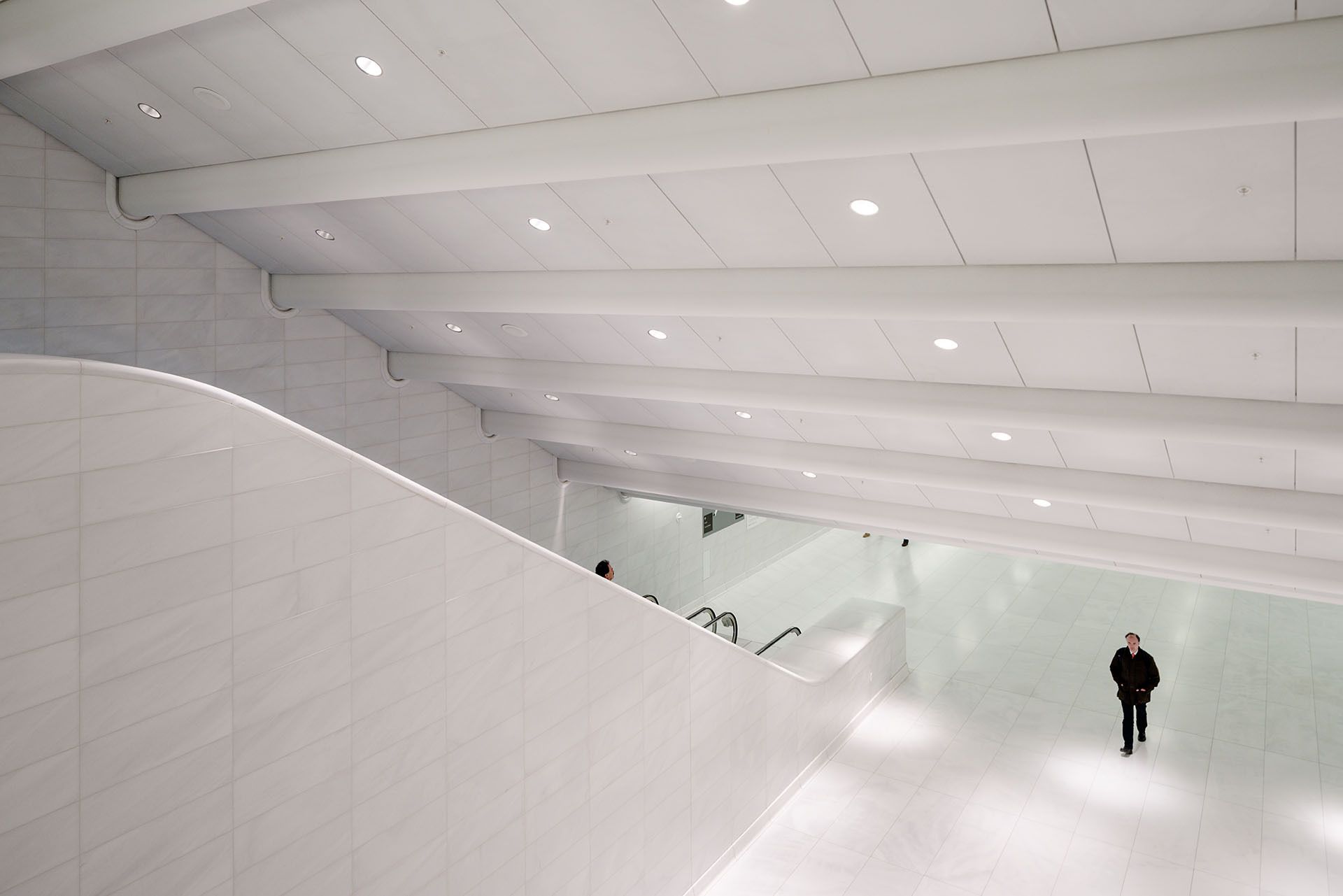
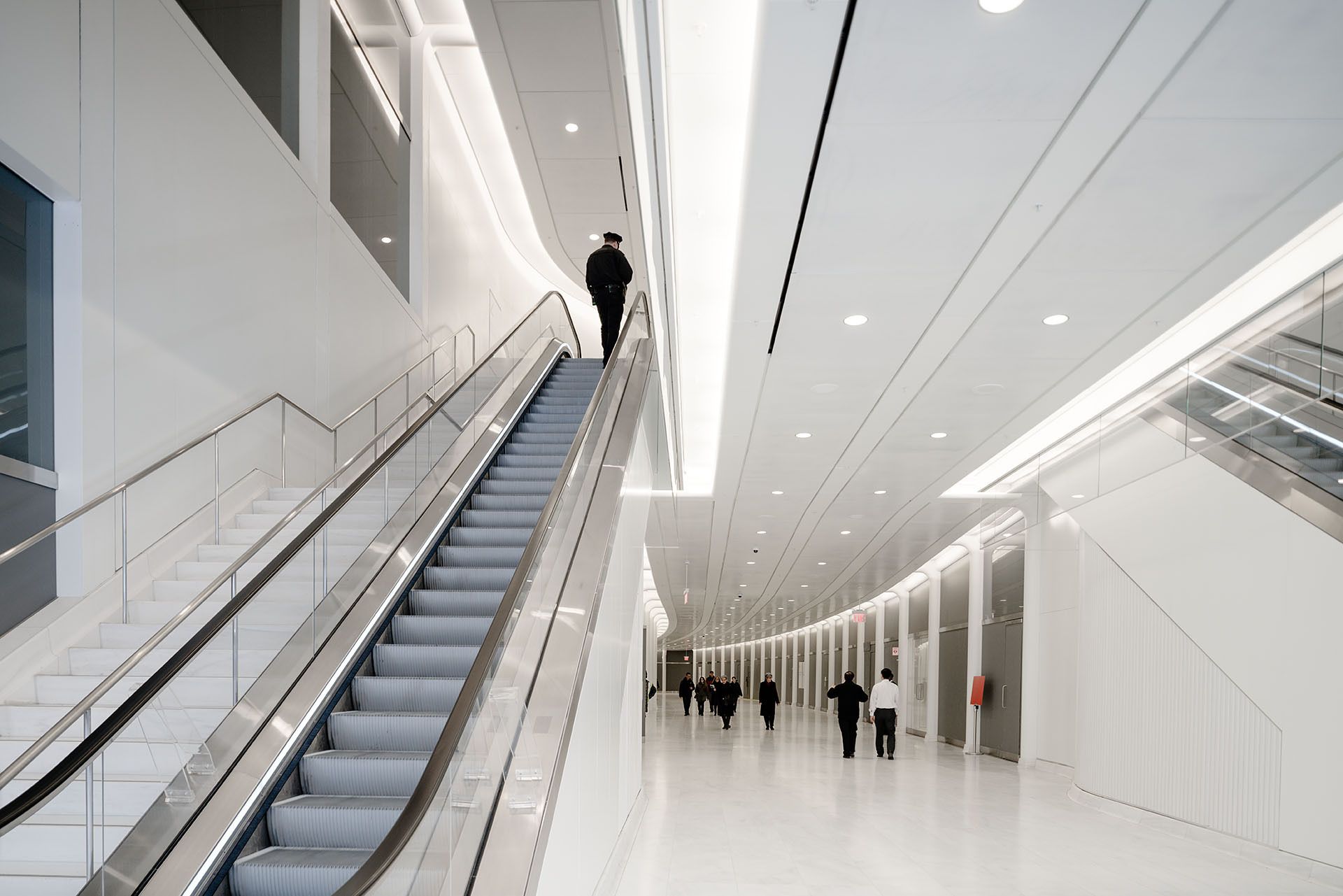
While the exterior work is finished, some work on the interior remains incomplete. Inside the construction, a slice of sky can be shown each year on 11 September with the help of an operable ceiling. Light turns into an active element and as the architect points out, gives dignity and beauty to the building’s lower levels and pedestrian walkways.
© Hufton+Crow
The passion of the critics can be soothed soon, time is known to challenge perspectives and as Paul Goldenberg writes for the Vanity Fair: The Grand Promenade is now one of New York’s most revered interior spaces, however, proving once again that yesterday’s vulgarity can become today’s landmark.
© Hufton+Crow
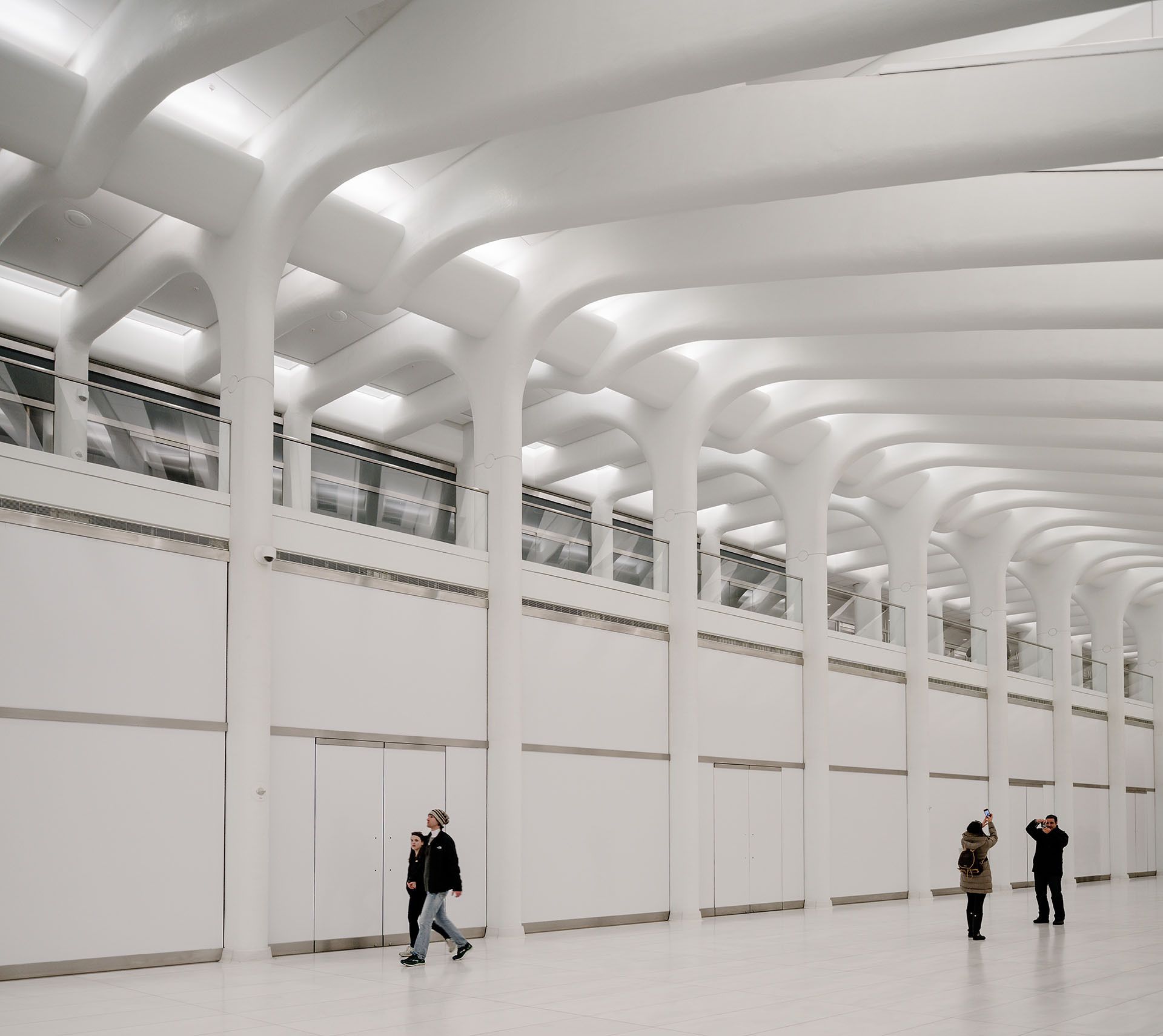
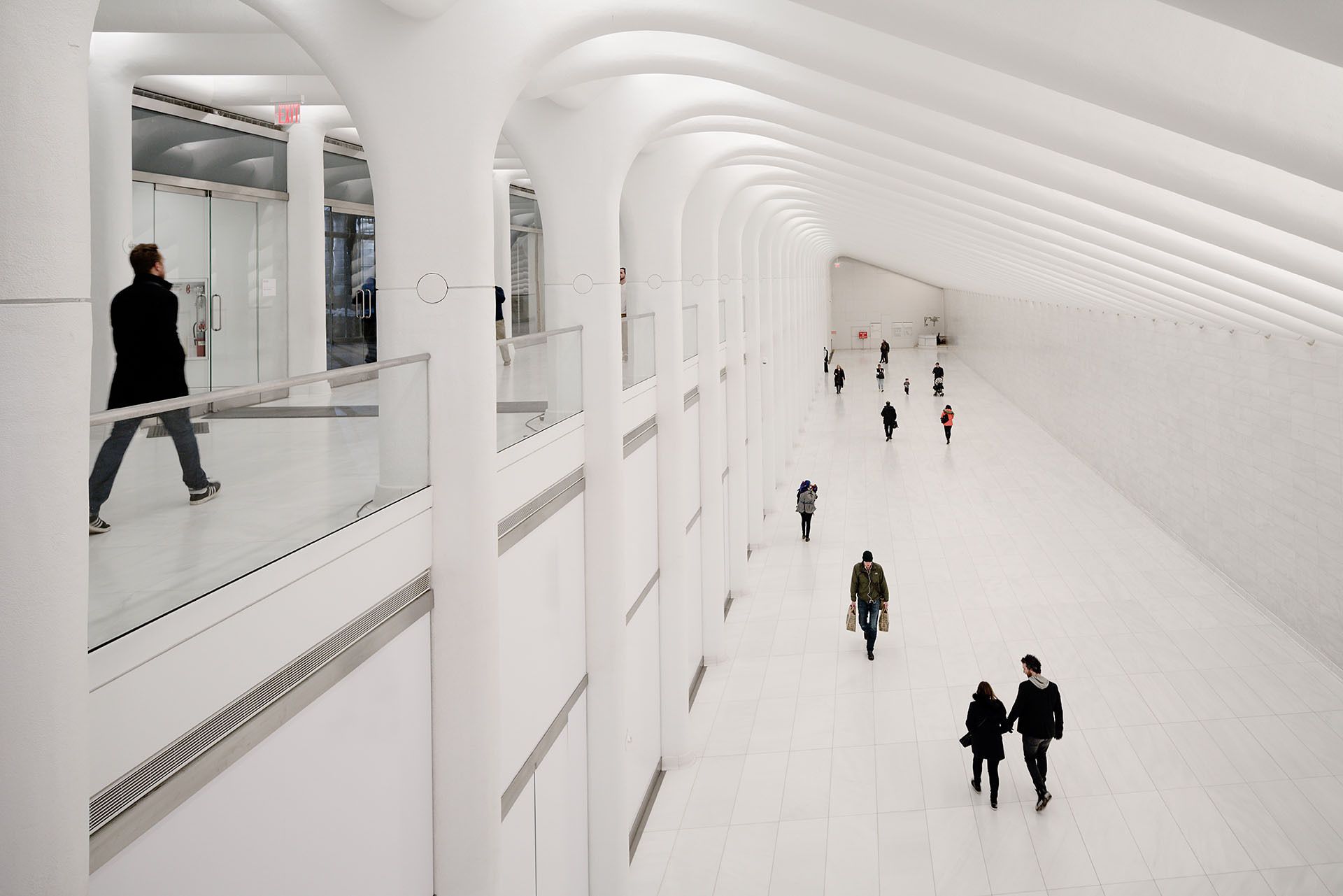
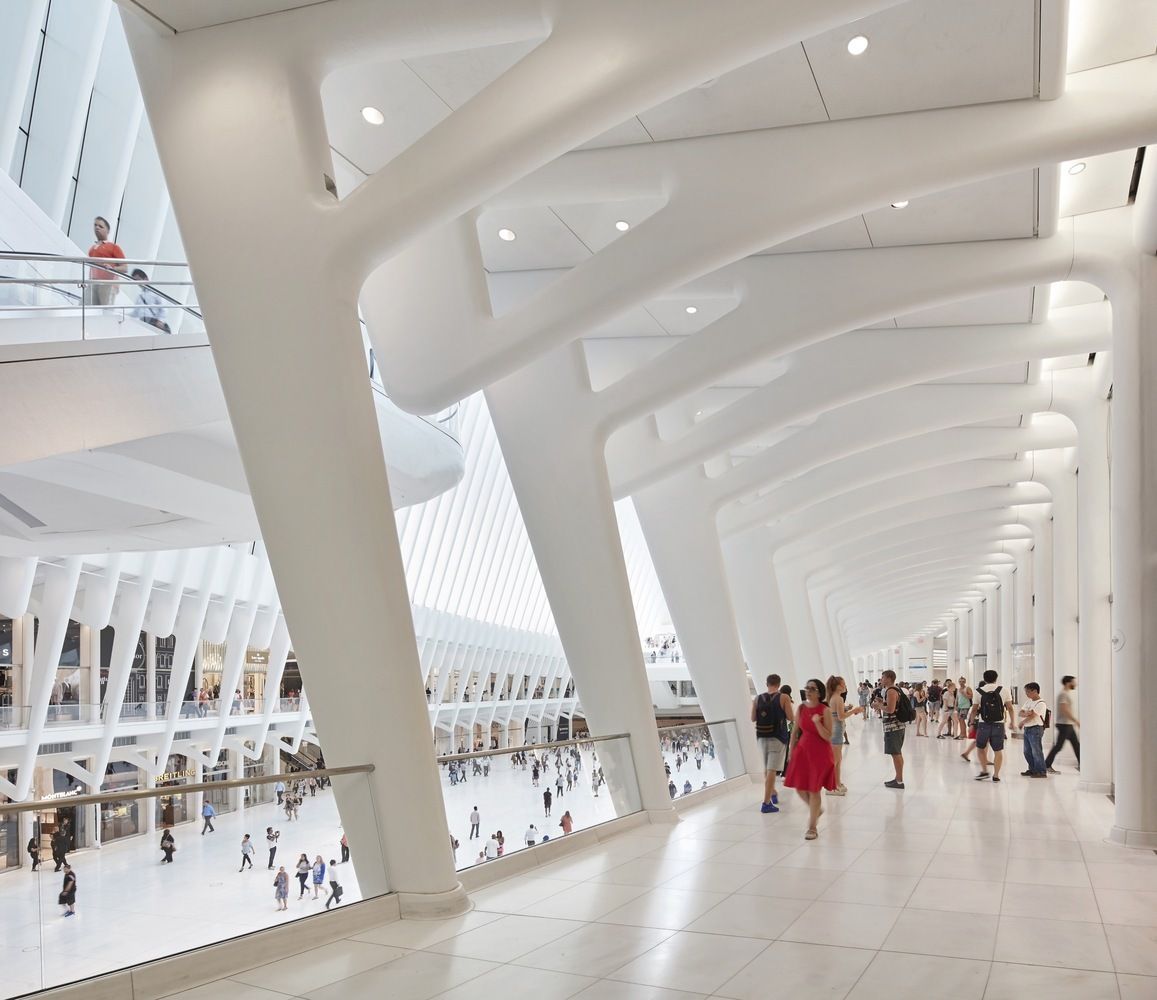
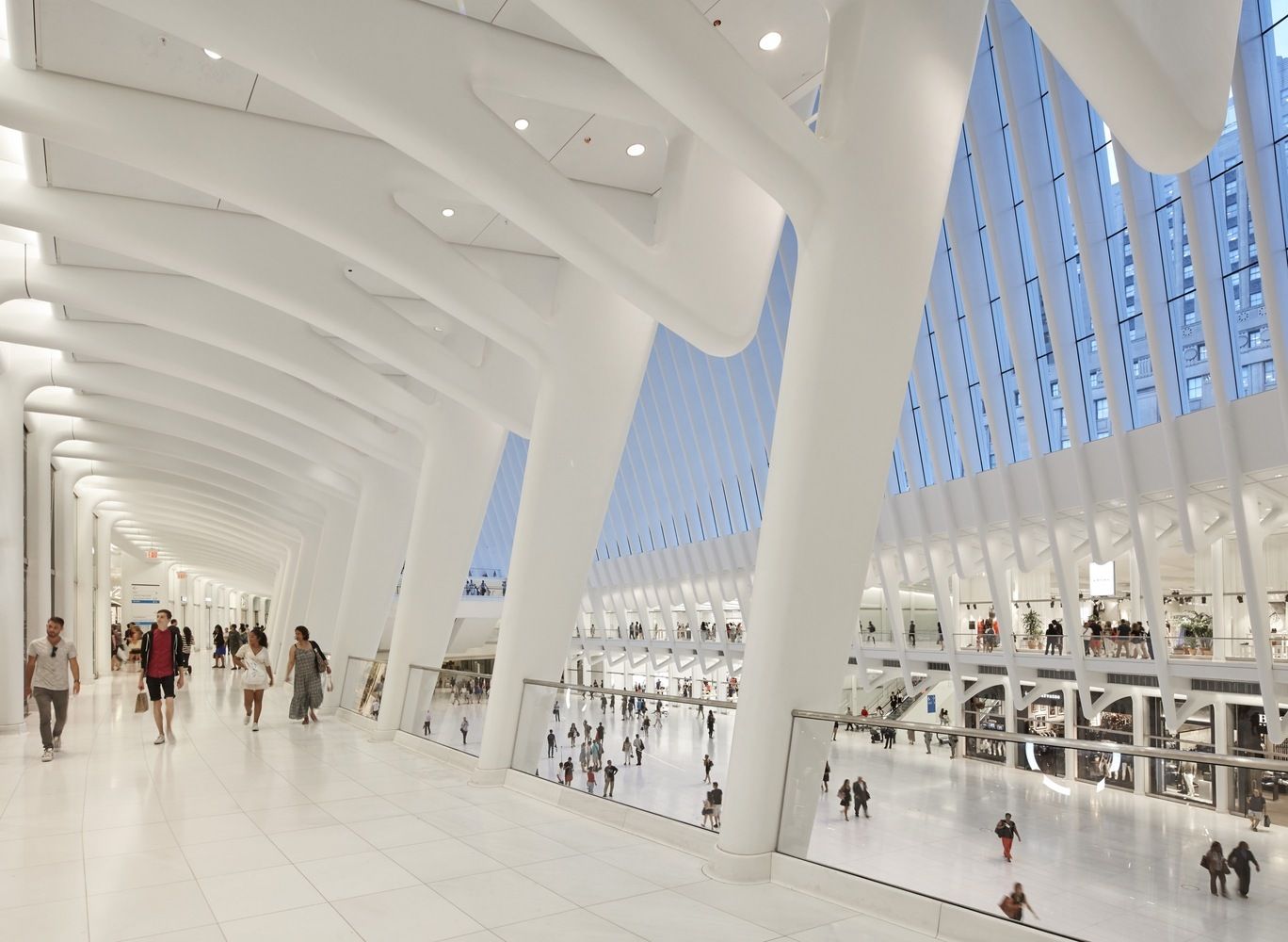
For Johnson, the questionable excess came in the form of lots of glitter and glitz. For Calatrava, it is in the oceans of white Italian marble, not just covering the main space of the Oculus but also all of the long connecting corridors that lead to the train platforms, to the neighboring buildings in the World Trade Center complex, and even to the tunnel under West Street to the Brookfield Place complex.
© Hufton+Crow
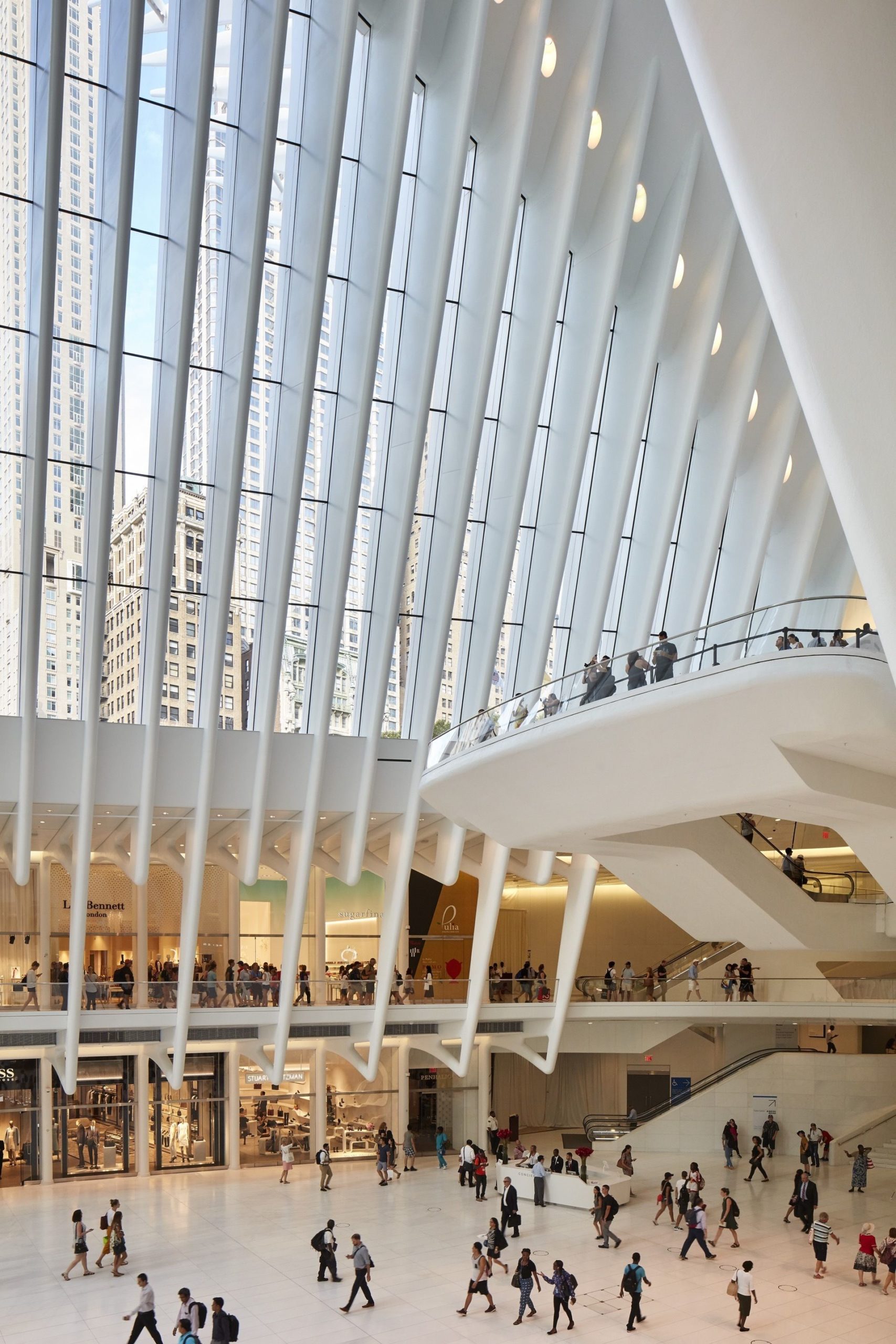
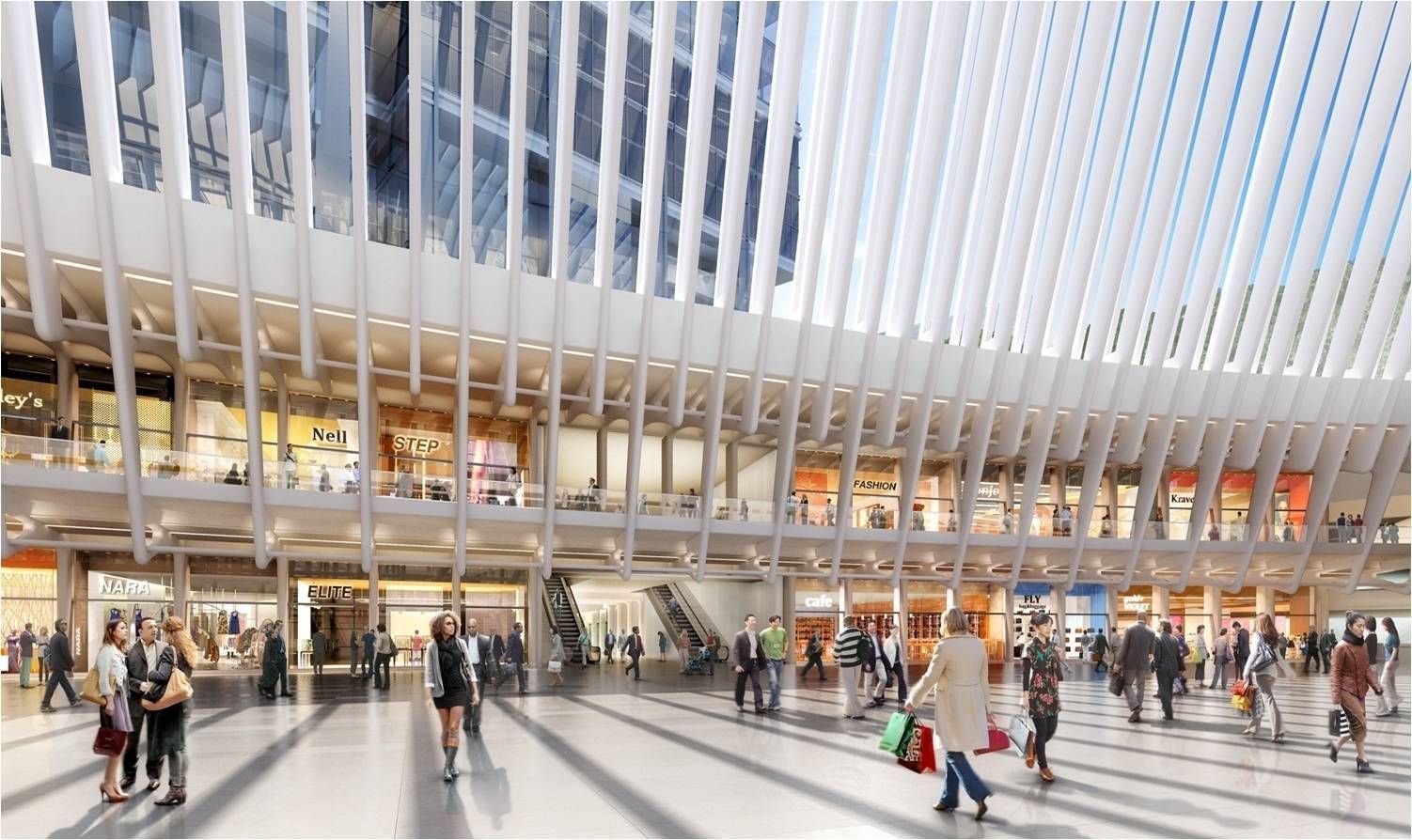
Two level retail space is expected to open by August with Kate Spade, Apple and Michael Kors among the leaseholders. Escalators, elevators and stairs provide access to the upper and lower retail concourse levels. The terminal will be illuminated at night. The Oculus’ wings were supposed to move but this kinetic element was removed due to cost reduction.
Project info:
Architects: Santiago Calatrava
Country: United States, New York
Year: 2016
Photographs: Hufton+Crow
Manufacturers: KRYTON, Kuraray, POHL, Carvart, Construction Specialties, Cristacurva, USG Ceilings
Engineer of Record: Downtown Design Partnership
Client: Port Authority of New York and New Jersey
Engineer: Santiago Calatrava
Architect: Downtown Design Partnership
Principal Building Materials: Steel, Concrete, Stone, Painted Metal Panels and Glass