

The Shift Away from the American Dream
Ever wonder why tiny houses have become such a big deal? It’s not just a trend—it’s a fundamental shift in how an entire generation thinks about home, money, and what really matters in life.
Here’s the reality: the traditional dream of a sprawling suburban mansion with a white picket fence? That’s becoming obsolete. Instead, millennials and Gen Z are embracing something completely different: compact, efficient, and intentional living spaces that prioritize experiences over square footage. With the digital economy enabling remote work, rising costs of living, environmental concerns, and the pandemic forcing us to rethink our priorities, downsizing is no longer just for young singles or empty nesters. It’s become a mainstream lifestyle choice.
The tiny house movement isn’t simply about making homes smaller. It’s fundamentally questioning conventional design and construction approaches while challenging traditional beliefs about wealth, privilege, and what actually constitutes a “good” home. Architects and designers have started asking themselves critical questions: Can micro-living help solve economic inequality and environmental crises? Is it possible to create a satisfying, healthy living experience in under 400 square feet? What does comfort and community look like at a smaller scale?
For context on how tiny houses compare to other space-efficient solutions, check out how really small houses feel bigger on the inside or explore the concept’s evolution over time.
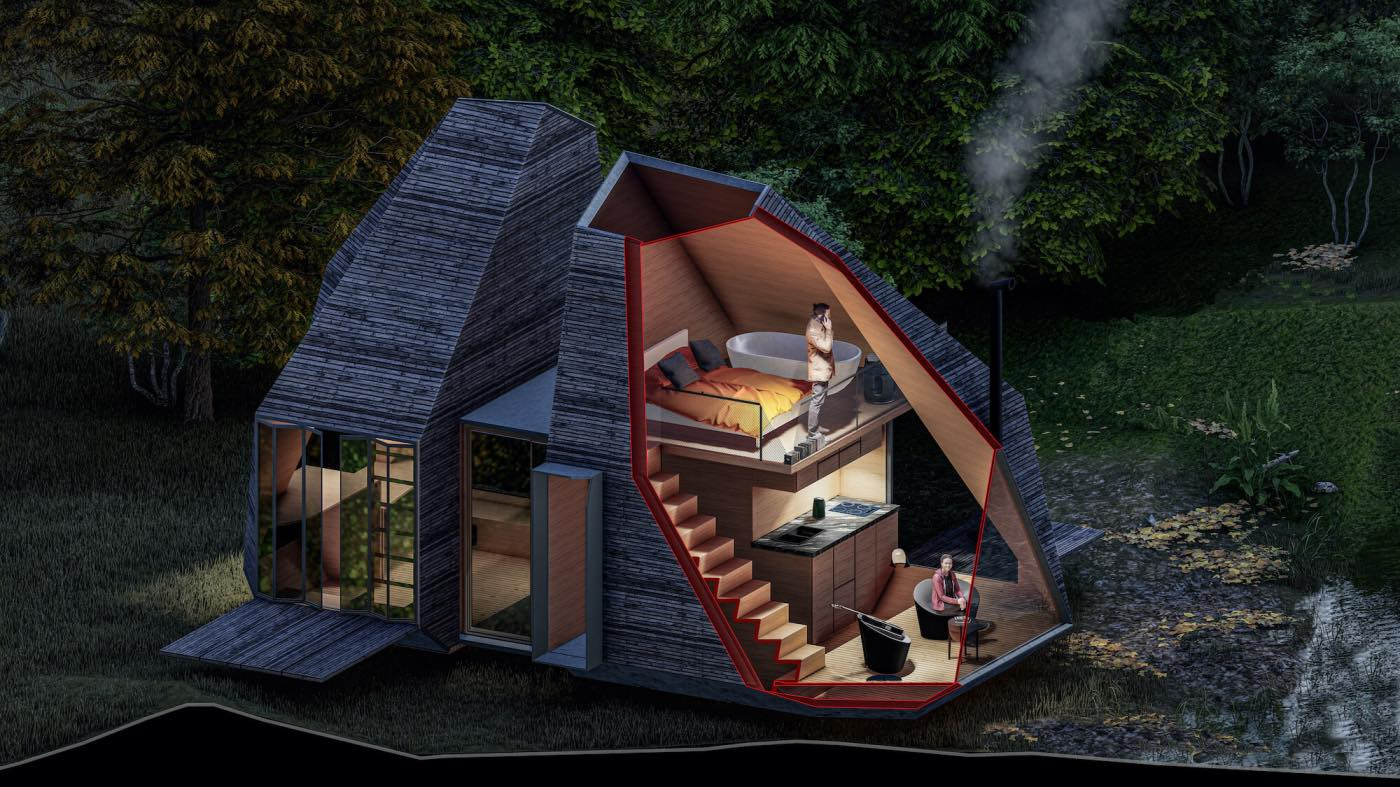
GASP Tiny House by Cankat Seyret
Understanding the Tiny House Definition
So How “Tiny” Are Tiny Houses, Really?
Here’s the thing: what counts as “tiny” depends entirely on perspective and personal needs. But the general consensus? Most tiny houses are well under 1,000 square feet, with many clustering in the 200-400 square foot range.
You’ll find plenty of floor plans featuring small lofts and flexible designs that allow expansion. Two-bedroom tiny houses? They’re surprisingly rare. That’s because when you’re designing for minimal footprint, you need to be strategic about space allocation. The trade-off is worth it though—downsizing forces intentional design that eliminates clutter and waste, creating homes that are organized, functional, and psychologically calming.
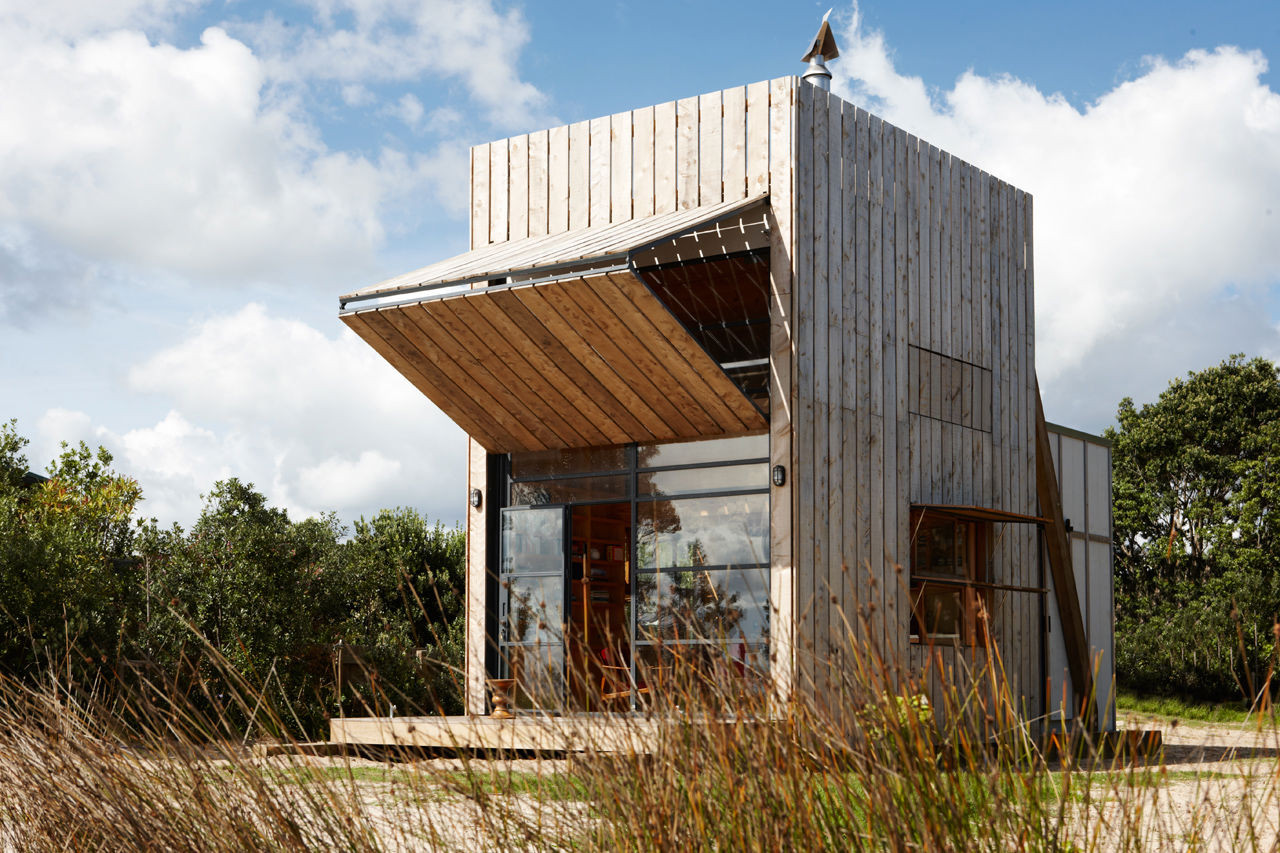
Tiny House by Crosson Architects
It is commonly thought that downsizing helps in decluttering our lives, making us more organized. Therefore, it is no surprise that this is reflected in quite flexible designs that make more with less space.
Are Tiny Houses Actually Legal?
Here’s where things get complicated: tiny houses can be illegal in many places. In the US, for instance, tiny homes are sometimes classified as “unacceptable forms of residency,” making them difficult to regulate in terms of safety codes and zoning restrictions.
This legal grey area varies significantly by location. Some municipalities embrace tiny house communities while others prohibit them outright. Before investing in a tiny house, it’s critical to research local zoning laws, building codes, and housing regulations in your area. Many tiny house owners have successfully navigated this by placing their homes on family property, purchasing land in tiny-house-friendly zones, or working with municipalities to establish new regulations.
The Real Cost of Building a Tiny House
How Much Does It Actually Cost?
While affordability isn’t the only benefit of tiny house living, the financial savings are significant. Studies suggest that downsizing can reduce your living expenses by 3-4 times—fewer materials, less debt, lower utility bills, and reduced maintenance costs create genuine financial freedom.
Building costs vary dramatically based on design complexity, location, and whether you’re using prefabricated or custom construction:
-
DIY builds: $10,000-$30,000
-
Pre-fabricated tiny houses: $30,000-$60,000
-
Custom architect-designed homes: $60,000-$150,000+
The lower price point makes tiny houses accessible to people who’ve been priced out of traditional homeownership—especially first-time buyers, young professionals, and anyone carrying student debt.
Creating Income Through Tiny Houses
Interestingly, tiny houses can also become income generators. Several rental programs distribute pre-fabricated tiny houses to qualified individuals, creating new housing options while generating revenue for builders and developers. Some owners rent their tiny homes on platforms like Airbnb, turning their compact space into a profitable short-term rental asset.
Tiny House in Australia designed by Aussie Tiny Houses
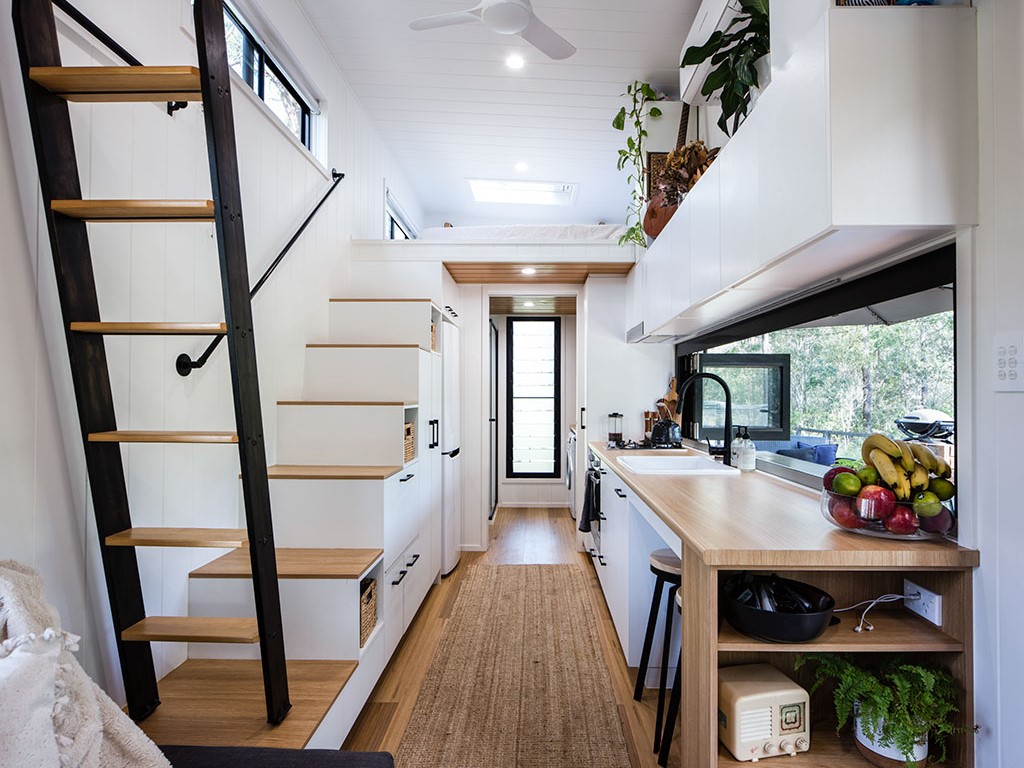
Tiny House in Australia designed by Aussie Tiny Houses
So, still wondering about these tiny homes, how they come to be and operate? Well, we have put together a list of 8 houses that set an example of space optimization, smart design, and innovative organization. Do you want to know what makes a good house design? Check out these 10 Common Mistakes to Avoid When Designing House Floor Plans!
Why Tiny Houses Have Become This Generation’s Big Dream
1) Affordability: Breaking Free from the Mansion Myth
The “suburban mansion” is no longer the American dream—it’s simply out of reach for most of this generation. According to Business Insider, millennials are “financially behind” compared to their parents, graduating with massive student loan debt while facing skyrocketing housing costs and stagnant wages.
Consider the reality: saving for a down payment on a traditional home often takes a decade or more of disciplined saving. Meanwhile, rent consumes 30-40% of income, making wealth-building nearly impossible. Tiny houses shatter this equation. For $40,000-$80,000, you can own your home outright—eliminating rent payments and building equity immediately.
As Hillary Hoffower wrote in Business Insider: “Baby boomers turned multi-story houses with sprawling lawns into a sign of economic prosperity, but their children may be driving the downfall of this status symbol. Millennials are now wiping out the starter home—and the suburban mansion may not be far behind.”
This generational shift reflects a pragmatic reality: why spend $500,000 on a mortgage when you can invest in a $60,000 tiny house and redirect those savings toward education, travel, or building a business?
2) Experiences Over Possessions: A New Definition of Luxury
Here’s what’s fascinating about millennials and Gen Z: they value experiences far more than material possessions. This generation prioritizes efficiency and quality over sheer size and luxury. They’d rather spend money on travel, education, and memorable experiences than accumulate square footage and expensive furnishings.
Tiny houses enable this philosophy perfectly. By reducing housing costs and eliminating space dedicated to “stuff,” residents can redirect money toward actual living: traveling, learning, creating, and connecting with people and experiences that matter.
Andrew Kotchen, founding principal of the architecture firm Workshop APD, captured this shift perfectly in an interview with Mansion Global: “Experience is so coveted among this generation that it’s become a new form of luxury. The world we live in thinks the more money you throw at it, the fancier the materials, the more luxury it is. That’s not true. There are baseline conditions of quality and craft, but it’s really about the experience.”
Tiny house living embodies this perspective—creating spaces that are thoughtfully designed, beautifully crafted, and optimized for meaningful living rather than ostentatious display.
3) Remote Work & Mobility: Living Untethered
The future of work is mobile. Global Workplace Analytics estimates that 25-30% of the workforce will work remotely full-time by 2025—a shift accelerated dramatically by the pandemic.
With location flexibility suddenly possible, tiny houses enable a nomadic lifestyle that was previously impractical. Some tiny homeowners place their houses on trailers, literally carrying their home with them as they move for opportunities, relationships, or adventure.
Jenna Spesard of Tiny House Giant Journey described her transformation in Business Insider: “Tiny living enabled me to become an entrepreneur and take on a nomadic lifestyle. I’m saving enough money every month that I can travel all over the world a few times a year while working on my own business. I never would have been able to do that before going tiny.”
This mobility creates unprecedented freedom—the ability to chase opportunities, build businesses, or simply explore the world without being anchored to a massive mortgage and property.
4) Environmental Responsibility & Sustainability
Beyond economics, tiny houses address one of the most pressing concerns facing this generation: environmental sustainability.
Smaller homes require:
-
Fewer building materials – reducing extraction and waste
-
Lower energy consumption – less heating, cooling, and electricity needs
-
Minimal land footprint – preserving green space and ecosystems
-
Reduced waste production – intentional living means less consumption
Many innovative tiny house designs incorporate solar panels, rainwater harvesting, composting toilets, and recycled materials—turning them into models of sustainable living that minimize environmental impact while maximizing quality of life.
20 Innovative Tiny House Designs: Space Optimization at Its Best
Ready to see the real magic? Here are 20 examples of how architects and designers are reimagining what’s possible in minimal space.
1) GASP Tiny House | Cankat Seyret
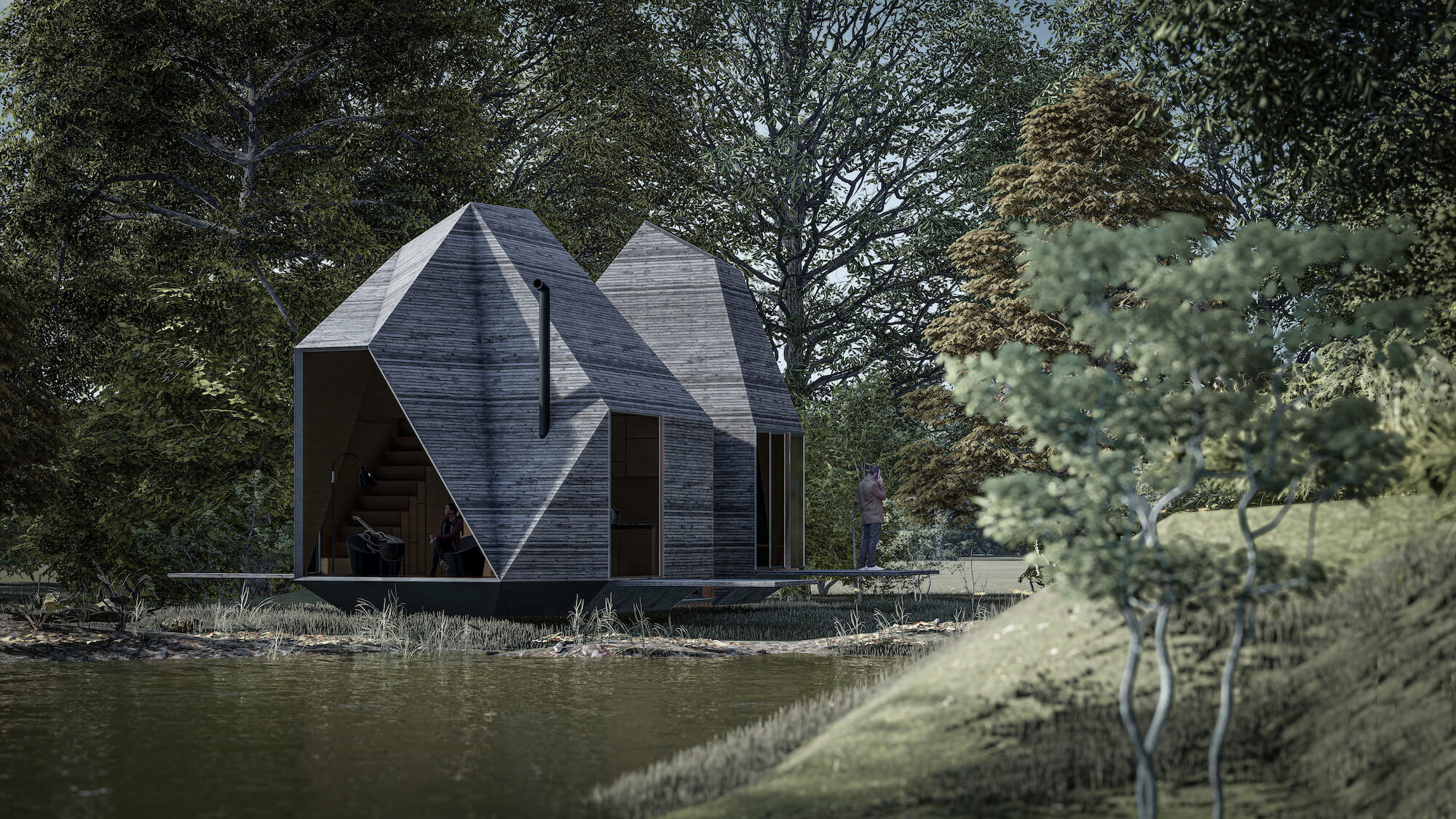
GASP Tiny House by Cankat Seyret
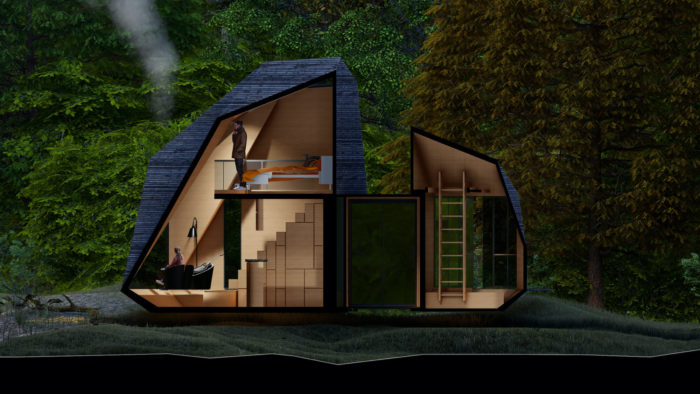
GASP Tiny House by Cankat Seyret
GASP represents a fascinating conceptual approach to minimal living within nature. Designed by Cankat Seyret, this tiny house draws inspiration from the COVID-19 pandemic, human lungs, and molecular oxygen structures—creating a metaphorical “moment of gasping” that reflects the exhaustion and need for tranquility in modern urban life.
The design translates the biological gasping response into architectural form, offering a sanctuary for those seeking escape from the concrete jungle. It’s minimal, intentional, and deeply conceptual—proof that tiny house design can be both functional and philosophically meaningful.
2) Hut on Sled Prefab Tiny House | Crosson Architects
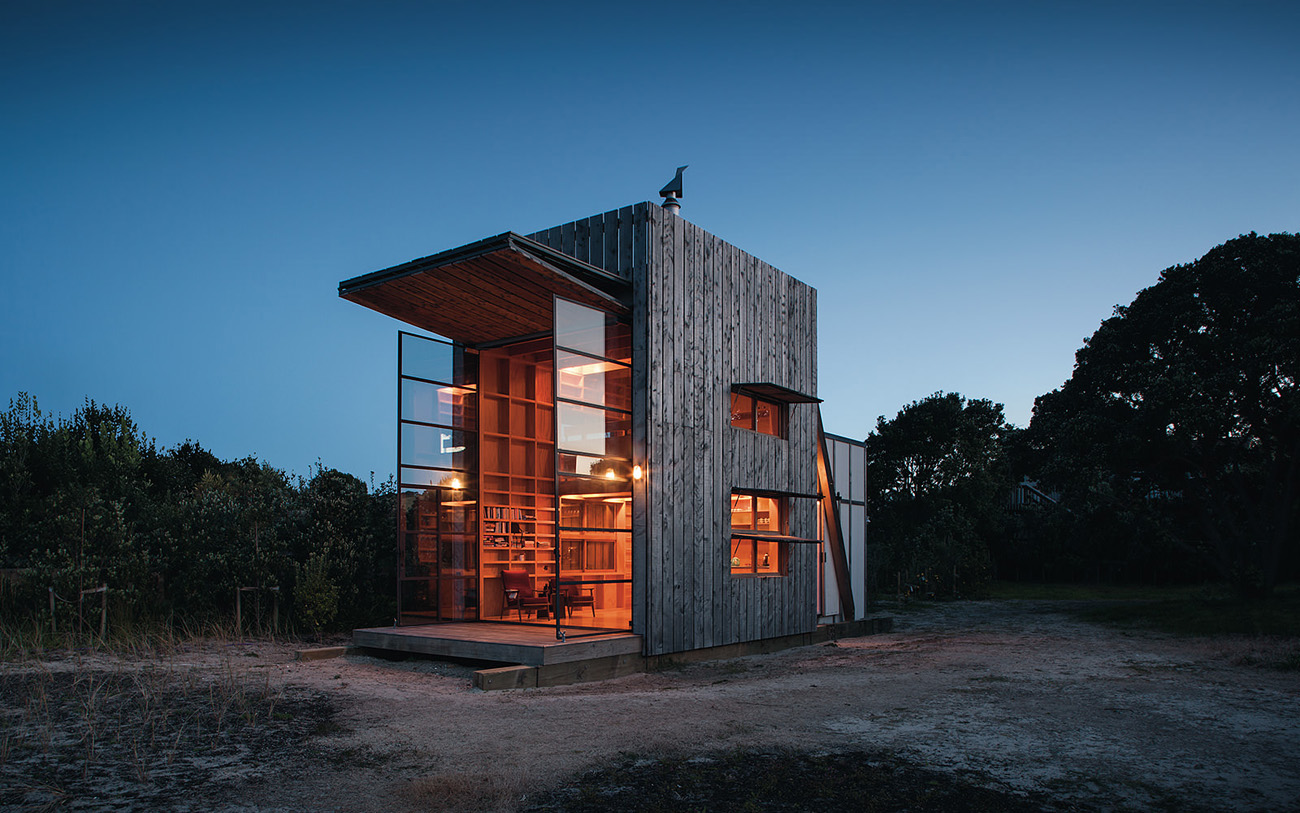
Hut on Sled Prefab Tiny House by Crosson Architects
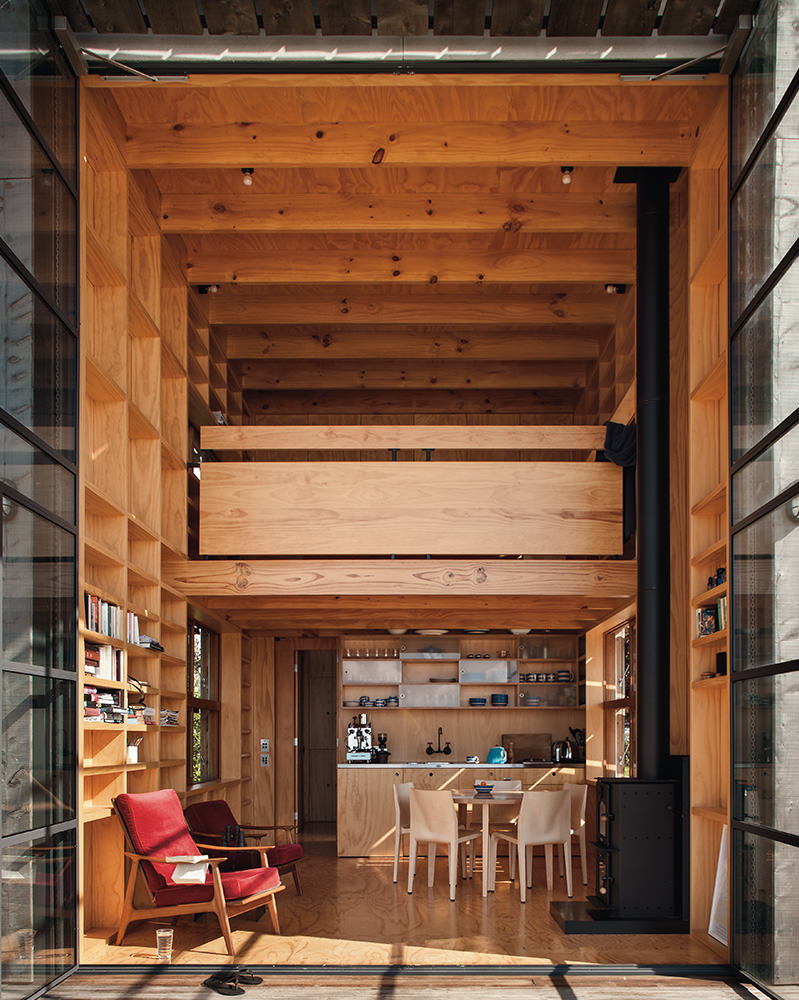
Hut on Sled Prefab Tiny House by Crosson Architects
This brilliant prefab holiday retreat measures just 40 square meters but accommodates a family of five with ingenious space planning. The design closes up weathertight when not in use, features a kitchen/dining/living area, bathroom, and two sleeping zones—including a three-tiered bunk for children.
The rough macrocarpa cladding blends seamlessly into the landscape when closed, while triangular windows and the A-frame profile efficiently shed rainwater and snow. It’s a masterclass in how minimal space can still feel generous when designed thoughtfully.
3) The Ecological Living Module | Gray Organschi Architecture
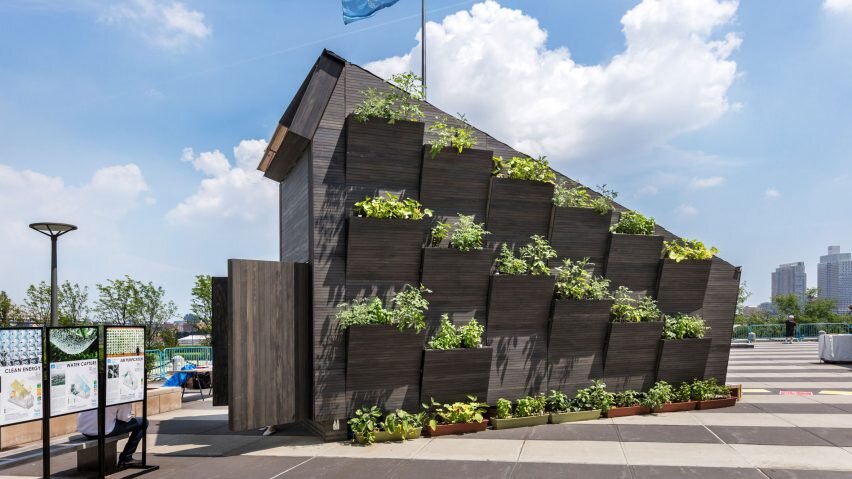
Photography is by David Sundberg/Esto
https://www.arch2o.com/tag/gray-organschi-architecture/
Photography is by David Sundberg/Esto
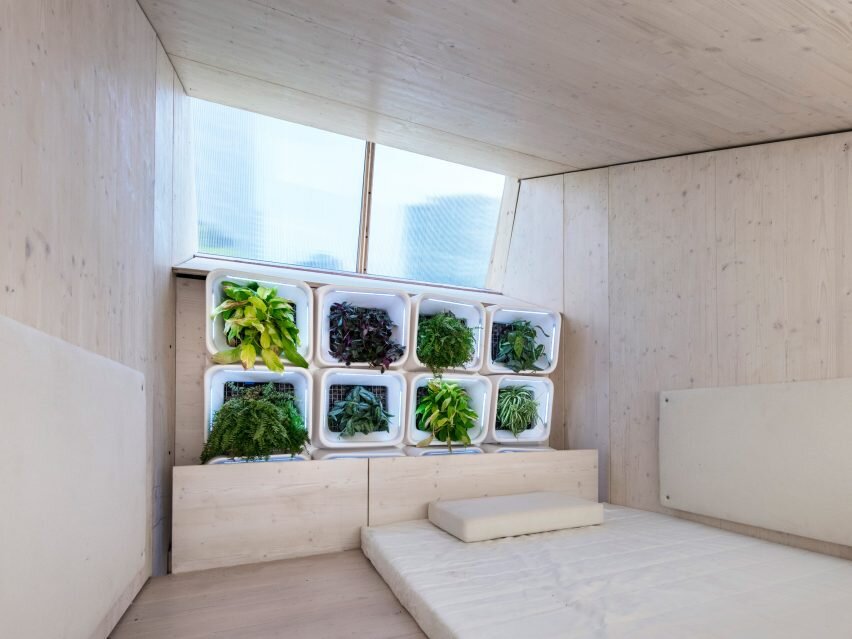
This collaboration between Gray Organschi Architecture and Yale University researchers demonstrates how tiny houses can be entirely self-sufficient. Measuring just 230 square feet, this micro-living module accommodates up to four people while generating its own power through rooftop photovoltaics.
The integrated “micro-farming wall” grows food, while the system captures, filters, and recycles rainwater and greywater to irrigate crops. It’s sustainable living taken to its logical conclusion—a completely autonomous micro-home that demonstrates energy independence and food production in minimal space.
4) Minimod | MAPA
Photography by Leonardo Finotti
Photography by Leonardo Finotti
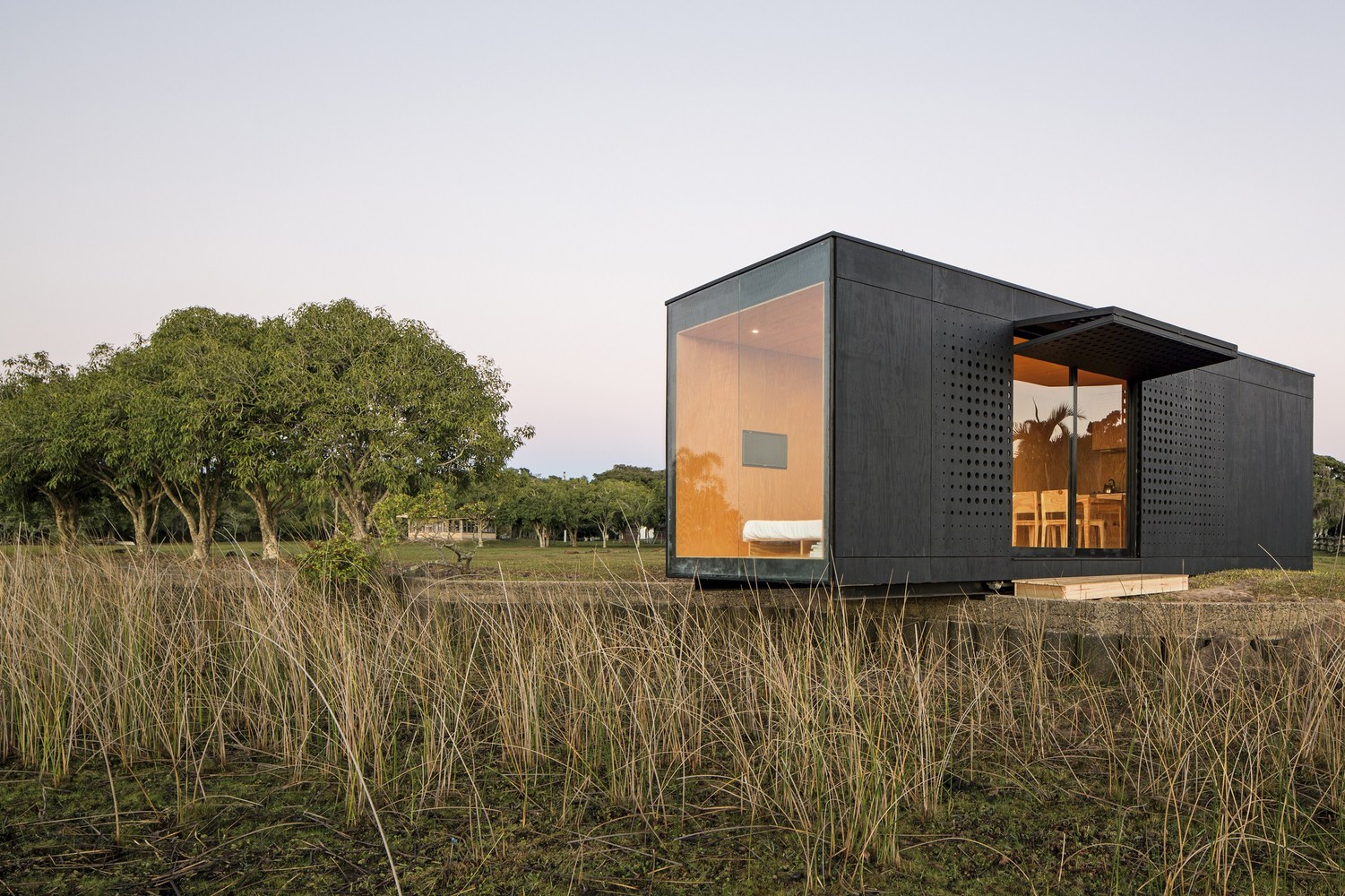
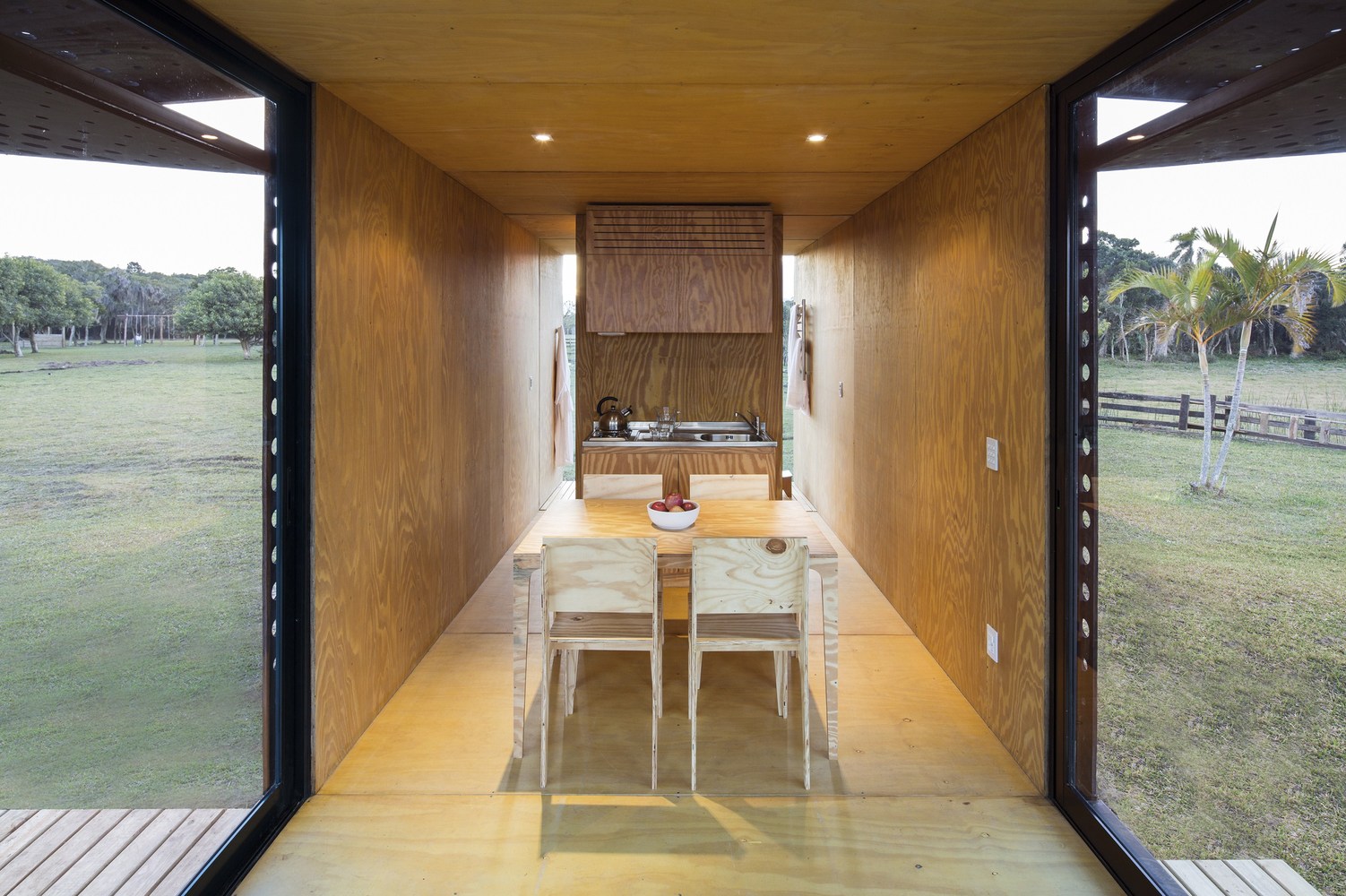
MINIMOD showcases the power of modular, scalable design. Each prefabricated module prioritizes customization, design quality, and sustainability. Depending on how many modules are combined, the system can function as a weekend refuge, event showroom, hotel room, or entire inn.
The modules are 100% prefabricated for quality control and efficiency, then delivered by truck or disassembled into smaller pieces for remote assembly. It’s a brilliant system that proves tiny houses don’t have to mean compromised quality—just smarter thinking about resources.
5) Diogene | Renzo Piano
Courtesy of Vitra
Courtesy of Renzo Piano
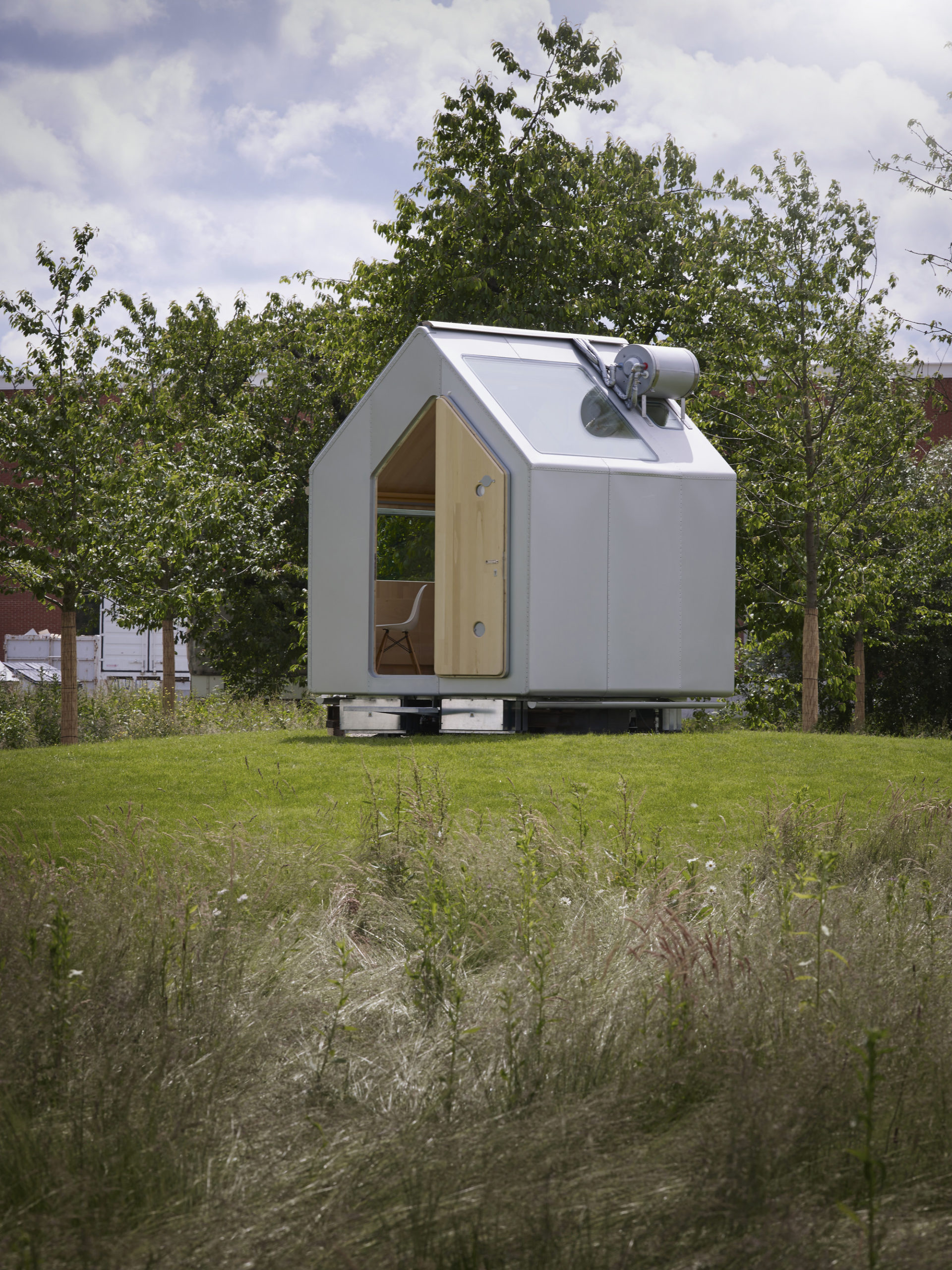
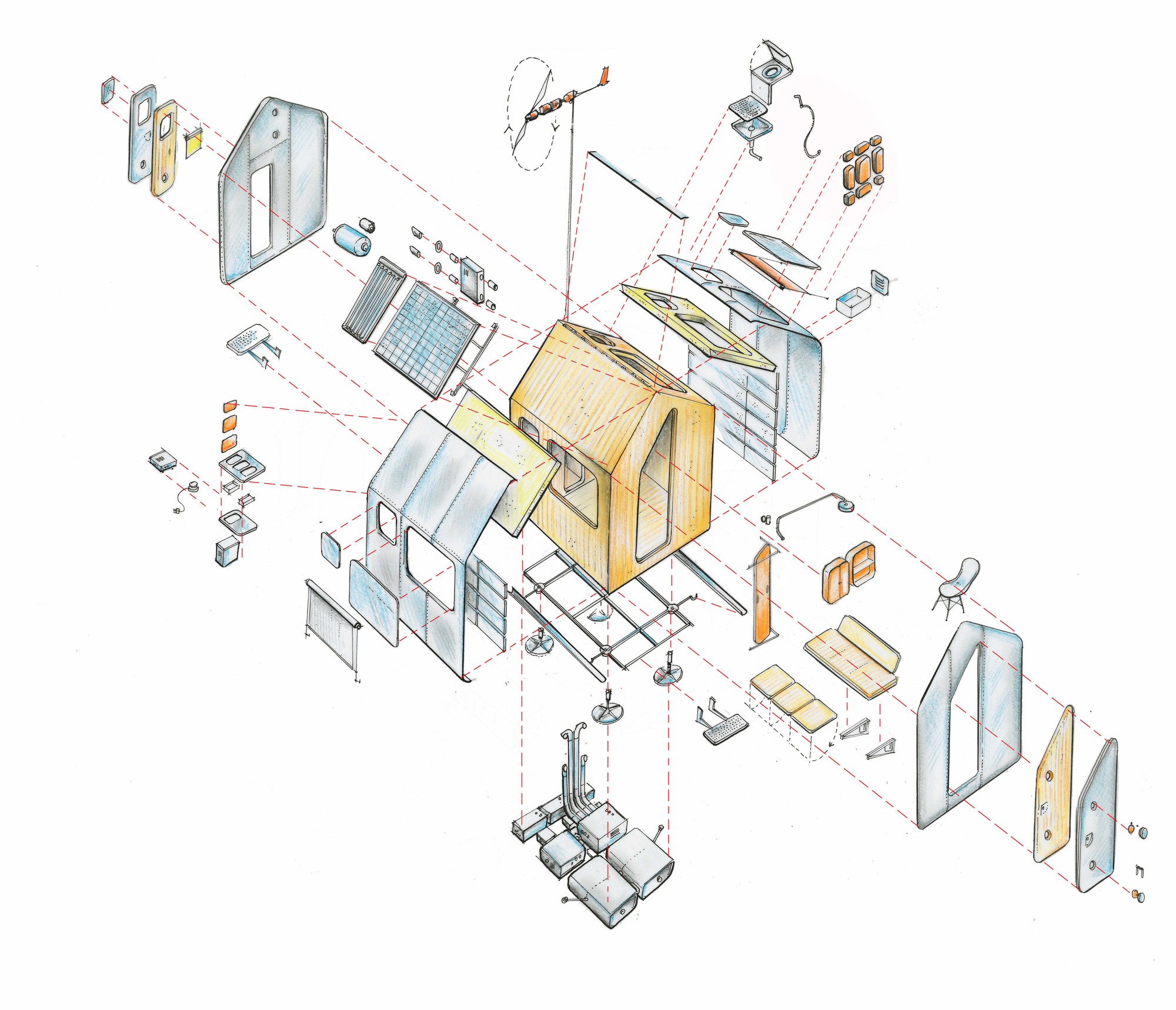
Legendary architect Renzo Piano has long been fascinated by the question: What’s the minimum space a person can actually live in? Diogene, named after the ancient Greek philosopher said to have lived in a barrel, represents his answer.
Developed with furniture company Vitra, Diogene is a meditation on essential living—stripping away everything except what’s truly necessary. It’s more conceptual art than practical dwelling, but it powerfully demonstrates how minimalism can be beautiful, philosophical, and thought-provoking.
6) Glass-Block Micro House | ROOM+ Design & Build
Courtesy of SM Art Studio
Courtesy of SM Art Studio
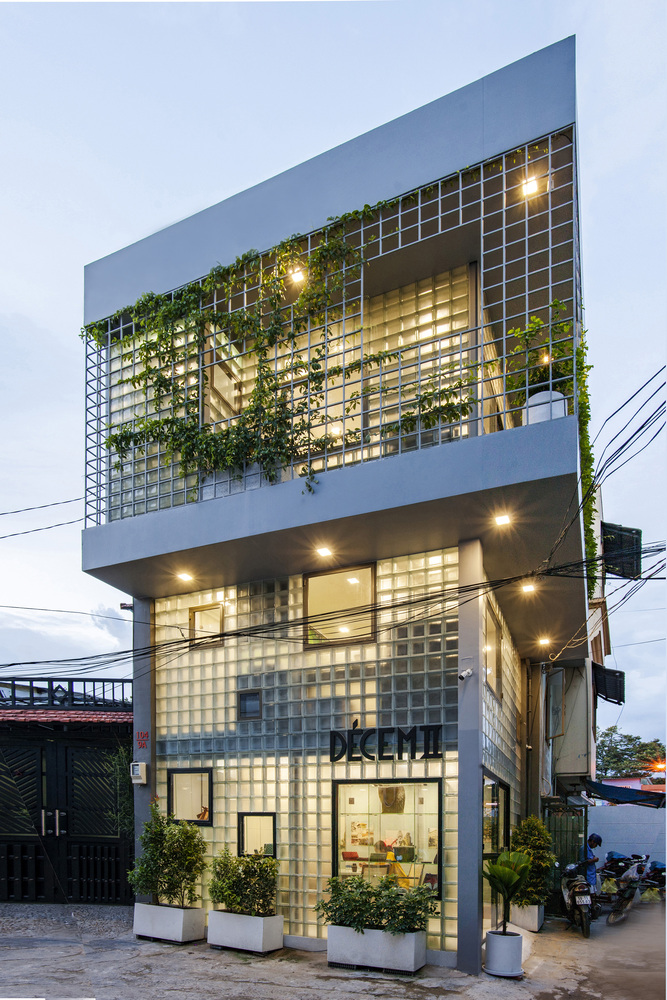
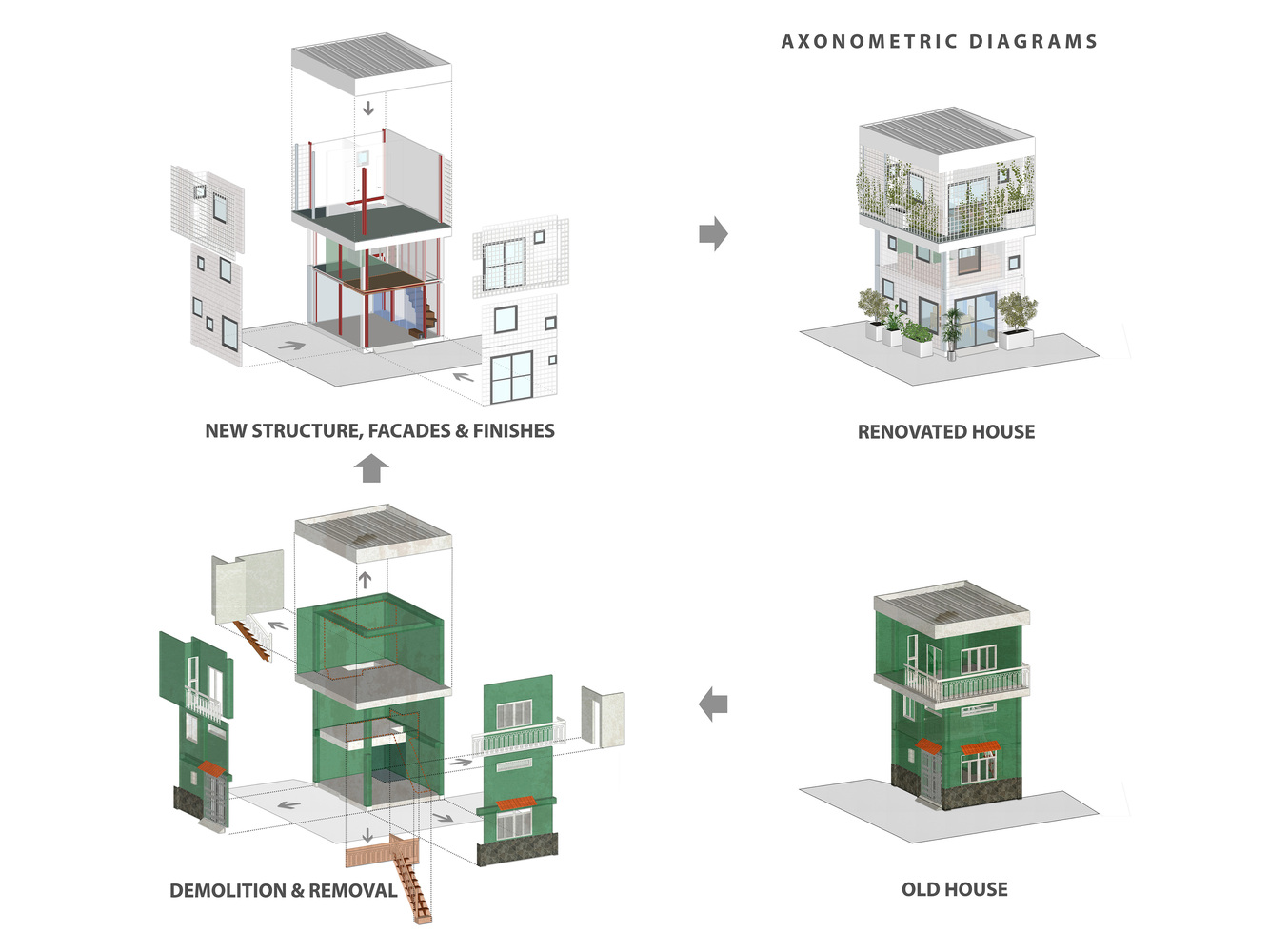
This urban micro-home occupies just an 18-square-meter alleyway site, transforming a neglected, abandoned space into vibrant living quarters. The renovation accommodates the owners’ leather shop on the ground floor with two-bedroom residential space above—all within severely constrained dimensions.
Using glass blocks for interior walls maximizes light while defining spaces, proving that creative material choices can make tiny urban sites feel spacious and livable. It’s adaptive reuse at its finest, transforming underutilized urban space into productive, beautiful housing.
7) LUMIPOD | LUMICENE
Courtesy of Lumicene
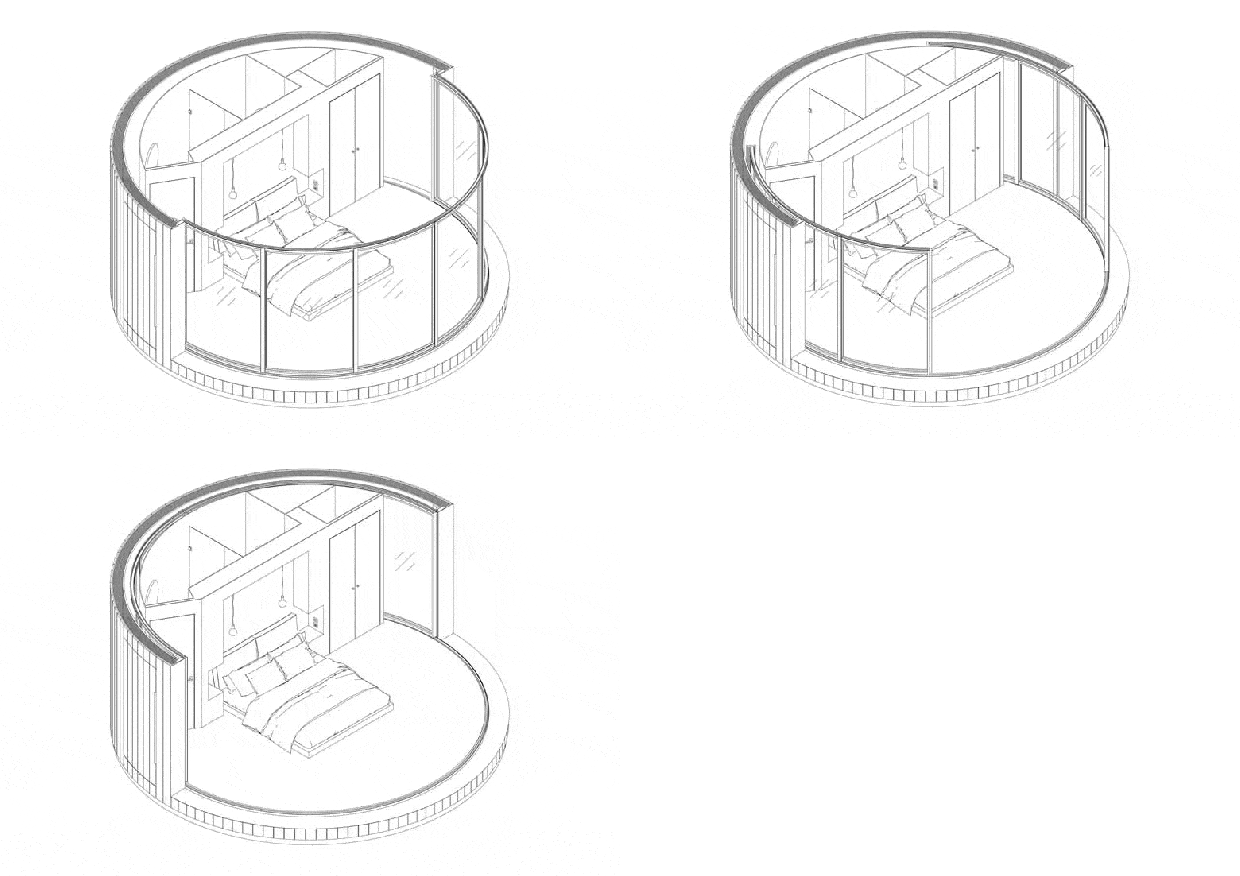
LUMIPOD is a prefabricated cocoon designed for nature immersion. Built around a distinctive LUMICENE window featuring curved glass in aluminum frames, the window slides on rails to transform the interior into an outdoor space—or closes completely to create an intimate retreat.
It’s the perfect marriage of minimalism and nature connection, allowing residents to experience the tranquility of outdoor living without sacrificing weather protection or comfort. Ideal for weekend retreats or full-time minimalist living.
8) Klein A45 | BIG (Bjarke Ingels Group)
Courtesy of BIG
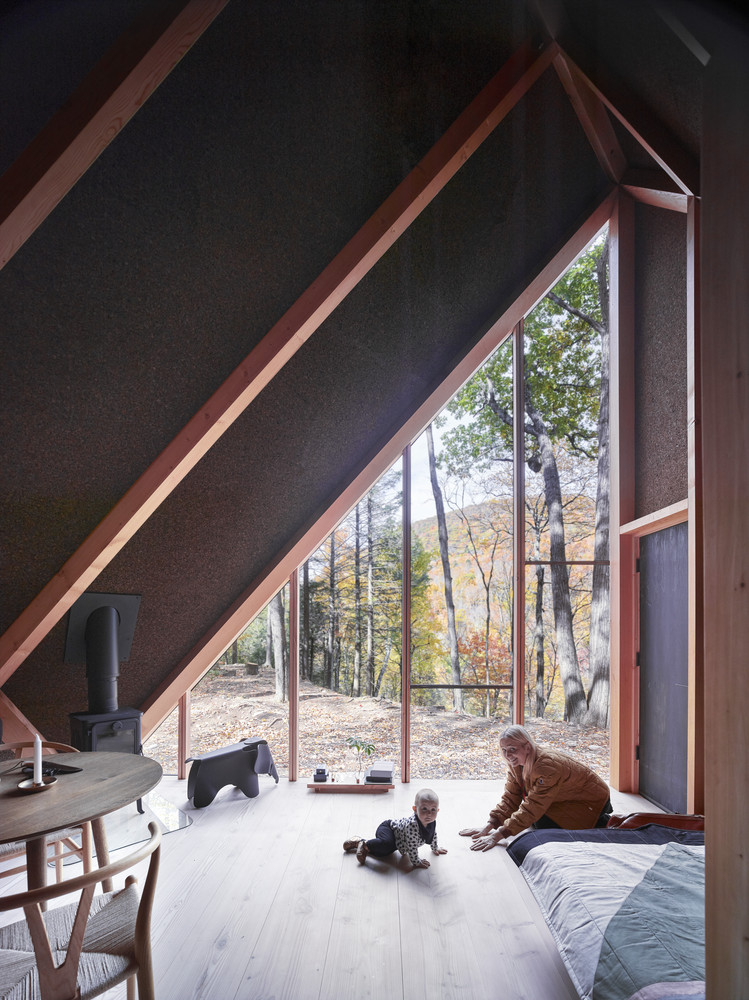
This 180-square-foot cabin by renowned architect Bjarke Ingels takes the classic A-frame cabin and reimagines it for contemporary needs. The angular form efficiently sheds rainwater and snow while accommodating triangular windows that span floor-to-ceiling.
The 13-foot ceilings create surprising spaciousness, while the highly customizable, DIY-assembly approach makes it adaptable to almost any site. It’s proof that traditional forms—reimagined with modern design thinking—can create comfortable, beautiful tiny spaces.
9) Gatehouse Road | Fraser Brown MacKenna Architects
Courtesy of Fraser Brown MacKenna Architects
Courtesy of Fraser Brown MacKenna Architects
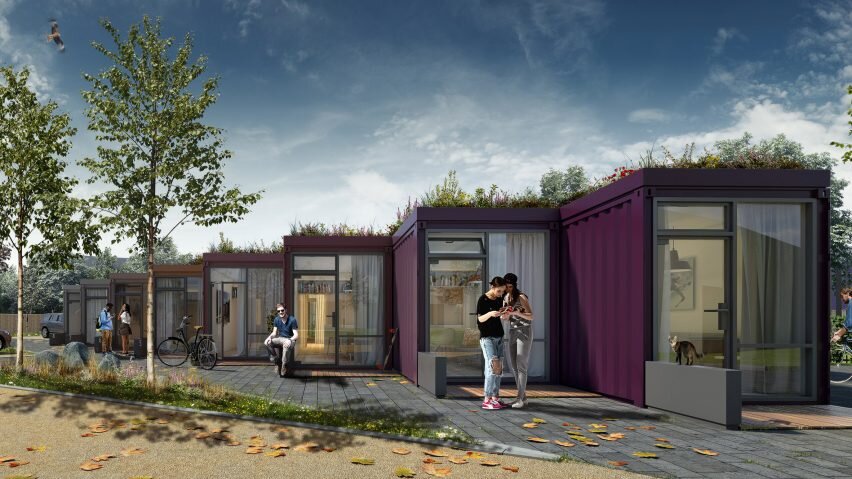
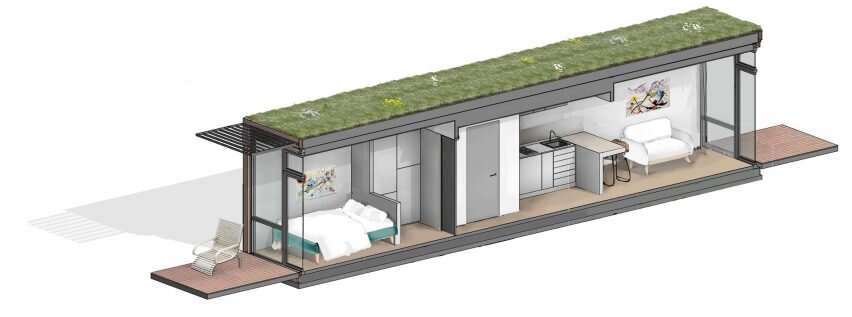
This 26.2-square-meter home fits inside repurposed shipping containers as part of an urban regeneration project by the Vale of Aylesbury Housing Trust. Each one-bedroom studio functions as both social housing and student accommodation.
It demonstrates how tiny house design can address real social challenges—providing dignified, affordable housing while transforming underutilized urban sites. These aren’t luxury tiny homes; they’re practical, accessible solutions to housing crises.
10) Cabanas Tiny House | Duda Porto Arquitetura
Courtesy of Duda Porto Arquitetura
Courtesy of Duda Porto Arquitetura
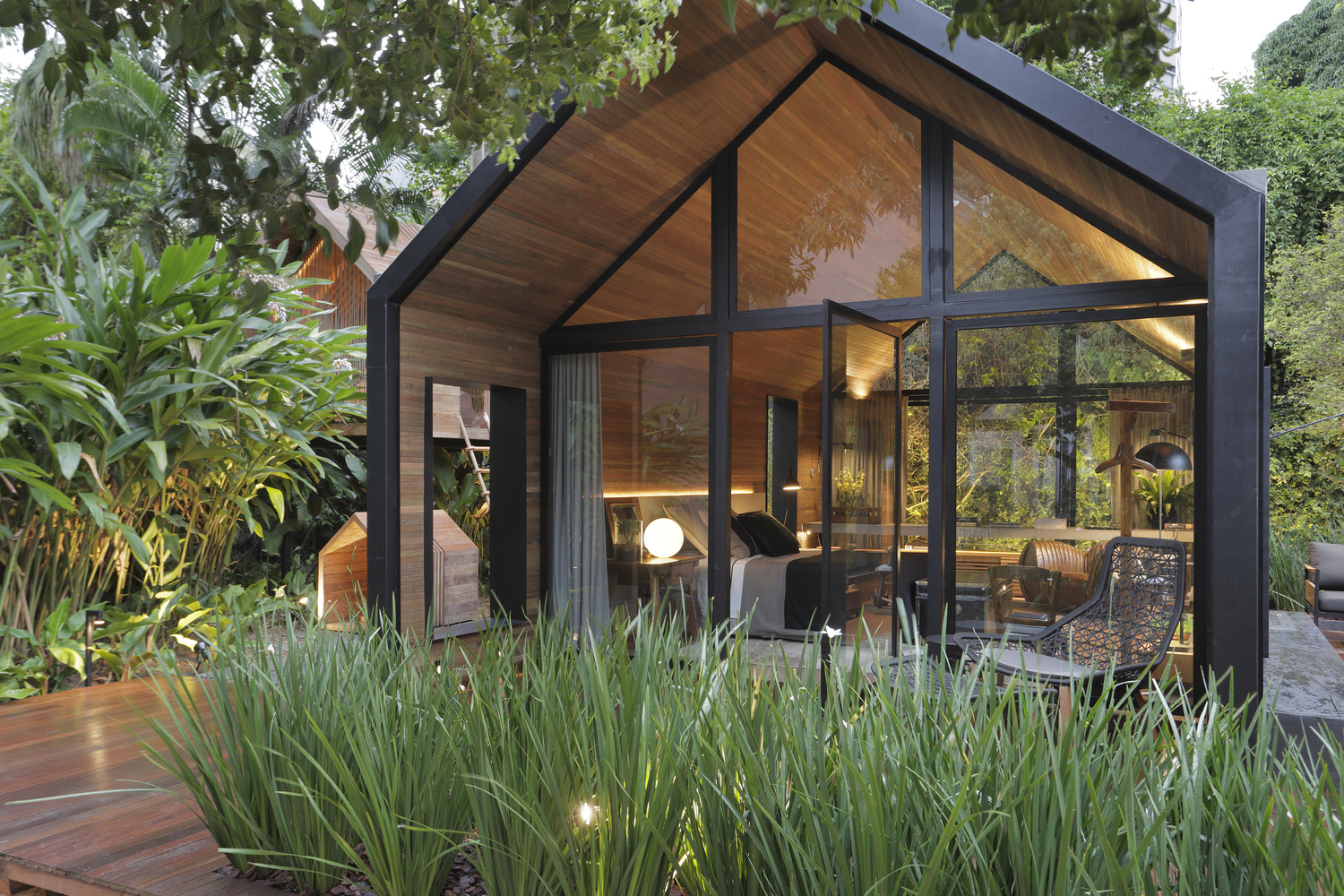
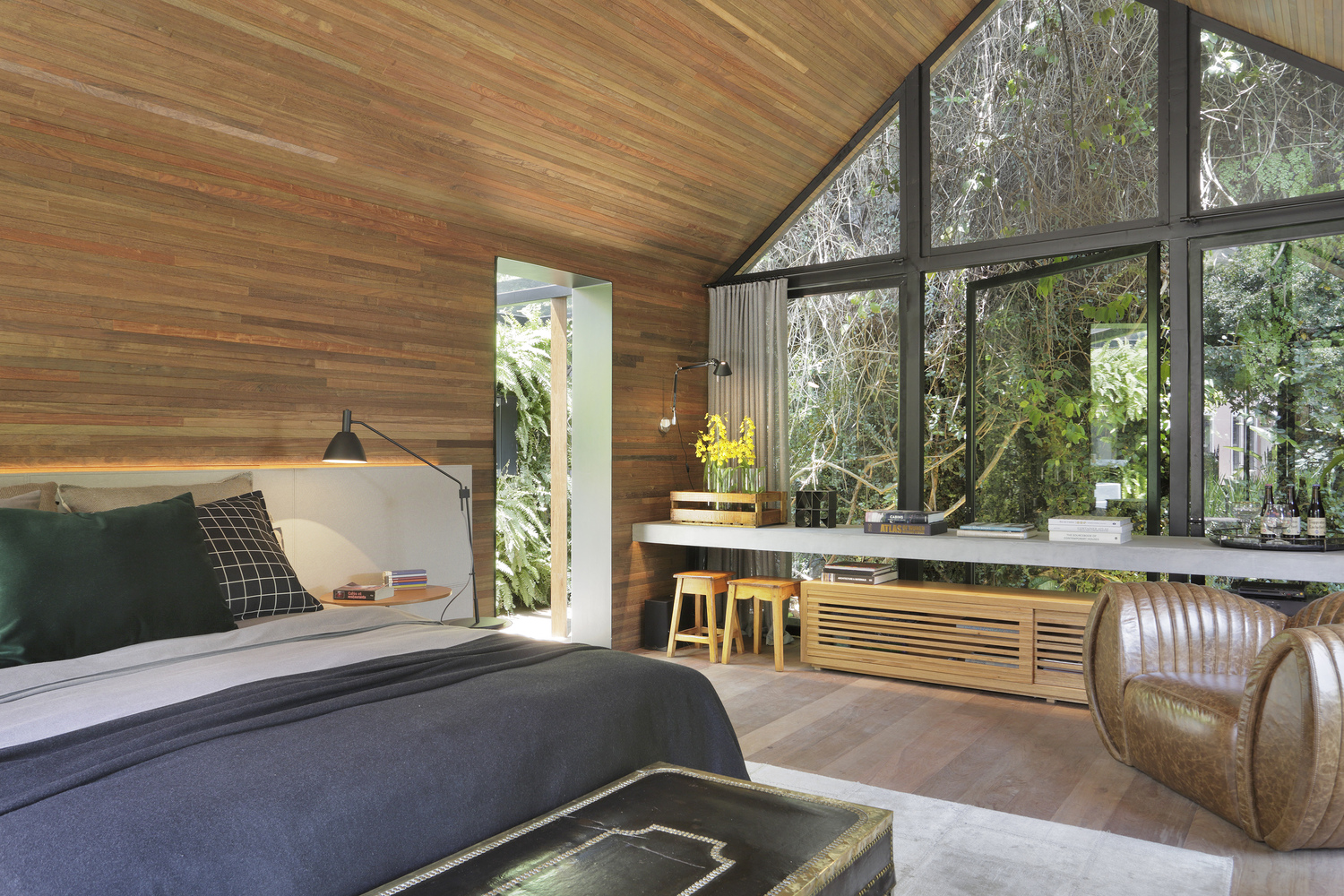
Cabanas combines simple, family-friendly architecture with innovative sophistication and sustainability. The design conveys warmth and familiarity while incorporating cutting-edge prefabrication and environmental systems.
The goal was creating a product that’s both beautifully designed and practically buildable—pairing unique aesthetics with manufacturing efficiency. It’s a template for how tiny houses can be both artistic and scalable, beautiful and affordable.
11) Tiny House Prototype | Grimshaw Architects
Courtesy of Grimshaw Architects
Courtesy of Grimshaw Architects
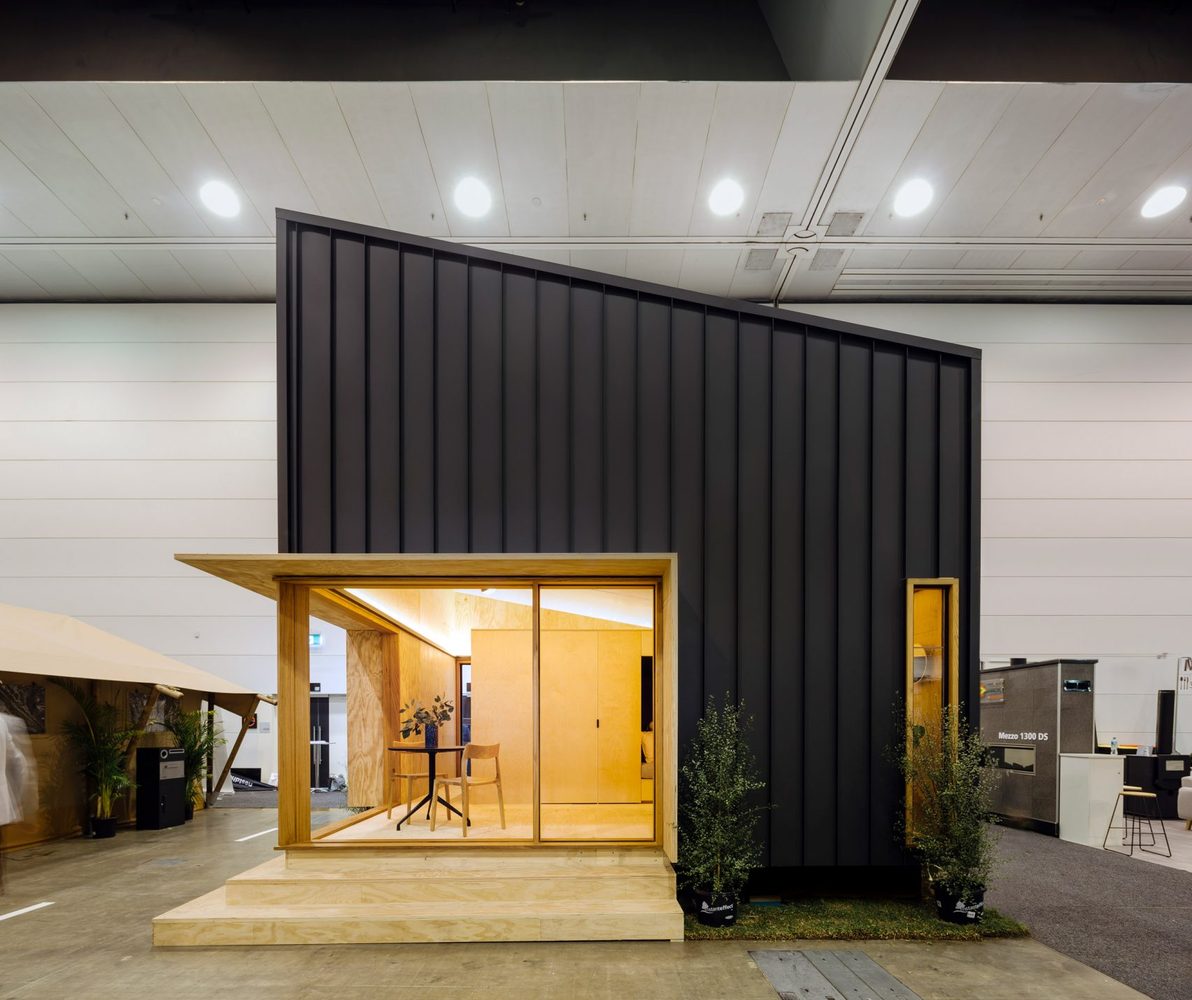
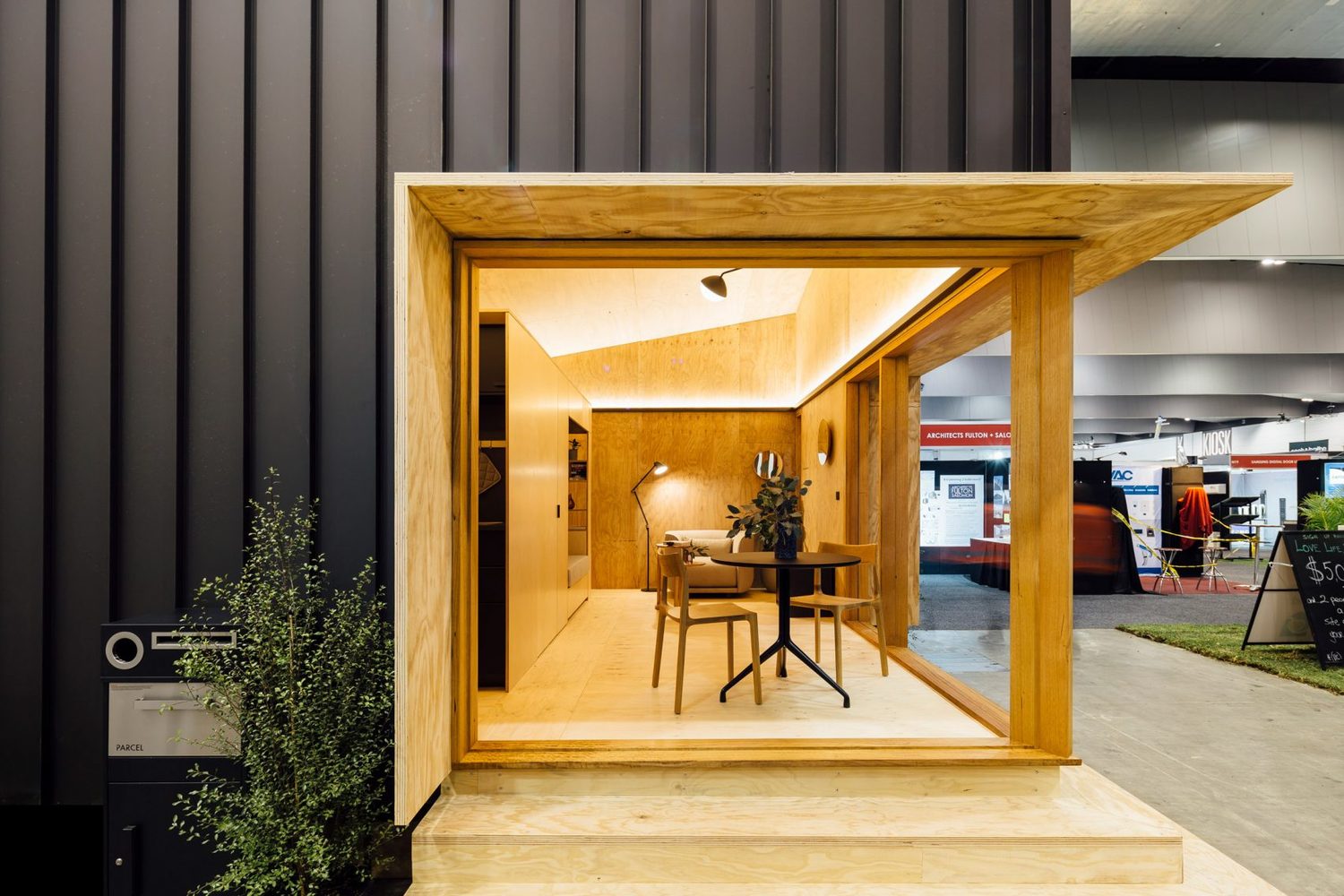
This innovative prototype uses laminated timber construction aligned with IKEA modular dimensions—making components readily available and customizable. Raised flooring accommodates plumbing, electrical, and mechanical systems while enabling composting toilet integration.
The design prioritizes owner customization and affordability while offering multiple living configurations. It can function as a standalone structure or combine into neighborhoods of tiny homes—demonstrating how thoughtful modular design scales from individual homes to community-level housing solutions.
What are the biggest advantages of tiny house living?
The main benefits are affordability (own your home for $40,000-$80,000), lower living expenses (3-4x reduction), environmental responsibility (minimal resource consumption), and lifestyle flexibility (mobile, minimal maintenance, time/money for experiences).
How do tiny houses handle storage and organization?
Effective tiny house storage uses vertical space (wall-mounted shelving, lofts), multi-functional furniture (beds with drawers, tables with storage), built-in cabinets, and intentional minimalism. The key is eliminating items you don’t actually use and designing purpose-specific storage.
Can you really be happy in such a small space?
Yes—if you’re aligned with the tiny house philosophy. This lifestyle suits people who value experiences over possessions, prefer minimal maintenance, appreciate efficient design, and don’t need extensive entertaining space. It’s about intentional living, not deprivation.
What’s the difference between a tiny house and an RV?
Tiny houses are permanent or semi-permanent structures with full building systems (plumbing, electrical, HVAC). RVs are mobile dwellings with simplified systems. Tiny houses are typically more spacious, comfortable, and better-insulated for full-time living.
Are there financing options for tiny houses?
Yes, though traditional mortgages are challenging since banks view them as non-traditional. Options include personal loans, construction loans, manufactured home loans, or paying cash. Some builders offer financing through their companies.
Can you put a tiny house anywhere?
No—zoning laws and building codes vary significantly by location. Some areas embrace tiny houses; others prohibit them. Research local regulations before committing. Many owners place homes on family land, purchase in tiny-house-friendly zones, or work with municipalities to establish new regulations.
The Bottom Line: Why This Movement Matters
The tiny house movement isn’t just about downsizing—it’s a fundamental reimagining of what home means, what constitutes success, and how we want to spend our lives.
For a generation burdened by student debt, facing climate crisis, and questioning traditional definitions of prosperity, tiny houses offer a practical, philosophical alternative. They’re affordable, sustainable, and aligned with values that prioritize experiences, freedom, and intentional living over accumulation and status symbols.
Whether you’re drawn to the financial freedom, environmental responsibility, lifestyle flexibility, or simply the design challenge of creating beauty in minimal space, the 20 examples above prove that tiny doesn’t mean compromised. It means thoughtful, intentional, and genuinely transformative living.
The question isn’t whether you could live in a tiny house—it’s whether you’d want to. For an increasing number of people, the answer is a resounding yes.

Toqa Mostafa is a dedicated editor at Arch2O, bringing a sharp editorial perspective to architectural storytelling. Based in Egypt, she curates and refines content that showcases innovative design and urban solutions. Her work at Arch2O highlights her ability to engage readers with compelling narratives, bridging architectural creativity and critical discourse. Toqa’s editorial expertise contributes significantly to Arch2O’s mission of exploring the intersection of design, technology, and sustainability.