

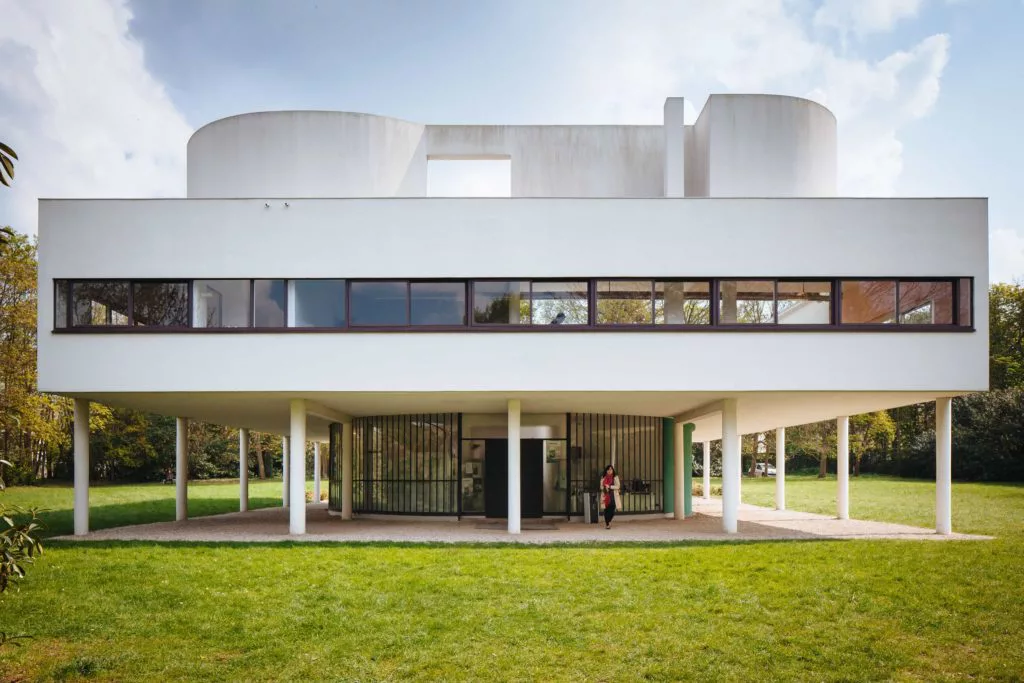
You’re standing in front of a white, geometric box floating above the ground on slender concrete columns. It’s 1931, just outside Paris, and you’re looking at something that shouldn’t exist yet—a house that feels like it’s been beamed down from the future. That’s Villa Savoye, and it is about to change everything you think you know about what a home can be.
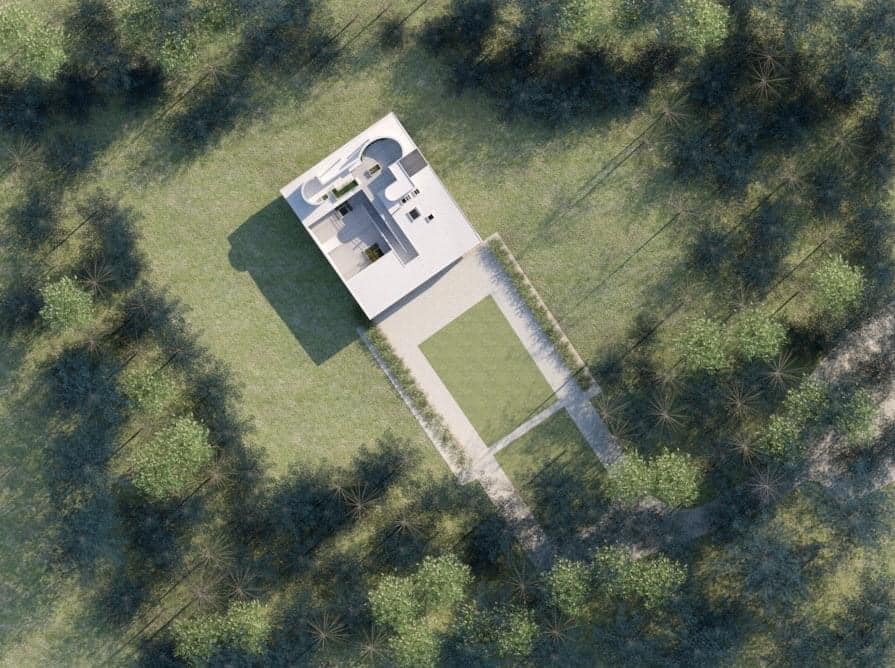
© Tom Jenson
When Modern Architecture Found Its Voice
Some buildings just get their moment. Villa Savoye had its moment before most people even realized what they were looking at. Built between 1928 and 1931 in Poissy, just outside Paris, it wasn’t simply another wealthy family’s weekend retreat—it was Le Corbusier’s manifesto poured into concrete.
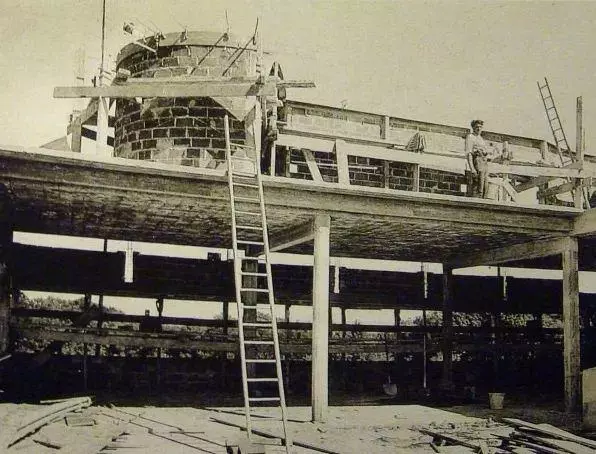
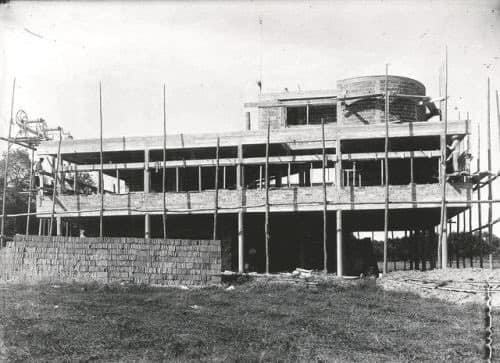
Some buildings just get their moment. Villa Savoye had its moment before most people even realized what they were looking at. Built between 1928 and 1931 in Poissy, just outside Paris, it wasn’t simply another wealthy family’s weekend retreat—it was Le Corbusier’s manifesto poured into concrete.
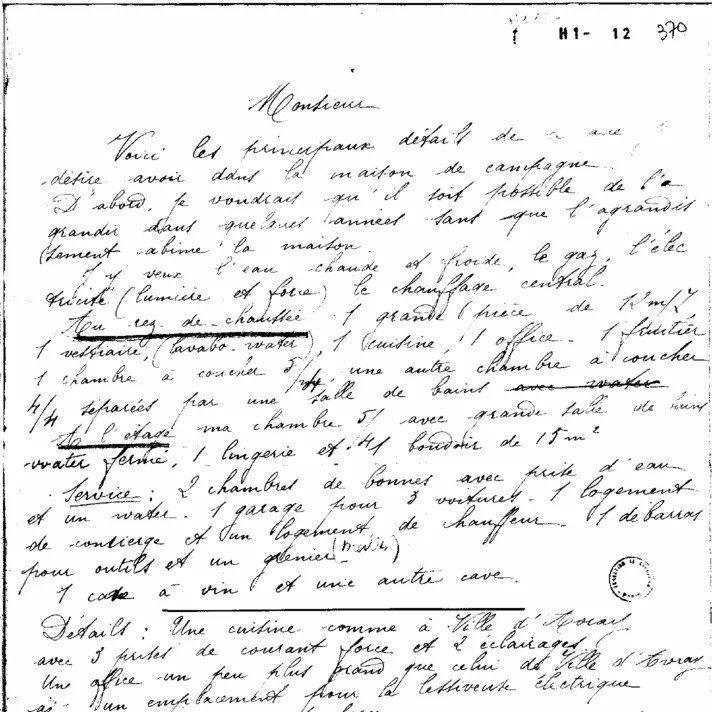
Lettre de commande de Madame Savoye
The Five Points That Broke All the Rules
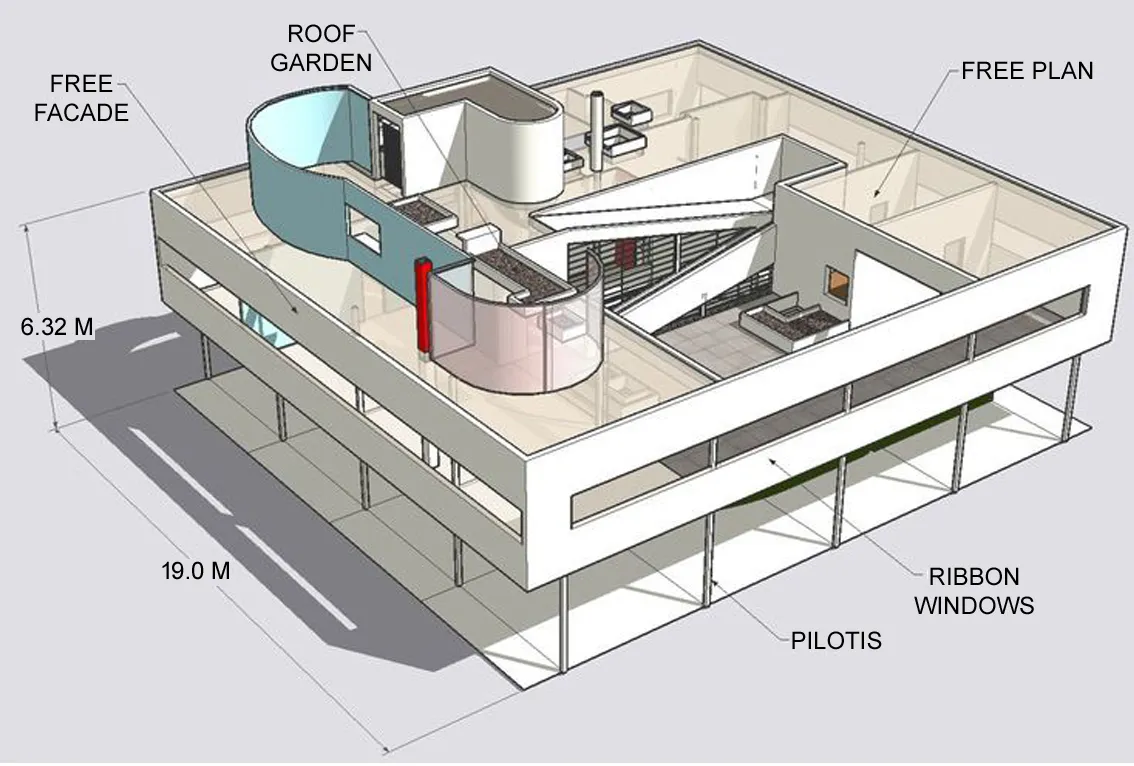
Here’s where it gets really interesting. Le Corbusier didn’t just wake up one day and decide to build a floating box. He had a system – five points that would revolutionize architecture. And Villa Savoye? It was his proof of concept.
Pilotis: The House That Learned to Fly
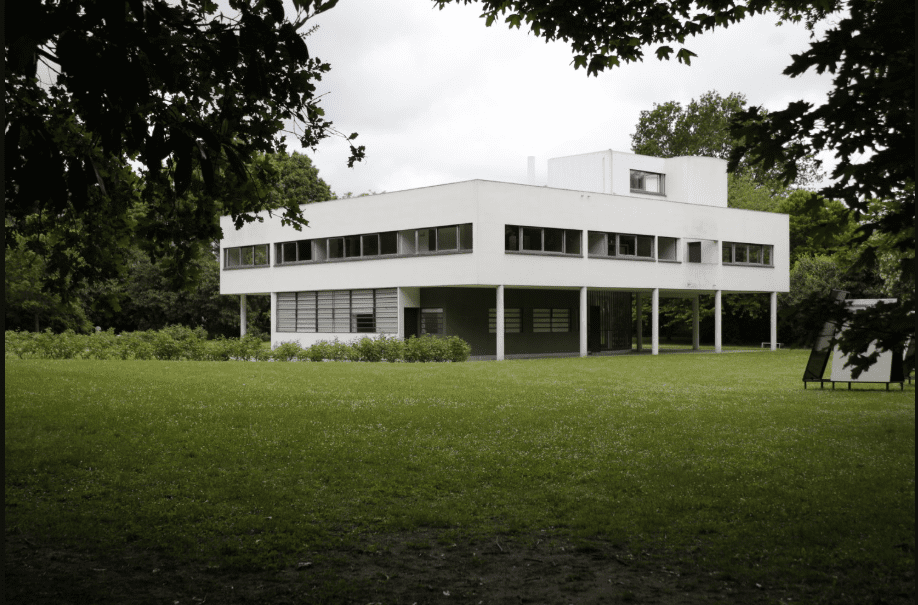
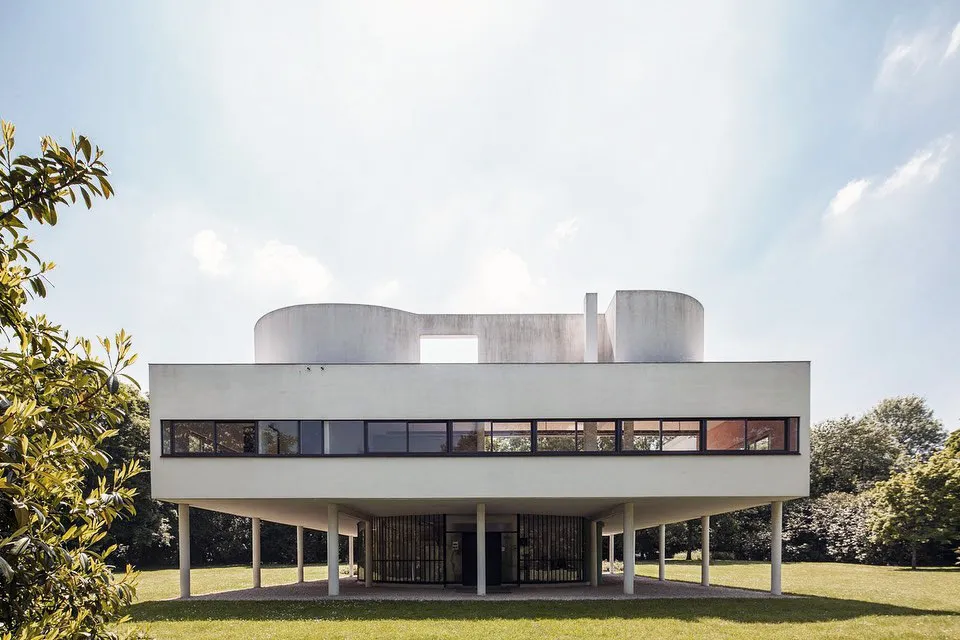
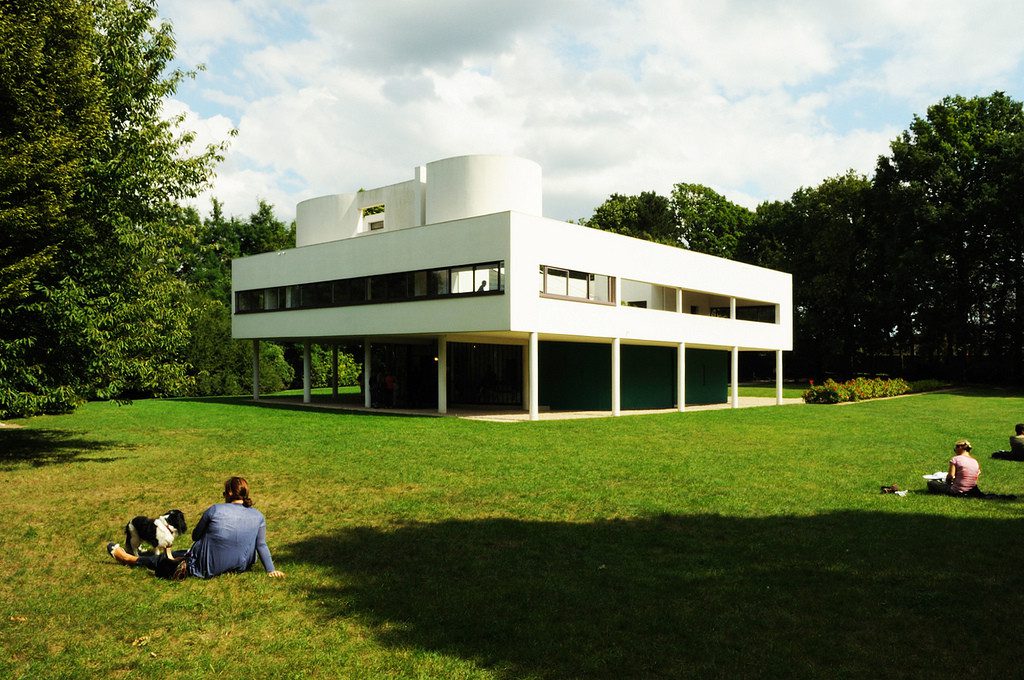
Those slender concrete columns – pilotis – weren’t just showing off. They were making a statement: “Why should a house hug the ground when it can dance above it?” By lifting the main living spaces up, Le Corbusier gave the landscape back to nature while creating this incredible sense of lightness. Walk underneath Villa Savoye today, and you’ll feel like you’re in a modern forest where the trees happen to be made of concrete.
VIEW OF VILLA SAVOYE
The Free Floor Plan: Walls That Don’t Boss You Around
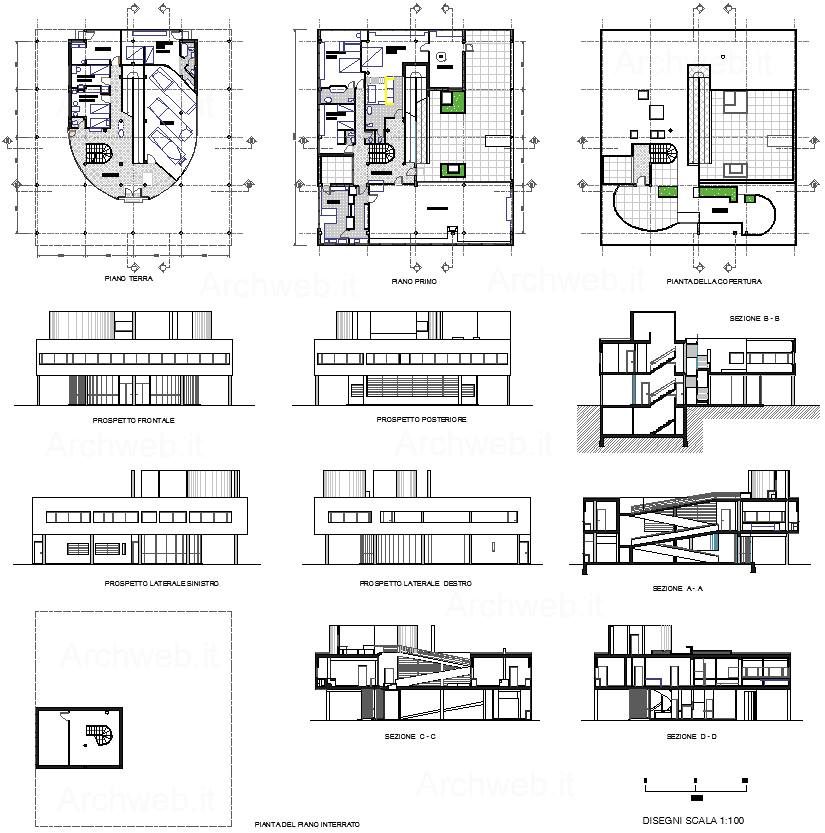
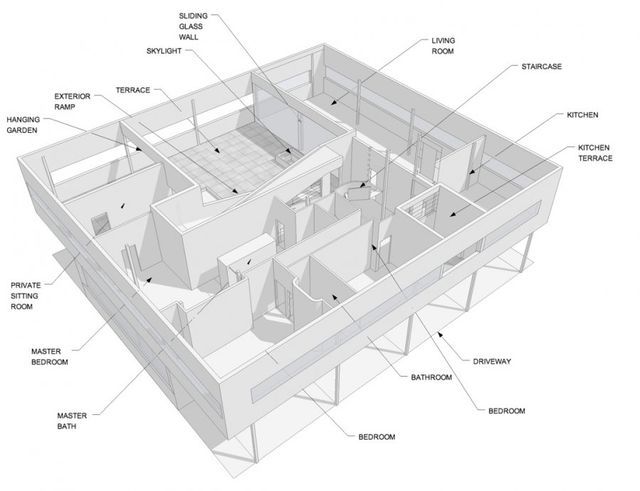
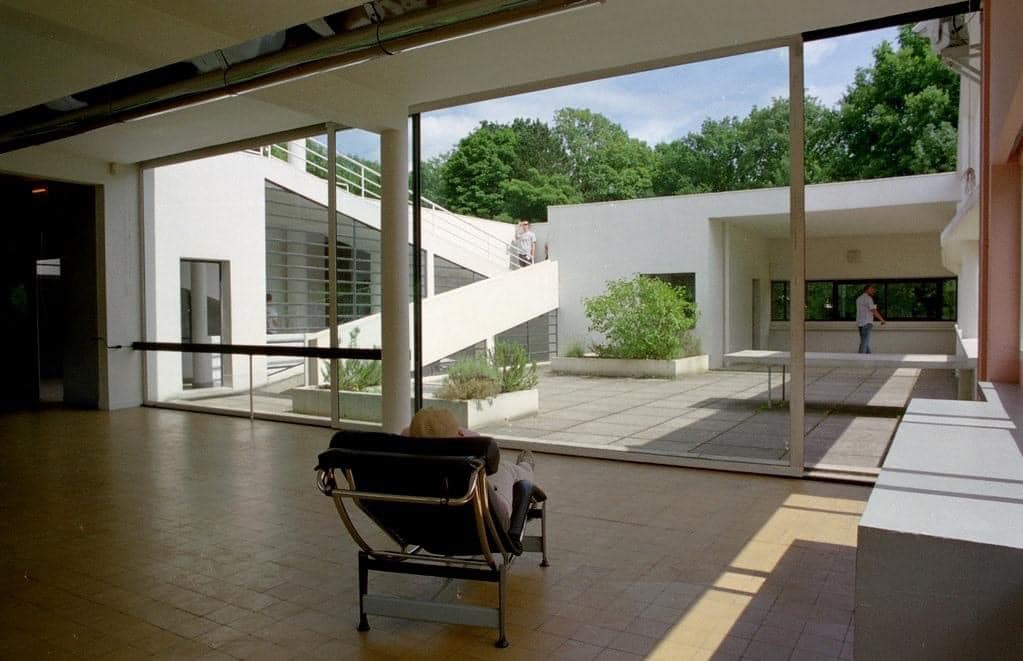
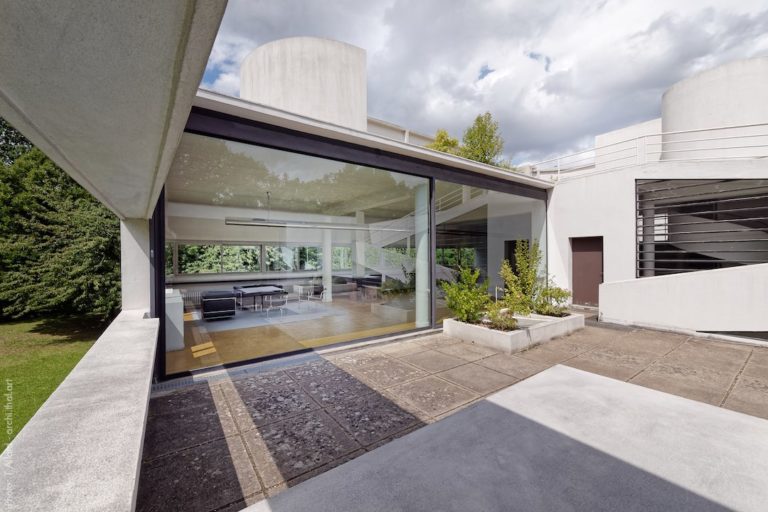
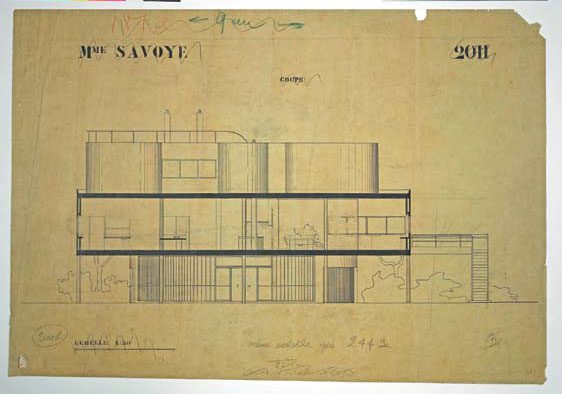
It sounds obvious now, but in 1930 it was radical. Once structure is carried by pilotis, interior walls no longer need to hold the building up. Suddenly, rooms can go exactly where they need to be. At Villa Savoye, the interior becomes a flowing sequence of spaces that seems to breathe. The famous ramp that curves through the house isn’t just circulation—it’s architecture as choreography, guiding visitors through a carefully composed spatial experience.
Horizontal Windows: Turning Landscape into Cinema
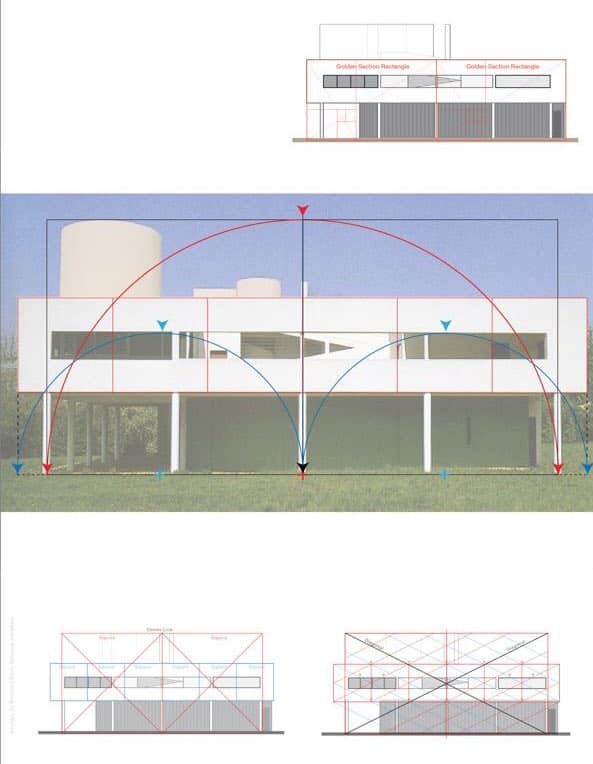
Forget those narrow, vertical openings in traditional houses. Villa Savoye’s ribbon windows wrap around the facade like a continuous film strip. They don’t just let light in; they frame the surrounding landscape as a panoramic, moving image. Inside, the horizon line becomes a constant reference, quietly changing your relationship to the outside world.
The Cultural Earthquake Nobody Saw Coming
When Villa Savoye was completed, the architectural establishment didn’t quite know what hit it. Here was a building that looked like nothing they’d ever seen, yet somehow felt completely logical. Its influence has been enormous. Every glass-box office building, every open-plan apartment, every home that blurs the boundary between inside and out—each owes something to what Le Corbusier worked out in Poissy.
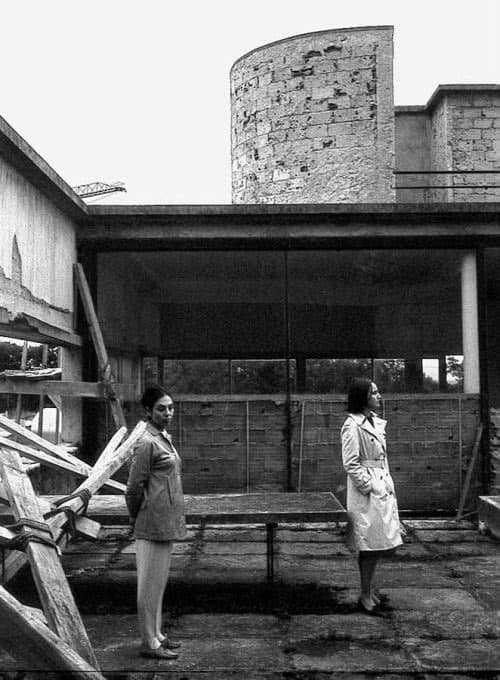
Ironically, the Savoye family initially hated their new house. They complained about the flat roof leaking, the heating misbehaving, the pristine white walls showing every mark. It’s a bit like commissioning a Picasso and then being upset it doesn’t look like a family portrait. Sometimes, genius needs time before people catch up.
Savoye Family
From Ruin to Resurrection: How Villa Savoye Was Saved
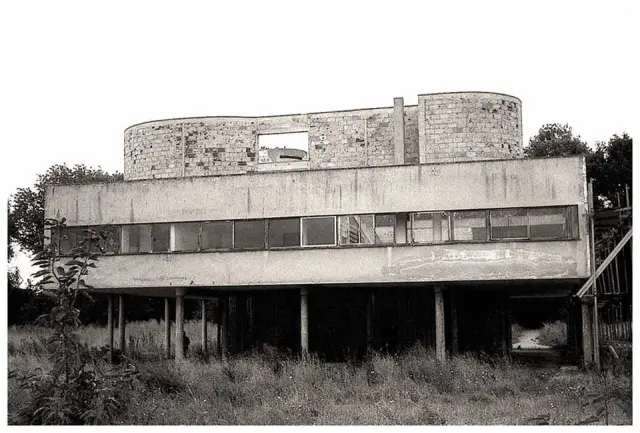
After World War II, Villa Savoye was abandoned and allowed to decay. One of the most important buildings of the 20th century was slowly crumbling, covered in graffiti, even used as a barn. By the 1960s, its condition was so bad that demolition seemed almost inevitable.
Then came the turning point. Le Corbusier himself helped spearhead the campaign to save his masterpiece. The fight to preserve Villa Savoye became a rallying cry for the emerging modern heritage movement. In 1965, it became the first modernist building listed as a French historical monument—a landmark decision that opened the door to protecting 20th-century architecture.
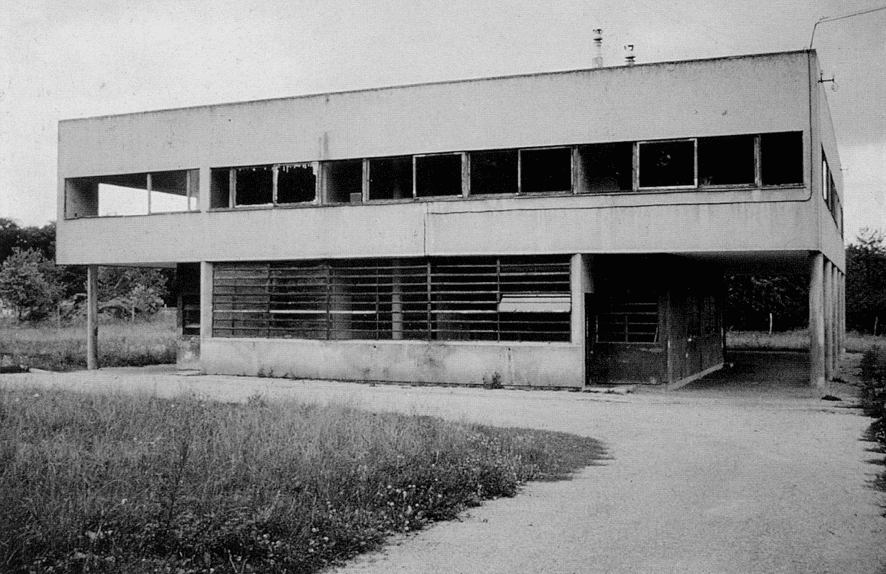
Villa Savoye (before restoration), Poissy-sur-Seine, France, (1928)
Restoration has been ongoing ever since. The Centre des Monuments Nationaux most recently reopened Villa Savoye in December 2022 after several months of conservation work, underscoring how seriously France takes the building’s preservation. These aren’t just maintenance tasks—they’re acts of cultural stewardship, making sure future generations can experience Le Corbusier’s vision firsthand.
When Architecture Becomes Memory
Talk to architects about their first visit to Villa Savoye and the word that comes up again and again is “pilgrimage.” There’s something about walking that ramp, about the way light shifts as you move through the house, that lodges itself in memory. One architect put it perfectly: “I thought I understood Le Corbusier from books and photographs. Then I spent an afternoon at Villa Savoye and realized I’d only been looking at shadows of the real thing.”
The building has a rare ability to make you feel part of something larger. Maybe it’s the way the horizontal windows slice open the landscape, or how the ramp turns movement into a slow, cinematic sequence. Whatever the reason, Villa Savoye doesn’t just shelter people—it quietly transforms them.

© Tara Warbrick
Why Villa Savoye Still Matters in 2025
Fast-forward to today, and Villa Savoye’s DNA is everywhere. Open-plan living? That’s Le Corbusier. Floor‑to‑ceiling glazing and continuous ribbon windows? Le Corbusier. The idea that a house should function as “a machine for living”? Again, Le Corbusier.
But its relevance goes beyond style. The villa’s emphasis on functionality, fluid circulation, and generous natural light has shaped residential design worldwide. In an age of climate-conscious, sustainable architecture, its core principles—working with the landscape, maximizing daylight, using space efficiently—feel surprisingly contemporary.
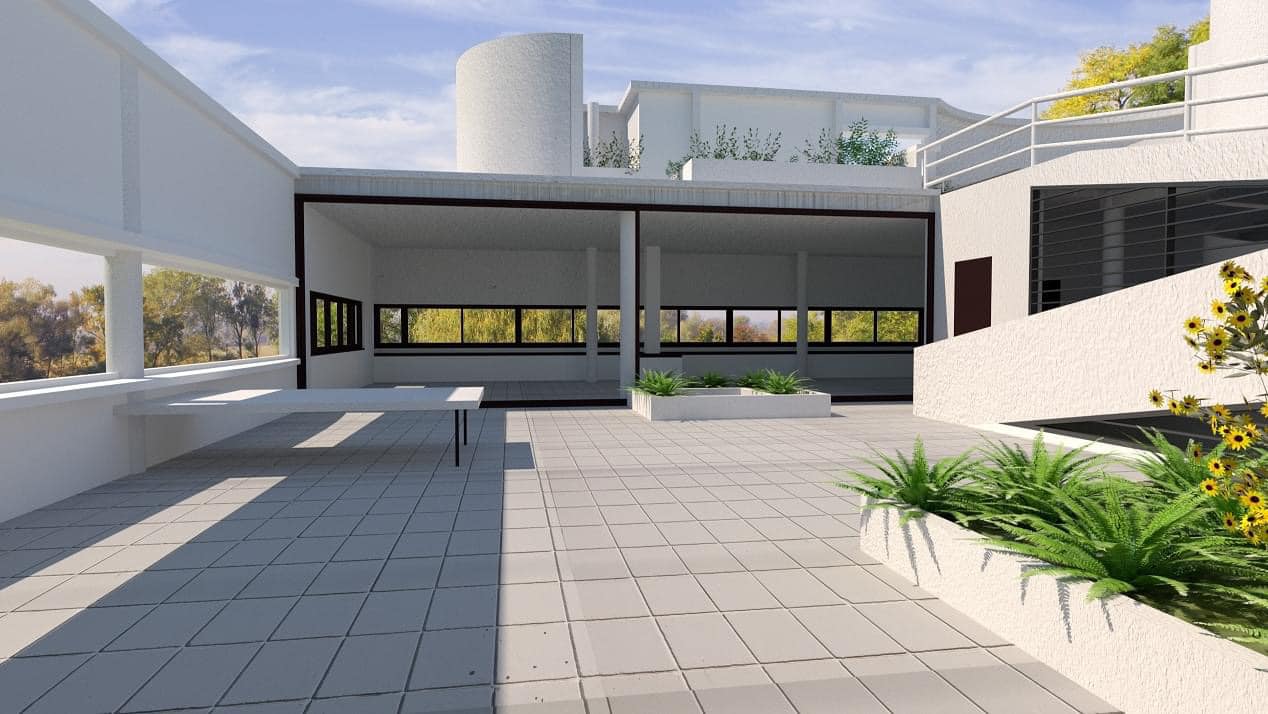
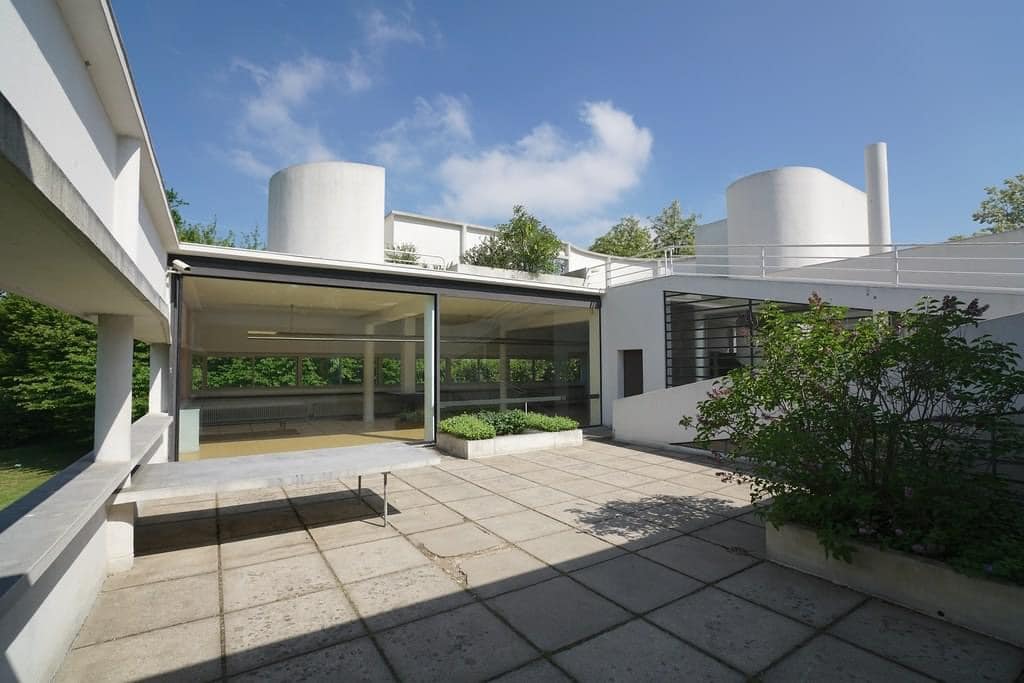
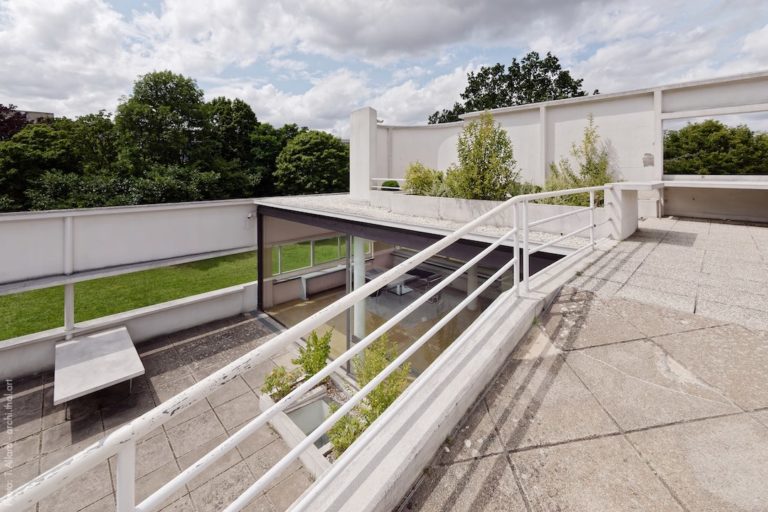
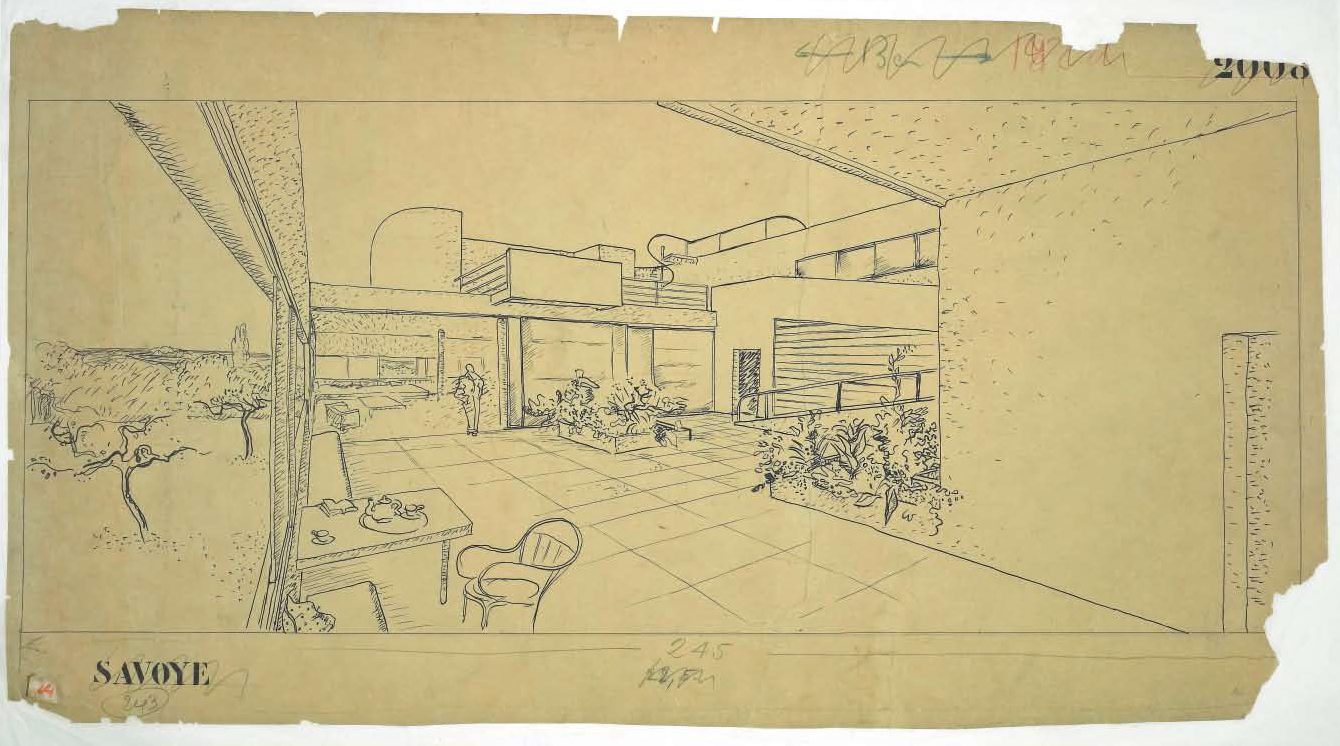
Those pilotis that once seemed so radical are now recognized as an early way of reducing a building’s footprint on the ground. The roof garden that returns green space to the site reads like a prototype for today’s green roofs and outdoor living terraces. Long before sustainability became a buzzword, Villa Savoye was quietly experimenting with ideas that now sit at the heart of environmental design.
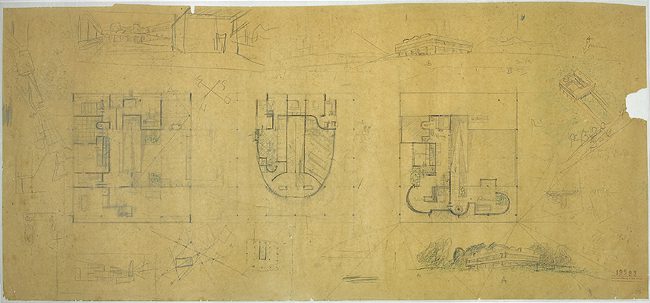
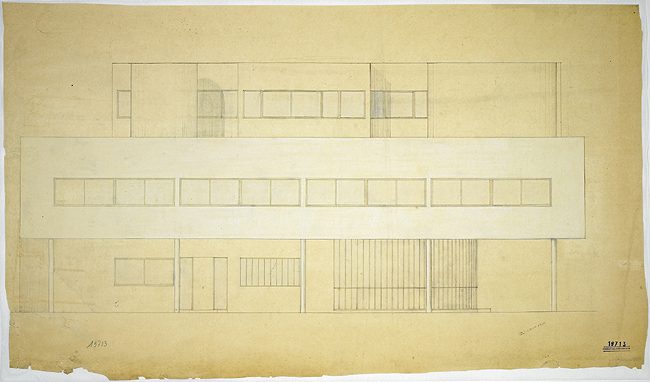
The Digital Age Meets a Modernist Classic
Here’s a twist Le Corbusier could never have predicted: Villa Savoye is now one of the most photographed modernist houses in the world. Its clean lines and sculptural spaces seem tailor-made for Instagram. Thousands of visitors share their own interpretations, each image adding another layer to its visual legacy.
Beyond social media, the villa has become a powerful teaching tool in digital design. Virtual reality walkthroughs allow students who may never reach Poissy to experience its spatial sequences. Its geometric clarity makes it a favorite subject for 3D modeling and digital reconstruction, helping new generations grasp Le Corbusier’s thinking about proportion, structure, and light.
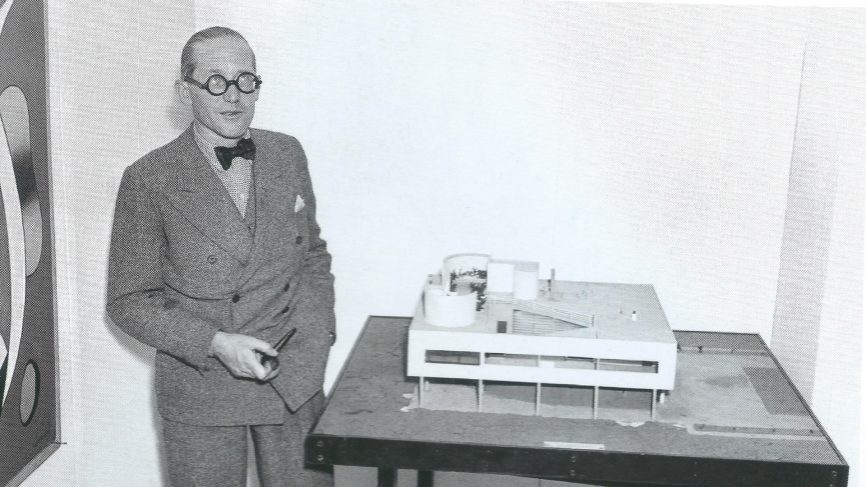
Le Corbusier next to Villa Savoy Model
Visual Legacy: When a House Becomes an Icon
At this point, Villa Savoye might be the most recognizable modernist house on the planet. The white box, the pilotis, the ribbon windows—they’ve become visual shorthand for “modern architecture.” The house appears in textbooks, documentaries, museum exhibitions, and design blogs. Even people who don’t know its name often recognize its silhouette.
Its influence spills far beyond architecture. Fashion and product designers borrow its minimalist geometry. Photographers use it as a backdrop to explore themes of modernity and nostalgia. Filmmakers cast it as both utopian dream and clinical dystopia, depending on the story they want to tell.
The Ongoing Conversation: Questions Villa Savoye Still Asks
What makes Villa Savoye truly remarkable isn’t just what it achieved in 1931, but how actively it still participates in architectural debates. Critics argue over whether it’s a masterpiece of functional design or a beautiful but impractical prototype. Sustainability experts discuss how its modernist ideas align—or clash—with contemporary environmental goals. Historians read it as part of a larger narrative about technology, class, and the 20th century.
But perhaps that’s exactly the point. Great architecture isn’t meant to give easy answers. It’s meant to ask important questions:
-
How should we live?
-
What is the right relationship between architecture and nature?
-
Can a building change the way we see the world?
Nearly a century after completion, Villa Savoye is still part of that conversation. It’s a touchstone for architects, a pilgrimage site for design lovers, and a reminder of what can happen when someone dares to rethink domestic life from the ground up.
Le Corbusier once said that a house should be “a machine for living in.” Villa Savoye proved that this machine can also be a work of art, a piece of philosophy, and a glimpse into the future—all wrapped into one weekend house that, ironically, nobody really wanted to live in.
For more insights into Le Corbusier’s revolutionary approach to architecture, explore the complete collection of his works and discover how his ideas continue to shape contemporary design.
What is special about Villa Savoye?
Villa Savoye is considered one of the purest built expressions of Le Corbusier’s “Five Points of a New Architecture”—pilotis, free plan, free facade, horizontal windows, and roof garden. It redefined what a modern house could be and became a fundamental reference for the International Style.
Why is Villa Savoye a UNESCO World Heritage Site?
UNESCO recognized Villa Savoye in 2016 as part of “The Architectural Work of Le Corbusier, an Outstanding Contribution to the Modern Movement,” acknowledging its global influence on 20th‑century architecture and housing design.
Can you visit Villa Savoye today?
Yes. Villa Savoye is open to the public as a museum managed by the Centre des Monuments Nationaux. Visitors can walk through the interior, explore the roof terrace, and experience the famous ramp and promenade first-hand.

Luca Moretti is a content strategist with a foundation in urban design and architecture. Based in Milan, he focuses on writing that bridges aesthetics, material culture, and everyday spatial experiences.