

The Bilbao Effect: Can One Building Really Save a City’s Economy?
The Bilbao Effect describes the belief that a single, avant-garde building can single-handedly transform a declining post-industrial city into a booming economic hub. Coined by journalists and critics rather than urban planners, the term traces back to Frank Gehry‘s 1997 Guggenheim Museum Bilbao and the wave of imitators it inspired worldwide.
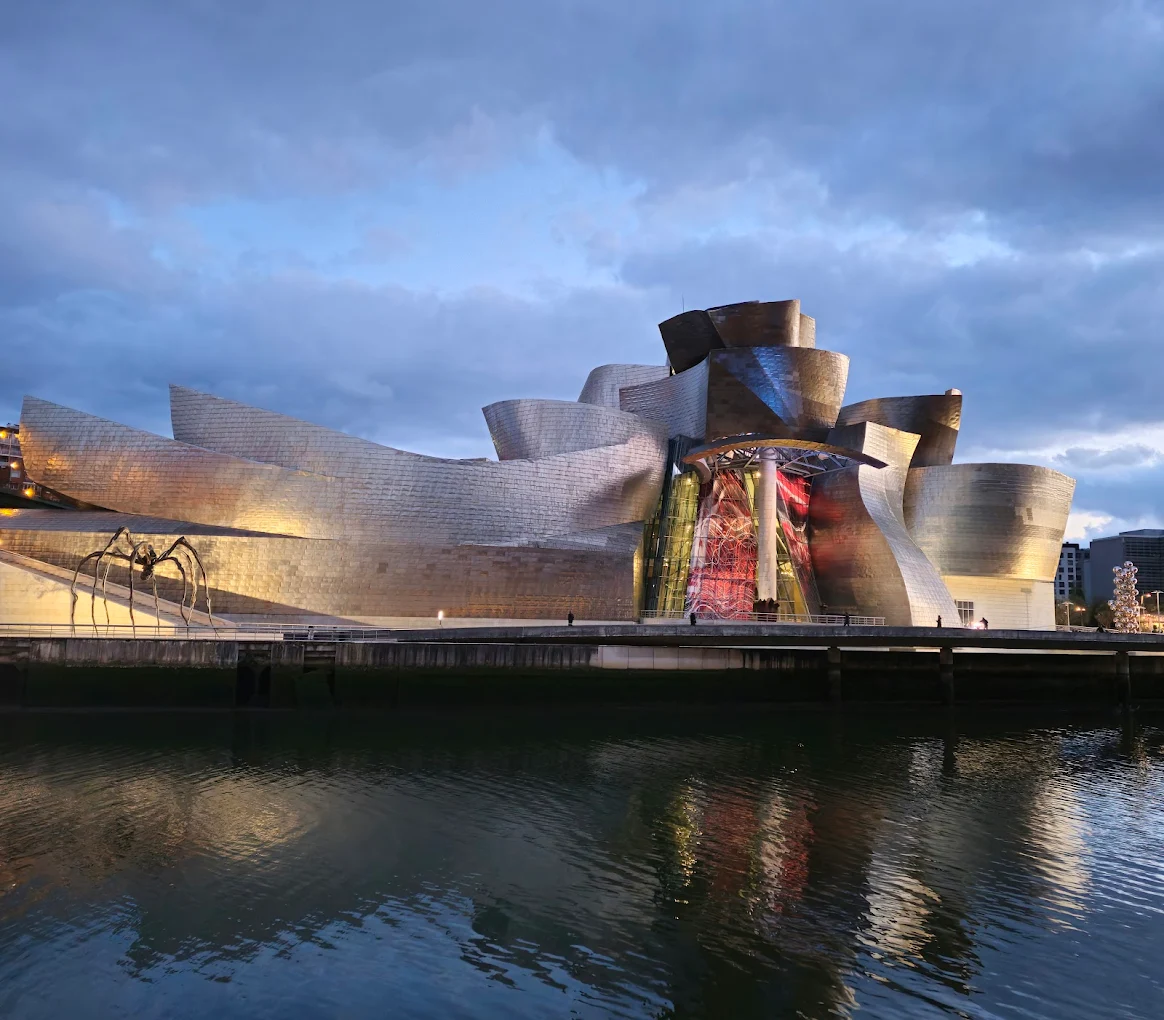
Frank Gehry’s Guggenheim Museum Bilbao (1997), its titanium curves winding along the Nervión River — the building that gave rise to the ‘Bilbao Effect.’ Photography by Aneta Angielczyk
What is the Bilbao Effect?
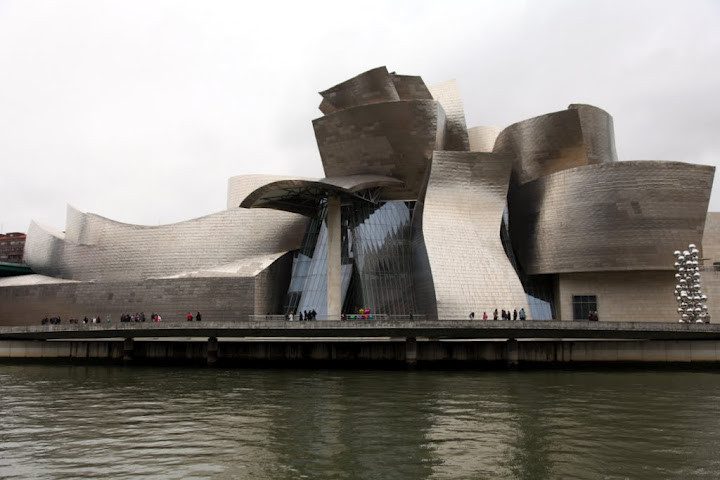
The Bilbao Effect refers to the idea that Frank Gehry’s 1997 Guggenheim Museum single-handedly revived Bilbao’s economy, inspiring cities worldwide to commission signature buildings hoping for the same result. Before the museum opened, Bilbao was a Basque industrial port city hollowed out by the collapse of its shipbuilding and steel industries, chronic unemployment, and decades of political violence linked to the Basque separatist group ETA. Gehry’s titanium-clad building, curling along the banks of the Nervión River, became an instant international sensation and a symbol of the city’s reinvention.
Within its first three years, the museum drew nearly four million visitors, a figure that stunned even its own planners and quickly outpaced projections built into the original business case. That surge of attention is what gave rise to the term itself: not an urban-planning concept devised in a government office, but a shorthand invented by architecture critics and journalists trying to describe a phenomenon they hadn’t quite seen before. In the years that followed, the phrase was applied, often carelessly, to dozens of other cultural buildings from Denver to Abu Dhabi, each one hoping to buy the same transformation with a striking enough facade.
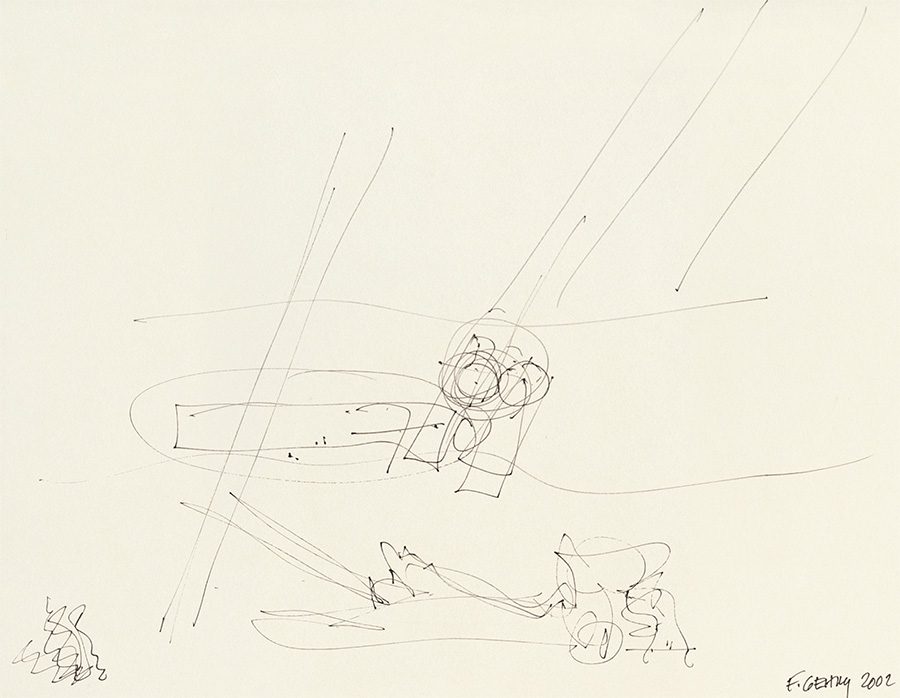
Is the Bilbao Effect real or a myth?
The Bilbao Effect is real but widely misunderstood: the economic turnaround is empirically documented, but crediting it to a single building while ignoring the surrounding infrastructure investment is an urban-planning myth. The confusion comes from conflating two separate claims. The first claim, that Bilbao’s economy and international profile improved dramatically after the mid-1990s, is well supported by tourism, tax, and employment data. The second claim, that the museum alone caused this on the strength of its architecture, does not hold up to scrutiny.
Financial Times architecture critic Edwin Heathcote has argued that the “Bilbao effect” label is something of an oversimplification, since other cities had already been transformed by self-consciously iconic buildings, from the Sydney Opera House to the Pompidou Centre, long before Bilbao’s museum opened. He has pointed out that Bilbao was already in the middle of sweeping change when the Guggenheim arrived: a new metro system by Norman Foster and two major library buildings were already reshaping the city, and its public spaces and culinary scene were already on the rise. In his view, the museum was highly visible but was never really the main event.
New York Times critic Michael Kimmelman has made a similar argument, describing the Bilbao effect as largely a myth and noting that Gehry’s museum did not turn the city around by itself; instead, it capped off decades of prior civic renewal. Kimmelman has warned that cities and museums elsewhere have repeatedly poured money into flashy buildings expecting the same payoff, only to discover that architecture alone rarely rejuvenates a neighborhood or guarantees crowds and revenue. Academic reviews of the case, including retrospective analysis from institutions such as the Harvard Kennedy School’s city leadership program and Yale School of Management’s Yale Insights, largely agree: the museum was the most visible output of a much larger, decades-long regional strategy, not its cause.
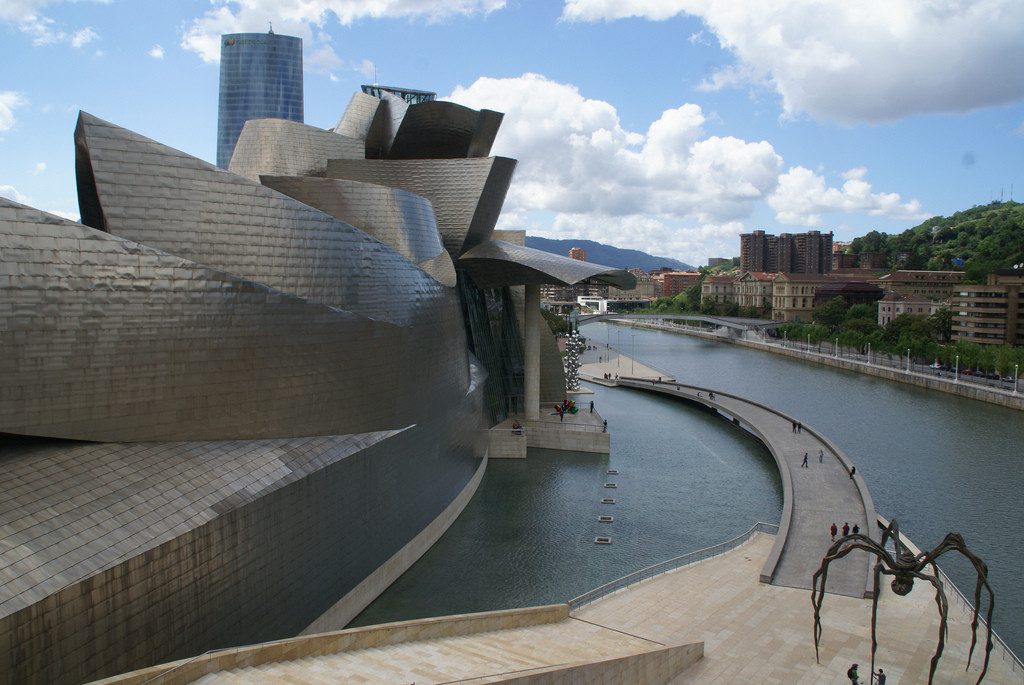
The Guggenheim Museum Bilbao viewed from the riverside, the internationally legible capstone of Bilbao’s much broader, decades-long regeneration strategy. Photography by dbaron
How much money did the Guggenheim Bilbao generate?
Regional government figures credit the museum with generating more than €400 million annually for the Basque economy in later decades, against an initial building cost estimated at roughly $100 million, or around $228 million once surrounding infrastructure is included. The museum’s own visitor revenue and its effect on hotel occupancy, restaurant spending, and business tourism amortized that initial investment within just a few years of opening. Independent academic estimates of the museum’s early economic contribution vary depending on methodology and time frame, but they consistently point to the same pattern: a modest public investment in a cultural building that unlocked a much larger, self-sustaining flow of tourism revenue once the surrounding urban renewal was factored in.
Have other cities successfully replicated the Bilbao Effect?
Most cities that tried to replicate the Bilbao Effect by commissioning a single landmark museum underperformed, because they lacked the decades of prior civic investment and the unique regional tax autonomy that made Bilbao’s transformation possible. The Basque Country’s regional government has the constitutional authority to collect and manage its own taxes, a level of fiscal autonomy that is unusual in Spain and rare globally. That autonomy let Basque authorities fund a coordinated, multi-decade regeneration program well before the Guggenheim was ever proposed. Cities that skipped straight to the “build an icon” step, without the underlying transport, environmental, and industrial groundwork, or the fiscal tools to sustain it, generally saw their landmark buildings become expensive standalone attractions rather than catalysts for citywide renewal.
The Blueprint: What Really Saved Bilbao
By the early 1990s, Bilbao was in genuine crisis. Its shipbuilding and steel industries had collapsed under global competition, unemployment had soared, and the city’s drainage and industrial infrastructure was decades out of date. Basque and municipal authorities responded not with a single project but with a coordinated master plan spanning transportation, environment, and land use, executed over roughly two decades.
Norman Foster & Partners designed a new metro system for the city, opening its first line in 1995, two years before the Guggenheim, giving residents fast, modern transit and signaling to investors that Bilbao was serious about modernization. The city’s working port was relocated further down the estuary, freeing up prime riverfront land in the old industrial docks for redevelopment. A major river cleanup program addressed decades of industrial pollution in the Nervión, making the waterfront a place people would actually want to visit rather than avoid. Alongside this, large tracts of former industrial land, most notably the Abandoibarra district where the museum now sits, were rezoned and assembled through a dedicated public urban redevelopment vehicle, Bilbao Ría 2000, which coordinated multiple layers of government and used rising land values to help fund the works. None of this would have been financially possible without the Basque Country’s fiscal autonomy, which let regional authorities raise and deploy their own tax revenue toward the plan over a sustained period, rather than depending on unpredictable national funding cycles.
Seen against this backdrop, the Guggenheim was less a spark than a capstone: the most photogenic, internationally legible piece of a much larger civic strategy that was already well underway. That is why researchers who study the case tend to describe Bilbao’s revival as a collaborative, multi-actor achievement rather than the product of one architect’s design.
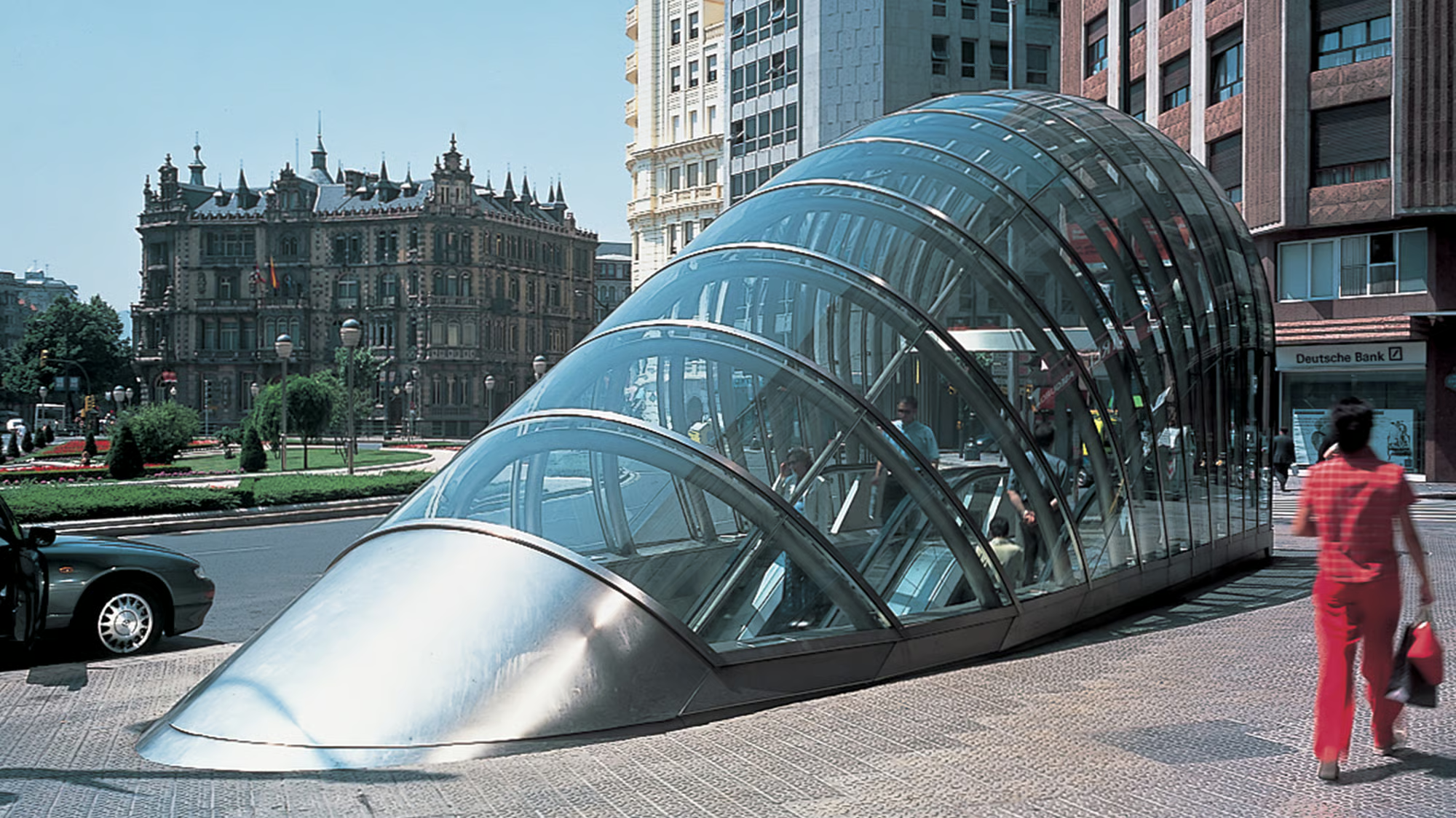
The Bilbao Metro, designed by Norman Foster & Partners and opened in 1995, two years before the Guggenheim — a key early piece of the city’s coordinated regeneration. Photography by JZR
The Cost of Failure: Replicas That Stalled
Once the Guggenheim Bilbao became a global media story, cultural institutions and city governments around the world rushed to commission their own iconic buildings, hoping architecture alone could deliver a similar economic lift. Many of these projects struggled to match their ambitions. Museums built in cities without Bilbao’s preceding decades of transit, environmental, and land-use investment often found that a striking building drew architecture tourists and press coverage in its opening year, but failed to generate the sustained citywide spillover effects that Bilbao achieved.
Critics who have studied these follow-on cases point to a recurring pattern: costly signature buildings commissioned largely for their marketing value, disconnected from any broader regeneration strategy, and often struggling with attendance or funding within a few years of opening. The lesson from these underperforming projects mirrors the critique made by Heathcote, Kimmelman, and the academic retrospectives of Bilbao itself: an iconic building can amplify a genuine urban renewal strategy, but it cannot substitute for one.
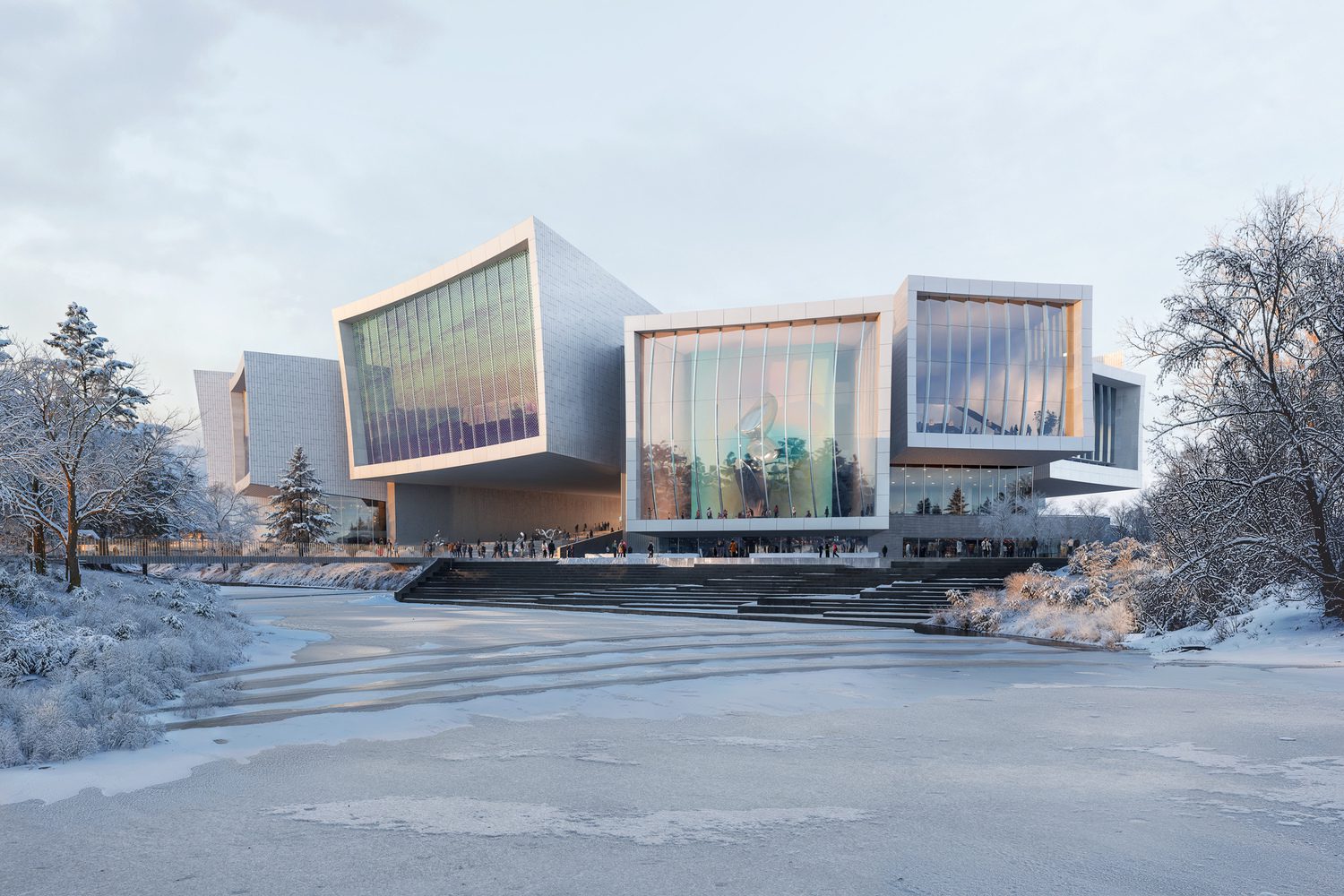
The Beijing Art Museum by Snøhetta and BIAD, one of many major cultural landmarks commissioned worldwide in the wake of the Bilbao Effect. Photography by Proloog
}

Luca Moretti is a content strategist with a foundation in urban design and architecture. Based in Milan, he focuses on writing that bridges aesthetics, material culture, and everyday spatial experiences.