

Famous Architects: The Most Influential Names in History (2026 Guide)
Famous architects are the individuals whose buildings changed how we think about space, structure, or beauty. Some, like Frank Lloyd Wright, reshaped residential design. Others, like Zaha Hadid, proved that computers could generate forms no hand ever could.
I’ve spent years writing about these people and teaching their work to students who think architecture history is just names and dates. It isn’t. Every architect on this list solved a real problem, and understanding that problem is worth more than memorizing their birthdays.
This guide answers the questions people actually search for — from “who is the greatest architect of all time” to “who is the richest architect in the world” — in one place, so you don’t have to click through ten different lists to get the full picture.
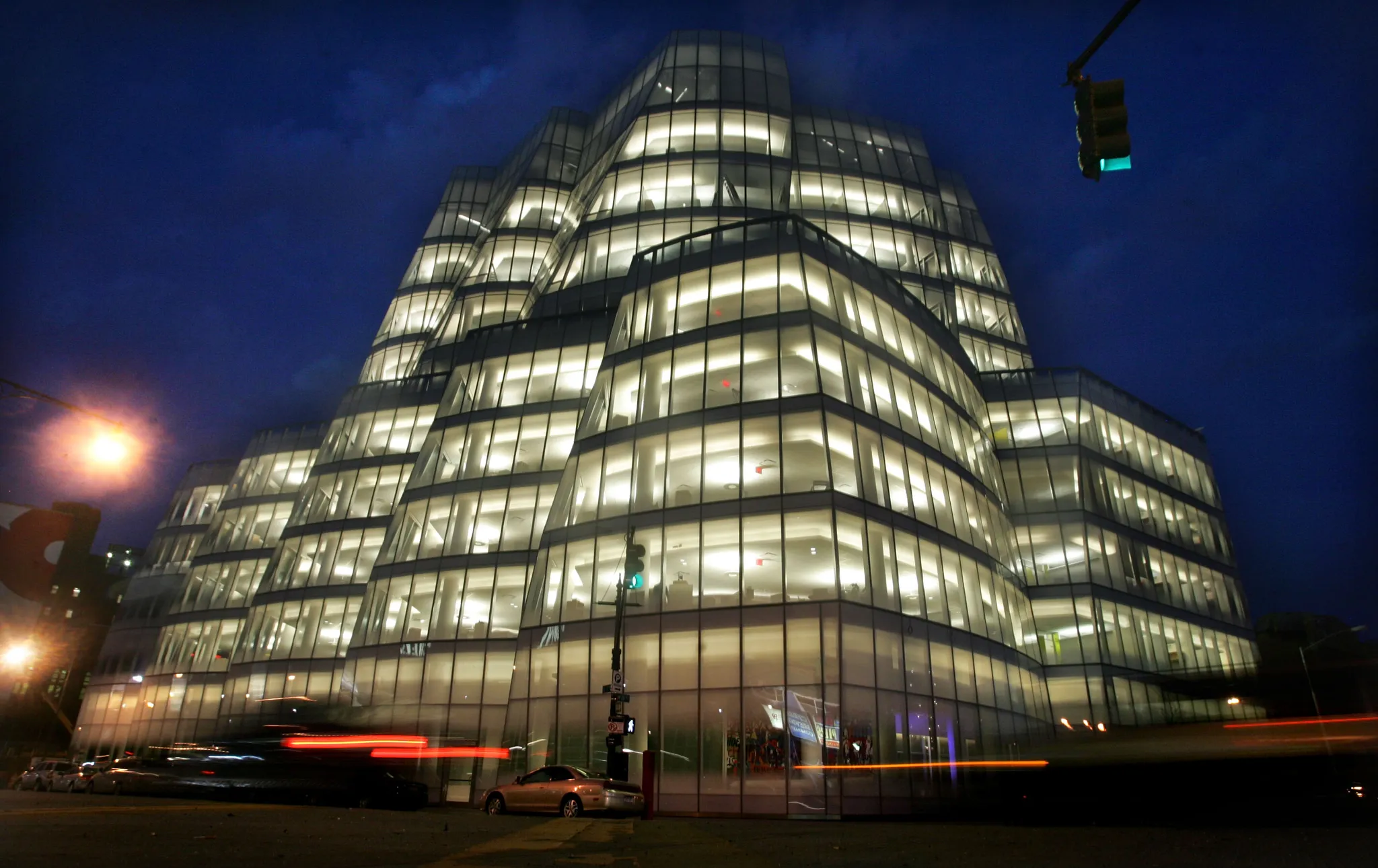
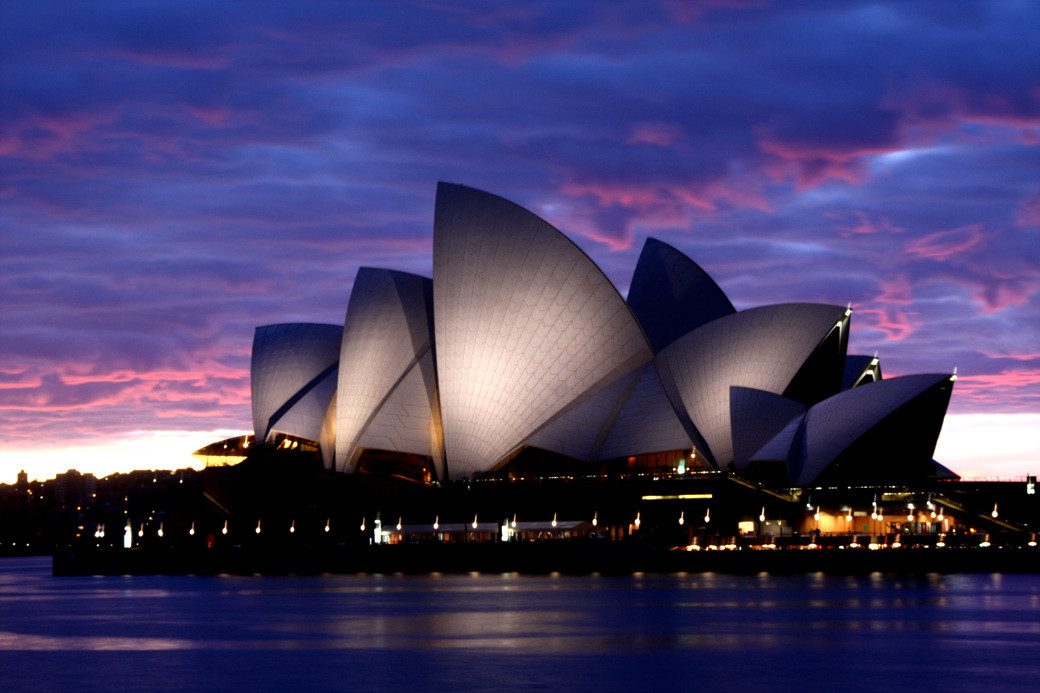
Key Takeaways
- Frank Lloyd Wright is the most famous architect in history overall; Zaha Hadid is the most famous female architect and the first woman to win the Pritzker Prize.
- “The Big Three” of modern architecture refers to Le Corbusier, Mies van der Rohe, and Frank Lloyd Wright — sometimes expanded to a “Big Four” with Walter Gropius.
- Norman Foster is generally considered the richest working architect, with an estimated net worth around $240 million, built mainly through Foster + Partners.
- Fame in architecture depends on built legacy, media visibility, and a recognizable signature style — not talent alone.
Who is considered the most famous architect in history?
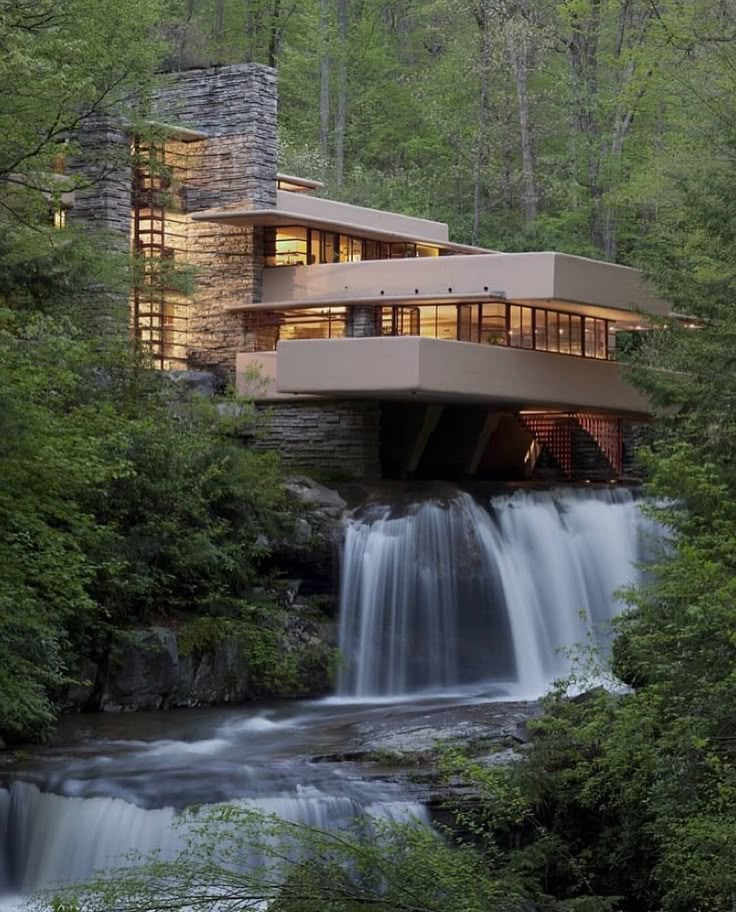
Frank Lloyd Wright is widely considered the most famous architect in history, largely due to Fallingwater and his sheer volume of built work across seven decades. But fame in architecture isn’t always tied to talent alone. It’s tied to visibility, timing, and how well an architect’s ideas translated into public imagination.
Wright designed over 1,000 structures and completed more than 500 of them. That’s an extraordinary output. But plenty of architects I’d rank as more technically brilliant never reached his level of public recognition, simply because they didn’t have his flair for self-promotion or his knack for buildings that photograph beautifully.
Fame in this field is a strange mix of built legacy and cultural moment. Wright had both. He also outlived most of his early rivals, which gave him decades to keep producing headline-worthy work — the Guggenheim Museum in New York opened when he was already in his nineties.
| Architect | Era | Most Famous Work |
|---|---|---|
| Frank Lloyd Wright | 1887–1959 | Fallingwater |
| Le Corbusier | 1907–1965 | Villa Savoye |
| Ludwig Mies van der Rohe | 1908–1969 | Barcelona Pavilion |
| Zaha Hadid | 1977–2016 | Heydar Aliyev Center |
| I.M. Pei | 1935–2019 | Louvre Pyramid |
| Antoni Gaudí | 1852–1926 | Sagrada Família |
| Frank Gehry | 1929–present | Guggenheim Bilbao |
| Norman Foster | 1935–present | 30 St Mary Axe (“The Gherkin”) |
Who are the most influential architects of the 20th century?
The most influential 20th-century architects are Le Corbusier, Mies van der Rohe ,Frank Lloyd Wright , and Louis Kahn. Each one founded a design philosophy that architecture schools still teach today, decades after their deaths.
Le Corbusier gave us the “machine for living,” a phrase that sounds cold until you understand what he meant. He wanted architecture stripped of unnecessary ornament, functioning with the same precision as an engine. His Five Points of Architecture — pilotis, free facade, open floor plan, ribbon windows, roof garden — are still a checklist in first-year design studios. Read the full breakdown in Le Corbusier’s Five Points of Architecture, explained with real examples.
Mies gave us “less is more,” and honestly, I think that phrase gets overused and under-understood. It wasn’t about minimalism for its own sake. It was about removing anything that didn’t serve structure or space.
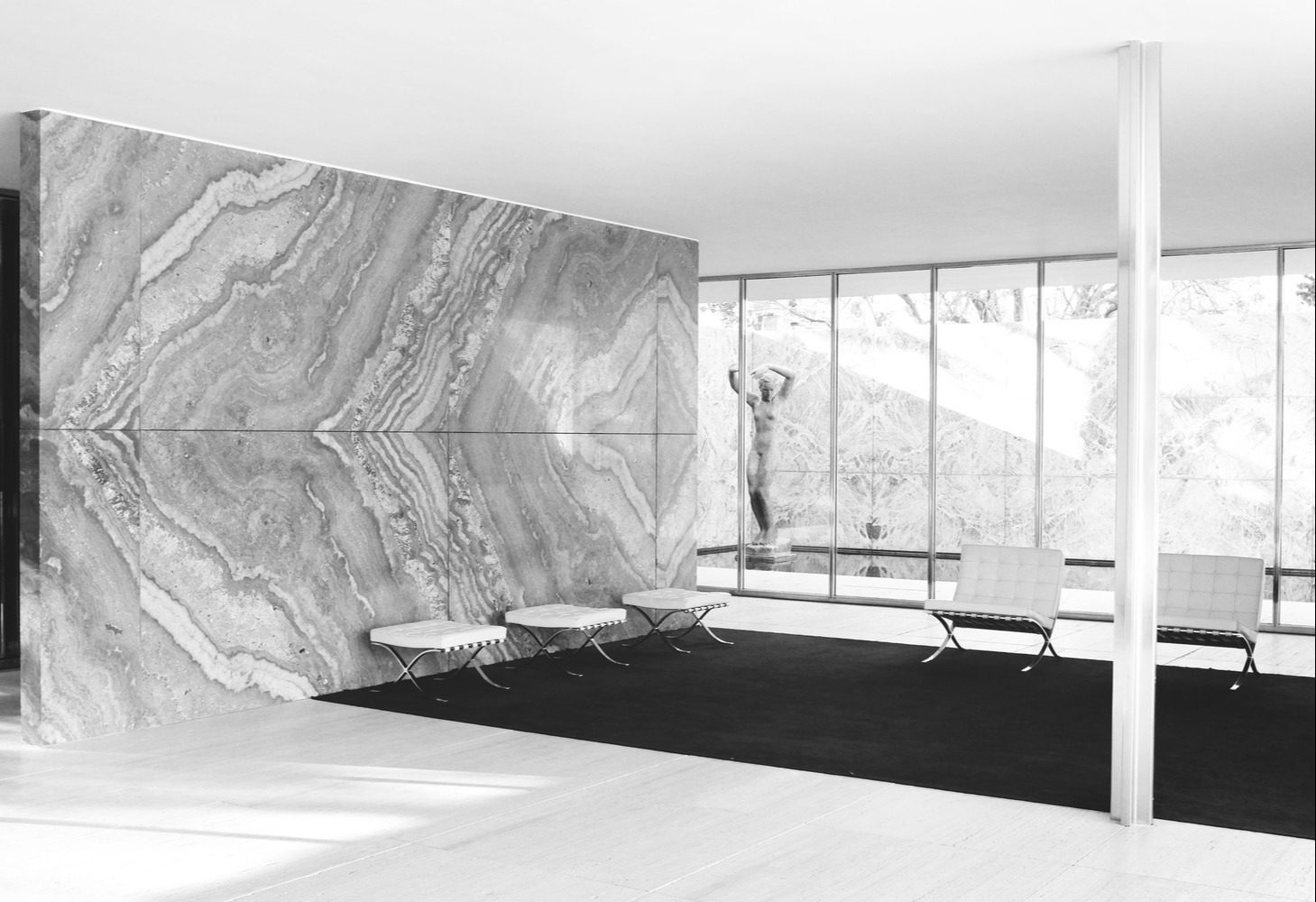
Gili Merin, : gondolas, wotjek gurak, Greg Kristo
Louis Kahn brought a spiritual weight to modernism that neither Corbusier nor Mies really pursued. His Salk Institute uses light and water as design materials just as much as concrete.
Who were the “Big Three” architects of modern architecture?
The “Big Three” of modern architecture are usually named as Le Corbusier, Ludwig Mies van der Rohe, and Frank Lloyd Wright. Some historians expand this to a “Big Four” by adding Walter Gropius, founder of the Bauhaus school.
This grouping isn’t official in any formal sense — no committee handed out the title. It emerged from decades of architectural history writing because these three, working roughly in parallel across three different countries, each arrived independently at a rejection of historical ornament in favor of function, structure, and honesty of materials. Wright worked from Chicago outward, Le Corbusier from Paris, and Mies first from Berlin and later from Chicago as well, after emigrating in 1937.
What’s interesting is how differently each one interpreted “modern.” Wright never fully embraced the International Style the other two came to represent — he saw his own organic architecture as its own, separate path. That disagreement is part of why the “Big Three” framing is useful: it shows modernism was never a single unified movement, but several parallel arguments about the same problem.
Who is the father of modern architecture?
Le Corbusier is most commonly called the father of modern architecture, though the title is genuinely contested. Walter Gropius is credited as the father of Bauhaus design specifically, and Louis Sullivan is often called the father of the skyscraper and, by extension, an early architect of American modernism.
I’d argue the “father of modern architecture” label says more about influence on architectural theory and writing than about built work alone. Le Corbusier published constantly — books, manifestos, magazine essays — and that output shaped how architecture was taught for most of the 20th century. Buildings convince clients. Writing convinces generations of students, and that’s arguably the more durable form of influence.
Who are the most famous living architects today?
Bjarke Ingels, Renzo Piano, and Norman Foster rank among the most famous living architects in 2026. Each runs a globally recognized practice and continues to produce headline-generating projects.
Bjarke Ingels built his reputation on making sustainability look genuinely exciting rather than dutiful. His firm BIG produces buildings that look like they belong in a sci-fi film, but they’re grounded in real environmental performance data.
Renzo Piano has quietly built one of the most consistent portfolios in the profession, from the Centre Pompidou in the 1970s to the Shard in London decades later. What separates Piano from a lot of his “starchitect” peers is restraint — his buildings rarely shout, even when they’re record-breaking in scale.
Norman Foster, now in his ninth decade of practice, still shapes skylines. His firm’s work on Apple Park and various airport terminals shows a consistency of quality most architects can’t sustain across fifty years of practice.
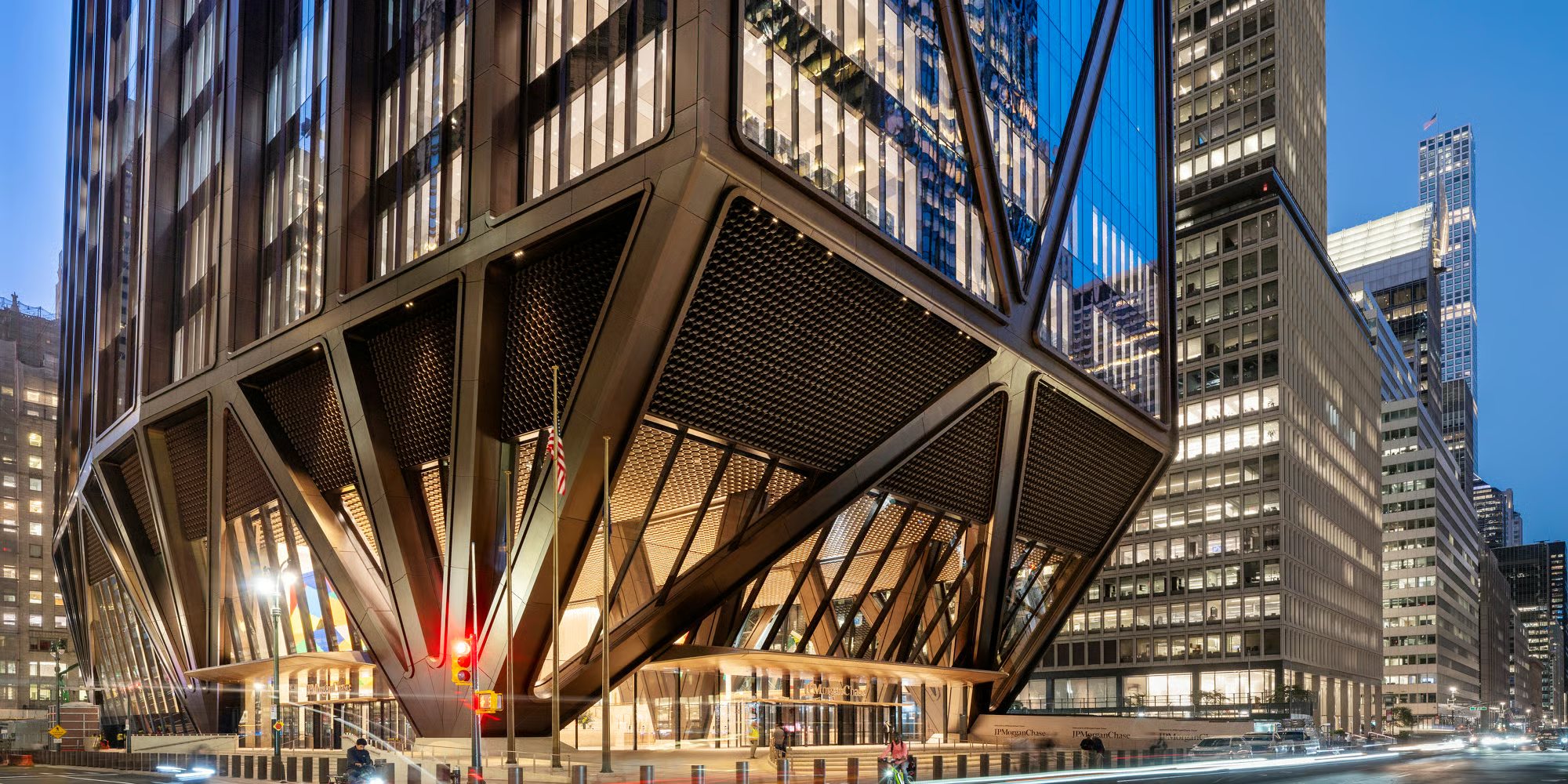
270 Park Avenue By Nigel Young
I’ll add one honest note here. “Famous” and “currently doing their best work” aren’t always the same list. Some architects peak early and coast on reputation. Watch what they’re building now, not just what made them famous originally.
What makes an architect “famous” versus just skilled?
An architect becomes famous through a combination of built legacy, media coverage, and a distinct visual signature that non-architects can recognize. Skill alone rarely creates fame. Visibility does.
I know architects doing extraordinary technical work who nobody outside the profession has heard of. Meanwhile, some “famous” names built one landmark building early in their career and rode that reputation for decades. That’s not a criticism. It’s just how recognition works in any creative field.
The formula for fame usually includes:
- A signature visual style you can identify without seeing the name attached
- At least one landmark project with strong media coverage
- Longevity — enough time for the work to enter cultural conversation
- A quotable philosophy or catchphrase that sticks
Who are the top 10 most famous architects in the world?
Rankings like this always involve some subjectivity, but based on built legacy, cultural recognition, and lasting influence on the profession, a reasonable top 10 list of the most famous architects of all time looks like this:
| Rank | Architect | Known For |
|---|---|---|
| 1 | Frank Lloyd Wright | Organic architecture, Fallingwater |
| 2 | Zaha Hadid | Parametric, fluid forms |
| 3 | Le Corbusier | Modernist theory, Five Points |
| 4 | Antoni Gaudí | Catalan Modernisme, Sagrada Família |
| 5 | Frank Gehry | Deconstructivism, Guggenheim Bilbao |
| 6 | Ludwig Mies van der Rohe | “Less is more,” steel-and-glass modernism |
| 7 | I.M. Pei | Geometric modernism, Louvre Pyramid |
| 8 | Norman Foster | High-tech architecture, sustainable towers |
| 9 | Louis Kahn | Monumental modernism, light and material |
| 10 | Bjarke Ingels | Playful sustainability, contemporary spectacle |
Swap in Rem Koolhaas, Tadao Ando, or Renzo Piano and you’d still have a defensible list. That’s the nature of a “top 10” in a field this subjective — the first six or seven names barely change from list to list; it’s the last three where opinions genuinely diverge.
Who are the most famous ancient architects in history?
Imhotep, credited with designing the Step Pyramid of Djoser in Egypt around 2650 BC, is generally regarded as history’s first named architect. He’s also one of the only ancient architects whose name survived at all — most structures from that era have no attributed designer.
Beyond Imhotep, a handful of other ancient names recur in architectural history: Callicrates and Ictinus, credited with the Parthenon in Athens; Apollodorus of Damascus, the Roman-era architect behind Trajan’s Forum and Trajan’s Column; and Anthemius of Tralles, one of the two architects behind the Hagia Sophia in Constantinople.
What strikes me teaching this material is how little we actually know about most of these figures personally. We have their buildings, sometimes a name in a historical text, and almost nothing else. Compare that to how much biographical detail exists on any 20th-century architect, and you get a sense of how recent the idea of the “celebrity architect” really is.
Who is the most famous female architect?
Zaha Hadid is the most famous female architect in history, and the first woman to win the Pritzker Prize in 2004. Her fluid, futuristic forms redefined what buildings could look like once computational design tools became powerful enough to realize them.
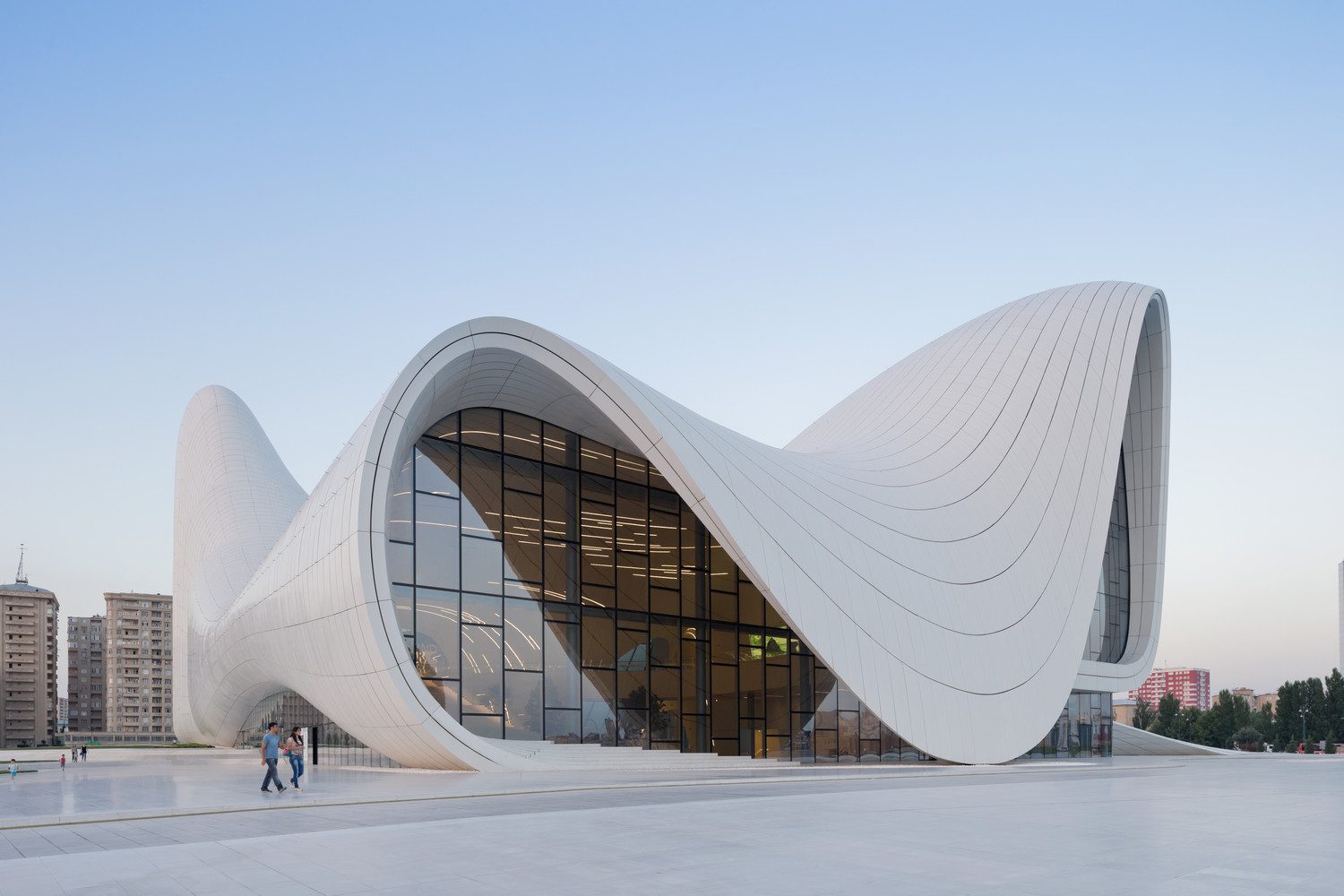
I remember the first time I saw the Heydar Aliyev Center in person. Photographs don’t prepare you for how the building seems to move even while standing still. Hadid pushed architecture into a territory that simply wasn’t buildable a generation earlier.
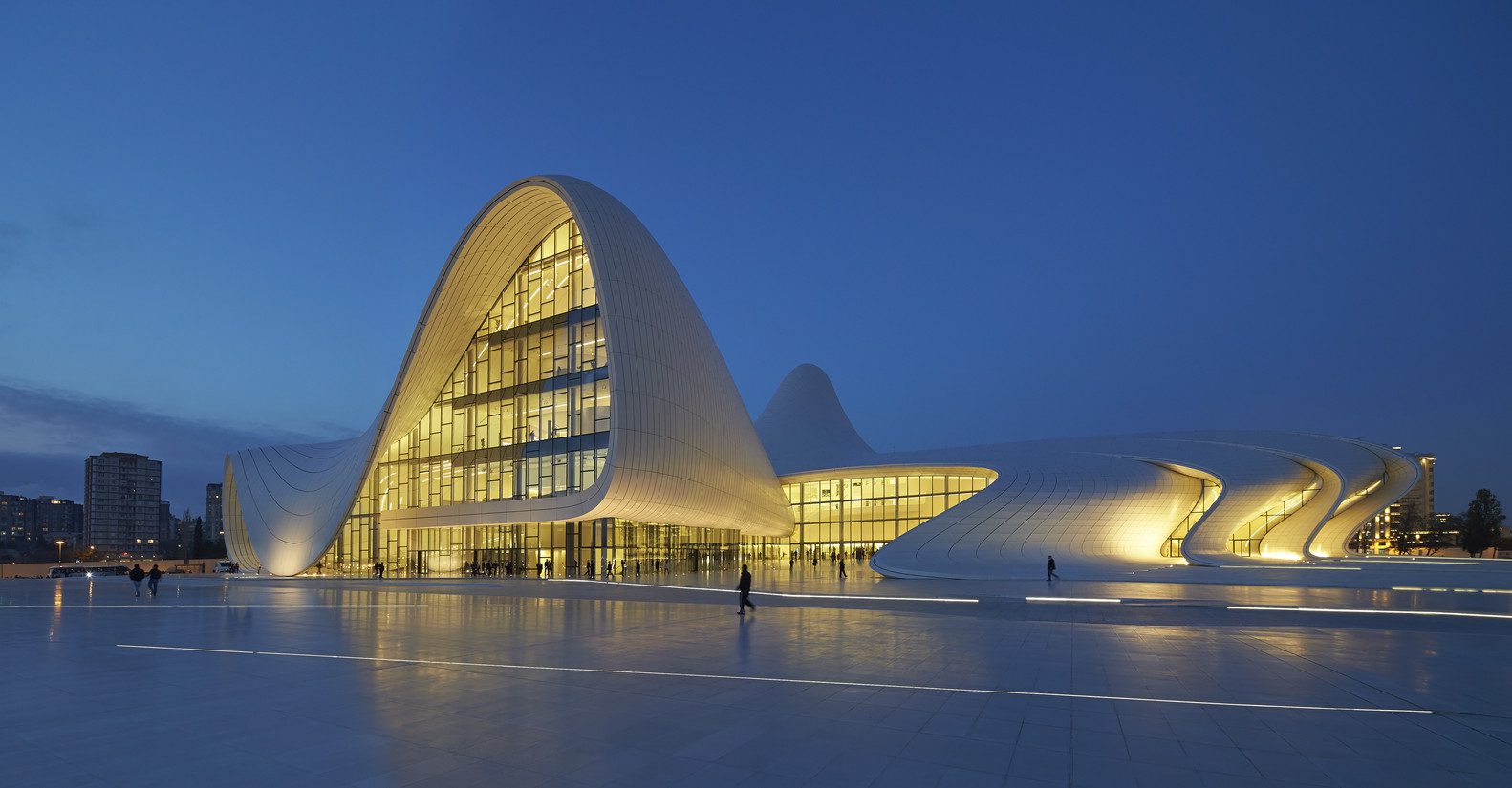
Heydar Aliyev Center by Helen Binet
She faced real resistance early in her career. Her designs were called “unbuildable” for years before technology and engineering caught up to her ambition. That gap between vision and buildability is a theme worth remembering. Sometimes the architect is right and the industry just hasn’t caught up yet. Go deeper in Zaha Hadid’s most groundbreaking buildings and the engineering behind them.
She isn’t the only name worth knowing here. Denise Scott Brown co-authored some of the most influential architectural theory of the 20th century alongside Robert Venturi, yet was controversially excluded when Venturi received the Pritzker in 1991 — a decision widely criticized within the profession for decades afterward. It’s a reminder that recognition in architecture hasn’t always tracked contribution evenly.
What is the difference between a “starchitect” and a regular architect?
A “starchitect“ is an architect whose personal brand and celebrity status drive commissions, independent of the specific project. Regular architects, even highly skilled ones, are typically hired based on portfolio fit rather than personal fame.
The term carries some baggage in the profession. Plenty of practicing architects roll their eyes at starchitect culture, arguing it prioritizes signature style over context, budget, or client need. There’s truth to that criticism. I’ve seen starchitect-designed buildings that clearly prioritized the Instagram shot over how people actually use the space.
But I’d push back on painting the whole category negatively. Some starchitects, like Renzo Piano, co
…consistently produce buildings that are both photogenic and genuinely well-functioning. Fame and quality aren’t mutually exclusive. They’re just not automatically linked either.
Which architect designed the most buildings?
Frank Lloyd Wright designed the most buildings among famous architects, with over 1,000 designs and more than 500 completed structures across a seven-decade career. That volume is almost unmatched among architects who also achieved individual critical acclaim for their work.
Large contemporary firms like Foster + Partners, Gensler, or SOM (Skidmore, Owings & Merrill) have technically produced far more built square footage than any single historical architect, but that work is distributed across hundreds of named designers within the firm — it’s not attributable to one signature the way Wright’s output is. That distinction matters when comparing “most prolific individual architect” to “most prolific architecture firm.”
Who is the most famous architect associated with Chicago?
Frank Lloyd Wright and Ludwig Mies van der Rohe are the two architects most closely associated with Chicago’s architectural identity, though Louis Sullivan — often called “the father of the skyscraper” — laid the groundwork both of them built on.
Chicago earned its reputation the hard way: the Great Fire of 1871 leveled most of the city, and the rebuilding effort that followed became the proving ground for the modern skyscraper. Sullivan’s Wainwright Building and Wright’s Prairie School houses came out of that same civic moment. Decades later, Mies van der Rohe, after emigrating from Germany, made Chicago his adopted home and reshaped its skyline again with steel-and-glass towers like 860–880 Lake Shore Drive.
| Architect | Pritzker Year | Signature Project |
|---|---|---|
| Zaha Hadid | 2004 | Heydar Aliyev Center |
| Rem Koolhaas | 2000 | CCTV Headquarters |
| Tadao Ando | 1995 | Church of the Light |
| Frank Gehry | 1989 | Guggenheim Bilbao |
| I.M. Pei | 1983 | Louvre Pyramid |
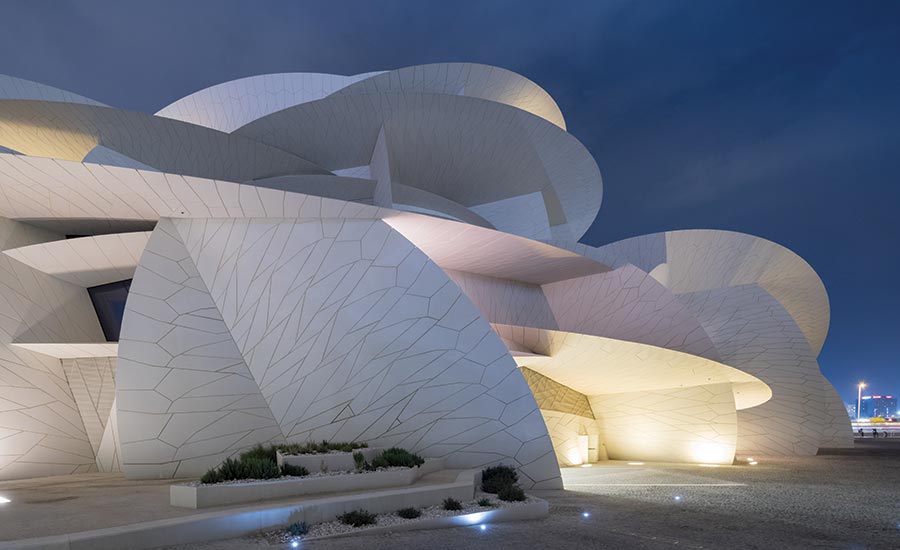
National Museum of Qatar in Doha, designed by Jean Nouvel, whose interlocking disc-shaped cantilevers are modelled on the desert rose crystal. Photograph by Iwan Baan.
Winning the Pritzker doesn’t guarantee household-name fame, though. Plenty of laureates remain relatively unknown outside architecture circles, which tells you fame and peer recognition operate on different tracks entirely.
Who is the richest architect in the world?
Norman Foster is generally considered the richest architect in the world, with an estimated net worth around $240 million, built largely through decades of leading Foster + Partners, one of the largest architecture firms globally.
Frank Gehry and the estate of Zaha Hadid also rank near the top of most wealth estimates, though these figures are notoriously imprecise since most architects’ fortunes are tied up in firm ownership rather than personal liquid assets, and firms rarely disclose partner earnings publicly. Bjarke Ingels, despite being decades younger than Foster or Gehry, is frequently cited as the wealthiest architect under 50, thanks to BIG’s rapid international growth.
Worth remembering: wealth and fame don’t map onto each other cleanly here either. Some of the most historically important architects, including several Pritzker laureates, never accumulated significant personal wealth from their built work — architecture, even at the top, is a lower-margin profession than most people assume. For a full breakdown of how these fortunes were built, see our full ranking of the richest architects in the world.
Why do some architects become household names and others don’t?
Household-name status usually comes down to one unforgettable project that captures public imagination, combined with media savvy the architect either has naturally or builds deliberately over time. Talent is the entry ticket. It’s not the deciding factor.
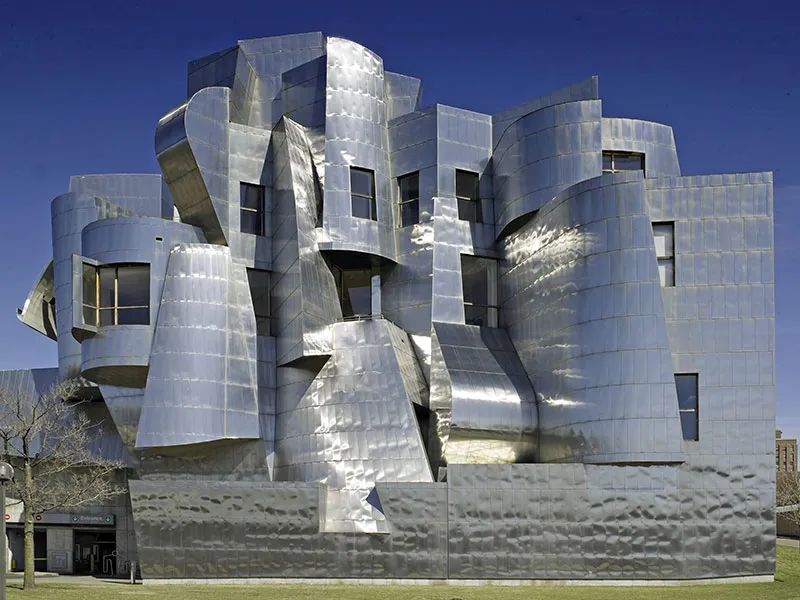
Frank Gehry’s Guggenheim Bilbao is the textbook case. Before that building, Gehry was respected within the profession but not widely known outside it. After Bilbao opened in 1997 and effectively revived an entire city’s economy through tourism, his name became shorthand for architectural spectacle.
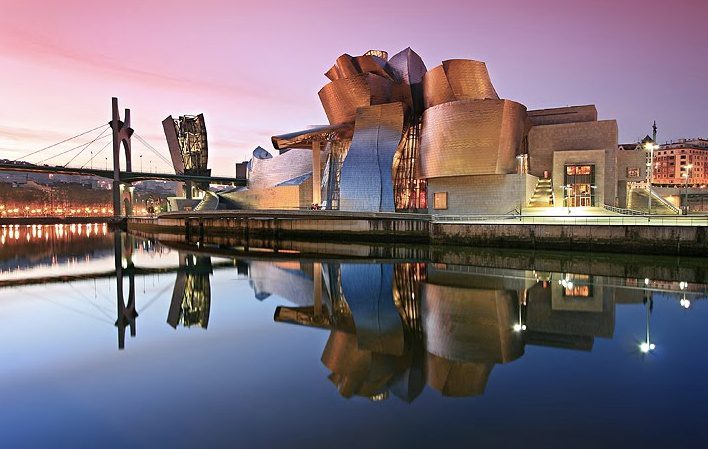
The Guggenheim Museum Bilbao, completed in 1997 by Frank Gehry, whose titanium-clad curves along the Nervión River triggered the so-called “Bilbao Effect.” Photograph by Alex McQueen.
That’s the “Bilbao Effect” in action — a single building so culturally powerful it changes how the world sees both the architect and the city. It’s rare. Most architects, even genuinely great ones, never get that one moment.
Is it hard to become a famous architect?
Yes — becoming a famous architect is extremely difficult, arguably harder than becoming simply a successful one. The profession already has a long, demanding education path (typically five to seven years between degree and licensure), and fame requires clearing an entirely separate bar on top of technical competence.
Most licensed architects will never design a building that receives national media coverage, let alone international recognition. That’s not a failure on their part — it reflects how few commissions each year are large enough, visible enough, or unusual enough to break into mainstream cultural conversation. The vast majority of excellent architecture is quietly excellent: well-detailed offices, schools, and housing that never make a “most famous” list because there was never a media hook attached to them.
If fame is the actual goal rather than a byproduct of great work, the architects who’ve achieved it consistently share three habits: they publish and speak publicly about their ideas, they take on at least one high-visibility competition or civic project early, and they develop a recognizable formal language that a photograph can convey in a single frame.
Who are the most famous architects working in the Middle East?
While most of the names on this list built their reputations in Europe and the US, the Gulf region has become one of the most active commission markets for famous architects over the past two decades. Zaha Hadid — herself born in Baghdad — Jean Nouvel, and Norman Foster have all delivered landmark cultural buildings across Qatar, the UAE, and Saudi Arabia.
Jean Nouvel’s National Museum of Qatar, shaped like interlocking discs modeled on a desert rose crystal, is one of the clearest examples of an international starchitect designing specifically in response to regional identity rather than importing a signature style wholesale. That approach — global technique, local meaning — is increasingly what distinguishes the strongest architecture happening in the region right now, and it’s a trend worth watching closely as Saudi Arabia’s giga-projects move from renderings to construction.
Related Reading
- Frank Lloyd Wright’s Philosophy, Explained
- Le Corbusier’s Five Points of Architecture
- Bjarke Ingels: An Architect Turning Visually Radical Ideas Into Reality
- Why Some Brilliant Architects Never Become Famous
- Zaha Hadid’s Most Groundbreaking Buildings
- The Starchitect Phenomenon: Clients or Egos?
- How the Pritzker Prize Actually Works
- Richest Architects in the World: Net Worth, Projects & Career
>

Ibrahim Abdelhady is an architect, academic, and media entrepreneur with over two decades of experience in architecture and digital publishing. He is the Founder and CEO of Arch2O.com, a leading platform in architectural media, renowned for showcasing innovative projects, student work, and critical discourse in design. Holding dual PhDs in Architecture, Dr. Abdelhady combines academic rigor with industry insight, shaping both future architects and architectural thought. He actively teaches, conducts research, and contributes to the global architecture community through his writing, lectures, and media ventures. His work bridges the gap between practice and academia, pushing the boundaries of how architecture is communicated in the digital age.