

Renzo Piano: The Art of Making Buildings was a Royal Academy exhibition in London, held from 15 September 2018 to 20 January 2019. This is a retrospective account of that exhibition, not a current event listing. Its lasting value is the opportunity to study architectural thinking through models, drawings and the process of making.
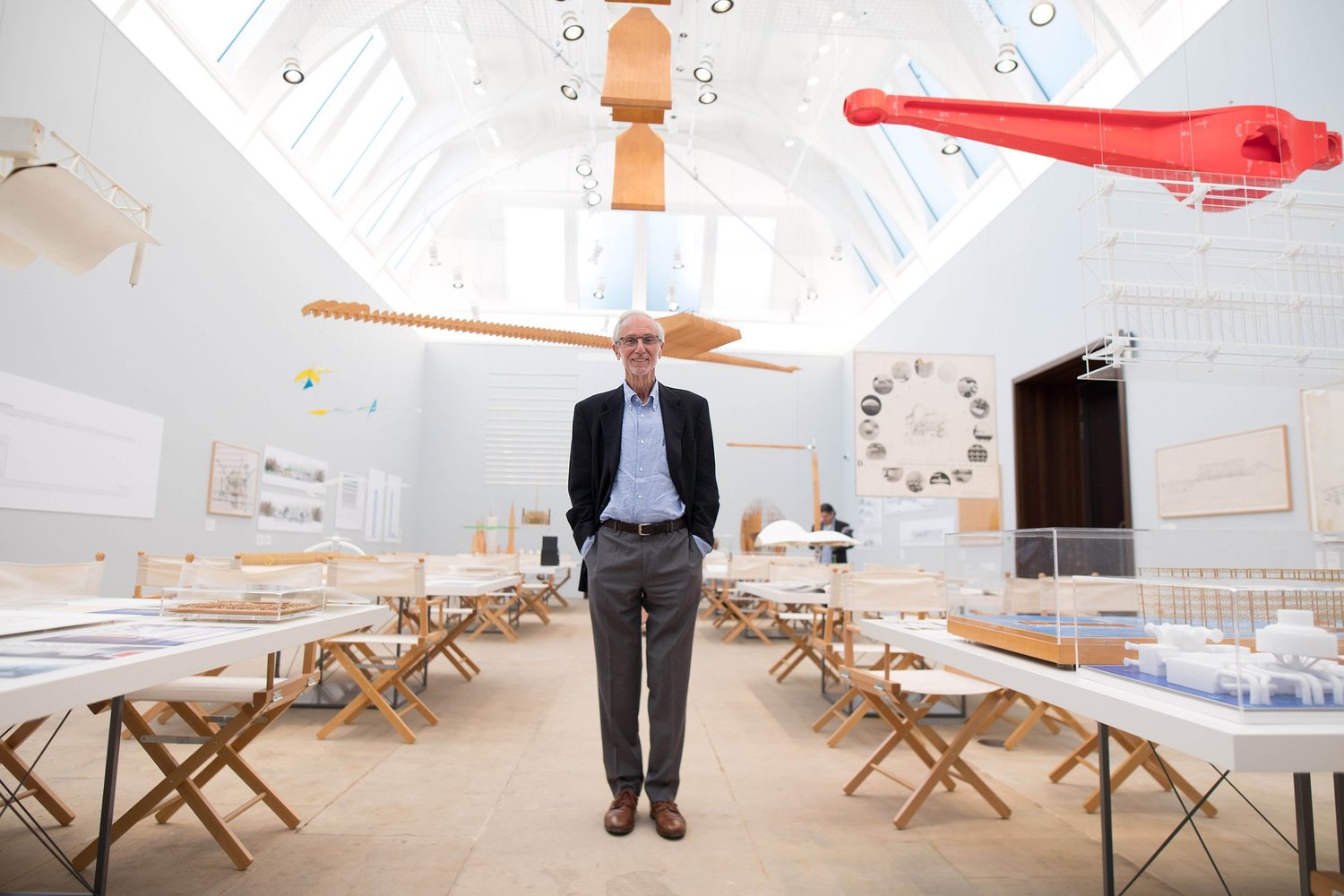
Renzo Piano at the Royal Academy
An exhibition of architecture has a particular challenge: the buildings themselves cannot be brought into the gallery. Models and fragments must therefore explain something that a photograph cannot. A useful display makes scale, structure, sequence or material decisions legible, rather than functioning only as a collection of attractive miniature objects.
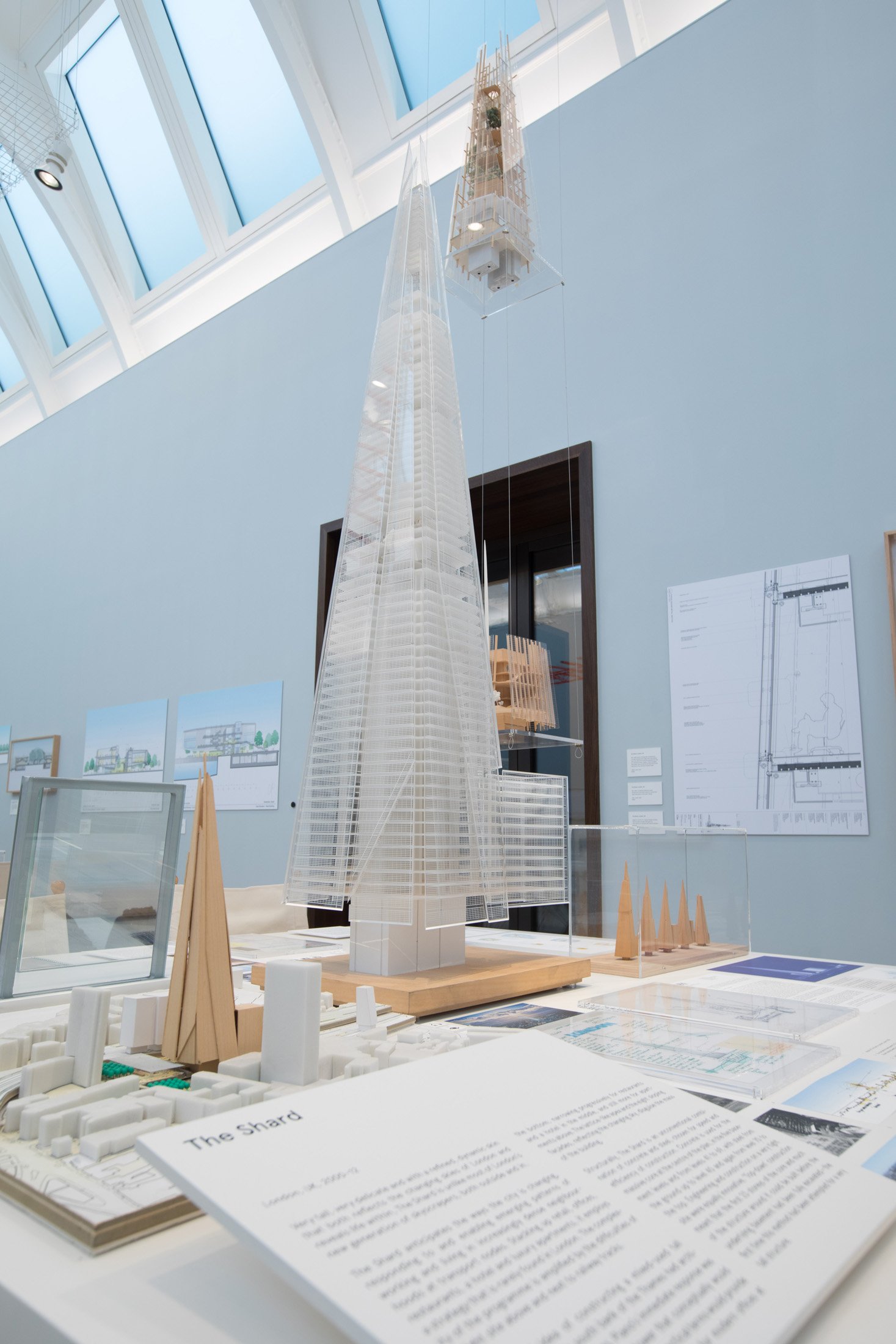
For students, the important question is what each model was made to test. A massing model answers different questions from a facade detail or a structural study. Compare the information each includes and leaves out. Then connect those studies to the decisions visible in the completed work, without assuming that a polished exhibition object records the entire design process.
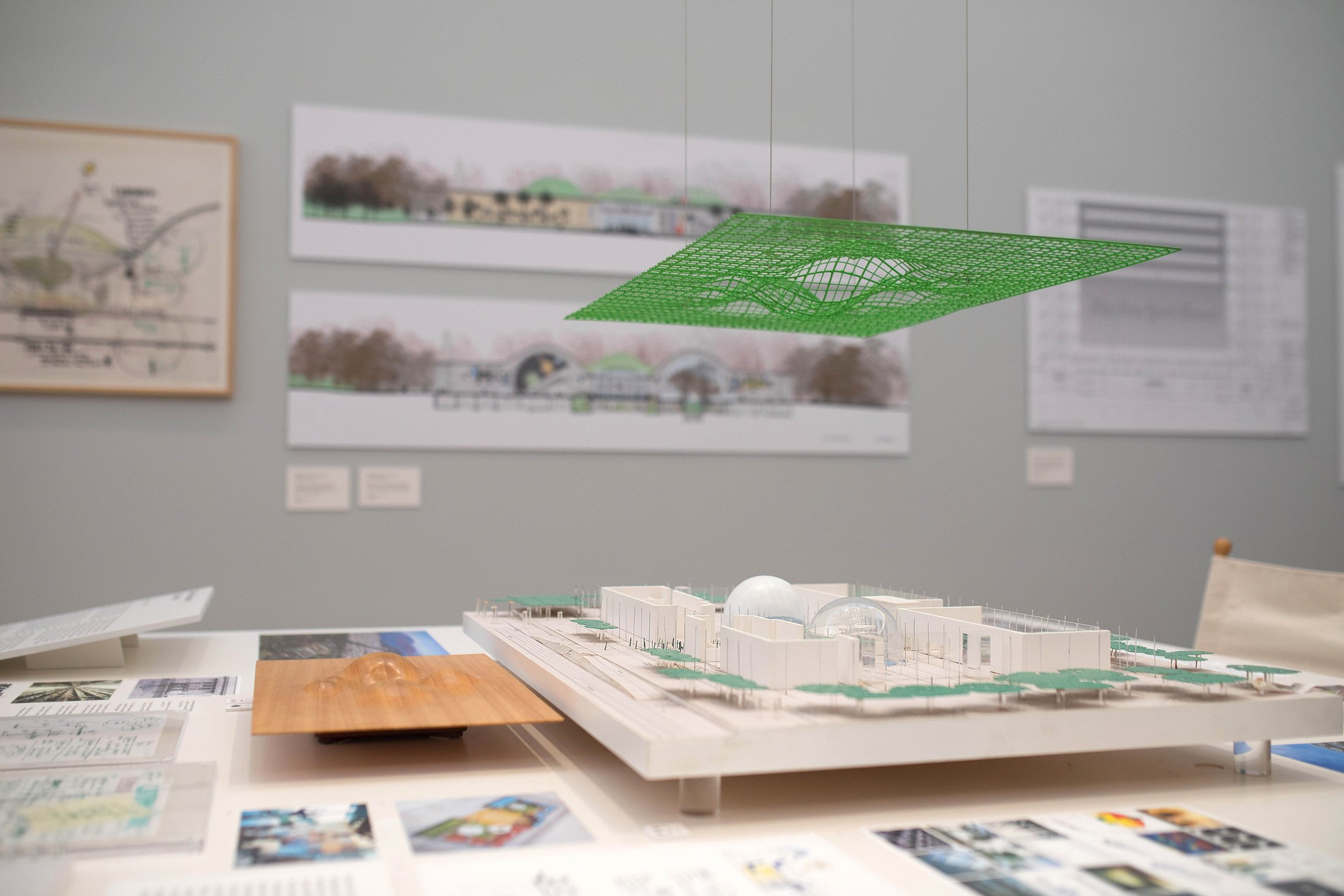
What models reveal about design development
The lesson for architectural communication is practical. A clear presentation identifies the question, shows alternatives and explains why a decision mattered. Visitors should be able to understand a project at several levels of attention. That approach can improve a studio review, portfolio or public consultation even when the project is much smaller than those represented in a major retrospective.
The display photographs suggest two complementary ways of looking at models. A recognisable object such as The Shard can explain the whole form at a glance, while the surrounding drawings and other models invite a slower comparison of decisions. For a student exhibition, the practical lesson is to show what each model is meant to explain. A sequence of tests is more informative when the viewer can identify the question that changed between them.
Turn a focused precedent study into a clear portfolio explanation with our architecture portfolio guide: building an architecture portfolio.
Key takeaways
- State the exhibition’s historical dates.
- Ask what question each model or drawing investigates.
- Explain decisions, not only the final visual result.
Related reading on Arch2O
- Academy Museum of Motion Pictures | Renzo Piano Building Workshop + Gensler
- California Academy of Sciences | Renzo Piano Building Workshop Architects
Sources and further reading

Ruba Ahmed, a senior project editor at Arch2O and an Alexandria University graduate, has reviewed hundreds of architectural projects with precision and insight. Specializing in architecture and urban design, she excels in project curation, topic selection, and interdepartmental collaboration. Her dedication and expertise make her a pivotal asset to Arch2O.