


Ocean Imagination, like most of this studio’s projects, the Ocean Imagination proposal shows the architects’ team’s experimental approach towards realizing conceptual architectural responses. This project has had a honorable mention in the competition for Expo 2012 Yeosu’s thematic design pavilion in Korea.
© Unsangdong Architects
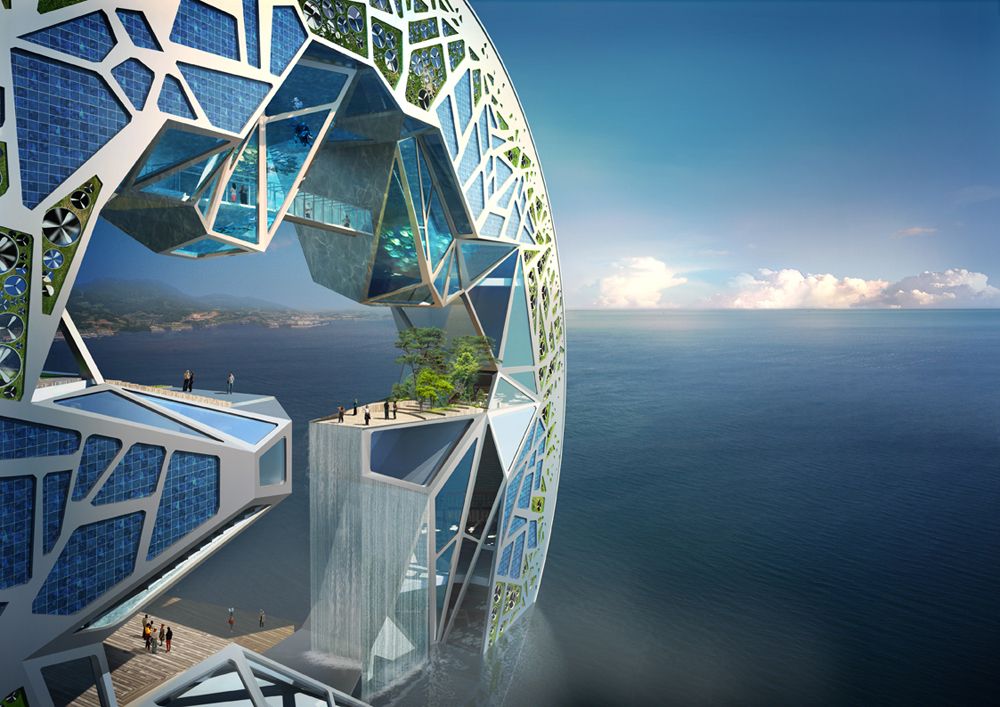
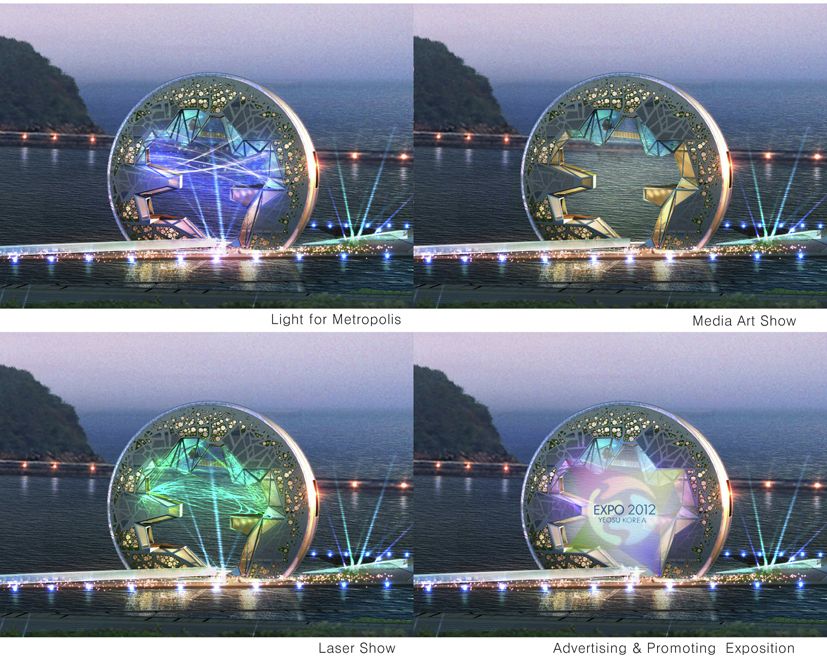
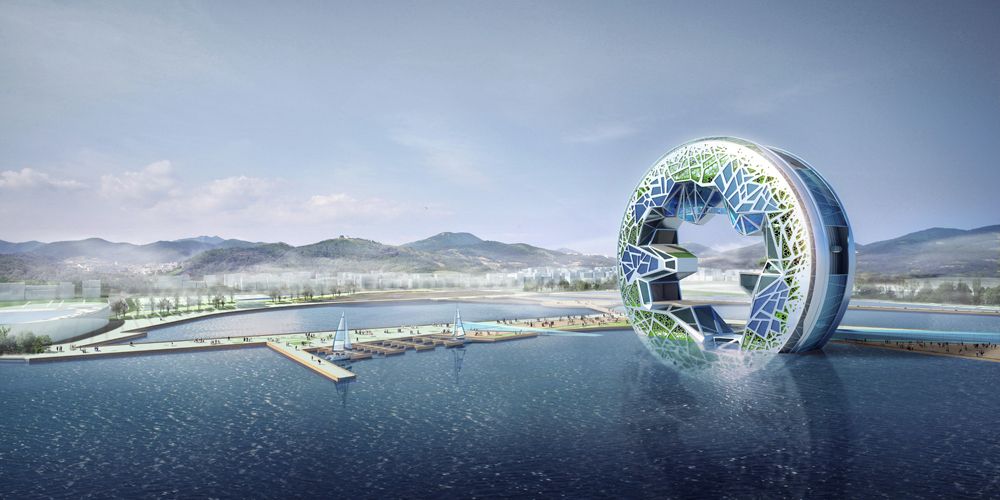
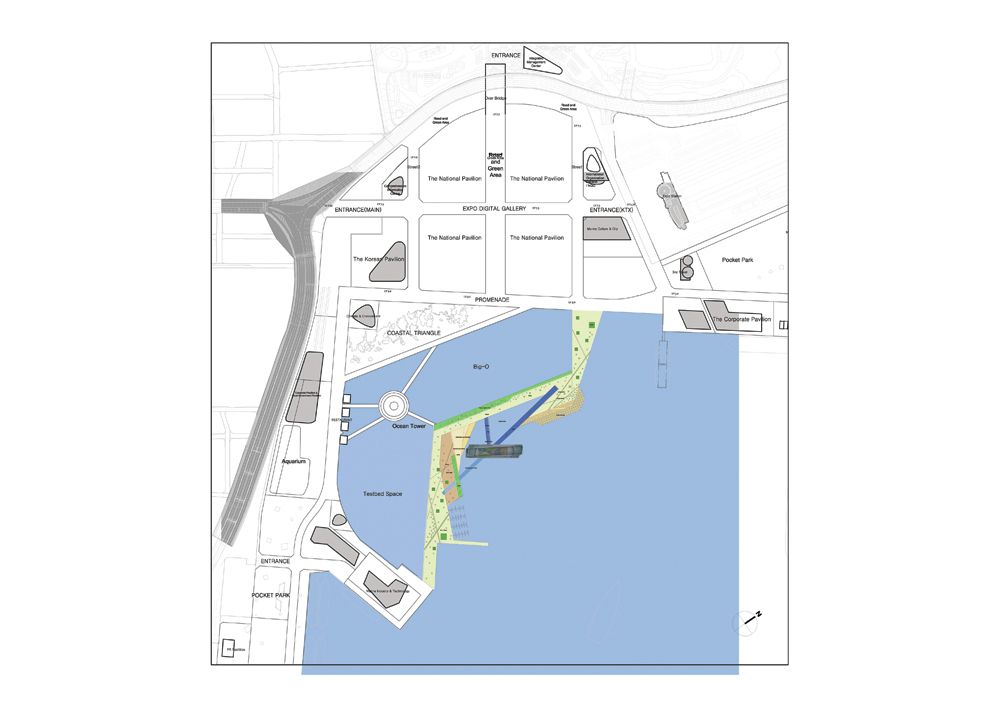
Unsangdong architect’s pavilion suggests that it functions both as a visitor centre and an exhibition space, bringing out the concept of diverse ecosystems that nature offers. The initial inspiration from diversity of resources and sustainable activities is developed into the correlation and integration of natural and man-made ecosystems. The main design driver for the studio’s research is the culture of the seashore and its vast natural environment.
© Unsangdong Architects
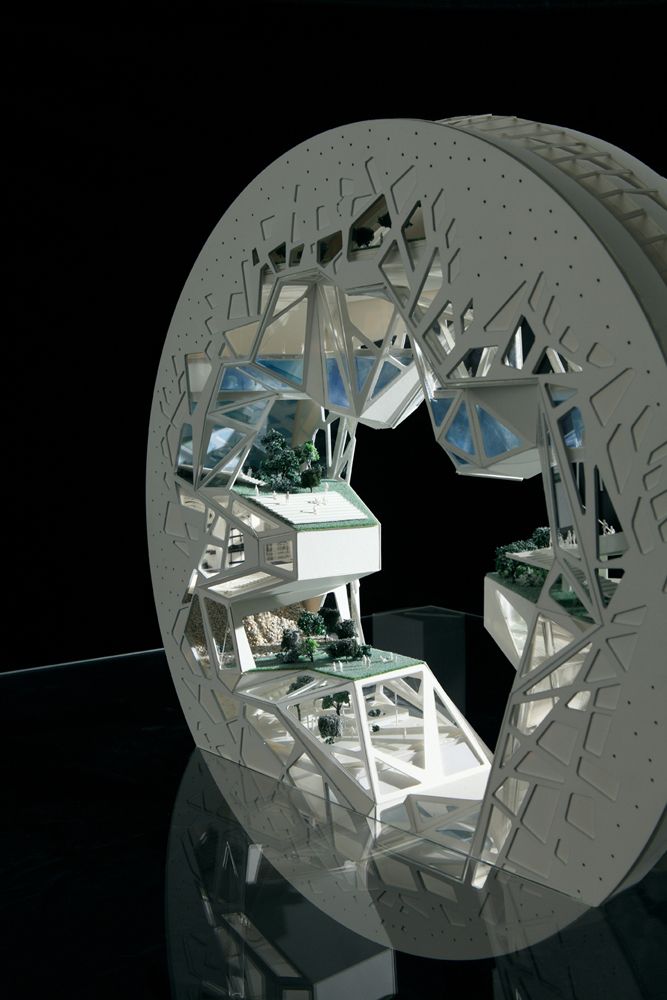
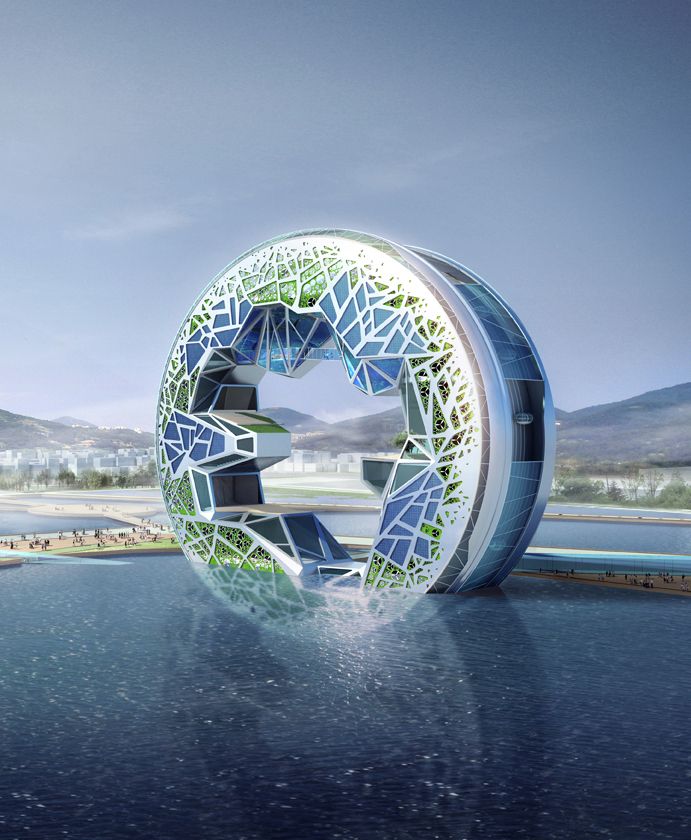
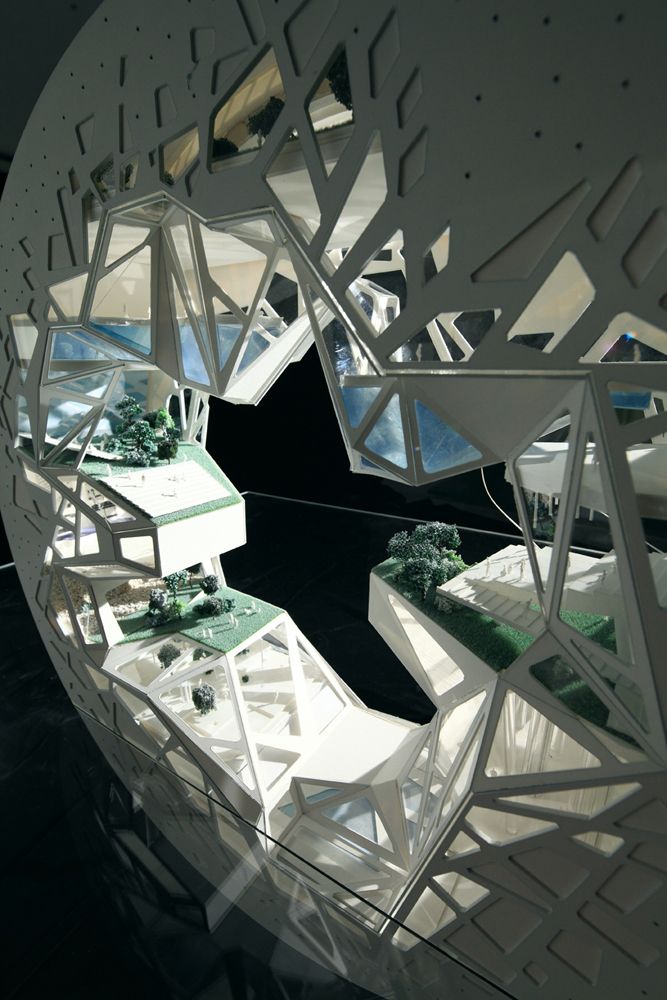
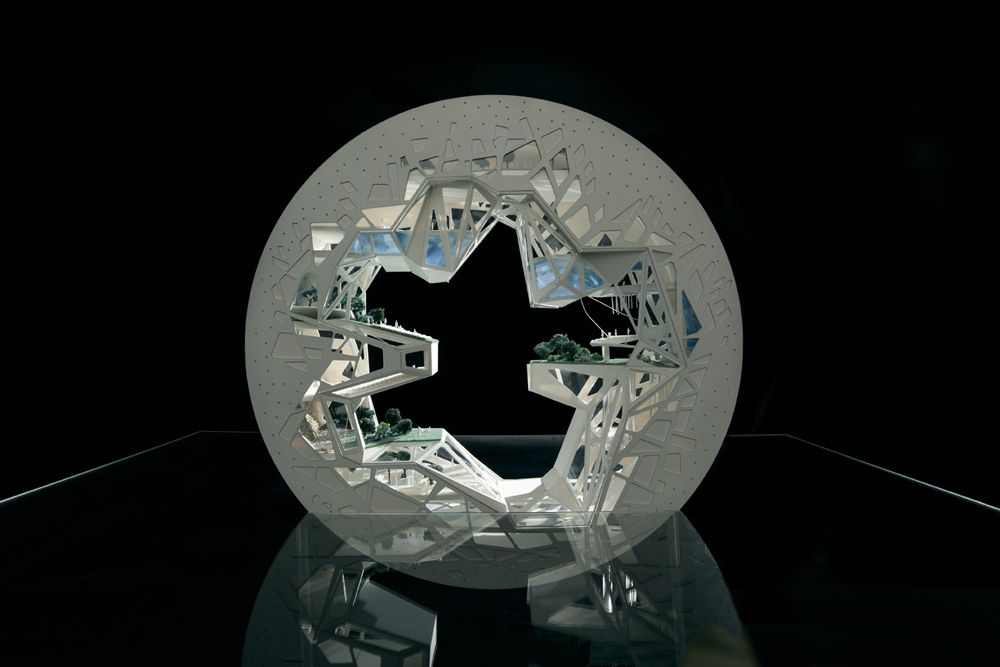
Due to their fascination over nature’s infinite life resources, the physical design element resembles a vertically flipped and extruded circle. In a number of cultures and religions, the circle is considered as the symbol of infinite life – its enclosed curve shows neither beginning, nor an ending, yet a never-ending curved line. This infinity theme is met in Unsangdong’s proposal for showcasing nature’s infinite possibilities for life indeed.
Model © Unsangdong Architects
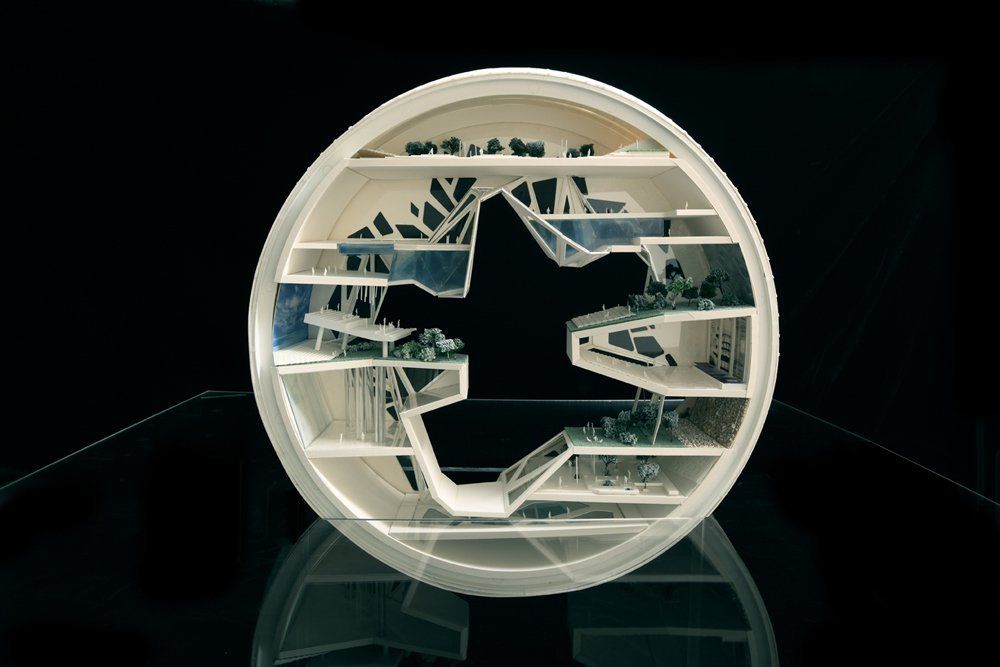
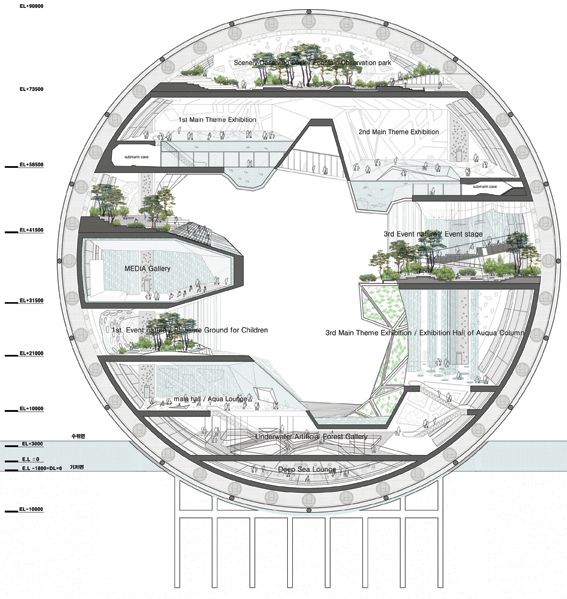
Fascination, nature, and infinity are what inspire the team to blend ‘nature’ with ‘imagination’ and create the aesthetically pleasing and very original structure. The sectional elevation of the circular ‘gate’ shows the variety of exhibition spaces and the wide range of events designated such as a Water-Valley and a Green Valley, a Media- and Play-Valley, etc. The intended vertical shift of the circle depicts a dynamic, which functions as a reminder of nature’s different environments and teaches the viewers how dynamic indeed nature’s possibilities are.
Model © Unsangdong Architects
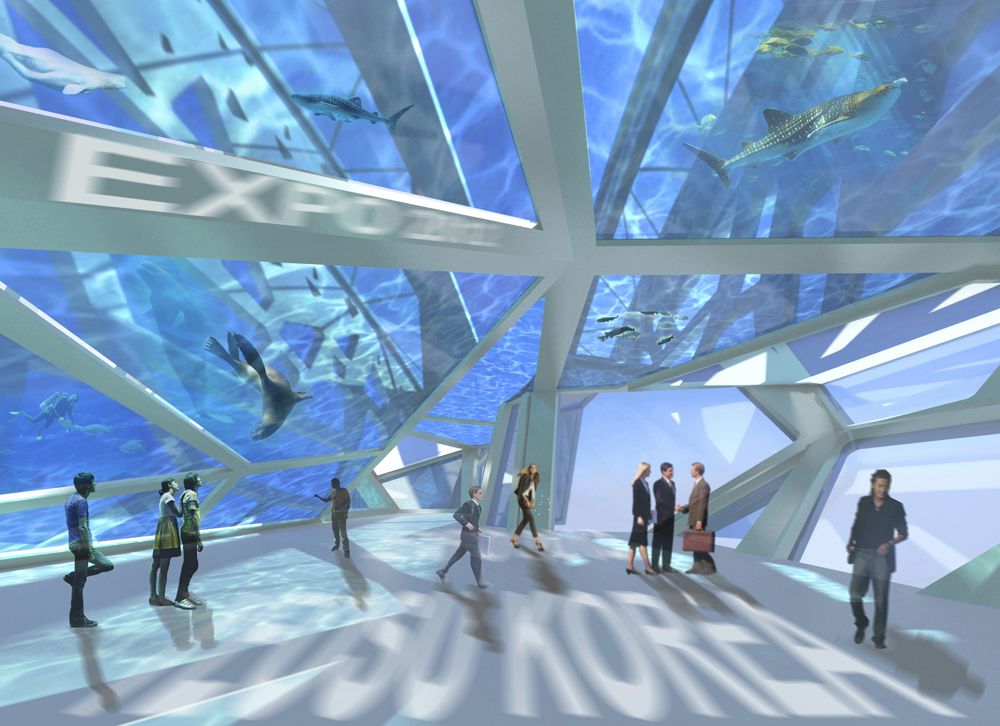
Liveability and natural environments are the focus of the sustainable approach Unsangdong Architects have accomplished: the circular structure incorporates a sustainable skin, consisting of ocean eco compounds, according to the architects. Another aspect of a sustainable approach is the creation of the Ocean void space – a combination of flowing water with the ecological environment. This gives visitors the unique chance to experience the ocean’s varied ecosystems.
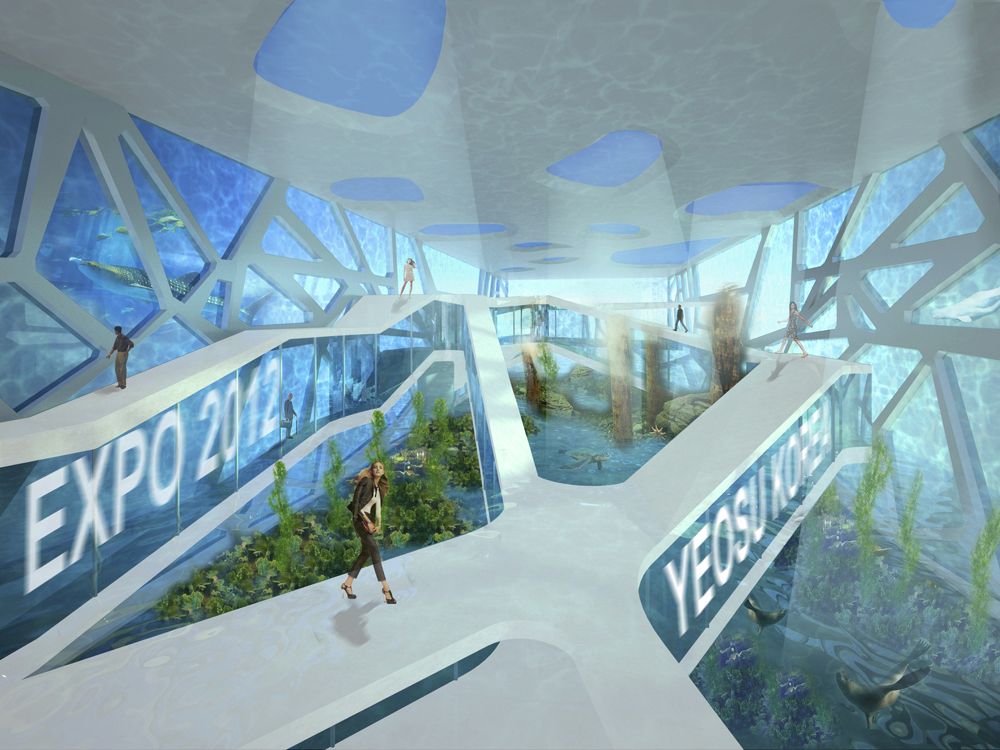
© Unsangdong Architects
The main exhibition – ‘Organism of Scenery’ is inspired by the seasonal changes in Korean culture: blooming flowers in spring, dramatic waterfalls for the summer; leafs turning yellow for the autumn, and a blanket of snow laying on the ground for the winter. Yet again, the seasonal change exhibition is another reference for the infinite cycle of nature’s wondrous possibilities.

Anastasia Andreieva is an accomplished Architectural Projects Editor at Arch2O, bringing a unique blend of linguistic expertise and design enthusiasm to the team. Born and raised in Ukraine, she holds a Master’s degree in Languages from Taras Shevchenko National University of Kyiv. Her deep passion for architecture and visual storytelling led her to transition from translation and editorial roles into the world of design media. With a keen eye for conceptual clarity and narrative structure, Anastasia curates and presents global architectural projects with precision and flair. She is particularly drawn to parametric and digital design, cultural context, and emerging voices in architecture. When I’m not analyzing the latest architectural trends, you’ll probably find me searching for hidden gems in cityscapes or appreciating the beauty of well-crafted spaces. After all, great design—like great connections—can be found in the most unexpected places. Speaking of connections, because architecture isn’t the only thing that brings people together.