


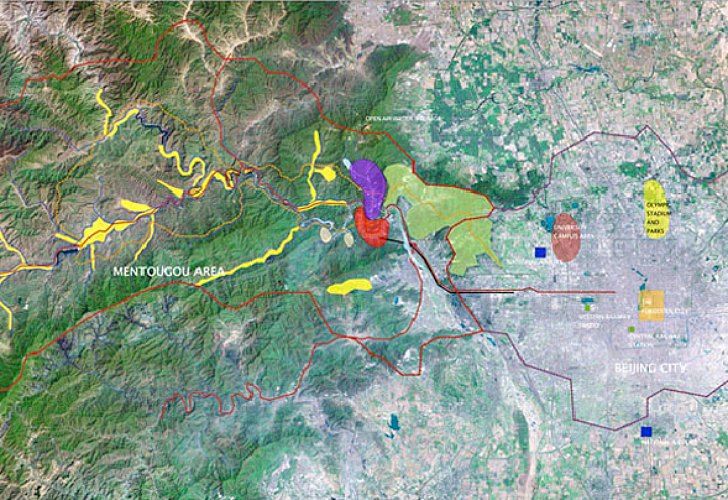
The Mentougou Eco Valley outside of Beijing, China is home to breathtaking mountain views and abandoned stone mills- amongst other things, I mean there’s gotta be trees and animals and stuff as well, right? Well, anyways- the task of transforming this valley, marked by the past, into a future Chinese Silicon Valley or Eco Valley, has fallen to Eriksson Architects.

Courtesy of Eriksson Architects
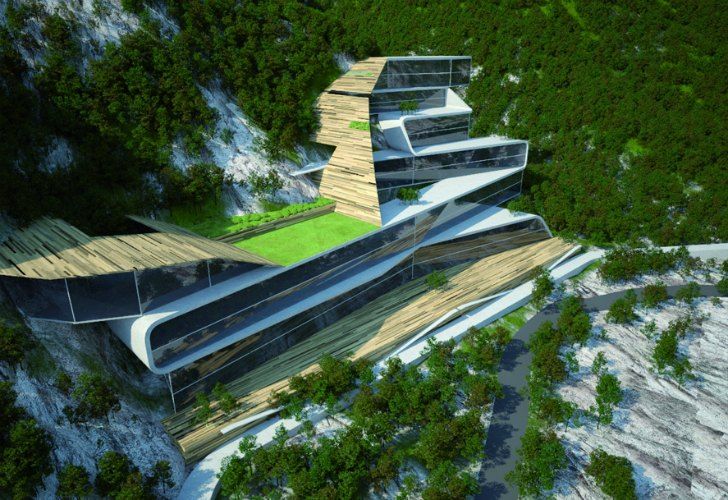
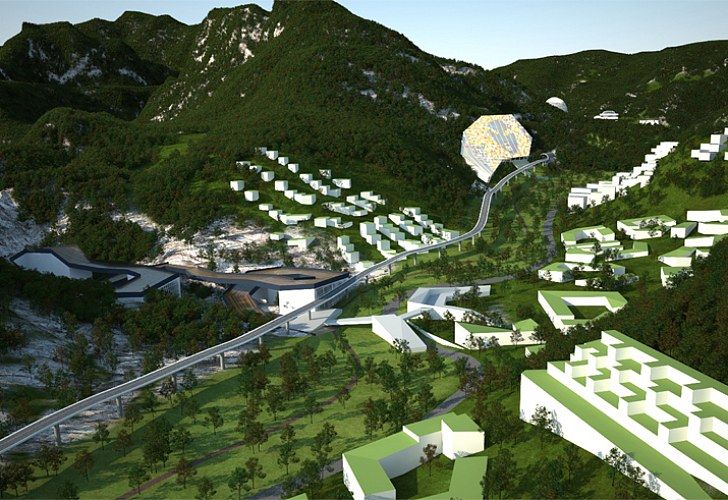
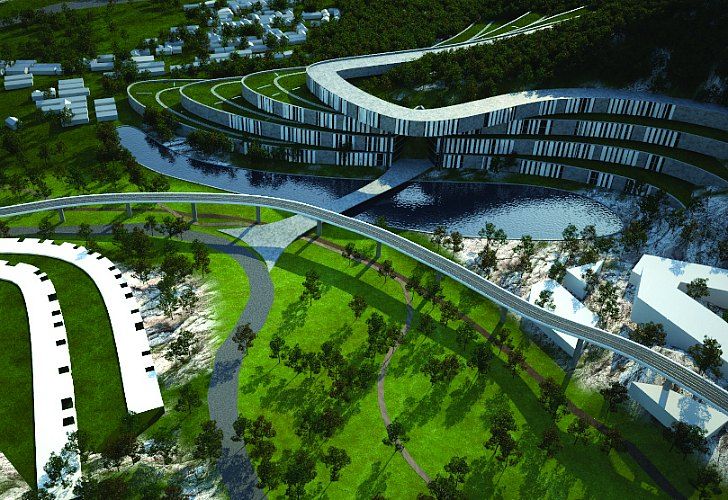
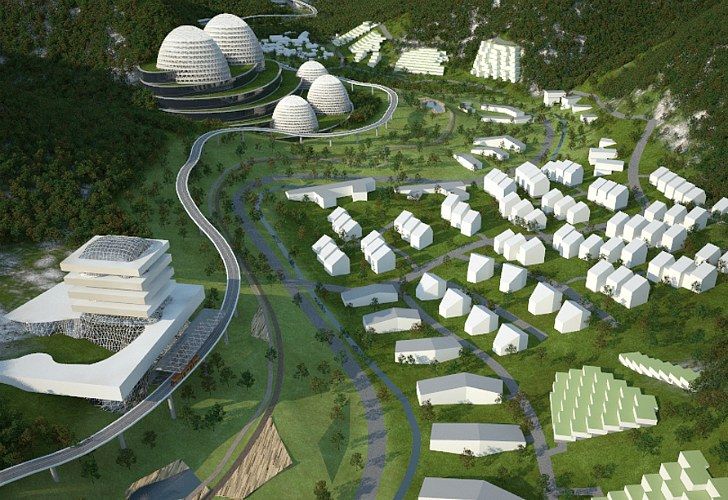
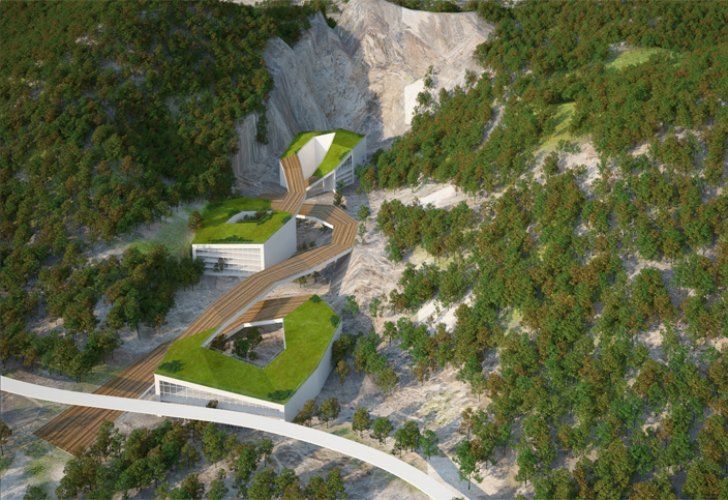
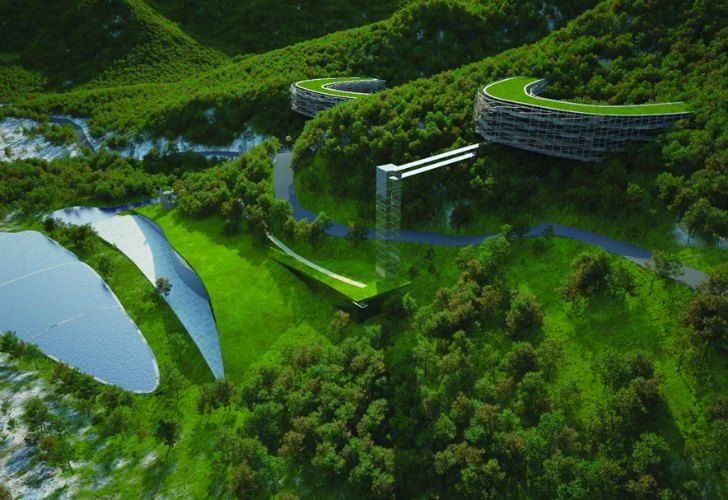
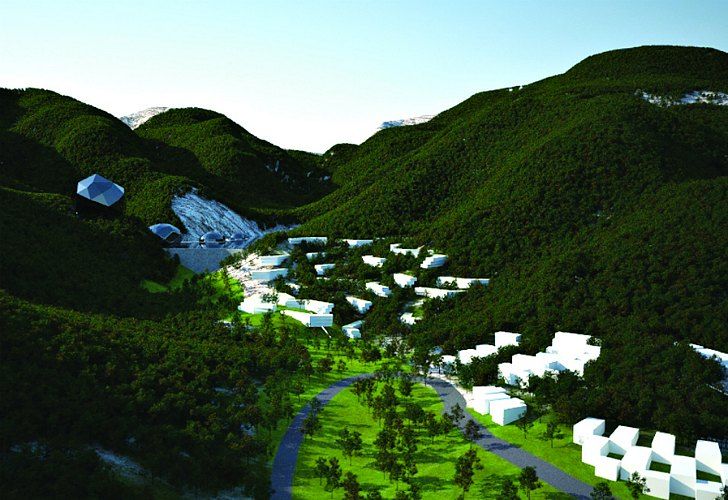
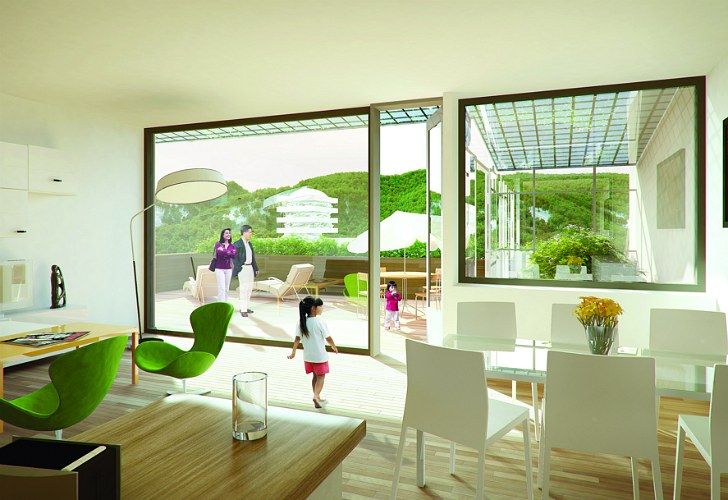
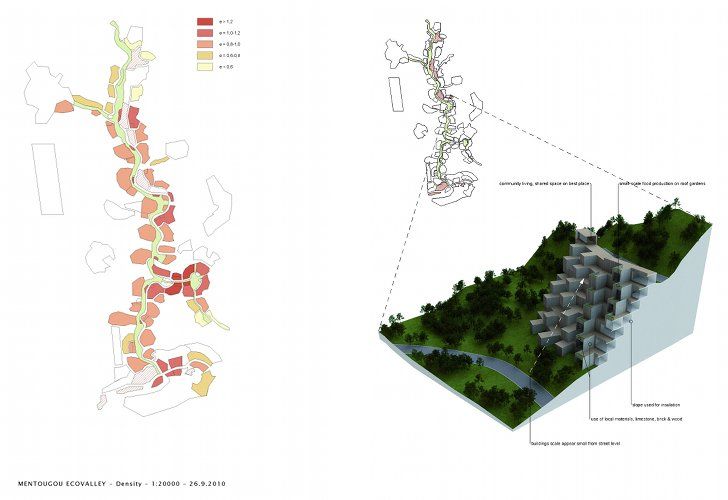
The planning consists of new facilities for nine environmental research institutes and companies, one central city area and several smaller city village areas. A eclectic collection of buildings are planned which will make use of the many varied situational cues offered by the topography and history of the valley. The old stone mills and mines will be converted or otherwise adapted to become a new ecological urban area for over 50,000 inhabitants.
Courtesy of Eriksson Architects
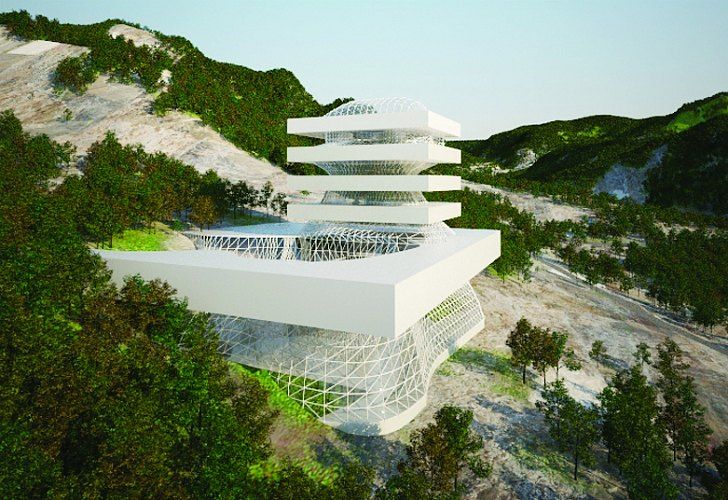
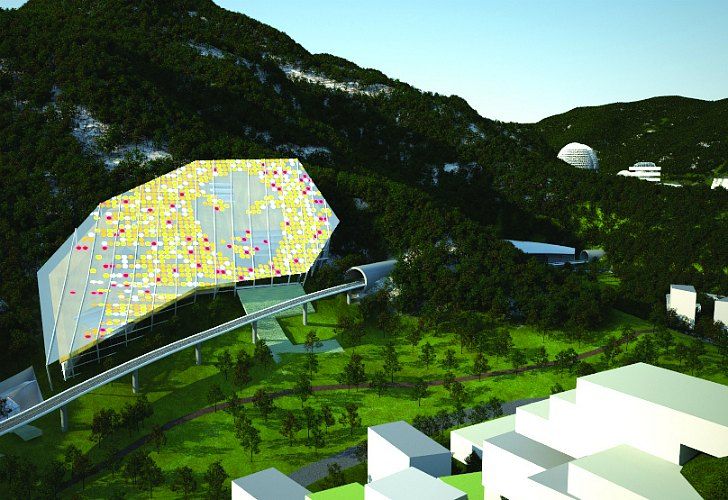
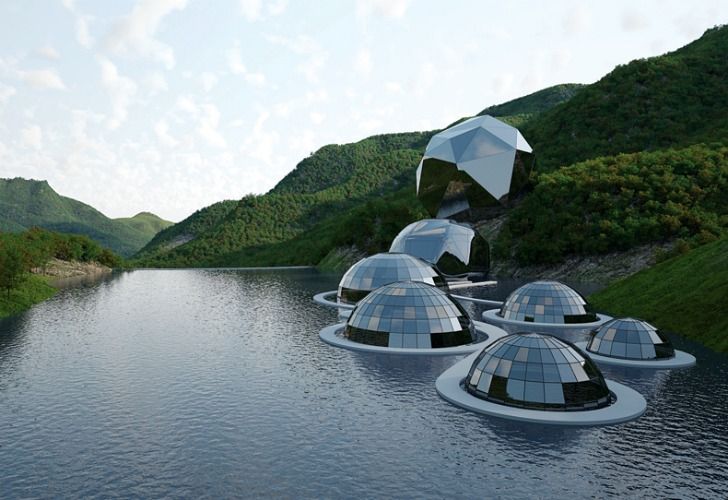
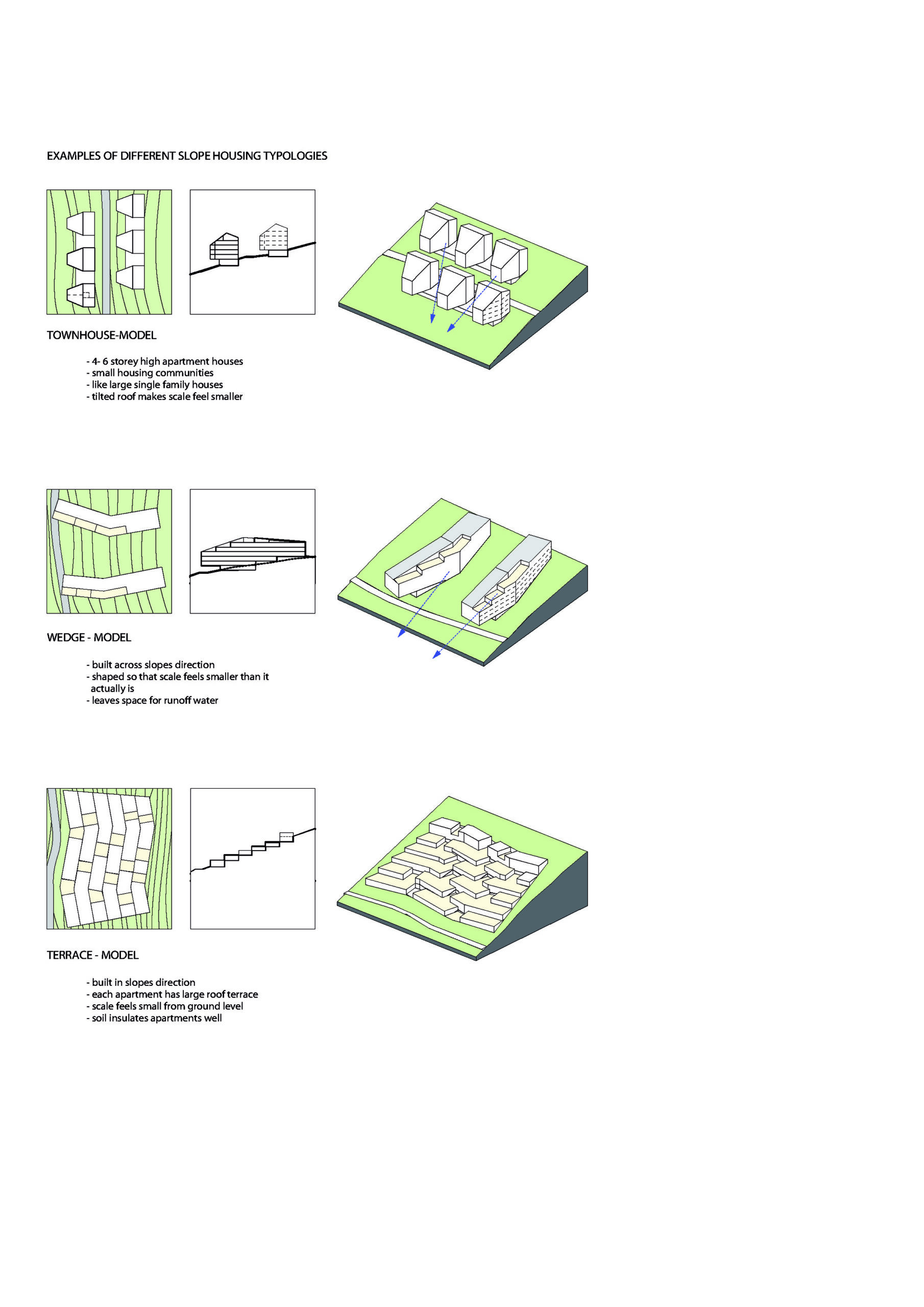
The wide range of architectures proposed give the future Eco Valley a distinctly Vitra-esque feel (I am referring to Vitra’s headquarters outside of Basel, which exists as a collection of unique architectures). There seems to be no base form from which designs build off. Instead, each construct takes its context into full consideration and maximizes its potential, whether this means residential structures built into and following the contours of mountainsides, vast production facilities which take firm ownership over stretches of flat ground, or a network of dome structures which grow out of the water, as if one is observing the Devonian evolution step of an architecture from water to land.
Project info:
Architects: Eriksson Architects
Country: China, Beijing
Year: 2010
Photographs: Courtesy of Eriksson Architects

Matt Davis is a Virginia Tech graduate and one of the founding editors behind Arch2O. Launching the platform in mid‑2012 alongside fellow Hokies, he helped shape its identity as an international hub for design innovation and critical dialogue . With a foundation in architectural education and a passion for uncovering unconventional design approaches, Matt has contributed significantly—both editorially and strategically—to Arch2O’s growth, ensuring that emerging architects, academics, and creatives have a space to question, explore, and elevate the built environment.