Photography by© Delfino Sisto Legnani + Marco Cappelletti
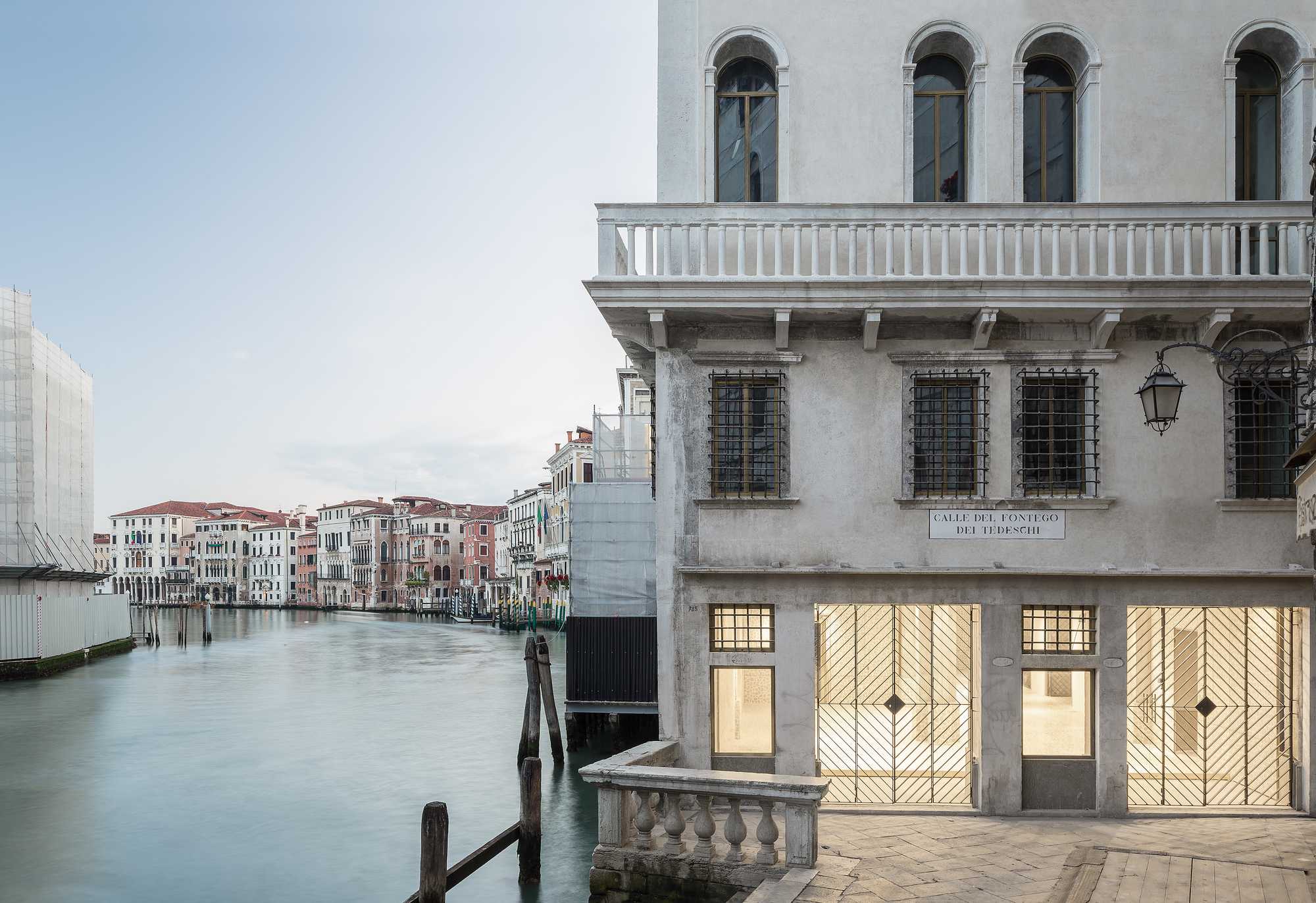
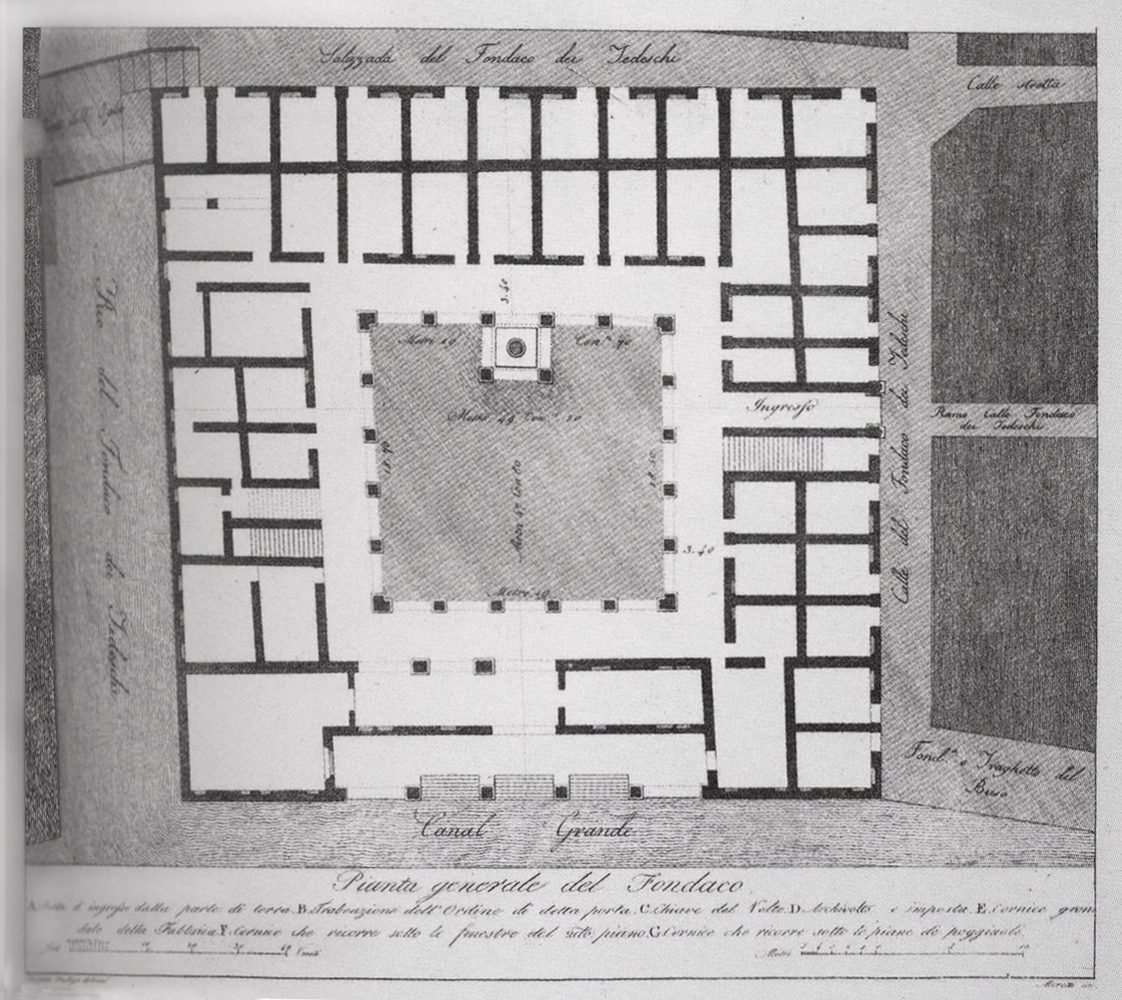
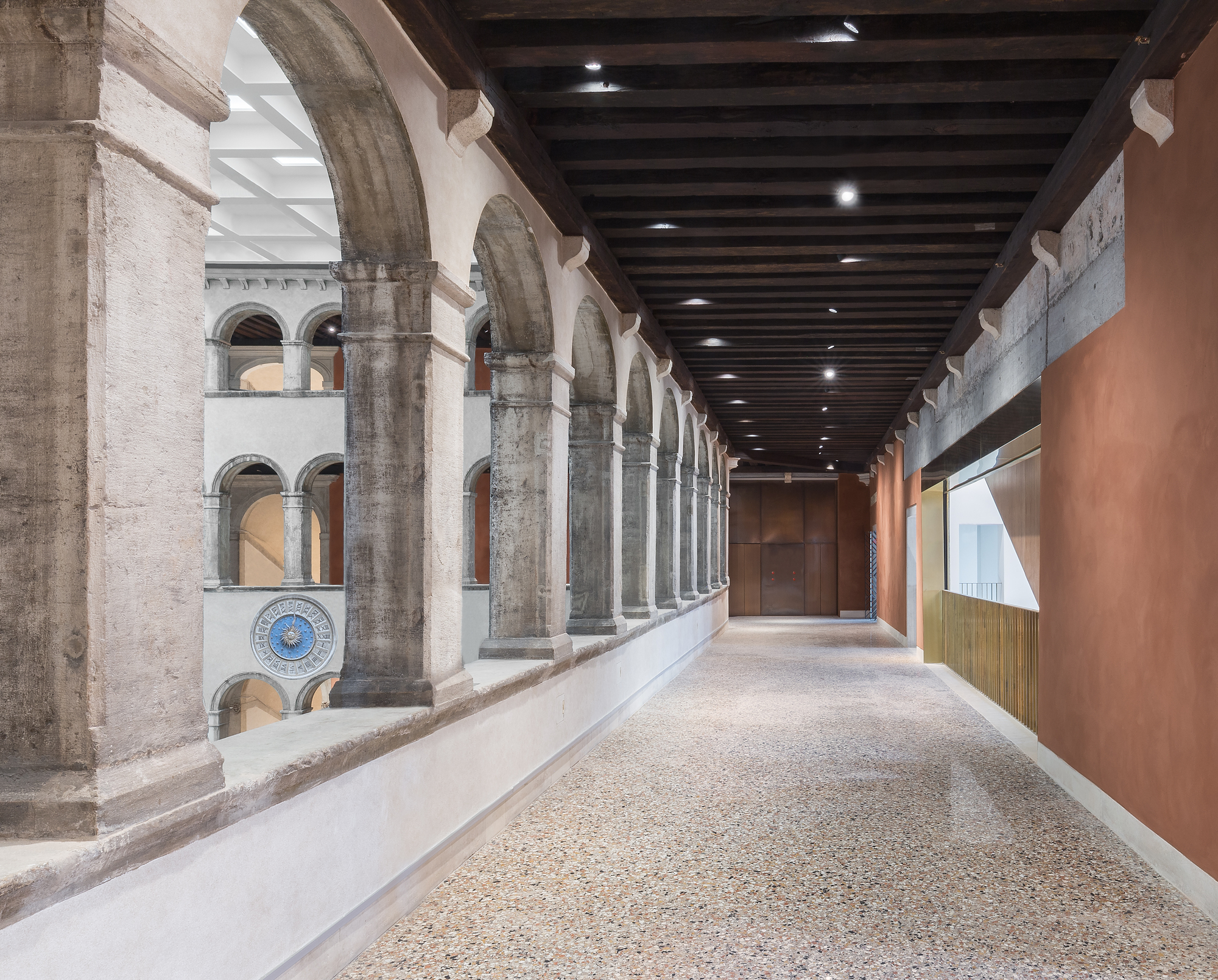
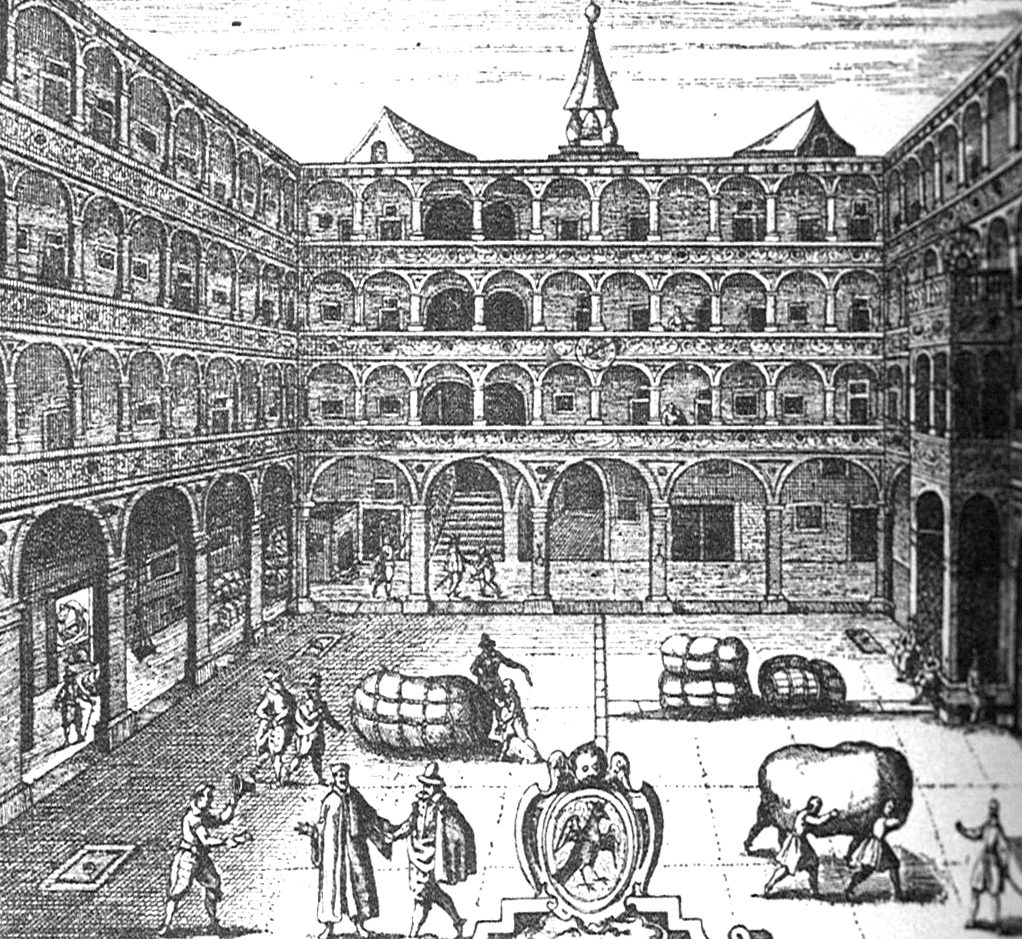
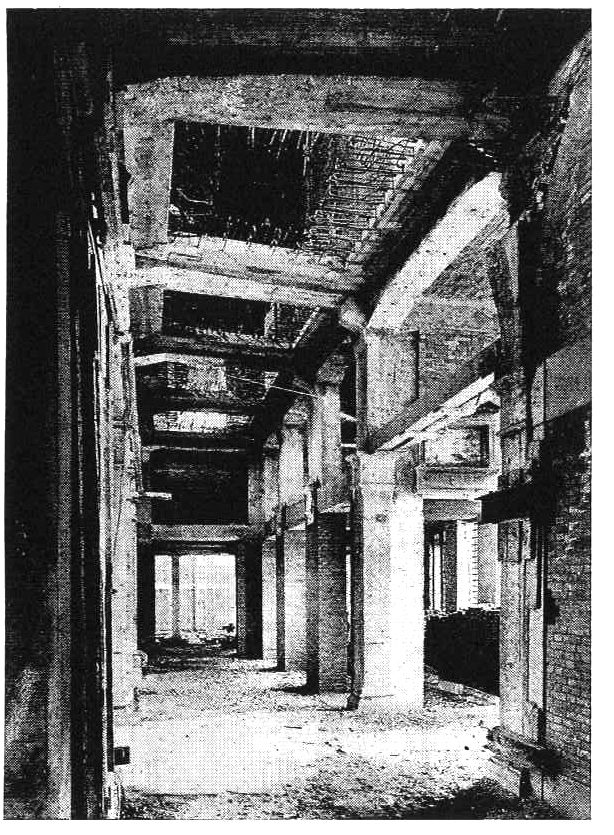
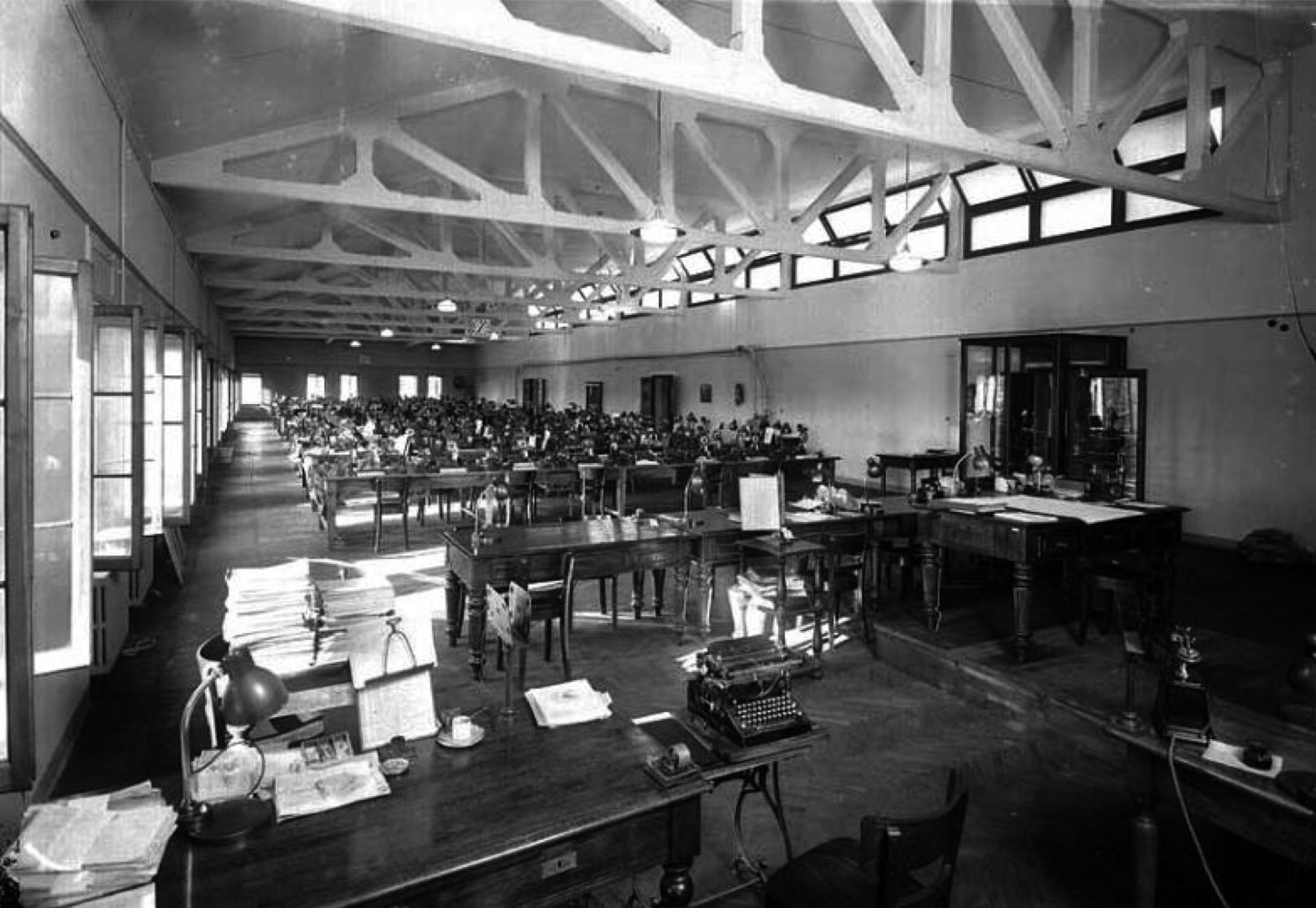
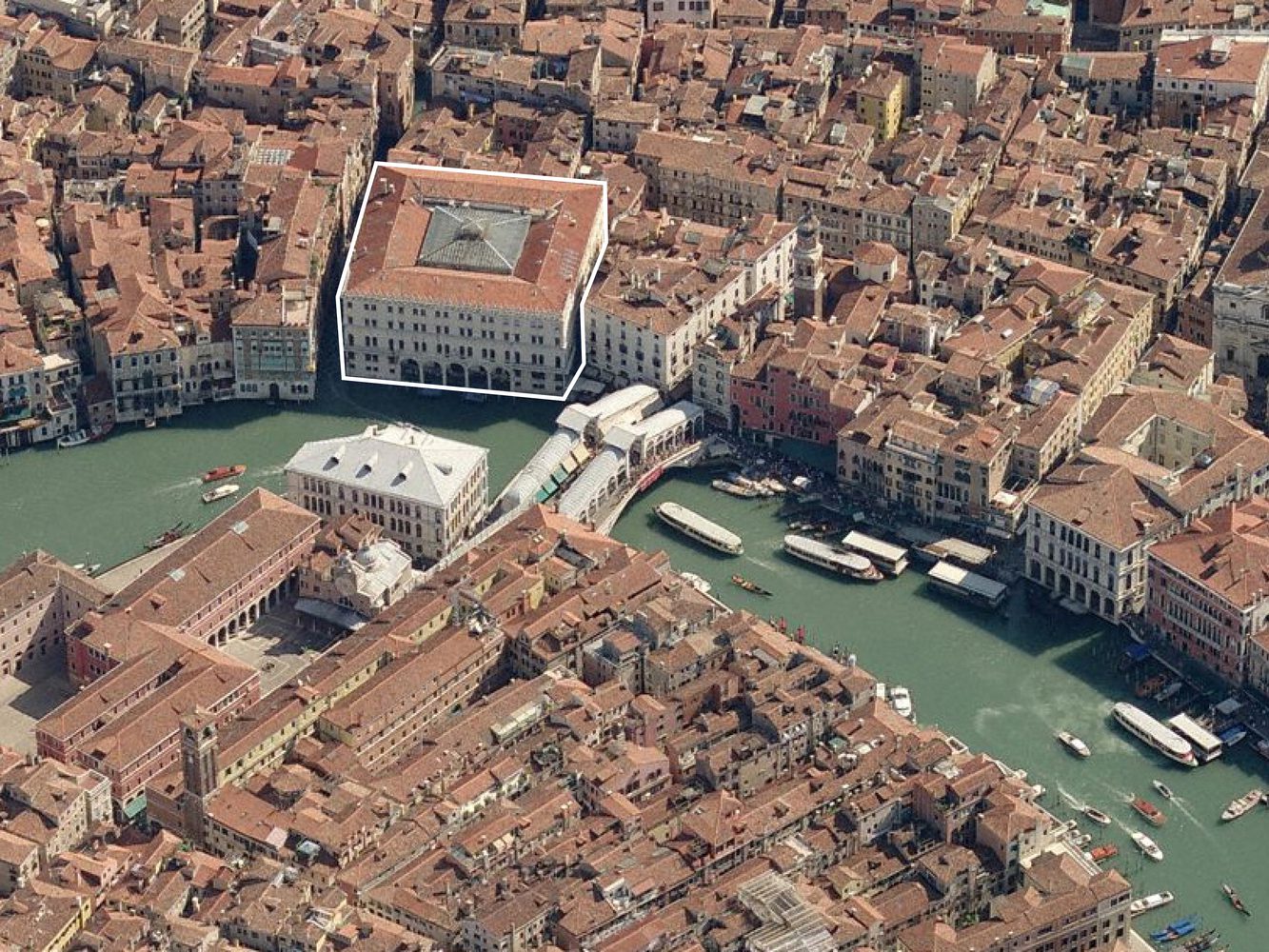
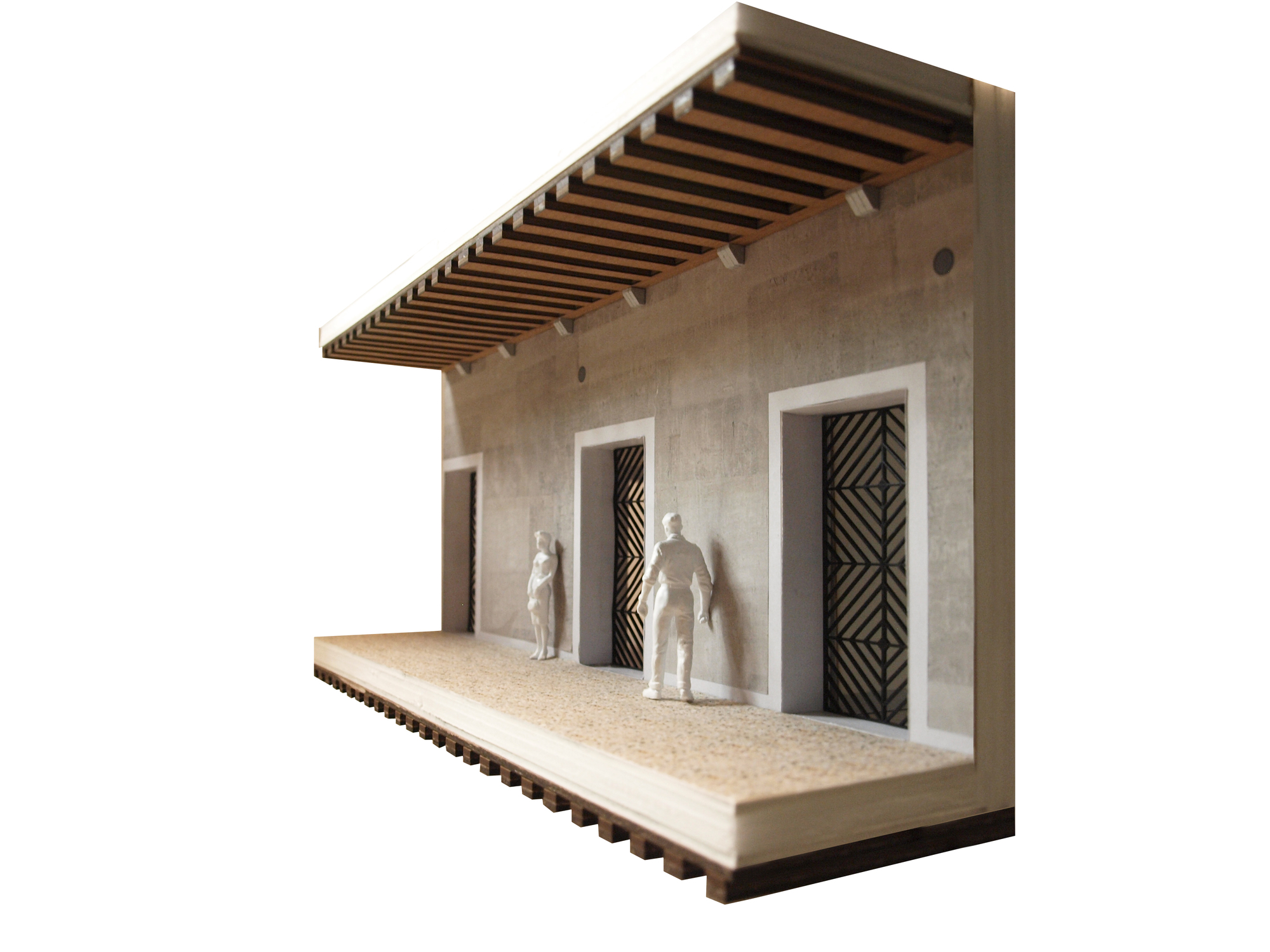
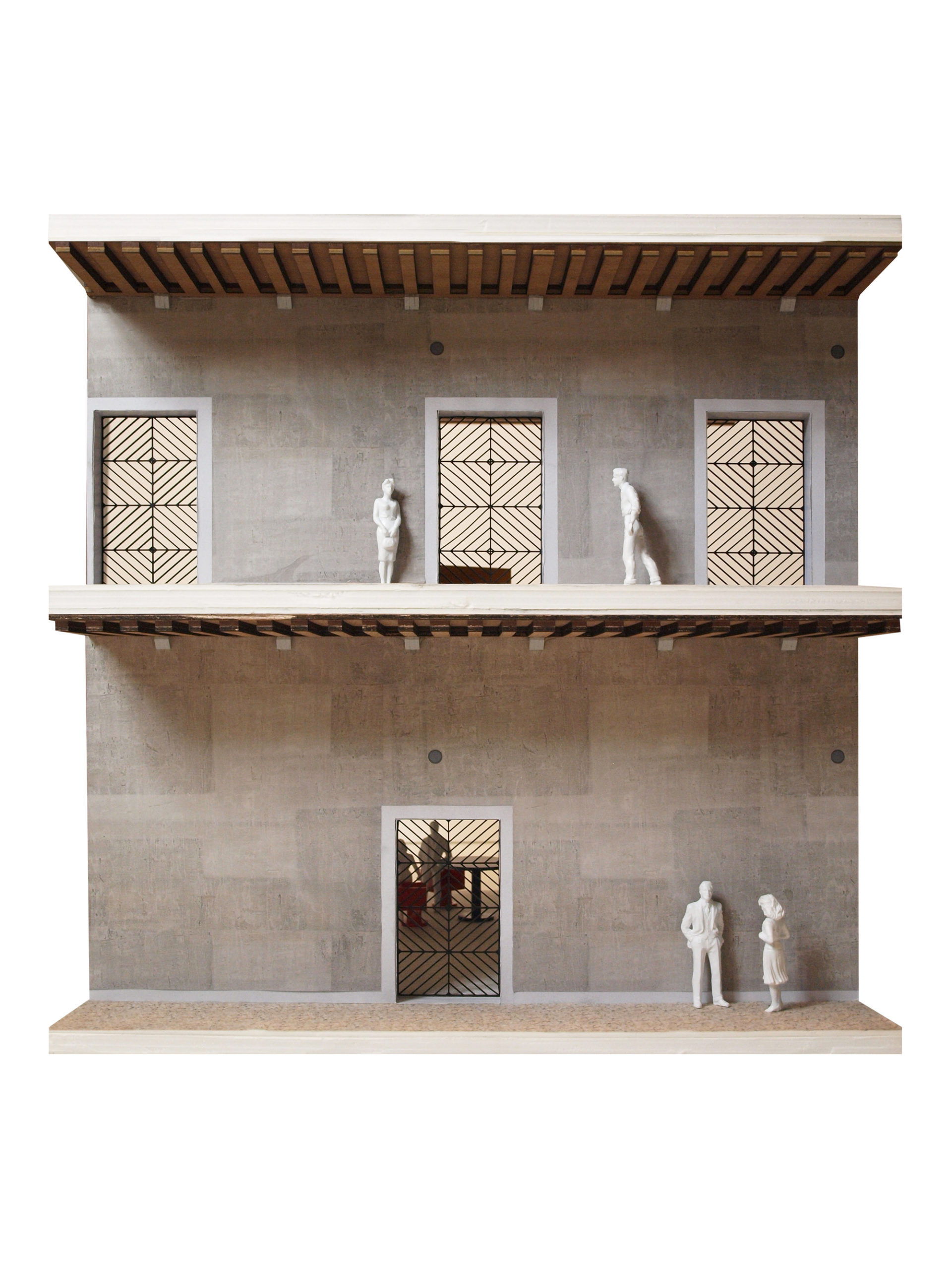
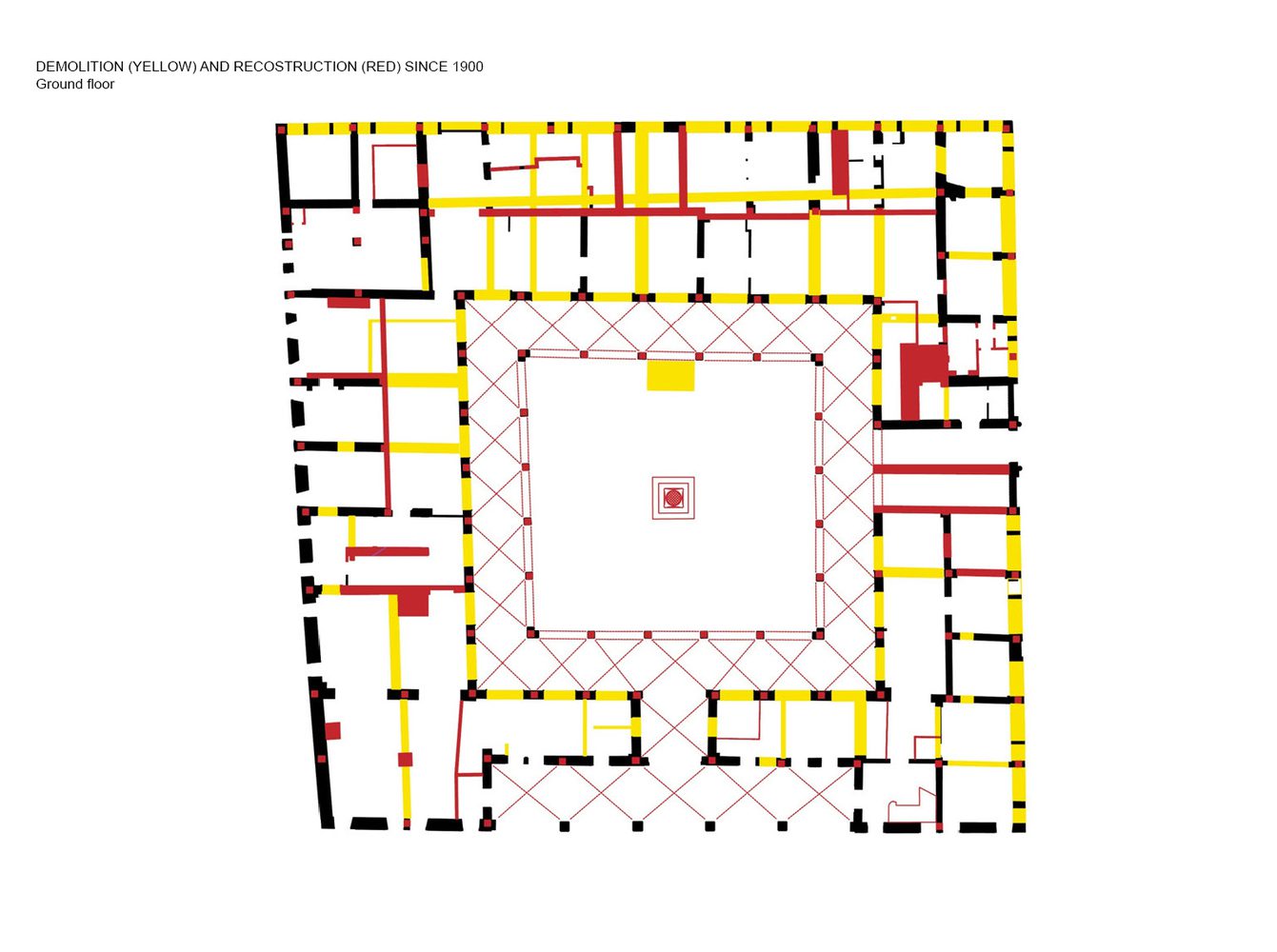
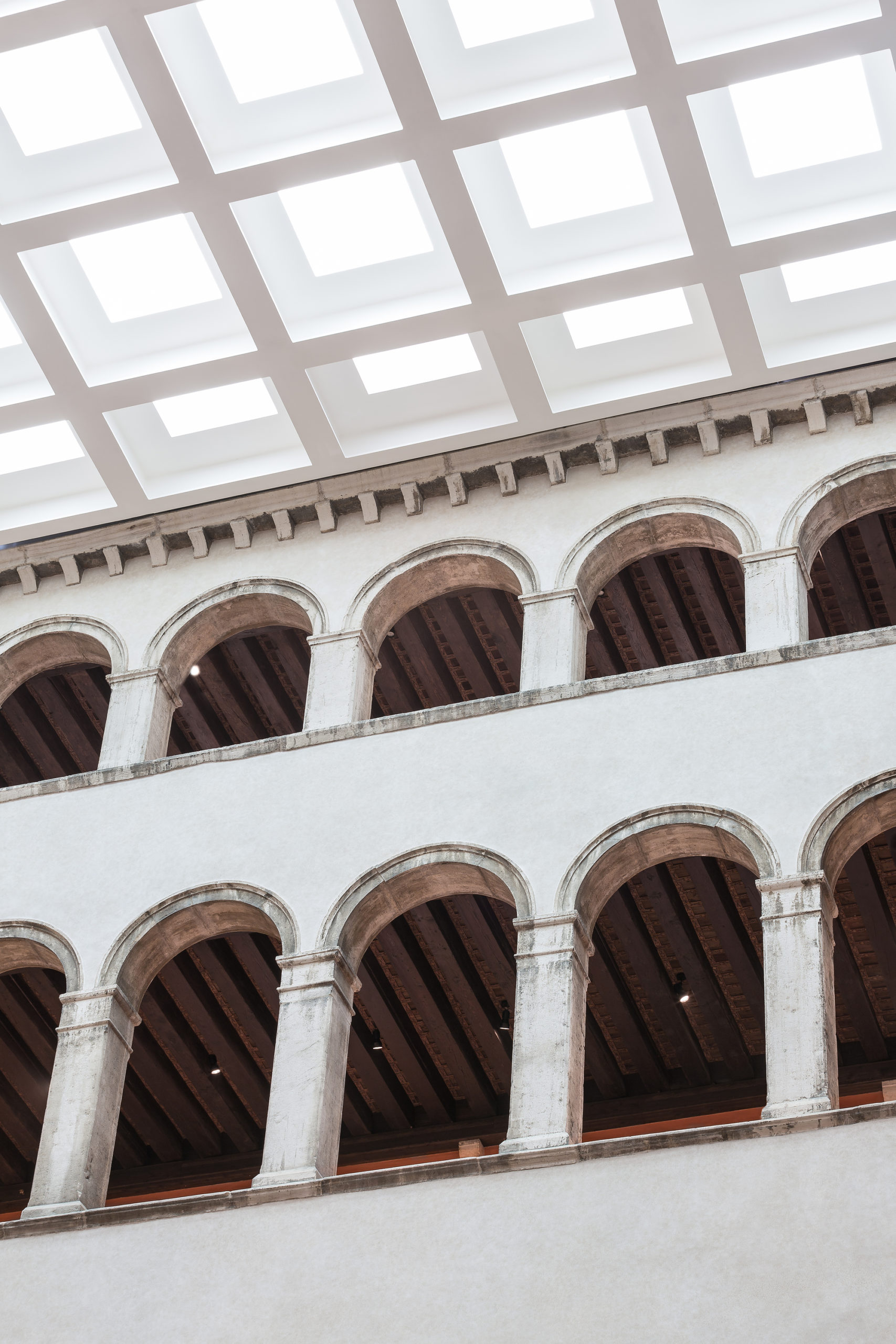
The building was twice destroyed by fire and rebuilt (in its current form in 1506), manipulated in the 18th Century, and then subject to a series of radical architectural interventions in the 20th Century to accommodate a trading post for German merchants, then a customs house under Napoleon, and a post office under Mussolini. The Fondaco dei Tedeschi was granted “Monument” status in 1987.
Courtesy of OMA, Photograph by Delfino Sisto Legnani and Marco Cappelletti
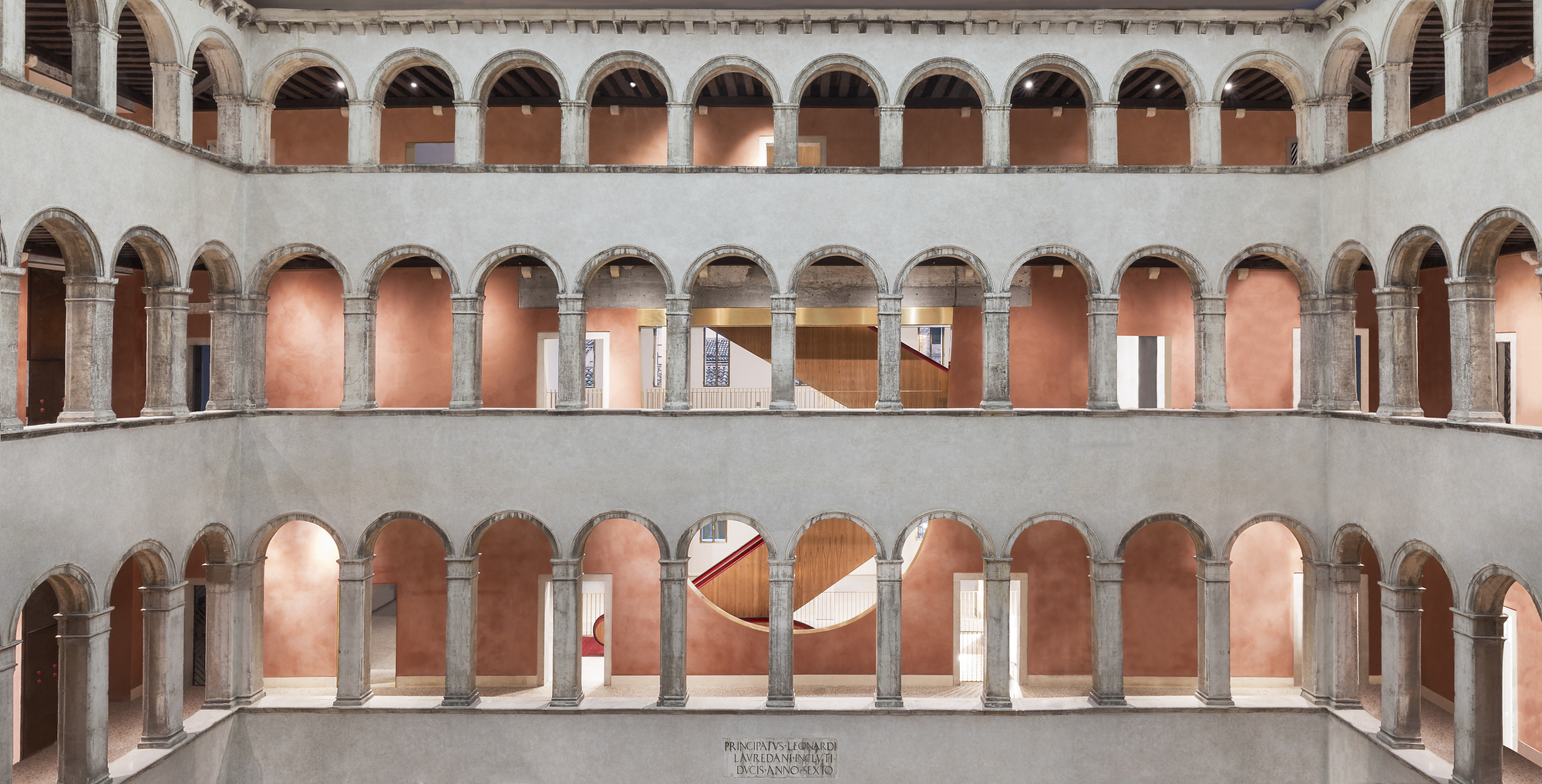
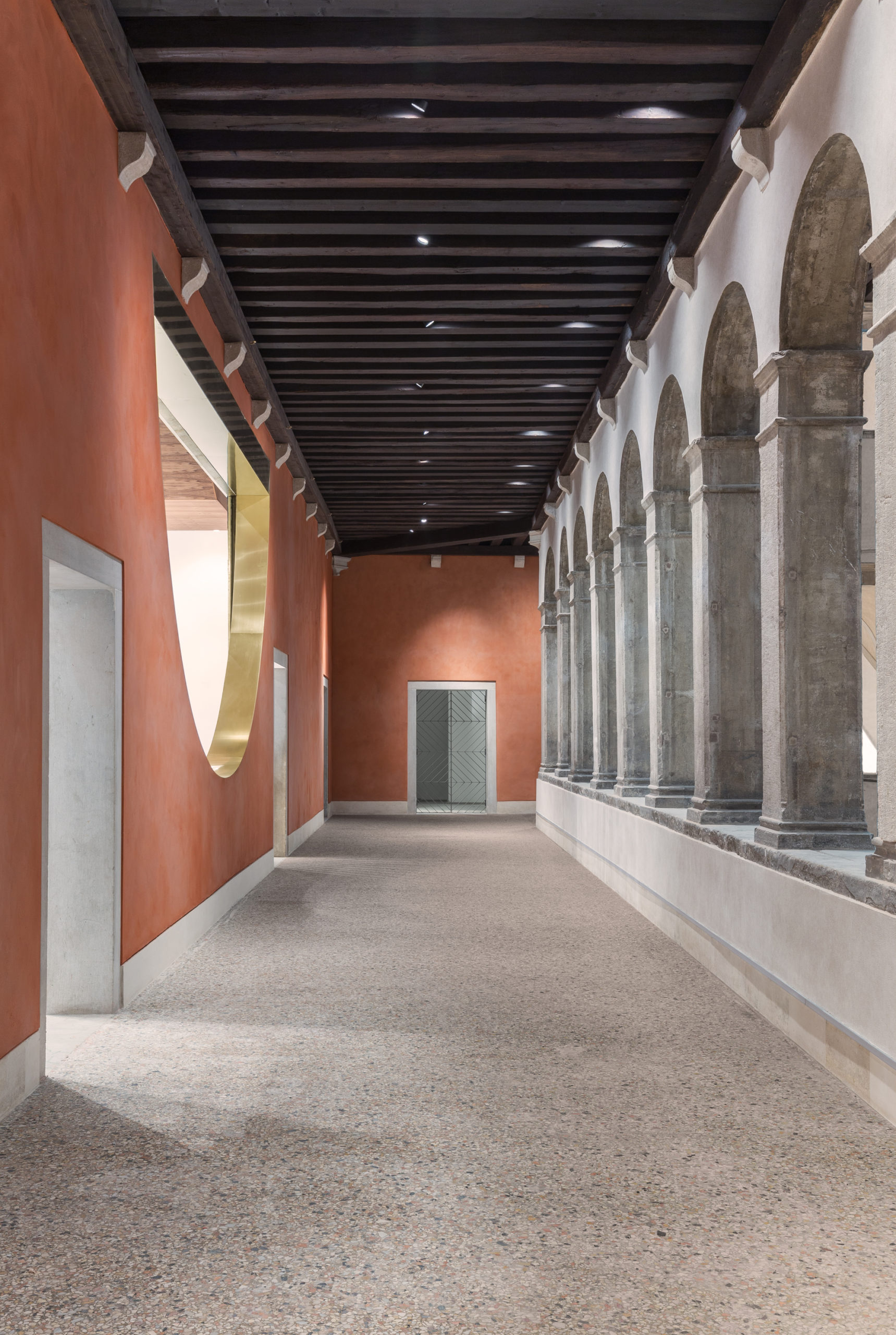
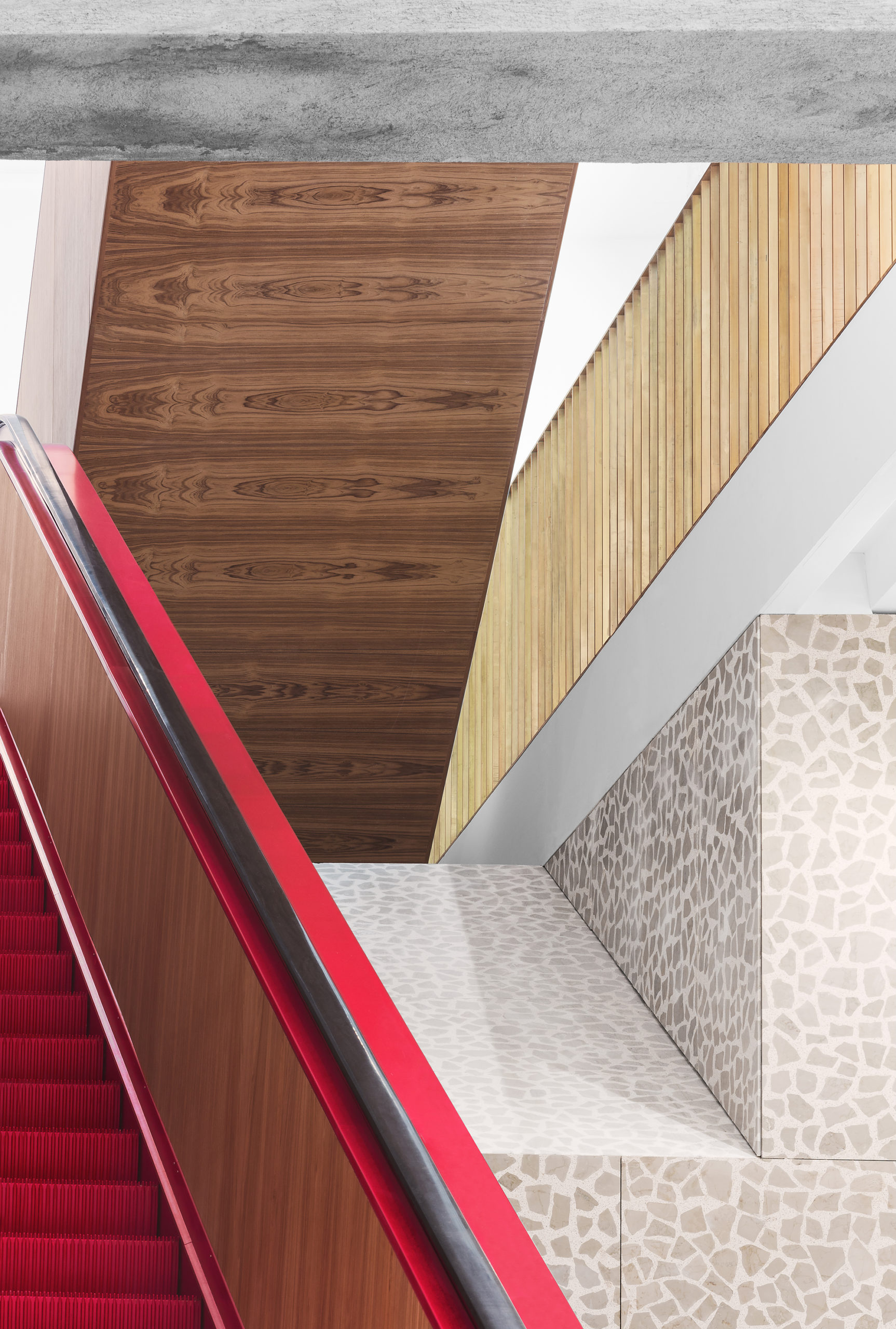
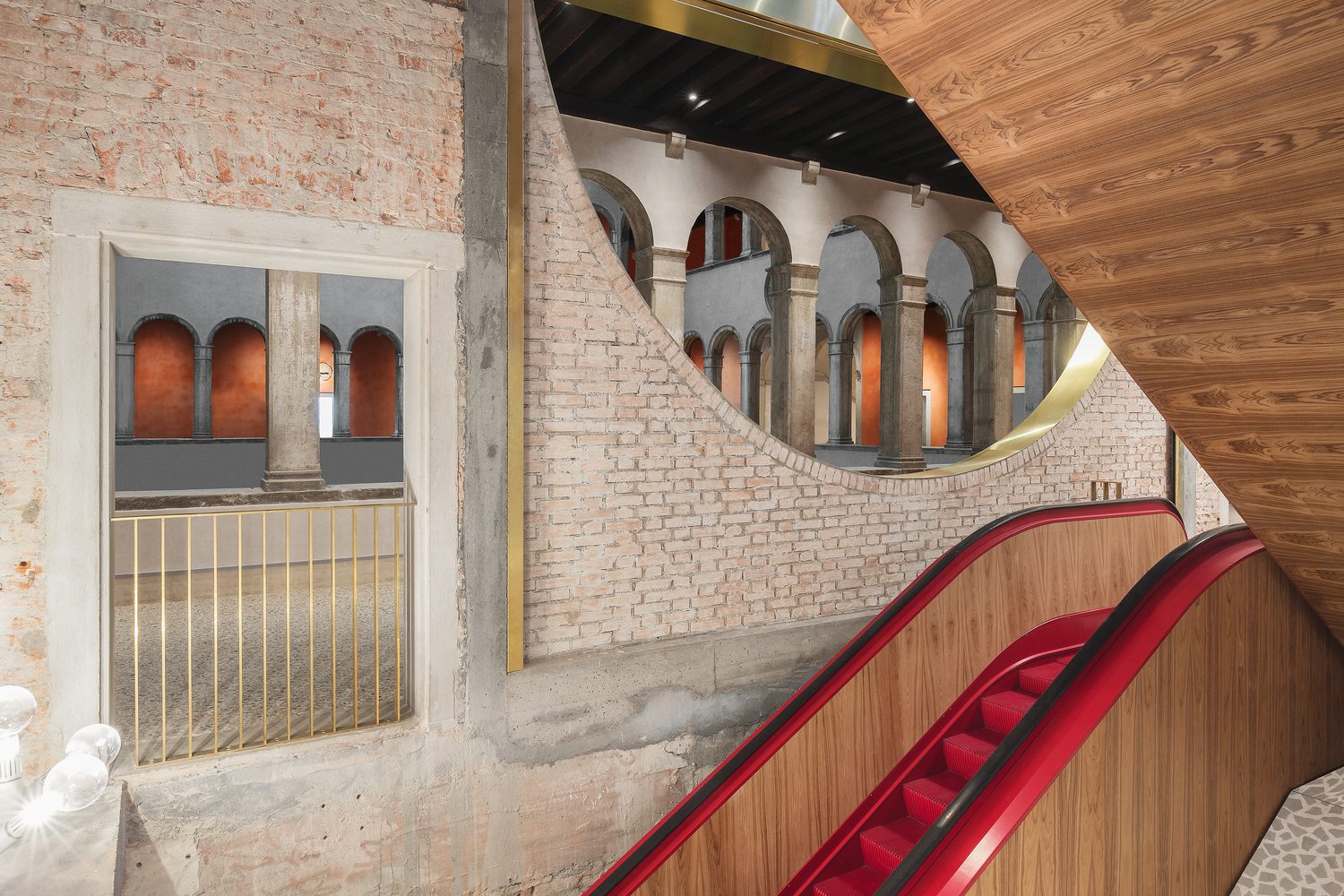
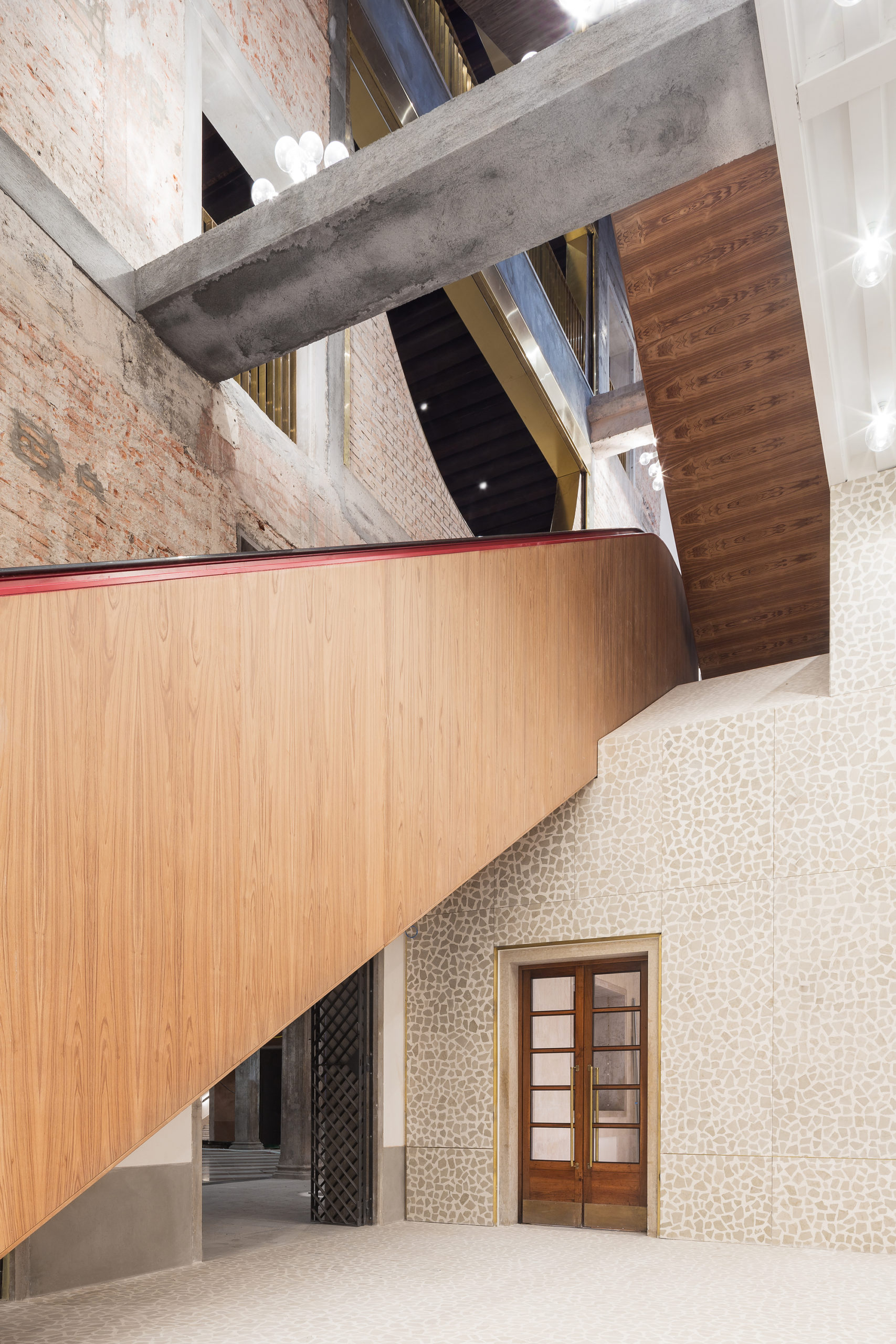
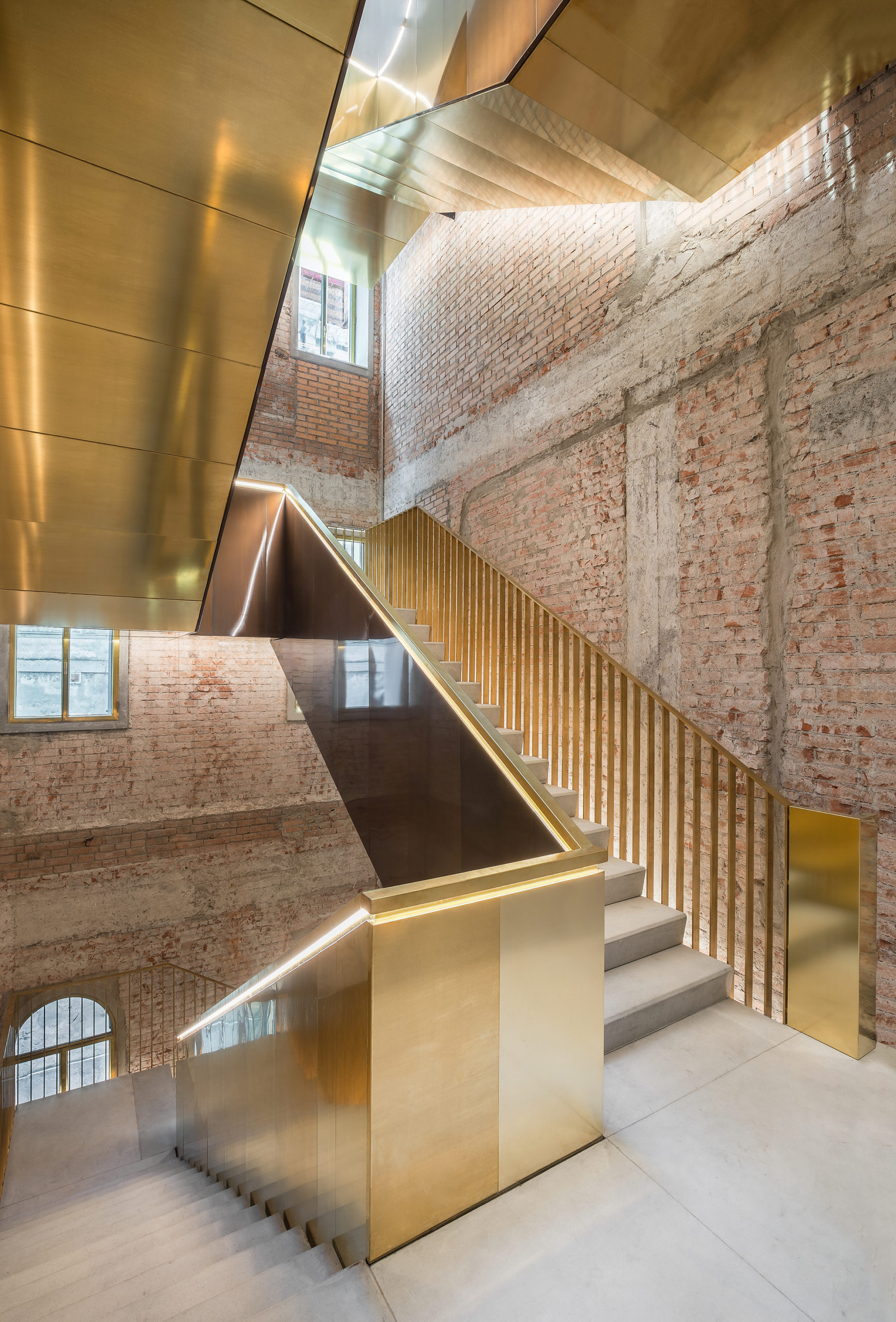
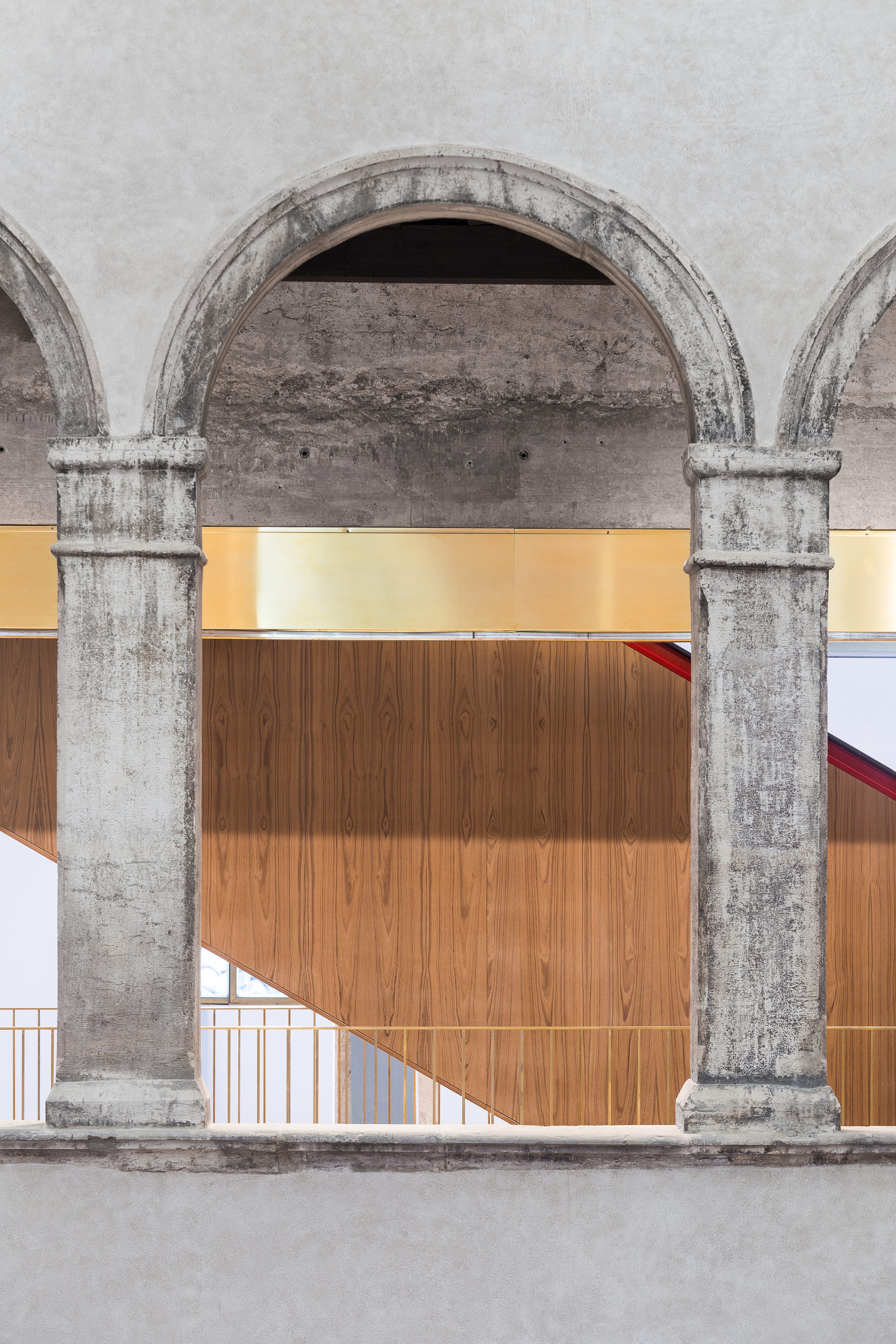
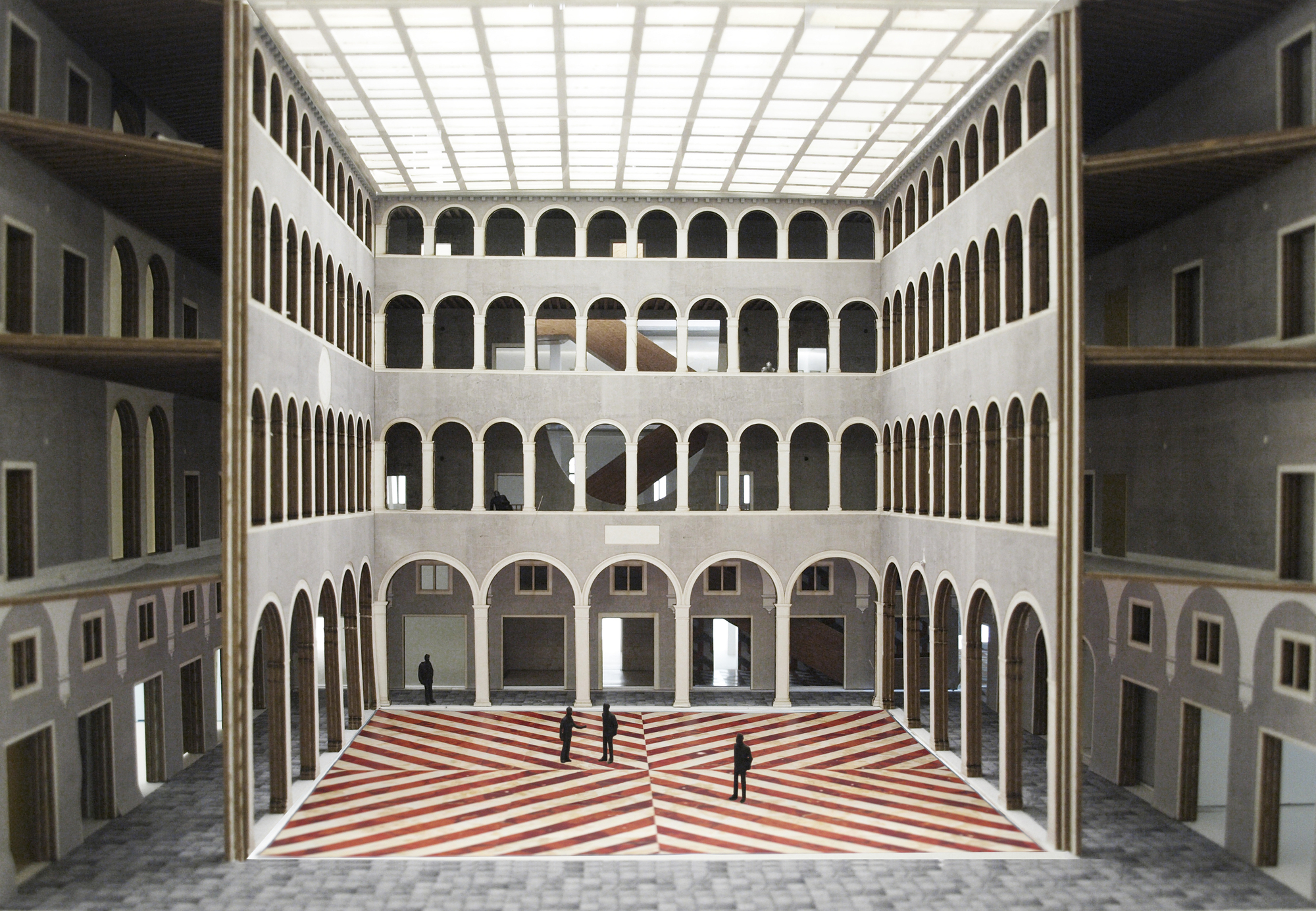
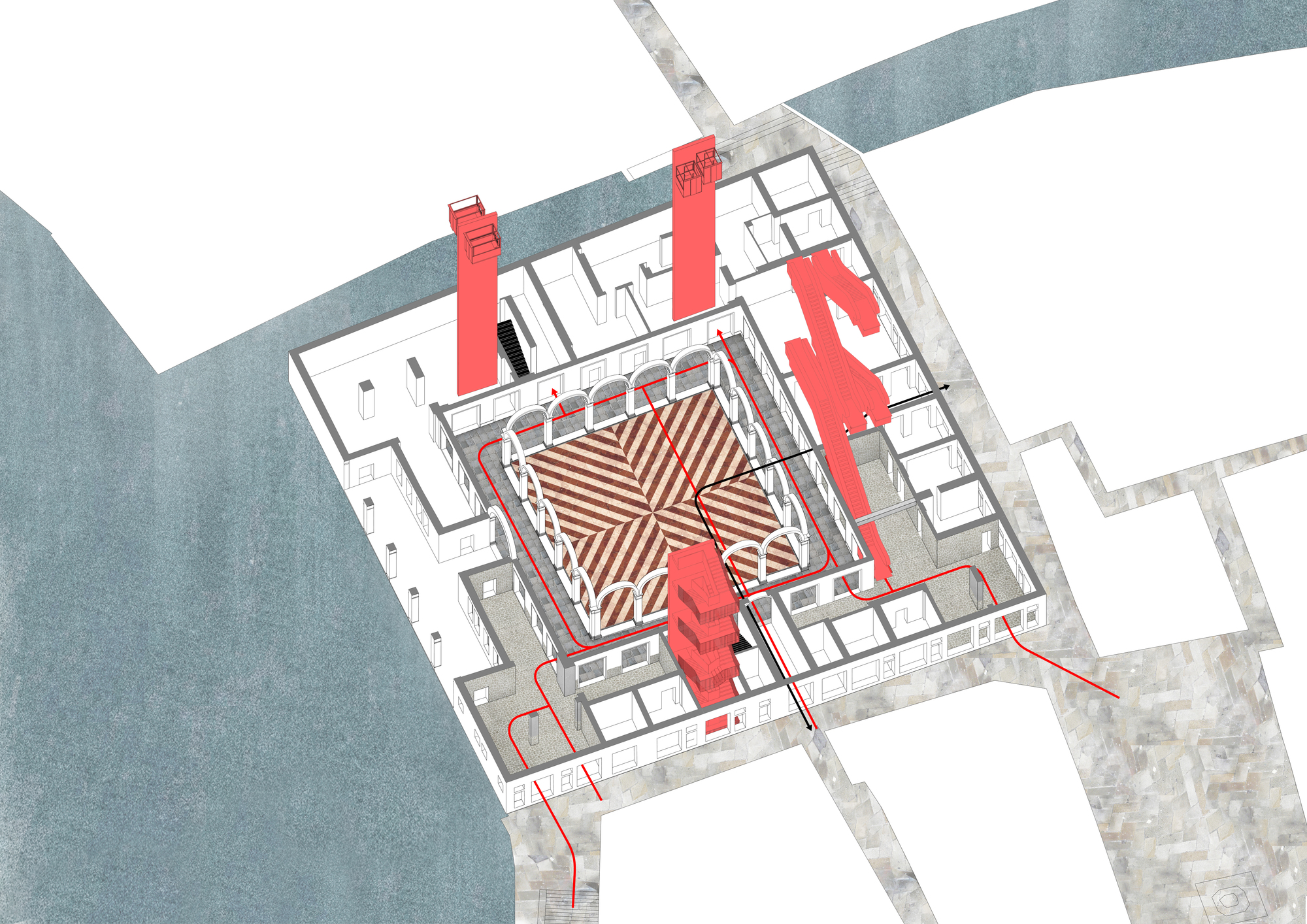
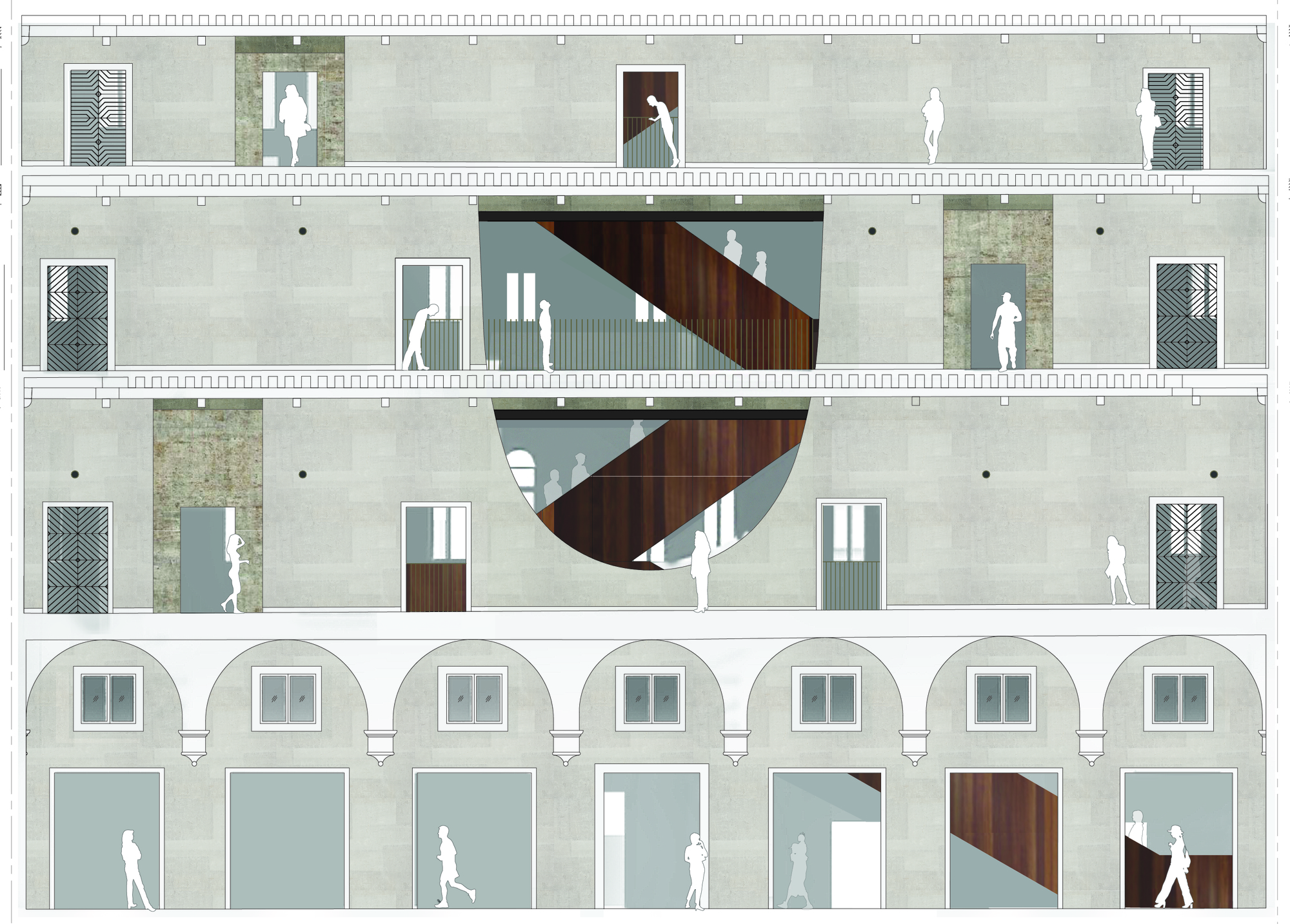
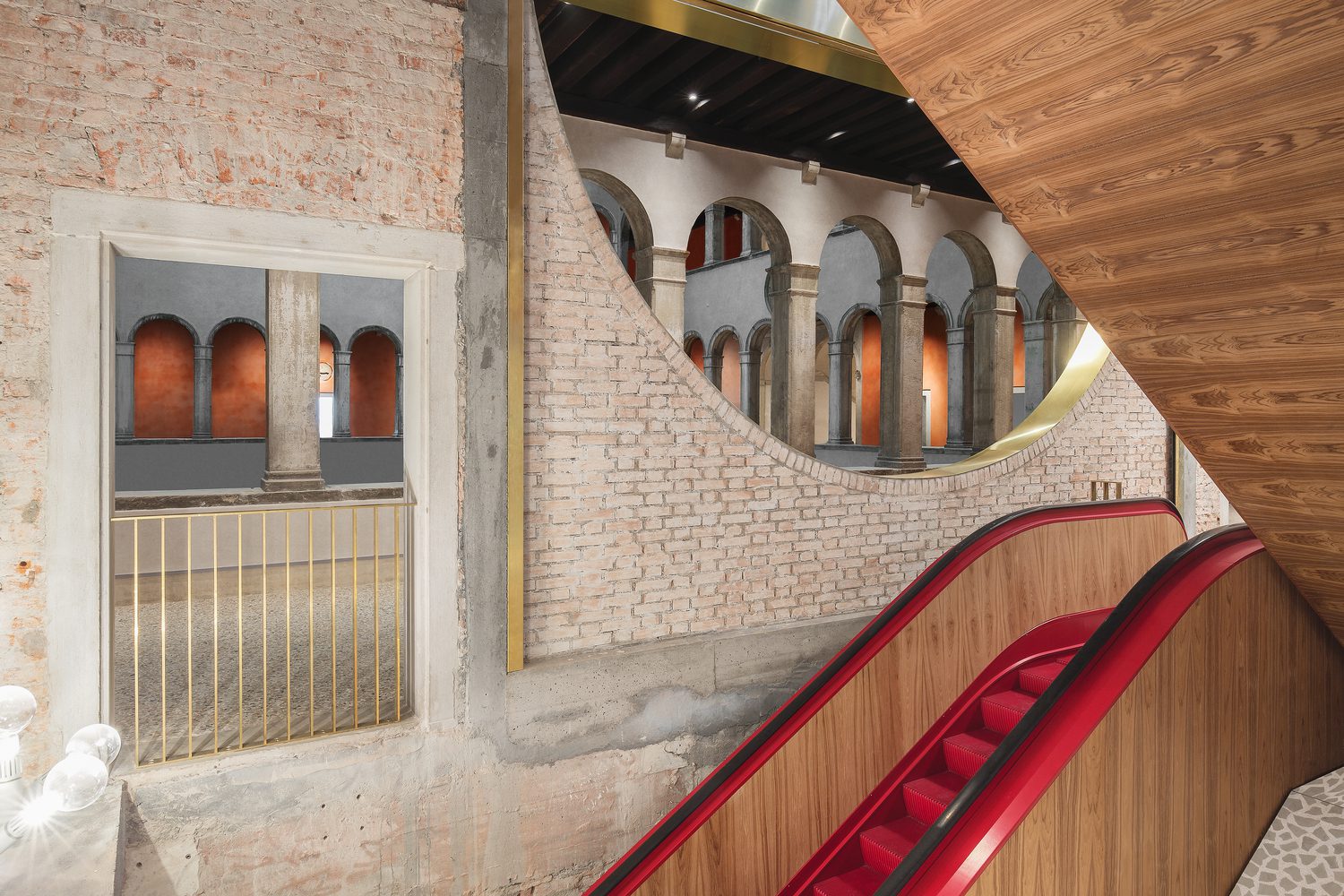
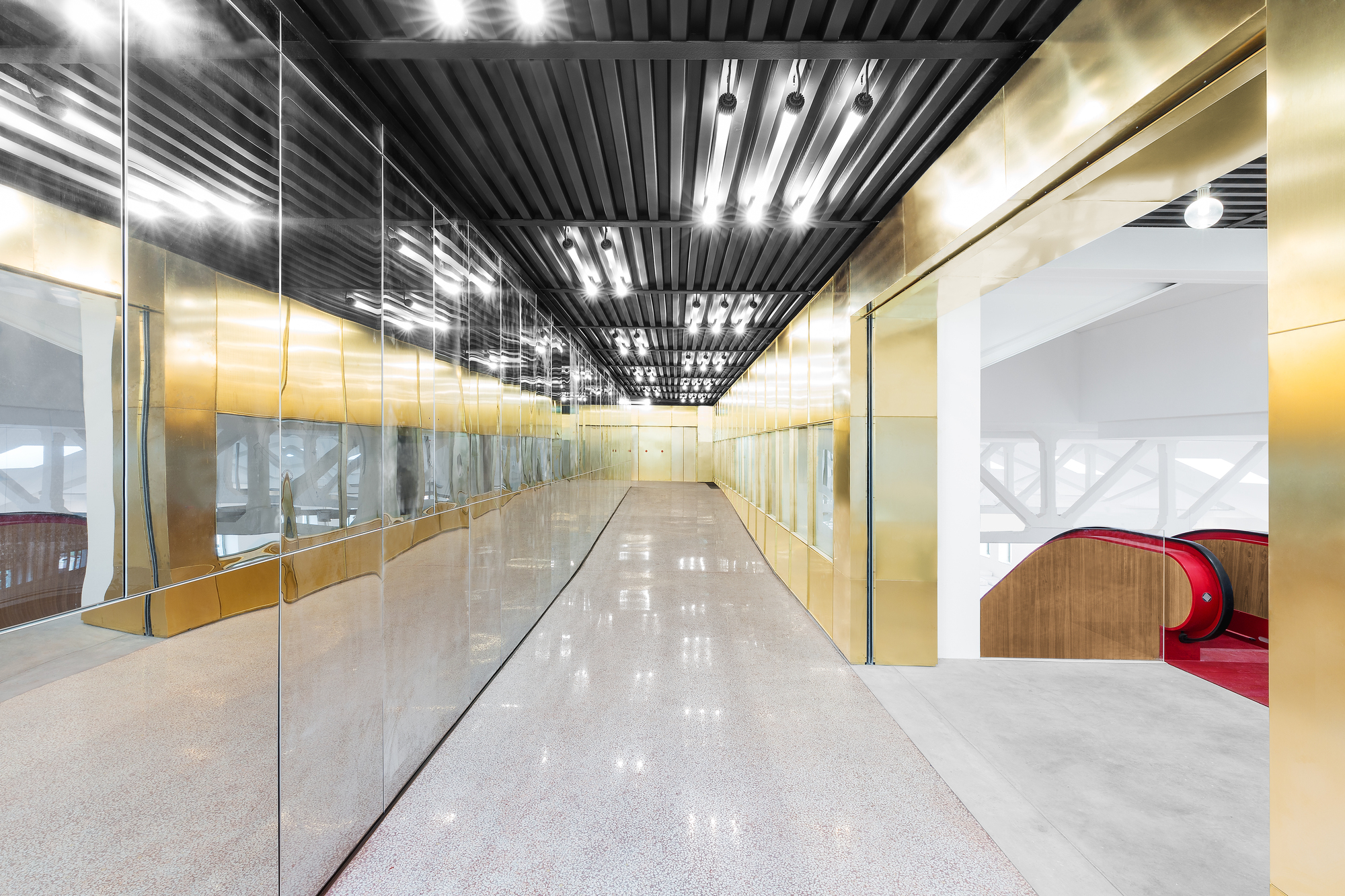
According to OMA website, the project renovation scheme, lead by Rem Koolhaas, Ippolito Pestellini Laparelli, and Silvia Sandor, is based on a finite number of strategic interventions and vertical distribution devices that support the new program and define a sequence of public spaces and paths. Each intervention is conceived as an excavation through the existing mass, liberating new perspectives and unveiling the real substance of the building to its visitors, as an accumulation of authenticities.
Photography by© Delfino Sisto Legnani + Marco Cappelletti
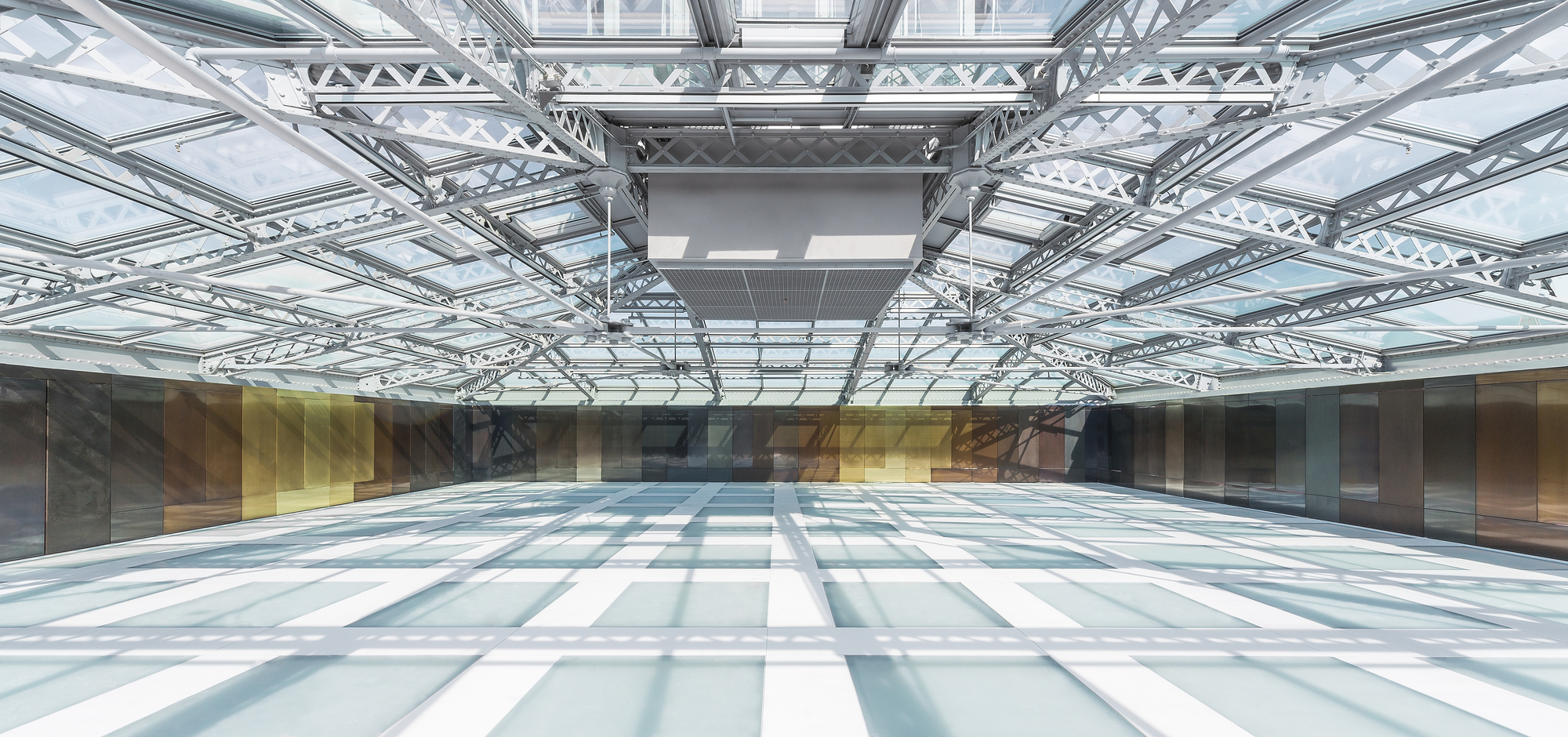
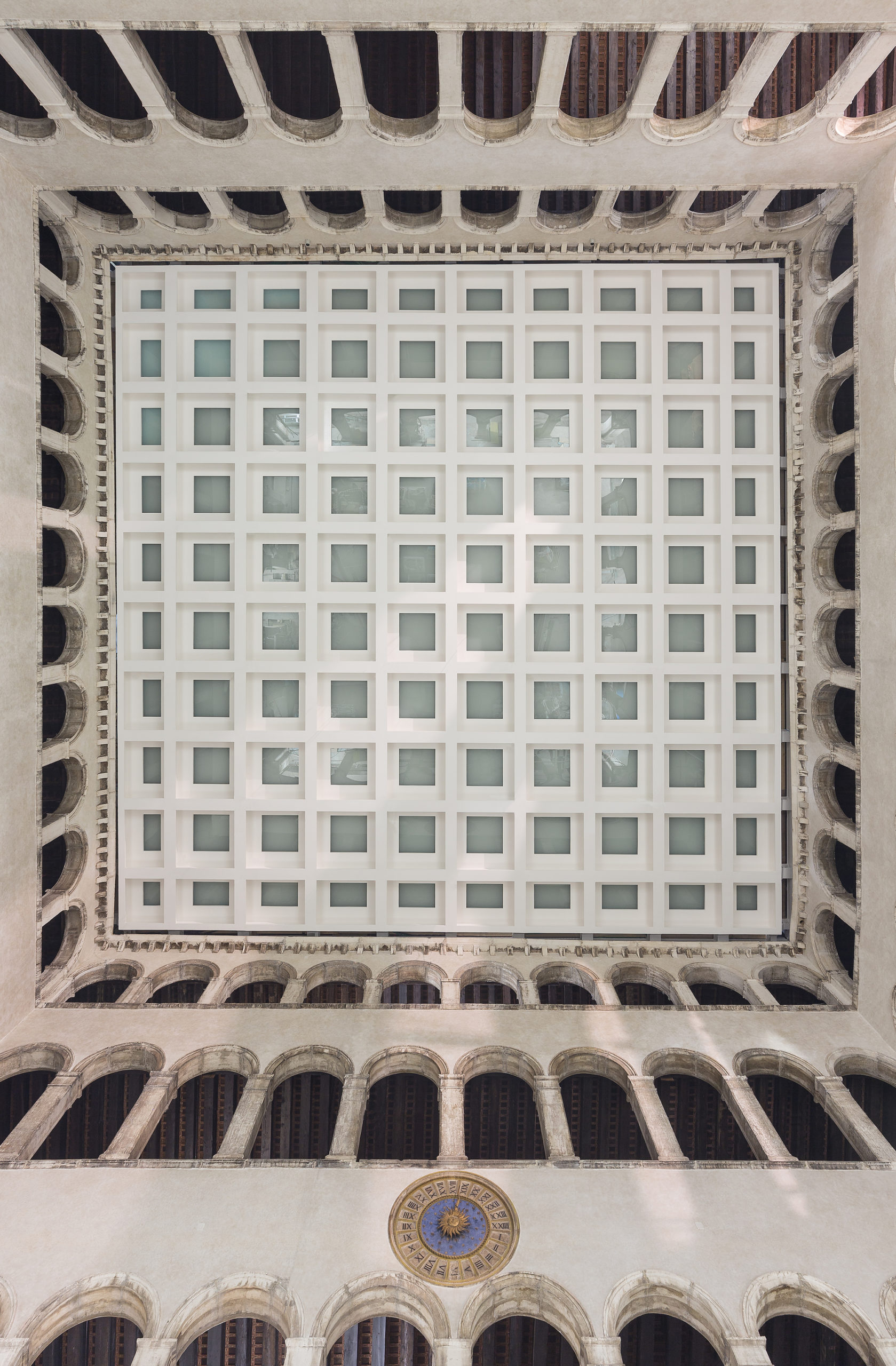
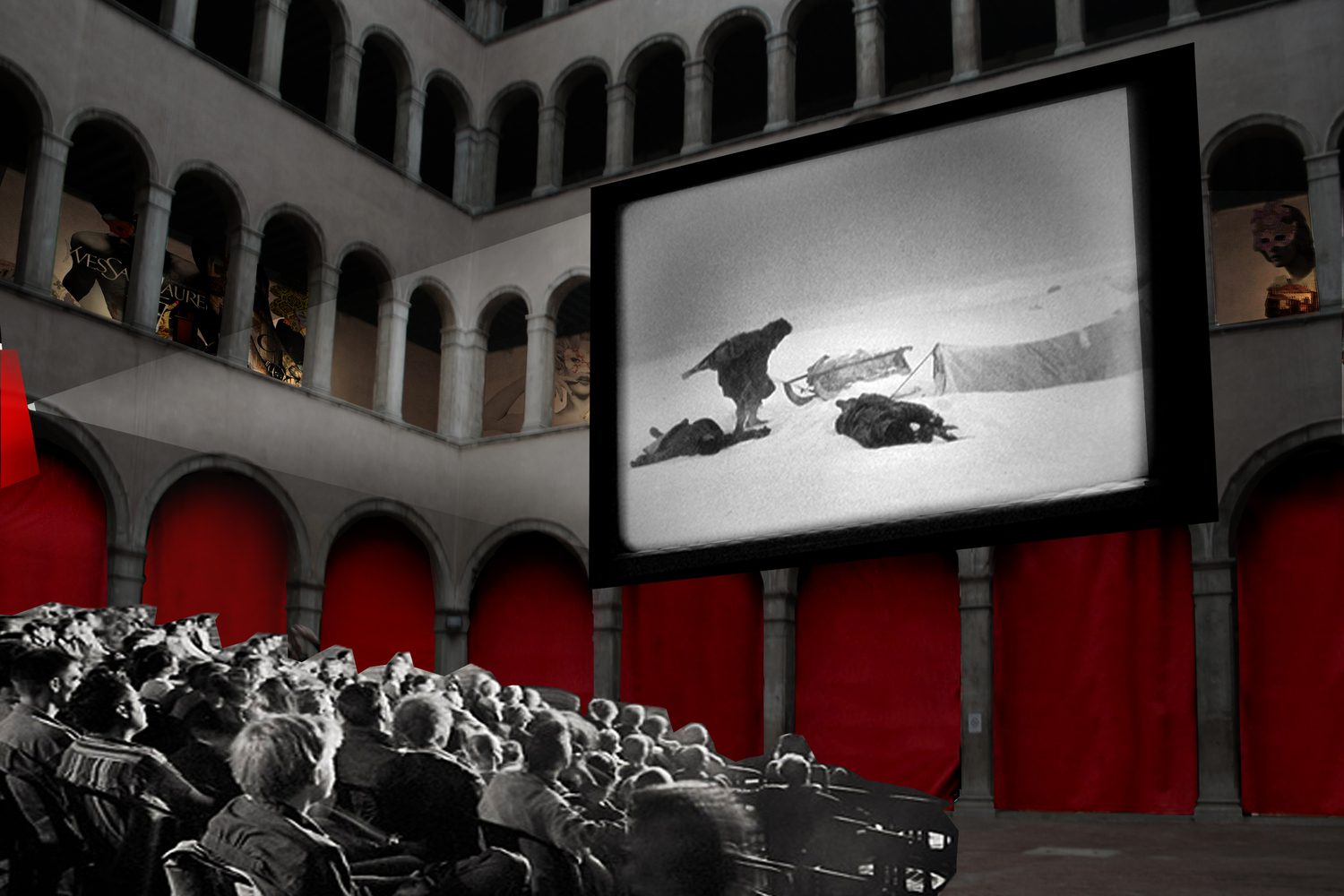
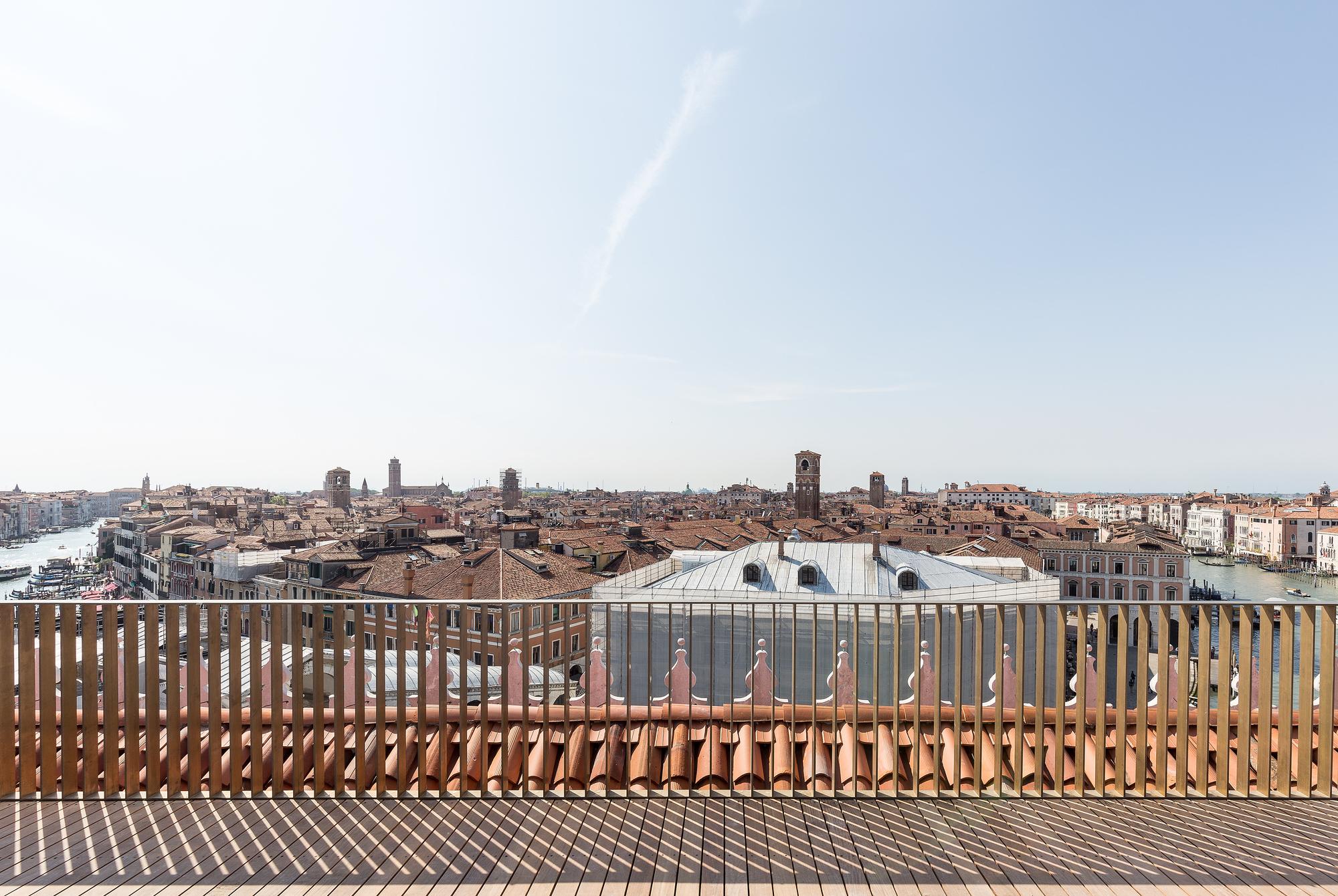
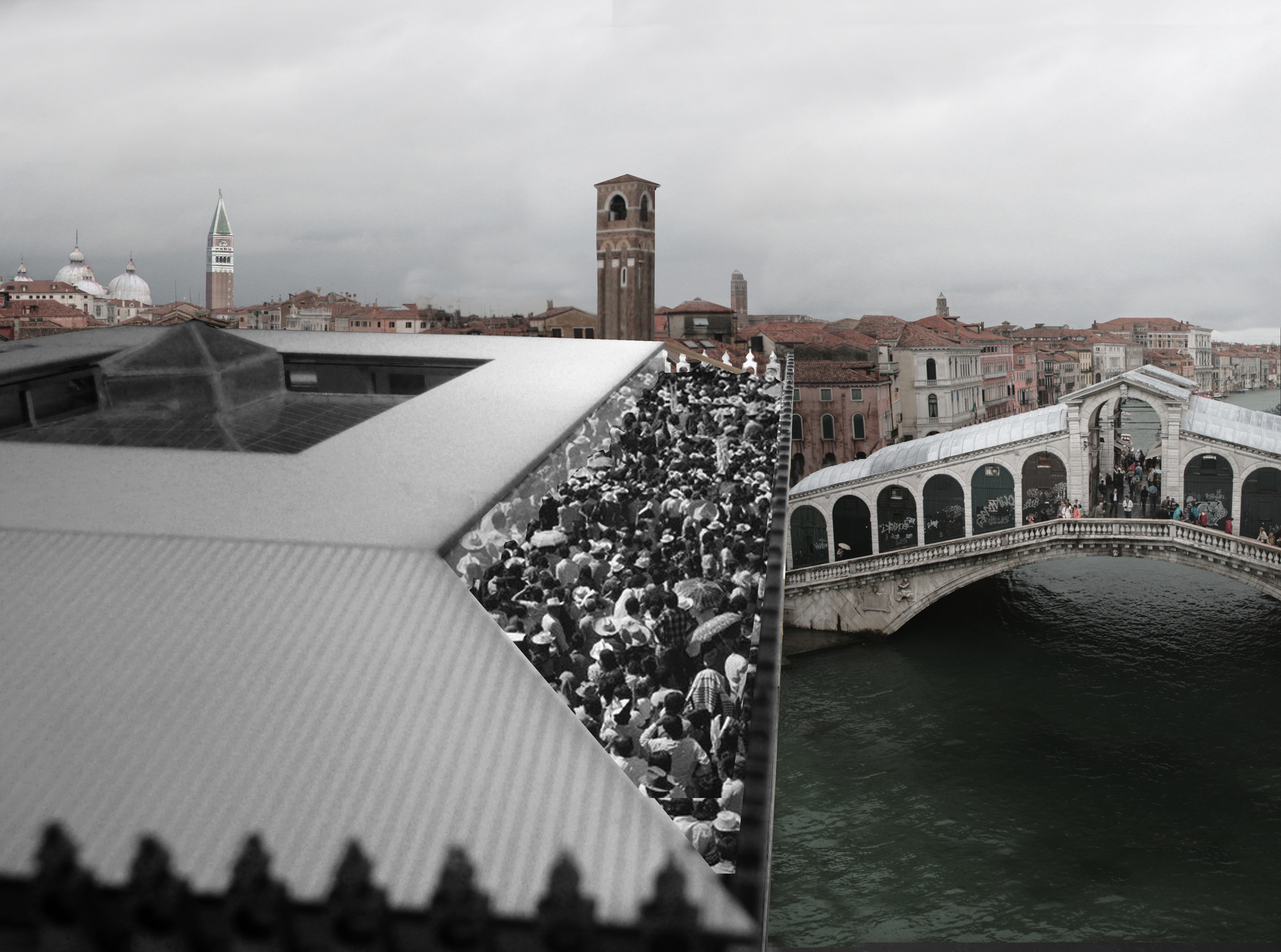
The project – composed of both architecture and programming – opens the courtyard piazza to pedestrians, maintaining its historical role of covered urban ‘campo’. The new rooftop is created by the renovation of the existing 19th Century pavilion, standing over a new steel and glass floor which hovers above the central courtyard, and by the addition of a large wooden terrace with spectacular views over the city. The rooftop, together with the courtyard below, will become public venues, open to the city and accessible at all times. New entrances to the building are made from the Campo San Bartolomeo and the Rialto; existing passageways into the patio, utilized by local people as a shortcut, have been held; escalators have been added to make another passage through the building.
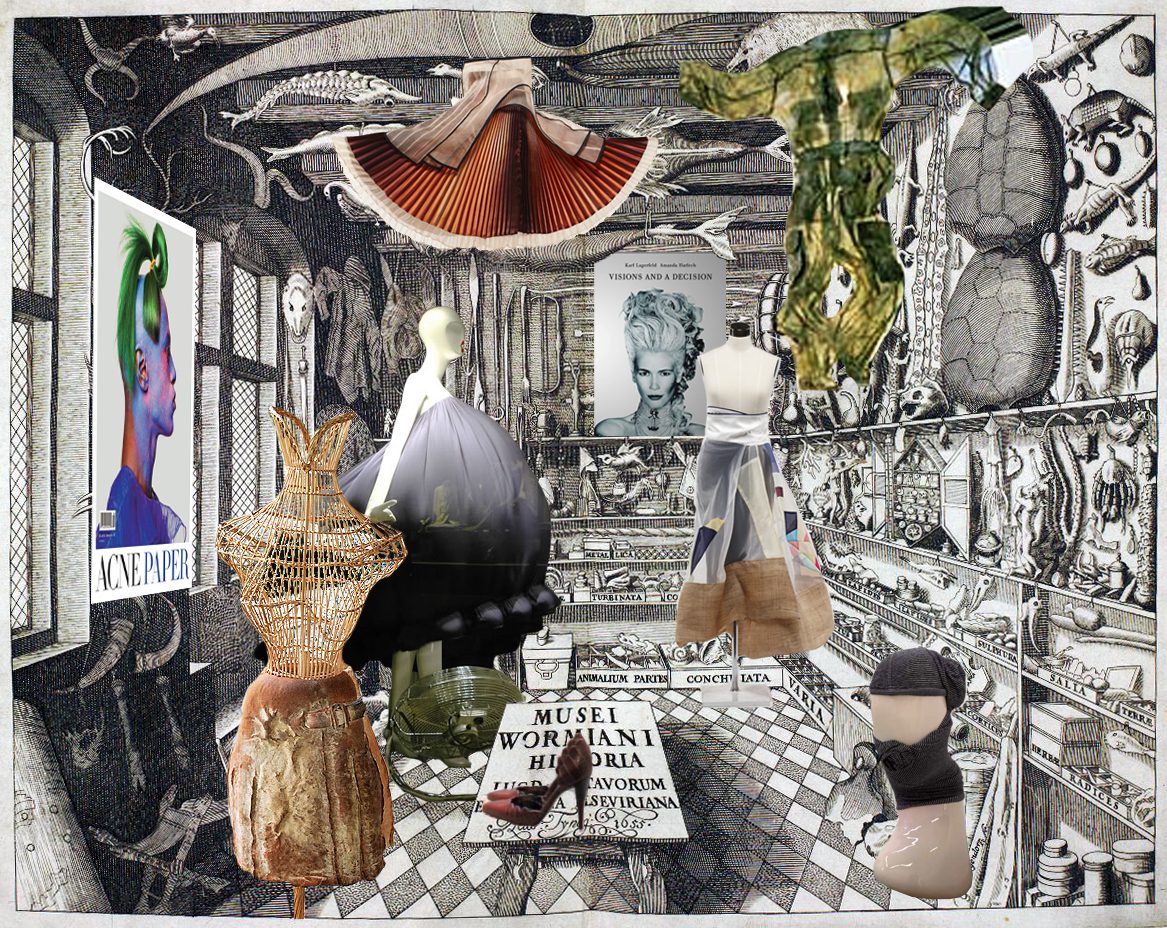
Conceptual Image
The Italian fashion brand Benetton, who owns the building since 2009, commissioned Koolhaas to renovate the building and transform the space with its primary use being for retail, and bring comprehensive changes to one of the city’s largest and most recognizable buildings. However, conservationists from Italia Nostra objected dubbing the Palazzo’s proposal as a “megastore.” In 2012, during the midst of the debacle, Benetton’s spokesman Federico Sartor said: “A city with just museums will die. There is lots of culture in Venice but you cannot find a sandwich.”
Photography by© Delfino Sisto Legnani + Marco Cappelletti
Project info:
Architects: OMA, C+S,Duebarradue, TA Architettura S.r.l.
Location: Sestiere San Marco, Venice, Italy
Engineers: Antonio Girello
Project Year: 2016