

The 31st United Nations Climate Change Conference (COP31) concluded on November 22, 2026, in Antalya, Türkiye, after negotiations ran past the scheduled closing date. For COP31 Antalya buildings were one of the clearer areas of progress, because the summit advanced initiatives on building energy performance, electrification, urban resilience and climate investment. The broader negotiations were less successful, since delegates could not agree on the proposed overarching Antalya Pact.
Hosted by Türkiye with Australia leading the negotiations, the summit brought together representatives of nearly 200 Parties, alongside researchers, businesses, climate organizations and civil society. Countries reached decisions on climate finance, adaptation and just transition, among other agenda items. The Antalya Pact stalled over fossil fuels, finance and the level of ambition in the final text, which left questions of implementation and international coordination unresolved for the built environment.
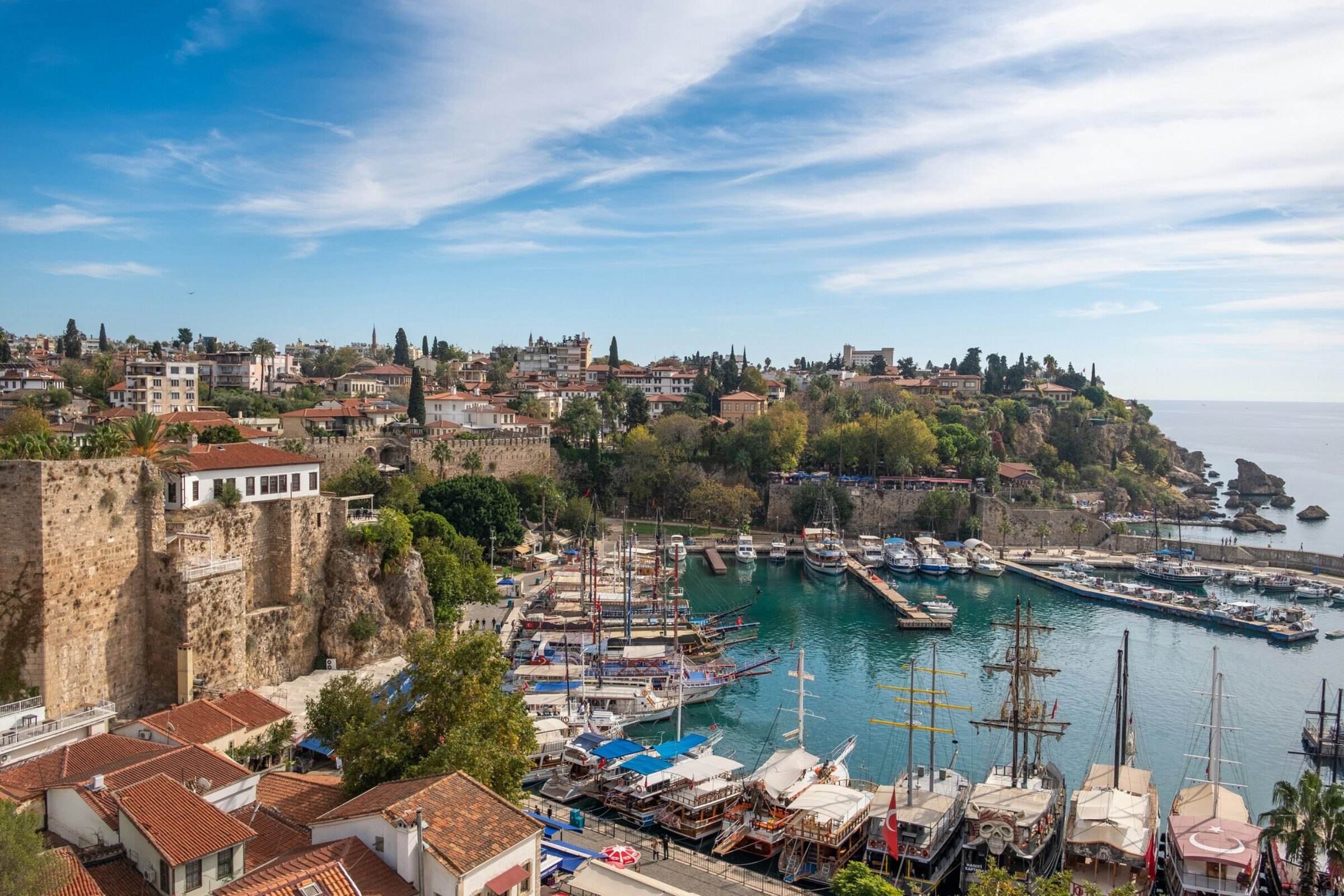
Antalya, Türkiye. Image © Ant Rozetsky via Unsplash
Buildings and construction account for a significant share of global energy consumption and emissions, and they are also exposed to rising temperatures, flooding and other climate-related risks. The most direct response for the sector was the Antalya Compact for Energy Efficient Buildings, a voluntary framework launched by the Turkish Presidency on October 29 with the Global Alliance for Buildings and Construction (GlobalABC), which is hosted by the United Nations Environment Programme (UNEP). It targets a 25% reduction in the operational energy intensity of the global building stock by 2035, compared with 2020 levels.
The Compact also supports a second Presidency objective, which is to accelerate efficient electrification in buildings in line with the 35-by-35 target. That target seeks to raise electricity’s share of global final energy consumption to 35% by 2035. At the second ministerial meeting of the Intergovernmental Council for Buildings and Climate, held during COP31, 24 countries, the European Commission and 38 non-Party stakeholders expressed support for or endorsed the Compact.
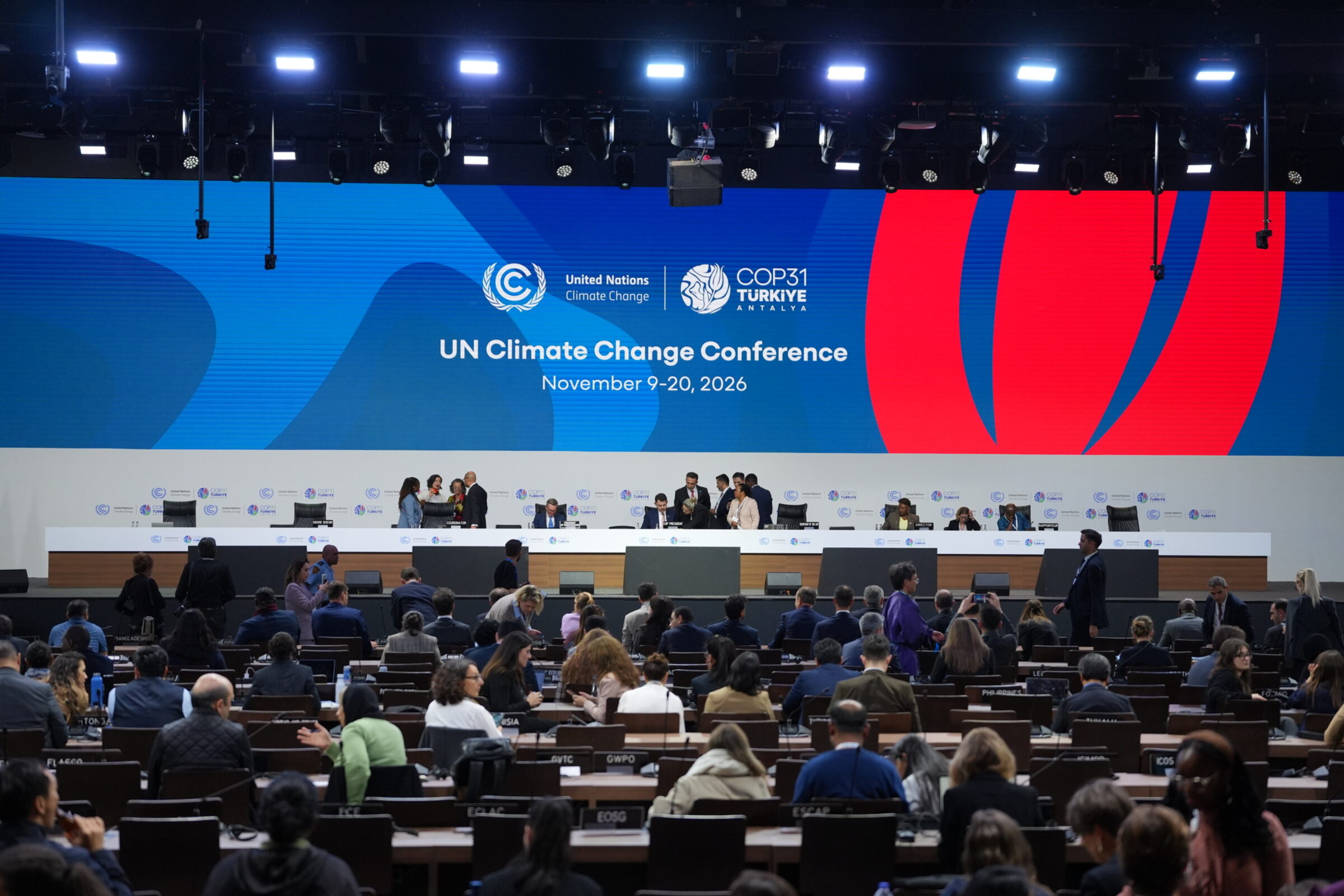
Chris Bowen, Murat Kurum at first Closing Plenary of COP31 (Nov 20, 2026). Image © Xuthoria via Wikimedia Commons
- Integrating energy efficiency and electrification into national strategies
- Strengthening building energy and carbon performance
- Accelerating renovation of existing buildings
- Reducing energy demand
- Improving buildings’ flexibility within energy systems
- Mobilizing finance and technical capacity
These six areas for action come with proposed measures that range from stronger building energy codes and renovation strategies to electrified heating and cooling, energy management, passive cooling, and investment in public buildings and social infrastructure. The Compact sets no binding targets for individual countries. It offers governments and industry a shared framework that links operational energy performance with renovation, affordability and long-term resilience.
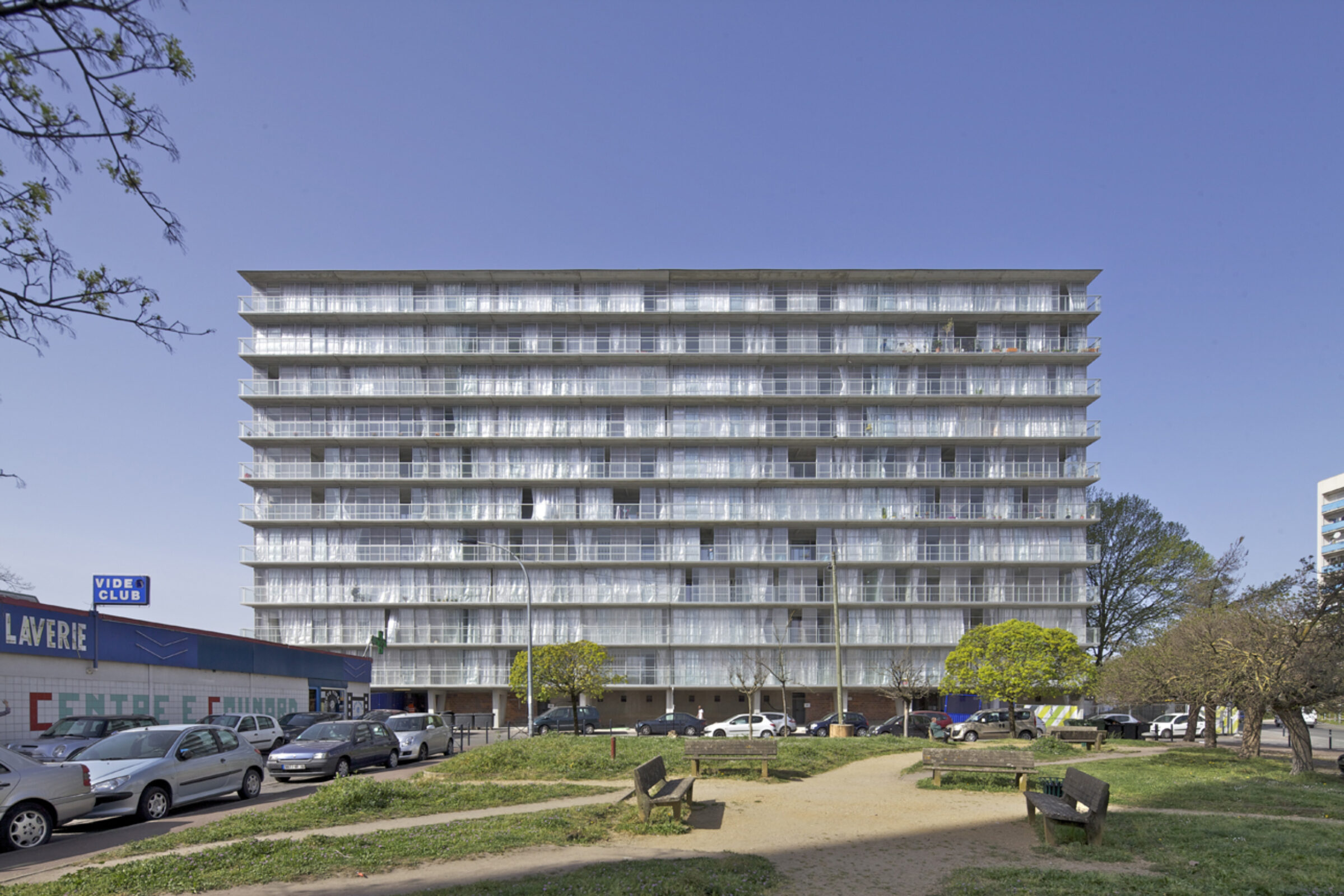
Transformation of 530 dwellings / Lacaton & Vassal + Frédéric Druot + Christophe Hutin architecture. Image © Philippe Ruault
Cities were the second major theme, and the Turkish Presidency and UN-Habitat convened a High-Level Dialogue on Urban Resilience, Adaptation and Climate Action on November 12. The discussions addressed how national climate plans and adaptation strategies can become investments at the local level. Housing, infrastructure, urban regeneration, informal settlement upgrading and post-disaster reconstruction were identified as areas that need stronger implementation, and participants stressed the need to connect national commitments with local development priorities.
Read more:
- Thomas Heatherwick to Address Built Environment and Health at Global Wellness Summit 2026
- Ideas to Improve Heating Efficiency in Buildings
- Bamboo Dome for G20 Bali Summit | BIROE
The dialogue treated housing and basic urban services as part of climate adaptation, pointing to the need for homes that can withstand floods and extreme heat, infrastructure that keeps working during climate-related disasters, and development strategies that serve vulnerable communities. It also highlighted a financing gap, since climate-resilient infrastructure and services require investment beyond current levels. Moving from planning to investment remains hardest for municipalities that lack the financial or technical capacity to develop large-scale climate projects.
One response to that gap is the Sustainable Urban Resilience Financing Facility (SURFF), developed through Türkiye’s İLBANK in partnership with UN-Habitat and the World Bank and launched ahead of the summit during New York Climate Week. It rests on three pillars: country-led Resilient Cities Platforms, a Resilient Cities Centre of Excellence, and an international dialogue meant to encourage cooperation, share experience and improve access to climate finance. Its priorities include resilient infrastructure, climate adaptation and projects that respond to the needs of cities and their communities.
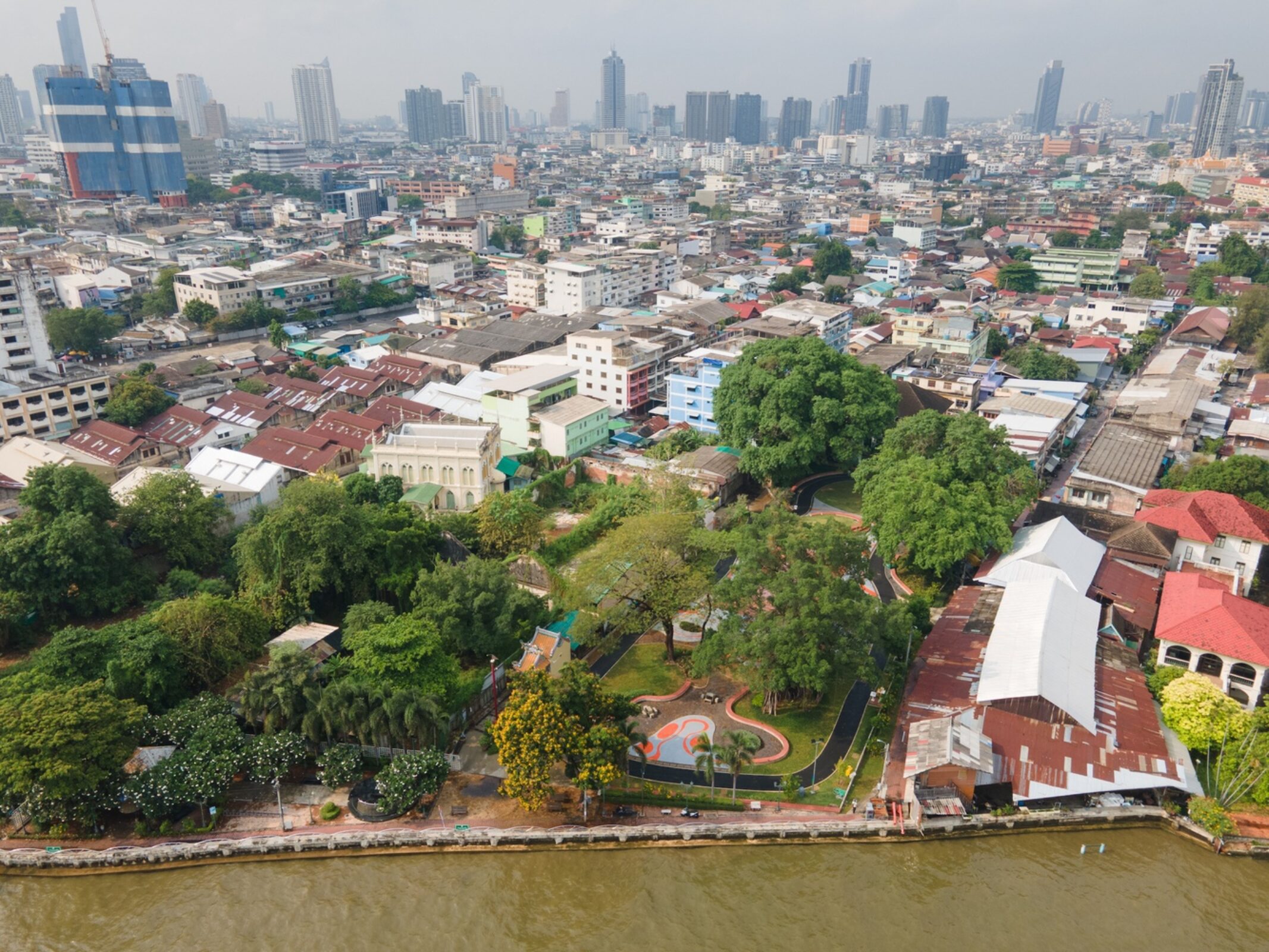
Suan San Pocket Park / Shma Company Limited. Image © Nawin Deangnul
SURFF is not a new financing fund, because it aims to connect cities with existing financing mechanisms, technical assistance and implementation partners. Its effectiveness will therefore depend on the development of investment pipelines, the availability of finance, and the ability to turn its framework into financed and completed urban interventions. That puts the weight on project preparation and local institutional capacity, which the facility was presented as a way to strengthen.
The transition away from fossil fuels was the most contested issue of the summit, with countries divided over whether the final political text should explicitly commit to moving away from coal, oil and gas. The proposed Antalya Pact contained no clear reference to fossil fuels, which prompted objections from the European Union, the United Kingdom and several climate-vulnerable nations. They argued that the text did not adequately address the primary drivers of climate change, and the disagreements over energy transition language, climate finance and ambition prevented consensus. As a result, the commitment made at COP28 to transition away from fossil fuels in energy systems has no new collective roadmap at COP31.
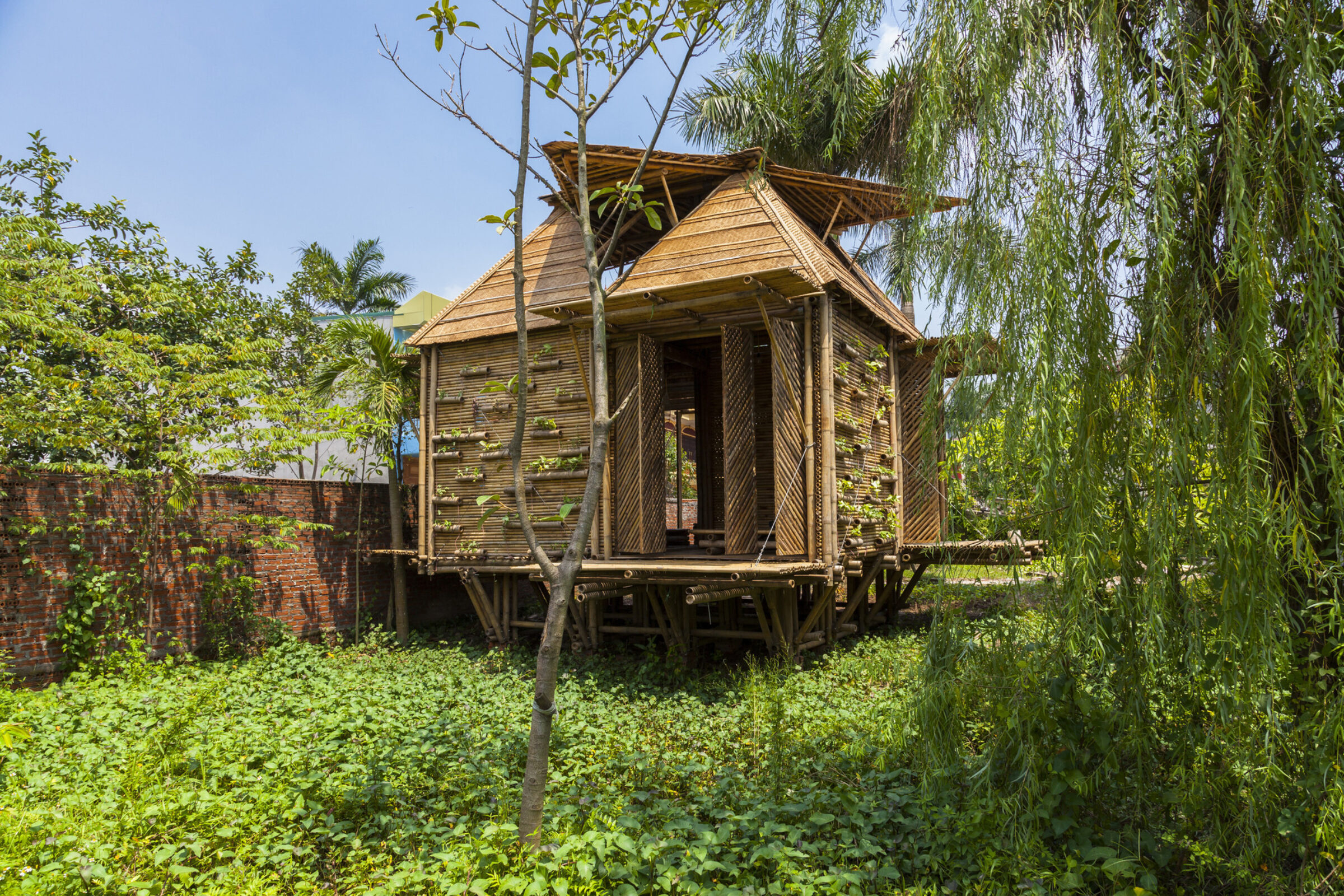
Blooming Bamboo Home by H&P Architects. Image © Doan Thanh Ha
Outside the formal negotiations, electrification advanced through voluntary initiatives, and around 80 countries supported the Presidency’s 35-by-35 Global Electrification Pledge. For buildings, electrification reaches heating, cooling, cooking and energy systems, while energy efficiency and passive design can reduce demand. Even so, electrification targets and efficiency initiatives do not replace a negotiated global commitment to phase out fossil fuels, so the pace of transition still depends on national policies, energy infrastructure, investment and further international cooperation.
The next edition, COP32, is scheduled to take place in Addis Ababa, Ethiopia, in 2027. Discussions there are expected to continue around implementation, climate finance, energy transition and adaptation, including how commitments can be translated into actions at the scale of buildings, infrastructure and cities.

Olivia Bennett is a seasoned American news editor at Arch2O, born in the UK and a proud alumna of UCLA, where she studied Architecture and Media Studies. With a strong editorial background and a passion for design storytelling, she excels in translating complex architectural ideas into engaging narratives. Olivia focuses on contemporary trends, sustainability, and emerging talents in the field, offering readers a fresh, global perspective on the built environment.