

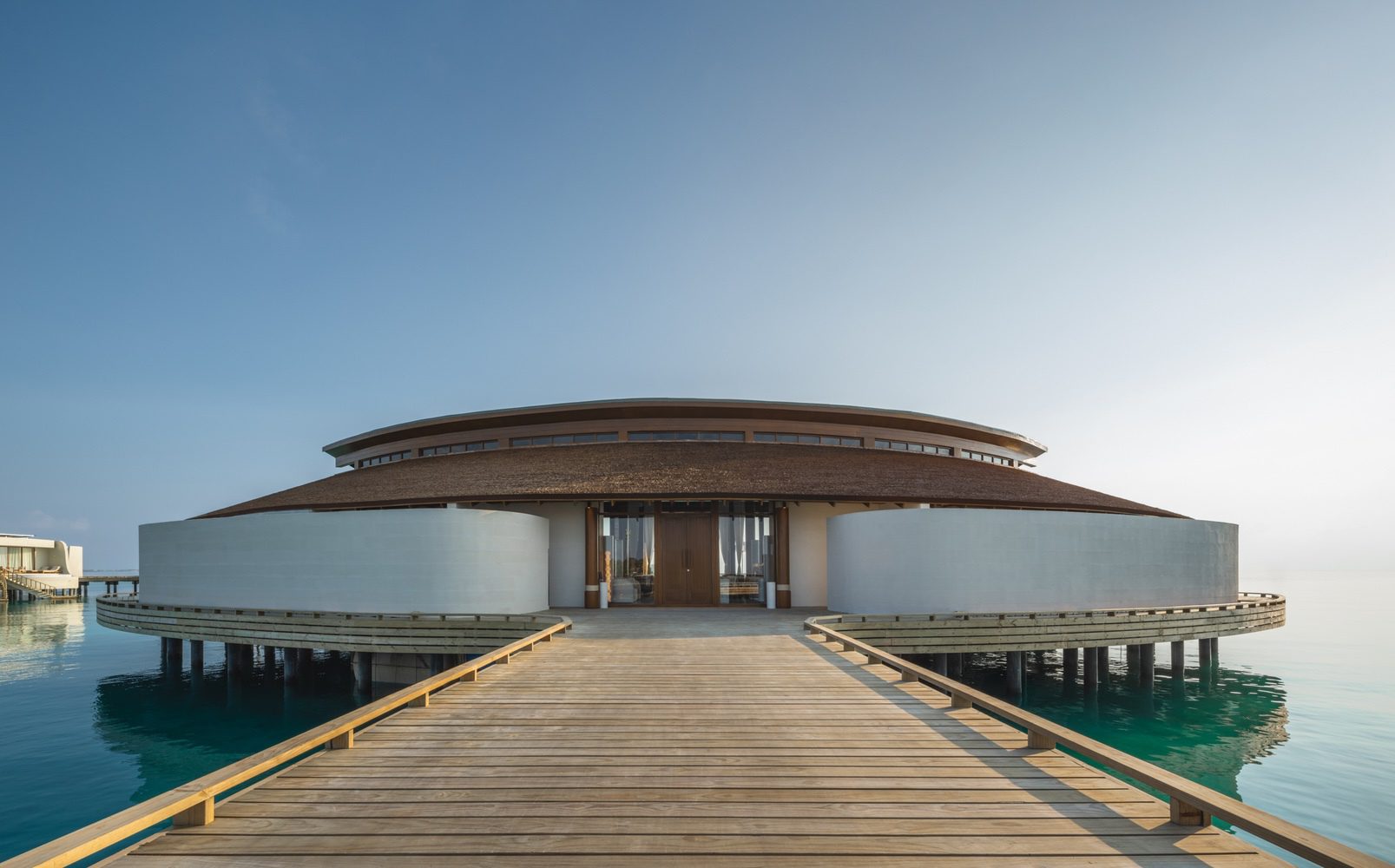
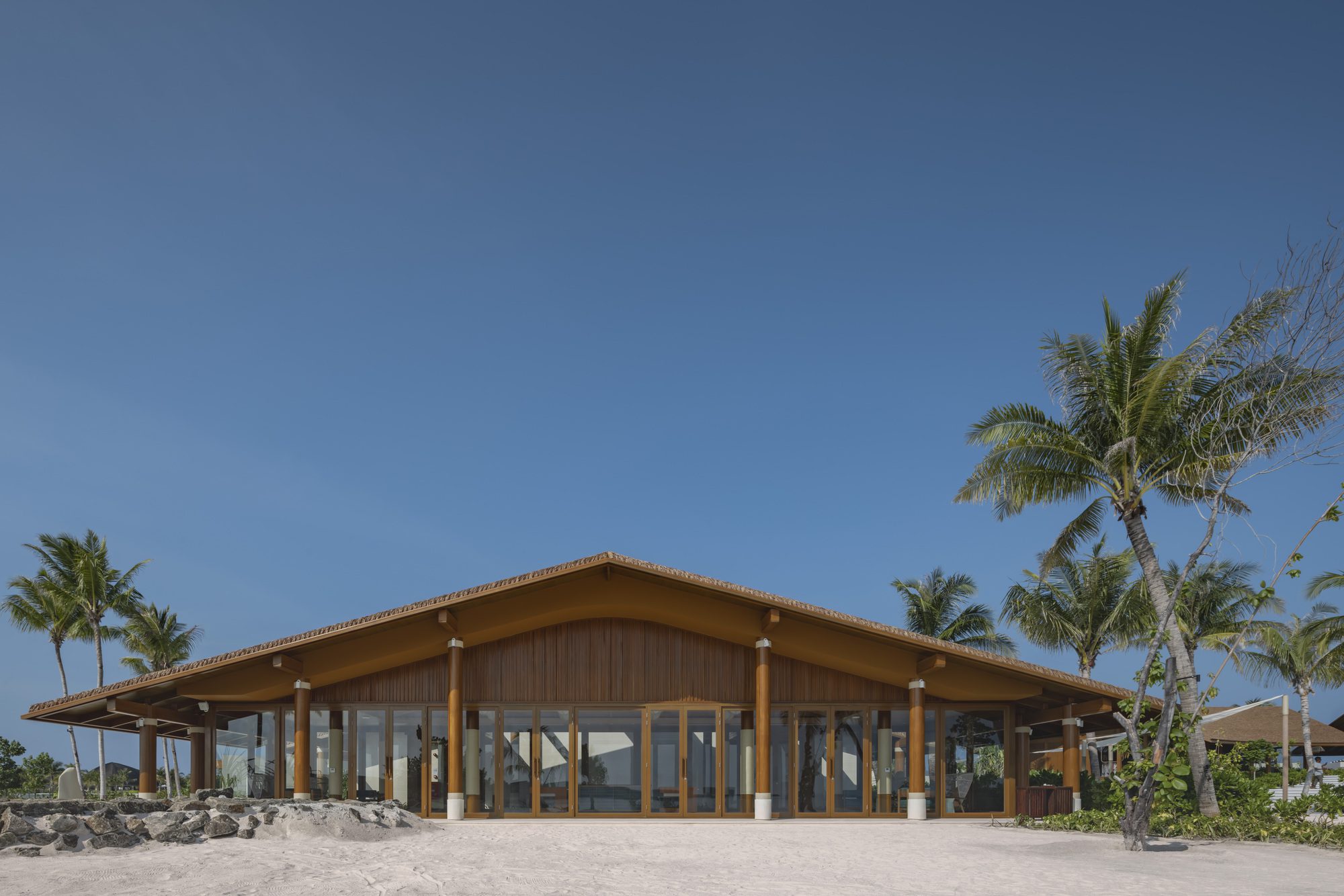
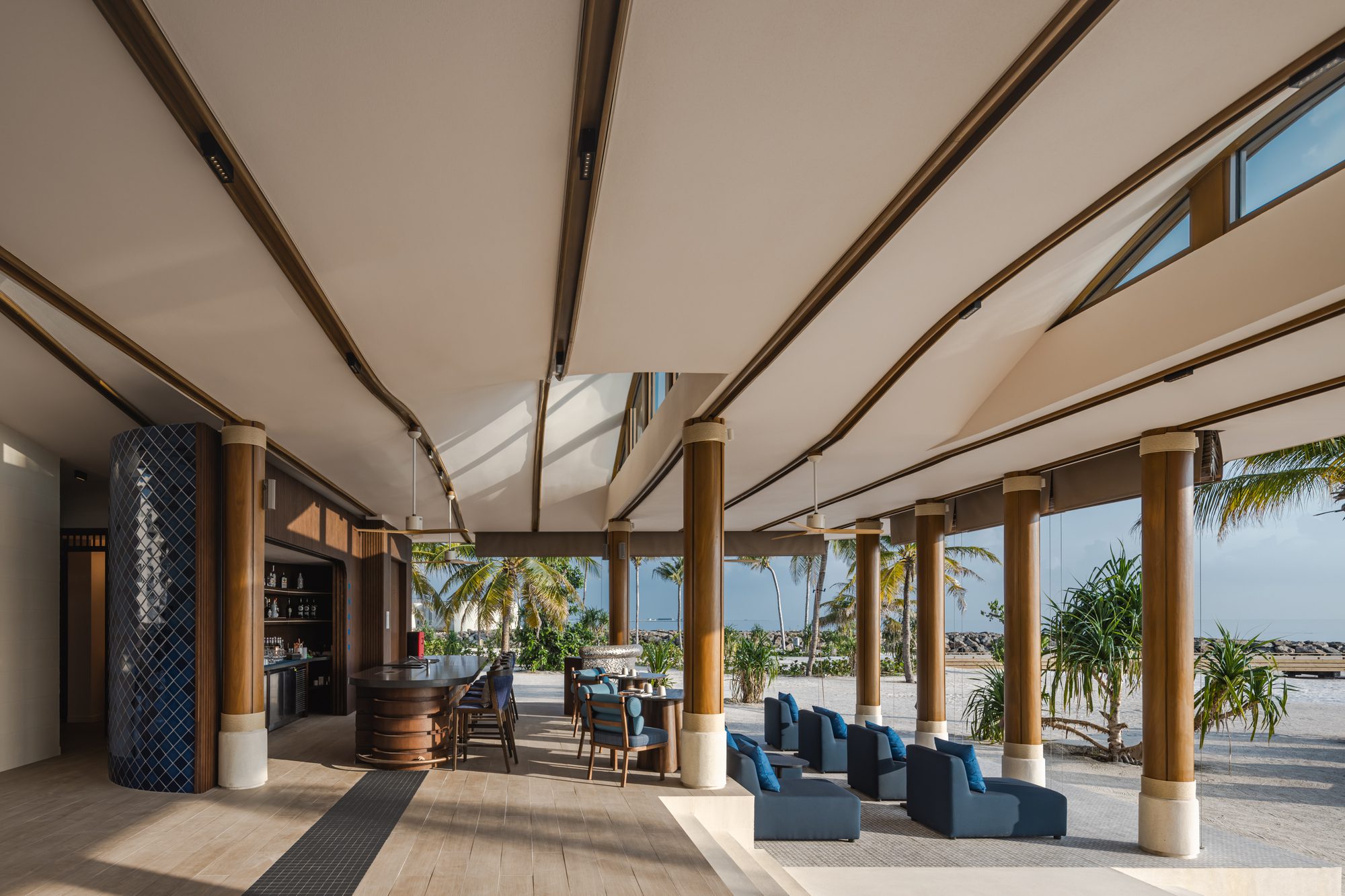
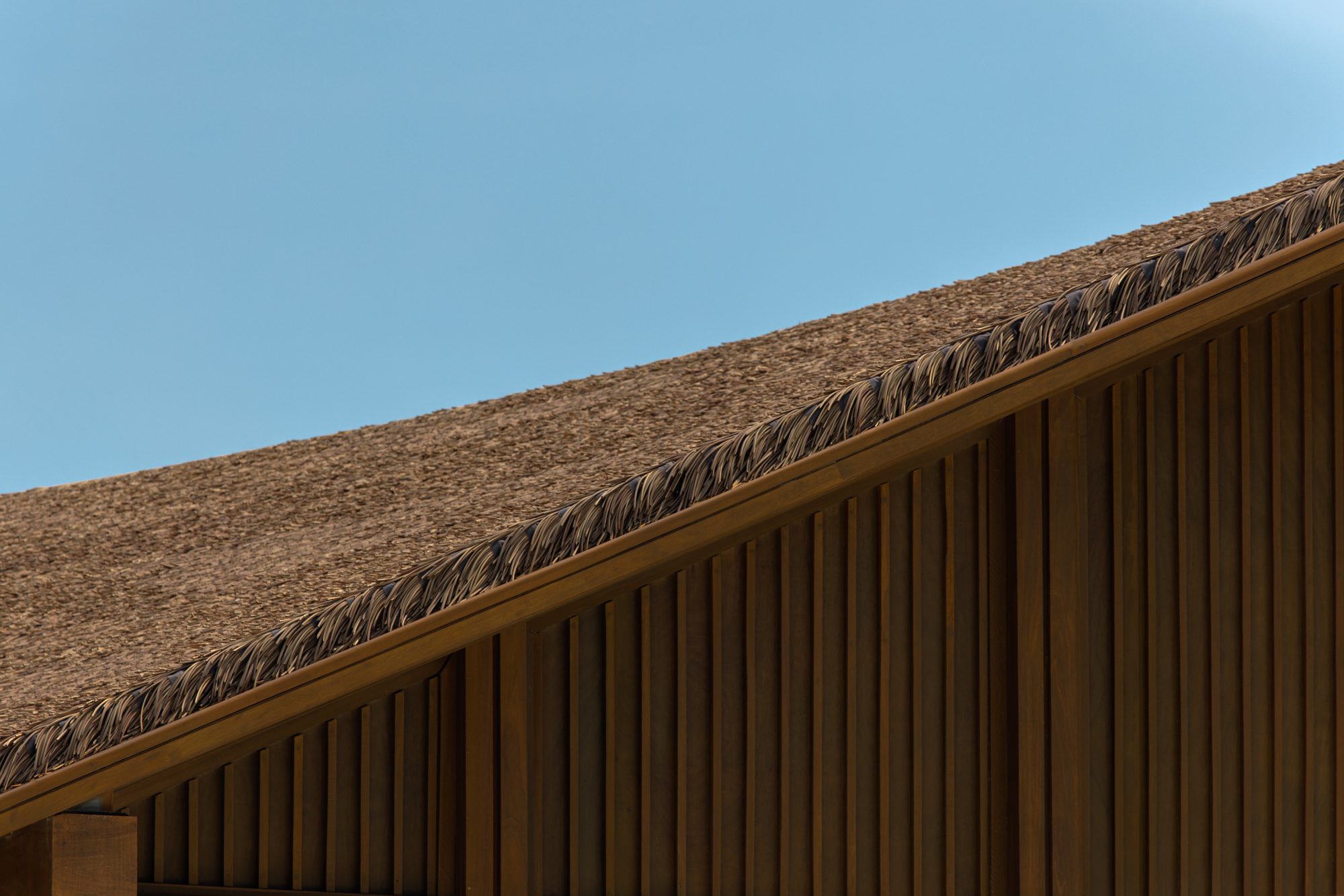
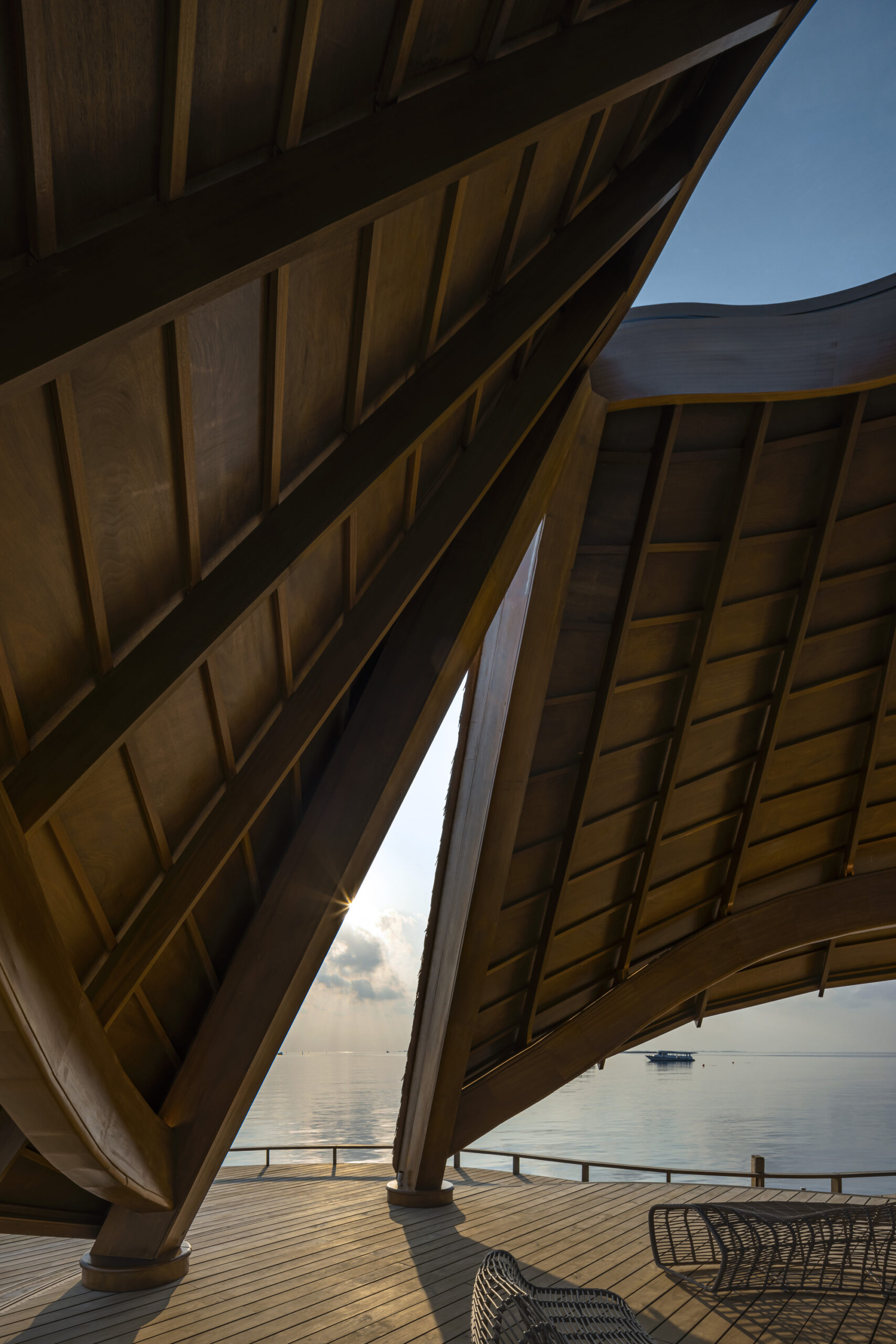
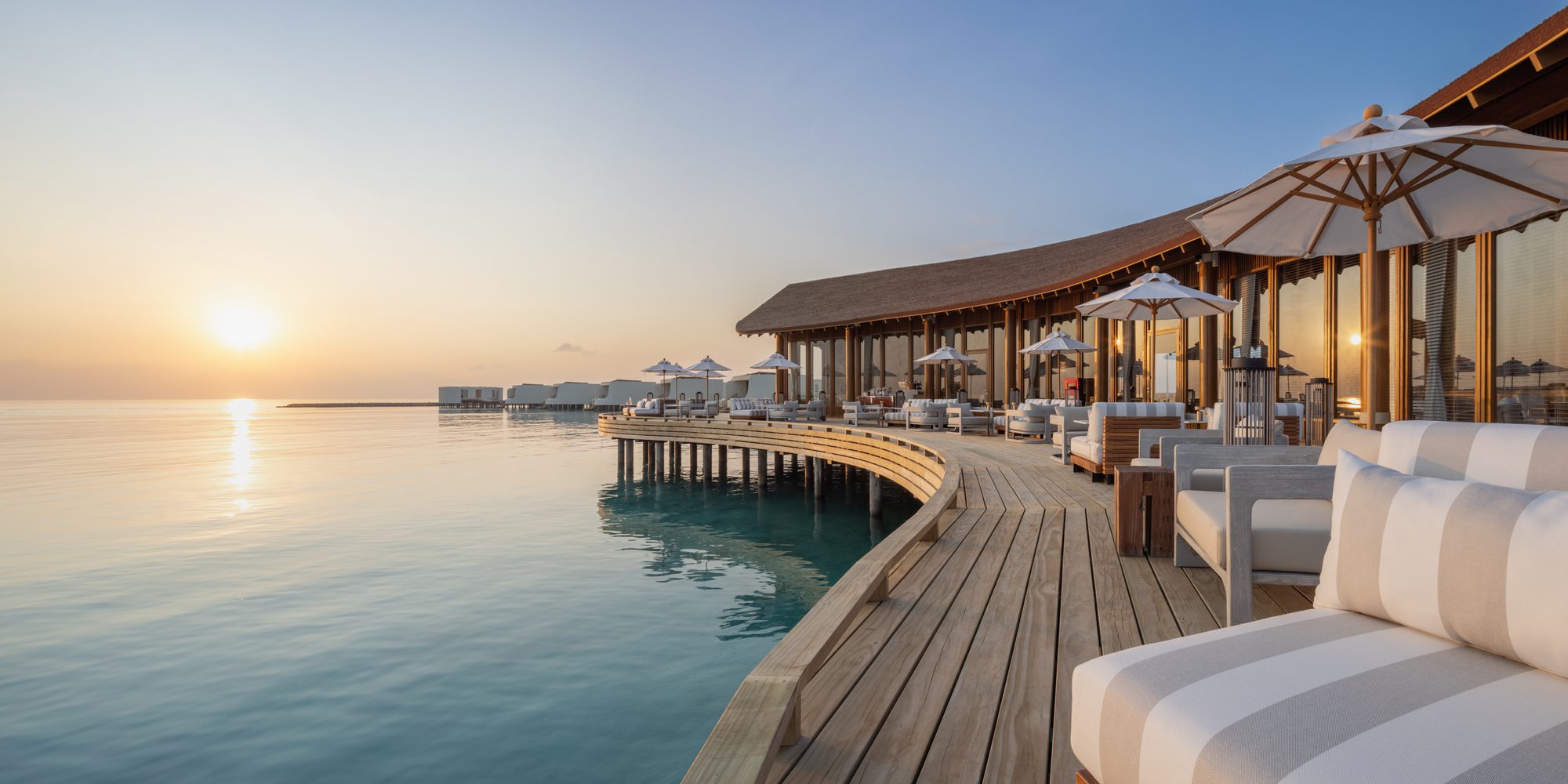
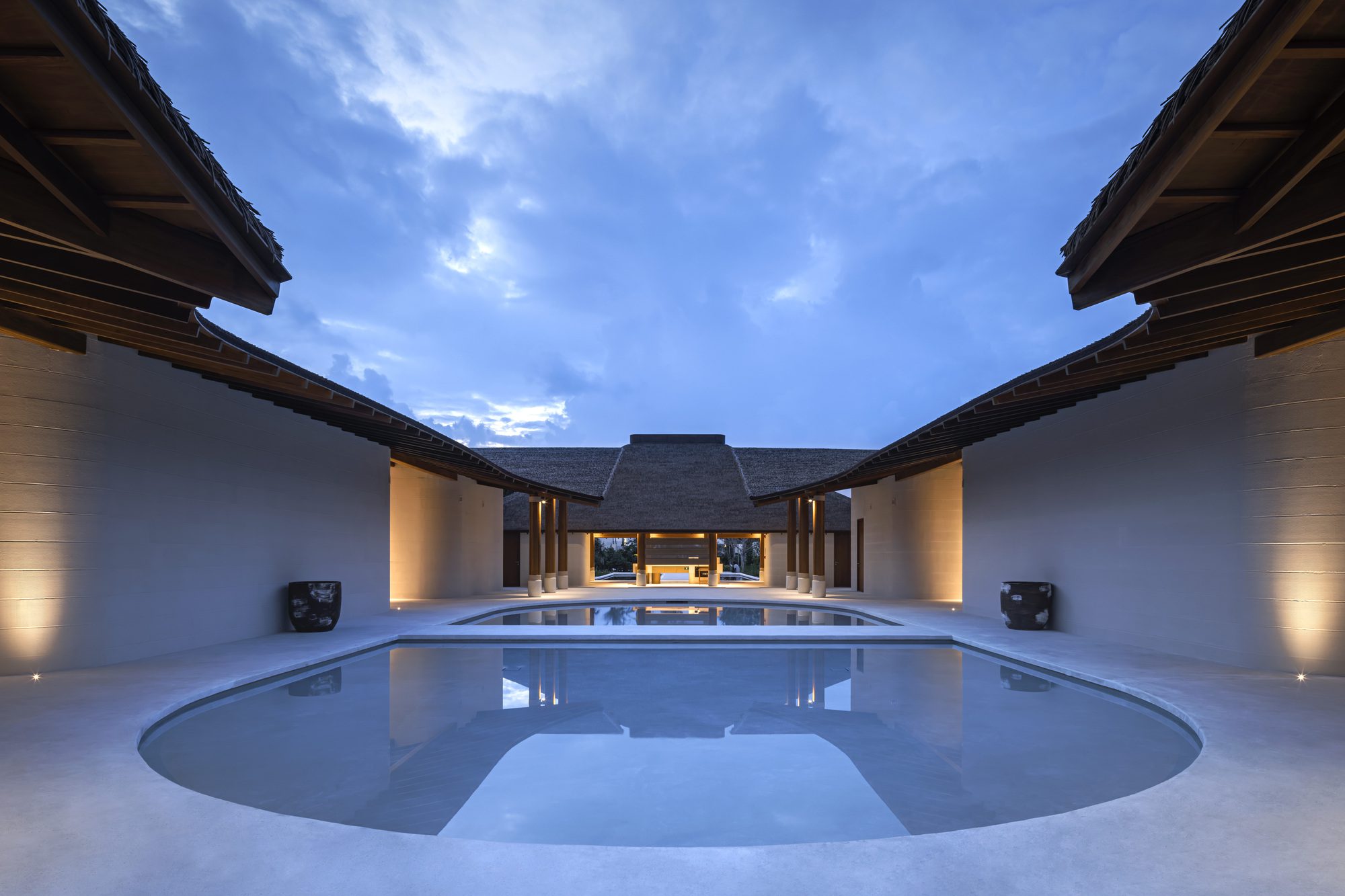
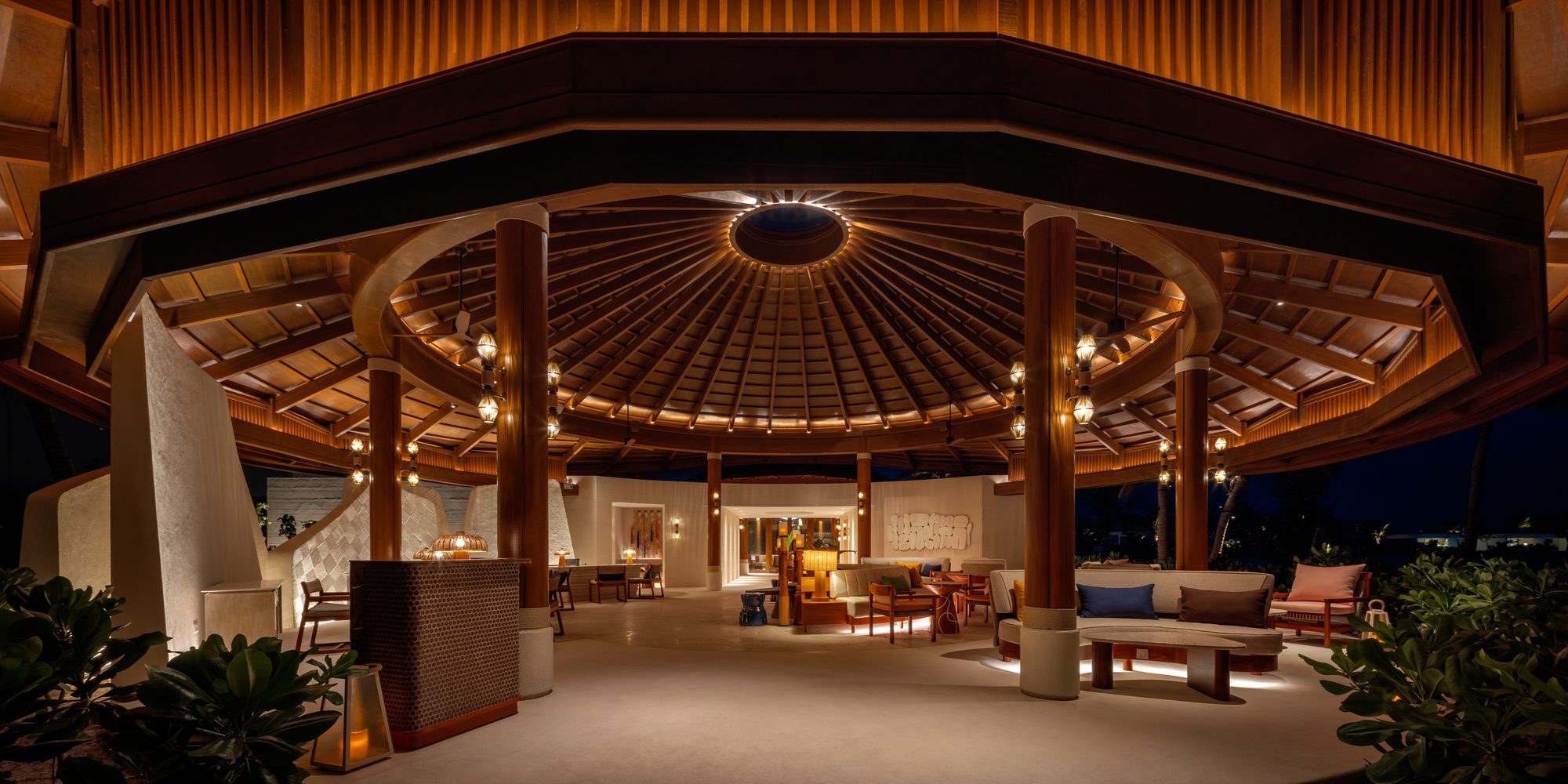
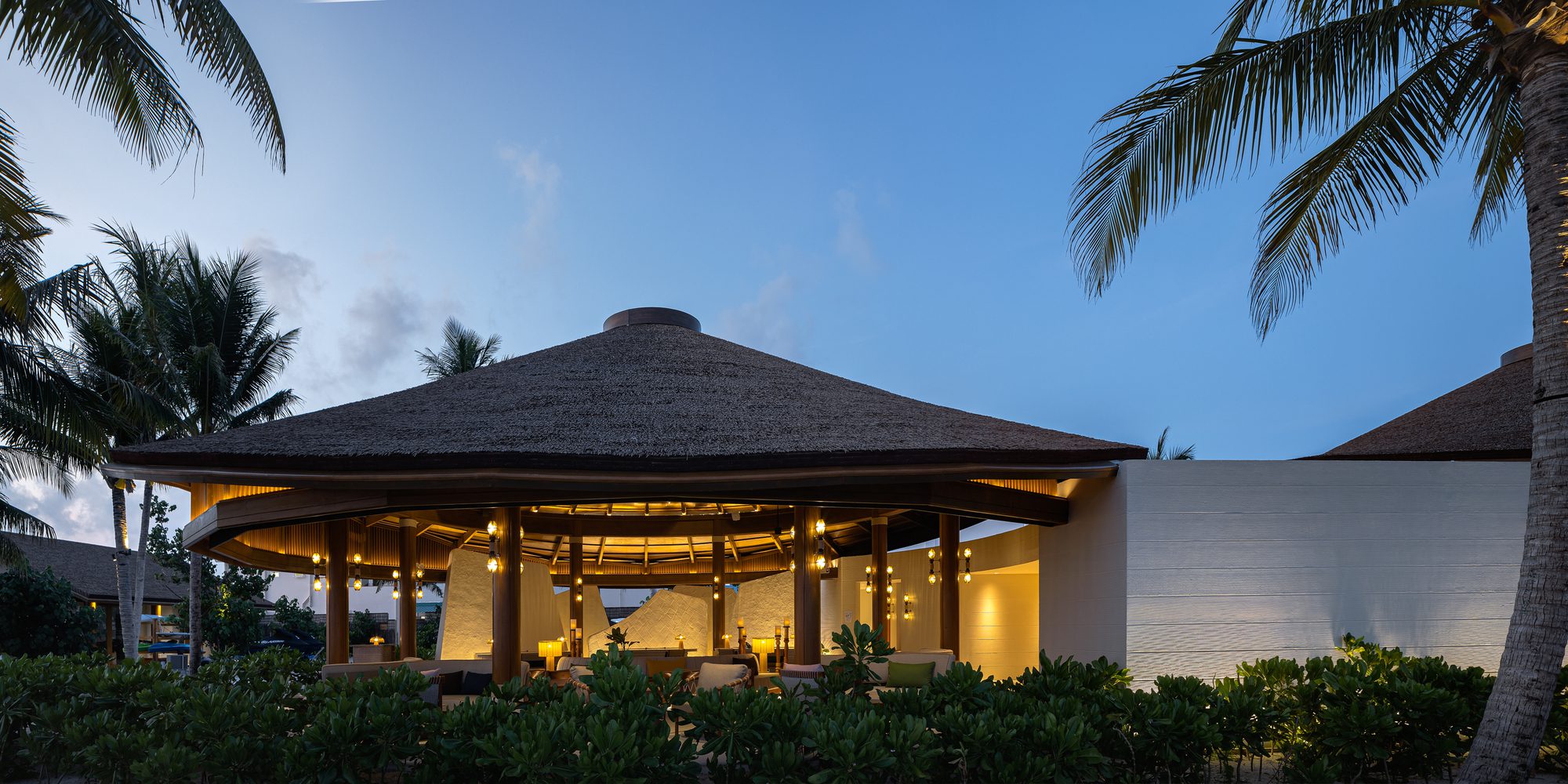
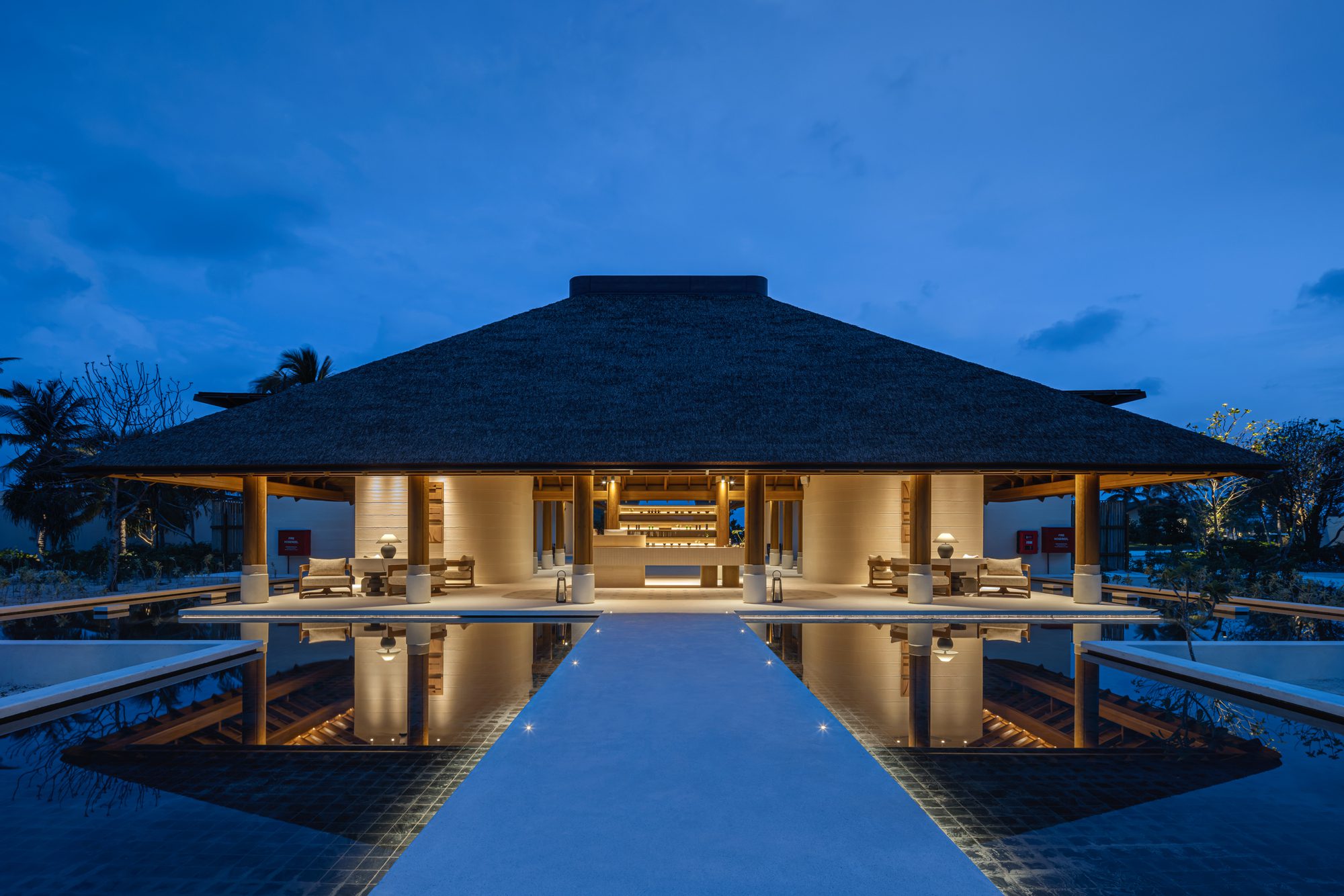
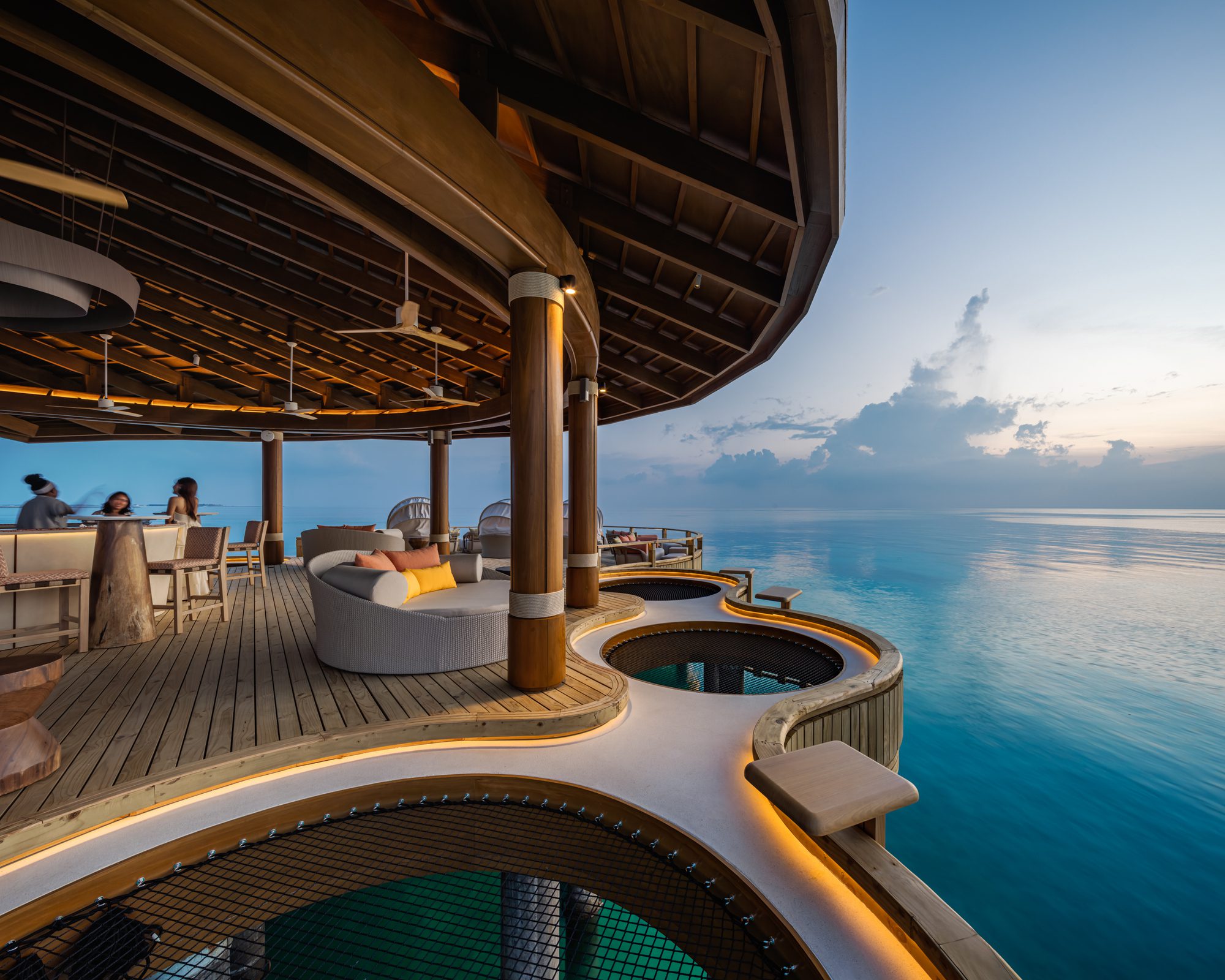
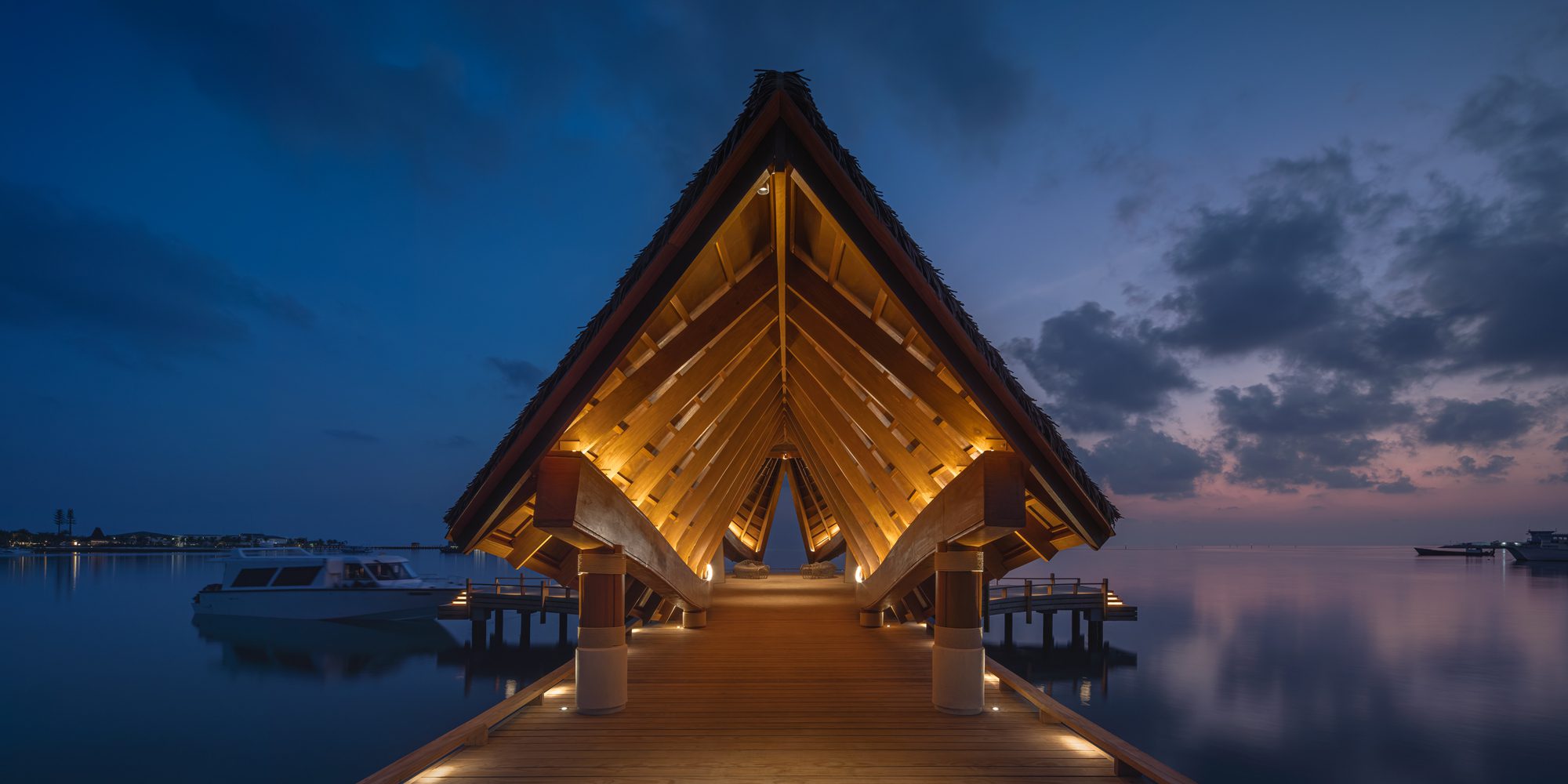
The architecture of Centara Grand Lagoon Maldives is conceived not as a statement of form, but as a stage for nature. Set within the delicate ecosystem of the Maldives, the design approach avoids imposition and instead seeks harmony—allowing the island’s raw beauty to lead. Buildings are positioned to frame the sea, the skies, and the palms, turning every view into a living artwork. The guiding ethos behind the project is simple yet profound: nature is the hero.
© W Workspace
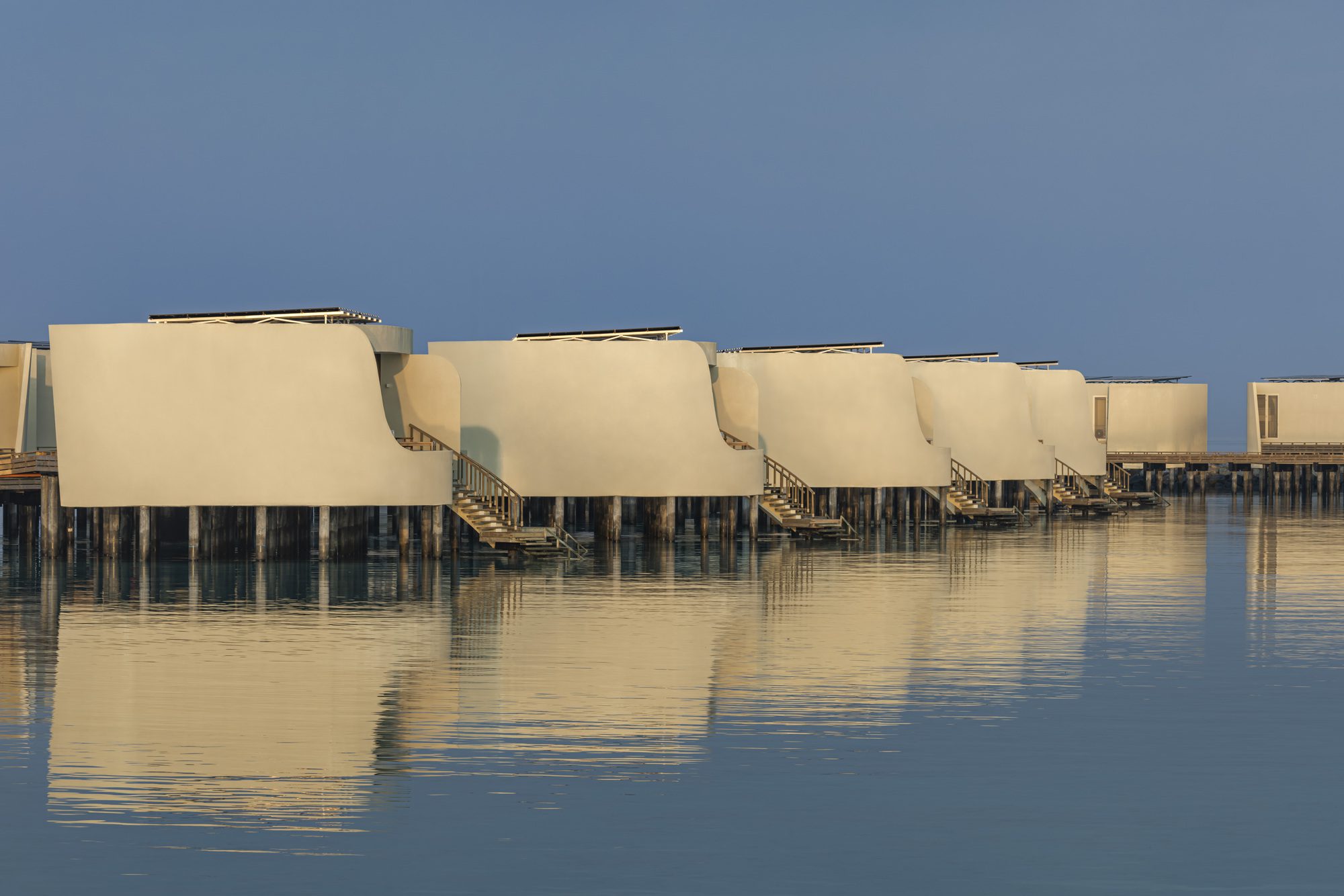
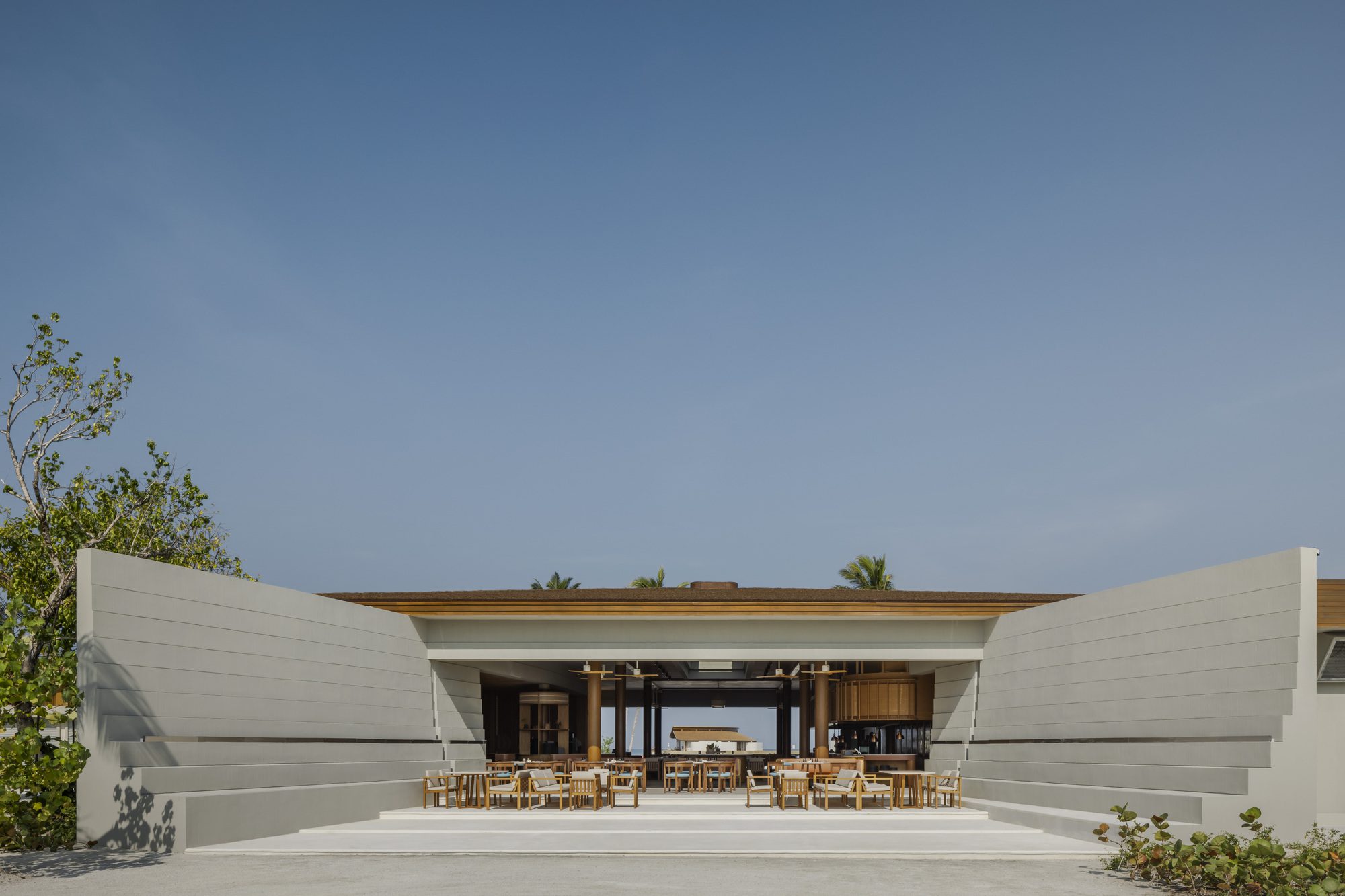
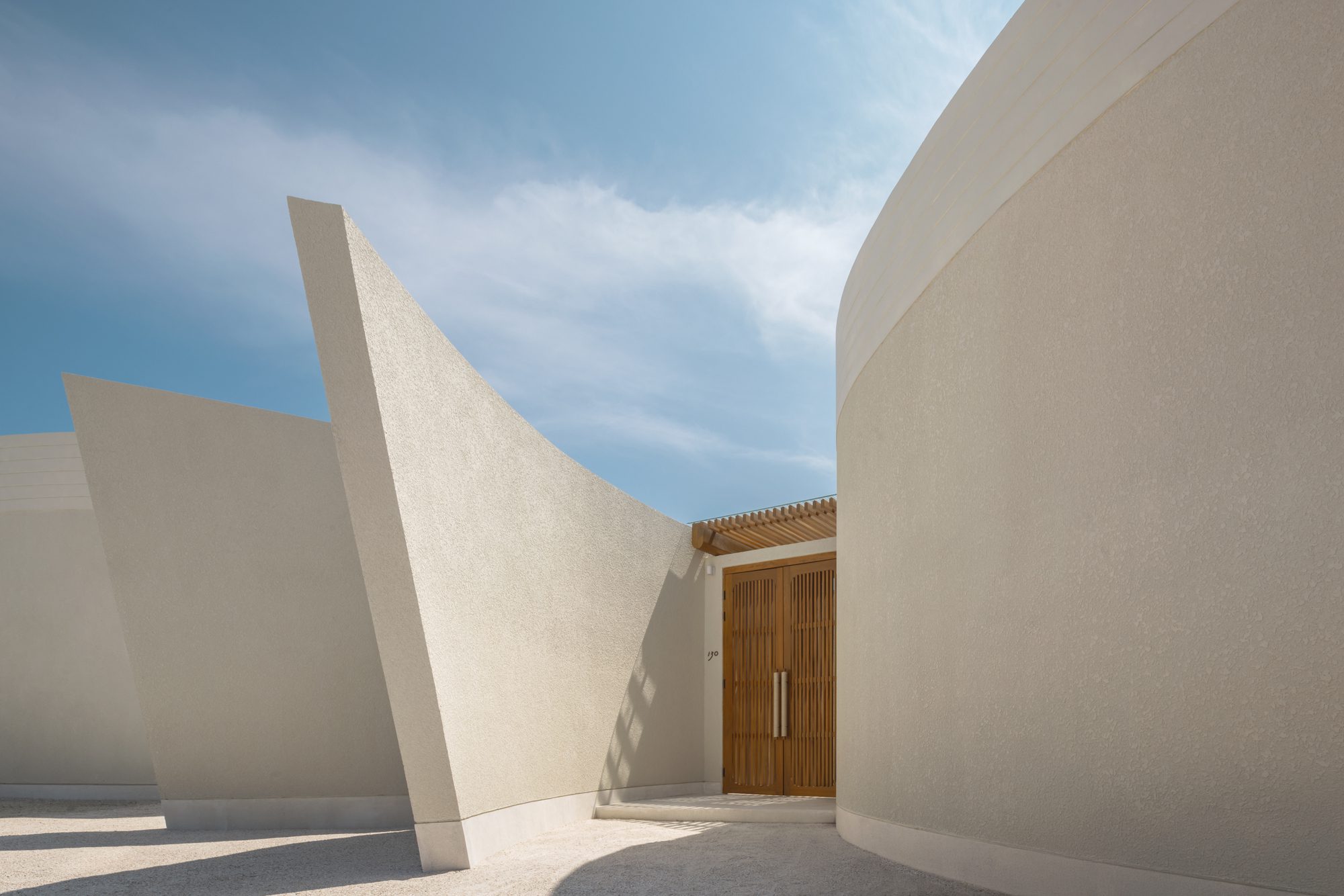
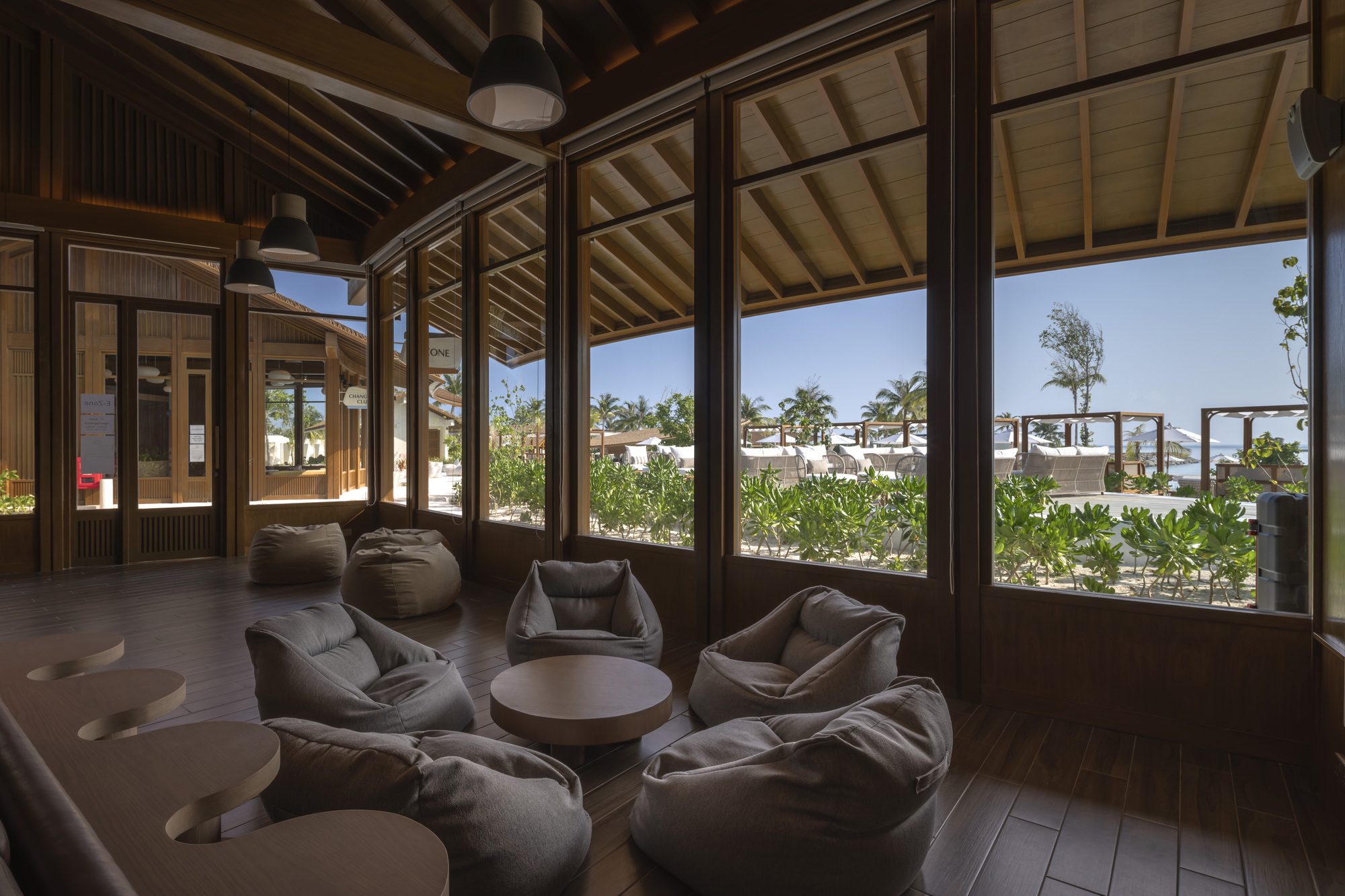
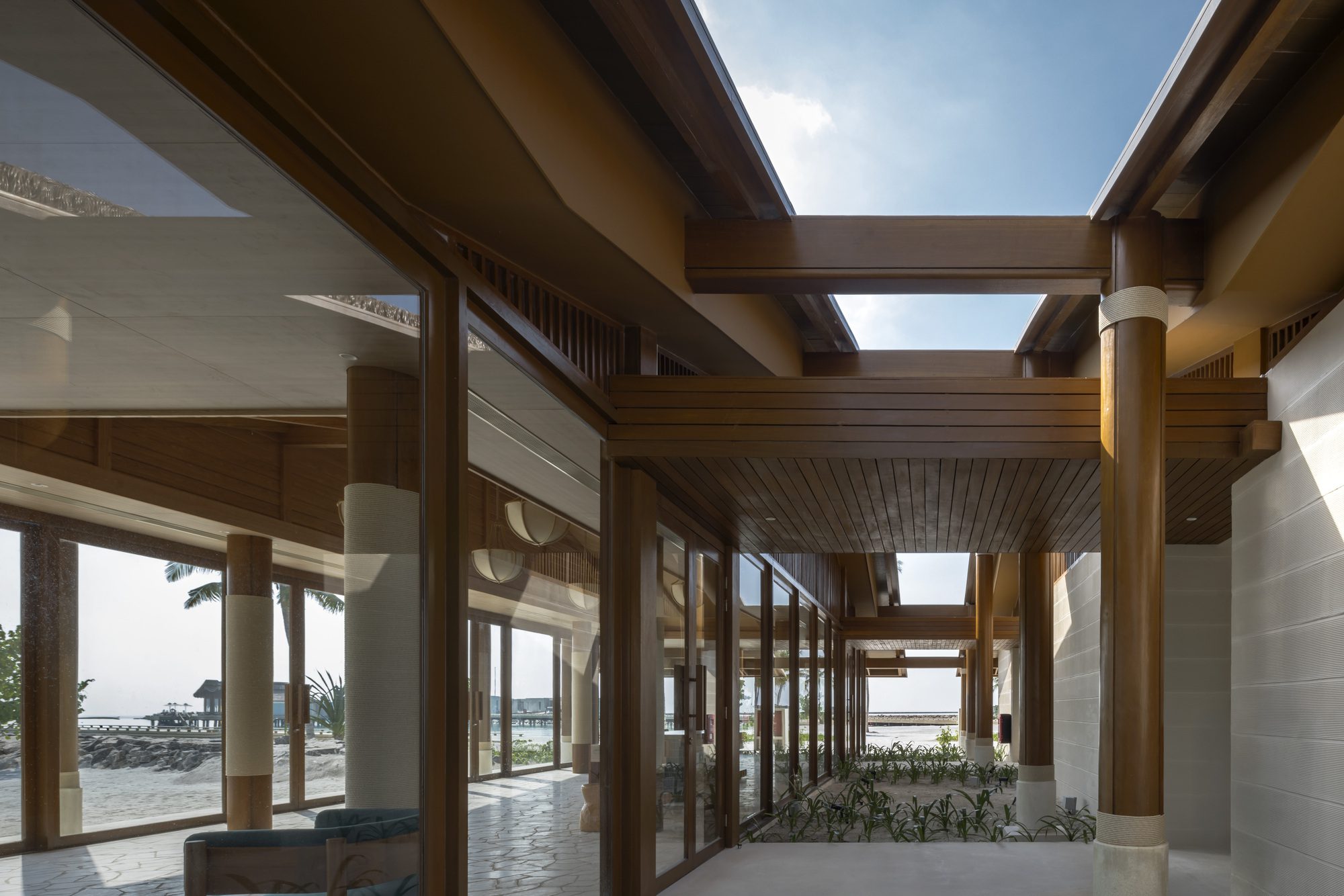
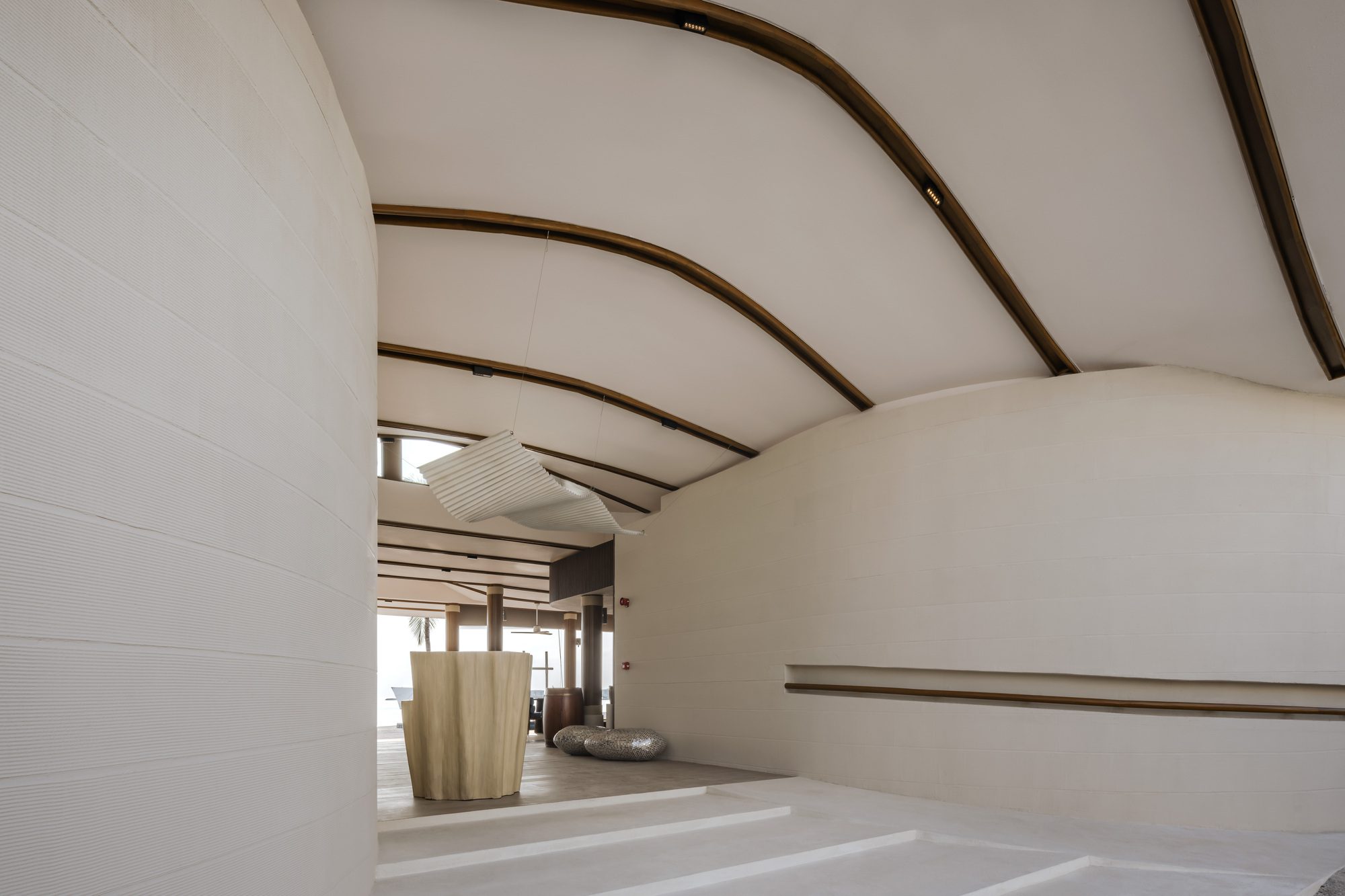
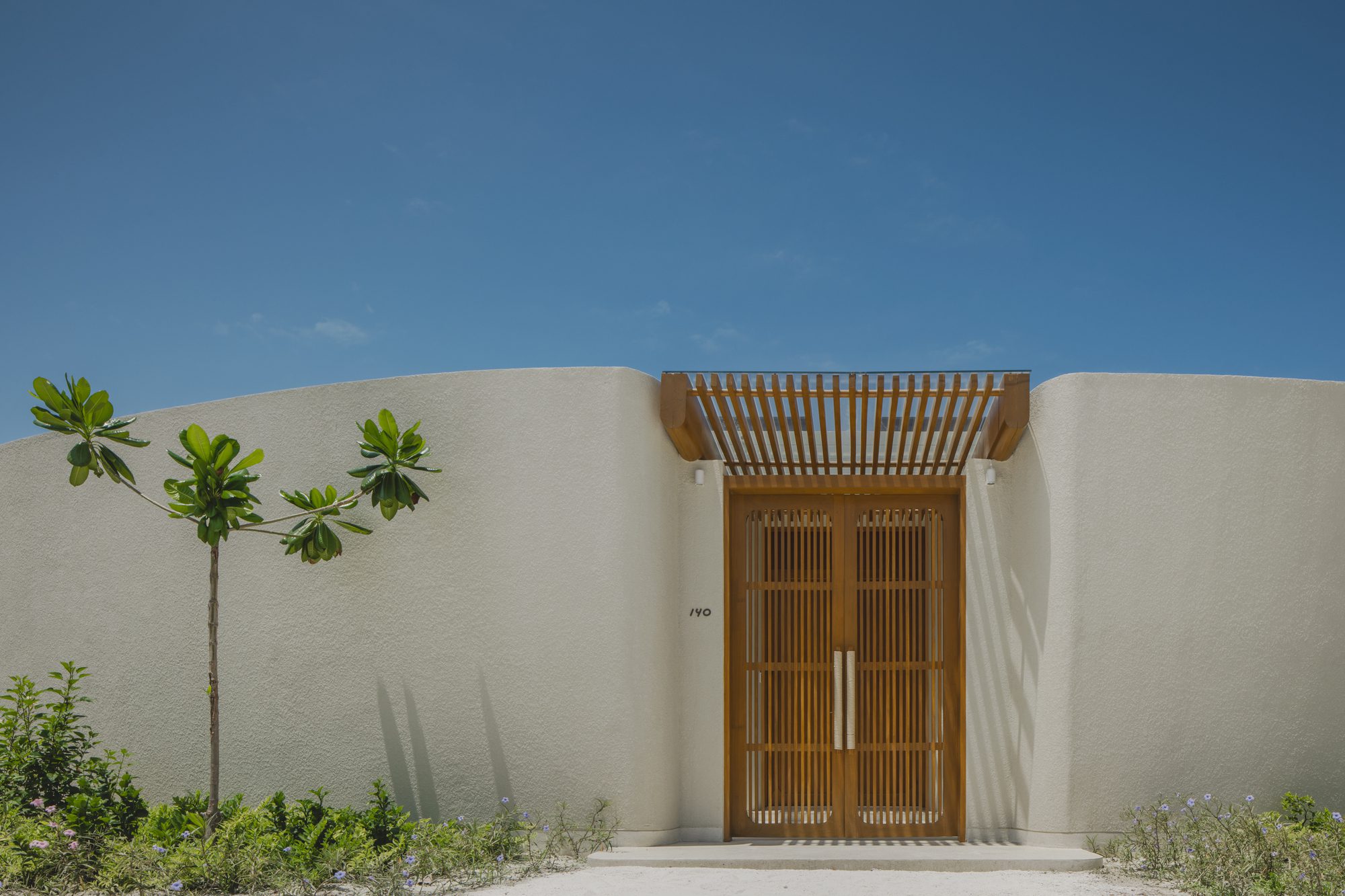
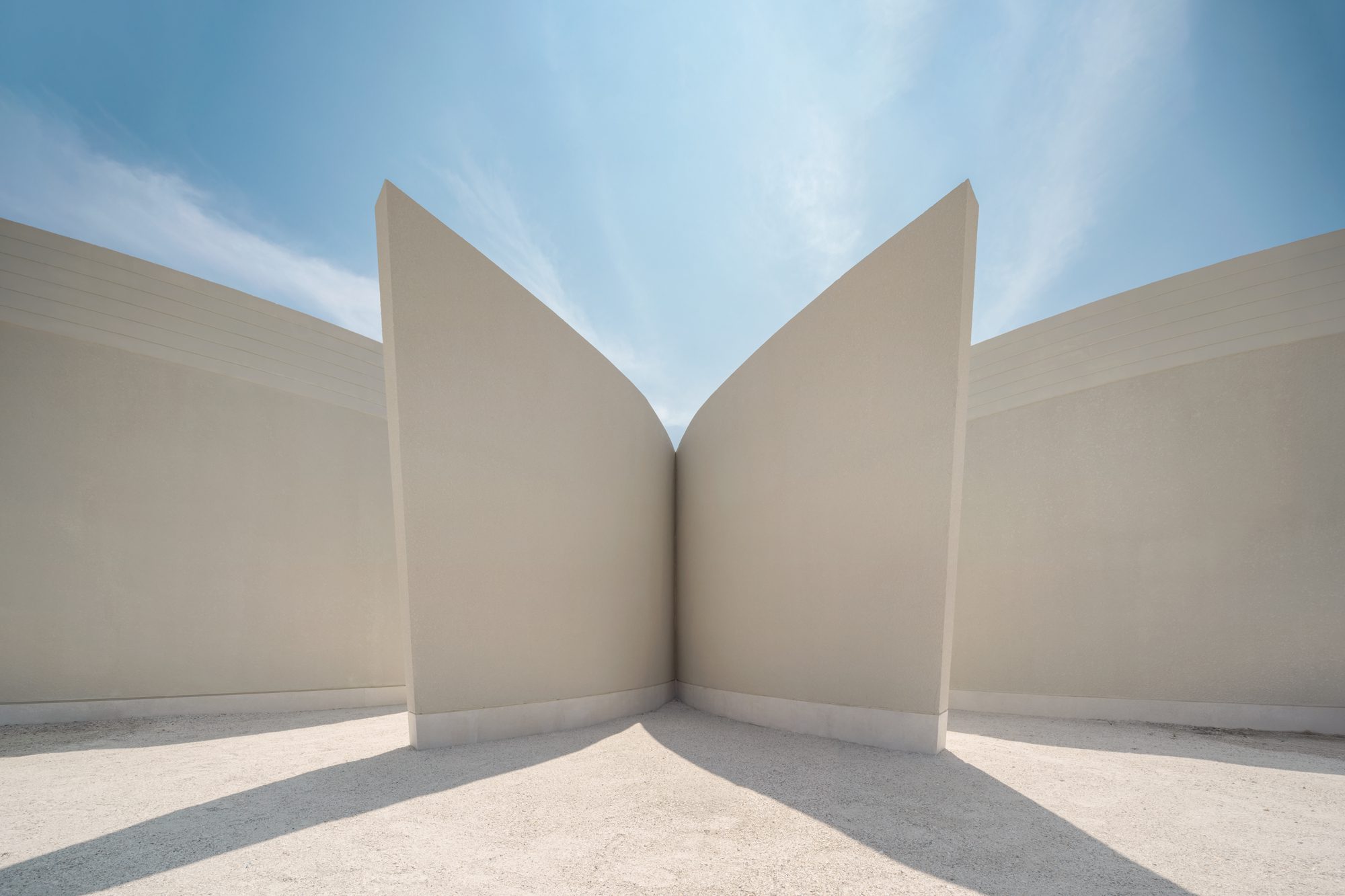
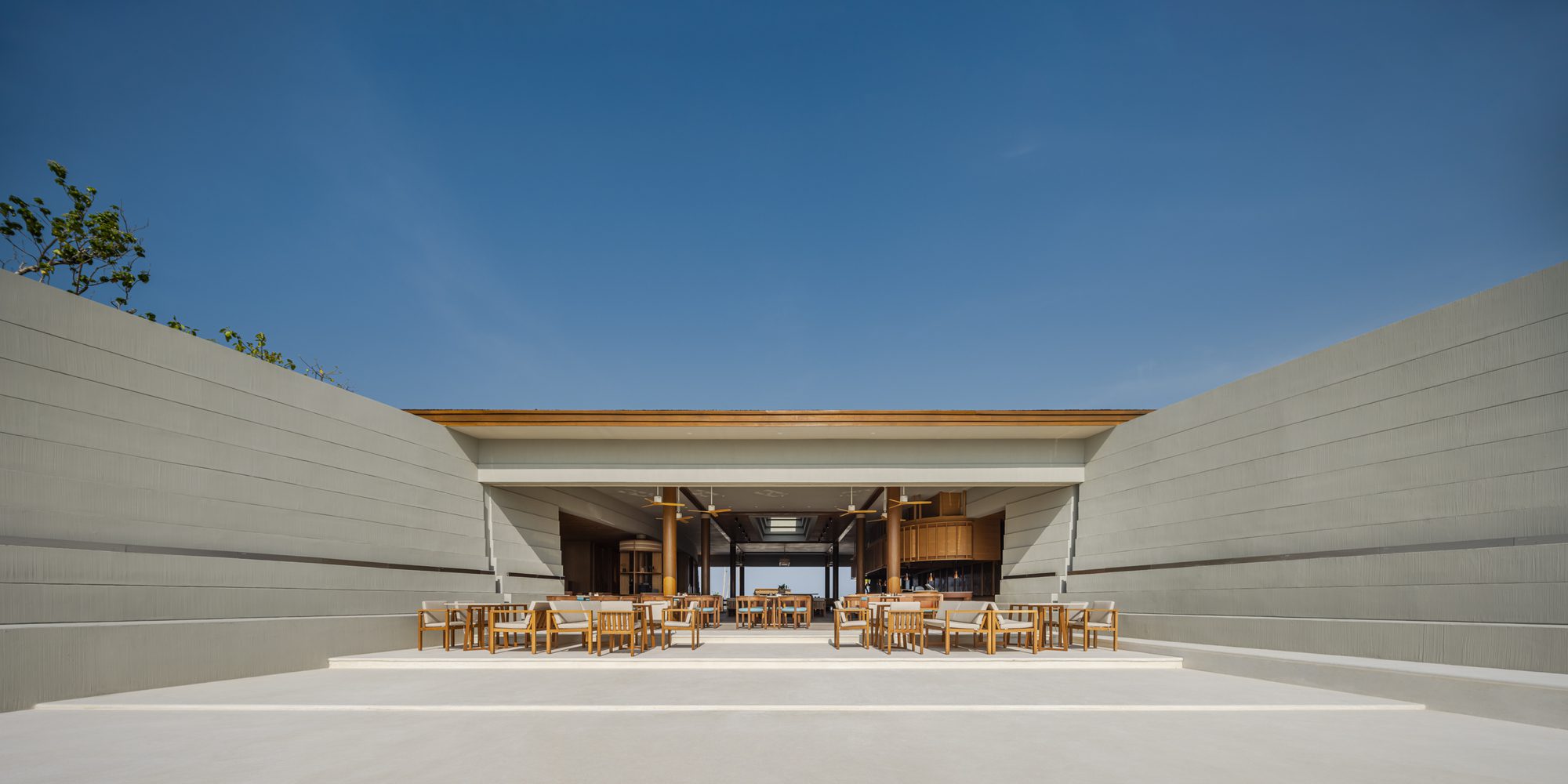
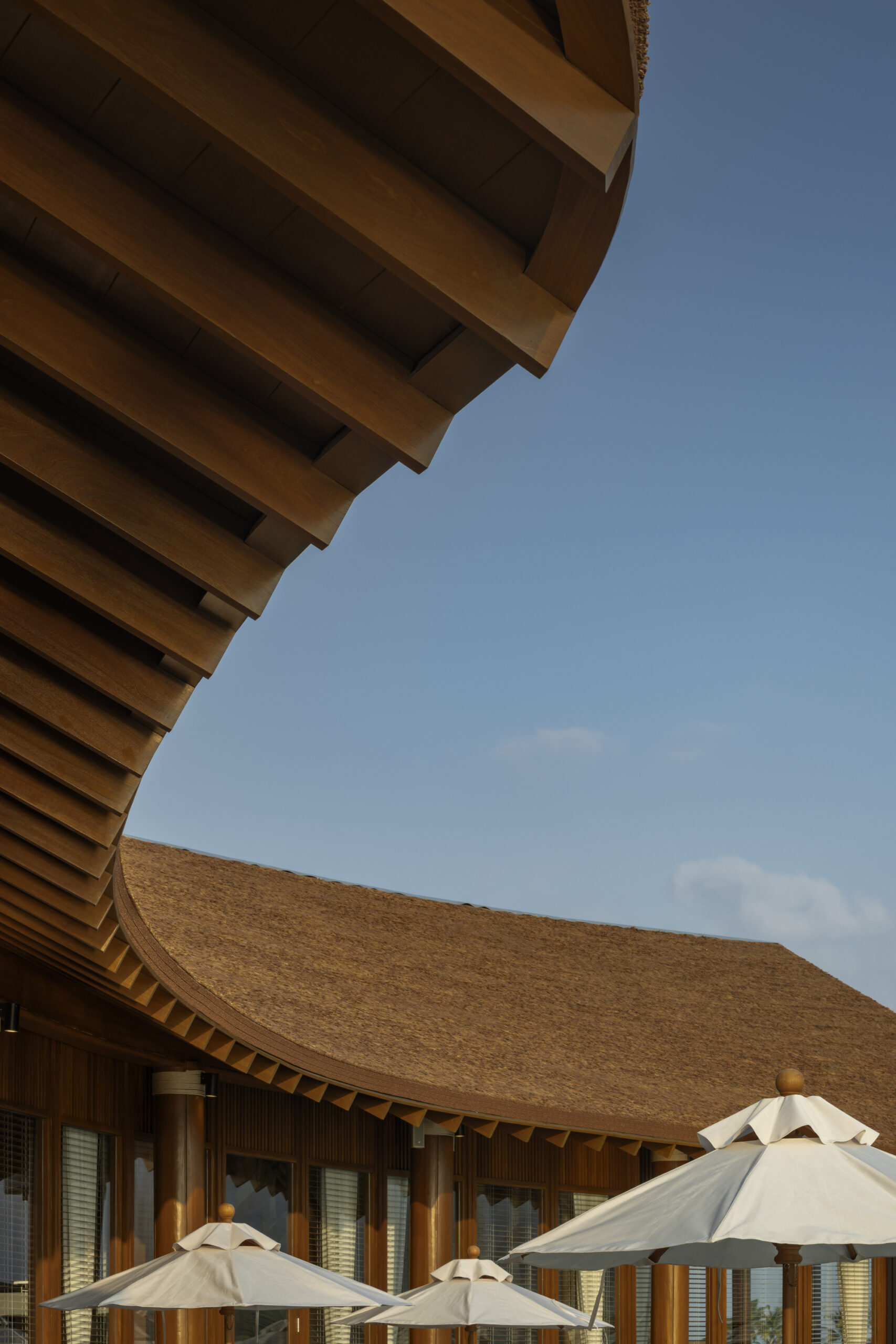
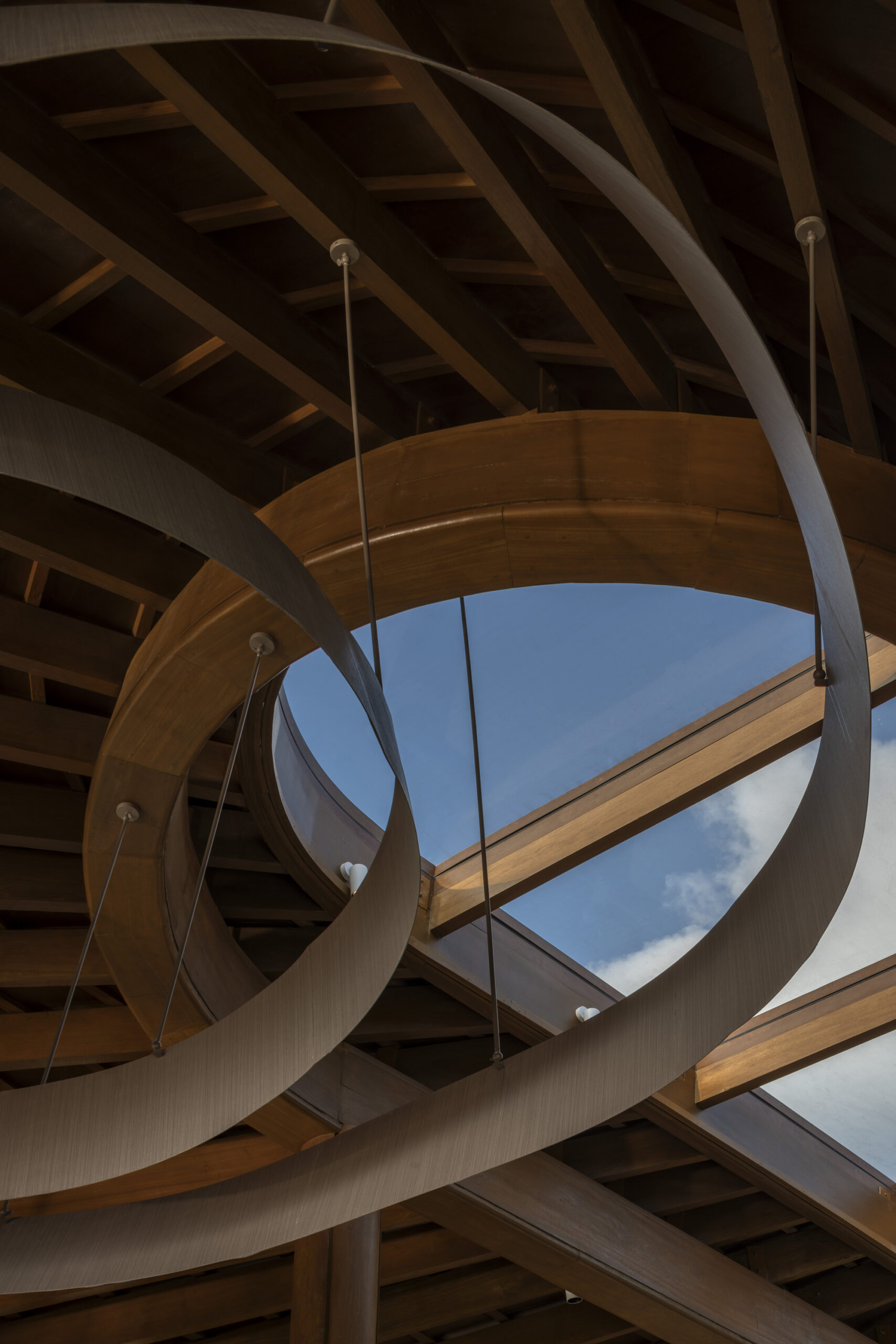
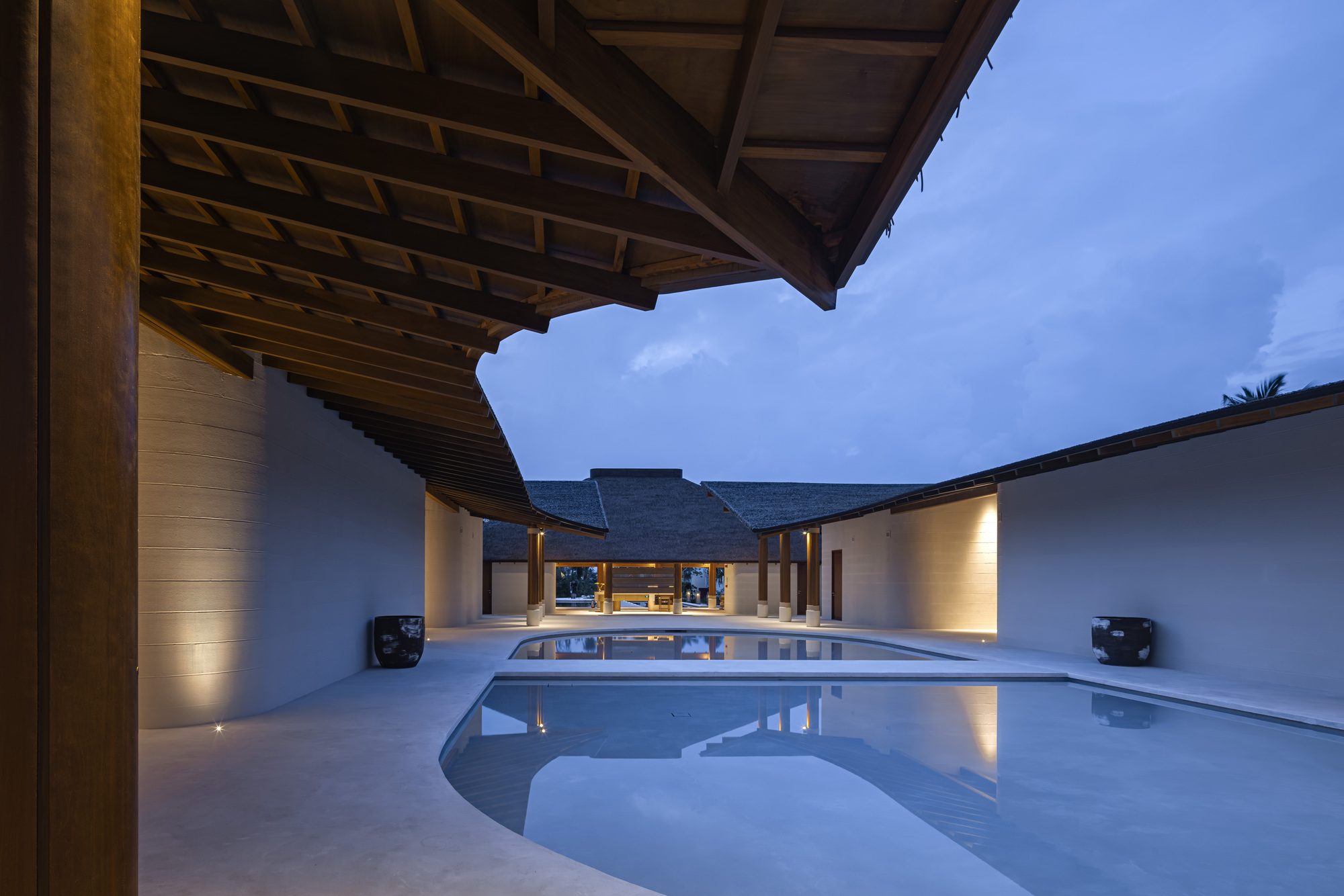
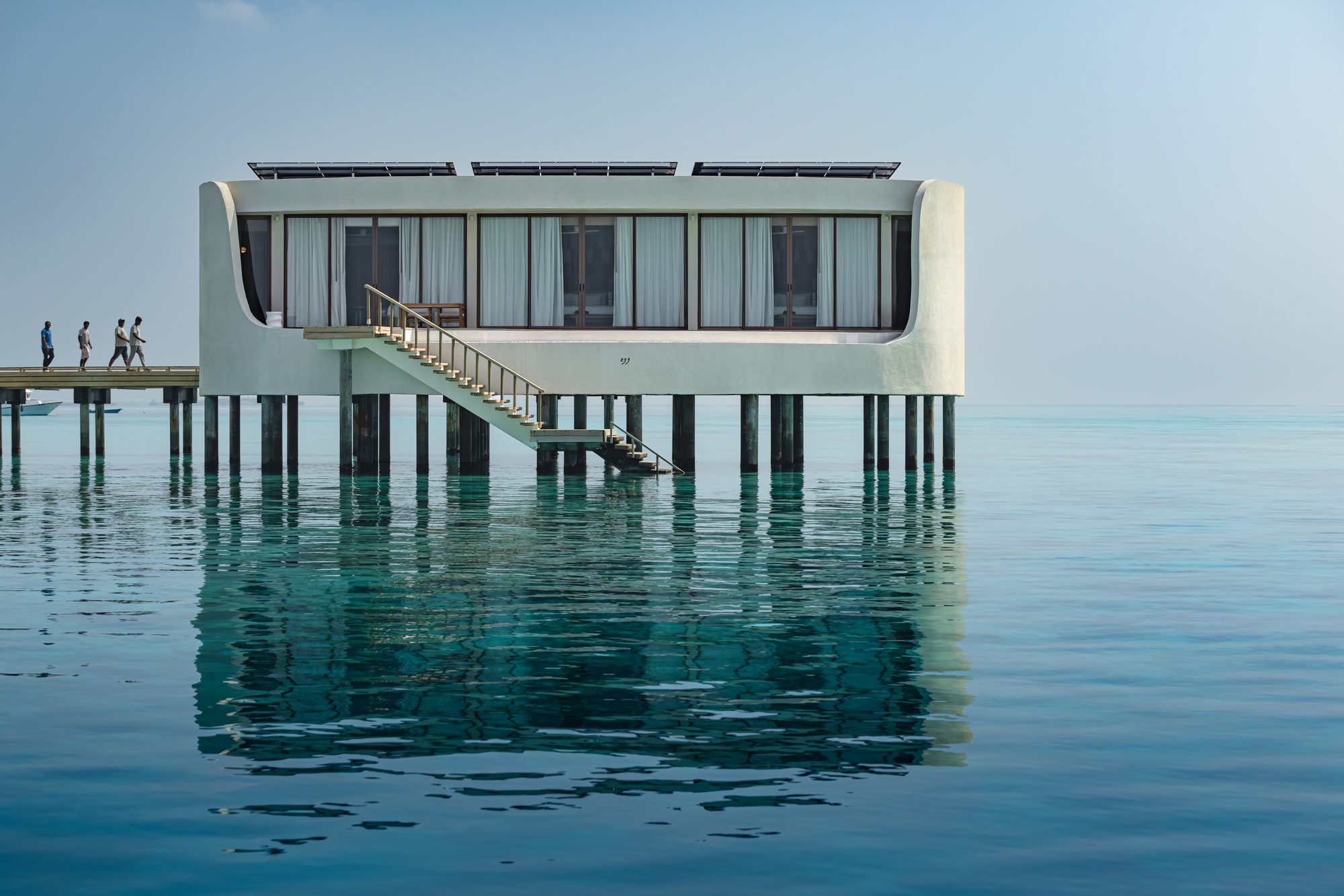
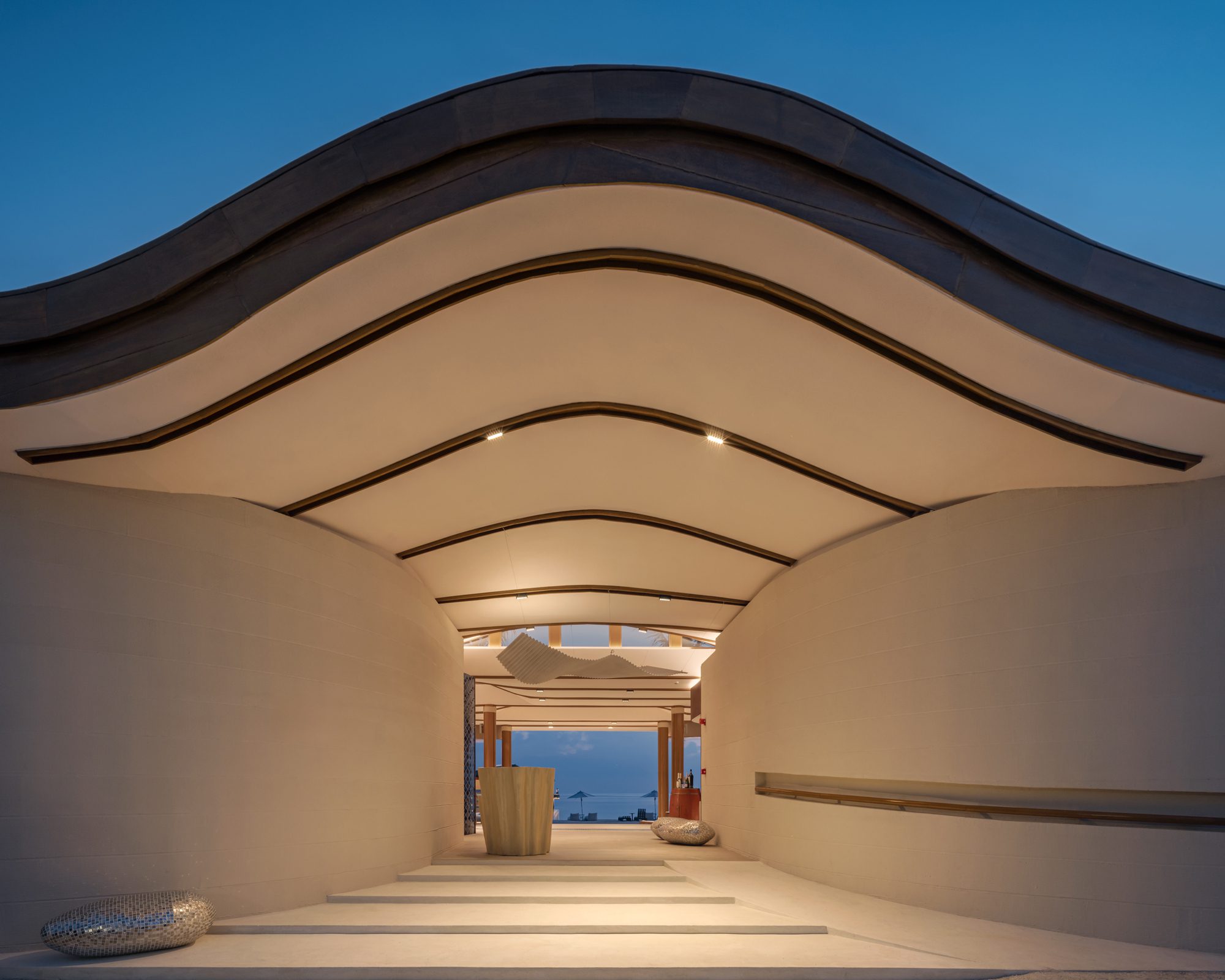
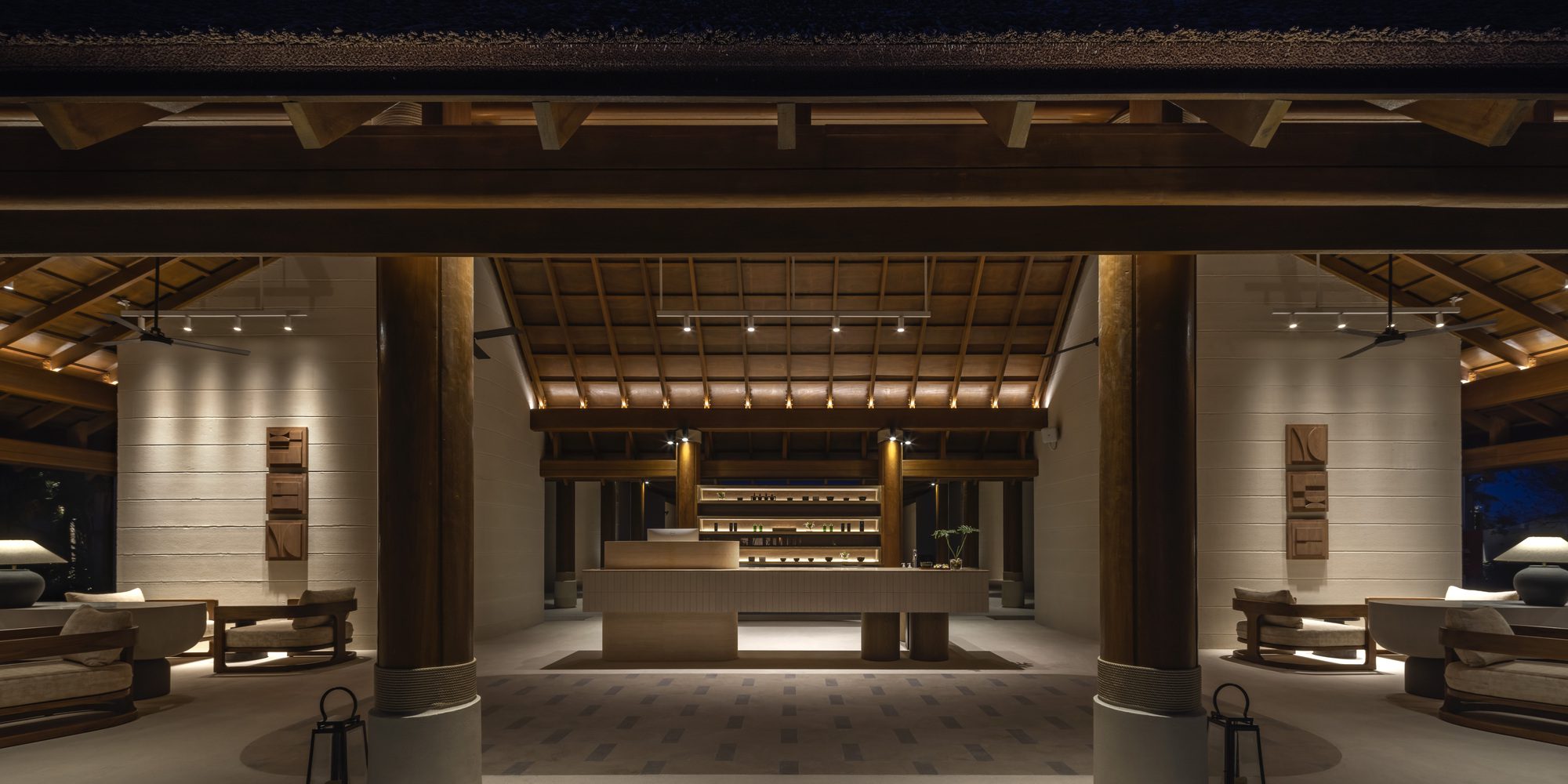
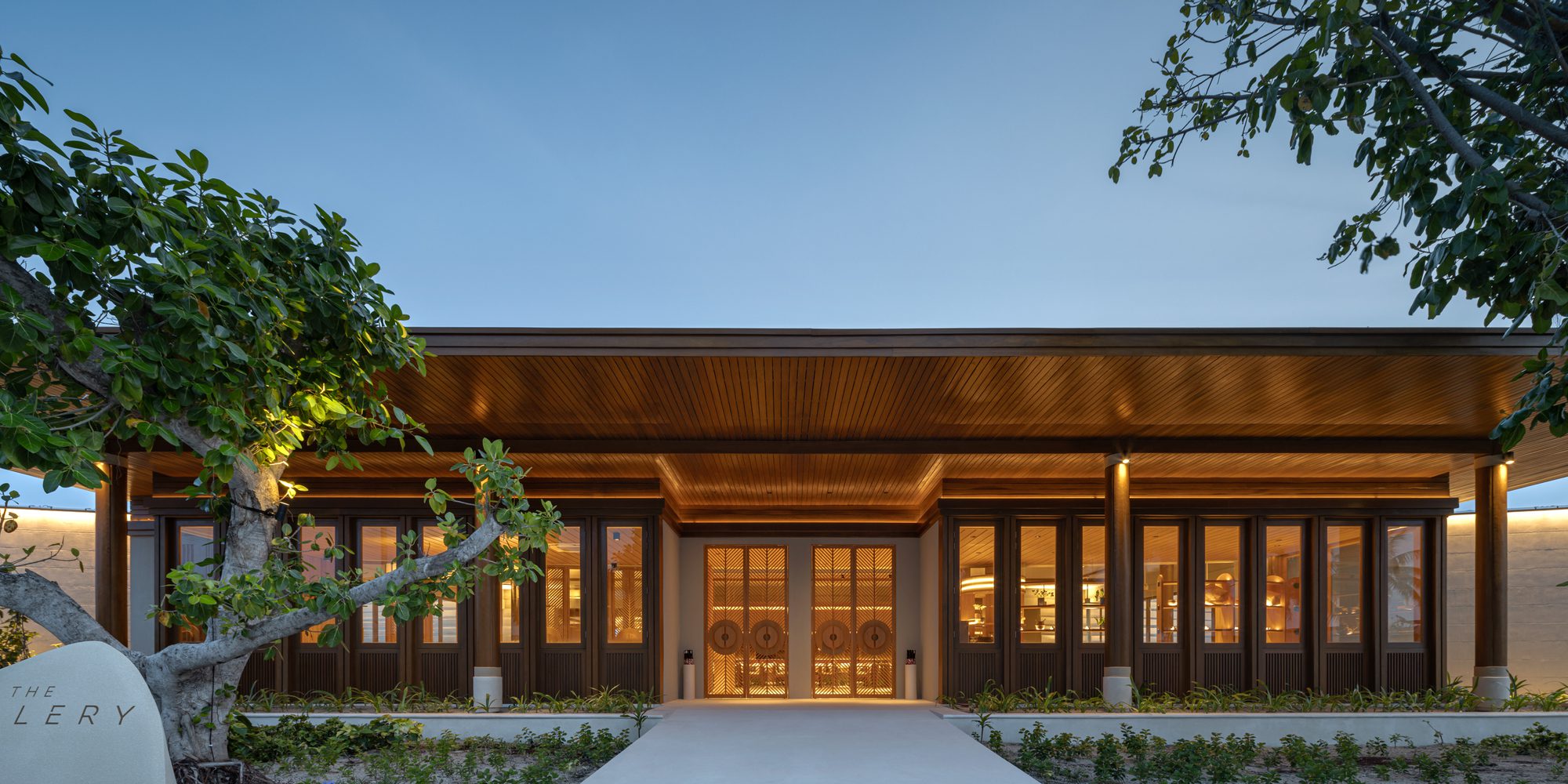
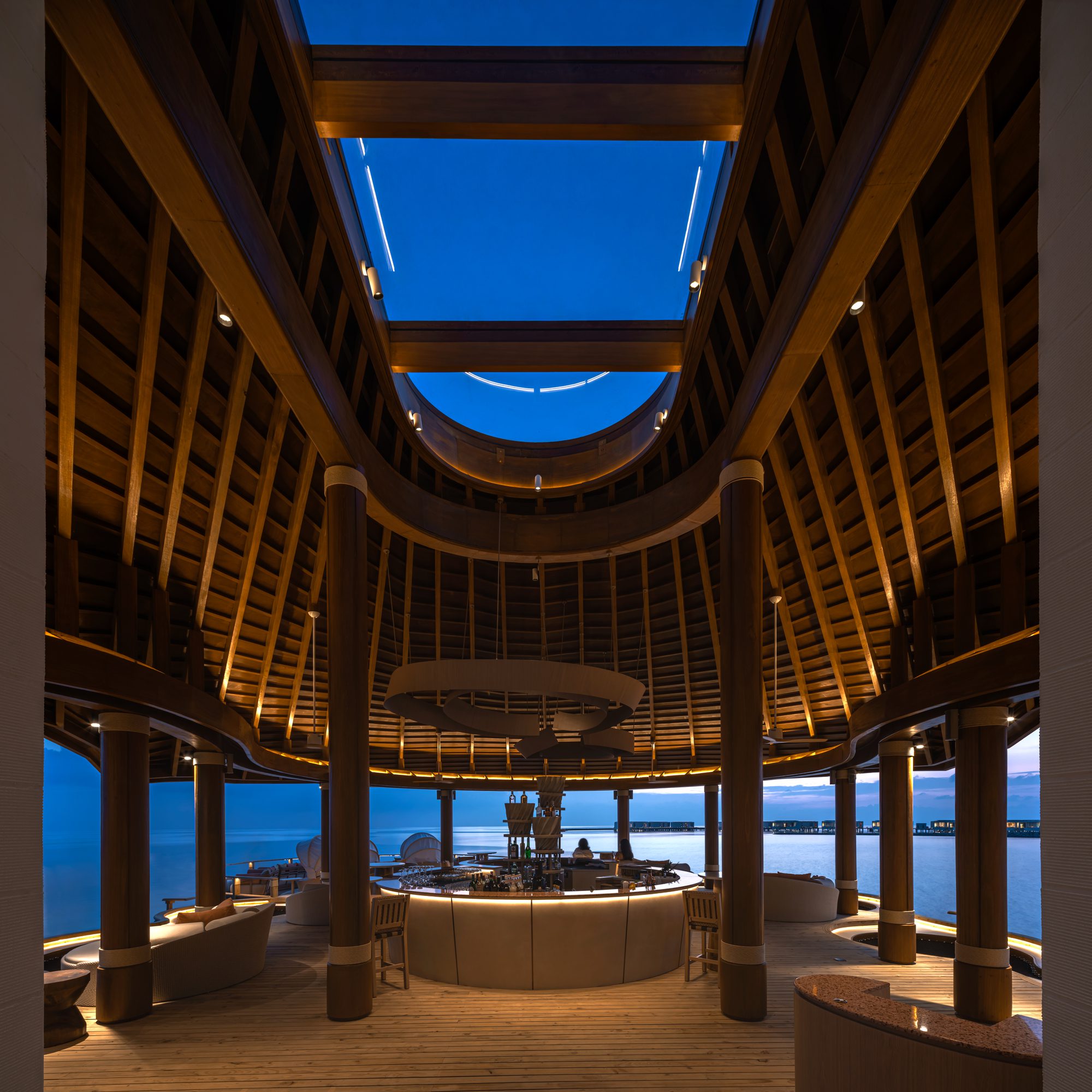
Rather than define the island with built form, the architecture amplifies what is already there. Privacy walls curve gently to shape each villa into a personal sanctuary—creating seclusion without cutting off views. These walls guide attention outward, subtly orienting the guest toward the horizon. Materials such as textured paint echo the tones of beach sand, blurring the boundary between structure and landscape. Skylights draw natural light deep into interiors, while timber details introduce warmth, tactility, and a sense of tropical ease.
© W Workspace
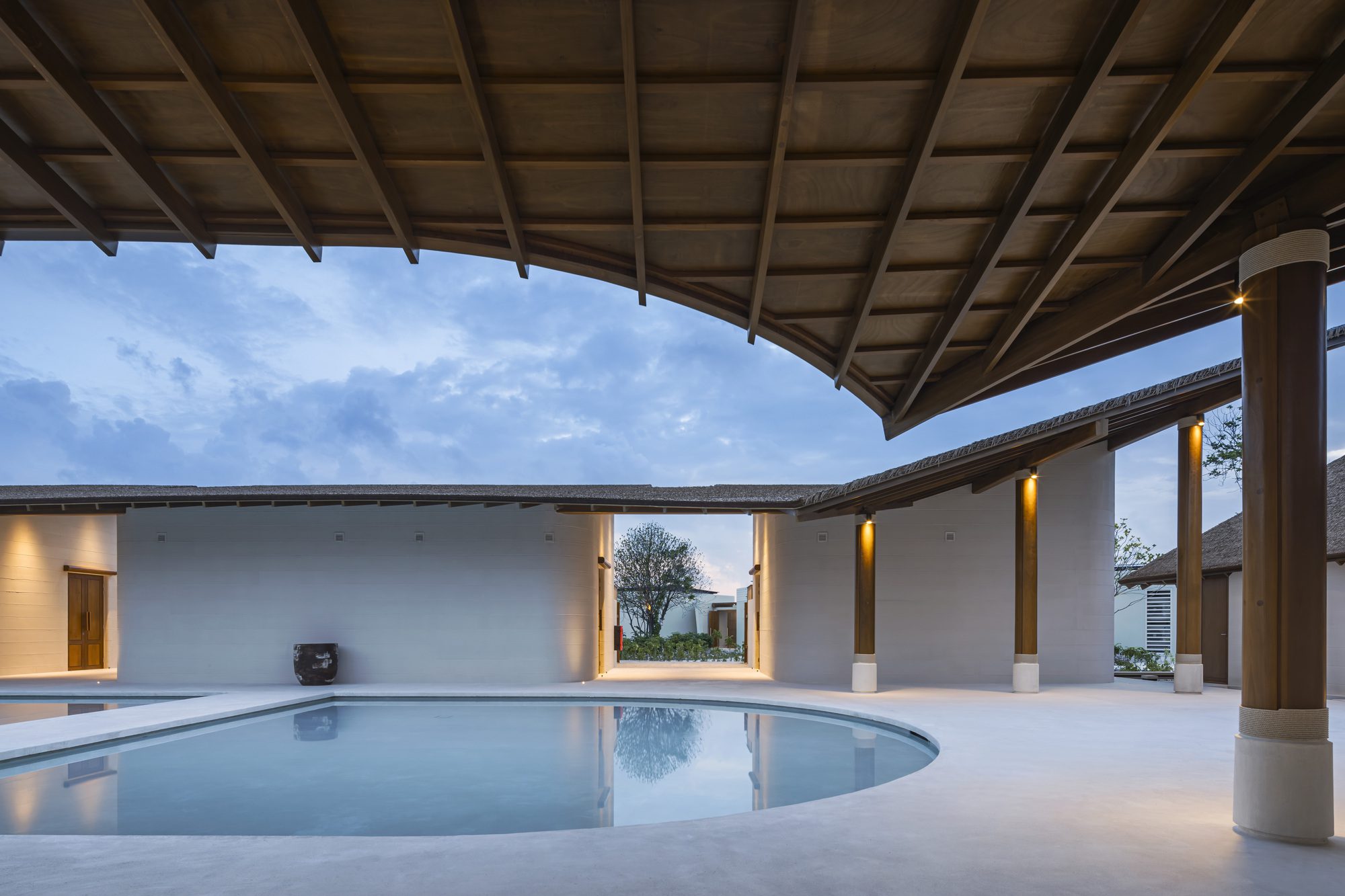
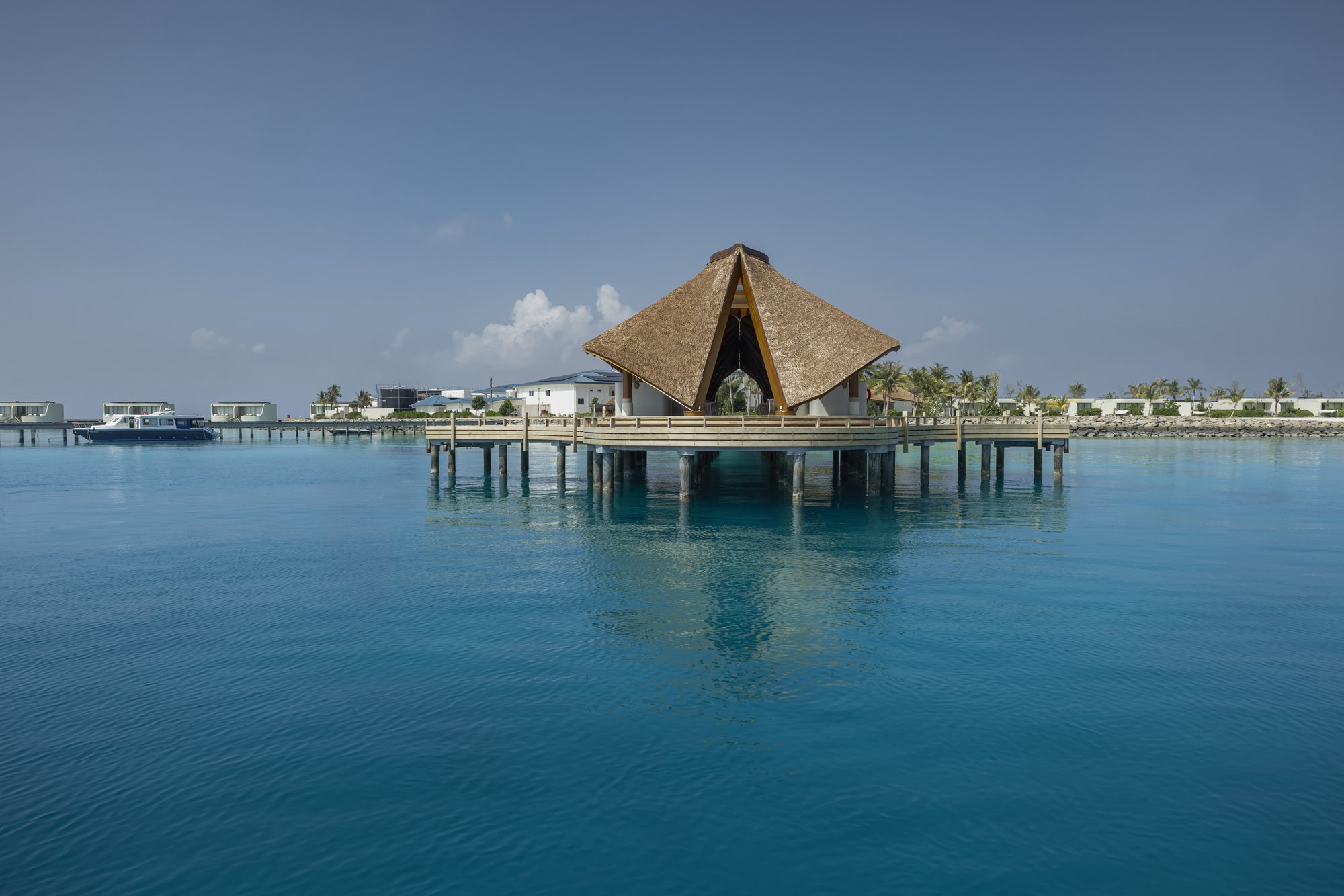
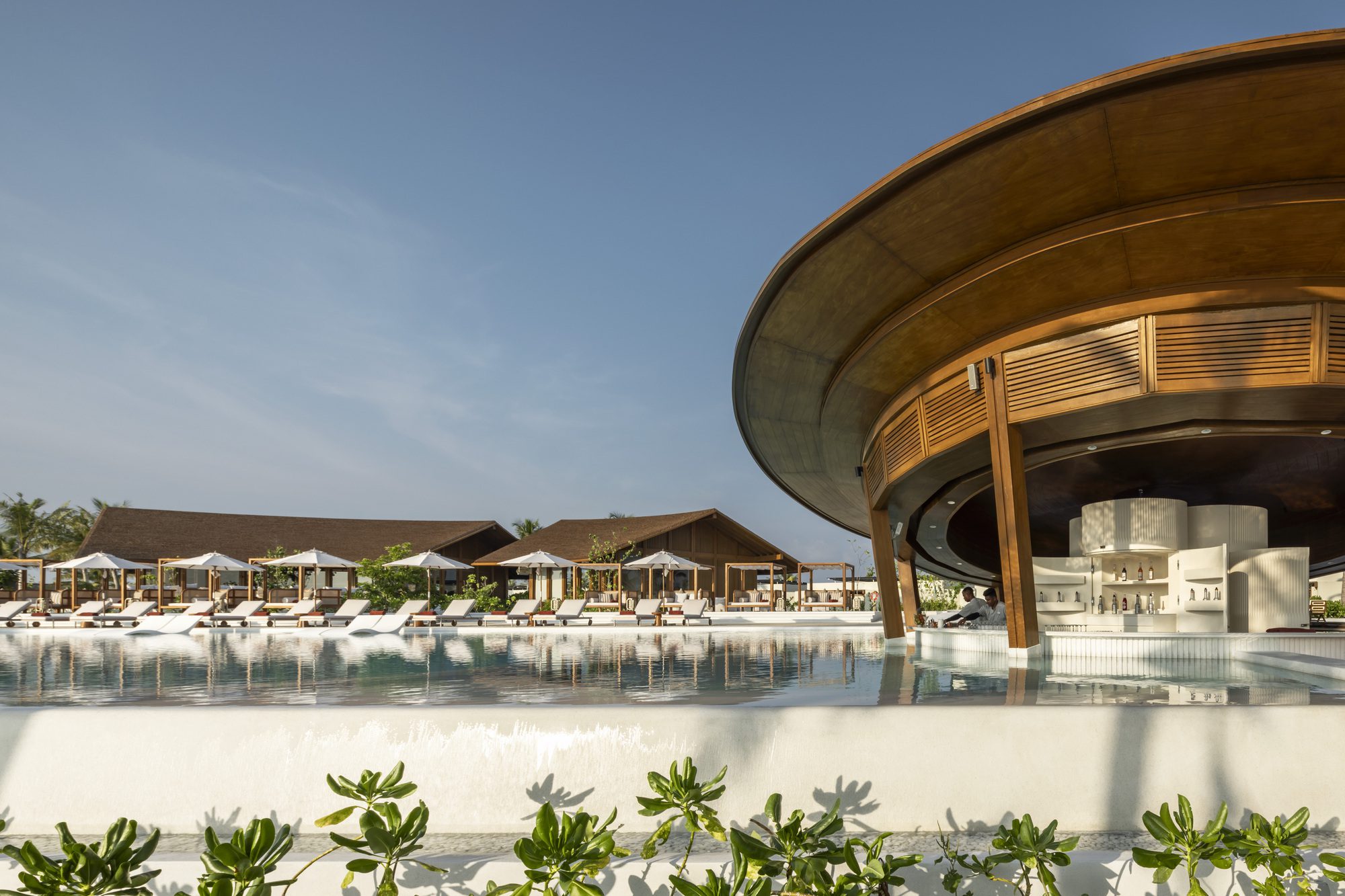
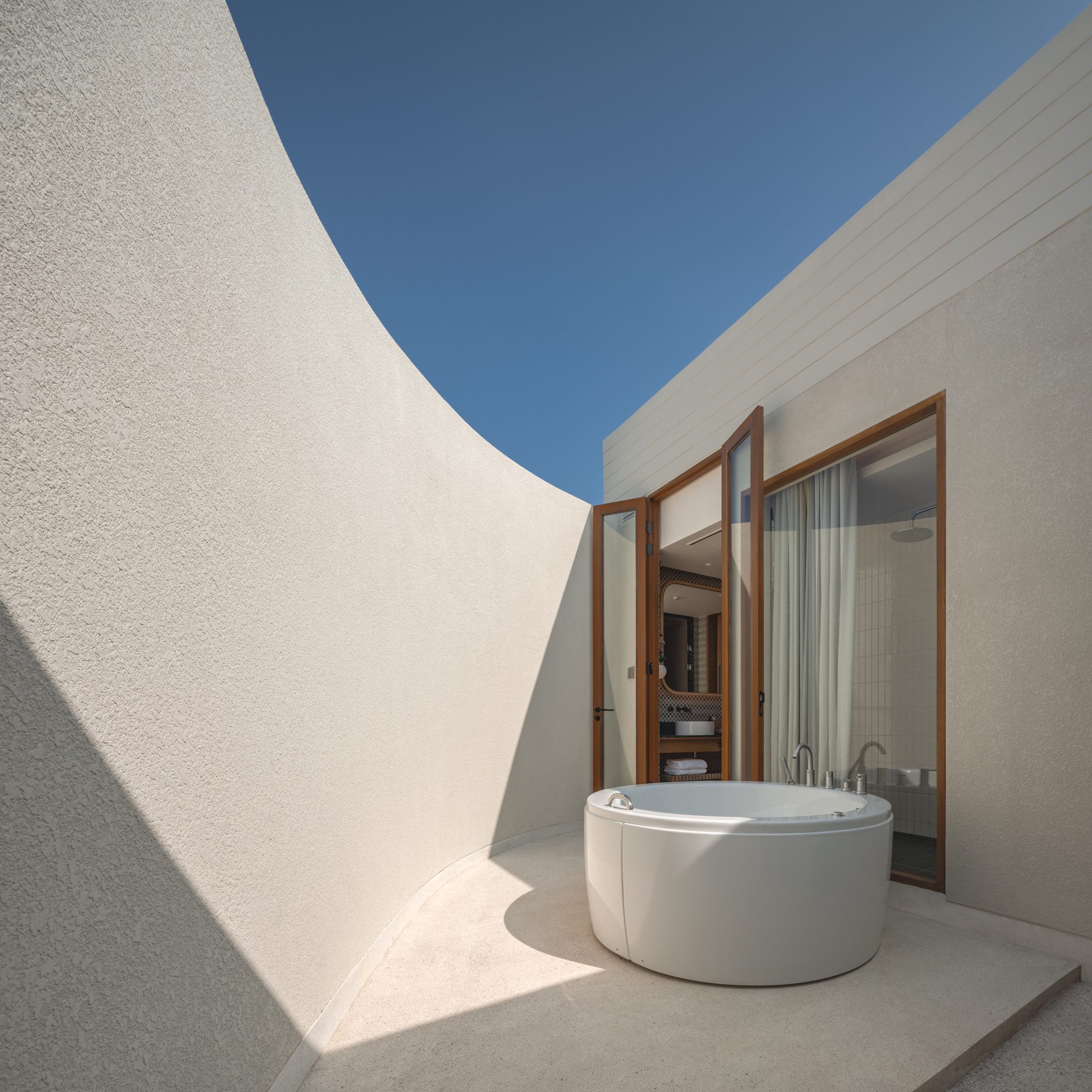
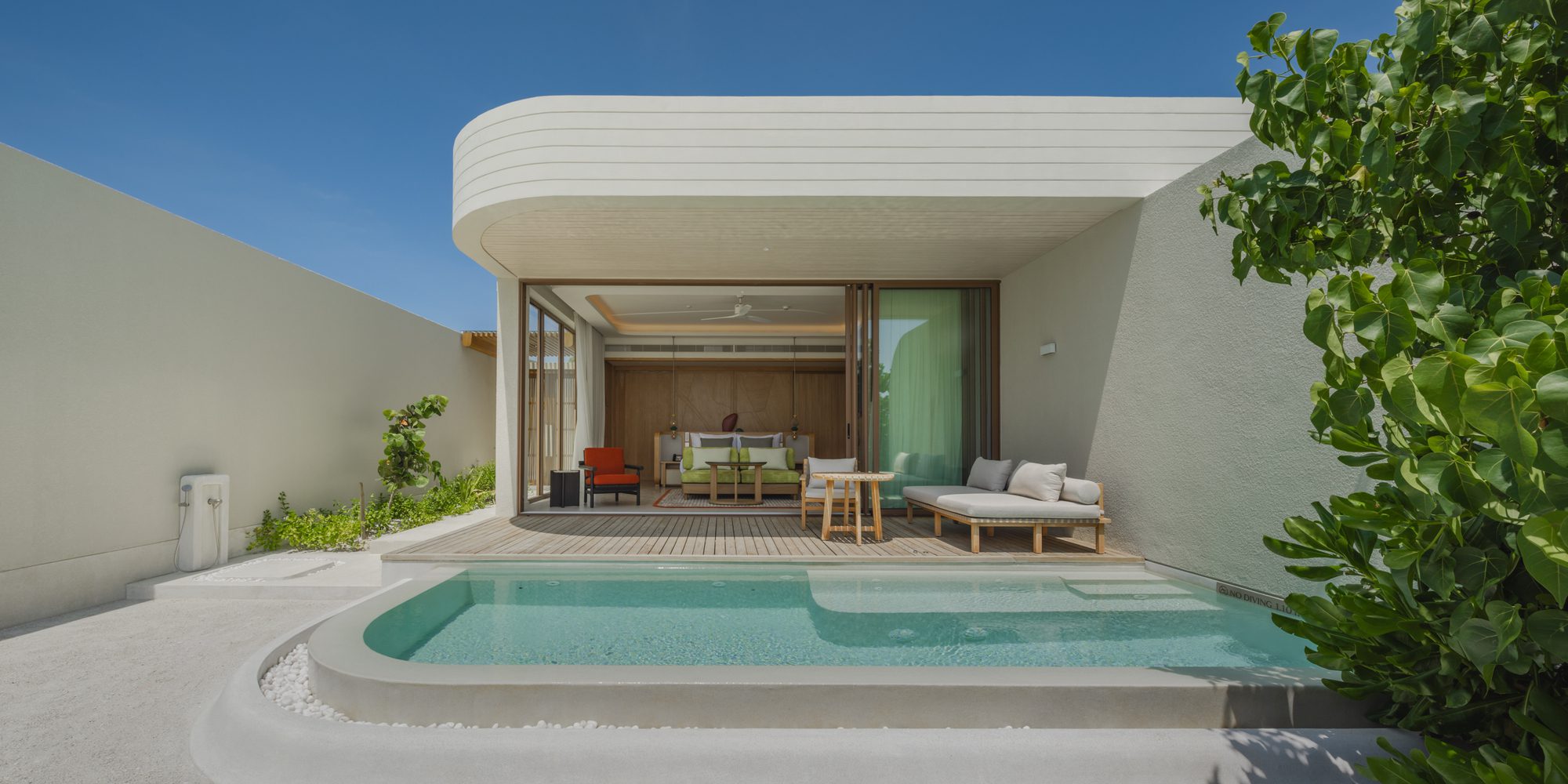
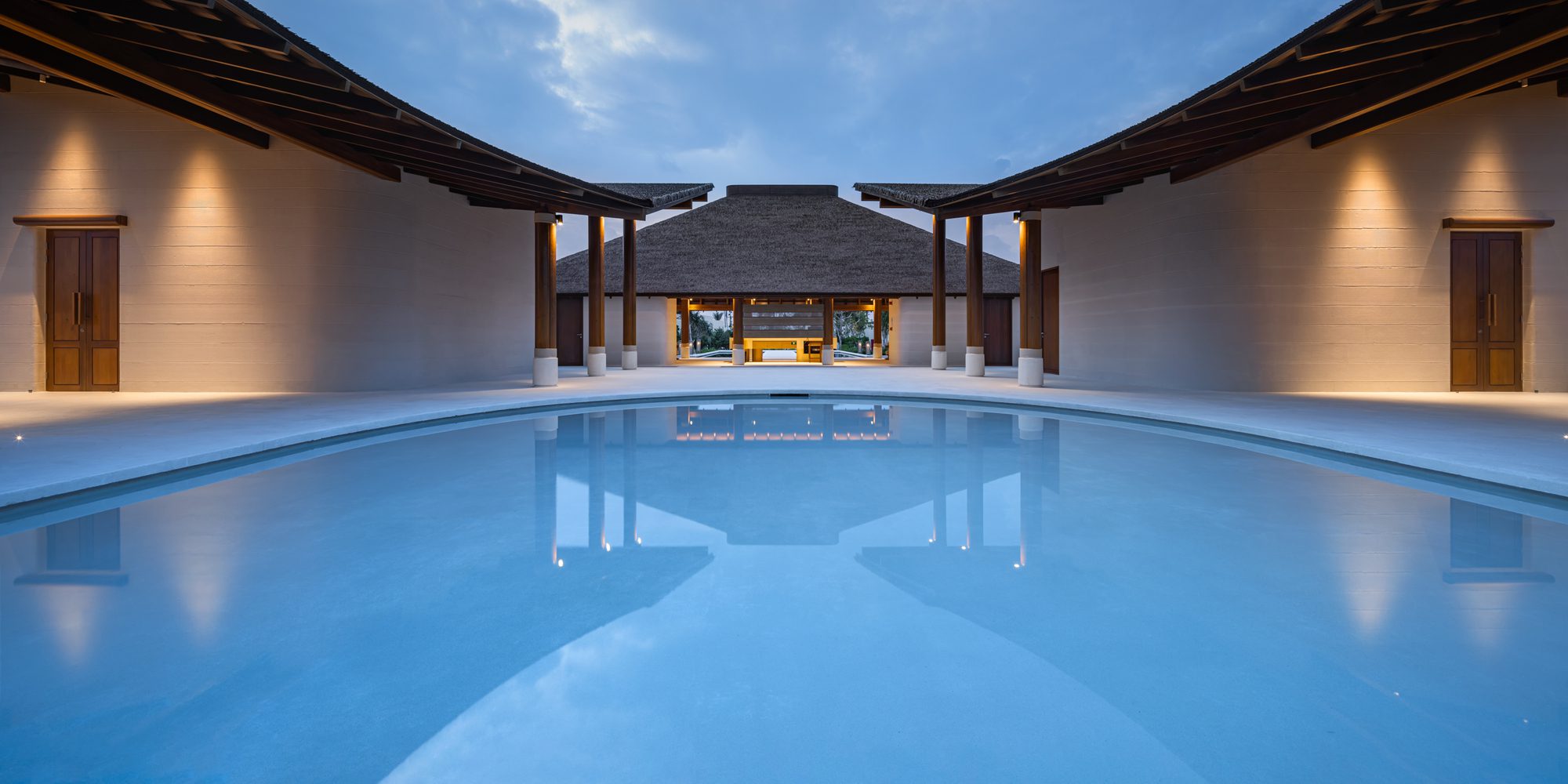
Each villa—whether set overwater or nestled among palm groves—speaks its own quiet language, while sharing a cohesive design grammar. Soft curves and sculptural forms establish a rhythm of openness and enclosure, allowing each space to feel simultaneously expansive and intimate. Framed pools, shaded terraces, and layered courtyards foster moments of retreat, contemplation, and direct engagement with the natural elements.
© W Workspace
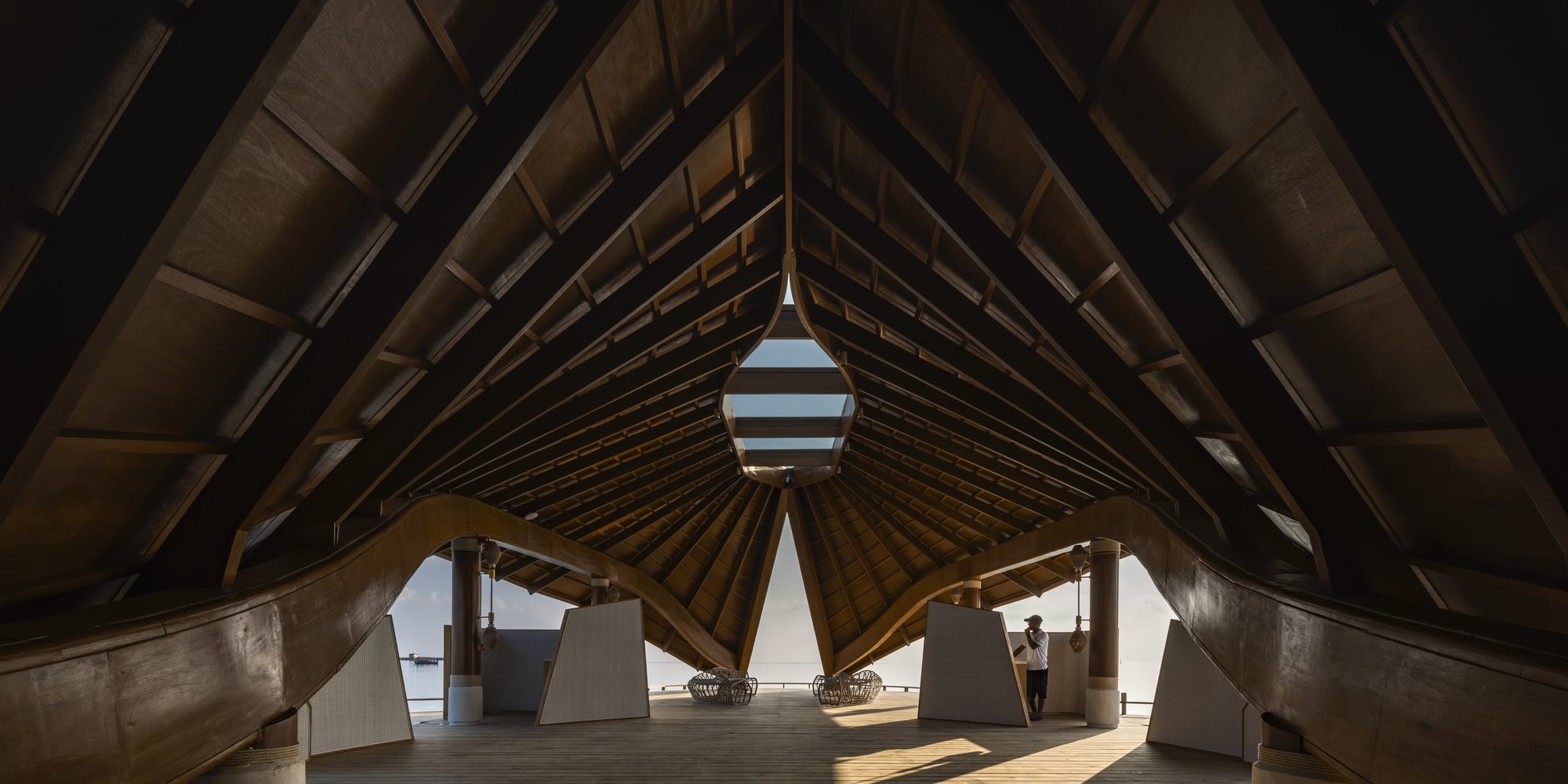
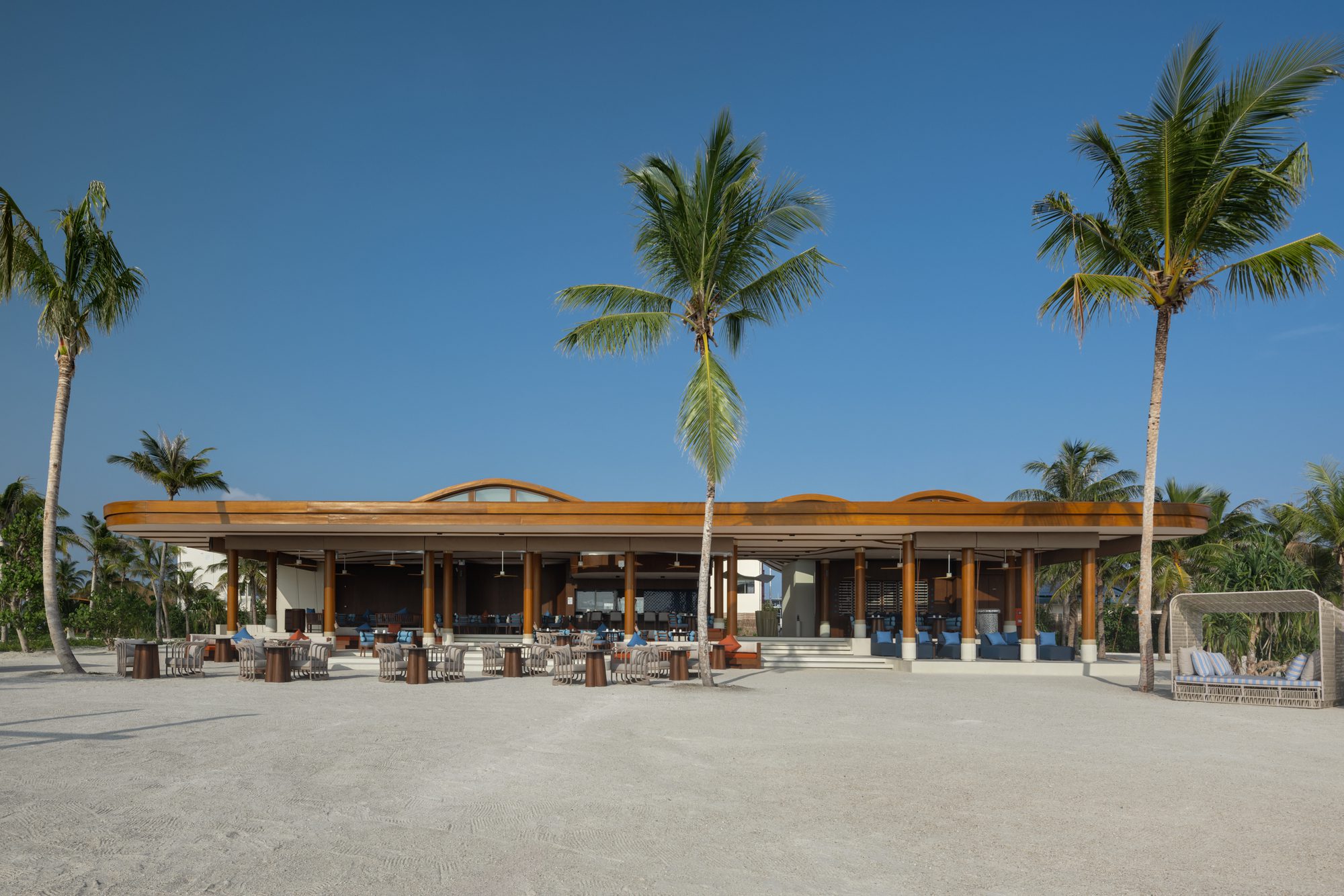
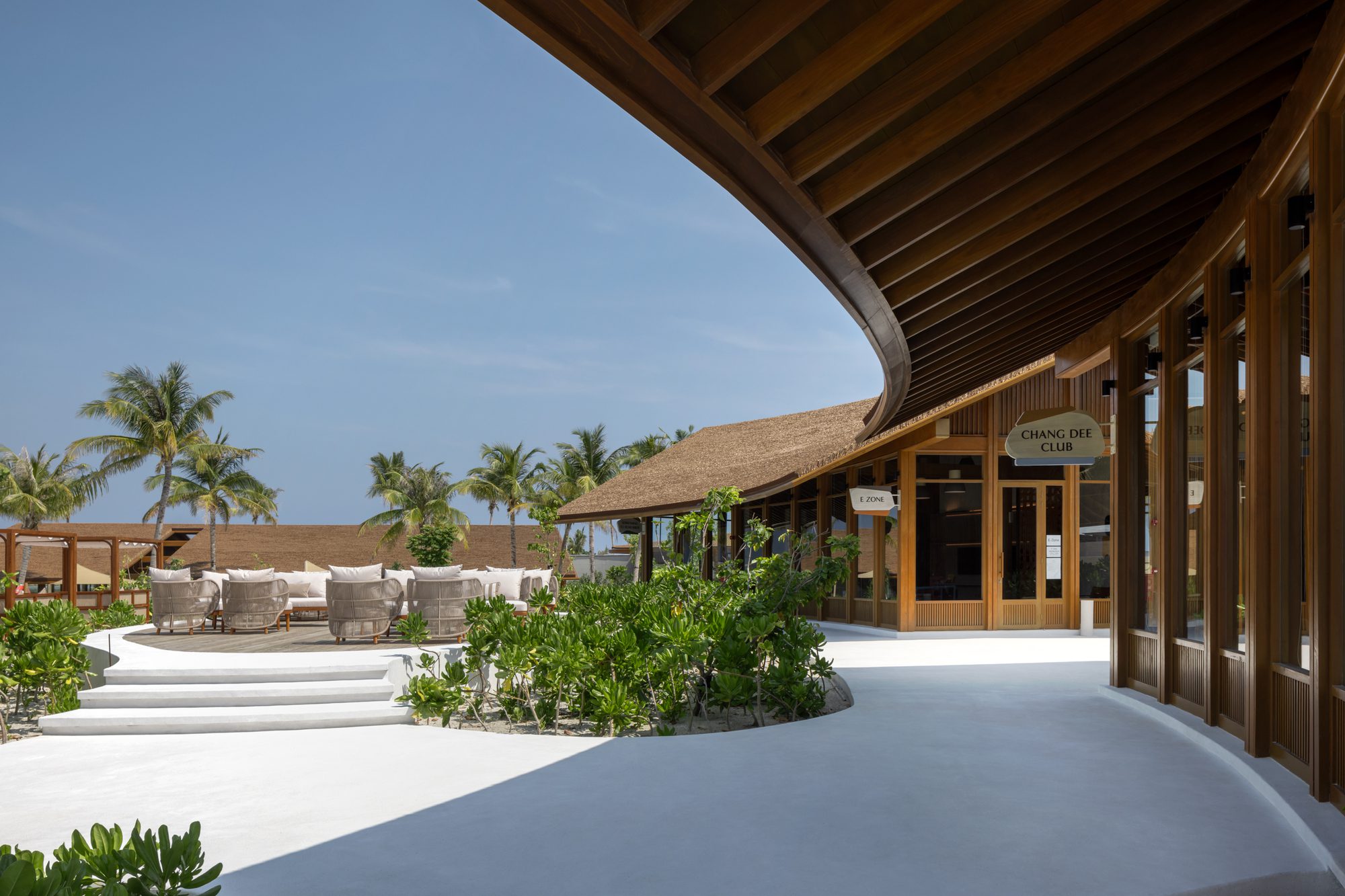
The architecture across the island is unified by a series of recurring gestures that deepen the experience of place. Rooflines taper into palm canopies, walls lean gently with the breeze, and windows become calibrated lenses that highlight sunrises, ocean tides, and shifting skies. Even the transitional spaces—the corridors, bridges, and open walkways—are treated with equal intention, ensuring the guest journey remains immersive and connected throughout.
© W Workspace
Ultimately, Centara Grand Lagoon is defined not by its architecture, but by the way its architecture disappears into the experience. It holds space for silence, for awe, and for the essential sensory moments that make island life unforgettable: the crash of waves, the warmth of sun on skin, the softness of salt air. Here, luxury is not about grandeur, but about intimacy—with nature, with light, and with oneself.
Project Info
Architects: IF (Integrated Field)
Country: Maldives
Area: 21234 m²
Year: 2025
Photographs: W Workspace
Lead Team: Sorakit Kitcharoenroj, Worawut Oer-areemitr, Thanapolpoj Rochnattakul, Lerpong Rewtrakulpaiboon
Design Team: Tanaboon Kittisrikangwan, Pattarapol Watcharamaethakul, Apimuk Pantuwet, Aroonwatsa Anuwatnontaket, Krongchan Thanavachiranukul, Chayanit Charoenporn
Architecture Offices: IF (Integrated Field)
Interior Design: Studio Freehand, SSAA Studio, Taste Of Art
Landscape Architecture: P Landscape
Engineering & Consulting > Lighting: Meinhardt Light Studio
Engineering & Consulting > Structural: Gedor Consulting
Engineering & Consulting > Mep: Yonsan Engineering

Isabelle Laurent is a Built Projects Editor at Arch2O, recognized for her editorial insight and passion for contemporary architecture. She holds a Master’s in Architectural Theory from École Nationale Supérieure d’Architecture de Paris-Belleville. Before joining Arch2O in 2016, she worked in a Paris-based architectural office and taught as a faculty adjunct at the École Spéciale d’Architecture in Paris. Isabelle focuses on curating projects around sustainability, adaptive reuse, and urban resilience. With a background in design and communication, she brings clarity to complex ideas and plays a key role in shaping Arch2O’s editorial