

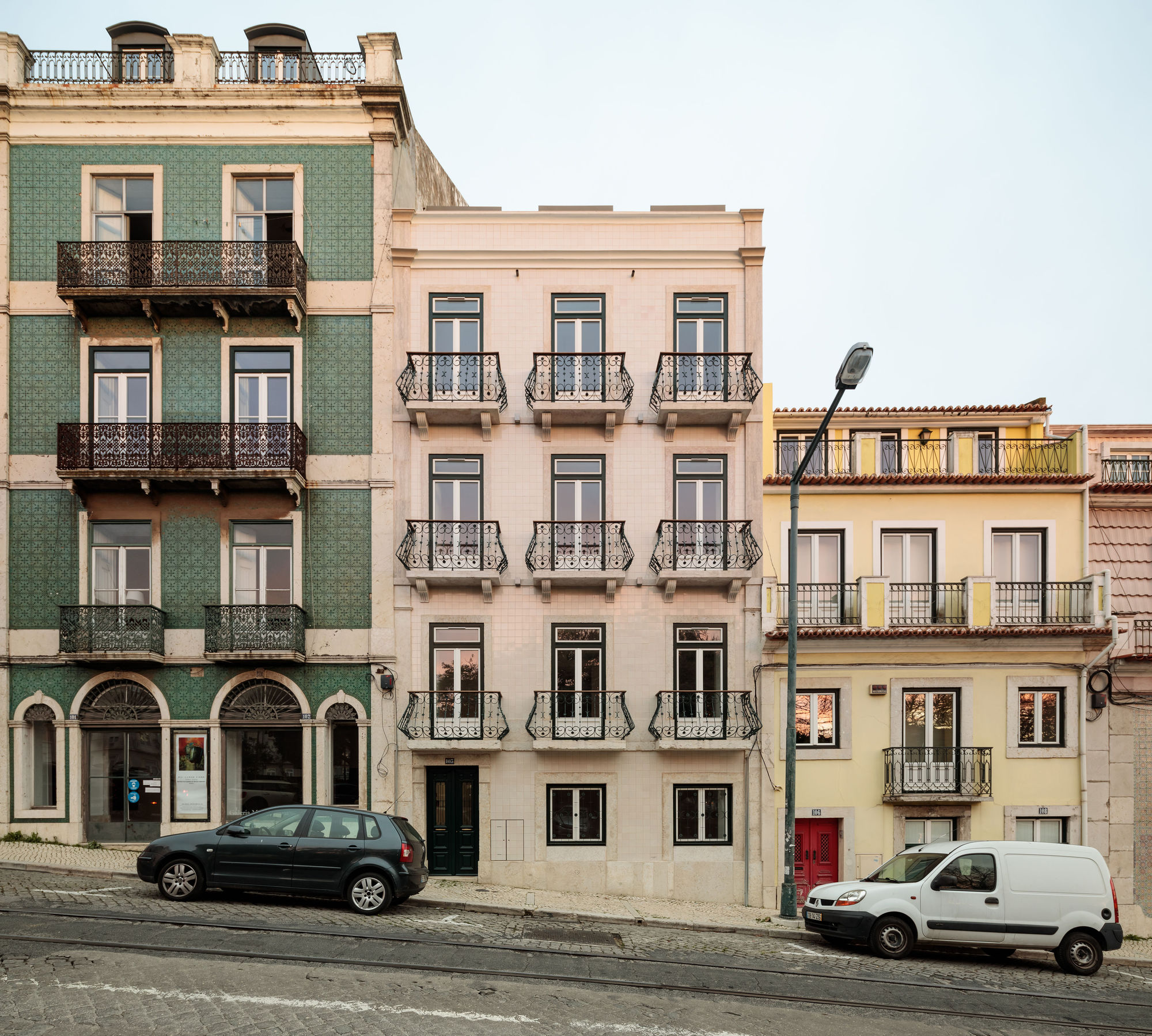
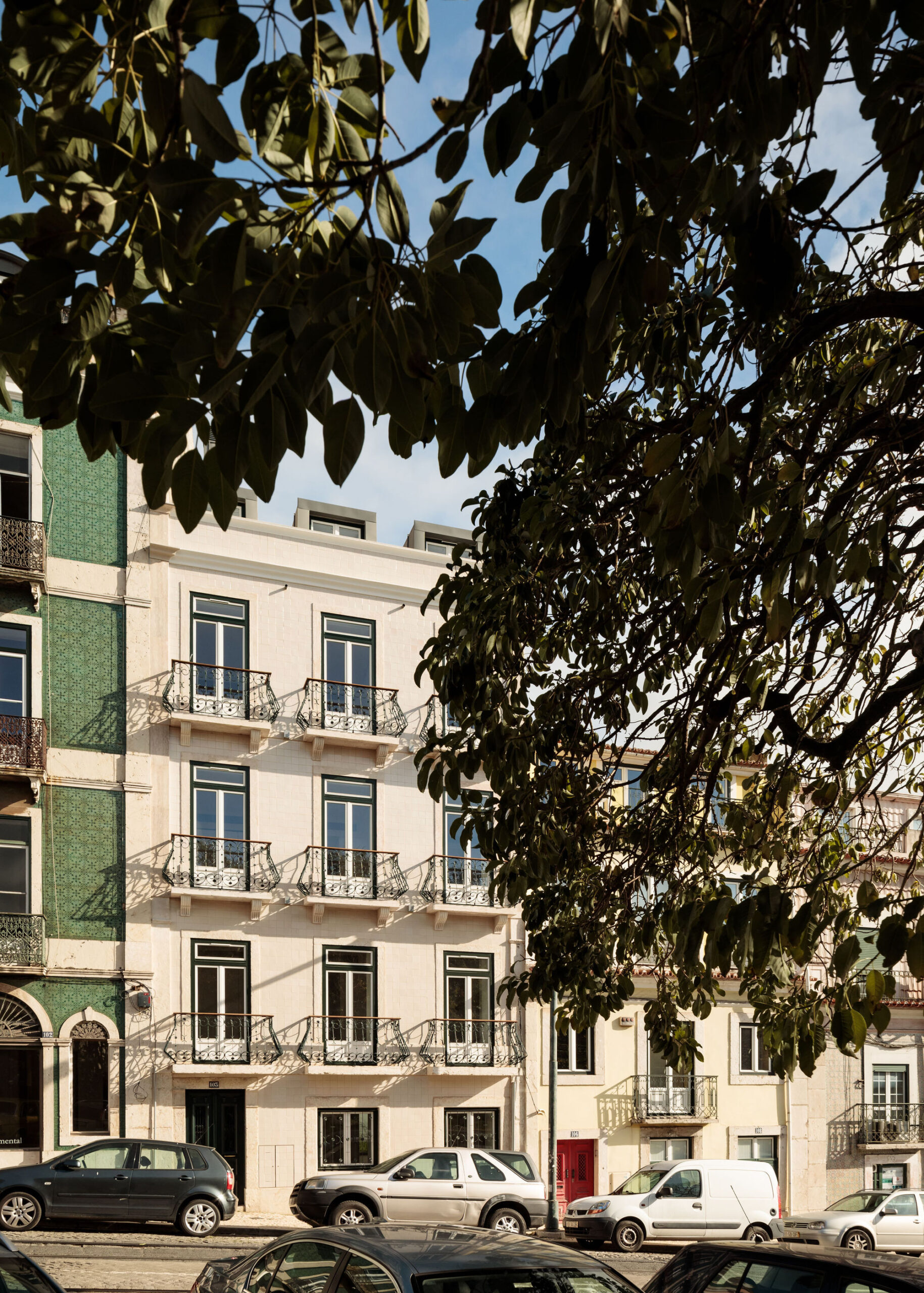
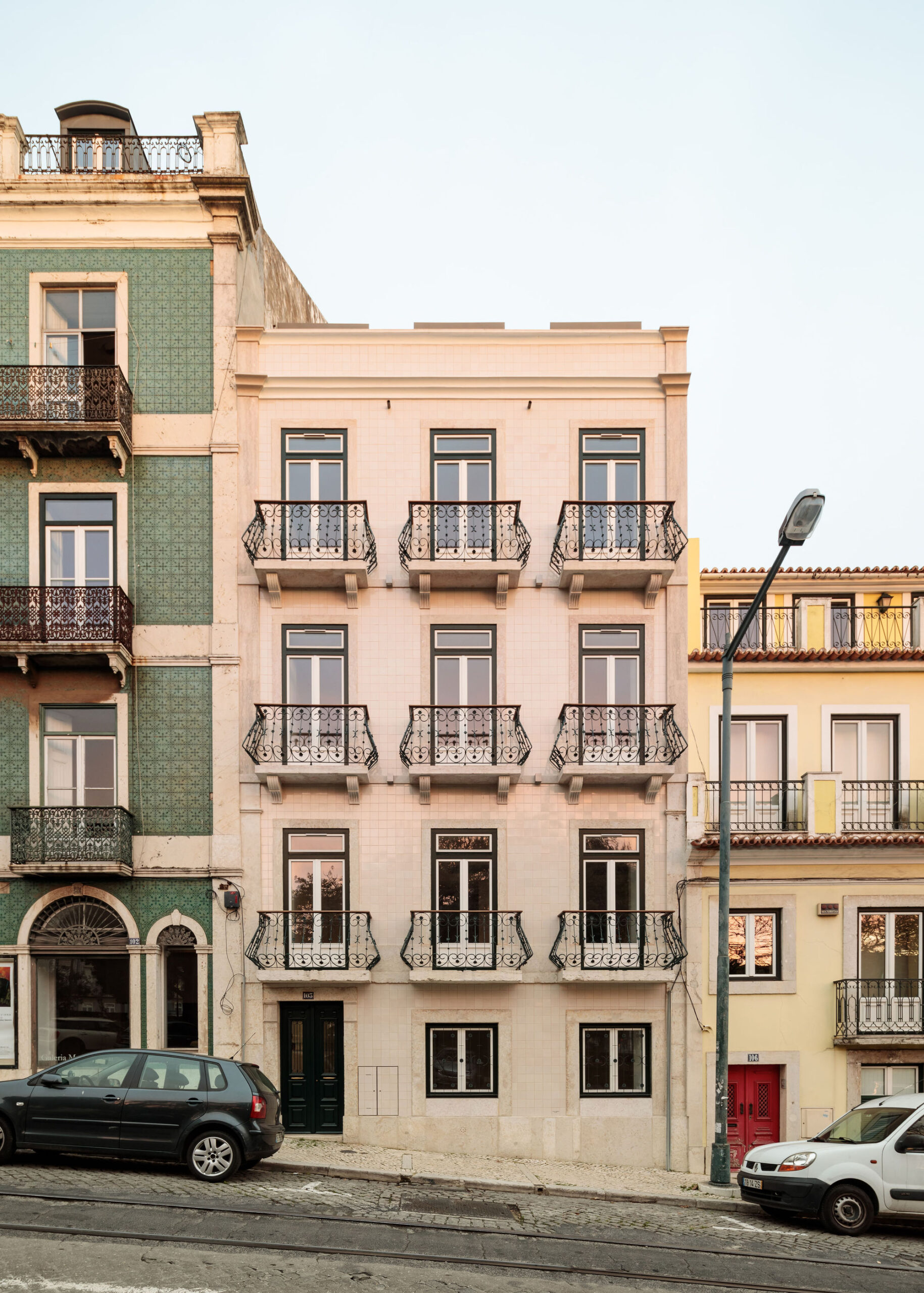
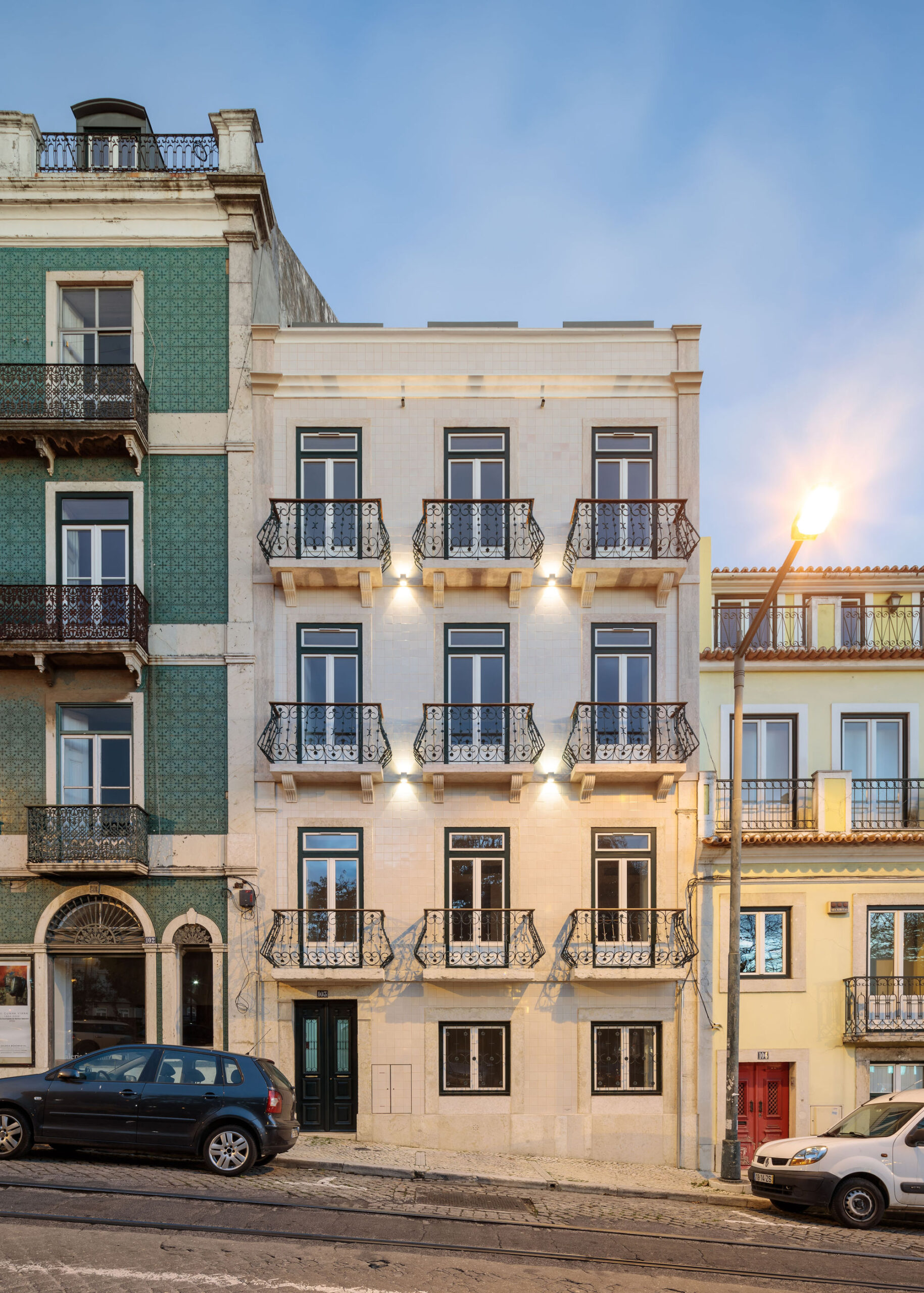
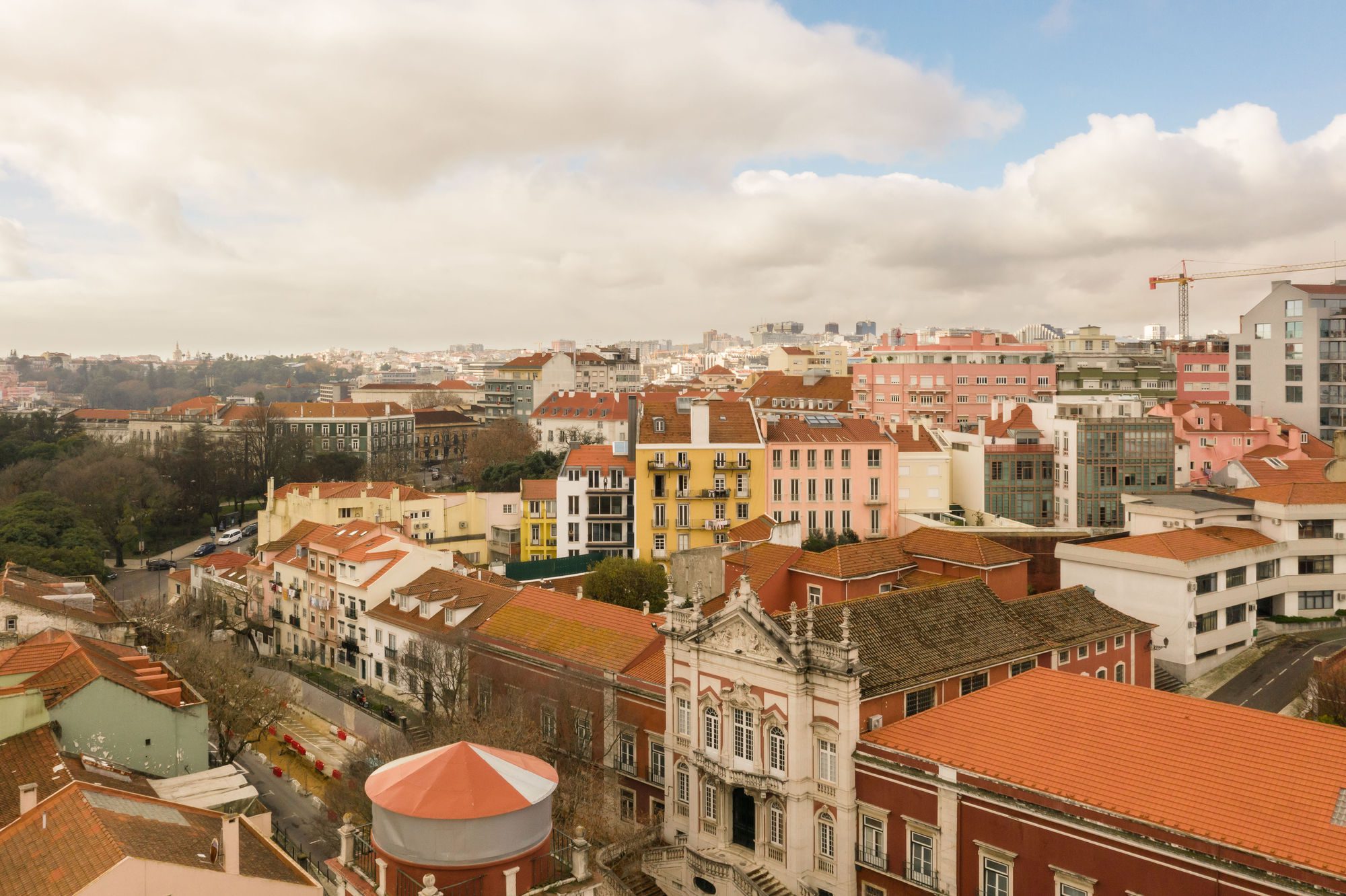
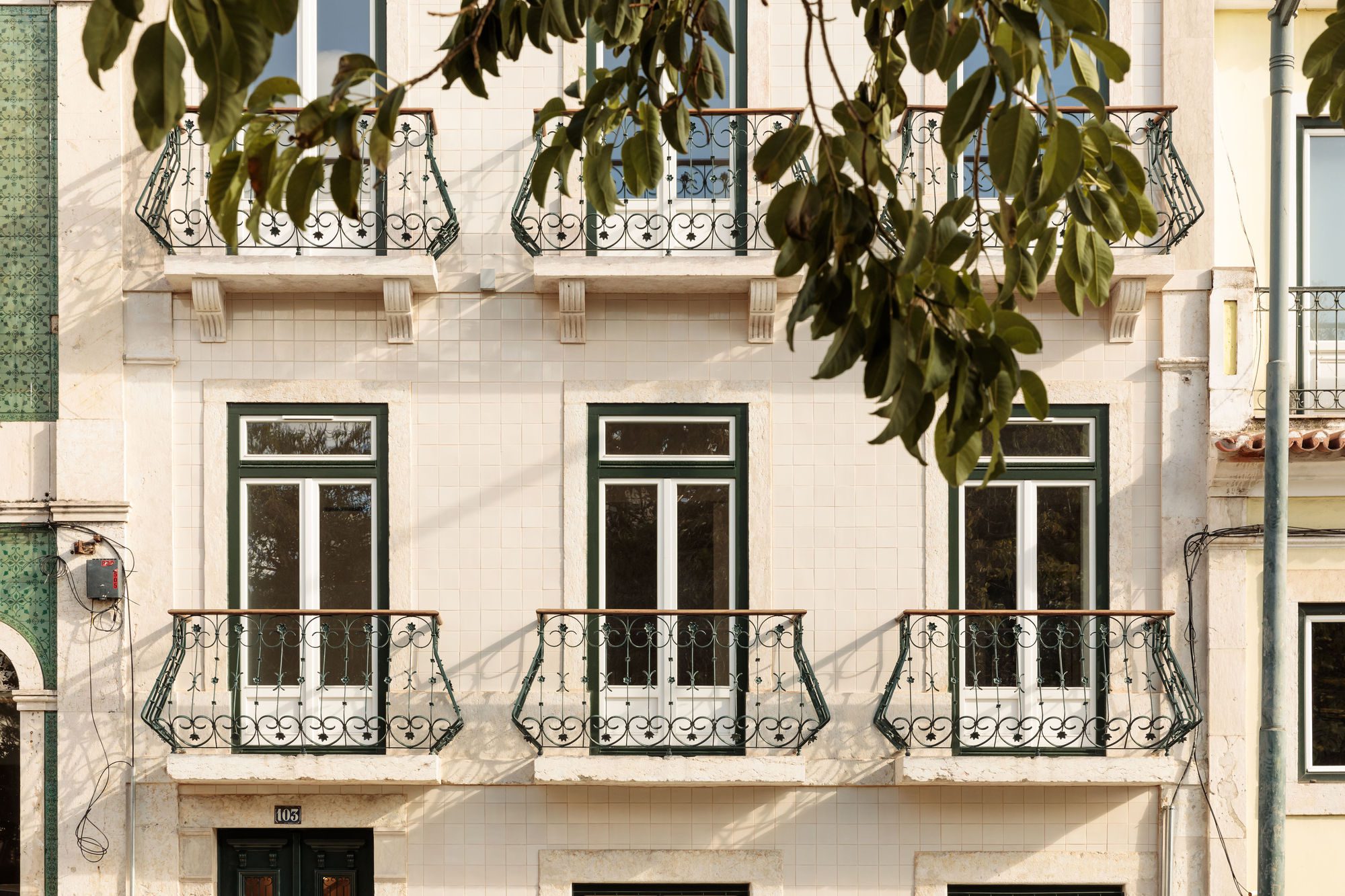
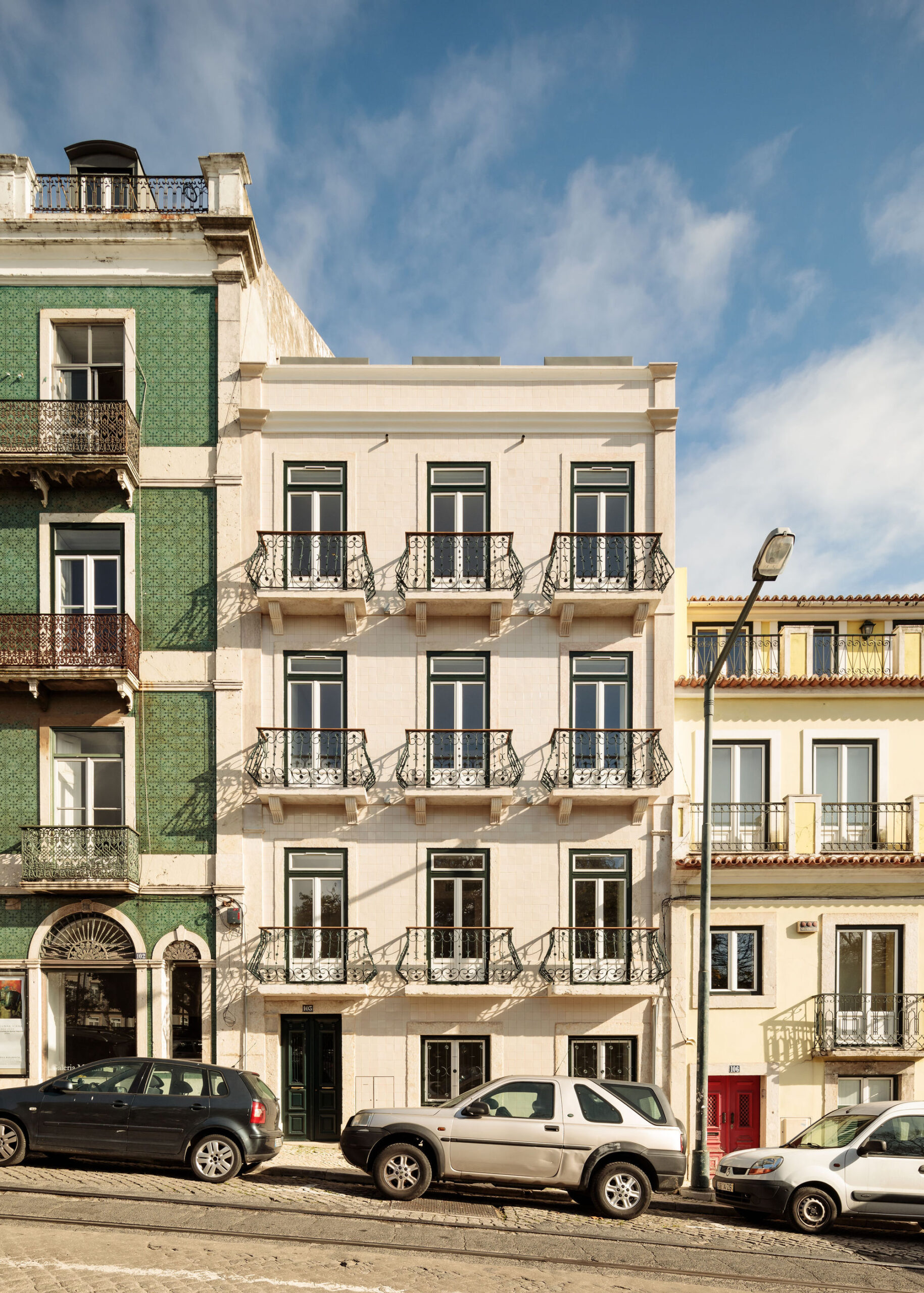
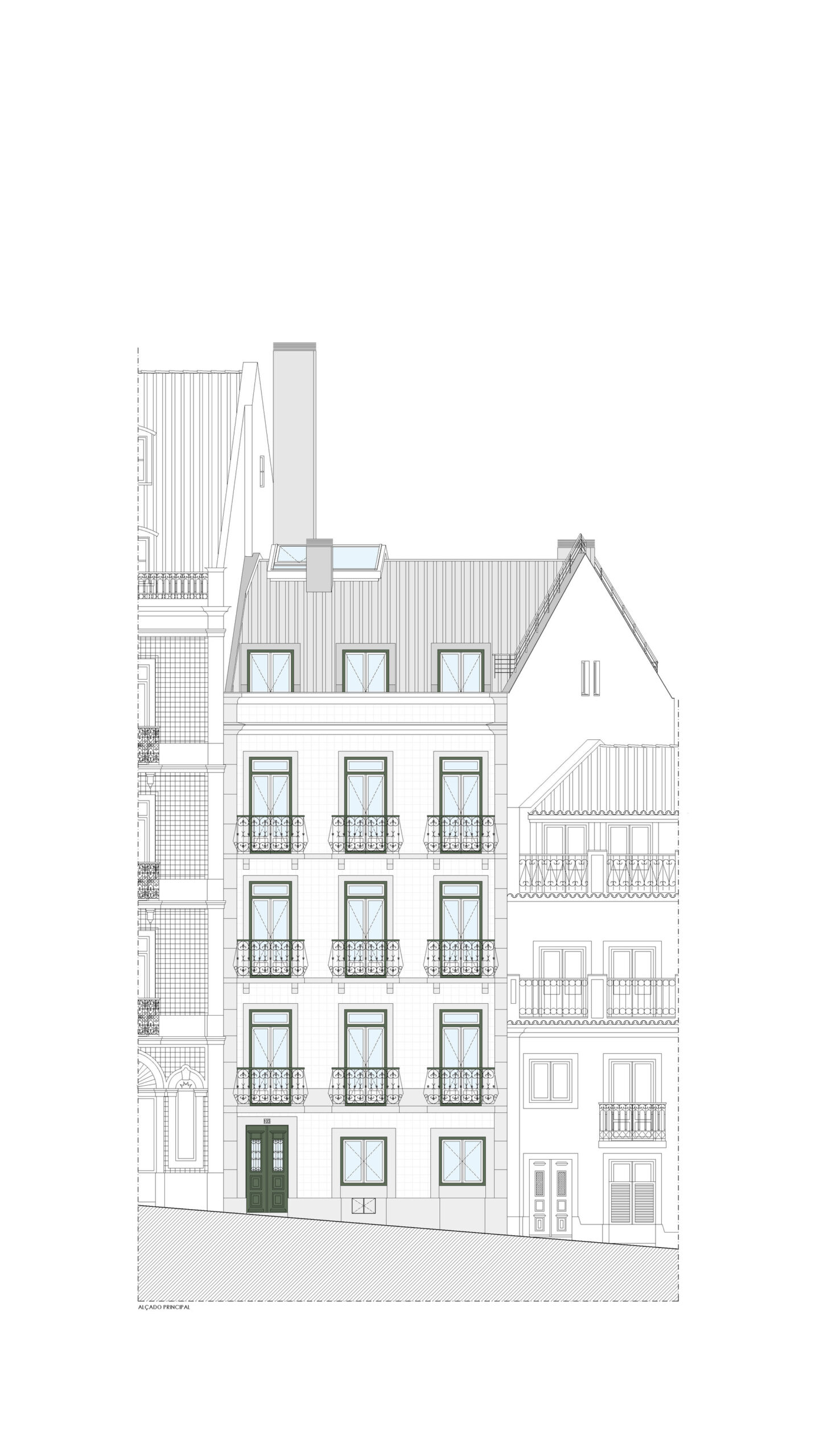
Located in an emblematic square of Lisbon, the Campo Mártires da Pátria, also called Campo Santana, the architectural proposal preserved the design of the main facade with the exception of the pre-existing coating – tiles from the 90s, completely dissonant. In this way, the opportunity arose to look in the traditional Portuguese tile factory ‘Viúva Lamego’ for a new exterior solution with a neutral pattern in a pearl tone, with artistic value, which gave a subtle distinction to the facade.
© Francisco Nogueira
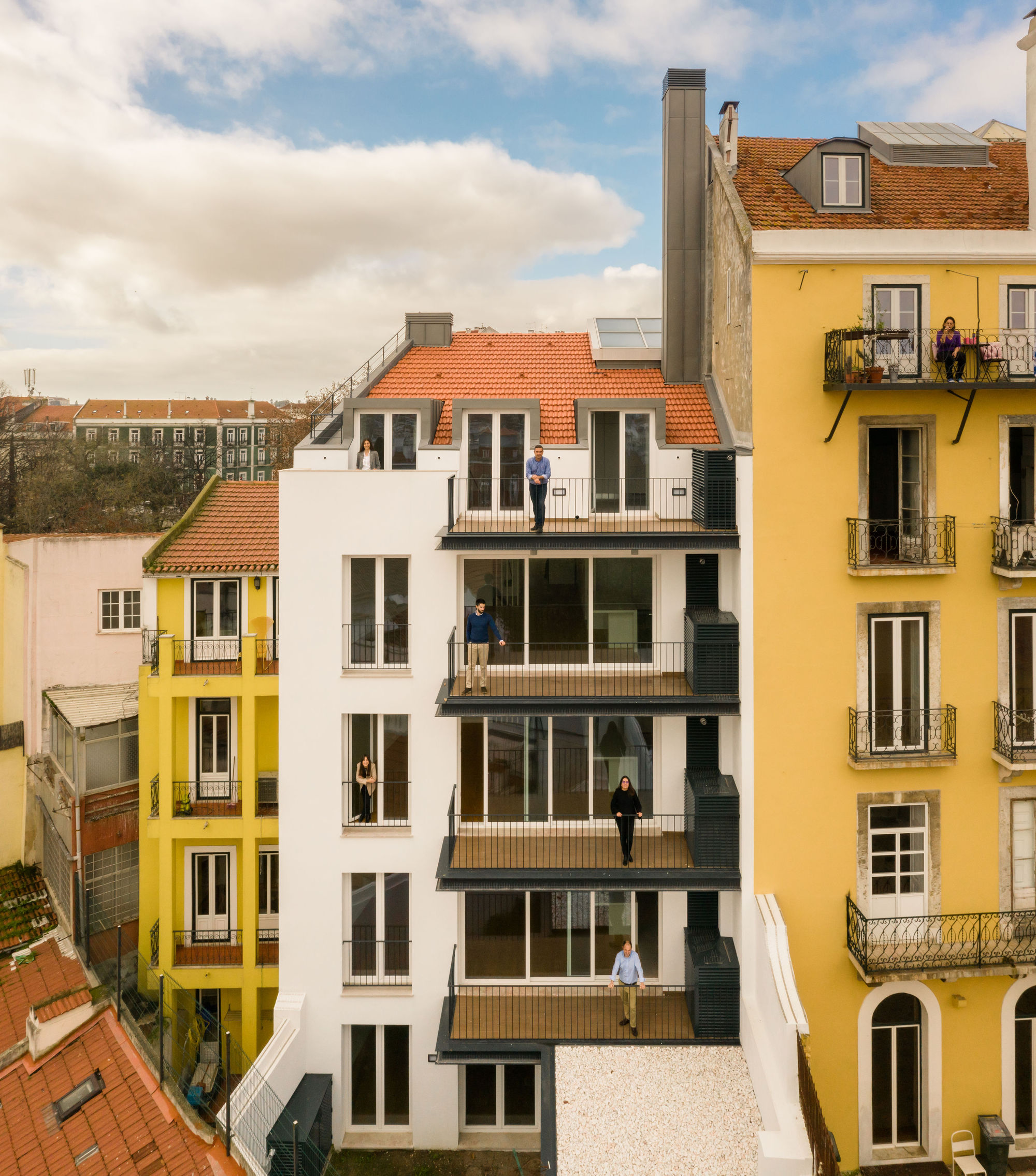
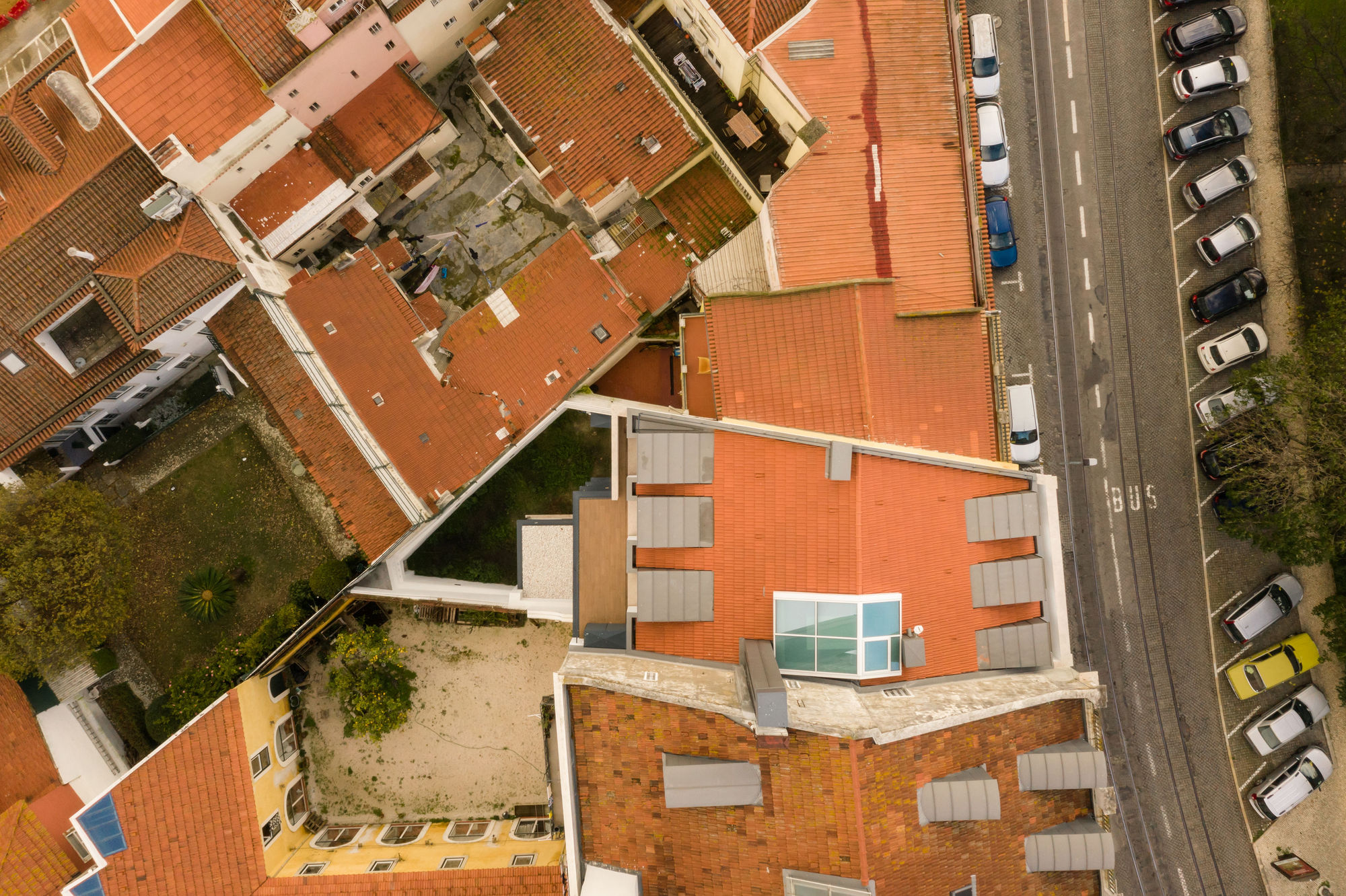
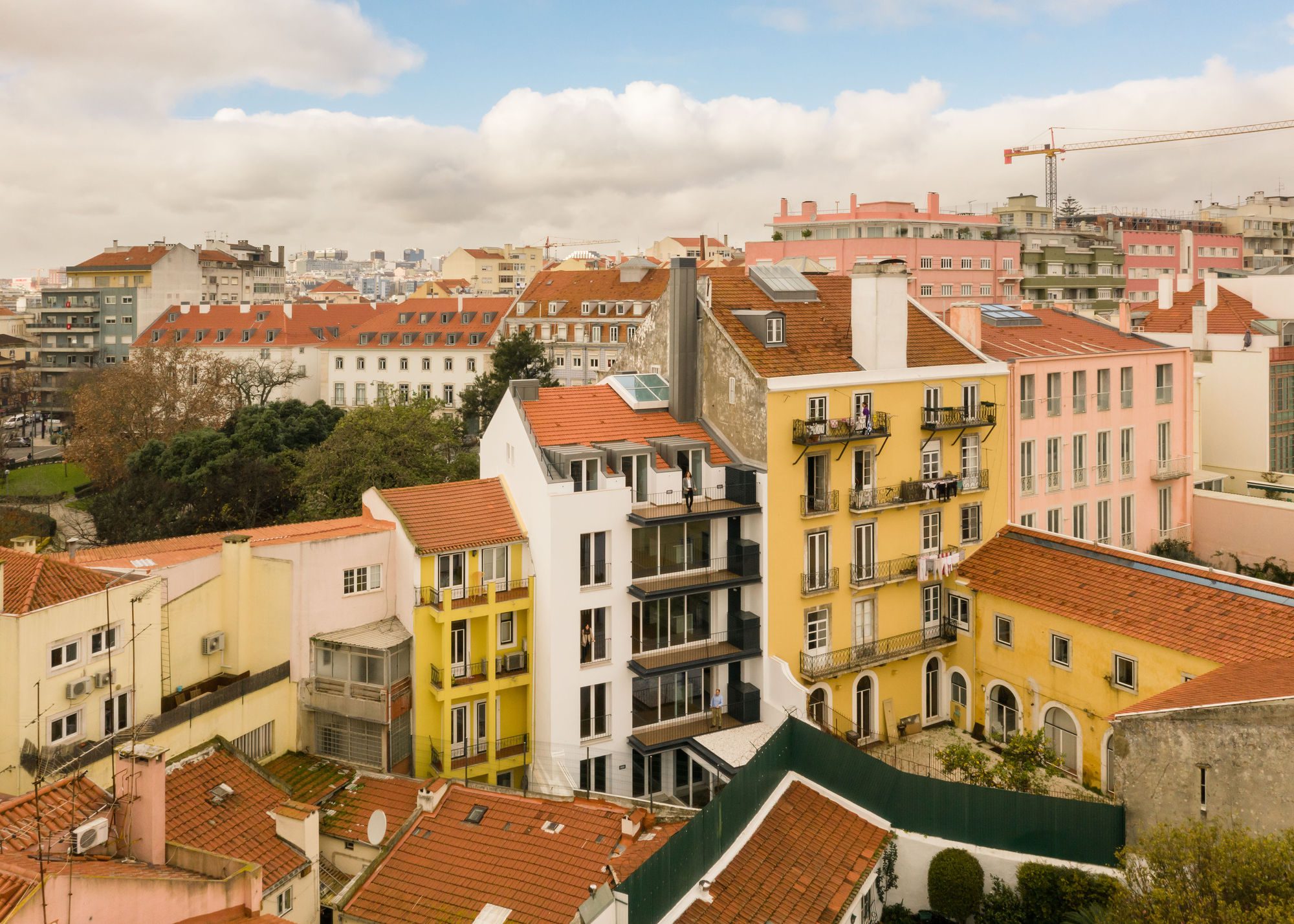
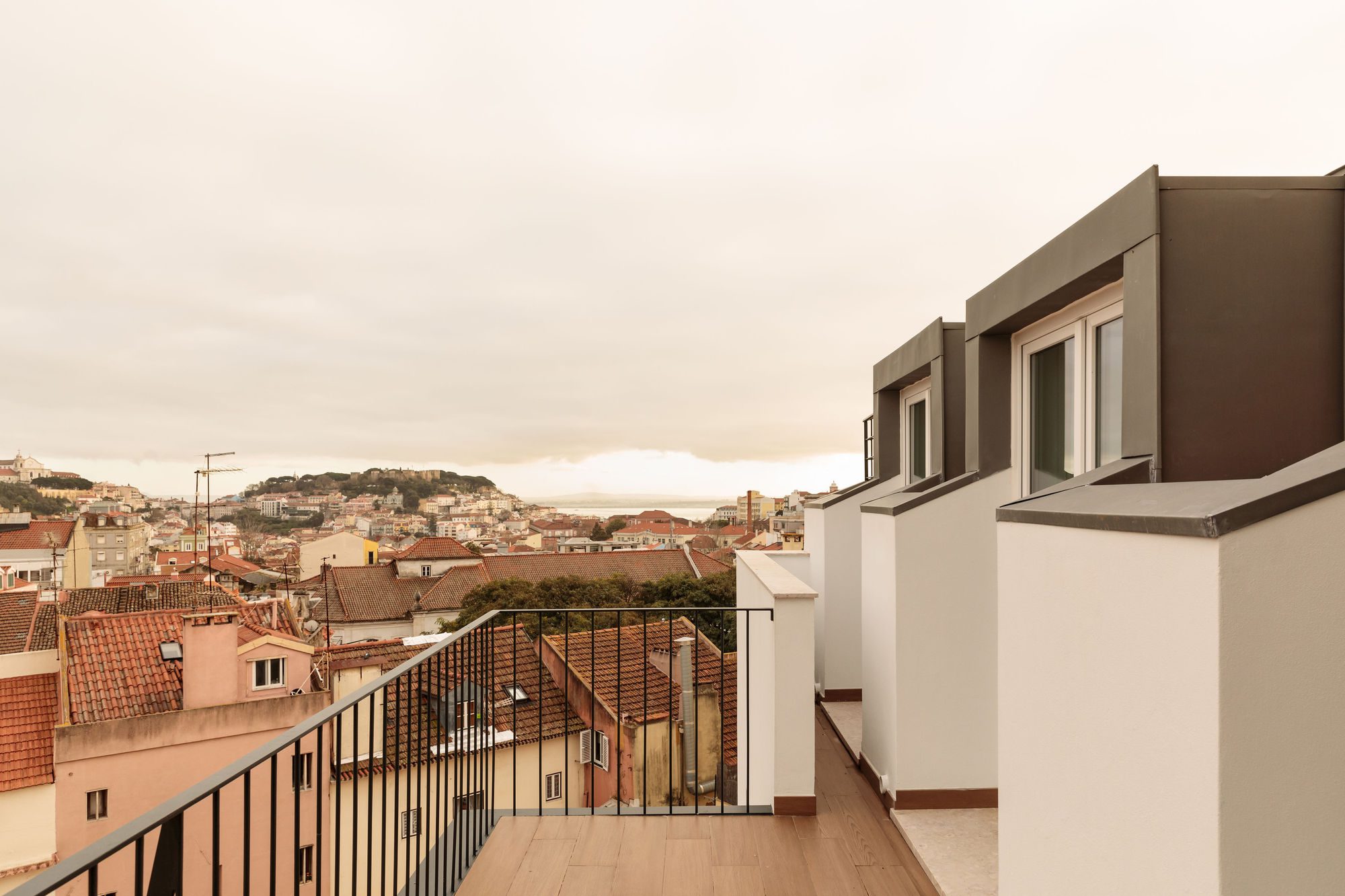
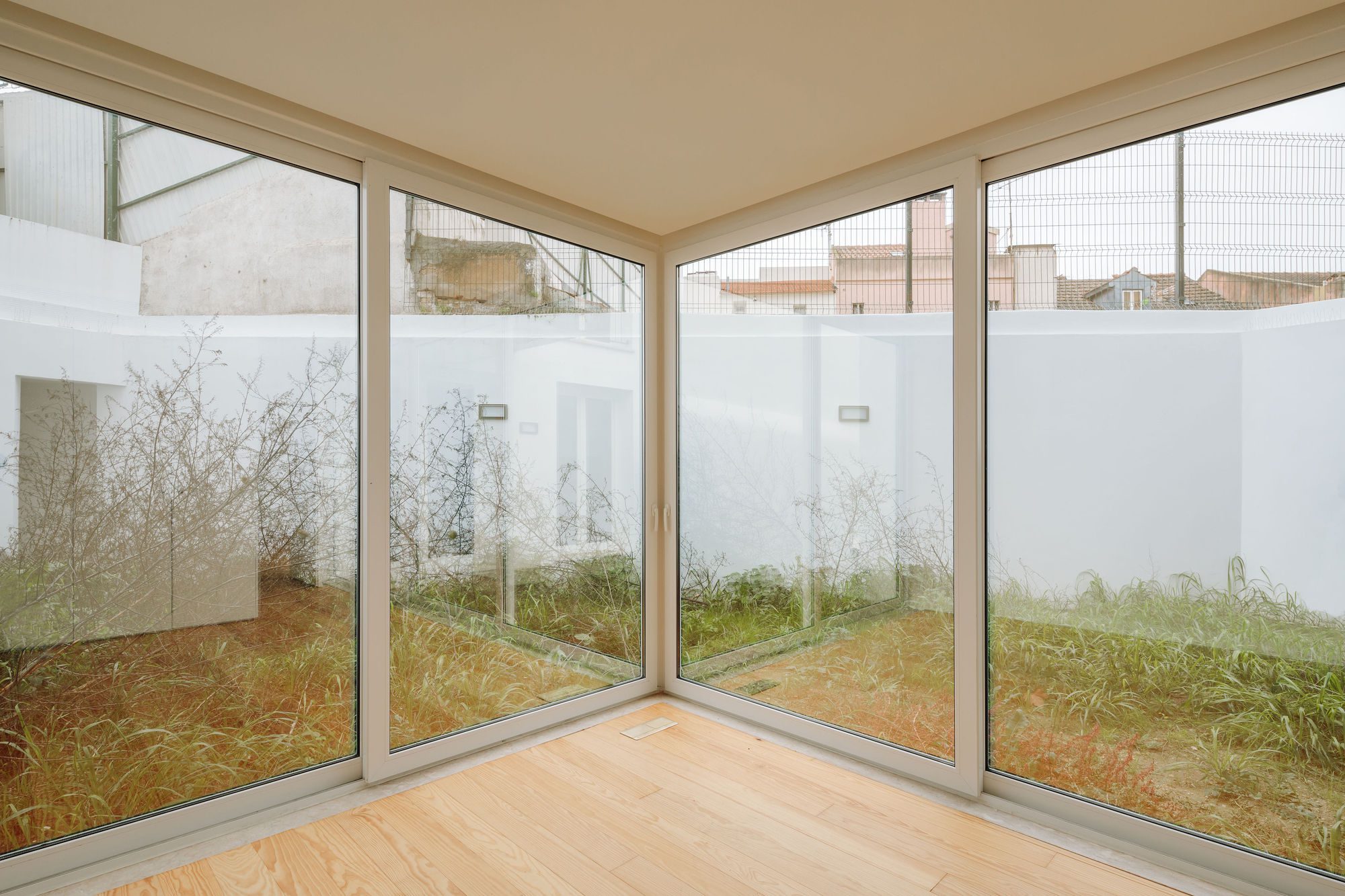
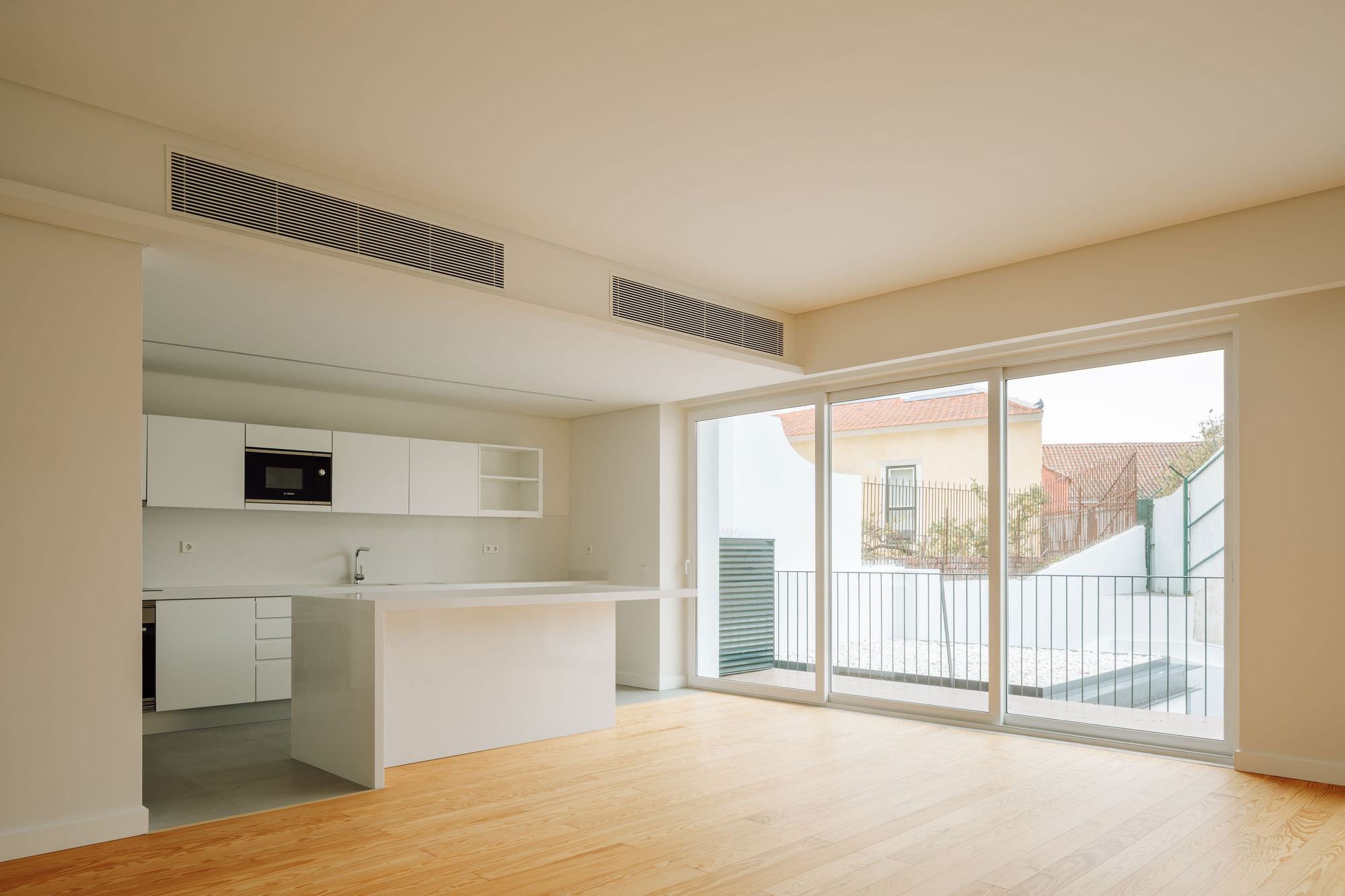
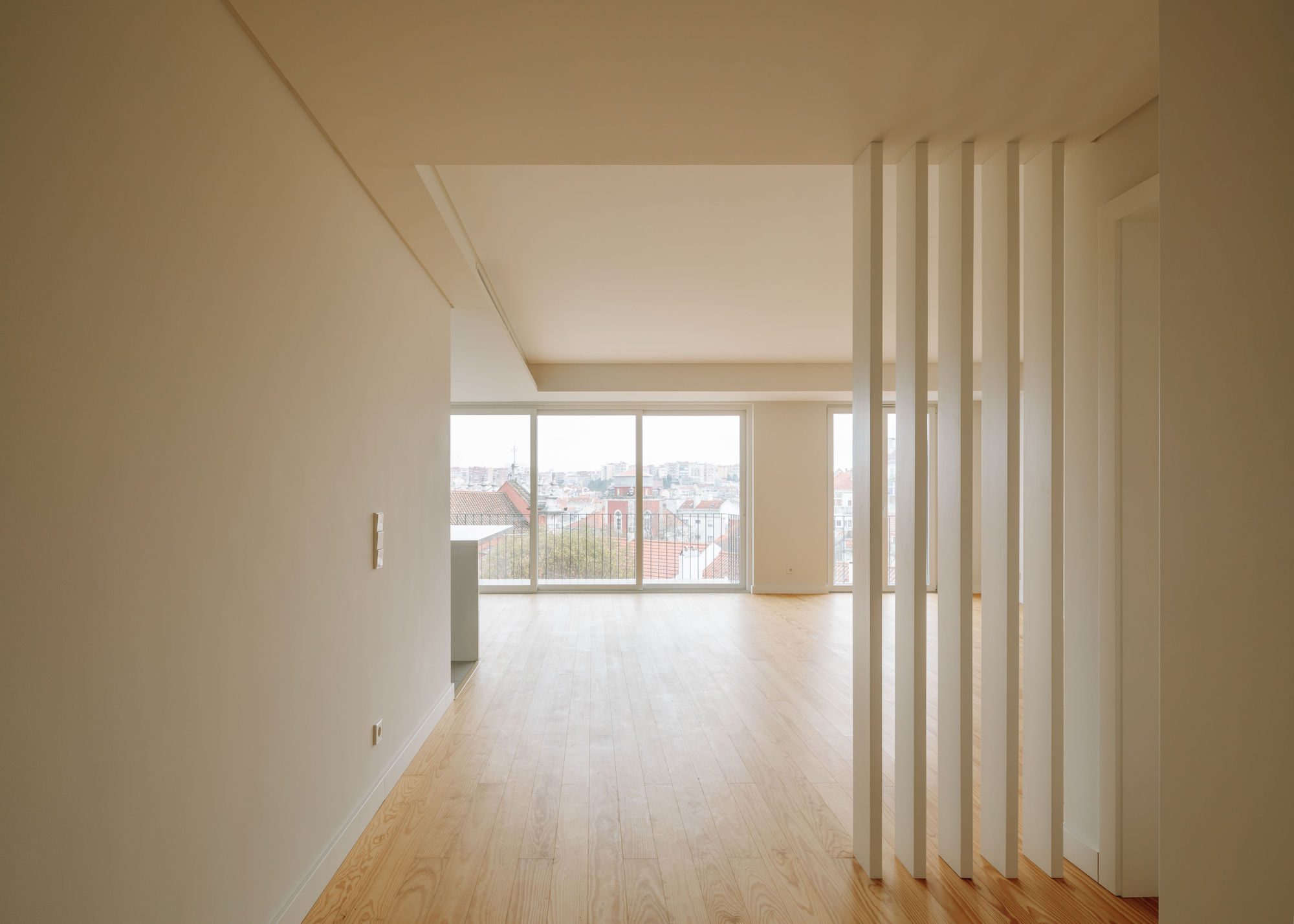
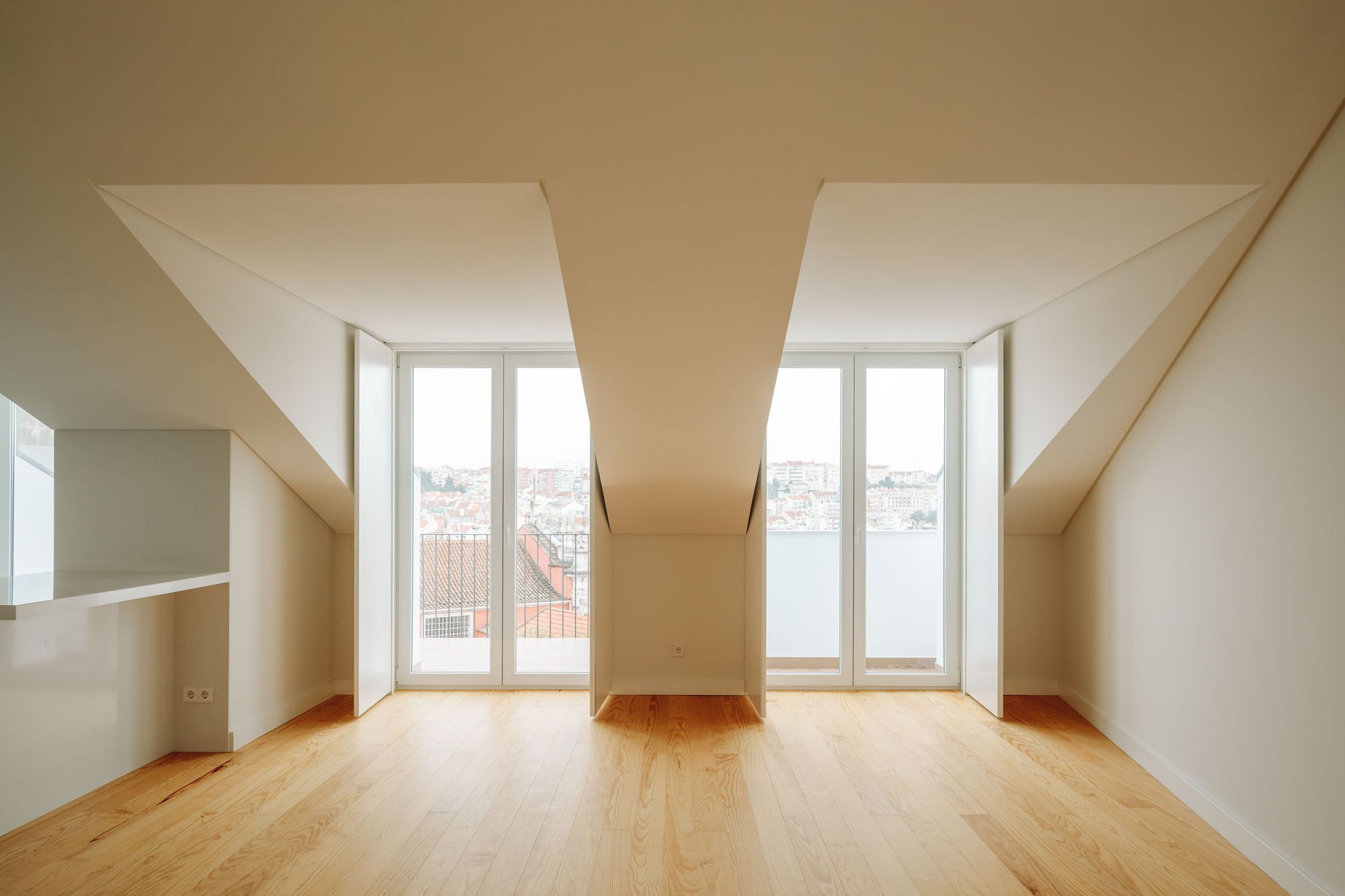
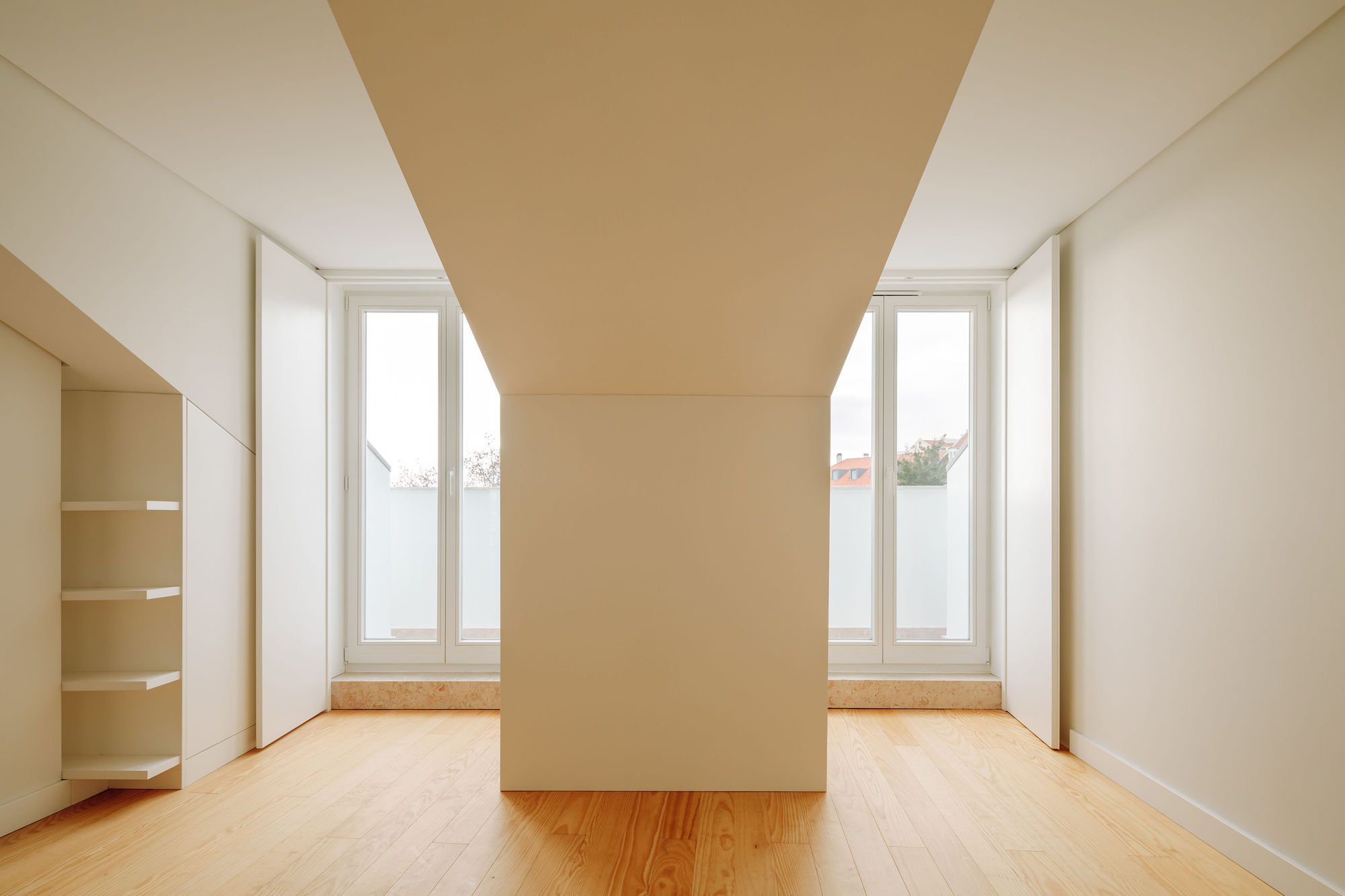
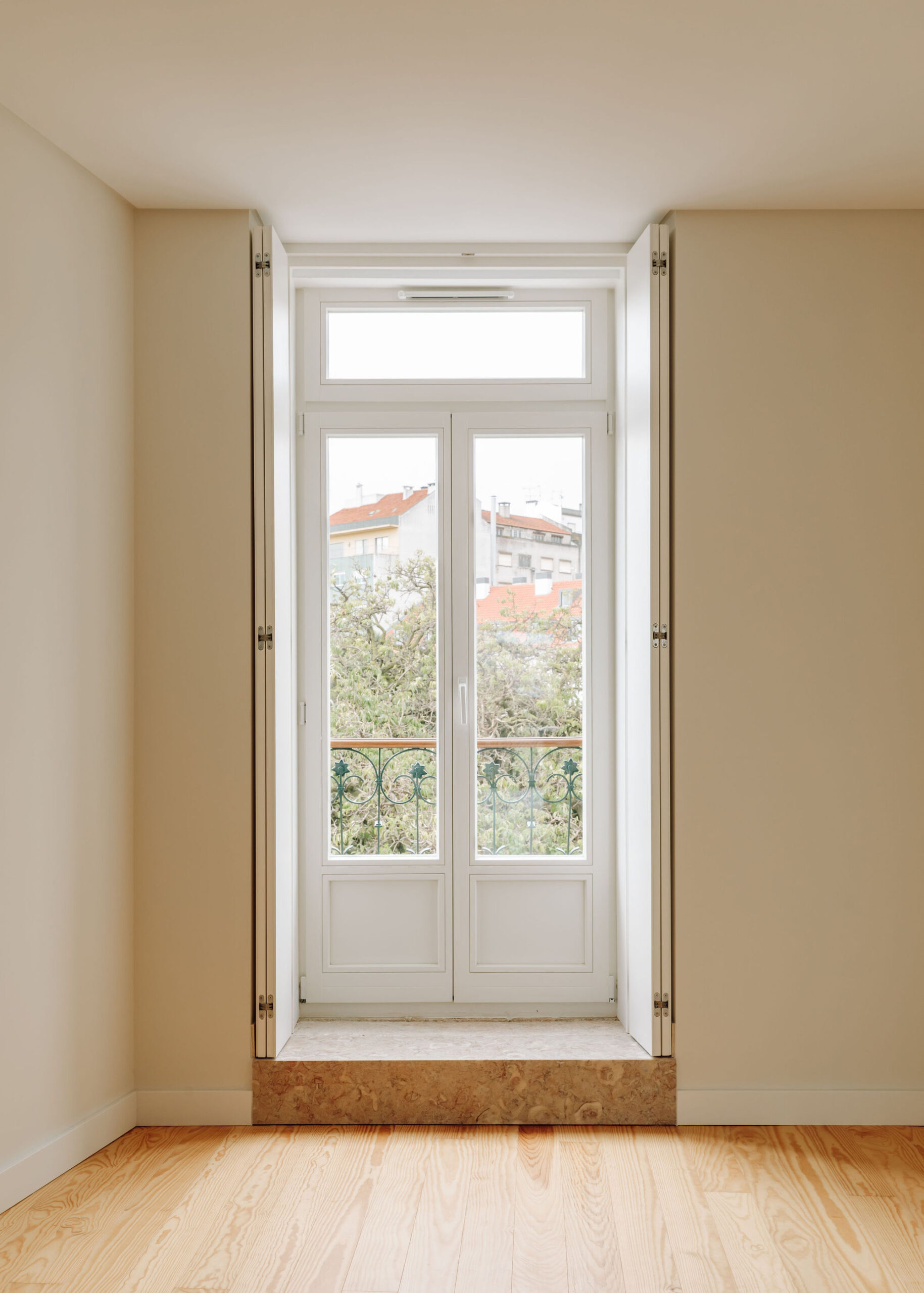
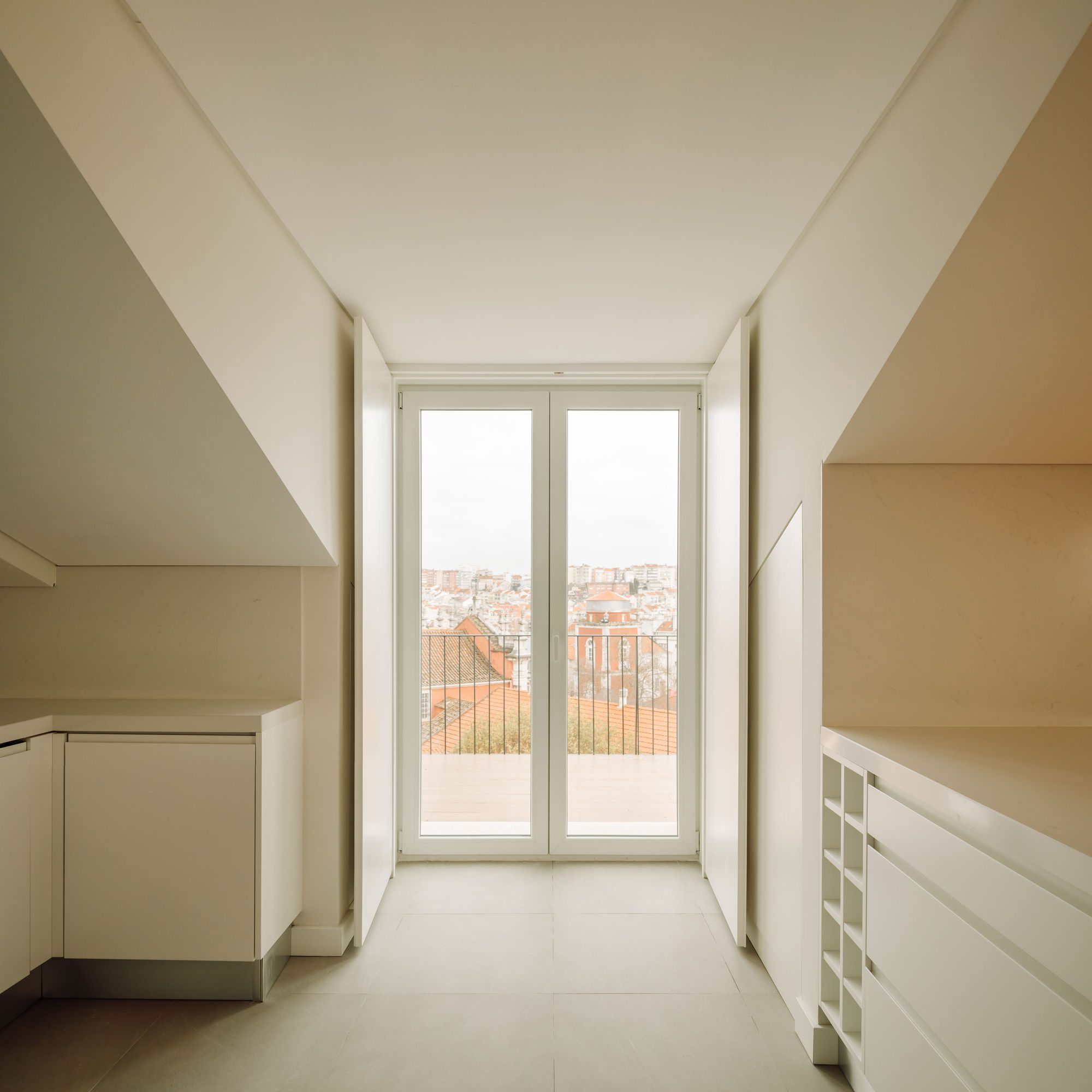
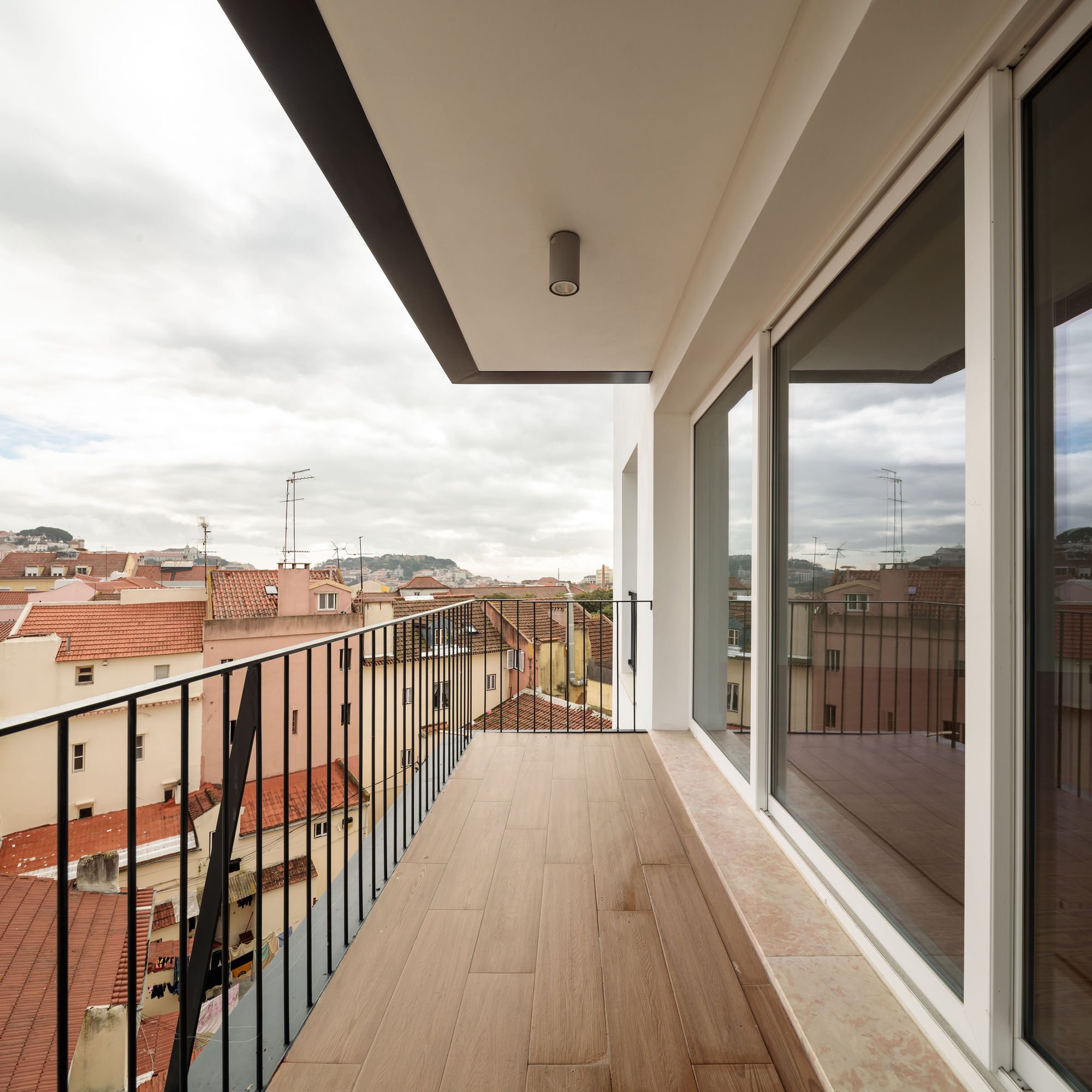
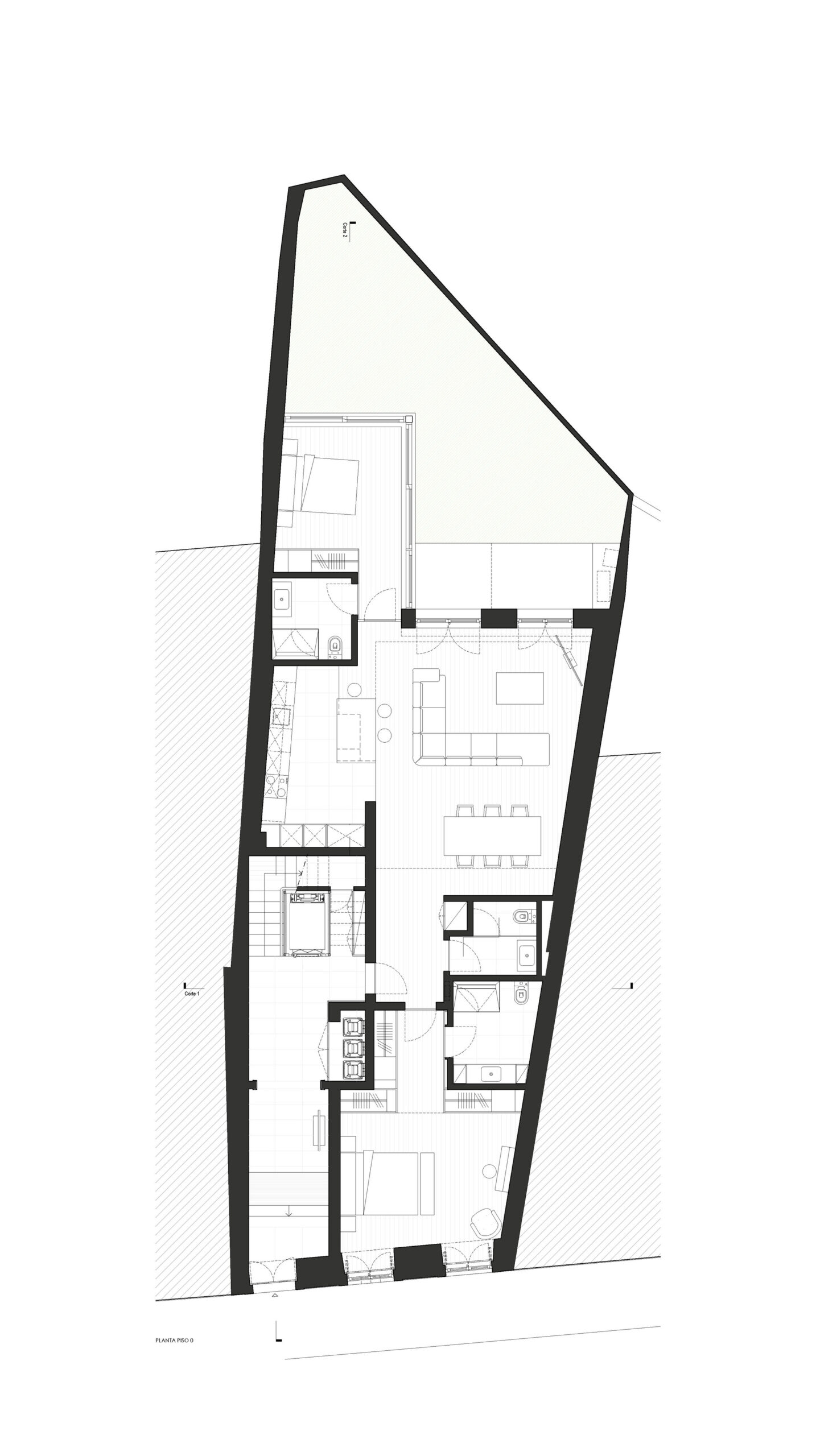
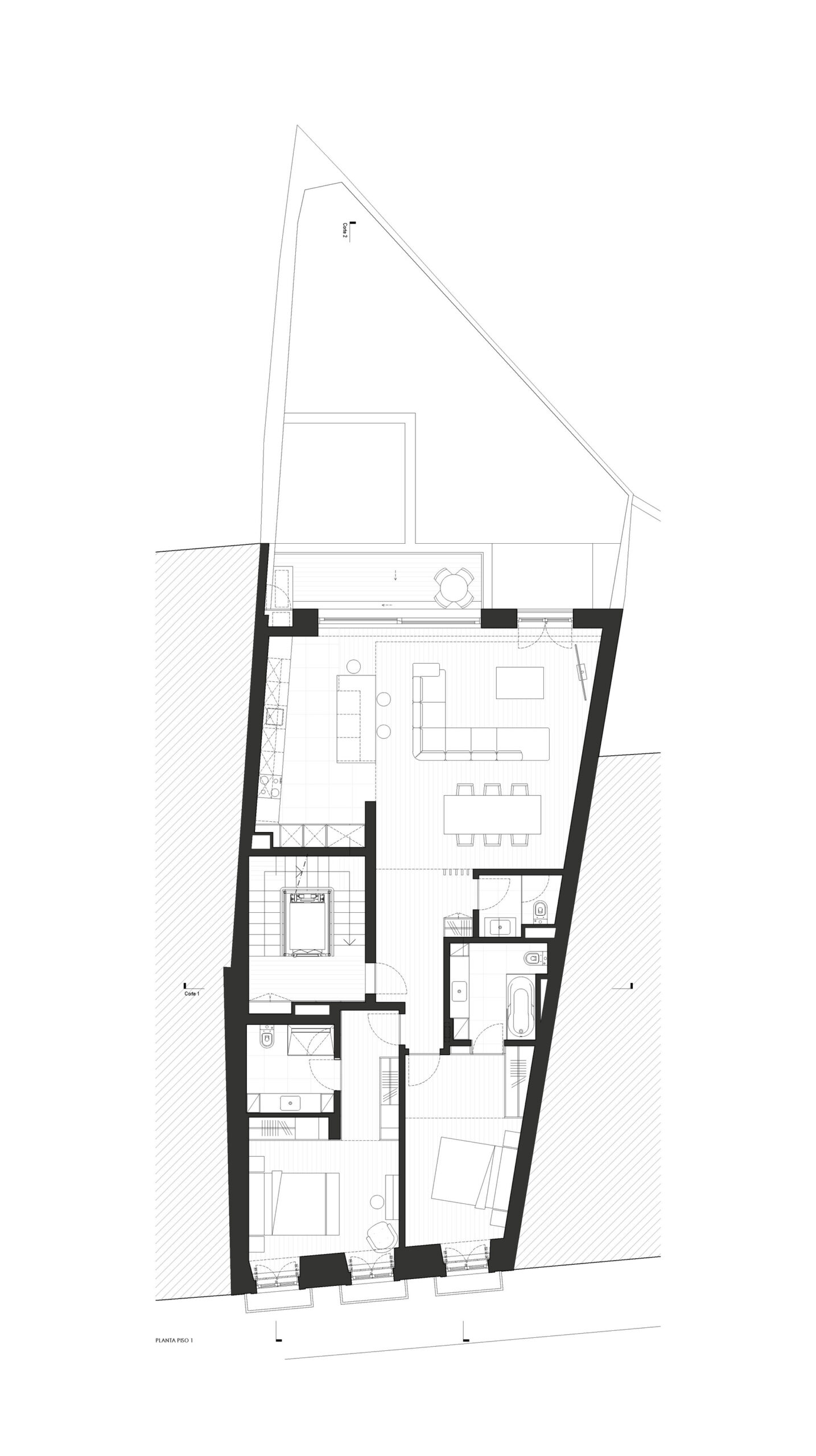
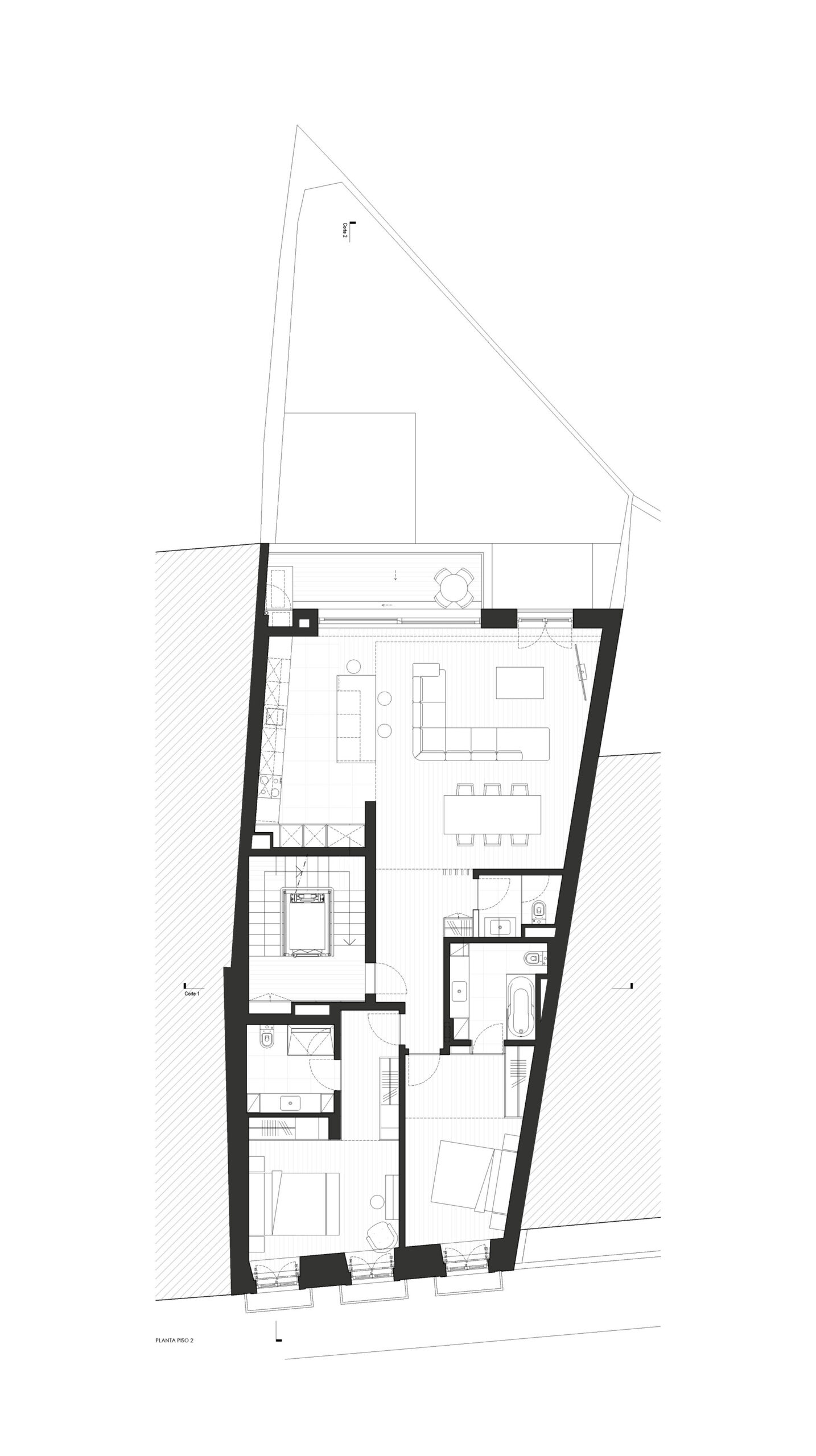
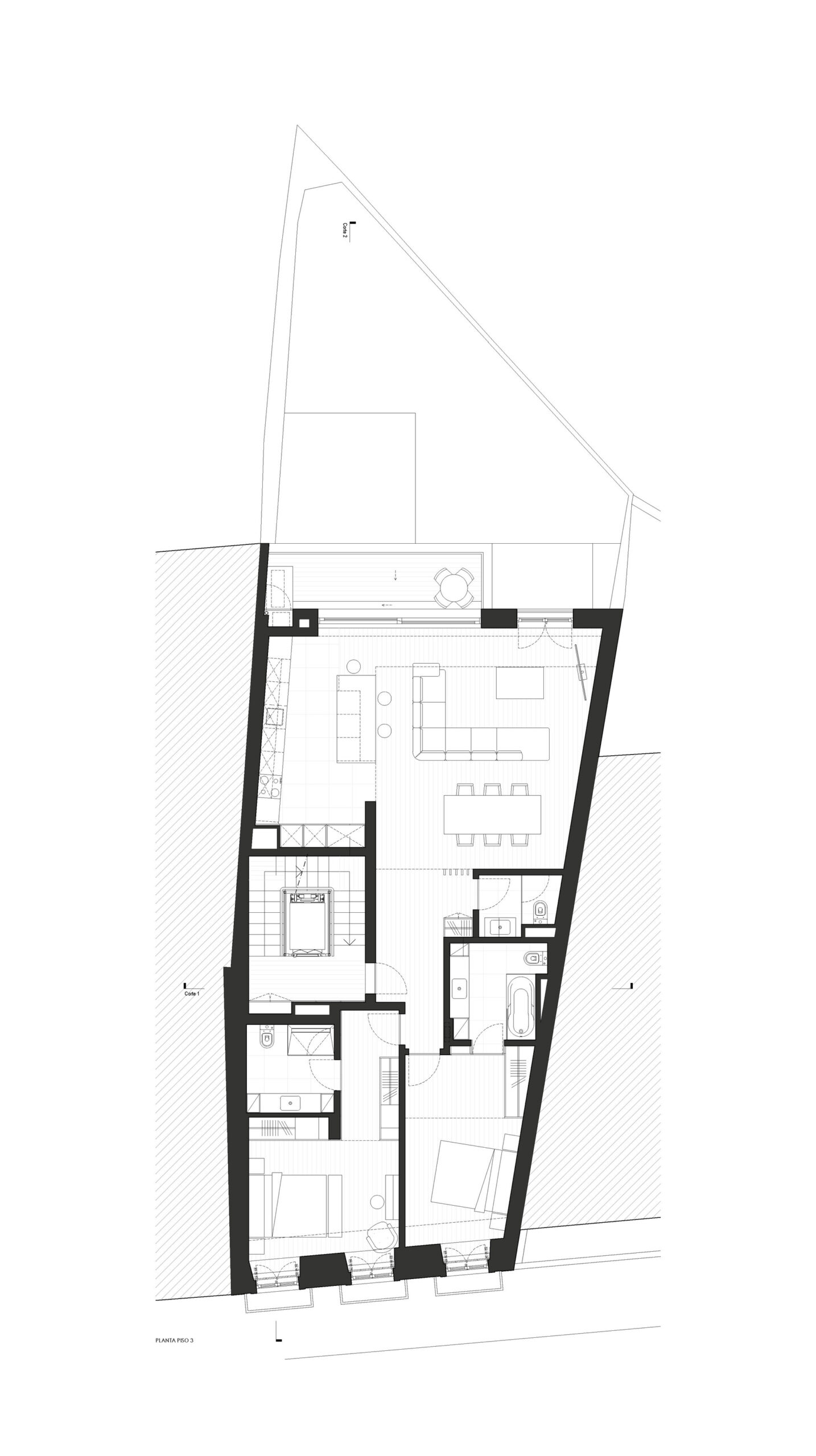
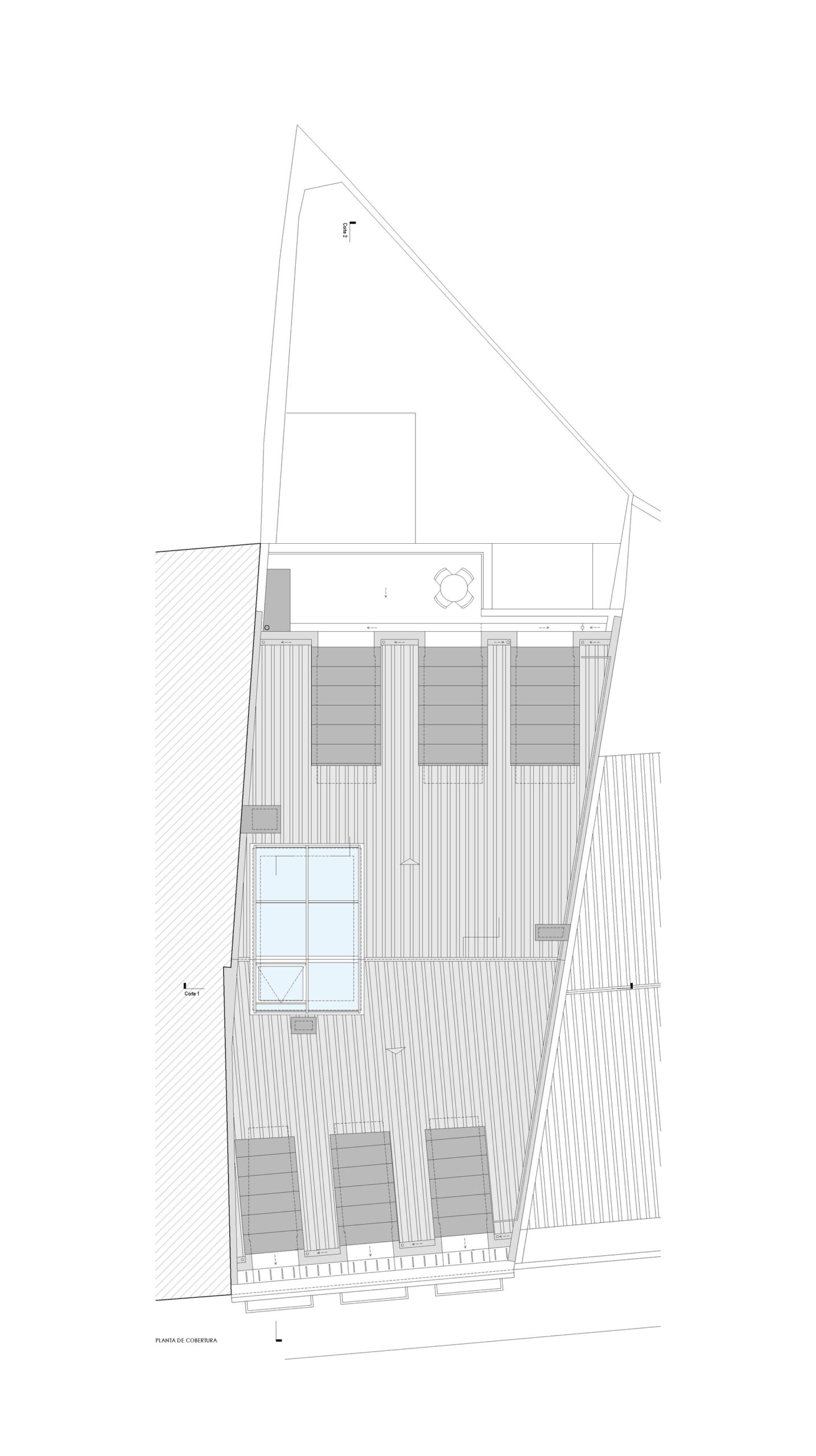
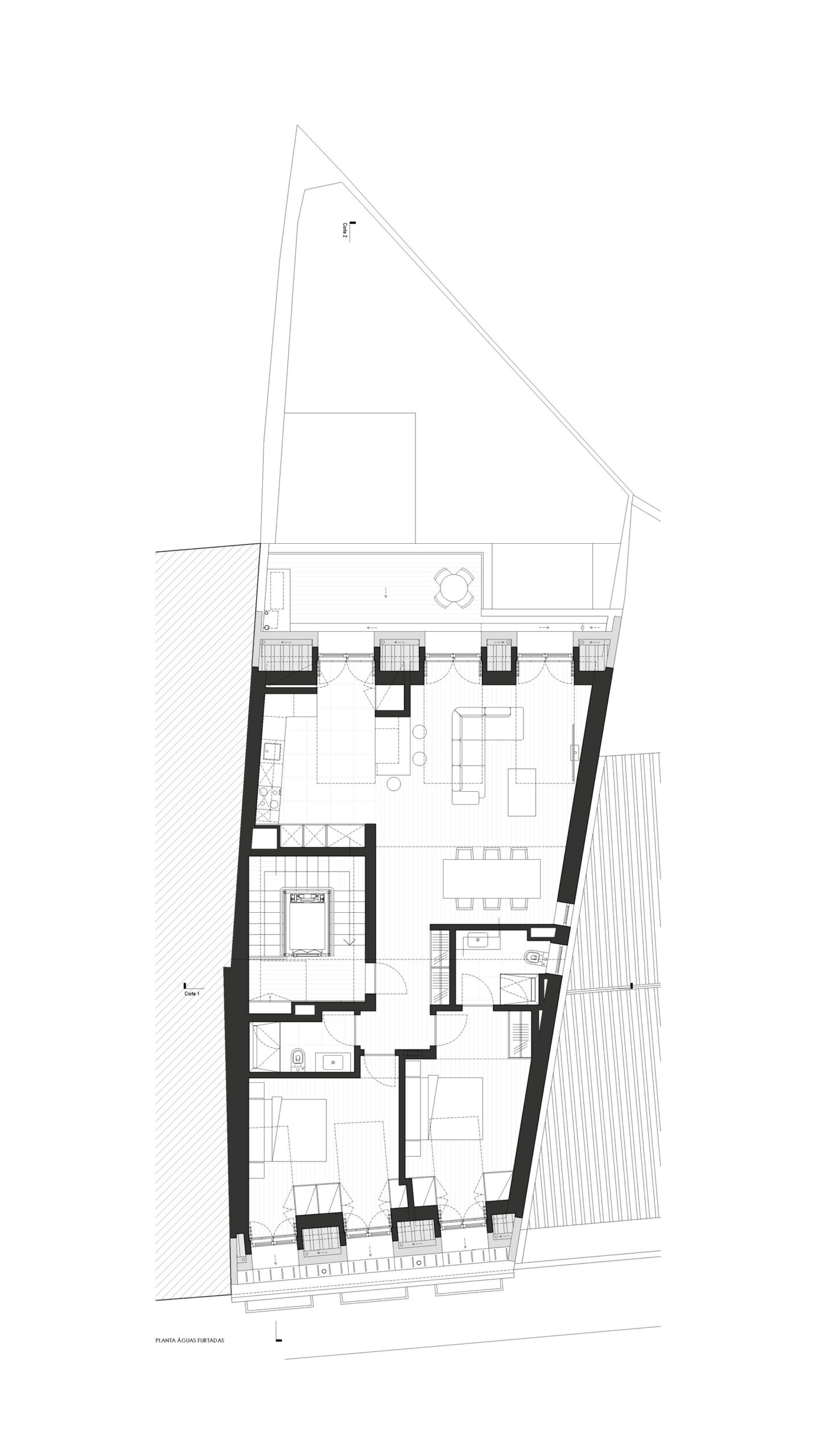
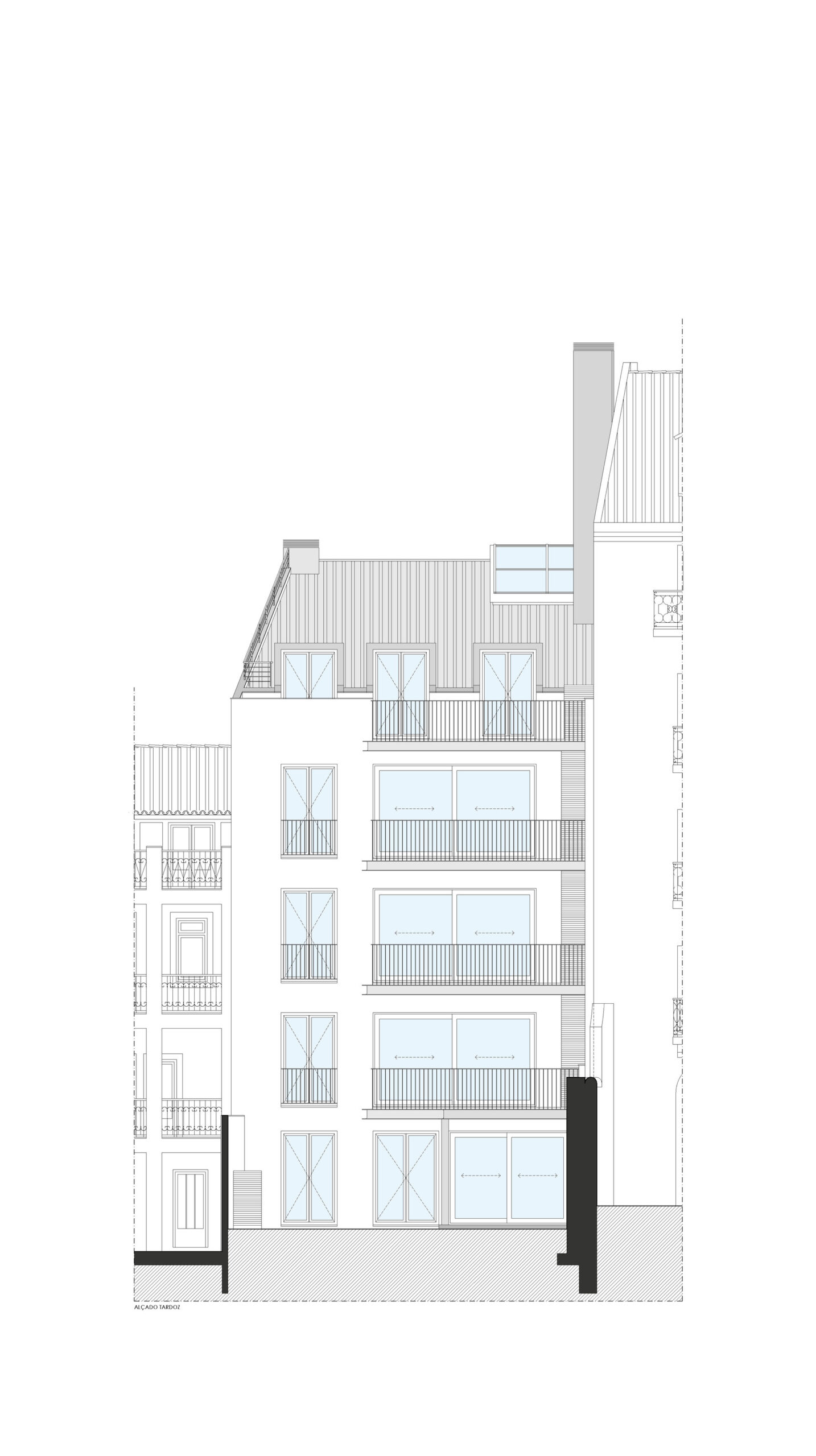
In the late façade, a more pronounced intervention was chosen to enjoy the urban landscape of the hills of Santo André (Sr.ª do Monte) and the Castle, so that a large central opening was opened, which also allows wide sun exposure. For this reason, the evident option of interior organization was to place the social areas of the fractions towards this “front”.
© Francisco Nogueira
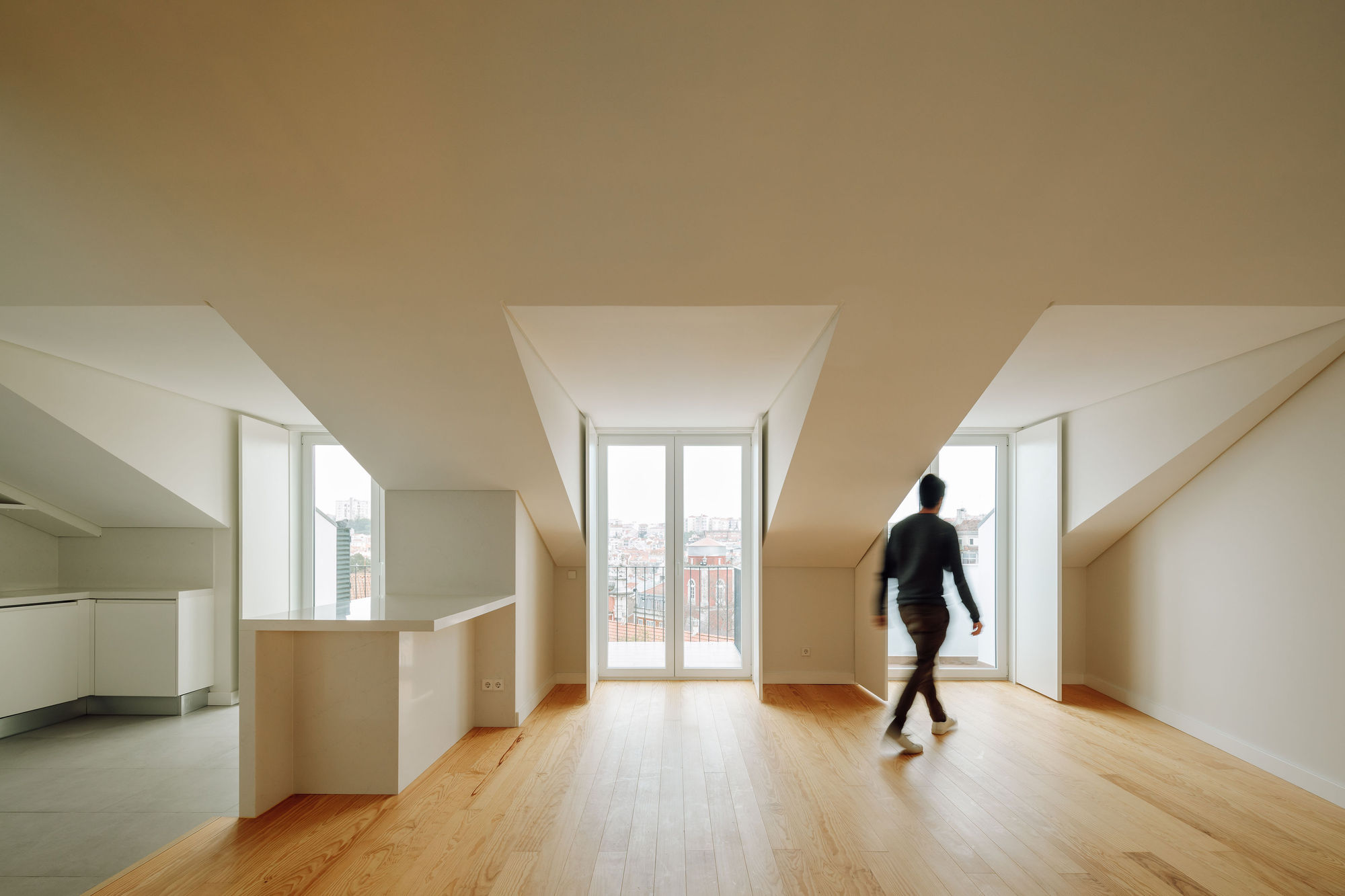
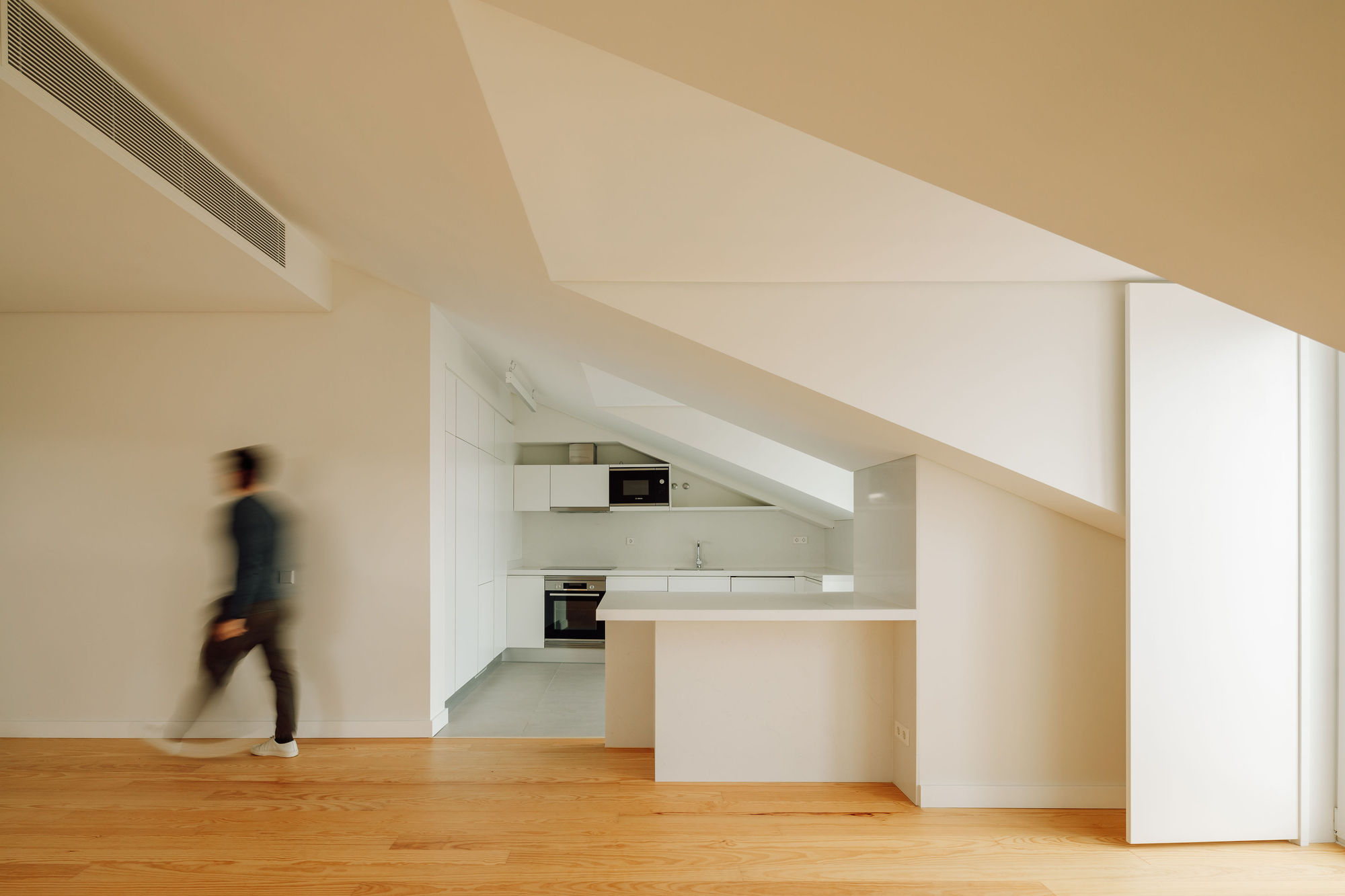
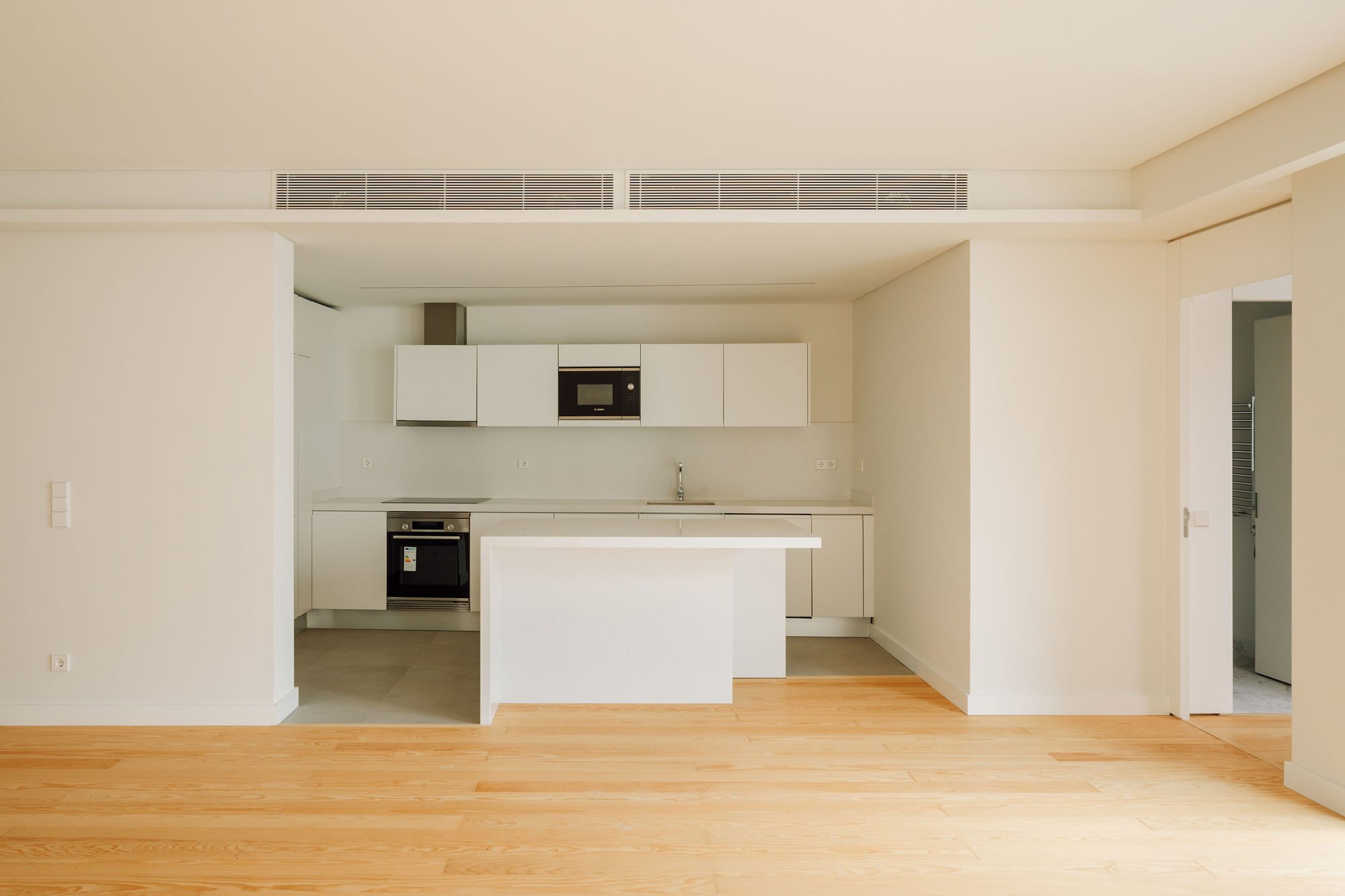
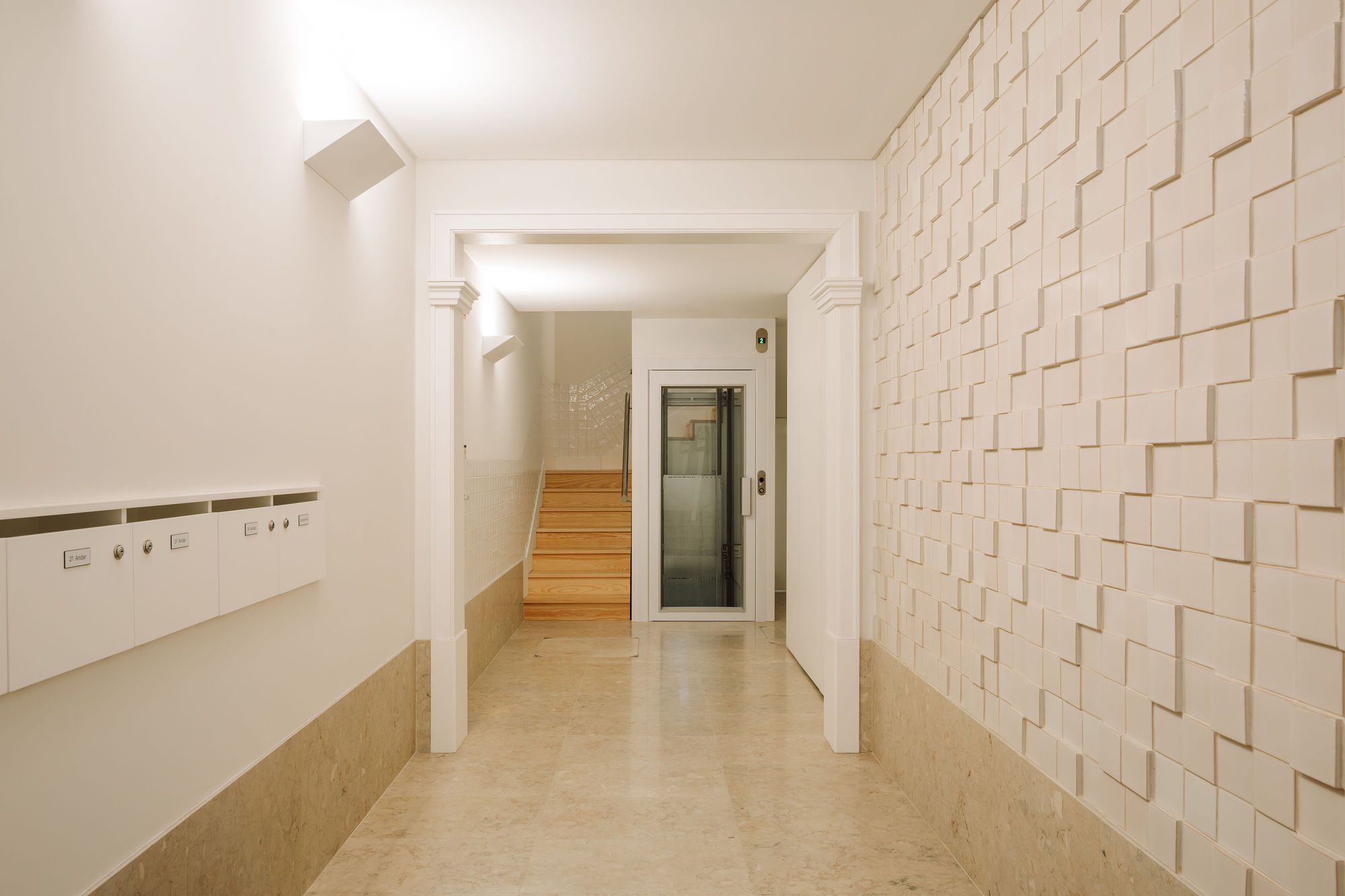
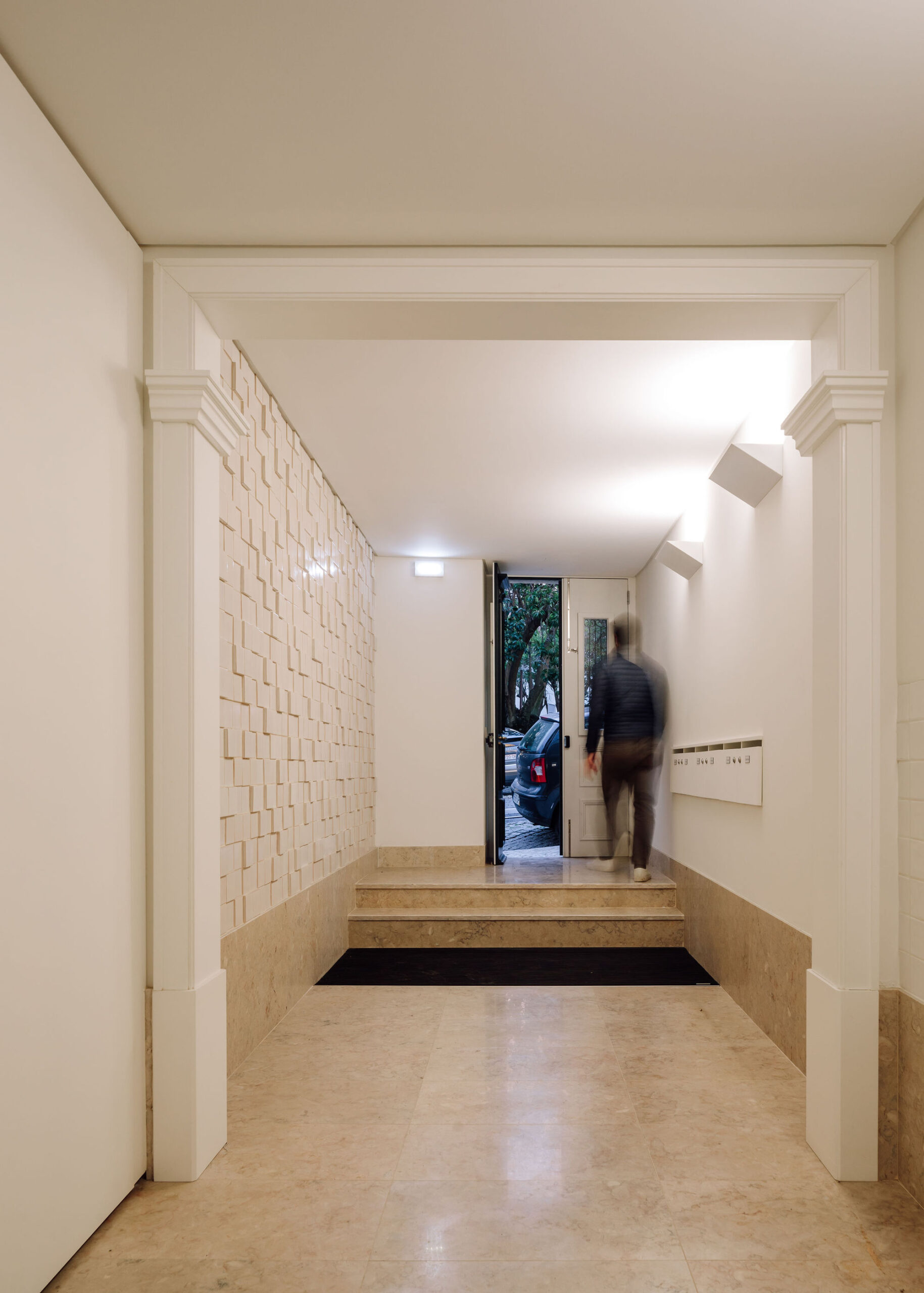
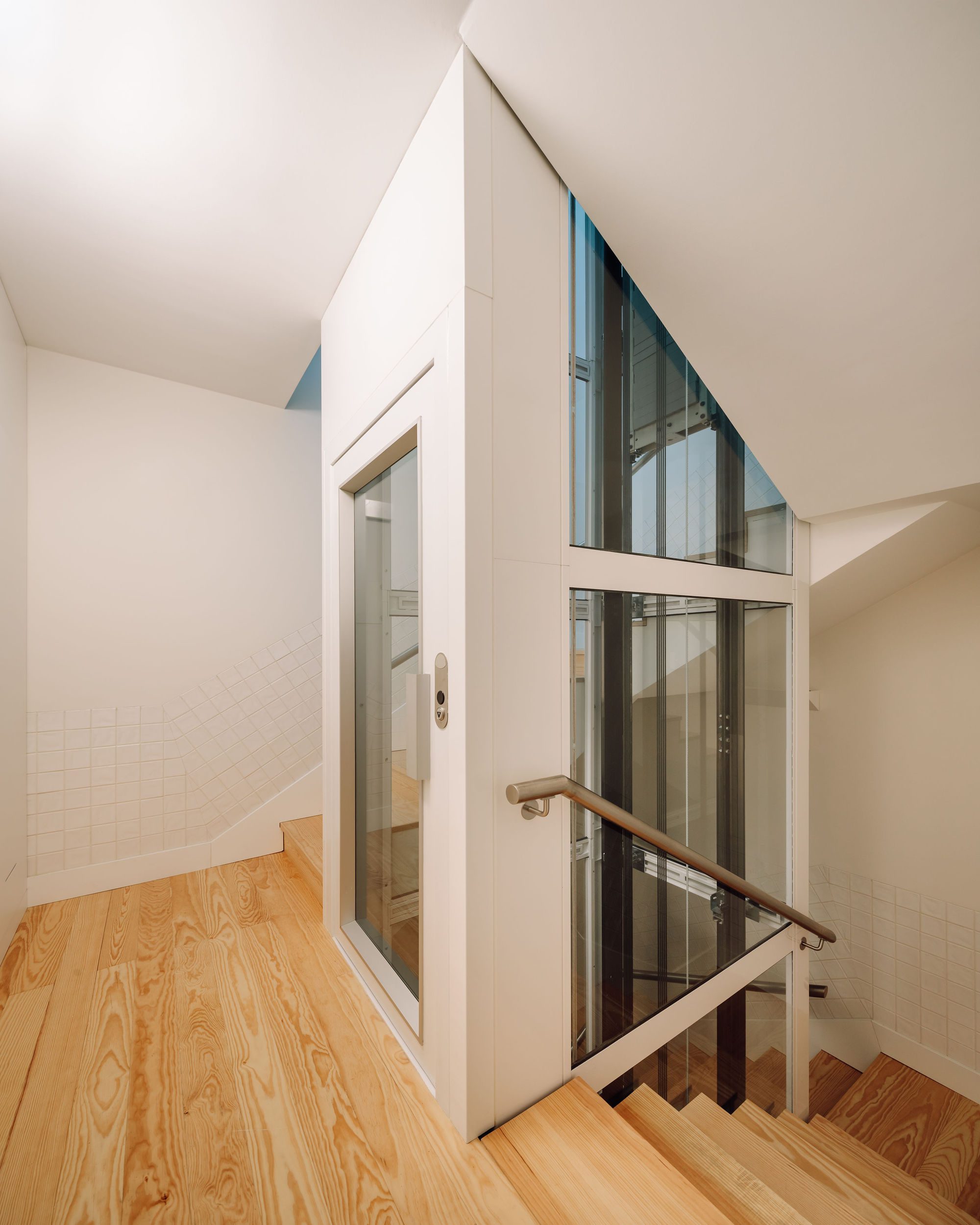
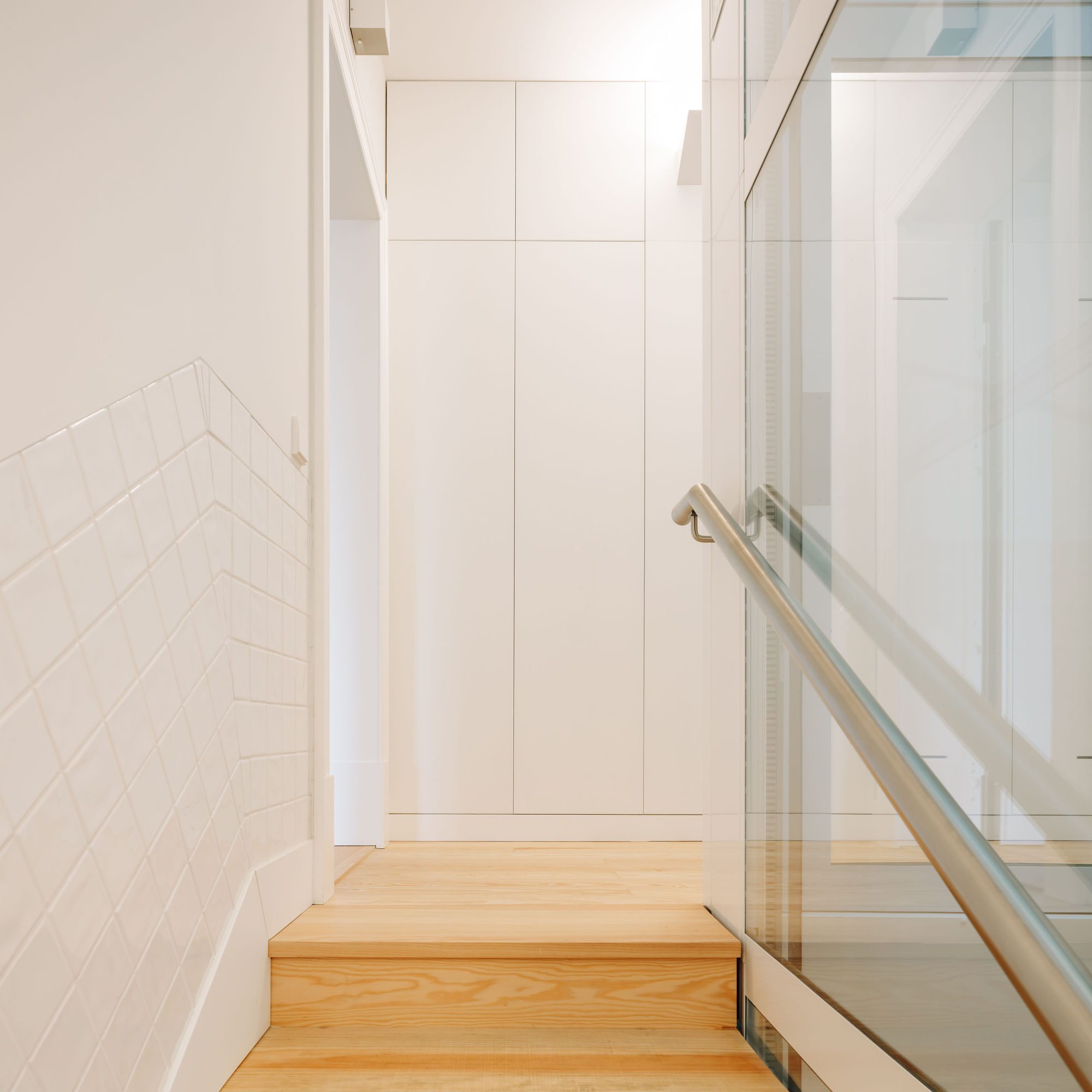
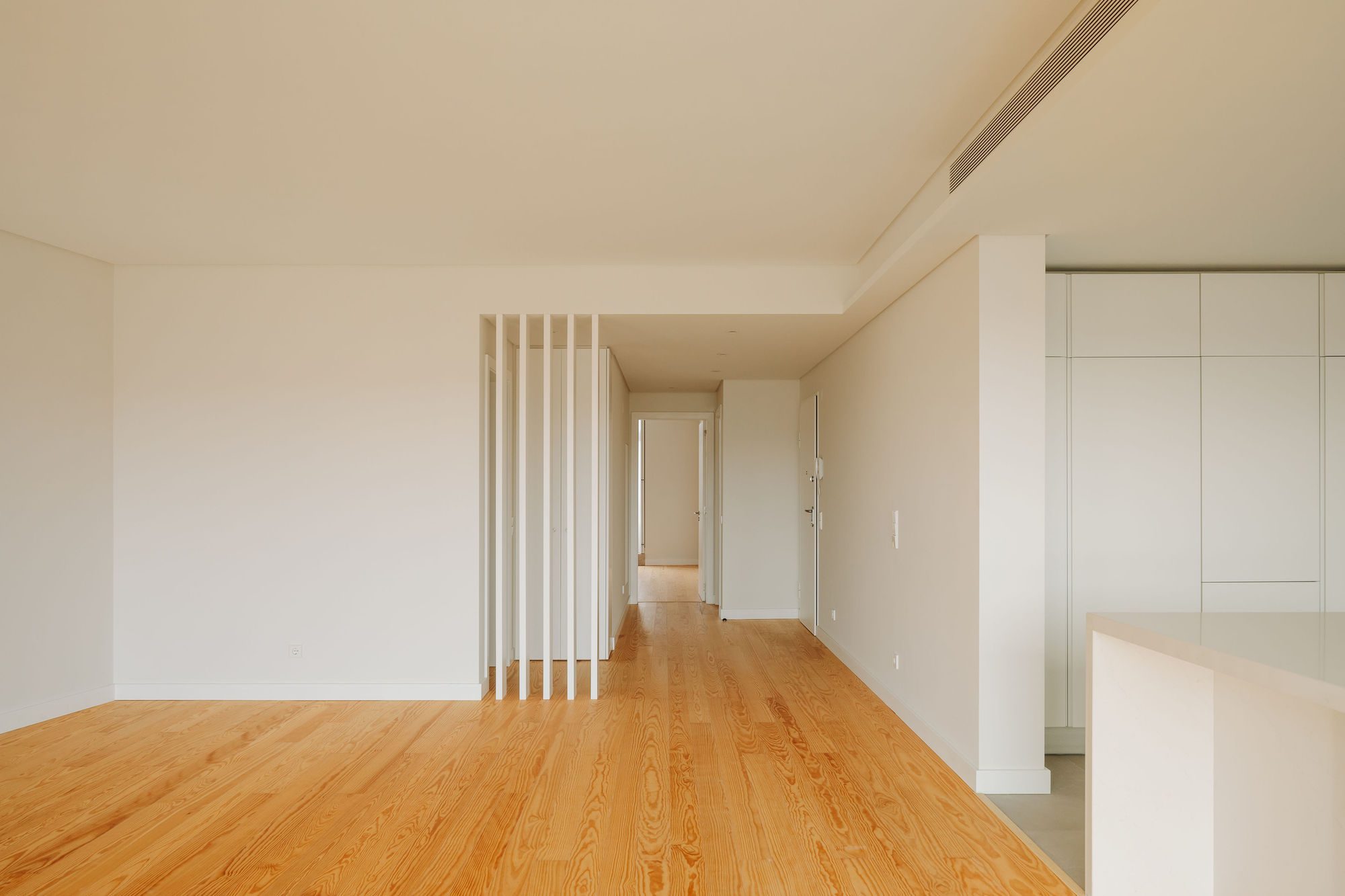
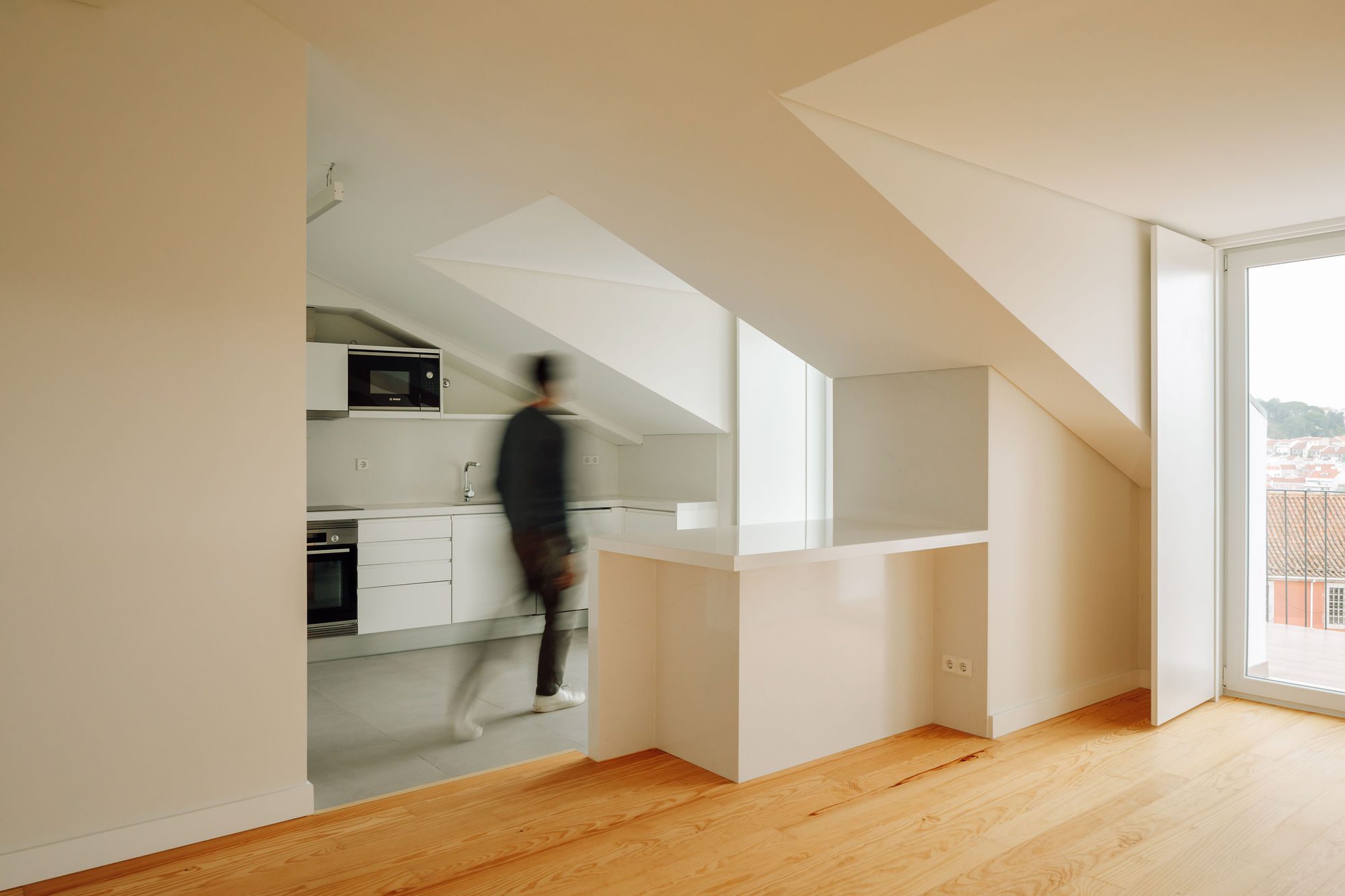
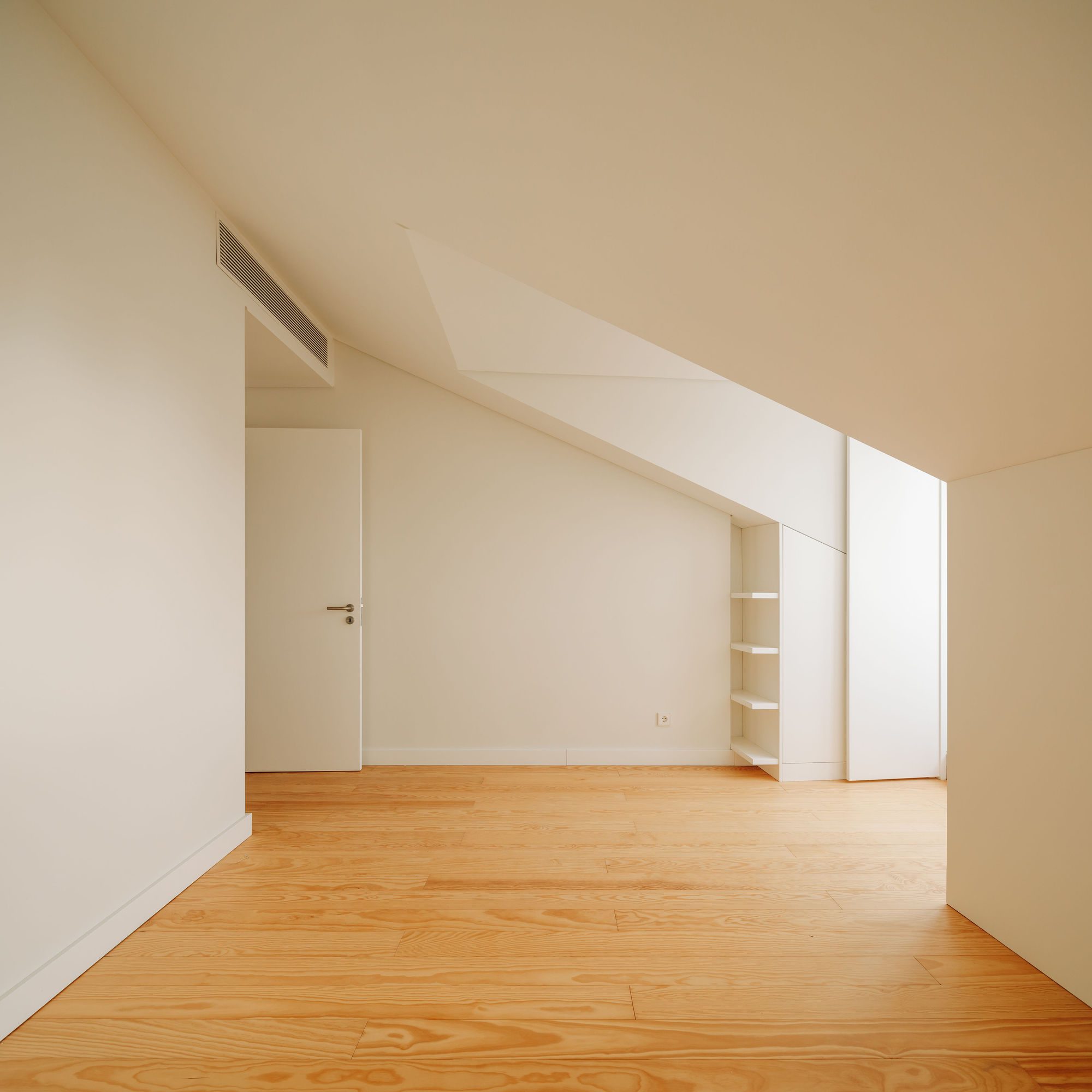
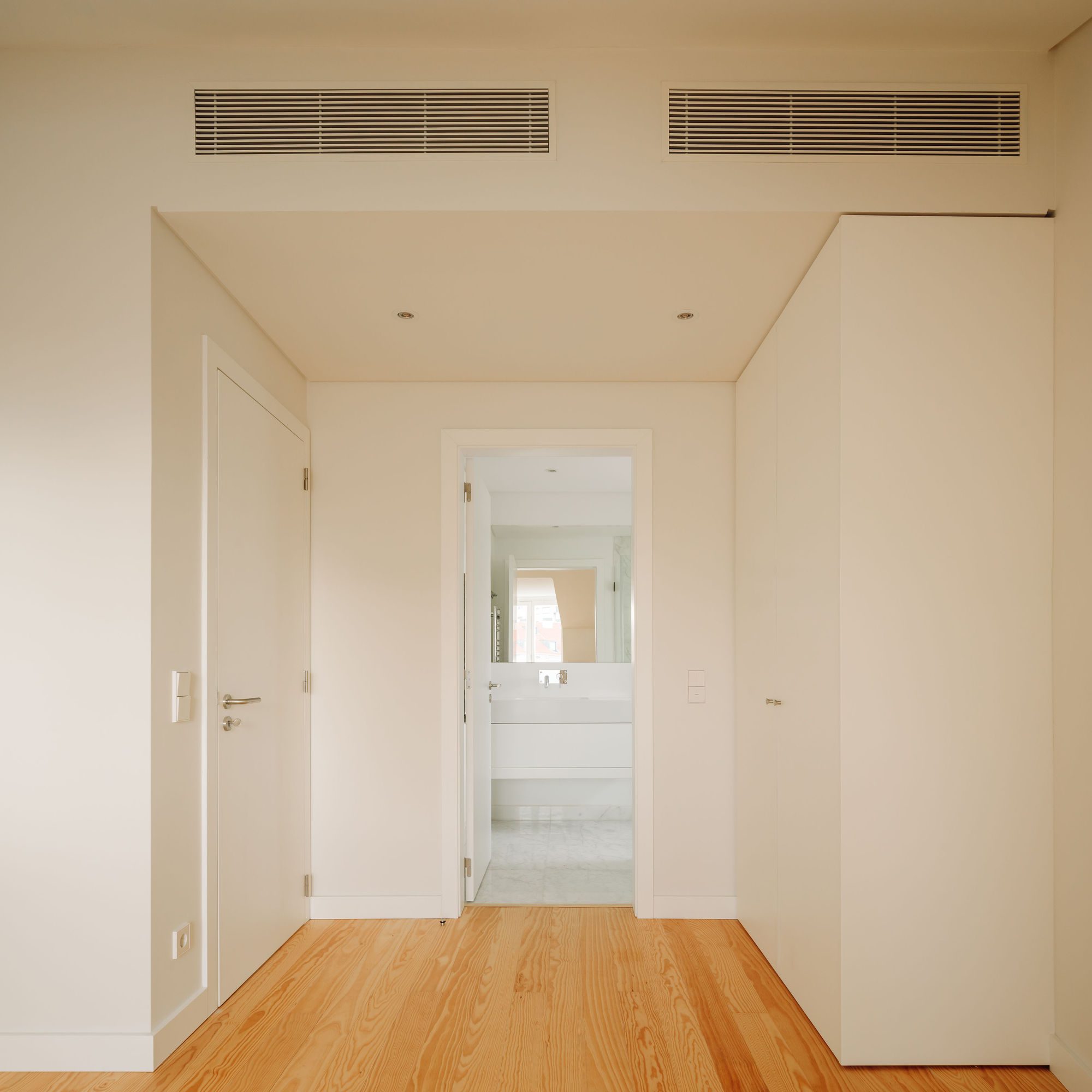
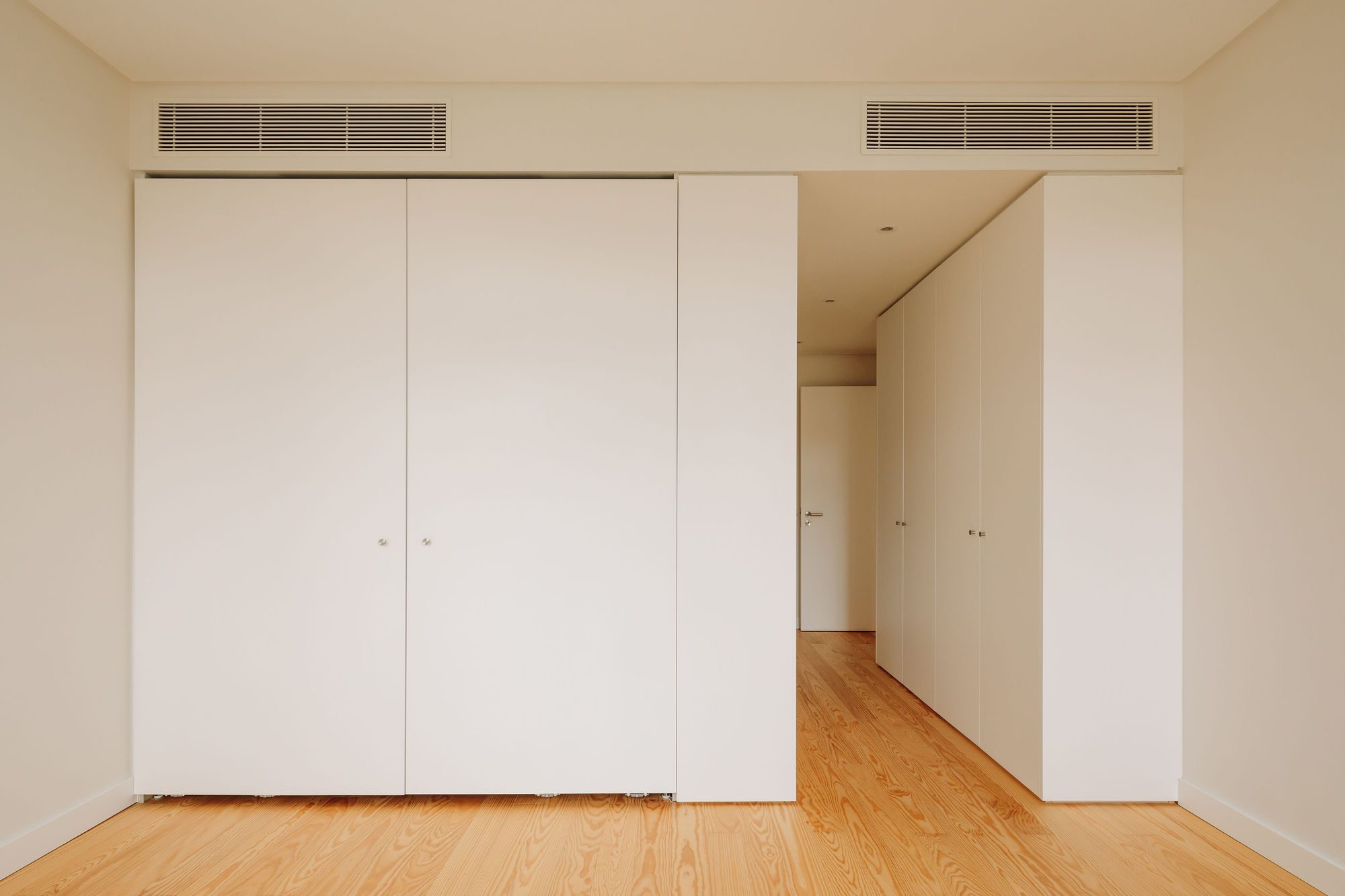
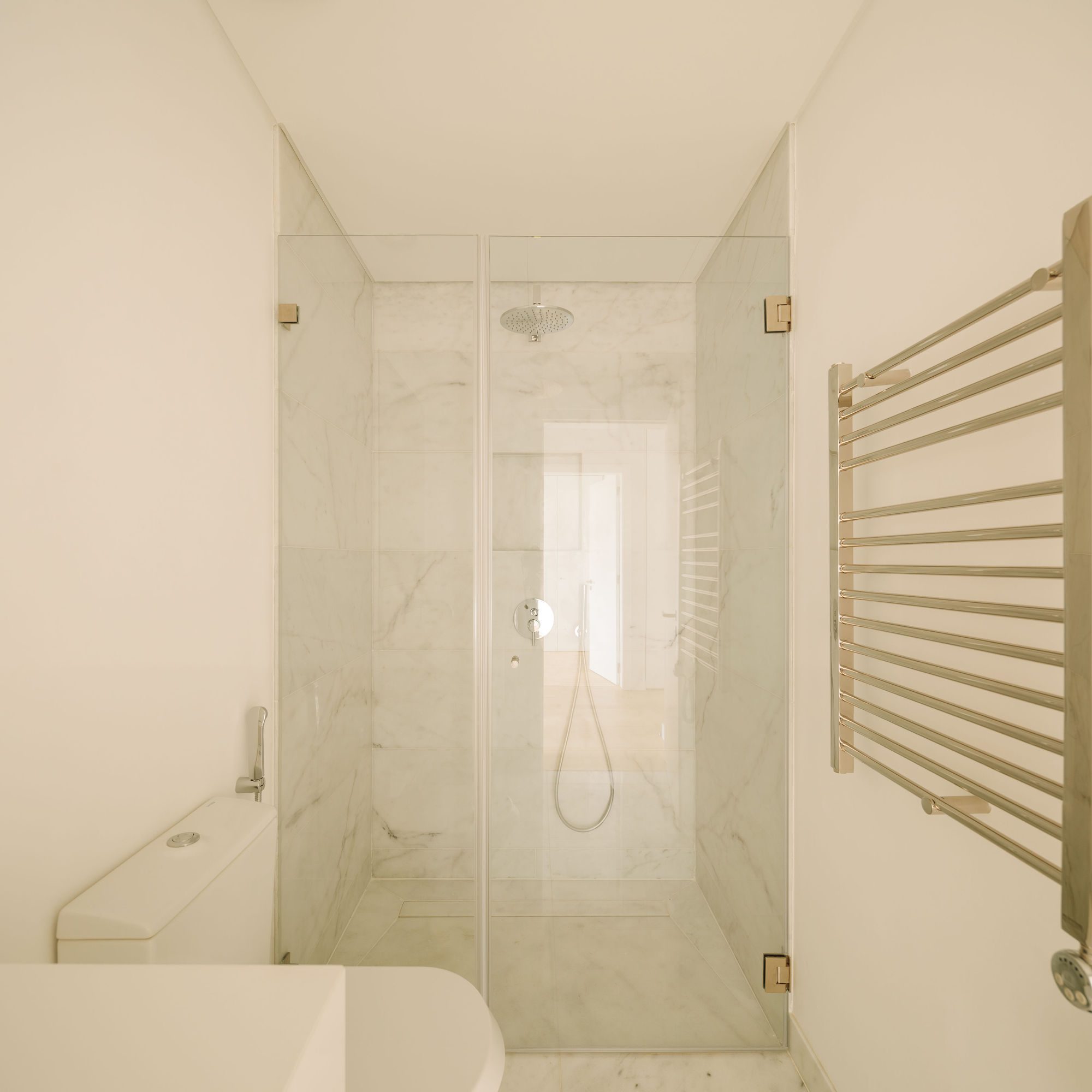
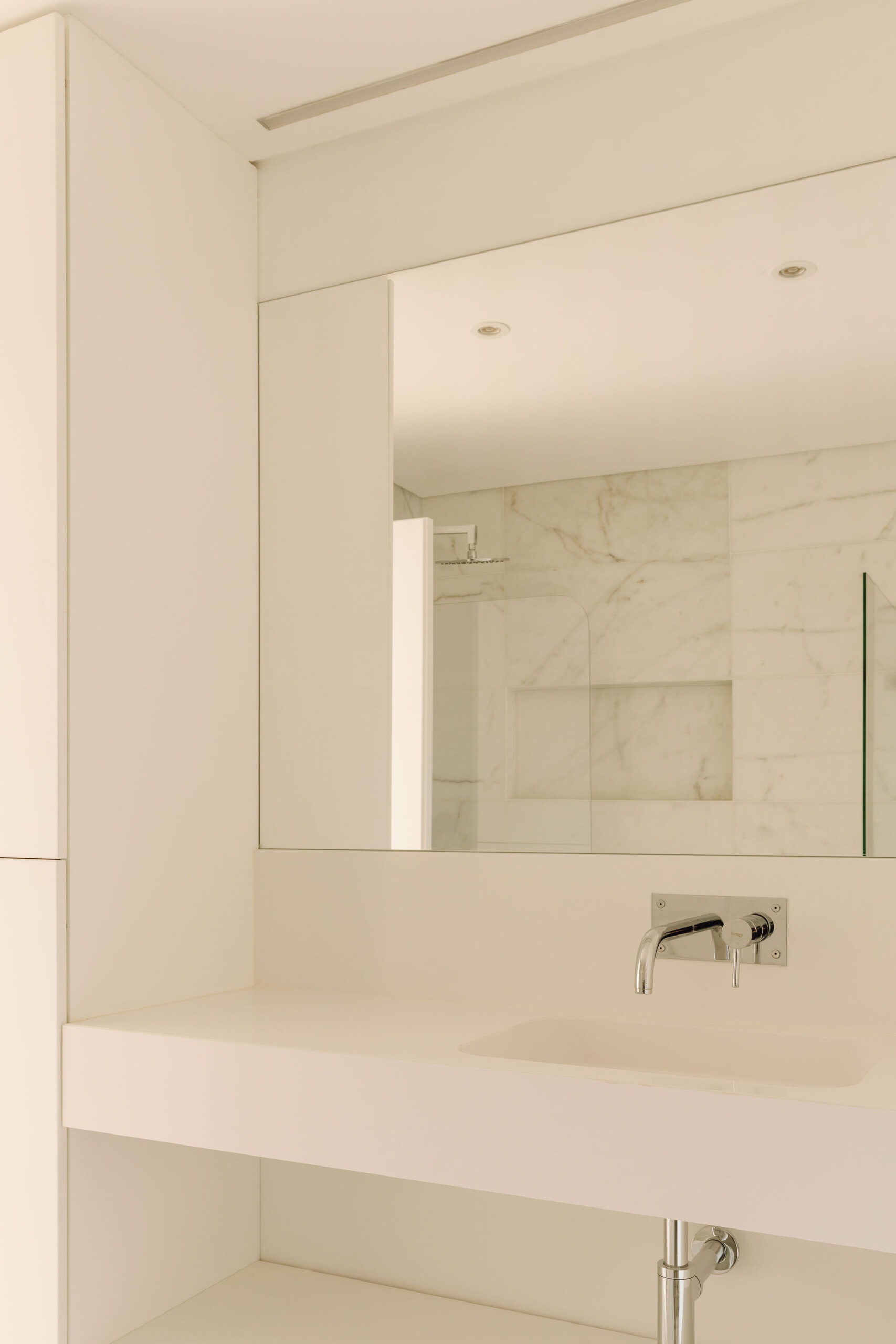
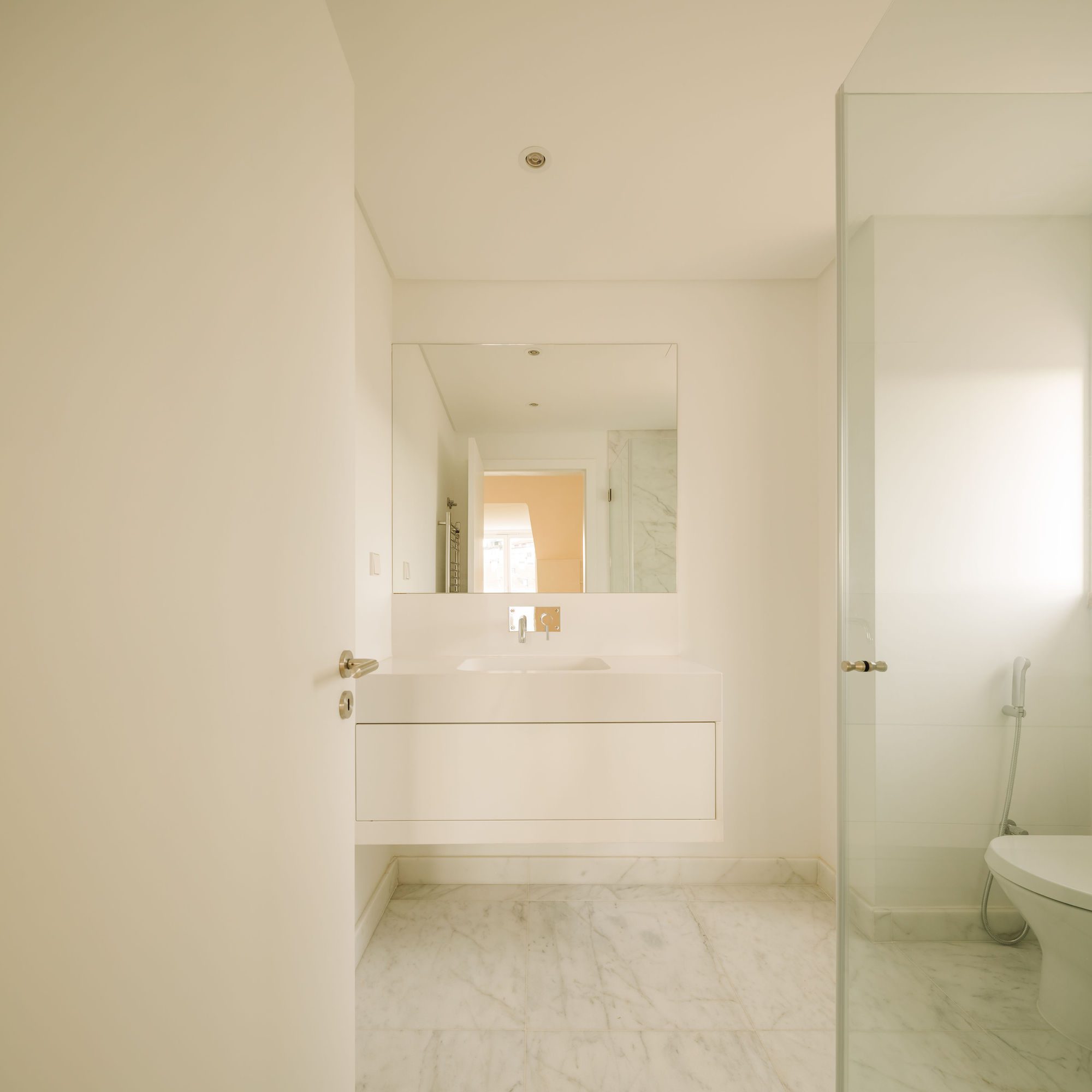
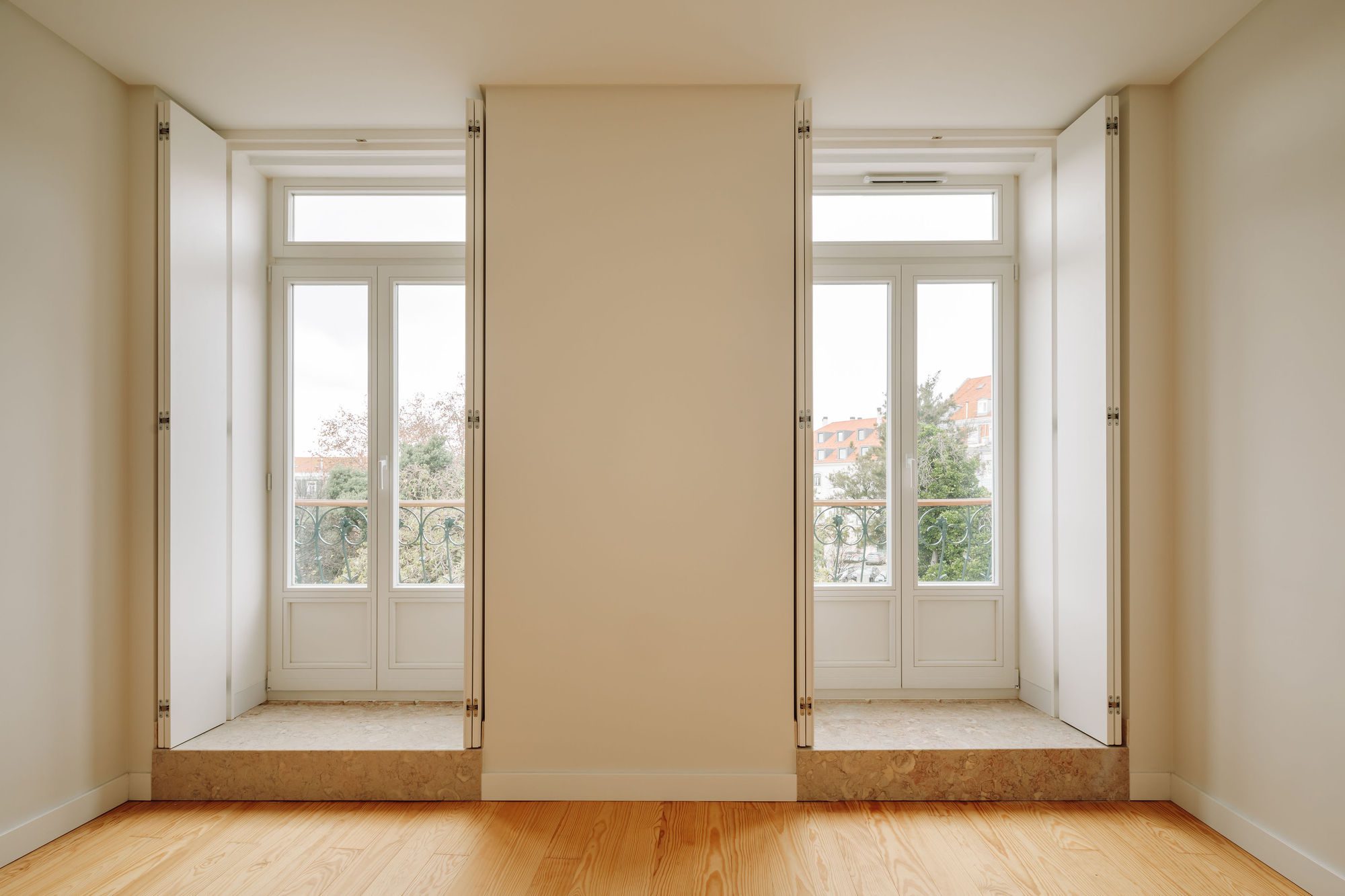
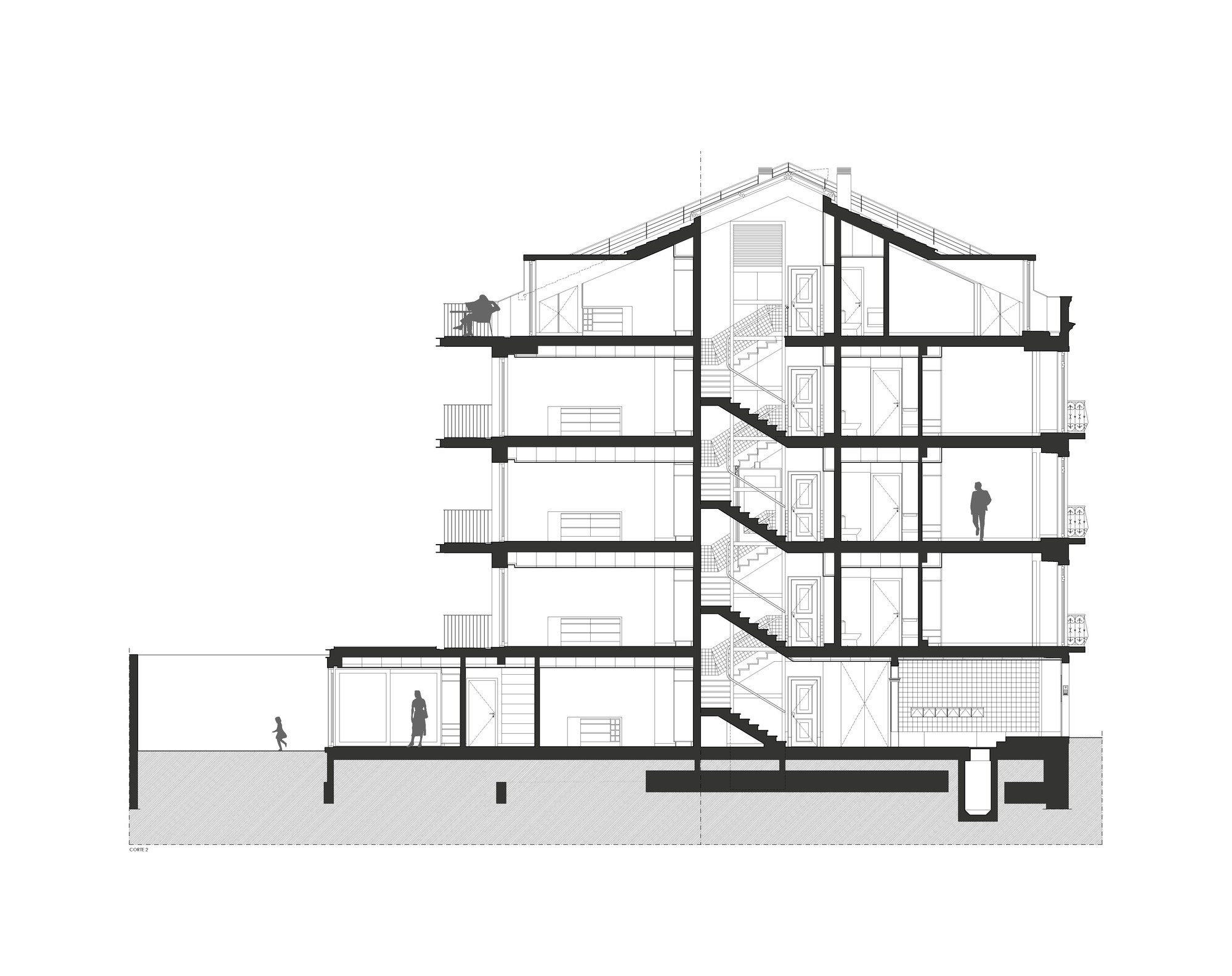
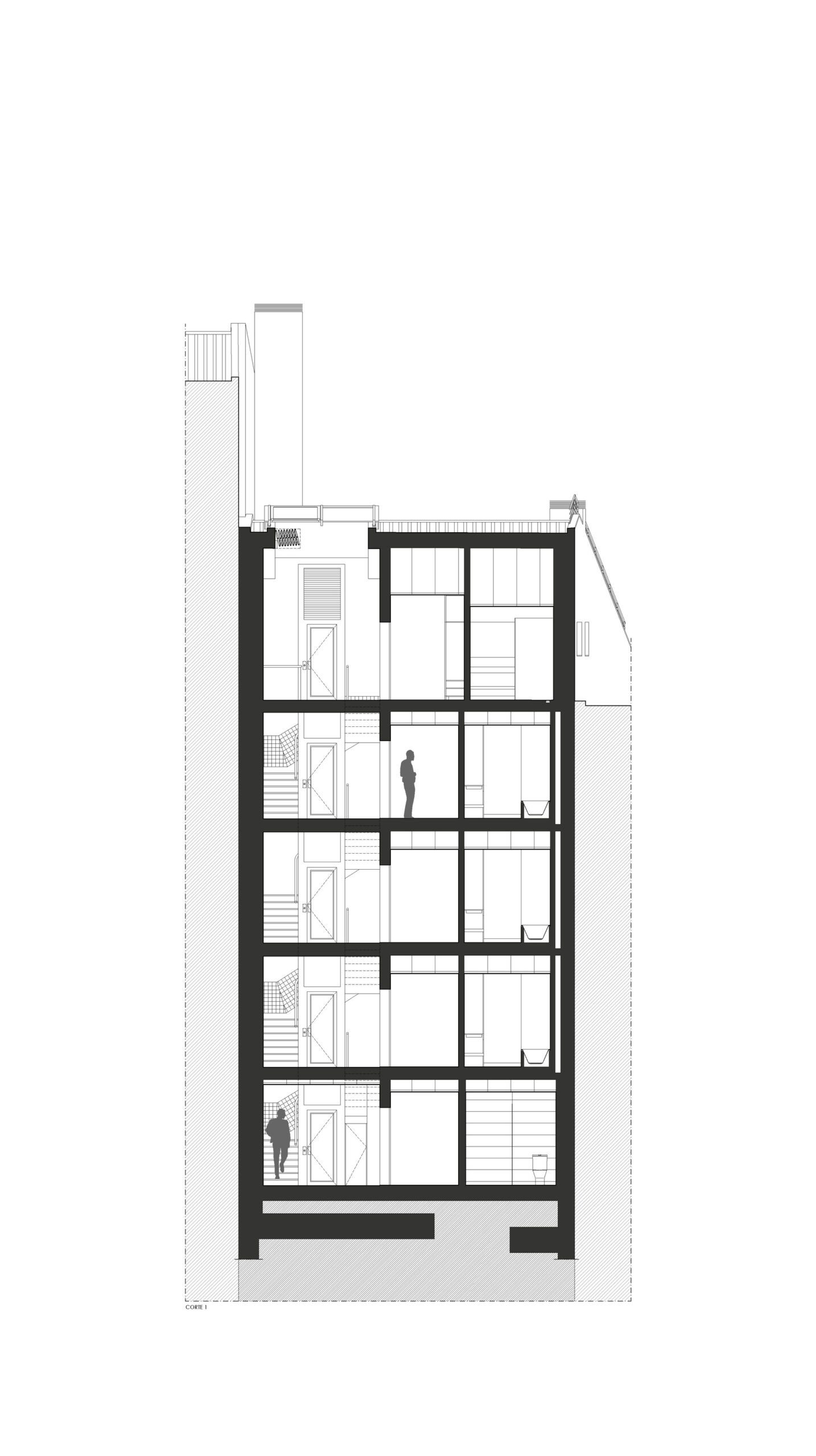
Faithful to the housing standard of the pre-existing building, the typology of one apartment per floor was maintained, completely changing the functional distribution of fractions to T2. Because today we live differently than 100 years ago, it was intended to update the concept of living to current standards.
© Francisco Nogueira
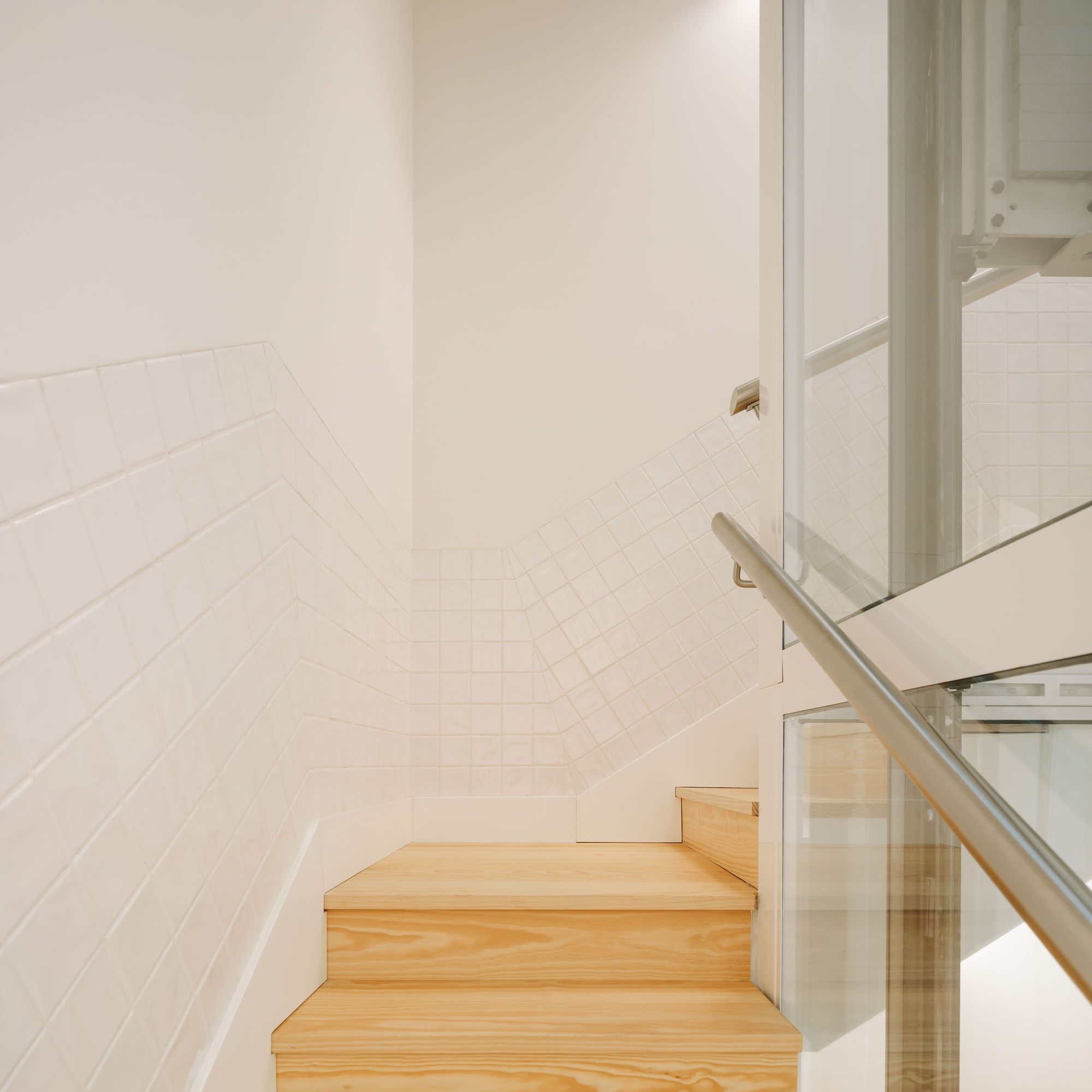
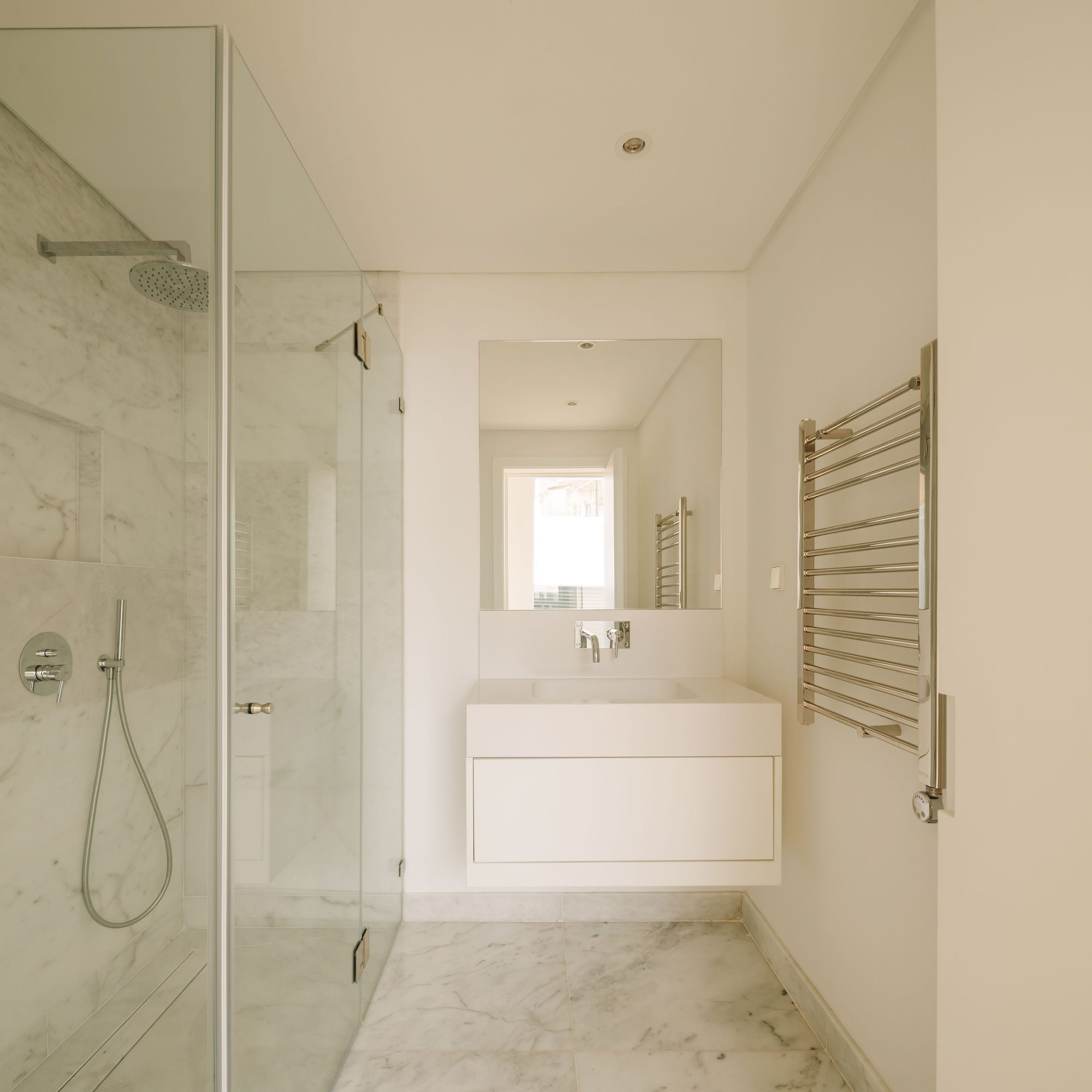
This rehabilitation highlights a building of an exclusively residential character, with 5 fractions, differentiated by the architectural quality, spaces and materials.
© Francisco Nogueira
© Francisco Nogueira
Project Info
Architects: Pedro Carrilho Arquitectos
Area: 760 m²
Year: 2020
Country: Lisbon, Portugal
Photographs: Francisco Nogueira
Manufacturers: AutoDesk, Cosentino, Technal, Margres, Saint-Gobain, Batista-gomes, Blum, Navarra, Portrisa, SCHUSS, Vicaima, Viúva Lamego, Wicona

Sophie Tremblay is a Montreal-based architectural editor and designer with a focus on sustainable urban development. A McGill University architecture graduate, she began her career in adaptive reuse, blending modern design with historical structures. As a Project Editor at Arch2O, she curates stories that connect traditional practice with forward-thinking design. Her writing highlights architecture's role in community engagement and social impact. Sophie has contributed to Canadian Architect and continues to collaborate with local studios on community-driven projects throughout Quebec, maintaining a hands-on approach that informs both her design sensibility and editorial perspective.