

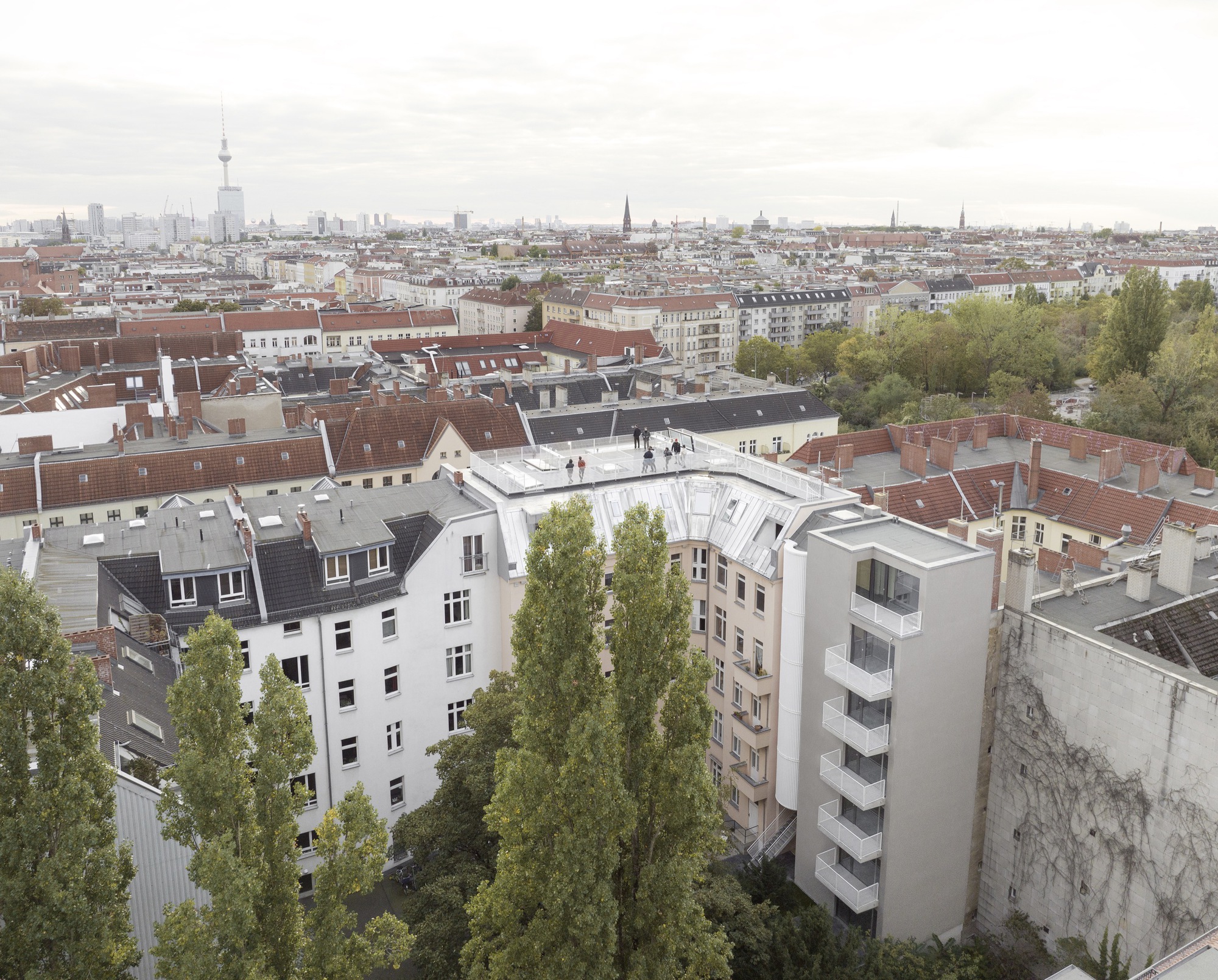
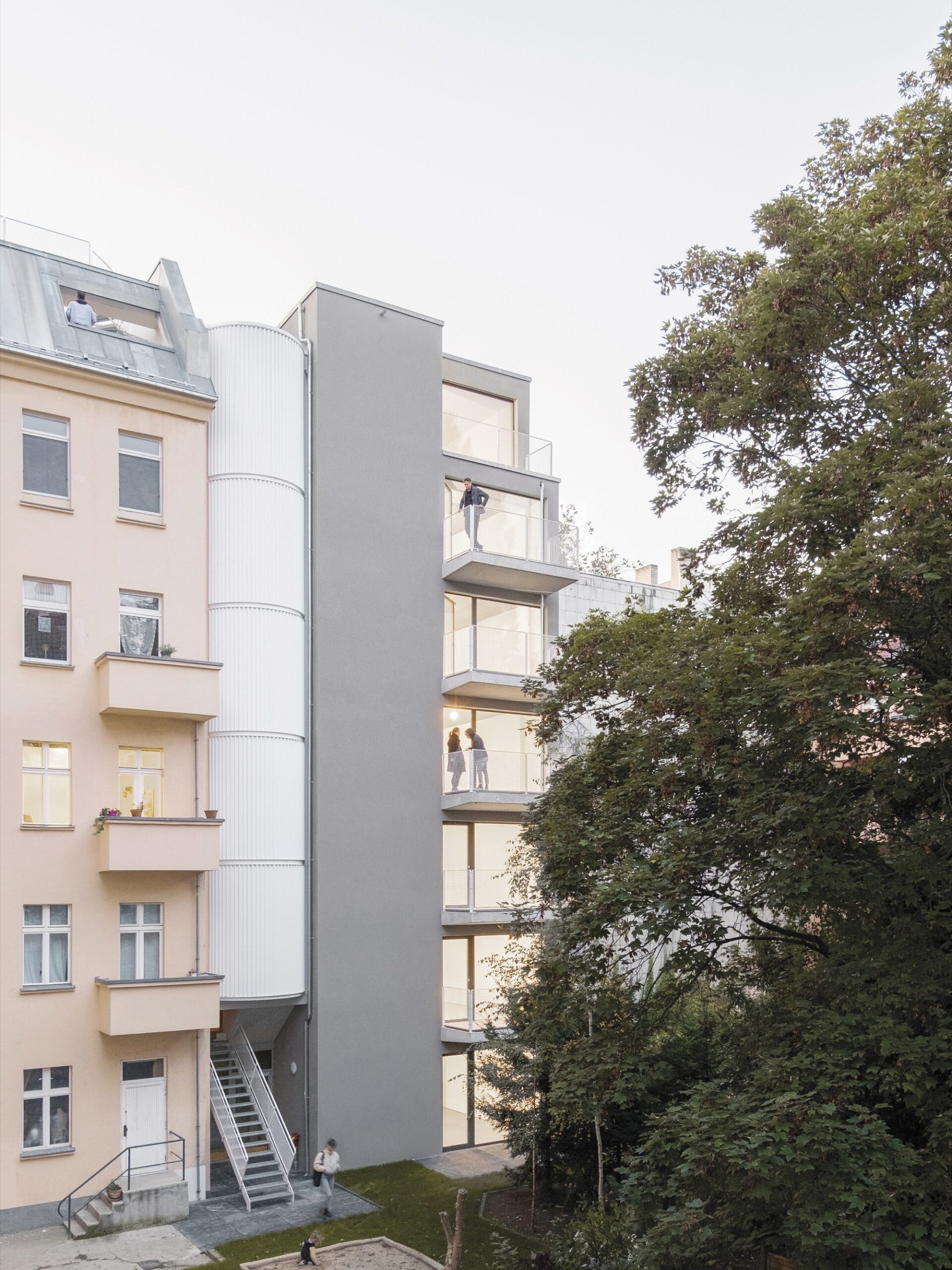
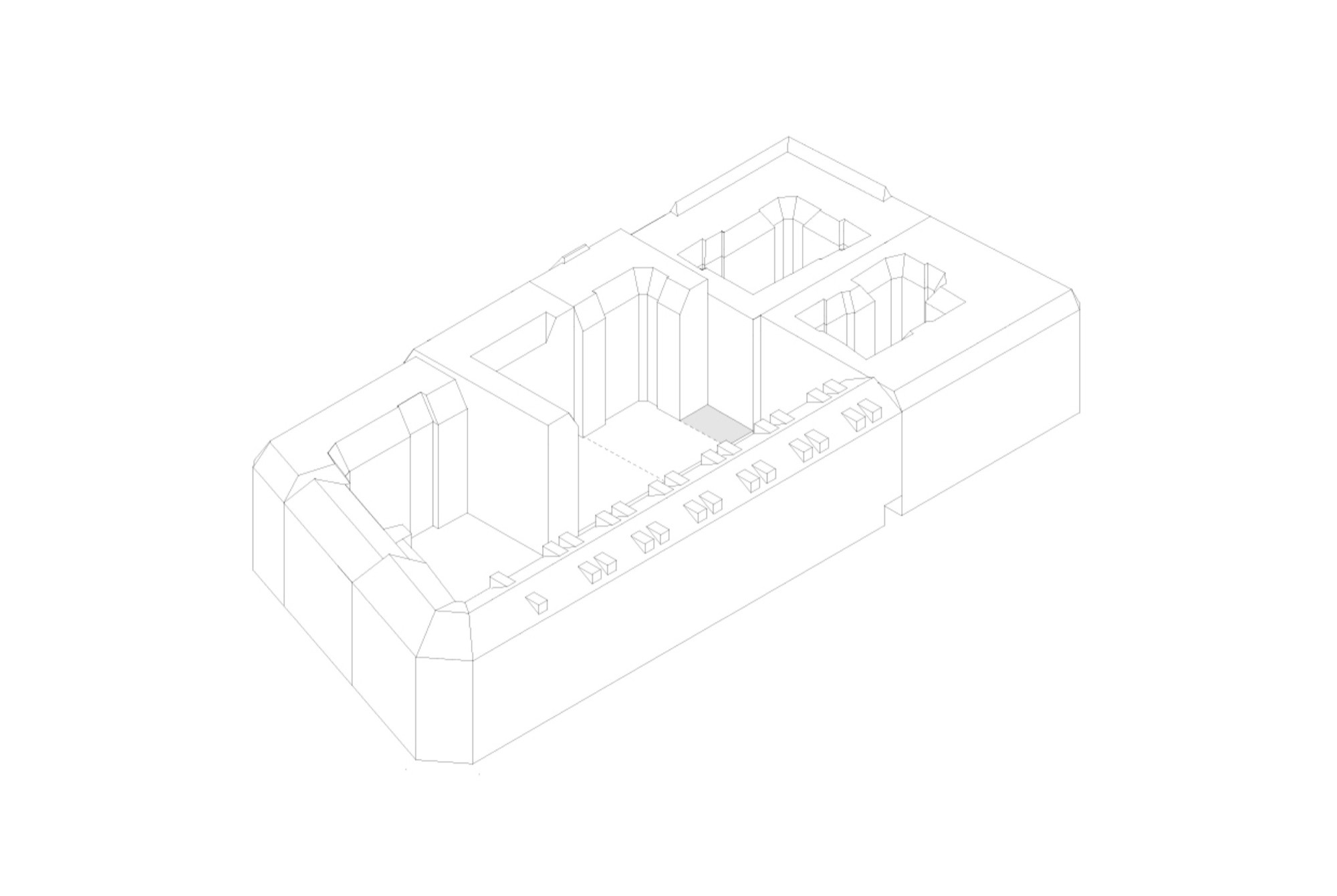
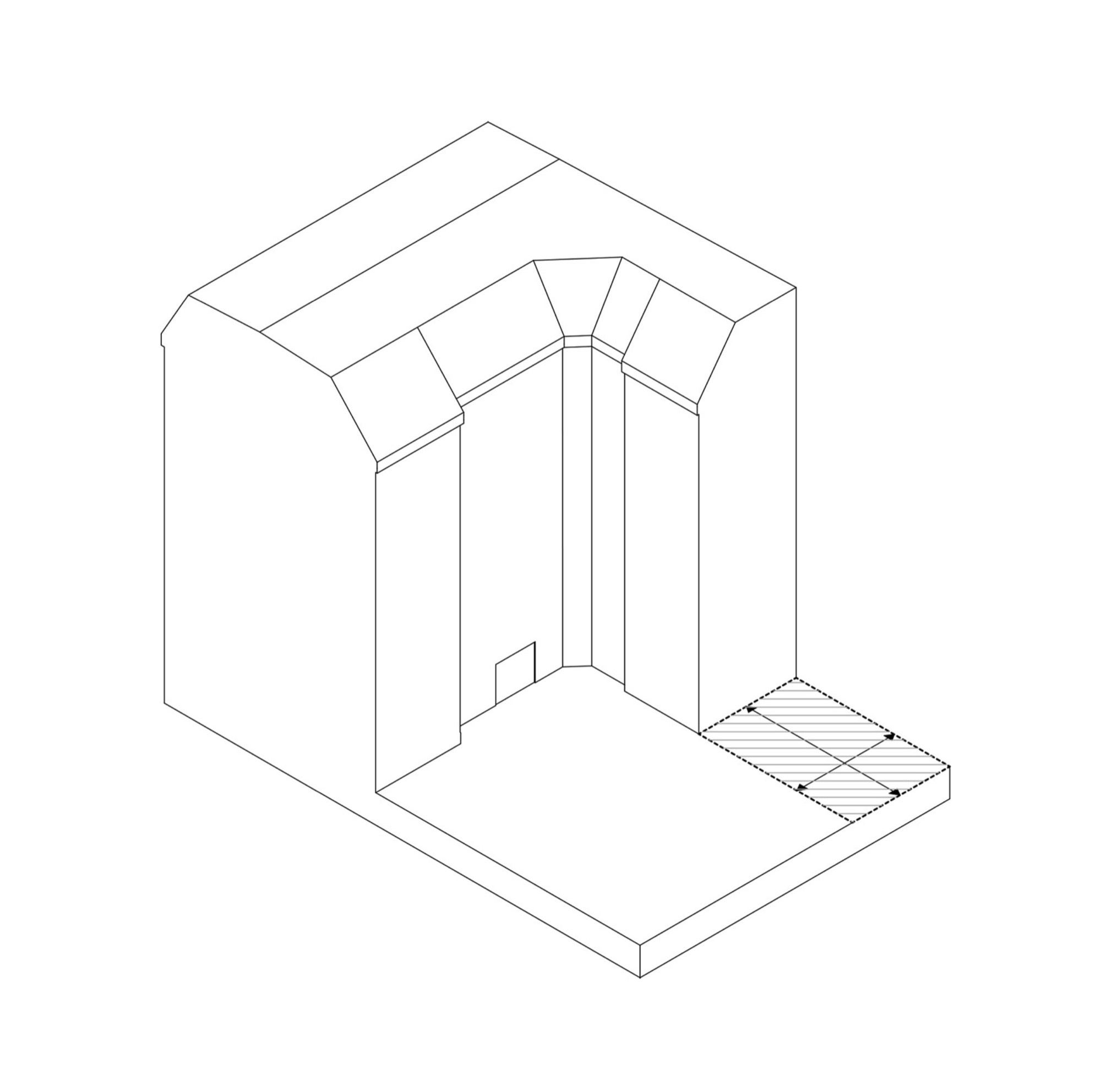
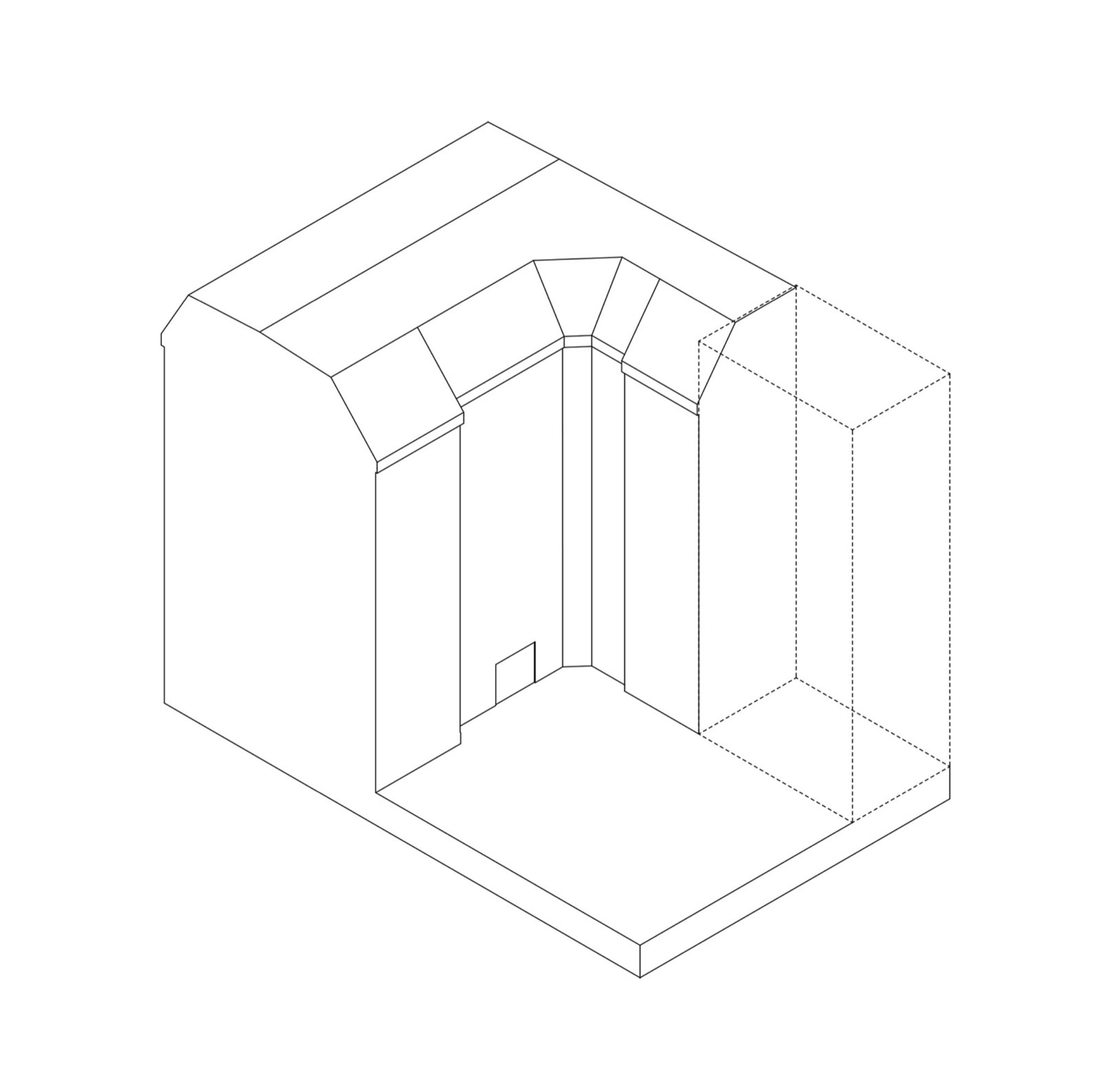
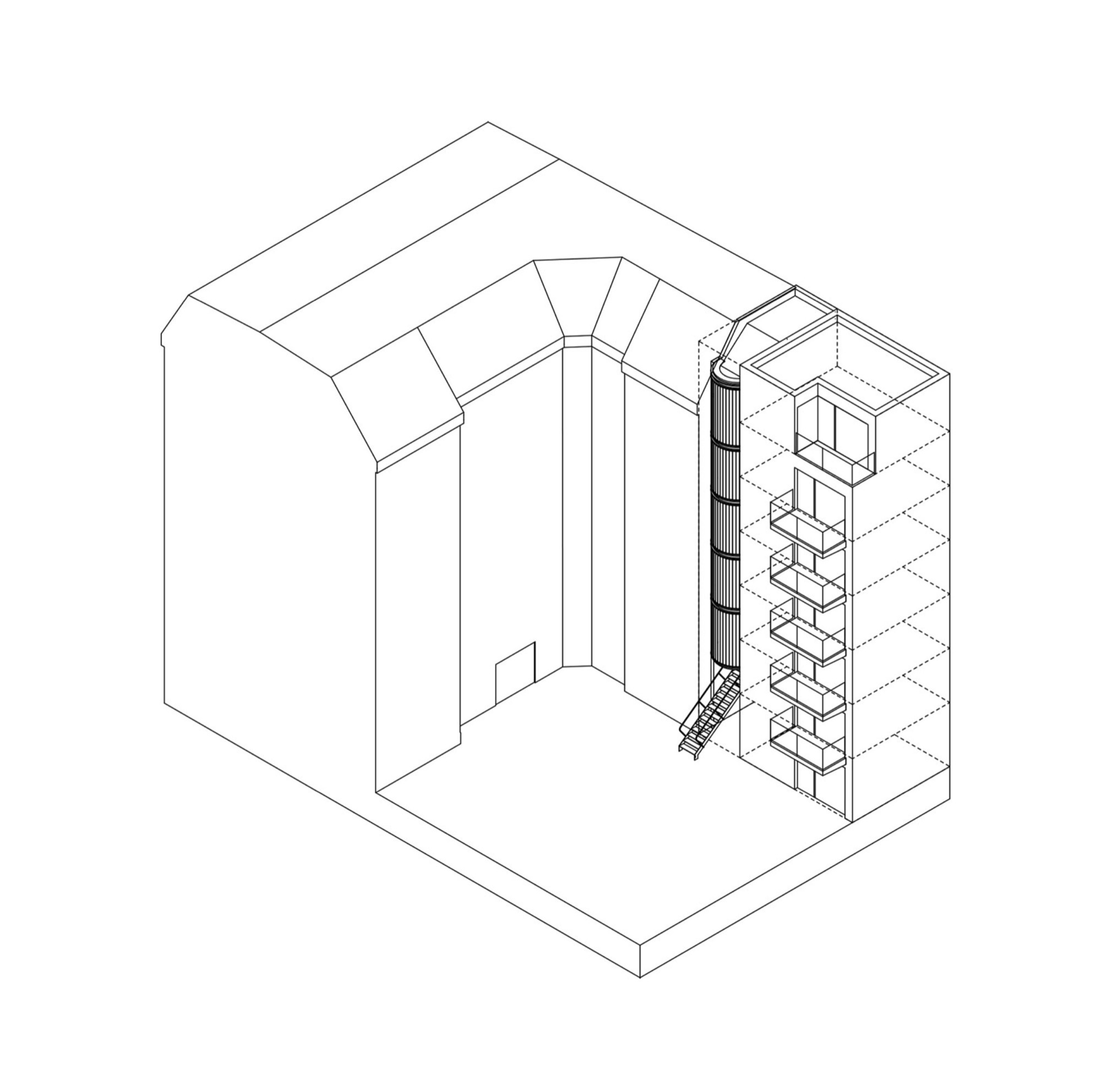
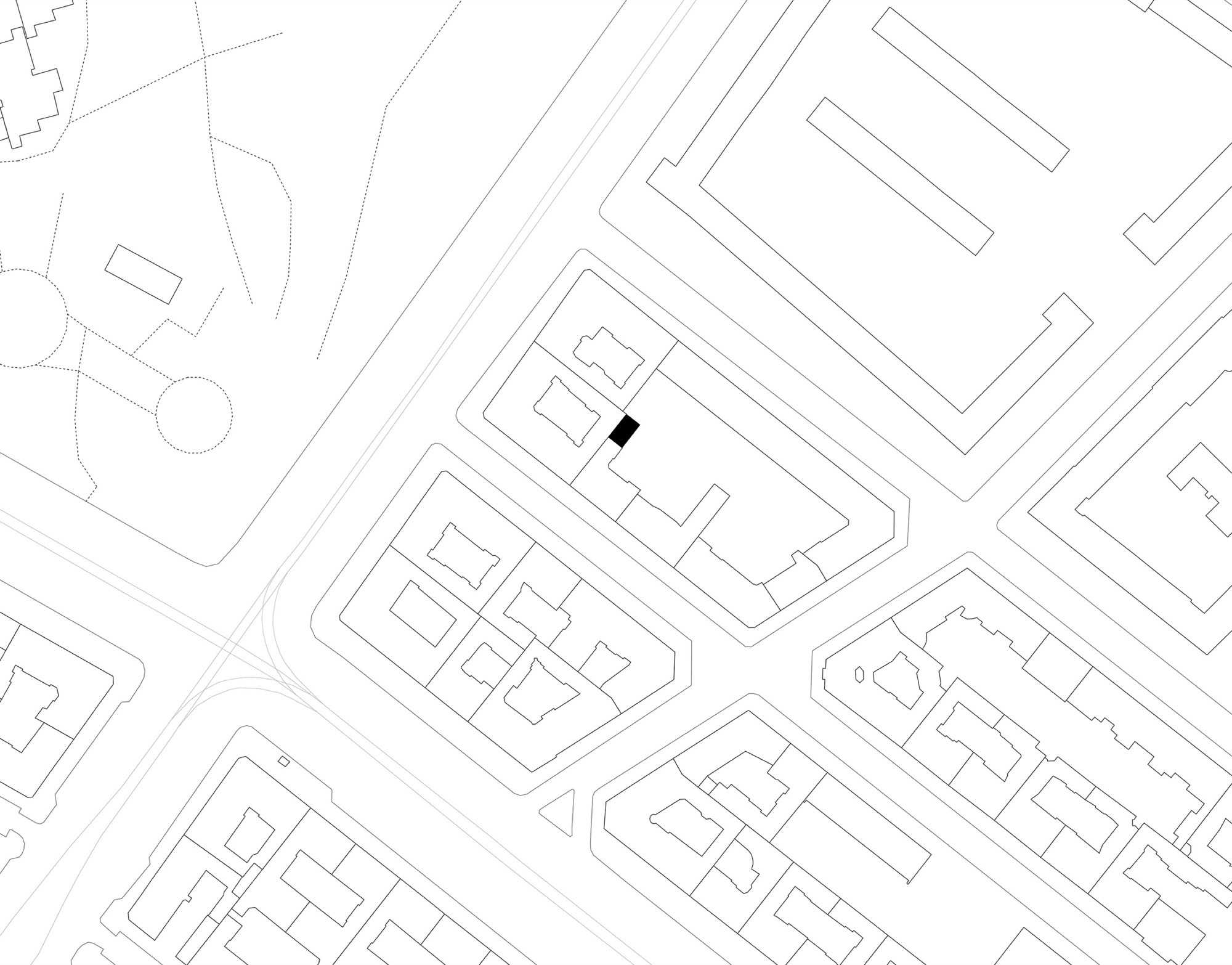
Berlin Backyard Tower 6×9, In the backyard of a Berlin Gründerzeit block is possibly the smallest apartment building in Berlin (or even Germany?), which is a prototype for the sustainable development of the small leftover urban spaces. The ongoing housing shortage in cities requires new approaches to the development of inner-city areas to create high-quality living spaces despite tight financial and regulatory conditions. Berlin in particular has developed from a „green archipelago“ into a dense patchwork of urban strategies, historical fragments, and architectural ambitions. Here, alternative solutions have become essential.
© Clemens Wronski
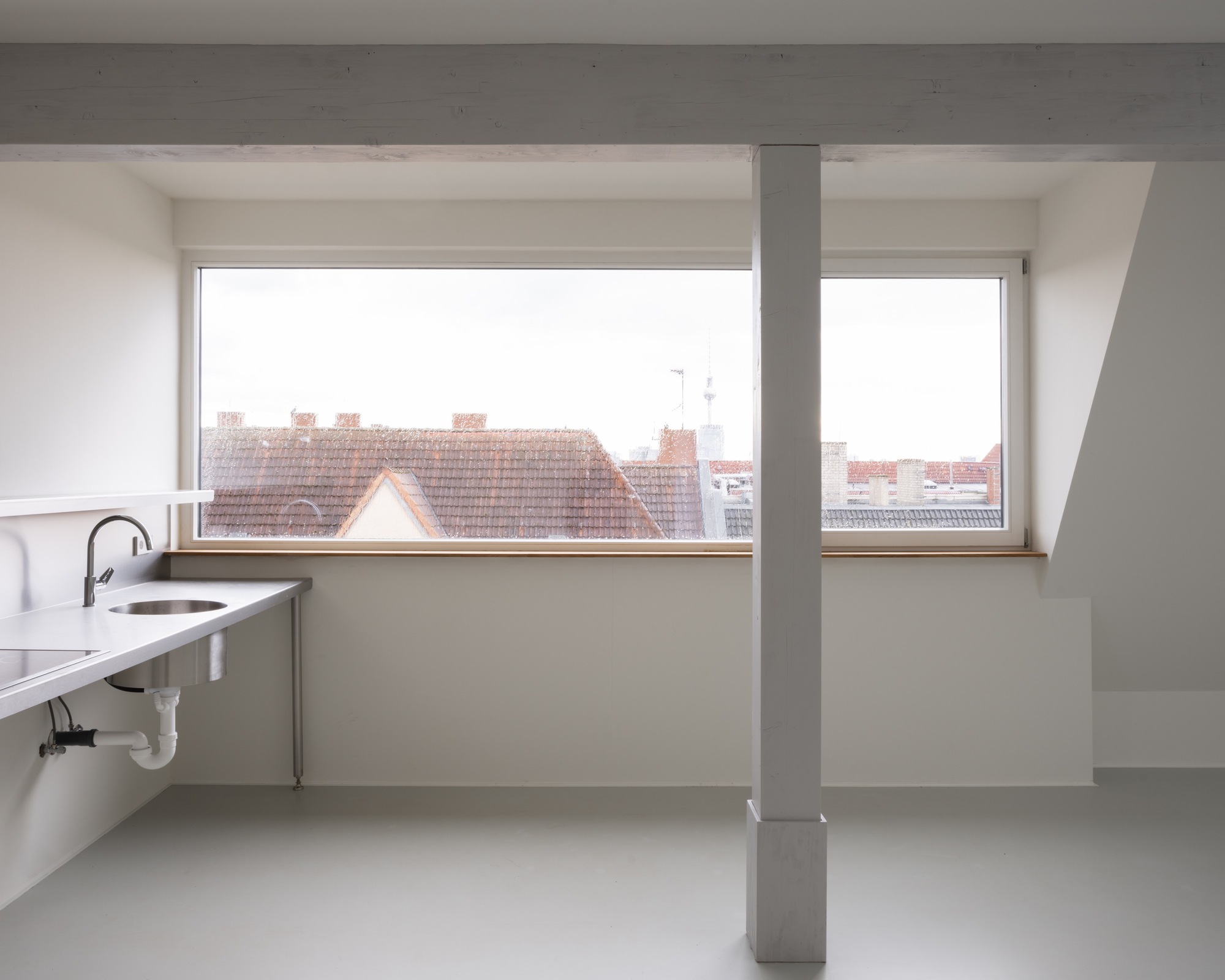
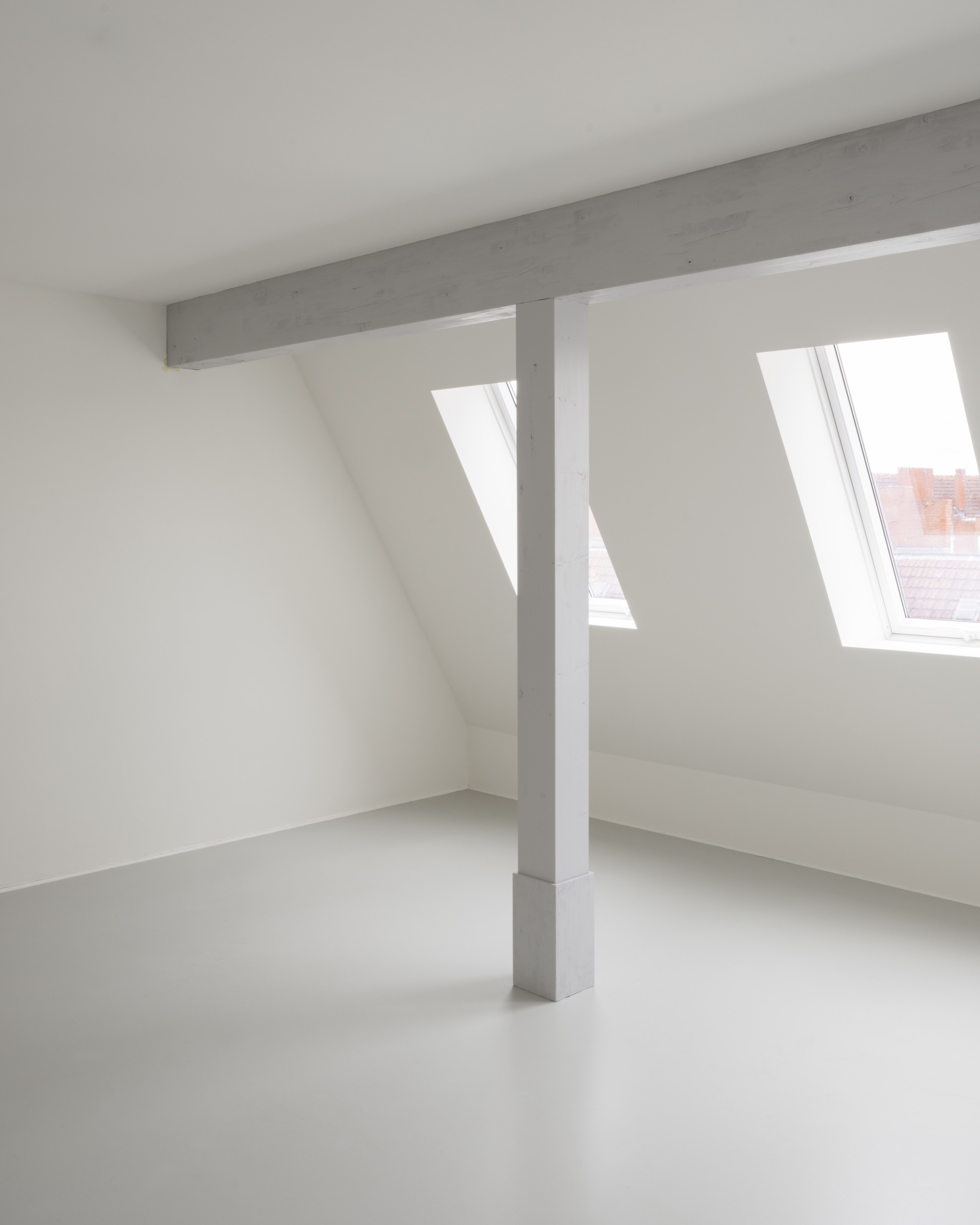
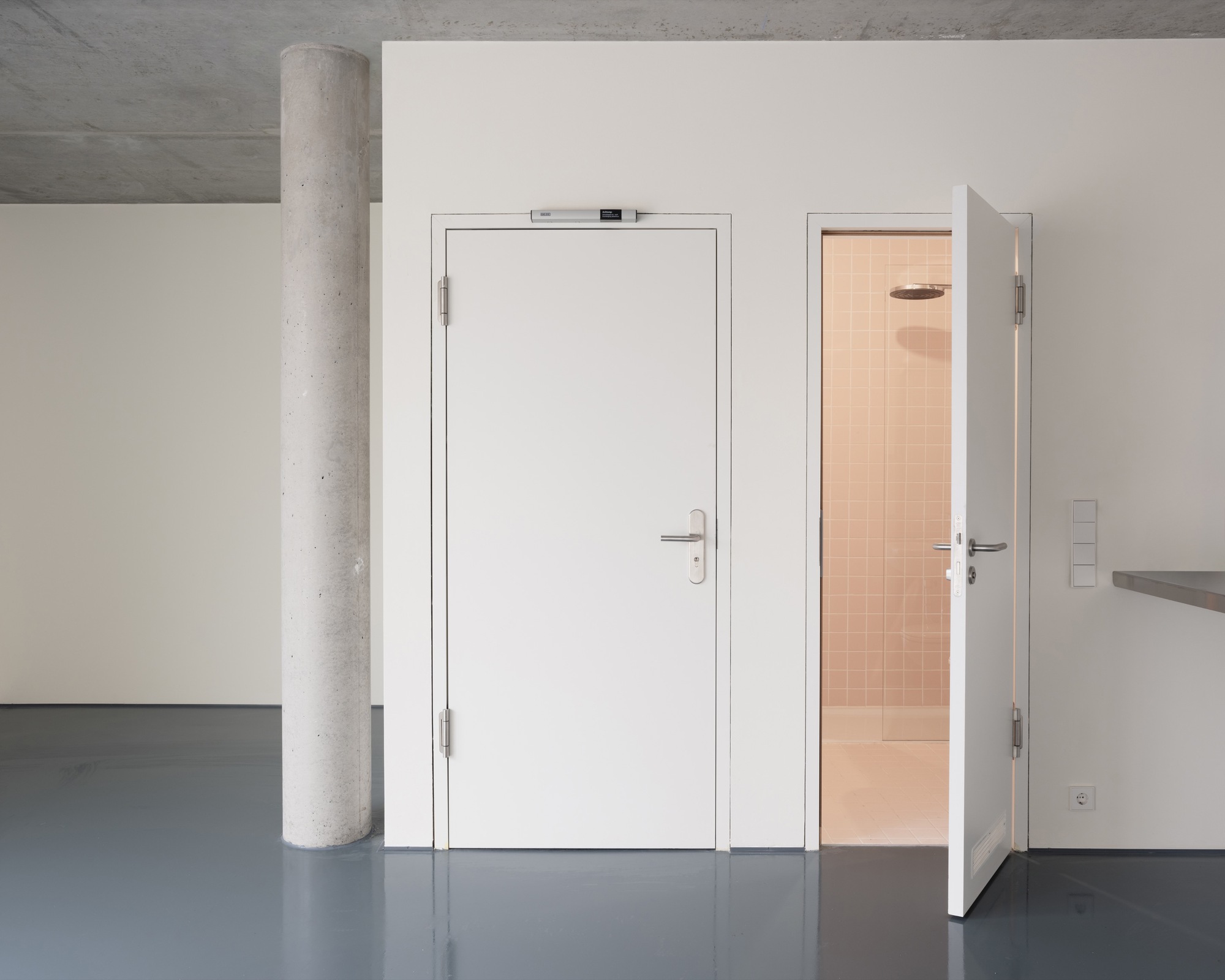
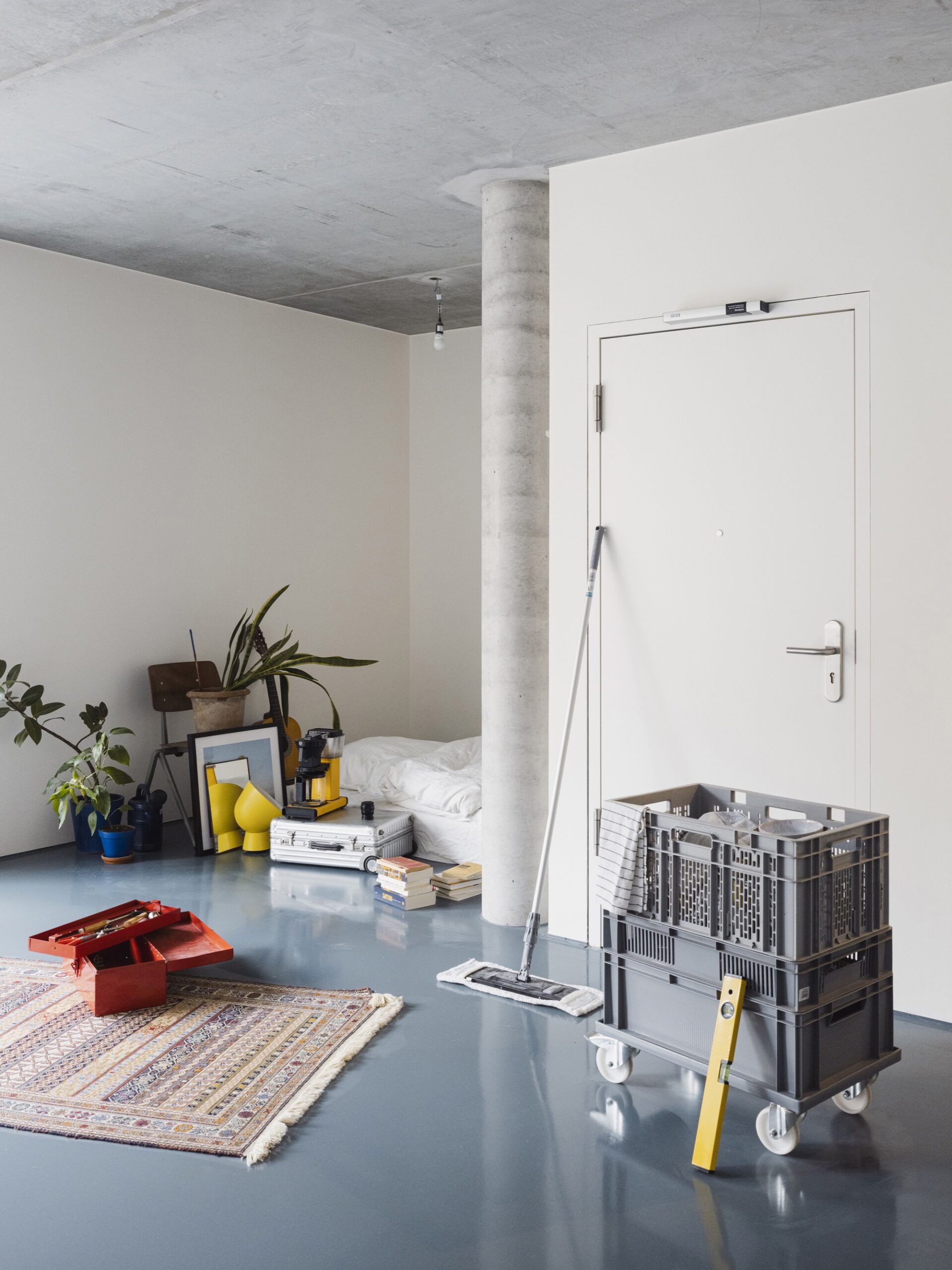
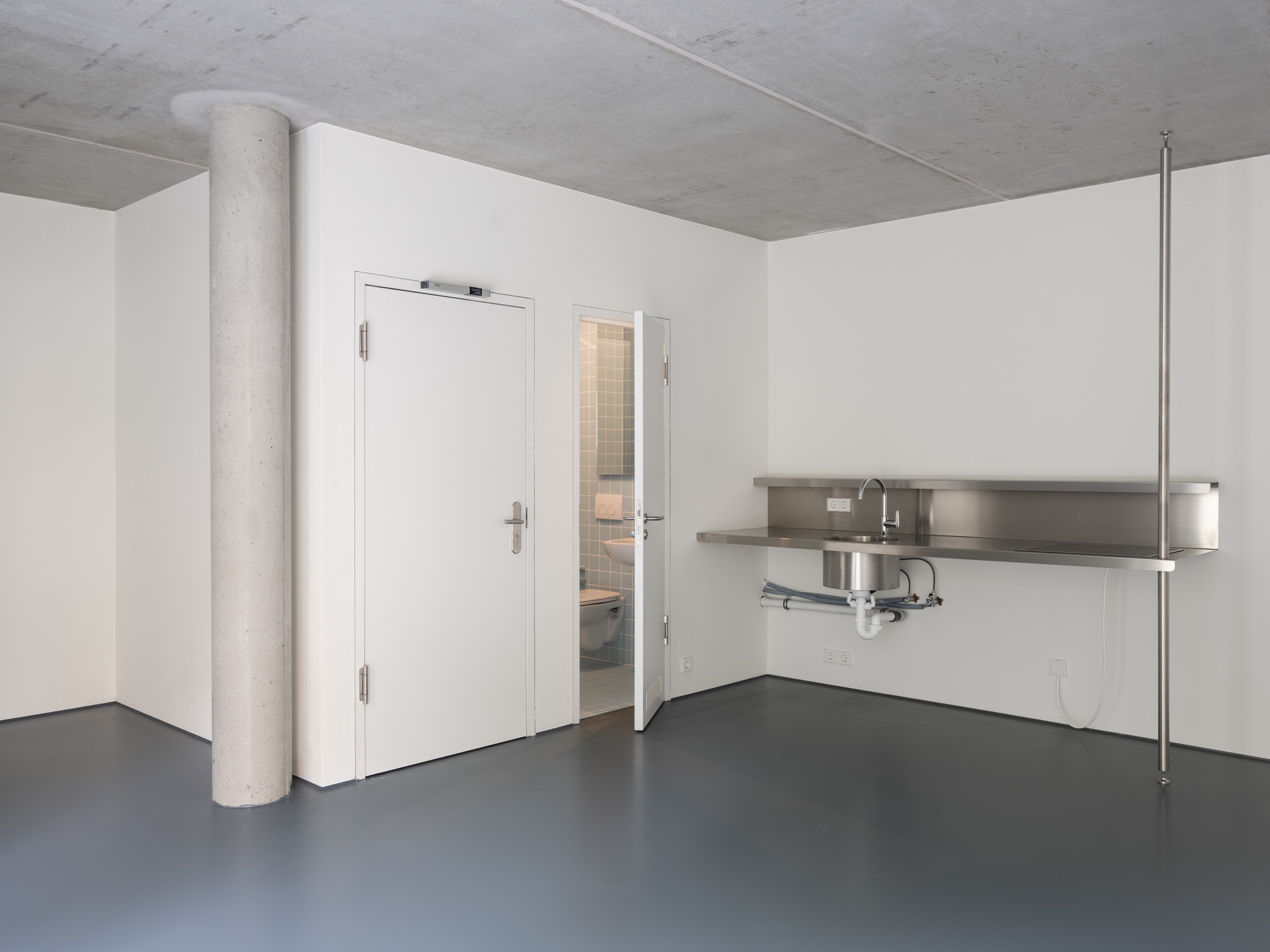
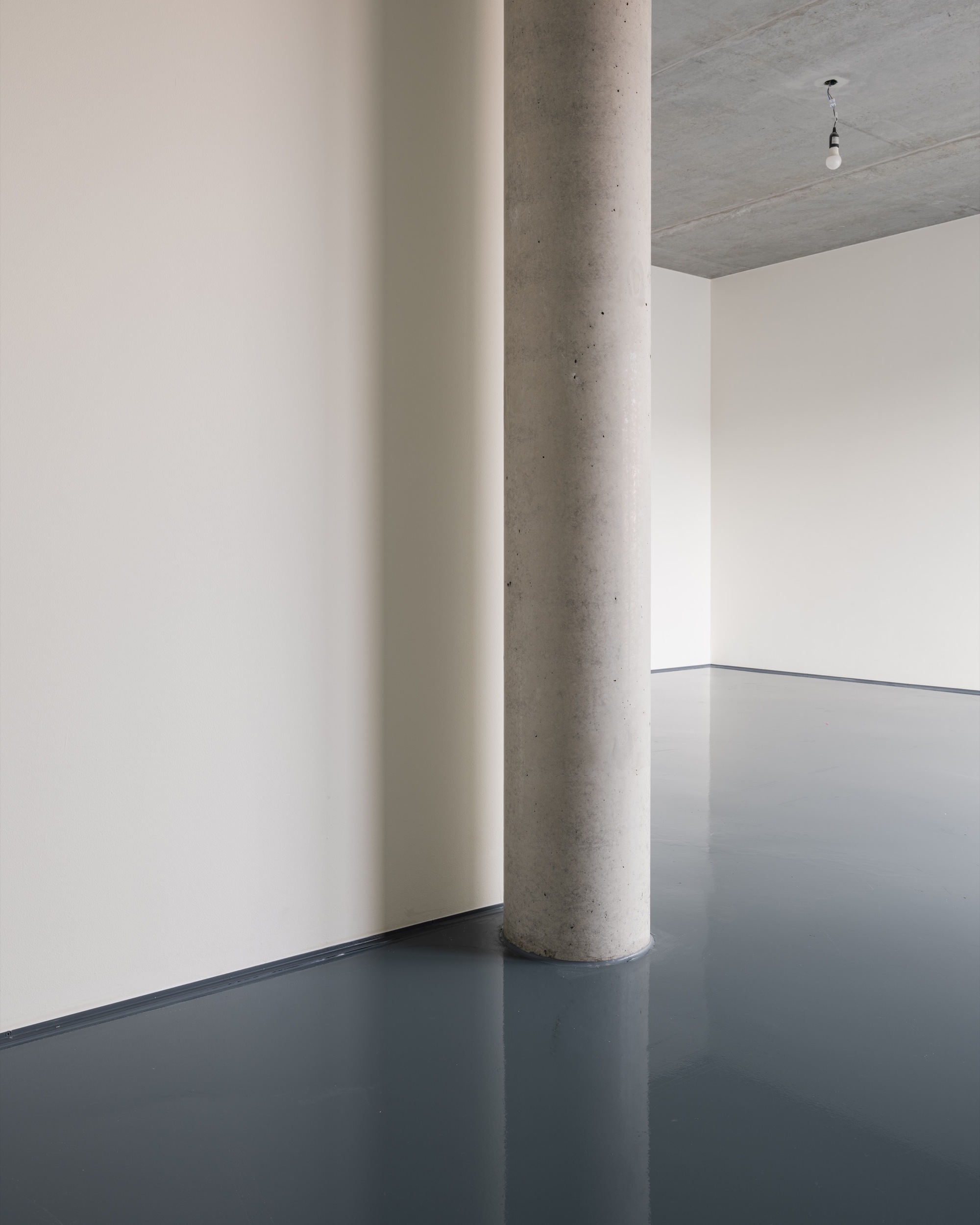
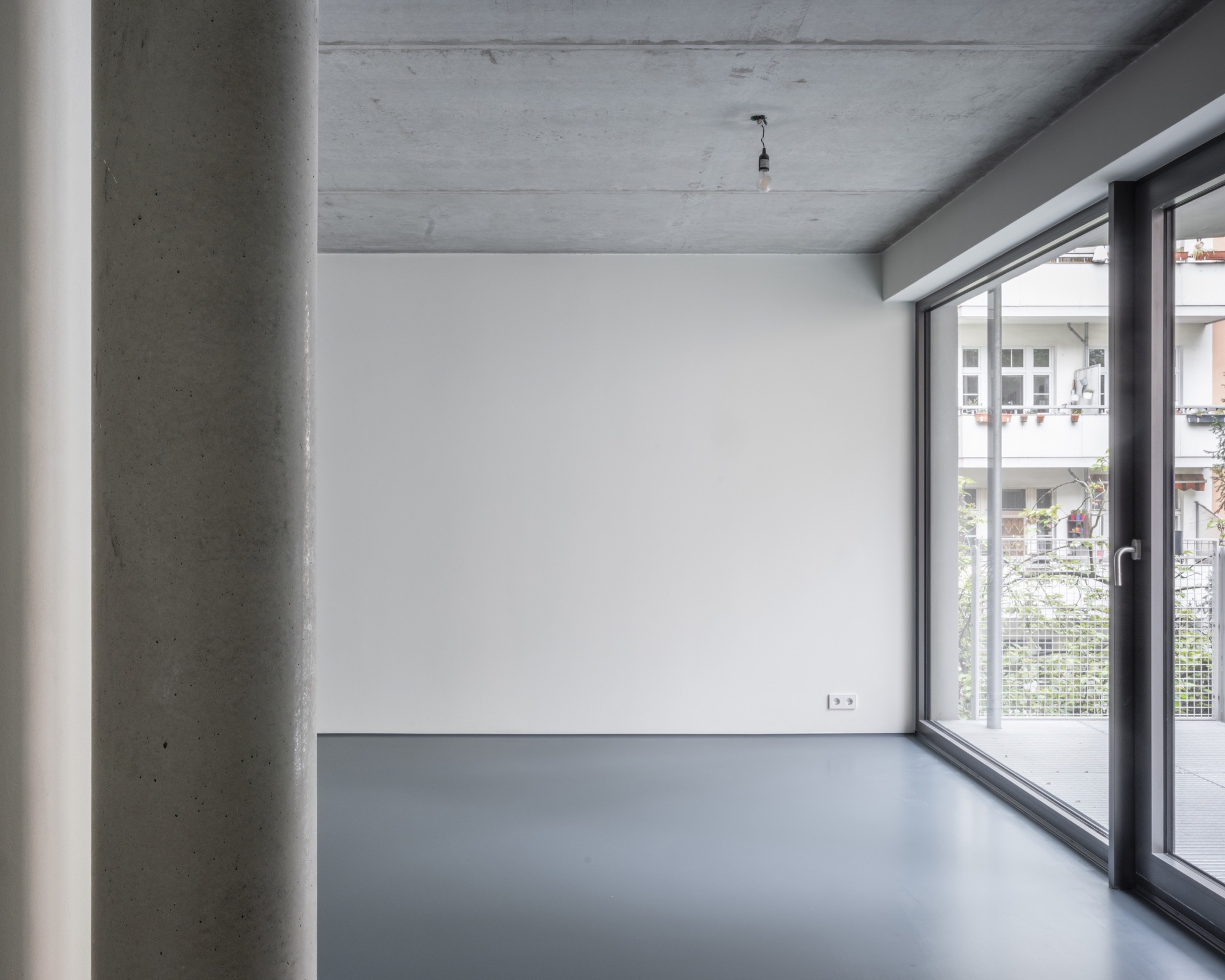
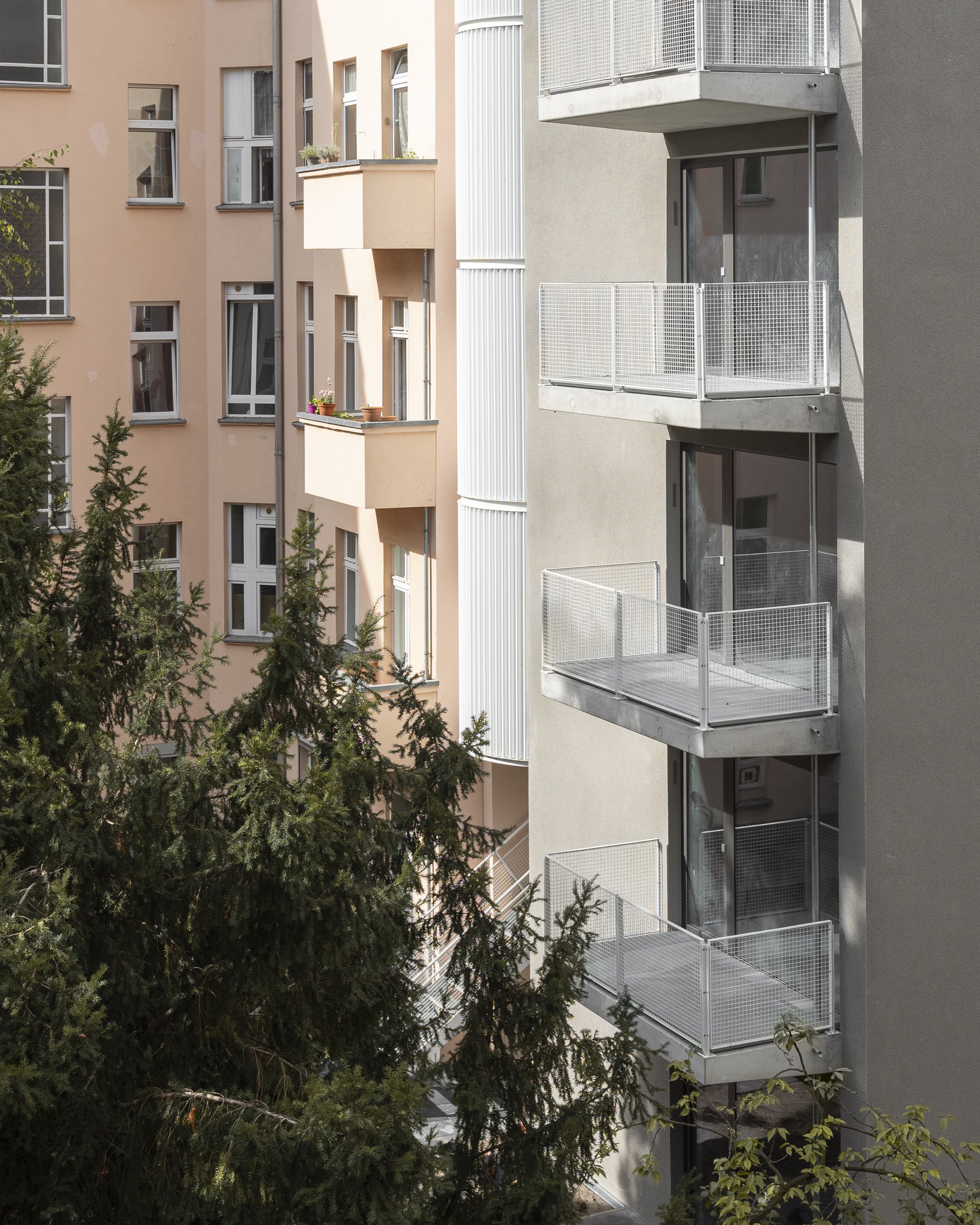
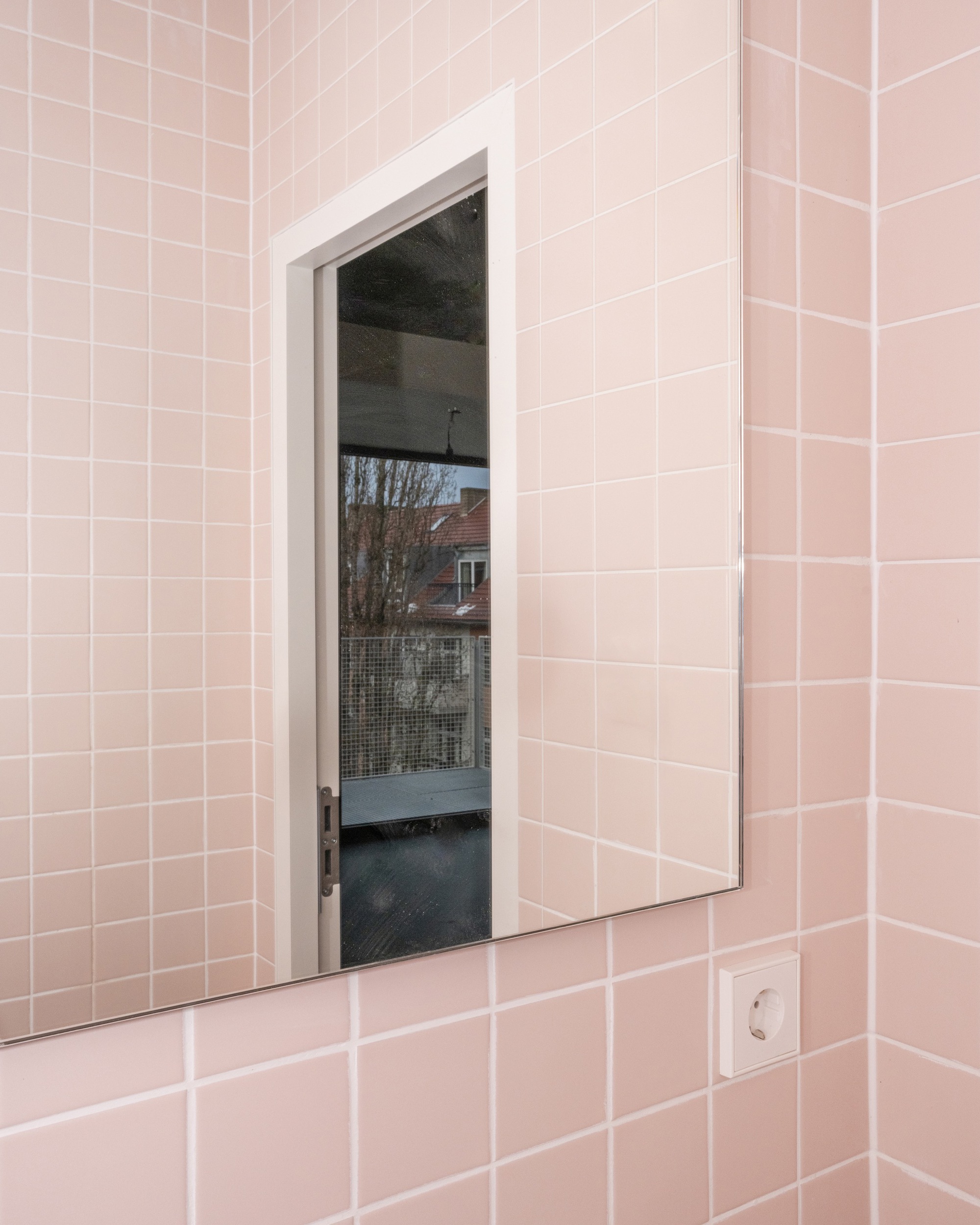
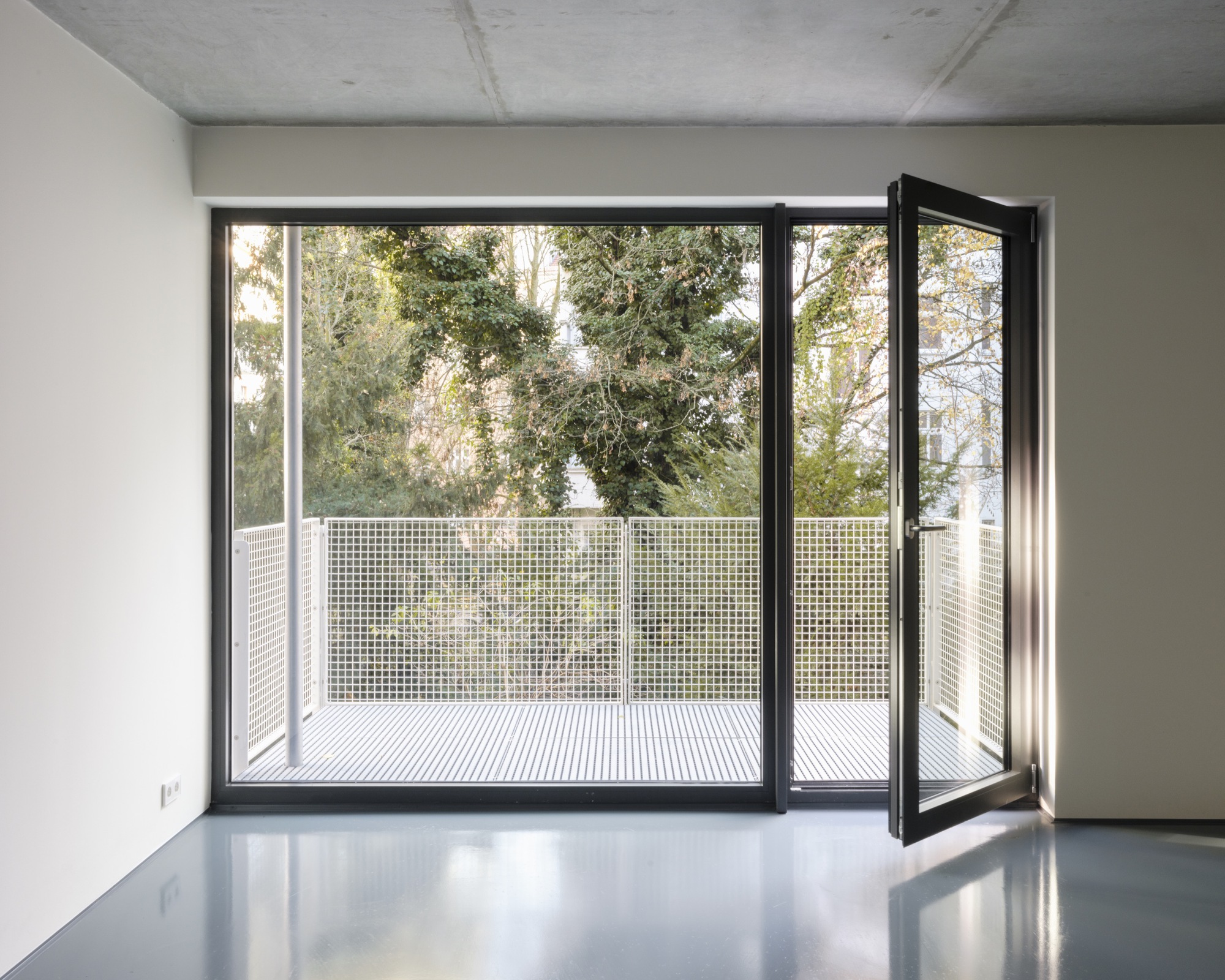
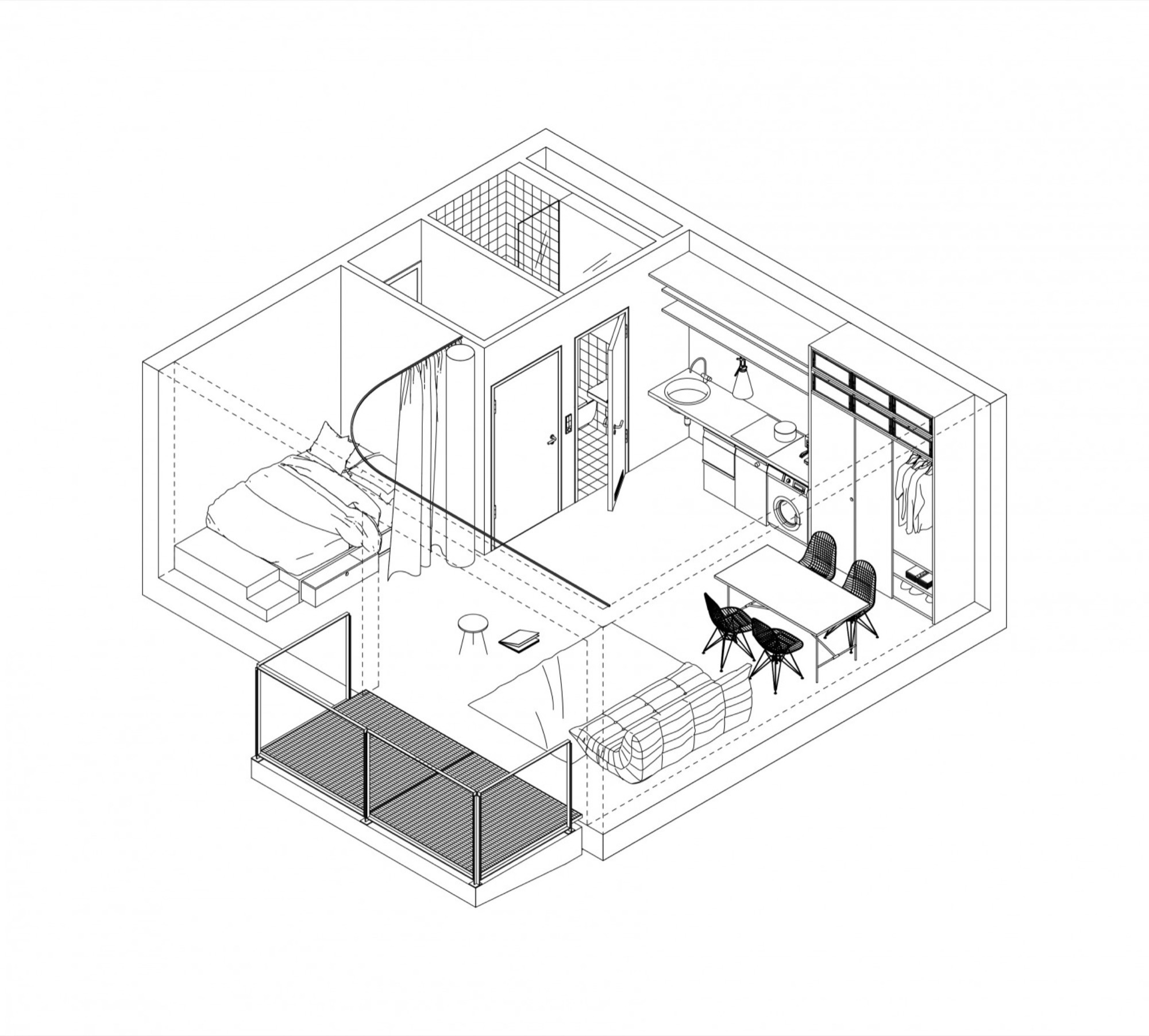
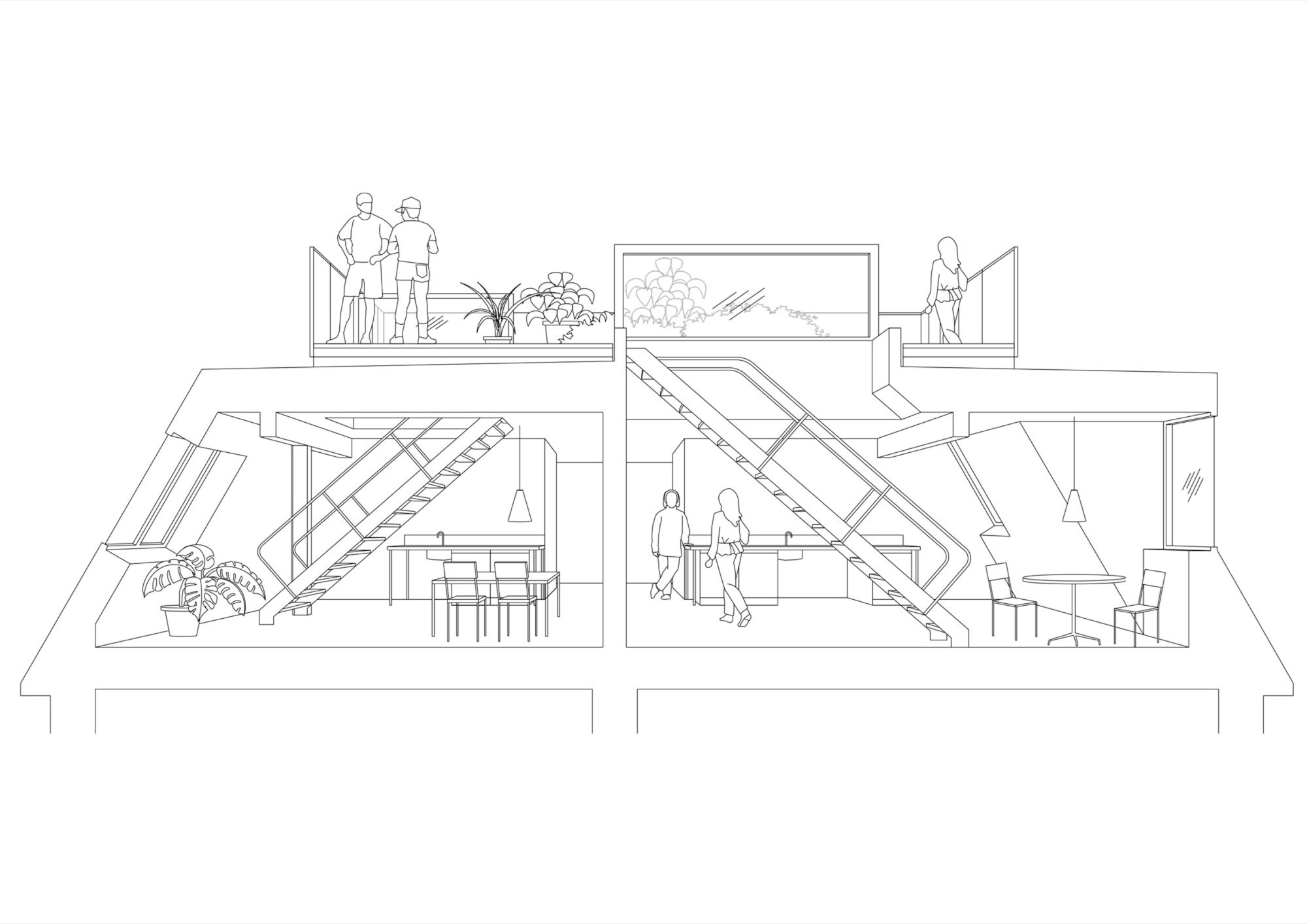
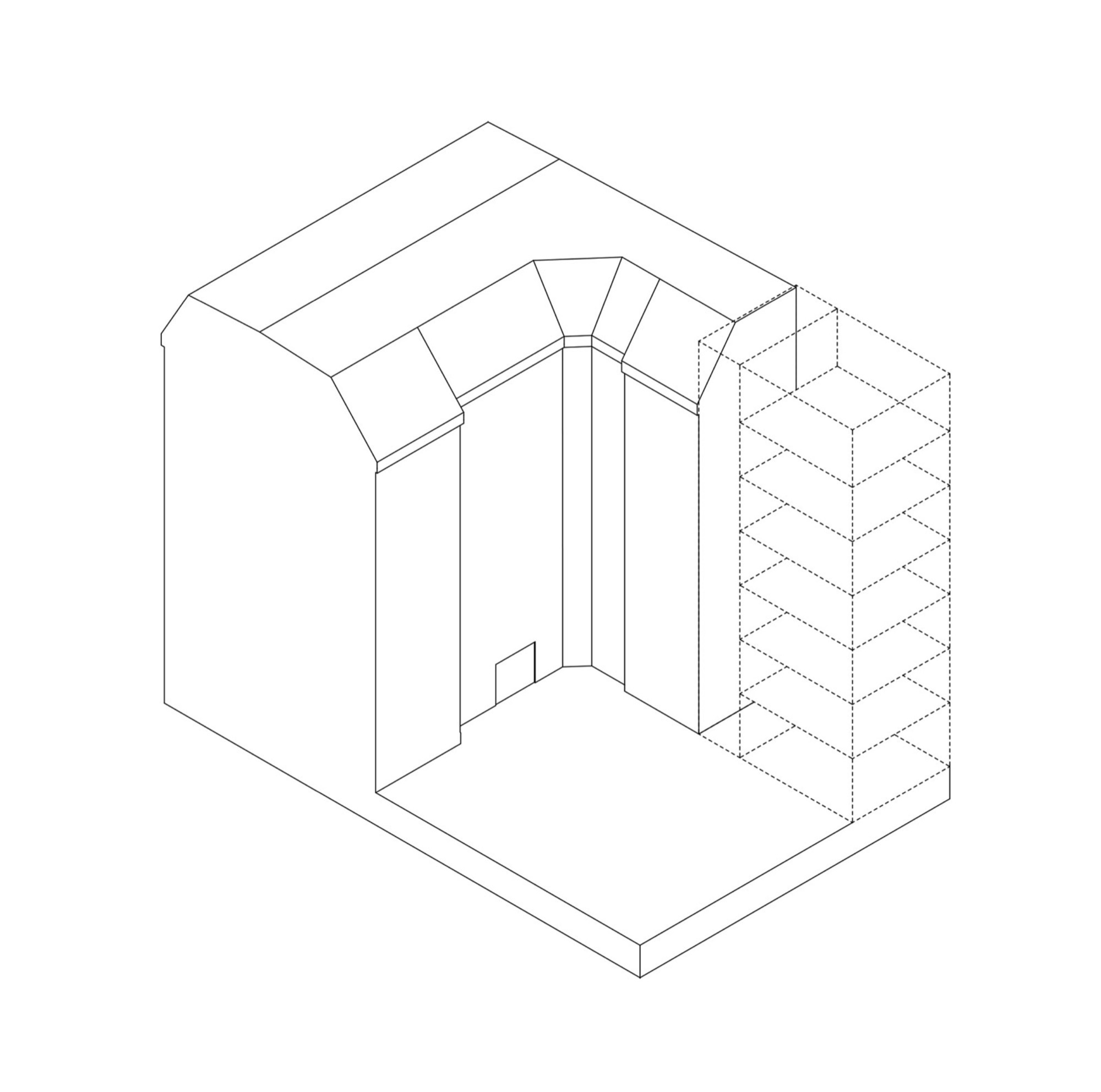
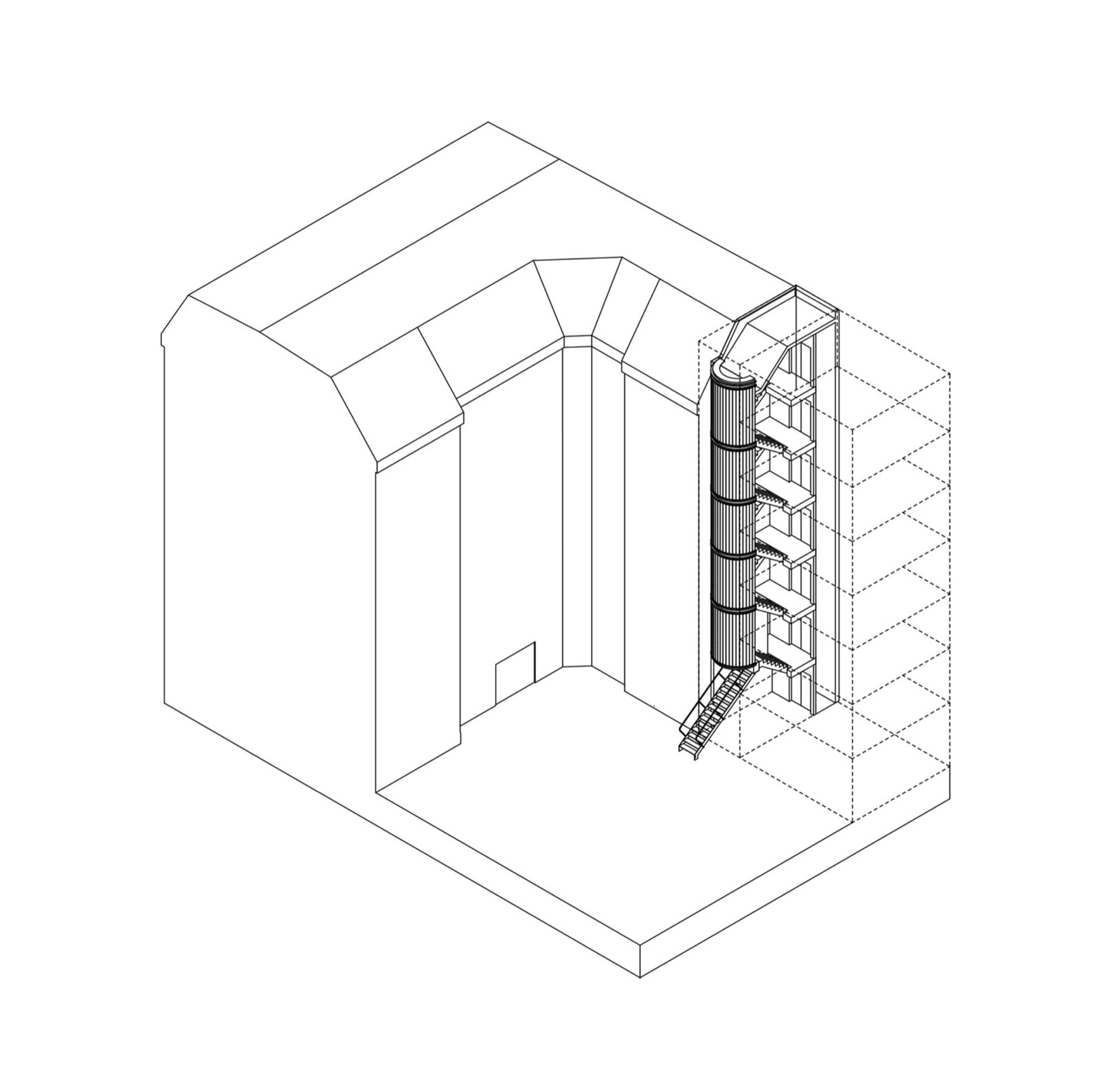
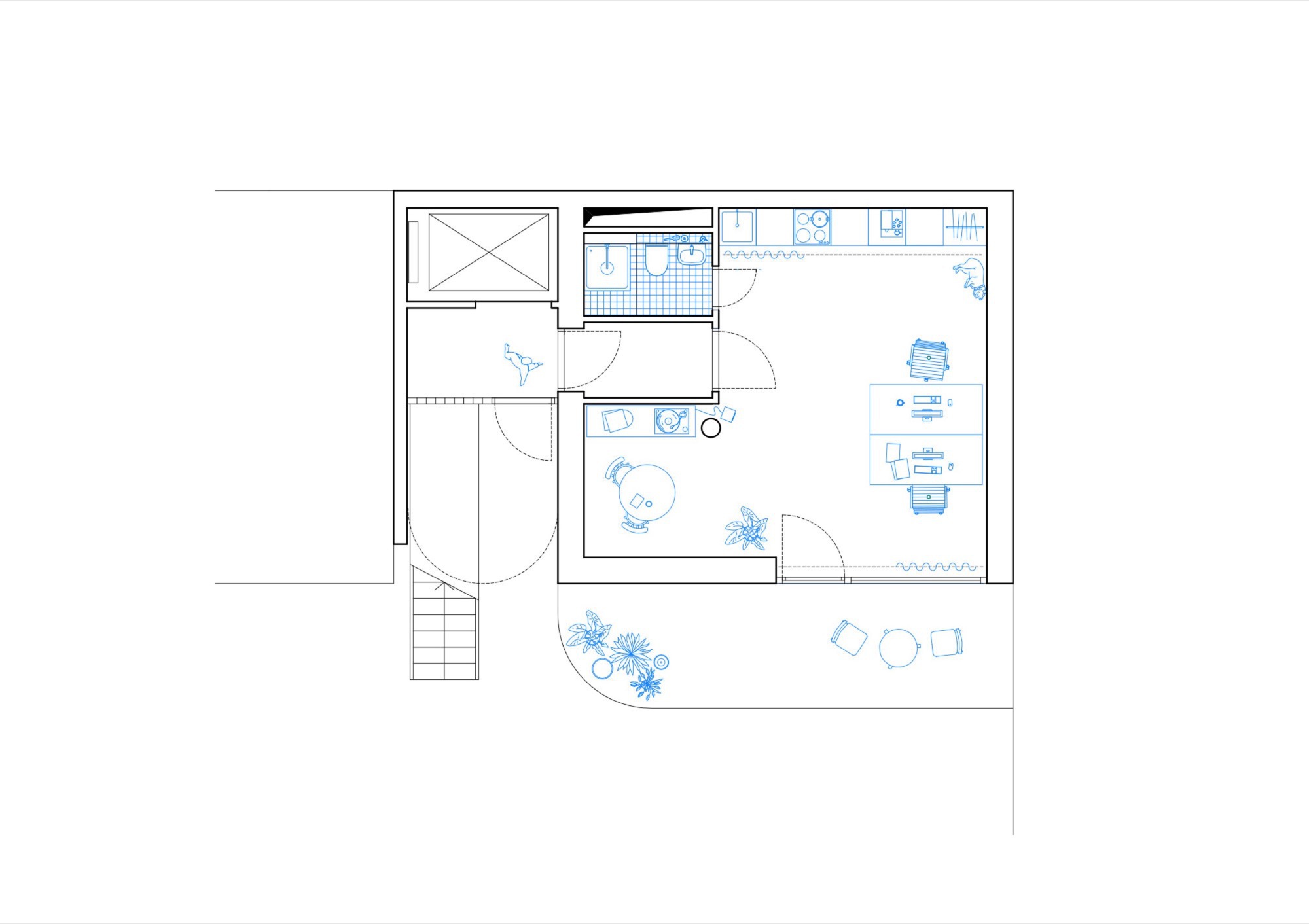
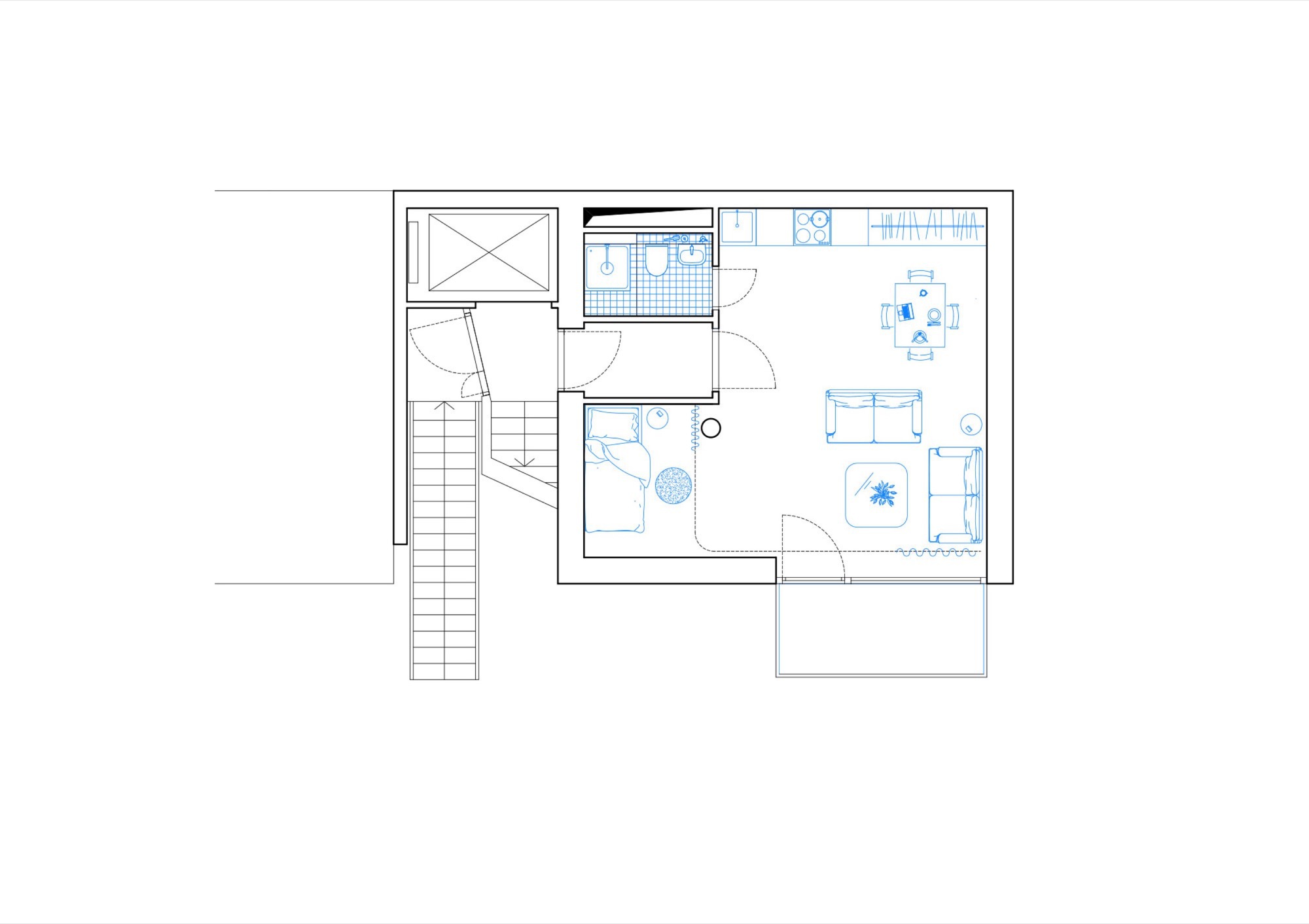
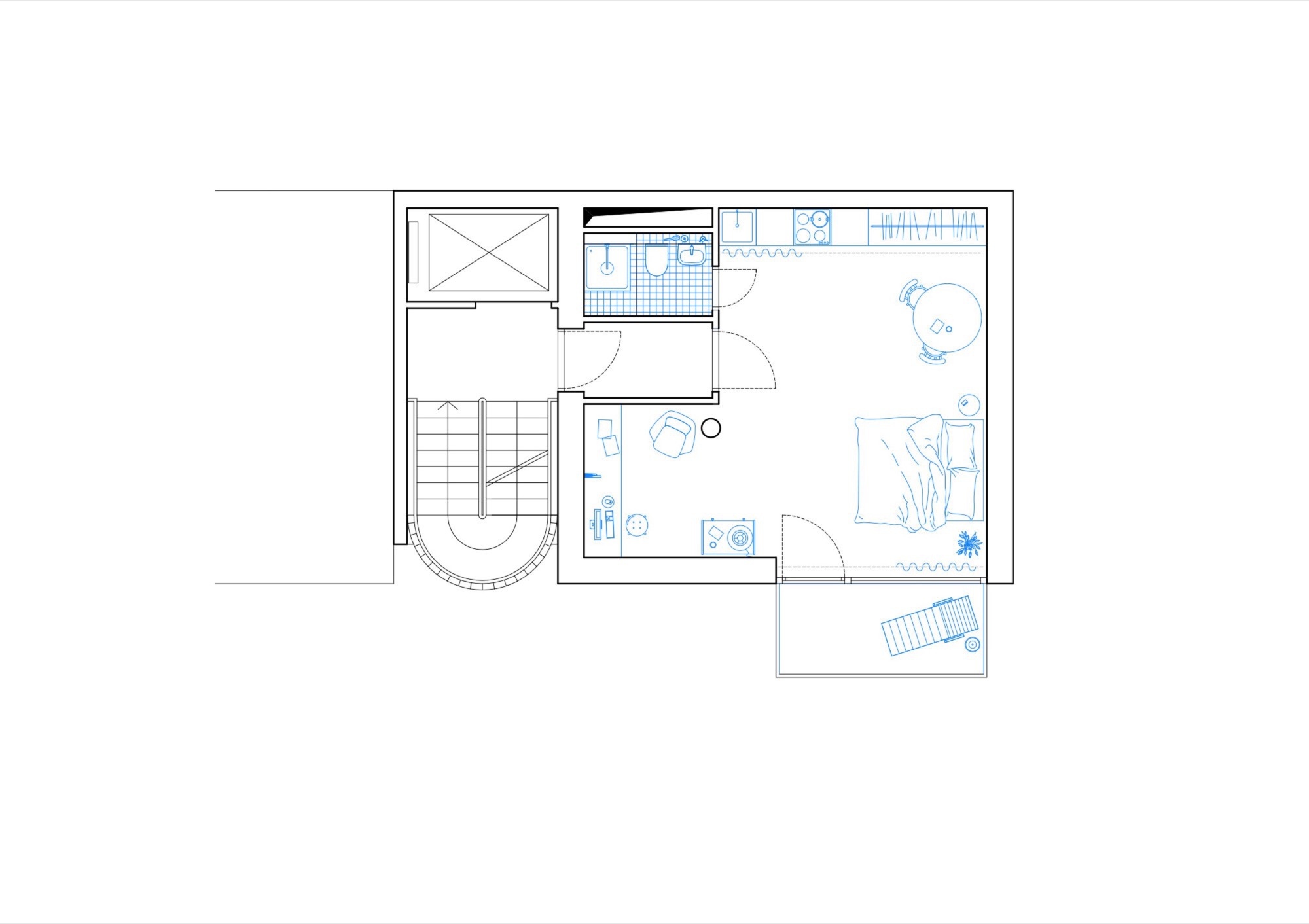
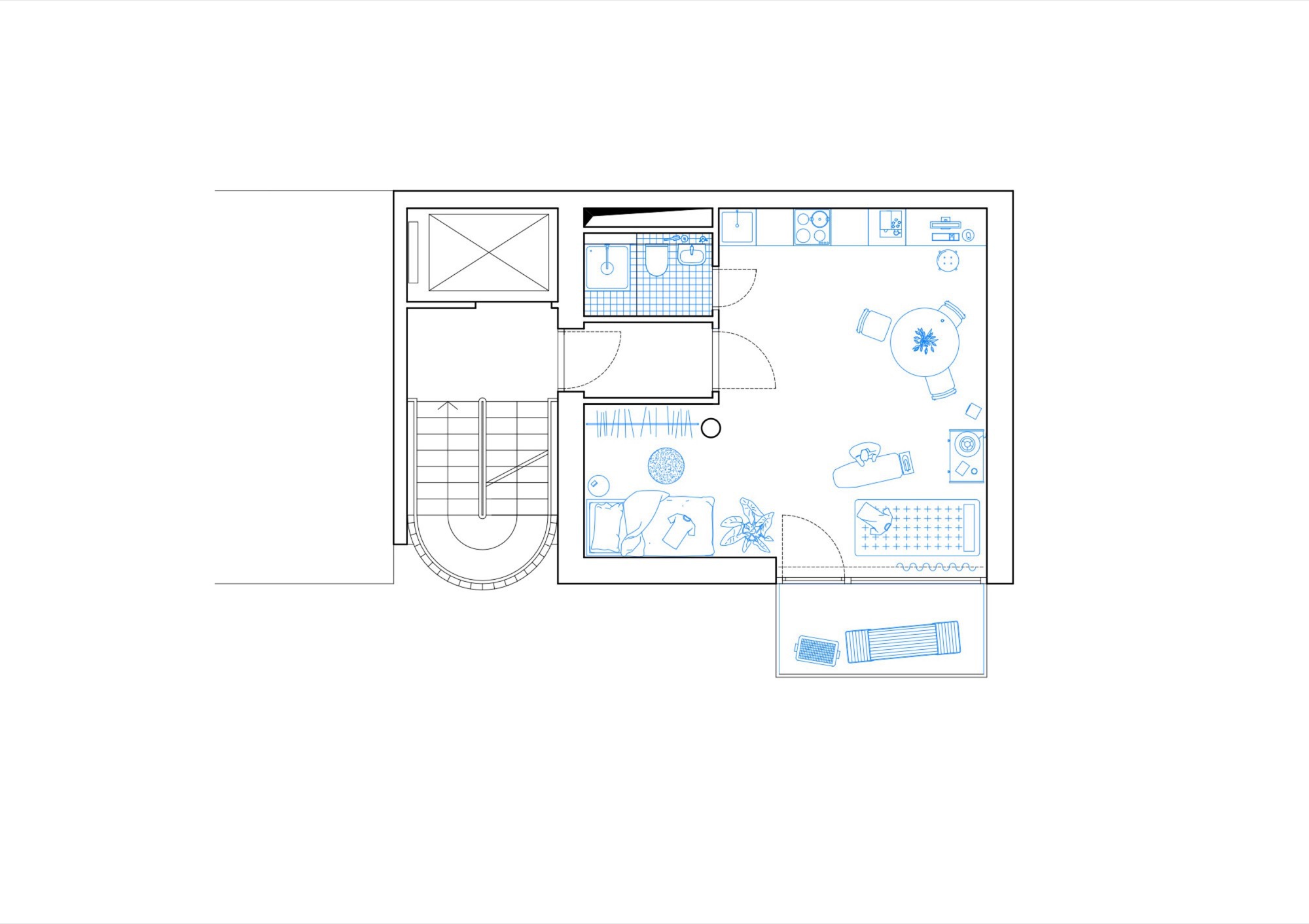
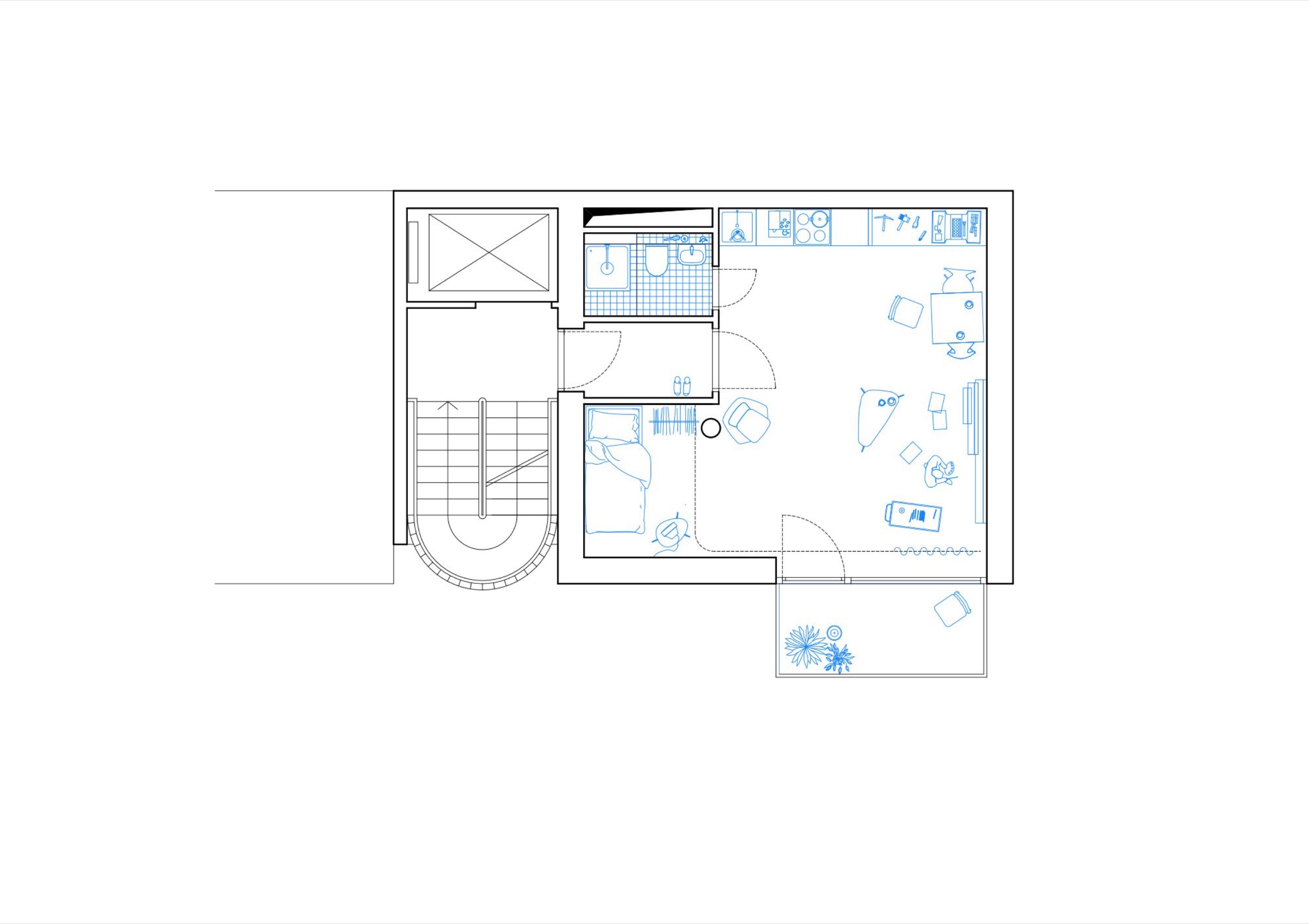
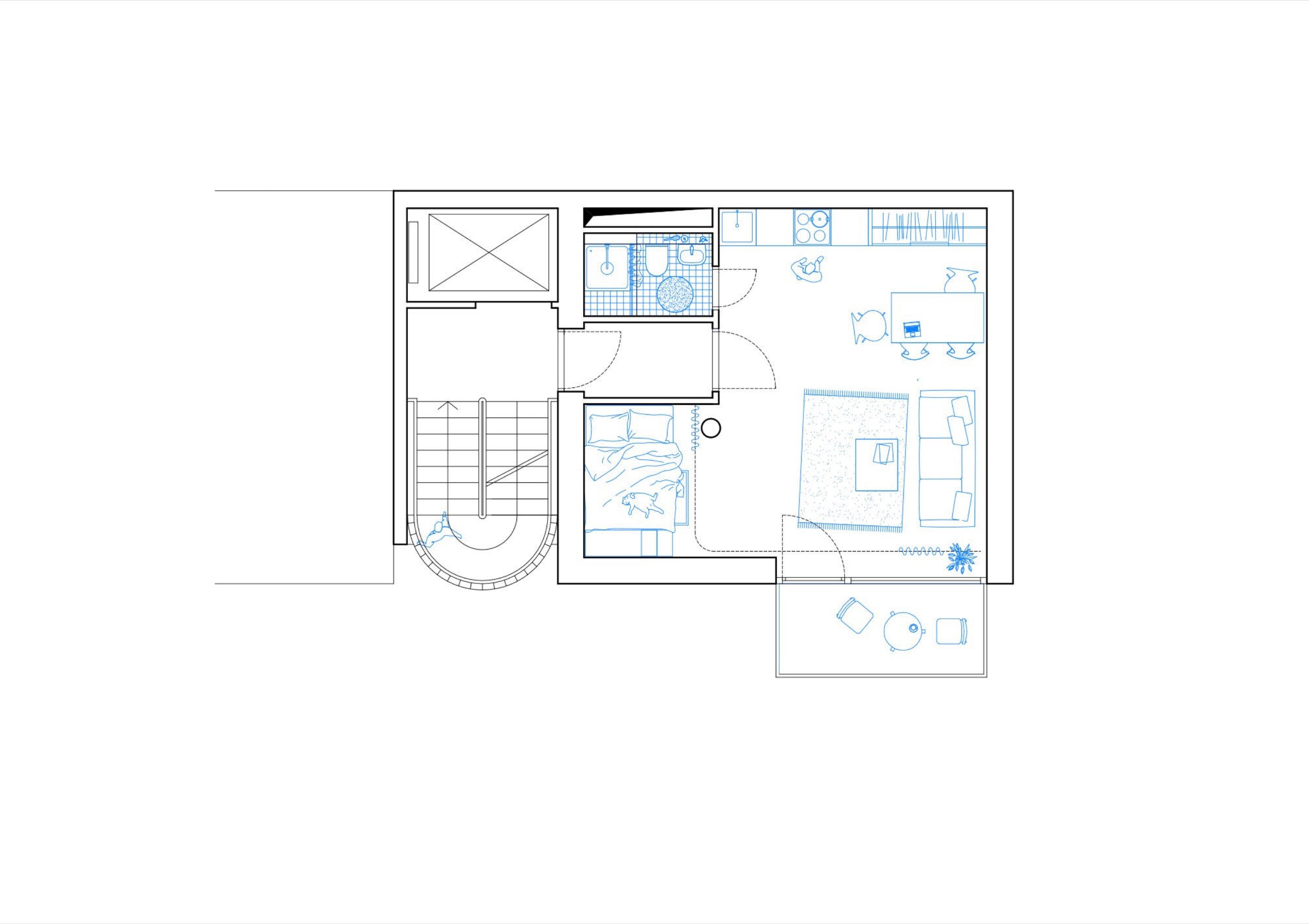
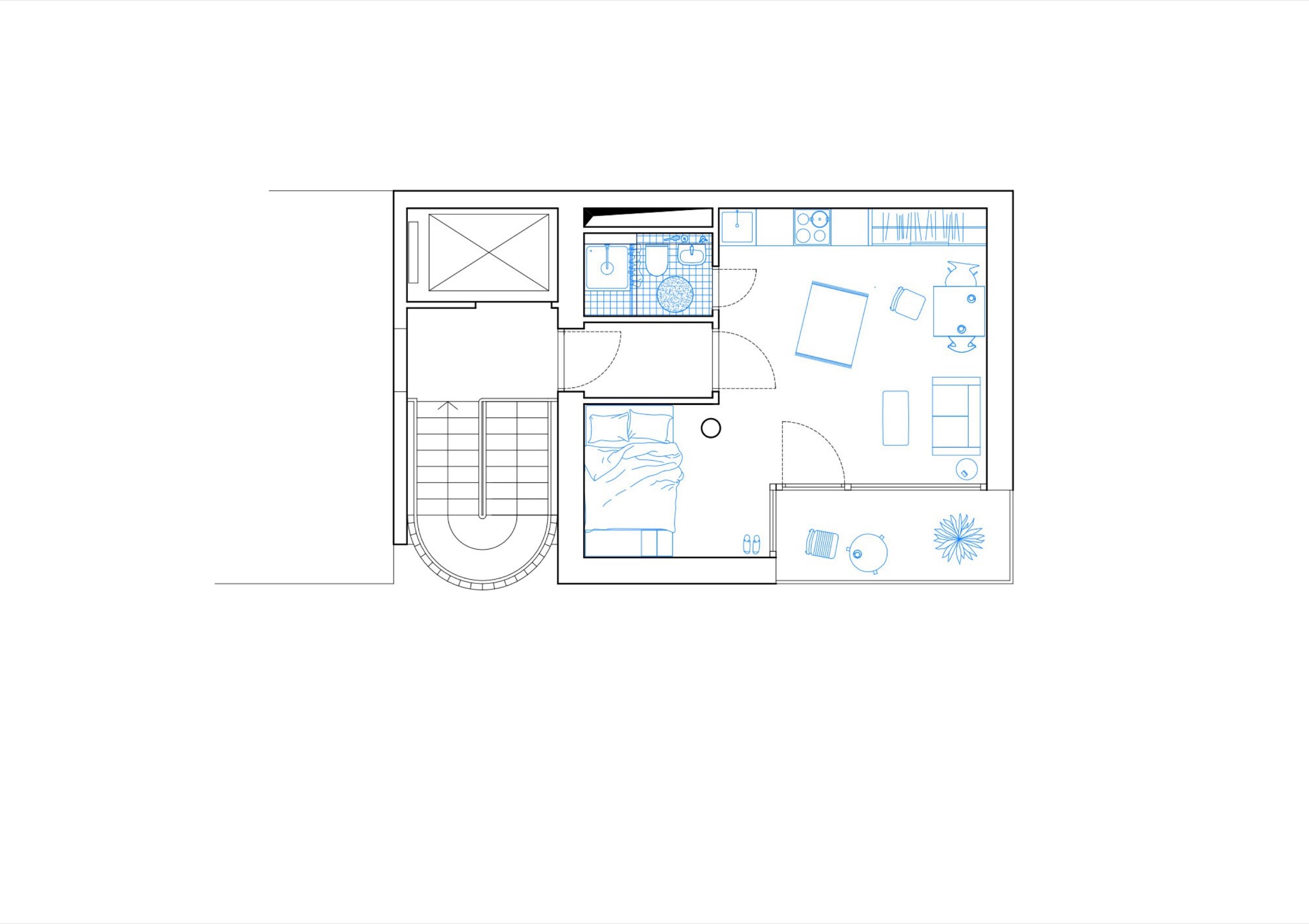
On an area of just 54 square meters (6x9m), a seven-story, 22m-high residential tower was erected, which explores the relationship between spatial efficiency, a tight local regulatory framework, and appropriate architectural quality. The result is seven small apartments, each with 38 square meters of living space and open floor plans. Each apartment has a bathroom, kitchen-living room, a bedroom alcove, and a generous south-facing balcony. Extensive glazing provides plenty of light and a view of the green and quiet backyard landscape.
Courtesy of Max Hacke + Leonhard Clemens
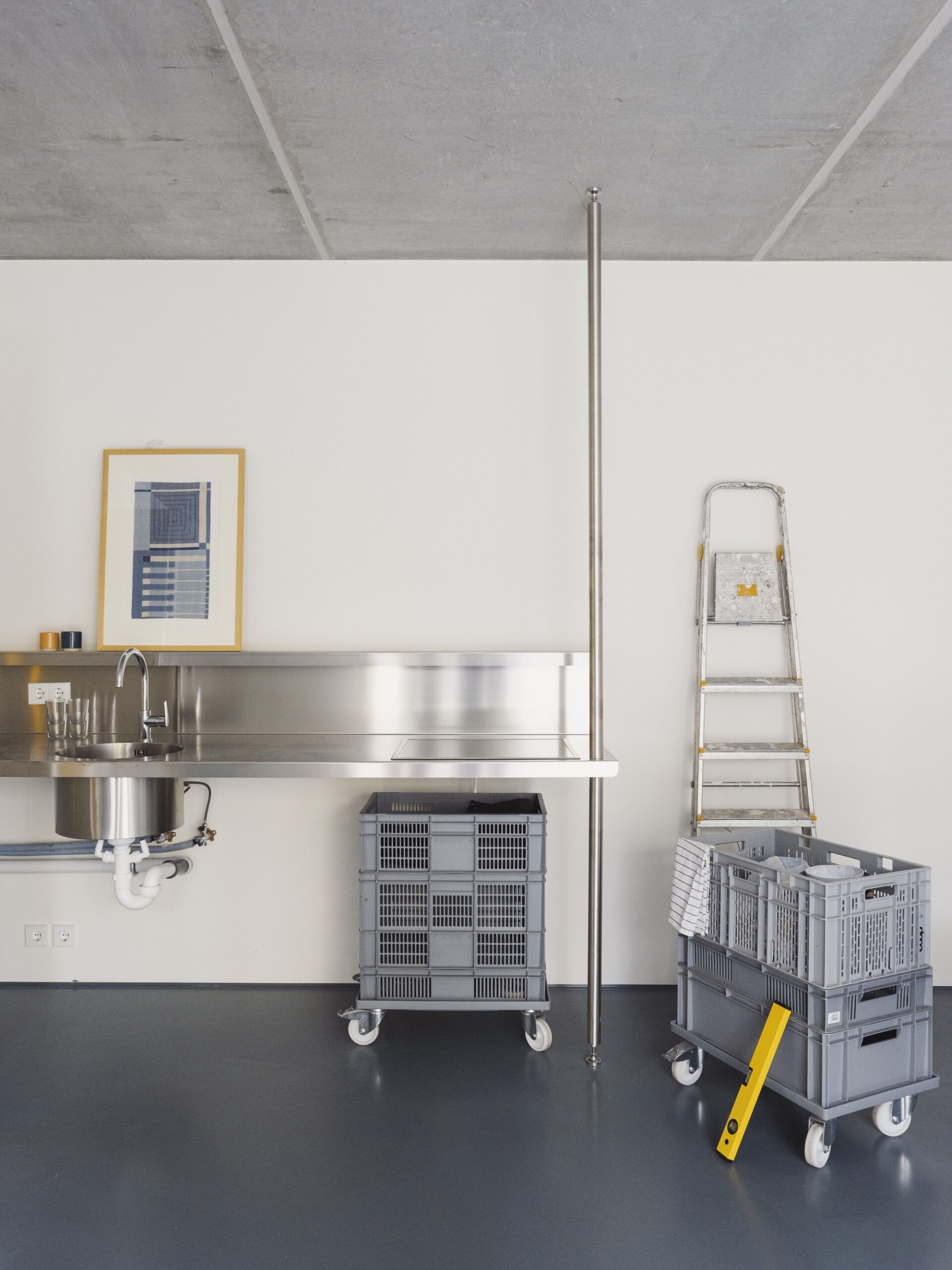
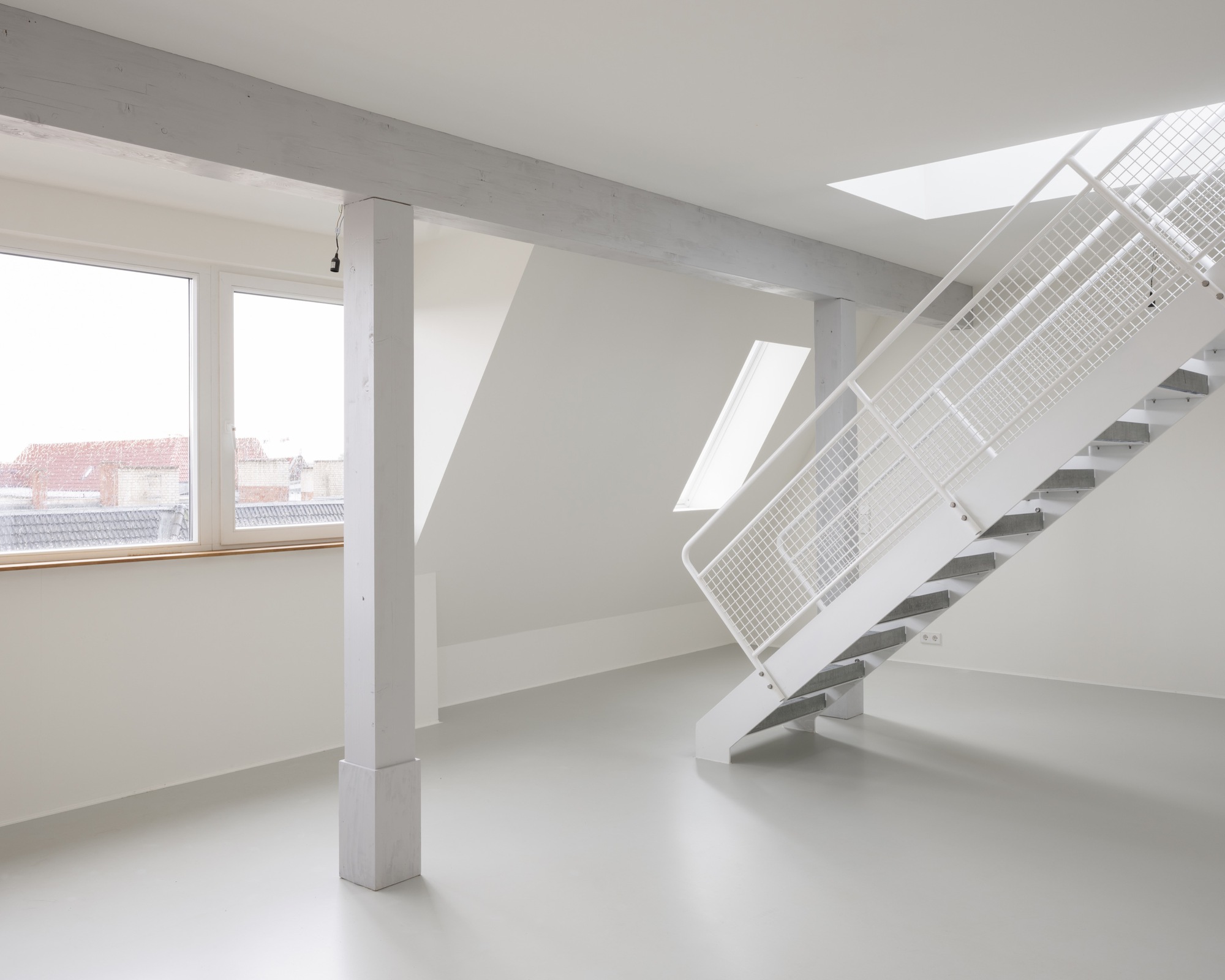
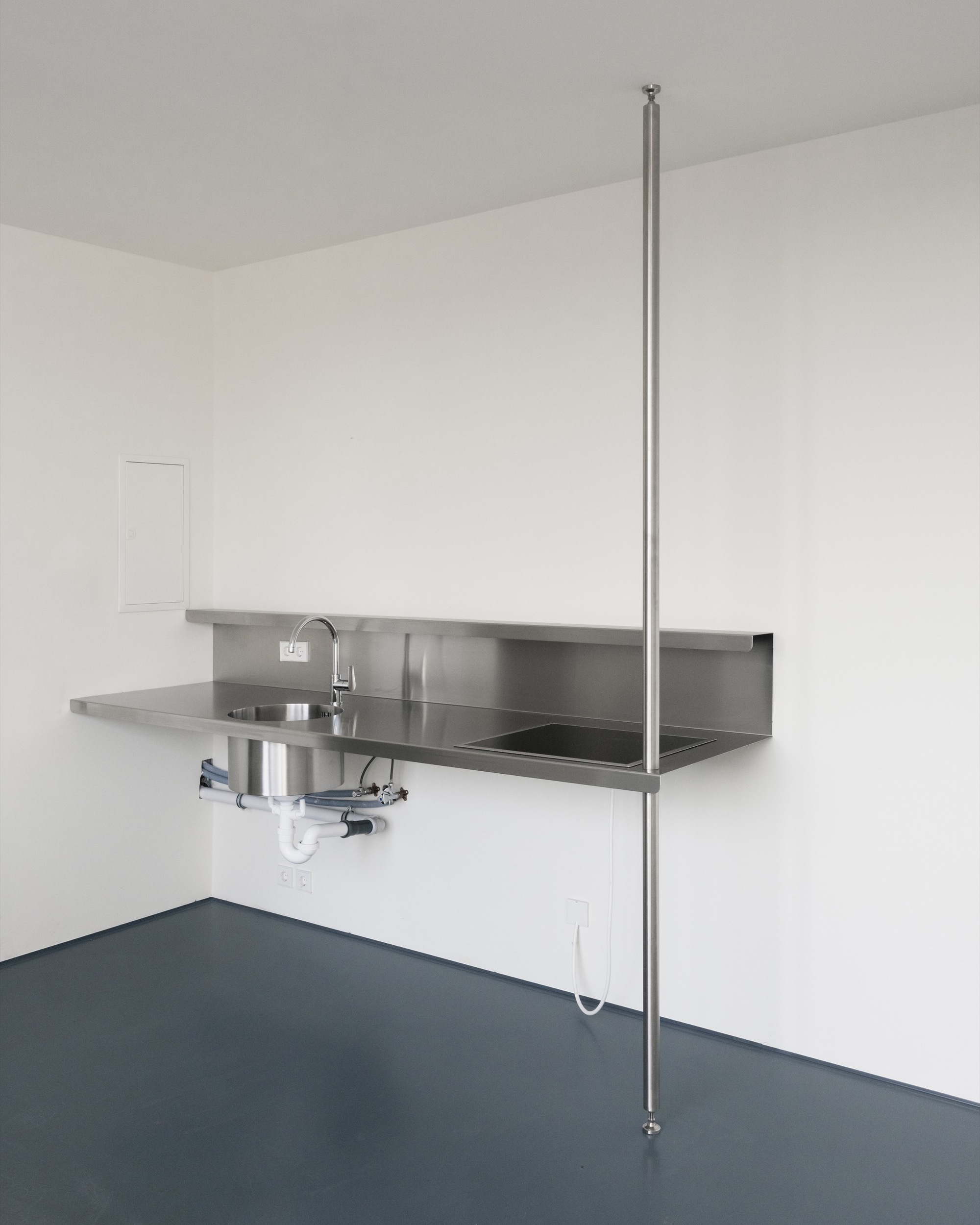
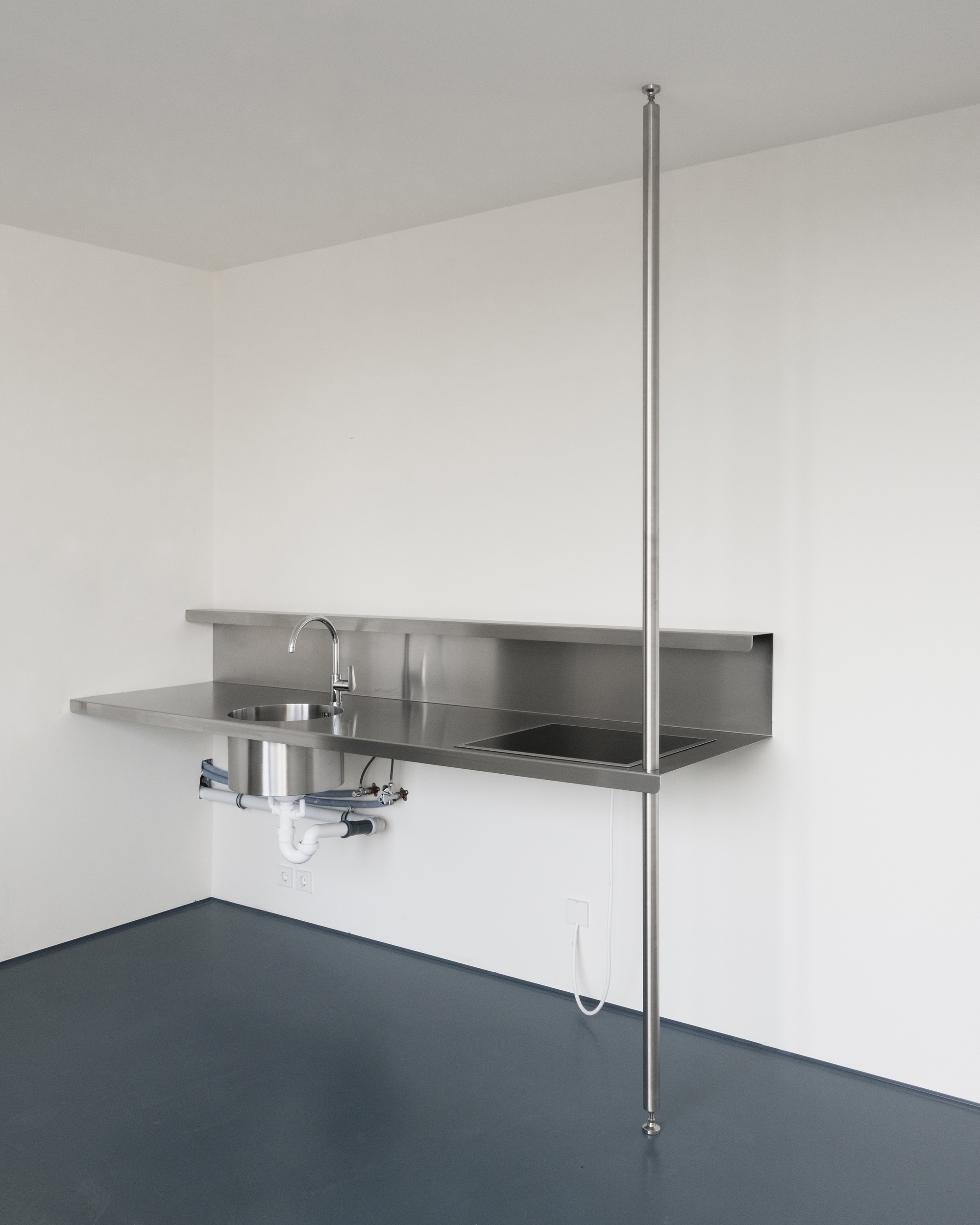
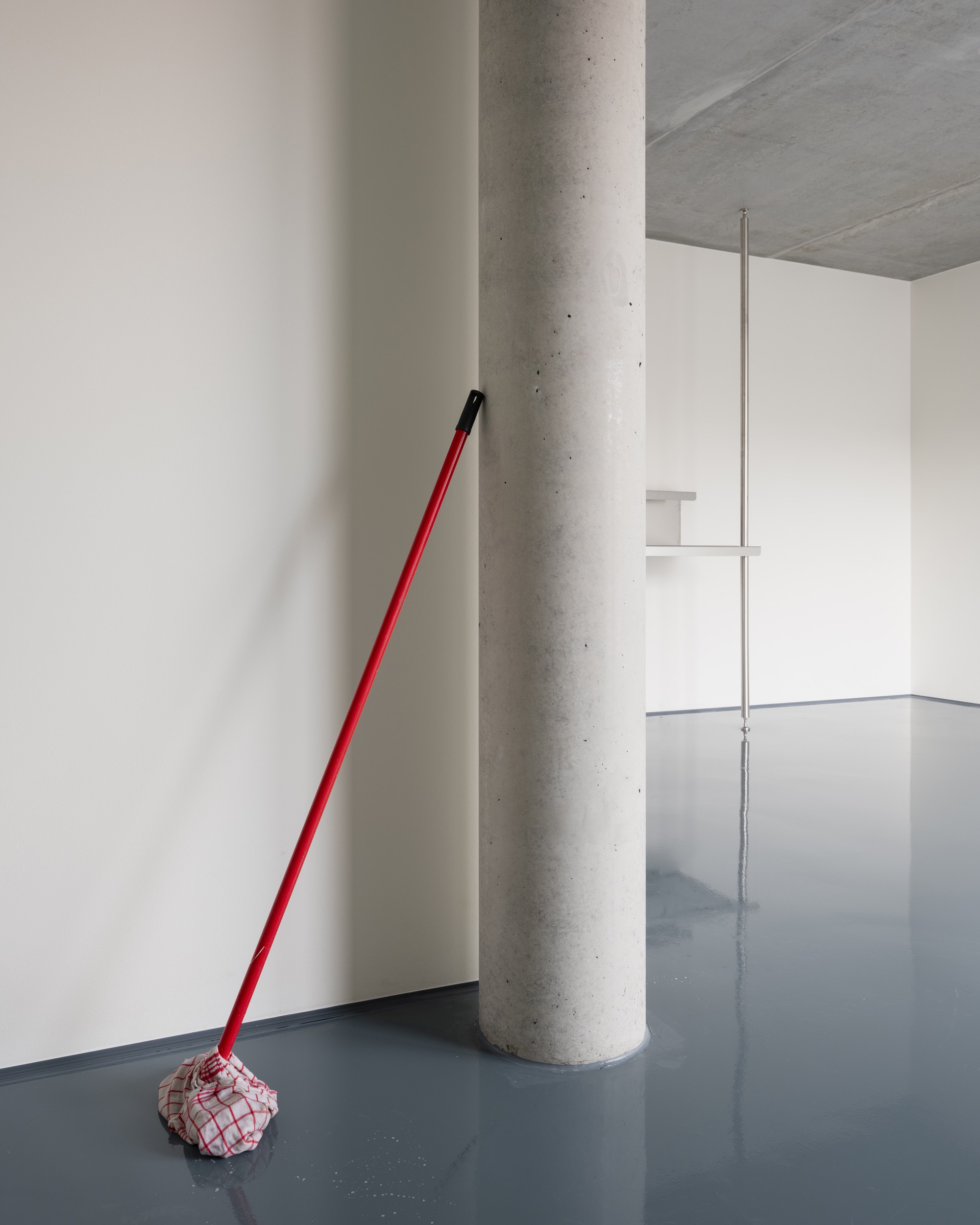
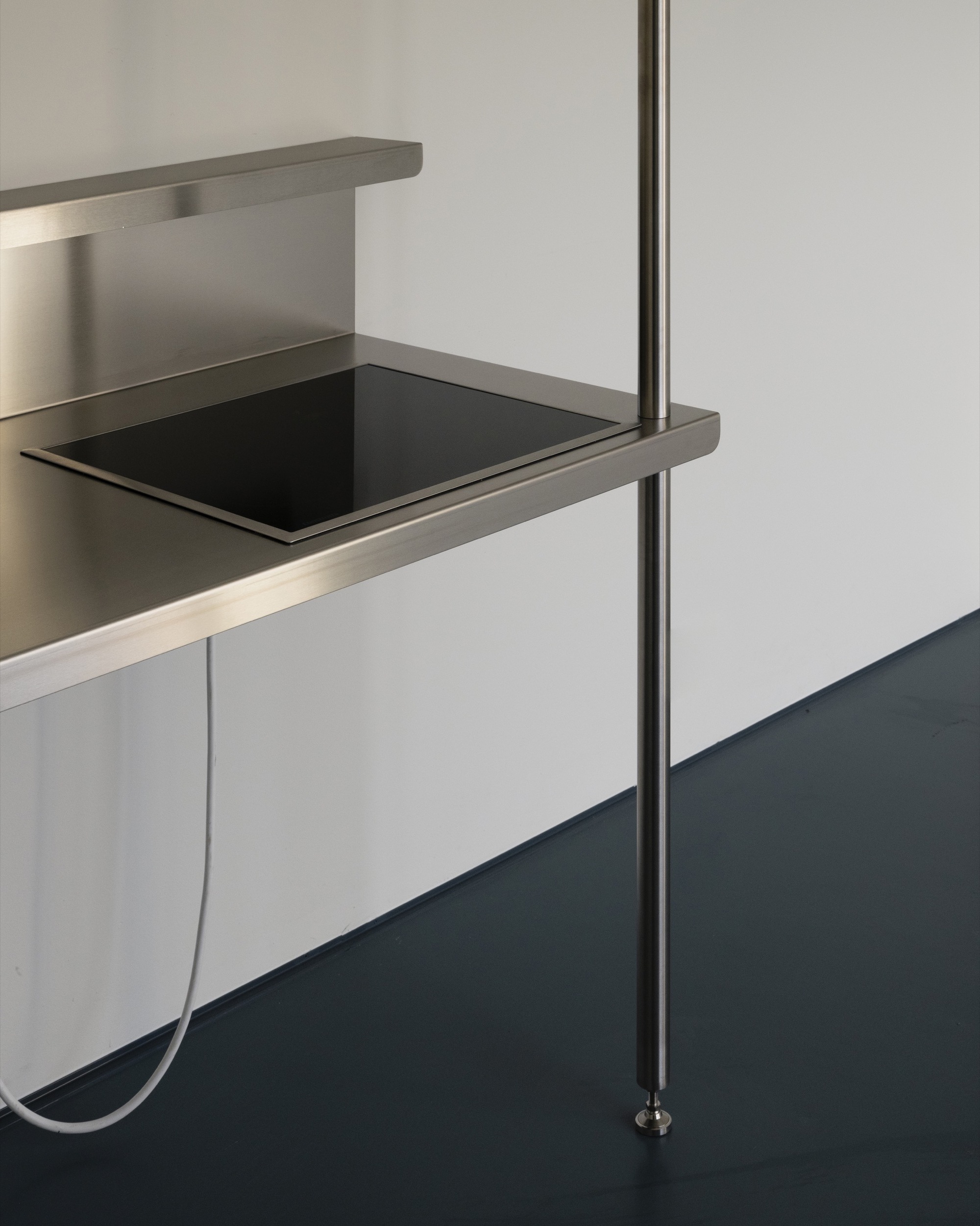
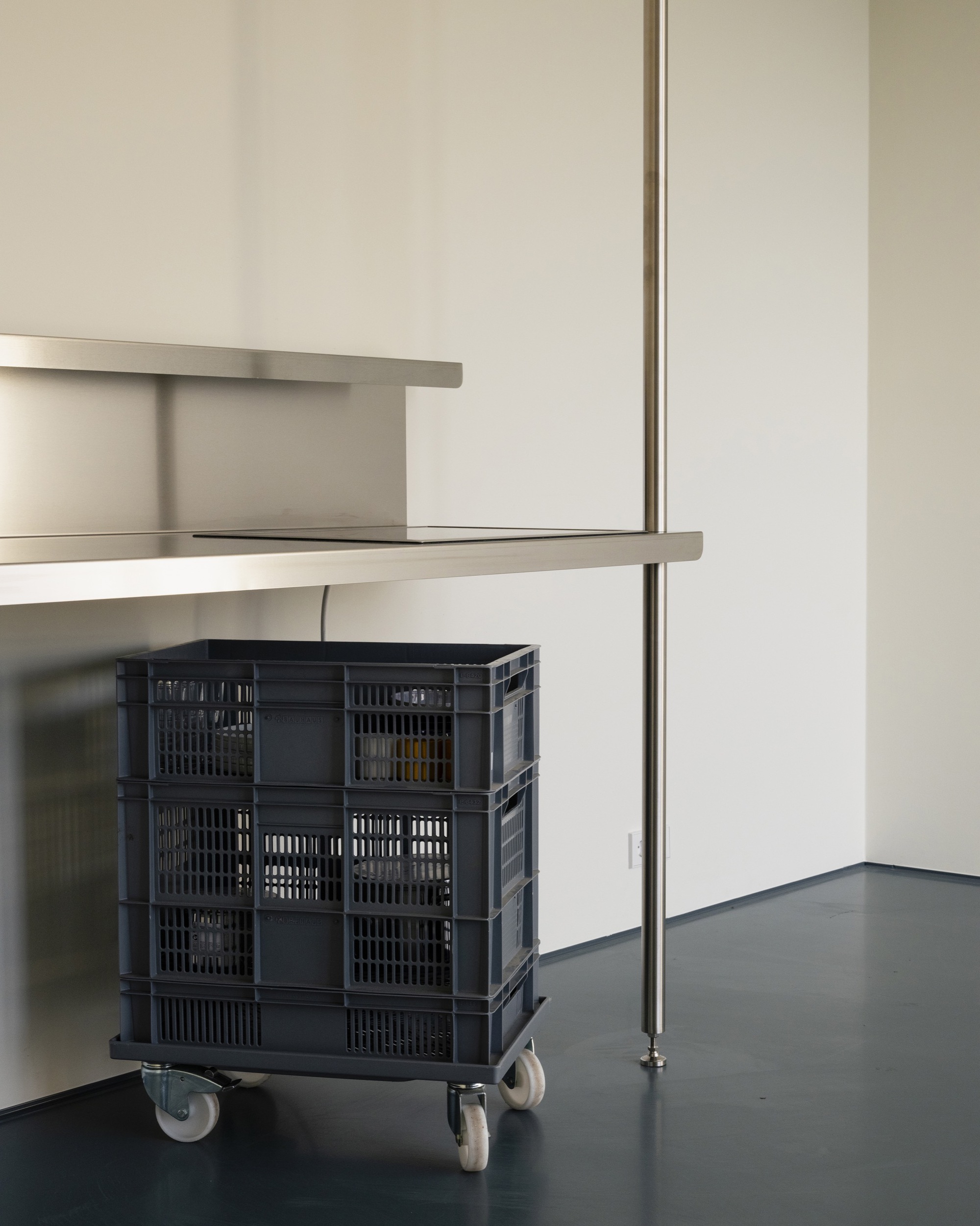
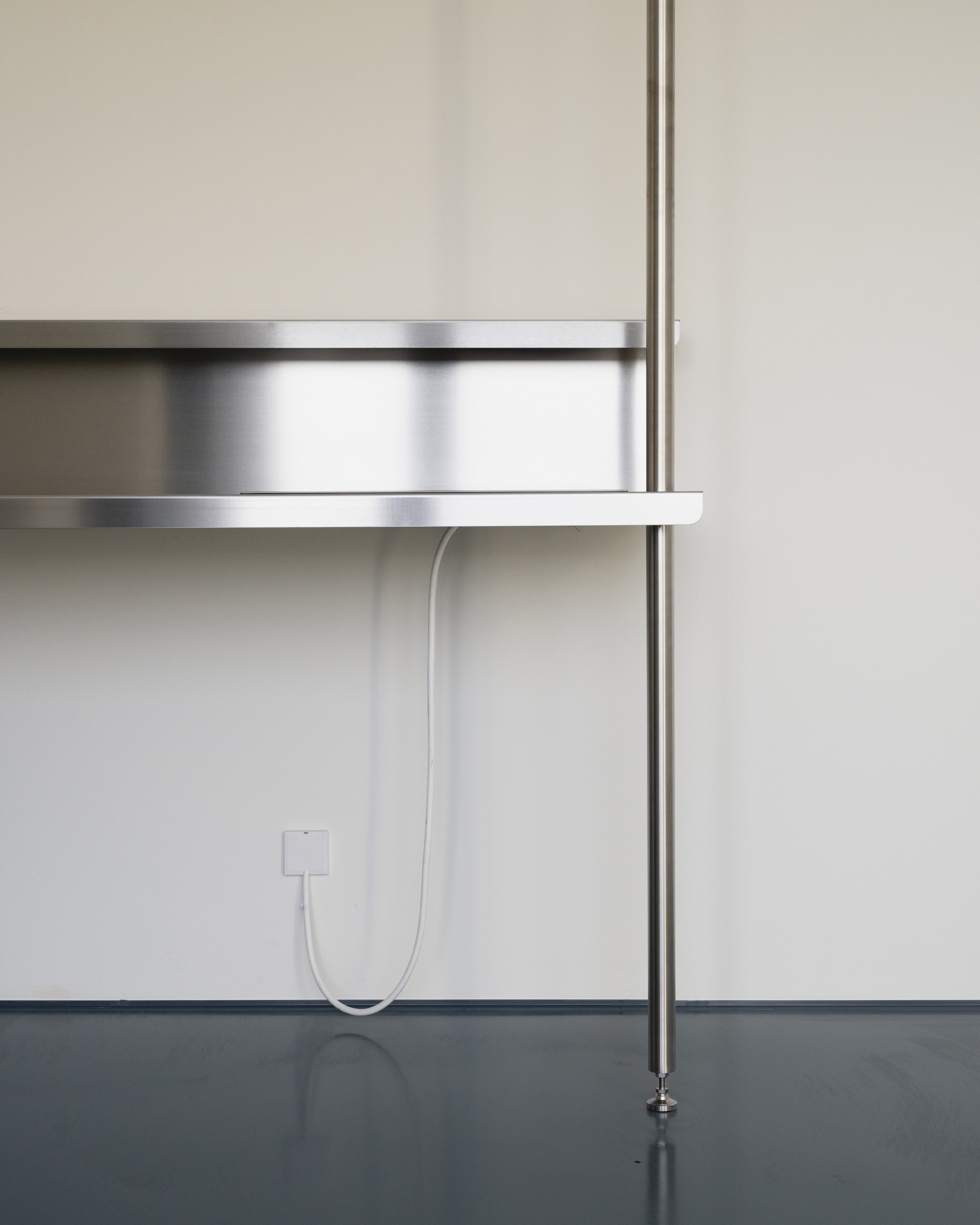
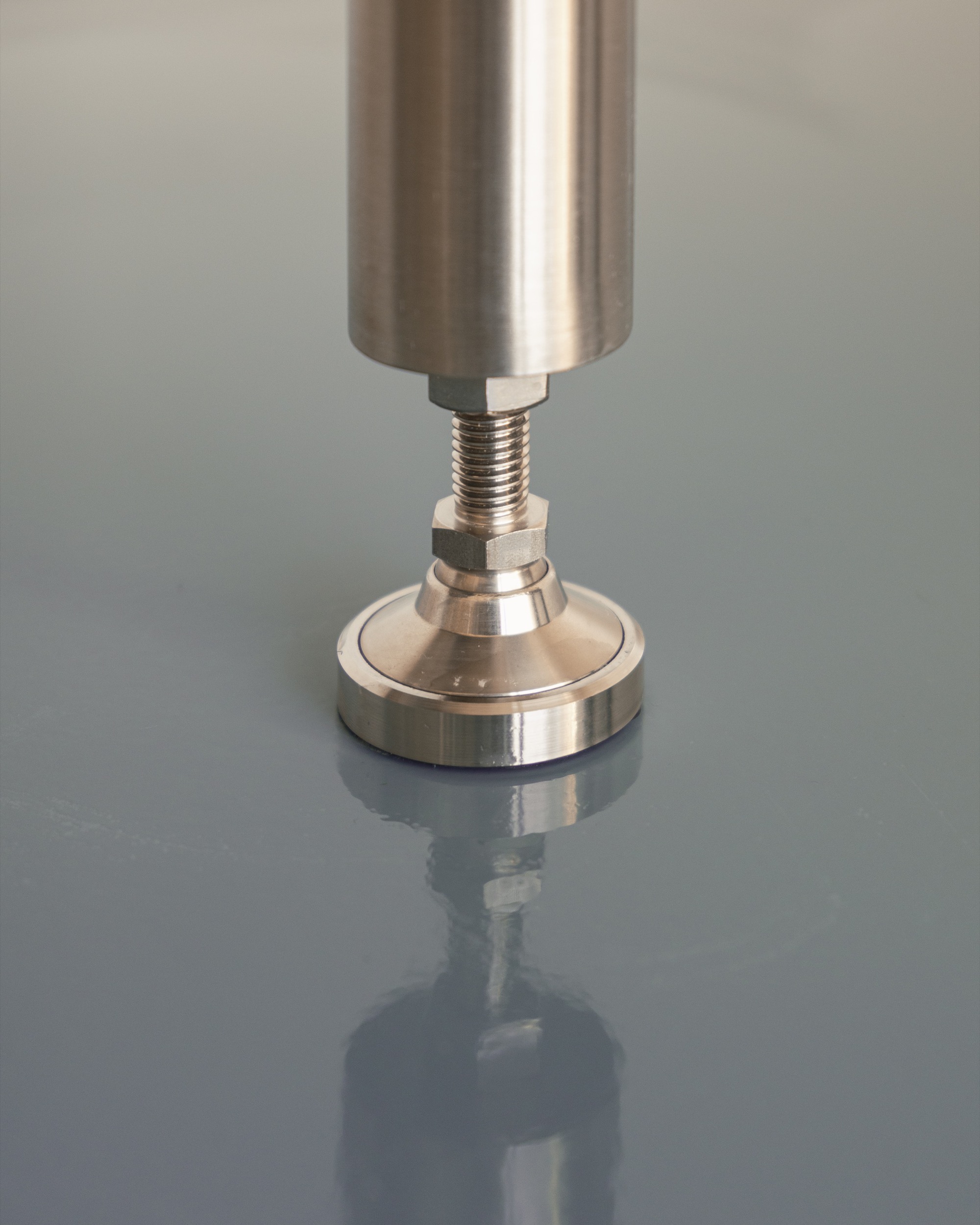
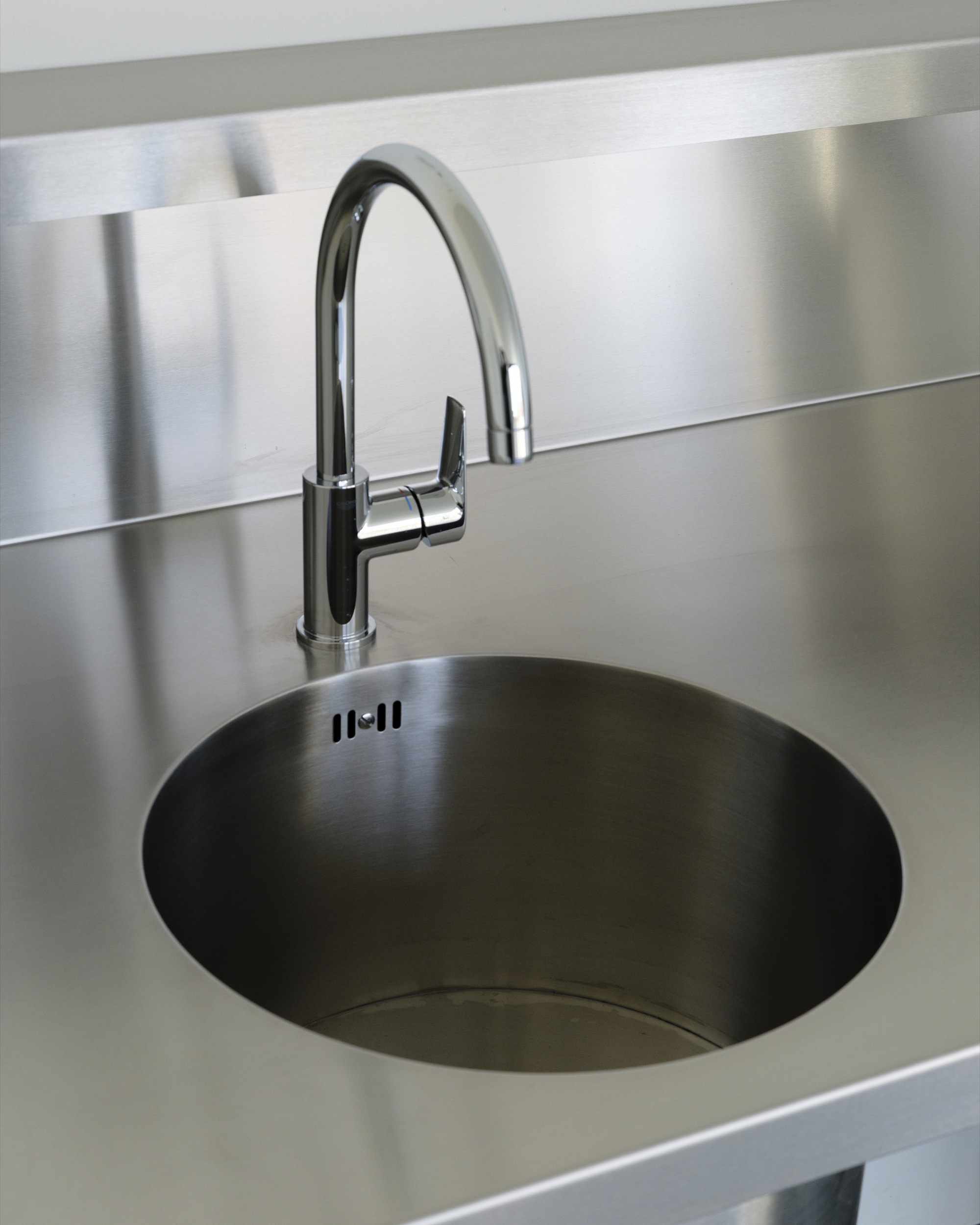
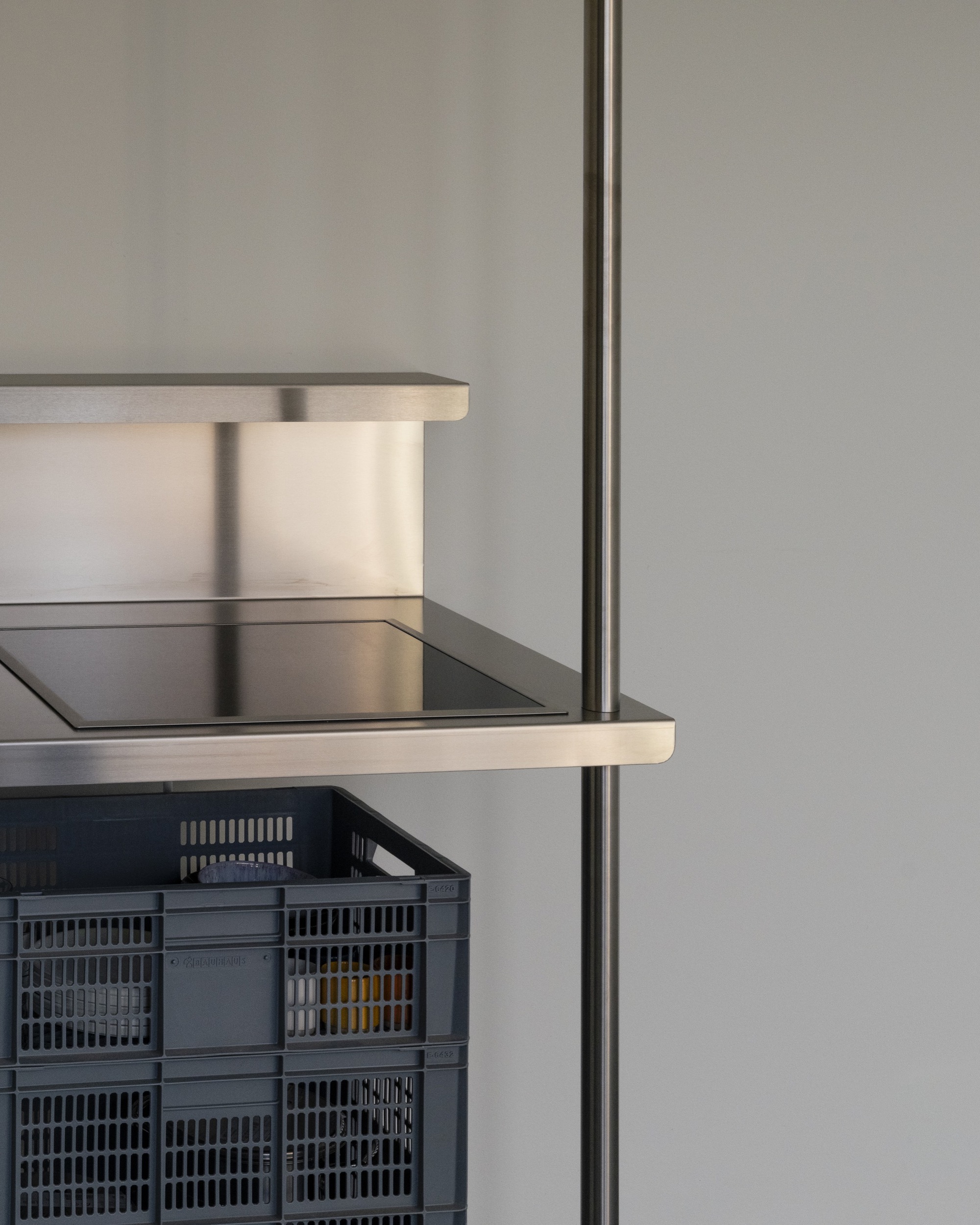
The apartments are designed as open-plan spaces and can be occupied in different ways. The oven and hob required by Berlin‘s building regulations for rental apartments – usually a rickety combi oven from the DIY store in most Berlin rental apartments – have been replaced by a robust stainless steel kitchen unit and designed in such a way that it can be fitted with standard modules by the tenants at a reasonable cost. However, the kitchens are still visible and fully usable even without a fit-out, giving the apartments a homely feel even without a lot of furniture.
Courtesy of Max Hacke + Leonhard Clemens
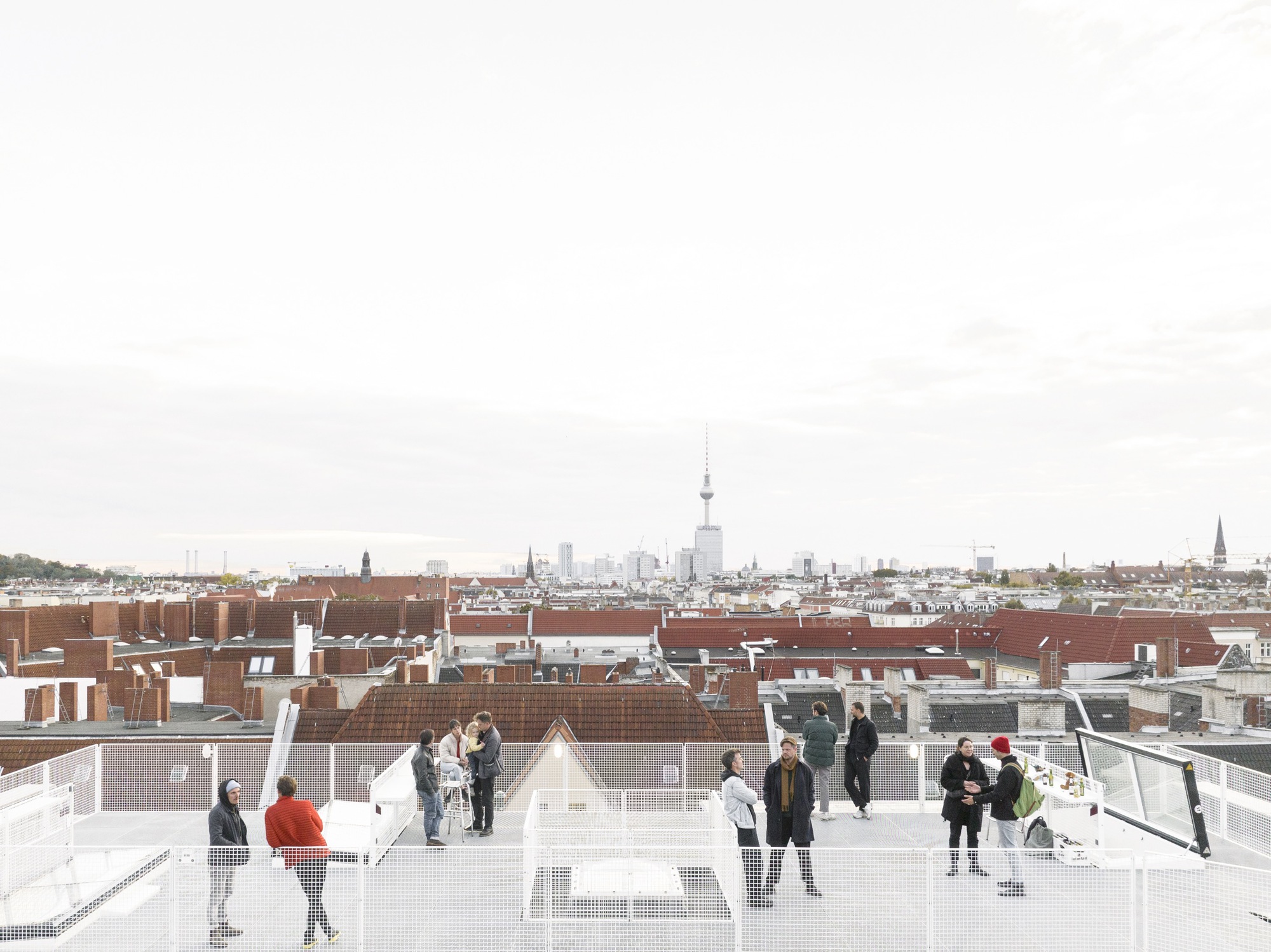
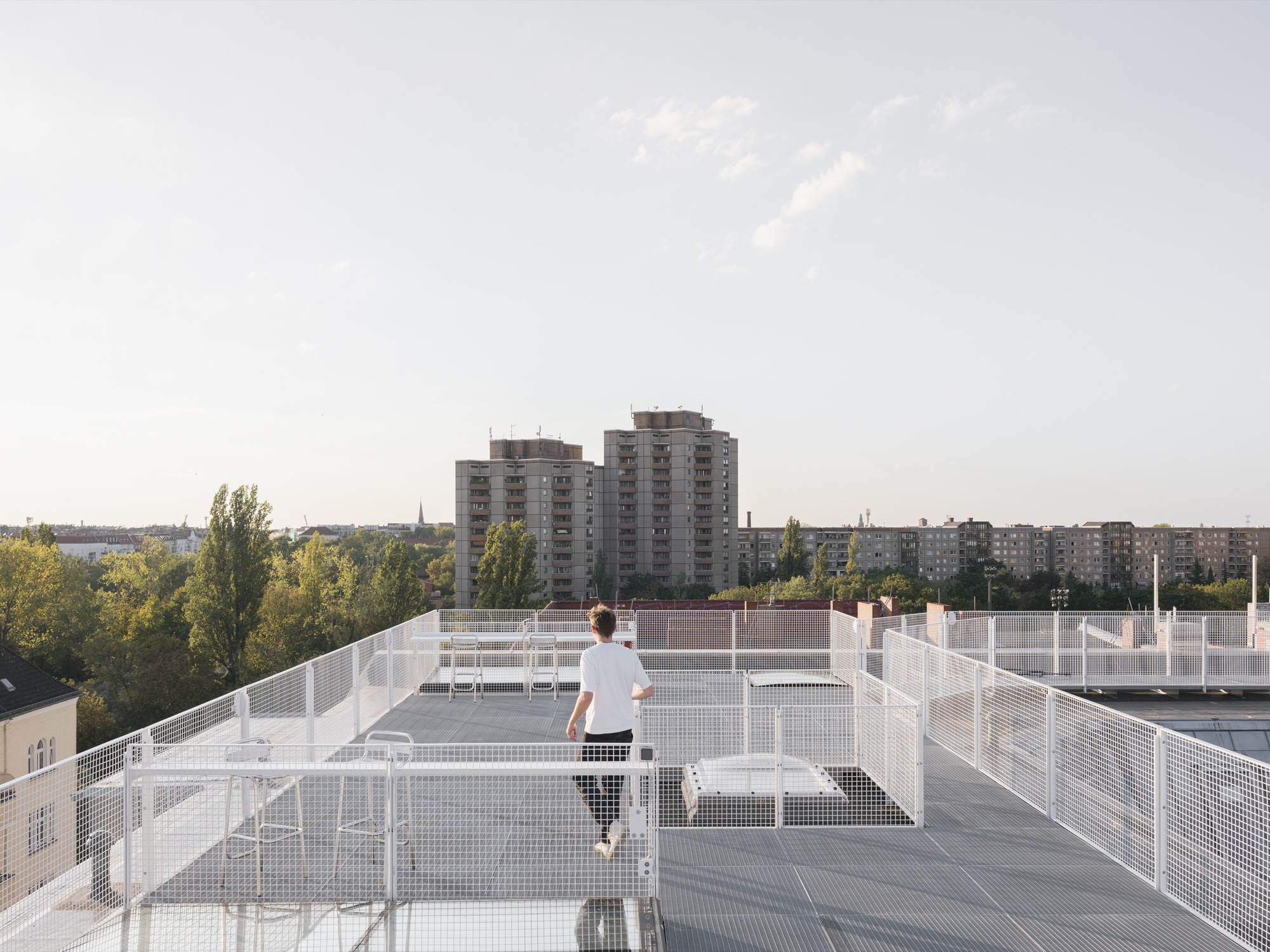
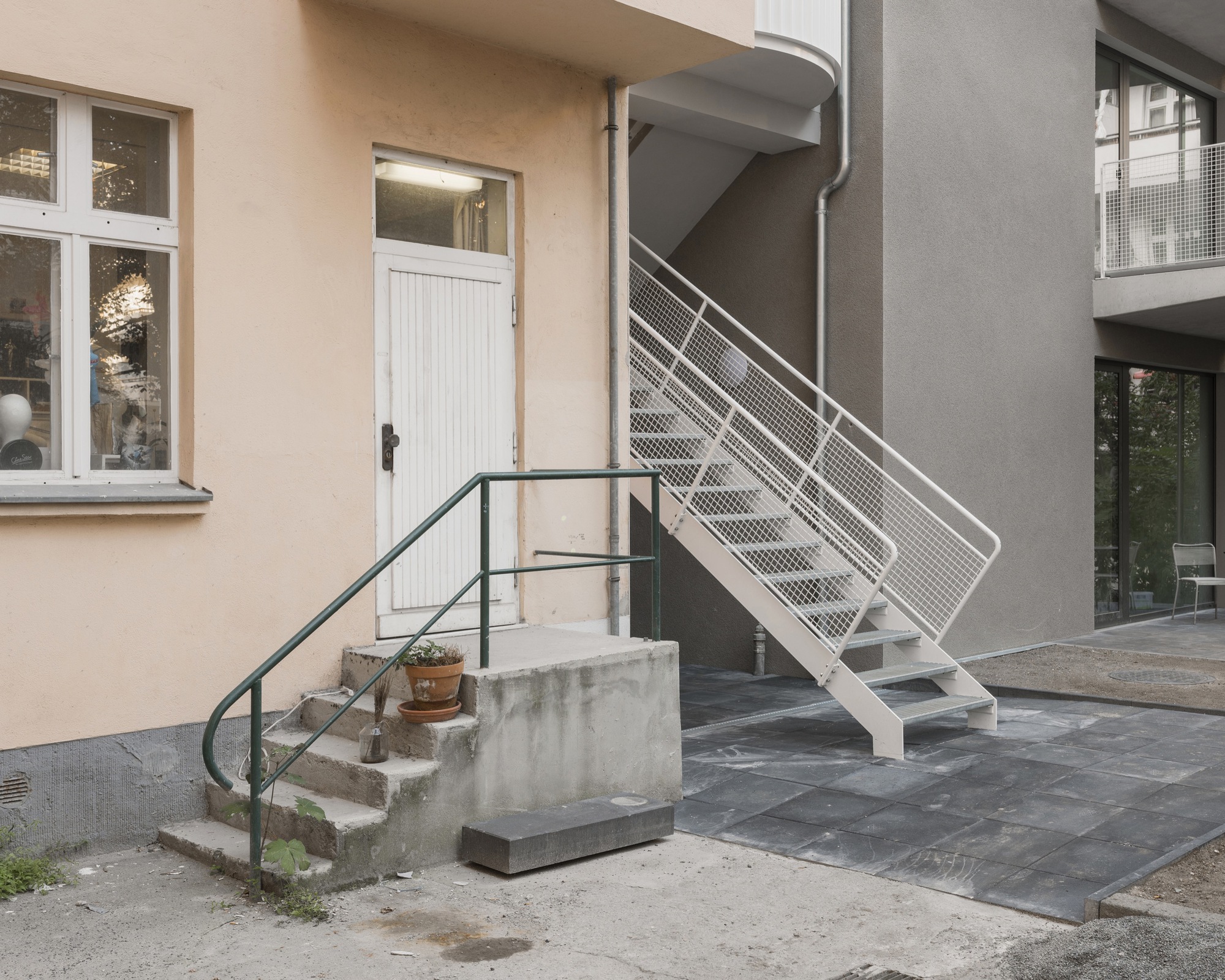
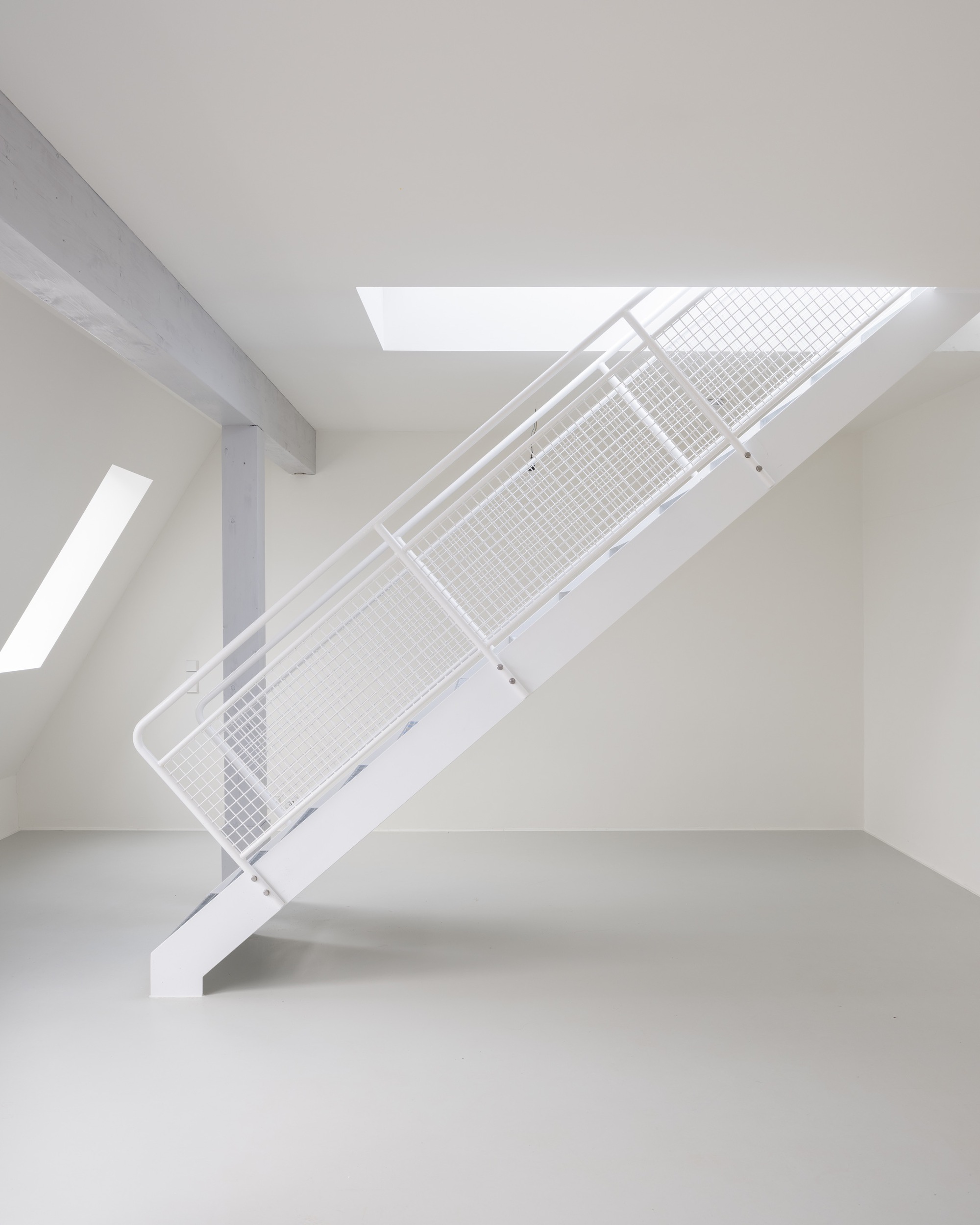
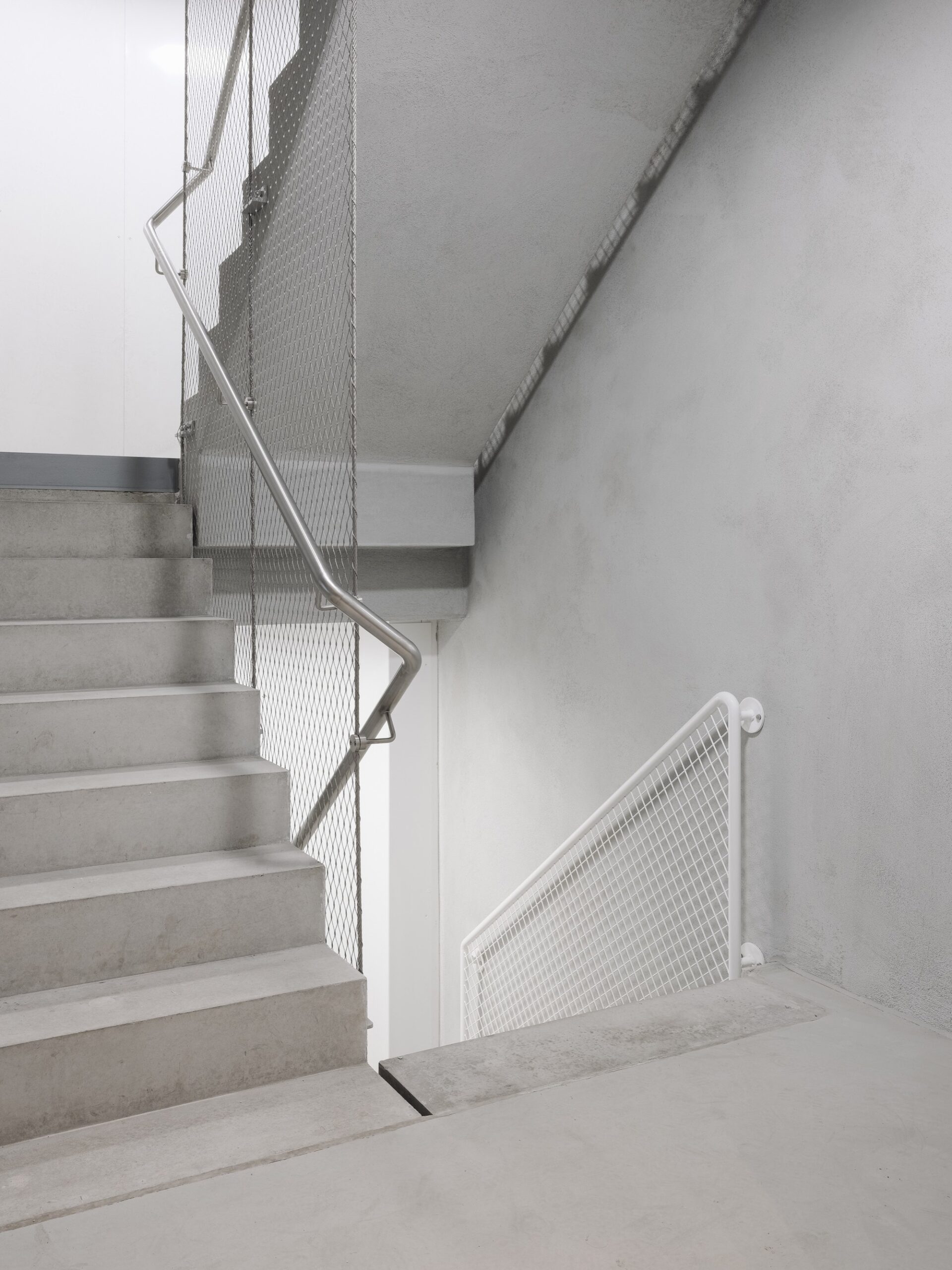
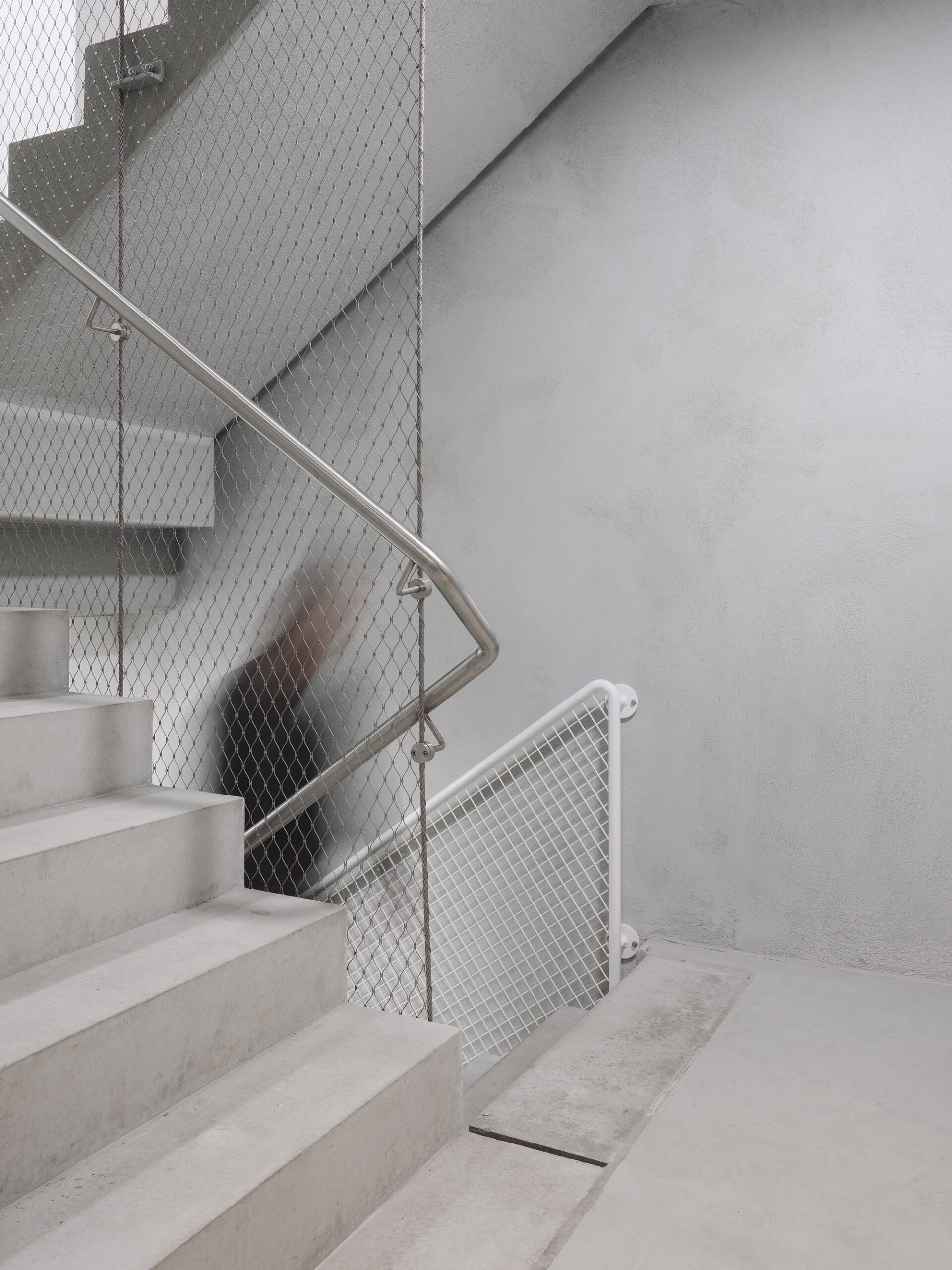
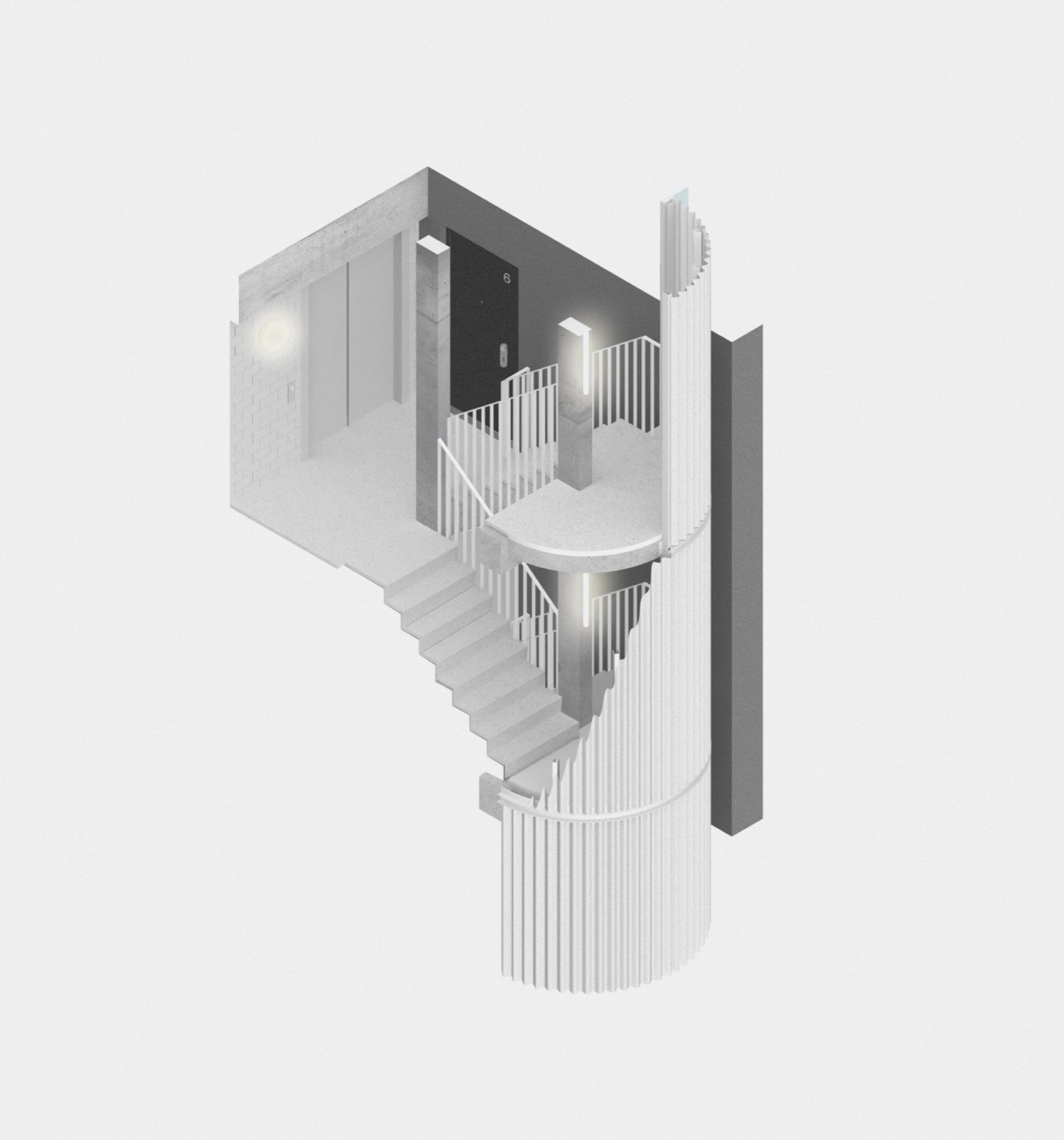
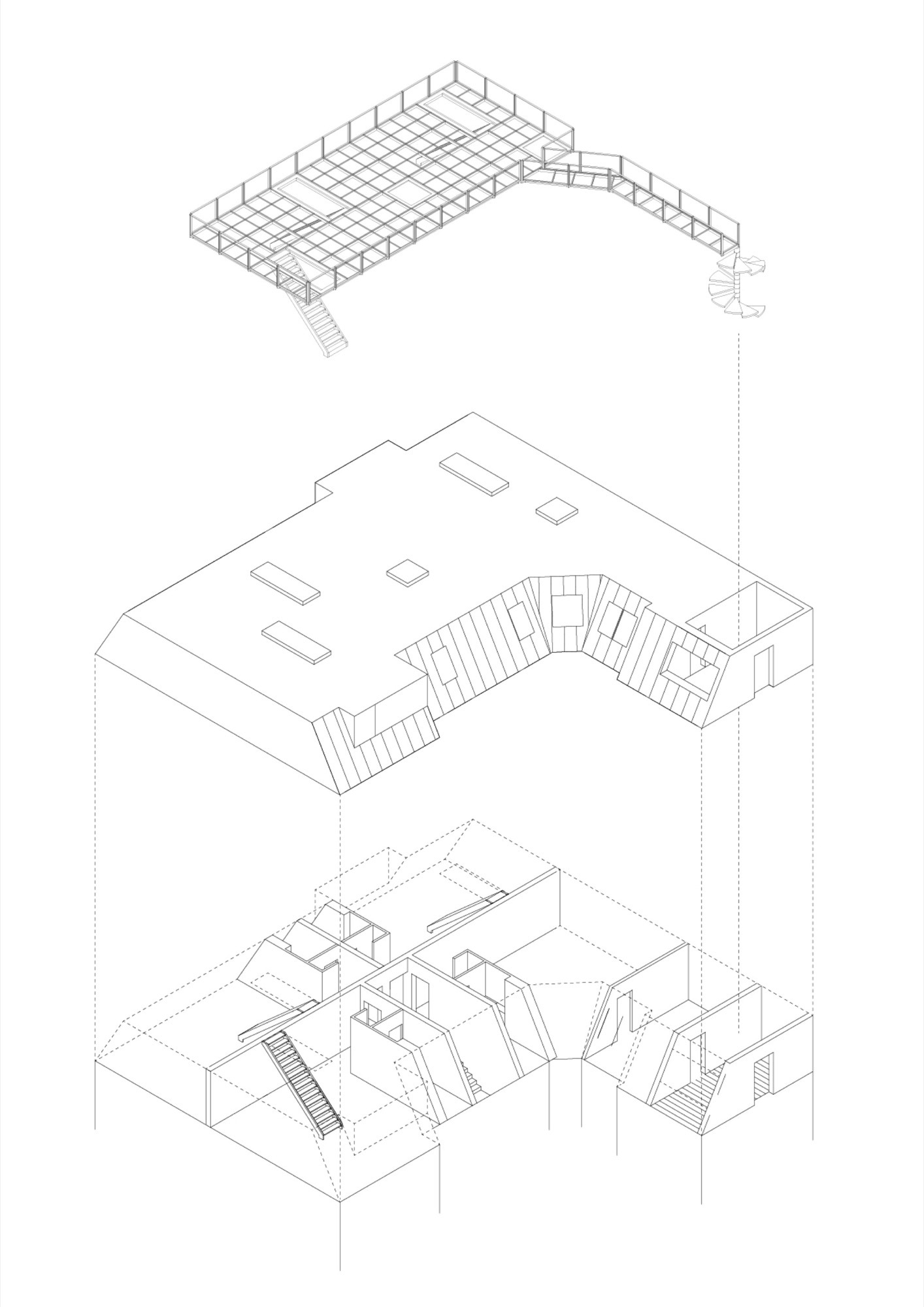
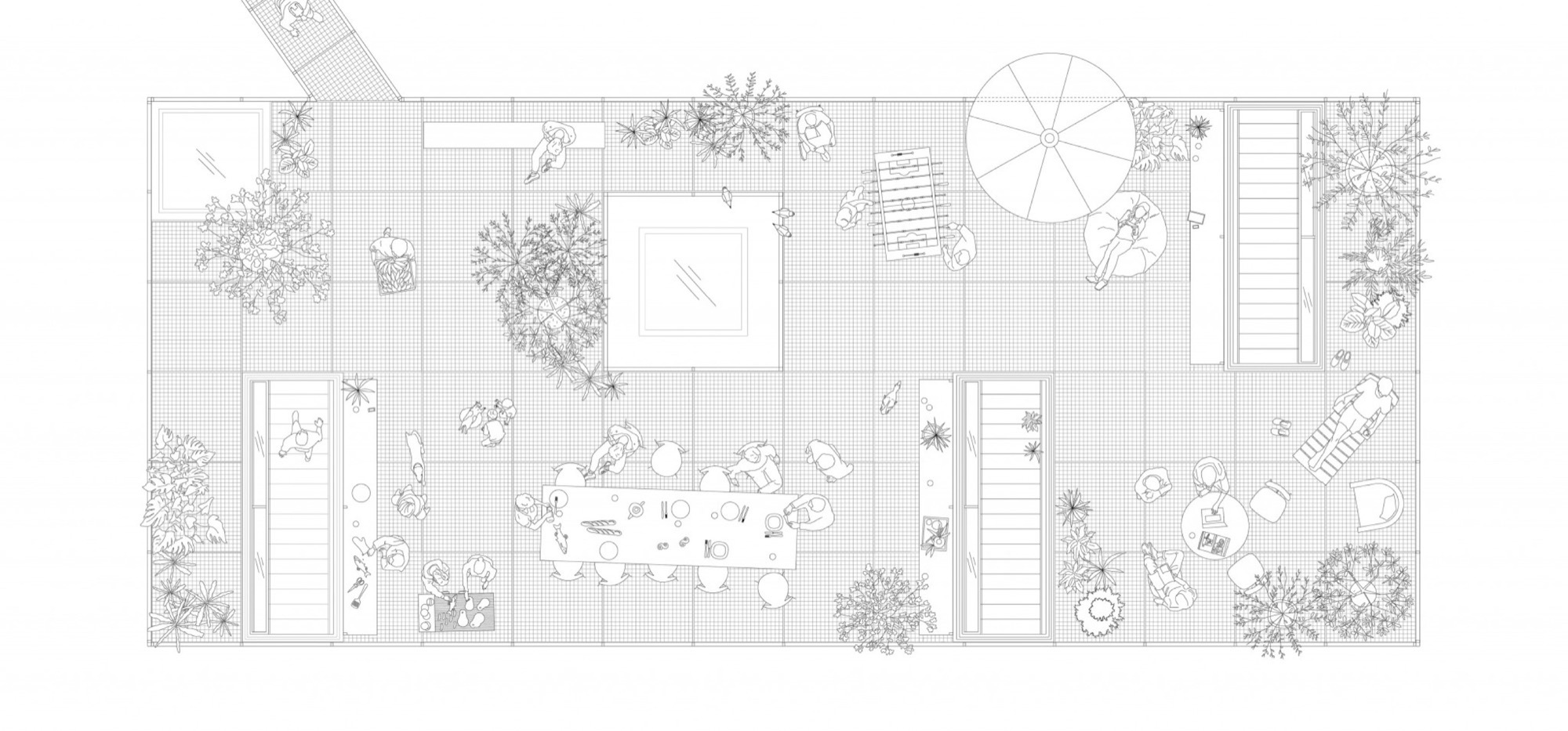
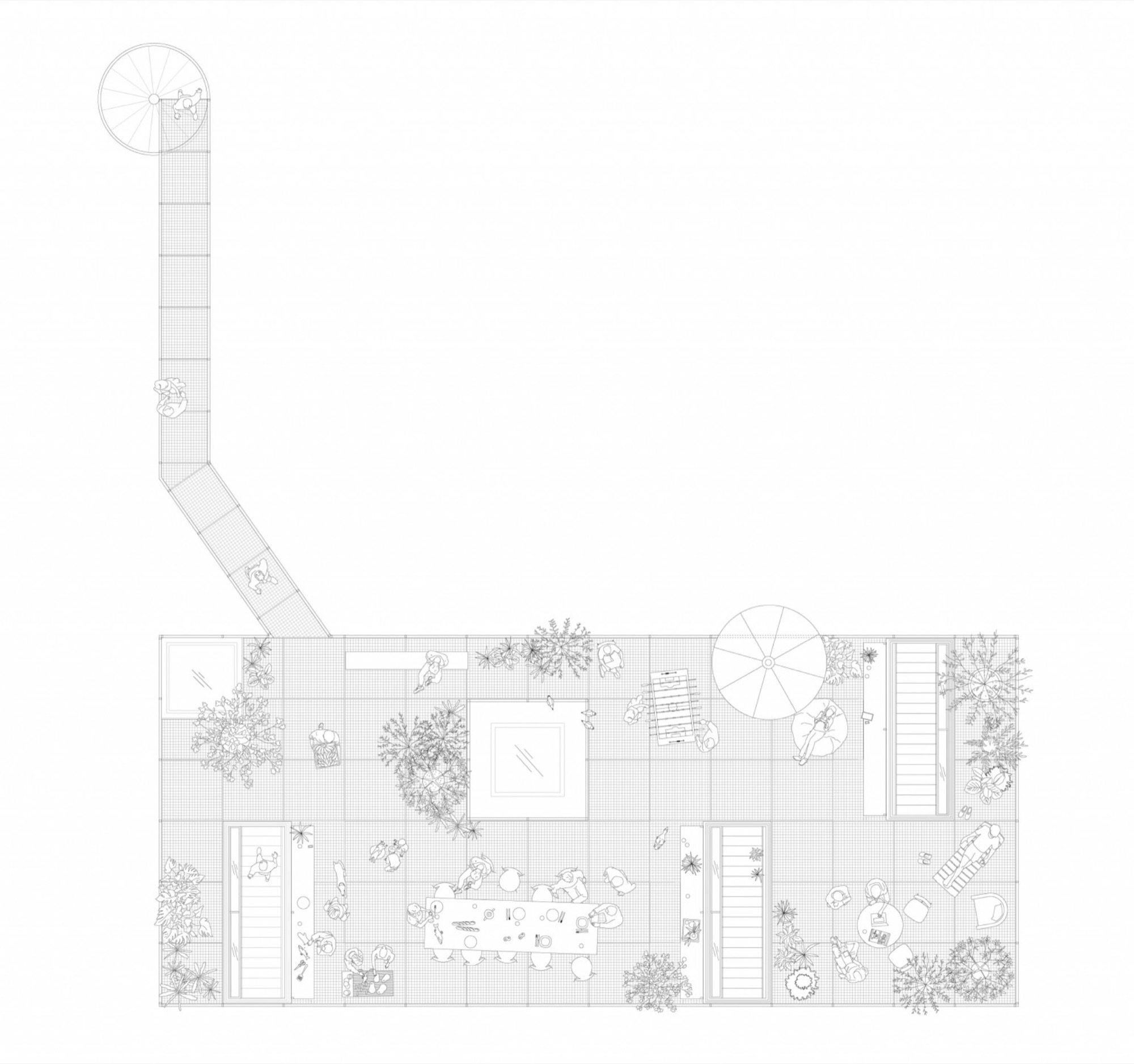
The project developed as an annex to the adjacent existing building provided the opportunity to develop the roof of the existing building: The sculptural-looking round staircase, inserted as a joint between the existing and new buildings and clad in filigree fluted corrugated sheet metal, provides access to the apartments in the residential tower and leads to the roof of the existing building at the highest point. The roof was extended and equipped with a communal roof terrace. Accessible to all residents of the building, the terrace not only offers sweeping views over the city, but above all new collective outdoor spaces.
Courtesy of Max Hacke + Leonhard Clemens
Contrary to what one might think, the generosity of the roof terrace is not a wasteful luxury, but a clever interpretation of the Berlin building regulations, which stipulate a second structural escape route via the roof. The result is not only a total of 11 new rental apartments with high architectural standards in a very small space but above all community-building qualities for the residents of the entire building.
Project Info
Architects: Leonhard Clemens, Max Hacke
Country: Germany, Berlin
Area: 752 m²
Year: 2024
Photographs: Clemens Wronski, Courtesy of Leonhard Clemens, Max Hacke
Construction Management: Rautenbach Architekten

Madeline Brooks is a Projects Editor at Arch2O, where she has been shaping and refining architectural content since March 2024. With over a decade of experience in editorial work, she has curated, revised, and published an array of projects covering architecture, urbanism, and public space design. A graduate of the Harvard University Graduate School of Design, Madeline brings a strong academic foundation and a discerning editorial eye to each piece she oversees. Since joining Arch2O, she has played a pivotal role in shaping the platform’s editorial direction, with a focus on sustainability, social relevance, and cutting-edge design. Madeline excels at translating complex architectural ideas into clear, engaging stories that resonate with both industry professionals and general readers. She works closely with architects, designers, and global contributors to ensure every project is presented with clarity, depth, and compelling visual narrative. Her editorial leadership continues to elevate Arch2O’s role in global architectural dialogue.