

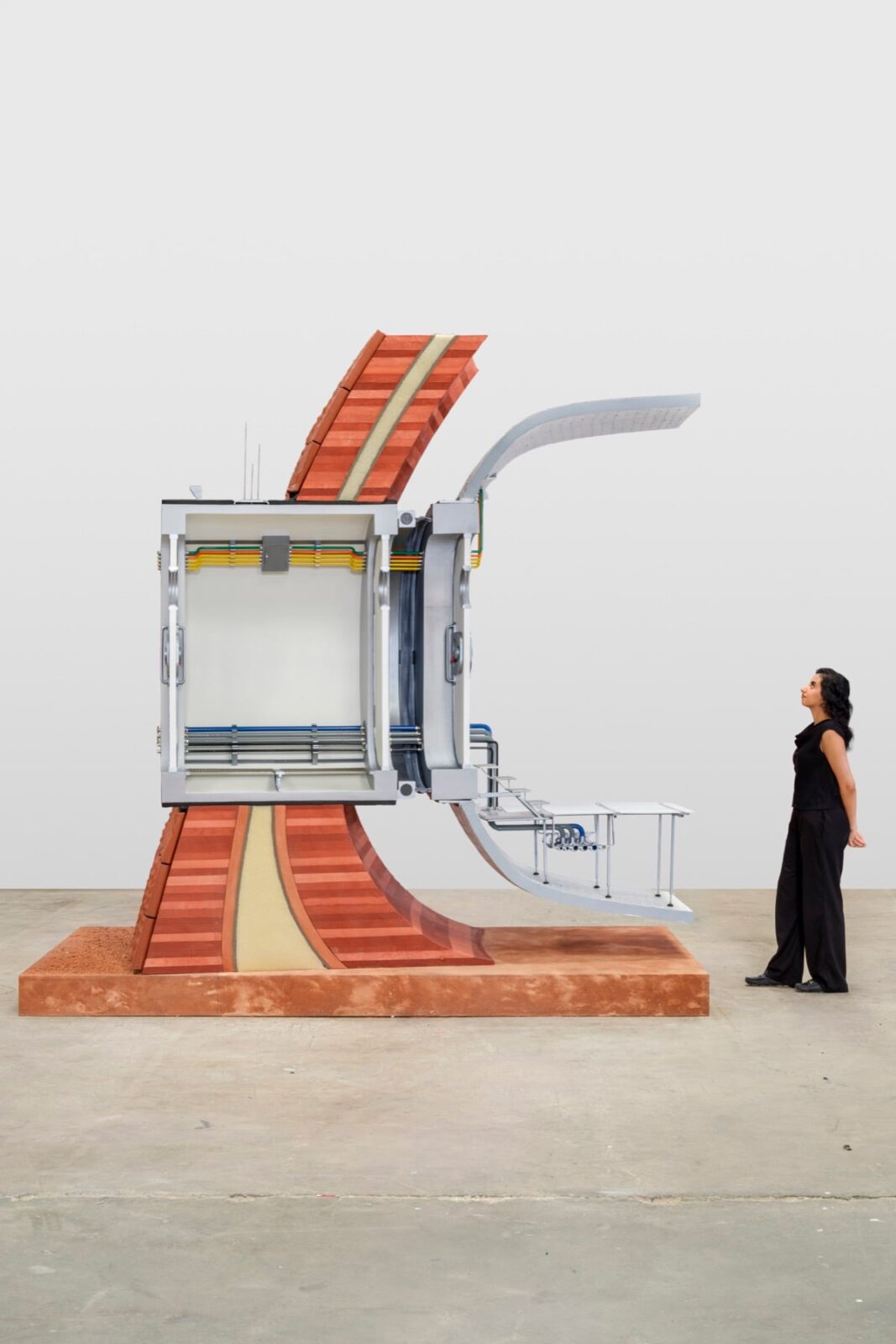
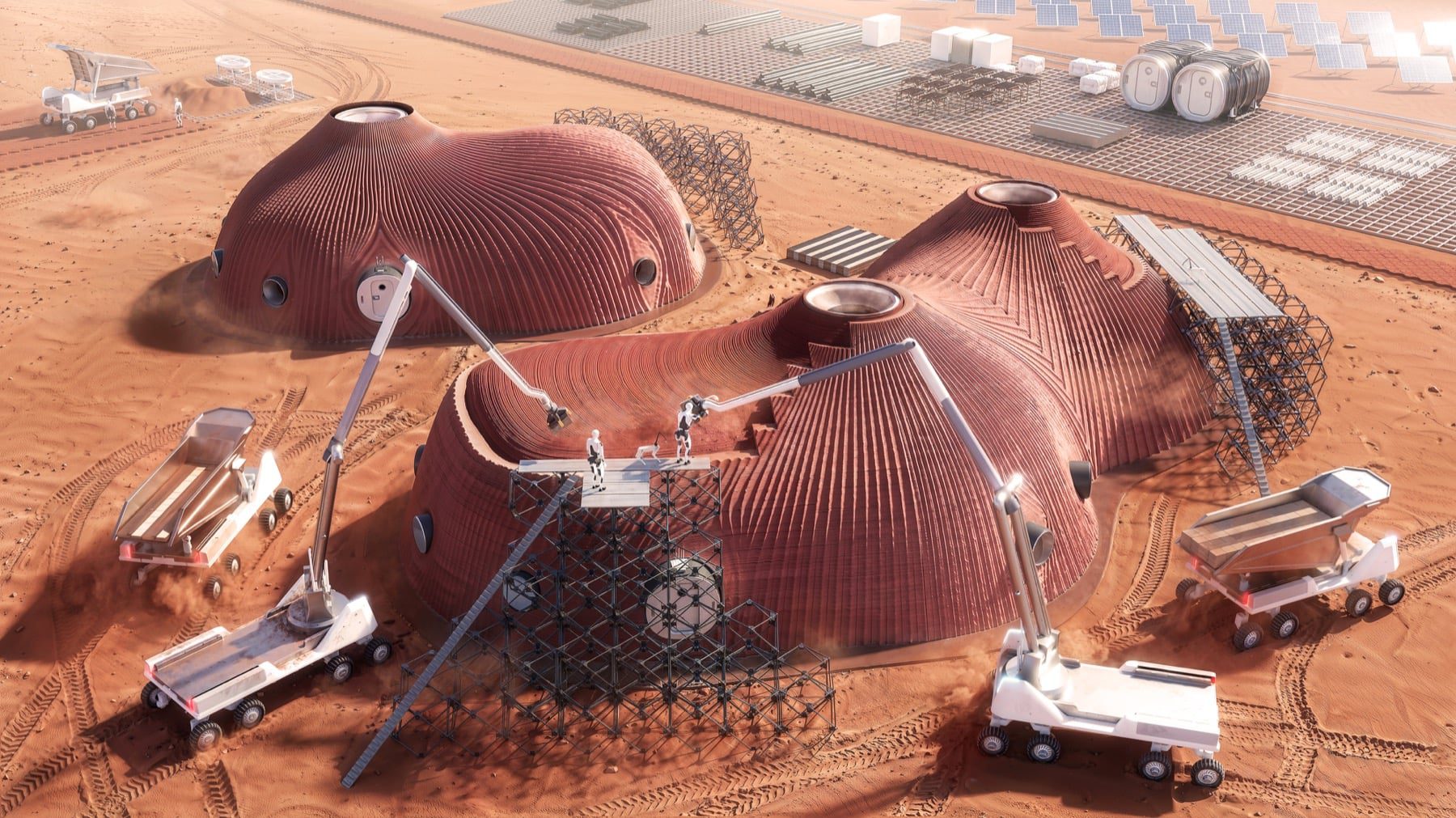
The design studio AENARA has built a full sectional model of a proposed Mars habitat wall, and it opens to the public at Sydney’s new Powerhouse Parramatta on November 7. Titled Off-World Habitat Wall Section, the Mars habitat model Sydney visitors will see was commissioned by Powerhouse for the exhibition Task Eternal. It explores how people might build and live inside a settlement planned for the years 2075 to 2080.
JW Pictures
The model grew out of a larger body of work, because the installation forms part of AENARA’s research into future off-world habitation, led by its founder Melodie Yashar. The underlying habitat concept began in a NASA-endorsed research study for a crew of four undertaking a conjunction-class mission to Mars. Showing it in Sydney turns that study into something visitors can walk up to and examine layer by layer.
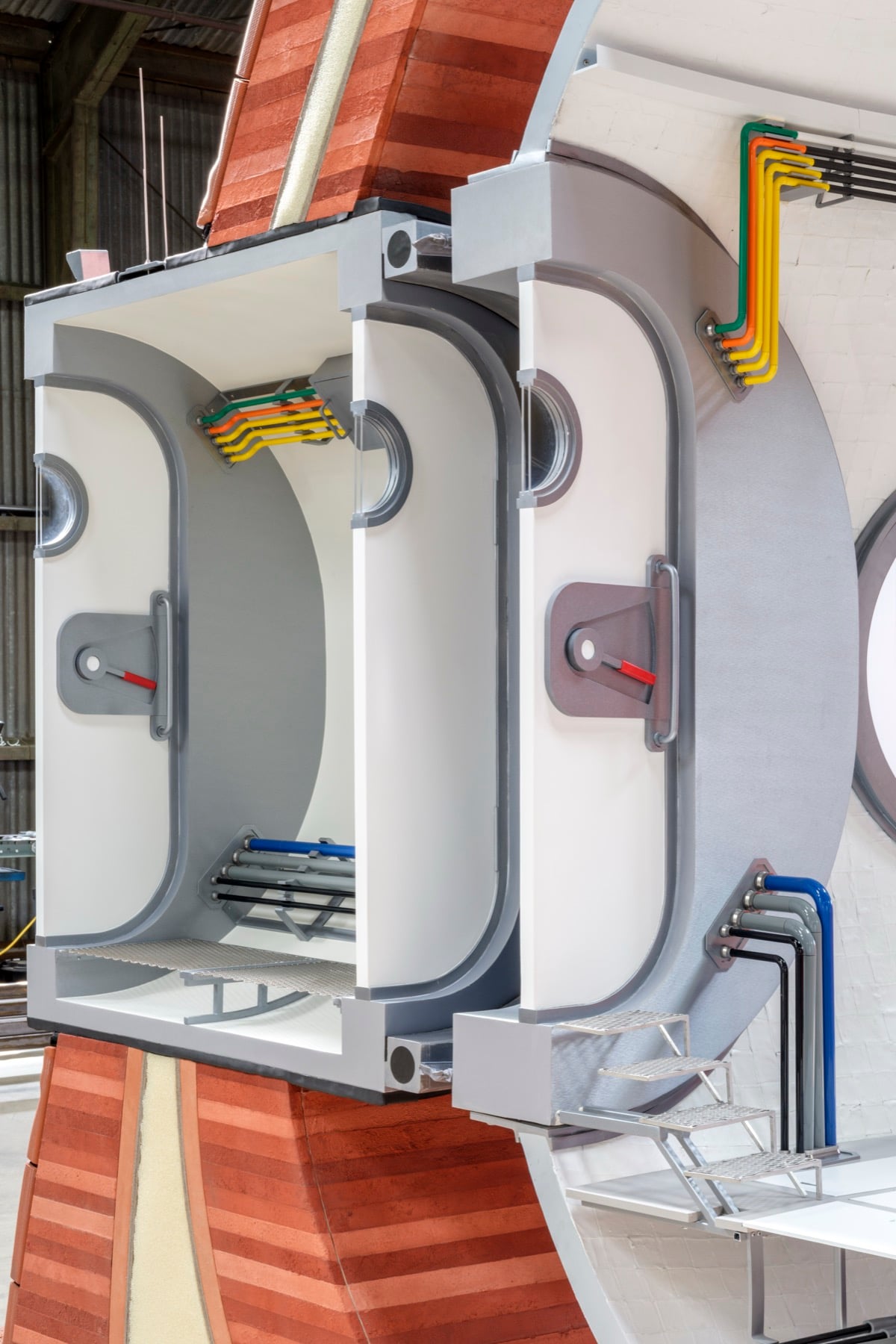
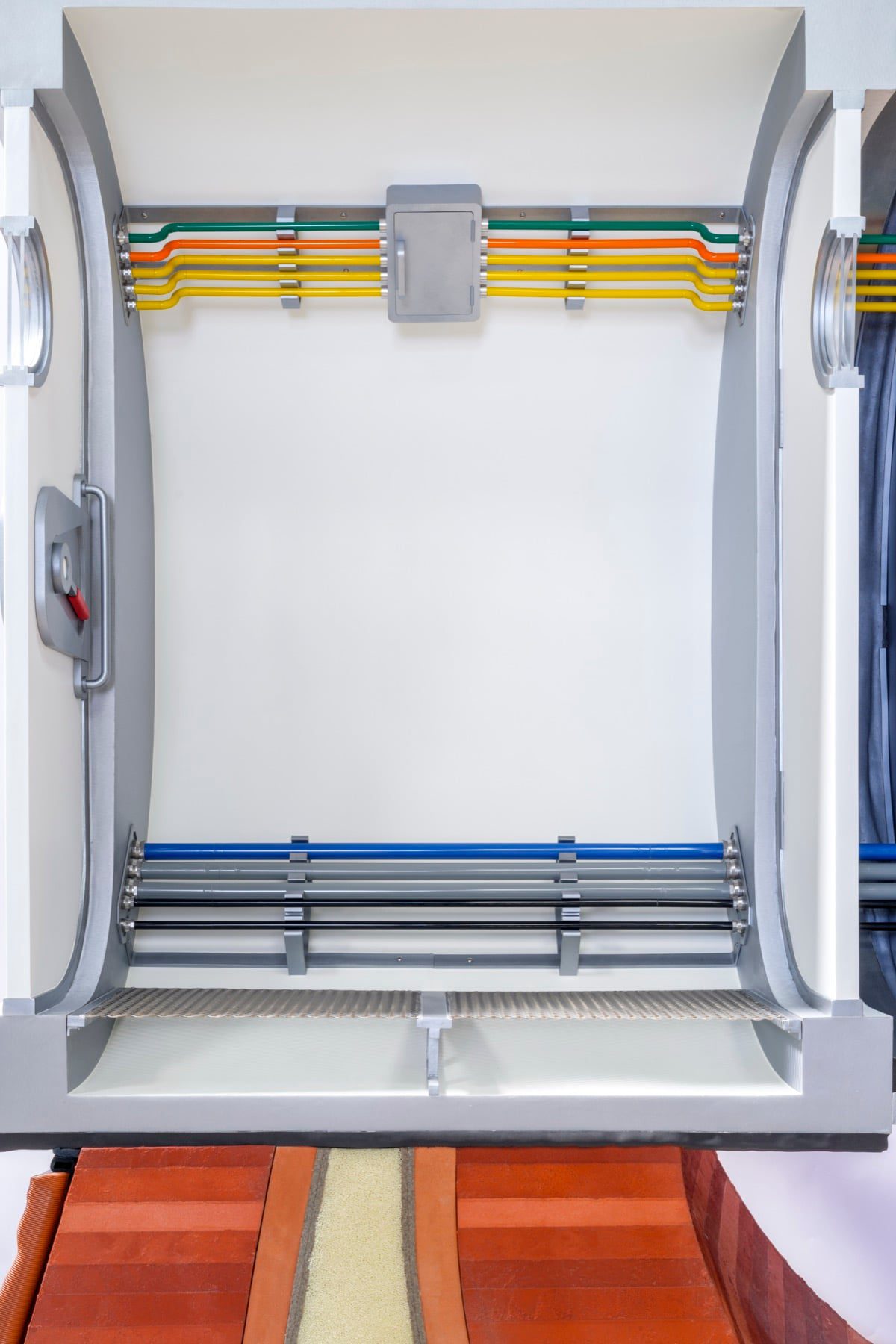
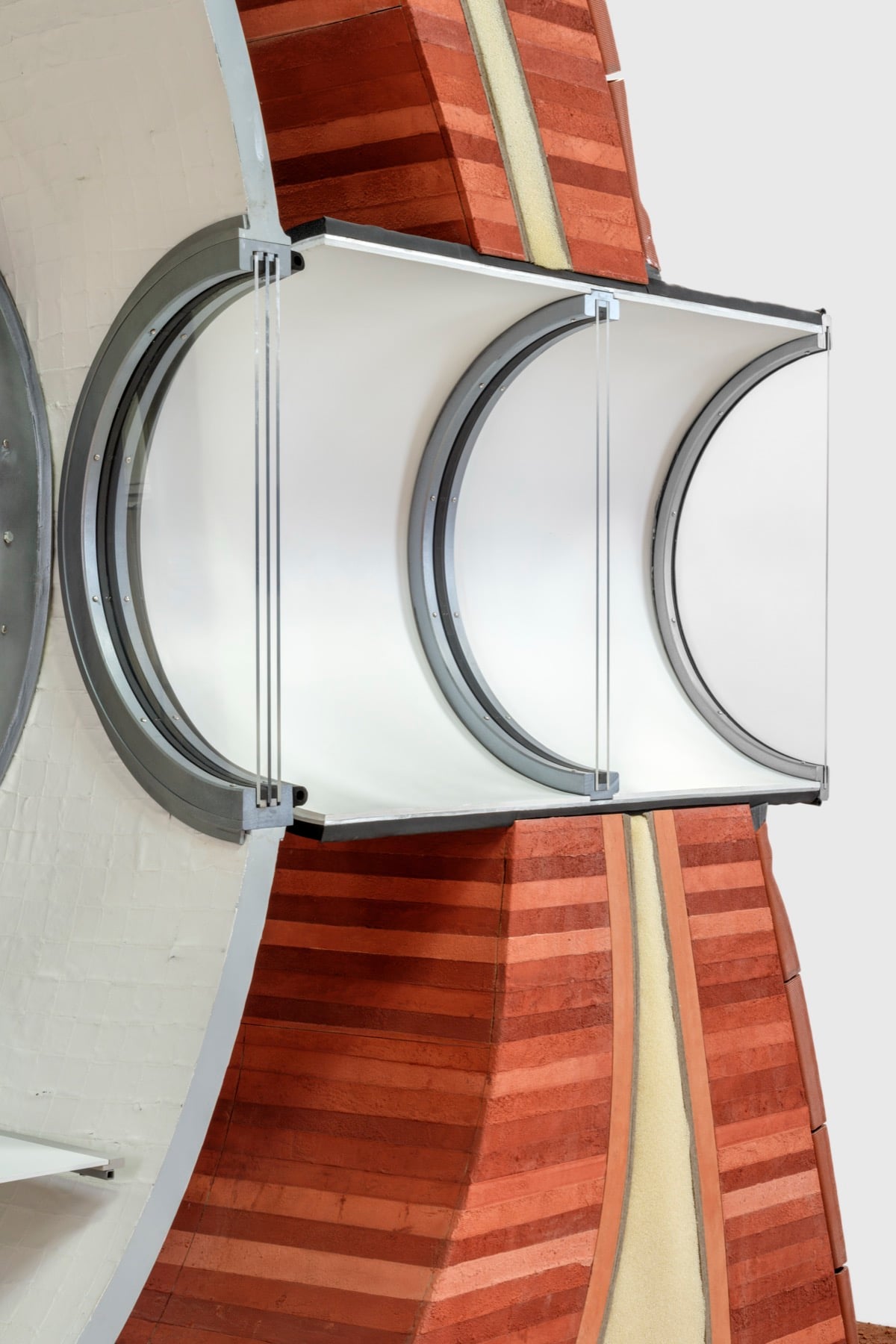
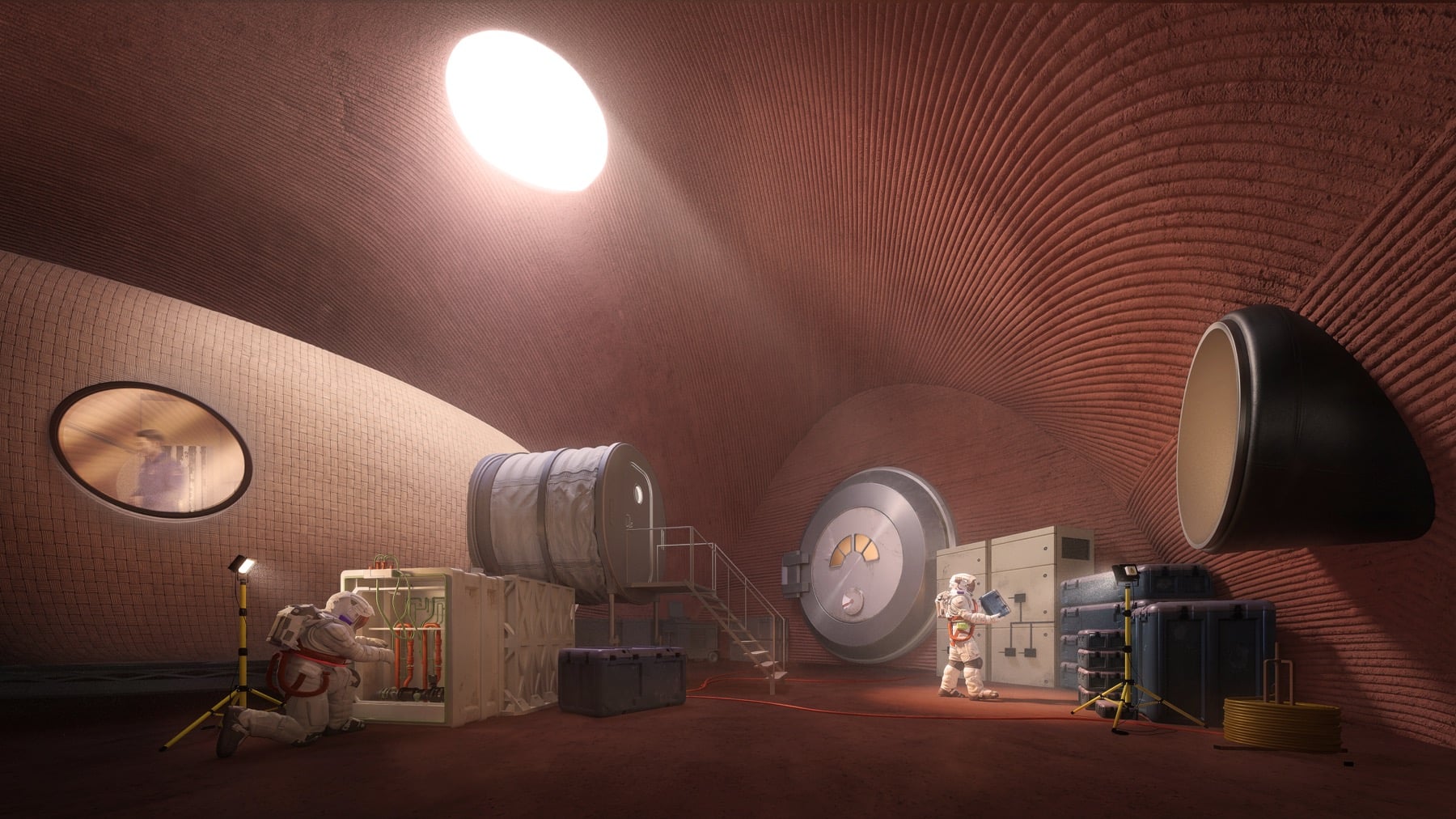
That layered construction is the heart of the piece, since the model cuts through a habitat wall designed to keep a pressurized, environmentally controlled interior alive in the hostile conditions of Mars. The assembly includes redundant structural shells, an inflatable membrane and thermal insulation. Integrated systems for power, data, water and air circulation run through the same wall, so the section shows both the protective skin and the services that make the interior habitable.
Read more:
- Serpentine Pavilion 2025 Revealed: Marina Tabassum Introduces a Kinetic Timber Structure
- At Expo Osaka 2025, the Philippine Pavilion Highlights Harmony Between Nature, Culture, and People
- Municipal Sports Pavilion of San Vicente del Raspeig | MCEA | Arquitectura + NAOS 04 ARQUITECTOS
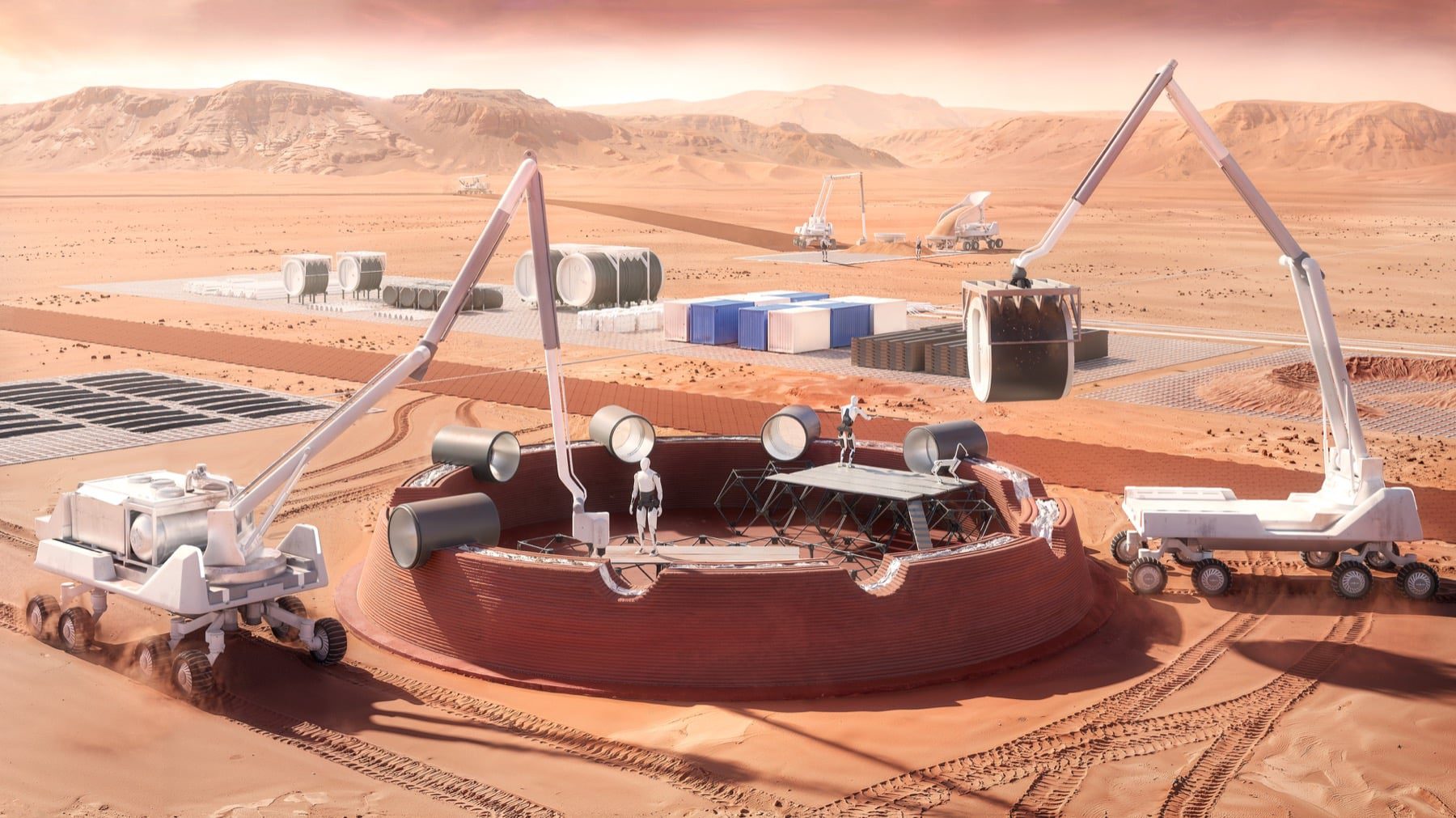
Behind the wall sits a broader idea about who or what does the building. The design considers how the habitat might be constructed autonomously from locally sourced materials, while still giving the crew an interior that supports human health and wellbeing. Natural light, large windows and familiar, Earth-like interior conditions are central to the concept, and the building envelope serves primarily as a protective barrier rather than as the main architectural experience.
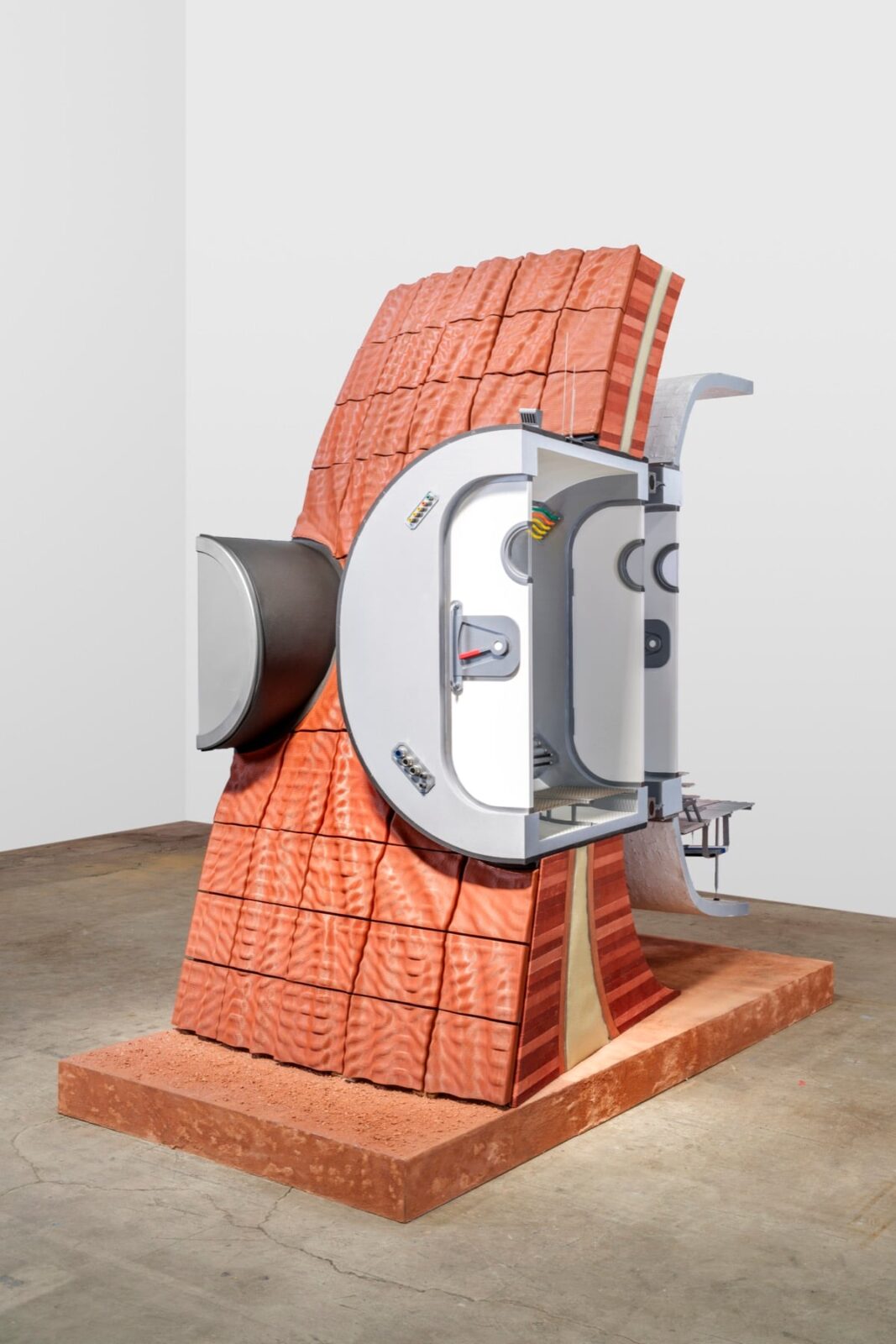
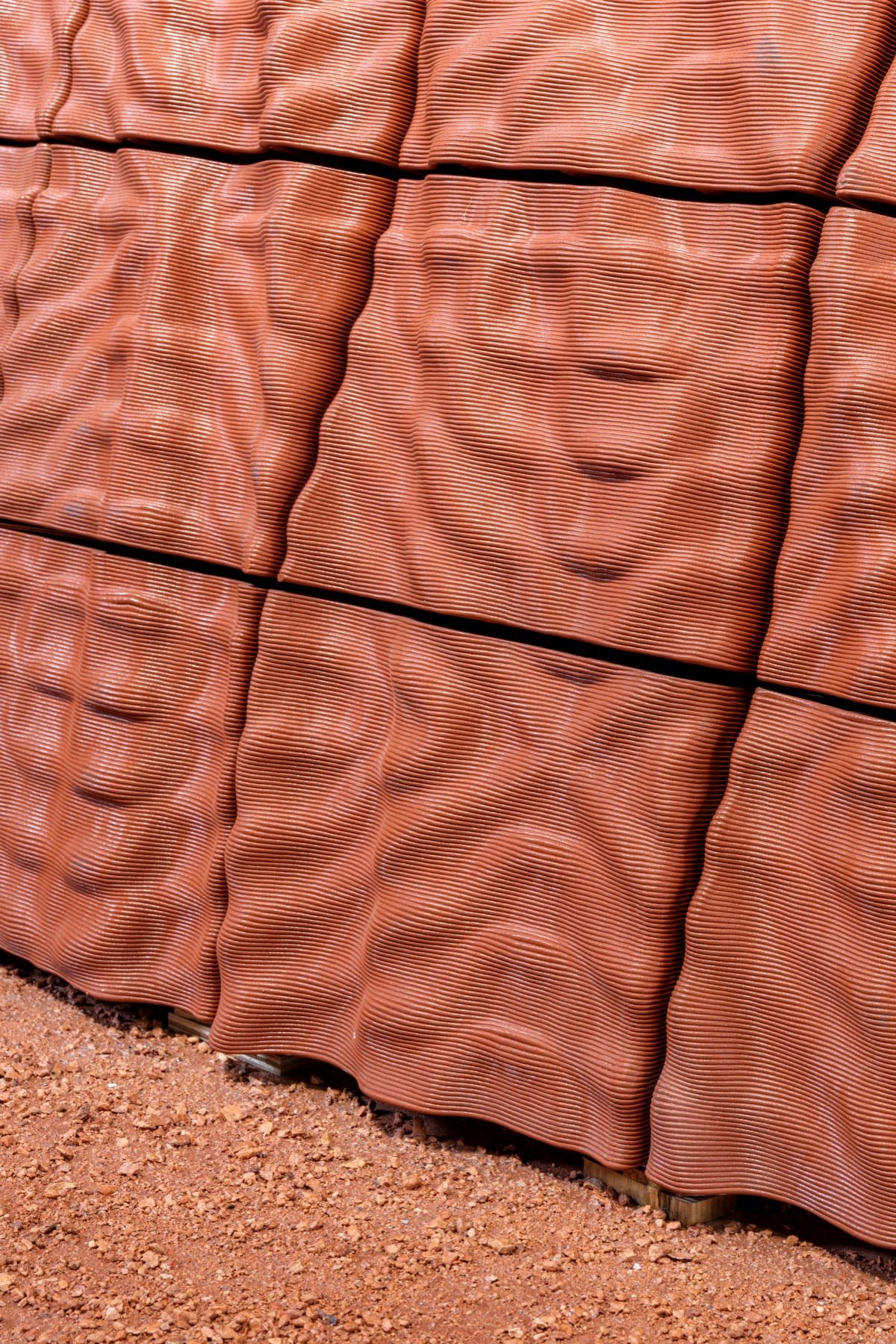
The physical model is made from steel, aluminum, Vectran, 3D-printed terracotta and other 3D-printed components. The team notes that these materials represent the proposed wall assembly but are not space-rated, meaning they have not been qualified for use in space. Printed ceramic and polymer parts reflect the robotic construction methods the project examines, which connect to wider interest in 3D-printed construction on Earth.
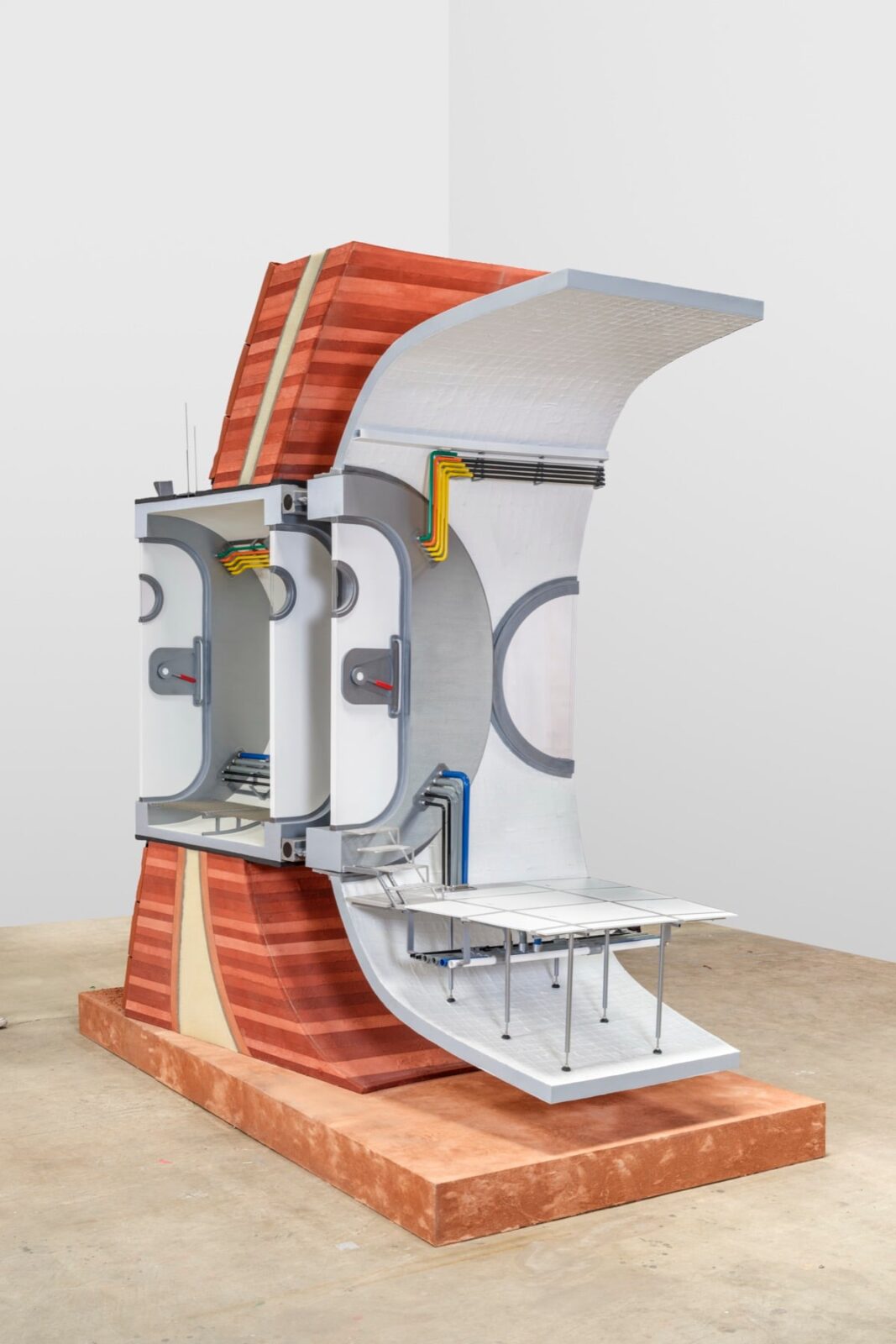
The project also looks beyond Mars, because the team examines how in-situ resource utilization, the practice of building from materials found on site, and robotic construction could be relevant to building practices on Earth. Alongside those technical questions, it addresses the social, ethical and geopolitical challenges that come with developing extraterrestrial infrastructure. Task Eternal opens at Powerhouse Parramatta on November 7, where the wall section will be on display.
For more background, see our guide to facade cladding materials.

Olivia Bennett is a seasoned American news editor at Arch2O, born in the UK and a proud alumna of UCLA, where she studied Architecture and Media Studies. With a strong editorial background and a passion for design storytelling, she excels in translating complex architectural ideas into engaging narratives. Olivia focuses on contemporary trends, sustainability, and emerging talents in the field, offering readers a fresh, global perspective on the built environment.