

Built on extravagance, sharp angles, plastic and steel, neon and wide-eyed technical cheerfulness, Googie architecture borrowed its swagger from Space Age concepts and spaceship fantasies. It’s one of the few architectural movements that Americans recognize on sight even if they’ve never heard its name. So what exactly is this architectural style trying to say, and why does it still make people smile every time they drive past one of its surviving diners?
What Is Googie Architecture?
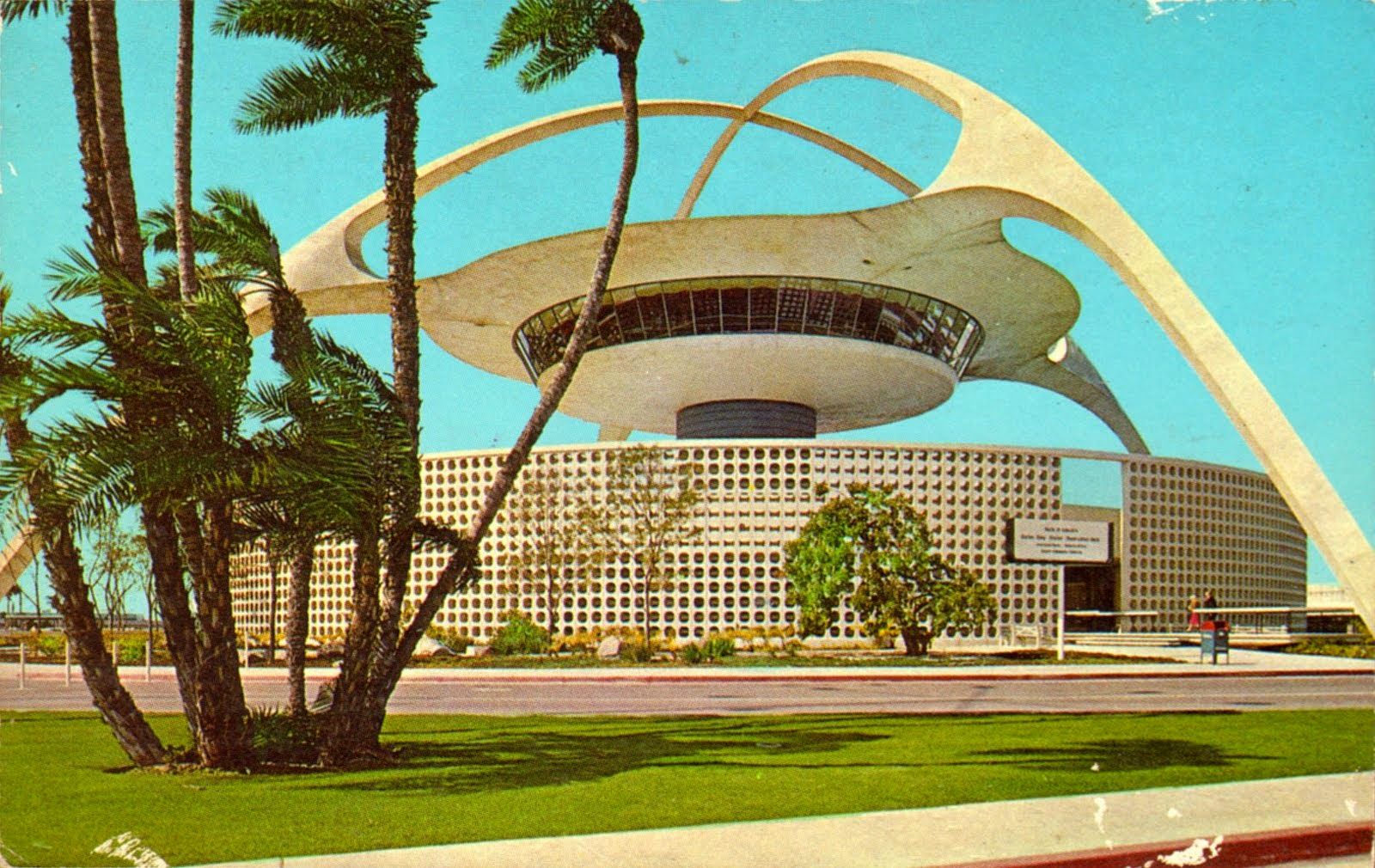
The mid-twentieth century was a wild ride for American architecture, shaped by industrial growth, car culture, and a genuine belief that the future was going to look like something out of a comic strip. Googie architecture grew directly out of that mood, and while pockets of it popped up across the country, nowhere embraced it quite like Southern California, and specifically Los Angeles.
©mavink.com
Sturdy geometric shapes, curved and sloped roofs, an almost cartoonish sense of motion, and a mash-up of materials — steel, glass, and jagged natural stone — are the calling cards of Googie design. If you want a broader sense of where this fits among the dozens of movements that have shaped the built environment, our complete visual guide to architectural styles is a good place to see how Googie compares to everything from Brutalism to Art Deco.
Where Did Googie Architecture Come From?
The style traces back to the early 1940s, when architect John Lautner — a former apprentice of Frank Lloyd Wright — designed a trio of Coffee Dan’s restaurants around Los Angeles. Lautner had a habit of bending vaulted ceilings, glass walls, and steel trusses into shapes that felt more like sculpture than construction, and those early experiments became the blueprint everyone else would riff on for the next two decades.
Read More:
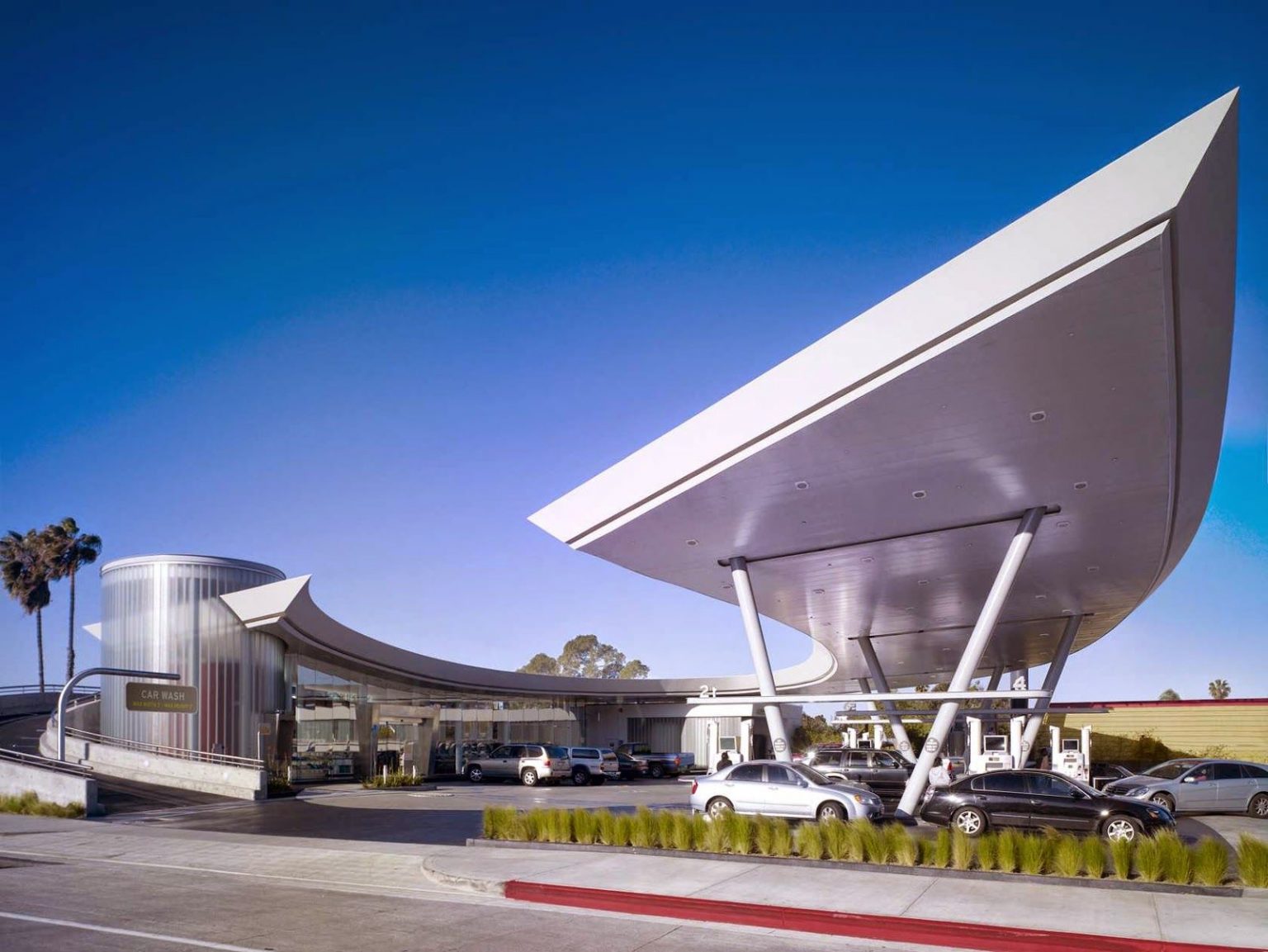
The name itself arrived almost by accident. In 1949, Lautner designed a coffee shop at the corner of Sunset Boulevard and Crescent Heights in West Hollywood, right next to the legendary Schwab’s Pharmacy. The shop was called Googie’s, after a nickname belonging to the owner’s wife, and its jagged roofline and glass-walled dining room caught the eye of Yale architecture critic Douglas Haskell as he drove through town. Haskell wrote up the style in a 1952 issue of House and Home magazine, and the name stuck — even though Haskell himself meant it as something of a dig at the style’s “vulgar” commercialism. Time has clearly been kinder to Googie than Haskell was; today it is treated as a genuinely important record of postwar American optimism, and you can dig deeper into that origin story in our piece on everything you need to know about Googie architecture.
©inspireexpo.blogspot.com
Southern California was the style’s natural home base through the 1950s, but it didn’t stay local for long. Wildwood in New Jersey, Seattle, Colorado Springs, Phoenix, and Miami all picked up the aesthetic, and it even made an appearance at the 1964 World’s Fair in New York. Interestingly, Googie has picked up a handful of nicknames over the decades — Populuxe, Doo-Wop, Coffee Shop Modern, Jet Age, and Space Age design are all names you’ll see attached to the same basic movement, depending on which coast or which decade you’re reading about.
Momentum started slipping away from Googie around the time of the Apollo missions in the late 1960s and early 1970s. Ironically, the moment humans actually reached the moon was roughly the same moment the architectural community stopped taking “space age” seriously as a design language. Many Googie buildings were bulldozed in the decades that followed, which is exactly why the ones still standing get treated as such precious historical artifacts today.
Why Did Googie Architecture Fall Out of Fashion?
By the 1970s, the architectural establishment had largely turned its back on Googie. Critics considered the style too flashy, too commercial, and too closely tied to roadside advertising to be taken seriously as “real” architecture — the kind of thing that belonged in academic journals. That snobbery pushed a reaction against the bright, optimistic look of the 1950s, and plenty of Googie coffee shops and motels were demolished or remodeled beyond recognition as tastes shifted toward more restrained, minimalist commercial design.
What Are the Defining Features of Googie Design?
Googie architects were essentially cheerleaders for engineering, and everything they built was meant to feel like it was already moving. A few elements show up again and again:
1) Upswept and Sloped Roofs
©flickr.com
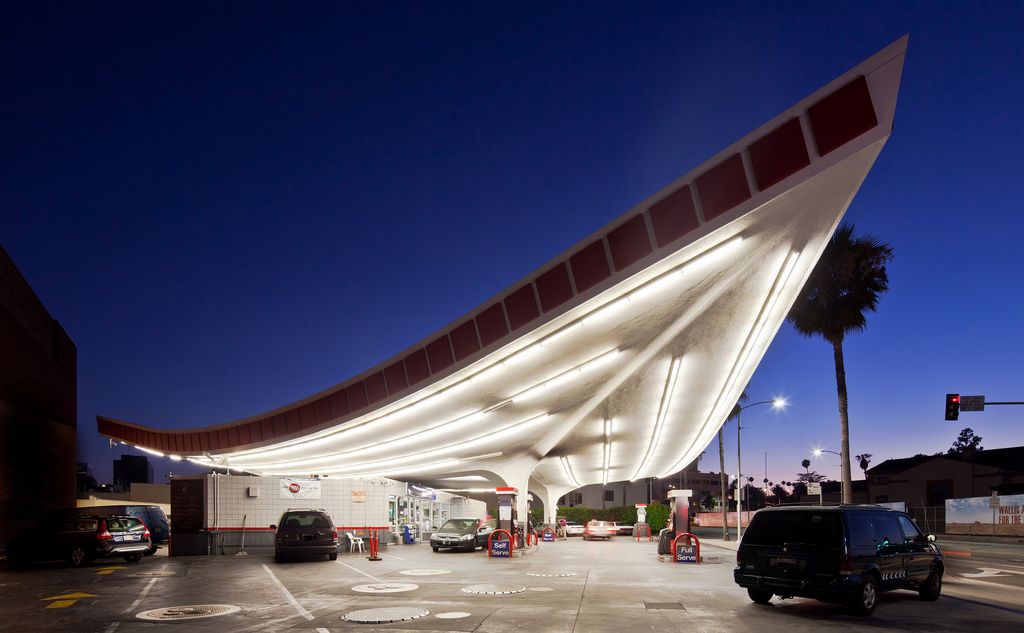
These upside-down, wing-like rooflines gave buildings the appearance of being ready to take off. Beyond the visual drama, the sloped shape also had a practical payoff: it allowed for much larger glass storefronts, which meant coffee shops could show off their brightly lit interiors to every passing car.
2) Boomerang Shapes
©Michael Koukoullis
The boomerang motif turned up on everything mid-century, from Formica countertops to highway signs to lounge chairs. In architecture, the shape borrowed heavily from aviation and the visual language of postwar pop culture — a not-so-subtle nod to speed and flight.
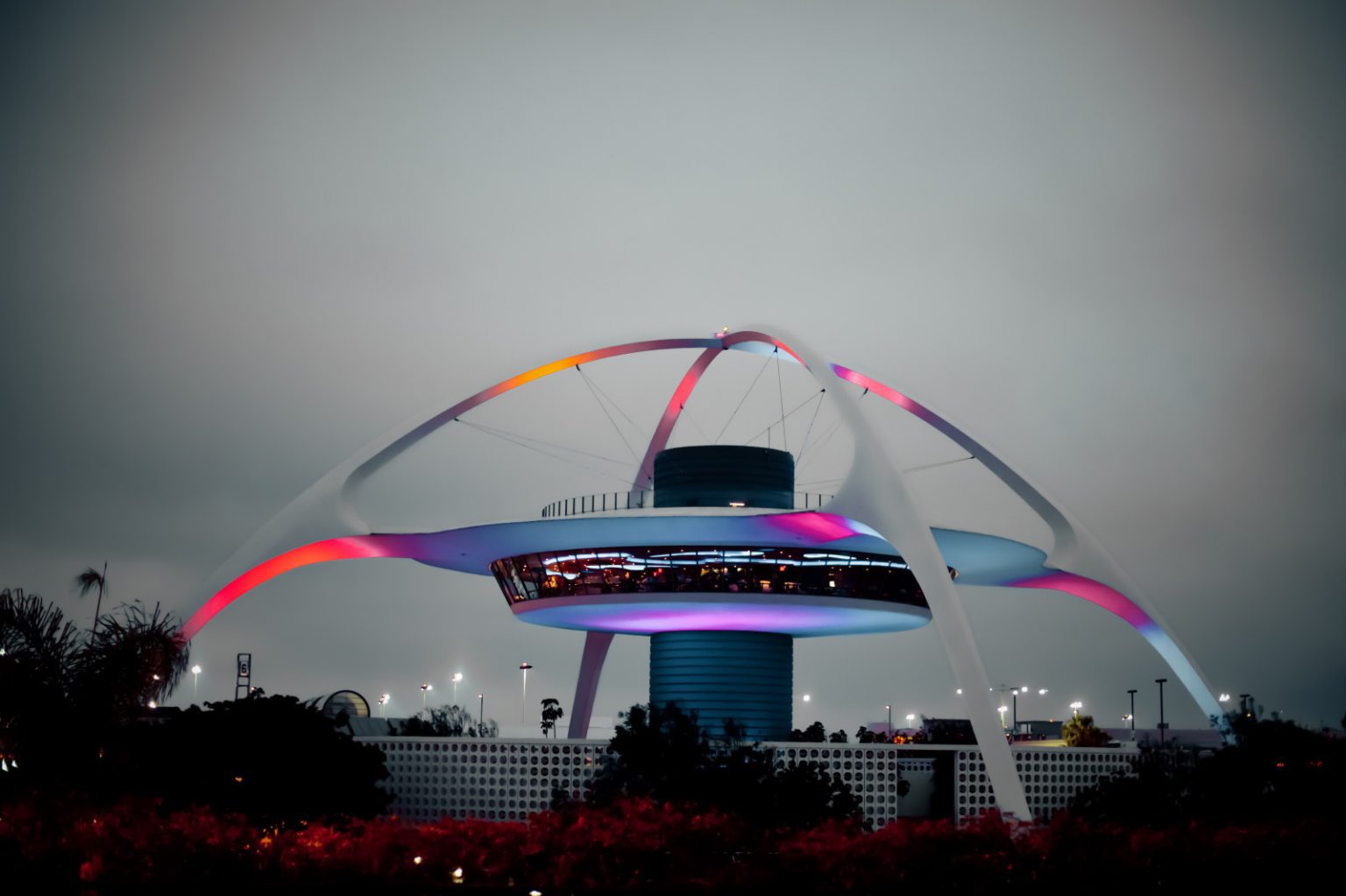
3) Starburst Motifs
©wallhere.com
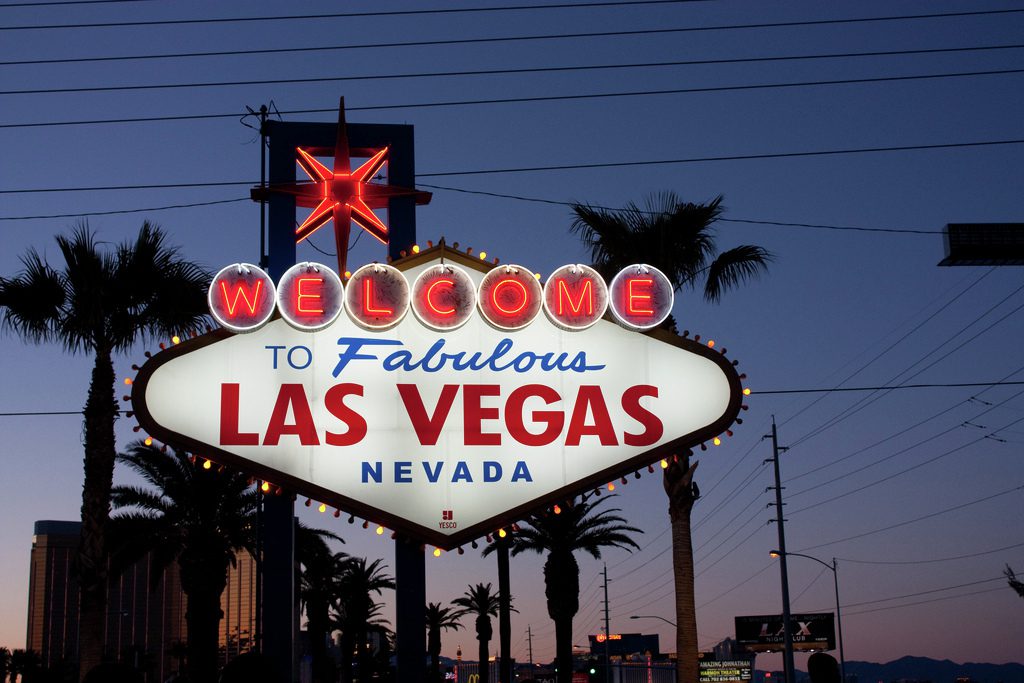
Starburst signage and ornamentation captured the public’s fascination with the Space Race and atomic-age science. It’s a purely optimistic symbol — a visual shorthand for a future that was supposed to be dazzling and a little bit weightless.
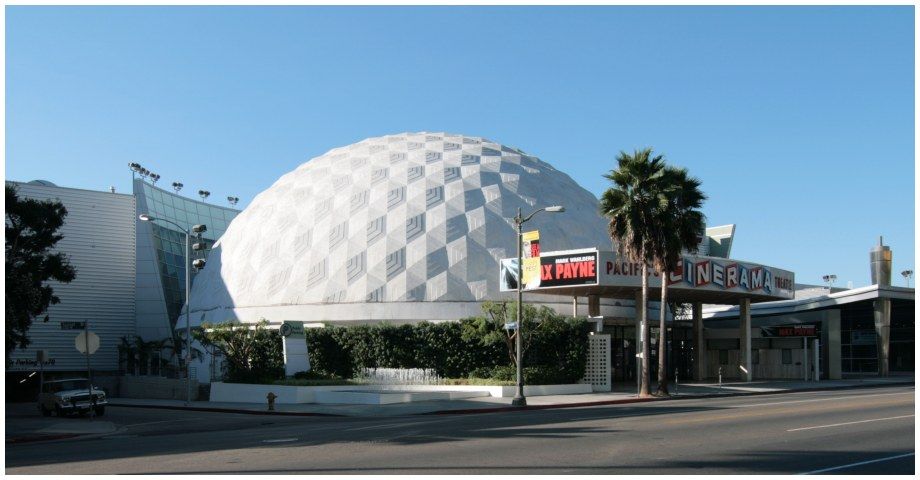
4) Oversized Domes
©you-are-here.com
New advances in reinforced concrete made oversized domes practical for the first time, and Googie architects leaned into them enthusiastically as another way to signal futuristic ambition.
Which Googie-Style Buildings Can You Still Visit in Los Angeles?
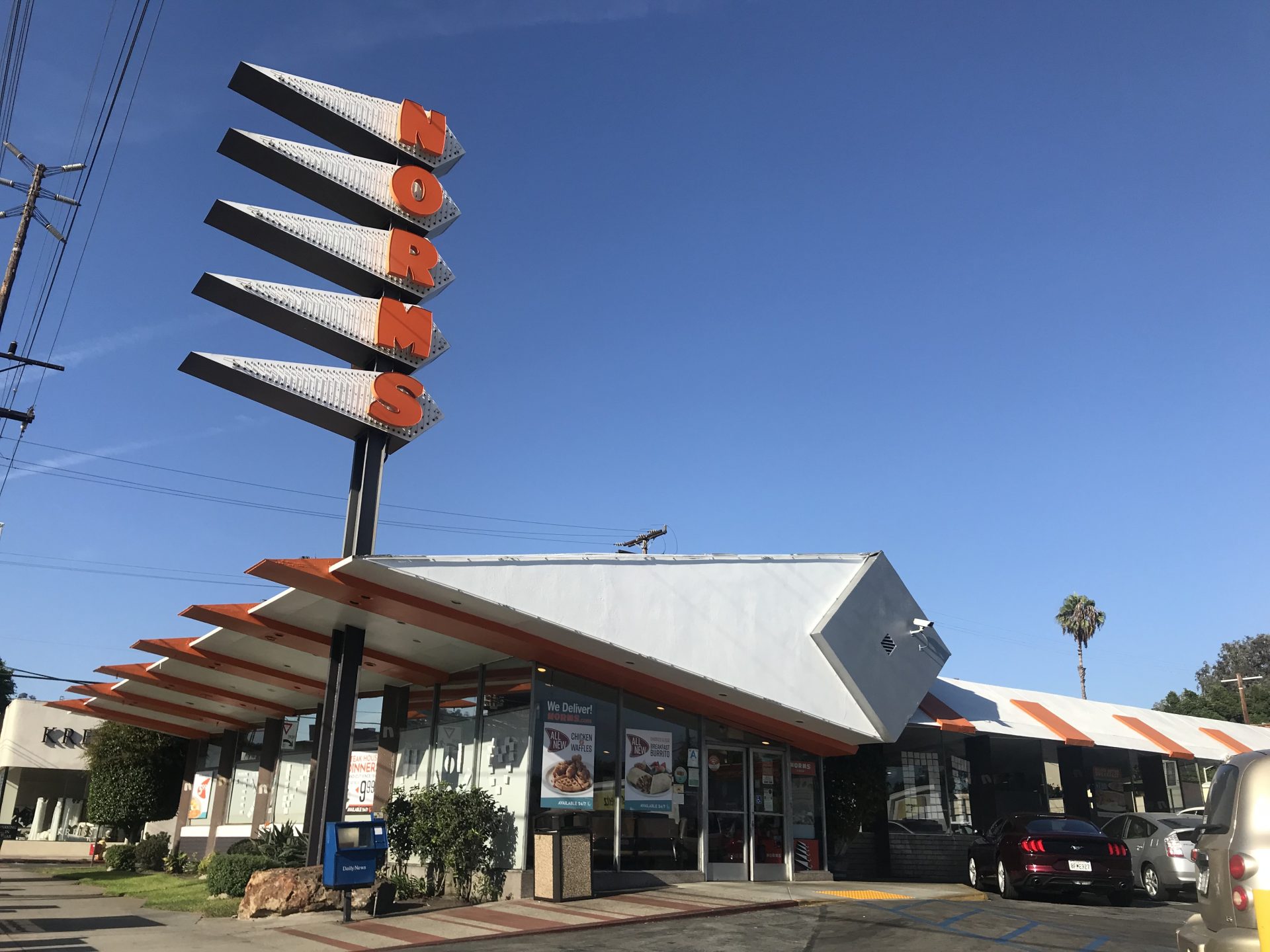
1) Norms Restaurant, La Cienega
©lamag.com
The celebrated firm Armet & Davis designed this restaurant as one of the purest expressions of the Googie ideal. Louis Armet and Eldon Davis produced some of the movement’s most influential work here, and its diamond-shaped roof and five-part pennant sign have made it one of the most photographed diners in Los Angeles. The building was named a Los Angeles Historic-Cultural Monument in 2015, which technically protects its exterior from demolition — though its future as a restaurant is less certain. Raising Cane’s, which purchased the property in 2021, has proposed converting the space into one of its own locations once Norms’ lease expires in December 2026, while preserving the landmark’s silhouette and signature pennant sign. It’s a reminder that even protected Googie landmarks aren’t always safe from changing hands.
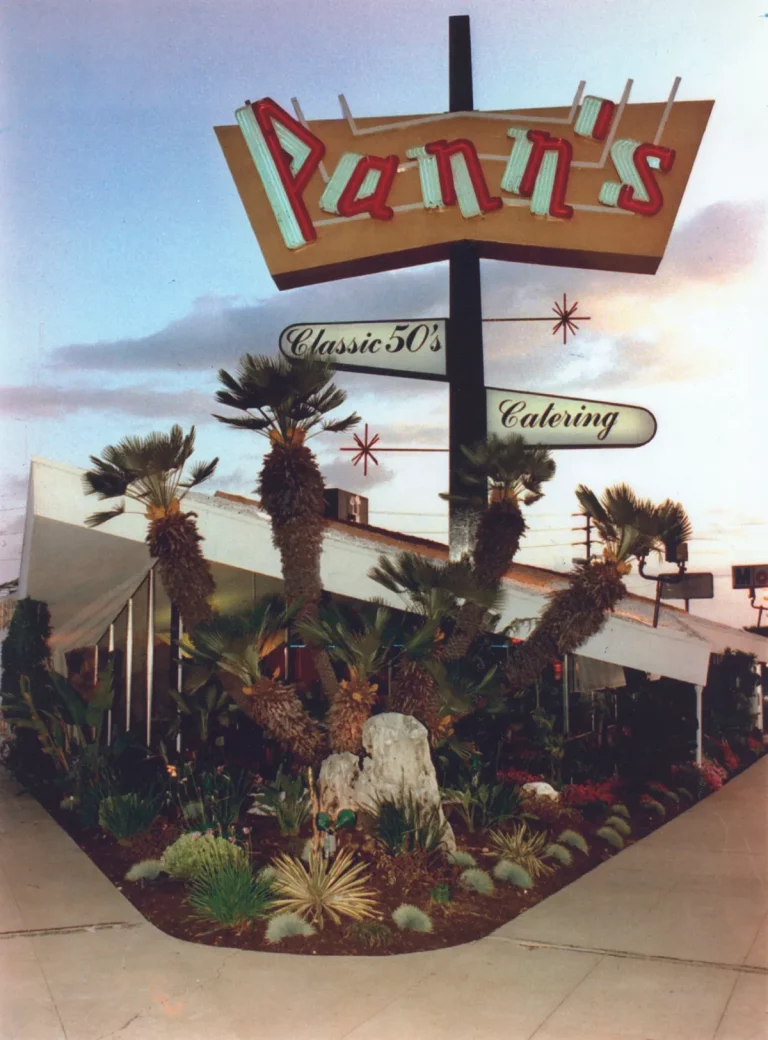
2) Pann’s
©LA Times/ Getty Images
Another restaurant with a gorgeous sign and roofline, Pann’s still radiates 1950s charm thanks to the same Armet & Davis touch that shaped Norms. What makes Pann’s special is its location right along the route to LAX, which has made it a familiar way of saying farewell — or welcome — to Los Angeles for generations of travelers.
3) Union 76 Station, Beverly Hills
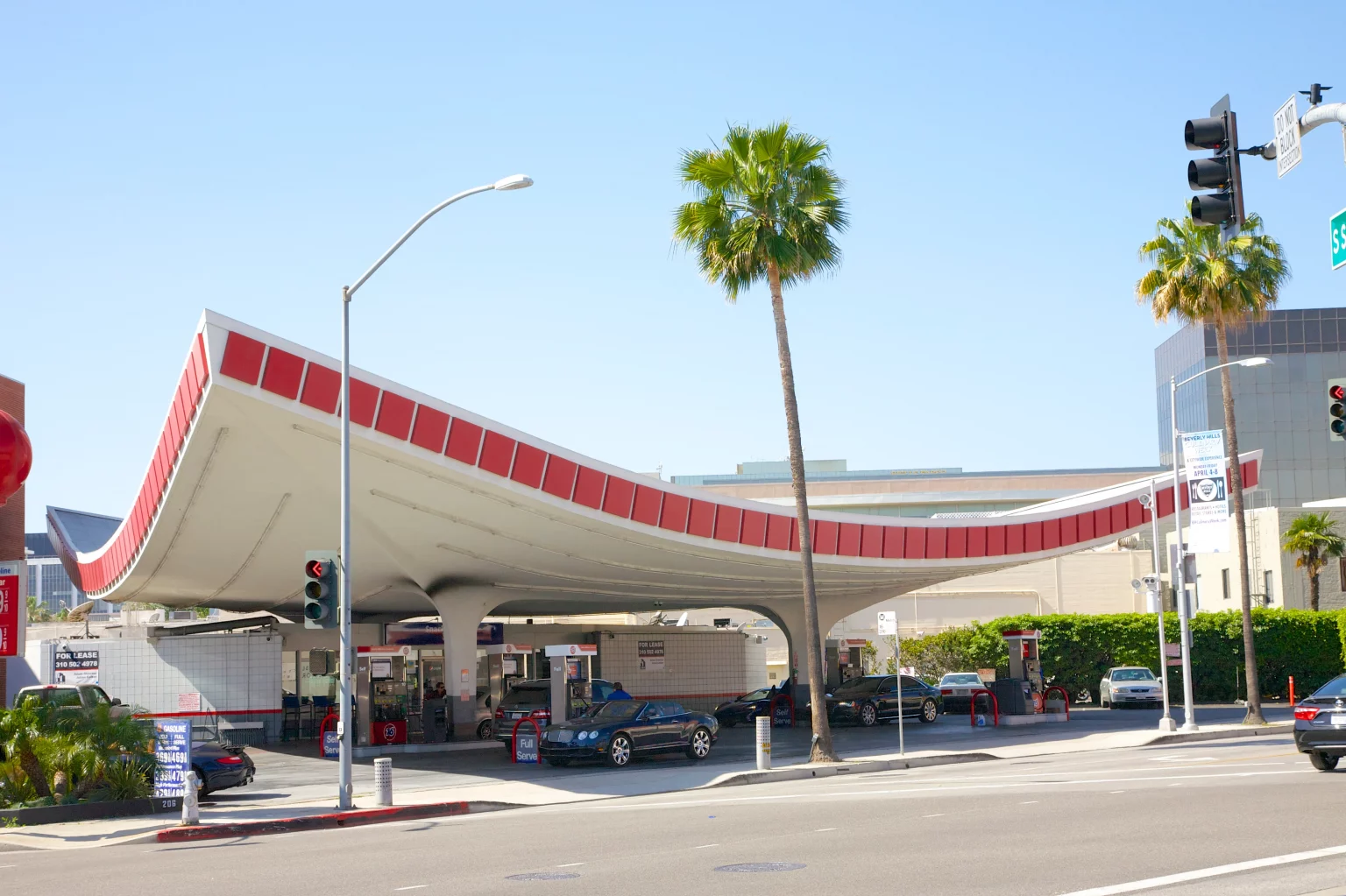
©web.solacesf.org
One of the most striking examples of Googie architecture anywhere is this Beverly Hills gas station, with its dramatic boomerang-shaped canopy floating overhead. Architect Gin Wong designed it as a piece of pure space-age theater, and it remains one of the few Googie service stations still doing exactly the job it was built for.
4) Bob’s Big Boy Broiler (formerly Harvey’s Broiler)
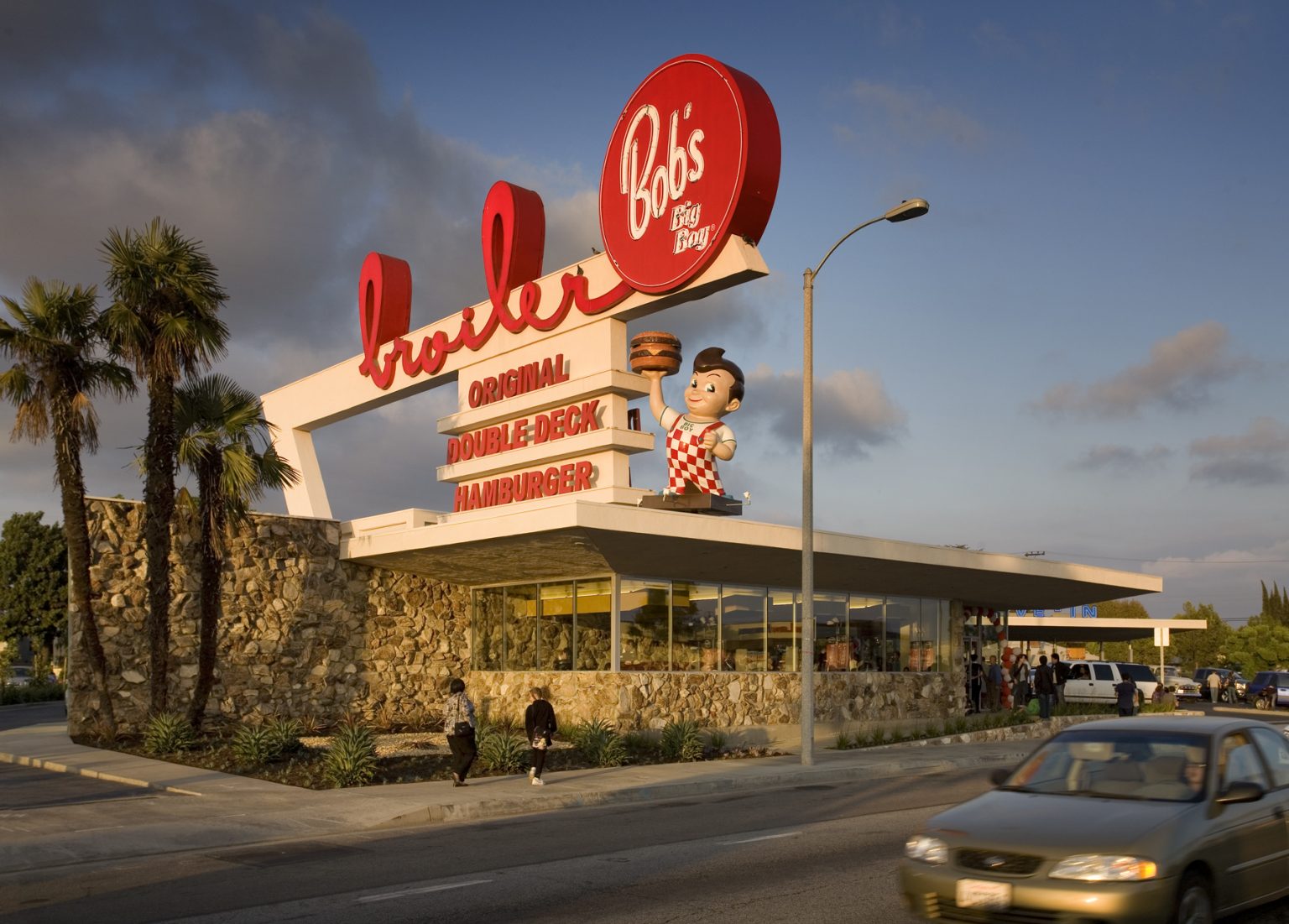
©John Eng
Opening in 1958 as Harvey’s Broiler, this combination coffee shop, restaurant, and drive-in was designed by architect Paul B. Clayton and quickly became the anchor of Southern California’s blossoming car-cruising scene, thanks in part to a 65-foot sign towering over Firestone Boulevard. The building was later restored and reopened under the Bob’s Big Boy name, giving it a genuine second life instead of the wrecking ball that claimed so many of its contemporaries.
5) Covina Bowl
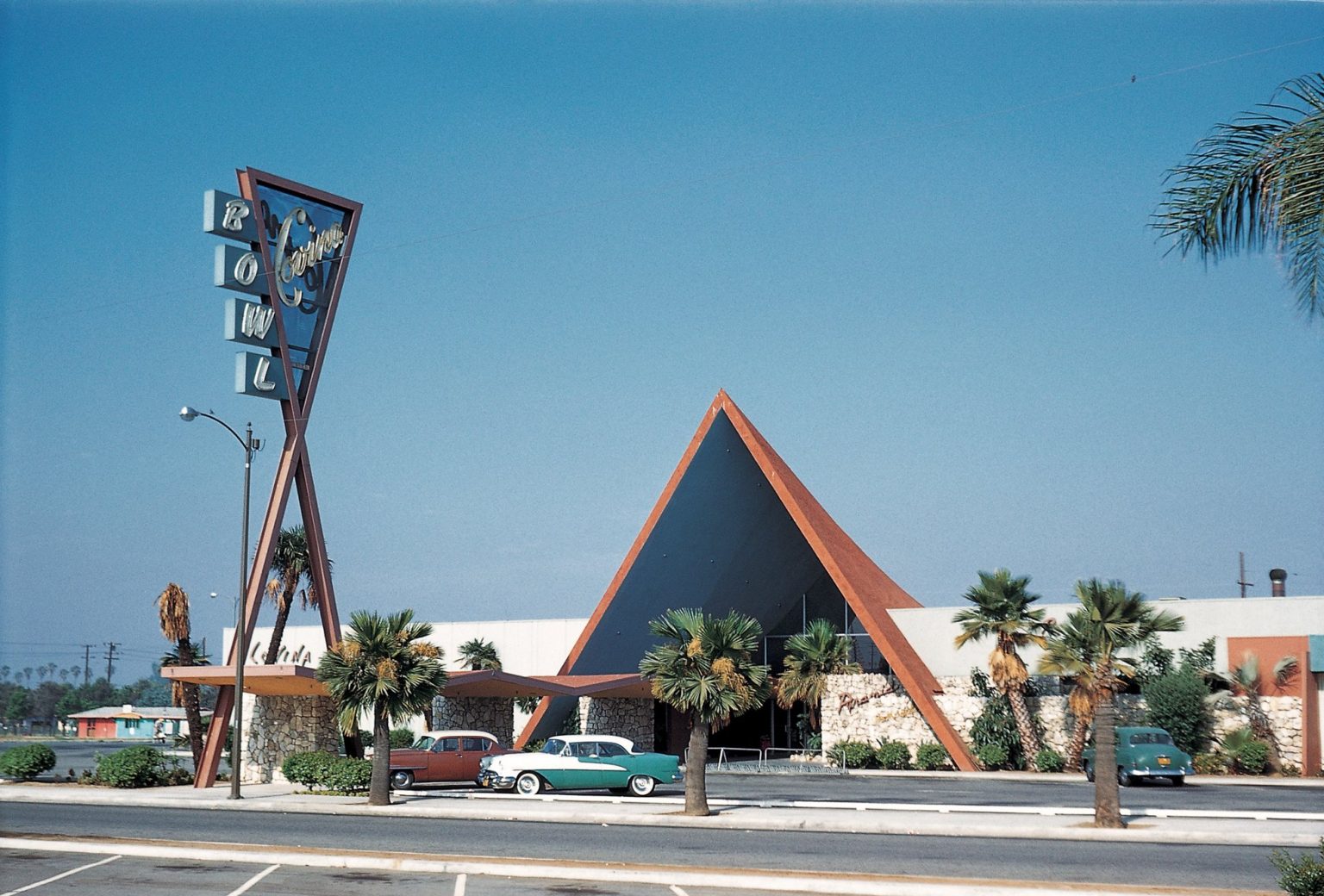
©greatnonprofits.org
Through the 1950s and ’60s, the Covina Bowl on San Bernardino Road drew in bowlers, diners, and night-owl entertainers looking for something a little unusual. Its rock-clad exterior and towering rooflines hid an interior full of surprises — a cocktail lounge decorated with Egyptian statues, mid-century light fixtures, and terrazzo flooring throughout. Designed by Powers, Daly & DeRosa, it became a template that inspired bowling alley design across the country in the years after World War II.
6) Chips, Hawthorne
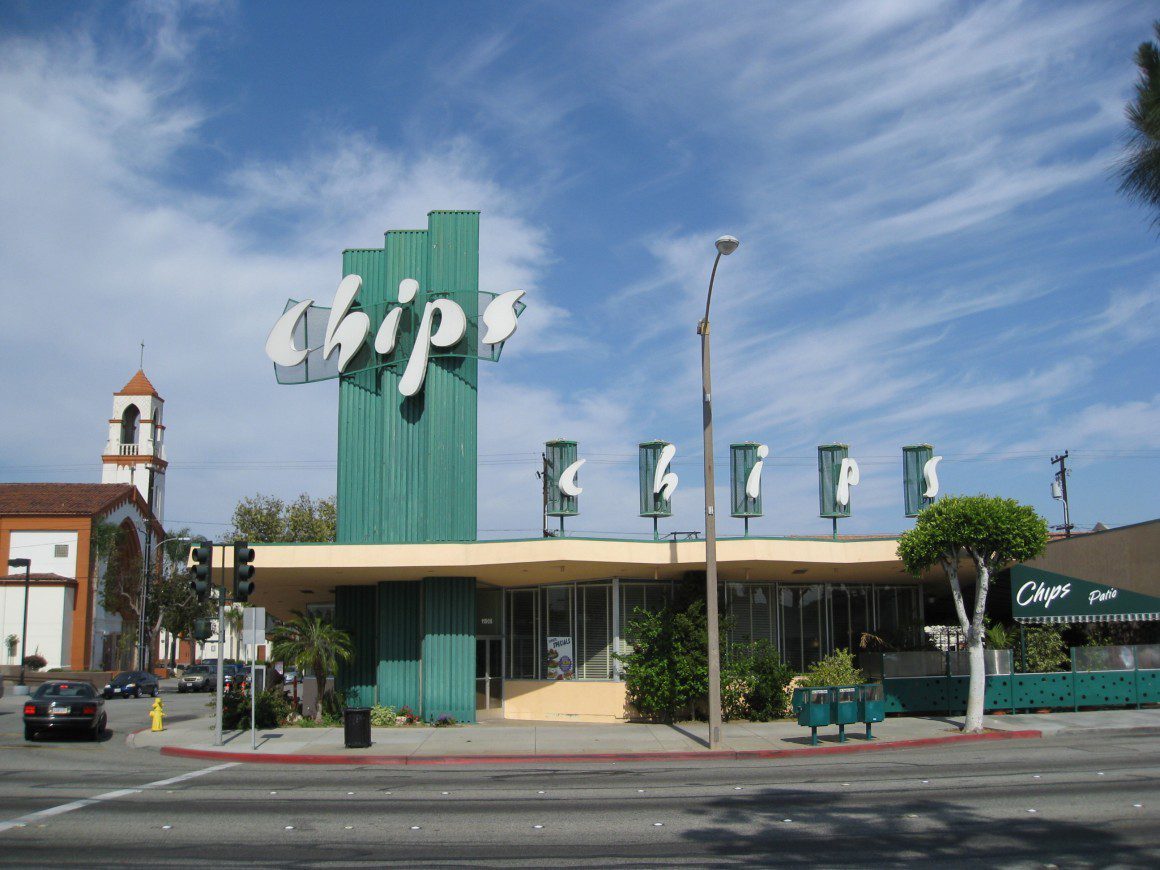
©Don Barrett
Extravagant rooflines, oversized windows, and eye-catching signage make coffee shops like Pann’s, Johnie’s, and Norms instantly recognizable, but Chips on Hawthorne Boulevard earns its spot for a different reason: signage that’s genuinely distinctive rather than just loud. Designed by architect Harry Harrison and open continuously since 1957, its roofline zigzags in front view while curving unevenly in profile — quieter than some of its flashier neighbors, but no less confidently Googie.
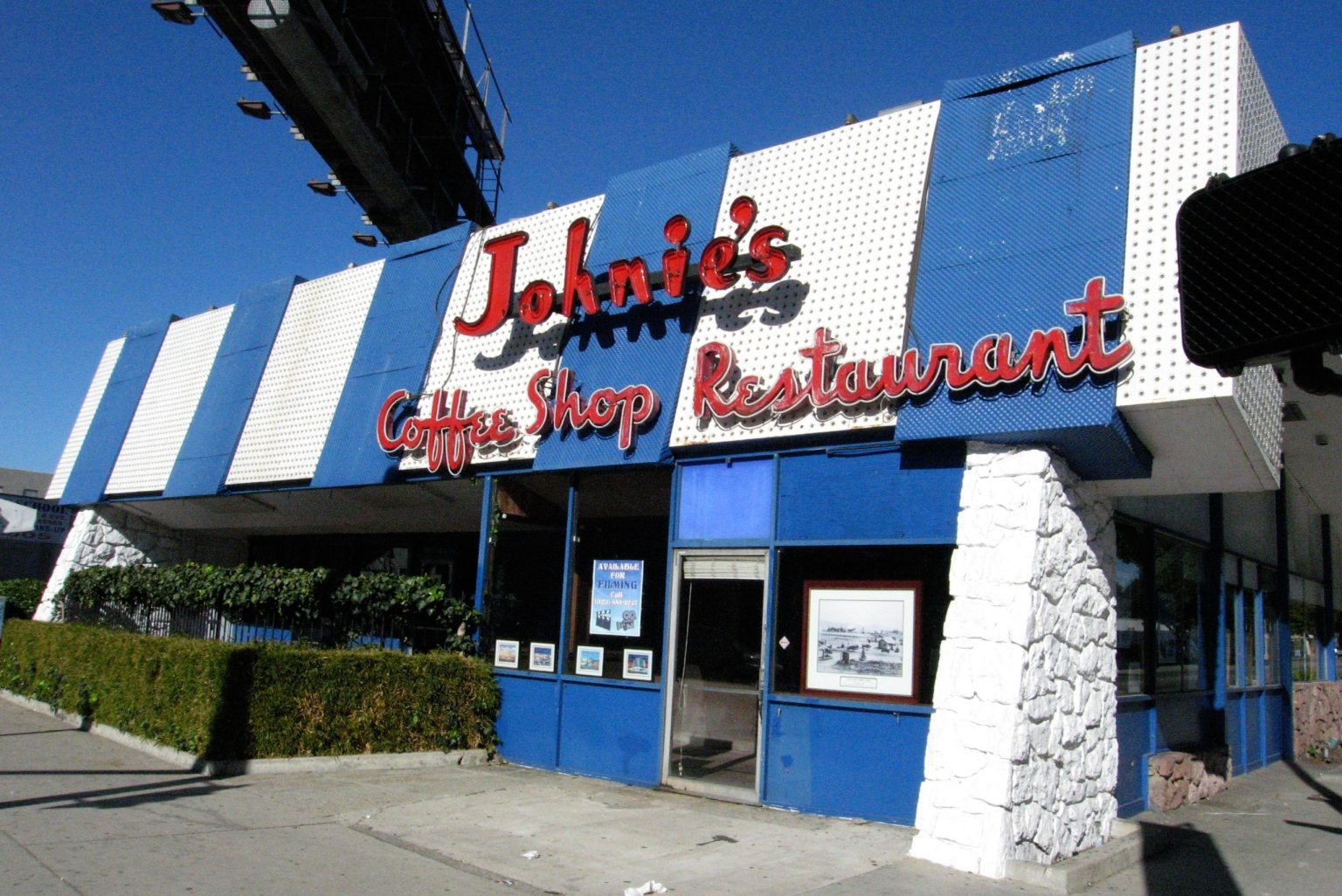
7) Johnie’s Coffee Shop
©foursquare.com
Sitting across from the old May Company building at Wilshire Boulevard and Fairfax Avenue, Johnie’s Coffee Shop is one of the clearest surviving expressions of 1950s and ’60s Googie style in Los Angeles, designed by Louis Armet and Eldon Davis. The firm built dozens of buildings across Southern California, but their coffee shops are what people remember, with their glass walls, sweeping rooflines, and unmistakable signage aimed squarely at passing drivers. Johnie’s no longer operates as a working restaurant and is mostly used today as a filming location — you’ve probably spotted it in more movies and TV shows than you realize — but the building itself is still standing proudly on one of LA’s busiest corners.
Is Googie Architecture Being Preserved Today?
Yes, and increasingly so. Groups like the Los Angeles Conservancy have spent the last two decades pushing for Historic-Cultural Monument status on the region’s remaining Googie landmarks, and Norms La Cienega is a good example of how that plays out in practice — the designation stops a building from being torn down, but it doesn’t guarantee the business inside stays the same. As more of these coffee shops, motels, and bowling alleys near the end of their original leases, expect more headlines like the Norms story in the years ahead. For readers who want the fuller backstory on how this scrappy, unapologetically commercial style earned a permanent place in architectural history, our guide on what you need to know about Googie architecture goes deeper into the people and buildings that defined it.
Tags:
Alan Hess
America
Architectural Styles
Armet & Davis
Gin Wong
Googie
Googie Architecture
Harry Harrison
Los Angeles
Louis Armet and Eldon Davis
Paul B. Clayton
Strange architecture
World War II

Ruba Ahmed, a senior project editor at Arch2O and an Alexandria University graduate, has reviewed hundreds of architectural projects with precision and insight. Specializing in architecture and urban design, she excels in project curation, topic selection, and interdepartmental collaboration. Her dedication and expertise make her a pivotal asset to Arch2O.