

© Elisabeth Heier
© Elisabeth Heier
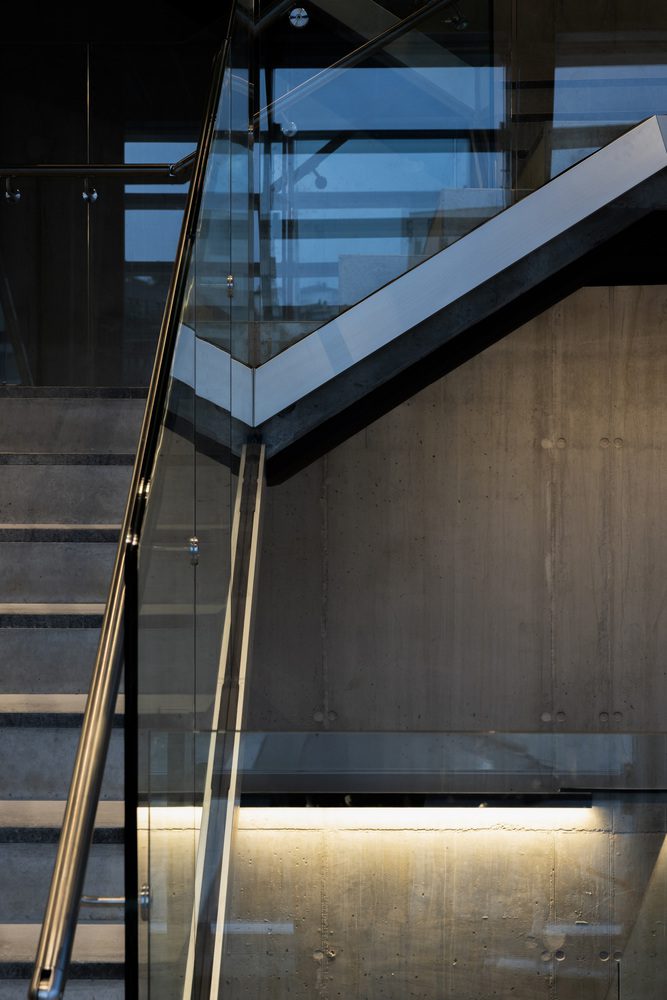
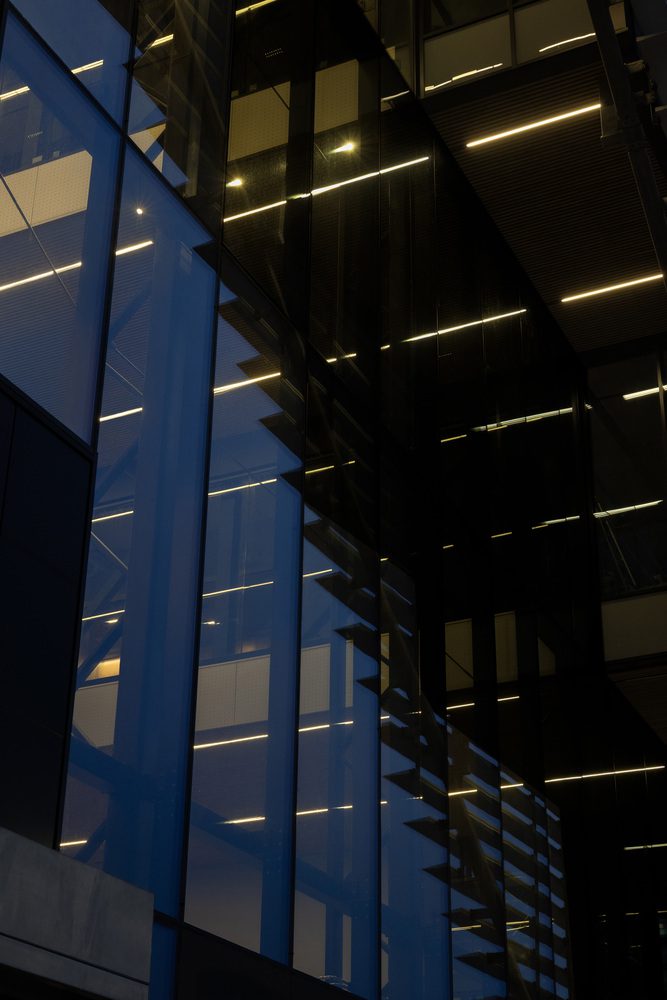
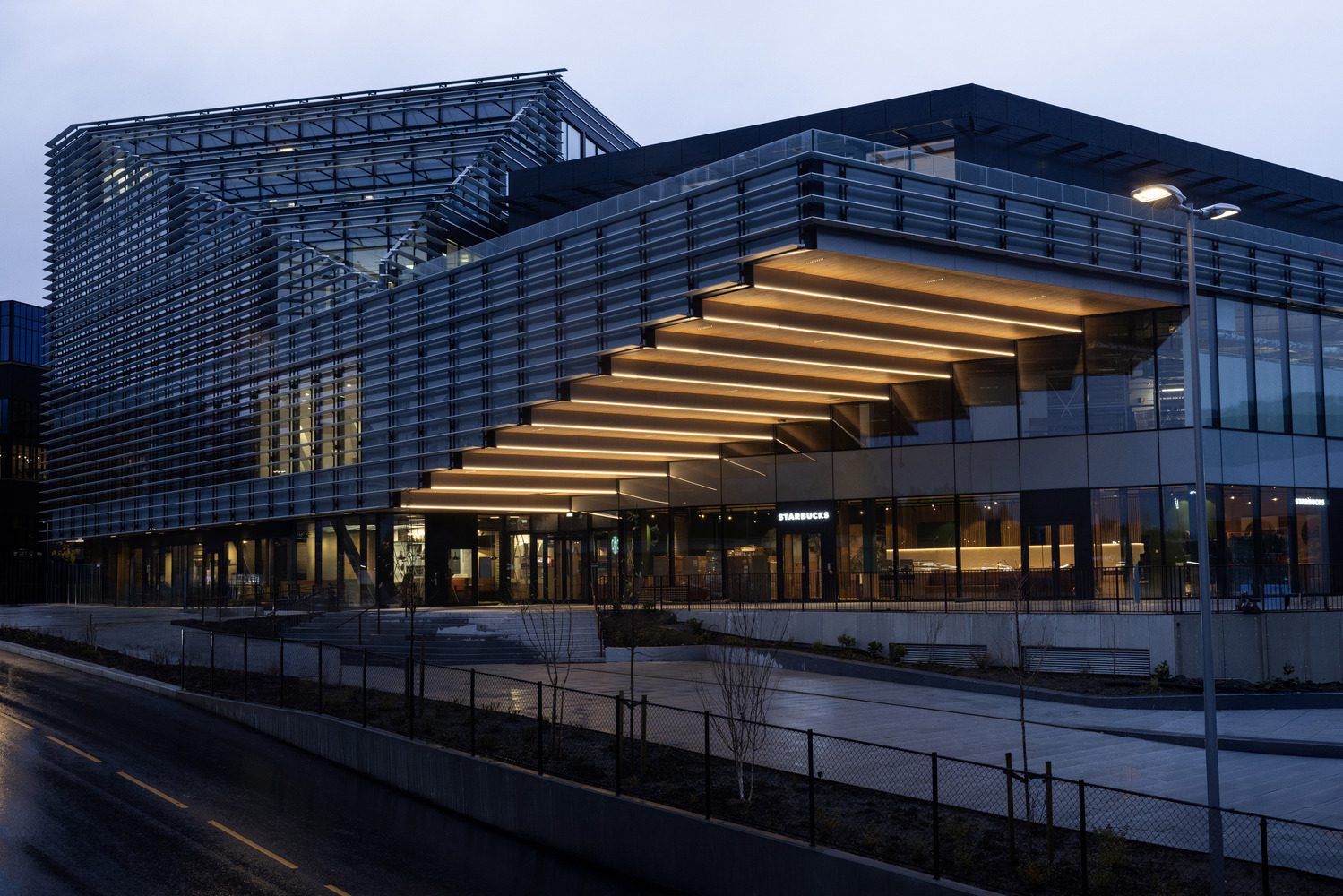
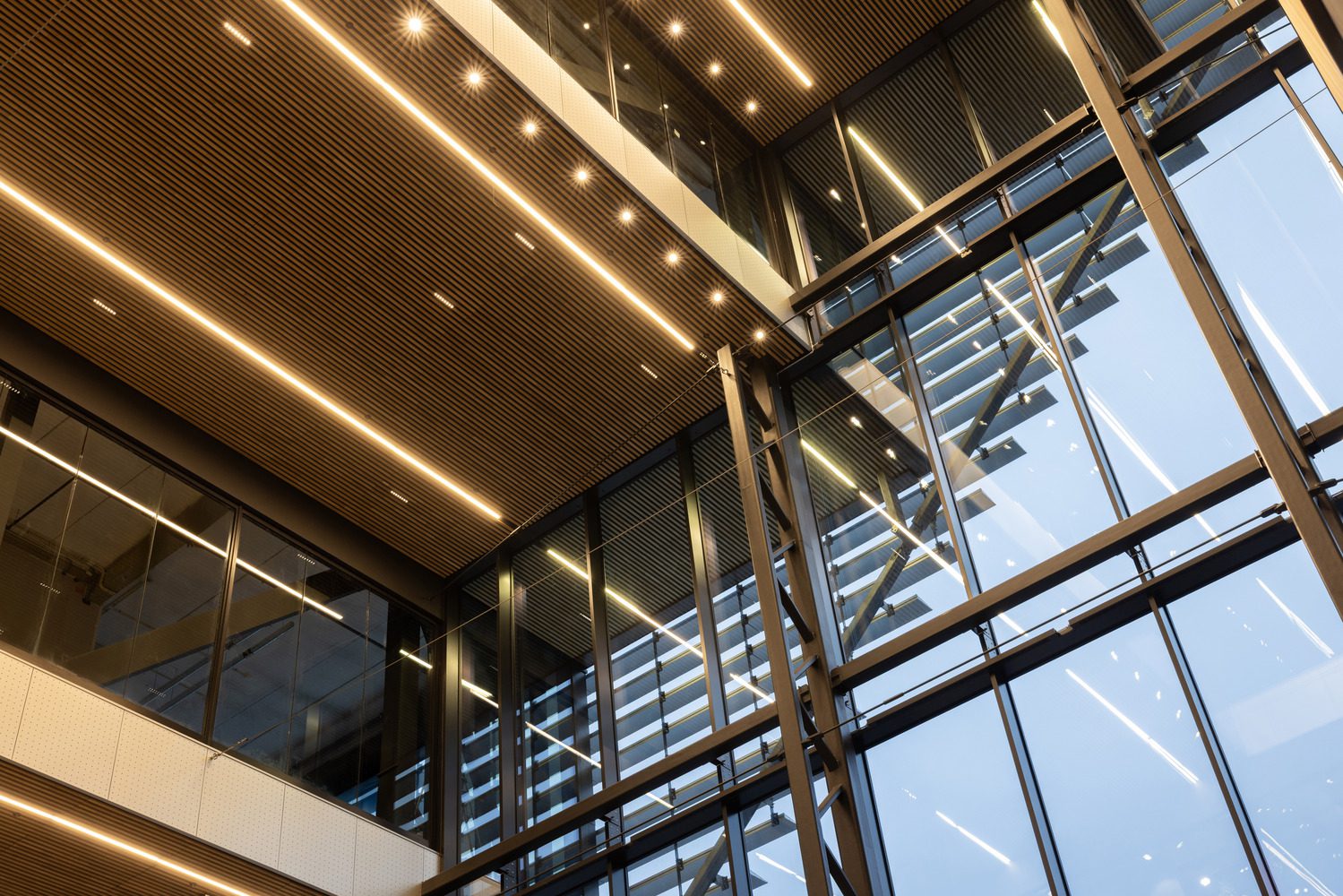
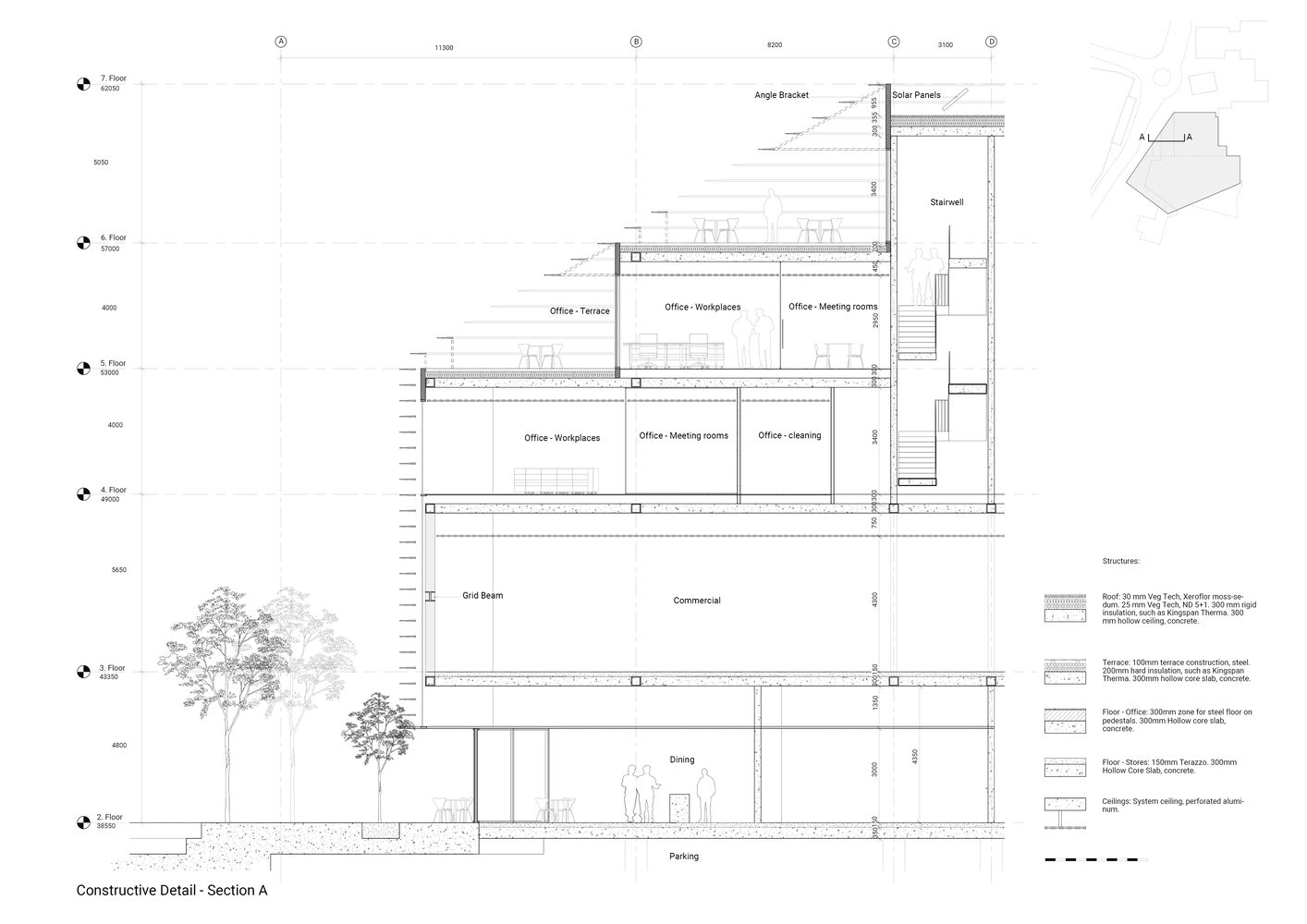
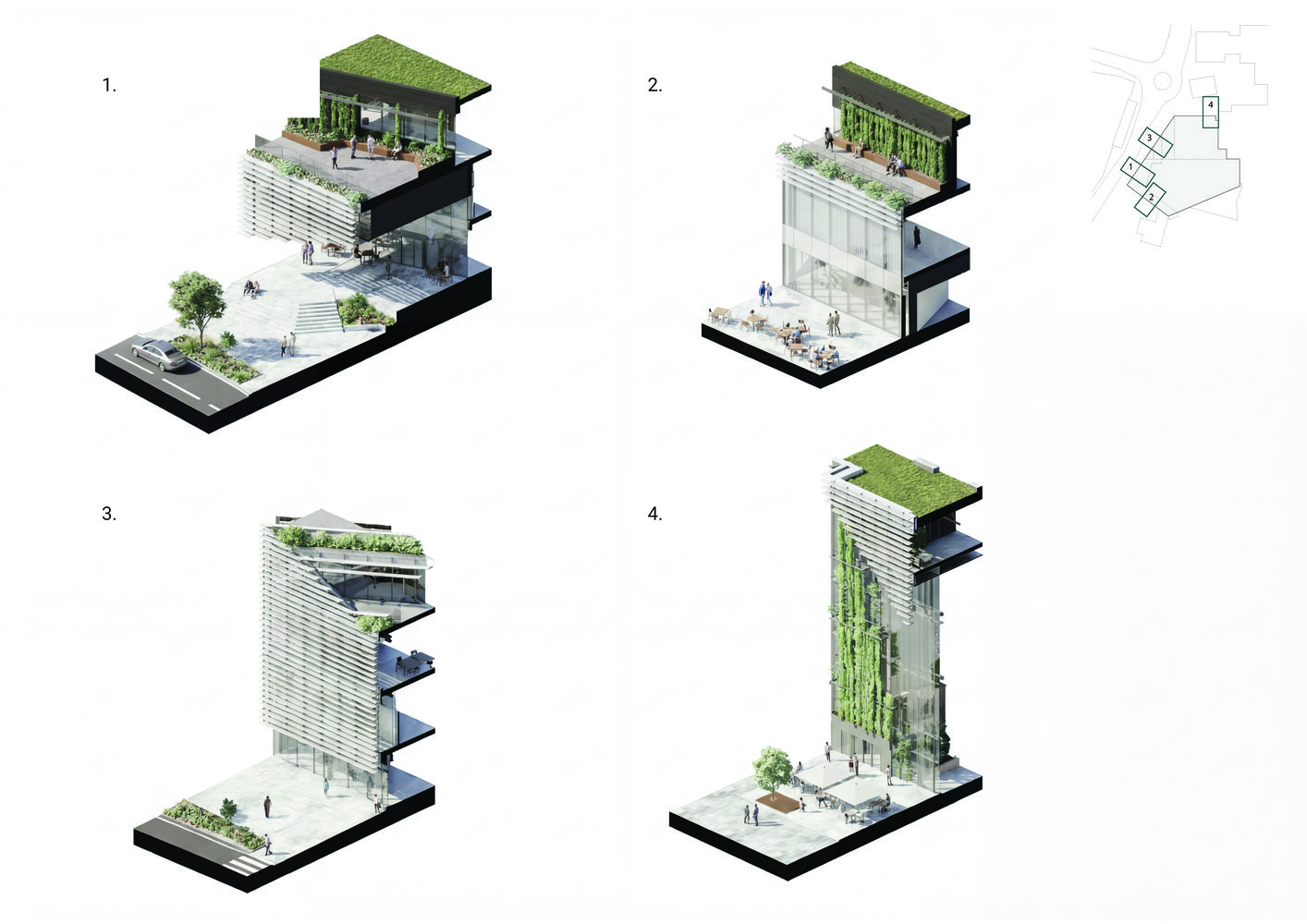
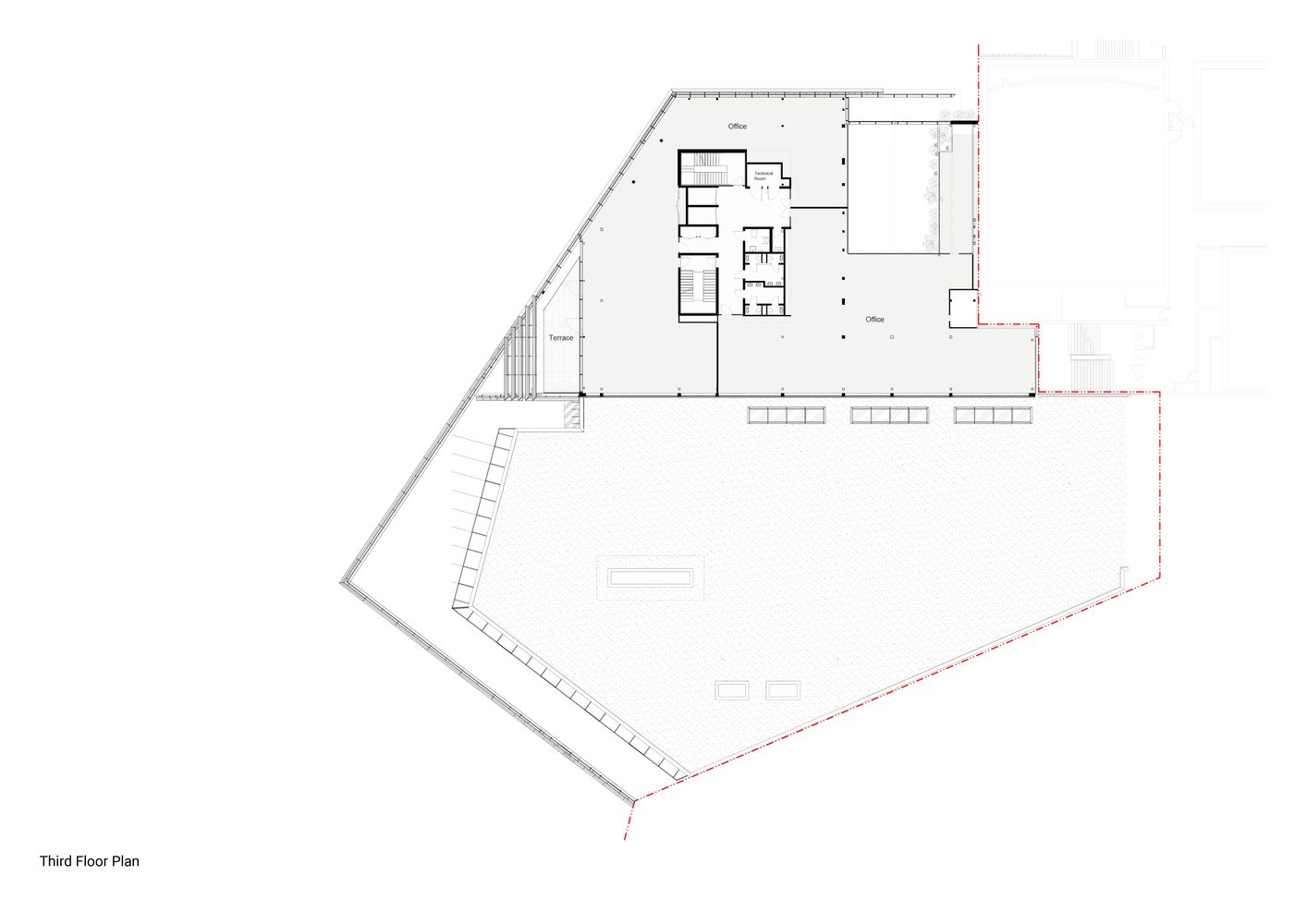
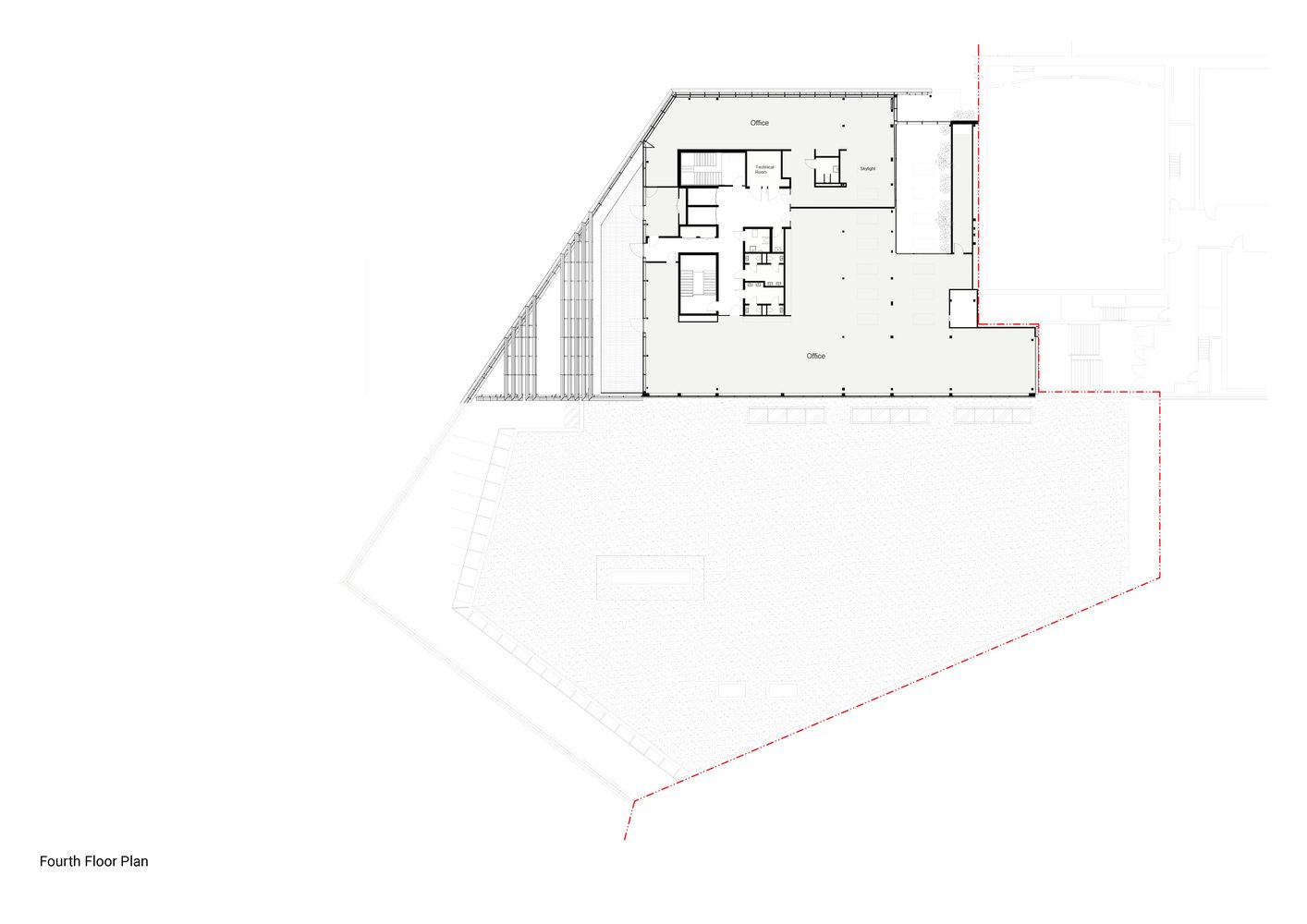
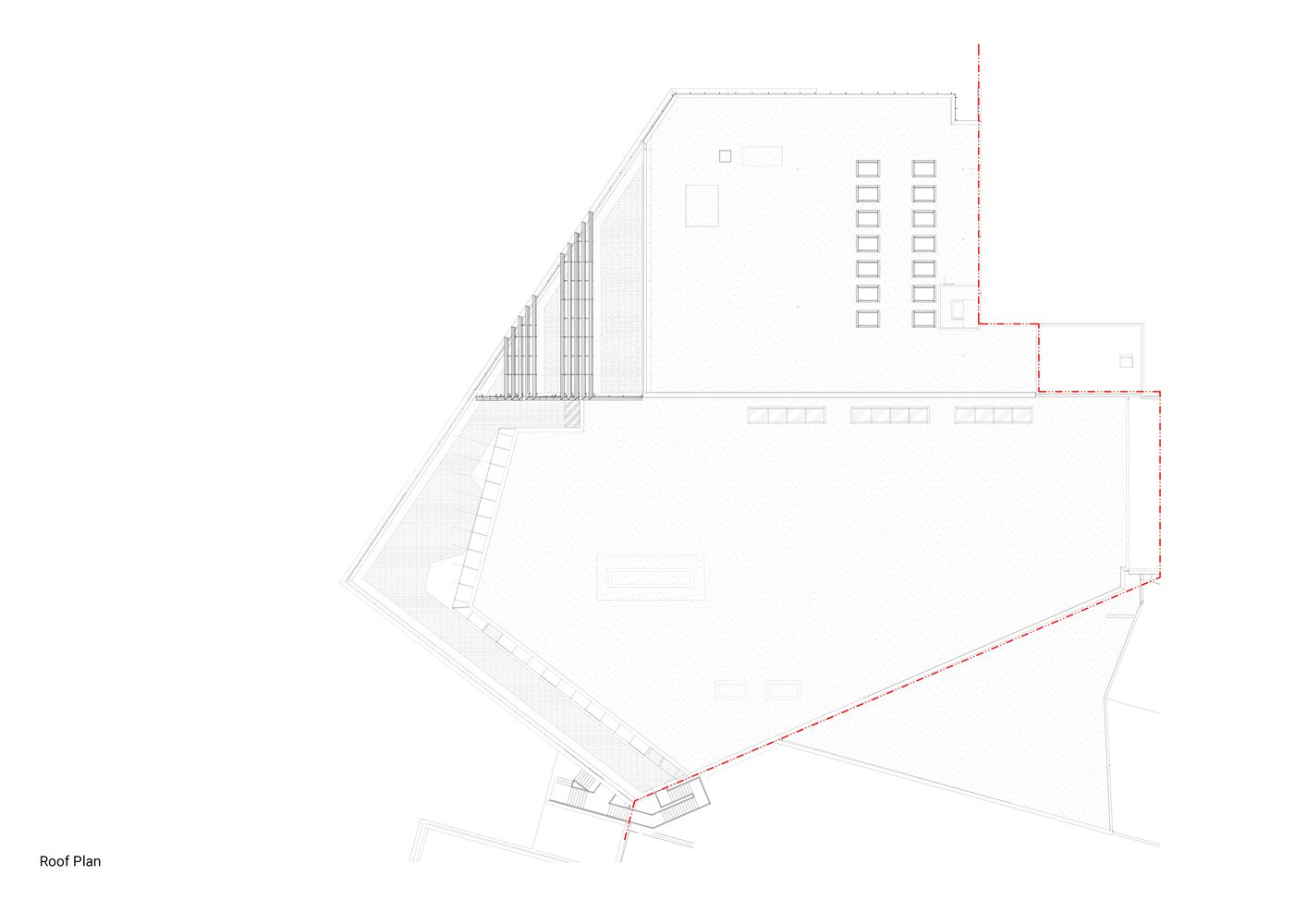
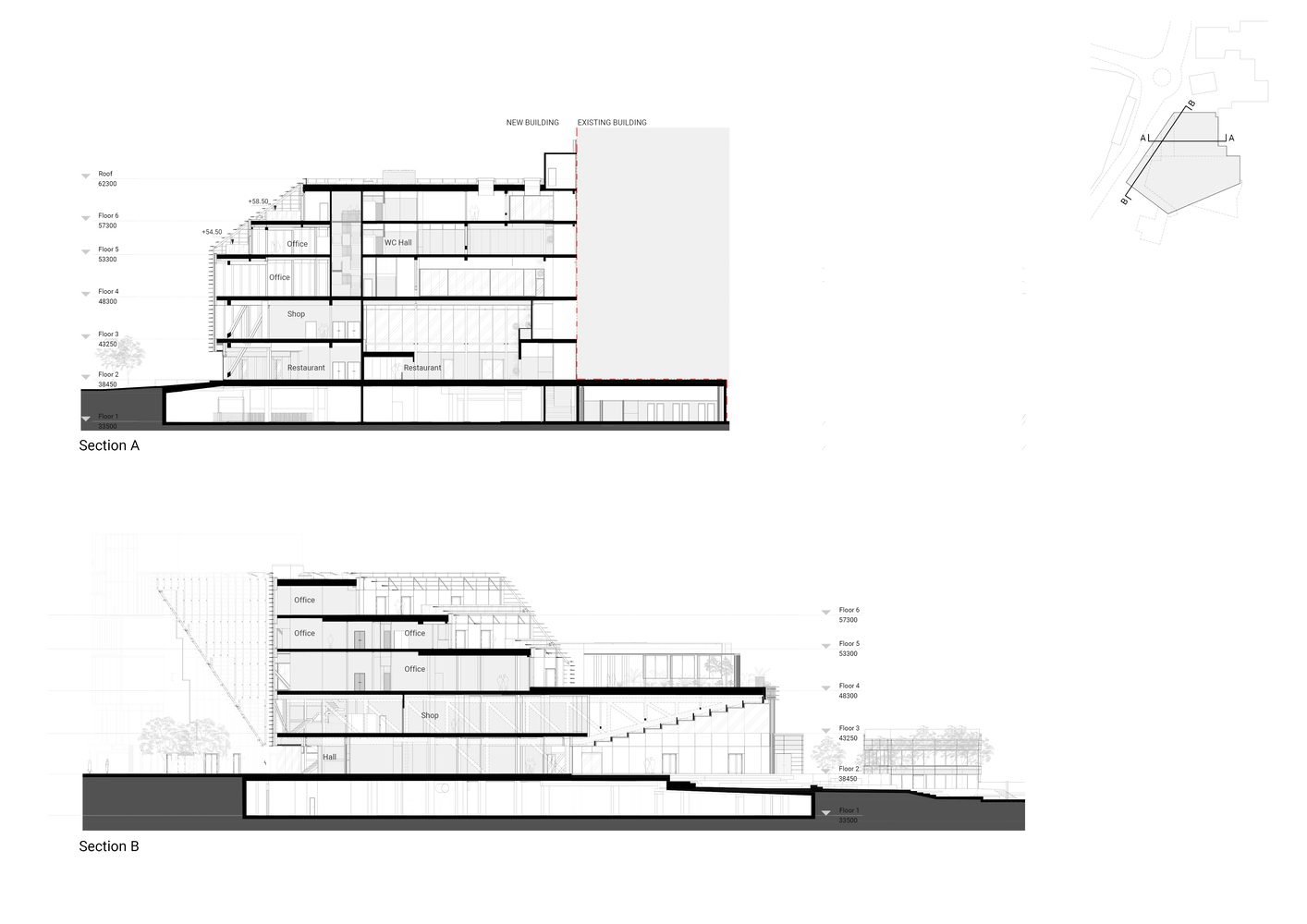
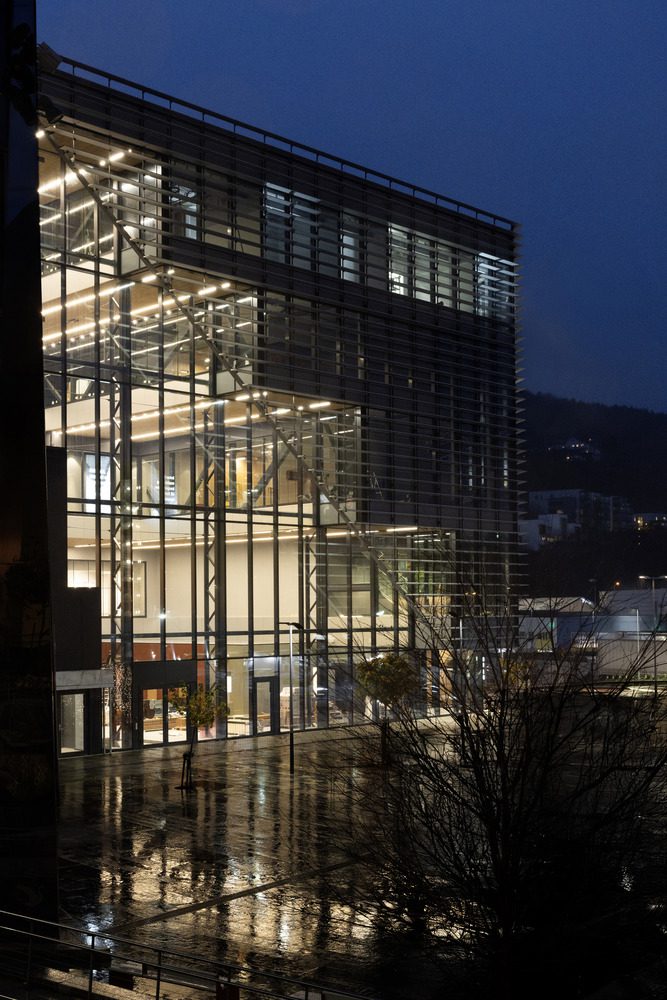
At the core of the extension is a bright central atrium that pulls daylight deep into the building, ensuring generous natural illumination despite Bergen’s low winter light. Around this atrium, the program is organized vertically: retail on the lower and middle floors – including Bergen’s first Zara store – restaurants and cafés at street level, and flexible office environments on the upper levels. These light-filled workspaces balance openness and privacy while maintaining a strong connection to the activity below, supported by shared amenities that encourage cross-program interaction throughout the day.
© Elisabeth Heier
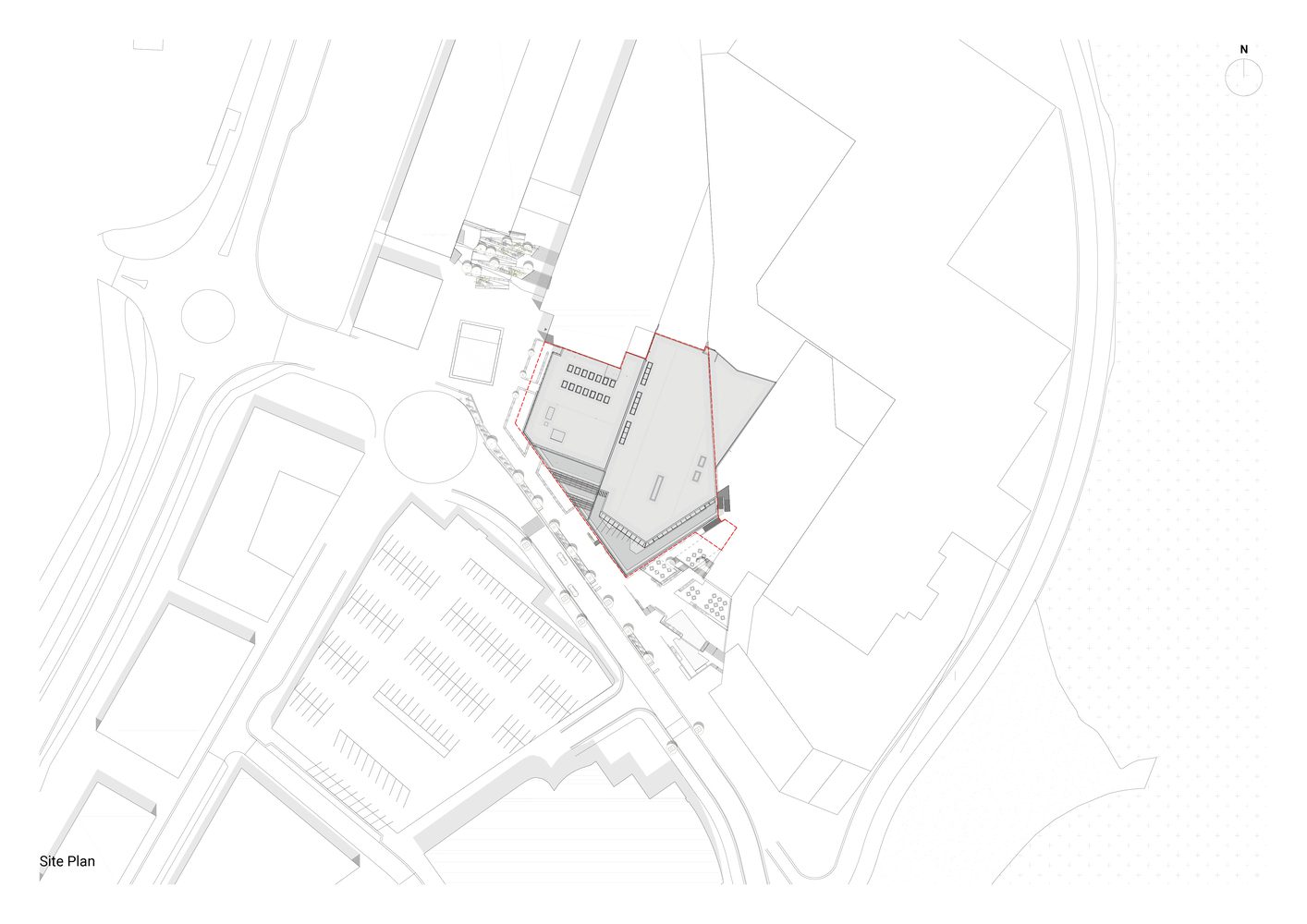
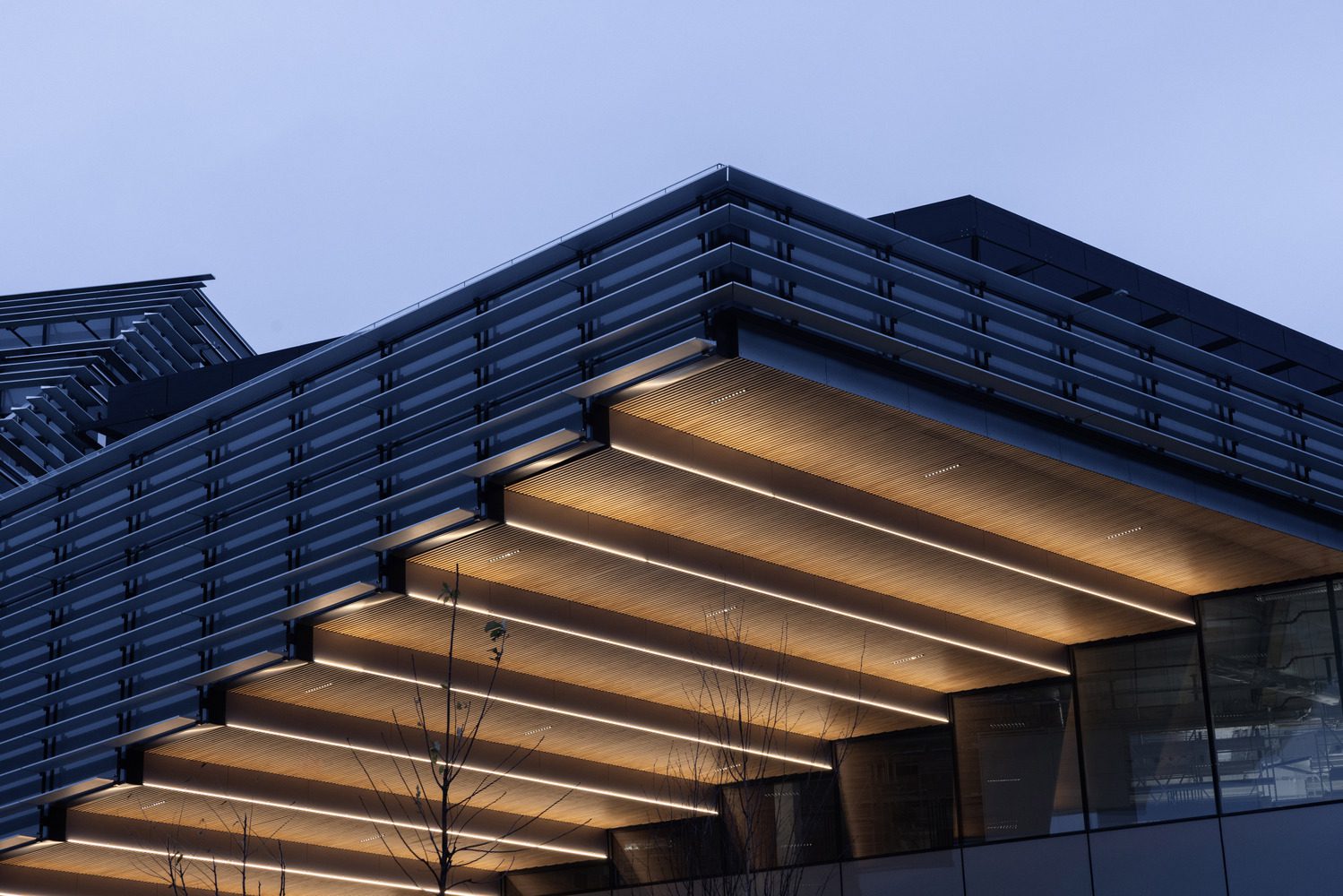
The result is a destination that moves beyond conventional retail typology. With workplaces, hospitality, dining, and leisure integrated into one coherent framework, Lagunen II functions as a lively mixed-use anchor for the surrounding residential district. Its design supports activity from morning to evening, making the building an essential part of local daily life rather than a standalone commercial object.
© Elisabeth Heier
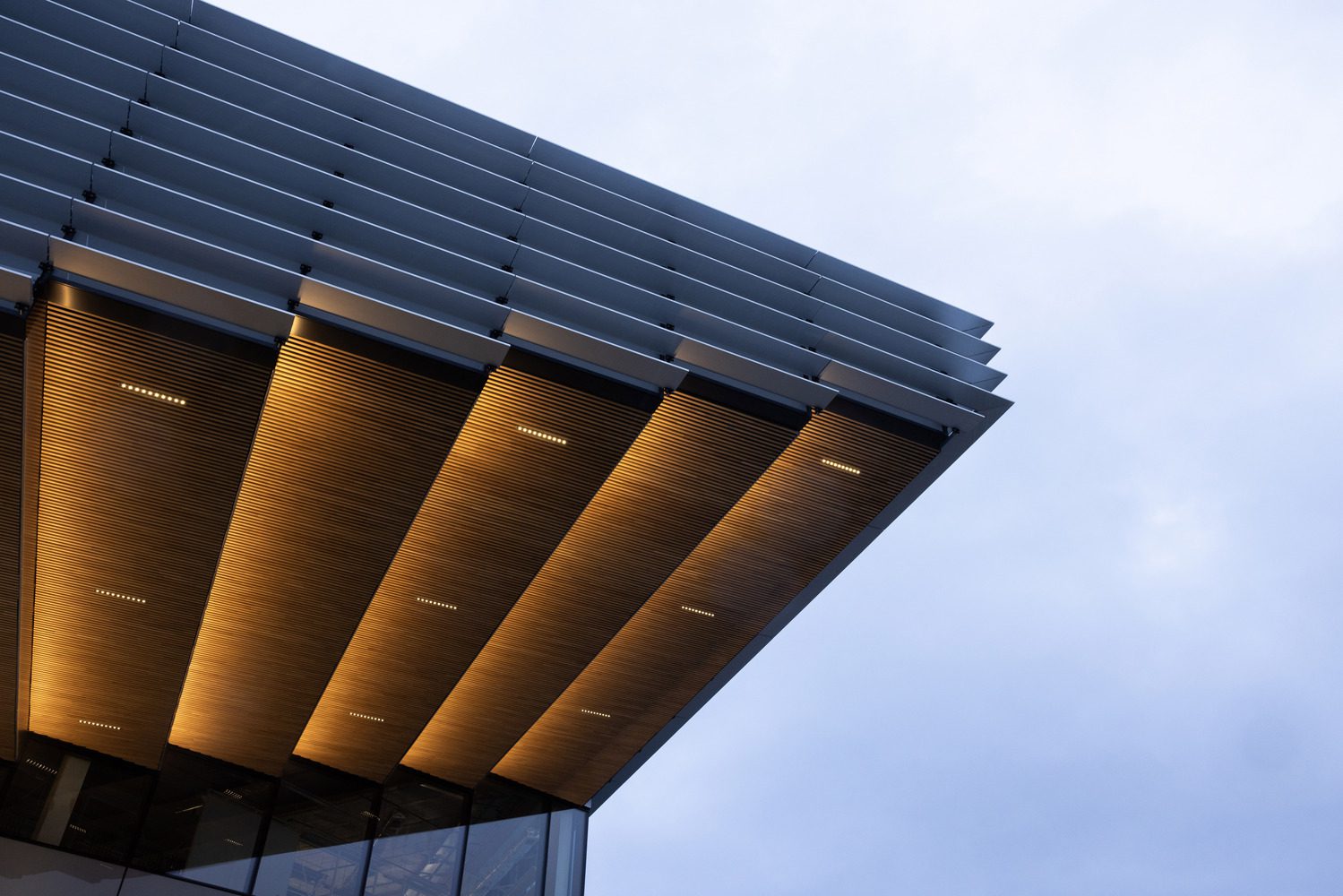
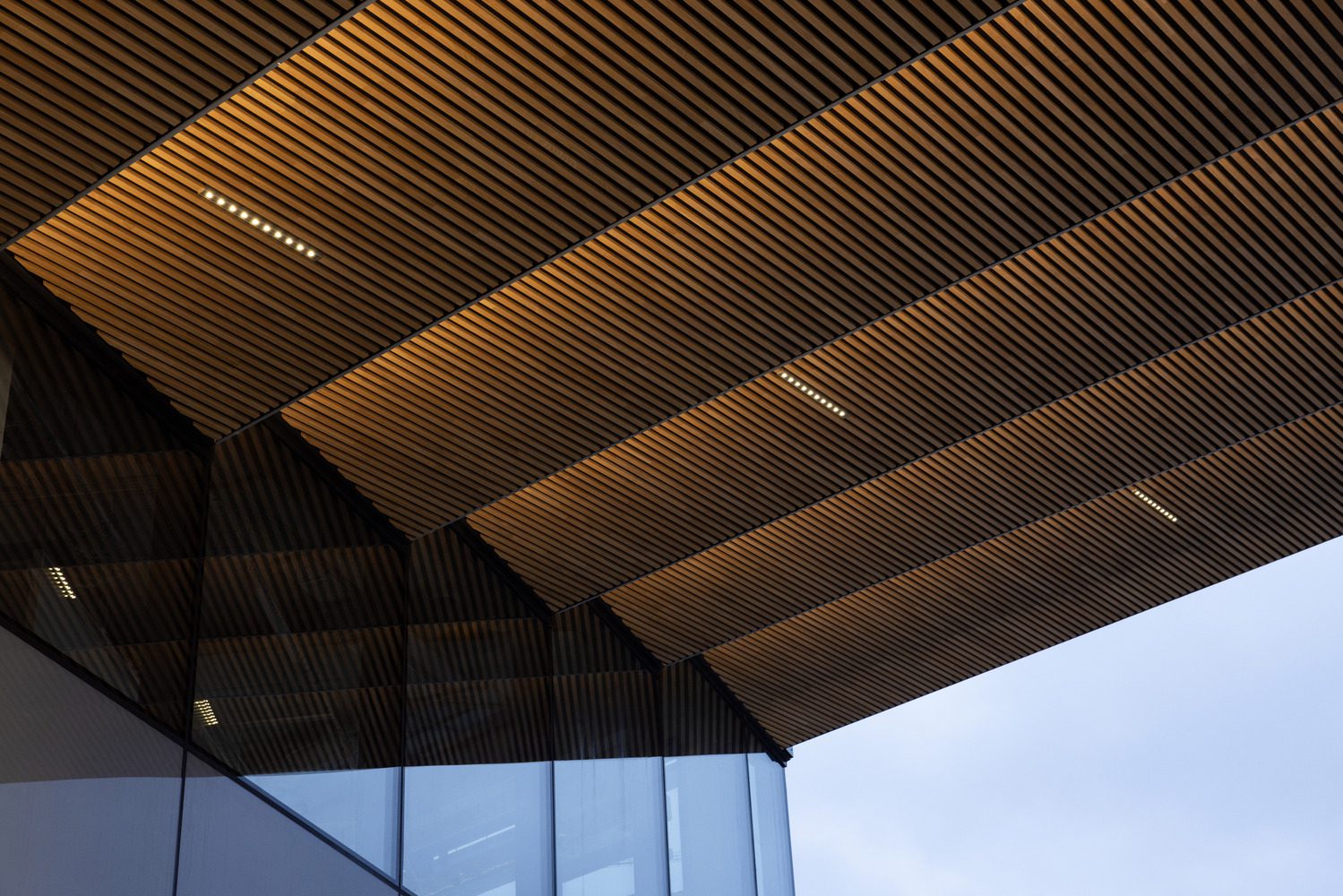
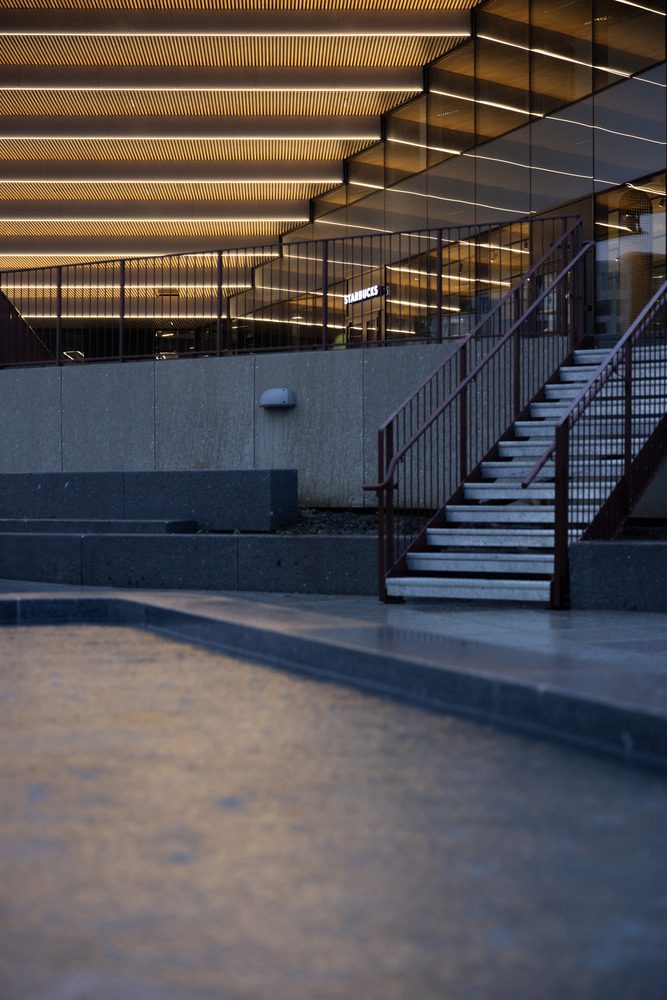
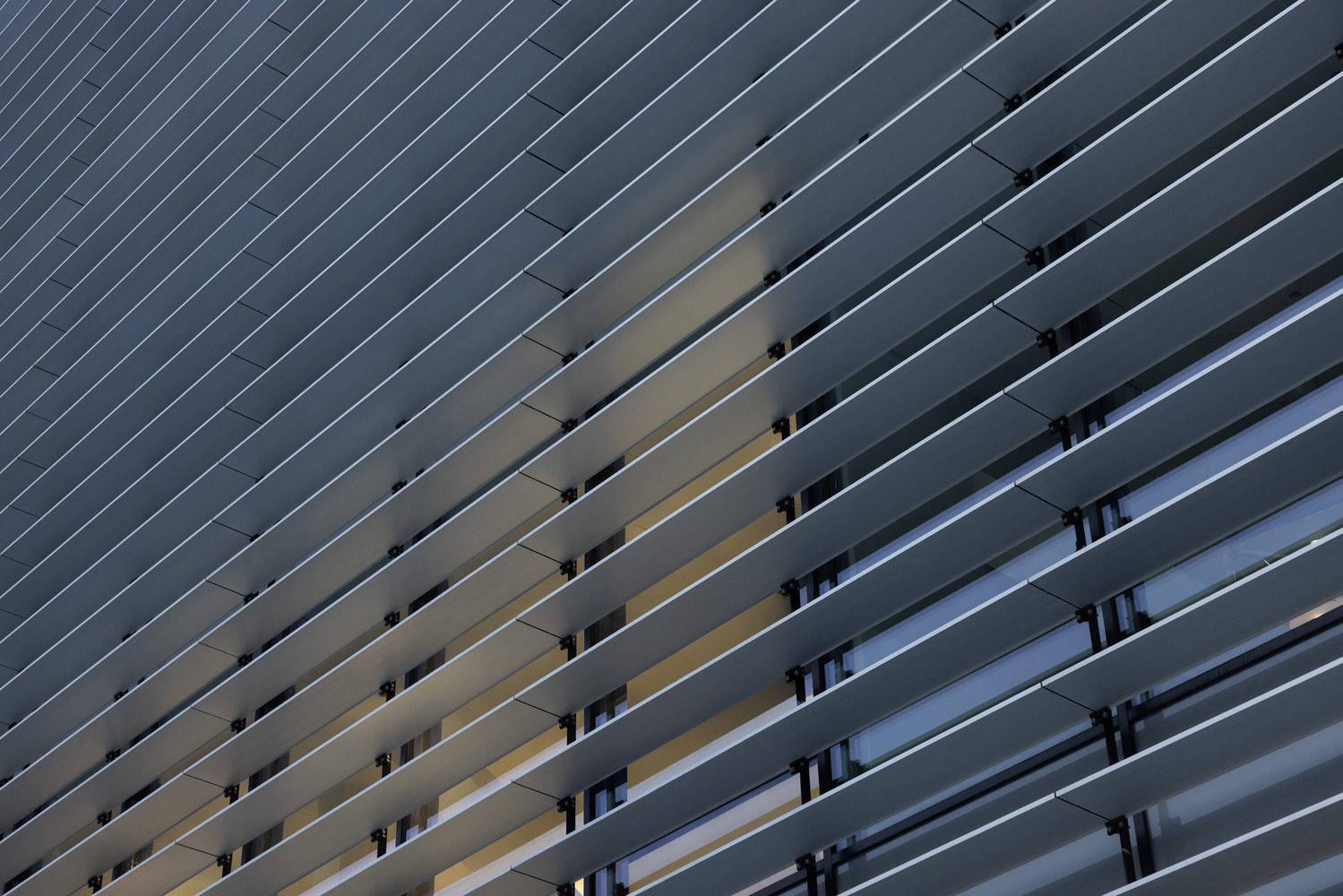
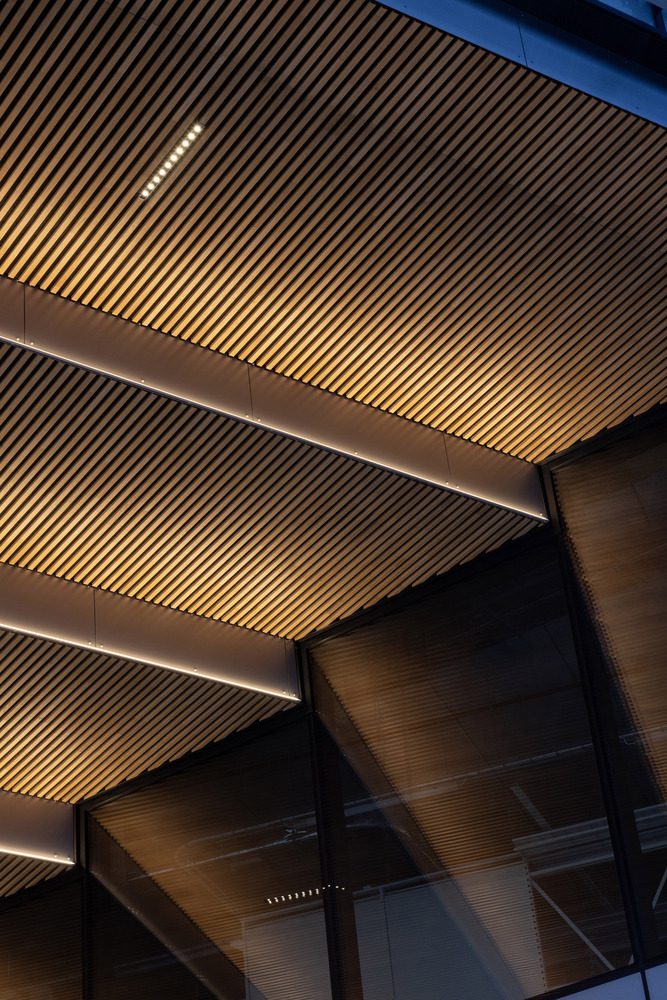
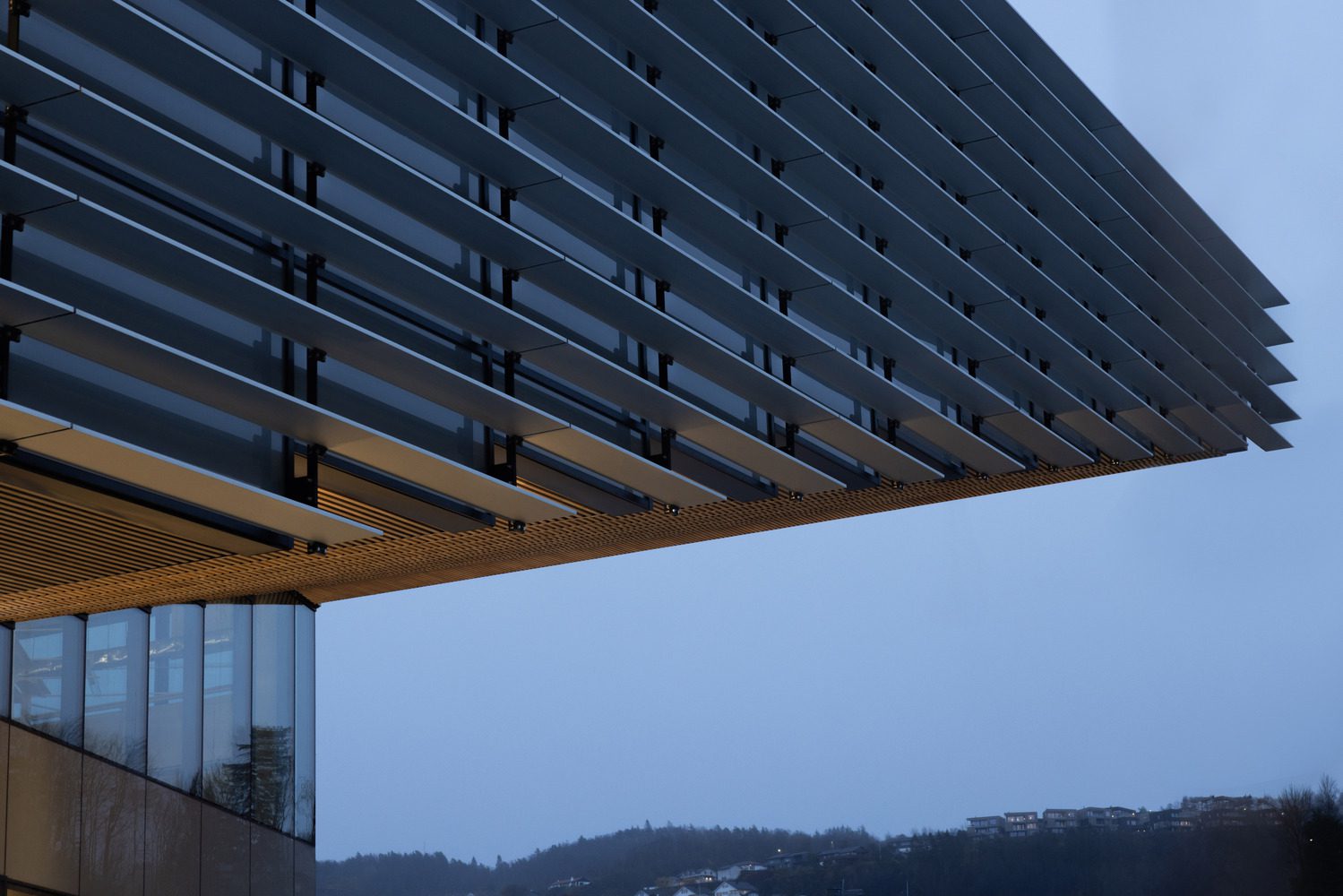
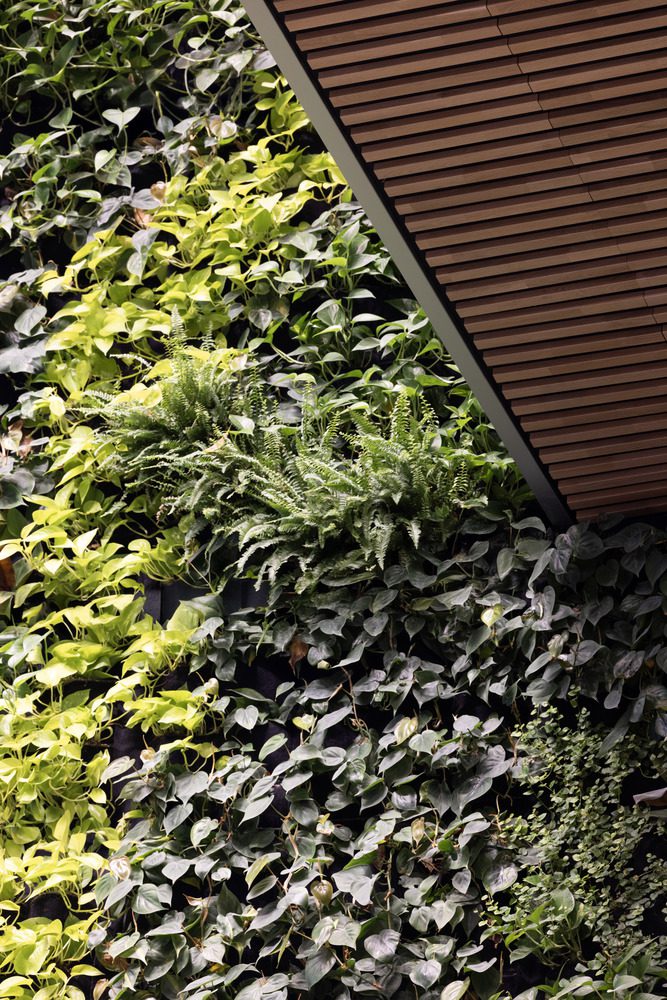
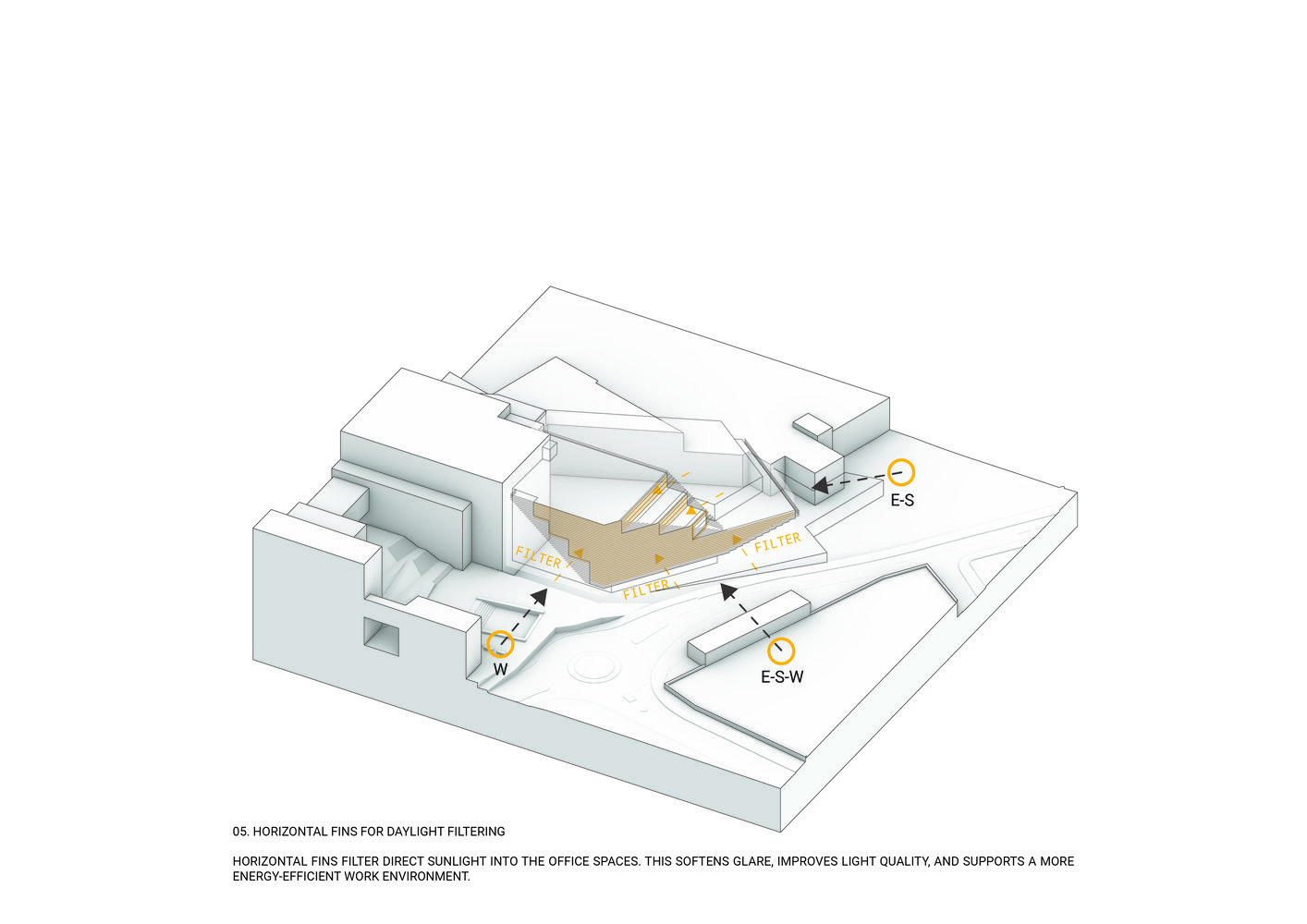
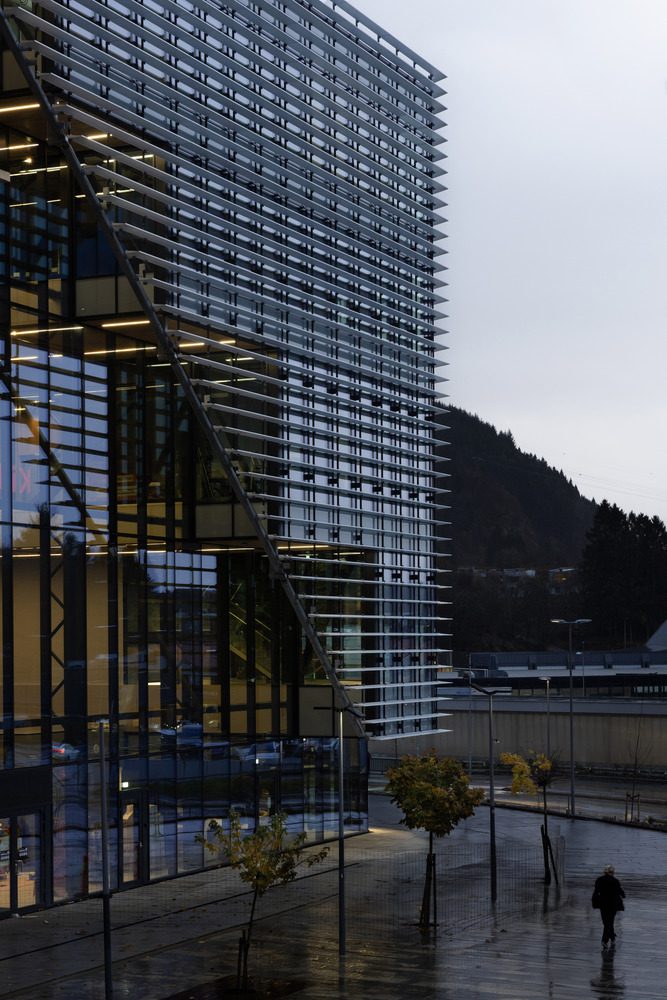
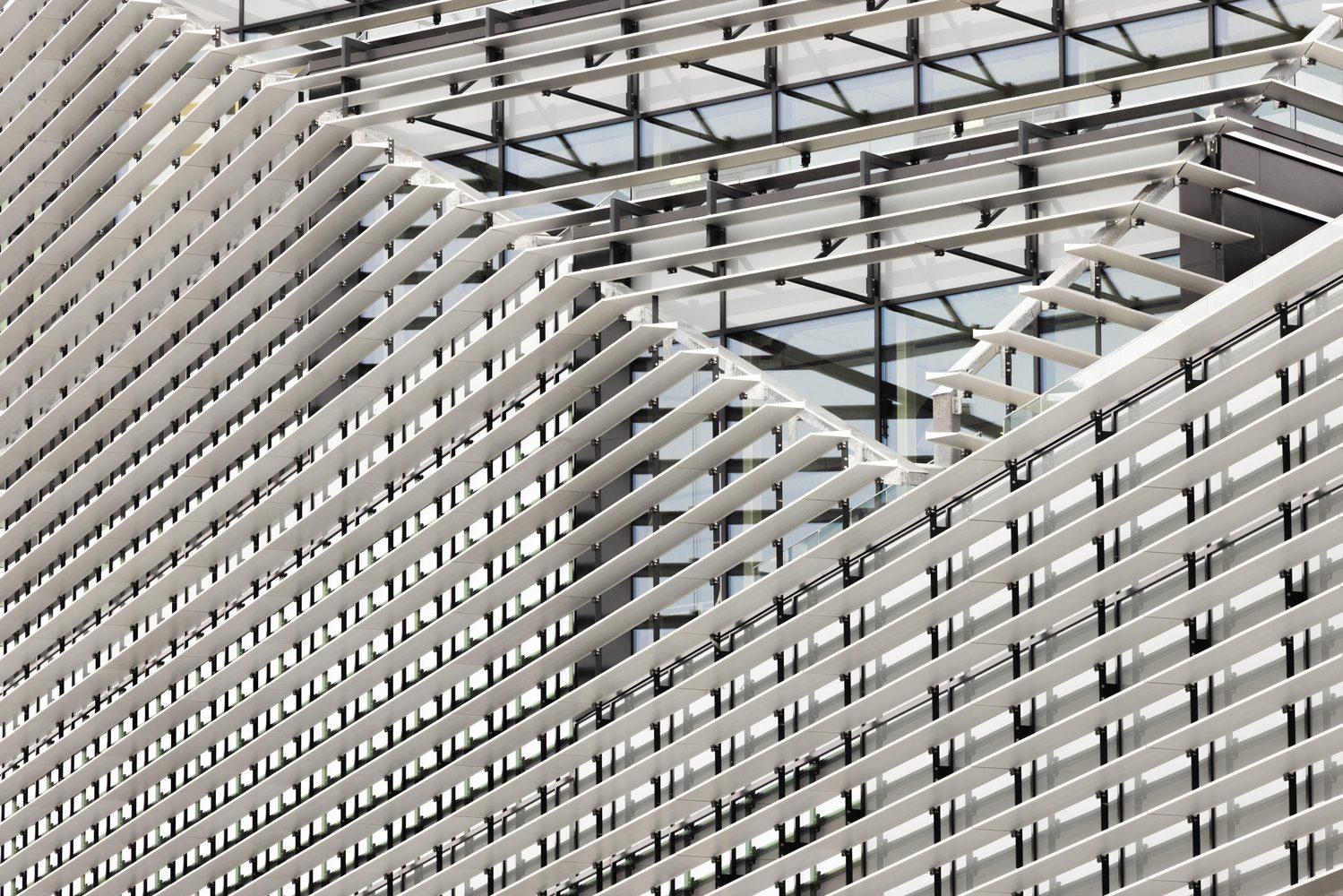
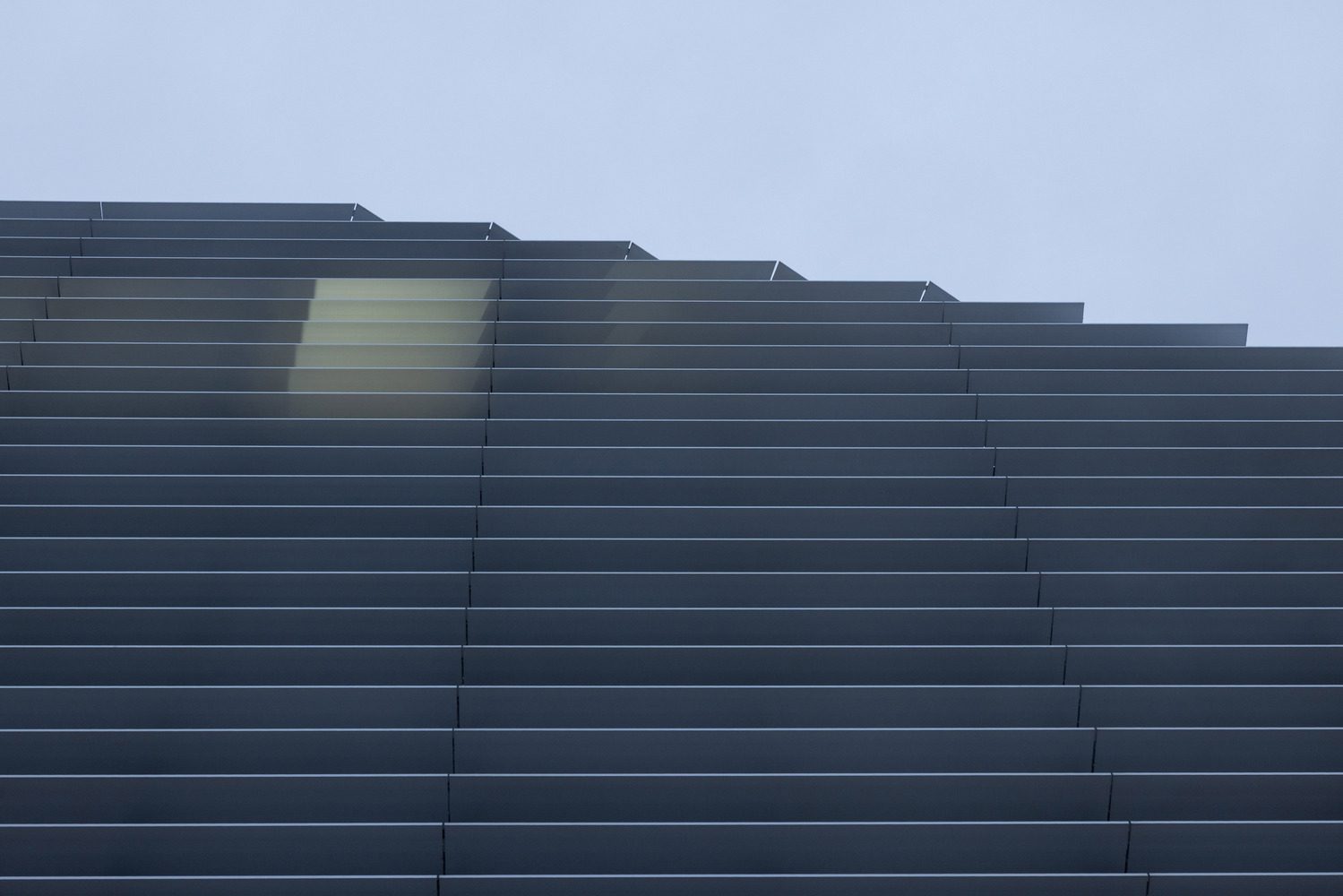
Climate responsiveness extends throughout the project. Horizontal aluminium fins – partially made from recycled materials – provide nuanced solar protection, while planted terraces and green walls enhance biodiversity and soften the large building mass. Light, air, and ecological performance are treated as equal priorities alongside programmatic needs. The project targets Energy Class A and BREEAM In-Use certification, reflecting its emphasis on long-term sustainability and operational resilience.
© Elisabeth Heier
For Lagunen Storsenter’s CEO, Knut Eliassen, the architectural approach reinforces the centre’s social role: “Lagunen II had to do more than attract shoppers – it needed to contribute meaningfully to everyday life.” With more than 200 businesses across the original mall and its expansion, Lagunen now welcomes over eight million annual visitors, strengthened by a new extension that positions the complex as both a regional destination and a community meeting place. Lagunen II offers a model for how large-scale retail environments can evolve in the face of shifting urban patterns and climate realities. By designing with weather instead of against it, BIOSIS proposes a more open, resilient, and socially rooted vision for the future of mixed-use architecture.
Project Info:
Architects: BIOSIS
Country: Norway, Bergen
Area: 15000 m²
Year: 2025
Photography: Elisabeth Heier
Office Lead Architects: Mikkel Thams Olsen, Morten Vedelsbøl
Design Team: BIOSIS