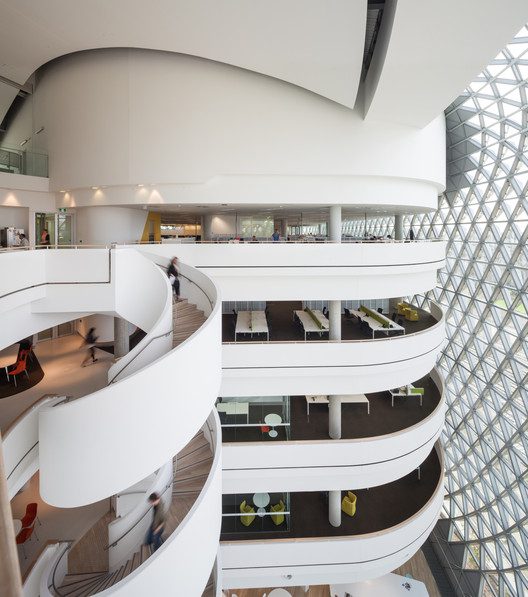
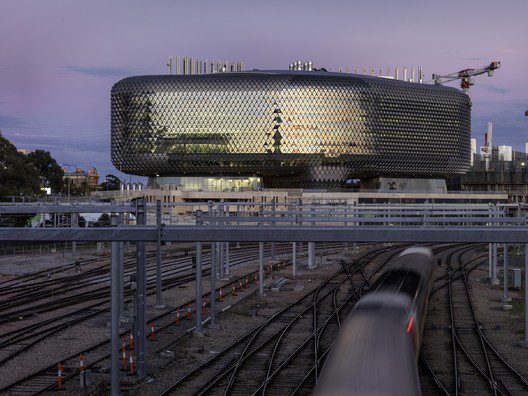
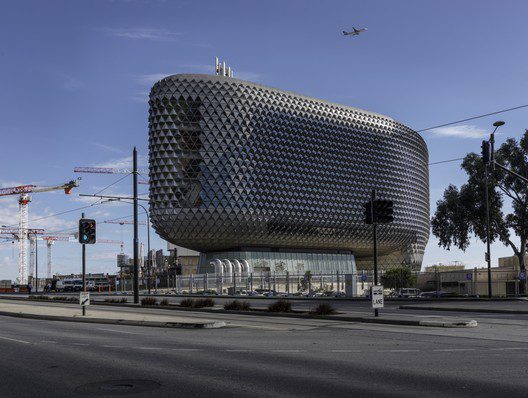
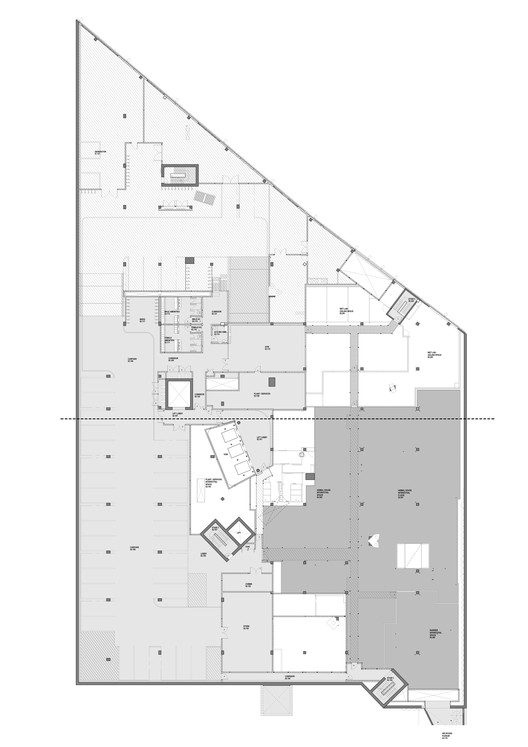
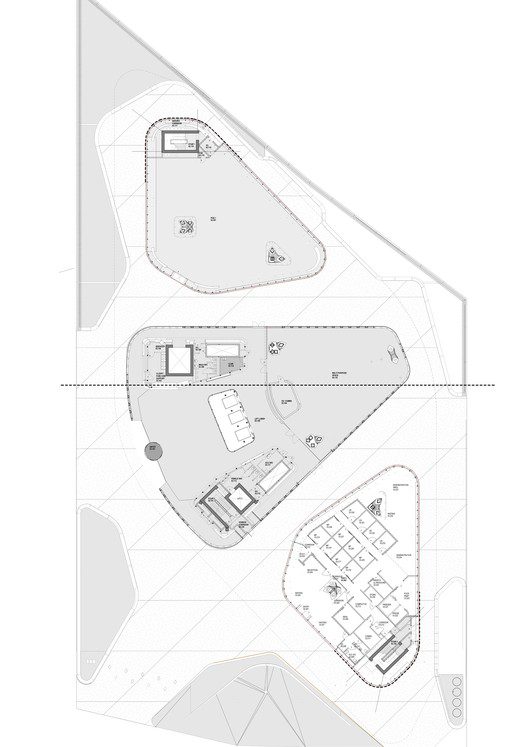
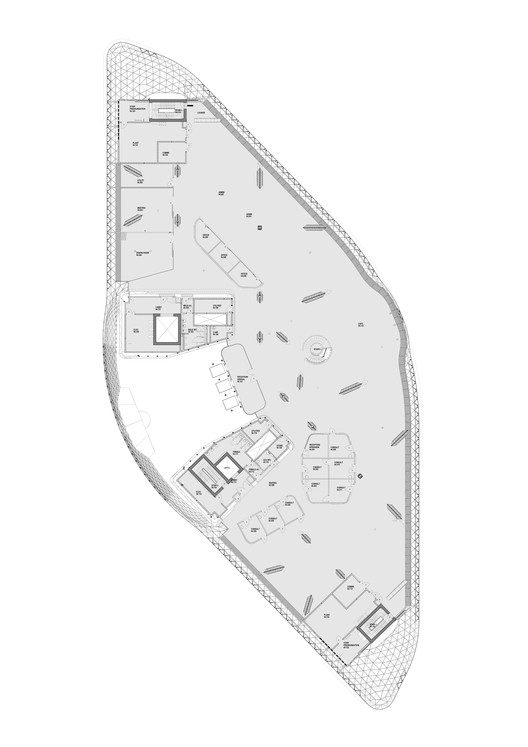
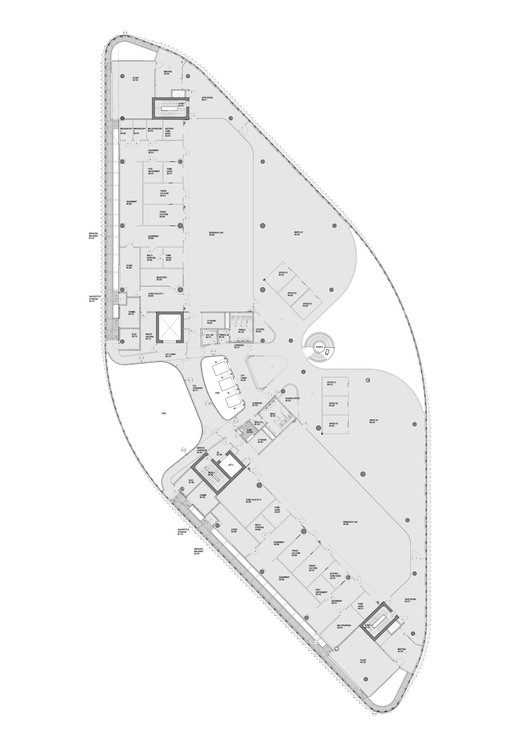
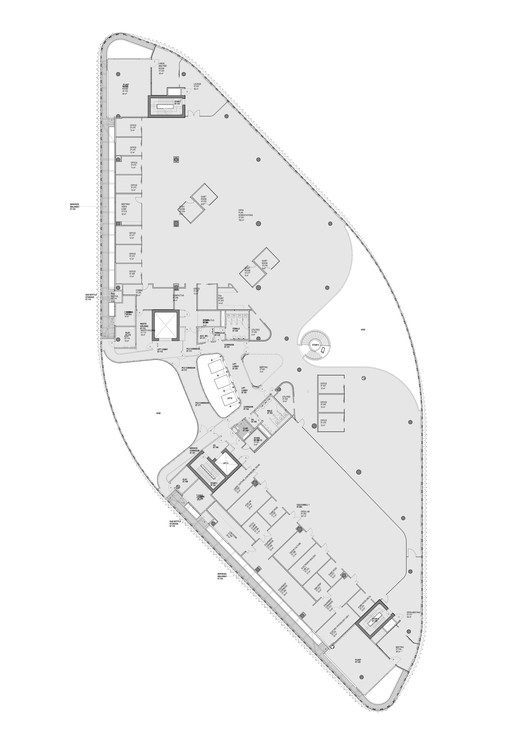
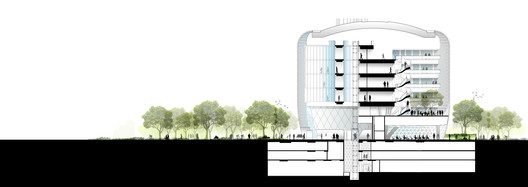
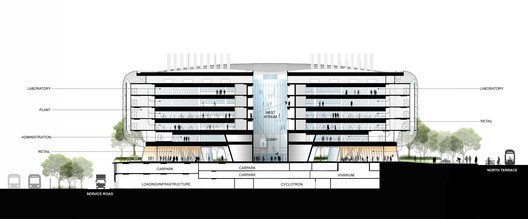
The South Australian Health and Medical Research Institute (SAHMRI), woods Bagot has been collaborating with the South Australian Government to construct the (SAHMRI) known as the South Australian Health and Medical Research Institute, which consists of nine designated units for conducting research and approximately housing for up to 700 researchers.
© Trevor Mein
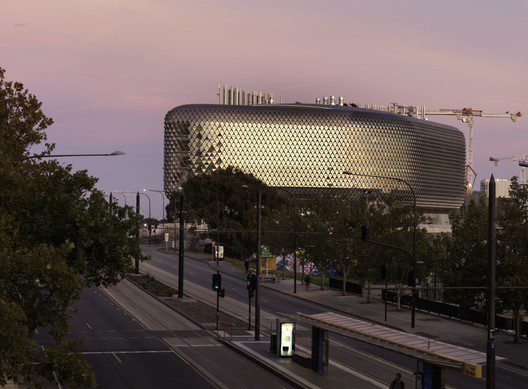
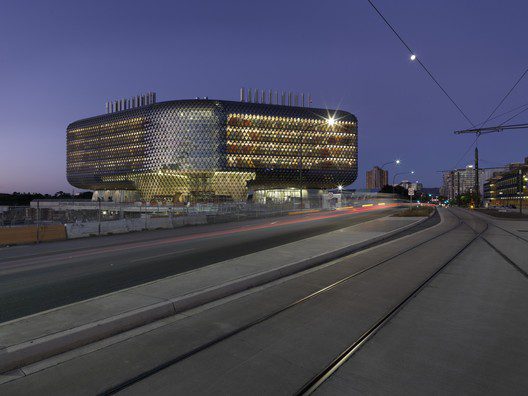
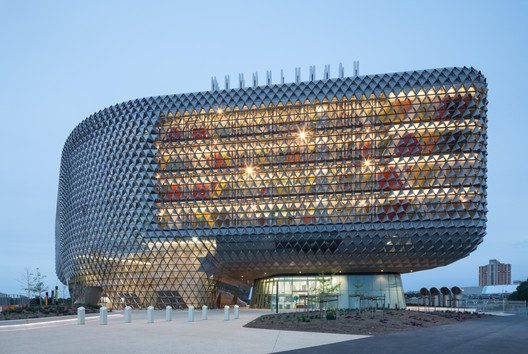
The design approach helps facilitate a way for researchers to invest their time in developing innovative means to drastically benefit medical services as well as advance the results of health care for the greater public. The structure of the building extrudes outwards and creates a kind of overhang as it rests on top of the main entrance.
© Trevor Mein
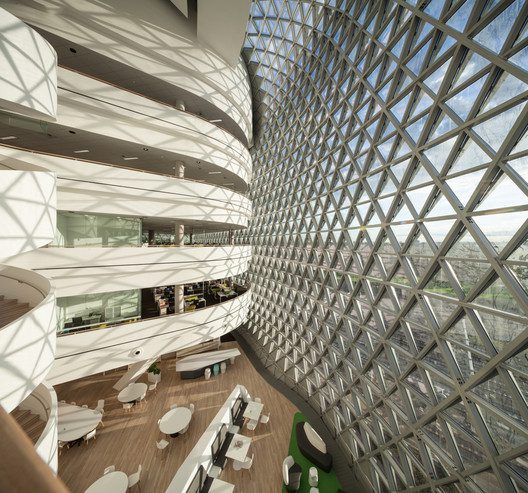
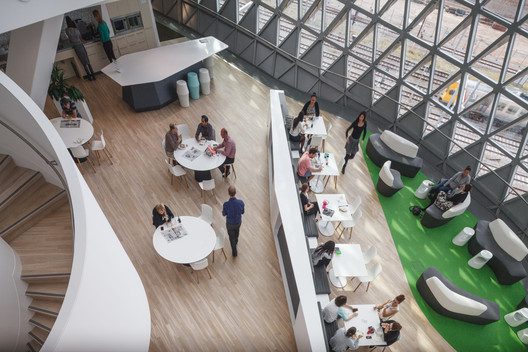
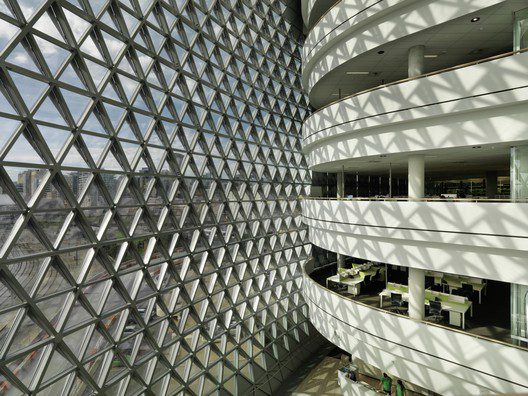
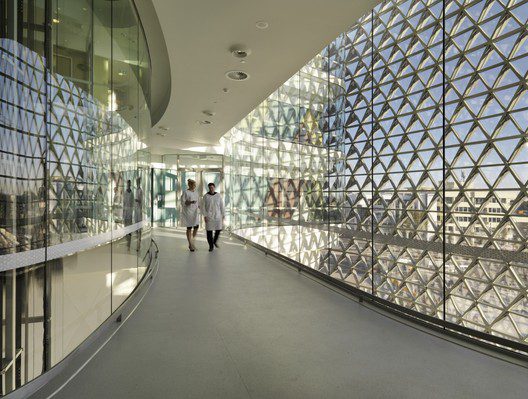
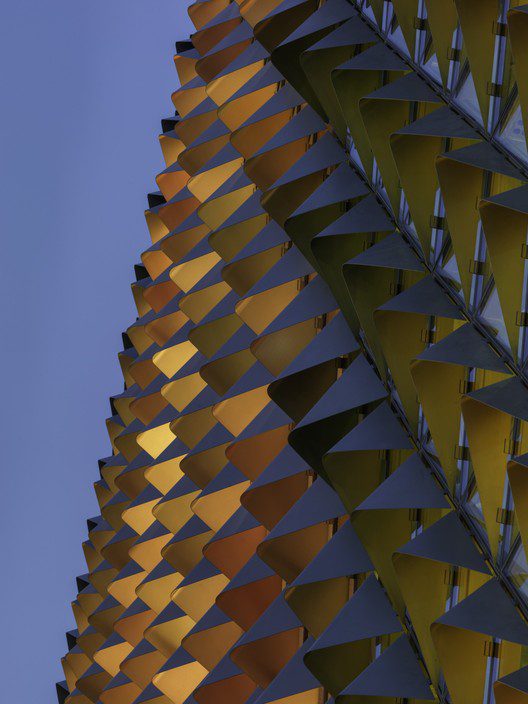
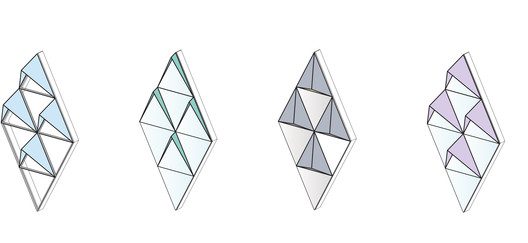
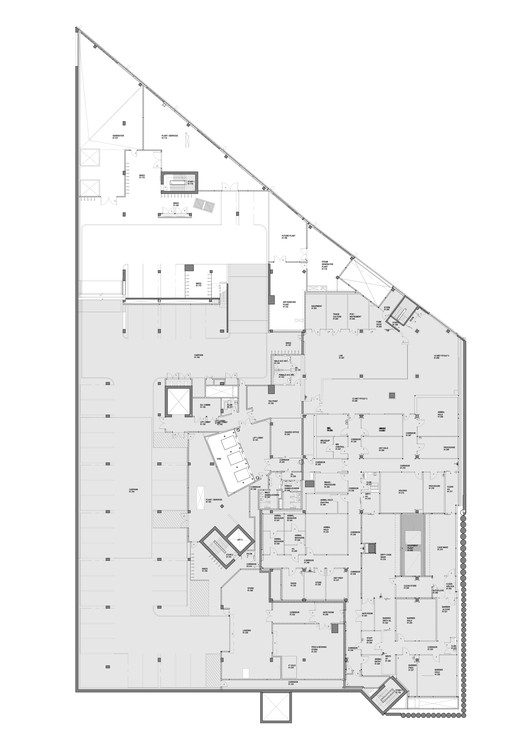
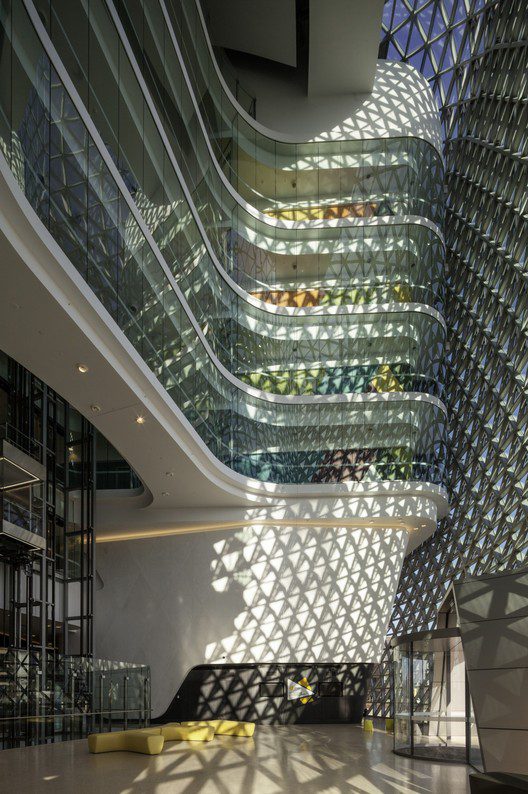
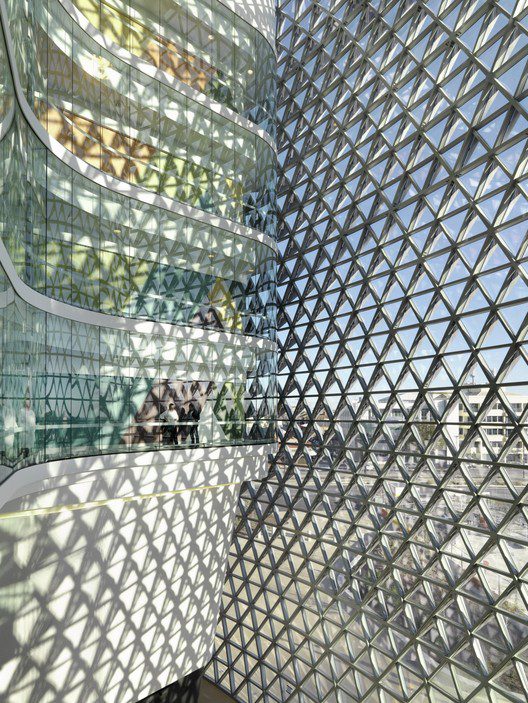
The general layout also respects the functionality of the two programs, with the provision of two atriums that can be viewed through multiple internal walkways and the use of clear facade allows it to be exhibited throughout the day. The structure also uses a typical pine cones shape as their precedence and implements a triangular-grid layered mesh which surrounds and compromises most of its exterior.
© Trevor Mein
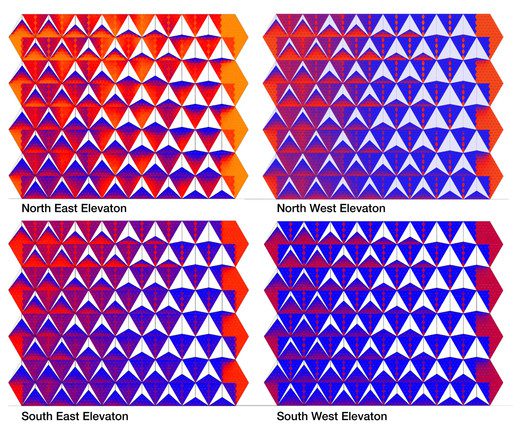
The facade’s mesh serves to respond adequately to the changing environment as if it is an entity working in relation to the sun’s position. The structure also has a colossal presence and a unique sense of scale that is constantly present unveiled to the environment. The institute goes about using many geometrical applications from exterior, triangular grid like shading devices to the interior walkways and a spiral staircase.
© Trevor Mein
It also displays a level of symmetry that is easily explored through the white minimalistic tone of the interior spaces, to the dynamic, energetic qualities of the exterior. The shadows the exterior casts onto the interior spaces illustrates a level of depth within the building and acts as an interesting canvas, depicting the unique pattern from the triangular mesh.
Project info:
Architects: Woods Bagot
Country: Australia, Adelaide
Year: 2014
Photographs: Trevor Mein
Manufacturers: Alucoil, Boral, Fielders, Klik Systems, Rondo
Structure: Aurecon
Managing Contractor: Hindmarsh
Landscape Consultant: Oxigen
Building Services Engineers: Norman, Disney & Young
Laboratory Specialist: Research Facilities Design