

The RUPP Arena opened its doors to the public in 1976 and has grown to be a pivotal element in the Lexington downtown.
Built in an era when modernist architecture was booming, the design portrayed purity in its formal composition with the use of steel cladding for the main hall. The cream all-round exterior painting drove further the modernist abstraction ideals.
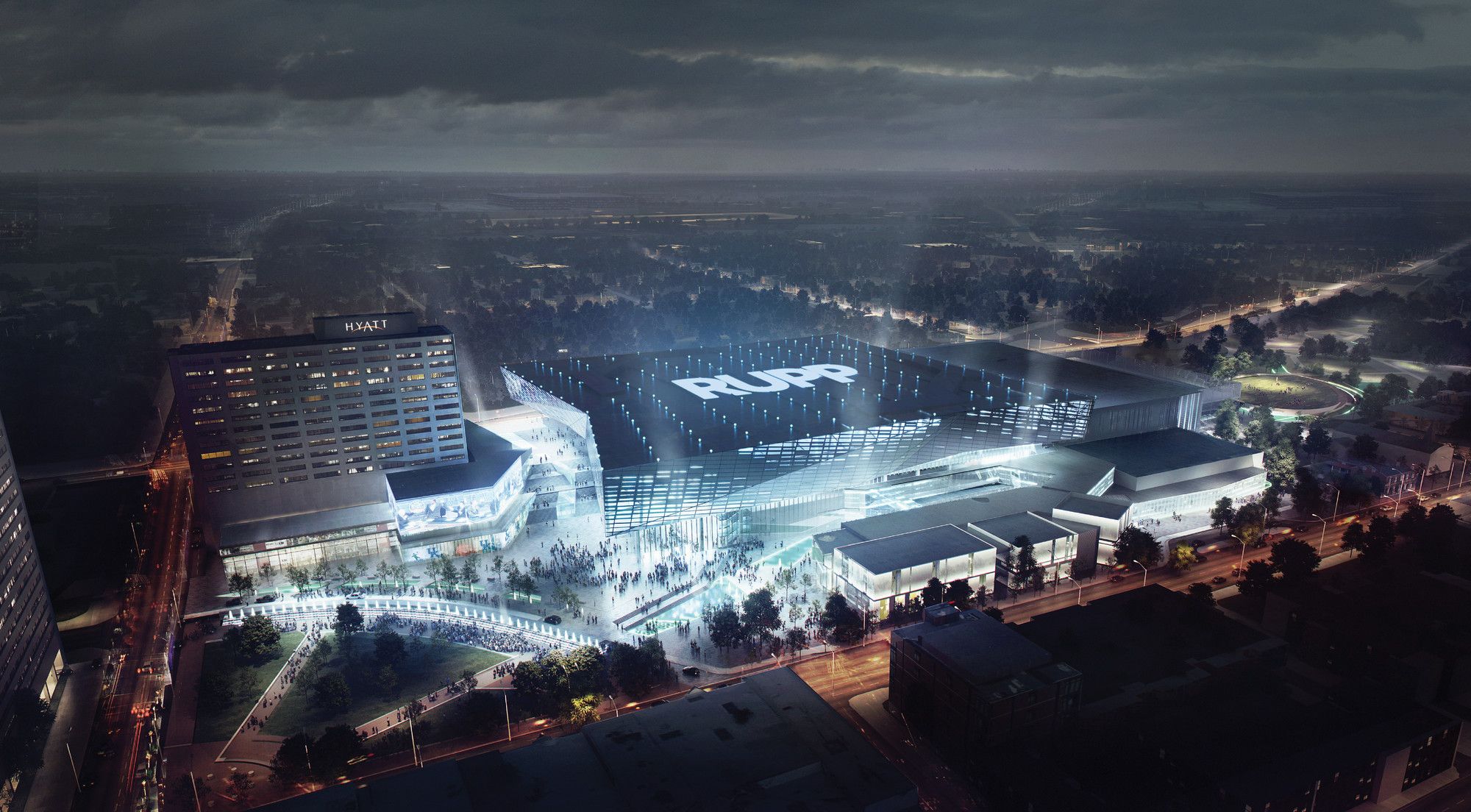
© NBBJ + EOP + SCAPE
With times haven changed , the modernist design falls short of contemporary openness and the need for buildings to interact with users.
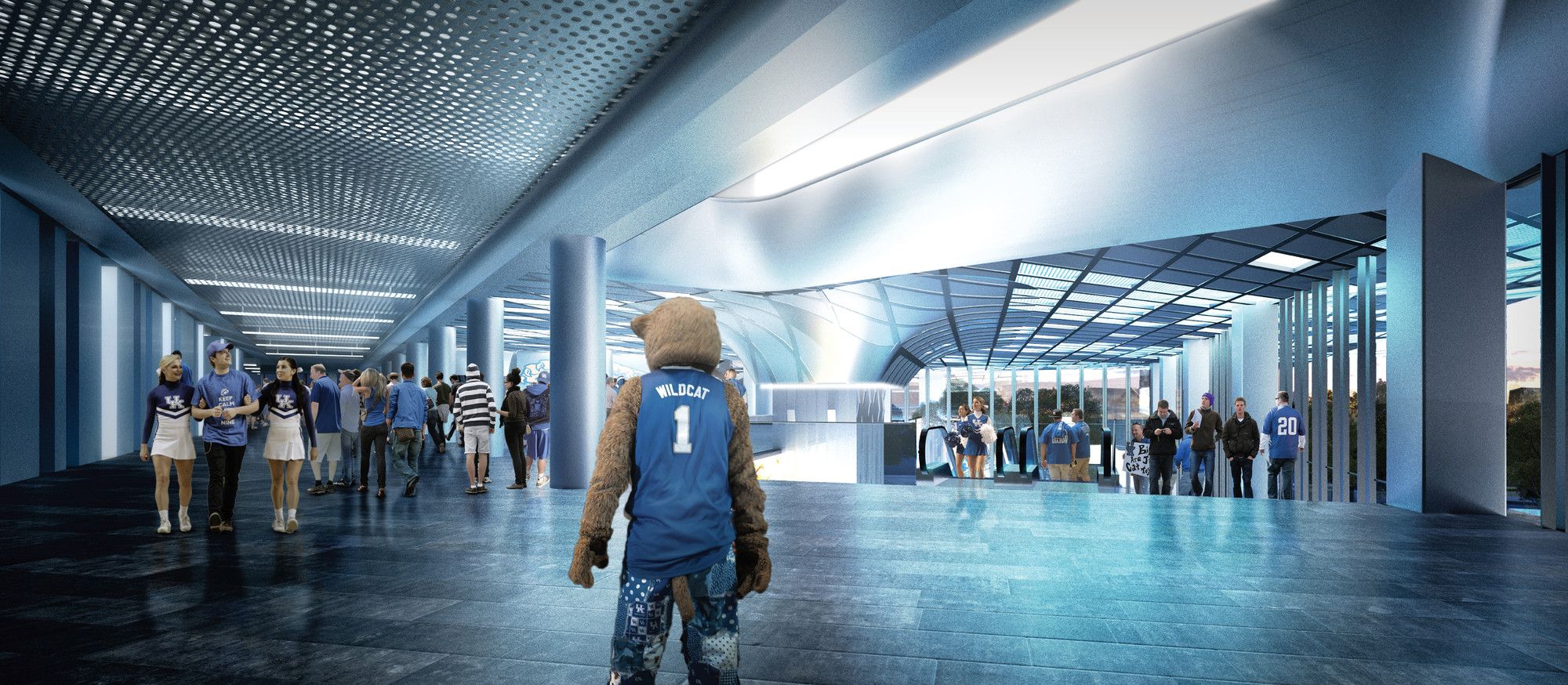
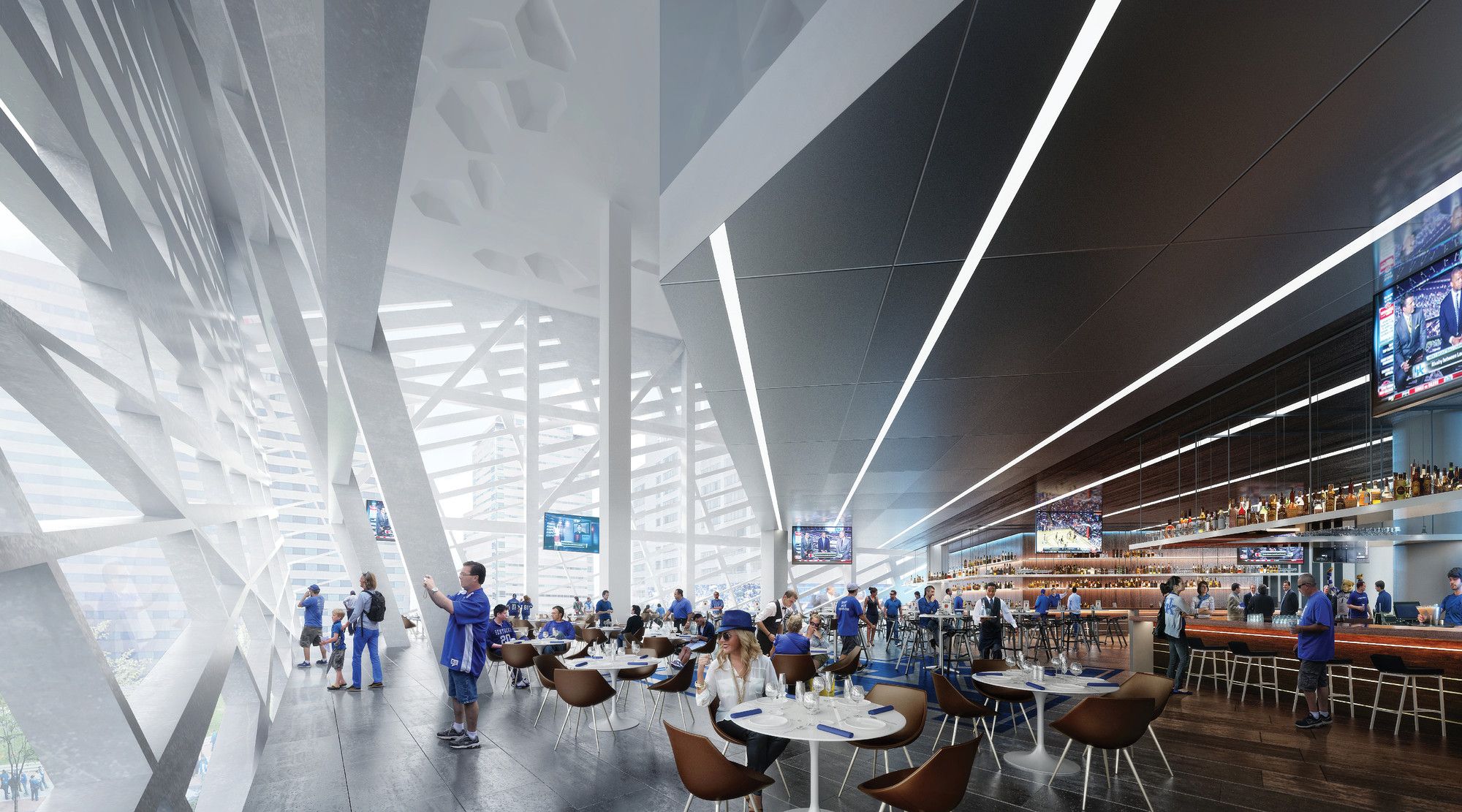
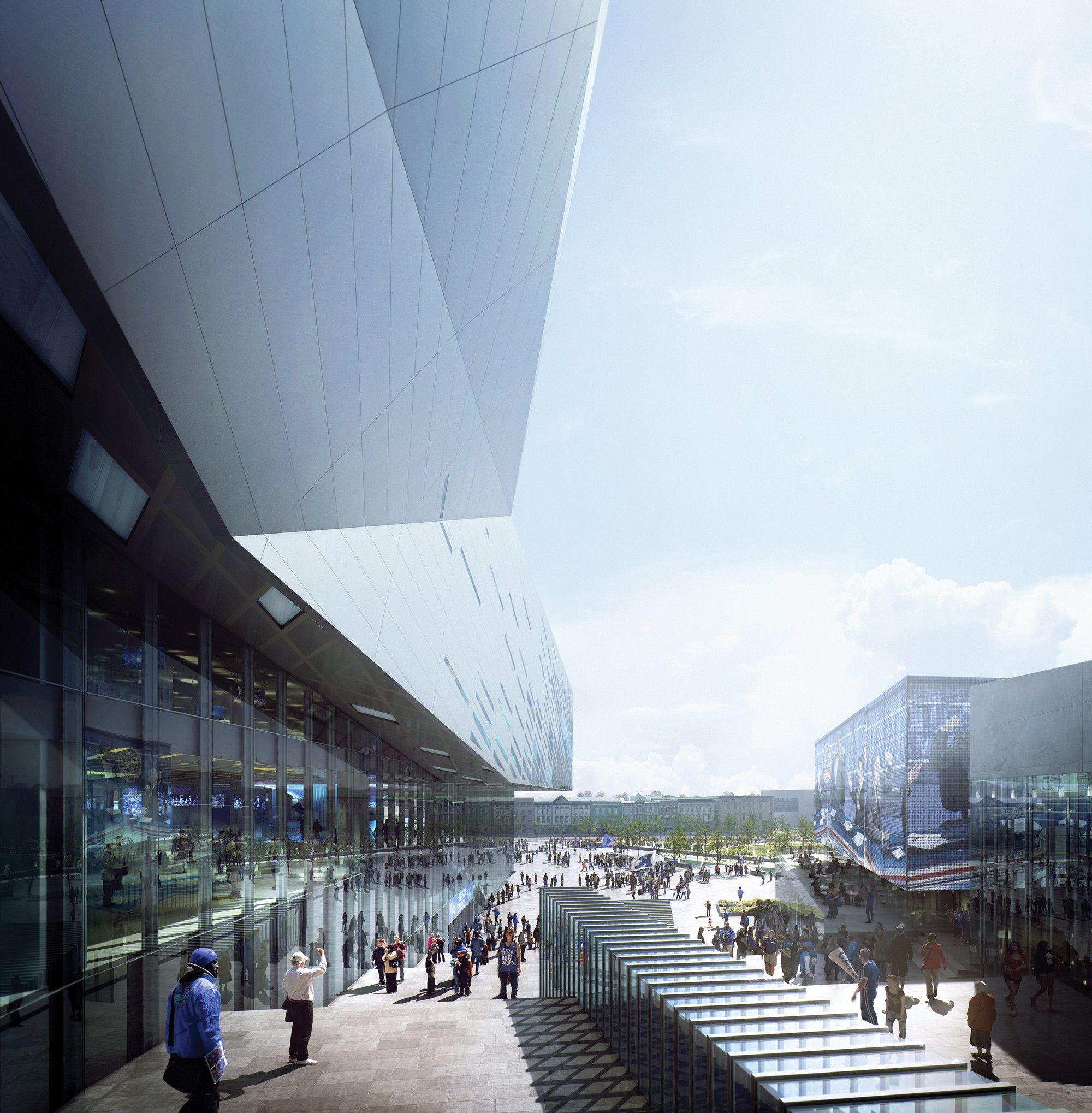
NBBJ has therefore be consulted to propose a facelift to the iconic sport centre. The project is expected to provide contemporary amenities and better connect the arena to the city making it a modern reference sport venue .
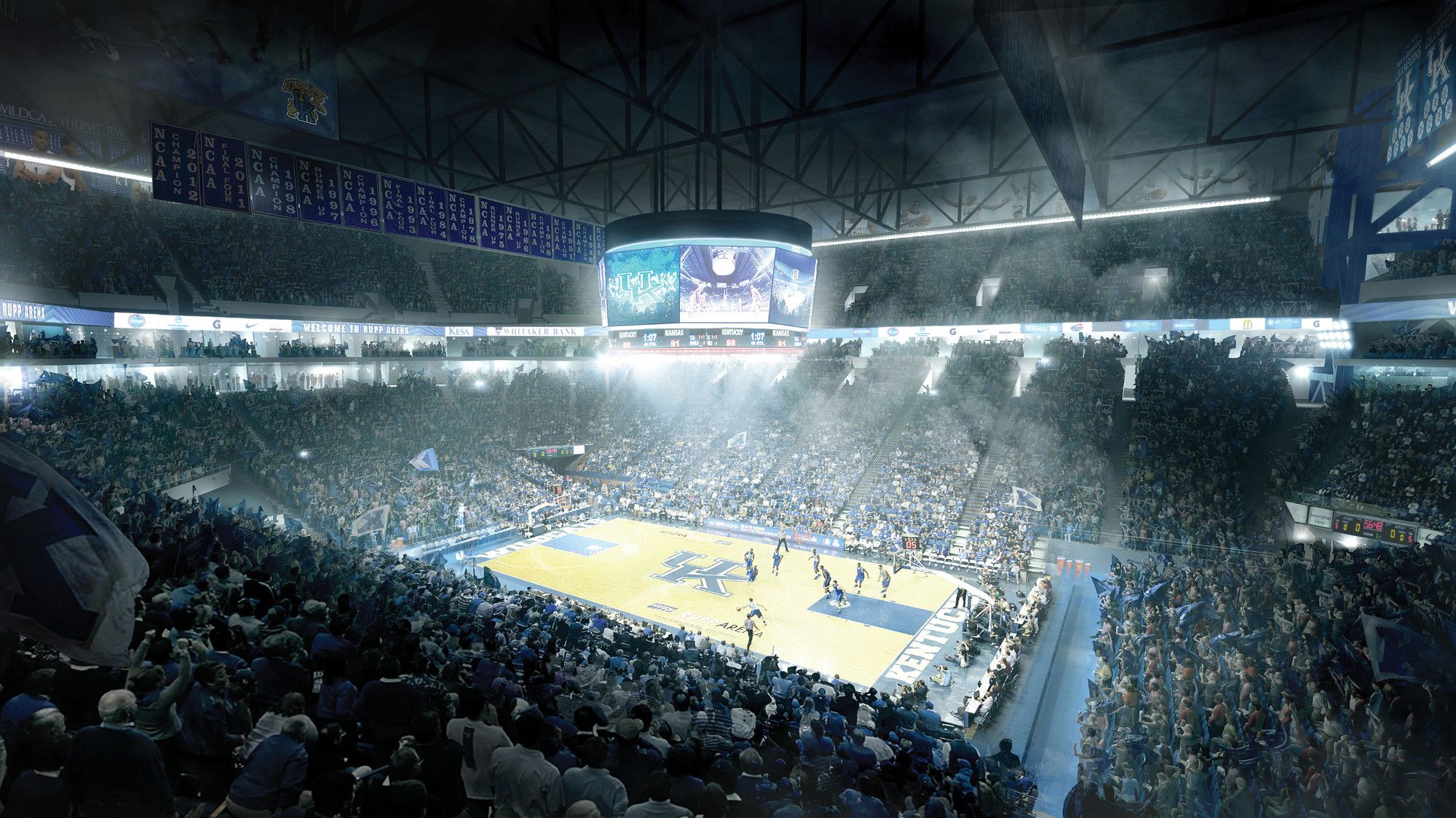
Interior Bowl. Image © NBBJ + EOP
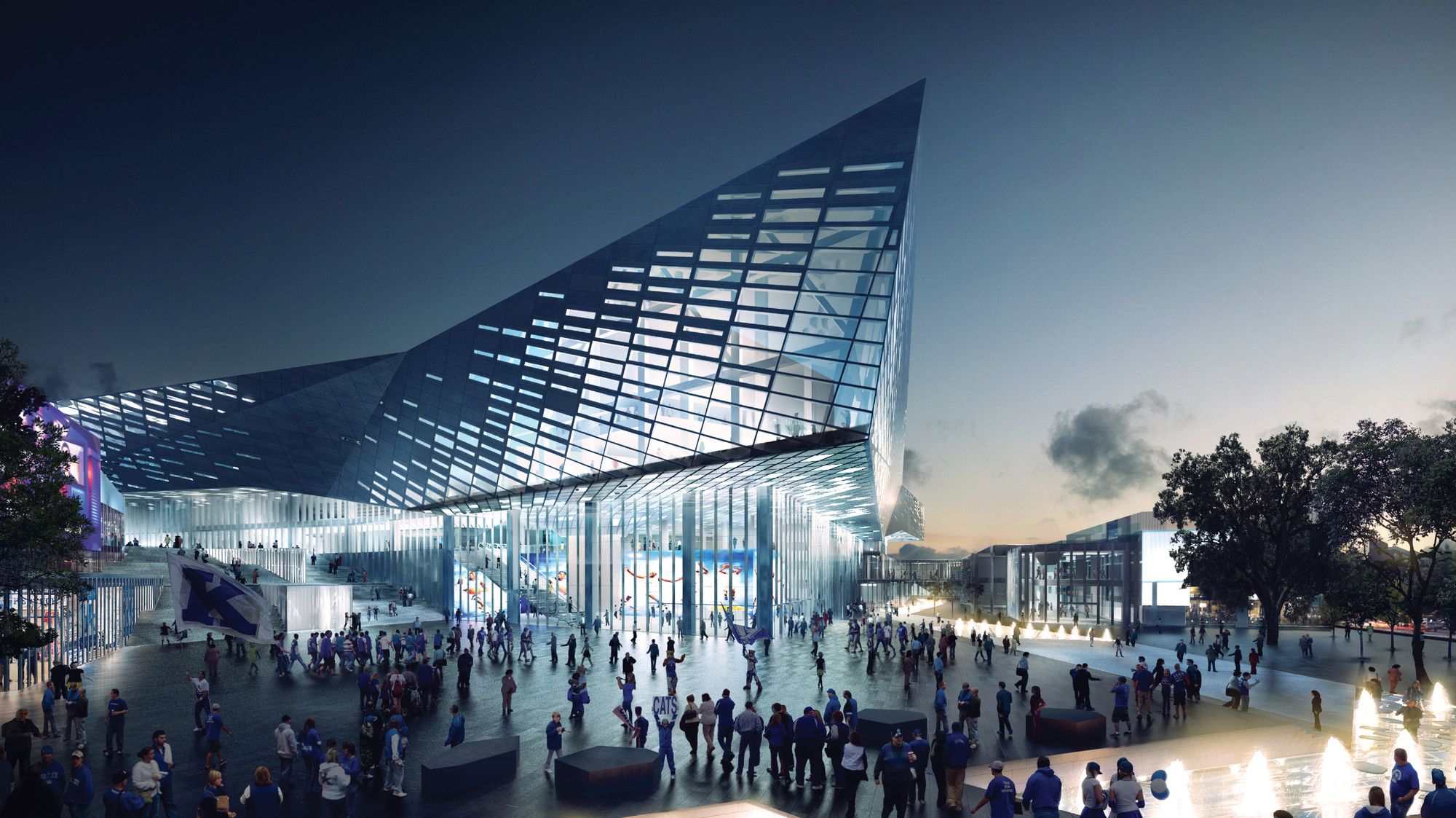
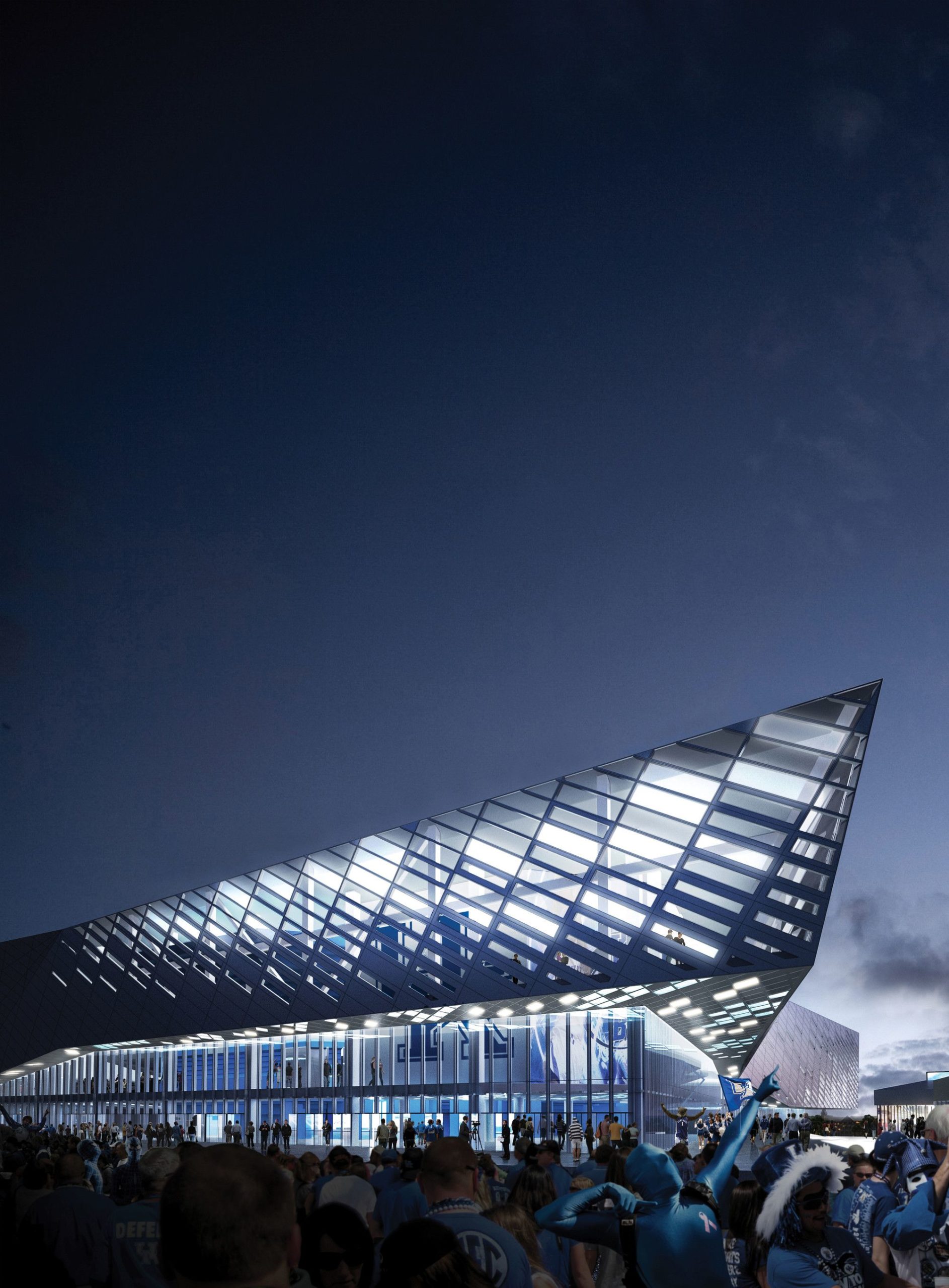
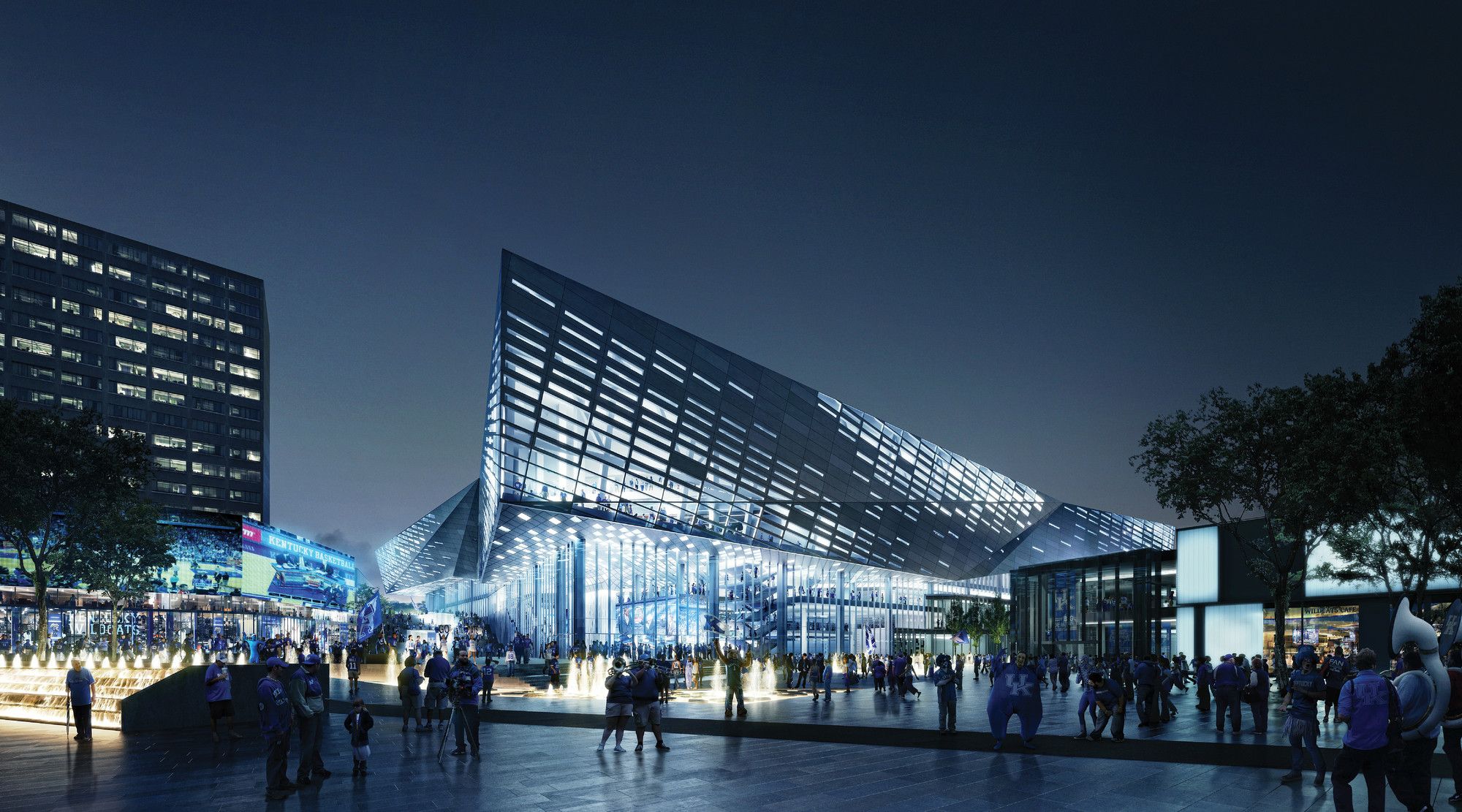
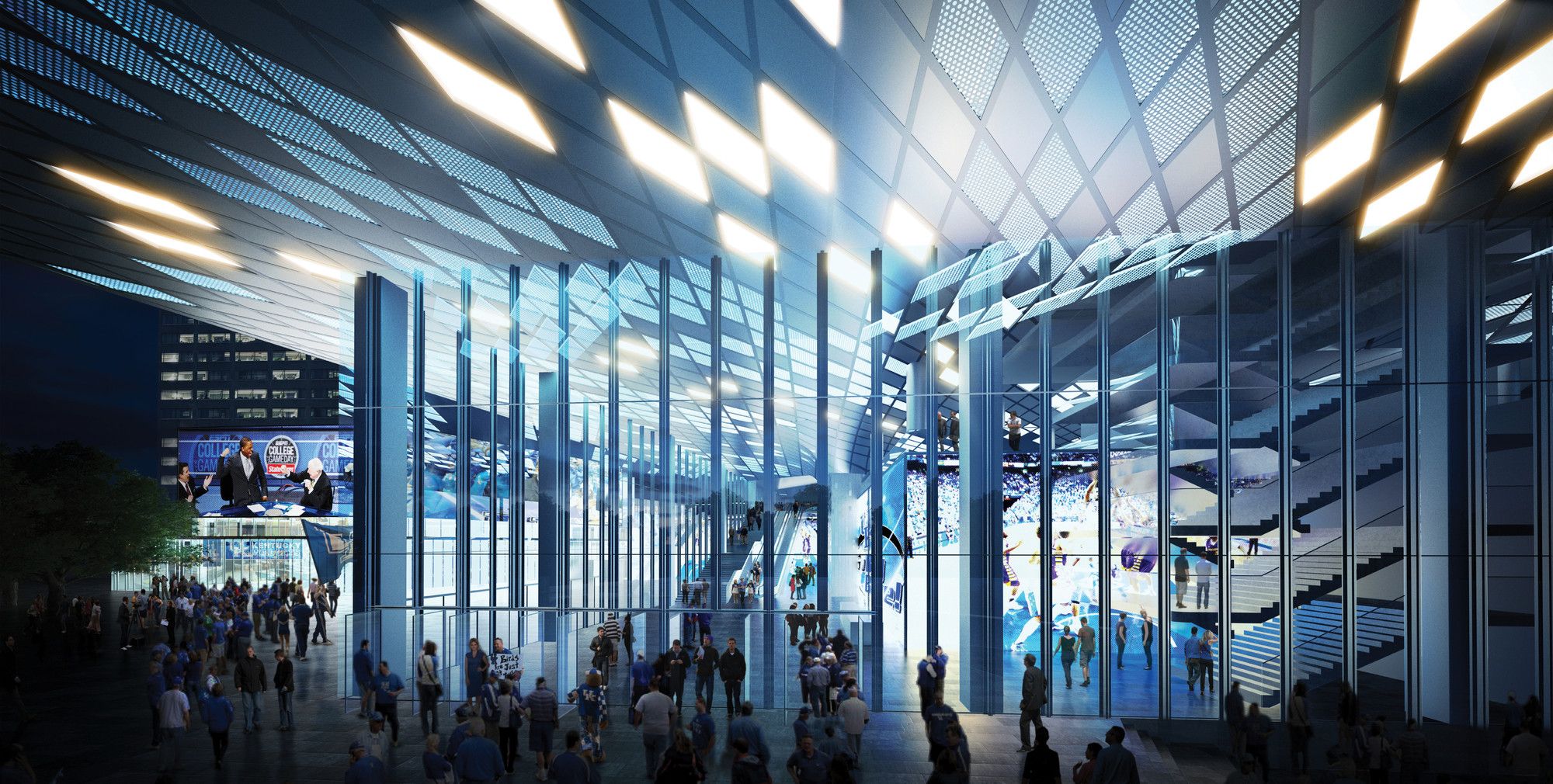
The proposed design showcases a strong use of transparent glass for exterior cladding portraying the design to open up the arena to the city and users. The new cladding will rise to about 40 feet providing the possibility for passerbys to get a glimpse of happenings in the arena.
In line with this “opening up”to the city major works will touch mostly the image of the centre as well as its place in the city. Thus place making principles will play a major role .The design will seek to ensure activity around the centre via a large urban plaza on the east side,a gorge on the north side and an urban edge on the south side that will propel future downtown development.

By Hassan Mohammed Yakubu

Anastasia Andreieva is an accomplished Architectural Projects Editor at Arch2O, bringing a unique blend of linguistic expertise and design enthusiasm to the team. Born and raised in Ukraine, she holds a Master’s degree in Languages from Taras Shevchenko National University of Kyiv. Her deep passion for architecture and visual storytelling led her to transition from translation and editorial roles into the world of design media. With a keen eye for conceptual clarity and narrative structure, Anastasia curates and presents global architectural projects with precision and flair. She is particularly drawn to parametric and digital design, cultural context, and emerging voices in architecture. When I’m not analyzing the latest architectural trends, you’ll probably find me searching for hidden gems in cityscapes or appreciating the beauty of well-crafted spaces. After all, great design—like great connections—can be found in the most unexpected places. Speaking of connections, because architecture isn’t the only thing that brings people together.