

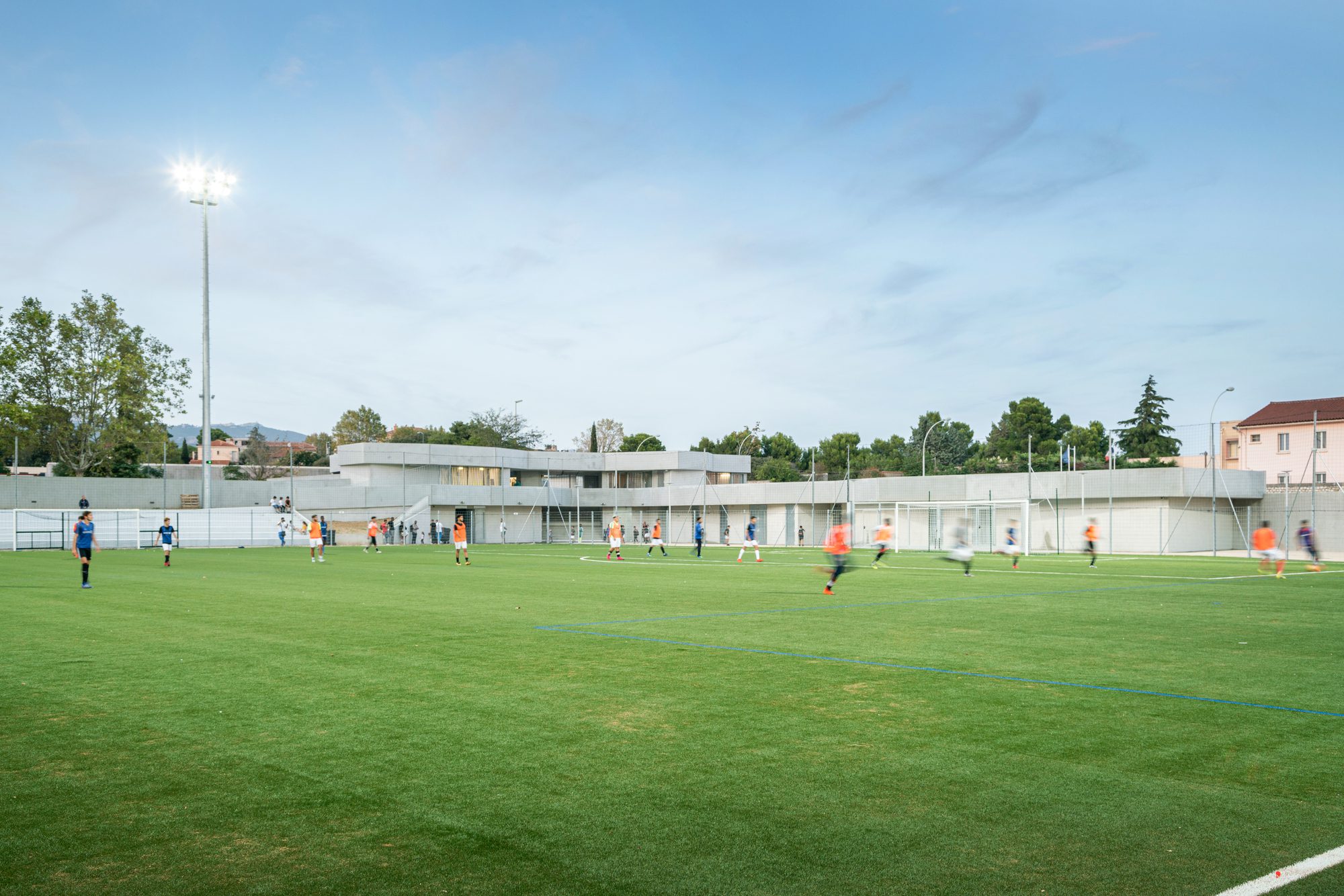
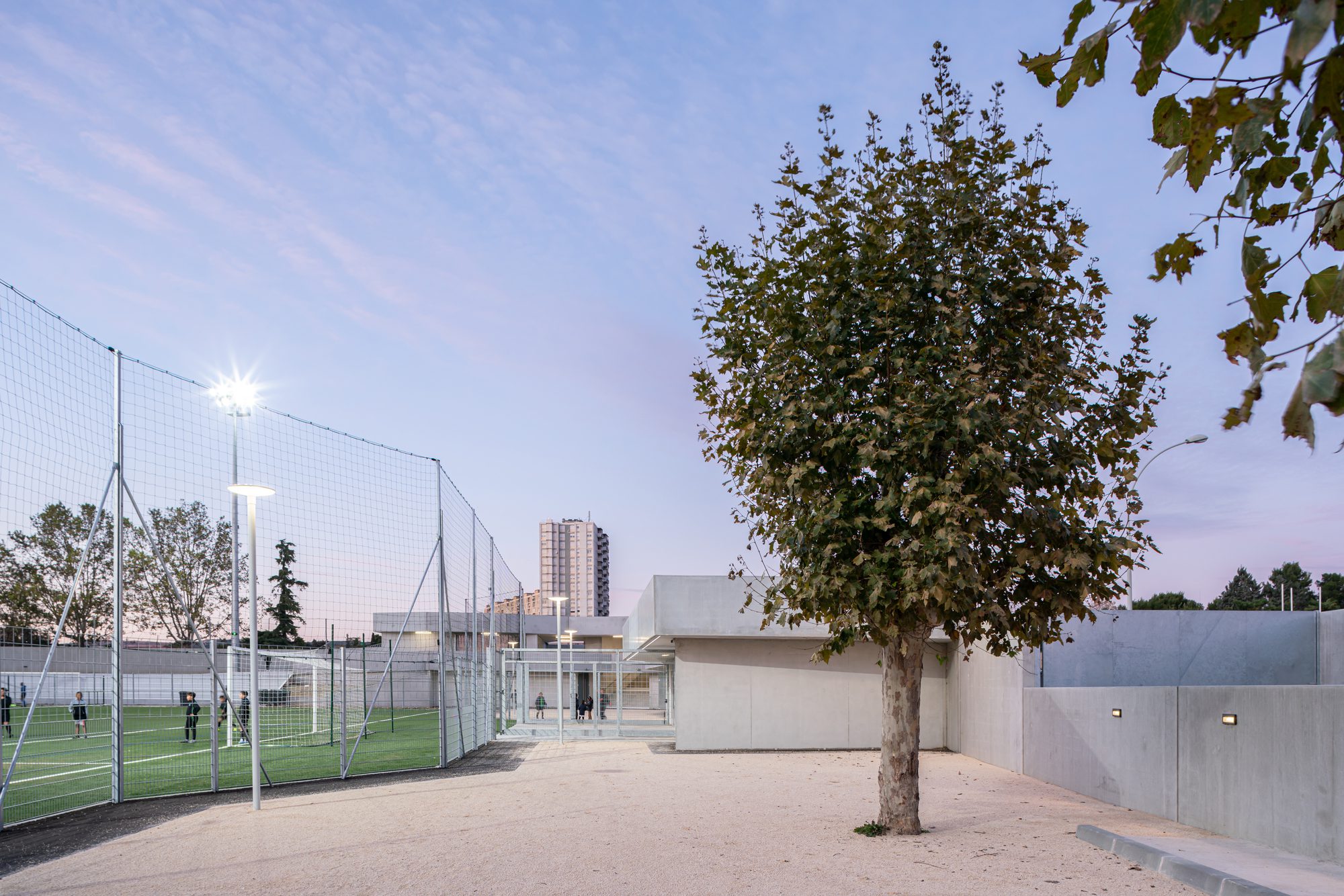
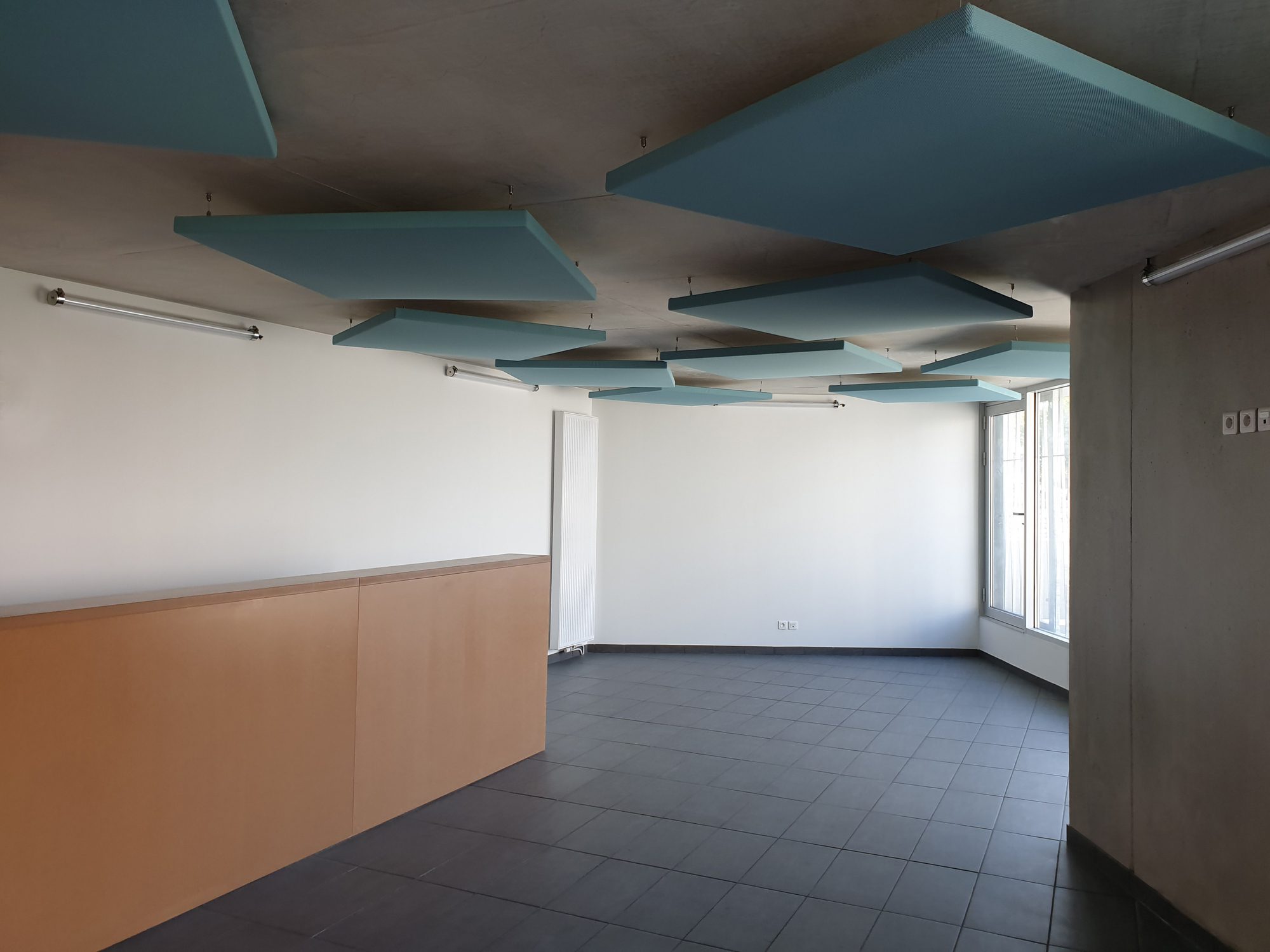
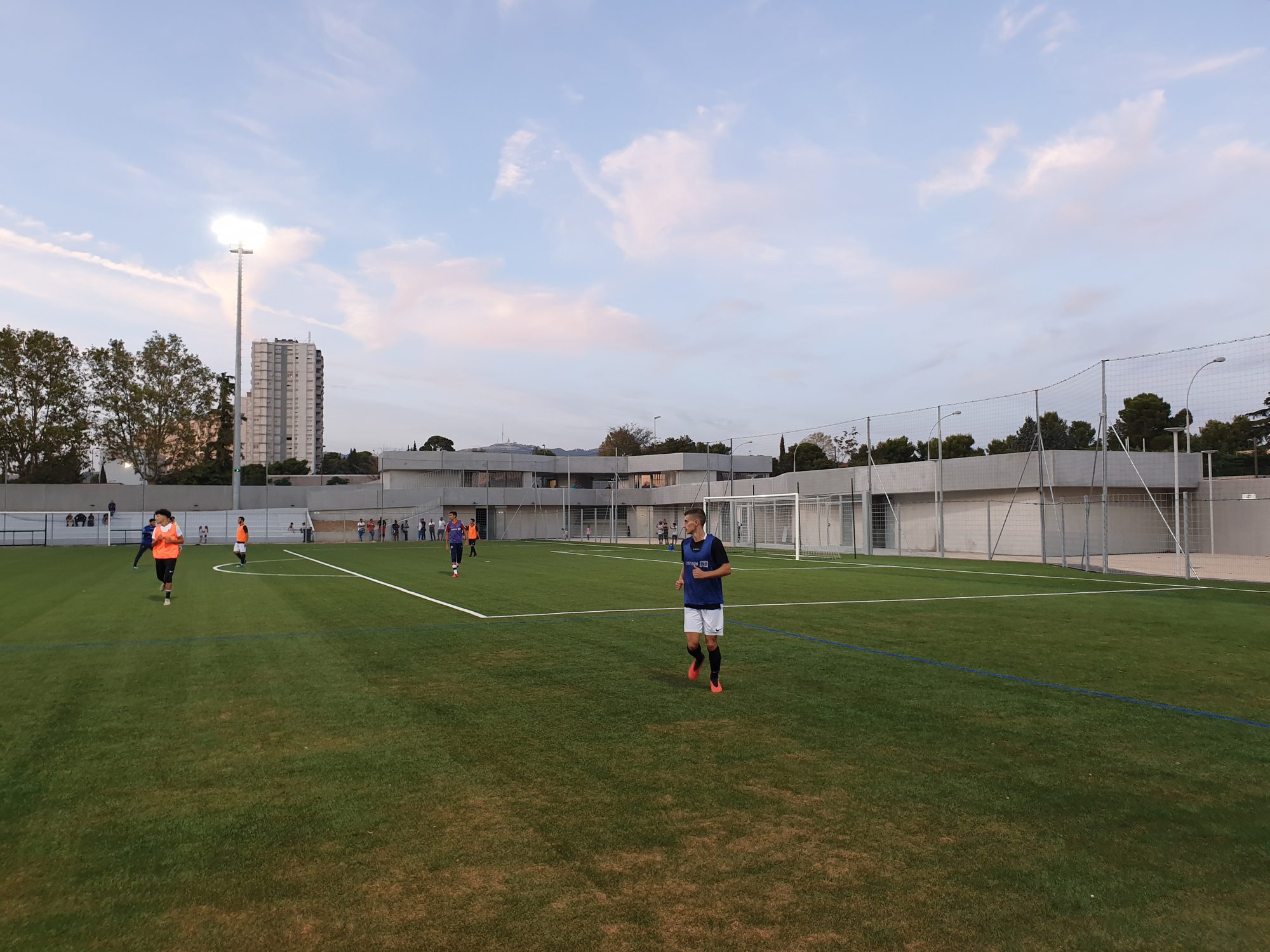
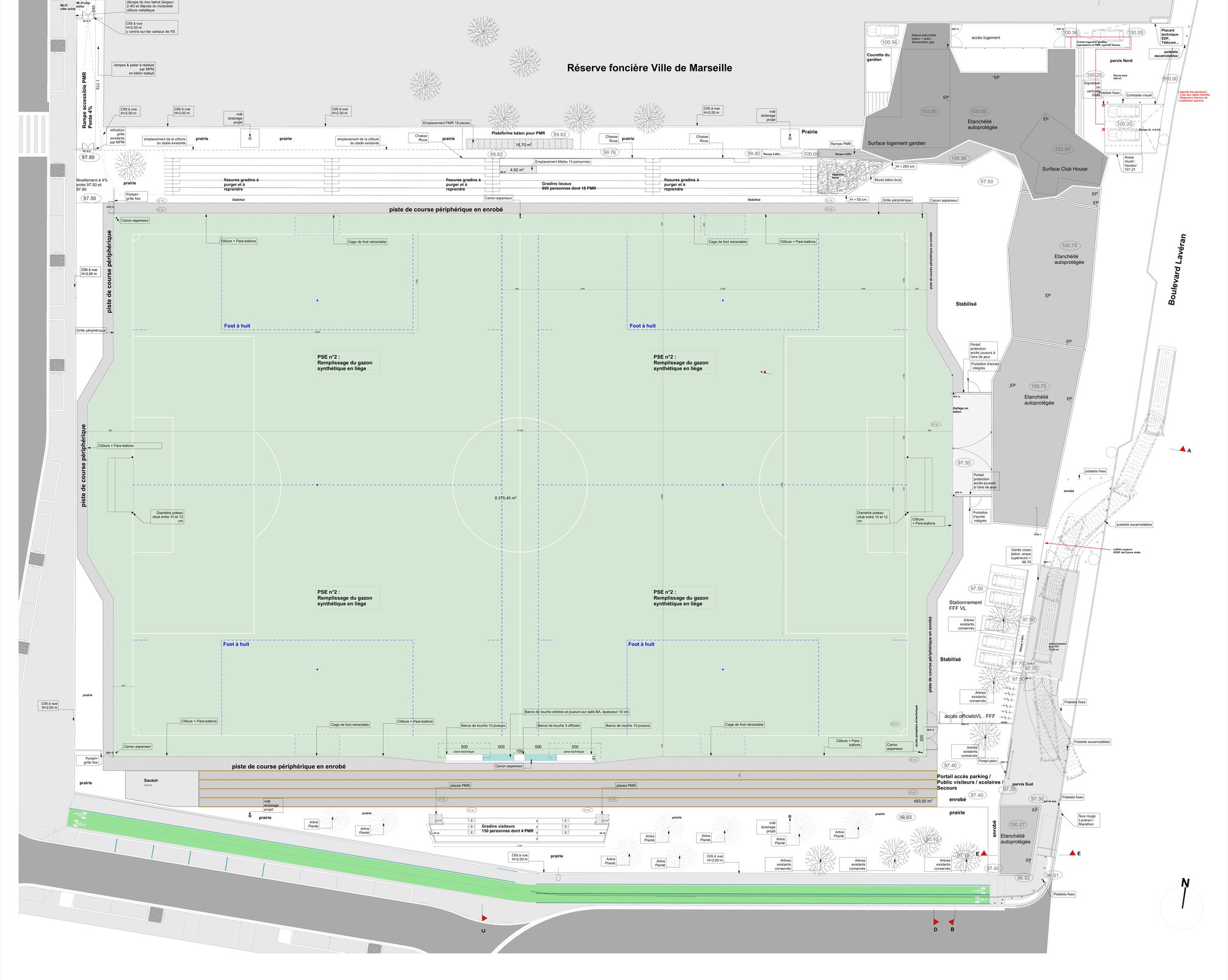
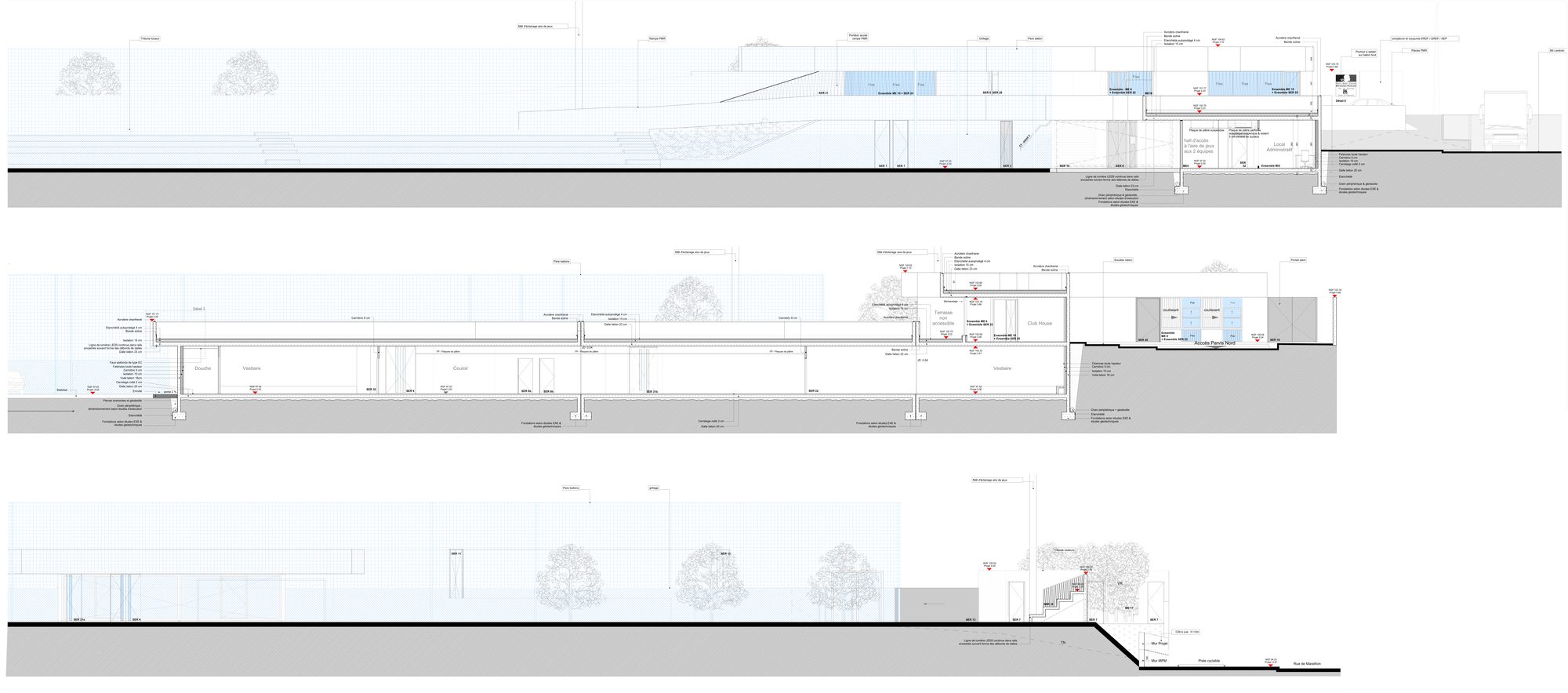
Malpasse Stadium, The purpose of the program was the transformation of the existing stabilized soccer field into an approved turf pitch. Creation of a 900 m² building with 4 player changing rooms, 2 referee changing rooms, toilets, a delegate room and an infirmary, 4 additional changing rooms for schoolchildren, a clubhouse, accommodation and caretaker’s office, refreshments, and premises annexes.
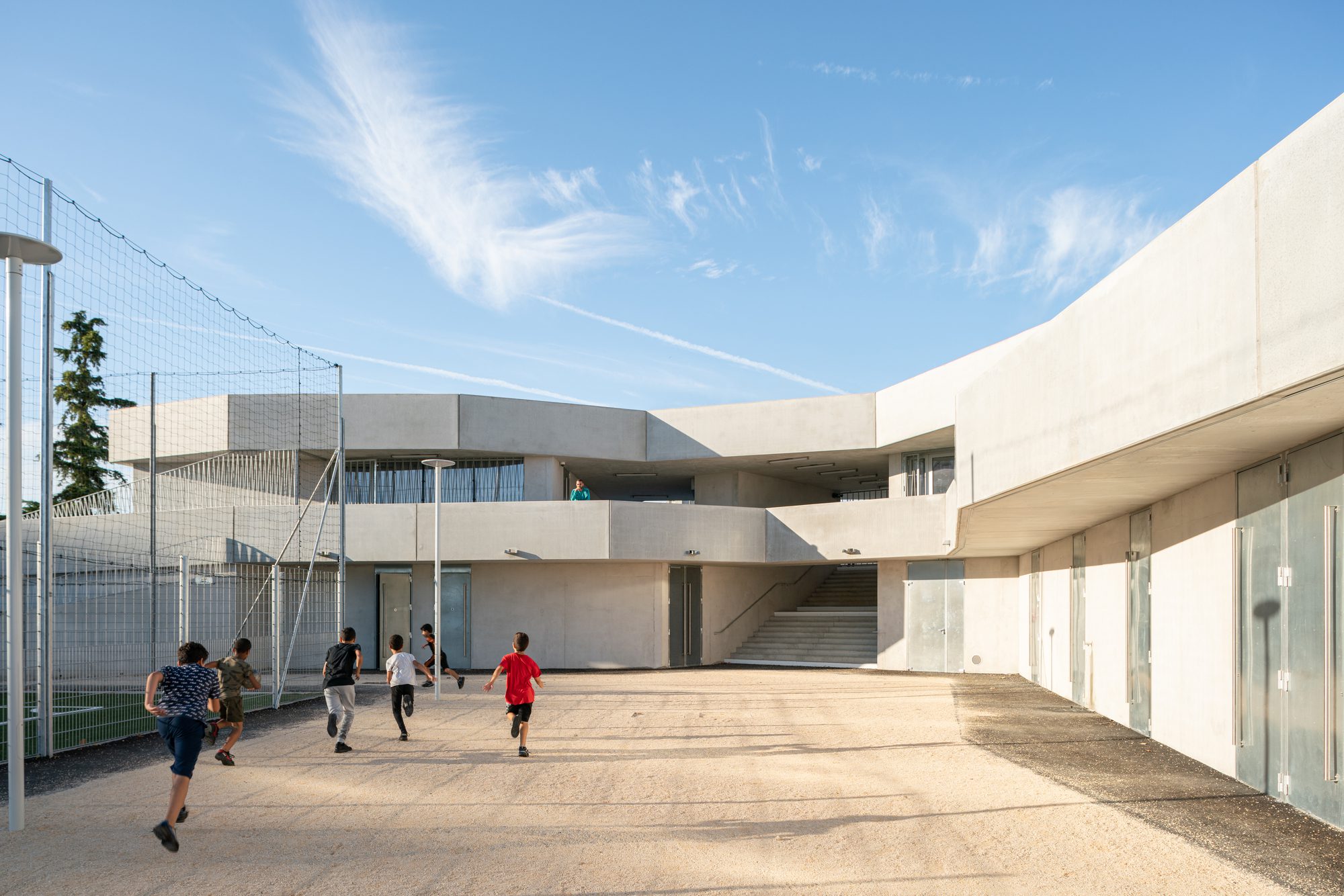
© WE ARE CONTENT(S)
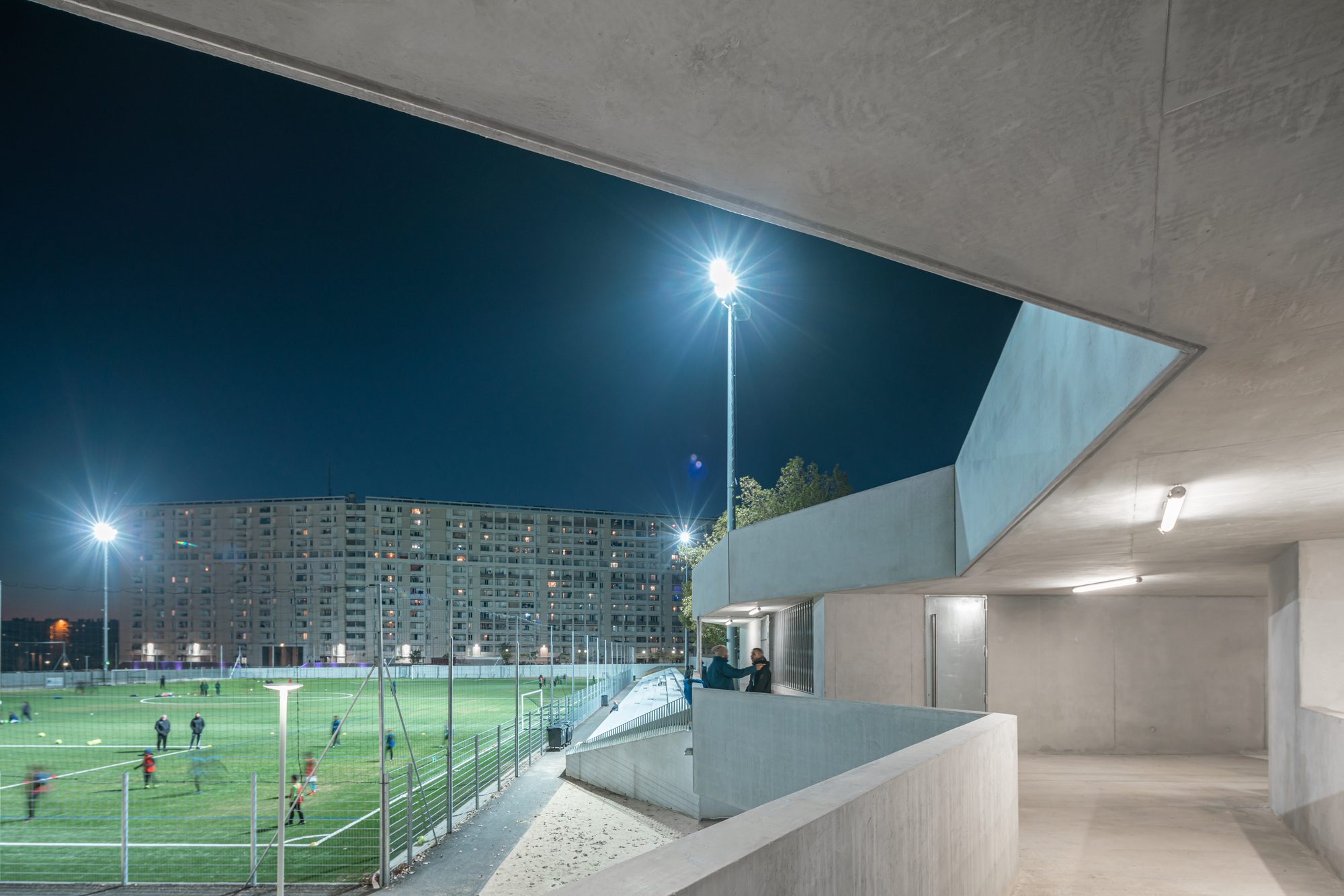
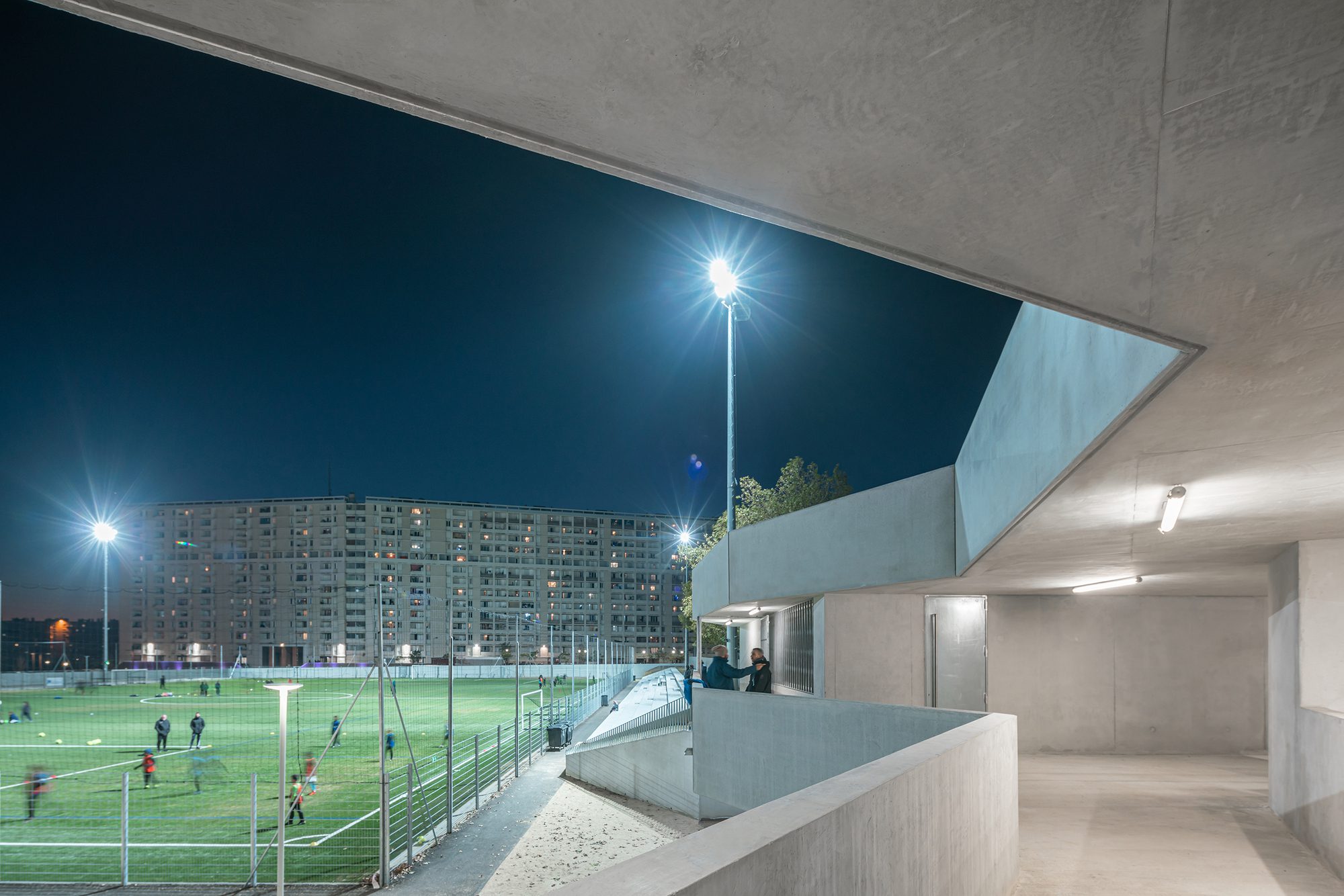
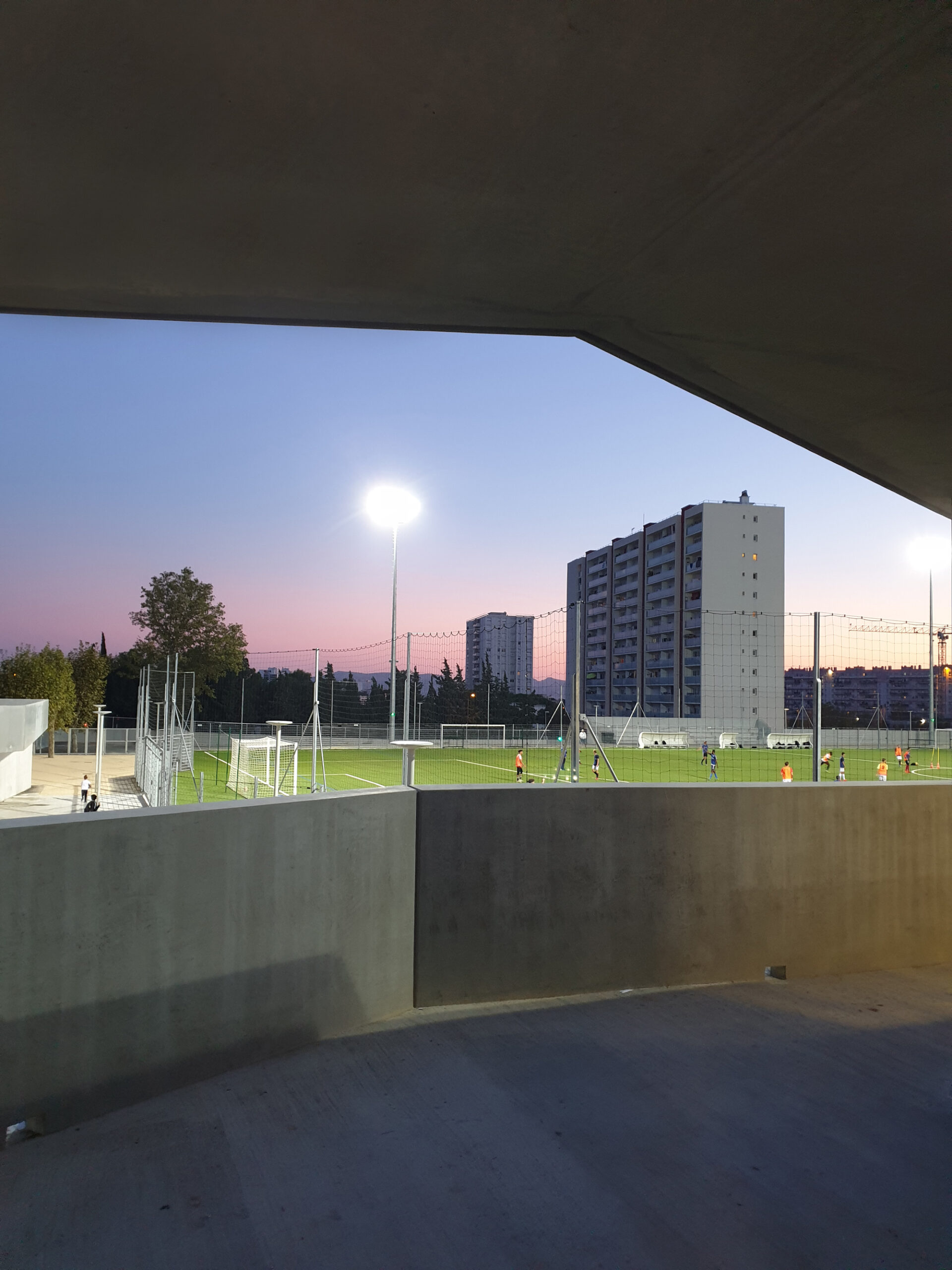
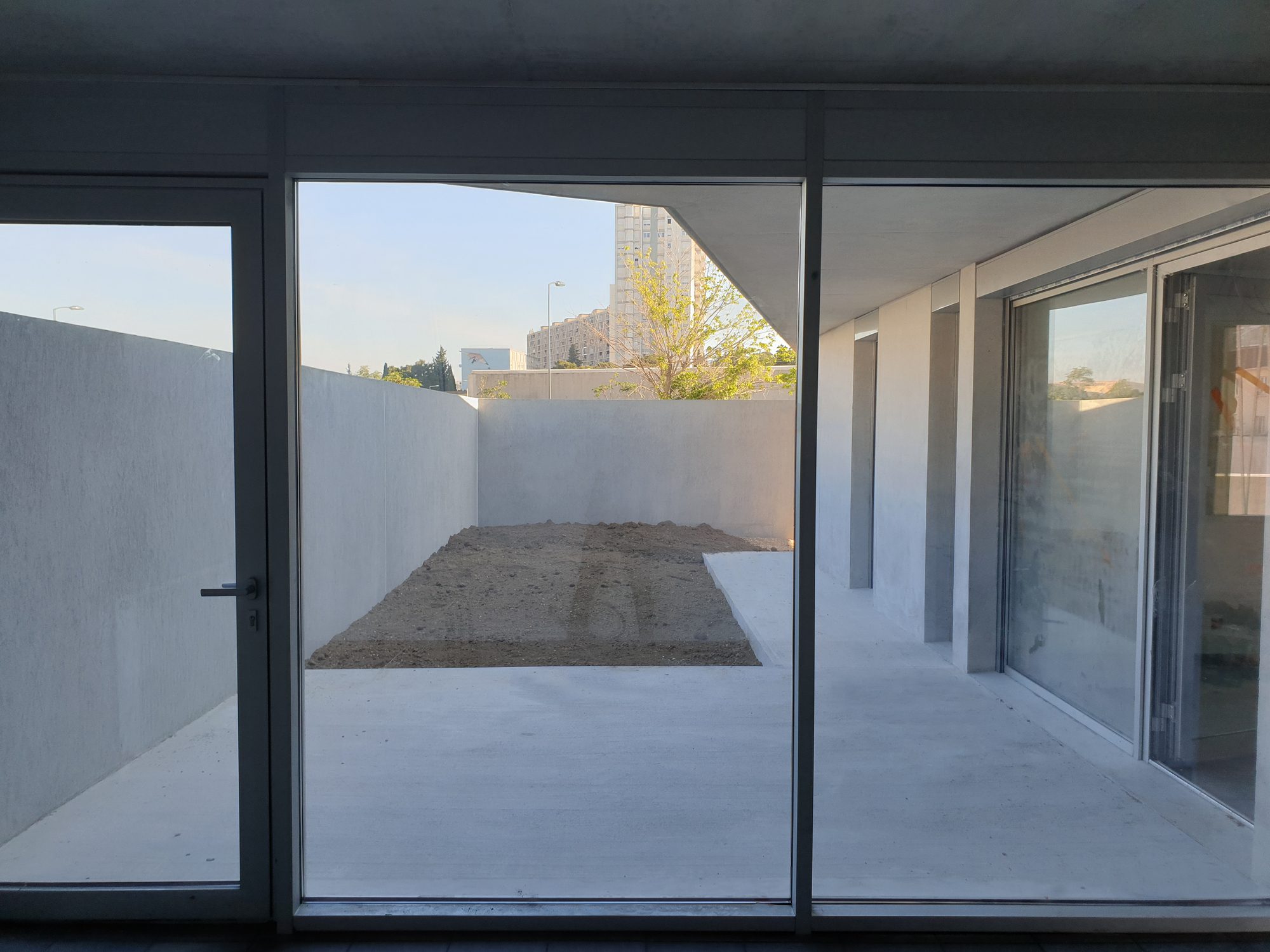
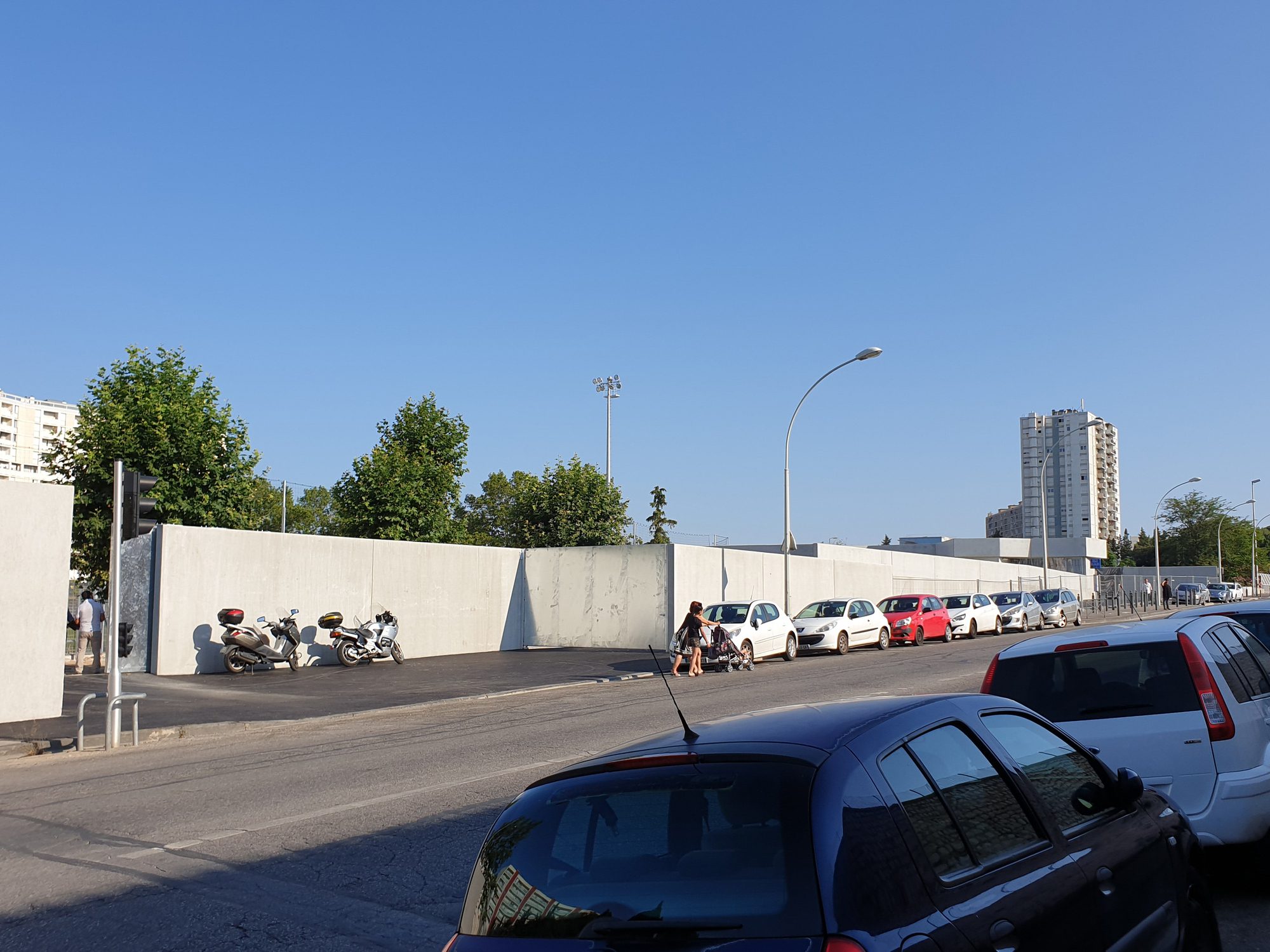
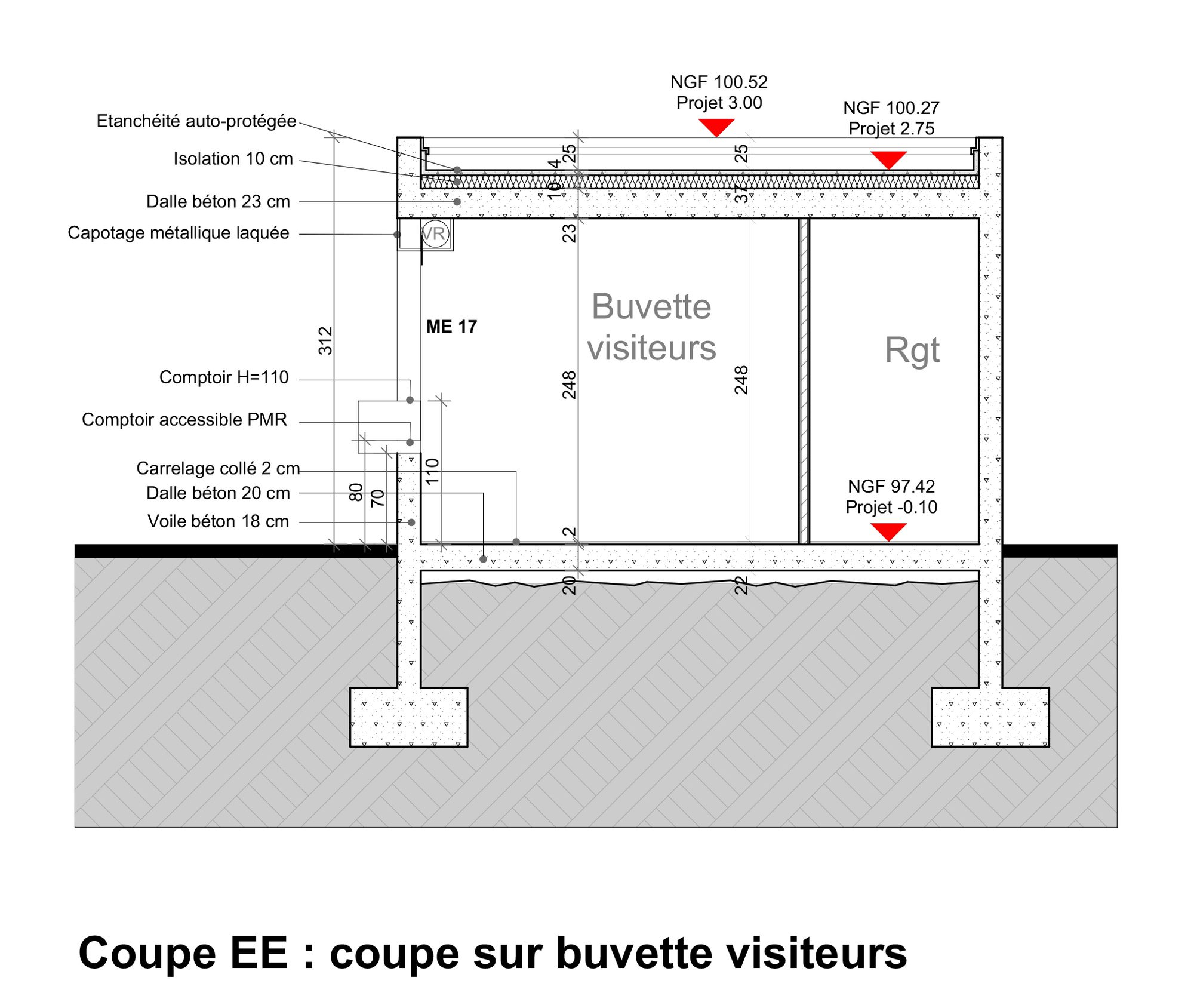
The project is a square part of the rising topography of the plot. It is semi-buried. It is accessed from the top of the building, with a dominant view of the gazebo on the playground.
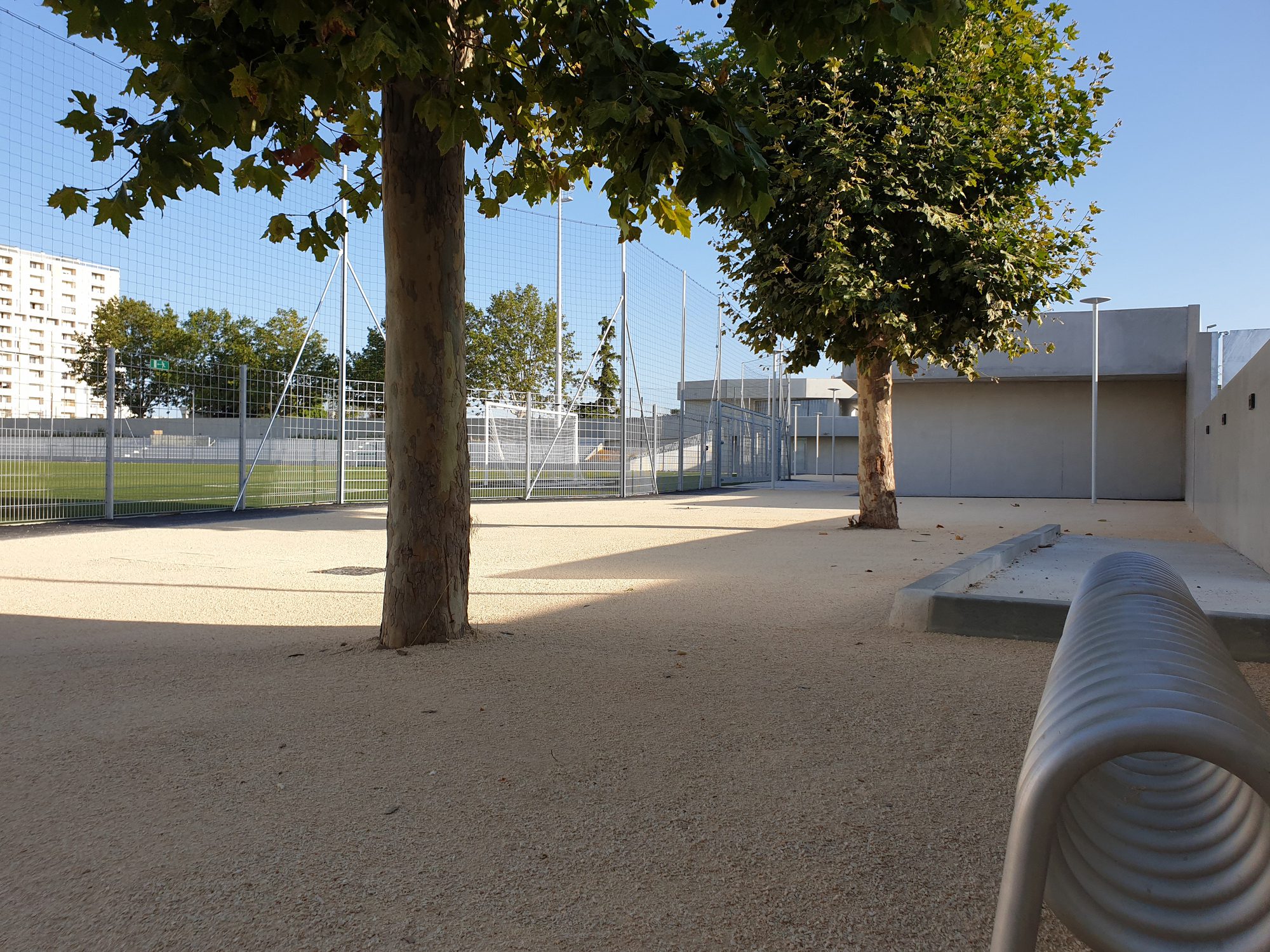
Courtesy of Guillaume Pepin architecte
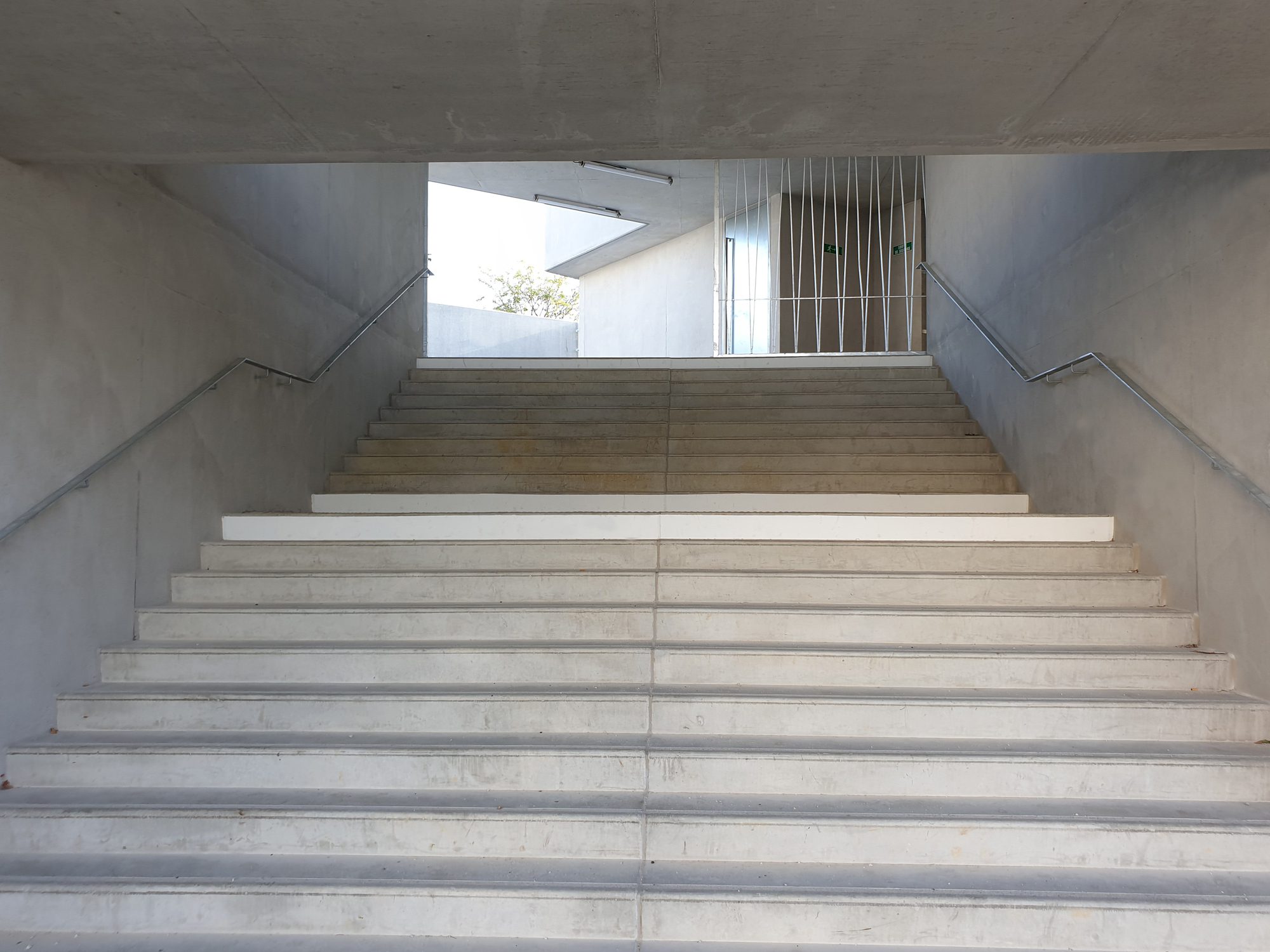
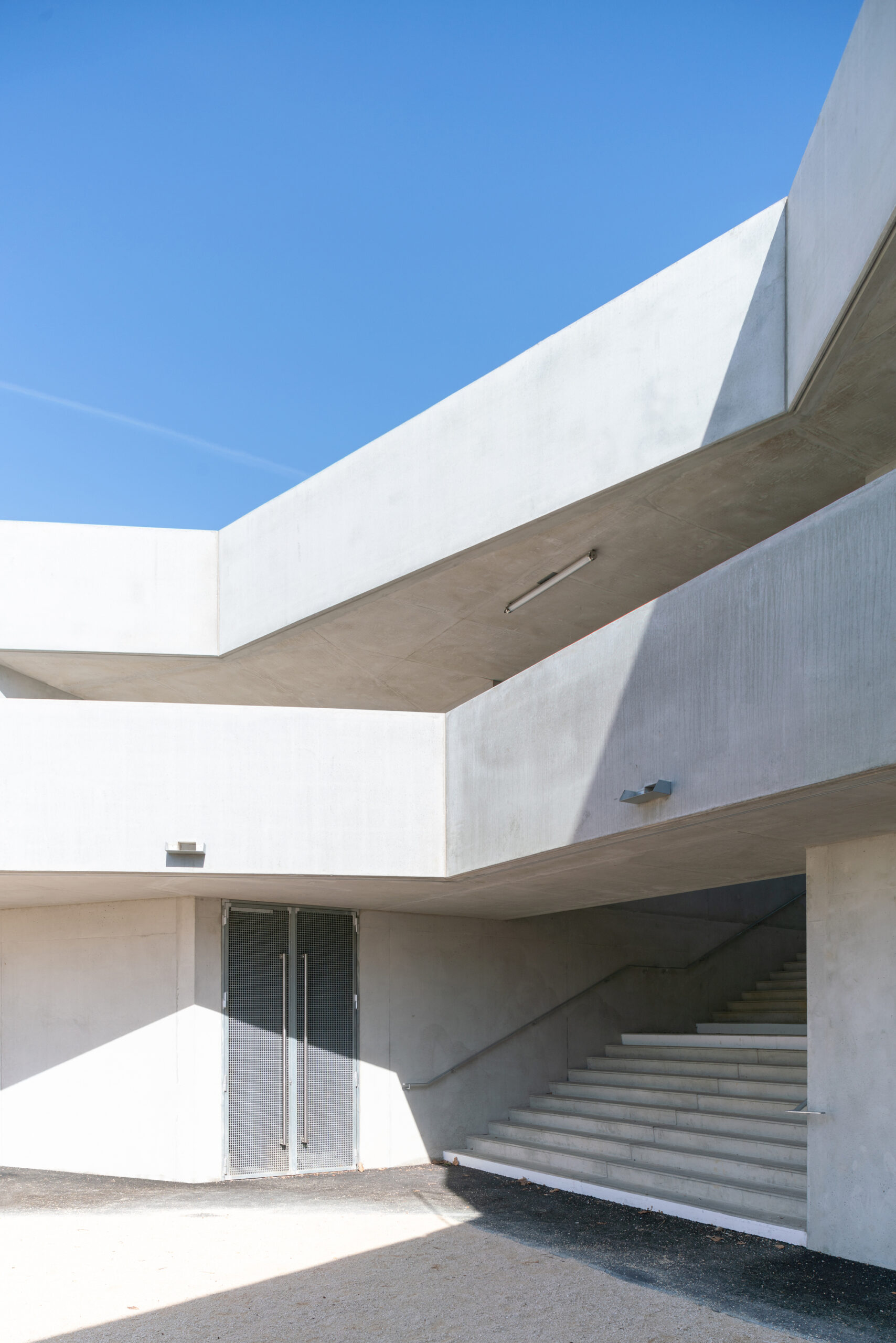
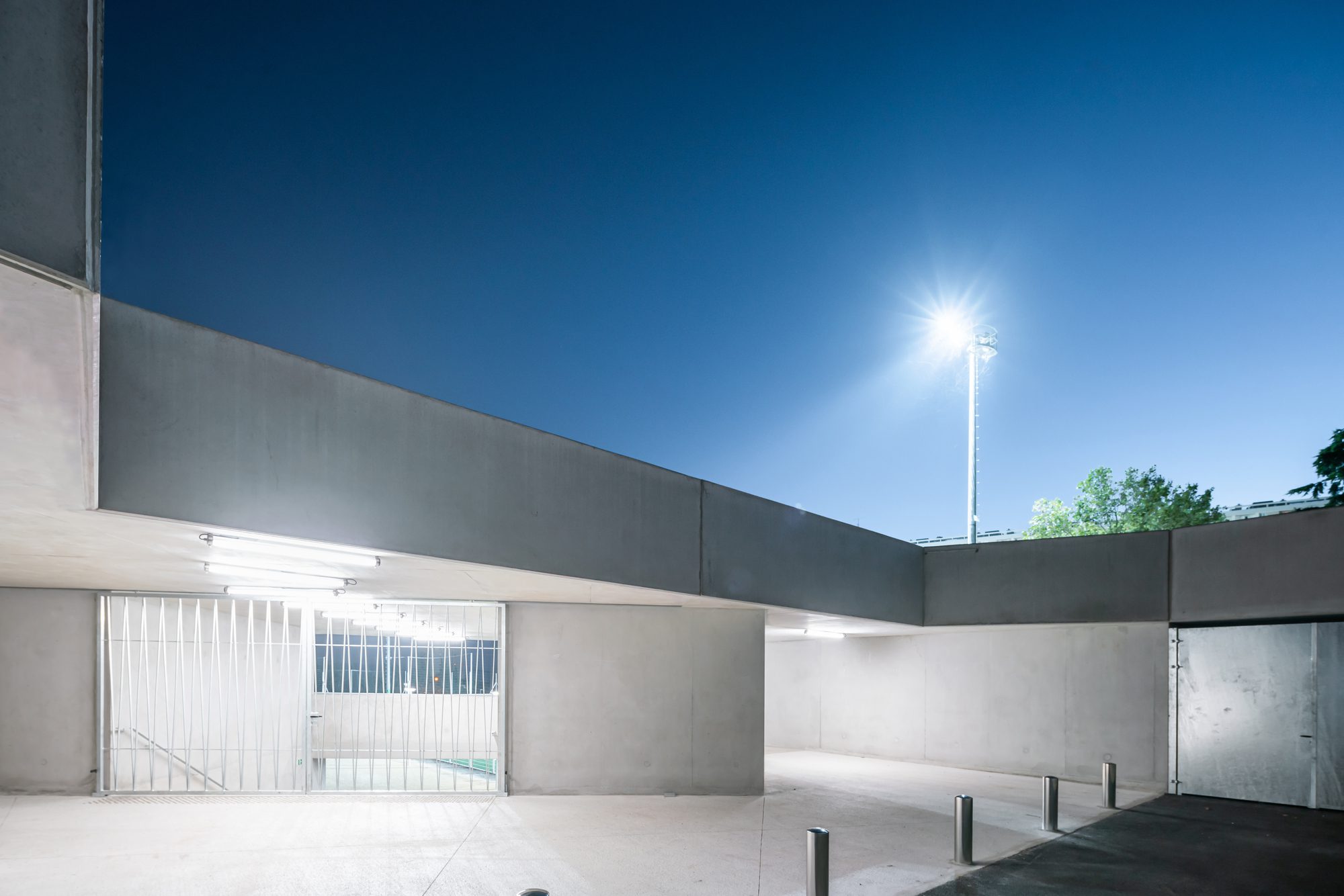
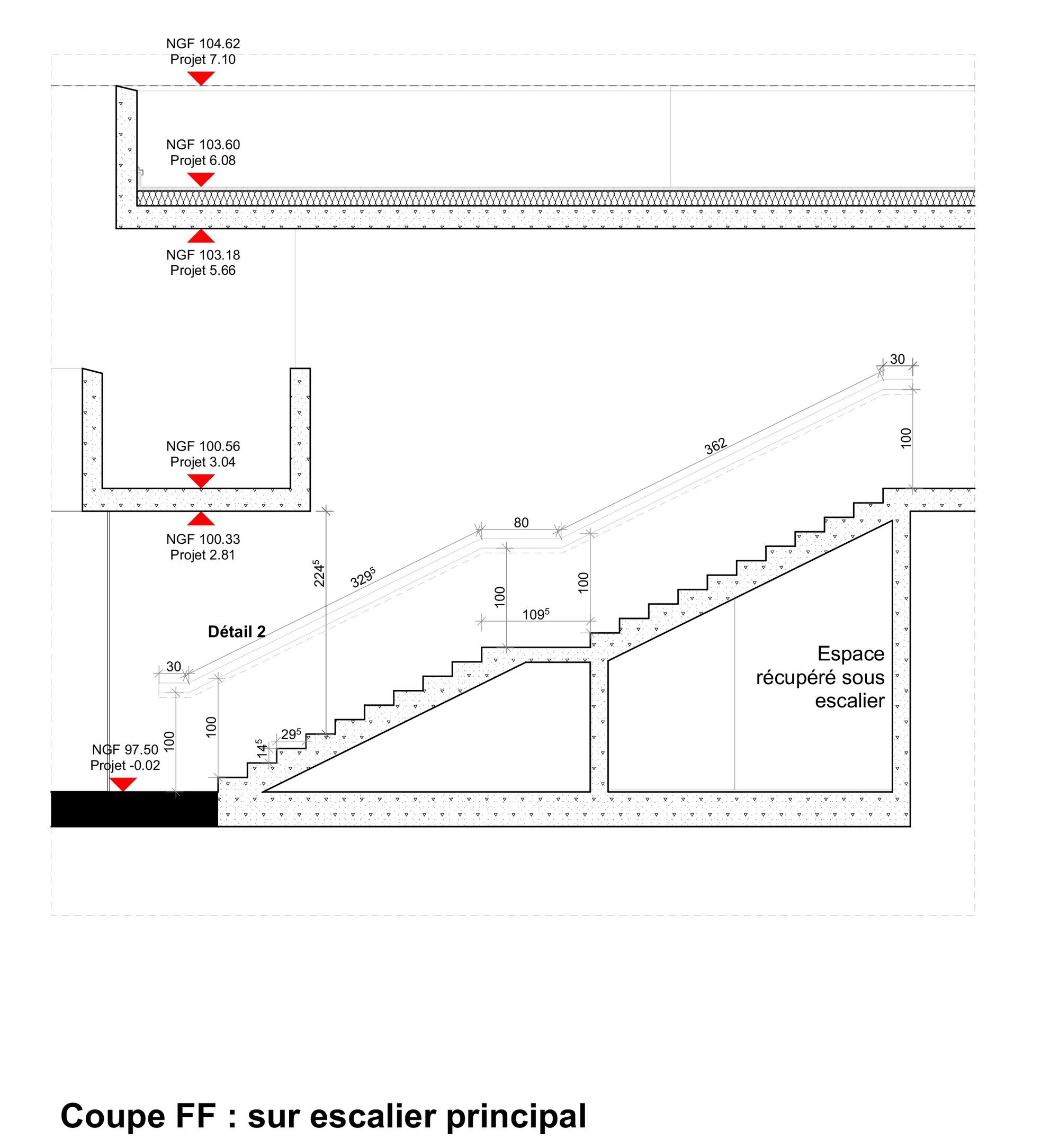
Access to the field and the stands is by a large staircase, descending on the northeast corner of the field, nod to the players’ entrance to a large stadium, but here in a reverse process, where c ‘is the public who arrives on the field, before joining their stands.
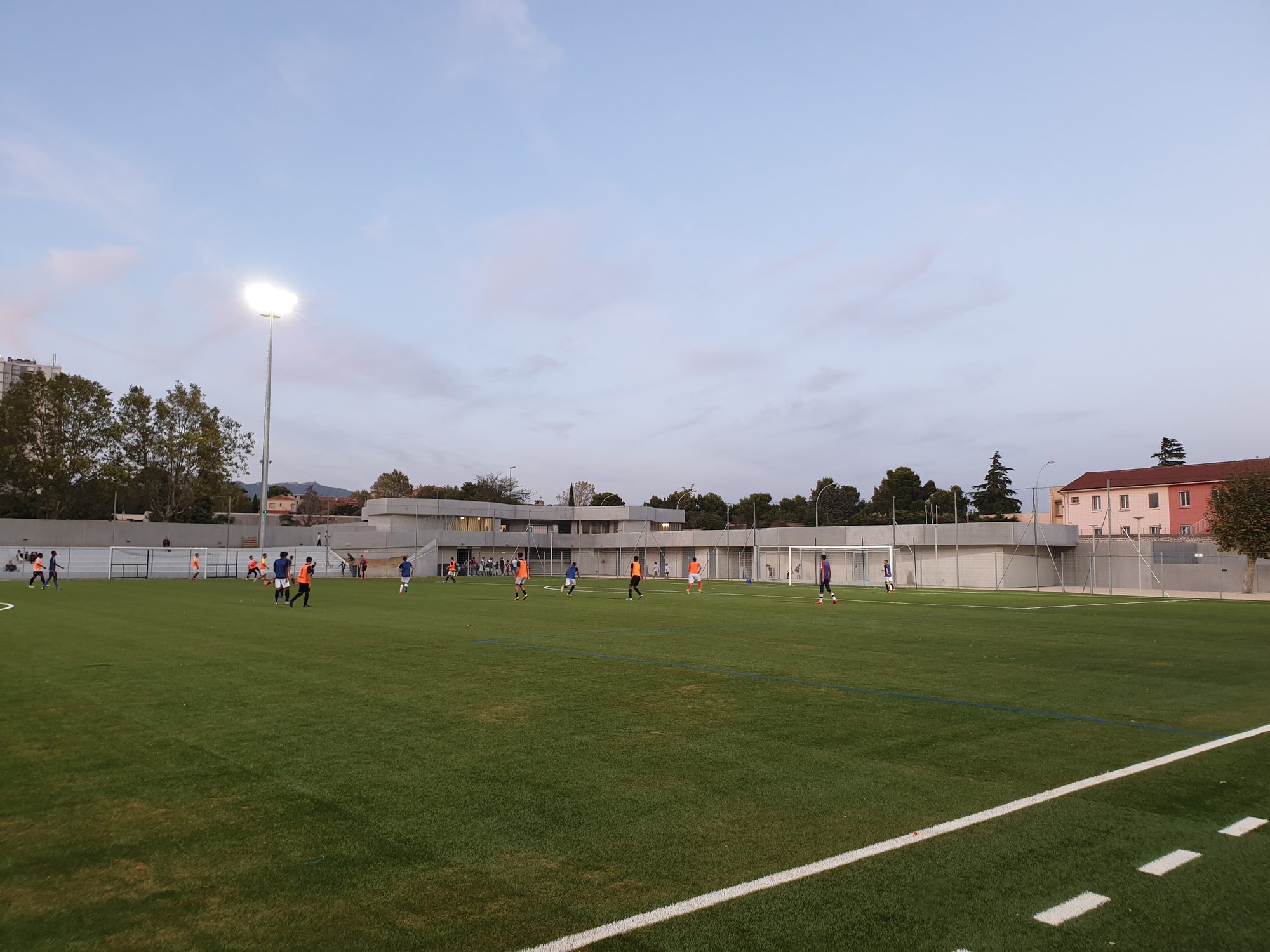
Courtesy of Guillaume Pepin architecte
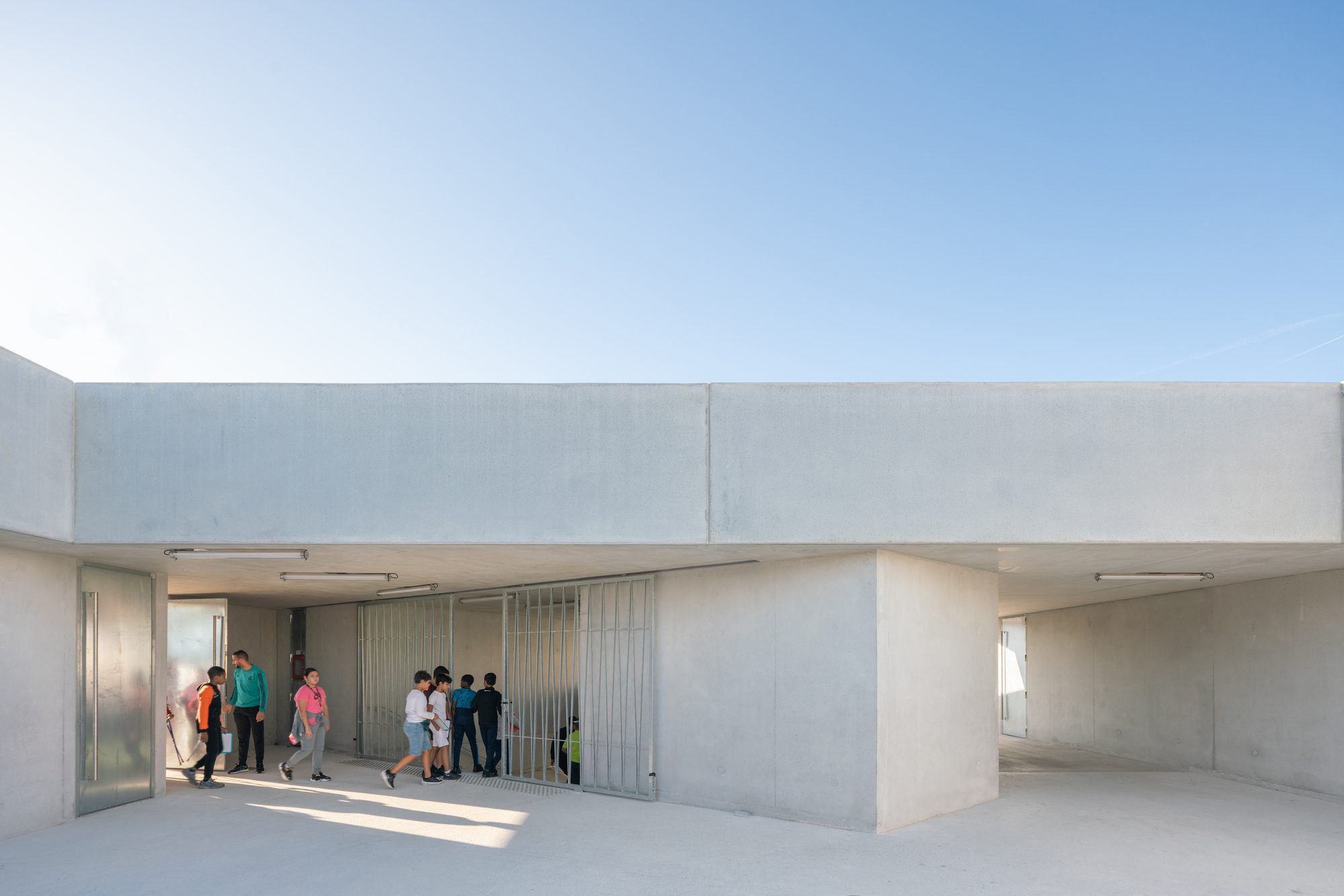
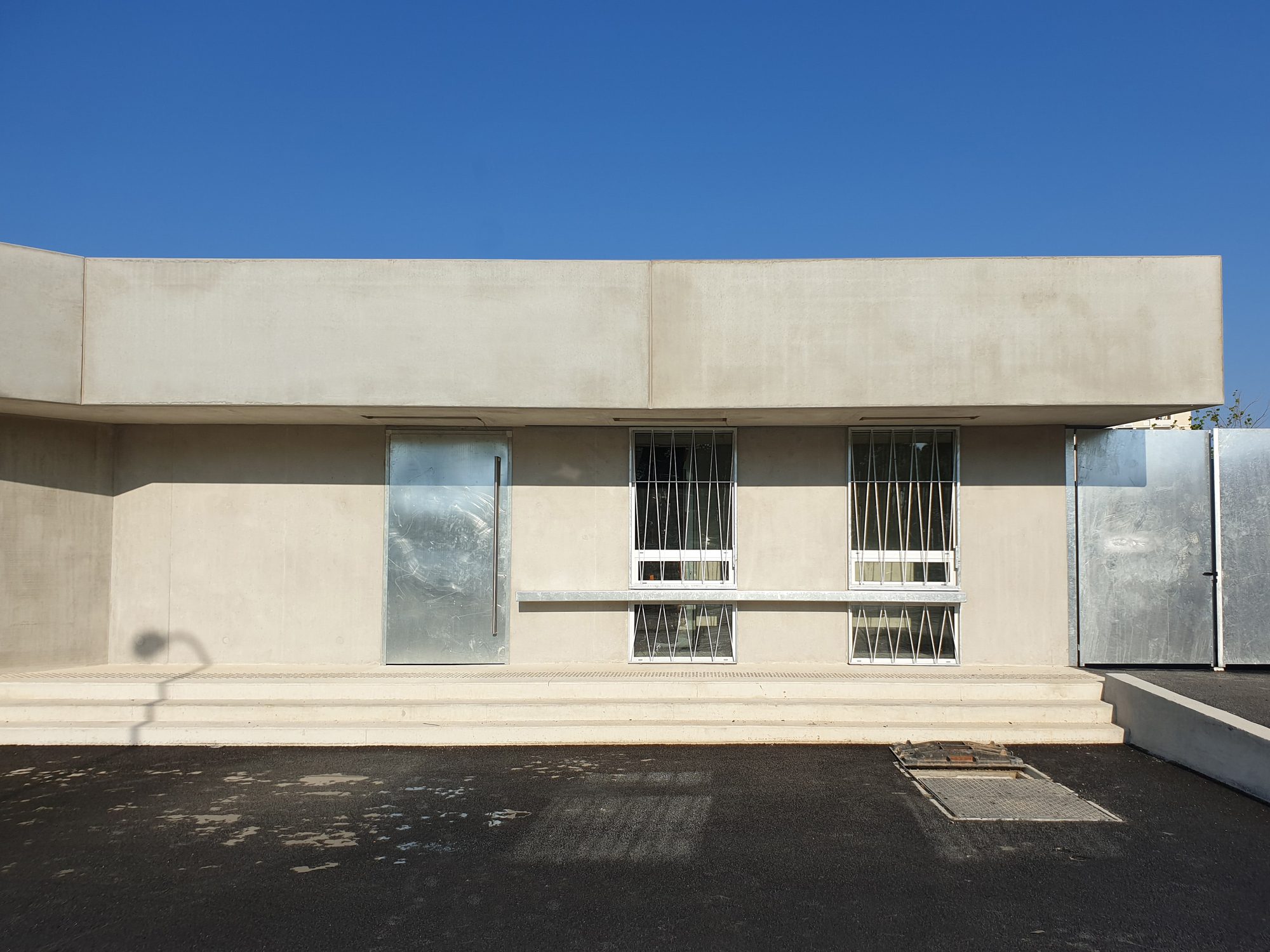
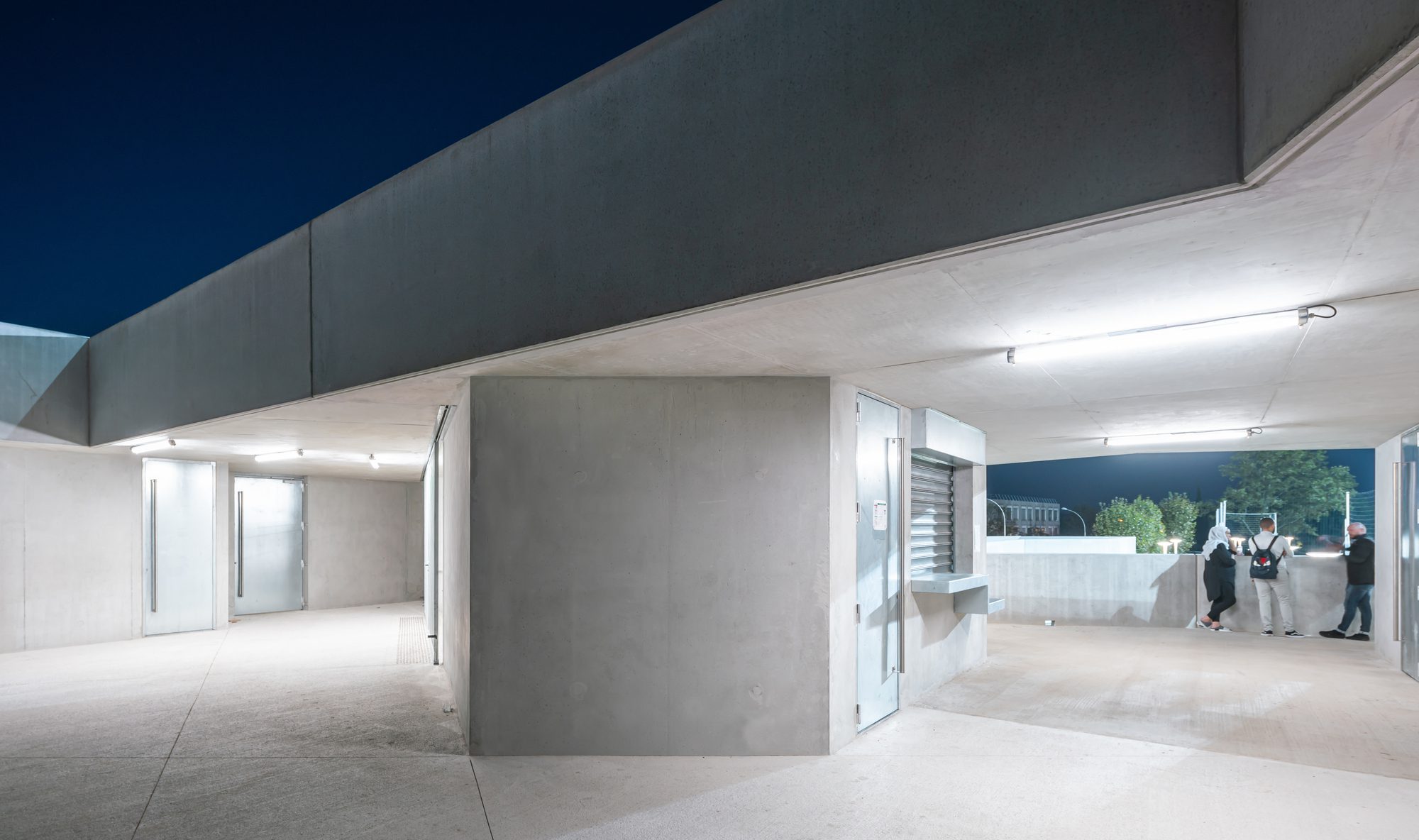
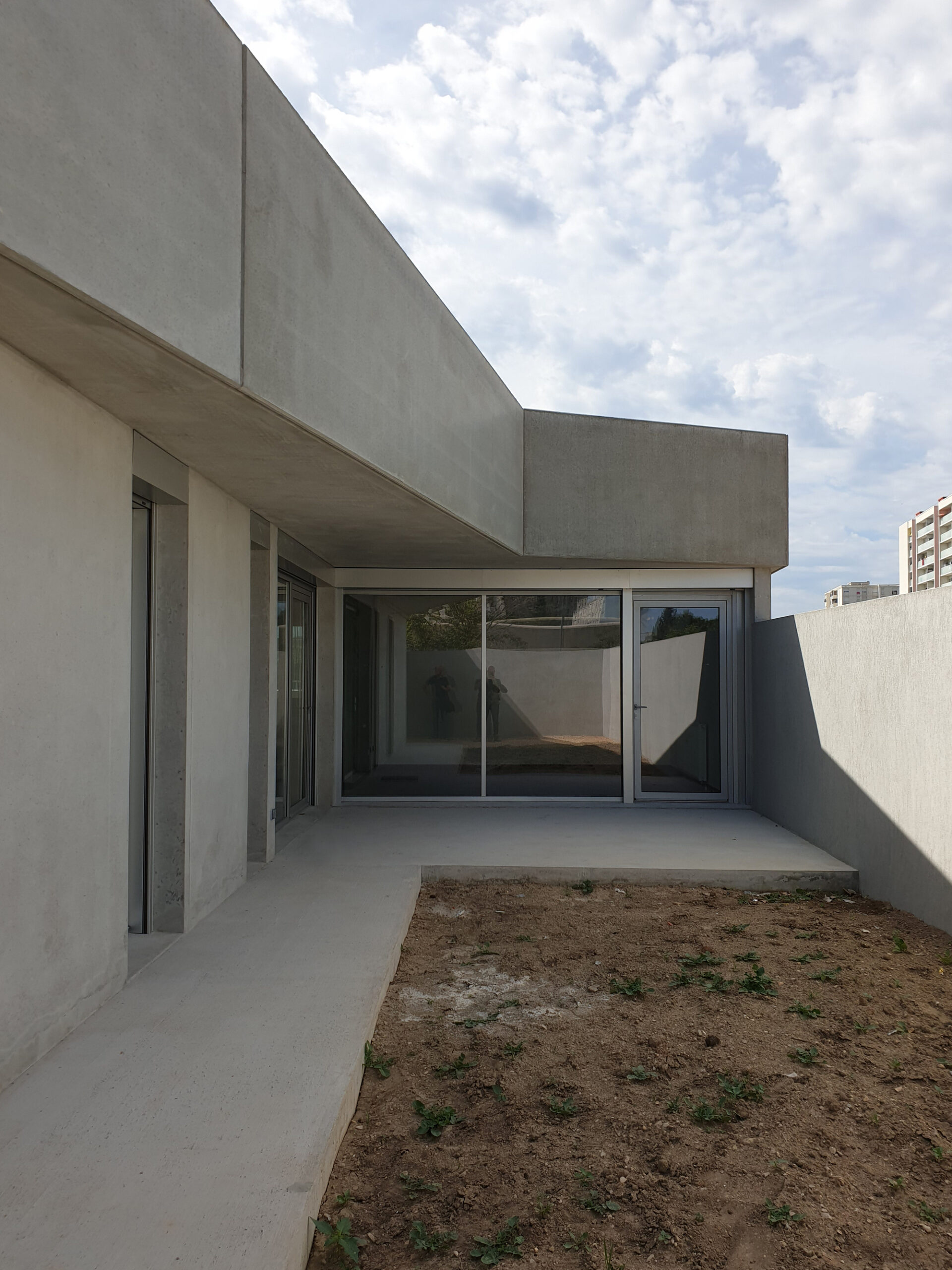
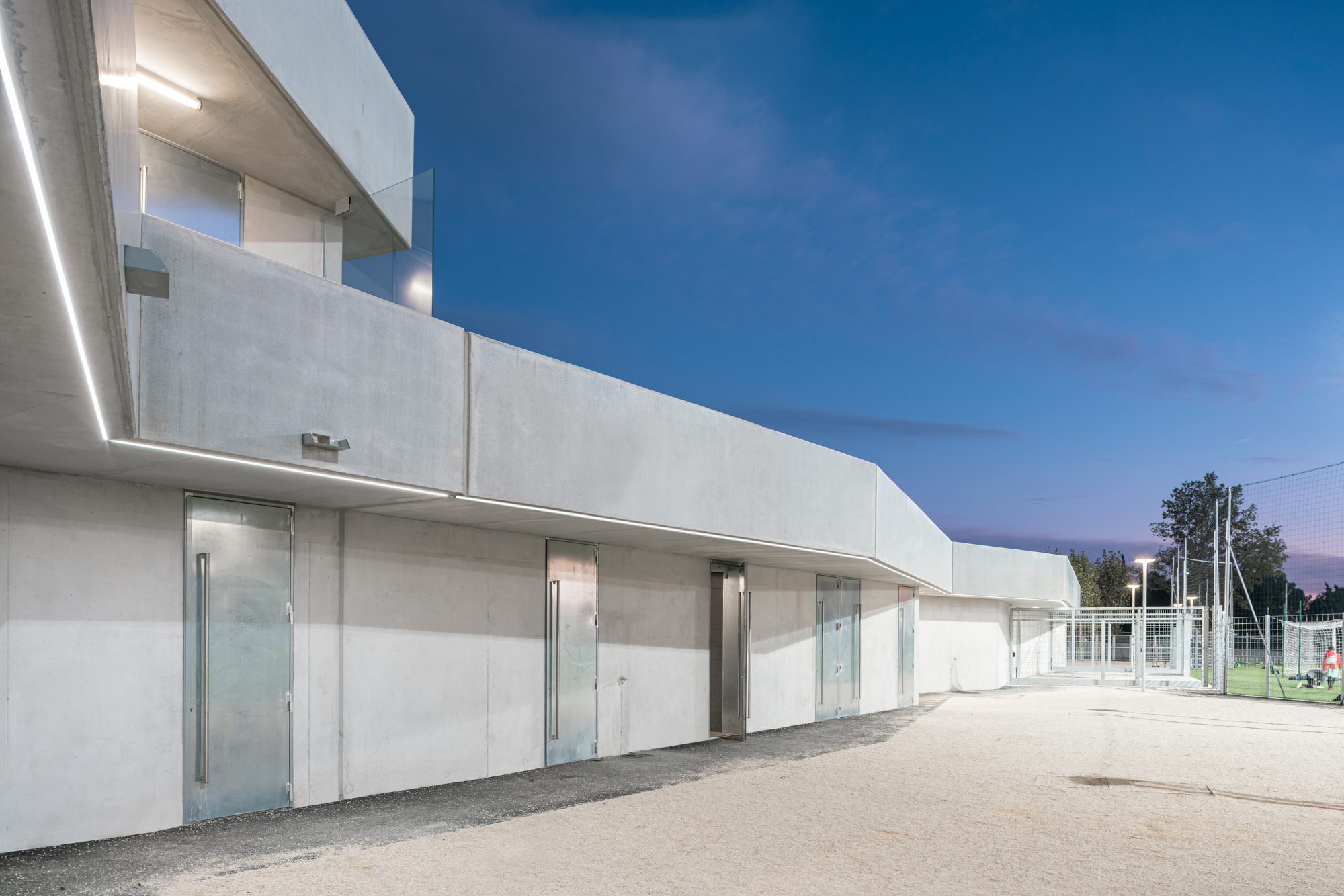
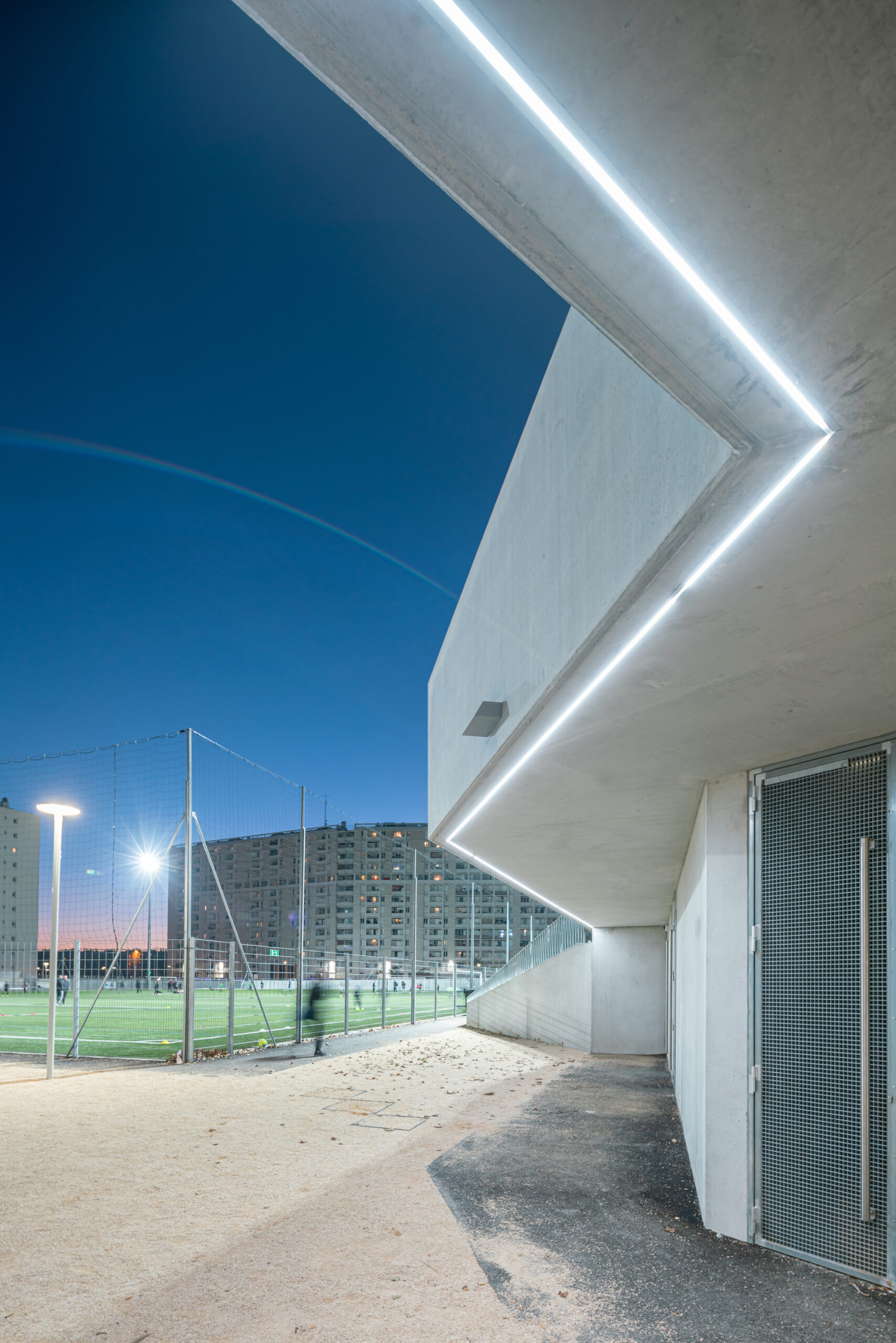
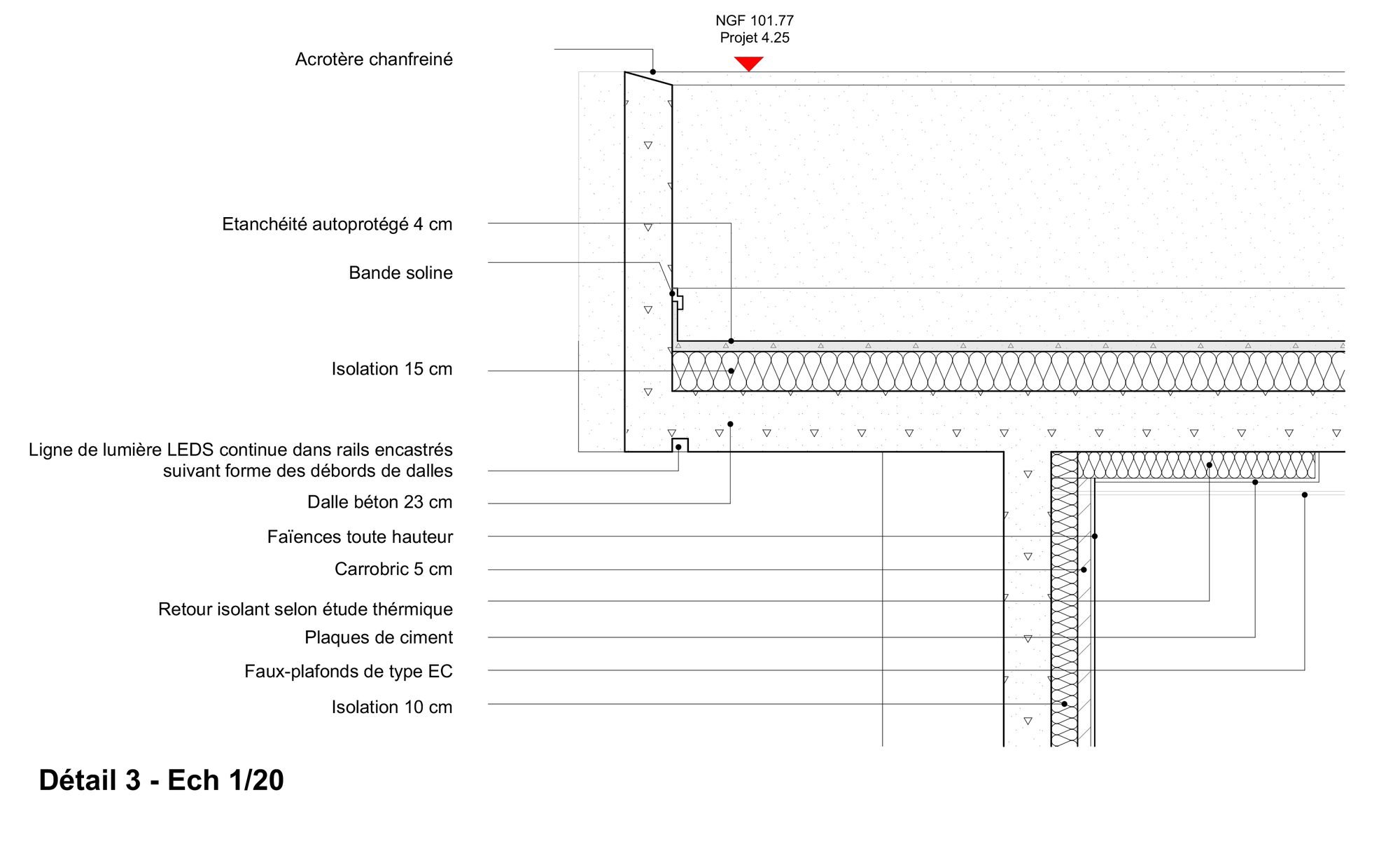
The building in rough formwork concrete, like 2 strips of concrete, 2 strata coming juxtaposed. The slab overhangs protect from the sun and rain, accompany the players’ exit from the locker room and play with Mediterranean light, drawing on the façades changing shadows.
Project Info
Architects: Fabrice Giraud architect, Guillaume Pepin architect
Country: France, Marseille
Area: 900 m²
Year: 2019
Photographs: WE ARE CONTENT(S), Courtesy of Guillaume Pepin architect
Client: City of Marseille


Sophie Tremblay is a Montreal-based architectural editor and designer with a focus on sustainable urban development. A McGill University architecture graduate, she began her career in adaptive reuse, blending modern design with historical structures. As a Project Editor at Arch2O, she curates stories that connect traditional practice with forward-thinking design. Her writing highlights architecture's role in community engagement and social impact. Sophie has contributed to Canadian Architect and continues to collaborate with local studios on community-driven projects throughout Quebec, maintaining a hands-on approach that informs both her design sensibility and editorial perspective.