

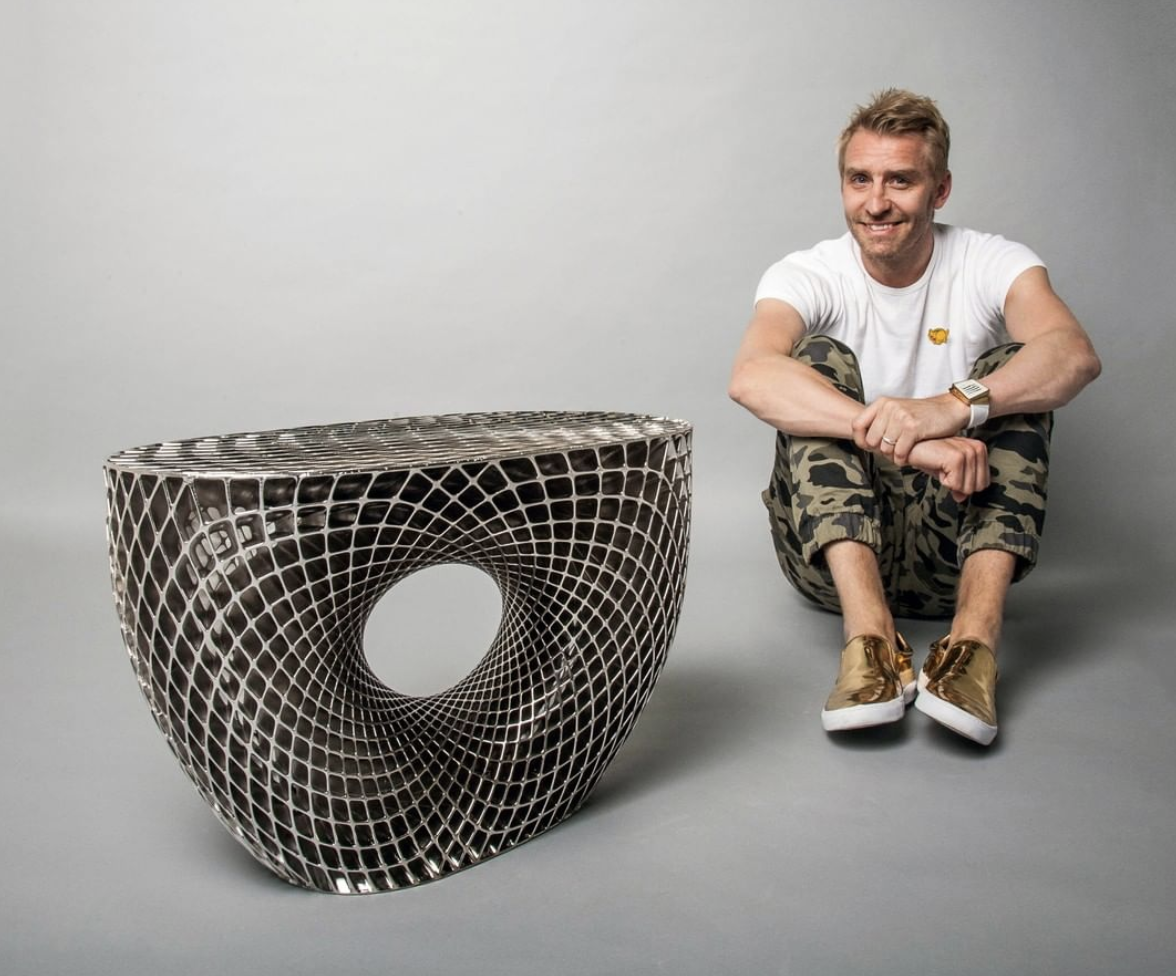
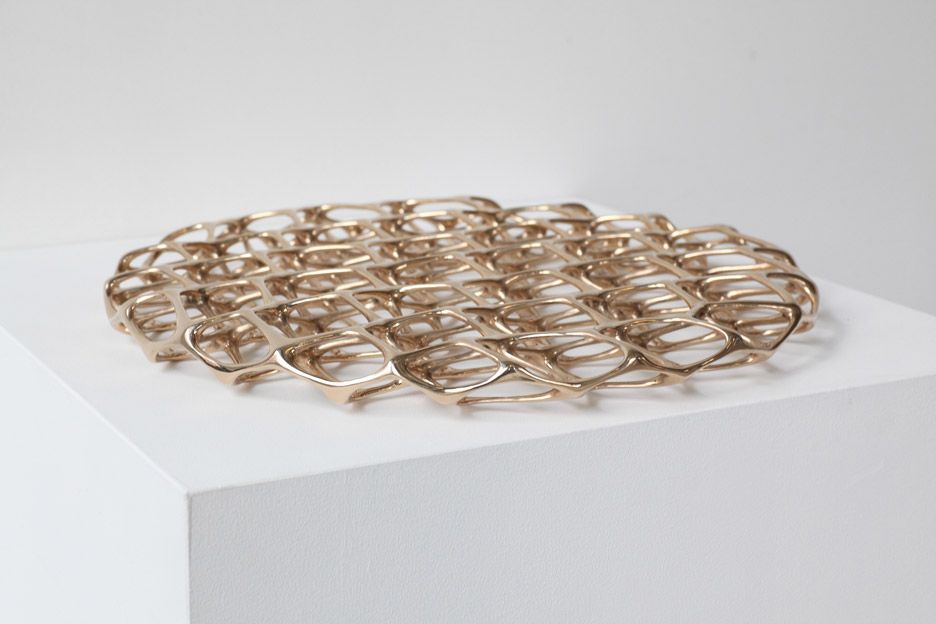
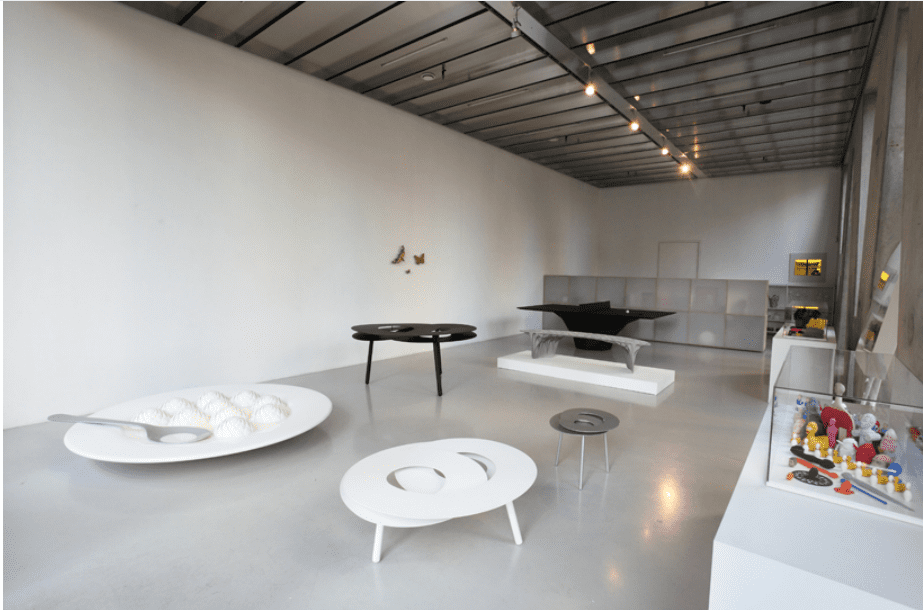
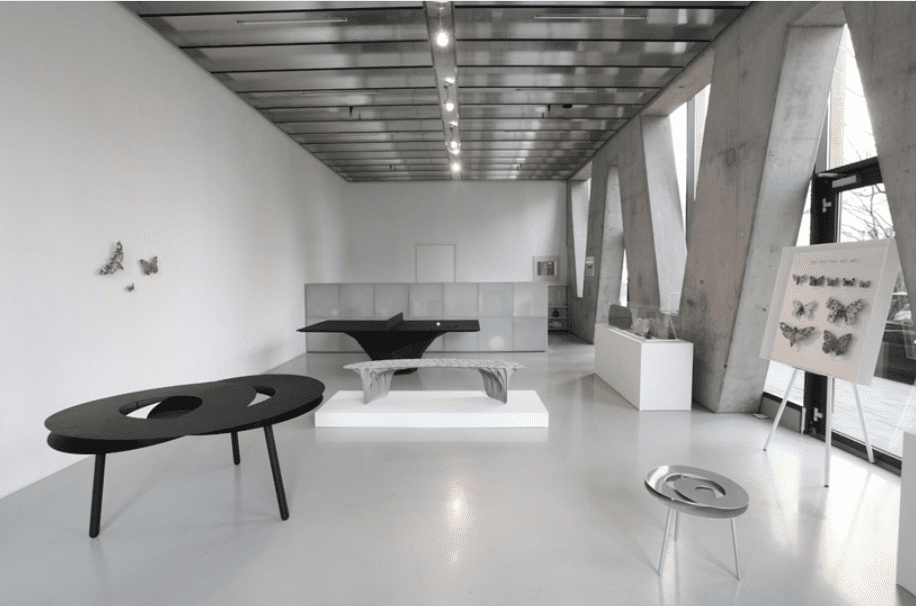
3D Systems, Janne Kyttanen, creative director of 3D systems, presented a sequence of stories using the most recent techniques in the field of 3D printing. Kyttanen explains that the products duration are declining at the same time the quantity of new products are pushed into the market is ever growing. He continues to explain that most products have a generic design for an unidentified target user and with this method of mass production decreases the value for the user and increases waste.
Courtesy of Janne Kyttanen
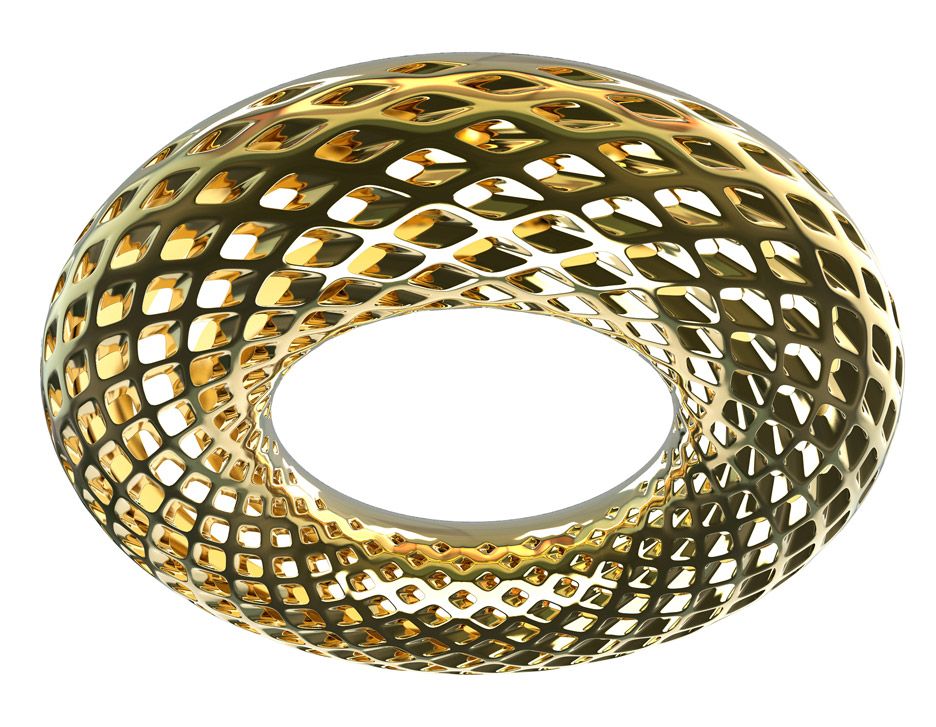
Our world is becoming more technology dependent, decentralized, and connected, a new method of product development, such as Kyttanen, will change the industry forever. The printer allowed anyone to become a publisher, the digital camera changed the way we take pictures, and the future generations wont even know what a tape player is thanks to mp3s. It was bound to happen that consumer products would follow a similar path as the mp3, digital camera, and printer. This will allow users to create their own products with their own designs. Kyttanen believes that this will increase value for the consumer and decrease waste.
Courtesy of Janne Kyttanen
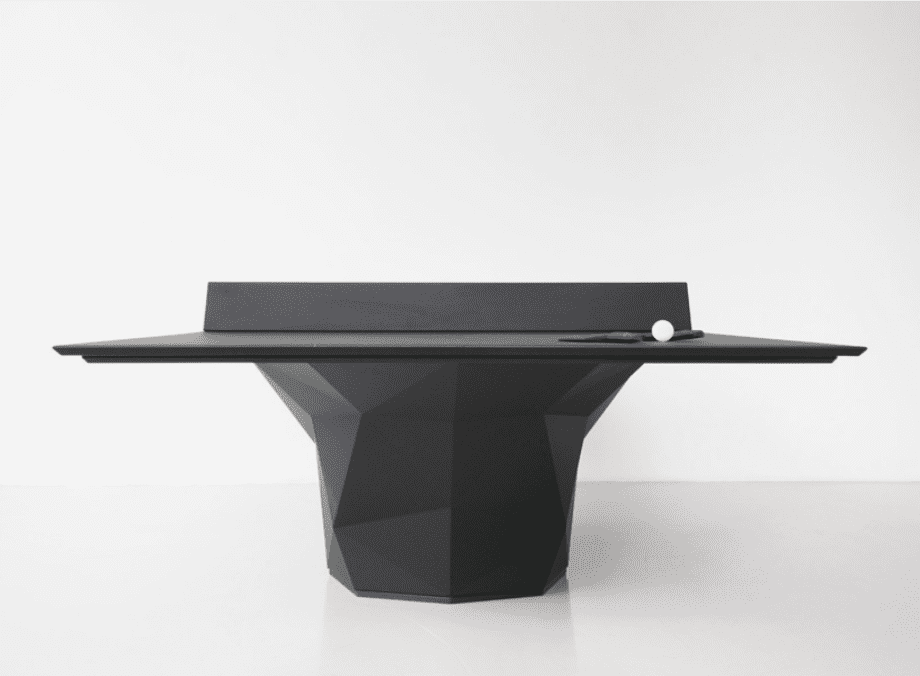
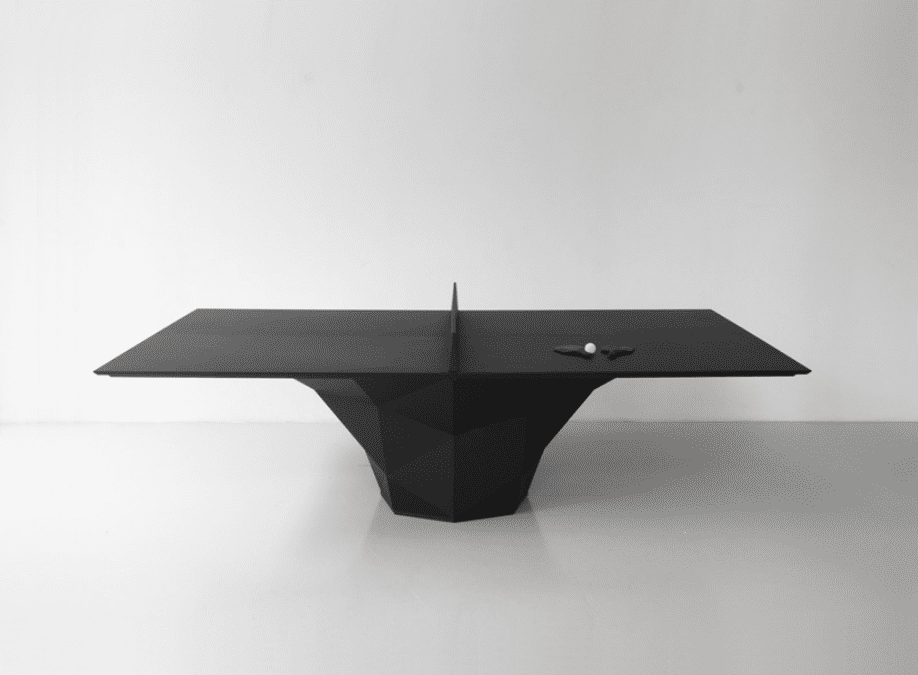
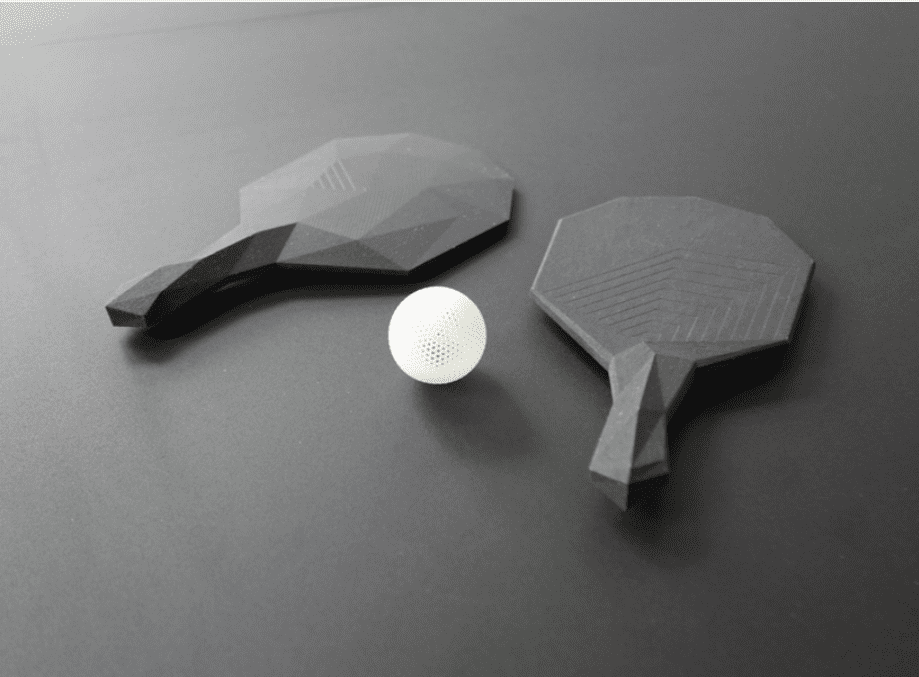
The first product that is presented is the ping-pong table with custom paddles and ball, which he calls the Deceptor. Kyttanen says there are two aspects of his life that he can’t function with out and those two are sport and art. “Through my pursuit of these disciplines I have learned that physical and artistic boundaries are non- existent” he adds. He was ranked 49th in the world for professional squash players in 2000. His peers maintained that it would be impossible for him to mix sport and art, which he proved them wrong.
Courtesy of Janne Kyttanen
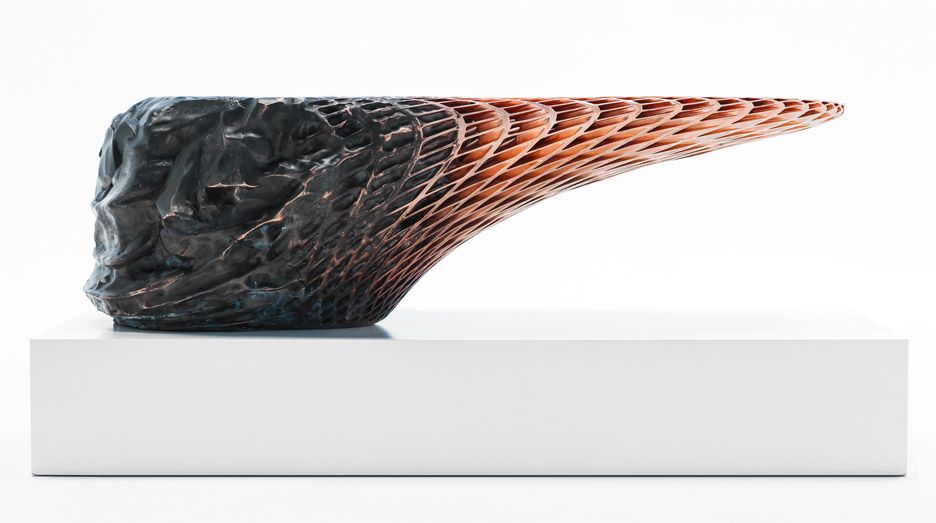
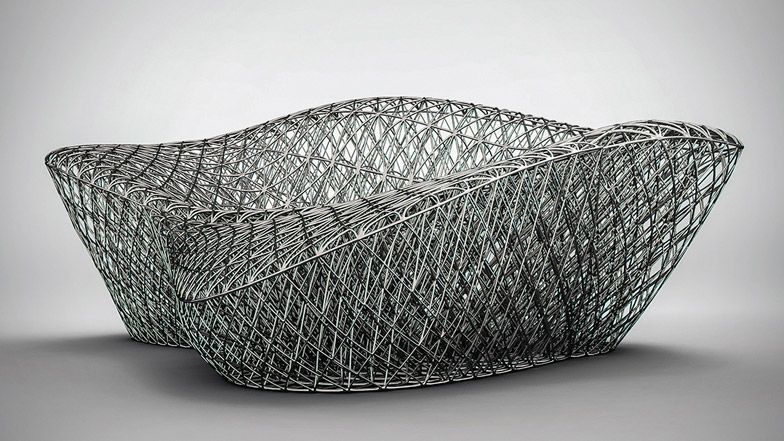
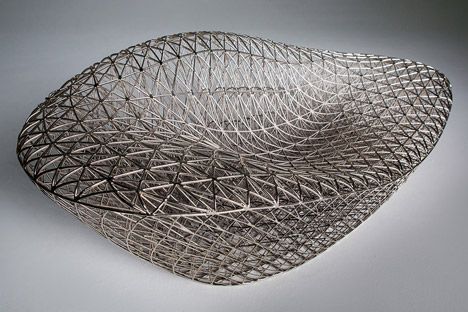
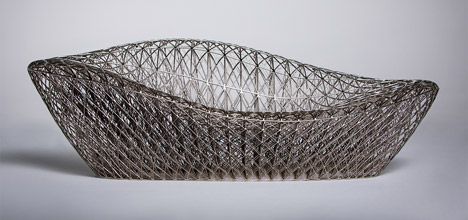
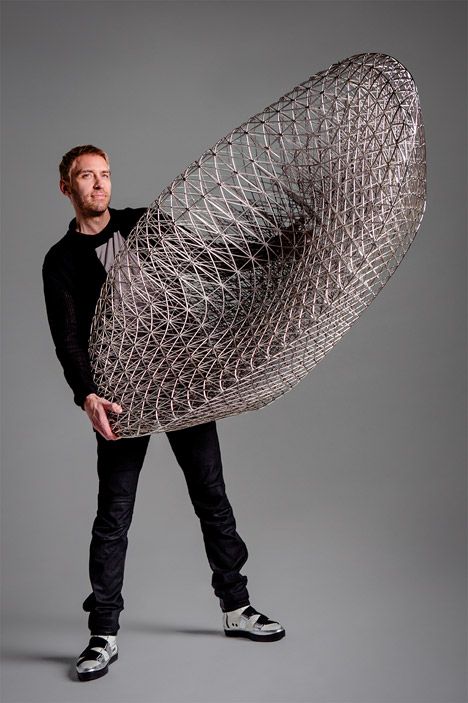
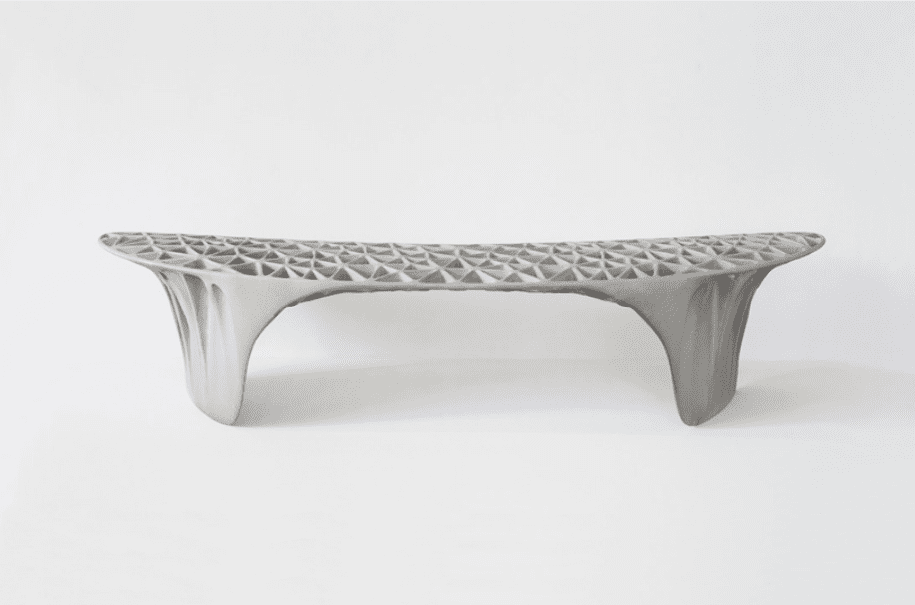
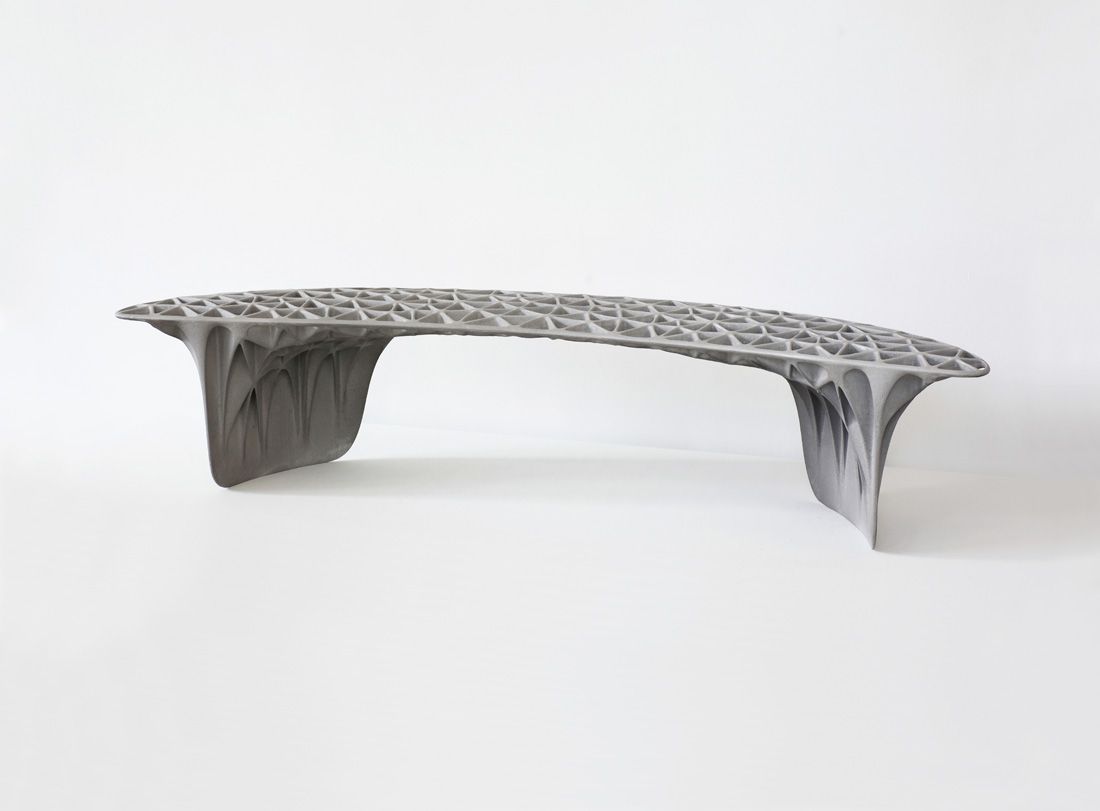
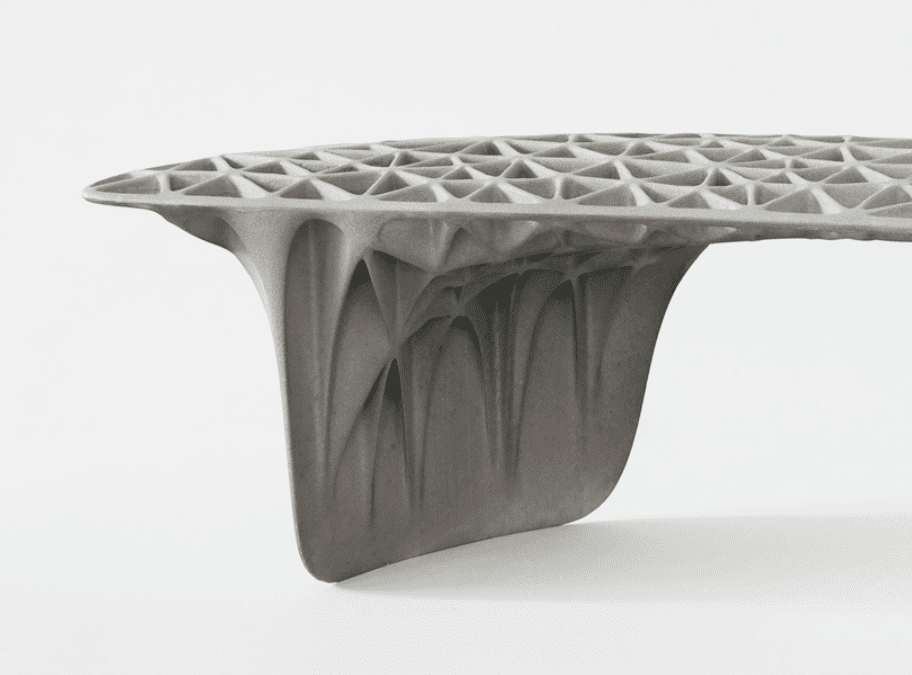
The next product in the series is the Sedona bench. The red rocks of Sedona influenced the design. He took the natural formation of the rock patterns and applied them to the bench it self. Interpreting the patterns of the peaks and plateaus, he twisted and turned a bridge into “the organic and the inorganic.”
Courtesy of Janne Kyttanen
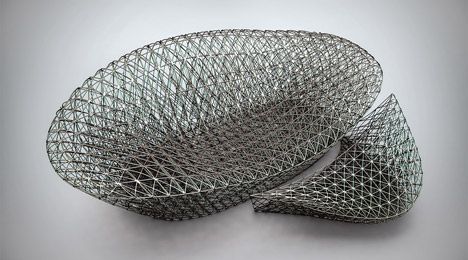
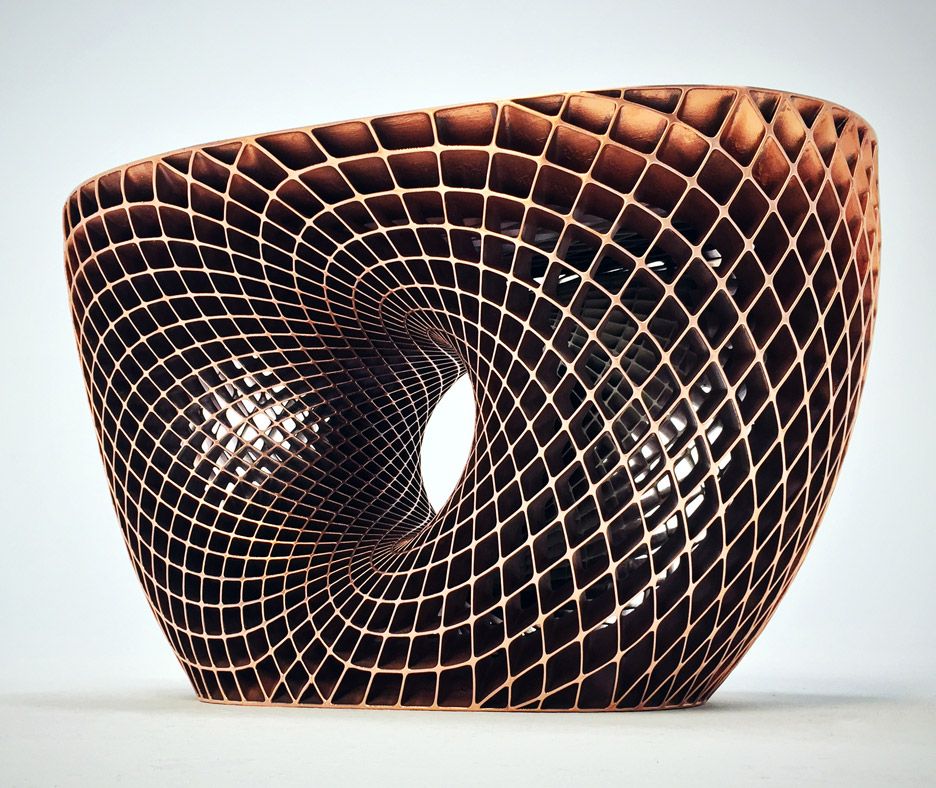
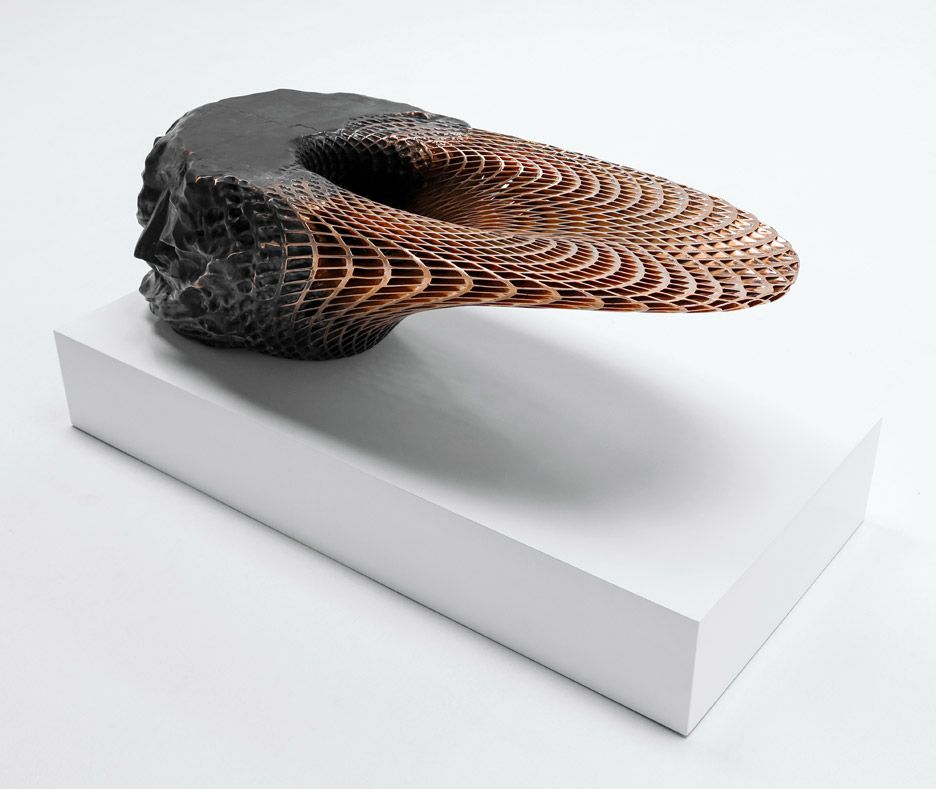
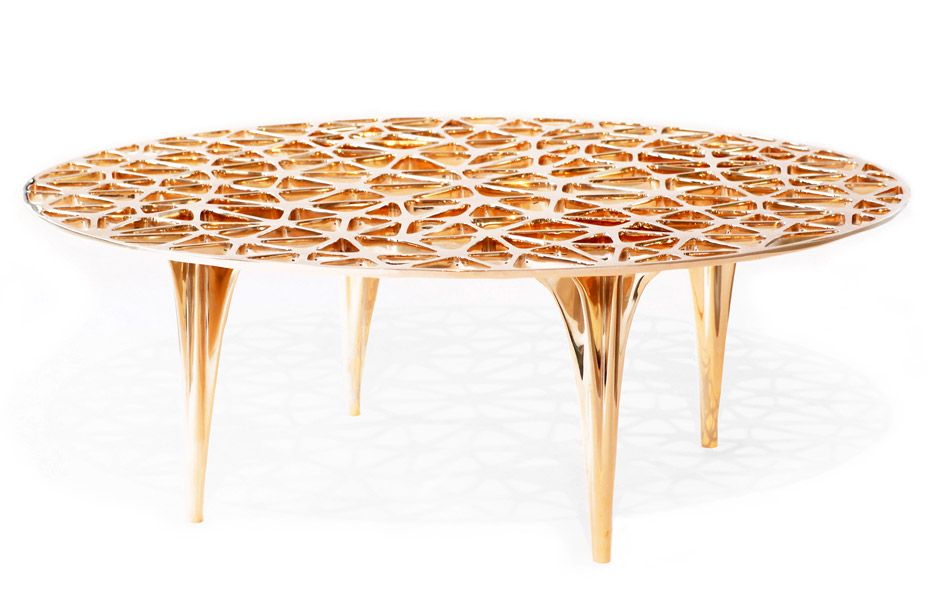
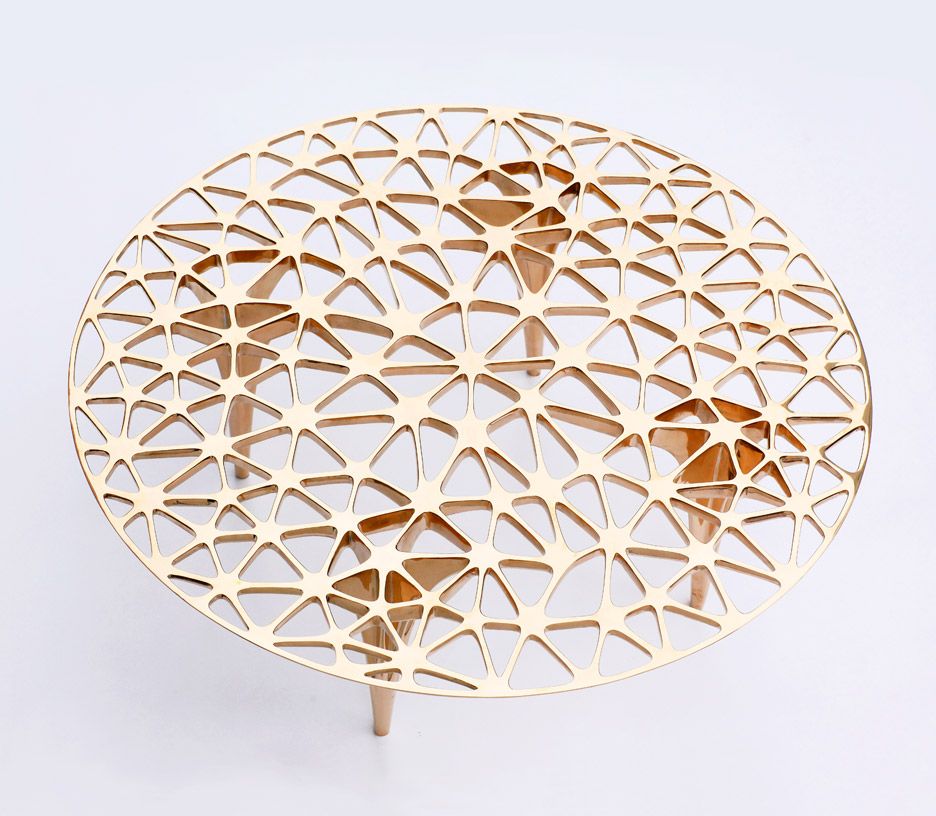
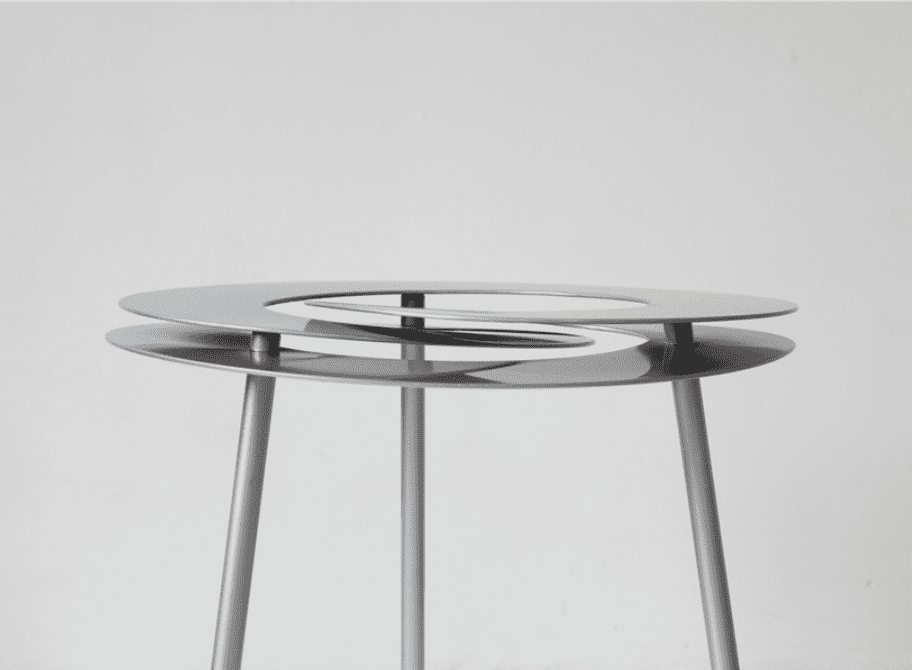
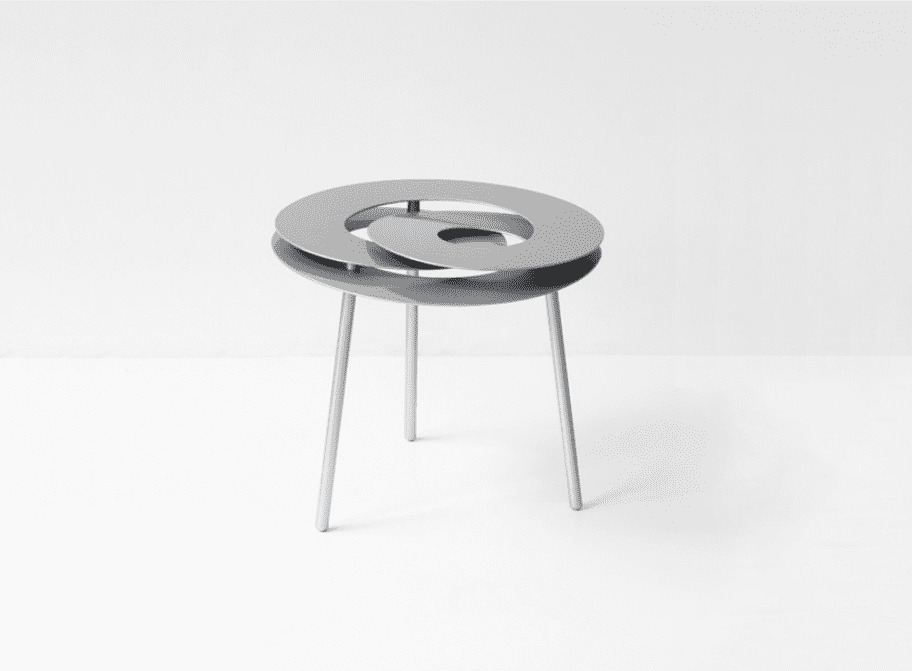
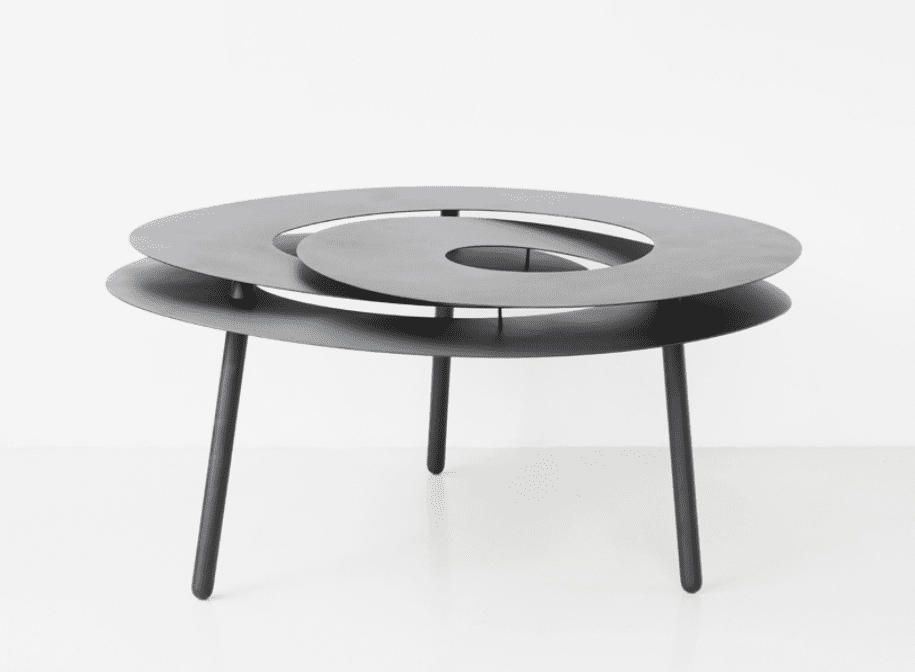
A rollercoaster table is the final product in the 3D printed design sequence. “ I imagine that if you could take and aerial photograph of my brain, it would resemble the intricate construction of an LA highway…” Says Kyttanen. The notion of scale is what inspires the design method and drives him to experiment supplementary with the mindset of what constitutes the reasonable scale of an object. This method he explains, “takes him on a rollercoaster”, and makes him speculate of all the possibilities on design.

Anastasia Andreieva is an accomplished Architectural Projects Editor at Arch2O, bringing a unique blend of linguistic expertise and design enthusiasm to the team. Born and raised in Ukraine, she holds a Master’s degree in Languages from Taras Shevchenko National University of Kyiv. Her deep passion for architecture and visual storytelling led her to transition from translation and editorial roles into the world of design media. With a keen eye for conceptual clarity and narrative structure, Anastasia curates and presents global architectural projects with precision and flair. She is particularly drawn to parametric and digital design, cultural context, and emerging voices in architecture. When I’m not analyzing the latest architectural trends, you’ll probably find me searching for hidden gems in cityscapes or appreciating the beauty of well-crafted spaces. After all, great design—like great connections—can be found in the most unexpected places. Speaking of connections, because architecture isn’t the only thing that brings people together.