


When we invite friends and family around, they swarm into our living rooms, making these spaces the social hubs of our houses. To ensure accessible communication, we must arrange the furniture in the living room accordingly. However, it can be challenging if your living room has an unconventional layout with plenty of nooks, crannies, and sharp angles.
In this article, you’ll discover living room layout ideas, tips, and tricks for rearranging your living space if you’ve got a bizarre configuration that will make your interior design style better right away. We’ll examine various living room layout ideas, from the traditional two-story room to the more unusual L-shaped arrangement.
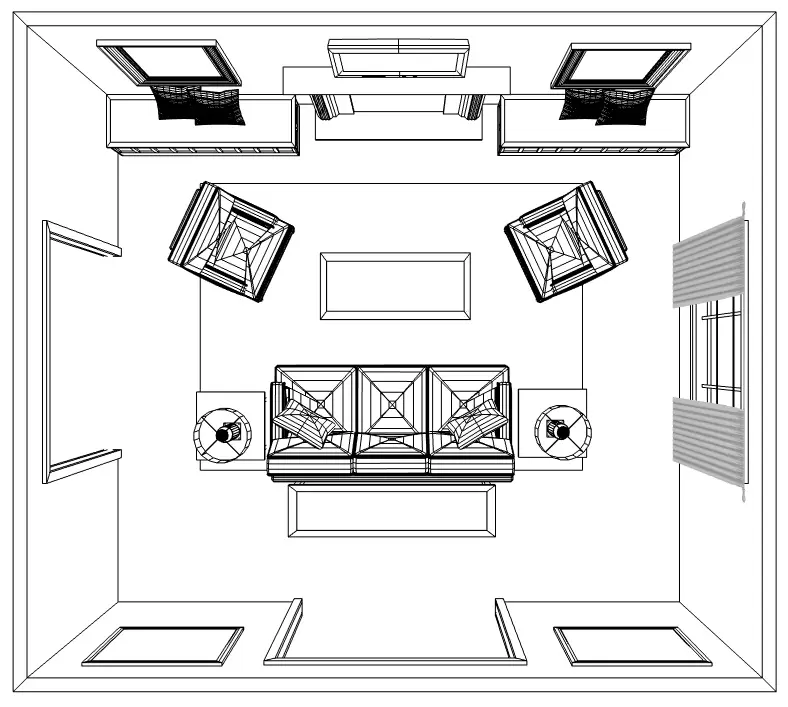
©homeinteriorpedia.com
What Is Awkward Living Room Layout Ideas?
A living room might appear uncomfortable for a variety of reasons. Examples include: A small living room or a wide, narrow space might seem awkward since there needs to be more room for your sofas, coffee table, bookshelf, and extra seats.
Even if the living area is pretty spacious, a room with unusual architectural or uncomfortable proportions, such as an alcove or sloping walls, might feel challenging to design and difficult to place furniture in.
Fortunately, this is a common challenge that a reputable interior designer, such as Febal Casa, can help resolve. They can see the potential in unconventional spaces, transforming a room’s most awkward features into its most defining and successful elements.
Having an uncomfortable living room isn’t always a shameful experience! It nevertheless provides many creative alternatives for designing a cozy and pleasant space to enjoy with your loved ones. Let’s see how’s that even possible!
10 Tips & Strategies For Awkward Living Room Layout Ideas
It is achievable to handle a living room with an odd layout since there is always a solution for any design. All you need to do is use some creative interior design tips and techniques to create a fashionable place that works wonderfully for you. Here is our ultimate guide for awkward living room layout ideas.
1) Begin With a Bang
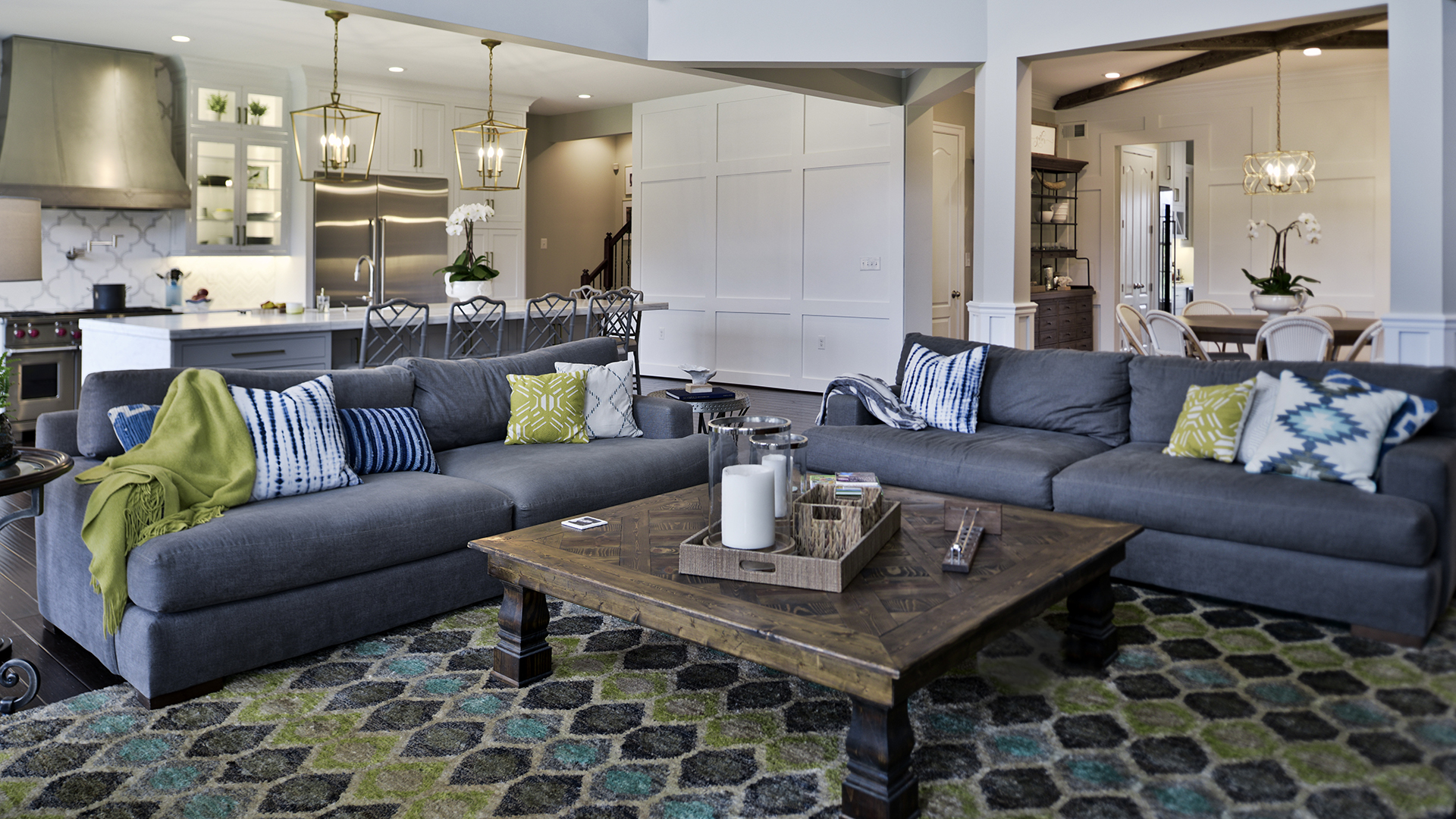
©Michaelnashkitchens.com
Getting the structure of a living room right before worrying about the area’s furnishings and accents is crucial. Locating the most prominent wall and putting the most significant piece of furniture against it will clear up space for the rest of the room’s furnishings. Rather than trying to fit everything around the accent pieces, focus on the main parts of the furniture.
2) Dislodge The Sofa from The Wall
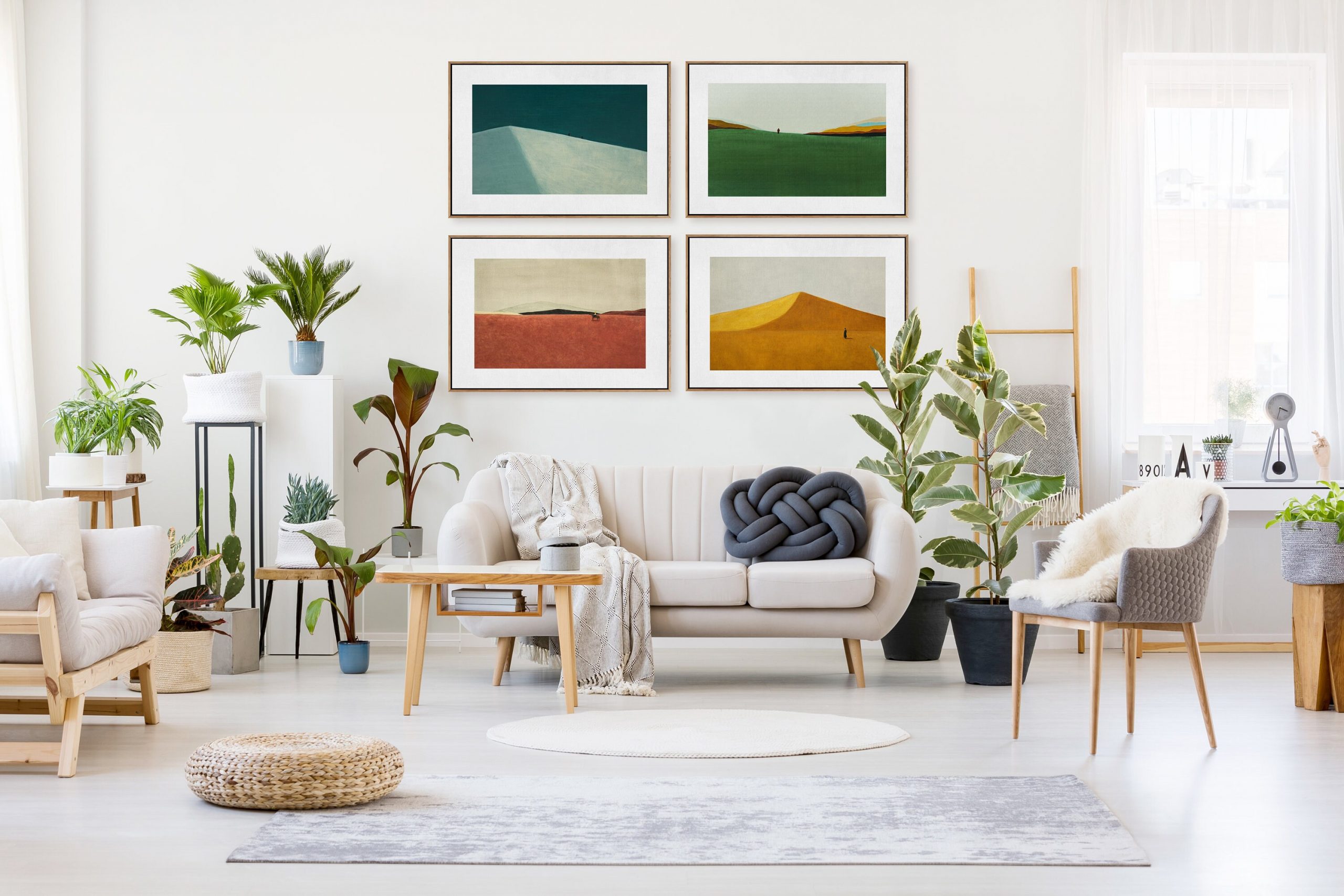
©Easysuger.com
Suppose your living room has a lot of oddly slanted walls or less wall space at all. In that case, the wisest choice you would make is to place furniture away from the walls, especially the sofa. By positioning the couch in front of the television, window, or bookshelf rather than against the wall, you will create a warmer room with an intimate seating area. You’ll also free up space on the wall for shelves, hanging artwork, or other storage purposes.
For a functional living room arrangement, make sure there is enough space behind the sofa to walk and put an end table adjacent to the couch.
3) Ensure Proper Lighting
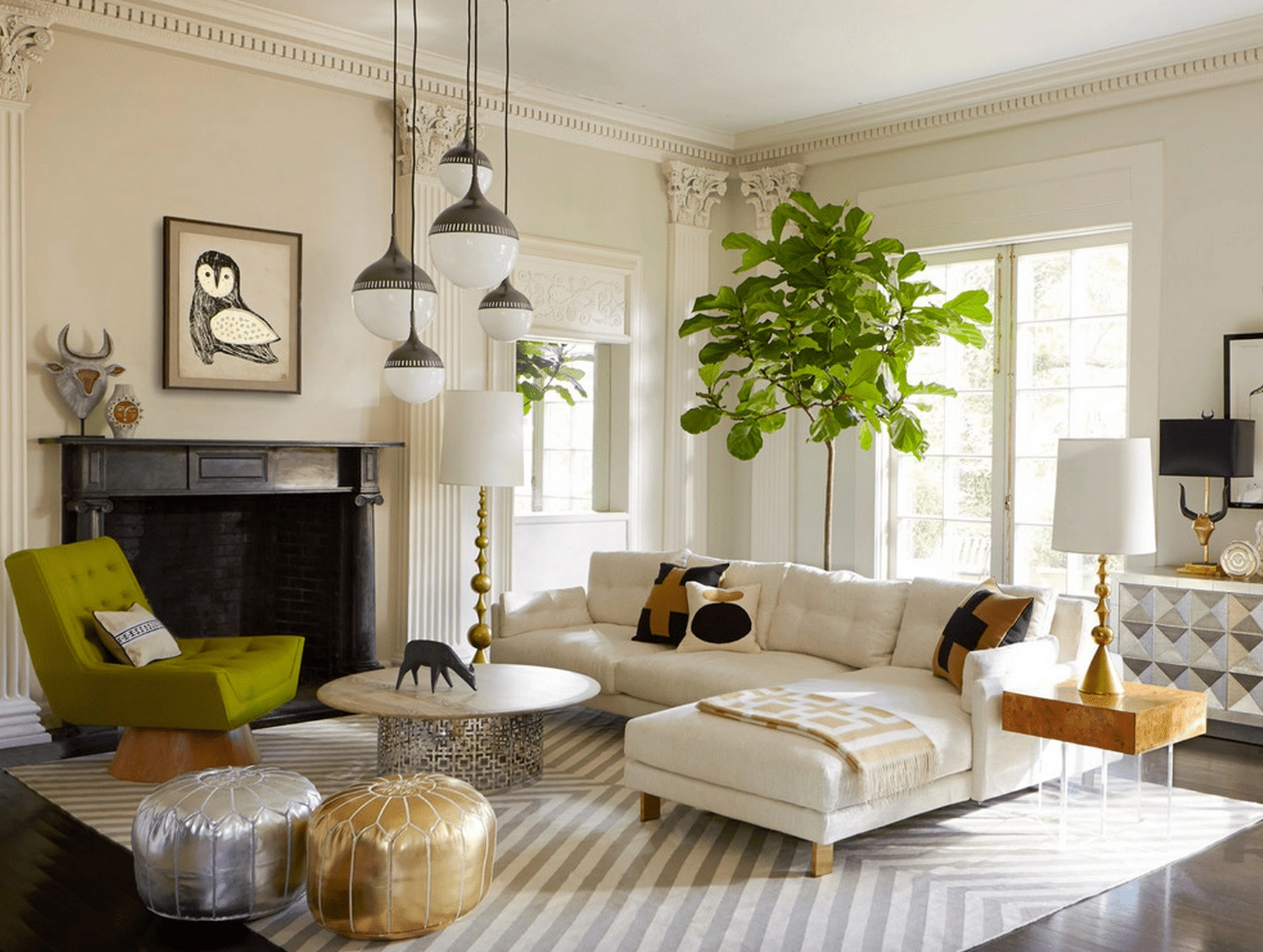
©foter.com
When it comes to interior design, lighting is essential. When the lighting is perfect, any area can seem cozy and welcoming. However, solid or inappropriate lighting can also showcase any problematic parts. Try to blend different heights of table and pendant lighting throughout the space.
You want to achieve a glowing effect, so add some candles or sparkling lights if that is your thing. Recessed light fixtures may be the best option if you have a low ceiling.
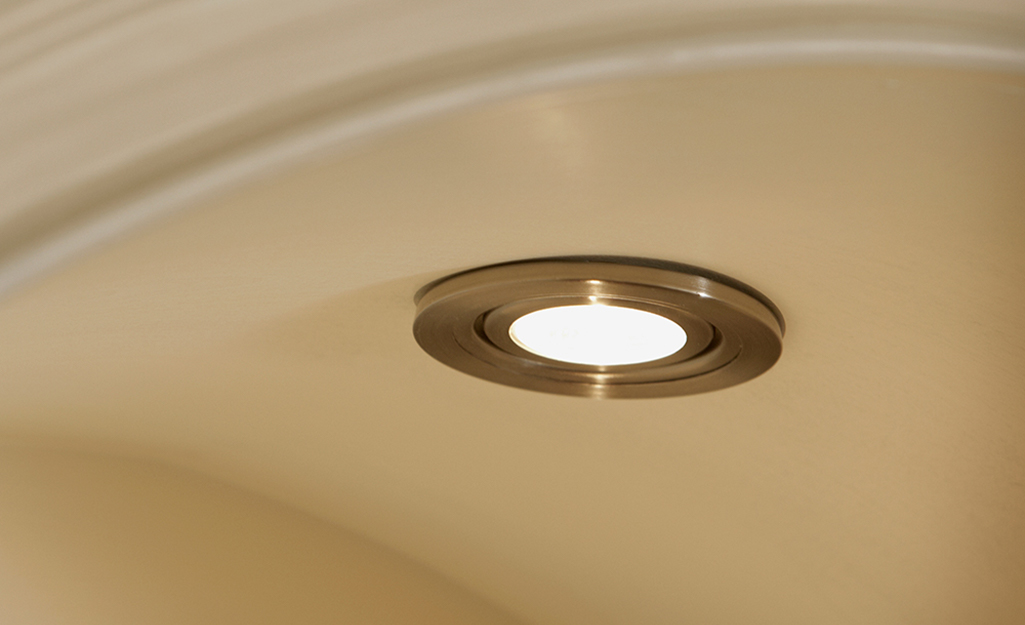
Recessed Lights Ceiling ©store.awicontech.com
4) Lighten Up Your Furnishings
©English Blinds
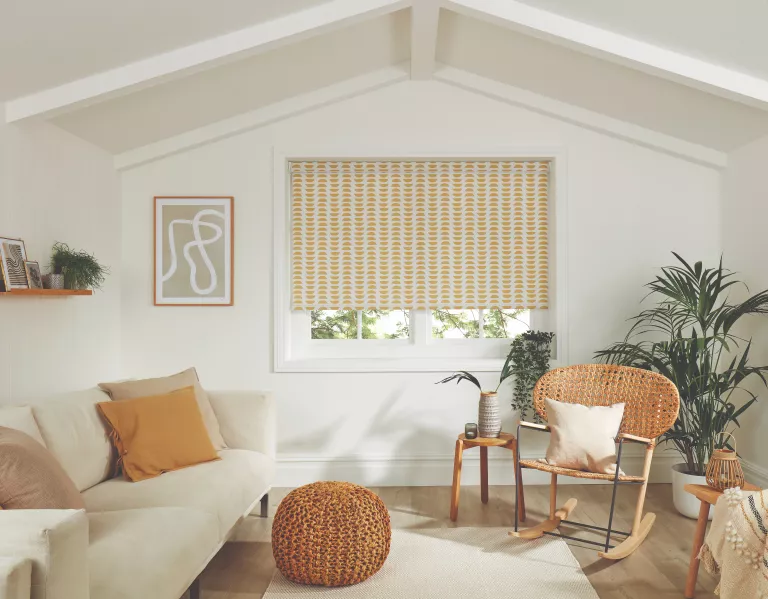
Maintaining the furnishings in the living room in a bright hue may be worthwhile to divert attention from the odd layout. If your living room is small, consider using light-colored paint or wallpaper to make it more spacious.
5) Zone Your Space
©northnik.com
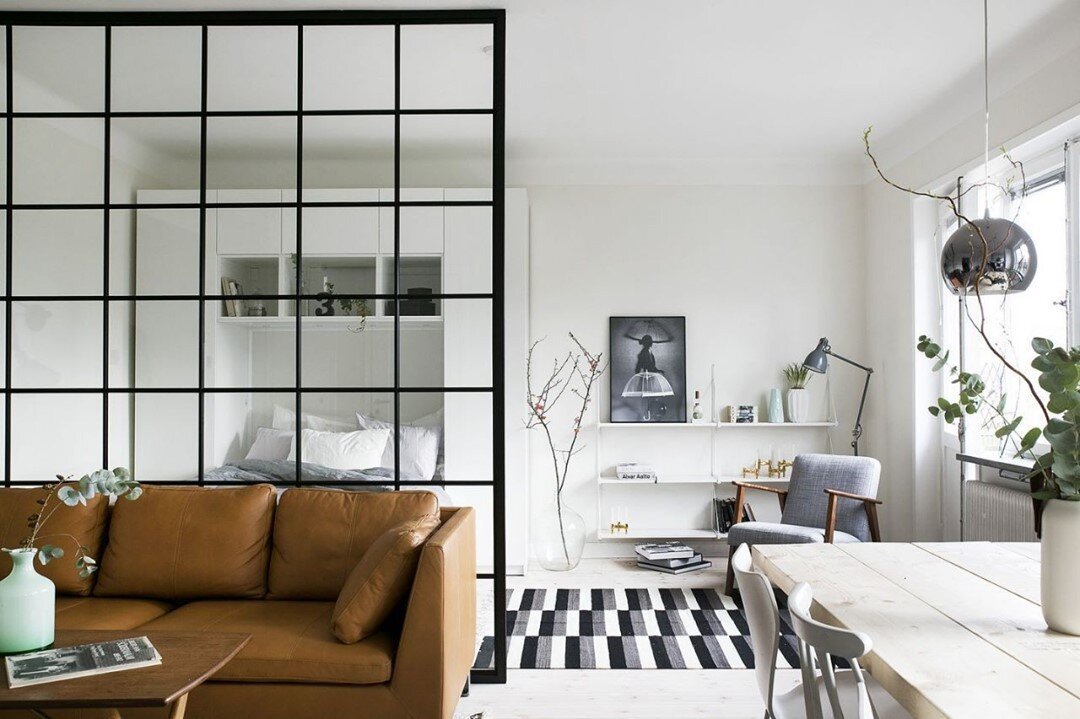
By dividing your living room into two or three distinct areas, you can make the most of even the most strangely narrow living room. A comfortable reading nook apart from the main space or TV viewing zone is a great way to utilize dead space or reduce noise from occupancy. The use of swivel chairs is a lifesaver in living room layout ideas.
6) Capitalize on the Ceiling Area
©Beut.co.uk
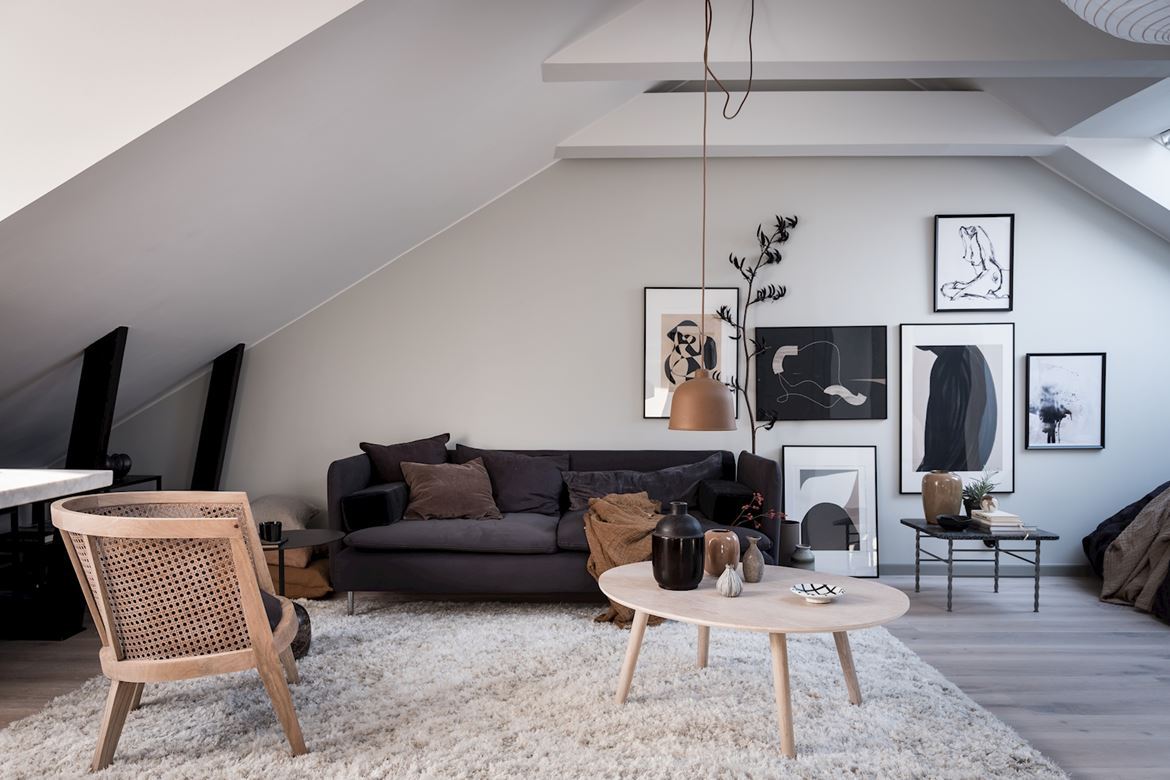
There are various possibilities when space is truly restricted and challenging. The trick with this living room with a slanted ceiling is to maintain the space light and spacious. The best alternative is to paint the ceiling white, and if you want to add color, do it on the distant wall.
Feel free to maximize your wall space at different heights. Keeping the same sight line can emphasize the awkwardness of a room by drawing attention to the portions, not in use.
7) Choose Moveable Furniture
©qualityaim.com
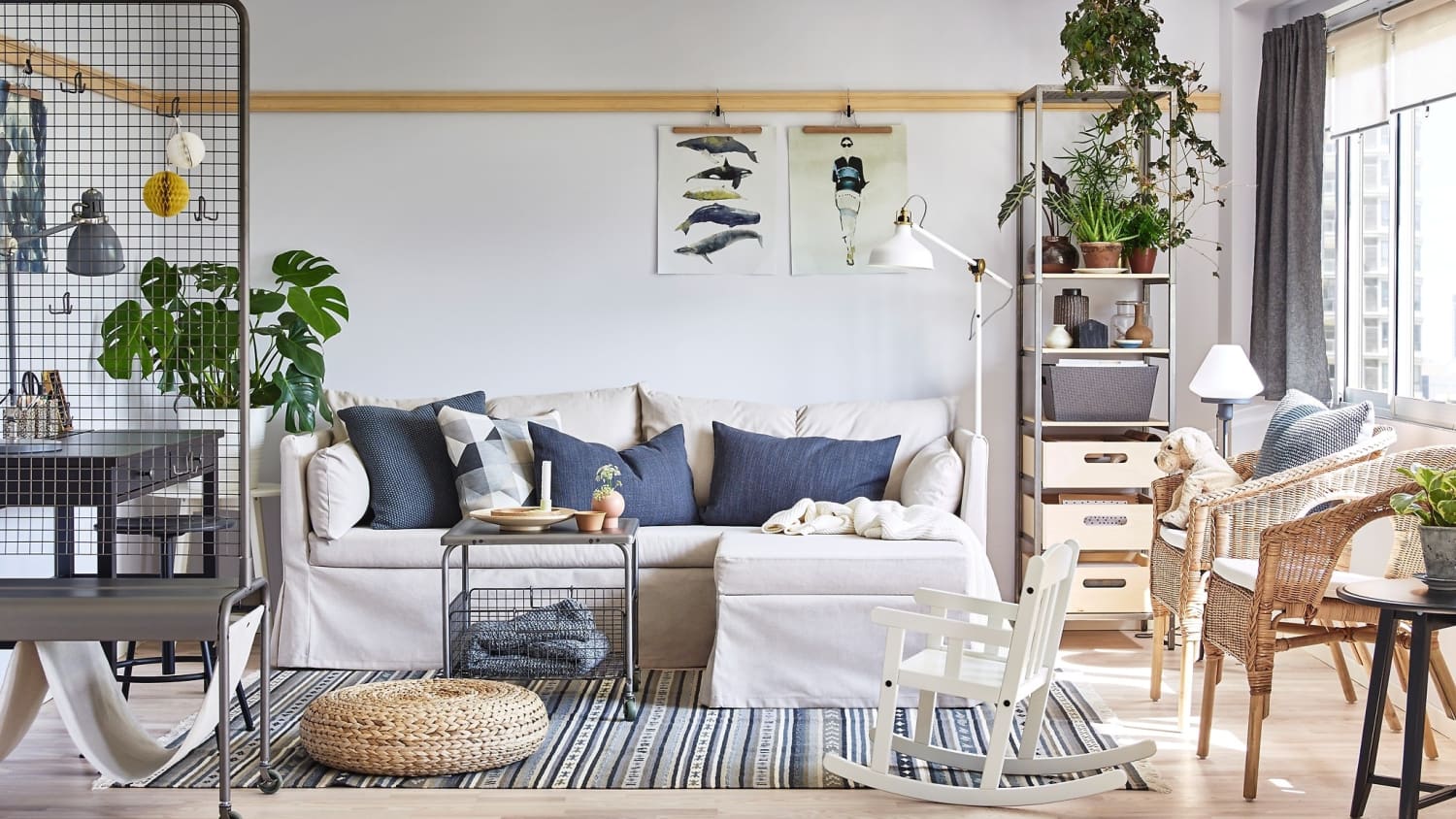
Choosing versatile furniture can be effective, especially for small living room layout ideas. Because furniture placement is vital in your interior design, consider using more “separates,” like one sofa and two armchairs instead of two sofas. Smaller furniture pieces are considerably easier to arrange; nonetheless, adaptable and less sturdy objects are a better choice.
People often think that coffee tables are necessary, but a side table traveling around the room would be a much better choice. You could also put a tray on top of a soft ottoman step stool to balance drinks, use it for additional storage, or serve as extra seating when guests come over.
8) Reduce the Complexity
©livinator.com
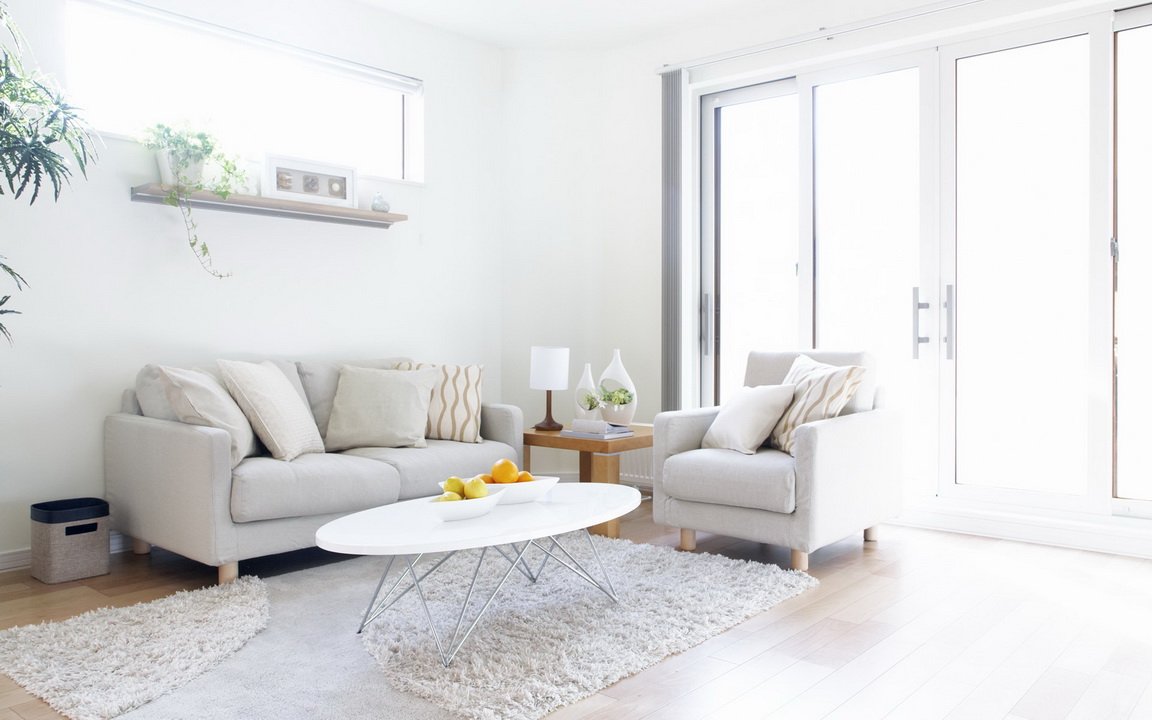
Even without furniture, an awkward living room may be visually appealing as they have unique alcoves and tilted walls. So, accepting a room’s characteristics is sometimes the best.
That means the interior design should be straightforward. Do not clutter your living area with furnishings and artwork. Keep the room’s function in mind while designing and furnishing—sometimes less is more. A minimalist approach can make it feel like you have more capacity than you ever thought.
9) Prevent Blocking Doorways
©yacineaziz.com
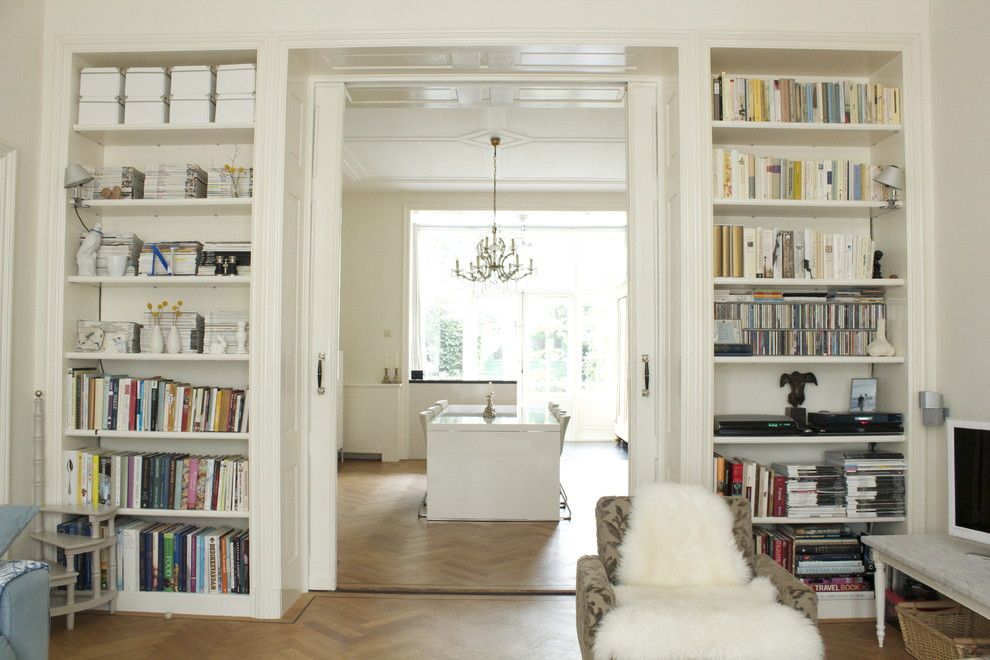
A living room flow is all that matters. A home’s living room is usually centrally positioned, getting a lot of occupancies. The room’s flow depends on floor area and furniture placement, so avoiding doors is necessary. Even in a small living room, you may be motivated to relocate a sofa or chair closer to the entryway to provide more space, making the area harder to maneuver.
Your ideal solution is to choose smaller pieces of furniture and position them so you can move around the room without obstruction. Place small items in corners or odd spaces to improve traffic flow.
10) Rectangular Living Room
©gregnatale.com
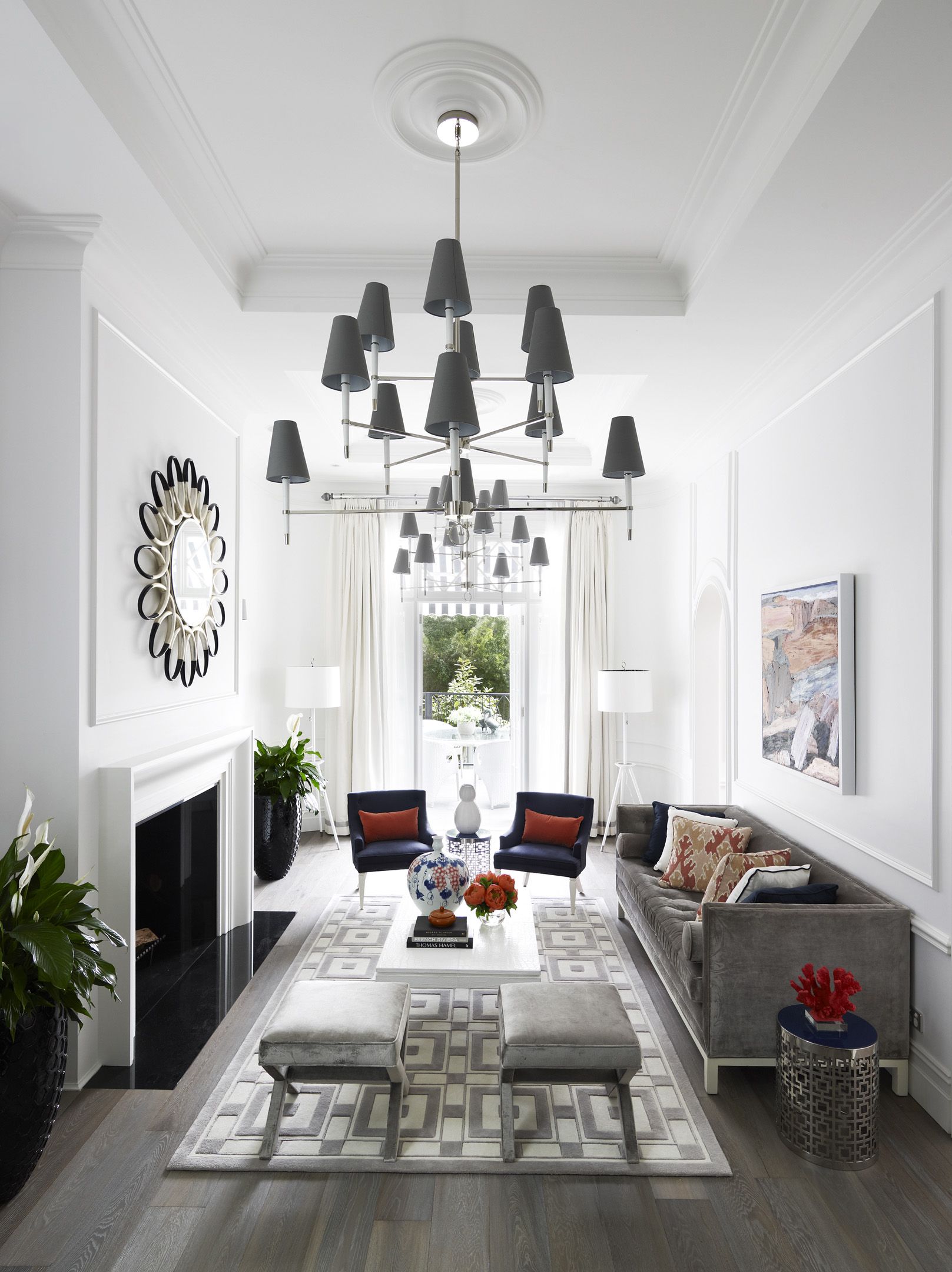
Most living rooms are rectangular, often dubbed “narrow living rooms,” yet this does not disqualify them from feeling regarded as awkward by some. Awkward is a subjective phrase, meaning it affects everyone differently. The truth is our eyes can become bored of seeing rectangular shapes. You’ll notice rectangle shapes everywhere; rectangular TVs, rectangular artwork, and rectangular rooms.
So here are the ultimate rectangle awkward living room ideas. Interior designers propose that anyone in this situation choose round shapes. Begin with a circular piece of center furniture, such as a round table or ottoman. Second, position the furnishings in a circular pattern. You can also arrange the armed chairs and sectional sofa around the ottoman or round table.
Hopefully, you’ve gotten a lot of living room layout ideas for your awkward living room, despite its unusual shape. Always remember that you can make your living room inviting and comfortable regardless of size, layout, or style. With these guidelines, though, it can additionally be functional and valuable.
FAQS:

Aly Bayoumi is an editor with a sharp eye for detail and a deep commitment to clarity and precision. Passionate about architecture and design, he sees every project as an opportunity to shape compelling narratives that bring creative visions to life. With a focus on accuracy and engaging storytelling, Aly combines editorial expertise with a dedication to elevating the voices and ideas that shape the built environment.