


What are interior design styles? Interior design is a field that focuses on designing spaces and layouts of a building to create a pleasant and functional atmosphere. In other words, it’s the art of choosing the right colors and materials, arranging furniture in the right places, and creating layouts that enhance the aesthetics of available space.
The history of interior design dates back over 500 years. It was first developed as an architectural theory and practice in ancient Greece and Egypt. Ancient Greeks were among the first people to study space, light, and other elements that influenced how humans perceive beauty when it comes to architecture. In addition, Greek architects were among the first innovators to use geometry principles to understand how different geometric shapes relate to each other through proportions when designing buildings.
There’s always a style for every preference, which will be discussed in the following points, providing an ultimate guide for the five most utilized interior design styles.
Interior design styles:-
1) Rustic interior design:
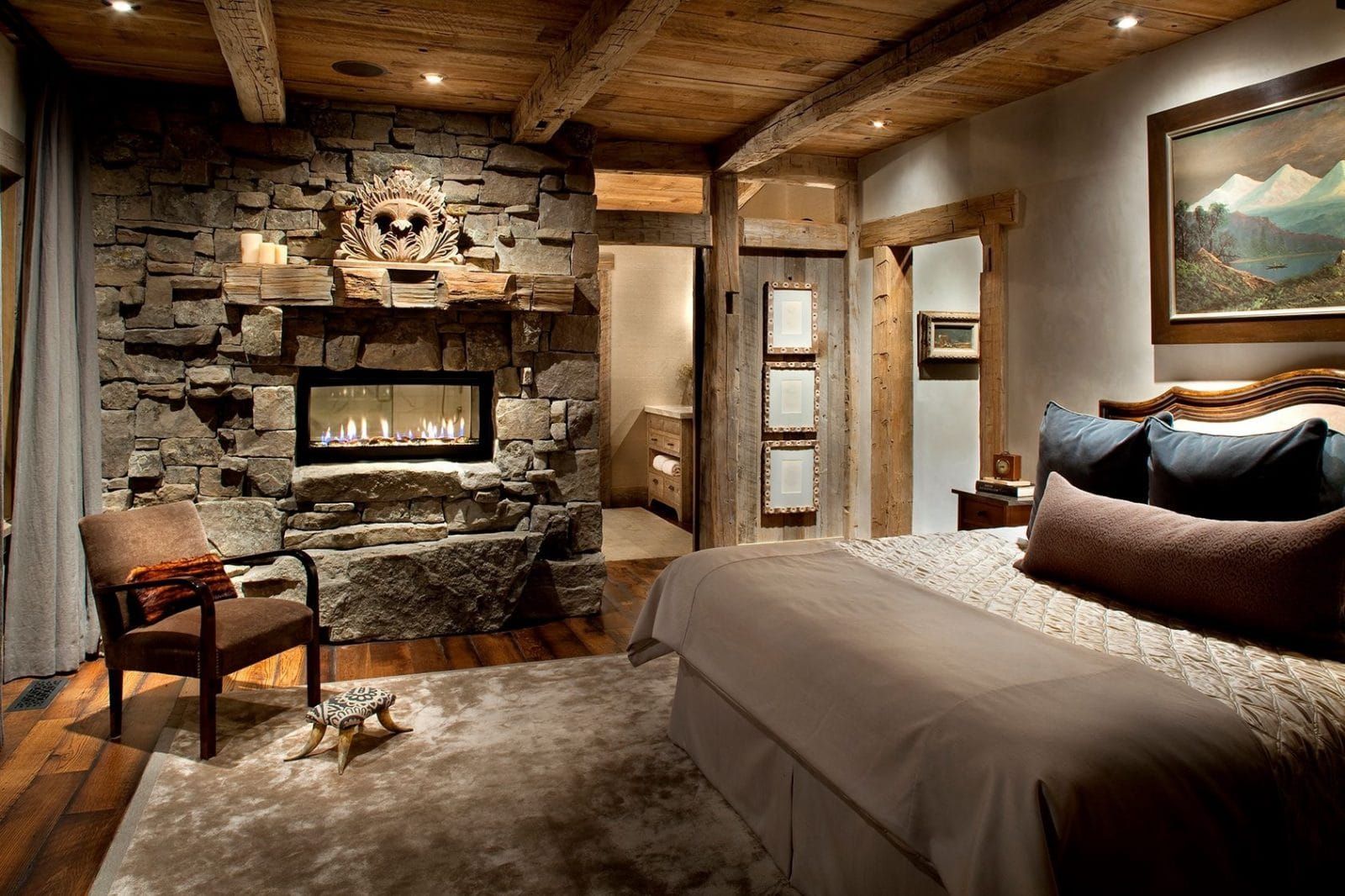
Aesthetically, rustic interiors are characterized by soft, earth-toned colors such as browns, tans, light beiges, and gold to give the impression that they are part of the furniture. Inspired by nature and bringing earthy-toned colors into your home, rustic interiors are more simplistic and less sophisticated than other interior styles. One of their most essential blessings is that they’re more affordable, especially for those interested in applying the touches to the design of their home.
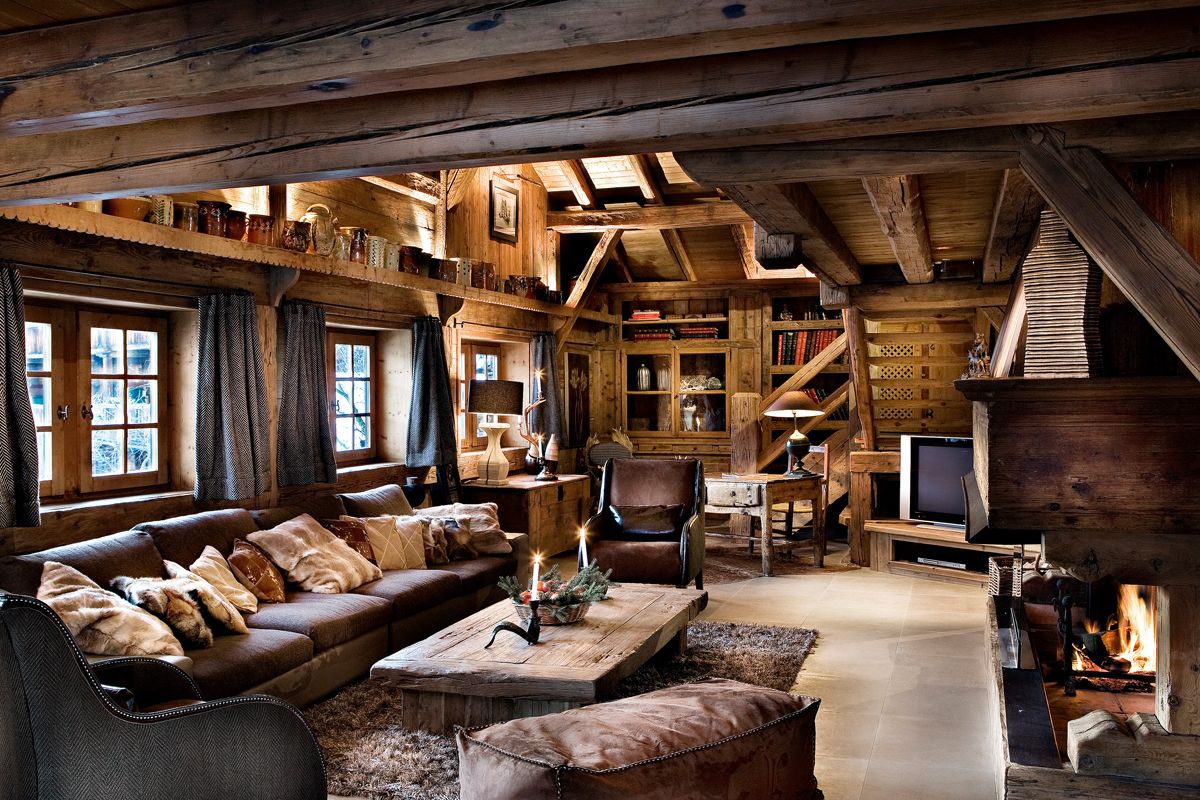
©Chalets.fermesdemarie.com
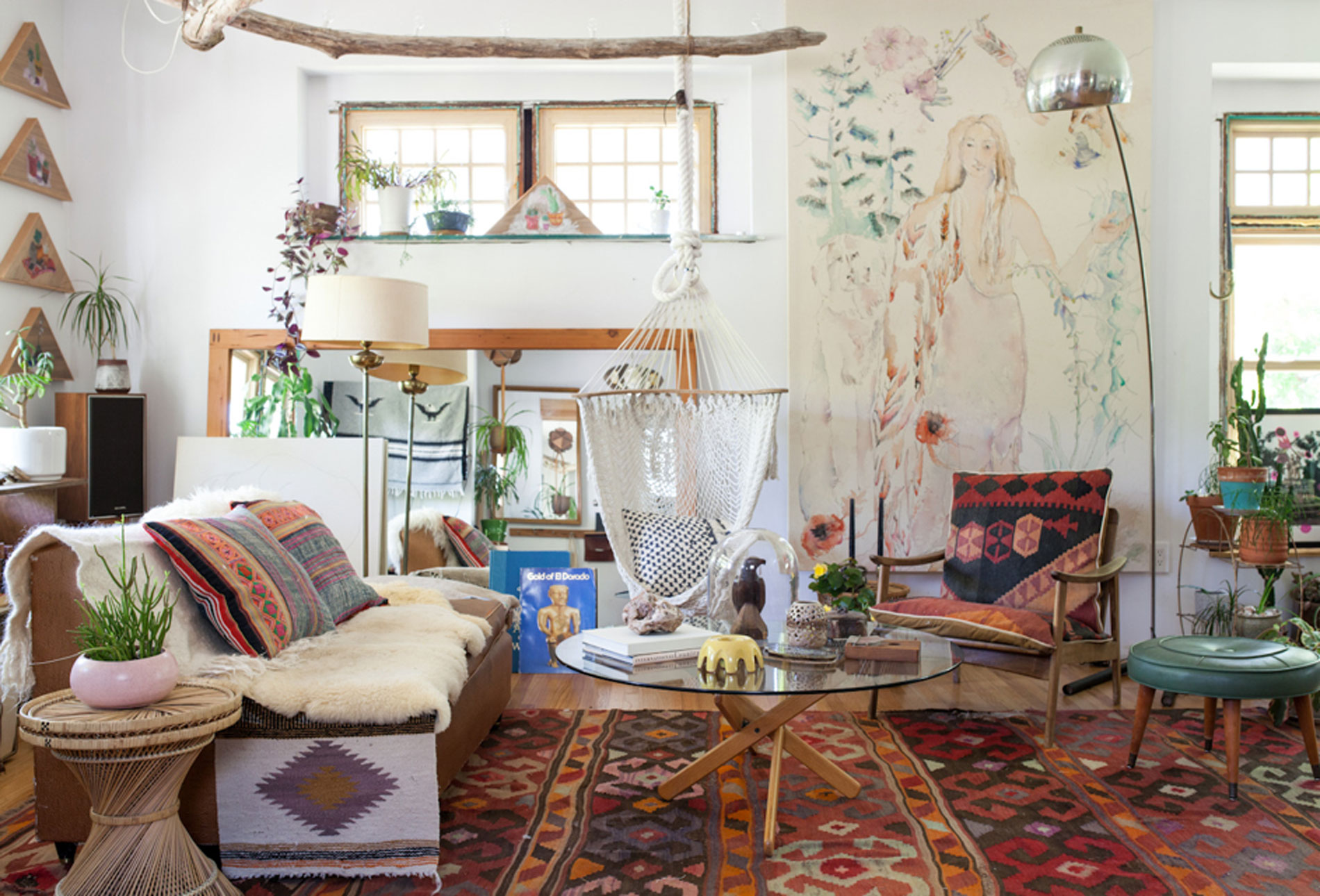
2) Bohemian interior design:
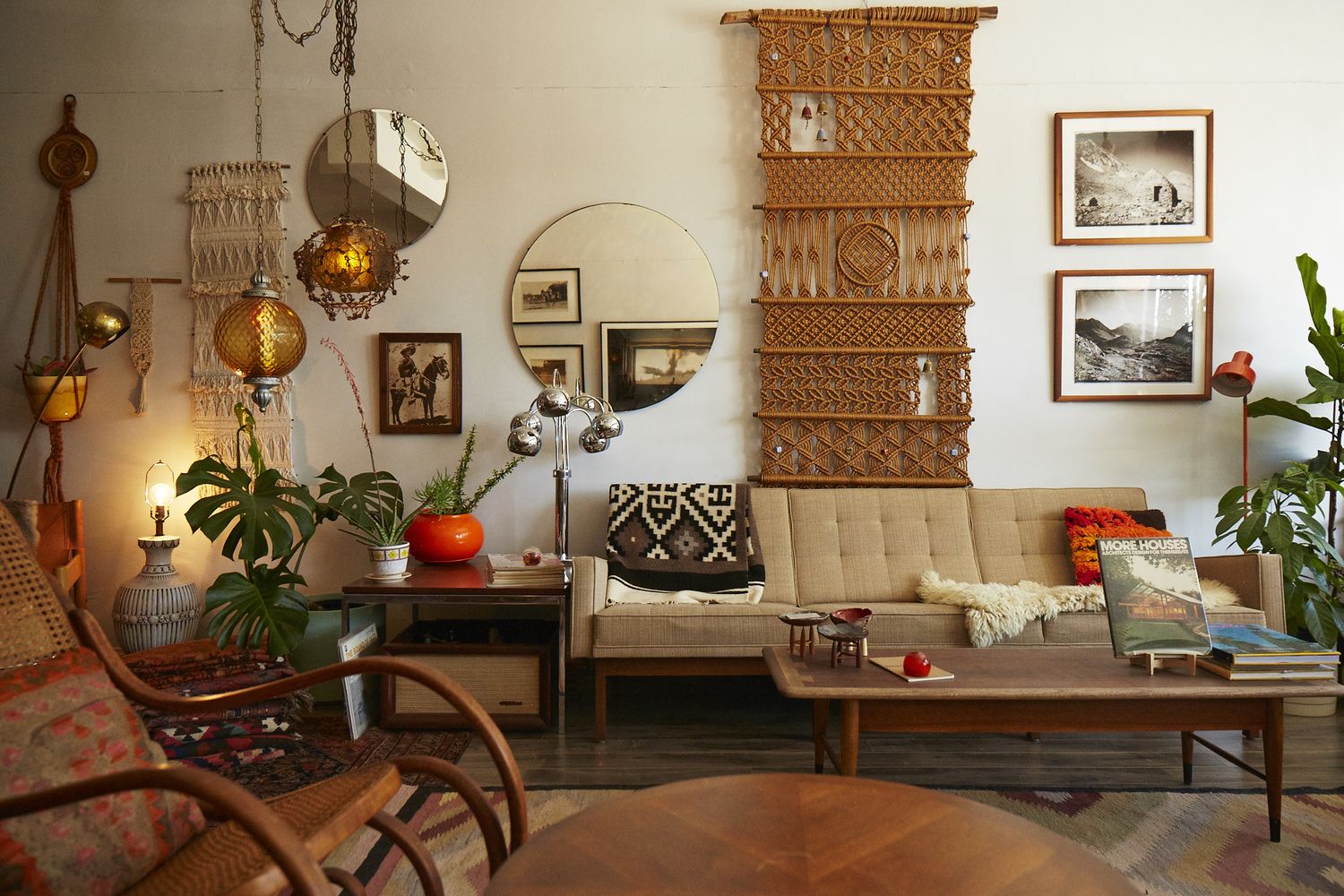
The Bohemian style is just the perfect choice for anyone who loves bright, bold colors and patterns, as they’re inspired by the art and culture of the Mediterranean region. One of the crucial elements in this style is furniture, as it should be bright and decorative but also comfortable; when it comes to shapes, this style is less about creating shapes and more about choosing, layering, and creating patterns.
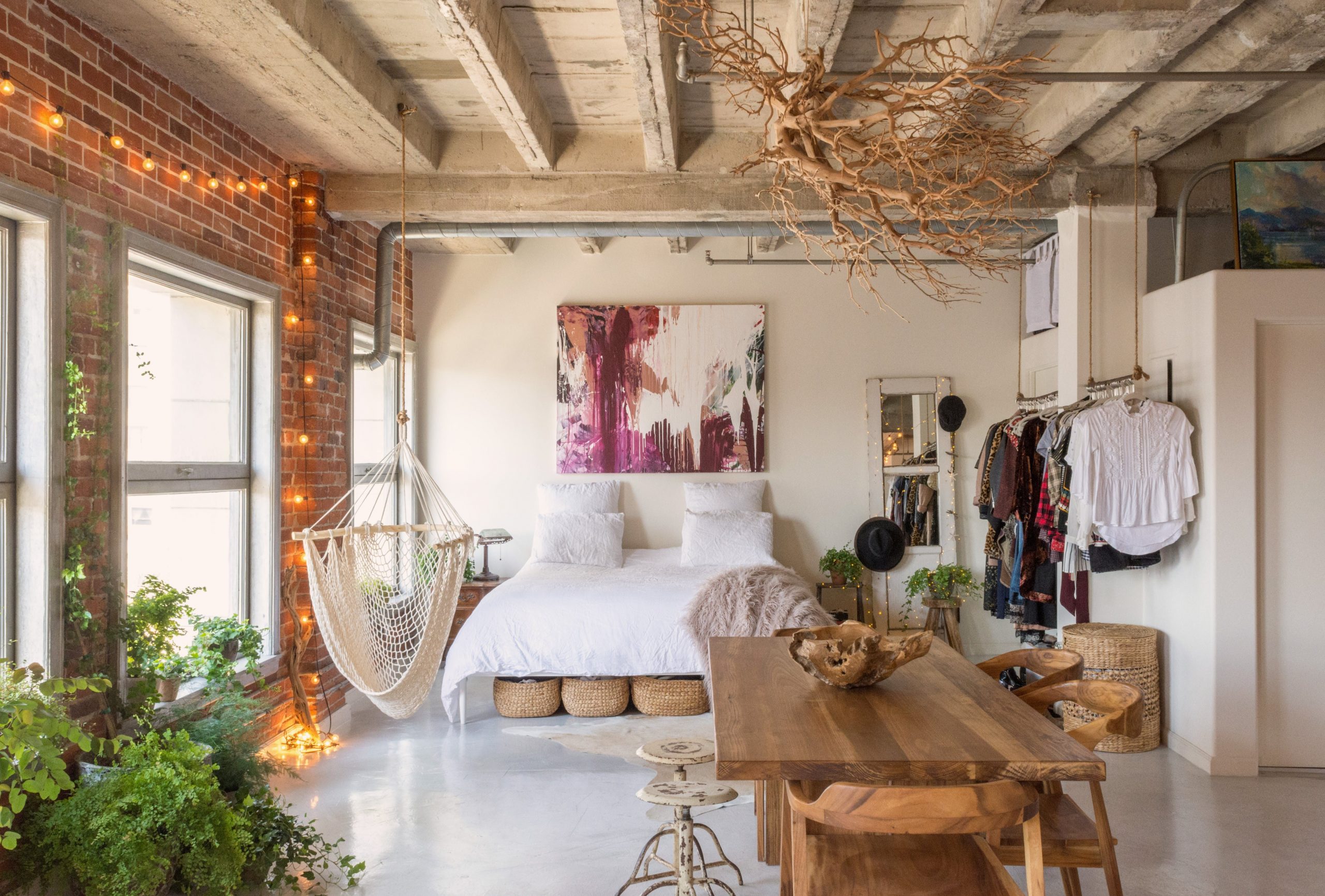
A bohemian bedroom filled with comfort and artistic appeal. ©Apartment Therapy, Pinterest
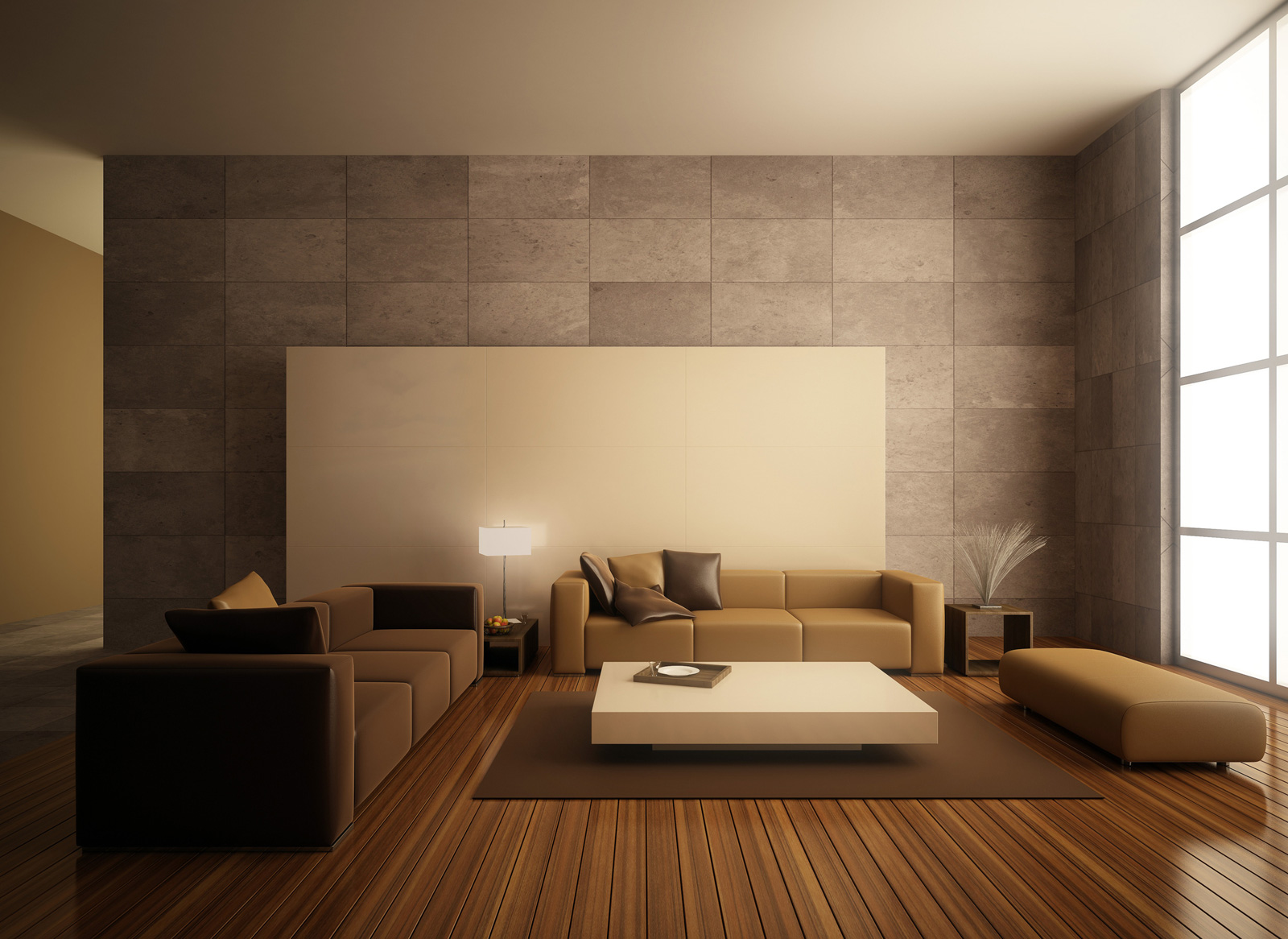
3) Minimalist interior design:
Minimalist interiors are a more modern take on traditional decorative styles; it’s achieved through using neutral colors such as white, black, and grey and decorative elements such as abstract prints, fabric, and metal. If wrapped in one sentence, it would be “Less is more,” as it’s ideal for those looking for a stylish, minimalist look at a minimal price, allowing something other than the space to be the focus.
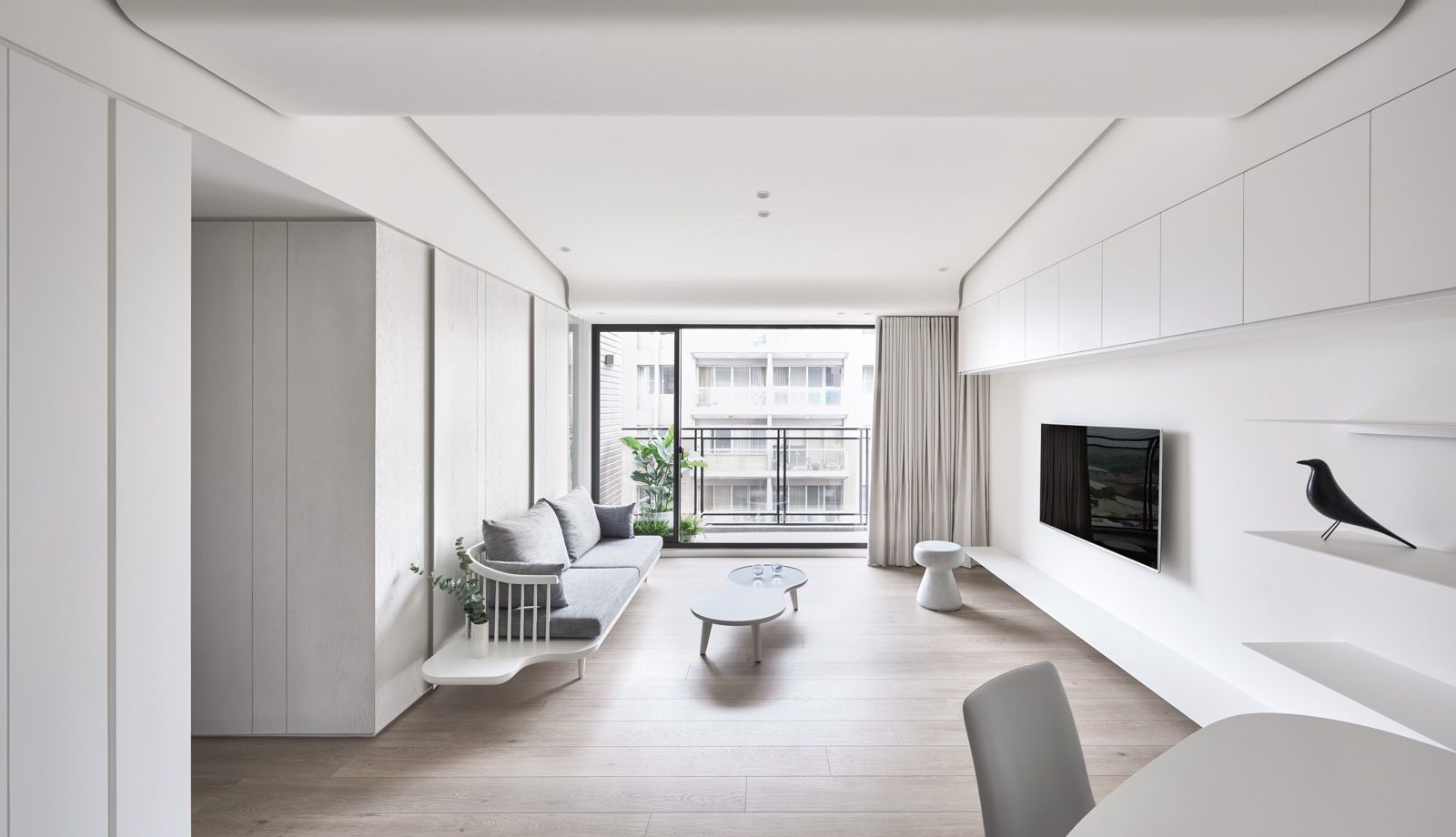
©Behance, Pinterest
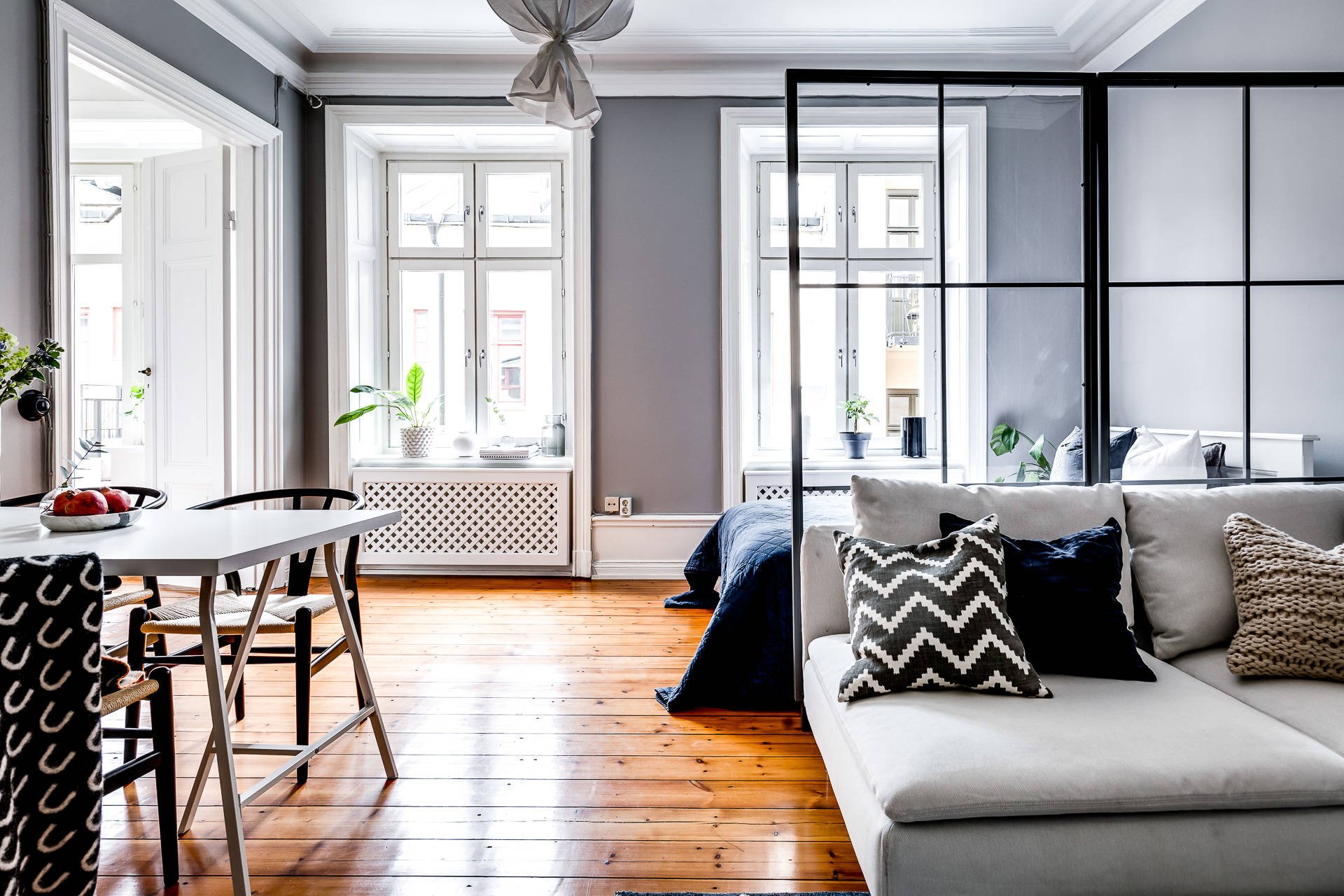
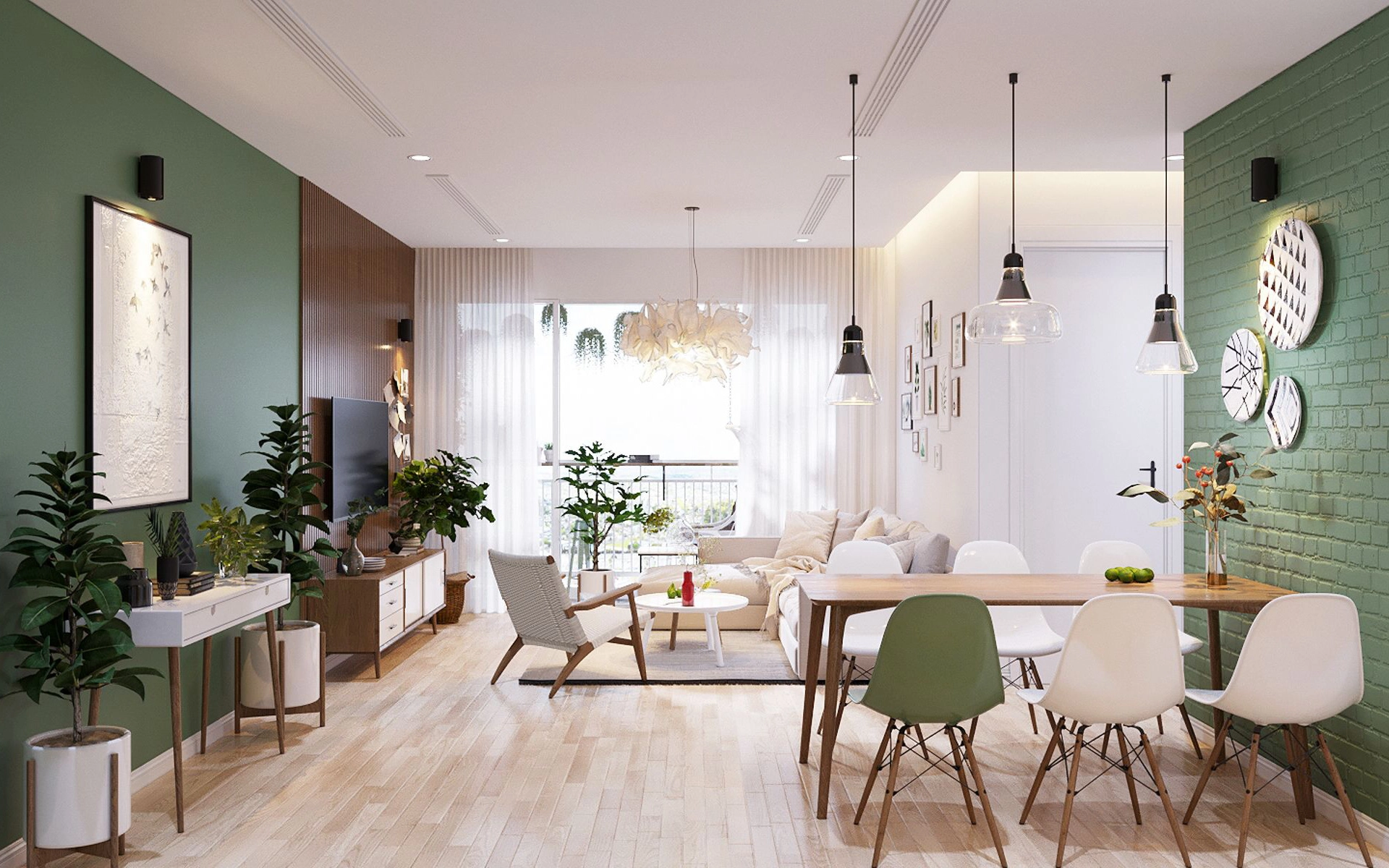
4) Scandinavian interior design:
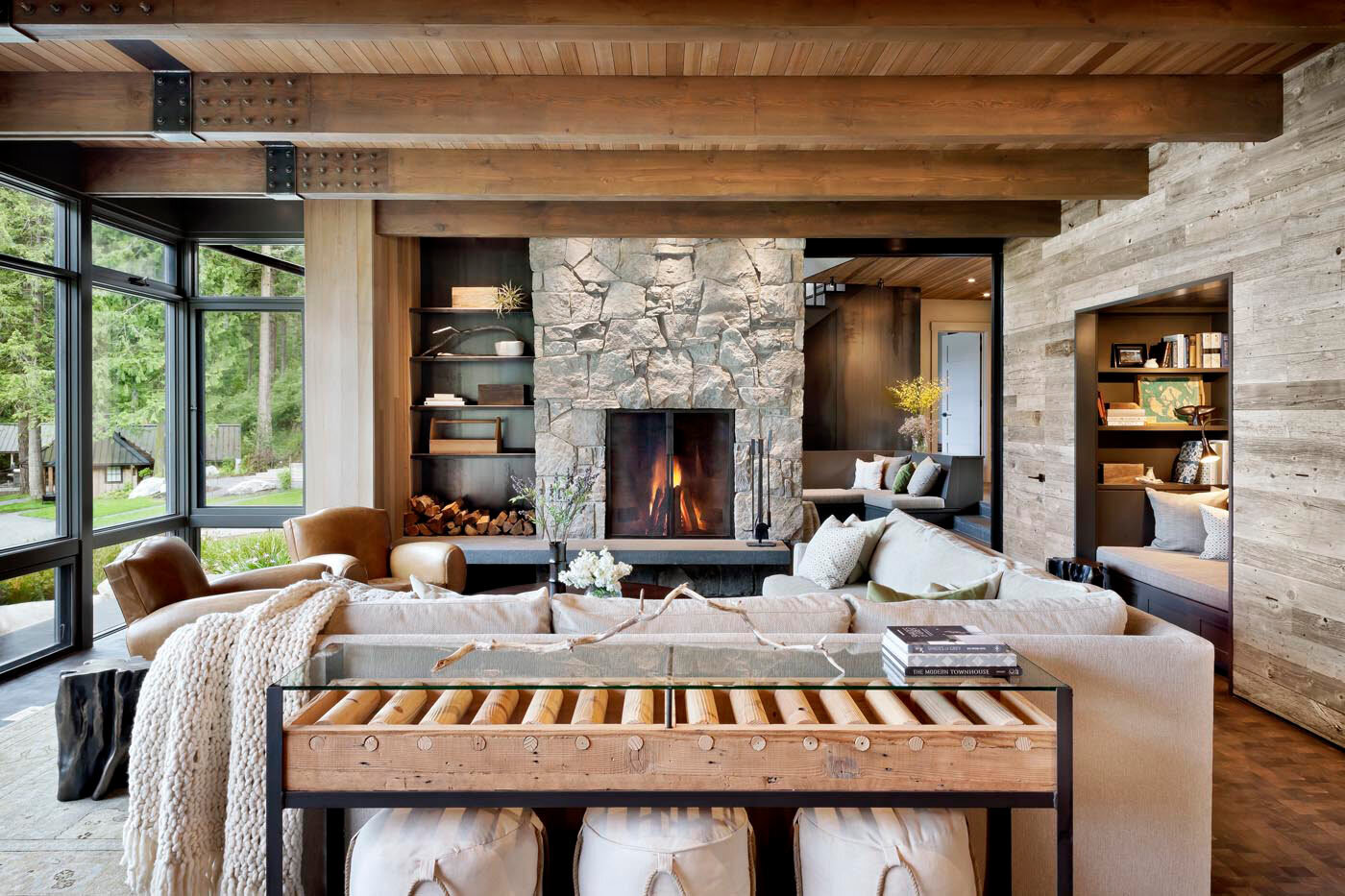
Originating during the 1930s in Denmark, Finland, Iceland, Norway, and Sweden, this style is designed for people who admire functionality without sacrificing beauty. And for those who appreciate bright light, Scandinavian spaces let a large amount of natural light and muted colors effortlessly create a clean and calming look.
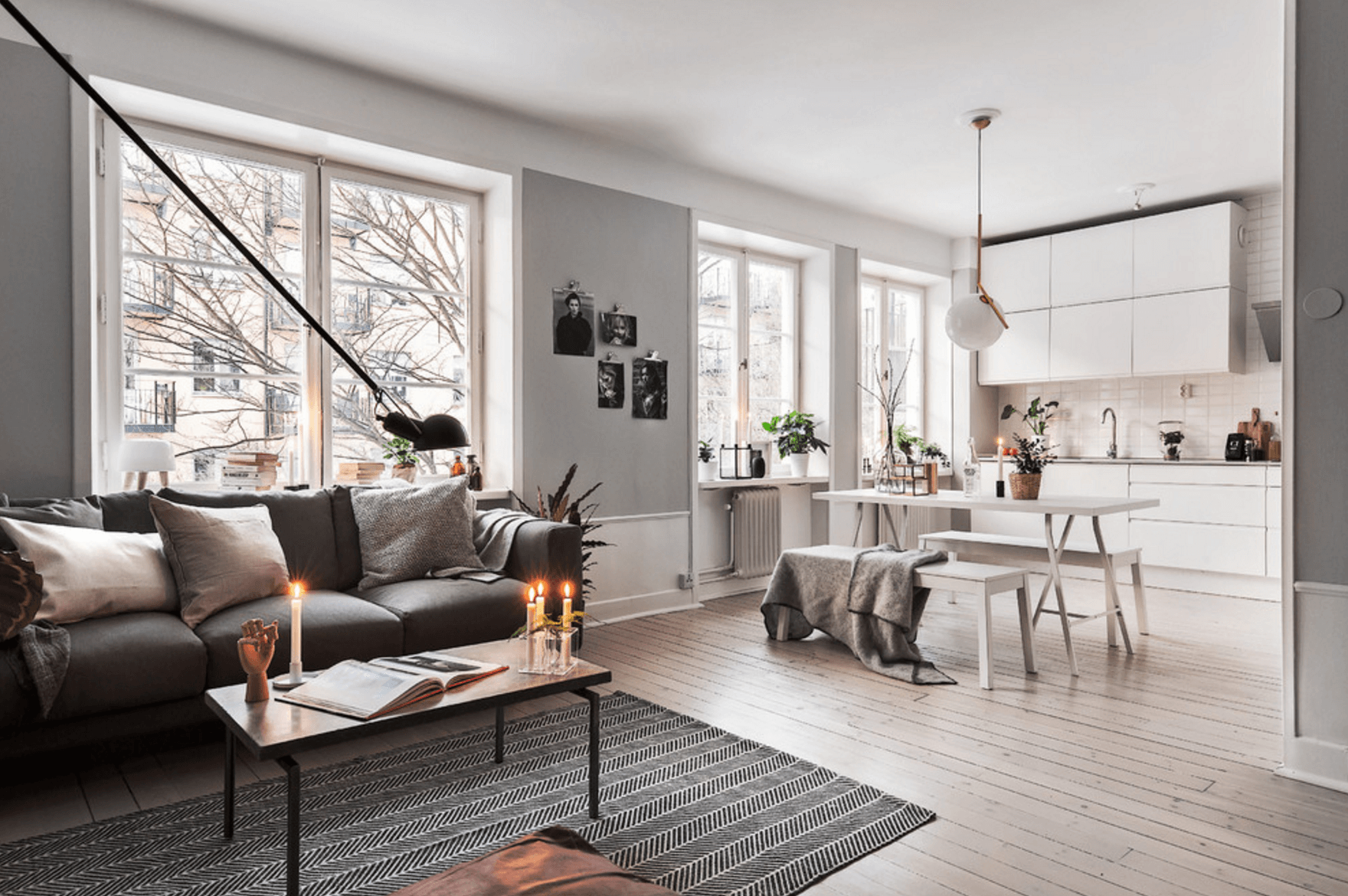
A Scandinavian concept embracing nature while giving a chic space. ©MYMOVE, Pinterest
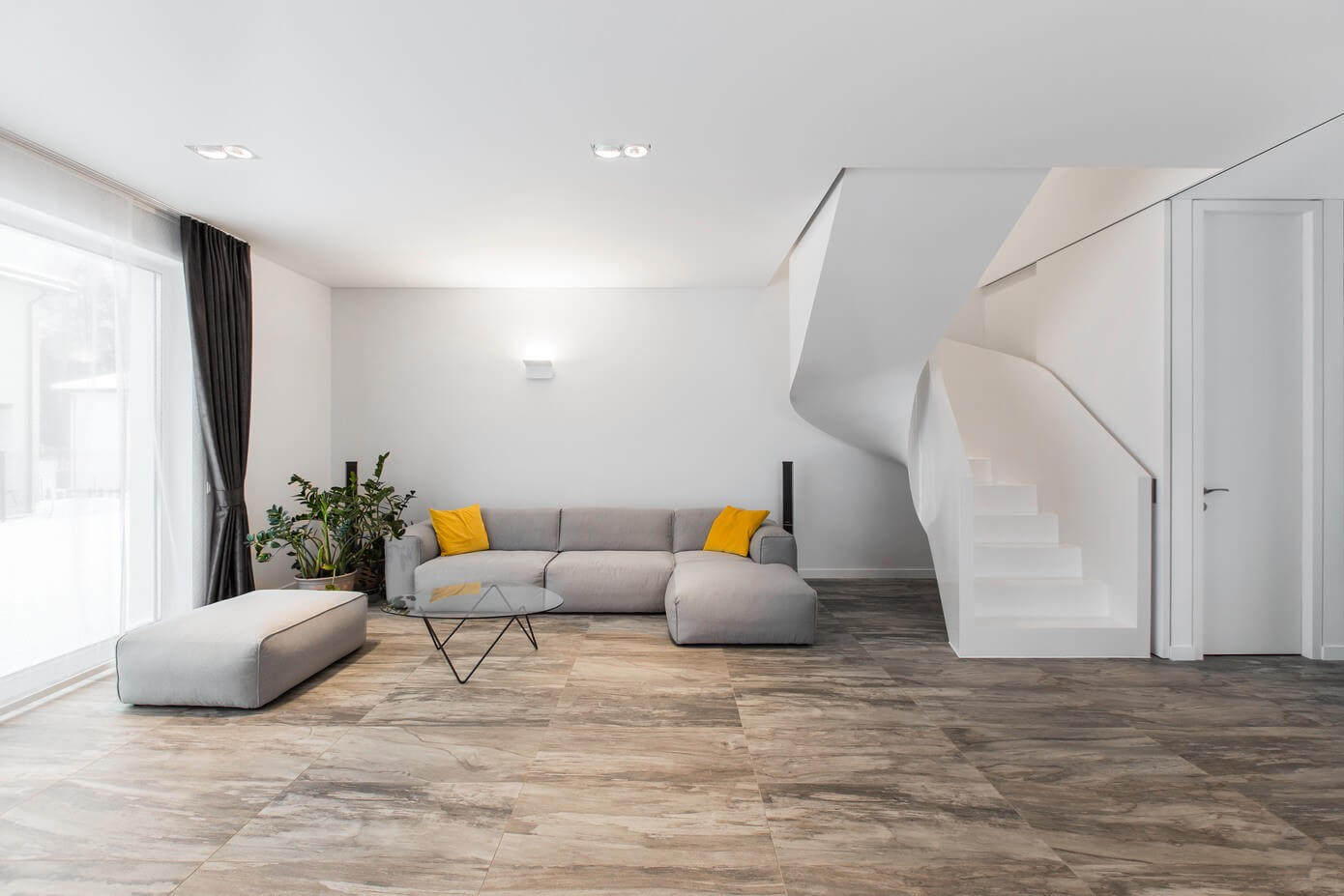
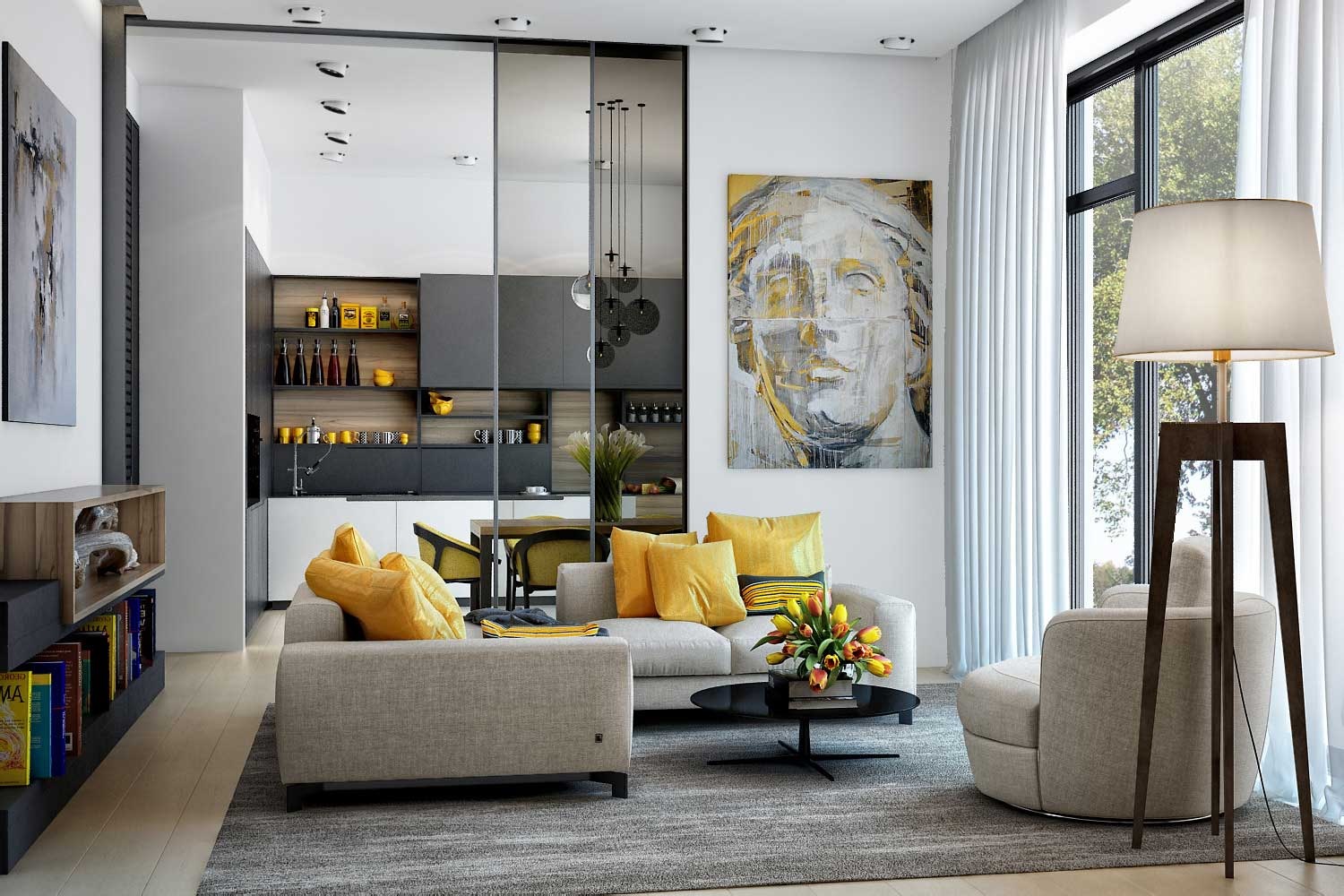
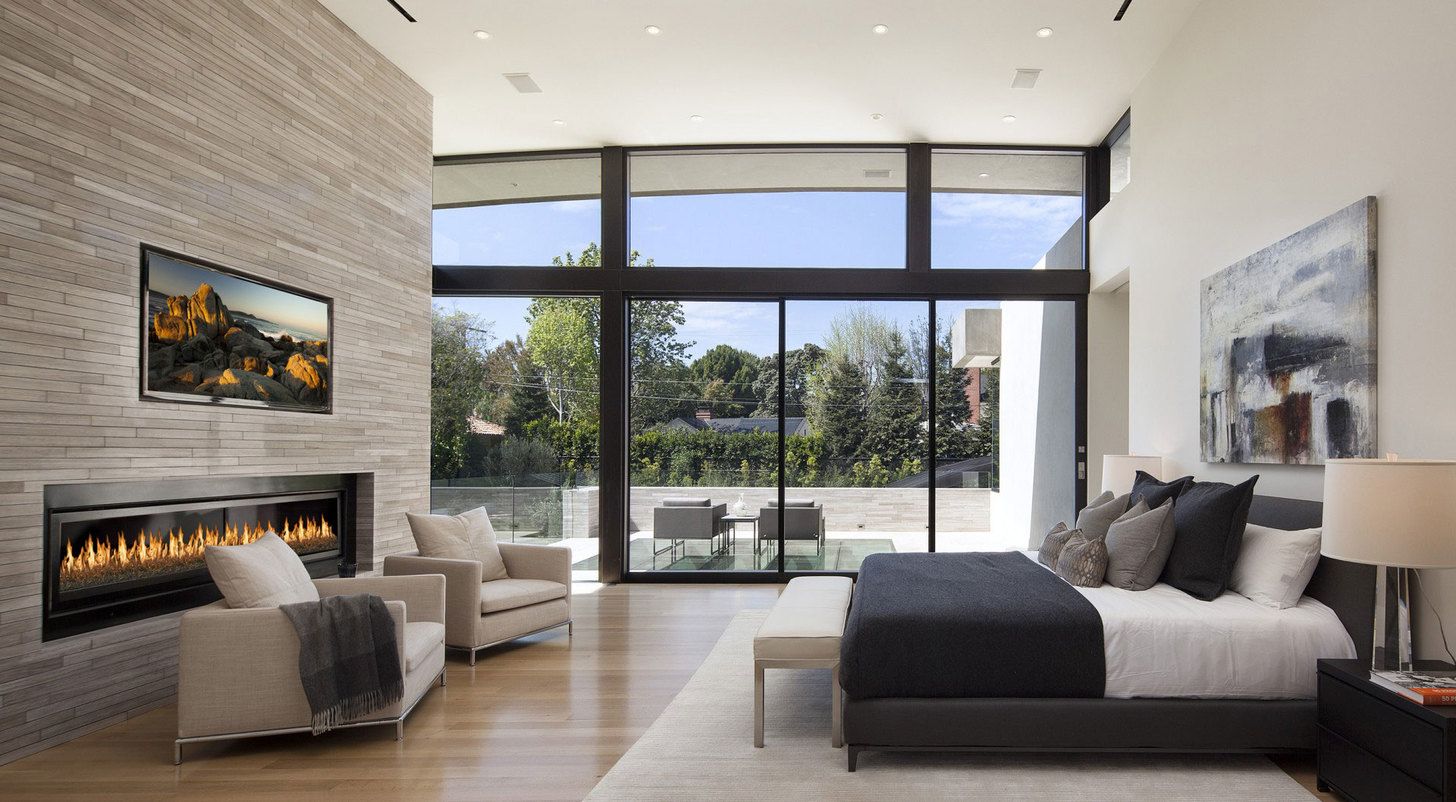
5) Contemporary interior design:
Contemporary interiors are a more modern take on traditional decorative styles and are more youthful than traditional interiors. It is a dynamic trend that changes with time rather than static, characterized by simplicity, sophistication, and clear lines; contemporary interiors are elegant and modern but not overcrowded.
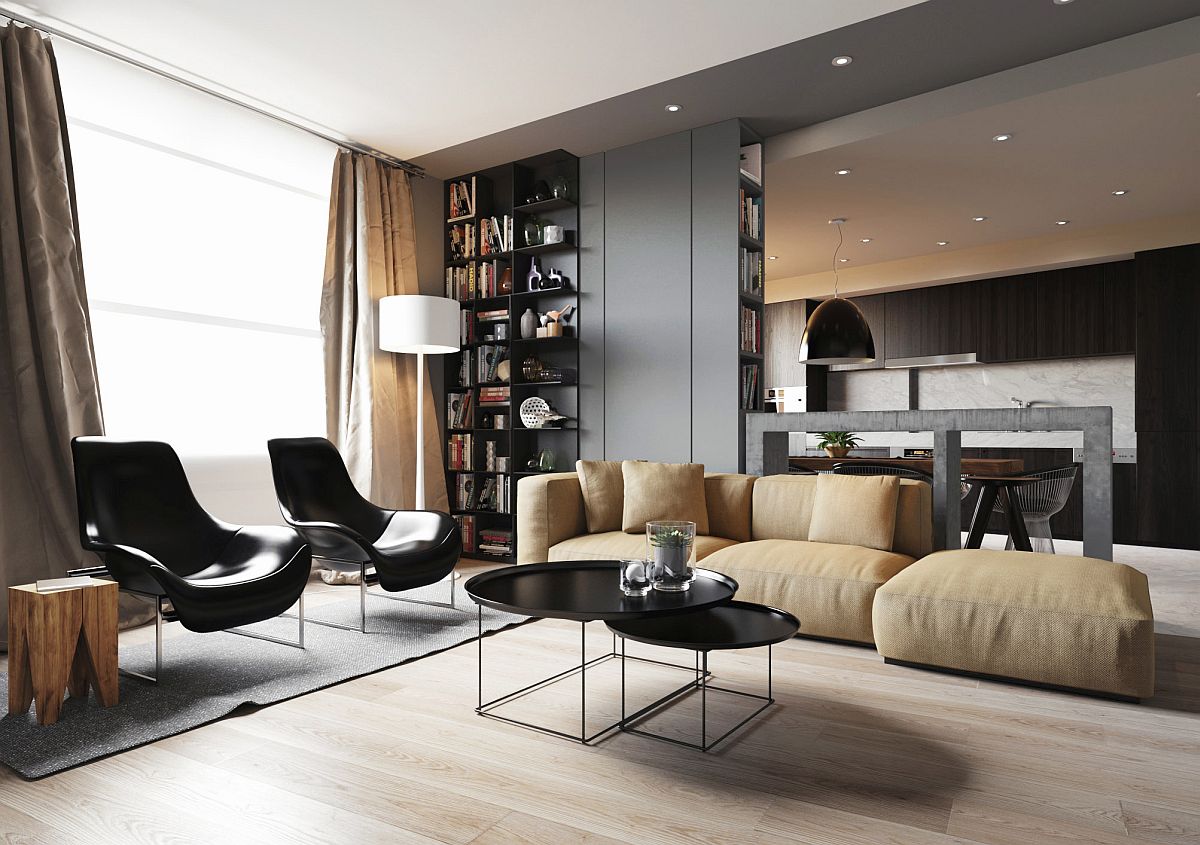
©Descoist.com
Decorating your home is an exciting process that can significantly impact your life. Choosing the right style for your space will help you feel more comfortable in your surroundings. Your aesthetic choices can help to create a sense of freedom and privacy in your home with the option of always adding an artistic touch. So, always take your time while planning or mapping your house, as it will last with you for a long time.
Frequented asked questions about interior design styles:-

Aly Bayoumi is an editor with a sharp eye for detail and a deep commitment to clarity and precision. Passionate about architecture and design, he sees every project as an opportunity to shape compelling narratives that bring creative visions to life. With a focus on accuracy and engaging storytelling, Aly combines editorial expertise with a dedication to elevating the voices and ideas that shape the built environment.