


Known as the “Queen of the Curves,” Zaha Hadid might seem like just another starchitect who produced eye-catching forms to the casual observer. But peel back the layers, and you’ll find a story far more complex than concrete and steel could ever tell. Her journey—from a mathematics student in Beirut to the first woman to win the Pritzker Prize—is filled with unexpected twists that reveal the human behind the legend. The Important Days She Lived Actually Shaped her Life and Career!
What made her work so revolutionary? How did she think about design? And what personal sacrifices powered her meteoric rise? These are the questions that reveal the real Zaha Hadid.
What Is Zaha Hadid Known For?
Labeled as “The Lady Gaga of Architecture,” Hadid’s creative obsession wasn’t limited to buildings. Her line of shoes became a playground where she could unleash her imagination without construction budgets or engineering constraints. One iconic design, “The Flame,” captured her signature parametric forms in wearable art—futuristic heels that looked like frozen motion. This cross-disciplinary approach shows why famous architects like Frank Lloyd Wright and Zaha Hadid revolutionized design—they understood that great ideas don’t respect boundaries between disciplines.
What Did Zaha Hadid Study?
You’d assume architecture was her childhood destiny, but Hadid was a rebel from the start. She initially pursued mathematics at the American University of Beirut—a foundation that later became the secret language of her swooping, geometric forms. Switching to architecture wasn’t just a change of major; it was a declaration of independence. In 1972, she moved to London to attend the Architectural Association (AA) School, where her fascination with geometry transformed into a radical design philosophy. By 1977, she had her Diploma Prize in hand and a vision that would reshape skylines worldwide. Her mathematical background didn’t just influence her work—it was the DNA of her digital architectural forms and neo-futuristic designs.
Here are 10 unusual facts that reveal the unexpected dimensions of the Iraqi-British architect who changed everything.
1. She Designed Nearly 1000 Projects Across 44 Countries
“You really have to have a goal. The goalposts might shift, but you should have a goal. Know what it is you want to find out.” — Zaha Hadid
The late architect founded Zaha Hadid Architects in 1980 with just five employees. Today, the London-based firm employs over 427 staff members and has designed 950 projects spanning 44 countries. Her first built project—the Vitra Fire Station in Germany—was constructed in 1994, while her later work included the One Thousand Museum in Miami, completed in 2018. This staggering output raises a common question: How did Zaha Hadid create such complex designs? The answer lies in her pioneering use of parametric design—algorithmic processes that allowed her team to manipulate complex geometries and create fluid forms impossible with traditional drafting. Her paintings, which you can explore in depth, reveal how Zaha Hadid’s paintings show her creative framework—they weren’t just art; they were architectural blueprints conceived through mathematical intuition.
2. Her Shoe Designs Were as Revolutionary as Her Buildings
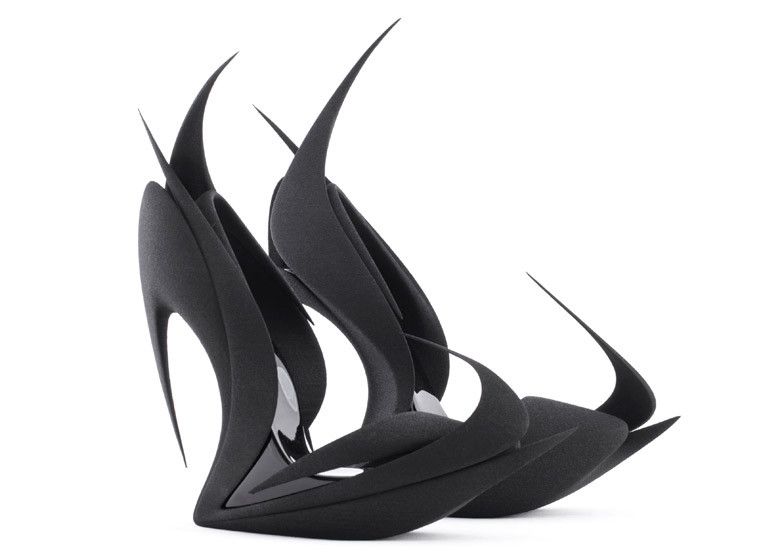
© United Nude
Hadid’s collaboration with United Nude produced footwear that walked the line between sculpture and fashion. These weren’t just shoes—they were wearable architecture that let her experiment with form, material, and movement without the constraints of building codes. This freedom to explore pure design thinking across disciplines is what made her approach so distinctive.
3. Her Career Nearly Ended in 1995—But Her Vision Refused to Die
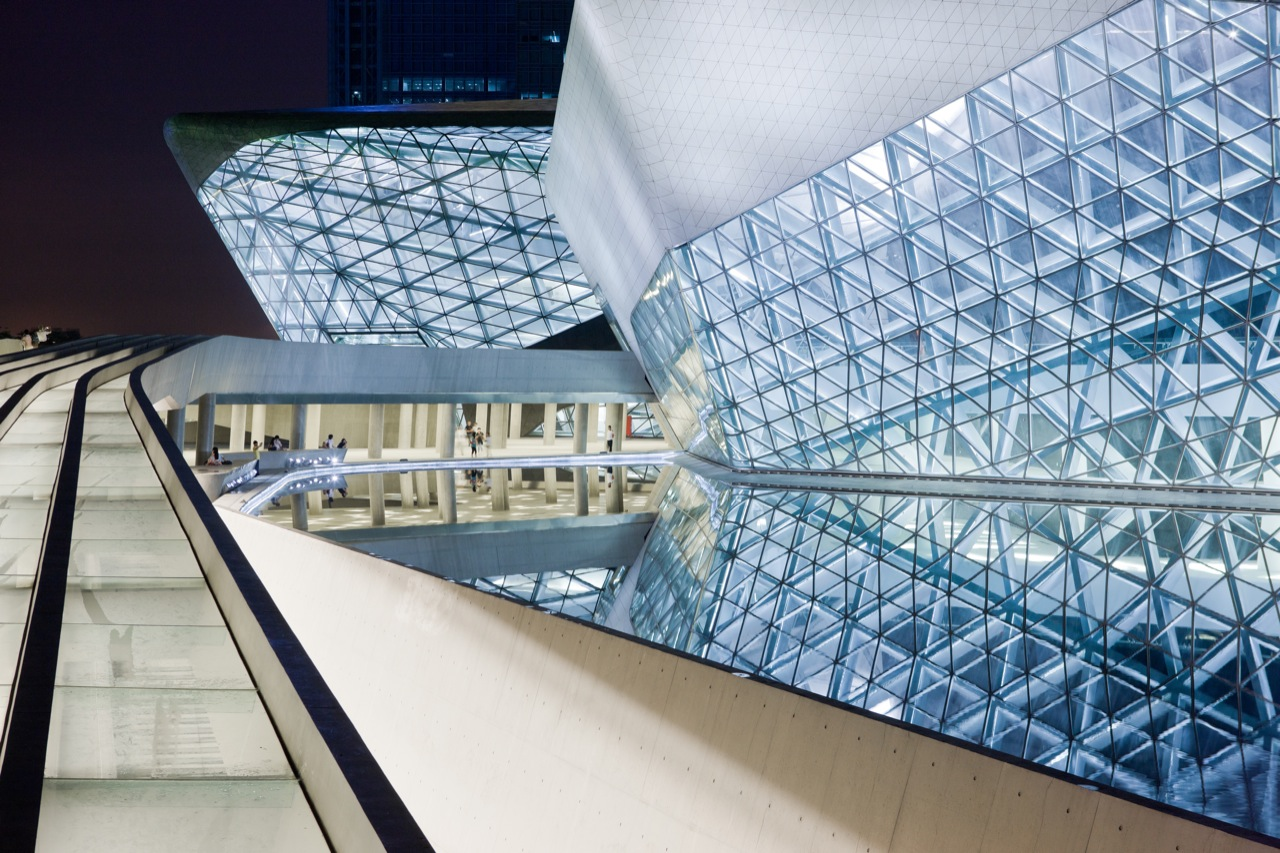
© Iwan Baan
“It would have become the most radical and compelling building in Britain, but an alliance of narrow-minded politicians, peevish commentators and assorted dullards holding the Lottery purse strings ensured it was never built.”- The Guardian, on the Cardiff Bay Theatre
Here’s the shocking truth: Zaha Hadid almost quit architecture. Her Cardiff Bay Opera House commission—the “Millennium Project”—was canceled after winning an international competition. The rejection came three days before Christmas in 1995, creating such outrage that it nearly destroyed her career. Many architects never recover from such a public humiliation.
But Hadid’s vision was too powerful to erase. What happened to Zaha Hadid’s rejected designs? Sixteen years later, those exact plans rose from the ashes as the Guangzhou Opera House in China. The same drawings that British officials dismissed became one of Asia’s most celebrated cultural landmarks when it opened in 2010. The building, which many idolize today, added cultural value to a city five times the size of Wales—proving that truly revolutionary ideas simply wait for the world to catch up.
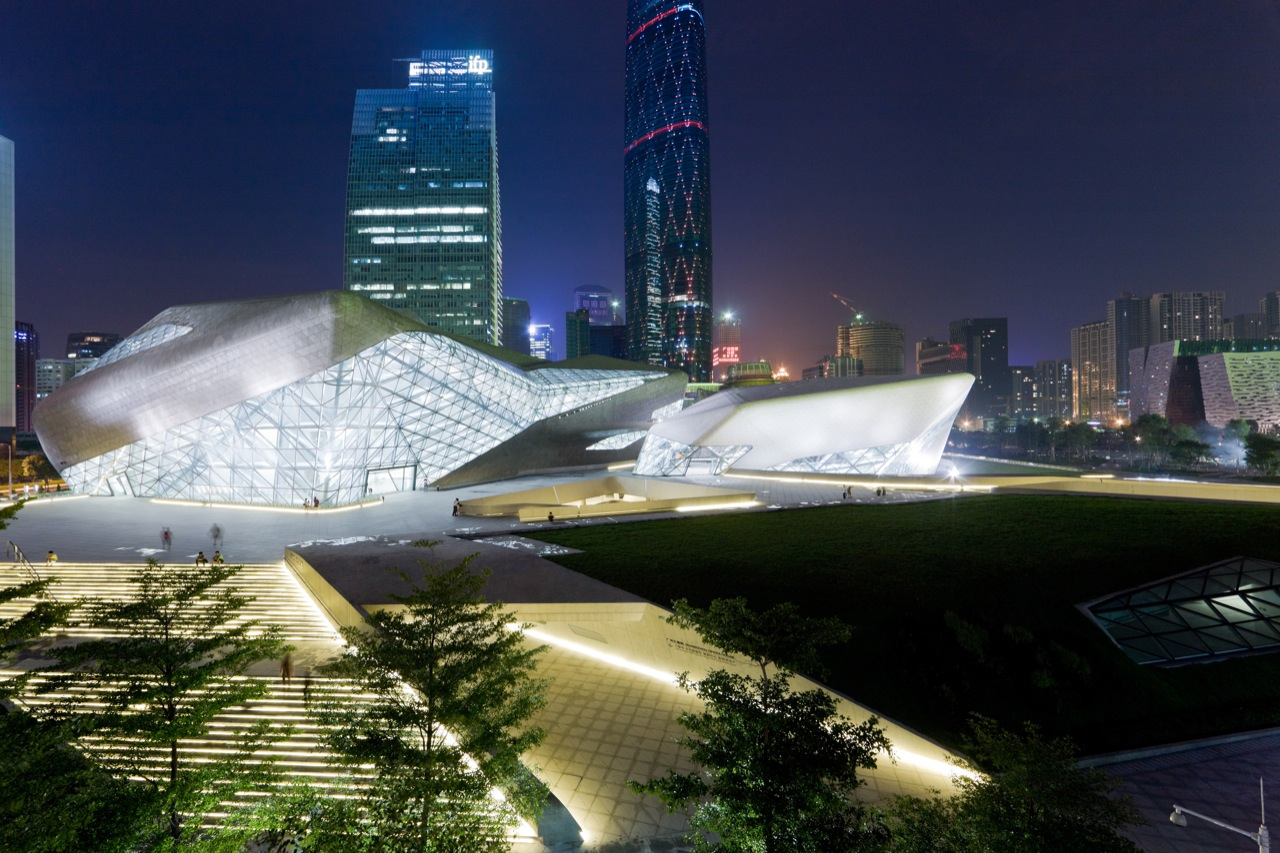
© Iwan Baan
What’s even more shocking, is that 16 years later after this proposal had been rejected, Hadid’s design came to life in China. Yes, the same plans were used in the famous Guangzhou Opera house which many people idolize today. Opened to the public in 2010, the beautifully-constructed Guangzhou Opera House has added cultural value to the Chinese city which is about 5 times the size of Wales.
4. She Won an Award Every Single Year Since 2000

Courtesy of Japan Sport Council
Hadid’s consistency was legendary. Unprecedented for any architect, she won at least one major award annually from 2000 onward. In her peak year, she collected 12 awards—a record that still stands. This relentless recognition included the UK’s most prestigious architectural honor, the Stirling Prize, which she won two consecutive years (2010 and 2011) from the Royal Institute of British Architects RIBA. For a complete look at her most celebrated works, see 10 of Zaha Hadid’s remarkable award-winning architecture.
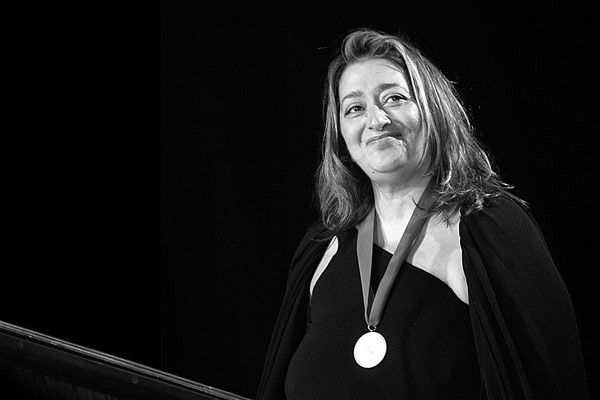
Courtesy of The Hyatt Foundation.
5. She Lived in a Surprisingly Conventional Home
“There are 360 degrees so why stick to one?”-Zaha
Here’s the irony: the woman who redefined architectural form lived in a completely ordinary orthogonal apartment building. When asked about her conventional exterior, she simply said, “It is not my project.” The real magic happened inside, where her signature organic forms flowed through custom furniture pieces, paintings, and mesh-like sculptures. This contrast reveals something profound: Hadid understood that architecture isn’t just about buildings—it’s about creating spaces that reflect human possibility, whether that’s a skyscraper or a living room.
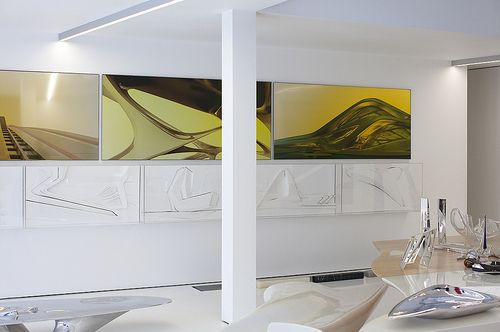
Courtesy of Davide Pizzigoni
6. Her Mathematics Background Shaped Digital Architecture
© Hufton+Crow
“You have to really believe not only in yourself; you have to believe that the world is actually worth your sacrifices.” —Zaha.
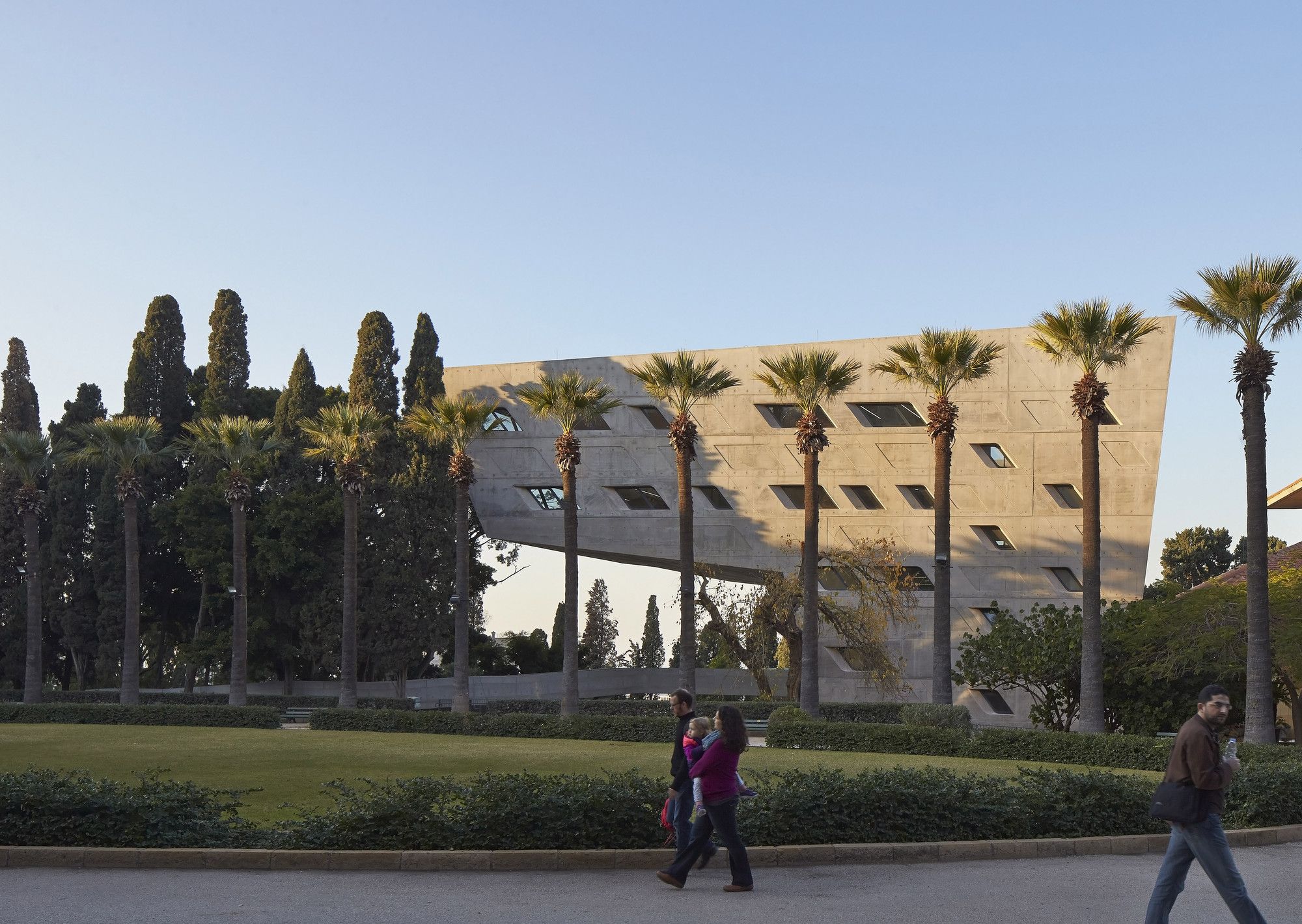
After graduating in 1977, Hadid joined the Office of Metropolitan Architecture, founded by Dutch pioneer Rem Koolhaas. But her mathematical training set her apart. While others saw architecture as static forms, she saw dynamic equations. This mathematical DNA became the foundation of her digital architectural forms—complex geometries that could only be realized through computational design. In 1980, she launched her own practice, Zaha Hadid Architects, where parametric software transformed her abstract mathematical concepts into buildable reality.
7. She Chose Independence Over Marriage—And Redefined Success
Photography by © Angela Pham
“If you want an easy life don’t be an architect.”-Zaha
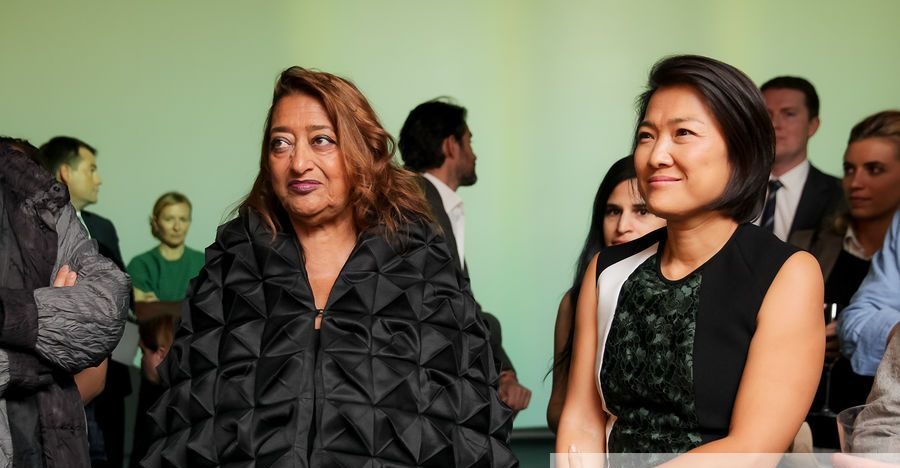
Despite internet rumors about a marriage to collaborator Patrik Schumacher, Hadid never married nor had children. An official press release debunked the speculation, yet she insisted she never sacrificed family life for her career. Why was Zaha Hadid so influential? Part of her power came from this very independence—she redefined what success looks like for women in architecture. “I think that in life you don’t need too much; you need friends, you need to do what you like doing,” she said. Her path shows that fulfillment isn’t about checking traditional boxes, but about pursuing your vision with unwavering commitment.
‘I think that in life you don’t need too much; you need friends, you need to do what you like doing.’-Zaha
8. She Ranked Among the World’s 100 Most Powerful Women

Courtesy of Japan Sports Council.
“We don’t deal with normative ideas and we don’t make nice little buildings.”-Hadid
As the first female Arab architect to win the Pritzker Prize, Hadid shattered multiple glass ceilings simultaneously. But her influence extended beyond architecture. She was named Veuve Clicquot Business Woman of the Year and ranked number 69 on Forbes’ World’s 100 Most Powerful Women list in 2008. The Time 100 list featured her among 2010’s most influential thinkers. What is Zaha Hadid’s design philosophy? Her power stemmed from a simple but radical idea: architecture should capture the dynamism of modern life. “There are 360 degrees, so why stick to one?” This wasn’t just about curves—it was about refusing to accept artificial limits.
9. Her Catholic School Education Shaped Her Global Perspective

Courtesy of ZHA
“The Muslim and Jewish girls could go out to play when the other girls went to chapel.” – Hadid to Newsweek Magazine
Born in Iraq to a Muslim family, Hadid attended a Catholic school she described as religiously diverse. Her father, a politician, took her on trips to explore Sumerian cities, planting seeds of spatial imagination. After the Iran-Iraq war and Saddam Hussein’s rise, her family fled—an exile that always pained her. This early exposure to different cultures and forced migration shaped her boundary-breaking approach. How did Zaha Hadid’s background influence her architecture? The experience taught her that spaces—like people—don’t fit into neat categories. Her buildings reflect this: fluid, borderless, and defiantly original.
10. She Was a Transformative Teacher at Harvard
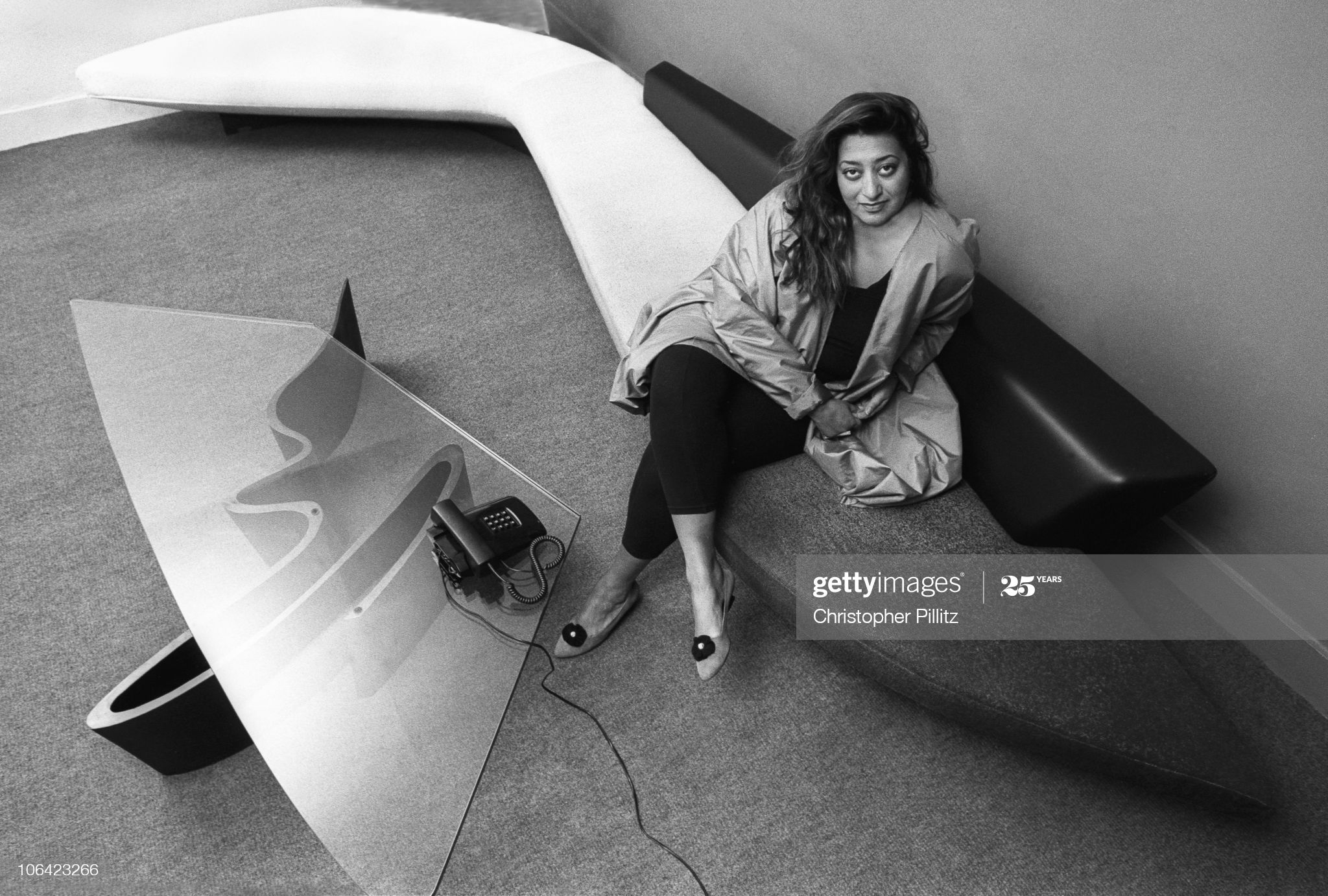
Iraqi architect Zaha Hadid in her London office, UK, circa 1985. (Photo by Christopher Pillitz/Getty Images)
‘Architecture is really about well-being.I think that people want to feel good in a space. On the other hand it’s about shelter, but its also about pleasure’ –Hadid
Hadid’s teaching at Harvard Graduate School of Design, the University of Illinois at Chicago, and Hamburg’s Hochschule für Bildende Künste wasn’t just academic—it was revolutionary. She challenged students to think in 360 degrees, to see architecture as movement rather than static objects. What challenges did Zaha Hadid face? In her lectures worldwide, she often spoke about the double challenge of being an Arab woman in a field dominated by Western men. Yet she transformed these obstacles into fuel, mentoring a generation of architects who now carry her radical vision forward. Her life story, detailed in how Zaha Hadid became Zaha Hadid, proves that the path to greatness is rarely straight—it’s curved, complex, and utterly unpredictable.
“I really believe in the idea of the future. Good education is so important. We do need to look at the way people are taught.“-Hadid
